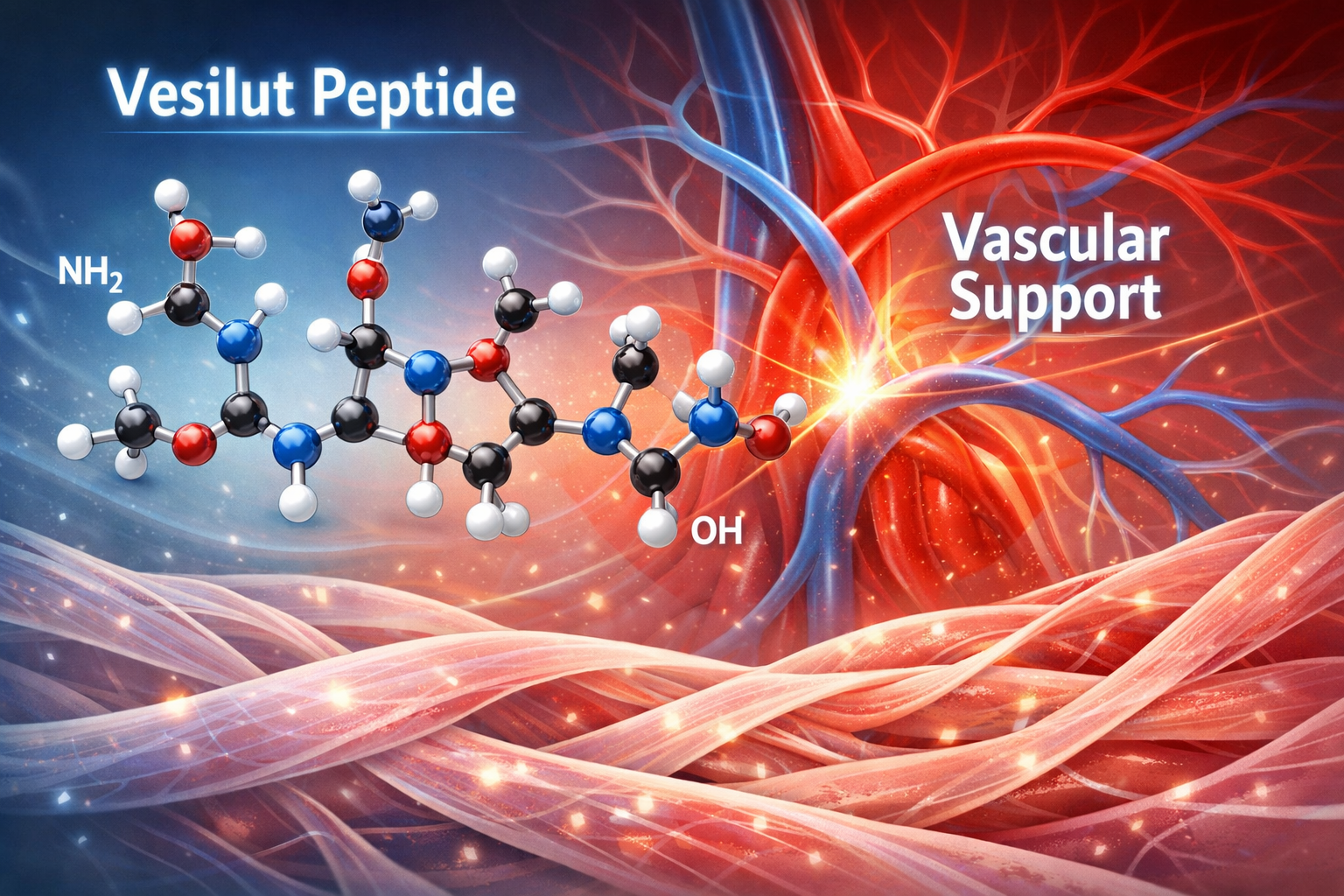
Understanding Vesilut: A Deep Dive into Peptide Bioregulators for Research in 2026
In the exciting world of peptide research, where groundbreaking discoveries consistently redefine our understanding of biological processes, one particular peptide bioregulator, vesilut, has garnered significant attention. As we navigate 2026, researchers and peptide enthusiasts alike are keen to explore the intricate mechanisms and potential applications of this fascinating compound. If you're a peptide shopper or someone deeply invested in health and fitness research, understanding vesilut is crucial. This article will provide a comprehensive, high-authority overview, focusing on its scientific background, proposed mechanisms, and implications for laboratory research, ensuring you have the knowledge needed to engage with this potent bioregulator responsibly.
Have you ever wondered how specific peptides can target and support particular organ systems, offering a focused approach to biological modulation? That's precisely the promise held by peptide bioregulators like vesilut. Originating from extensive research into bioregulatory peptides, vesilut represents a class of compounds designed to support the function of specific tissues, in this case, primarily the vascular system and connective tissues. Our journey today will unravel the complexities of vesilut, examining its role in supporting vascular integrity and its implications for broader systemic health in preclinical settings.
Key Takeaways
- Vesilut is a peptide bioregulator: Specifically designed to target and support the vascular system and connective tissues.
- Mechanism of action: It's believed to help restore the functional activity of cells within these tissues by regulating gene expression and protein synthesis.
- Research Focus: Current research explores its potential in supporting tissue repair, elasticity, and overall vascular health.
- Professional Sourcing: When considering vesilut for research, it's vital to source it from reputable suppliers like Pure Tested Peptides to ensure purity and authenticity.
- Not for Human Consumption: Like all research peptides, vesilut is strictly for laboratory and research use, not for human consumption, diagnosis, or treatment.
What is Vesilut? Unpacking the Peptide Bioregulator
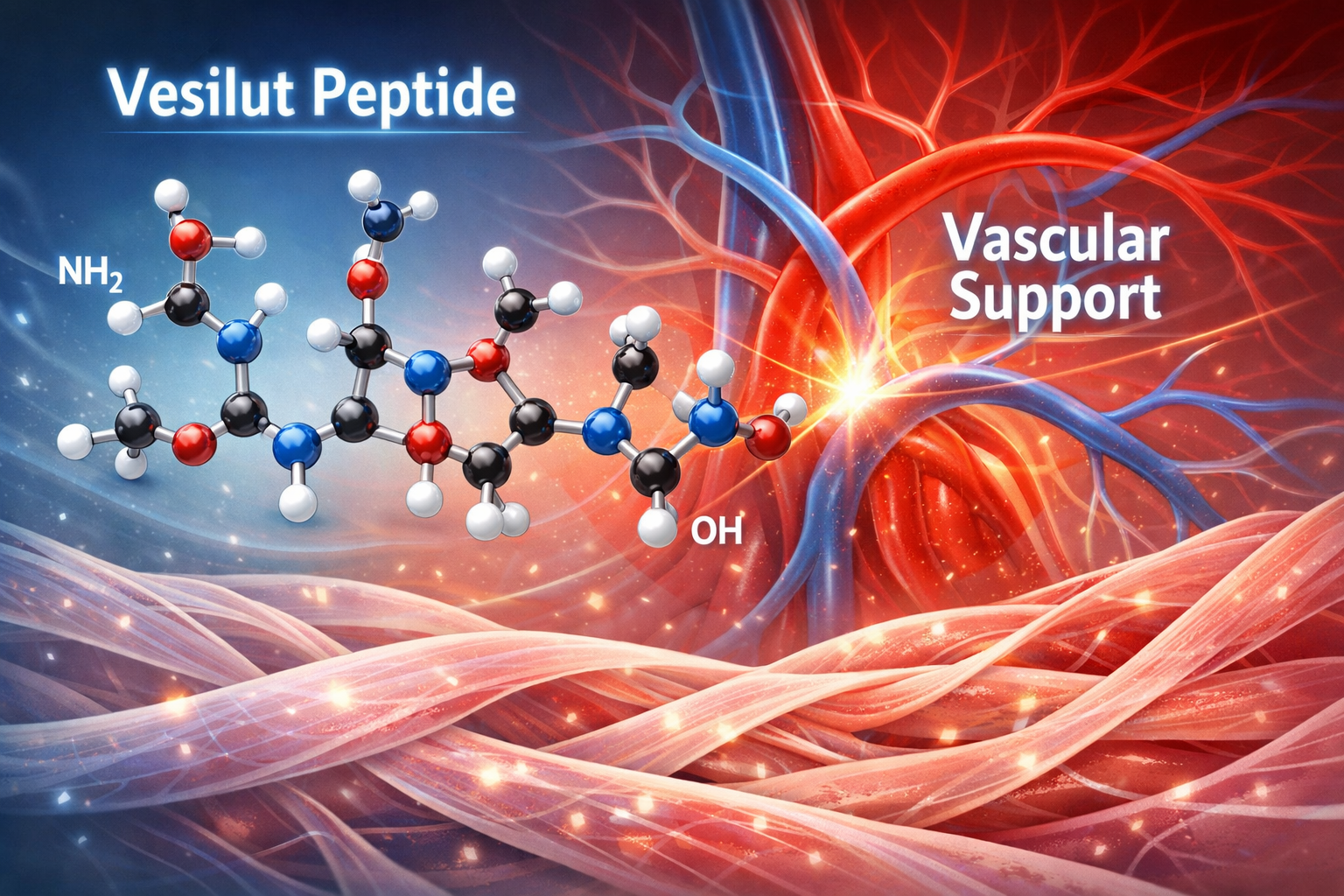
The term "peptide bioregulator" might sound complex, but at its core, it refers to a class of short protein fragments (peptides) that play a specific role in regulating physiological processes within the body. These peptides are thought to work by interacting with DNA, influencing gene expression, and ultimately restoring or optimizing the function of specific cells and tissues. Vesilut falls squarely into this category. It is a synthetically derived peptide bioregulator that has been studied for its potential effects on the vascular system and connective tissues.
The concept behind peptide bioregulators stems from decades of research, particularly from Eastern European scientific traditions, which posited that age-related decline and various pathologies could be mitigated by targeted peptide interventions. These peptides are typically very short, often consisting of just a few amino acids, and are believed to act as signaling molecules that can communicate with cells, instructing them to perform their functions more efficiently.
The Scientific Origin of Vesilut
The development of vesilut is rooted in the study of naturally occurring peptides found in various animal tissues. Researchers isolated and identified specific peptide sequences believed to have organ-specific regulatory functions. These findings led to the synthesis of short, bioidentical, or bio-mimetic peptides that could then be studied for their potential therapeutic applications in laboratory settings.
For vesilut specifically, the focus was on peptides derived from vascular and connective tissues. The hypothesis is that by introducing these targeted vesilute peptide bioregulators, one could help to normalize cell function within these specific systems, thereby supporting their overall health and resilience. This approach is distinct from hormone therapy or direct pharmacological interventions, as it aims to regulate cellular processes rather than override them.
How Vesilut is Thought to Work: Mechanisms of Action
The proposed mechanism of action for vesilut is fascinating and aligns with the broader understanding of peptide bioregulators. It is hypothesized that vesilut peptide fragments can interact with specific gene sequences in the nucleus of cells within the vascular walls and connective tissues. This interaction is believed to lead to an upregulation or downregulation of particular genes, which in turn affects the synthesis of proteins essential for cellular function.
Consider a cell that, due to aging or stress, is producing suboptimal levels of collagen or elastin, critical components of connective tissue. The vesilut bioregulator could theoretically signal this cell to increase the production of these vital proteins, thereby enhancing the tissue's structural integrity and elasticity. Similarly, in the vascular system, it could help support the endothelial cells lining blood vessels, which are crucial for maintaining vessel health and proper blood flow.
This targeted approach means that the vesilute peptide bioregulator is not a broad-spectrum agent but rather a highly specialized tool designed to address specific cellular needs within its target systems. This specificity is a hallmark of peptide bioregulators and is what makes them subjects of intense scientific interest.
Where Does Vesilut Fit in Peptide Research?
In the current landscape of peptide research in 2026, vesilut stands out as a candidate for exploring interventions related to age-associated vascular changes and connective tissue degradation. As researchers increasingly look for ways to support healthy aging and tissue resilience, peptides like vesilut offer a unique avenue. For those looking to buy vesilute for their studies, understanding these fundamental principles is key to designing effective research protocols.
It's important to differentiate vesilut from other peptides that might have broader systemic effects. While some peptides, like those found in the Klow Blend (BPC-157, TB-500, KPV, GHK-Cu), address multiple aspects of healing and cellular health, vesilut is typically studied for its specific targeting of vascular and connective tissues. This focus allows for more precise investigations into its potential benefits.
Table 1: Key Characteristics of Vesilut
| Feature | Description |
|---|---|
| Type | Peptide Bioregulator |
| Target Tissues | Vascular system, Connective tissues |
| Proposed Mechanism | Regulates gene expression and protein synthesis, restoring cellular function |
| Application (Research) | Studies on vascular health, tissue elasticity, age-related tissue degeneration |
| Purity Requirement | High purity is crucial for research; sourced from reputable suppliers like Pure Tested Peptides |
The Importance of Purity and Sourcing for Vesilut
For any peptide research, the purity and authenticity of the peptide are paramount. This is especially true when studying bioregulators like vesilut. Impure or incorrectly synthesized peptides can lead to unreliable research outcomes and potentially confound results. Therefore, when looking for vesilut for sale, researchers must prioritize suppliers who provide rigorous third-party testing and transparent certificates of analysis.
Reputable suppliers understand the critical need for quality control. They employ advanced synthesis techniques and purification methods to ensure that the vesilute they offer meets the highest standards for laboratory use. This diligence allows researchers to have confidence in their materials and the validity of their findings. When considering where to purchase research peptides, exploring options from trusted peptide suppliers is a vital first step.
Research Landscape of Vesilut: Potential Applications and Synergy in 2026
The research landscape surrounding vesilut is dynamic, with ongoing studies exploring its potential utility in various preclinical models. As an expert SEO content strategist and senior editor, I see the increasing interest in targeted peptide interventions, and vesilut peptide is a prime example of this trend. Its specificity makes it a valuable tool for researchers investigating the complex interplay between peptide signaling and tissue health.
Investigating Vesilut's Potential in Vascular Health
One of the primary areas of research interest for vesilut lies in its potential to support vascular health. The vascular system—comprising arteries, veins, and capillaries—is vital for nutrient and oxygen delivery throughout the body. Its integrity and elasticity are crucial for overall health, and these tend to decline with age and various lifestyle factors.
Researchers are exploring how vesilut peptide might contribute to:
- Maintaining vessel elasticity: The ability of blood vessels to expand and contract is critical for healthy blood pressure regulation. Early studies suggest that targeted peptide bioregulators might help maintain the structural integrity of vessel walls, thus preserving their elasticity.
- Supporting endothelial function: The endothelium, the inner lining of blood vessels, plays a key role in regulating blood flow, preventing clot formation, and influencing vessel tone. Dysfunction of the endothelium is a hallmark of many cardiovascular conditions. Research aims to understand if vesilut can support healthy endothelial cell function.
- Promoting microcirculation: The tiny capillaries responsible for exchanging gases and nutrients at the cellular level are often the first to be affected by age or damage. Investigating vesilute peptide benefits in improving microcirculation could have significant implications for tissue nourishment and waste removal.
These investigations often involve in vitro studies on cell cultures and in vivo studies in animal models, meticulously observing the effects of vesilut on various vascular parameters. The goal is to elucidate the molecular pathways through which vesilut exerts its influence, paving the way for a deeper scientific understanding.
Vesilut and Connective Tissue Support
Beyond its vascular applications, the vesilut bioregulator is also being studied for its potential role in supporting connective tissues. Connective tissues, such as ligaments, tendons, cartilage, and the extracellular matrix that supports all organs, provide structural support, bind tissues together, and enable flexibility. These tissues are rich in proteins like collagen and elastin, which can degrade over time.
Research areas include:
- Collagen synthesis and integrity: Collagen is the most abundant protein in the body, providing strength and structure. Studies are looking into whether vesilut can enhance the synthesis and organization of collagen fibers, potentially improving tissue strength and resilience.
- Elastin production and elasticity: Elastin provides flexibility and recoil to tissues. Maintaining adequate elastin levels is crucial for the elasticity of skin, blood vessels, and other organs. Exploring the vesilute peptide benefits on elastin production is another active area of investigation.
- Tissue repair and regeneration: In preclinical models of injury or age-related tissue degeneration, researchers are examining if vesilut can accelerate or improve the quality of tissue repair, particularly in areas rich in connective tissue.
For laboratories working on tissue regeneration and repair, incorporating specific peptides into their research protocols is becoming increasingly common. For instance, while vesilut specifically targets vascular and connective tissue, other peptides like BPC-157 are widely studied for their broad regenerative properties across various tissues. The synergy between different peptides, such as in BPC-157 and TB-500 blends, is also a growing area of interest, where researchers combine peptides for more comprehensive effects.
Comparing Vesilut with Other Peptides: Ovagen and Prostamax
It's helpful to understand how vesilut fits within the broader family of peptide bioregulators by comparing it with others that target different systems. Let's look at ovagen peptide and prostamax peptide.
-
Ovagen Peptide: This bioregulator is specifically designed for ovarian tissue. The ovagen peptide bioregulator is studied for its potential to support the function of the female reproductive system, particularly in relation to ovarian health and hormonal balance. Research on ovagen peptide benefits often focuses on its ability to help regulate ovarian cell function, which can be particularly relevant in models addressing reproductive aging or dysfunction. Understanding what is ovagen peptide typically involves examining its impact on hormone production and oocyte quality in preclinical settings. Researchers seeking ovagen peptides would be focused on endocrine and reproductive system studies.
-
Prostamax Peptide: As its name suggests, prostamax peptide is a bioregulator targeting the prostate gland. Research into prostamax peptide benefits often investigates its potential role in maintaining prostate health, particularly in preclinical models of age-related prostate changes. The prostamax peptide bioregulator is hypothesized to help normalize cellular function within the prostate tissue, which could have implications for its long-term health. Researchers looking to buy prostamax peptide would typically be conducting studies related to male urological health.
The key takeaway here is specificity. While vesilut targets vascular and connective tissues, ovagen targets ovarian tissue, and prostamax targets prostate tissue. This illustrates the precision that peptide bioregulators offer to researchers, allowing them to focus on particular organ systems.
Table 2: Comparative Overview of Peptide Bioregulators
| Peptide Bioregulator | Primary Target Tissue(s) | Key Research Focus | Related Research Areas |
|---|---|---|---|
| Vesilut | Vascular, Connective Tissue | Vessel elasticity, endothelial function, collagen/elastin synthesis, tissue repair. | Cardiovascular health, dermatological research, musculoskeletal support. |
| Ovagen | Ovarian Tissue | Ovarian function, hormonal balance, reproductive health, oocyte quality. | Endocrinology, fertility research, women's health. |
| Prostamax | Prostate Gland | Prostate health, cellular function normalization, age-related prostate changes. | Male urological health, prostate-specific research. |
Research Protocols and Dosage Considerations for Vesilut
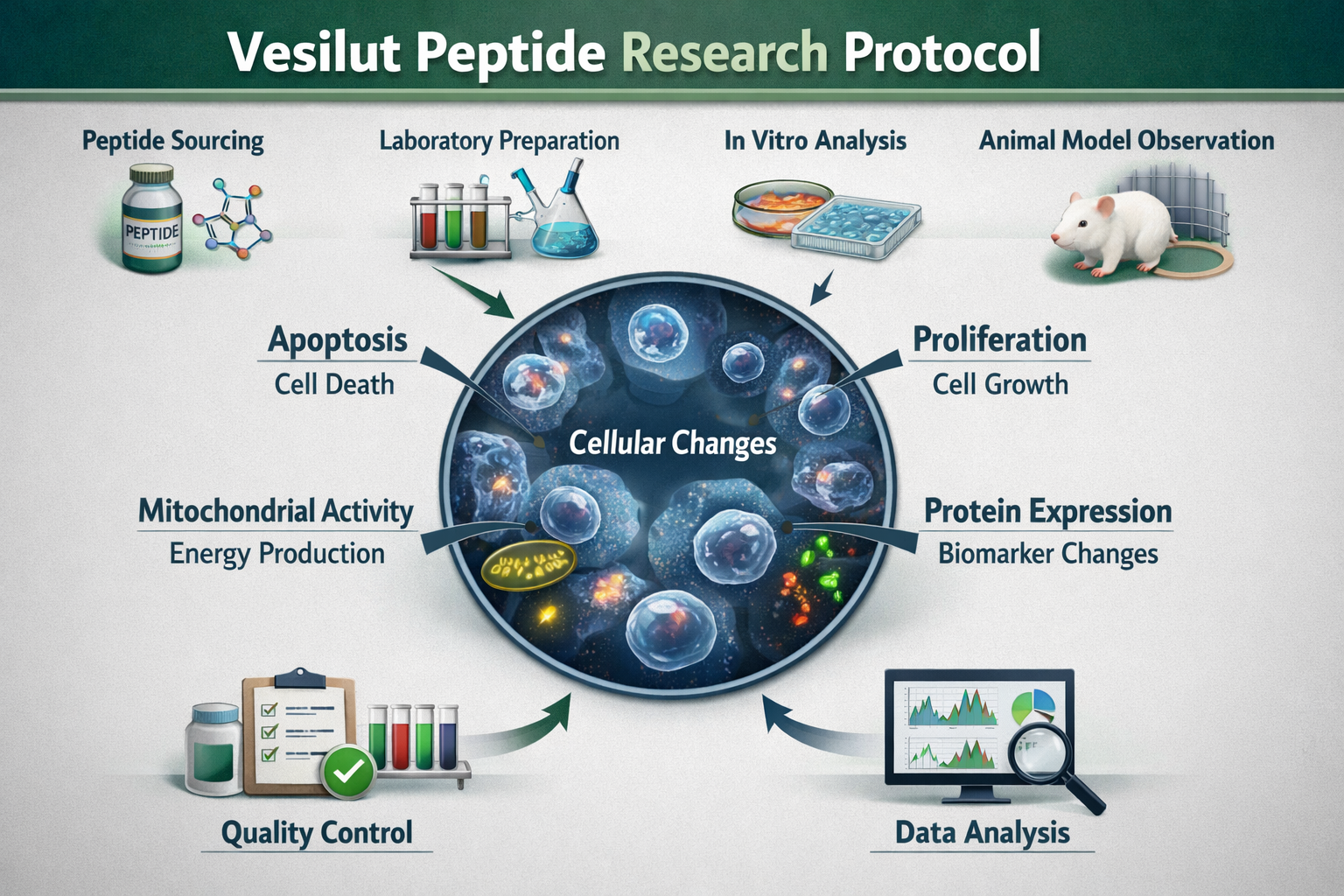
When conducting research with vesilut, establishing a robust protocol is critical. This includes careful consideration of the vesilute peptide dosage, administration route, and duration of study. Because vesilut is intended for research use only, there are no established clinical dosages. Instead, researchers rely on preclinical data, in vitro studies, and established practices for similar peptide bioregulators to inform their experimental designs.
Typical research considerations for vesilut peptide dosage in preclinical models might involve:
- Concentration for in vitro studies: Determining the optimal concentration to elicit a cellular response without causing toxicity.
- Administration route for in vivo studies: This could vary from subcutaneous injections to oral administration, depending on the specific research question and peptide characteristics. The bioavailability and stability of the peptide are key factors here.
- Frequency and duration: Establishing a dosing schedule that allows for observation of potential long-term effects while minimizing any potential confounding factors.
It is crucial for researchers to meticulously document their protocols, including the specific vesilut peptide batch, purity, and storage conditions. Maintaining best practices for storing research peptides is essential to ensure the integrity of the compounds throughout the study duration.
Future Directions for Vesilut Research in 2026
Looking ahead to the rest of 2026 and beyond, research into vesilut is likely to expand into several exciting areas:
- Synergistic effects: Exploring how vesilut might interact with other peptides or compounds to enhance its effects on vascular and connective tissues. For example, could a combination with a peptide known for general tissue repair offer enhanced benefits? The concept of synergy is well-explored in peptide science, as seen in peptide blends research.
- Biomarker identification: Identifying specific biomarkers that can indicate the efficacy of vesilut in preclinical models. This would allow for more precise measurement of its biological activity.
- Delivery mechanisms: Investigating novel delivery systems that could improve the stability and targeted delivery of vesilut to specific tissues. This could include nanoparticles or other advanced drug delivery techniques.
- Long-term studies: Conducting more extensive long-term studies in appropriate animal models to understand the sustained effects and safety profile of vesilut.
The journey of understanding vesilut is an ongoing scientific endeavor. The professional and ethical conduct of research, coupled with sourcing high-quality materials, will continue to drive new insights into this intriguing peptide bioregulator.
Conclusion: The Evolving Role of Vesilut in Peptide Science
As we conclude our comprehensive exploration of vesilut in 2026, it's clear that this peptide bioregulator holds a significant position within the realm of targeted peptide research. Its specific focus on supporting the vascular system and connective tissues distinguishes it as a valuable tool for scientists investigating age-related changes, tissue repair, and overall systemic resilience. From its scientific origins to its proposed mechanisms of action, vesilut exemplifies the intricate and precise nature of peptide bioregulators.
For peptide shoppers and health fitness researchers, understanding compounds like vesilut is not just about identifying potential research subjects, but about appreciating the sophisticated science behind these small but potent molecules. The promise of vesilute peptide benefits lies in its ability to regulate cellular functions at a foundational level, potentially offering a nuanced approach to maintaining tissue health.
It is paramount to reiterate that vesilut, like all research peptides, is strictly for laboratory and research purposes only. It is not intended for human consumption, diagnosis, or treatment. Ethical considerations and adherence to rigorous scientific protocols are the cornerstones of responsible peptide research.
Actionable Next Steps for Researchers:
- Deepen Your Knowledge: Continue to read scientific literature and stay updated on the latest research findings regarding vesilut and other peptide bioregulators.
- Source with Confidence: When considering vesilut for sale, always prioritize reputable suppliers like Pure Tested Peptides who provide comprehensive third-party testing and certificates of analysis. This ensures the purity and quality essential for valid research.
- Design Robust Protocols: Develop detailed research protocols that account for peptide storage, precise vesilute peptide dosage, administration methods, and meticulous data collection.
- Explore Synergies: Consider how vesilut might be effectively studied in combination with other well-researched peptides, such as those found in peptide blends, to investigate broader or more targeted effects.
- Engage with the Scientific Community: Participate in scientific discussions, conferences, and collaborations to share findings and contribute to the collective understanding of peptide science.
The journey into the world of peptides is one of continuous discovery. With vesilut, researchers have another exciting pathway to explore the complexities of biological regulation and potentially unlock new insights into maintaining optimal tissue health.
SEO Meta Title: Vesilut: Peptide Bioregulator for Vascular & Connective Tissue Research
SEO Meta Description: Explore vesilut, a peptide bioregulator studied for vascular and connective tissue support. Understand vesilute peptide benefits and research applications in 2026.
Images