
Vesilut Peptide: A Deep Dive into Its Research Potential in 2026
Have you ever wondered about the intricate mechanisms that govern our body's resilience and cellular health? As scientific understanding advances, we continually uncover powerful biological tools, and among the most intriguing are bioregulator peptides. In 2026, one such compound, the vesilut peptide, stands out in research circles for its compelling potential. This article will explore the current understanding of vesilut peptide, its proposed mechanisms, and the exciting avenues researchers are pursuing, offering a comprehensive look for peptide enthusiasts and health-fitness advocates alike. My goal is to equip you with a high-authority overview, grounded in scientific inquiry, about this fascinating peptide.
Key Takeaways
- Vesilut Peptide is a synthetic bioregulator peptide, derived from animal tissues, primarily studied for its potential to support respiratory and cardiovascular system health.
- It belongs to a class of peptides known as cytomedins, believed to influence gene expression and protein synthesis, thereby promoting cellular rejuvenation and function.
- Research on vesilut peptide suggests potential applications in contexts where oxidative stress and cellular damage are concerns, particularly affecting the lungs and heart.
- As a research compound, detailed human clinical data on vesilut peptide dosage and efficacy are still developing, and its use is strictly limited to research settings in 2026.
- When looking to buy vesilute, it is crucial to source from reputable suppliers who prioritize purity and provide verifiable lab testing.
Understanding Vesilut Peptide: Origins and Mechanisms
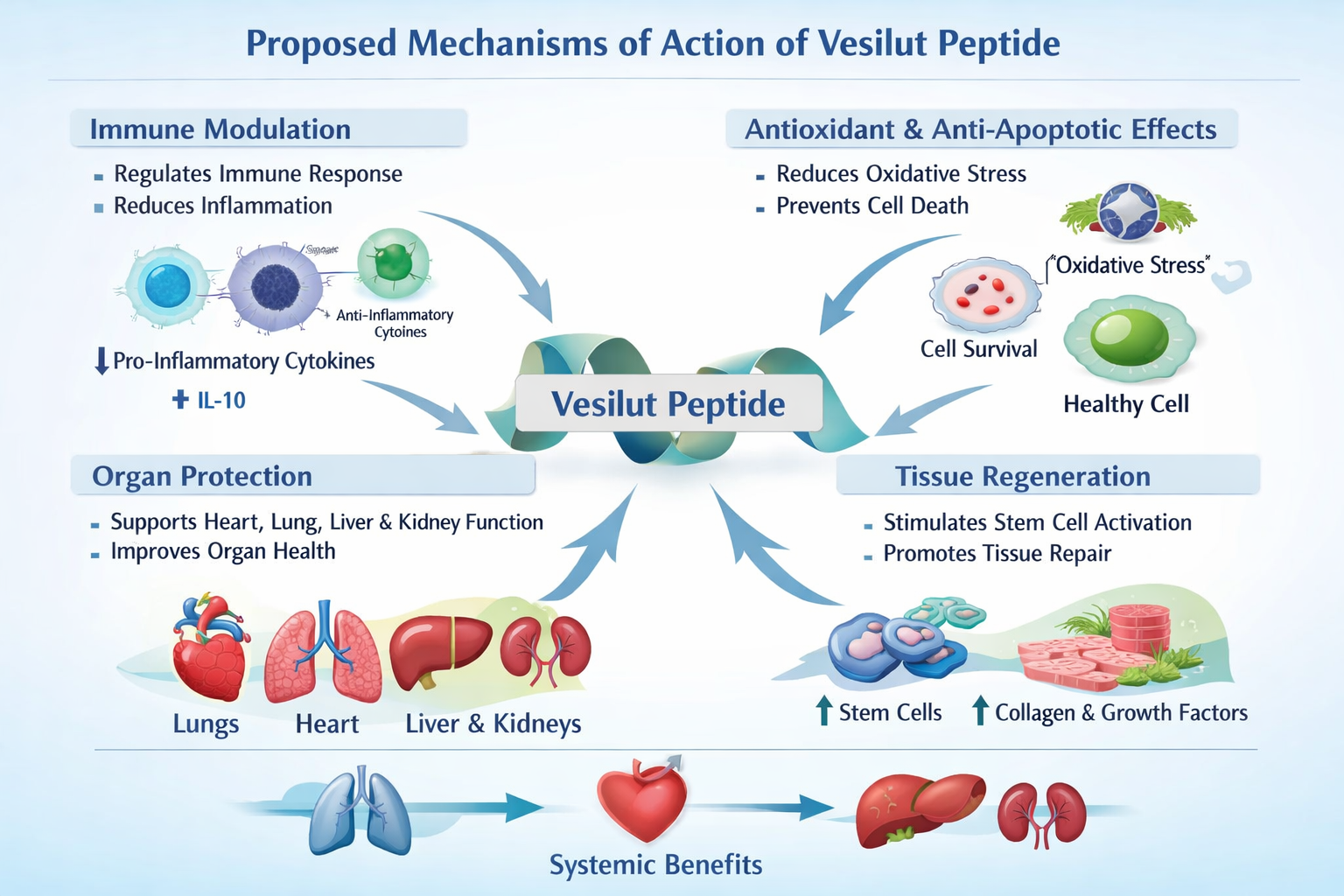
The journey into understanding vesilut peptide begins with its classification. It's a synthetic peptide, part of a family known as bioregulators or cytomedins. These peptides are short chains of amino acids that are naturally produced in the body, typically in various tissues and organs. The theory behind bioregulator peptides, largely pioneered by Russian scientists, suggests that they act as epigenetic regulators, influencing gene expression and protein synthesis within specific cell types. Essentially, they are thought to help cells maintain their specialized functions and optimize their performance.
Vesilut, specifically, is often associated with the respiratory and cardiovascular systems. The name itself hints at its origins, as it's derived from lung tissue extracts in its natural form. In the laboratory, the synthetic version, vesilut peptide, is designed to mimic the actions of these naturally occurring bioregulators. Researchers hypothesize that it works by binding to specific DNA sequences, modulating the activity of genes involved in cell repair, antioxidant defense, and the overall maintenance of lung and heart tissues. This targeted action is what makes bioregulator peptides so fascinating for scientific exploration.
The Science Behind Bioregulator Peptides
Bioregulator peptides like vesilut peptide operate on a principle of tissue-specificity. This means a peptide derived from, or synthesized to mimic, a specific organ's peptide is believed to primarily influence the health and function of that particular organ. For example, a peptide from the pineal gland might influence the endocrine system, while one from the liver might support liver function. This specificity is a cornerstone of their proposed therapeutic potential in research.
The proposed mechanism involves these peptides interacting with chromatin, the complex of DNA and proteins that forms chromosomes. By doing so, they can potentially switch certain genes "on" or "off," optimizing cellular function and promoting regeneration. This is a subtle yet profound way of influencing biological processes, allowing the body's own repair mechanisms to function more efficiently. The promise of such targeted cellular support is why interest in compounds like vesilut peptide continues to grow among researchers studying longevity and disease prevention.
The Role of Vesilut Peptide in Cellular Health
In the context of respiratory and cardiovascular health, vesilut peptide is being explored for its potential to:
- Support Antioxidant Defenses: Oxidative stress is a major contributor to cellular damage in various organs, including the lungs and heart. Researchers are investigating whether vesilut can upregulate endogenous antioxidant enzymes, thereby protecting cells from damage.
- Promote Cell Regeneration: Maintaining healthy tissue often involves the replacement of old or damaged cells with new, functional ones. Studies are looking into vesilut's potential to encourage cellular proliferation and differentiation, aiding in tissue repair.
- Modulate Immune Responses: The immune system plays a crucial role in both respiratory and cardiovascular health. Imbalances can lead to inflammation and tissue damage. Preliminary research suggests bioregulator peptides might help modulate immune responses, bringing them back into balance.
These proposed benefits are still under investigation, and much of the current understanding comes from preclinical studies. However, the consistent observations across various bioregulator peptides provide a compelling foundation for continued research into compounds like vesilut peptide. For those interested in a broad range of peptide research, exploring other compounds on sites like Pure Tested Peptides can provide further insights.
Research Applications and Potential Benefits of Vesilut Peptide
The primary focus of research into vesilut peptide revolves around its potential to support the health and function of the respiratory and cardiovascular systems. These two systems are vital for overall well-being, and their decline can significantly impact quality of life. Scientists are particularly interested in its application in conditions where cellular integrity and functional capacity of these organs are compromised.
Respiratory System Support
The lungs are constantly exposed to environmental stressors, from pollutants to pathogens. Over time, this exposure can lead to oxidative damage and inflammation, contributing to various respiratory issues. Research into vesilut peptide benefits in this area focuses on its potential to:
- Enhance Lung Tissue Resilience: Studies are exploring if vesilut can help lung cells better withstand environmental insults and recover more efficiently. This could be particularly relevant in contexts of chronic exposure to irritants.
- Support Bronchial Function: Maintaining healthy airways is crucial for efficient breathing. Researchers are examining whether vesilut influences the cells lining the bronchi, potentially improving their function and integrity.
- Aid in Recovery from Stressors: In animal models, researchers are investigating if vesilut peptide can accelerate the recovery of lung tissue following various forms of stress or injury, promoting faster return to normal function.
These investigations are paving the way for a deeper understanding of how bioregulator peptides might offer a novel approach to maintaining respiratory health. The insights gained from studies on vesilut could also inform research into other peptide blends, such as the Klow Blend (BPC-157, TB-500, KPV, GHK-Cu) which focuses on a broader spectrum of regenerative and protective effects.
Cardiovascular System Support
The heart and blood vessels are critical components of the cardiovascular system, responsible for circulating blood and oxygen throughout the body. Like the lungs, these tissues are susceptible to damage from oxidative stress, inflammation, and aging. Research on vesilute peptide is investigating its potential to:
- Protect Heart Muscle Cells: Myocytes, or heart muscle cells, are vital for cardiac function. Scientists are studying if vesilut can help protect these cells from damage and support their long-term viability.
- Improve Vascular Health: The health of blood vessels, including their elasticity and integrity, is paramount for preventing cardiovascular issues. Research is examining whether vesilut can influence endothelial cells, which line blood vessels, promoting healthier function.
- Modulate Inflammatory Pathways: Chronic inflammation is a known risk factor for cardiovascular disease. Studies are looking into how vesilut might help regulate inflammatory processes within the cardiovascular system, potentially mitigating damage.
The potential of vesilut peptide to positively influence both respiratory and cardiovascular health makes it a highly interesting compound for ongoing research. It's important to reiterate that these are areas of active investigation, and human clinical trials are necessary to establish definitive benefits and safety profiles.
Other Bioregulator Peptides: Ovagen and Prostamax
While vesilut peptide focuses on respiratory and cardiovascular health, other bioregulator peptides target different organ systems. Two notable examples are ovagen peptide and prostamax peptide.
Ovagen Peptide: Supporting Ovarian Function
Ovagen peptide is another synthetic bioregulator peptide, derived from the thymus gland. However, its primary research focus is on supporting the function of the ovaries. The thymus gland plays a crucial role in immune system development, and bioregulators derived from it are thought to have broad regulatory effects.
Research into ovagen peptide benefits explores its potential to:
- Optimize Ovarian Function: Studies investigate if ovagen can help regulate the physiological processes within the ovaries, potentially supporting hormonal balance.
- Enhance Reproductive Health: In preclinical models, ovagen peptide bioregulator is being studied for its role in maintaining healthy reproductive cycles and supporting fertility.
- Address Age-Related Changes: As women age, ovarian function naturally declines. Researchers are examining whether ovagen peptide can help mitigate some of these age-related changes, promoting cellular longevity within the ovaries.
When considering what is ovagen peptide, it's clear its research niche is distinct from vesilut, focusing on endocrine and reproductive system health. Researchers looking to explore specific organ support often consider a range of bioregulators tailored to their area of interest. For those who want to buy ovagen peptide for research, prioritizing purity and quality is just as important as with any other peptide.
Prostamax Peptide: Prostate Health Research
Similarly, prostamax peptide is a bioregulator peptide synthesized to specifically target prostate health. The prostate gland is vital for male reproductive health, and its function can be affected by various factors, including age and inflammation.
Research into prostamax peptide benefits focuses on its potential to:
- Support Prostate Cell Health: Studies are investigating if prostamax peptide bioregulator can promote the healthy proliferation and function of prostate cells.
- Modulate Inflammation: Chronic inflammation in the prostate can contribute to various issues. Researchers are exploring prostamax's potential to help regulate inflammatory pathways within the gland.
- Maintain Glandular Structure: The integrity of the prostate gland's structure is important for its proper function. Investigations are looking into how prostamax peptide might contribute to maintaining this structural health.
Understanding the specific targets of different bioregulator peptides, like vesilut for cardiorespiratory, ovagen for ovarian, and prostamax for prostate health, highlights the precision of this class of compounds. When seeking to buy prostamax peptide for research, ensuring a reliable source is paramount to accurate and reproducible results. For those keen on exploring the broader landscape of peptide research, resources on adaptive capacity and peptide mapping can offer further theoretical context.
Research Protocols and Considerations for Vesilut Peptide
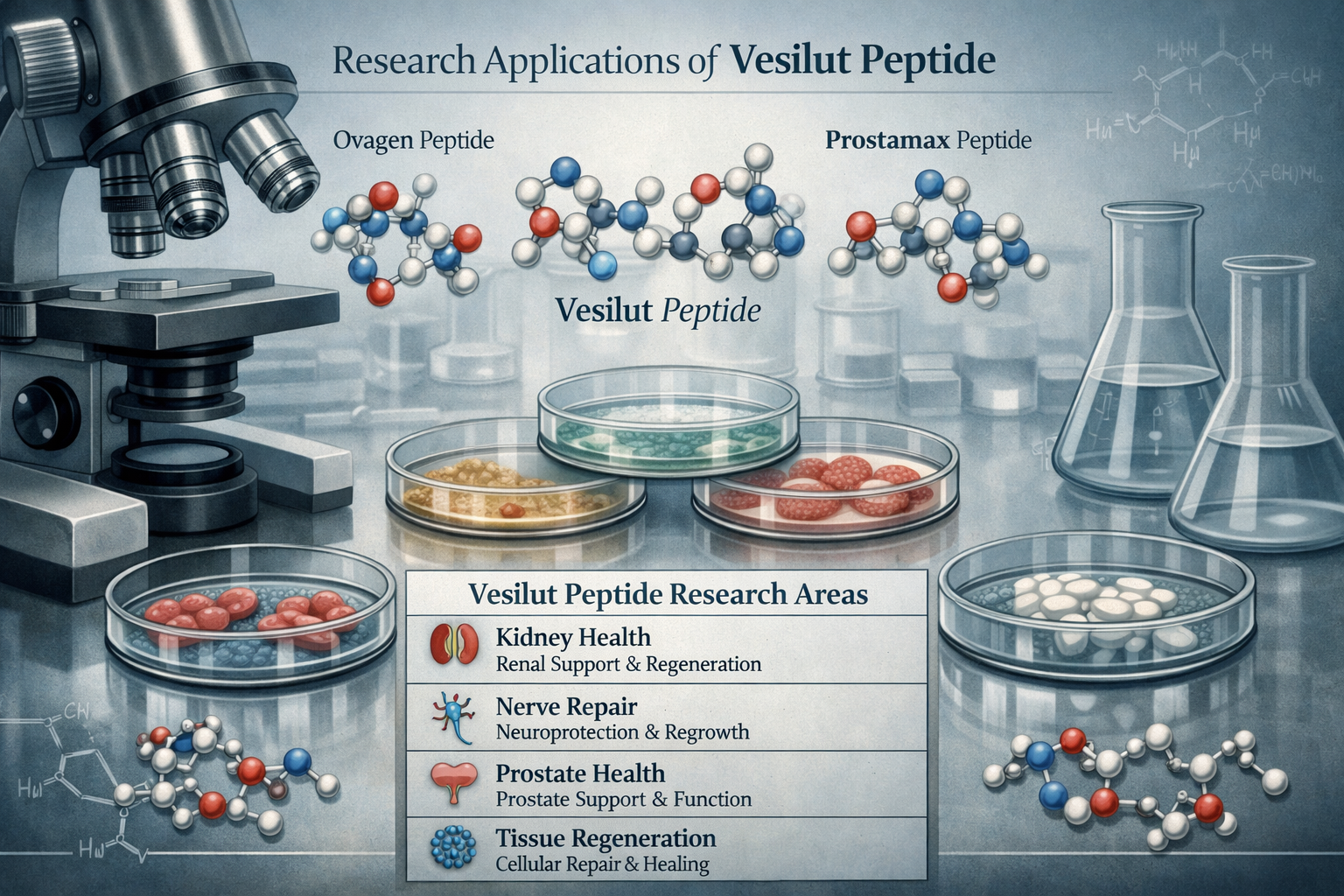
Working with research peptides like vesilut peptide requires strict adherence to established protocols to ensure the integrity and reliability of experimental results. For peptide shoppers and researchers in 2026, understanding these considerations is crucial.
Purity and Sourcing: Where to Buy Vesilute
One of the most critical aspects of peptide research is the purity and quality of the compounds. Impurities can significantly skew results and introduce confounding variables. When researchers look to buy vesilute, they must prioritize suppliers who provide comprehensive Certificate of Analysis (CoA) reports, including:
- HPLC (High-Performance Liquid Chromatography) Purity: This indicates the percentage of the target peptide in the sample, with higher percentages (e.g., 98% or higher) being desirable.
- Mass Spectrometry (MS) Verification: This confirms the molecular weight and identity of the peptide, ensuring it matches the expected compound.
A reputable supplier, like Pure Tested Peptides, will openly provide this information, offering transparency about the quality of their products. This is vital whether you're interested in vesilut for sale or other compounds like BPC-157 or TB-500, which have extensive research applications in regeneration and healing. For more on sourcing, explore best place to buy peptides online.
Storage and Handling
Peptides are delicate molecules that can degrade if not stored and handled correctly. Proper storage is essential for maintaining the stability and potency of vesilut peptide:
- Lyophilized (Powder) Form: Peptides in lyophilized form (freeze-dried powder) are typically stable for extended periods when stored in a cool, dark place, preferably refrigerated (2-8°C) or even frozen (-20°C).
- Reconstituted Solution: Once reconstituted with bacteriostatic water, peptides become less stable. They should always be stored refrigerated and used within a shorter timeframe, typically a few weeks. The specific stability period can vary, so always refer to the manufacturer's recommendations.
- Avoid Freeze-Thaw Cycles: Repeated freezing and thawing can damage the peptide structure, reducing its efficacy.
- Protect from Light: Light can also degrade peptides, so always store vials in their original packaging or in a dark container.
Following these guidelines ensures that the vesilut peptide you're using maintains its integrity throughout your research, leading to more consistent and reliable experimental outcomes. Further tips on proper storage can be found at best practices for storing research peptides.
Vesilut Peptide Dosage and Administration in Research
It's critical to emphasize that vesilut peptide dosage and administration methods are strictly within the realm of scientific research and preclinical studies. There are no established human dosages for general use. In laboratory settings, dosage protocols are carefully determined based on:
- Animal Model: Dosages vary significantly between different animal species (e.g., mice, rats) due to differences in metabolism, body weight, and physiological responses.
- Route of Administration: Peptides can be administered through various routes, including subcutaneous injection, intramuscular injection, or oral administration (though oral bioavailability for many peptides is low). The chosen route influences absorption and efficacy.
- Research Objective: The specific goals of the study will dictate the dosage and duration of administration. For example, a study looking at short-term cellular effects might use a different protocol than one investigating long-term tissue regeneration.
When researchers buy vesilute or any other research peptide, they are expected to develop and adhere to rigorous experimental protocols, often guided by existing literature on similar compounds. The focus is on observing effects and gathering data, not on human therapeutic application outside of approved clinical trials. It's important to remember that statements about "vesilut peptide benefits" are based on preliminary research findings, not established human health claims.
Ethical Considerations in Peptide Research
The field of peptide research, while promising, carries significant ethical responsibilities. Researchers must always:
- Adhere to Regulatory Guidelines: All research involving peptides should comply with local, national, and international regulations regarding animal research, human tissue studies, and laboratory safety.
- Ensure Data Integrity: Scientific honesty and transparency are paramount. All data must be collected, analyzed, and reported accurately and without bias.
- Prioritize Safety: While peptides are generally considered to have good safety profiles in preclinical studies, potential side effects and interactions must always be investigated and reported.
The pursuit of knowledge through compounds like vesilut peptide is invaluable, but it must be conducted responsibly and ethically. For those interested in advanced research methodologies, exploring concepts like baseline trends and data quality is highly recommended.
Future Directions and Synergistic Research
The landscape of peptide research is constantly evolving, with new discoveries and synergistic approaches emerging regularly. For vesilut peptide, future directions will likely involve more in-depth mechanistic studies, exploring its interactions at a molecular level, and investigating its potential alongside other beneficial compounds.
Deeper Mechanistic Insights
While the general concept of bioregulator peptides influencing gene expression is established, the precise molecular pathways through which vesilut peptide exerts its effects are still being elucidated. Future research will likely employ advanced techniques such as:
- Transcriptomics and Proteomics: These "omics" technologies can provide a comprehensive view of how vesilut affects gene and protein expression in target cells, offering a detailed map of its biological impact.
- Receptor Binding Studies: Identifying specific receptors or binding partners for vesilut would significantly enhance our understanding of its targeted action.
- Cell Signaling Pathway Analysis: Delving into the intricate cell signaling cascades influenced by vesilut can reveal how it initiates its physiological effects within respiratory and cardiovascular tissues.
These studies are crucial for building a robust scientific foundation for vesilute peptide and moving towards potential translational applications in the distant future. Such in-depth research contributes to the broader understanding of cellular maintenance with peptide tools.
Synergistic Approaches
One of the most exciting areas in peptide research involves exploring the synergistic effects of combining different peptides. Just as the Klow Blend (BPC-157, TB-500, KPV, GHK-Cu) combines multiple peptides for broad benefits, researchers may investigate how vesilut peptide interacts with other compounds to amplify its effects or address a wider range of physiological challenges.
Consider the following examples for synergistic research:
- Vesilut and Antioxidant Peptides: Combining vesilut with peptides known for strong antioxidant properties could offer enhanced protection against oxidative stress in lung and heart tissues.
- Vesilut and Regenerative Peptides: Pairing vesilut with peptides like BPC-157 (known for its regenerative capabilities) could potentially accelerate tissue repair and recovery in damaged cardiorespiratory systems.
- Vesilut and Anti-inflammatory Peptides: Investigating vesilut alongside peptides with potent anti-inflammatory effects could offer a comprehensive approach to managing inflammation in the lungs and heart.
The concept of peptide synergy is a powerful one, recognizing that biological systems are complex and often benefit from multi-pronged approaches. This is also seen in research with other blends, such as the synergy of LL37 and MOTS-c.
From Preclinical to Clinical Research
Ultimately, the goal of much preclinical research is to identify compounds that warrant investigation in human clinical trials. For vesilut peptide, this would involve:
- Phase I Trials: Focused on safety and pharmacokinetics (how the body absorbs, distributes, metabolizes, and excretes the peptide) in a small group of healthy human volunteers.
- Phase II Trials: Investigating efficacy and optimal vesilut peptide dosage in a larger group of patients with specific conditions, while continuing to monitor safety.
- Phase III Trials: Large-scale studies comparing vesilut to existing treatments or placebos, gathering extensive data on efficacy, safety, and long-term outcomes.
These stages are years, if not decades, away for many research compounds like vesilut peptide. As of 2026, vesilut remains firmly in the realm of research-grade peptides, intended solely for laboratory studies. The journey from discovery to approved therapeutic agent is long and rigorous, but the initial research into vesilute bioregulator offers a compelling starting point.
Conclusion
The exploration of bioregulator peptides like vesilut peptide represents a fascinating frontier in scientific research, particularly in the year 2026. While much of the current understanding stems from preclinical studies, the proposed mechanisms of action—influencing gene expression to support cellular health in the respiratory and cardiovascular systems—are compelling. Researchers are diligently investigating its potential to enhance cellular resilience, promote regeneration, and modulate immune responses in these vital organs.
It is crucial for peptide shoppers, health and fitness enthusiasts, and aspiring researchers to understand that vesilut peptide is a research compound. As such, there is no established vesilut peptide dosage for human use, and its benefits are still under scientific investigation. Any claims about vesilut peptide benefits must be understood within the context of ongoing laboratory research.
When you buy vesilute or other bioregulator peptides like ovagen peptide or prostamax peptide, prioritizing purity and sourcing from reputable suppliers like Pure Tested Peptides is paramount. High-quality compounds are essential for accurate and reproducible research results. The future of peptide research is bright, with continued exploration into the intricate mechanisms of these compounds and their potential synergistic applications. By staying informed and supporting ethical, evidence-based research, we can collectively contribute to a deeper understanding of these powerful biological tools.
Actionable Next Steps
- Stay Informed: Keep an eye on new scientific publications regarding vesilut peptide and other bioregulators.
- Prioritize Quality: If you are a researcher, always source your peptides from trusted suppliers who provide detailed Certificates of Analysis. Explore our range of all peptides for sale at Pure Tested Peptides.
- Support Ethical Research: Recognize the distinction between research compounds and approved therapeutics, and always advocate for responsible scientific inquiry.
- Explore Related Research: Delve into studies on other tissue-specific bioregulators like ovagen peptide for ovarian health or prostamax peptide for prostate support to broaden your understanding of this fascinating field.
Meta Title: Vesilut Peptide: Research & Benefits in 2026 | Pure Tested Peptides
Meta Description: Explore vesilut peptide research for respiratory & cardiovascular health in 2026. Learn about vesilute benefits, dosage, and where to buy vesilute for studies.