
The Prostamax Peptide Bioregulator: A Deep Dive into Targeted Cellular Support in 2026
In the ever-evolving landscape of modern biomedical research, the pursuit of highly targeted and effective solutions for maintaining cellular health and organ function remains a paramount objective. Among the most promising avenues of exploration are peptide bioregulators – short chains of amino acids that play crucial roles in regulating cellular processes and restoring tissue function. One such intriguing compound drawing significant attention from the scientific community is the prostamax peptide bioregulator. This article will provide a comprehensive, authoritative examination of prostamax, delving into its proposed mechanisms, research findings, and its potential implications for those interested in advanced peptide science in 2026.
Peptides are not merely building blocks of proteins; they are powerful signaling molecules, acting as messengers within the body to influence a vast array of biological activities. The concept of peptide bioregulation, pioneered by Russian scientists, posits that specific peptides can selectively interact with DNA segments to modulate gene expression, thereby optimizing cellular function and promoting organ specific regeneration. The prostamax peptide bioregulator is designed with this principle in mind, specifically targeting tissues within the prostate gland. As a senior editor immersed in the world of peptide research, I find the specificity and potential efficacy of these compounds truly compelling. For those seeking to buy peptides online USA for research purposes, understanding the nuances of each compound is critical.
Key Takeaways
- Targeted Action: The prostamax peptide bioregulator is specifically designed to interact with prostate tissue, aiming to normalize cellular function.
- Bioregulatory Principle: It operates on the principle of peptide bioregulation, where short peptides influence gene expression to restore optimal cellular activity.
- Research Focus: Current research explores its potential in supporting prostate health and mitigating age-related changes at a cellular level.
- Non-Hormonal Approach: Prostamax represents a non-hormonal approach to supporting prostate function, which is a key differentiator from other interventions.
- Scientific Interest: There is growing scientific interest in understanding the precise molecular pathways through which prostamax exerts its effects.
Understanding the Prostamax Peptide Bioregulator: Mechanisms and Theory
The human body is an incredibly complex system, with each organ and tissue functioning through a delicate balance of cellular communication and genetic expression. Over time, due to aging, environmental factors, or lifestyle choices, this balance can be disrupted, leading to cellular dysfunction and impaired organ performance. This is where the theory behind peptide bioregulators, such as the prostamax peptide bioregulator, becomes particularly relevant.
What are Peptide Bioregulators?
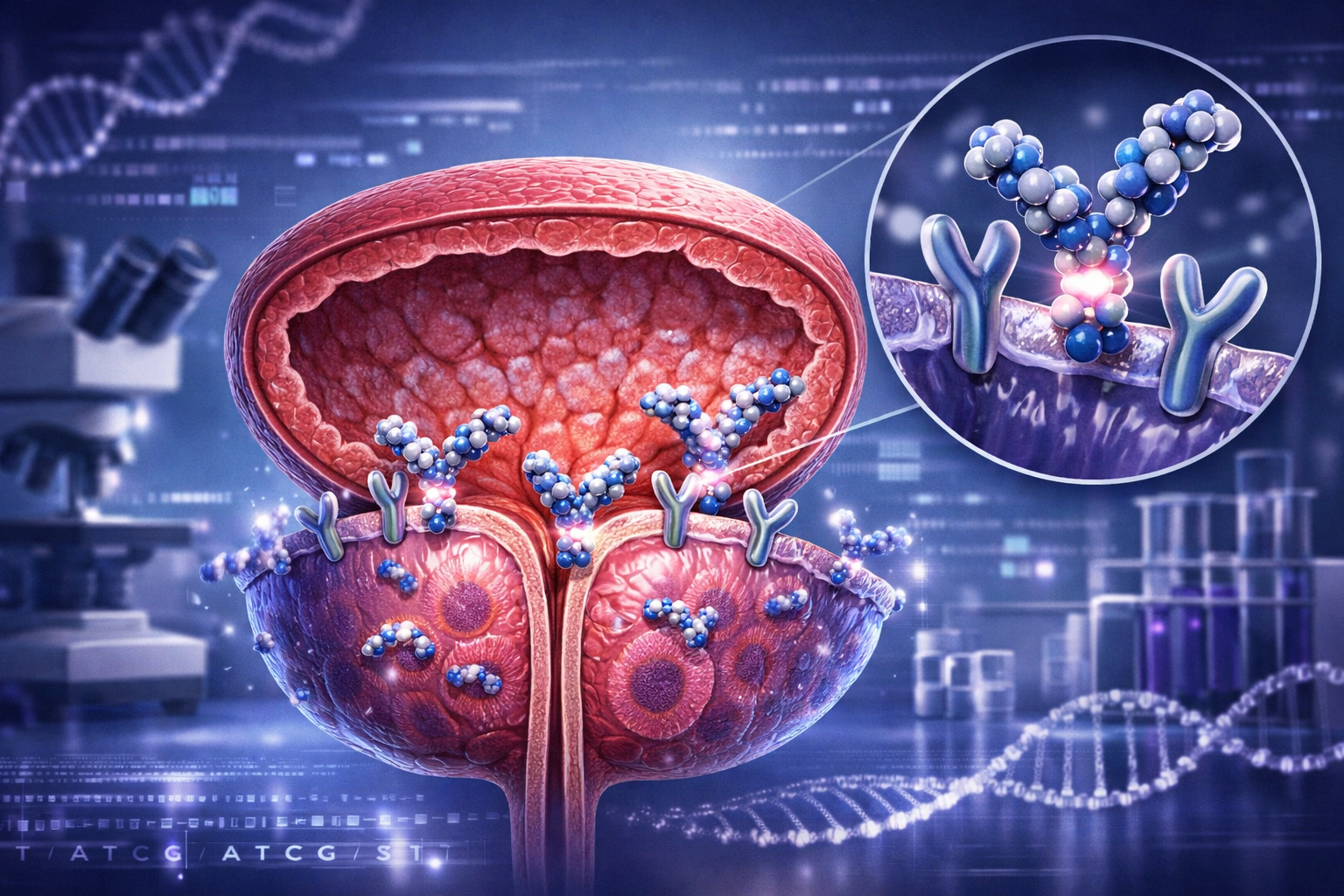
Peptide bioregulators are a unique class of natural, short-chain peptides (typically 2-4 amino acids long) that are believed to have a tissue-specific effect. The foundational theory suggests that these peptides can penetrate cell membranes, reach the nucleus, and bind to specific DNA sequences. This binding is hypothesized to modulate gene expression, leading to the synthesis of regulatory proteins that can restore cellular function and promote tissue regeneration. Unlike hormones, which often have systemic effects, peptide bioregulators are believed to act in a highly targeted manner, minimizing off-target effects. This specificity makes compounds like prostamax a subject of intense interest in specialized research. Many researchers find value in exploring peptide blends for research to observe synergistic effects.
The Role of Prostamax in Prostate Health Research
The prostate gland is a vital organ in the male reproductive system, and its health is crucial for overall well-being, particularly as men age. Issues such as age-related changes in prostate tissue are common concerns. The prostamax peptide bioregulator is specifically developed to support the normal cellular function of the prostate. Its design is predicated on the idea that by delivering tissue-specific peptides, it can help restore the natural rhythm and optimal function of prostate cells.
Research into prostamax peptide bioregulator primarily focuses on its ability to:
- Normalize Cellular Metabolism: Help prostate cells to metabolize nutrients and energy more efficiently.
- Support Cell Regeneration: Encourage the natural repair and renewal processes within prostate tissue.
- Regulate Gene Expression: Influence the genes responsible for maintaining healthy prostate function, potentially reducing the impact of age-related cellular decline.
The non-hormonal nature of prostamax peptide bioregulator is a significant aspect of its research appeal. Many traditional approaches to prostate health involve hormonal interventions, which can have broader systemic effects. The targeted, bioregulatory action of prostamax offers a different paradigm, focusing on restoring the intrinsic cellular machinery. Researchers often investigate peptides like this in conjunction with other compounds, such as those found in peptide blends for a holistic understanding of their effects.
Scientific Research and Potential Prostamax Peptide Benefits
While the full scope of the prostamax peptide bioregulator's capabilities is still under active investigation, preliminary research and theoretical models suggest several compelling areas of potential benefit. It's important to frame these within the context of scientific inquiry and understanding that results often come from controlled laboratory settings or animal models.
Investigating Prostamax Peptide's Impact on Prostate Cell Function
Early research into the prostamax peptide bioregulator has concentrated on its influence at the cellular level. Scientists are exploring how this peptide might:
- Enhance Antioxidant Defenses: Prostate cells, like all cells, are susceptible to oxidative stress, which can damage DNA and cellular structures. Research is looking into whether prostamax can bolster the cells' natural antioxidant systems.
- Modulate Inflammatory Responses: Chronic inflammation can contribute to various health issues. Studies are examining if the prostamax peptide can help regulate inflammatory pathways within prostate tissue.
- Promote Healthy Cell Cycle Regulation: A balanced cell cycle, involving proper cell growth, division, and programmed cell death (apoptosis), is crucial for maintaining tissue health. Researchers are investigating prostamax's potential role in supporting this balance.
These mechanisms are key to understanding the theoretical prostamax peptide benefits. The idea is not to treat specific conditions but rather to support the fundamental biological processes that keep cells healthy and functional, thereby potentially reducing the susceptibility to age-related changes.
Comparative Studies: Prostamax vs. Other Bioregulators
The field of peptide bioregulation includes several other tissue-specific peptides. For example, vesilute peptide is another bioregulator that targets the bladder and urinary tract. Similarly, ovagen peptide focuses on ovarian health. Each of these bioregulators, including the prostamax peptide, is hypothesized to contain a unique amino acid sequence that allows for its specific tissue tropism (affinity for particular tissues).
When considering the prostamax peptide bioregulator, it's important to understand its specificity. While peptides like vesilute bioregulator or ovagen peptide bioregulator aim to support their respective target organs, prostamax focuses exclusively on the prostate. This targeted approach is a hallmark of bioregulatory peptides, distinguishing them from broader-acting compounds. Researchers often analyze the benefits of Epithalon peptide for broader anti-aging research, contrasting its systemic effects with the organ-specific action of prostamax.
"The precision of peptide bioregulators like prostamax offers a fascinating glimpse into the future of highly targeted cellular support, moving beyond broad-spectrum interventions to focus on the unique needs of specific organs."
Research into Prostamax Peptide Dosage and Administration
Determining an optimal prostamax peptide dosage is a critical aspect of ongoing research. In the context of laboratory studies, scientists meticulously evaluate different concentrations and administration routes to observe the most effective and safe parameters. Factors such as the purity of the peptide, its stability, and bioavailability are all taken into account. While I cannot offer medical advice, I can speak to the scientific considerations.
Researchers may explore various administration methods in experimental settings, including:
- Subcutaneous Administration: Often used in animal models due to its controlled absorption.
- Oral Formulations: Though peptides can be degraded by digestive enzymes, advancements in encapsulation technologies are being explored for compounds like prostamax peptide bioregulator to enhance oral bioavailability. The concept of best oral peptides is a rapidly evolving area.
- Topical Applications: Less common for systemic effects but may be relevant for localized tissue research.
The goal of these studies is to establish a clear understanding of how the prostamax peptide interacts with biological systems at various doses, ensuring robust and reproducible results. For those looking to buy prostamax peptide for research, selecting a reputable supplier like Pure Tested Peptides is crucial to ensure purity and quality.
The Science Behind "Prostamax Peptide Bioregulator": What Researchers Need to Know in 2026
As an SEO content strategist and senior editor, I recognize the importance of providing comprehensive and accurate information for the scientific community and peptide enthusiasts alike. When it comes to the prostamax peptide bioregulator, understanding its theoretical framework, research methodology, and sourcing considerations is paramount.
Dissecting the Prostamax Peptide Bioregulator's Molecular Structure
At its core, the efficacy of the prostamax peptide bioregulator is believed to stem from its precise amino acid sequence. Peptide bioregulators are generally short, meaning they consist of only a few amino acids linked together. This short chain is thought to be critical for its ability to:
- Bypass Cellular Barriers: Their small size theoretically allows them to easily enter cells.
- Maintain Specificity: The unique sequence acts like a "key" that fits only a specific "lock" (DNA sequence or receptor) within the target cells of the prostate.
- Resist Degradation (to some extent): While peptides can be susceptible to enzymatic degradation, their specific structure might offer some protective qualities in certain contexts.
Researchers utilize advanced techniques like mass spectrometry and nuclear magnetic resonance (NMR) spectroscopy to confirm the exact structure and purity of the prostamax peptide. This rigorous analysis is vital for any credible research involving these compounds.
Quality Control and Sourcing for Prostamax Peptide Research
For any scientific investigation involving peptides, the quality and purity of the research material are non-negotiable. When researchers seek to buy prostamax peptide, they should prioritize suppliers who demonstrate stringent quality control measures.
Key aspects of quality control include:
- Third-Party Lab Testing: Independent verification of peptide purity and identity.
- Certificate of Analysis (COA): A detailed report from the manufacturer or a third-party lab outlining the peptide's specifications, including purity, molecular weight, and absence of contaminants.
- Good Manufacturing Practices (GMP): Adherence to recognized standards for the production and testing of research compounds.
I always advise researchers to choose providers that openly share their quality assurance processes, such as those detailed by reputable sources like Pure Tested Peptides. This commitment to transparency ensures that experiments are conducted with reliable materials, leading to more valid and reproducible results. The importance of best practices for storing research peptides cannot be overstated, as proper storage maintains peptide integrity.
Navigating Prostamax Peptide Reviews and Data Interpretation
In the scientific community, "reviews" of research materials primarily refer to peer-reviewed publications and data from controlled studies, not anecdotal evidence. When evaluating the potential of the prostamax peptide bioregulator, researchers should focus on:
- Published Studies: Look for articles in reputable scientific journals. These provide detailed methodologies and results that can be scrutinized.
- Replication of Results: Scientific validity is strengthened when independent research teams can reproduce similar findings.
- Mechanism of Action: A clear understanding of how the prostamax peptide is hypothesized to work at a molecular level adds credibility to claims.
While some anecdotal reports or general information online might discuss "prostamax peptide reviews," it is crucial for peptide shoppers and health fitness enthusiasts interested in the scientific aspect to prioritize evidence-based information. This also applies to other bioregulators; for instance, understanding "ovagen peptide benefits" requires a similar rigorous approach to evaluating scientific literature. For a broader perspective on peptide research, exploring various peptide kits for beginner researchers can be beneficial.
Integrating Prostamax into Research Protocols for 2026
For researchers and scientists in 2026, incorporating advanced compounds like the prostamax peptide bioregulator into experimental protocols requires careful planning and adherence to scientific best practices. My role as a senior editor involves ensuring that information provided is actionable and grounded in scientific rigor.
Designing Effective Prostamax Peptide Research Studies
When designing studies involving the prostamax peptide bioregulator, several considerations are crucial for obtaining meaningful data:
- Clear Research Questions: What specific aspect of prostate cellular function is being investigated? Is it gene expression, cellular proliferation, or metabolic activity?
- Appropriate Models: Studies may utilize in vitro (cell culture) models, ex vivo (tissue explant) models, or in vivo (animal) models, depending on the research objectives.
- Control Groups: Robust experimental design includes proper control groups (e.g., placebo, vehicle control) to isolate the effects of the prostamax peptide.
- Measured Endpoints: Clearly defined and measurable outcomes, such as protein expression levels, cellular viability, or specific biomarker changes.
For example, a study investigating the prostamax peptide dosage might involve administering varying concentrations to prostate cell lines and then analyzing changes in specific gene markers related to cellular health. This methodical approach is fundamental to understanding the true impact of the prostamax peptide bioregulator. Researchers developing such protocols can also gain insights from resources on applied wellness research with peptides.
Synergistic Research with Other Peptides
The field of peptide science often explores the potential synergistic effects of combining different peptides. While the prostamax peptide bioregulator is designed for specific prostate tissue support, researchers might investigate its interaction with other compounds. For example, some studies might explore combinations with:
- Anti-inflammatory Peptides: To see if a combined approach offers enhanced support for prostate cellular environments.
- General Health Peptides: Such as those known for promoting overall cellular vitality or antioxidant effects.
- Other Bioregulators: Though less likely for direct prostate interaction, understanding the broader regulatory network could be beneficial.
The concept of synergistic research is not new and is a cornerstone of modern peptide science. The Klow and Glow blends offered by Pure Tested Peptides, for example, are designed to leverage the combined effects of multiple peptides for different research outcomes. Exploring these types of combinations can open new avenues for understanding cellular maintenance with peptide tools.
Ethical Considerations and Future Directions
All research, particularly in biological sciences, must adhere to strict ethical guidelines. For studies involving the prostamax peptide bioregulator, this includes:
- Animal Welfare: If in vivo studies are conducted, ensuring humane treatment of research animals.
- Data Integrity: Maintaining transparent and unbiased reporting of all findings.
- Regulatory Compliance: Adhering to all local and international regulations regarding peptide research.
Looking ahead to 2026 and beyond, the future of the prostamax peptide bioregulator research holds exciting possibilities. Advances in genomics and proteomics will likely allow for a more detailed understanding of its precise molecular targets and downstream effects. Furthermore, sophisticated imaging techniques could provide clearer insights into its distribution and activity within target tissues. As researchers continue to build a diverse peptide library with Pure Tested Peptides, our collective understanding of these powerful molecules will only deepen.
Distinguishing Prostamax from Other Bioregulatory Peptides in 2026

The specificity of peptide bioregulators is their defining characteristic. While many share similar underlying mechanisms of gene expression modulation, their target tissues and potential applications differ significantly. Understanding these distinctions is crucial for researchers and enthusiasts alike, especially when comparing the prostamax peptide bioregulator with other notable compounds.
Prostamax Peptide vs. Vesilute Peptide
The prostamax peptide bioregulator is explicitly designed for the prostate gland. Its amino acid sequence is theorized to be specific to prostate cells, aiming to restore their normal function and metabolism.
In contrast, the vesilute peptide bioregulator targets the urinary bladder and urinary tract. This bioregulator aims to support the healthy function of the bladder walls, potentially aiding in issues related to bladder muscle tone and overall urinary tract health. Therefore, while both are peptide bioregulators, their physiological targets are distinct. Researchers interested in vesilute peptide benefits would focus on urinary system health, whereas those studying prostamax would concentrate on prostate-specific cellular pathways. It’s also important to note that when you buy vesilute, you are looking for a bioregulator with a different tissue specificity than prostamax.
Prostamax Peptide vs. Ovagen Peptide
Similarly, the ovagen peptide bioregulator focuses on a completely different organ system: the ovaries. The primary goal of ovagen peptide research is to investigate its potential role in supporting ovarian function, hormonal balance, and overall reproductive health in females. This makes ovagen peptide highly distinct from prostamax.
While there might be some general cellular health benefits that overlap across various peptides (e.g., antioxidant support), the core tissue-specific action of prostamax peptide and ovagen peptide remains their most important differentiating factor. Understanding "what is ovagen peptide" clearly delineates its research applications from those of prostamax peptide. Researchers interested in female reproductive health might explore the benefits of Ovagen peptide to understand its potential applications.
The Importance of Tissue Specificity in Peptide Bioregulation
The underlying premise for all these bioregulators—be it prostamax peptide, vesilute, or ovagen—is their remarkable tissue specificity. This specificity is believed to minimize systemic side effects, which can be a common concern with broader-acting pharmaceutical interventions.
Consider the implications for research:
- Targeted Research: Enables scientists to conduct highly focused studies on specific organ systems without confounding effects from other tissues.
- Mechanism Elucidation: Makes it easier to pinpoint the exact cellular and molecular pathways influenced by the peptide within its target organ.
- Precise Data Interpretation: Leads to clearer, more interpretable results regarding the peptide's function.
This precision is why a researcher specifically studying prostate health would opt for the prostamax peptide bioregulator, rather than a general-purpose peptide, when seeking to understand targeted cellular support. The careful selection of peptides for research contributes significantly to building reproducible wellness studies.
How to Conduct Research with Prostamax Peptide Bioregulator in 2026
For those embarking on research involving the prostamax peptide bioregulator in 2026, a structured and informed approach is essential. As a senior editor for scientific content, I emphasize the importance of methodical execution and reliable sourcing.
Sourcing High-Quality Prostamax Peptide
The first and most critical step is to ensure you are acquiring high-purity prostamax peptide for your research. Given the increasing demand and accessibility of research peptides, the market can be varied. I recommend prioritizing suppliers who:
- Offer Comprehensive COAs: Certificates of Analysis should be readily available and demonstrate high purity levels (typically 98% or higher) validated by third-party testing.
- Are Transparent About Manufacturing: Knowledge of their synthesis methods and quality control procedures can instill confidence.
- Have a Reputation for Reliability: Look for established suppliers within the research community.
For example, when looking to buy prostamax peptide, ensure the vendor provides clear information on the product's purity and origin. Reputable sources, such as Pure Tested Peptides, often provide detailed product information to assist researchers.
Preparing and Storing Prostamax Peptide for Research
Proper handling and storage are crucial to maintain the integrity and efficacy of any peptide, including the prostamax peptide bioregulator.
Preparation:
- Reconstitution: Most research peptides come in lyophilized (freeze-dried) powder form. Reconstitution typically involves adding a sterile solvent, often bacteriostatic water or acetic acid solution.
- Sterile Technique: Always use sterile equipment (syringes, needles, vials) to prevent contamination.
- Accurate Measurement: Precision is key for preparing specific concentrations, especially when studying prostamax peptide dosage.
Storage:
- Lyophilized Powder: Store in a cool, dark, and dry place, preferably refrigerated (2-8°C) or frozen (-20°C or colder) for long-term storage, away from light and moisture.
- Reconstituted Solution: Store refrigerated (2-8°C). The stability of reconstituted peptides can vary, but generally, they are less stable than in powder form. Refer to the specific product's data sheet for recommended storage times.
Following these guidelines will help ensure that your prostamax peptide bioregulator remains stable and effective throughout your research period. More detailed advice on storage can be found in resources like best practices for storing research peptides.
Interpreting Research Results and Future Outlook
After conducting your experiments with the prostamax peptide, careful interpretation of results is essential. This involves:
- Statistical Analysis: Apply appropriate statistical methods to determine the significance of your findings.
- Comparison to Controls: Evaluate the effects observed in the prostamax-treated groups against your control groups.
- Contextualization: Relate your findings back to the broader understanding of prostate biology and peptide bioregulation.
The ongoing research into compounds like the prostamax peptide bioregulator holds immense promise for advancing our understanding of targeted cellular support. As scientific techniques become more sophisticated, we can anticipate a deeper elucidation of the precise mechanisms and potential applications of these fascinating molecules in 2026 and beyond. This is why resources that explore adaptive capacity and peptide mapping are invaluable.
Conclusion
The prostamax peptide bioregulator stands as a compelling subject within the realm of peptide science, representing a non-hormonal, targeted approach to supporting prostate cellular function. Based on the principles of peptide bioregulation, it is hypothesized to influence gene expression, promoting normalization of cellular metabolism and regeneration within prostate tissue. While research is ongoing, the scientific community is keenly exploring the molecular mechanisms, potential benefits, and optimal research parameters for this specialized peptide.
For peptide shoppers and health fitness enthusiasts interested in the scientific underpinnings, understanding the distinction between prostamax and other bioregulators like vesilute peptide and ovagen peptide is crucial, emphasizing its unique tissue specificity. Researchers in 2026 must prioritize high-quality sourcing, meticulous experimental design, and ethical considerations to advance our collective knowledge. The potential for prostamax peptide benefits lies in its ability to offer precise, cellular-level support, paving the way for a more nuanced understanding of organ health and age-related changes.
As an editor dedicated to the advancement of scientific understanding, I encourage continued rigorous research into the prostamax peptide bioregulator. The future of targeted cellular health may well reside in these remarkable, naturally occurring molecules.
Actionable Next Steps
- Deepen Your Understanding: Continue to explore peer-reviewed scientific literature on peptide bioregulators and specifically on prostamax peptide.
- Source Responsibly: If you are a researcher, always purchase peptides like prostamax peptide bioregulator from reputable suppliers that provide third-party testing and Certificates of Analysis, such as Pure Tested Peptides.
- Consult Experts: Engage with scientists and researchers specializing in peptide chemistry and prostate health for informed discussions.
- Stay Updated: The field of peptide research is dynamic. Follow scientific journals and credible research platforms to stay abreast of the latest discoveries regarding the prostamax peptide.
SEO Meta Title:
Prostamax Peptide Bioregulator: 2026 Research & Benefits
SEO Meta Description:
Explore the prostamax peptide bioregulator in 2026: its targeted benefits for prostate cells, scientific research, and distinction from vesilute and ovagen peptides.