Unveiling the Potential: A Deep Dive into 1 amino 5 mq
In the dynamic landscape of metabolic research, a fascinating molecule known as 1 amino 5 mq has emerged, capturing significant scientific interest. This small but potent compound, also referred to as 5-amino-1-methylquinoline or 5-amino-1-mq, is at the forefront of investigations into cellular metabolism and energy regulation. As researchers continue to unravel its intricate mechanisms, 1 amino 5 mq offers a glimpse into novel strategies for addressing complex metabolic challenges. Understanding the fundamental science behind 1 amino 5 mq is crucial for appreciating its potential impact on health and disease, particularly in areas like obesity, type 2 diabetes, and age-related metabolic decline.
Key Takeaways
- 1 amino 5 mq is a selective inhibitor of Nicotinamide N-methyltransferase (NNMT), an enzyme critical in cellular metabolism.
- By inhibiting NNMT, 1 amino 5 mq can increase cellular NAD+ levels, which are vital for energy metabolism and mitochondrial function.
- Preclinical studies suggest that NNMT inhibition by compounds like 5 amino 1 mq may lead to improved energy expenditure, reduced fat mass, and enhanced insulin sensitivity.
- Research into 1 amino 5 mq extends beyond metabolic disorders, exploring potential roles in epigenetic regulation and even cancer therapy.
- While promising, most data on 1 amino 5 mq comes from laboratory and animal studies, with human safety and efficacy still under active investigation in 2026.
The Scientific Foundation of 1 amino 5 mq: Understanding NNMT Inhibition
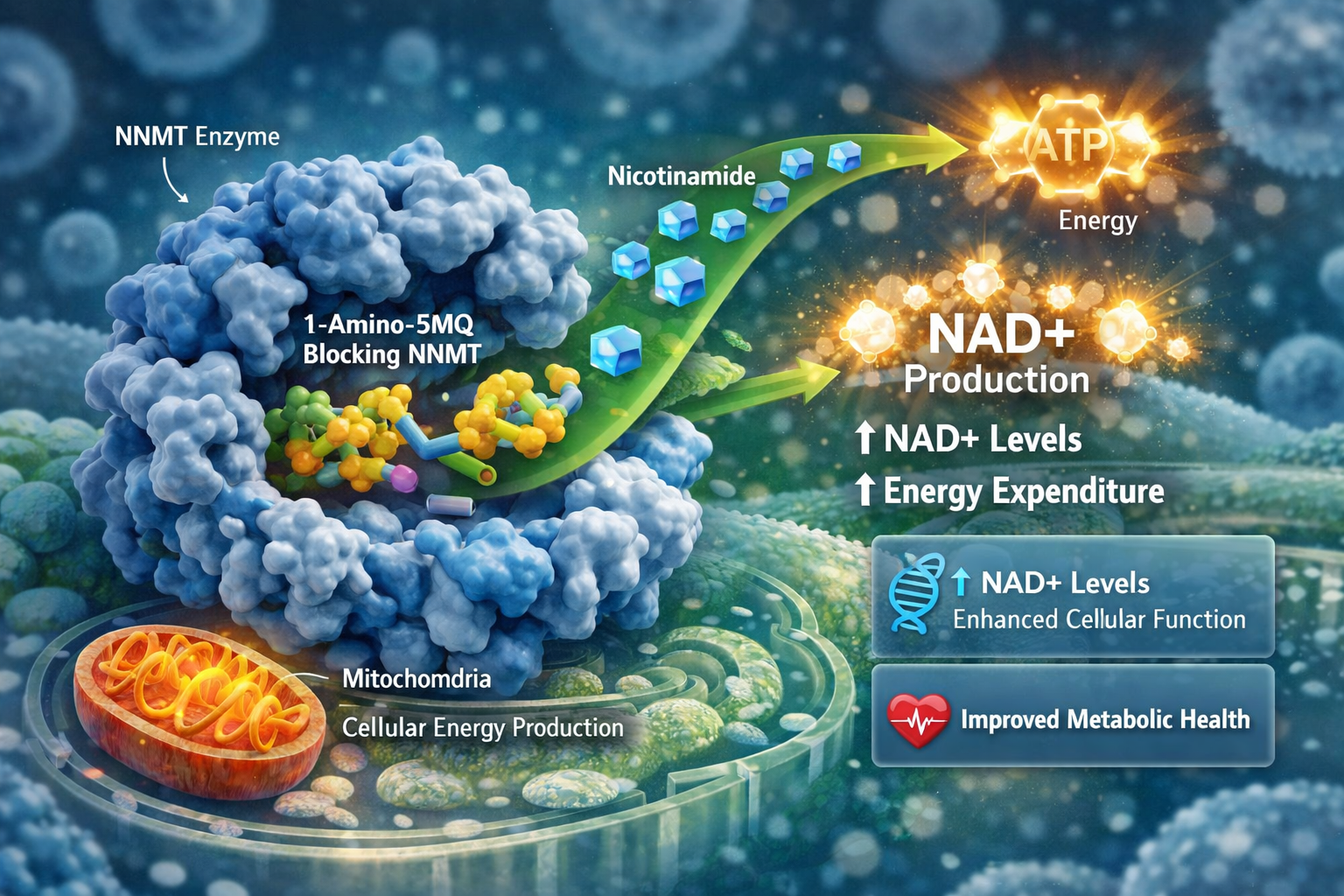
The journey to understand 1 amino 5 mq begins with its primary target: Nicotinamide N-methyltransferase, or NNMT. This enzyme plays a pivotal role in cellular metabolic pathways, acting as a crucial regulator of nicotinamide levels within the cell. Nicotinamide, a form of Vitamin B3, is a precursor to nicotinamide adenine dinucleotide (NAD+), a coenzyme essential for countless biological processes, including energy production, DNA repair, and cell signaling.
NNMT's function is to methylate nicotinamide, a process where a methyl group is added to the molecule. Using S-adenosylmethionine (SAM) as a methyl donor, NNMT converts nicotinamide into 1-methylnicotinamide (1-MNA) and S-adenosylhomocysteine (SAH). While 1-MNA has its own biological activities, this methylation effectively "diverts" nicotinamide away from the pathway that leads to the synthesis of NAD+.
Why NNMT Inhibition Matters
Research has increasingly shown that NNMT is often overexpressed in various metabolic disorders. For instance, elevated NNMT activity has been observed in the adipose (fat) tissue of individuals with obesity and correlates strongly with insulin resistance. This overexpression creates a metabolic imbalance, reducing the availability of nicotinamide for NAD+ biosynthesis, which in turn can impair cellular energy metabolism and mitochondrial function. When NNMT is highly active, it essentially acts as a "drain" on the cellular nicotinamide pool, leading to lower NAD+ levels.
This is where 1 amino 5 mq steps in. As a small molecule compound, 1 amino 5 mq functions as a selective inhibitor of NNMT. This means it specifically targets and blocks the activity of the NNMT enzyme. By doing so, it prevents NNMT from methylating nicotinamide, thereby "preserving" nicotinamide availability within the cell. This preserved nicotinamide can then be efficiently redirected into the salvage pathway, a crucial biochemical route for synthesizing NAD+. The result? An increase in cellular NAD+ levels. This mechanism is central to the observed effects of 1 amino 5 mq on metabolism.
The importance of maintaining robust NAD+ levels cannot be overstated. NAD+ is not only fundamental for energy production in the mitochondria, but it also serves as a substrate for sirtuins, a family of proteins involved in cellular regulation, DNA repair, and the aging process. As we age, NAD+ levels naturally decline, a phenomenon linked to various age-related metabolic dysfunctions and diseases. Therefore, strategies to boost NAD+ levels, such as NNMT inhibition by compounds like 5 amino 1 mq, hold significant promise for addressing these age-related declines.
How 1 amino 5 mq Works at a Molecular Level
At a more granular level, 1 amino 5 mq exerts its effect through competitive inhibition at the NNMT active site. This means that 1 amino 5 mq molecules bind to the same site on the NNMT enzyme where nicotinamide would normally bind. By occupying this site, 1 amino 5 mq physically blocks nicotinamide from accessing the enzyme, effectively preventing the methylation reaction from occurring. This direct competitive action ensures that nicotinamide remains available for its primary role in NAD+ synthesis.
The specificity of 1 amino 5 mq for NNMT is a key aspect of its therapeutic potential. Selective inhibition minimizes off-target effects, which are often a concern with broader metabolic interventions. This focused approach allows researchers to study the precise impact of NNMT activity on metabolic pathways, providing clearer insights into its role in health and disease. For those interested in advanced metabolic research tools, products like 5-Amino-1MQ 5mg are designed for laboratory study.
The scientific community, as of 2026, is particularly focused on how this precise mechanism translates into broader physiological changes. Preclinical studies, predominantly in animal models, have already provided compelling evidence. These studies have shown that NNMT inhibition can lead to increased energy expenditure, which is the body's ability to burn calories. Furthermore, they have demonstrated reductions in fat mass and significant improvements in insulin sensitivity, a critical marker for preventing and managing type 2 diabetes. These findings collectively suggest that 1 amino 5 mq and similar NNMT inhibitors could offer a novel therapeutic avenue for metabolic syndrome and obesity.
For researchers exploring the frontiers of peptide science and its metabolic implications, understanding the synergistic effects of compounds is vital. The potential for stacking 5 amino 1 mq with other research peptides, such as those that interact with cellular energy pathways, is a topic of increasing interest. For example, some researchers explore the combined effects of NNMT inhibitors with compounds that directly influence mitochondrial function or NAD+ precursors.
"The targeted inhibition of NNMT by compounds like 1 amino 5 mq represents a sophisticated approach to modulating cellular metabolism, offering a pathway to enhance fundamental energy processes and potentially combat metabolic dysfunction."
The implications of these findings are vast, stretching from basic cellular biology to potential clinical applications. The ability to restore or enhance NAD+ levels by simply inhibiting an enzyme offers a promising alternative or complement to direct NAD+ precursor supplementation. This field of research is rapidly expanding, with new studies continually refining our understanding of NNMT's role and the efficacy of its inhibitors.
In summary, the foundational science behind 1 amino 5 mq revolves around its capacity to selectively inhibit NNMT, thereby redirecting nicotinamide towards NAD+ synthesis. This mechanism underpins its observed benefits in preclinical metabolic models and forms the basis for ongoing research into its broader therapeutic applications. Understanding this core principle is the first step in appreciating the complex and exciting potential of this molecule. Researchers can find high-quality peptides for sale for their studies.
[[IMAGE_PROMPT_1]]
Broader Research and Emerging Applications of 1 amino 5 mq
Beyond its well-established role in directly boosting NAD+ levels and improving core metabolic markers, research into 1 amino 5 mq and other NNMT inhibitors is expanding into a diverse array of potential applications. The pervasive nature of NNMT in cellular metabolism and its intricate connections to various biological processes suggest that its inhibition could have far-reaching effects on health and disease.
Metabolic Health and Beyond: The Expanding Horizon
Clinical interest in NNMT inhibitors has grown significantly, especially concerning their potential role in addressing age-related metabolic decline. As our understanding of the aging process deepens, the importance of maintaining robust metabolic function becomes increasingly clear. Compounds like 5-amino-1 mq are being investigated for their effects on body composition, energy metabolism, and longevity pathways. For instance, while often discussed, combining nmn + 5 amino 1-mq is an area of ongoing research, exploring if a dual approach to NAD+ enhancement can yield synergistic benefits.
The idea here is that by improving metabolic efficiency and reducing fat mass through NNMT inhibition, individuals might experience a healthier metabolic profile as they age. This could translate into better glucose control, reduced risk of obesity-related complications, and potentially a slowing of age-associated metabolic deterioration. The early preclinical data from 2024-2025 support these exciting possibilities, fueling further exploration into the specific 5 amino 1 mq dosage and delivery methods for optimal outcomes in research settings. Researchers can explore different forms, such as 5-amino-1mq capsules for convenient study.
Epigenetic Regulation and Cellular Function
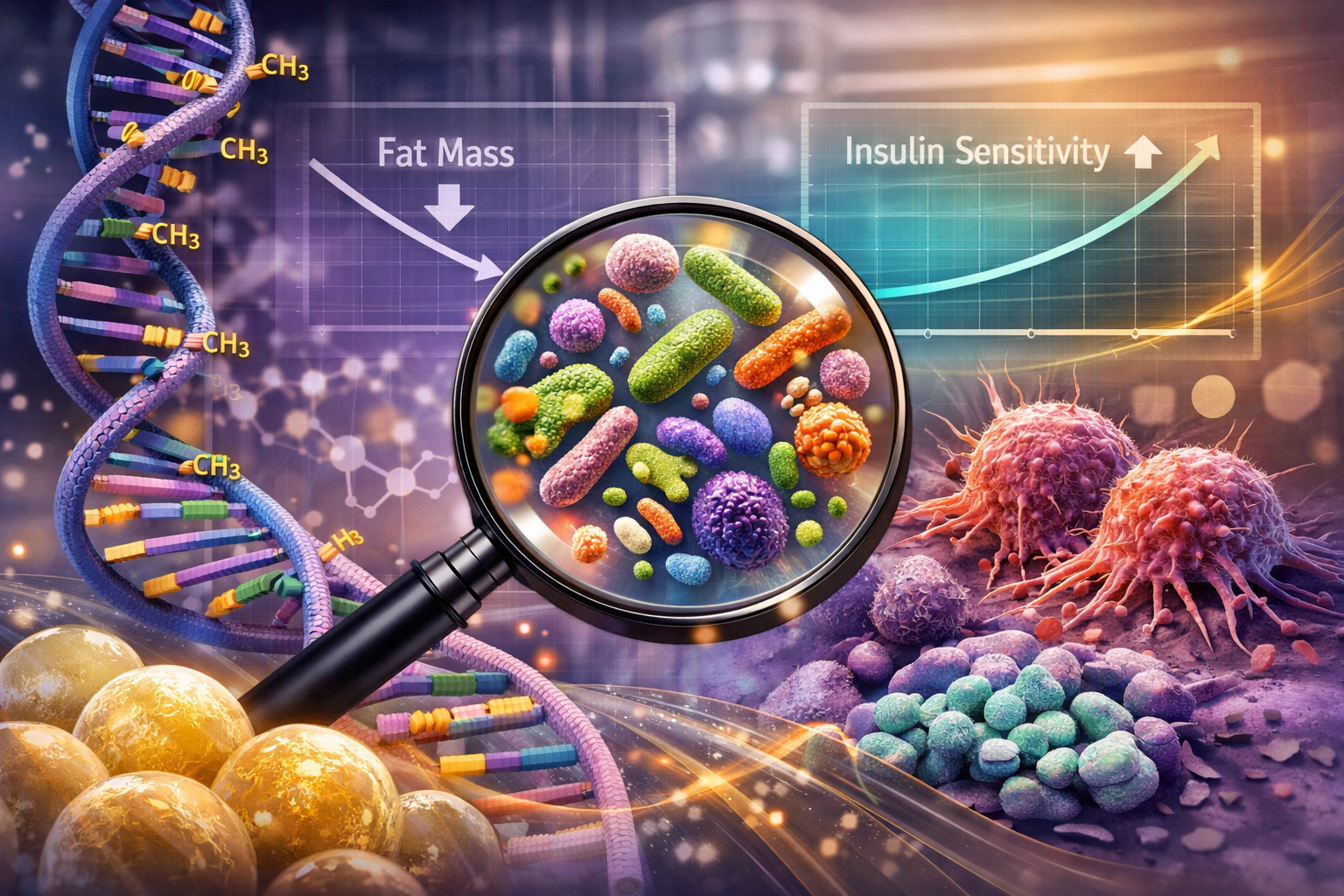
An intriguing aspect of NNMT inhibition lies in its connection to epigenetic regulation. Recall that NNMT uses S-adenosylmethionine (SAM) as a methyl donor. SAM is not only crucial for NNMT activity but also serves as the universal methyl donor for a multitude of other methylation reactions within the cell, including those involved in DNA and histone methylation. These epigenetic modifications play a critical role in gene expression and cellular differentiation.
When NNMT is inhibited by 1 amino 5 mq, the availability of SAM for other cellular processes can be modulated. By reducing the diversion of SAM to NNMT, more SAM might become available for other essential methylation reactions, potentially influencing epigenetic programming. This suggests that NNMT inhibitors could have a broader impact on cellular function and health by indirectly affecting gene expression. This avenue of research is relatively new, with studies as of 2026 beginning to uncover the complex interplay between NNMT, SAM, and epigenetic landscapes.
Unveiling Potential in Cancer Therapy
Beyond metabolic disorders, recent studies published in 2024-2025 suggest that NNMT inhibitors like 5 amino 1 mq peptide may have applications in cancer therapy. NNMT is known to be overexpressed in various tumor types, where it can contribute to cancer cell proliferation, survival, and drug resistance. By inhibiting NNMT, researchers hypothesize that it might be possible to disrupt these cancer-promoting pathways. This could involve altering the metabolic state of cancer cells, making them more vulnerable to existing treatments, or even directly inhibiting their growth. This area represents a significant new frontier for 1 amino 5 mq research, highlighting its versatile potential.
The Gut Microbiome Connection
Another fascinating, and relatively recent, discovery comes from research published in 2025, which indicates that NNMT inhibition can influence the gut microbiome composition and metabolite production. The gut microbiome, a complex community of microorganisms residing in our digestive tract, plays a profound role in host metabolism, immune function, and overall health. Alterations in its composition or function are linked to a wide range of diseases, including obesity and metabolic syndrome.
The precise mechanisms by which NNMT inhibition impacts the gut microbiome are still under investigation. It could be through systemic metabolic changes that indirectly affect the gut environment, or perhaps through more direct interactions that influence microbial growth or metabolite production. This adds another layer of complexity and potential therapeutic avenues to the story of 1 amino 5 mq, suggesting that its benefits might extend beyond direct enzymatic inhibition to encompass the intricate host-microbiome axis.
Considerations for Research and Safety
While the promise of 1 amino 5 mq is significant, it is important to reiterate that most published data, especially regarding the benefits and mechanisms, are derived from in vitro (cell culture) and animal studies. Large-scale human clinical trials are necessary to fully understand the safety profile, optimal dosing, and long-term efficacy of 1 amino 5 mq in humans. As of 2026, research in this area is ongoing, with a focus on thoroughly characterizing its effects and potential side effects. Researchers interested in sourcing these materials for their studies should look to reputable suppliers. Learn more about the 5-amino-1mq research and data available.
For those conducting research, particularly in peptide studies, understanding how compounds interact is key. The concept of a "stack" — combining multiple research agents — is common. For instance, researchers might explore a mots c stack or a mots-c stack with other compounds. Questions like "can you stack mots c with retatrutide" or exploring a mots c and retatrutide stack are examples of synergistic research protocols. While 1 amino 5 mq operates via a distinct mechanism, the general principles of studying combinations for enhanced or broader effects are applicable across different research compounds. The goal is always to delineate the precise effects and safety of each component and their combination. Exploring the general category of peptide blends for research can provide further context.
"The versatility of 1 amino 5 mq in influencing not just core metabolism but also epigenetic pathways and even the gut microbiome positions it as a molecule of broad research interest with substantial therapeutic potential."
The continued exploration of 1 amino 5 mq and other NNMT inhibitors is poised to unveil further layers of their biological activity. From metabolic syndrome to cancer and the microbiome, the reach of these compounds seems to extend far beyond initial expectations, solidifying their place as important subjects in contemporary biomedical research. Researchers seeking high-purity compounds for their studies can find reliable sources at Pure Tested Peptides.
[[IMAGE_PROMPT_2]]
Conclusion
The exploration of 1 amino 5 mq reveals a molecule with profound implications for metabolic science and beyond. Its targeted action as a selective inhibitor of the NNMT enzyme positions it as a significant tool in understanding and potentially addressing a spectrum of metabolic dysfunctions. By preserving nicotinamide for NAD+ biosynthesis, 1 amino 5 mq directly impacts cellular energy metabolism, mitochondrial function, and overall metabolic health, as evidenced by compelling preclinical data showing increased energy expenditure, reduced fat mass, and improved insulin sensitivity.
As of 2026, the scientific community continues to vigorously investigate this compound, with research expanding into exciting new territories. The potential influence of 1 amino 5 mq on epigenetic regulation, its emerging role in cancer research, and its fascinating interplay with the gut microbiome underscore its multifaceted nature. While the journey from laboratory discovery to widespread human application is long and complex, the foundational research provides a robust framework for optimism.
Actionable Next Steps for Researchers and Enthusiasts:
- Stay Informed: Keep abreast of the latest scientific publications and clinical trial updates concerning NNMT inhibitors and 1 amino 5 mq. The field is rapidly evolving, with new discoveries frequently emerging.
- Consult Reputable Sources: For researchers, always procure 5 amino 1 mq and other research peptides from trusted suppliers who prioritize purity, testing, and transparency. Companies like Pure Tested Peptides offer high-quality research materials.
- Support Ethical Research: Advocate for and support rigorous, ethical scientific investigation into compounds like 1 amino 5 mq. Robust research is essential for translating preclinical promise into safe and effective solutions.
- Understand Limitations: Always remember that most data currently available on 1 amino 5 mq stems from in vitro and animal studies. Direct human efficacy and safety are still under active investigation and should not be presumed.
- Explore Related Research: Delve into the broader context of metabolic research, including discussions around NAD+ precursors, sirtuins, and the interplay between metabolism and aging. Topics such as the retatrutide mots c stack or general adaptive capacity and peptide mapping can offer valuable contextual insights.
The journey of 1 amino 5 mq from a biochemical curiosity to a molecule of significant research interest highlights the relentless pursuit of scientific understanding. As we move forward, the continued rigorous study of this compound promises to unlock new avenues for enhancing health and longevity.
Meta Title: 1 amino 5 mq: NNMT Inhibition for Metabolic Health Research
Meta Description: Explore 1 amino 5 mq research in 2026 – its role as an NNMT inhibitor, effects on NAD+ levels, and potential for metabolic health, obesity, and more.
Images