
The Complete Guide to Finding the Best US Peptide Supplier in 2026
When I first started researching peptides for scientific applications, I was overwhelmed by the sheer number of suppliers claiming to offer "premium quality" products. The peptide research market has exploded in recent years, but finding a reliable us peptide supplier that consistently delivers pure, tested compounds for legitimate research purposes remains a significant challenge for scientists and researchers across the country.
The stakes couldn't be higher when it comes to peptide quality. A single contaminated or improperly synthesized peptide can invalidate months of research, waste thousands of dollars in funding, and potentially compromise the safety of laboratory personnel. That's why choosing the right us peptide supplier isn't just about finding the lowest price – it's about finding a partner you can trust with your most critical research endeavors.
Key Takeaways
• Quality certification is non-negotiable – Look for suppliers offering third-party testing, HPLC analysis, and certificates of analysis for every batch
• Domestic suppliers provide superior reliability – US-based peptide suppliers offer faster shipping, better customer service, and compliance with FDA regulations
• Research-grade purity matters most – Legitimate suppliers focus exclusively on research applications and maintain purity levels above 98%
• Comprehensive product selection indicates expertise – The best suppliers offer diverse peptide libraries with detailed research documentation
• Transparent business practices build trust – Top suppliers provide clear pricing, detailed product information, and responsive customer support
Understanding the US Peptide Research Market 🧬
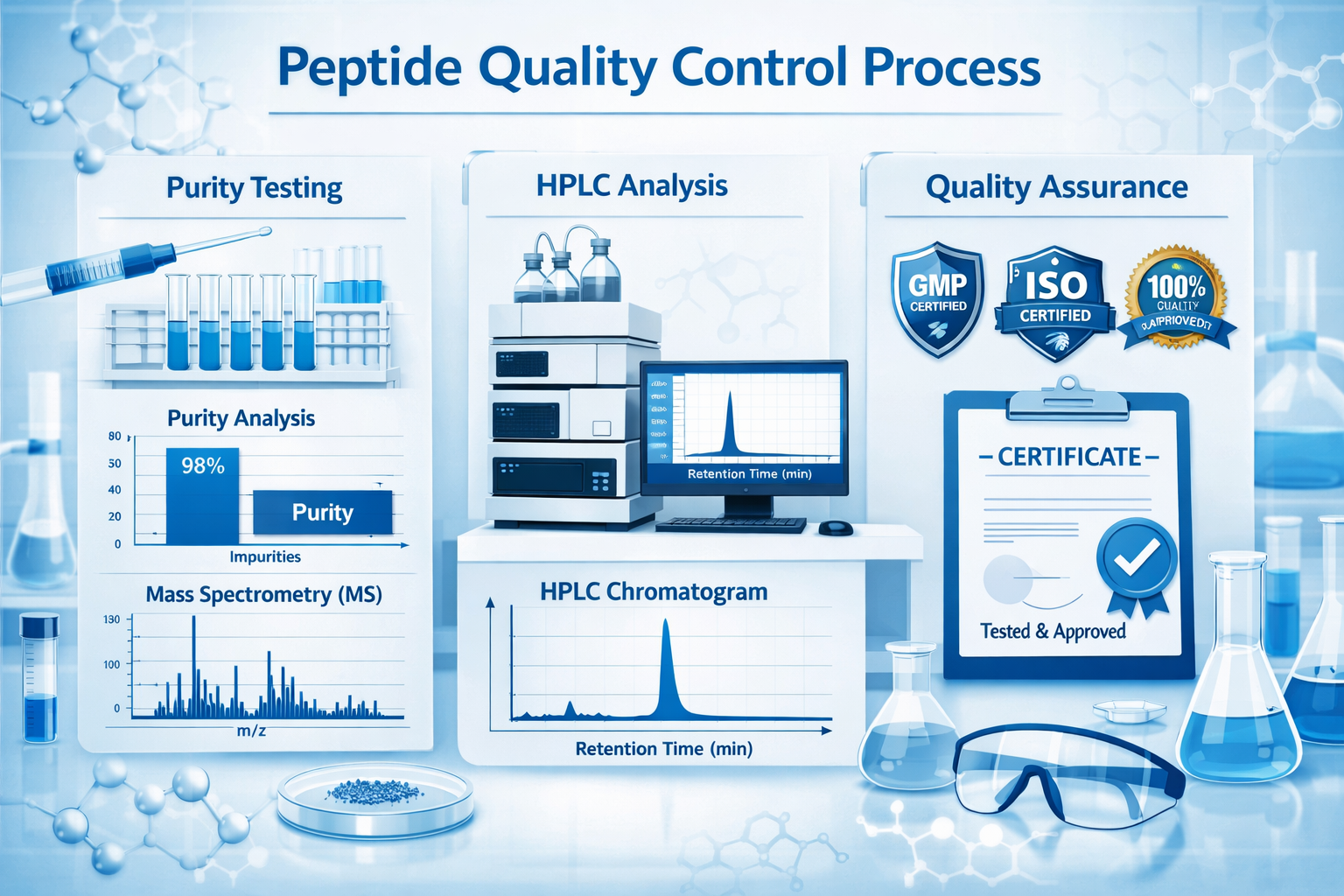
The peptide research industry in the United States has experienced unprecedented growth over the past decade. According to recent market analysis, the global peptide therapeutics market is projected to reach $48.5 billion by 2026, with a significant portion of this growth driven by innovative research conducted in American laboratories and institutions.
What Makes a Peptide Supplier "Research-Grade"?
When evaluating any us peptide supplier, it's crucial to understand what separates legitimate research suppliers from companies marketing to consumers. Research-grade peptide suppliers focus exclusively on providing compounds for scientific investigation, not human consumption or therapeutic use.
Key characteristics of legitimate research suppliers include:
- 📊 Third-party testing protocols with detailed certificates of analysis
- 🏭 GMP-compliant manufacturing facilities following strict quality standards
- 📋 Comprehensive documentation including molecular weight verification
- 🔬 Research-only marketing with clear disclaimers about intended use
- 🇺🇸 Domestic operations ensuring faster delivery and regulatory compliance
The Importance of Choosing Domestic Suppliers
Working with a us peptide supplier offers numerous advantages over international alternatives. Domestic suppliers typically provide faster shipping times, reducing the risk of peptide degradation during transport. Additionally, US-based companies operate under FDA oversight and must comply with American quality standards and business practices.
Pure Tested Peptides has established itself as the premier domestic peptide supplier, offering an extensive catalog of research-grade compounds with industry-leading quality assurance protocols.
Quality Standards and Testing Protocols 🔬
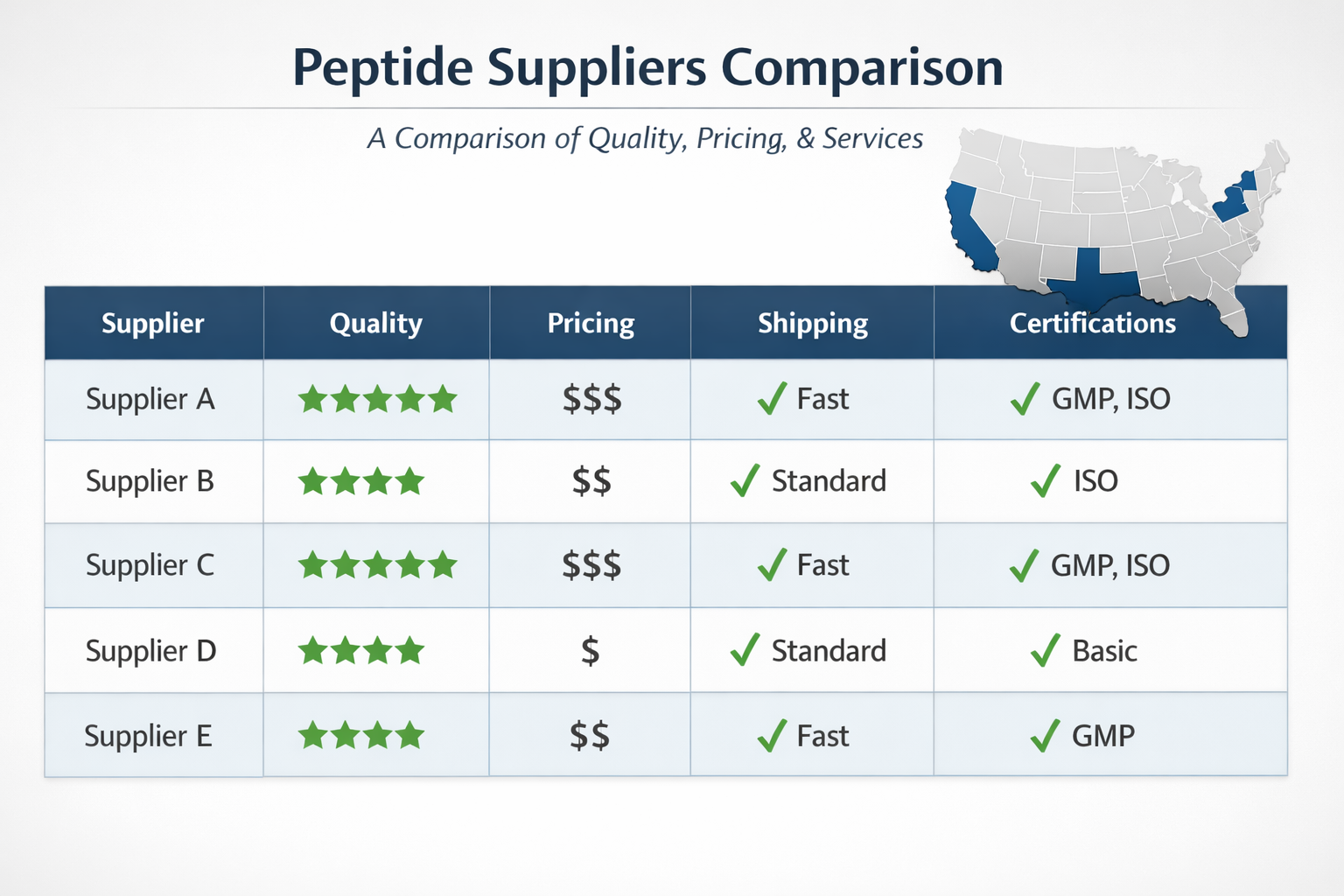
The foundation of any reputable us peptide supplier lies in their commitment to quality assurance and testing protocols. Understanding these standards helps researchers make informed decisions about which suppliers can truly support their scientific objectives.
Essential Quality Metrics
Purity Analysis:
Research-grade peptides should maintain purity levels of 98% or higher. This is typically verified through High-Performance Liquid Chromatography (HPLC) analysis, which separates and quantifies the target peptide from potential impurities.
Mass Spectrometry Verification:
Advanced suppliers utilize mass spectrometry to confirm the exact molecular weight of synthesized peptides. This testing ensures that the peptide sequence is correct and hasn't been altered during the synthesis process.
Endotoxin Testing:
Bacterial endotoxins can contaminate peptide preparations and interfere with research results. Reputable suppliers conduct LAL (Limulus Amebocyte Lysate) testing to ensure endotoxin levels remain below acceptable thresholds.
Certificate of Analysis (COA) Requirements
Every peptide shipment from a legitimate us peptide supplier should include a comprehensive Certificate of Analysis containing:
- Peptide sequence and molecular formula
- HPLC chromatogram showing purity percentage
- Mass spectrometry data confirming molecular weight
- Water content analysis
- Peptide content by weight
- Storage recommendations and expiration date
For researchers working with specific compounds like BPC-157 peptide, having access to detailed COA documentation is essential for maintaining research integrity and reproducibility.
<!DOCTYPE html>
<html lang="en">
<head>
    <meta charset="UTF-8">
    <meta name="viewport" content="width=device-width, initial-scale=1.0">
    <title>Peptide Quality Assessment Tool</title>
    <style>
        .cg-element-container {
            max-width: 800px;
            margin: 20px auto;
            padding: 20px;
            font-family: Arial, sans-serif;
            background: #f8f9fa;
            border-radius: 10px;
            box-shadow: 0 4px 6px rgba(0,0,0,0.1);
        }
        .cg-element-header {
            text-align: center;
            color: #2c3e50;
            margin-bottom: 30px;
        }
        .cg-element-form {
            display: grid;
            gap: 20px;
        }
        .cg-element-input-group {
            display: flex;
            flex-direction: column;
            gap: 8px;
        }
        .cg-element-label {
            font-weight: bold;
            color: #34495e;
        }
        .cg-element-input, .cg-element-select {
            padding: 10px;
            border: 2px solid #bdc3c7;
            border-radius: 5px;
            font-size: 16px;
        }
        .cg-element-button {
            background: #3498db;
            color: white;
            padding: 12px 24px;
            border: none;
            border-radius: 5px;
            font-size: 16px;
            cursor: pointer;
            transition: background 0.3s;
        }
        .cg-element-button:hover {
            background: #2980b9;
        }
        .cg-element-results {
            margin-top: 20px;
            padding: 20px;
            background: white;
            border-radius: 5px;
            border-left: 4px solid #3498db;
        }
        .cg-element-score {
            font-size: 24px;
            font-weight: bold;
            text-align: center;
            margin: 10px 0;
        }
        .cg-element-excellent { color: #27ae60; }
        .cg-element-good { color: #f39c12; }
        .cg-element-poor { color: #e74c3c; }
        .cg-element-recommendations {
            margin-top: 15px;
        }
        .cg-element-recommendation {
            padding: 8px;
            margin: 5px 0;
            background: #ecf0f1;
            border-radius: 3px;
        }
        @media (max-width: 600px) {
            .cg-element-container {
                margin: 10px;
                padding: 15px;
            }
        }
    </style>
</head>
<body>
    <div class="cg-element-container">
        <h2 class="cg-element-header">Peptide Supplier Quality Assessment Tool</h2>
        <div class="cg-element-form">
            <div class="cg-element-input-group">
                <label class="cg-element-label">Peptide Purity (%)</label>
                <input type="number" id="purity" class="cg-element-input" min="0" max="100" placeholder="Enter purity percentage">
            </div>

            <div class="cg-element-input-group">
                <label class="cg-element-label">Certificate of Analysis Provided?</label>
                <select id="coa" class="cg-element-select">
                    <option value="">Select option</option>
                    <option value="yes">Yes - Comprehensive COA</option>
                    <option value="basic">Yes - Basic COA</option>
                    <option value="no">No COA provided</option>
                </select>
            </div>

            <div class="cg-element-input-group">
                <label class="cg-element-label">Testing Methods</label>
                <select id="testing" class="cg-element-select">
                    <option value="">Select testing level</option>
                    <option value="comprehensive">HPLC + MS + Endotoxin</option>
                    <option value="standard">HPLC + MS</option>
                    <option value="basic">HPLC only</option>
                    <option value="none">No testing mentioned</option>
                </select>
            </div>

            <div class="cg-element-input-group">
                <label class="cg-element-label">Supplier Location</label>
                <select id="location" class="cg-element-select">
                    <option value="">Select location</option>
                    <option value="us">United States</option>
                    <option value="international">International</option>
                </select>
            </div>

            <div class="cg-element-input-group">
                <label class="cg-element-label">Research Focus</label>
                <select id="focus" class="cg-element-select">
                    <option value="">Select focus</option>
                    <option value="research">Research only</option>
                    <option value="mixed">Mixed marketing</option>
                    <option value="consumer">Consumer focused</option>
                </select>
            </div>

            <button class="cg-element-button" onclick="assessQuality()">Assess Supplier Quality</button>
        </div>

        <div id="results" class="cg-element-results" style="display: none;">
            <h3>Quality Assessment Results</h3>
            <div id="score" class="cg-element-score"></div>
            <div id="recommendations" class="cg-element-recommendations"></div>
        </div>
    </div>

    <script>
        function assessQuality() {
            const purity = parseFloat(document.getElementById('purity').value);
            const coa = document.getElementById('coa').value;
            const testing = document.getElementById('testing').value;
            const location = document.getElementById('location').value;
            const focus = document.getElementById('focus').value;

            let score = 0;
            let recommendations = [];

            // Purity scoring
            if (purity >= 98) score += 25;
            else if (purity >= 95) score += 20;
            else if (purity >= 90) score += 15;
            else if (purity > 0) score += 5;

            // COA scoring
            if (coa === 'yes') score += 20;
            else if (coa === 'basic') score += 15;
            else if (coa === 'no') recommendations.push('Request comprehensive Certificate of Analysis');

            // Testing scoring
            if (testing === 'comprehensive') score += 25;
            else if (testing === 'standard') score += 20;
            else if (testing === 'basic') score += 10;
            else recommendations.push('Ensure supplier uses HPLC and mass spectrometry testing');

            // Location scoring
            if (location === 'us') score += 15;
            else if (location === 'international') recommendations.push('Consider US-based suppliers for faster shipping and regulatory compliance');

            // Focus scoring
            if (focus === 'research') score += 15;
            else if (focus === 'mixed') score += 10;
            else recommendations.push('Choose suppliers focused exclusively on research applications');

            // Display results
            const resultsDiv = document.getElementById('results');
            const scoreDiv = document.getElementById('score');
            const recommendationsDiv = document.getElementById('recommendations');

            let scoreClass, scoreText;
            if (score >= 80) {
                scoreClass = 'cg-element-excellent';
                scoreText = 'Excellent Supplier';
            } else if (score >= 60) {
                scoreClass = 'cg-element-good';
                scoreText = 'Good Supplier';
            } else {
                scoreClass = 'cg-element-poor';
                scoreText = 'Poor Supplier - Consider Alternatives';
            }

            scoreDiv.className = `cg-element-score ${scoreClass}`;
            scoreDiv.textContent = `${score}/100 - ${scoreText}`;

            if (recommendations.length > 0) {
                recommendationsDiv.innerHTML = '<h4>Recommendations:</h4>' +
                    recommendations.map(rec => `<div class="cg-element-recommendation">${rec}</div>`).join('');
            } else {
                recommendationsDiv.innerHTML = '<h4>This supplier meets high quality standards for research applications.</h4>';
            }

            resultsDiv.style.display = 'block';
        }
    </script>
</body>
</html>
Top Factors When Choosing a US Peptide Supplier 🎯
Selecting the right us peptide supplier requires careful evaluation of multiple factors that directly impact research outcomes. Based on extensive analysis of the peptide supply market and feedback from research institutions, several key criteria consistently separate exceptional suppliers from mediocre ones.
Product Quality and Consistency
The most critical factor in supplier selection is consistent product quality. Research projects often span months or years, requiring multiple peptide orders. Variations in purity, potency, or composition between batches can compromise research validity and reproducibility.
Quality indicators to evaluate:
- Batch-to-batch consistency with documented quality control processes
- Stability testing data showing peptide integrity over time
- Contamination screening for bacterial, viral, and chemical contaminants
- Proper storage protocols maintaining cold chain integrity during shipping
Comprehensive Product Selection
Leading peptide suppliers maintain extensive catalogs covering diverse research applications. When evaluating a us peptide supplier, consider whether they offer:
- Individual peptides in various quantities and concentrations
- Peptide blends for specialized research applications
- Custom synthesis services for unique research requirements
- Complementary research tools and reagents
For researchers investigating specific compounds, suppliers offering detailed product lines like 5-amino-1MQ peptides for sale demonstrate specialized expertise and commitment to supporting focused research areas.
Customer Service and Technical Support
Research peptide applications often require technical guidance and troubleshooting support. The best us peptide supplier companies provide:
- Knowledgeable technical staff who understand peptide chemistry and applications
- Responsive customer service with quick response times to inquiries
- Detailed product documentation including handling and storage guidelines
- Research support resources such as protocols and application notes
Regulatory Compliance and Business Practices
Legitimate peptide suppliers operate transparently and maintain compliance with relevant regulations. Key indicators include:
- Clear statements that products are for research use only
- Proper business licensing and registration
- Adherence to shipping regulations for biological materials
- Transparent pricing without hidden fees or charges
Research Applications and Peptide Categories 🔬
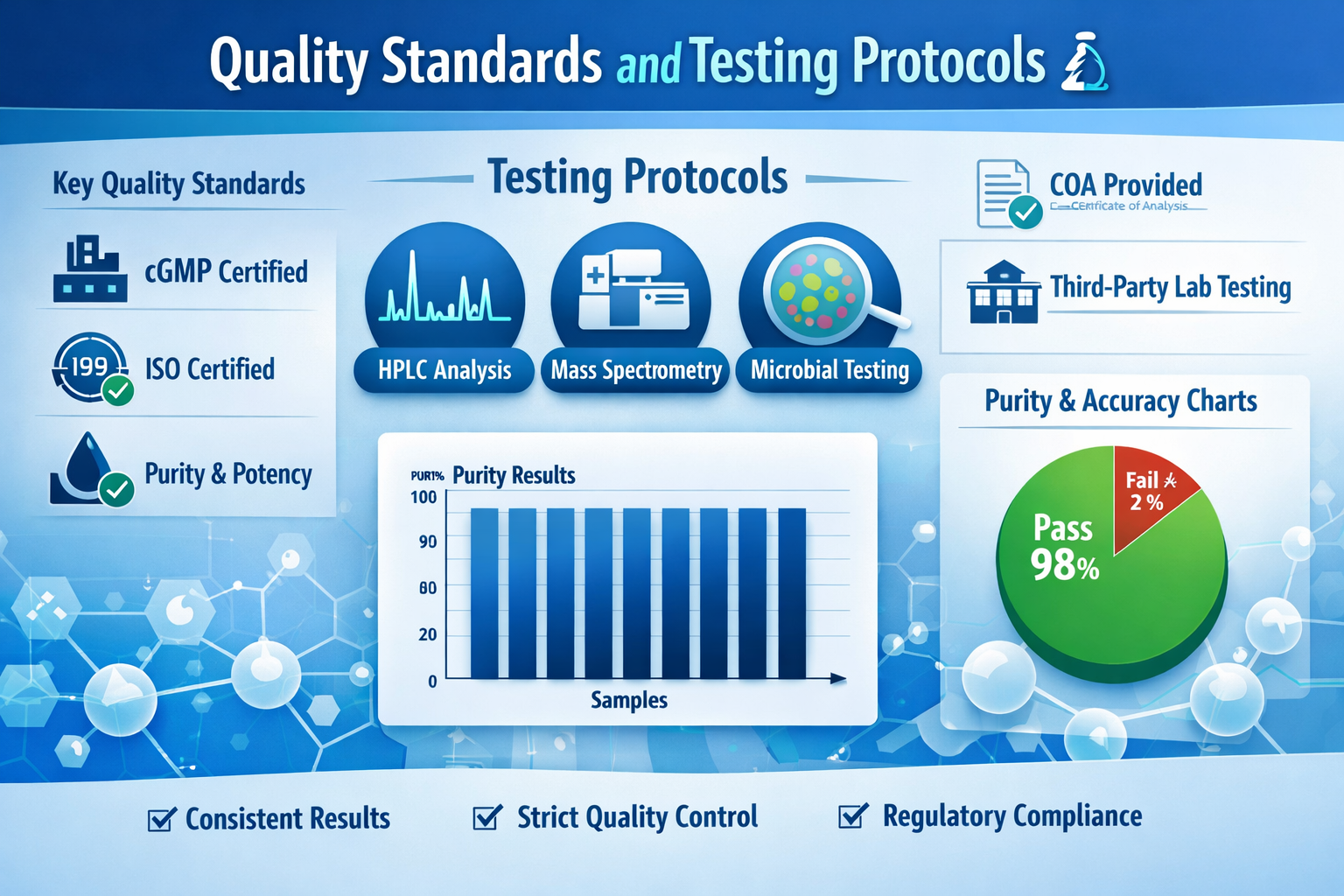
Understanding the diverse applications of research peptides helps researchers identify suppliers with the expertise and product range needed for specific scientific investigations. The peptide research landscape encompasses multiple therapeutic areas and research methodologies.
Metabolic Research Peptides
Metabolic research represents one of the fastest-growing areas in peptide science. Researchers investigating obesity, diabetes, and metabolic disorders rely on specialized peptides to understand cellular energy processes and develop potential therapeutic interventions.
Popular metabolic research peptides include:
- AOD-9604 for investigating fat metabolism pathways
- 5-amino-1MQ for studying cellular energy regulation
- MOTS-c for mitochondrial function research
- GLP-1 analogs for glucose regulation studies
When sourcing metabolic research peptides, it's essential to work with a us peptide supplier that understands the specific purity and handling requirements for these sensitive compounds. AOD-9604 metabolic research applications, for example, require precise peptide concentrations and proper storage conditions to maintain biological activity.
Tissue Repair and Regeneration Research
Peptides play crucial roles in tissue healing and regeneration processes. Research in this area focuses on understanding how specific peptides influence cellular repair mechanisms, collagen synthesis, and wound healing pathways.
Key research peptides in this category:
- BPC-157 for gastrointestinal and tissue repair studies
- TB-500 for investigating cellular migration and angiogenesis
- GHK-Cu for wound healing and anti-aging research
- Epithalon for cellular regeneration and longevity studies
Researchers can explore comprehensive information about benefits of TB500 and its applications in tissue repair research through specialized supplier resources.
Antimicrobial and Immune System Research
Antimicrobial peptides represent a promising area for developing novel therapeutic approaches to combat antibiotic-resistant infections. Research in this field requires access to specialized peptides with proven antimicrobial properties.
Research focus areas include:
- Host defense peptides and their mechanisms of action
- Peptide-based alternatives to traditional antibiotics
- Immune system modulation through peptide signaling
- Biofilm disruption and prevention strategies
Peptide Combinations and Synergistic Research
Advanced research often involves investigating how multiple peptides work together to produce enhanced or synergistic effects. This requires suppliers capable of providing both individual compounds and pre-formulated combinations.
Examples of combination research include:
- Synergy of LL37 and MOTS-C for immune and metabolic research
- BPC-157 and TB500 combinations for tissue repair studies
- Multiple peptide protocols for comprehensive wellness research
When working with peptide combinations, ensure your us peptide supplier can provide detailed documentation about peptide interactions and optimal research protocols.
Pricing, Shipping, and Customer Service Excellence 📦
The business aspects of working with a us peptide supplier significantly impact research efficiency and budget management. Understanding pricing structures, shipping options, and customer service standards helps researchers make informed supplier decisions.
Transparent Pricing Models
Reputable peptide suppliers maintain clear, transparent pricing without hidden fees or surprise charges. When evaluating pricing from different suppliers, consider:
Factors affecting peptide pricing:
- Peptide complexity – Simple sequences cost less than complex modifications
- Quantity discounts – Bulk orders typically offer better per-unit pricing
- Purity requirements – Higher purity grades command premium pricing
- Custom synthesis – Unique peptides require additional development costs
Red flags in peptide pricing:
- Prices significantly below market averages (may indicate quality issues)
- Hidden shipping, handling, or processing fees
- Unclear pricing for different quantities or purity grades
- Pressure tactics or limited-time pricing schemes
Shipping and Handling Standards
Peptides are sensitive biological compounds requiring specialized shipping conditions to maintain stability and potency. Leading suppliers invest in proper cold chain logistics and protective packaging.
Essential shipping considerations:
- Temperature control during transit with insulated packaging and ice packs
- Fast delivery options to minimize time outside optimal storage conditions
- Package tracking with real-time updates on shipment status
- Damage protection with appropriate cushioning and secure containers
Domestic suppliers typically offer significant advantages in shipping speed and reliability compared to international alternatives. A quality us peptide supplier can often deliver products within 1-3 business days, reducing the risk of peptide degradation during extended shipping periods.
Customer Service Excellence
Outstanding customer service distinguishes the best peptide suppliers from their competitors. Research projects often involve tight timelines and specific requirements that demand responsive, knowledgeable support.
Customer service benchmarks:
- Response time – Initial responses within 24 hours, preferably much faster
- Technical expertise – Staff who understand peptide chemistry and applications
- Order support – Assistance with product selection and quantity determination
- Problem resolution – Quick handling of shipping issues or product concerns
Building Long-Term Research Partnerships
The best us peptide supplier relationships evolve into long-term partnerships that support ongoing research objectives. These partnerships provide:
- Consistent product quality across multiple orders
- Priority handling during high-demand periods
- Custom synthesis capabilities for unique research needs
- Research collaboration opportunities and technical support
For researchers interested in building these partnerships, programs like the affiliate program offered by leading suppliers can provide additional benefits and cost savings for frequent orders.
When researchers need to buy peptides online, working with established domestic suppliers ensures reliable access to high-quality compounds with the customer service support necessary for successful research outcomes.
Future Trends in Peptide Research and Supply 🚀
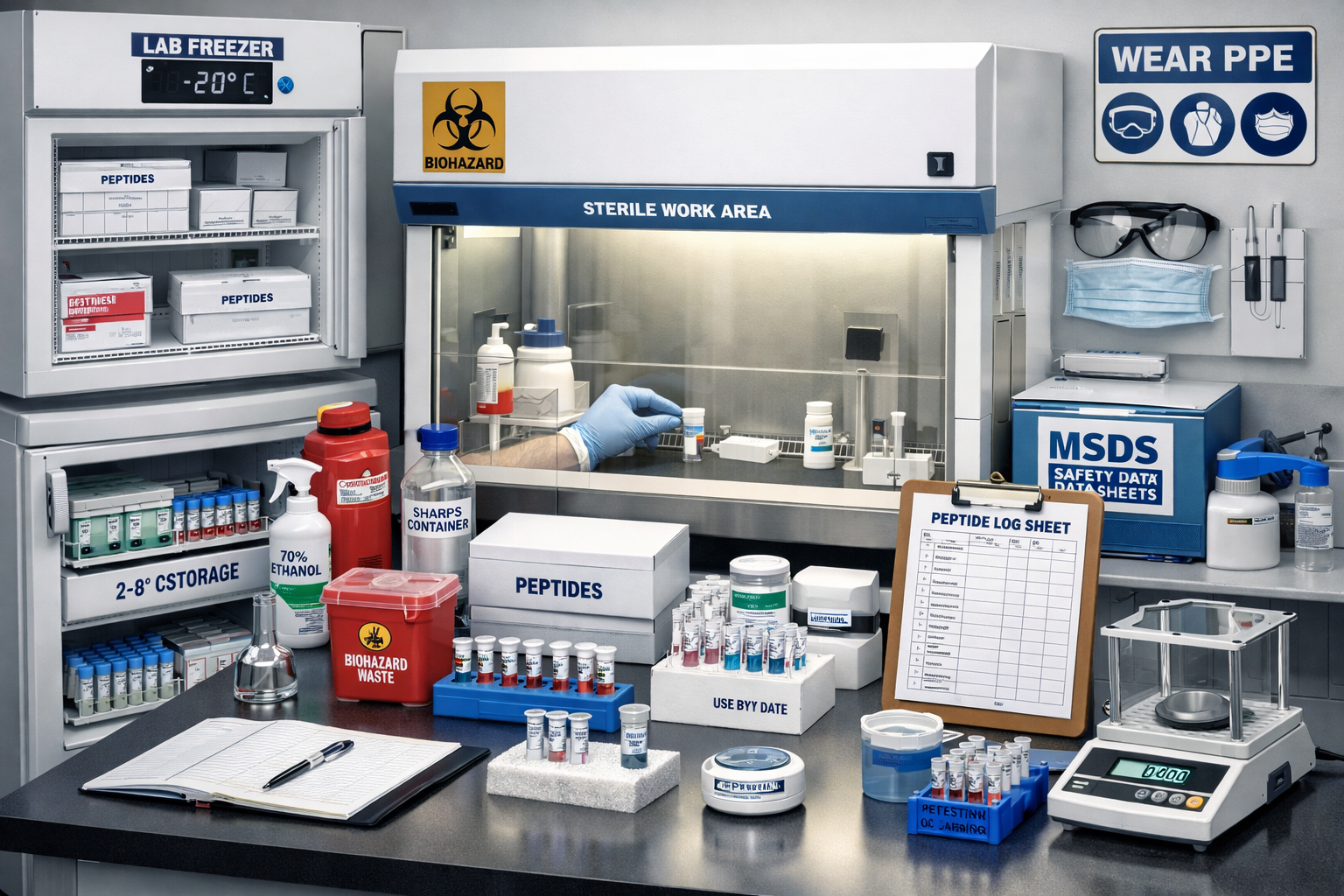
The peptide research industry continues evolving rapidly, driven by advances in synthesis technology, analytical methods, and our understanding of peptide biology. These trends directly impact how researchers should evaluate and select their us peptide supplier partners.
Technological Advances in Peptide Synthesis
Modern peptide synthesis has become increasingly sophisticated, enabling the production of longer, more complex peptides with enhanced stability and bioactivity. These advances create new opportunities for research while raising the bar for supplier capabilities.
Emerging synthesis technologies:
- Solid-phase peptide synthesis (SPPS) improvements enabling longer peptide sequences
- Click chemistry applications for peptide modifications and conjugations
- Automated synthesis platforms improving consistency and reducing production costs
- Green chemistry approaches minimizing environmental impact of peptide production
Quality Control and Analytical Advancements
Analytical technology improvements enable more precise characterization of peptide products, leading to higher quality standards and better research reproducibility.
Advanced analytical methods:
- Ultra-high performance liquid chromatography (UHPLC) for improved separation and analysis
- High-resolution mass spectrometry for detailed molecular characterization
- Nuclear magnetic resonance (NMR) for structural confirmation
- Automated quality control systems reducing human error and improving consistency
Regulatory Landscape Evolution
The regulatory environment surrounding research peptides continues developing as authorities work to balance research freedom with safety considerations. Reputable suppliers stay ahead of these changes to maintain compliance.
Key regulatory considerations:
- Enhanced documentation requirements for peptide shipments
- Stricter quality standards for research-grade compounds
- Improved tracking and accountability for peptide distribution
- International harmonization of peptide research regulations
Market Consolidation and Specialization
The peptide supply market is experiencing consolidation as smaller suppliers merge or exit the market, while successful companies expand their capabilities and geographic reach. This trend benefits researchers through:
- Improved economies of scale leading to better pricing
- Enhanced quality systems from larger, more established suppliers
- Broader product catalogs offering one-stop shopping for research needs
- Better customer service from companies with greater resources
Personalized Research Applications
Growing interest in personalized medicine drives demand for custom peptide synthesis and specialized research applications. Forward-thinking suppliers are investing in capabilities to support this trend.
Personalized research trends:
- Custom peptide synthesis for unique research applications
- Small-batch production for specialized studies
- Rapid turnaround times for time-sensitive research
- Collaborative research partnerships between suppliers and institutions
When selecting a us peptide supplier for future research needs, consider whether the company demonstrates innovation, investment in technology, and commitment to staying current with industry developments. The best practices for storing research peptides continue evolving as our understanding of peptide stability improves.
Researchers looking for peptides for sale should prioritize suppliers who demonstrate forward-thinking approaches and investment in emerging technologies that will support the next generation of peptide research applications.
Conclusion
Finding the right us peptide supplier is one of the most critical decisions researchers make when planning peptide-based studies. The quality, reliability, and support provided by your supplier directly impacts research outcomes, timeline adherence, and budget management.
Throughout this comprehensive guide, we've explored the essential factors that distinguish exceptional peptide suppliers from mediocre alternatives. Quality assurance protocols, comprehensive testing standards, transparent business practices, and responsive customer service form the foundation of successful supplier relationships.
The peptide research landscape will continue evolving rapidly, driven by technological advances and expanding therapeutic applications. Researchers who partner with innovative, forward-thinking suppliers position themselves to take advantage of new opportunities and maintain competitive advantages in their research fields.
Next Steps for Researchers
Immediate actions to take:
- Evaluate your current supplier using the quality assessment criteria outlined in this guide
- Request certificates of analysis for recent peptide orders to verify quality standards
- Compare pricing and service levels across multiple domestic suppliers
- Establish relationships with backup suppliers to ensure research continuity
- Stay informed about industry developments and regulatory changes
Long-term strategy considerations:
- Build partnerships with suppliers who demonstrate innovation and growth
- Invest in supplier relationships that provide technical support and collaboration opportunities
- Consider suppliers offering custom synthesis capabilities for unique research needs
- Prioritize domestic suppliers for reliability, speed, and regulatory compliance
The investment in finding and developing relationships with the right us peptide supplier pays dividends throughout your research career. Quality suppliers become trusted partners who contribute to research success, help navigate challenges, and provide the foundation for groundbreaking scientific discoveries.
Remember that all peptide products discussed in this guide are intended exclusively for research applications and are not approved for human consumption or therapeutic use. Always ensure your research protocols comply with institutional guidelines and applicable regulations.
SEO Meta Information:
Meta Title: Best US Peptide Supplier Guide 2026 | Research Quality Standards
Meta Description: Complete guide to finding reliable US peptide suppliers. Compare quality standards, testing protocols, pricing & customer service for research peptides.