
BPC-157 Nasal Spray vs Oral: Complete Guide for Peptide Users in 2026
Choosing the right delivery method for peptides can mean the difference between optimal results and wasted investment. When it comes to BPC-157 nasal spray vs oral administration, health professionals, fitness coaches, and medispa practitioners face a critical decision that impacts bioavailability, convenience, and therapeutic outcomes. This comprehensive guide breaks down everything you need to know about these two popular delivery methods, helping you make an informed choice based on scientific evidence and practical considerations.
Key Takeaways
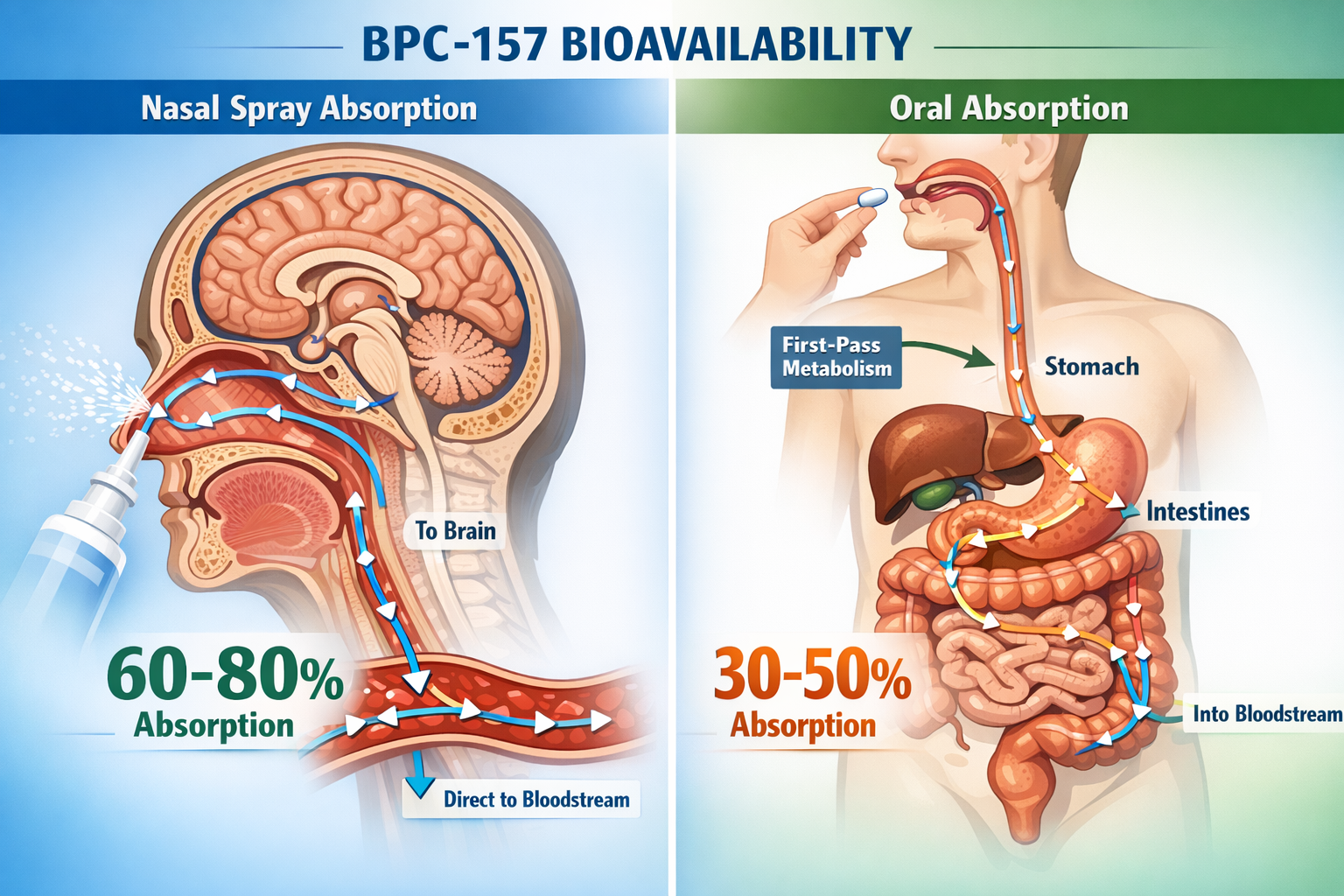
- Bioavailability differs significantly: Nasal spray BPC-157 offers 60-80% absorption through nasal mucosa, while oral capsules typically achieve 30-50% absorption due to digestive breakdown
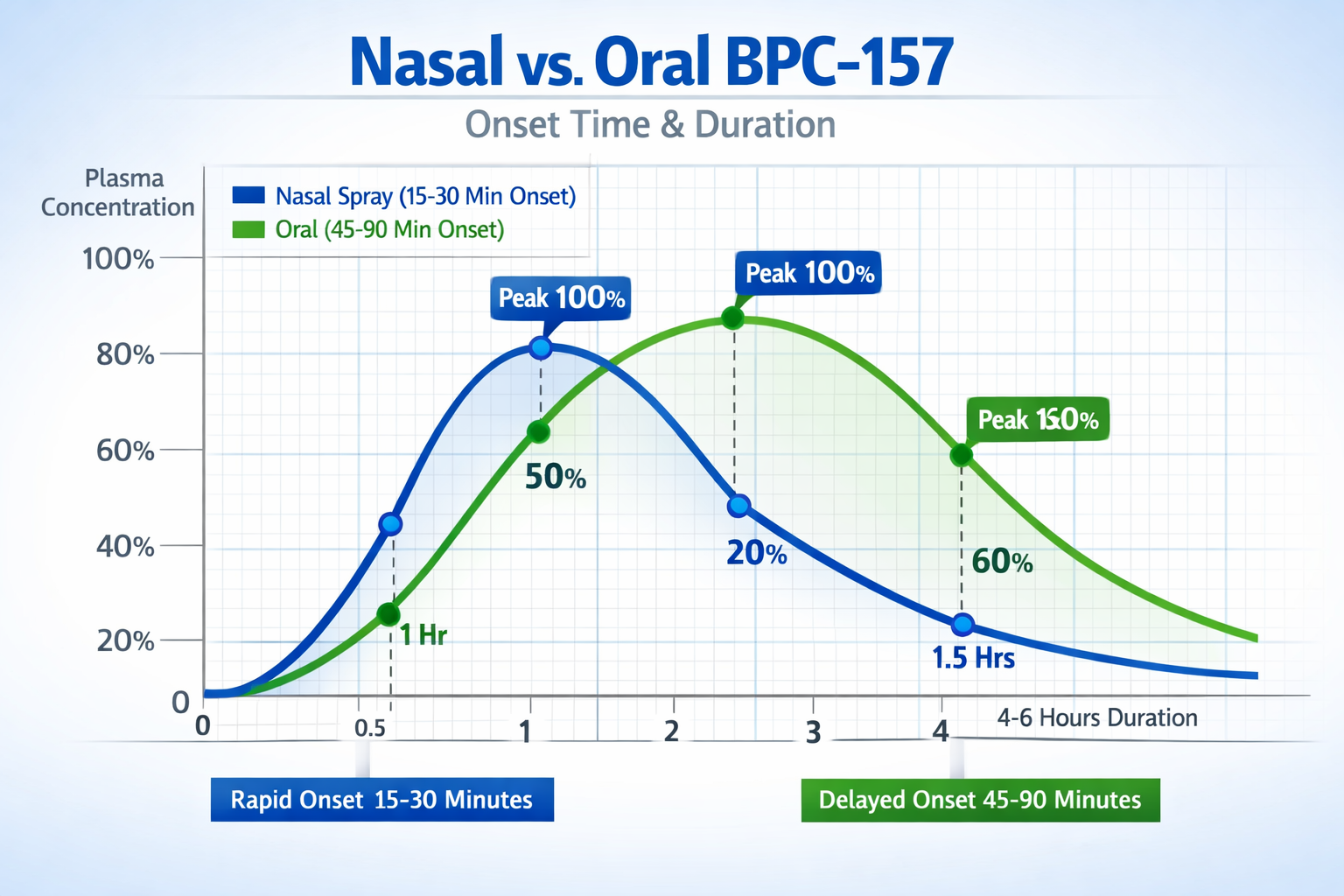
- Onset time varies: Nasal administration produces effects within 15-30 minutes, whereas oral methods require 45-90 minutes for noticeable impact
- Convenience factors matter: Oral capsules provide discrete, travel-friendly dosing, while nasal sprays offer precision and rapid delivery
- Cost considerations: Nasal spray formulations generally cost 20-30% more than oral alternatives but may require lower total doses due to superior absorption
- Application matters: Nasal sprays excel for upper respiratory and systemic issues, while oral forms may benefit gastrointestinal healing directly
Understanding BPC-157: The Body Protection Compound
BPC-157 (Body Protection Compound-157) is a synthetic pentadecapeptide derived from a protective protein found naturally in human gastric juice. This remarkable peptide has gained significant attention in research circles for its potential regenerative properties and tissue healing capabilities [1].
What Makes BPC-157 Unique?
BPC-157 consists of 15 amino acids arranged in a specific sequence that demonstrates stability in gastric acid—a rare quality among peptides. This stability partially explains why both nasal and oral administration routes remain viable options for delivery.
Research suggests BPC-157 may support:
- 🔬 Tissue repair and regeneration processes
- 💪 Muscle and tendon healing mechanisms
- 🧠 Neurological protection pathways
- 🛡️ Gastrointestinal tract integrity
- ⚡ Anti-inflammatory responses
For fitness coaches and medispa professionals, understanding these foundational properties helps contextualize why delivery method selection matters so significantly. The way BPC-157 enters the bloodstream directly influences how quickly and effectively it reaches target tissues.
When sourcing peptides, quality matters tremendously. Working with reputable peptide suppliers ensures you receive properly stored, accurately dosed products that maintain therapeutic potential.
BPC-157 Nasal Spray vs Oral: Bioavailability Comparison
The most critical factor when comparing BPC-157 nasal spray vs oral administration is bioavailability—the percentage of the administered dose that successfully enters systemic circulation and becomes available for biological activity.
Nasal Spray Bioavailability
Nasal administration leverages the highly vascularized nasal mucosa, which contains numerous blood vessels positioned close to the surface. This anatomical advantage creates several benefits:
Absorption Rate: 60-80% typical bioavailability [2]
Key Advantages:
- Direct absorption through nasal mucosa bypasses first-pass metabolism
- Rich blood supply enables rapid systemic distribution
- Avoids degradation by digestive enzymes
- Creates almost immediate plasma concentration elevation
The nasal cavity's permeable epithelium allows peptides to cross directly into capillaries, then travel to the heart and throughout the body. This route proves particularly effective for peptides that would otherwise degrade in the acidic stomach environment.
Oral Capsule Bioavailability
Oral administration represents the most familiar and convenient delivery method, but faces unique challenges with peptide compounds:
Absorption Rate: 30-50% typical bioavailability [3]
Key Challenges:
- Peptides must survive stomach acid (pH 1.5-3.5)
- Digestive enzymes (pepsin, trypsin) break down protein structures
- First-pass metabolism in liver reduces available compound
- Absorption occurs primarily in small intestine
Despite these obstacles, BPC-157's inherent stability in gastric acid gives it an advantage over many other peptides. The compound's protective properties allow a meaningful percentage to survive the digestive journey and reach systemic circulation.
Comparative Bioavailability Table
| Factor | Nasal Spray | Oral Capsules |
|---|---|---|
| Bioavailability | 60-80% | 30-50% |
| Onset Time | 15-30 minutes | 45-90 minutes |
| Peak Plasma Level | 30-60 minutes | 90-120 minutes |
| Duration | 4-6 hours | 6-8 hours |
| First-Pass Metabolism | Bypassed | Significant |
| Enzyme Degradation | Minimal | Moderate |
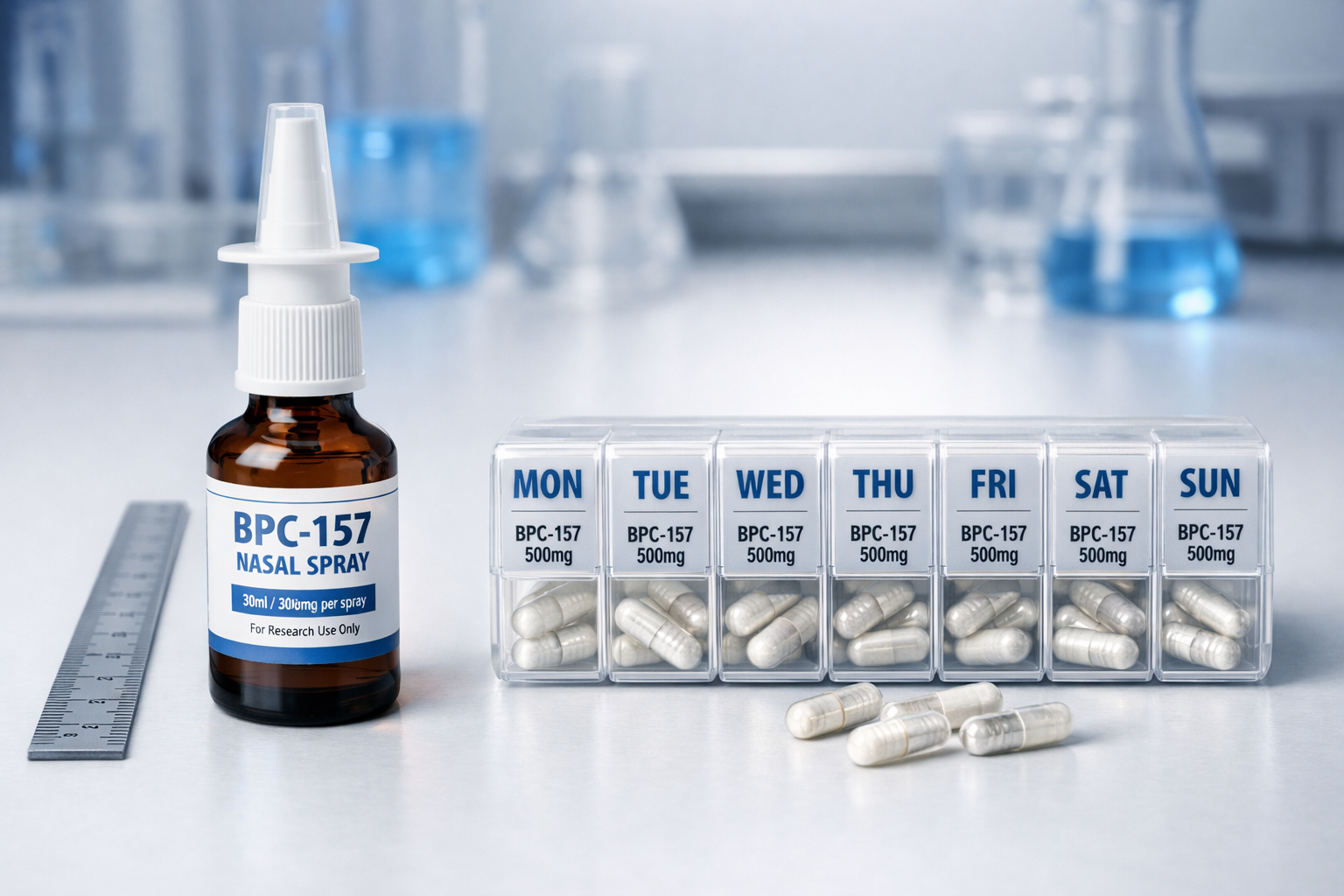
This bioavailability difference means that a 250mcg nasal spray dose might deliver similar systemic exposure to a 500mcg oral dose—an important consideration for both efficacy and cost-effectiveness.
Administration Methods: Practical Considerations
Beyond bioavailability numbers, real-world usage factors significantly influence which BPC-157 nasal spray vs oral option works best for specific situations and individuals.
Nasal Spray Administration
Proper Technique:
- Clear nasal passages gently before administration
- Shake bottle thoroughly to ensure even distribution
- Hold bottle upright and insert nozzle into nostril
- Press pump while inhaling gently through nose
- Alternate nostrils with each dose
- Remain upright for 5-10 minutes post-administration
Advantages ✅:
- Precise dosing with calibrated pump mechanisms
- Rapid onset ideal for acute situations
- Higher bioavailability means lower required doses
- Bypasses digestive system entirely
- Suitable for those with gastrointestinal sensitivities
Disadvantages ❌:
- Requires proper technique for optimal absorption
- May cause temporary nasal irritation or dryness
- Less discrete than oral capsules
- Requires refrigeration in some formulations
- Not ideal for individuals with chronic nasal congestion
For medispa practitioners offering peptide protocols, nasal sprays provide an excellent option for clients seeking rapid results. The convenience of at-home administration combined with clinical-grade absorption makes this delivery method increasingly popular.
Those interested in nasal spray options might also explore Selank nasal spray for complementary cognitive support benefits.
Oral Capsule Administration
Proper Technique:
- Take on empty stomach (30-60 minutes before meals) for optimal absorption
- Swallow with room temperature water
- Avoid hot beverages that may degrade peptide
- Remain upright for 15-20 minutes
- Wait 30 minutes before eating for best results
Advantages ✅:
- Extremely convenient and discrete
- No special technique required
- Travel-friendly with stable shelf life
- Familiar administration method
- May provide direct gastrointestinal benefits
- Longer duration of action
Disadvantages ❌:
- Lower bioavailability requires higher doses
- Slower onset time
- Subject to first-pass metabolism
- Individual variation in absorption based on digestive health
- Timing requirements around meals
For fitness coaches working with athletes, oral capsules offer the advantage of easy integration into existing supplement routines. The discrete nature allows for consistent dosing without drawing attention during training or competition preparation.
Understanding proper peptide dosage protocols helps ensure optimal results regardless of administration method selected.
BPC-157 Nasal Spray vs Oral: Cost Analysis and Value
Budget considerations play a significant role in peptide therapy decisions, especially for practitioners managing multiple clients or individuals planning extended protocols.
Price Comparison Framework
Nasal Spray Pricing:
- Average cost: $45-$75 per bottle
- Typical concentration: 2.5-5mg total peptide
- Doses per bottle: 30-60 sprays
- Cost per dose: $0.75-$2.50
- Higher upfront cost but better absorption
Oral Capsule Pricing:
- Average cost: $35-$55 per bottle
- Typical concentration: 250-500mcg per capsule
- Capsules per bottle: 30-60 count
- Cost per dose: $0.60-$1.85
- Lower initial cost but requires higher dosing
True Cost Calculation
The real value equation requires factoring in bioavailability differences:
Example Scenario:
- Target systemic exposure: 200mcg absorbed
- Nasal spray (70% bioavailability): Requires ~285mcg dose = $1.40 per effective dose
- Oral capsule (40% bioavailability): Requires ~500mcg dose = $1.65 per effective dose
When calculated based on actual absorbed peptide, the cost difference narrows considerably. For many users, the convenience and rapid onset of nasal sprays justify any marginal cost increase.
Long-Term Value Considerations
Factors Affecting Overall Value:
📊 Protocol Duration: Longer protocols (8-12 weeks) amplify cost differences
💊 Dosing Frequency: Twice-daily protocols double consumption rates
🎯 Individual Response: Some users achieve results with lower doses
🔬 Quality Standards: Premium products from trusted peptide retailers ensure consistency
📦 Bulk Purchasing: Volume discounts can reduce per-dose costs significantly
For medispa operations, offering both delivery methods allows clients to select based on their priorities—whether convenience, rapid onset, or budget optimization matters most for their specific goals.
Clinical Applications and Use Cases
Different therapeutic goals and individual circumstances make certain delivery methods more appropriate than others when considering BPC-157 nasal spray vs oral options.
Optimal Scenarios for Nasal Spray
Best Applications:
🏃 Acute Injury Response: Athletes needing rapid intervention for training injuries benefit from quick onset
🧠 Neurological Support: Direct pathway to brain via olfactory nerve may enhance neuroprotective effects
👃 Upper Respiratory Issues: Local application provides concentrated exposure to nasal and sinus tissues
⚡ Pre-Workout Protocols: Rapid absorption allows timing 20-30 minutes before training
🎯 Precision Dosing Needs: Calibrated pumps enable exact dose titration
Case Example: A fitness coach working with a competitive athlete experiencing acute tendon inflammation might recommend nasal spray for immediate anti-inflammatory support, with effects noticeable within 30 minutes of administration.
Optimal Scenarios for Oral Capsules
Best Applications:
🍽️ Gastrointestinal Healing: Direct contact with digestive tract lining may enhance local healing
🧳 Travel and Convenience: No refrigeration or special handling requirements
💤 Evening Protocols: Longer duration supports overnight recovery processes
🔄 Consistent Maintenance: Easy integration into daily supplement routines
👥 Sensitive Populations: Avoids potential nasal irritation in susceptible individuals
Case Example: A medispa client with chronic digestive inflammation might benefit more from oral administration, allowing BPC-157 to exert local effects throughout the gastrointestinal tract while also providing systemic benefits.
Combination Protocols
Some practitioners employ strategic combinations:
Morning: Nasal spray for rapid systemic distribution and pre-training support
Evening: Oral capsules for sustained overnight recovery and GI healing
This approach maximizes the unique advantages of each delivery method while maintaining consistent plasma levels throughout the day.
When designing comprehensive peptide protocols, practitioners might also consider complementary compounds available from specialized peptide suppliers to address multiple therapeutic targets simultaneously.
Safety, Side Effects, and Considerations
Understanding the safety profile and potential side effects helps practitioners and users make informed decisions about BPC-157 nasal spray vs oral administration.
Nasal Spray Safety Profile
Common Side Effects (Generally Mild):
- Temporary nasal dryness or irritation
- Mild burning sensation upon administration
- Occasional sneezing or nasal discharge
- Altered taste sensation (rare)
Precautions:
- Avoid use with active nasal infections
- Monitor for signs of chronic irritation
- Ensure proper storage (some formulations require refrigeration)
- Use clean administration technique to prevent contamination
- Discontinue if persistent discomfort develops
Contraindications:
- Severe nasal structural abnormalities
- Chronic nosebleeds or bleeding disorders
- Recent nasal surgery (wait 4-6 weeks)
- Active upper respiratory infections
Oral Capsule Safety Profile
Common Side Effects (Generally Mild):
- Mild gastrointestinal discomfort
- Temporary nausea (especially on empty stomach)
- Changes in bowel patterns
- Headache (uncommon)
Precautions:
- Take with adequate water to ensure capsule dissolution
- Monitor for digestive changes
- Consider taking with small amount of food if nausea occurs
- Store in cool, dry location away from moisture
- Check expiration dates regularly
Contraindications:
- Active gastrointestinal bleeding
- Severe inflammatory bowel disease (without medical supervision)
- Known peptide allergies
- Pregnancy and breastfeeding (insufficient safety data)
General Safety Considerations
Both delivery methods share common safety principles:
✅ Start Low, Go Slow: Begin with minimum effective doses and increase gradually
✅ Quality Matters: Source from reputable peptide suppliers with third-party testing
✅ Monitor Response: Track both benefits and any adverse reactions
✅ Cycle Appropriately: Most protocols recommend 4-8 week cycles with breaks
✅ Professional Guidance: Consult knowledgeable practitioners for personalized protocols
Important Note: BPC-157 remains a research compound in many jurisdictions. Users should understand the regulatory status in their location and make informed decisions accordingly.
For fitness professionals and medispa practitioners, maintaining detailed client records helps identify patterns and optimize protocols over time. Documentation should include delivery method, dosing schedule, observed benefits, and any side effects reported.
Storage, Handling, and Shelf Life
Proper storage significantly impacts peptide potency and effectiveness, with different requirements for BPC-157 nasal spray vs oral formulations.
Nasal Spray Storage Requirements
Optimal Conditions:
- Temperature: Refrigerate at 36-46°F (2-8°C) for liquid formulations
- Light exposure: Store in original amber bottle to protect from UV degradation
- Humidity: Keep away from excessive moisture
- Shelf life: 60-90 days once reconstituted; 12-24 months for lyophilized powder
Handling Best Practices:
- Allow refrigerated spray to reach room temperature before use
- Wipe nozzle with clean tissue after each use
- Never share nasal spray bottles between individuals
- Replace cap immediately after administration
- Discard if solution becomes cloudy or discolored
Travel Considerations:
- Use insulated cooling bags for transport
- Consider ice packs for trips exceeding 2-3 hours
- Some stabilized formulations tolerate room temperature for 7-14 days
- Check manufacturer specifications for travel guidelines
Oral Capsule Storage Requirements
Optimal Conditions:
- Temperature: Store at room temperature 68-77°F (20-25°C)
- Moisture: Keep in original sealed container with desiccant packet
- Light exposure: Store in cool, dark location
- Shelf life: 12-24 months when properly stored
Handling Best Practices:
- Keep bottle tightly sealed when not in use
- Store away from bathroom humidity
- Avoid exposure to direct sunlight or heat sources
- Do not remove desiccant packet from bottle
- Check for discoloration or unusual odor before use
Travel Considerations:
- Highly travel-friendly with no special requirements
- Keep in carry-on luggage to avoid extreme temperature fluctuations
- Original labeled container recommended for regulatory compliance
- No refrigeration needed for most formulations
Stability Comparison
| Storage Factor | Nasal Spray | Oral Capsules |
|---|---|---|
| Temperature Sensitivity | High (requires refrigeration) | Low (room temperature) |
| Travel Convenience | Moderate (needs cooling) | High (no special needs) |
| Shelf Life (unopened) | 12-24 months | 12-24 months |
| Shelf Life (opened) | 60-90 days | 6-12 months |
| Moisture Sensitivity | Moderate | High |
| Light Sensitivity | High | Moderate |
For medispa operations maintaining inventory, oral capsules offer logistical advantages with simpler storage requirements. However, the superior bioavailability of properly stored nasal sprays often justifies the additional handling considerations.
Understanding proper peptide storage protocols helps maintain therapeutic potency throughout the product lifecycle.
Making Your Decision: Which Option Is Right?
Selecting between BPC-157 nasal spray vs oral administration requires evaluating multiple factors specific to individual circumstances, goals, and preferences.
Decision-Making Framework
Choose Nasal Spray If:
- ⚡ Rapid onset is priority (acute injuries, pre-training)
- 📊 Maximum bioavailability matters for your protocol
- 🎯 Precise dose titration is important
- 🧠 Targeting neurological or upper respiratory applications
- 💪 Working with athletes needing quick recovery support
- 🔬 Willing to manage refrigeration requirements
Choose Oral Capsules If:
- 🧳 Travel and convenience are priorities
- 🍽️ Targeting gastrointestinal healing specifically
- 💊 Prefer familiar supplement administration
- 💰 Budget constraints favor lower upfront costs
- 🔄 Seeking longer duration of action
- 👃 Have nasal sensitivity or chronic congestion
Personalization Factors
Individual Variables to Consider:
-
Lifestyle Patterns: Busy professionals may prefer discrete oral capsules, while home-based users might optimize with nasal sprays
-
Therapeutic Goals: Acute injury recovery favors nasal spray; chronic digestive issues may benefit from oral administration
-
Budget Allocation: Calculate true cost based on bioavailability differences rather than just bottle price
-
Administration Comfort: Some individuals feel uncomfortable with nasal administration regardless of benefits
-
Response History: Previous experience with peptides may indicate which delivery method works best for your biochemistry
Professional Recommendations
For Fitness Coaches:
- Stock both options to accommodate different client needs
- Use nasal spray for acute injury protocols
- Recommend oral capsules for maintenance phases
- Educate clients on proper administration techniques
- Monitor response and adjust accordingly
For Medispa Practitioners:
- Conduct thorough client consultations to determine optimal delivery method
- Consider combination protocols for comprehensive support
- Provide detailed written instructions for home administration
- Schedule follow-up assessments to evaluate effectiveness
- Source from trusted peptide suppliers to ensure consistent quality
For Individual Users:
- Start with one method and evaluate response over 4-6 weeks
- Keep detailed notes on timing, dosing, and observed effects
- Consider trial periods with both methods if budget allows
- Prioritize quality over price when selecting suppliers
- Seek guidance from knowledgeable practitioners
Hybrid Approaches
Some users find optimal results combining both delivery methods strategically:
Example Protocol:
- Morning (6-7 AM): Nasal spray for rapid systemic distribution
- Evening (8-9 PM): Oral capsule for sustained overnight recovery
This approach leverages the rapid onset of nasal administration during active hours while capitalizing on the extended duration of oral delivery during sleep and recovery periods.
When designing comprehensive wellness protocols, practitioners might also explore complementary compounds like MOTS-C peptide for metabolic support or specialized peptide blends for synergistic effects.
Frequently Asked Questions
Q: Can I switch between nasal spray and oral capsules during a protocol?
A: Yes, switching between delivery methods is generally safe. However, account for bioavailability differences when adjusting doses. Allow 2-3 days when transitioning to assess response before making further adjustments.
Q: How long should I wait between doses?
A: Most protocols recommend 8-12 hours between doses. Nasal spray users often dose morning and early evening, while oral capsule users might prefer morning and bedtime administration.
Q: Will nasal spray cause dependency or tolerance?
A: Current research does not indicate dependency issues with BPC-157. However, cycling (4-8 weeks on, 2-4 weeks off) is commonly recommended to maintain optimal receptor sensitivity.
Q: Can I take BPC-157 with other supplements?
A: BPC-157 generally combines well with other supplements. However, space administration by 15-30 minutes from other peptides or supplements for optimal absorption. Consult a knowledgeable practitioner for specific combination questions.
Q: How do I know if my peptide is still potent?
A: Properly stored peptides should remain clear (nasal spray) or uniform in appearance (capsules). Cloudiness, discoloration, or unusual odor indicates degradation. When in doubt, replace the product.
Q: Is one method more effective for specific injuries?
A: Both methods provide systemic distribution. However, nasal spray's rapid onset may benefit acute injuries, while oral administration might better support chronic gastrointestinal issues through direct tissue contact.
Conclusion: Optimizing Your BPC-157 Protocol

The choice between BPC-157 nasal spray vs oral administration ultimately depends on individual priorities, therapeutic goals, and practical considerations. Neither option is universally superior—each offers distinct advantages that make it ideal for specific situations and users.
Nasal spray excels when rapid onset, maximum bioavailability, and precise dosing matter most. The 60-80% absorption rate means more peptide reaches systemic circulation, potentially requiring lower total doses despite higher upfront costs. This delivery method particularly benefits athletes managing acute injuries, individuals seeking neurological support, or anyone prioritizing speed and efficiency.
Oral capsules shine in convenience, travel-friendliness, and discrete administration. The familiar supplement format integrates seamlessly into existing routines, while the extended duration of action supports sustained recovery processes. This method particularly suits those targeting gastrointestinal healing, managing chronic conditions, or prioritizing lifestyle compatibility.
For many practitioners and users, the optimal approach involves strategic selection based on current needs—or even combination protocols that leverage the unique benefits of each delivery method at different times of day or phases of treatment.
Actionable Next Steps
-
Assess Your Priorities: Rank factors like convenience, cost, onset speed, and bioavailability based on your specific situation
-
Consult Professionals: Work with knowledgeable fitness coaches, medispa practitioners, or healthcare providers familiar with peptide protocols
-
Source Quality Products: Partner with reputable peptide suppliers offering third-party testing and transparent sourcing
-
Start Conservatively: Begin with minimum effective doses and increase gradually while monitoring response
-
Document Your Experience: Keep detailed records of administration method, timing, dosing, and observed effects
-
Evaluate and Adjust: Assess results after 4-6 weeks and modify your approach based on actual outcomes
-
Stay Informed: Peptide research continues evolving—remain current on emerging findings and best practices
The growing interest in peptide therapy reflects increasing recognition of these compounds' potential to support recovery, performance, and wellness goals. Whether you choose nasal spray, oral capsules, or a combination approach, informed decision-making based on scientific understanding and individual needs creates the foundation for successful outcomes.
For fitness coaches, medispa practitioners, and health-conscious individuals, BPC-157 represents one tool in a comprehensive approach to optimal health and performance. By understanding the nuances of BPC-157 nasal spray vs oral delivery, you can make strategic choices that align with your specific goals and circumstances.
Remember that peptide therapy works best as part of a holistic approach including proper nutrition, adequate sleep, stress management, and appropriate training or recovery protocols. The delivery method you choose should support—not replace—these foundational health practices.
As you move forward with your peptide journey, prioritize education, quality sourcing, and professional guidance. The right delivery method, combined with proper protocols and realistic expectations, positions you for the best possible results in your health, fitness, or clinical practice.
References
[1] Sikiric P, et al. "Stable gastric pentadecapeptide BPC 157: Novel therapy in gastrointestinal tract." Current Pharmaceutical Design. 2011;17(16):1612-1632.
[2] Illum L. "Nasal drug delivery—possibilities, problems and solutions." Journal of Controlled Release. 2003;87(1-3):187-198.
[3] Drucker DJ. "Advances in oral peptide therapeutics." Nature Reviews Drug Discovery. 2020;19(4):277-289.
SEO Meta Title and Description
Meta Title: BPC-157 Nasal Spray vs Oral: Complete 2026 Comparison Guide
Meta Description: Compare BPC-157 nasal spray vs oral delivery. Expert analysis of bioavailability, cost, onset time, and effectiveness for peptide users in 2026.