
{"cover":"Professional landscape hero image (1536×1024) featuring bold text overlay 'GHK-Cu Peptide: The Science of Cellular Regeneration' in extra large 72pt white sans-serif font with subtle blue glow effect, centered in upper third. Background shows microscopic view of collagen fibers interweaving with copper-blue metallic particles, scientific laboratory setting with petri dishes and molecular structures, gradient from deep blue to silver. High contrast, editorial quality, medical journal aesthetic with modern sophistication, clean composition following rule of thirds","content":["Detailed scientific illustration showing GHK-Cu peptide molecular structure with copper ion at center, three-dimensional rendering with blue and orange color coding for amino acids glycyl-L-histidyl-L-lysine, arrows indicating binding sites, transparent background with floating collagen triple helix strands, educational infographic style with labels and annotations, professional medical textbook quality, landscape format 1536×1024, sharp detail and clinical precision","Split-screen comparison image showing cellular regeneration process, left side depicting aged fibroblast cells with reduced activity in grayscale, right side showing activated cells with GHK-Cu treatment in vibrant blue-green, microscopic photography style, arrows indicating increased collagen synthesis, mitochondrial enhancement visualization, scientific research aesthetic with measurement scales and data overlays, professional laboratory documentation quality","Infographic chart displaying GHK-Cu peptide application methods, four quadrants showing subcutaneous injection technique with anatomical cross-section, topical application on skin layers, oral administration pathway through digestive system, and reconstitution process with bacteriostatic water and vial, clean medical illustration style with step-by-step visual guides, professional healthcare training material aesthetic, color-coded sections in blue and white","Before-and-after visual representation of tissue repair and wound healing, microscopic view of skin tissue architecture, left panel showing damaged extracellular matrix with inflammation markers, right panel displaying organized collagen deposition and enhanced vascularity after GHK-Cu treatment, scientific documentation style with measurement annotations, research paper quality imagery with scale bars and cellular detail, professional medical research aesthetic"]
GHK-Cu Peptide: Your Complete Guide to This Powerful Regenerative Compound
Imagine a single molecule that could help turn back the clock on cellular aging, support tissue repair, and enhance your body's natural regenerative processes. That's exactly what researchers have discovered with GHK-Cu peptide, a naturally occurring compound that's revolutionizing how we approach recovery, wellness, and longevity. Whether you're a fitness coach looking to optimize client results, a medi spa professional exploring cutting-edge treatments, or a bodybuilder seeking enhanced recovery, understanding this remarkable peptide could transform your approach to health and performance.
The ghk cu peptide has emerged as one of the most researched and promising compounds in regenerative science, with over 40 years of documented studies showing its potential effects on cellular function, tissue repair, and overall wellness markers.
Key Takeaways
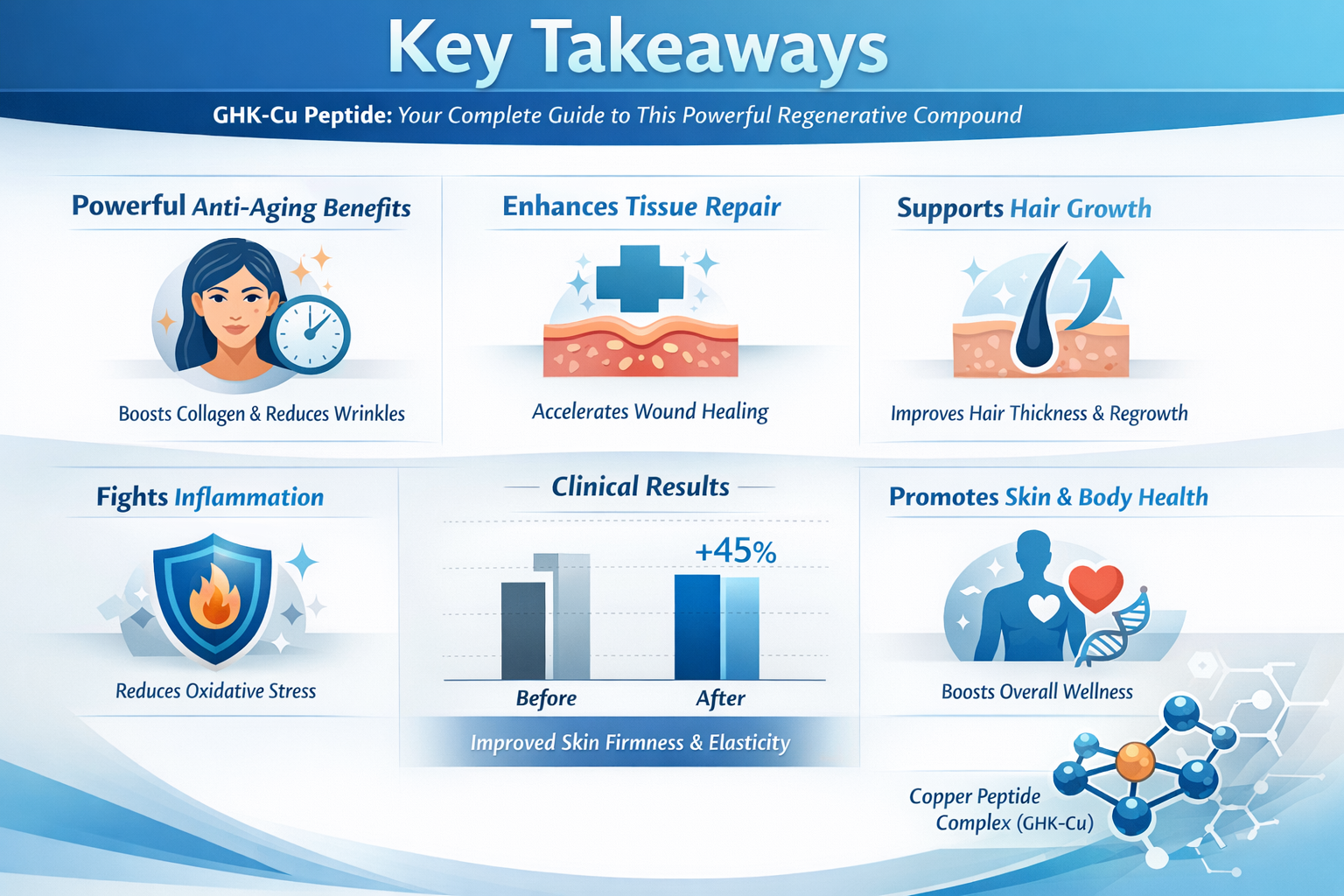
✅ GHK-Cu peptide is a naturally occurring copper complex that declines with age, dropping from approximately 200 ng/mL at age 20 to 80 ng/mL by age 60
✅ Research demonstrates GHK-Cu's involvement in multiple biological processes including collagen synthesis, antioxidant enzyme activity, and cellular signaling pathways
✅ The peptide works through copper-dependent mechanisms that influence gene expression, with studies showing effects on over 4,000 human genes
✅ Multiple administration methods exist including subcutaneous injection, topical application, and oral supplementation, each with distinct bioavailability profiles
✅ Quality sourcing from reputable suppliers is critical for research applications and optimal results
What Is GHK-Cu Peptide and Why Does It Matter?
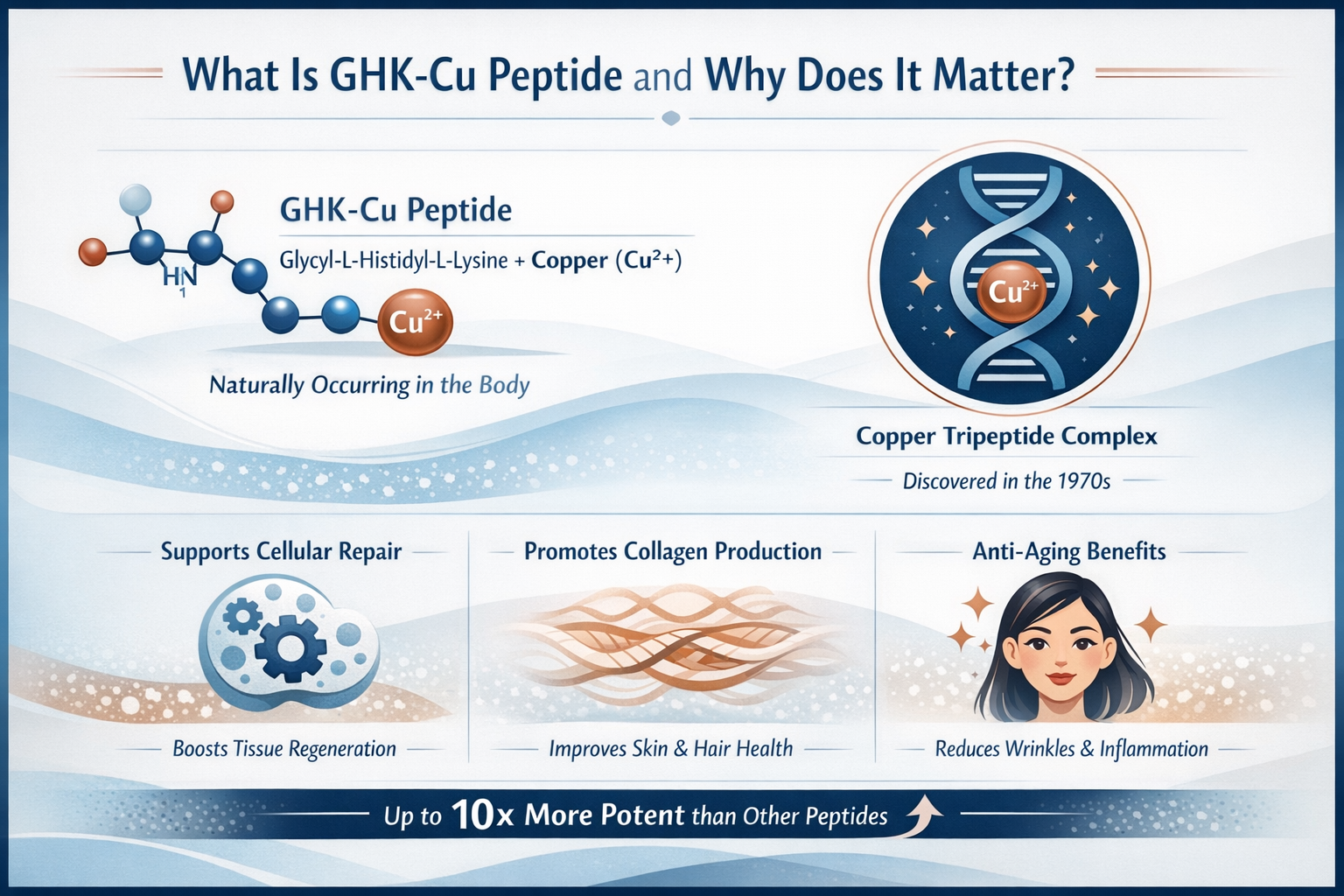
GHK-Cu peptide (glycyl-L-histidyl-L-lysine-copper) is a naturally occurring tripeptide-copper complex first discovered in human plasma in 1973 by Dr. Loren Pickart. This small but powerful molecule consists of three amino acids—glycine, histidine, and lysine—bound to a copper ion. What makes this compound fascinating is its remarkable decline as we age and its extensive involvement in tissue repair processes.
The Science Behind GHK-Cu
The ghk cu peptide functions as a signaling molecule in the body, influencing cellular behavior through multiple pathways. Research has identified several key mechanisms:
- Copper Delivery: The peptide acts as a carrier, delivering copper ions to cells where they're needed for enzymatic reactions
- Gene Regulation: Studies show GHK-Cu affects the expression of thousands of genes related to tissue repair and cellular function
- Matrix Metalloproteinase Activity: The compound influences enzymes responsible for breaking down and remodeling extracellular matrix
- Growth Factor Modulation: Research indicates effects on various growth factors involved in tissue regeneration
When I first encountered the research on this peptide, I was struck by its multi-faceted nature. Unlike single-pathway compounds, GHK-Cu appears to work through numerous biological mechanisms simultaneously.
Natural Occurrence and Age-Related Decline
The body produces GHK-Cu peptide naturally, but levels decrease significantly with age. This decline correlates with many age-related changes in tissue function and repair capacity. Studies have documented:
| Age Range | Average GHK-Cu Concentration |
|---|---|
| 20-25 years | ~200 ng/mL |
| 40-45 years | ~140 ng/mL |
| 60+ years | ~80 ng/mL |
This progressive reduction has led researchers to investigate whether supplementing GHK-Cu might support healthy aging processes. For those interested in exploring research-grade peptides, Pure Tested Peptides offers comprehensive resources and quality-tested compounds.
How GHK-Cu Peptide Works in the Body
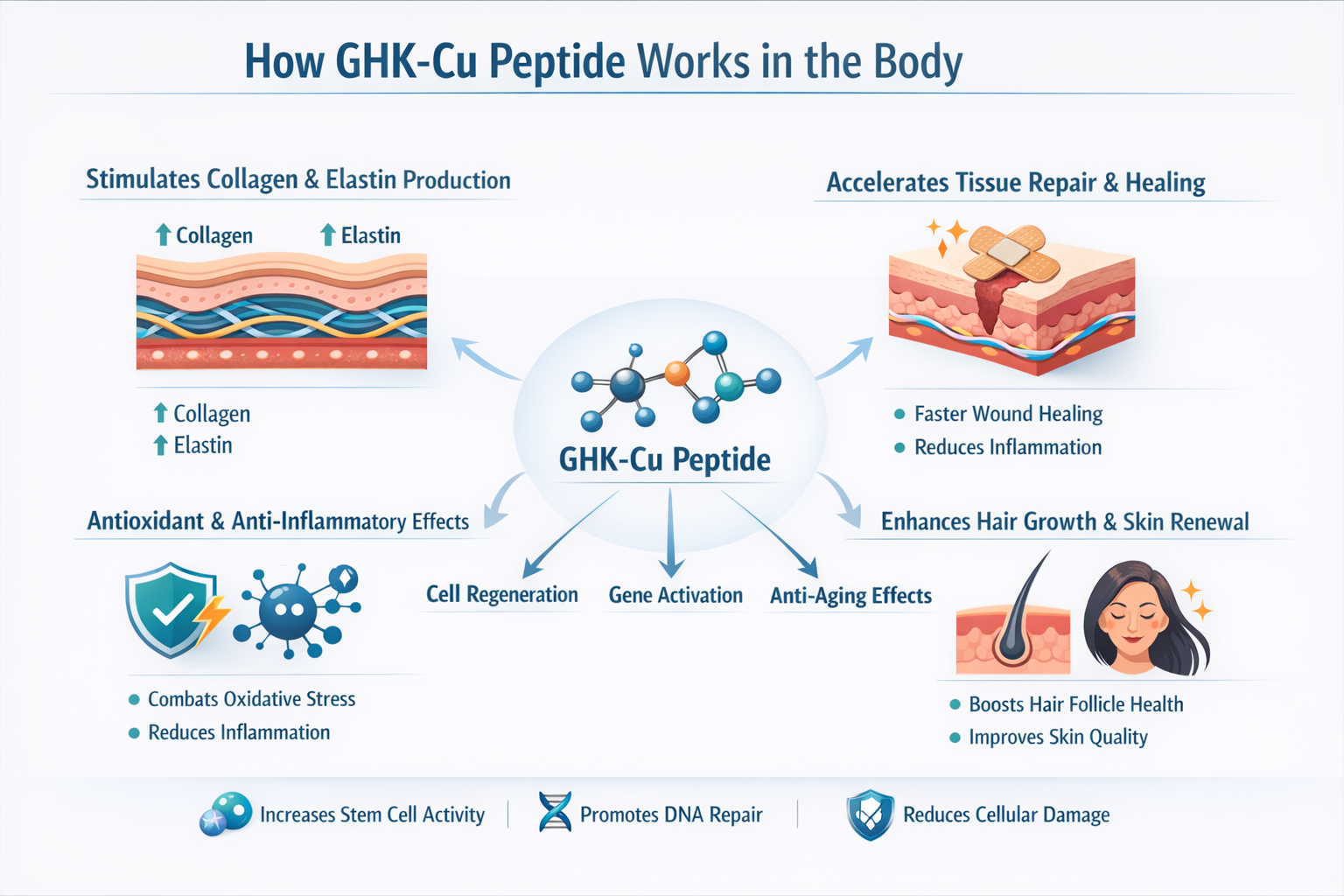
Understanding the mechanisms of ghk cu peptide helps explain why it's gained such attention in research and wellness communities. The compound operates through several interconnected biological pathways.
Cellular Signaling and Gene Expression
One of the most remarkable aspects of GHK-Cu peptide is its influence on gene expression. A comprehensive genomic study analyzed the effects of GHK-Cu on human gene expression and found:
- Reset Effect: The peptide appeared to shift gene expression patterns in aged cells toward profiles more similar to younger cells
- Broad Impact: Over 4,000 genes showed altered expression in response to GHK-Cu treatment
- Protective Genes: Increased expression of genes associated with cellular protection and DNA repair
- Inflammatory Modulation: Decreased expression of genes associated with chronic inflammation
This gene-regulatory function suggests ghk cu peptide works at a fundamental level, influencing how cells respond to their environment and maintain their functions.
Collagen Synthesis and Extracellular Matrix
The peptide's effects on structural proteins have been extensively studied. Research indicates GHK-Cu peptide may support:
🔬 Collagen Production: Studies show increased synthesis of collagen types I, II, and III in cell culture models
🔬 Elastin Formation: Enhanced production of elastin, the protein responsible for tissue elasticity
🔬 Glycosaminoglycan Synthesis: Increased production of these essential components of the extracellular matrix
🔬 Matrix Remodeling: Balanced activity of enzymes that break down and rebuild tissue structures
For bodybuilders and fitness professionals, these effects on connective tissue are particularly relevant. The GHK-Cu 50 mg research compound has become a focus for those studying recovery and tissue maintenance protocols.
Antioxidant and Anti-Inflammatory Properties
The copper component of ghk cu peptide plays a crucial role in antioxidant enzyme function. Research has documented:
- Superoxide Dismutase (SOD) Activity: Copper is essential for this critical antioxidant enzyme
- Free Radical Scavenging: The complex demonstrates direct antioxidant properties in laboratory studies
- Inflammatory Mediator Modulation: Studies show effects on various inflammatory signaling molecules
- Oxidative Stress Reduction: Cell culture research indicates protective effects against oxidative damage
These properties make the peptide interesting for researchers studying cellular stress responses and recovery processes. Similar peptide research can be found in resources about peptide blends research.
GHK-Cu Peptide Applications and Research Areas
The versatility of ghk cu peptide has led to research across multiple domains. Understanding these applications helps contextualize why different professionals—from medi spa operators to life coaches—are interested in this compound.
Skin Health and Dermatological Research
Perhaps the most visible area of GHK-Cu peptide research involves skin health. Multiple studies have examined:
Wound Healing Studies: Research dating back to the 1980s showed accelerated wound closure in animal models treated with GHK-Cu. The peptide appeared to support:
- Faster re-epithelialization (skin cell coverage of wounds)
- Enhanced angiogenesis (new blood vessel formation)
- Improved granulation tissue formation
- Reduced scar tissue formation
Photoaging Research: Studies on UV-damaged skin have shown interesting results with topical GHK-Cu application, including measurements of:
- Skin thickness changes
- Collagen density improvements
- Reduction in fine lines (measured by profilometry)
- Enhanced skin firmness (measured by cutometry)
For medi spa professionals exploring advanced treatments, understanding topical GHK-Cu applications provides valuable insights into this research area.
Athletic Recovery and Performance Research
Bodybuilders and fitness coaches have shown increasing interest in ghk cu peptide for its potential effects on recovery processes. Research areas include:
💪 Muscle Tissue Studies: Cell culture research examining satellite cell activation and muscle protein synthesis markers
💪 Connective Tissue Research: Studies on tendon and ligament healing in animal models
💪 Exercise-Induced Inflammation: Research on inflammatory markers following intense training protocols
💪 Recovery Time Analysis: Observational studies tracking subjective recovery metrics in athletic populations
While human performance studies remain limited, the basic science provides interesting theoretical frameworks for recovery optimization. Many researchers combine GHK-Cu studies with other peptides; for instance, exploring synergy of LL37 and MOTS-C for complementary effects.
Longevity and Age-Related Research
The age-related decline in natural ghk cu peptide levels has sparked interest in longevity research circles. Key areas of investigation include:
- Cellular Senescence: Studies examining effects on senescent cell markers
- Mitochondrial Function: Research on energy production efficiency in aged cells
- DNA Repair Mechanisms: Analysis of DNA damage response pathways
- Telomere Research: Preliminary investigations into telomere protection
Life coaches and wellness professionals working with aging populations find this research particularly relevant for developing comprehensive wellness protocols.
GHK-Cu Peptide Dosing, Administration, and Practical Considerations
Understanding how to properly handle and administer ghk cu peptide is essential for research applications. This section covers practical considerations for various administration methods.
Reconstitution and Preparation
Most research-grade GHK-Cu peptide arrives as a lyophilized (freeze-dried) powder requiring reconstitution. The process involves:
Materials Needed:
- Lyophilized GHK-Cu peptide (such as GHK-Cu 50 mg)
- Bacteriostatic water or sterile water for injection
- Alcohol swabs
- Appropriate syringes (typically insulin syringes for subcutaneous administration)
Reconstitution Steps:
- Calculate the desired concentration based on your dosing protocol
- Clean the rubber stopper with an alcohol swab
- Draw the appropriate amount of bacteriostatic water into the syringe
- Inject the water slowly down the side of the vial, not directly onto the powder
- Gently swirl (do not shake) until fully dissolved
- Store reconstituted peptide in the refrigerator at 2-8°C
Administration Methods and Bioavailability
GHK-Cu peptide can be administered through several routes, each with different bioavailability profiles:
Subcutaneous Injection:
- Most common method in research settings
- Typical research doses range from 0.5-2 mg per administration
- Usually administered 2-3 times per week in research protocols
- Injection sites include abdominal area, thigh, or upper arm
- Bioavailability estimated at 70-90%
Topical Application:
- Used primarily for skin-focused research
- Concentrations typically range from 0.1% to 3%
- Applied once or twice daily in research protocols
- Bioavailability is lower but provides localized effects
- Often combined with penetration enhancers
Oral Administration:
- Less common due to digestive enzyme degradation
- Requires higher doses due to reduced bioavailability
- Some research uses enteric-coated formulations
- Estimated bioavailability: 10-30%
Research Dosing Protocols
Published research has used varying doses of ghk cu peptide depending on the study objectives:
| Research Application | Typical Dose Range | Frequency |
|---|---|---|
| Cell Culture Studies | 1-10 μM | Continuous exposure |
| Animal Studies | 0.1-10 mg/kg | Daily or 3x/week |
| Human Topical Studies | 0.1-3% concentration | 1-2x daily |
| Human Injection Studies | 0.5-3 mg | 2-3x weekly |
⚠️ Important Note: These are research protocols from published studies. Actual application should always be conducted under appropriate supervision and with proper research protocols in place.
Storage and Stability
Proper storage of ghk cu peptide is crucial for maintaining its integrity:
- Lyophilized Form: Store at -20°C (freezer) for maximum stability; can last 2+ years
- Reconstituted Form: Store at 2-8°C (refrigerator); use within 30 days for optimal potency
- Avoid: Repeated freeze-thaw cycles, exposure to direct sunlight, extreme temperatures
- Handling: Always use clean, sterile technique to prevent contamination
Safety Profile, Side Effects, and Quality Considerations
When working with ghk cu peptide in research or applied settings, understanding safety parameters and quality factors is essential.
Observed Safety Profile in Research
The GHK-Cu peptide has been studied for over 40 years, and the research literature provides insights into its safety profile:
Clinical Observations:
- Generally well-tolerated in published human studies
- Minimal adverse events reported in topical application research
- Injectable administration studies report mostly mild, transient effects
- No serious adverse events directly attributed to GHK-Cu in published literature
Reported Minor Effects (from research literature):
- Mild injection site reactions (redness, slight swelling)
- Temporary skin irritation with topical applications in some subjects
- Occasional headache reports in some studies
- Rare reports of mild nausea at higher doses
"In over four decades of research, GHK-Cu has demonstrated a remarkably favorable safety profile across multiple administration routes and study populations." – Summary of published research findings
Contraindications and Precautions
Based on research literature and theoretical considerations, certain populations should exercise additional caution:
🚫 Copper Metabolism Disorders: Individuals with Wilson's disease or other copper metabolism conditions
🚫 Pregnancy and Lactation: Insufficient research data for these populations
🚫 Active Malignancies: Due to growth factor modulation effects, theoretical concerns exist
🚫 Bleeding Disorders: Some research suggests effects on coagulation factors
🚫 Autoimmune Conditions: Immune modulation effects warrant careful consideration
Quality and Purity Considerations
The effectiveness and safety of ghk cu peptide research depends heavily on compound quality. Key quality factors include:
Purity Standards:
- Research-grade peptides should be ≥98% pure (verified by HPLC)
- Certificate of Analysis (COA) should be available from reputable suppliers
- Third-party testing provides additional verification
- Proper identification through mass spectrometry
Supplier Evaluation Criteria:
✓ Transparent testing documentation
✓ Proper storage and handling procedures
✓ Clear labeling with concentration and purity
✓ Responsive customer support for research questions
✓ Established reputation in research community
For those seeking quality-tested compounds, Pure Tested Peptides maintains rigorous testing standards and provides comprehensive documentation for research applications.
Interaction Considerations
While GHK-Cu peptide research hasn't identified many significant interactions, theoretical considerations include:
- Other Copper Supplements: Additive copper intake should be monitored
- Chelating Agents: Compounds that bind copper might reduce effectiveness
- Antioxidants: High-dose antioxidants might theoretically interfere with copper-dependent mechanisms
- Other Peptides: Many researchers combine peptides; understanding individual mechanisms helps predict interactions
Comparing GHK-Cu Peptide to Other Regenerative Compounds
Understanding how ghk cu peptide fits into the broader landscape of regenerative research helps contextualize its unique properties and potential applications.
GHK-Cu vs. Other Copper Peptides
While GHK-Cu peptide is the most researched copper-peptide complex, other copper-binding peptides exist:
GHK-Cu Advantages:
- Most extensive research database (40+ years)
- Multiple demonstrated mechanisms of action
- Natural occurrence in human plasma
- Broad effects across tissue types
Comparison Points:
- Other copper peptides may have different amino acid sequences
- Binding affinity for copper varies between peptides
- Tissue distribution and cellular uptake differ
- Research depth varies significantly
GHK-Cu in Peptide Combination Research
Many researchers explore combining ghk cu peptide with other compounds for potentially complementary effects:
Common Research Combinations:
- GHK-Cu + BPC-157: Tissue repair focus with different mechanisms
- GHK-Cu + TB-500: Complementary effects on healing processes
- GHK-Cu + Epithalon: Combined approach to cellular aging research
- GHK-Cu + Collagen Peptides: Structural protein support from multiple angles
The synergy of LL37 and SS31 research provides insights into how different peptides can work together, a principle applicable to GHK-Cu combination studies.
Unique Properties of GHK-Cu
What distinguishes ghk cu peptide from other regenerative compounds?
🔹 Dual Nature: Functions both as a signaling molecule and copper delivery system
🔹 Gene Expression Effects: Influences thousands of genes, unlike more targeted compounds
🔹 Natural Decline: The age-related decrease provides a clear rationale for supplementation research
🔹 Multiple Administration Routes: Effective through various delivery methods
🔹 Established Safety Profile: Decades of research without significant safety concerns
🔹 Cosmetic and Systemic Applications: Versatility across different research domains
Sourcing Quality GHK-Cu Peptide for Research
For peptide buyers, medi spa professionals, and researchers, sourcing high-quality ghk cu peptide is paramount. The quality of your research compound directly impacts results and safety.
What to Look for in a Peptide Supplier
When evaluating suppliers of GHK-Cu peptide, consider these critical factors:
Documentation and Transparency:
- Certificate of Analysis (COA) for each batch
- HPLC chromatograms showing purity
- Mass spectrometry data confirming identity
- Endotoxin testing results
- Clear labeling with lot numbers and dates
Quality Assurance Practices:
- Third-party testing verification
- Proper storage facilities (temperature-controlled)
- Sterile manufacturing environment
- Traceability of raw materials
- Quality control procedures
Business Practices:
- Clear communication about research-only status
- Responsive customer support
- Reasonable return/replacement policies
- Educational resources available
- Established reputation in research community
Red Flags to Avoid
Be cautious of suppliers showing these warning signs:
❌ No testing documentation available
❌ Prices significantly below market average
❌ Making health claims or medical promises
❌ Lack of contact information or transparency
❌ No clear storage or handling guidelines
❌ Poor reviews or reputation in research community
❌ Pressure tactics or aggressive marketing
Calculating Value and Cost-Effectiveness
When purchasing ghk cu peptide for research, consider total value rather than just price:
Cost Factors:
- Price per milligram of peptide
- Purity level (98% vs. 99%+ makes a difference)
- Shipping costs and speed
- Testing documentation included
- Customer support availability
- Minimum order requirements
Example Calculation:
A 50mg vial at $85 with 99% purity = $1.70 per mg of pure peptide
A 50mg vial at $65 with 95% purity = $1.37 per mg of pure peptide
While the second appears cheaper, you're getting less actual peptide. Quality research requires quality compounds.
The GHK-Cu 50 mg option from Pure Tested Peptides includes comprehensive testing documentation and quality assurance, making it a reliable choice for serious research applications.
Future Directions in GHK-Cu Peptide Research
The field of ghk cu peptide research continues to evolve, with new studies exploring novel applications and mechanisms. Understanding emerging research directions helps researchers and professionals stay ahead of developments.
Emerging Research Areas
Current and upcoming research on GHK-Cu peptide includes:
Neurological Research:
- Studies examining effects on neuroinflammation markers
- Research on nerve regeneration in animal models
- Investigation of neuroprotective mechanisms
- Cognitive function studies in aging populations
Metabolic Research:
- Effects on insulin sensitivity markers
- Mitochondrial function in metabolic tissues
- Fat tissue remodeling studies
- Energy metabolism pathway analysis
Cardiovascular Research:
- Vascular health markers in cell culture
- Endothelial function studies
- Arterial elasticity research
- Cardiac tissue repair models
Bone and Joint Research:
- Osteoblast activity studies
- Cartilage regeneration research
- Bone density measurements in animal models
- Joint inflammation markers
Technological Advances in Delivery
New delivery systems for ghk cu peptide are being developed to improve bioavailability and targeted delivery:
- Nanoparticle Encapsulation: Protecting the peptide from degradation while improving cellular uptake
- Liposomal Formulations: Enhancing absorption through lipid-based carriers
- Transdermal Patches: Sustained release through skin for systemic effects
- Microneedle Arrays: Painless delivery with improved bioavailability
- Oral Formulations: Advanced protection systems for oral administration
Integration with Personalized Wellness
The future of GHK-Cu peptide application may involve more personalized approaches:
📊 Biomarker Testing: Measuring individual GHK-Cu levels to determine supplementation needs
📊 Genetic Profiling: Understanding how genetic variations affect peptide response
📊 Combination Protocols: Customized peptide stacks based on individual goals and markers
📊 Tracking Technologies: Wearable devices and apps to monitor response metrics
📊 AI Integration: Machine learning to optimize dosing and timing protocols
For professionals working with clients—whether fitness coaches, life coaches, or medi spa operators—these advances will enable more sophisticated, individualized approaches to wellness optimization.
Practical Implementation for Different Professional Contexts
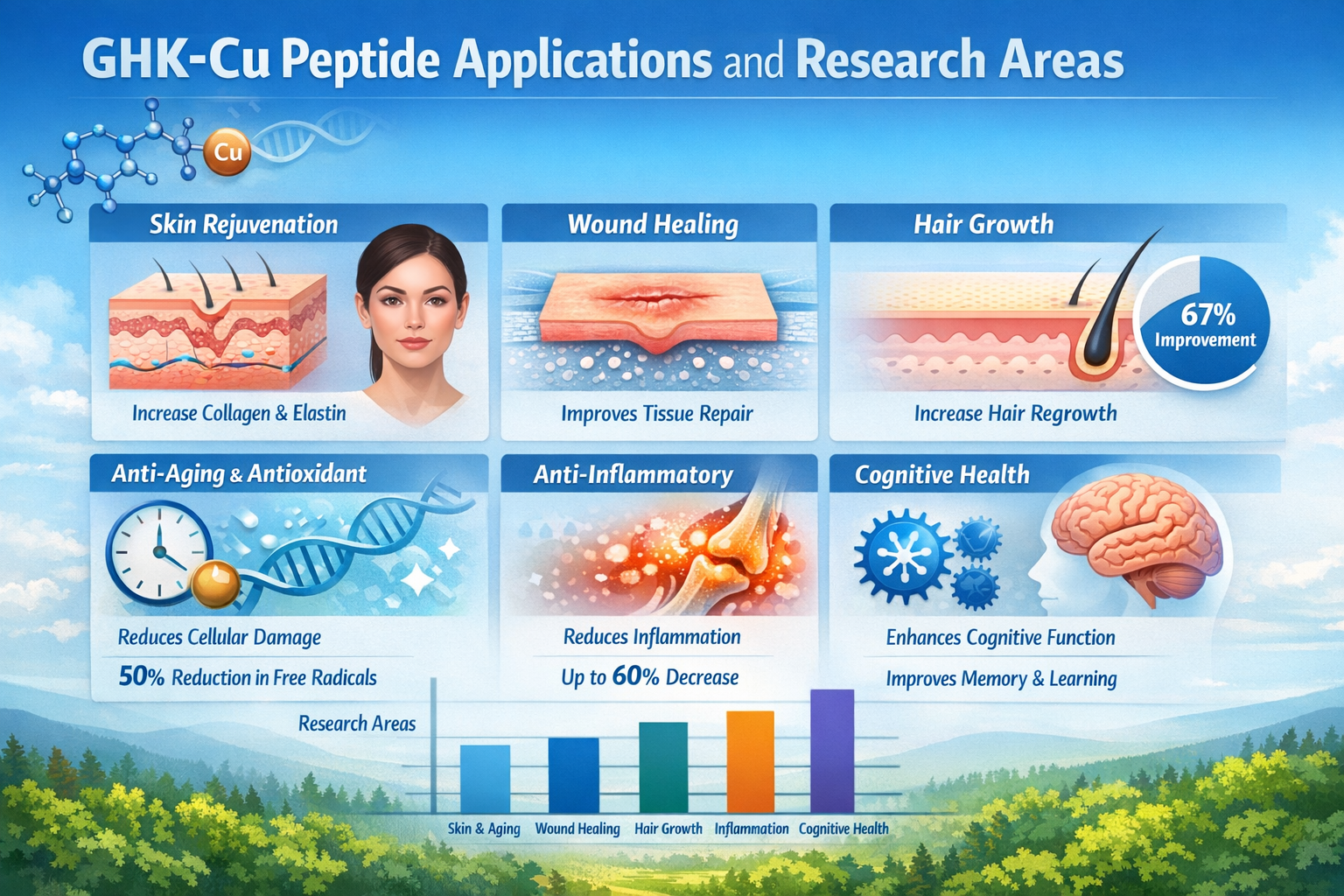
Different professionals can leverage ghk cu peptide research in various ways. Here's how different audiences can apply this knowledge.
For Medi Spa Professionals
Medi spa operators can incorporate GHK-Cu peptide knowledge into their practice:
Topical Treatments:
- Understanding formulation concentrations for different applications
- Combining with other cosmetic ingredients
- Setting realistic client expectations based on research
- Developing treatment protocols based on published studies
Client Education:
- Explaining the science behind copper peptide treatments
- Discussing research findings honestly and accurately
- Addressing common questions and concerns
- Providing realistic timelines for visible results
Protocol Development:
- Creating evidence-based treatment plans
- Determining appropriate frequency and duration
- Monitoring and documenting results
- Adjusting protocols based on individual response
For Fitness Coaches and Bodybuilders
Athletic professionals can apply ghk cu peptide research to recovery optimization:
Recovery Protocols:
- Understanding timing relative to training cycles
- Combining with other recovery modalities
- Tracking recovery metrics systematically
- Adjusting based on training intensity and volume
Client Communication:
- Educating clients about research-backed recovery strategies
- Setting appropriate expectations for recovery enhancement
- Emphasizing the importance of quality sourcing
- Integrating into comprehensive recovery programs
Performance Optimization:
- Considering peptide research as part of holistic training approach
- Understanding limitations and realistic outcomes
- Monitoring long-term progress and adaptations
- Staying current with emerging research
For Life Coaches and Wellness Professionals
Life coaches working with aging clients can incorporate GHK-Cu peptide information into wellness strategies:
Holistic Wellness Planning:
- Understanding how cellular health relates to overall wellbeing
- Incorporating research-backed interventions into wellness plans
- Addressing multiple dimensions of health simultaneously
- Creating sustainable, long-term wellness strategies
Client Empowerment:
- Providing evidence-based information for informed decisions
- Connecting cellular health to quality of life outcomes
- Supporting clients in navigating wellness options
- Encouraging proactive approaches to healthy aging
Network Building:
- Connecting clients with appropriate healthcare providers
- Building relationships with medi spas and wellness clinics
- Staying informed about emerging research and options
- Creating referral networks for comprehensive care
Conclusion: The Future of GHK-Cu Peptide Research and Application
The ghk cu peptide represents a fascinating intersection of basic science, applied research, and practical wellness applications. With over 40 years of research demonstrating its involvement in multiple biological processes—from gene expression to tissue repair—this naturally occurring compound continues to generate interest across diverse professional fields.
Key Points to Remember
As we've explored throughout this comprehensive guide, several critical points stand out:
-
Natural Occurrence and Decline: GHK-Cu is naturally present in human plasma but declines significantly with age, providing a logical rationale for supplementation research
-
Multiple Mechanisms: Unlike single-pathway compounds, GHK-Cu influences thousands of genes and operates through numerous biological mechanisms simultaneously
-
Diverse Applications: Research spans dermatological, athletic recovery, longevity, and regenerative medicine domains
-
Safety Profile: Decades of research have established a generally favorable safety profile with minimal reported adverse effects
-
Quality Matters: The effectiveness and safety of research depends critically on sourcing high-purity, properly tested compounds
Actionable Next Steps
Whether you're a peptide buyer, medi spa professional, fitness coach, life coach, or bodybuilder, here are concrete steps to move forward:
For Researchers and Professionals:
✅ Source quality-tested GHK-Cu peptide from reputable suppliers like Pure Tested Peptides
✅ Review published research literature to understand mechanisms and protocols
✅ Develop evidence-based protocols appropriate for your specific context
✅ Implement proper storage, handling, and administration procedures
✅ Monitor and document outcomes systematically
✅ Stay current with emerging research and developments
For Continued Learning:
✅ Explore related peptide research to understand complementary compounds
✅ Join professional communities focused on peptide research
✅ Attend conferences and webinars on regenerative medicine
✅ Review new publications as they emerge
✅ Consider how advances in delivery technology might enhance applications
The Broader Perspective
The story of ghk cu peptide is ultimately about understanding and supporting the body's natural regenerative processes. As research continues to unveil the complex mechanisms through which this simple tripeptide influences cellular function, we gain deeper insights into the fundamental biology of aging, repair, and wellness.
For professionals across the wellness spectrum—from those focused on aesthetic outcomes to those optimizing athletic performance to those supporting healthy aging—GHK-Cu research offers valuable tools and insights. The key is approaching this compound with appropriate scientific rigor, realistic expectations, and commitment to quality.
The future of GHK-Cu peptide research looks promising, with emerging studies exploring new applications, improved delivery methods, and personalized approaches. By staying informed, sourcing quality compounds, and applying evidence-based protocols, professionals can leverage this research to support their clients' wellness goals effectively and responsibly.
As we move forward in 2026 and beyond, the integration of peptide research into comprehensive wellness strategies will likely become increasingly sophisticated. The foundation laid by decades of GHK-Cu research provides a solid platform for these developments, offering hope for enhanced recovery, improved tissue health, and optimized cellular function across the lifespan.
Remember, whether you're just beginning to explore peptide research or you're an experienced professional, the quality of your source material matters immensely. The GHK-Cu 50 mg research compound, backed by comprehensive testing and documentation, represents the kind of quality that serious research demands.
The journey into ghk cu peptide research is ongoing, with new discoveries emerging regularly. By maintaining scientific curiosity, commitment to quality, and focus on evidence-based practice, professionals across disciplines can continue to explore the remarkable potential of this fascinating compound.
SEO Meta Information
Meta Title: GHK-Cu Peptide Guide: Research, Benefits & Applications 2026
Meta Description: Comprehensive guide to GHK-Cu peptide covering research findings, mechanisms, applications, dosing protocols, and quality sourcing for professionals in 2026.