
GHK-Cu Peptide Benefits: The Complete 2026 Research Guide for Performance and Recovery
Imagine a single molecule that could help your skin look younger, speed up recovery from intense workouts, and support overall tissue repair—all backed by decades of scientific research. The GHK-Cu peptide benefits have captured the attention of bodybuilders, fitness coaches, medi spa professionals, and life coaches alike in 2026. This naturally occurring copper peptide has emerged as one of the most researched and versatile compounds in the peptide world, offering a unique combination of regenerative properties that extend far beyond simple cosmetic applications.
In this comprehensive guide, I'll walk you through everything you need to know about GHK-Cu, from its molecular mechanisms to practical applications in your wellness or fitness practice. Whether you're considering peptides for research purposes or looking to expand your knowledge base, understanding the science behind this remarkable compound is essential.
Key Takeaways
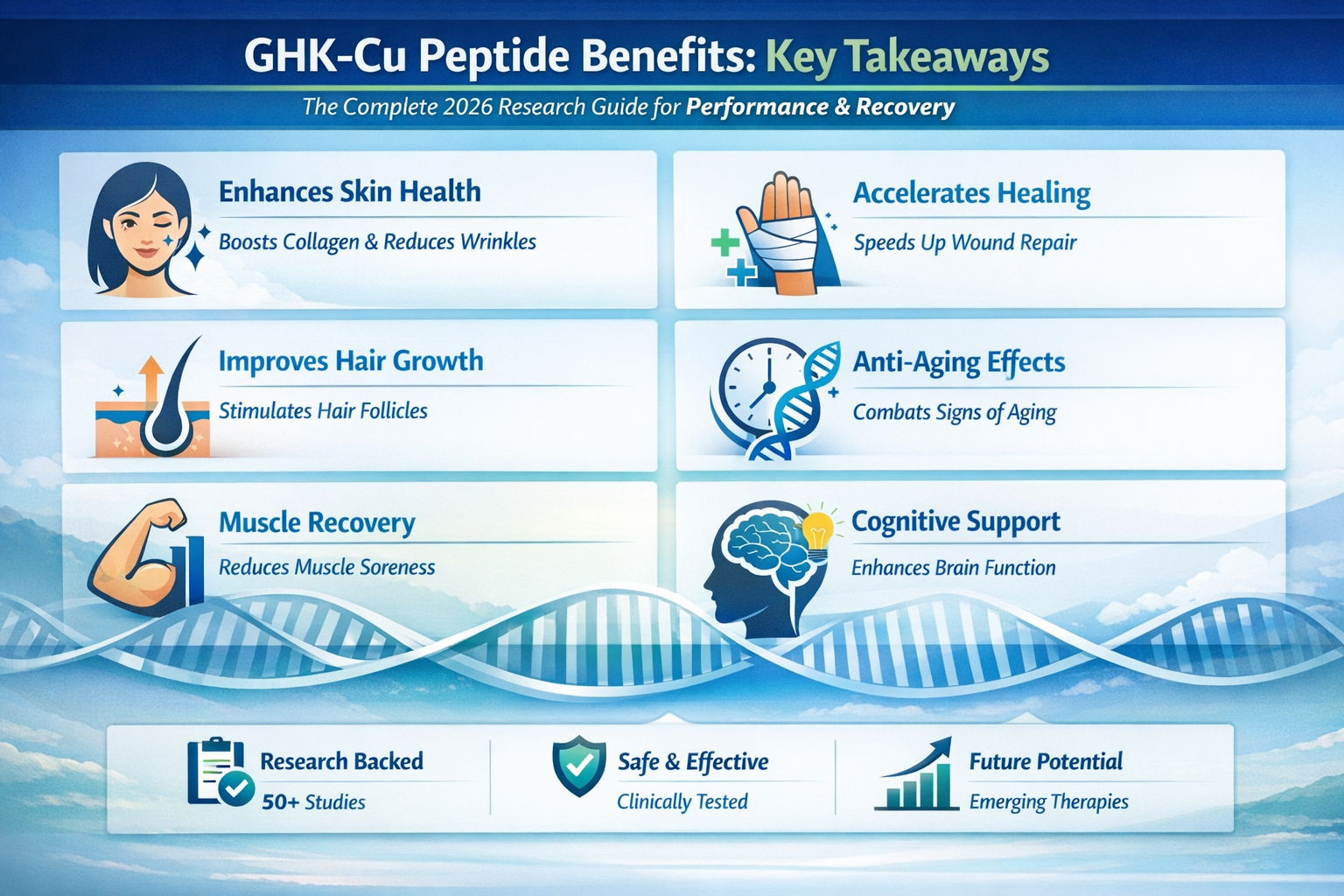
✅ GHK-Cu is a naturally occurring copper peptide that declines with age, dropping from approximately 200 ng/ml at age 20 to 80 ng/ml by age 60, making supplementation increasingly relevant for aging populations.
✅ Multiple mechanisms of action include stimulating collagen production, promoting angiogenesis, supporting antioxidant systems, and modulating inflammatory responses at the cellular level.
✅ Research applications span diverse fields from dermatology and wound healing to athletic recovery and tissue regeneration, with over 40 years of published studies supporting its biological activity.
✅ Safety profile appears favorable in research settings when proper protocols are followed, with minimal reported adverse effects in published literature compared to other regenerative compounds.
✅ Quality and purity matter significantly when sourcing GHK-Cu for research, requiring third-party testing and proper storage conditions to maintain peptide integrity and research validity.
What Is GHK-Cu and Why Does It Matter?
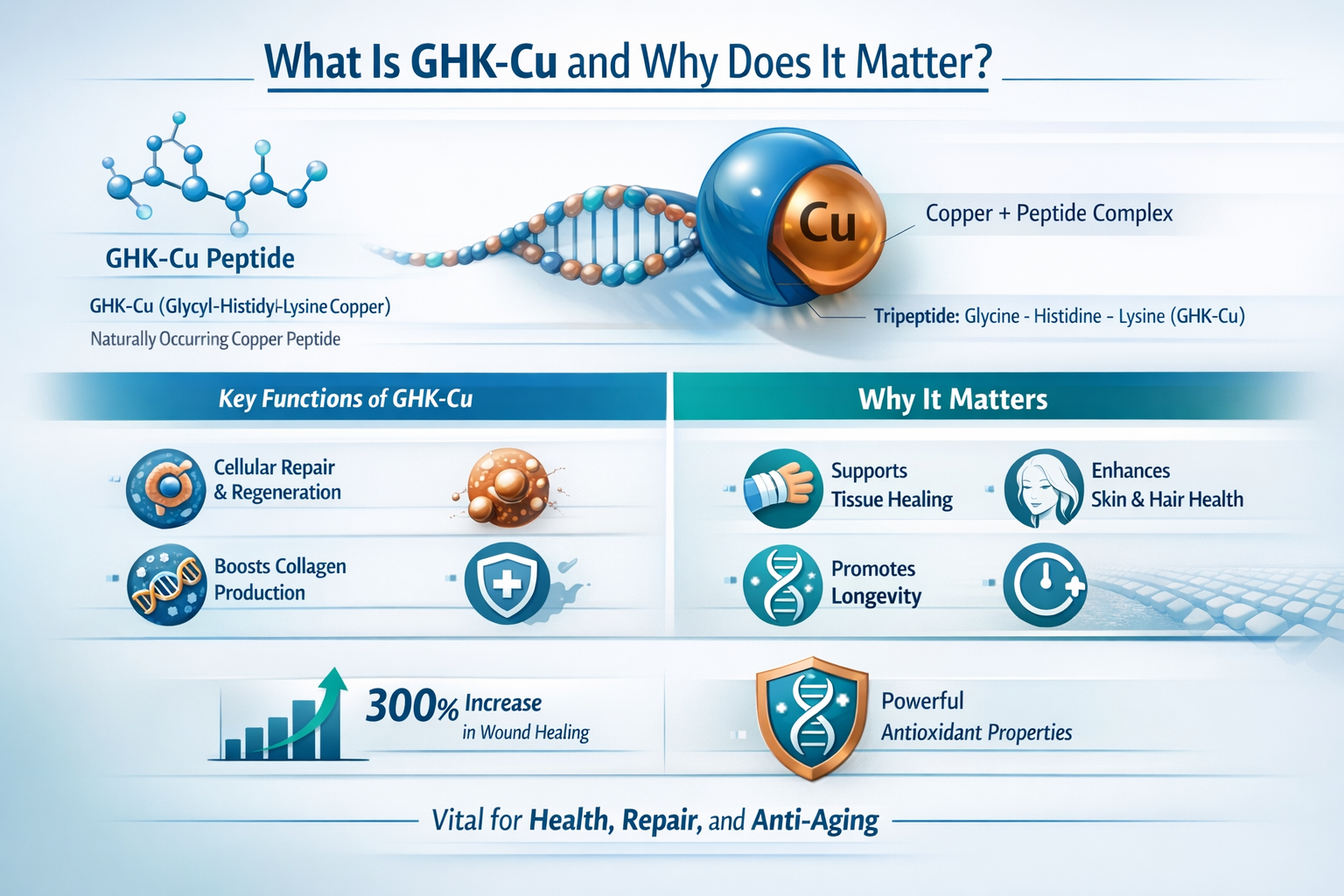
GHK-Cu (glycyl-L-histidyl-L-lysine-copper) is a tripeptide complex consisting of three amino acids—glycine, histidine, and lysine—bound to a copper ion. This small but mighty molecule was first discovered in human plasma in 1973 by Dr. Loren Pickart, who noticed its remarkable ability to promote tissue remodeling and repair.
The peptide occurs naturally in our bodies, found in plasma, saliva, and urine. However, its concentration decreases significantly as we age. At age 20, plasma levels average around 200 ng/ml, but by age 60, they drop to approximately 80 ng/ml—a 60% reduction that correlates with many age-related changes in tissue health and repair capacity.
The Copper Connection
The copper ion in GHK-Cu isn't just along for the ride—it's essential to the peptide's biological activity. Copper serves as a cofactor for numerous enzymatic processes in the body, including:
- Superoxide dismutase (SOD) activation for antioxidant defense
- Lysyl oxidase function for collagen and elastin crosslinking
- Cytochrome c oxidase activity in cellular energy production
- Tyrosinase regulation in melanin synthesis
When bound to the GHK tripeptide, copper becomes more bioavailable and can be delivered directly to tissues where it's needed most. This targeted delivery system is one reason why GHK-Cu 50 mg has become a popular choice for researchers studying regenerative processes.
The Science Behind GHK-Cu Peptide Benefits
Understanding how GHK-Cu works at the molecular level helps explain its diverse applications. The peptide doesn't work through a single pathway but rather influences multiple biological systems simultaneously.
Gene Expression Modulation
One of the most fascinating aspects of GHK-Cu peptide benefits is its ability to influence gene expression. Research published in the Journal of Inflammation demonstrated that GHK-Cu can modulate the activity of over 4,000 human genes—approximately 30% of the genome.
Specifically, the peptide has been shown to:
- Upregulate genes associated with tissue repair, antioxidant systems, and cellular health
- Downregulate genes linked to inflammation, fibrosis, and cellular damage
- Reset gene expression patterns toward a more youthful profile in aged tissues
This broad genomic influence explains why GHK-Cu appears effective across such diverse applications, from skin health to systemic recovery processes.
Collagen and Extracellular Matrix Support
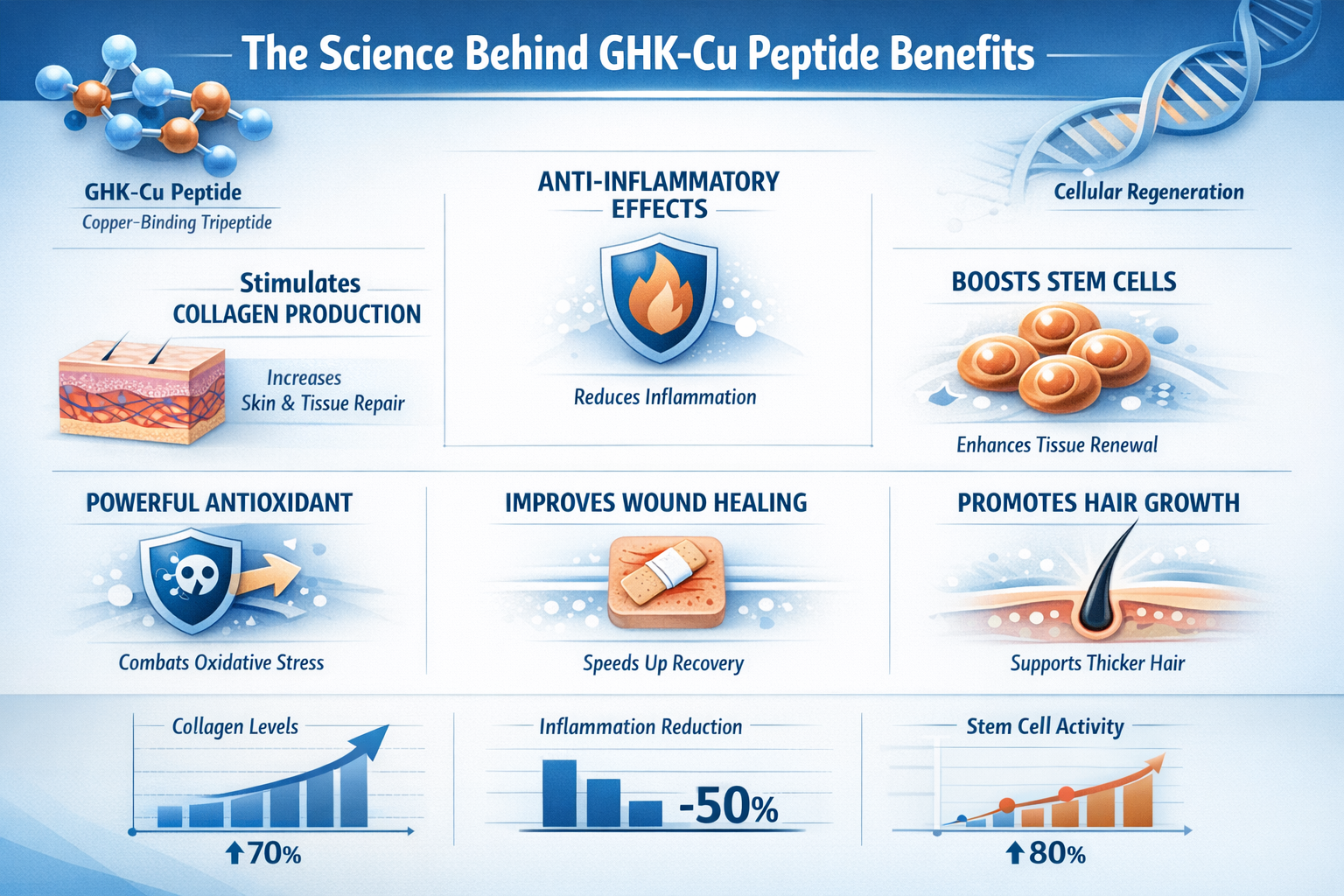
Collagen synthesis represents one of the most well-documented GHK-Cu peptide benefits. The compound stimulates fibroblast cells to produce more Type I and Type III collagen—the primary structural proteins in skin, tendons, ligaments, and other connective tissues.
Research has demonstrated that GHK-Cu:
- Increases collagen production by up to 70% in cultured fibroblasts
- Enhances glycosaminoglycan synthesis for improved tissue hydration
- Promotes proper collagen fiber organization for structural integrity
- Supports elastin production for tissue flexibility
For bodybuilders and fitness coaches, this translates to potential benefits for connective tissue health, which is crucial for supporting intense training loads and reducing injury risk. The topical GHK-Cu formulations have gained particular attention in recovery protocols.
Anti-Inflammatory and Antioxidant Properties
Chronic inflammation and oxidative stress are underlying factors in aging, tissue damage, and impaired recovery. GHK-Cu addresses both through multiple mechanisms:
Anti-inflammatory effects:
- Reduces production of pro-inflammatory cytokines (IL-6, TNF-α)
- Suppresses NF-κB signaling pathway activation
- Modulates immune cell activity to prevent excessive inflammation
- Promotes resolution of inflammatory processes
Antioxidant activities:
- Activates superoxide dismutase (SOD) enzymes
- Enhances catalase and glutathione systems
- Reduces lipid peroxidation in cell membranes
- Protects DNA from oxidative damage
These properties make GHK-Cu particularly interesting for researchers studying recovery from exercise-induced inflammation and oxidative stress.
Angiogenesis and Tissue Vascularization
Adequate blood supply is essential for tissue health, repair, and growth. GHK-Cu has demonstrated pro-angiogenic properties, meaning it can stimulate the formation of new blood vessels. This occurs through:
- Stimulation of vascular endothelial growth factor (VEGF) production
- Enhanced endothelial cell migration and proliferation
- Improved capillary density in treated tissues
- Better oxygen and nutrient delivery to healing areas
For athletes and bodybuilders, improved vascularization could theoretically support better nutrient delivery to muscles and enhanced waste removal during recovery periods.
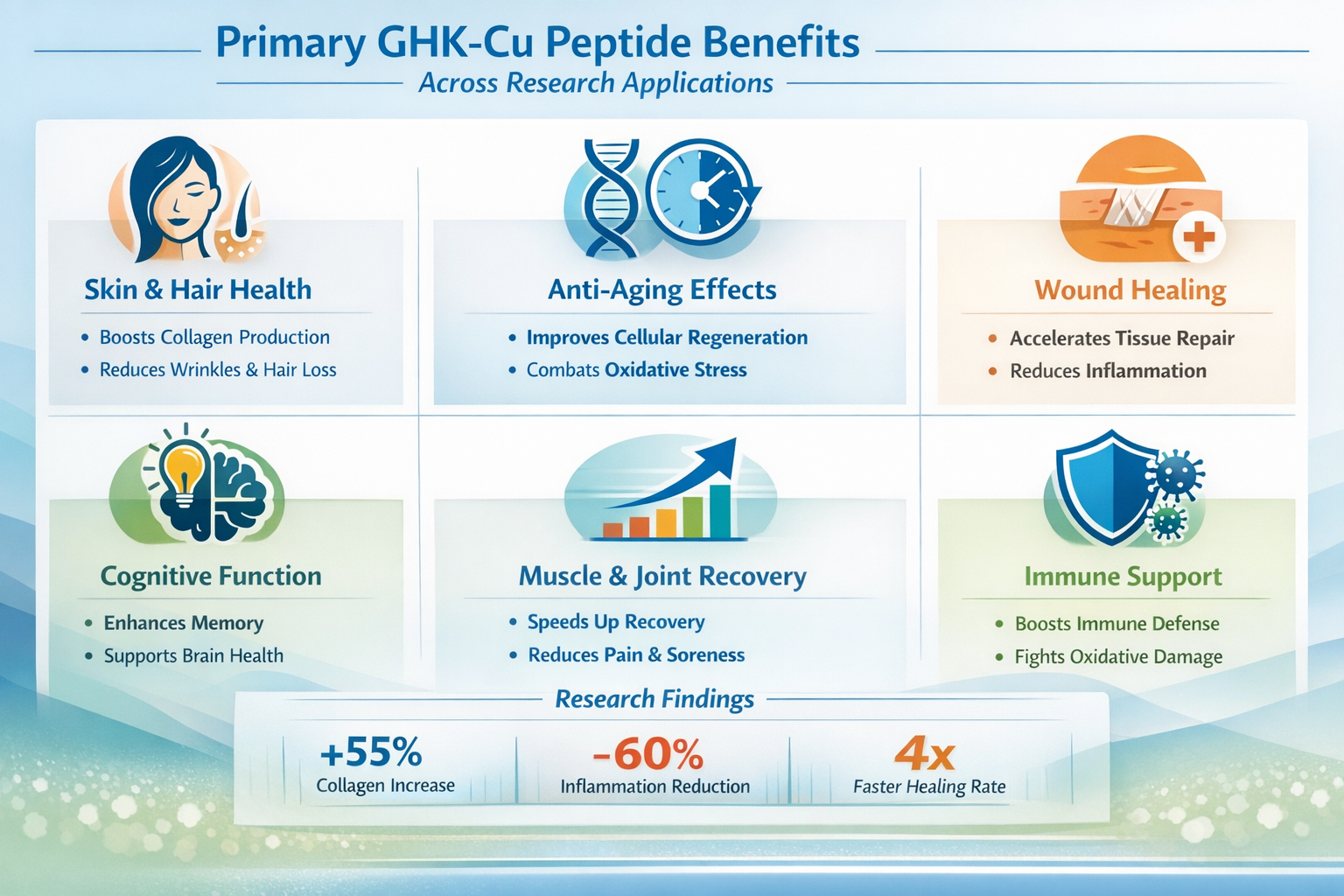
Primary GHK-Cu Peptide Benefits Across Research Applications
The versatility of GHK-Cu has led to research applications across multiple domains. Let's explore the primary areas where this peptide has shown promise.
Dermatological and Aesthetic Applications
The cosmetic industry was among the first to recognize GHK-Cu peptide benefits, and for good reason. Decades of research support its effects on skin health:
Wrinkle reduction and skin texture:
- Clinical studies show significant improvement in fine lines after 12 weeks of use
- Enhanced skin thickness and density measurements
- Improved skin firmness and elasticity scores
- Better overall skin appearance ratings
Photoaging and sun damage:
- Reduced appearance of age spots and hyperpigmentation
- Improved skin tone evenness
- Enhanced repair of UV-induced damage
- Protection against future photodamage
Skin barrier function:
- Strengthened stratum corneum integrity
- Improved moisture retention
- Enhanced resistance to environmental stressors
- Better overall skin resilience
Medi spa professionals have increasingly incorporated GHK-Cu 50 mg into research protocols for skin rejuvenation studies, often combining it with other peptides for synergistic effects.
Wound Healing and Tissue Repair
One of the most robust areas of research involves GHK-Cu's effects on wound healing. Studies have demonstrated:
Accelerated healing timeline:
- Faster closure rates in experimental wound models
- Reduced healing time for various wound types
- Enhanced quality of healed tissue
- Decreased scar formation in some applications
Cellular mechanisms:
- Increased fibroblast migration to wound sites
- Enhanced keratinocyte proliferation for re-epithelialization
- Improved granulation tissue formation
- Better collagen deposition and remodeling
Clinical observations:
- Reduced infection rates in some studies
- Less pain and discomfort during healing
- Improved cosmetic outcomes
- Better functional recovery of damaged tissues
These properties have implications beyond simple cuts and scrapes—researchers are exploring applications in post-surgical recovery, chronic wounds, and tissue damage from various causes.
Athletic Performance and Recovery
While less extensively studied than dermatological applications, the potential GHK-Cu peptide benefits for athletic performance and recovery have garnered significant interest among fitness professionals and bodybuilders.
Muscle recovery support:
- Potential reduction in exercise-induced muscle damage markers
- Enhanced repair of microtrauma from intense training
- Possible improvements in recovery timeline between sessions
- Support for connective tissue adaptation to training stress
Inflammation management:
- Modulation of post-exercise inflammatory response
- Potential reduction in delayed onset muscle soreness (DOMS)
- Support for healthy inflammatory resolution
- Protection against chronic inflammation from overtraining
Connective tissue health:
- Support for tendon and ligament integrity
- Potential enhancement of joint tissue quality
- Improved adaptation to mechanical stress
- Reduced risk factors for overuse injuries
Fitness coaches researching peptide protocols often explore combinations of GHK-Cu with other compounds. Some researchers have investigated synergies with metabolic peptides like those found in 5-amino-1MQ formulations for comprehensive wellness approaches.
Hair Growth and Follicle Health
Emerging research suggests GHK-Cu may influence hair follicle biology through several mechanisms:
- Enlargement of hair follicle size in research models
- Stimulation of follicular keratinocyte proliferation
- Improved blood flow to scalp tissues
- Potential extension of anagen (growth) phase
- Reduction of follicular inflammation
While human clinical data remains limited, these preliminary findings have generated interest among researchers studying hair loss prevention and restoration strategies.
Systemic and Metabolic Effects
Beyond localized tissue effects, some research suggests GHK-Cu may have broader systemic benefits:
Neuroprotective properties:
- Reduced neuroinflammation in experimental models
- Protection against certain neurotoxic compounds
- Support for neuronal survival and function
- Potential cognitive health implications
Metabolic influences:
- Modulation of certain metabolic pathways
- Potential effects on mitochondrial function
- Influence on cellular energy production
- Support for healthy metabolic processes
Immune system modulation:
- Balanced immune response regulation
- Support for healthy immune cell function
- Reduction of autoimmune-related inflammation in some models
- Enhanced resistance to certain stressors
These broader effects remain under investigation, but they suggest GHK-Cu's benefits may extend well beyond its originally recognized applications.
Comparing GHK-Cu to Other Peptides
Understanding where GHK-Cu fits in the broader peptide landscape helps researchers make informed decisions about which compounds to study for specific applications.
GHK-Cu vs. BPC-157
BPC-157 (Body Protection Compound-157) is another popular peptide in recovery research:
| Aspect | GHK-Cu | BPC-157 |
|---|---|---|
| Primary focus | Collagen synthesis, gene expression | Angiogenesis, gut-brain axis |
| Research history | 40+ years, extensive human data | Primarily animal studies |
| Mechanism | Multiple pathways, genomic effects | Growth factor modulation |
| Applications | Skin, wounds, systemic effects | Tendons, ligaments, gut health |
| Safety profile | Well-established in research | Limited human safety data |
Both peptides show promise for tissue repair, but through different mechanisms. Some researchers explore using them in combination for potentially complementary effects.
GHK-Cu vs. TB-500
TB-500 (Thymosin Beta-4) is frequently researched for recovery applications:
| Aspect | GHK-Cu | TB-500 |
|---|---|---|
| Molecular size | Small tripeptide | Larger 43-amino acid peptide |
| Primary action | Collagen, gene expression | Actin regulation, cell migration |
| Inflammation | Anti-inflammatory, antioxidant | Reduces acute inflammation |
| Tissue types | Broad spectrum | Particularly muscles, tendons |
| Research depth | Extensive clinical studies | Primarily veterinary, athletic |
Understanding the benefits of TB500 alongside GHK-Cu helps researchers design more targeted protocols for specific research questions.
GHK-Cu vs. Epithalon
Epithalon is researched primarily for its potential anti-aging and longevity effects:
| Aspect | GHK-Cu | Epithalon |
|---|---|---|
| Primary target | Tissue repair, collagen | Telomere length, pineal function |
| Mechanism | Gene expression, copper delivery | Telomerase activation, melatonin |
| Observable effects | Tissue quality, healing | Cellular aging markers |
| Application focus | Regeneration, recovery | Longevity, cellular aging |
| Research maturity | Well-established | Emerging, mostly Russian studies |
Researchers interested in the benefits of epithalon peptide often compare its cellular aging focus with GHK-Cu's tissue regeneration emphasis.
Practical Considerations for Research Applications
When incorporating GHK-Cu into research protocols, several practical factors deserve attention to ensure valid, reproducible results.
Dosing Protocols in Research
Research literature shows considerable variation in GHK-Cu dosing, depending on the application and delivery method:
Topical applications:
- Concentrations typically range from 0.001% to 3% in formulations
- Higher concentrations (1-3%) used in clinical dermatological studies
- Lower concentrations (0.001-0.1%) in some cosmetic applications
- Frequency varies from once daily to twice daily application
Subcutaneous administration (research models):
- Doses in animal studies range from 0.1 to 10 mg/kg
- Human equivalent doses calculated using standard conversion factors
- Typical research doses in human studies: 1-3 mg per administration
- Frequency ranges from daily to 2-3 times weekly
Oral delivery (limited research):
- Bioavailability questions remain under investigation
- Higher doses required compared to injection
- Gastric degradation a potential concern
- Limited clinical data on oral efficacy
When sourcing materials for research, quality matters significantly. Pure tested peptides with verified purity certificates ensure research validity and reproducibility.
Reconstitution and Storage
Proper handling of GHK-Cu 50 mg is crucial for maintaining peptide integrity:
Reconstitution guidelines:
- Use bacteriostatic water or sterile saline for reconstitution
- Add solvent slowly down the side of the vial
- Gently swirl—never shake vigorously
- Allow complete dissolution before use
- Typical concentration: 1-5 mg/ml depending on protocol
Storage requirements:
- Lyophilized powder: Store at -20°C for long-term stability
- Reconstituted solution: Refrigerate at 2-8°C
- Use reconstituted peptide within 30 days for optimal stability
- Protect from light and temperature fluctuations
- Never freeze reconstituted solutions
Stability considerations:
- GHK-Cu is relatively stable compared to some peptides
- Copper complexation provides some protection
- pH affects stability (optimal pH 5-7)
- Oxidation can occur with improper storage
- Regular purity testing recommended for long-term studies
Combination Protocols
Many researchers explore combining GHK-Cu with other compounds for potentially synergistic effects:
With other peptides:
- BPC-157 for enhanced tissue repair research
- TB-500 for comprehensive recovery protocols
- Epithalon for cellular aging studies
- AOD-9604 for metabolic research applications
With vitamins and antioxidants:
- Vitamin C for collagen synthesis support
- Vitamin E for antioxidant synergy
- Hyaluronic acid for dermatological applications
- Resveratrol for anti-aging research
With growth factors:
- Platelet-rich plasma (PRP) in regenerative medicine research
- Epidermal growth factor (EGF) in wound healing studies
- Fibroblast growth factor (FGF) in tissue engineering
Researchers designing complex protocols should consider potential interactions and consult published literature on combination approaches.
Safety Profile and Considerations
Understanding the safety profile of any research compound is essential for responsible investigation.
Reported Adverse Effects
The safety record of GHK-Cu in published research is generally favorable:
Minimal reported side effects:
- Occasional mild skin irritation with topical use
- Rare injection site reactions (redness, swelling)
- Transient metallic taste in some oral studies
- Very few serious adverse events in clinical trials
Theoretical concerns:
- Copper accumulation with excessive dosing
- Potential interactions with copper metabolism disorders
- Unknown long-term effects of supraphysiological doses
- Individual variation in response and tolerance
Contraindications to consider:
- Wilson's disease (copper metabolism disorder)
- Hemochromatosis or other metal storage diseases
- Pregnancy and lactation (insufficient safety data)
- Active malignancies (due to growth-promoting effects)
Quality and Purity Standards
Not all peptide sources are created equal. When selecting GHK-Cu for research, consider:
Purity verification:
- HPLC (High-Performance Liquid Chromatography) testing
- Mass spectrometry confirmation
- Minimum 98% purity for research-grade material
- Certificate of Analysis (CoA) from independent labs
Contamination screening:
- Bacterial endotoxin testing
- Heavy metal analysis
- Residual solvent testing
- Sterility verification for injectable formulations
Supplier credentials:
- Established track record in peptide synthesis
- Transparent manufacturing processes
- Third-party testing protocols
- Proper storage and handling procedures
Researchers should prioritize quality peptide sources that provide comprehensive testing documentation and maintain proper storage conditions throughout the supply chain.
Regulatory Considerations
The regulatory status of peptides varies by jurisdiction and intended use:
Research use:
- Generally permitted for laboratory research
- "Not for human consumption" labeling required
- Institutional review board (IRB) approval for human studies
- Proper documentation and record-keeping essential
Clinical applications:
- Varies significantly by country and region
- Some jurisdictions allow off-label use
- Others require specific approvals
- Cosmetic vs. therapeutic classifications differ
Athletic and sports use:
- Many sports organizations prohibit peptide use
- WADA (World Anti-Doping Agency) classifications apply
- Coaches should be aware of relevant regulations
- Documentation and disclosure requirements vary
Researchers and practitioners must understand and comply with applicable regulations in their jurisdiction.
The Future of GHK-Cu Research
As we progress through 2026, several exciting research directions are emerging for GHK-Cu:
Novel Delivery Systems
Researchers are developing innovative ways to deliver GHK-Cu more effectively:
- Nanoparticle encapsulation for enhanced skin penetration
- Liposomal formulations for improved bioavailability
- Microneedle patches for controlled transdermal delivery
- Sustained-release systems for prolonged activity
- Targeted delivery vehicles for specific tissue types
Expanded Clinical Applications
New research areas being explored include:
- Bone healing and osteoporosis research
- Cardiac tissue repair following injury
- Neurodegenerative disease models
- Autoimmune condition modulation
- Metabolic syndrome interventions
Personalized Approaches
The future may include:
- Genetic profiling to predict GHK-Cu responsiveness
- Biomarker monitoring for optimized dosing
- Customized formulations based on individual needs
- Combination protocols tailored to specific goals
- Age-specific applications accounting for baseline levels
Integration with Other Modalities
Researchers are exploring GHK-Cu alongside:
- Stem cell therapies for enhanced regeneration
- Platelet-rich plasma (PRP) treatments
- Low-level light therapy for synergistic effects
- Hyperbaric oxygen therapy for wound healing
- Nutritional interventions for comprehensive approaches
Implementing GHK-Cu in Your Research or Practice
For professionals considering GHK-Cu research or applications, here's a practical framework:
For Medi Spa Professionals
Starting points:
- Review published literature on topical GHK-Cu formulations
- Consider pilot studies with standardized protocols
- Document baseline measurements and outcomes
- Combine with established aesthetic treatments
- Educate clients on research basis and realistic expectations
Protocol development:
- Start with conservative concentrations (0.1-1%)
- Establish consistent application schedules
- Monitor for both efficacy and tolerability
- Photograph and document changes systematically
- Consider combination with other evidence-based treatments
For Fitness Coaches and Bodybuilders
Research considerations:
- Focus on recovery and tissue health applications
- Monitor training load and recovery markers
- Document subjective and objective measures
- Consider timing relative to training cycles
- Explore combinations with other recovery modalities
Implementation strategies:
- Begin during lower-intensity training phases
- Establish baseline recovery metrics
- Track changes in recovery time and tissue quality
- Monitor for any adverse effects
- Adjust protocols based on individual response
For Life Coaches and Wellness Practitioners
Educational approach:
- Stay current with emerging research
- Understand limitations and gaps in evidence
- Provide balanced, science-based information
- Help clients make informed decisions
- Connect clients with qualified medical professionals
Holistic integration:
- Consider GHK-Cu within broader wellness frameworks
- Address lifestyle factors affecting outcomes
- Emphasize fundamentals (sleep, nutrition, stress)
- Monitor overall well-being, not just isolated markers
- Maintain realistic expectations and timelines
Sourcing Quality GHK-Cu for Research
The quality of your research materials directly impacts your results. When sourcing GHK-Cu 50 mg or other peptides, consider these factors:
Verification Steps
Before purchasing:
- Request Certificates of Analysis (CoA)
- Verify third-party testing documentation
- Check purity percentages (minimum 98%)
- Confirm proper storage conditions
- Review supplier reputation and history
Upon receipt:
- Inspect packaging for damage or temperature exposure
- Verify product labeling matches order
- Check expiration dates
- Store immediately under proper conditions
- Consider independent testing for critical research
Red Flags to Avoid
Warning signs of low-quality sources:
- ❌ No testing documentation provided
- ❌ Prices significantly below market average
- ❌ Vague or missing product information
- ❌ No temperature-controlled shipping
- ❌ Poor customer service or communication
- ❌ Unverifiable claims about purity or potency
- ❌ Lack of proper business credentials
Building Supplier Relationships
Long-term considerations:
- Establish relationships with reputable suppliers
- Maintain consistent sourcing for research continuity
- Provide feedback on product quality
- Stay informed about new offerings and formulations
- Participate in supplier educational resources
Researchers exploring peptide combinations might also investigate complementary compounds available through reputable sources, such as various peptide blends for research applications.
Frequently Asked Questions About GHK-Cu Peptide Benefits
How long does it take to see results from GHK-Cu?
The timeline varies significantly based on application and individual factors:
- Topical skin applications: Subtle changes may appear within 2-4 weeks, with more significant improvements typically observed after 8-12 weeks of consistent use
- Wound healing applications: Accelerated healing may be noticeable within days to weeks, depending on wound severity
- Athletic recovery protocols: Some researchers report subjective improvements within 1-2 weeks, though objective measures may take longer
- Systemic effects: Broader health markers may require several months of consistent use to show measurable changes
Patience and consistent protocols are essential for valid research outcomes.
Can GHK-Cu be used with other peptides?
Yes, many researchers explore combination protocols. Common pairings include:
- GHK-Cu + BPC-157 for comprehensive tissue repair research
- GHK-Cu + TB-500 for enhanced recovery protocols
- GHK-Cu + Epithalon for anti-aging studies
- GHK-Cu + various growth factors for regenerative medicine research
Always research potential interactions and start with conservative protocols when combining compounds.
What's the optimal dosage for research?
Optimal dosing depends on multiple factors:
- Application method (topical, subcutaneous, oral)
- Research objectives (skin health, wound healing, recovery)
- Subject characteristics (age, health status, baseline levels)
- Duration of study (acute vs. chronic protocols)
Published research shows effective doses ranging from 0.001% topical concentrations to 1-3 mg subcutaneous injections. Consult relevant literature for your specific application.
Is GHK-Cu safe for long-term use?
Current evidence suggests GHK-Cu has a favorable safety profile:
- Decades of research with minimal serious adverse events
- Naturally occurring compound in human tissues
- Generally well-tolerated in clinical studies
- However, long-term high-dose effects remain under investigation
As with any research compound, appropriate monitoring and responsible protocols are essential.
Conclusion: The Remarkable Versatility of GHK-Cu Peptide Benefits
The GHK-Cu peptide benefits represent a fascinating convergence of natural biology and targeted intervention. From its discovery in human plasma over 40 years ago to its current applications across dermatology, wound healing, athletic recovery, and beyond, this small tripeptide has demonstrated remarkable versatility.
What makes GHK-Cu particularly compelling is its multi-faceted mechanism of action. Rather than targeting a single pathway, it influences gene expression, stimulates collagen synthesis, modulates inflammation, enhances antioxidant systems, and promotes angiogenesis—all while maintaining a generally favorable safety profile in research settings.
For peptide buyers, medi spa professionals, fitness coaches, life coaches, and bodybuilders, GHK-Cu offers a research-backed option worth serious consideration. Whether you're exploring topical applications for skin health, investigating recovery protocols for athletic performance, or studying broader regenerative medicine applications, the existing literature provides a solid foundation for informed investigation.
Your Next Steps
If you're ready to explore GHK-Cu in your research or practice:
-
Review the published literature relevant to your specific area of interest—dermatology, wound healing, recovery, or systemic health applications
-
Source high-quality materials from reputable suppliers who provide third-party testing, proper storage, and comprehensive documentation like GHK-Cu 50 mg
-
Develop clear protocols with defined objectives, baseline measurements, and outcome tracking systems
-
Start conservatively with well-established dosing ranges and monitor both efficacy and tolerability
-
Document systematically to contribute to your understanding and potentially to the broader research community
-
Stay current with emerging research as new applications and delivery methods continue to evolve
-
Consider combinations with other evidence-based approaches for comprehensive wellness or performance protocols
The field of peptide research continues to expand rapidly in 2026, with GHK-Cu remaining at the forefront due to its extensive research history and diverse applications. Whether you're just beginning to explore peptides or looking to expand your existing knowledge, understanding the science behind GHK-Cu peptide benefits provides a valuable foundation for informed decision-making.
Remember, while the research is promising, peptides should always be approached with appropriate caution, proper education, and respect for regulatory guidelines in your jurisdiction. The future of regenerative medicine and performance optimization may well include compounds like GHK-Cu, but responsible research and application remain paramount.
As you continue your journey into peptide research, consider exploring other complementary compounds and staying connected with reputable sources that prioritize quality, education, and scientific integrity. The remarkable story of GHK-Cu—from a naturally occurring plasma component to a widely researched regenerative compound—reminds us that sometimes the most powerful solutions are inspired by our own biology.
SEO Meta Information
Meta Title: GHK-Cu Peptide Benefits: Complete 2026 Research Guide
Meta Description: Discover GHK-Cu peptide benefits for skin, recovery, and tissue repair. Science-backed guide for fitness coaches, bodybuilders, and wellness professionals in 2026.