
GHK-Cu Copper Peptide: The Complete Guide for Research and Wellness Applications in 2026
Imagine a single molecule that could potentially influence wound healing, tissue regeneration, and cellular health all at once. That's exactly what researchers have discovered with GHK-Cu copper peptide, a naturally occurring tripeptide that has captured the attention of scientists, medical spa professionals, and wellness practitioners worldwide. As someone who has followed peptide research for years, I've watched this compound evolve from a laboratory curiosity to one of the most studied regenerative molecules in modern science.
The ghk cu copper peptide stands out in the crowded field of therapeutic peptides because of its unique structure and multifaceted biological activities. First isolated from human plasma in the 1970s, this small but mighty molecule consists of just three amino acids—glycine, histidine, and lysine—bound to a copper ion. What makes it remarkable isn't just its simplicity, but its ability to interact with multiple cellular pathways simultaneously.
Key Takeaways
✅ GHK-Cu copper peptide is a naturally occurring tripeptide that binds copper ions and plays crucial roles in wound healing, tissue remodeling, and cellular regeneration
✅ Research demonstrates that ghk cu copper peptide influences over 4,000 human genes, affecting processes from collagen synthesis to anti-inflammatory responses
✅ Applications span multiple fields including dermatology, regenerative medicine, sports recovery, and aesthetic treatments at medical spas
✅ Proper dosing, storage, and administration protocols are essential for research applications and optimal results
✅ Quality sourcing from reputable suppliers ensures purity and efficacy for both research and professional applications
Understanding GHK-Cu Copper Peptide: Structure and Biological Significance
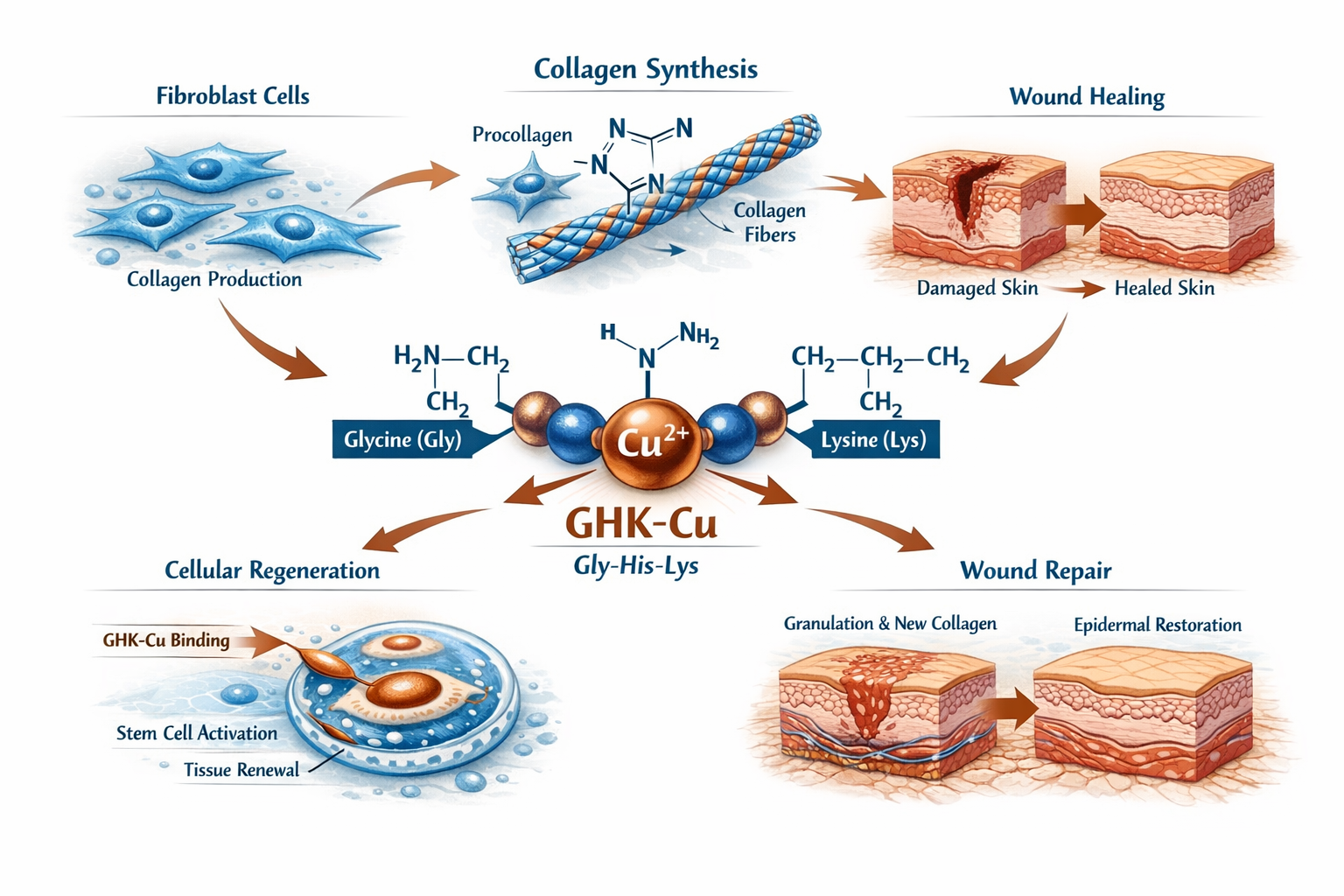
The ghk cu copper peptide represents one of nature's most elegant molecular designs. At its core, this tripeptide contains three amino acids arranged in a specific sequence: glycine-histidine-lysine. What transforms this simple peptide into a biological powerhouse is its ability to chelate (bind) copper ions, creating a complex that can interact with cellular receptors and influence gene expression.
The Molecular Architecture
When we examine the structure of GHK-Cu, we find:
- Glycine: The smallest amino acid, providing flexibility to the molecule
- Histidine: Contains an imidazole ring that serves as the primary copper-binding site
- Lysine: Provides a positive charge that helps the molecule interact with cell membranes
- Copper Ion (Cu²⁺): The catalytic center that enables many of the peptide's biological activities
This combination creates a molecule with a molecular weight of approximately 340 Daltons—small enough to penetrate tissues effectively yet complex enough to trigger sophisticated biological responses.
Natural Occurrence and Decline
Human plasma naturally contains GHK-Cu copper peptide at concentrations that decrease with age. At 20 years old, plasma levels average around 200 ng/mL, but by age 60, these levels drop to approximately 80 ng/mL. This age-related decline has led researchers to investigate whether supplementing or applying GHK-Cu could help restore youthful regenerative capacity.
The peptide appears in various tissues throughout the body:
| Tissue Type | Function | Concentration |
|---|---|---|
| Blood Plasma | Systemic signaling | 200 ng/mL (young adults) |
| Wound Sites | Tissue repair | Elevated during healing |
| Skin Tissue | Collagen regulation | Variable by depth |
| Saliva | Local protection | Lower concentrations |
Mechanisms of Action
The ghk cu copper peptide doesn't work through a single pathway. Instead, it acts as a signaling molecule that can:
- Bind to cellular receptors and trigger intracellular cascades
- Modulate gene expression affecting thousands of genes simultaneously
- Chelate copper ions and transport them to enzymatic sites where they're needed
- Interact with extracellular matrix components to influence tissue structure
Research published in genomic studies has shown that GHK-Cu influences over 4,000 human genes—upregulating genes associated with healing and tissue repair while downregulating genes linked to inflammation and fibrosis. This dual action makes it particularly interesting for regenerative applications.
For those interested in exploring quality peptide research compounds, Pure Tested Peptides offers comprehensive resources and verified products for scientific investigation.
Research Applications of GHK-Cu Copper Peptide in Regenerative Medicine
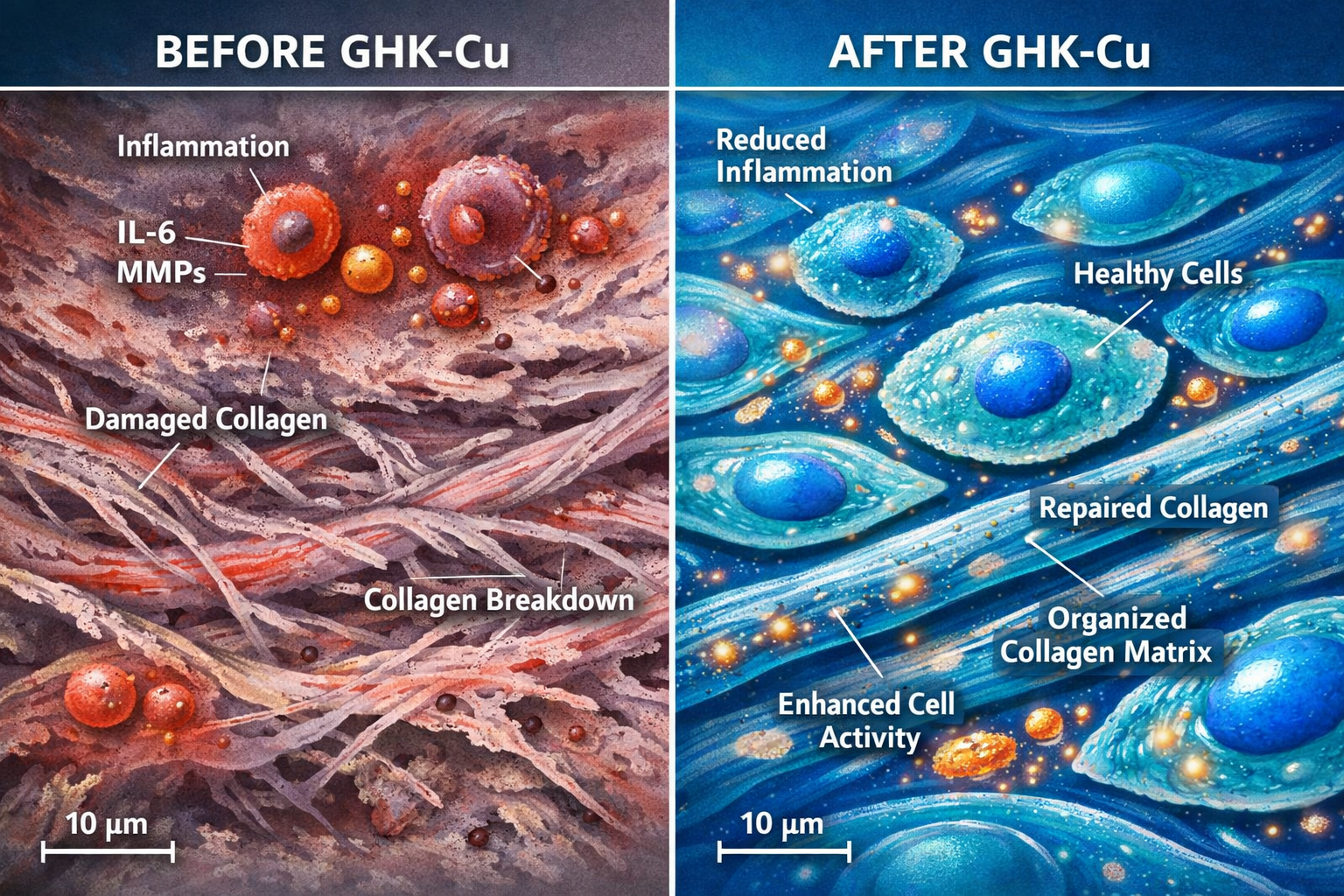
The scientific literature on ghk cu copper peptide has expanded dramatically over the past two decades. What began as observations about wound healing has evolved into a comprehensive understanding of how this molecule influences multiple physiological systems.
Wound Healing and Tissue Repair
One of the most well-documented effects of GHK-Cu copper peptide involves its role in wound healing. Research has demonstrated that this peptide:
- Accelerates wound closure by promoting fibroblast migration and proliferation
- Enhances angiogenesis (new blood vessel formation) to improve nutrient delivery
- Stimulates collagen synthesis while preventing excessive scar formation
- Reduces inflammation at injury sites through multiple pathways
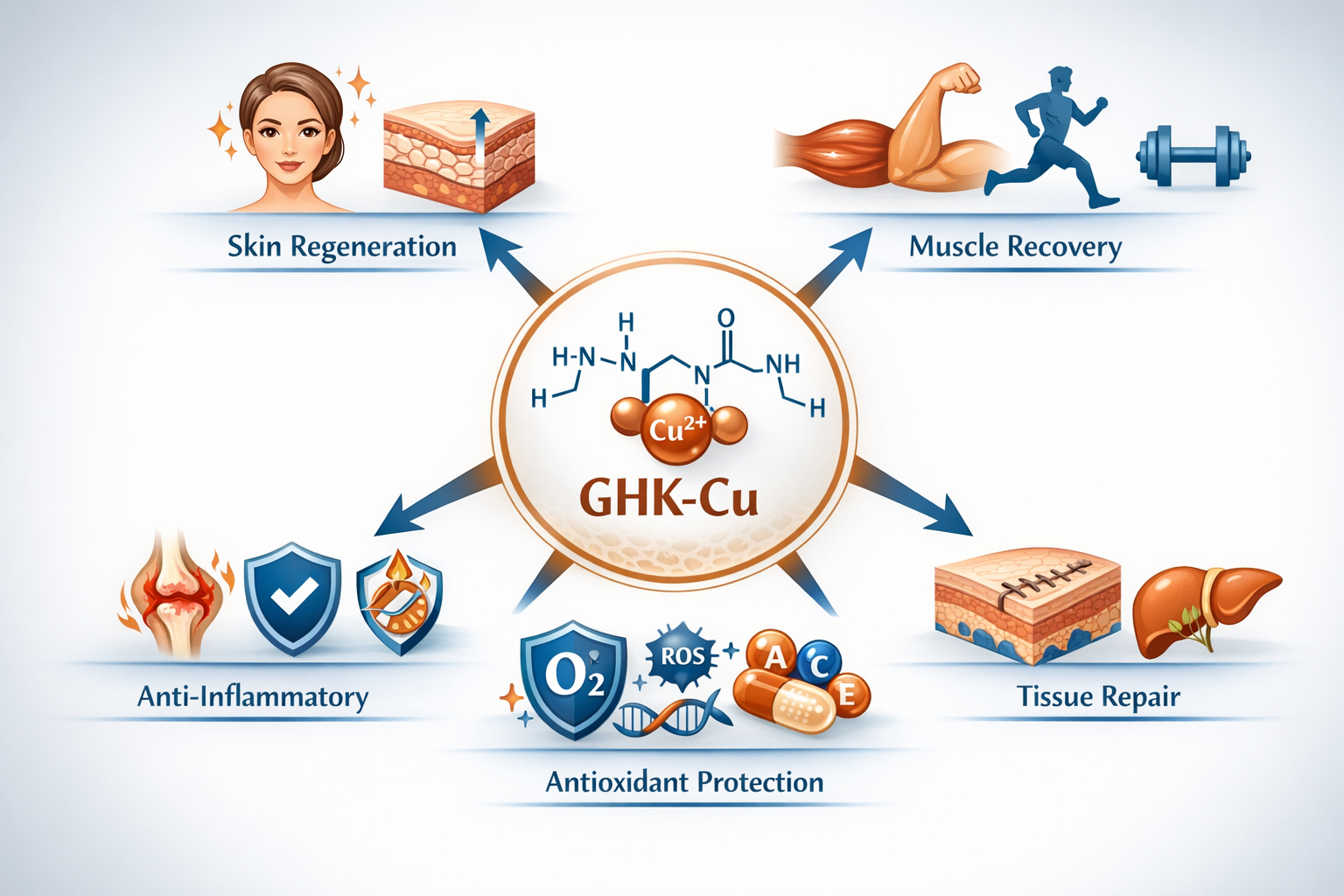
In laboratory studies, wounds treated with GHK-Cu showed significantly faster healing rates compared to controls. The peptide appears to create an optimal environment for tissue regeneration by balancing pro-healing signals with anti-inflammatory actions.
Collagen and Elastin Production
For bodybuilders, fitness coaches, and medical spa professionals, the ghk cu copper peptide's effects on structural proteins are particularly relevant. The peptide has been shown to:
🔬 Increase collagen type I synthesis by up to 70% in cultured fibroblasts
🔬 Enhance collagen type III production, which is crucial for tissue flexibility
🔬 Stimulate elastin synthesis, improving tissue elasticity and resilience
🔬 Activate tissue remodeling enzymes that help organize collagen into functional matrices
These effects make GHK-Cu valuable for research into skin health, connective tissue repair, and recovery from physical training. The peptide doesn't just increase collagen quantity—it appears to improve collagen quality and organization as well.
Anti-Inflammatory Properties
Chronic inflammation underlies many age-related conditions and can impair recovery from exercise or injury. The ghk cu copper peptide demonstrates notable anti-inflammatory effects through several mechanisms:
- Downregulation of pro-inflammatory cytokines including IL-6 and TNF-alpha
- Reduction of oxidative stress markers
- Modulation of immune cell activity at sites of tissue damage
- Protection against inflammatory damage to cellular structures
Research indicates that GHK-Cu can reduce inflammation without completely suppressing immune function—a crucial distinction that allows protective immunity to remain intact while preventing excessive inflammatory damage.
Antioxidant and Protective Effects
The copper-binding capacity of GHK-Cu copper peptide contributes to its antioxidant properties. By chelating copper ions, the peptide can:
✨ Prevent copper-catalyzed oxidative damage (the Fenton reaction)
✨ Activate antioxidant enzymes like superoxide dismutase
✨ Protect cellular membranes from lipid peroxidation
✨ Shield DNA from oxidative modifications
These protective effects extend to various cell types, including neurons, skin cells, and muscle tissue—making GHK-Cu relevant for diverse research applications from neuroprotection to sports recovery.
For researchers interested in exploring peptide combinations and synergistic effects, resources on peptide blends research provide valuable insights into complementary compounds.
GHK-Cu Copper Peptide Dosage, Administration, and Research Protocols
Understanding proper protocols for ghk cu copper peptide research is essential for anyone conducting studies or exploring applications in professional settings. The compound's effectiveness depends heavily on correct dosing, administration methods, and storage conditions.
Research Dosage Guidelines
The optimal dosage of GHK-Cu copper peptide varies based on the application, subject characteristics, and research objectives. Based on published studies and research protocols:
Topical Applications:
- Concentration range: 0.05% to 3% in carrier solutions
- Typical research concentration: 1-2% for dermal studies
- Application frequency: Once to twice daily in most protocols
Subcutaneous Administration:
- Research doses: 0.5 mg to 3 mg per administration
- Frequency: 2-3 times weekly in many studies
- Cycle duration: 4-12 weeks with assessment periods
Systemic Research:
- Doses typically calculated per kilogram of body weight
- Range: 1-10 mg total dose depending on study parameters
- Administration routes: Subcutaneous or intramuscular in research settings
Important Note: These dosage ranges are based on research literature and should not be interpreted as medical recommendations. All peptide research should be conducted under appropriate oversight and with proper ethical approvals.
Administration Methods
The ghk cu copper peptide can be administered through several routes, each with distinct characteristics:
-
Topical Application
- Most common for dermatological research
- Requires appropriate carrier solutions (often with penetration enhancers)
- Slower systemic absorption but targeted local effects
- Suitable for skin-related research applications
-
Subcutaneous Injection
- Provides controlled dosing and bioavailability
- Commonly used in regenerative research protocols
- Requires proper reconstitution techniques
- Allows for systemic distribution
-
Intramuscular Administration
- Used in some research protocols for deeper tissue effects
- May provide different pharmacokinetics than subcutaneous routes
- Relevant for muscle-related research applications
For those researching GHK-Cu 50 mg formulations, proper reconstitution is critical. The peptide typically arrives as a lyophilized powder requiring reconstitution with bacteriostatic water or sterile saline.
Reconstitution Protocol
When working with ghk cu copper peptide in research settings, follow these steps:
Step 1: Calculate the required concentration based on your research protocol
Step 2: Use bacteriostatic water (0.9% benzyl alcohol) for multi-dose vials
Step 3: Add solvent slowly down the vial wall, not directly onto the powder
Step 4: Gently swirl (never shake) until fully dissolved
Step 5: Inspect for clarity—solution should be clear without particles
Example Calculation:
- 50 mg vial of GHK-Cu
- Target concentration: 5 mg/mL
- Required solvent: 10 mL bacteriostatic water
Storage and Stability
Proper storage ensures the GHK-Cu copper peptide maintains its integrity throughout research studies:
| Form | Storage Condition | Stability Duration |
|---|---|---|
| Lyophilized powder | -20°C (freezer) | 2+ years |
| Reconstituted solution | 2-8°C (refrigerator) | 30 days |
| In-use vial | 2-8°C (refrigerator) | 14-30 days |
Storage Best Practices:
❄️ Store lyophilized peptide in freezer until ready to reconstitute
❄️ Protect from light using amber vials or foil wrapping
❄️ Avoid repeated freeze-thaw cycles of reconstituted solutions
❄️ Mark reconstitution date clearly on vials
❄️ Discard if solution becomes cloudy or develops precipitates
Research Cycle Protocols
Many researchers structure ghk cu copper peptide studies in cycles to assess effects and allow for washout periods:
Typical Research Cycle:
- Loading Phase: 4-6 weeks with consistent administration
- Assessment Period: 2-4 weeks to evaluate sustained effects
- Washout (if applicable): 4-8 weeks before subsequent cycles
- Maintenance (in some protocols): Reduced frequency administration
This cyclical approach allows researchers to distinguish between acute effects, sustained benefits, and dependency factors.
For researchers exploring complementary compounds, understanding peptide dosage protocols across different peptide types can provide valuable context for designing comprehensive studies.
Professional Applications: Medical Spas, Fitness, and Wellness Coaching
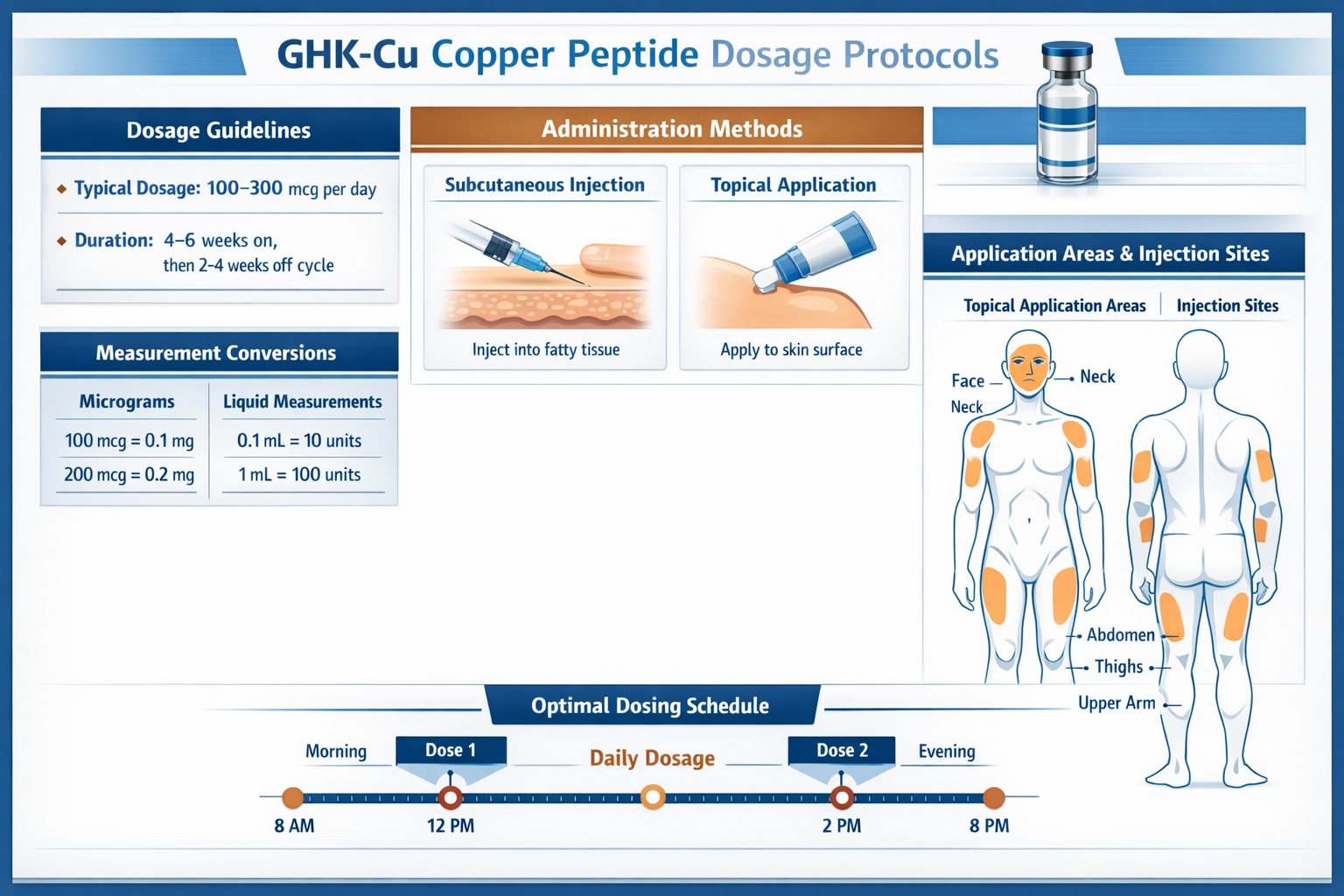
The ghk cu copper peptide has found practical applications across multiple professional fields, from aesthetic medicine to sports performance optimization. Understanding how different professionals incorporate this peptide into their practice can inform research directions and application development.
Medical Spa and Aesthetic Applications
Medical spas have been among the early adopters of GHK-Cu copper peptide formulations, particularly for skin rejuvenation protocols. Aesthetic practitioners report interest in this peptide for:
Skin Rejuvenation Protocols:
- Topical serums containing 1-3% GHK-Cu for daily application
- Combination with microneedling procedures to enhance penetration
- Post-procedure recovery support following laser treatments or chemical peels
- Integration into comprehensive anti-aging skincare regimens
Observed Areas of Interest:
- Fine line and wrinkle appearance
- Skin texture and firmness
- Post-inflammatory hyperpigmentation
- Scar appearance and texture
- Overall skin tone and radiance
Medical spa professionals often combine ghk cu copper peptide with other modalities like hyaluronic acid, vitamin C, or growth factors to create comprehensive treatment protocols. The peptide's relatively favorable safety profile makes it attractive for topical applications.
For medical spas exploring topical GHK-Cu formulations, understanding proper concentration ranges and carrier systems is essential for developing effective protocols.
Fitness and Bodybuilding Applications
Fitness coaches and bodybuilders have shown increasing interest in GHK-Cu copper peptide for recovery and tissue repair applications. The peptide's effects on collagen synthesis and anti-inflammatory pathways make it relevant for:
💪 Connective Tissue Support:
- Tendon and ligament health during intense training
- Joint integrity maintenance under heavy loading
- Recovery from minor strains and overuse injuries
- Preventive protocols for high-risk movements
💪 Recovery Enhancement:
- Post-workout inflammation management
- Muscle tissue repair and remodeling
- Sleep quality and recovery markers
- Overall training adaptation
💪 Injury Rehabilitation:
- Accelerated healing timelines for minor injuries
- Scar tissue quality and flexibility
- Return-to-training protocols
- Long-term tissue health maintenance
Bodybuilders particularly appreciate that ghk cu copper peptide works through natural signaling pathways rather than hormonal manipulation, making it compatible with various training and nutrition protocols.
Life Coaching and Wellness Integration
Life coaches and wellness practitioners have begun incorporating peptide education into their holistic health frameworks. While they don't prescribe or administer peptides, they often:
🌟 Educate clients about emerging wellness technologies including peptides
🌟 Connect clients with appropriate medical professionals for peptide protocols
🌟 Support lifestyle factors that complement peptide research (sleep, nutrition, stress management)
🌟 Track wellness metrics that may be influenced by peptide protocols
🌟 Integrate peptide timing with other wellness practices and routines
The GHK-Cu copper peptide fits well into comprehensive wellness approaches because its effects on inflammation, oxidative stress, and tissue health align with foundational wellness principles.
Professional Sourcing Considerations
Regardless of professional application, sourcing quality ghk cu copper peptide is paramount. Professionals should consider:
Purity Standards:
- Look for >98% purity verified by third-party testing
- Request certificates of analysis (COA) for each batch
- Verify testing includes HPLC, mass spectrometry, and purity assays
Supplier Reputation:
- Established track record in peptide synthesis
- Transparent manufacturing processes
- Responsive customer support and technical resources
- Proper storage and shipping protocols
Documentation:
- Clear labeling with peptide sequence and molecular weight
- Batch numbers for traceability
- Storage recommendations and expiration dates
- Reconstitution instructions when applicable
For professionals seeking reliable sources, Pure Tested Peptides provides comprehensive testing documentation and quality assurance for research-grade peptides.
Integration with Other Peptides
Many professionals explore combining ghk cu copper peptide with complementary peptides for synergistic effects:
- BPC-157: For enhanced tissue repair and gut health
- TB-500: For additional wound healing and inflammation modulation
- Thymosin Beta-4: For tissue regeneration and cellular migration
- Epithalon: For cellular health and circadian rhythm support
When researching peptide combinations, understanding each compound's mechanisms and potential interactions is essential. Resources on peptide synergy research can provide valuable insights into complementary approaches.
Safety Considerations, Research Findings, and Future Directions
As interest in ghk cu copper peptide continues to grow across research and professional communities, understanding its safety profile, current research limitations, and future potential becomes increasingly important.
Safety Profile and Reported Observations
The GHK-Cu copper peptide has been studied for over four decades, providing substantial data on its safety characteristics. Research observations include:
Generally Reported Tolerability:
- Topical applications typically well-tolerated with minimal irritation
- Systemic administration in research settings shows favorable safety markers
- No significant toxicity observed in animal models at therapeutic doses
- Natural occurrence in human plasma suggests biological compatibility
Occasional Observations in Research:
- Mild injection site reactions (redness, slight swelling) with subcutaneous administration
- Temporary flushing or warmth in some subjects
- Rare allergic-type responses in sensitive individuals
- Potential interactions with copper metabolism in specific conditions
Contraindications and Cautions:
⚠️ Individuals with Wilson's disease or copper metabolism disorders should avoid copper-containing compounds
⚠️ Pregnancy and lactation—insufficient research data for safety determination
⚠️ Active cancer—theoretical concerns about growth factor effects require medical evaluation
⚠️ Bleeding disorders—potential effects on coagulation pathways warrant caution
⚠️ Autoimmune conditions—immune modulation effects should be considered
It's crucial to emphasize that ghk cu copper peptide is primarily used in research contexts and professional settings under appropriate oversight. Self-administration without proper knowledge carries inherent risks.
Current Research Limitations
Despite extensive study, several gaps remain in our understanding of GHK-Cu copper peptide:
Dosing Optimization:
- Optimal doses for specific applications remain under investigation
- Individual variation in response not fully characterized
- Long-term dosing protocols lack comprehensive study
- Bioavailability differences between administration routes need further research
Mechanism Clarity:
- Exact receptor binding and signaling pathways still being elucidated
- Gene expression changes require more comprehensive mapping
- Tissue-specific effects need additional characterization
- Interaction with other biological molecules incompletely understood
Clinical Translation:
- Most research conducted in cell culture or animal models
- Human clinical trials remain limited in scope and number
- Long-term safety data in humans is incomplete
- Standardized clinical protocols not yet established
Quality Control Challenges:
- Peptide synthesis quality varies significantly between suppliers
- No universal standardization for purity testing
- Storage and handling effects on potency not fully quantified
- Optimal formulation strategies still under development
Emerging Research Directions
The future of ghk cu copper peptide research looks promising, with several exciting directions:
Neuroprotection Studies:
Recent research has begun exploring GHK-Cu's effects on neuronal health, including:
- Protection against oxidative stress in brain tissue
- Potential modulation of neuroinflammation
- Effects on neurotransmitter systems
- Possible applications in neurodegenerative research
Metabolic Research:
Emerging evidence suggests GHK-Cu copper peptide may influence metabolic pathways:
- Mitochondrial function and energy production
- Glucose metabolism and insulin sensitivity
- Lipid metabolism and adipose tissue function
- Cellular energy status and metabolic flexibility
Epigenetic Investigations:
The peptide's extensive gene expression effects have prompted epigenetic research:
- DNA methylation pattern changes
- Histone modification influences
- Long-term gene expression programming
- Transgenerational effects (in animal models)
Combination Therapies:
Researchers are increasingly investigating ghk cu copper peptide in combination with:
- Other regenerative peptides for synergistic effects
- Stem cell therapies for enhanced tissue engineering
- Traditional pharmaceuticals for complementary actions
- Nutritional interventions for comprehensive approaches
For those interested in exploring complementary peptide research, understanding compounds like 5-Amino-1MQ can provide insights into metabolic peptide applications.
Quality and Sourcing in 2026
As the peptide market has matured, quality standards have become increasingly important. In 2026, discerning researchers and professionals look for:
Third-Party Verification:
- Independent laboratory testing confirming identity and purity
- Certificates of Analysis (COA) with each batch
- Testing for common contaminants and impurities
- Verification of copper content and peptide integrity
Manufacturing Standards:
- Good Manufacturing Practice (GMP) facilities when available
- Documented synthesis protocols
- Quality control at multiple production stages
- Proper storage from synthesis through delivery
Transparency:
- Clear communication about peptide source and synthesis method
- Responsive technical support for research questions
- Educational resources about proper handling and storage
- Honest representation of product specifications
The GHK-Cu 50 mg formulation available from reputable suppliers provides researchers with verified quality and proper documentation for scientific work.
Regulatory Landscape
The regulatory status of ghk cu copper peptide varies by jurisdiction and application:
Research Use:
- Generally available for laboratory and research purposes
- Proper institutional oversight required for human research
- Animal research subject to ethical review boards
- Documentation requirements for research-grade compounds
Cosmetic Applications:
- Topical formulations may be regulated as cosmetics in some jurisdictions
- Concentration limits may apply in certain markets
- Labeling requirements vary by region
- Safety testing standards differ internationally
Clinical Applications:
- Medical use requires appropriate licensure and oversight
- Prescription requirements vary by jurisdiction
- Clinical trial regulations apply for investigational use
- Professional administration subject to scope of practice laws
Researchers and professionals should familiarize themselves with applicable regulations in their specific jurisdiction and application context.
Future Potential and Ongoing Investigation
The trajectory of GHK-Cu copper peptide research suggests continued expansion into new applications:
Personalized Protocols:
Advances in genetic testing and biomarker analysis may enable:
- Individual dosing based on genetic profiles
- Targeted applications for specific tissue types
- Combination protocols tailored to individual needs
- Predictive markers for response optimization
Delivery System Innovation:
New formulation technologies could enhance ghk cu copper peptide effectiveness:
- Nanoparticle carriers for improved penetration
- Sustained-release formulations for extended action
- Targeted delivery systems for specific tissues
- Transdermal patches for convenient administration
Broader Applications:
Research continues to uncover potential uses in:
- Cardiovascular health and vascular function
- Bone health and skeletal tissue regeneration
- Immune system modulation and balance
- Longevity and healthspan extension
The expanding research base on ghk cu copper peptide positions it as a compound of significant interest for years to come. As our understanding deepens and methodologies improve, we can expect more refined applications and clearer clinical guidance.
For researchers interested in staying current with peptide science, exploring resources on applied wellness research with peptides provides valuable context for emerging applications.
Conclusion: Integrating GHK-Cu Copper Peptide into Research and Professional Practice
The ghk cu copper peptide represents a fascinating intersection of natural biology and therapeutic potential. From its discovery in human plasma to its current applications across dermatology, regenerative medicine, sports recovery, and aesthetic treatments, this tripeptide has demonstrated remarkable versatility and promise.
Throughout this comprehensive guide, we've explored the molecular structure that makes GHK-Cu unique, examined the research supporting its regenerative properties, discussed proper dosing and administration protocols, and considered its applications across professional fields from medical spas to fitness coaching. We've also addressed important safety considerations and the current state of research in 2026.
Key Points to Remember
For Researchers:
- GHK-Cu influences thousands of genes related to healing, inflammation, and tissue remodeling
- Proper dosing, reconstitution, and storage are critical for research validity
- Quality sourcing with third-party verification ensures reliable results
- Combination approaches with other peptides may yield synergistic effects
For Medical Spa Professionals:
- Topical formulations of 1-3% show promise for skin rejuvenation applications
- Integration with procedures like microneedling may enhance penetration
- Post-procedure recovery support represents a valuable application
- Client education about realistic expectations is essential
For Fitness Coaches and Bodybuilders:
- Connective tissue support and recovery enhancement are primary areas of interest
- The peptide works through natural signaling rather than hormonal pathways
- Proper cycling and dosing protocols optimize results
- Combination with sound training and nutrition principles is crucial
For Life Coaches and Wellness Practitioners:
- Understanding peptide science enhances holistic health education
- Connecting clients with qualified medical professionals is essential
- Supporting lifestyle factors that complement peptide protocols adds value
- Staying current with research helps provide informed guidance
Actionable Next Steps
If you're considering incorporating ghk cu copper peptide into your research or professional practice, here are concrete steps to take:
1. Deepen Your Knowledge
- Review published research on GHK-Cu in your specific area of interest
- Understand the mechanisms relevant to your application
- Stay current with emerging studies and findings
- Connect with other professionals researching peptides
2. Source Quality Products
- Identify reputable suppliers with third-party testing
- Request and review Certificates of Analysis
- Verify proper storage and shipping protocols
- Establish relationships with knowledgeable suppliers
For verified research-grade peptides, Pure Tested Peptides offers comprehensive testing documentation and quality assurance.
3. Develop Proper Protocols
- Design research protocols based on published literature
- Establish clear dosing, administration, and monitoring procedures
- Create documentation systems for tracking results
- Plan for appropriate assessment periods and controls
4. Ensure Safety and Compliance
- Understand regulatory requirements in your jurisdiction
- Obtain necessary approvals for research involving human subjects
- Screen for contraindications and potential interactions
- Establish clear informed consent processes when applicable
5. Monitor and Document
- Track administration details, dosing, and timing
- Document observed effects and any adverse reactions
- Use objective measures when possible (biomarkers, imaging, validated scales)
- Maintain detailed records for analysis and future reference
6. Stay Connected
- Join professional communities focused on peptide research
- Attend conferences and continuing education opportunities
- Share findings with appropriate scientific and professional audiences
- Contribute to the growing knowledge base responsibly
The Road Ahead
The field of peptide research continues to evolve rapidly, and GHK-Cu copper peptide remains at the forefront of regenerative medicine investigation. As we move through 2026 and beyond, we can expect:
- More sophisticated understanding of molecular mechanisms
- Refined dosing protocols based on expanded research
- Novel delivery systems and formulations
- Broader clinical applications with proper validation
- Integration with personalized medicine approaches
Whether you're a researcher exploring cellular mechanisms, a medical spa professional developing aesthetic protocols, a fitness coach optimizing recovery strategies, or a wellness practitioner educating clients about emerging technologies, the ghk cu copper peptide offers compelling possibilities grounded in solid scientific foundations.
The key to successful integration lies in balancing enthusiasm with rigorous methodology, staying current with research while maintaining healthy skepticism, and always prioritizing safety and ethical considerations. By approaching GHK-Cu copper peptide with both curiosity and caution, we can continue to unlock its potential while building a robust evidence base for future applications.
As you move forward in your exploration of this remarkable molecule, remember that quality matters, protocols matter, and continuous learning matters. The ghk cu copper peptide story is still being written, and each researcher and practitioner contributes to our collective understanding.
For those ready to begin their research journey with verified, quality-tested compounds, exploring the GHK-Cu 50 mg formulation provides an excellent starting point backed by comprehensive testing and documentation.
The future of regenerative medicine is being shaped by molecules like GHK-Cu—small in size but enormous in potential. By approaching this peptide with scientific rigor, professional integrity, and genuine curiosity, we can contribute to advancing knowledge while potentially improving outcomes across multiple fields of application.
SEO Meta Information
Meta Title: GHK-Cu Copper Peptide Guide: Research & Applications 2026
Meta Description: Comprehensive guide to GHK-Cu copper peptide covering research, dosing protocols, professional applications for medical spas, fitness coaches, and wellness practitioners.