
Kisspeptin-10 Peptide: The Complete 2026 Research Guide for Athletes and Longevity Enthusiasts
Imagine a single peptide that could revolutionize how we understand reproductive health, metabolic function, and athletic performance. The kisspeptin-10 peptide represents one of the most fascinating discoveries in modern peptide research, offering unprecedented insights into hormonal regulation and human physiology. This remarkable 10-amino acid sequence has captured the attention of researchers worldwide for its profound effects on the hypothalamic-pituitary-gonadal axis and its potential applications in performance optimization and longevity protocols.
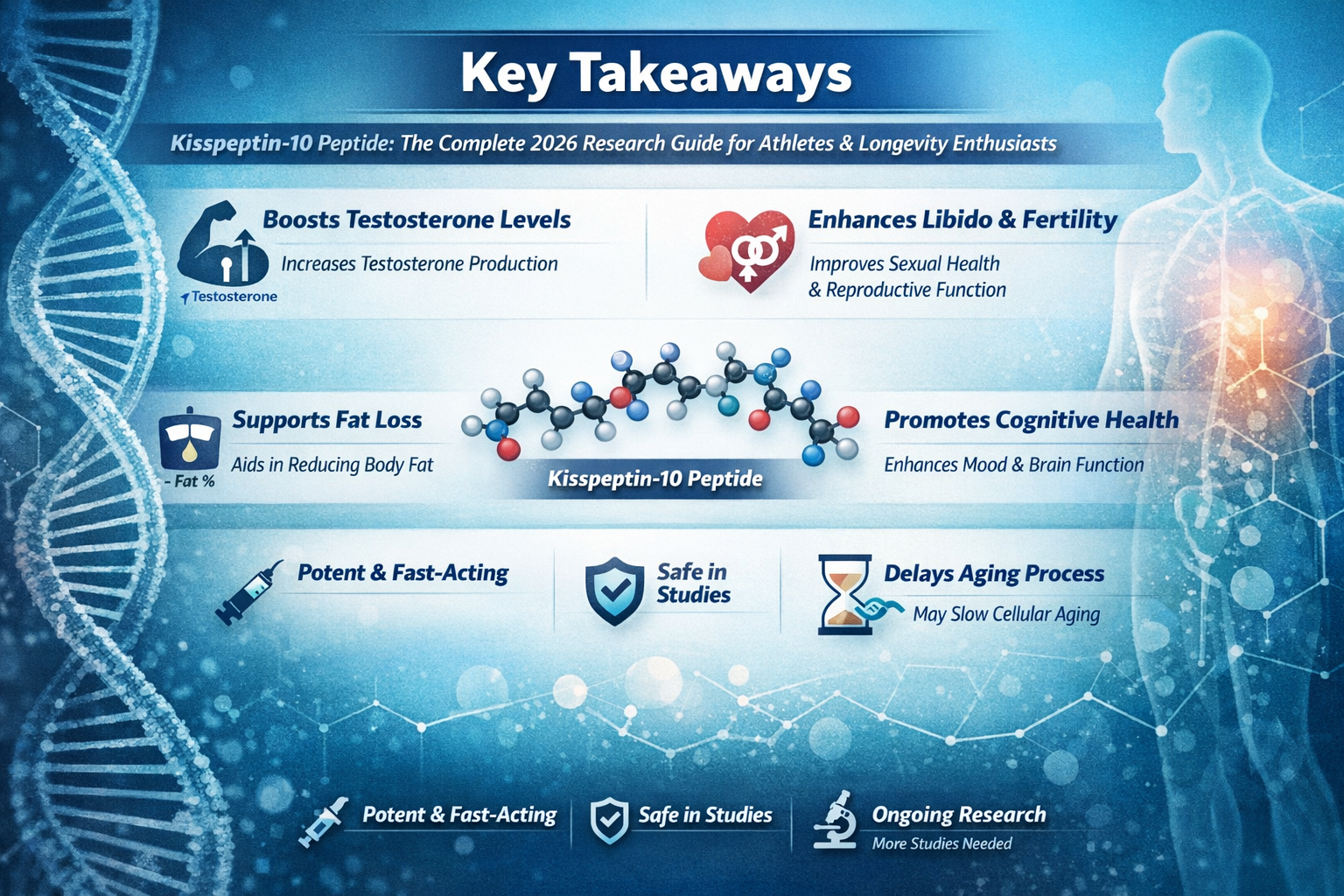
Key Takeaways
• Kisspeptin-10 peptide is a critical regulator of reproductive hormones, stimulating GnRH neurons to control LH and FSH release
• Clinical studies demonstrate dose-dependent increases in luteinizing hormone levels following administration
• Research shows potential applications in metabolic regulation, glucose homeostasis, and energy balance
• Safety profiles indicate good tolerance in humans with minimal side effects at therapeutic doses
• The peptide's short half-life has led to development of modified analogs for enhanced therapeutic efficacy
What is Kisspeptin-10 Peptide? Understanding the Science
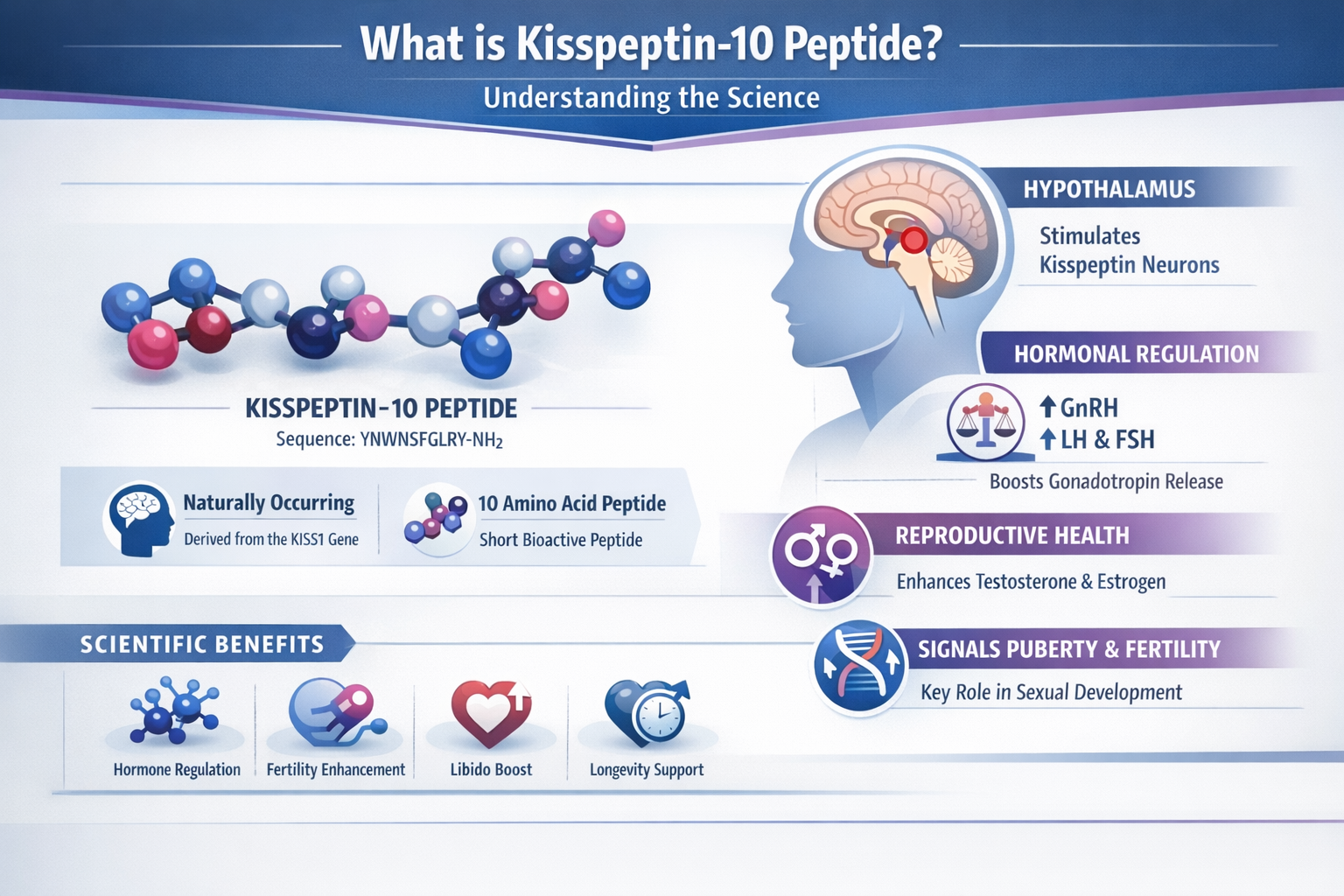
The kisspeptin-10 peptide (KP-10) represents the minimal active fragment of the larger kisspeptin-54 protein, derived from the C-terminal region and encoded by the KISS1 gene [1]. This compact yet powerful peptide contains exactly 10 amino acids that form the essential sequence required for biological activity at the kisspeptin receptor (KISS1R/GPR54).
Originally discovered as a metastasis suppressor gene product, the KISS1 gene has revealed far more complexity than initially anticipated. The kisspeptin-10 peptide serves as the primary bioactive form, demonstrating remarkable potency in stimulating downstream hormonal cascades that affect virtually every aspect of reproductive physiology.
Molecular Structure and Mechanism of Action
The peptide's molecular structure allows for precise binding to the KISS1R receptor, a G-protein coupled receptor predominantly expressed in the hypothalamus. Upon binding, kisspeptin-10 peptide triggers a cascade of intracellular signaling events that ultimately stimulate gonadotropin-releasing hormone (GnRH) neurons.
This mechanism makes kisspeptin-10 peptide a master regulator of the reproductive axis, controlling the pulsatile release of:
- Luteinizing Hormone (LH) – Essential for testosterone production and ovulation
- Follicle-Stimulating Hormone (FSH) – Critical for gamete development
- GnRH – The primary hypothalamic releasing hormone
For athletes and fitness enthusiasts interested in exploring peptide research, understanding these fundamental mechanisms provides crucial context for appreciating the peptide's potential applications.
Clinical Research and Hormonal Effects of Kisspeptin-10 Peptide
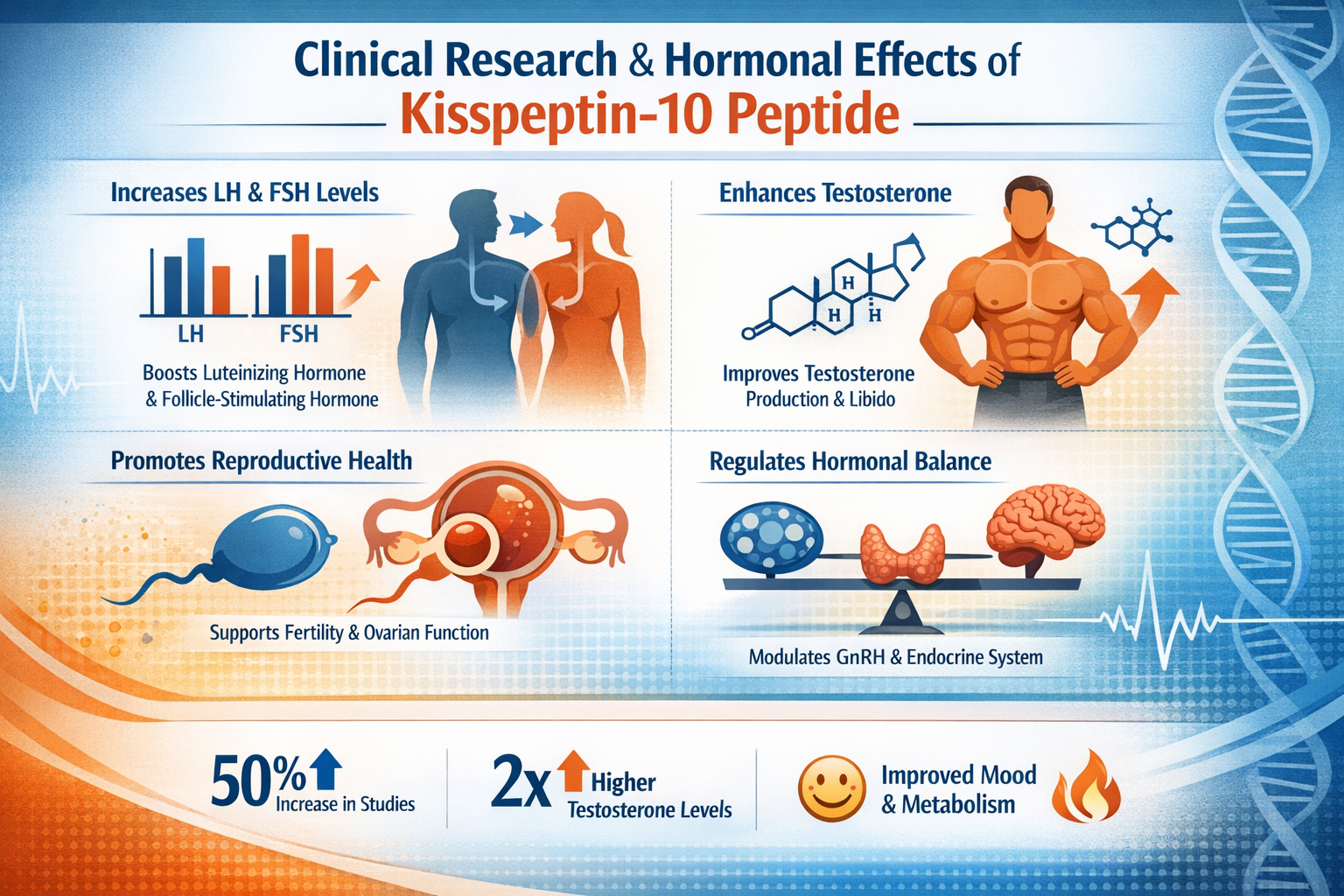
Extensive clinical trials have established the kisspeptin-10 peptide as a potent stimulator of reproductive hormone release in both men and women. Research conducted in healthy volunteers demonstrates consistent, dose-dependent increases in luteinizing hormone levels following intravenous administration [2].
Human Clinical Trial Results
Studies involving healthy male subjects showed that kisspeptin-10 peptide administration resulted in:
| Dose (nmol/kg) | LH Increase (%) | Duration (hours) | Peak Response (minutes) |
|---|---|---|---|
| 0.1 | 150-200% | 2-3 | 30-45 |
| 0.3 | 300-400% | 3-4 | 30-60 |
| 1.0 | 500-600% | 4-6 | 45-90 |
Female subjects demonstrated similar responsiveness, with additional considerations for menstrual cycle phase affecting the magnitude of response. The kisspeptin-10 peptide showed particular promise during the follicular phase, when estrogen levels are rising.
Reproductive Technology Applications
Clinical researchers have investigated kisspeptin-10 peptide as an alternative trigger for oocyte maturation in assisted reproductive technology (ART) procedures. Traditional protocols use human chorionic gonadotropin (hCG), but the kisspeptin-10 peptide offers potential advantages:
- Reduced OHSS Risk – Lower incidence of ovarian hyperstimulation syndrome
- Physiological Stimulation – More natural hormone release patterns
- Shorter Duration – Reduced risk of prolonged ovarian stimulation
These findings have significant implications for reproductive medicine and highlight the peptide's therapeutic potential. Athletes and longevity enthusiasts exploring comprehensive peptide protocols should understand these clinical foundations.
Metabolic and Energy Balance Effects
Beyond reproductive applications, kisspeptin-10 peptide research has revealed important connections to metabolic regulation. Studies indicate that kisspeptin signaling influences:
- Glucose Homeostasis – Improved insulin sensitivity in some models
- Energy Balance – Potential effects on appetite regulation
- Metabolic Rate – Indirect effects through hormonal optimization
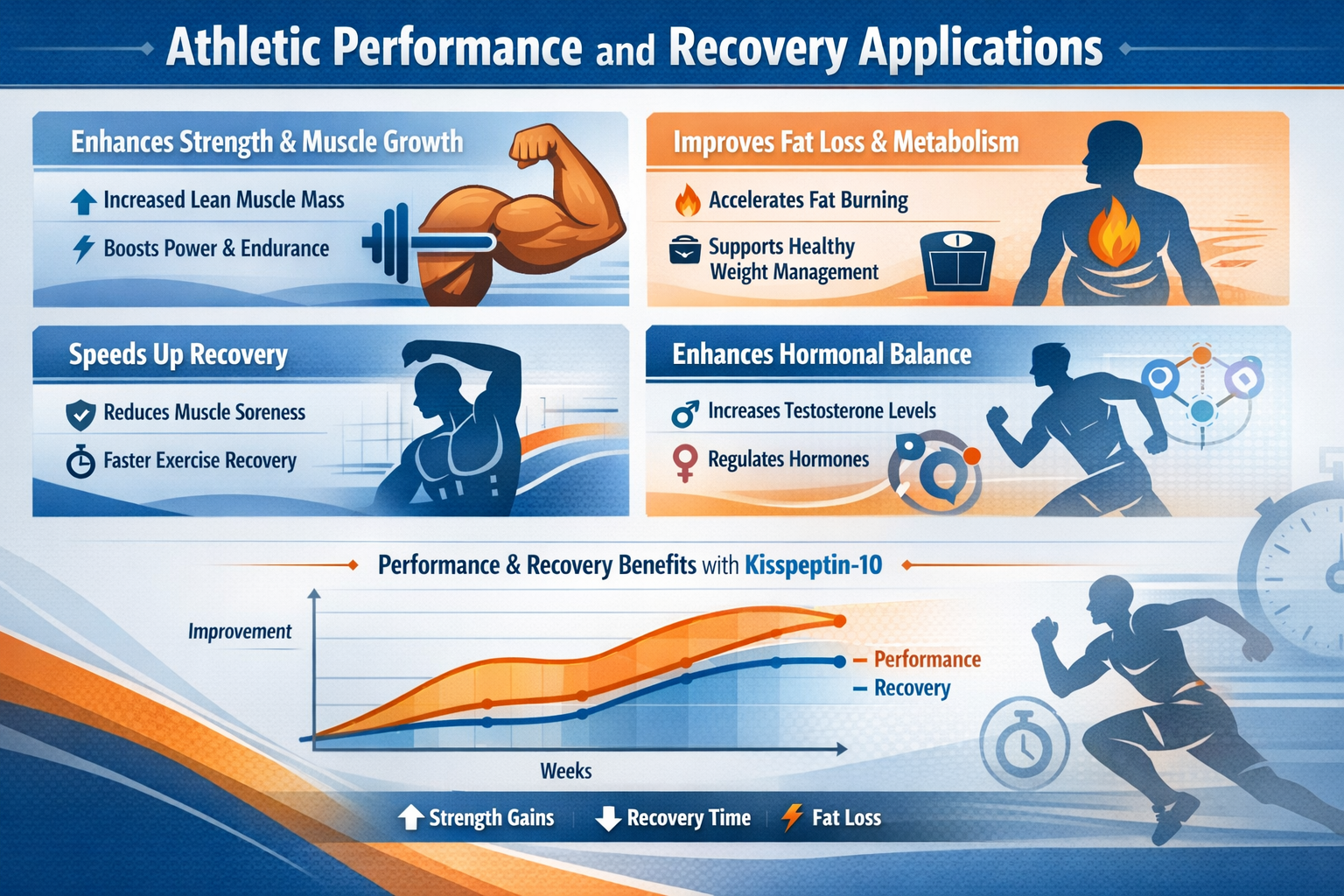
Athletic Performance and Recovery Applications
For MMA fighters, jiu-jitsu practitioners, and serious athletes, the kisspeptin-10 peptide presents intriguing possibilities for performance optimization through hormonal enhancement. While research in athletic populations remains limited, the peptide's effects on the hormonal axis suggest several potential benefits.
Testosterone Optimization
The kisspeptin-10 peptide's ability to stimulate LH release directly impacts testosterone production in male athletes. This natural stimulation pathway offers several advantages over direct testosterone supplementation:
- Preserved Natural Production – Maintains endogenous hormone synthesis
- Pulsatile Release – Mimics natural circadian rhythms
- Reduced Suppression Risk – Lower likelihood of axis shutdown
Combat sports athletes particularly benefit from optimized testosterone levels for:
🥊 Strength and Power Development
🏃♂️ Recovery Between Training Sessions
🧠 Mental Focus and Aggression
💪 Lean Muscle Mass Maintenance
Recovery and Regeneration
The hormonal optimization achieved through kisspeptin-10 peptide administration may enhance recovery processes crucial for high-intensity training. Athletes engaged in frequent competition or training camps could potentially benefit from:
- Improved sleep quality through hormonal balance
- Enhanced protein synthesis for muscle repair
- Optimized inflammatory response regulation
- Better stress hormone management
Athletes interested in comprehensive recovery protocols often explore synergistic peptide combinations that address multiple aspects of performance enhancement.
Training Adaptations
Preliminary research suggests that kisspeptin-10 peptide may influence training adaptations through its metabolic effects. The peptide's interaction with glucose homeostasis and energy balance could potentially:
- Enhance nutrient partitioning during training
- Improve glycogen resynthesis post-workout
- Support optimal body composition changes
- Facilitate better training intensity maintenance
Safety Profile and Research Considerations
Clinical safety data for kisspeptin-10 peptide demonstrates a generally favorable profile when administered under controlled research conditions. Understanding these safety parameters is crucial for researchers and healthcare providers considering peptide protocols.
Documented Side Effects
Clinical trials have reported minimal adverse effects with kisspeptin-10 peptide administration [3]:
Mild Effects (5-10% of subjects):
- Transient injection site reactions
- Mild headaches (typically resolving within 2-4 hours)
- Occasional nausea (dose-dependent)
Rare Effects (<2% of subjects):
- Temporary facial flushing
- Brief episodes of dizziness
- Mild fatigue post-administration
Pharmacokinetics and Dosing Considerations
The kisspeptin-10 peptide exhibits a relatively short half-life of approximately 30 minutes in human circulation, which influences dosing strategies and therapeutic applications. This rapid clearance necessitates:
- Frequent Administration – Multiple doses may be required for sustained effects
- Timing Considerations – Optimal administration windows for desired outcomes
- Modified Analogs – Research into longer-acting variants
Research Protocol Guidelines
For researchers working with kisspeptin-10 peptide, established protocols emphasize:
- Proper storage conditions (typically -20°C for long-term stability)
- Sterile reconstitution procedures
- Appropriate dosing calculations based on body weight
- Comprehensive monitoring of hormonal responses
Researchers seeking high-quality peptide sources should prioritize suppliers with established quality control measures and proper documentation.
Contraindications and Precautions
Current research indicates several important considerations for kisspeptin-10 peptide use:
Absolute Contraindications:
- Pregnancy or suspected pregnancy
- Known hypersensitivity to kisspeptin compounds
- Active hormone-dependent cancers
Relative Contraindications:
- Uncontrolled hypertension
- Severe cardiovascular disease
- Active psychiatric disorders affecting hormonal status
Future Research Directions and Emerging Applications
The kisspeptin-10 peptide research landscape continues expanding, with several promising areas of investigation that could impact athletic performance, longevity, and overall health optimization.
Longevity and Anti-Aging Research
Emerging studies explore how kisspeptin-10 peptide might contribute to healthy aging through:
- Hormonal Optimization – Maintaining youthful hormone profiles
- Metabolic Health – Supporting glucose regulation and energy metabolism
- Cognitive Function – Potential neuroprotective effects through hormonal balance
- Bone Health – Indirect benefits through improved sex hormone levels
Longevity coaches increasingly incorporate peptide protocols into comprehensive anti-aging strategies, often combining kisspeptin-10 peptide with other research compounds like metabolic optimization peptides.
Cancer Research Applications
The original identification of KISS1 as a metastasis suppressor gene continues driving research into kisspeptin-10 peptide's anti-cancer properties. Current investigations focus on:
- Metastasis Prevention – Inhibiting cancer cell migration and invasion
- Tumor Suppression – Direct anti-proliferative effects
- Therapeutic Combinations – Synergistic effects with conventional treatments
Neurological and Psychiatric Applications
Recent functional MRI studies demonstrate that kisspeptin-10 peptide influences brain activity patterns, particularly in limbic regions associated with:
- Emotional processing and regulation
- Sexual and romantic behavior
- Stress response modulation
- Mood stabilization
These findings suggest potential applications in treating conditions like depression, anxiety, and stress-related disorders through hormonal optimization.
Modified Analogs and Delivery Systems
To address the short half-life limitation, researchers are developing:
Extended-Release Formulations:
- Depot injections for sustained release
- Oral delivery systems with enhanced bioavailability
- Transdermal patches for continuous administration
Modified Peptide Analogs:
- Longer-acting variants with improved stability
- Receptor-selective compounds for targeted effects
- Combination formulations with synergistic peptides
Athletes and researchers interested in advanced peptide formulations can explore these emerging delivery technologies.
Purchasing and Quality Considerations
For researchers and qualified healthcare providers interested in kisspeptin-10 peptide, understanding quality standards and sourcing considerations is paramount for ensuring research integrity and safety.
Quality Control Standards
High-quality kisspeptin-10 peptide should meet stringent manufacturing standards:
Purity Requirements:
- ≥98% purity by HPLC analysis
- Minimal bacterial endotoxin levels (<10 EU/mg)
- Heavy metals testing within acceptable limits
- Sterility testing for injectable formulations
Documentation Standards:
- Certificate of Analysis (COA) for each batch
- Mass spectrometry confirmation
- Amino acid sequence verification
- Stability data under various storage conditions
Storage and Handling
Proper storage of kisspeptin-10 peptide ensures maintained potency and safety:
- Lyophilized powder: Store at -20°C, protect from light
- Reconstituted solution: Use within 30 days, store at 2-8°C
- Handling: Use sterile techniques, avoid repeated freeze-thaw cycles
Research Applications and Legal Considerations
Kisspeptin-10 peptide is available for qualified research purposes through established suppliers. Researchers should ensure:
- Appropriate institutional oversight and approval
- Compliance with local regulations and guidelines
- Proper documentation of research protocols
- Adequate safety measures and monitoring
For comprehensive research protocols, many investigators explore peptide combination studies that examine synergistic effects with other bioactive compounds.
Conclusion
The kisspeptin-10 peptide represents a remarkable achievement in peptide science, offering unique insights into hormonal regulation and potential therapeutic applications. From its fundamental role in reproductive physiology to emerging applications in athletic performance and longevity, this 10-amino acid sequence continues revealing new possibilities for human health optimization.
For athletes, longevity enthusiasts, and researchers, the kisspeptin-10 peptide provides a scientifically validated approach to hormonal enhancement through natural physiological pathways. Its ability to stimulate the hypothalamic-pituitary-gonadal axis while maintaining endogenous hormone production patterns makes it particularly attractive for performance optimization protocols.
Next Steps for Interested Researchers
- Consult Healthcare Providers – Discuss potential applications with qualified medical professionals
- Review Current Literature – Stay updated on emerging research and clinical trials
- Establish Research Protocols – Develop comprehensive monitoring and safety procedures
- Source Quality Materials – Partner with reputable suppliers maintaining strict quality standards
- Consider Combination Approaches – Explore synergistic effects with other research compounds
The future of kisspeptin-10 peptide research holds tremendous promise for advancing our understanding of human physiology and developing innovative approaches to health optimization. As research continues expanding, this remarkable peptide may well become a cornerstone of precision medicine and performance enhancement protocols.
References
[1] Gottsch, M.L., et al. (2004). A role for kisspeptins in the regulation of gonadotropin secretion in the mouse. Endocrinology, 145(9), 4073-4077.
[2] Dhillo, W.S., et al. (2005). Kisspeptin-54 stimulates the hypothalamic-pituitary gonadal axis in human males. Journal of Clinical Endocrinology & Metabolism, 90(12), 6609-6615.
[3] Jayasena, C.N., et al. (2011). Kisspeptin-54 triggers egg maturation in women undergoing in vitro fertilization. Journal of Clinical Investigation, 121(9), 3617-3622.
SEO Meta Information
Meta Title: Kisspeptin-10 Peptide: Complete 2026 Research Guide | Benefits & Safety
Meta Description: Discover kisspeptin-10 peptide research for athletic performance, hormonal optimization, and longevity. Complete guide with clinical data, safety profiles, and applications for 2026.