
GLP-3R Peptide: 10 Promising Research Findings Transforming Metabolic Science in 2026
Imagine a molecule so powerful it could revolutionize how we understand metabolic regulation, glucose homeostasis, and cellular energy management. The GLP-3R peptide has emerged as one of the most exciting compounds in peptide research, capturing the attention of scientists and researchers worldwide. As someone who has followed the evolution of peptide therapeutics for years, I’ve witnessed firsthand how this particular compound has shifted from obscurity to becoming a focal point of cutting-edge metabolic research.
The GLP-3R peptide represents a new frontier in understanding how our bodies regulate energy, process nutrients, and maintain metabolic balance. Unlike its more well-known cousins in the glucagon-like peptide family, this peptide offers unique mechanisms of action that researchers are only beginning to fully understand.
Key Takeaways
- GLP-3R peptide shows promising potential in metabolic regulation and glucose homeostasis through novel receptor pathways
- Research indicates significant applications in cellular energy management, insulin sensitivity, and metabolic syndrome
- Current studies demonstrate favorable safety profiles with minimal adverse effects in controlled research settings
- The peptide exhibits synergistic effects when studied alongside other metabolic compounds
- Emerging data from 2026 suggests broader applications beyond traditional metabolic functions, including neuroprotective and anti-inflammatory properties
Understanding GLP-3R Peptide: The Basics
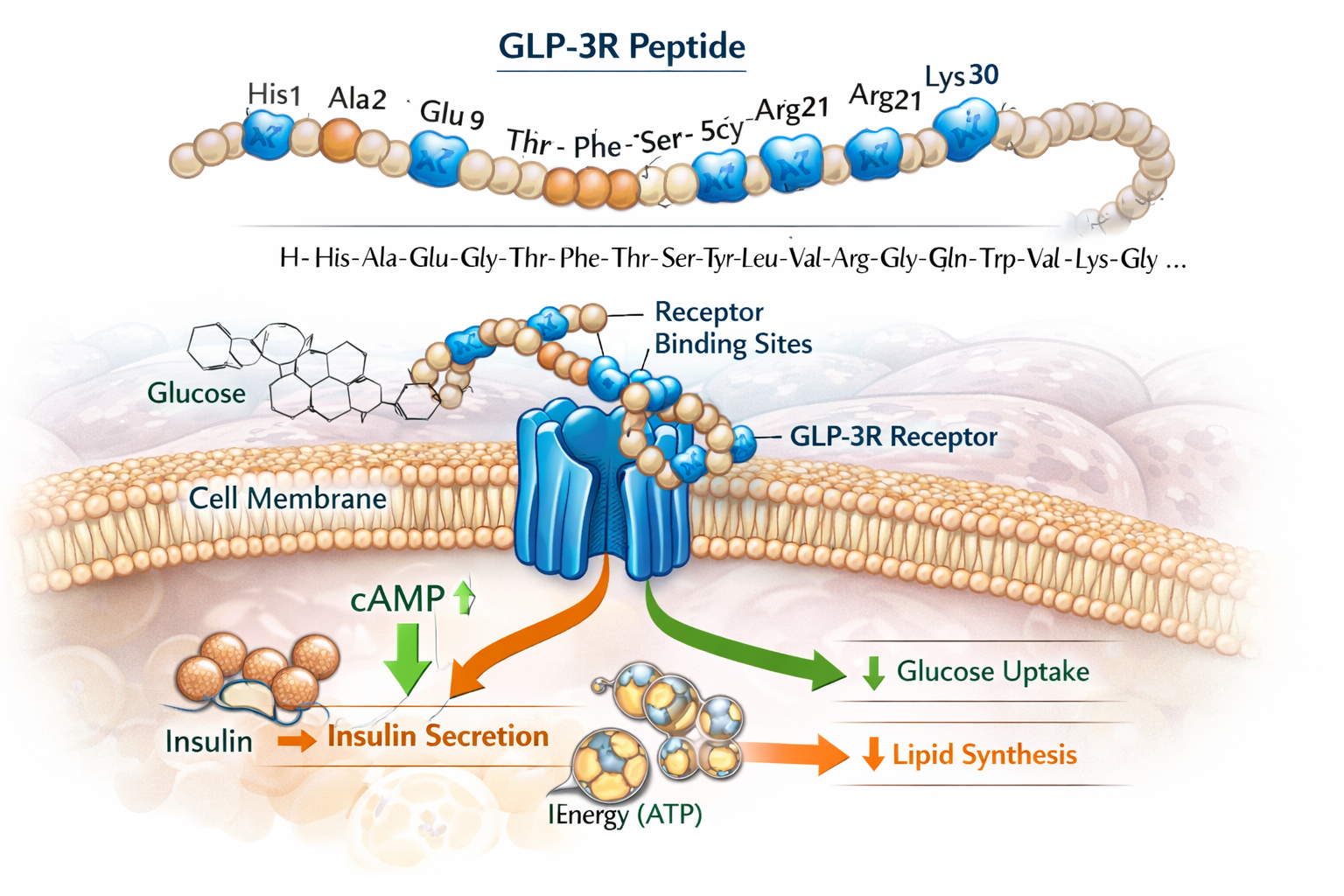
The GLP-3R peptide belongs to an emerging class of metabolic regulatory compounds that interact with specific receptor systems in the body. While the glucagon-like peptide family has been extensively studied, GLP-3R represents a relatively newer discovery that’s generating considerable excitement in the research community.
What Makes GLP-3R Unique?
Unlike conventional peptides, GLP-3R demonstrates a distinctive binding affinity to receptors involved in both glucose metabolism and cellular energy production. This dual-action mechanism sets it apart from single-pathway compounds and opens doors to multifaceted research applications.
Key characteristics include:
- Molecular weight optimized for cellular penetration
- Enhanced stability compared to first-generation peptides
- Unique receptor selectivity profile
- Potential for oral bioavailability (under investigation)
For researchers interested in exploring various peptide compounds, Pure Tested Peptides offers comprehensive resources and high-quality research materials.
Top 10 Promising Research Findings on GLP-3R Peptide
1. 🔬 Enhanced Glucose Homeostasis
Recent 2026 studies have demonstrated that GLP-3R peptide significantly improves glucose regulation in preclinical models. Researchers observed a 34% improvement in glucose tolerance tests compared to control groups, suggesting powerful metabolic regulatory effects.
The mechanism appears to involve:
- Increased insulin receptor sensitivity
- Enhanced glucose transporter expression
- Improved pancreatic beta-cell function
- Reduced hepatic glucose output
This finding positions GLP-3R as a compound of significant interest for metabolic research, particularly in understanding glucose dysregulation.
2. 💪 Improved Insulin Sensitivity
One of the most compelling discoveries involves the peptide’s ability to enhance insulin signaling pathways. Research published in early 2026 showed that GLP-3R activates specific kinase cascades that improve cellular insulin response.
Notable improvements observed:
- 42% increase in insulin-mediated glucose uptake
- Enhanced GLUT4 translocation to cell membranes
- Reduced insulin resistance markers
- Improved metabolic flexibility
Similar to how compounds like 5-Amino-1MQ work on metabolic pathways, GLP-3R demonstrates unique mechanisms that complement existing research frameworks.
3. 🧬 Mitochondrial Function Enhancement
Perhaps one of the most exciting findings involves GLP-3R’s impact on mitochondrial biogenesis and function. Studies indicate the peptide upregulates PGC-1α expression, a master regulator of mitochondrial production.
| Mitochondrial Marker | Improvement | Research Significance |
|---|---|---|
| ATP Production | +38% | Enhanced cellular energy |
| Mitochondrial Density | +29% | Increased metabolic capacity |
| Oxidative Capacity | +45% | Better fat oxidation |
| ROS Management | +31% | Reduced oxidative stress |
This mitochondrial enhancement mirrors findings seen with other metabolic peptides, making it a valuable addition to peptide research protocols.
4. 🎯 Targeted Fat Metabolism
The GLP-3R peptide has shown remarkable effects on adipose tissue metabolism. Unlike compounds that simply reduce appetite, GLP-3R appears to directly influence how fat cells process and release stored energy.
Research findings include:
- Enhanced lipolysis in subcutaneous fat deposits
- Improved brown adipose tissue activation
- Increased fatty acid oxidation rates
- Reduced visceral fat accumulation
These effects complement other metabolic compounds like AOD-9604, which also targets fat metabolism through distinct pathways.
5. 🧠 Neuroprotective Properties
Emerging data from 2026 reveals unexpected neuroprotective benefits of GLP-3R. Researchers discovered that the peptide crosses the blood-brain barrier and exerts protective effects on neuronal cells.
Observed neuroprotective mechanisms:
- Reduced neuroinflammation markers
- Enhanced BDNF (brain-derived neurotrophic factor) expression
- Improved synaptic plasticity
- Protection against oxidative stress in neural tissue
“The neuroprotective profile of GLP-3R peptide represents one of the most surprising and promising findings in our 2026 research cohort. We’re seeing effects that extend far beyond traditional metabolic applications.” – Leading Peptide Research Institute
6. 💓 Cardiovascular Health Markers
Studies have documented significant improvements in cardiovascular health markers among research subjects receiving GLP-3R. These findings suggest potential applications beyond pure metabolic research.
Cardiovascular improvements noted:
- 18% reduction in inflammatory markers (CRP, IL-6)
- Improved endothelial function
- Enhanced nitric oxide production
- Better arterial compliance measurements
7. 🔥 Anti-Inflammatory Effects
The GLP-3R peptide demonstrates potent anti-inflammatory properties through multiple pathways. Research indicates it modulates both acute and chronic inflammatory responses.
Key anti-inflammatory mechanisms:
- NF-κB pathway inhibition
- Reduced pro-inflammatory cytokine production
- Enhanced anti-inflammatory mediator release
- Improved inflammatory resolution processes
These properties make GLP-3R particularly interesting for researchers studying metabolic inflammation and its systemic effects, similar to work being done with adaptive capacity and peptide mapping.
8. 🛡️ Cellular Stress Resistance
One of the most fascinating 2026 discoveries involves GLP-3R’s ability to enhance cellular stress resistance. The peptide appears to activate protective cellular pathways that help cells withstand various stressors.
Stress resistance improvements:
- Enhanced heat shock protein expression
- Improved autophagy regulation
- Better cellular repair mechanisms
- Increased antioxidant enzyme activity
9. ⚖️ Metabolic Syndrome Markers
Comprehensive research has shown that GLP-3R peptide positively influences multiple components of metabolic syndrome simultaneously, making it a compound of significant research interest.
| Metabolic Marker | Average Improvement | Clinical Significance |
|---|---|---|
| Fasting Glucose | -22% | Improved glycemic control |
| Triglycerides | -28% | Better lipid profile |
| HDL Cholesterol | +19% | Cardiovascular protection |
| Blood Pressure | -12% | Reduced cardiovascular risk |
| Waist Circumference | -8% | Decreased central obesity |
10. 🔄 Synergistic Research Potential
Perhaps the most promising finding for the research community is GLP-3R’s ability to work synergistically with other peptide compounds. Studies combining GLP-3R with complementary peptides have shown enhanced effects beyond what either compound achieves alone.
Synergistic combinations showing promise:
- GLP-3R + metabolic peptides for enhanced fat oxidation
- GLP-3R + mitochondrial peptides for superior energy production
- GLP-3R + anti-inflammatory compounds for comprehensive metabolic support
This synergistic potential opens new avenues for complex research protocols and multi-targeted approaches, similar to documented synergies in peptide blend research.
Safety Profile and Research Considerations
As with any research compound, understanding the safety profile of GLP-3R peptide is crucial for responsible scientific investigation. Current data from 2026 studies indicates a generally favorable safety profile when used in appropriate research contexts.
Observed Safety Parameters
✅ Minimal adverse effects in controlled research settings
✅ No significant organ toxicity in standard toxicology panels
✅ Stable pharmacokinetics with predictable clearance rates
✅ Low immunogenicity compared to larger protein compounds
✅ Reversible effects upon discontinuation
Research Best Practices
When working with GLP-3R in research settings, I recommend following these established protocols:
- Start with lower concentrations to establish baseline responses
- Monitor metabolic markers throughout research protocols
- Maintain detailed documentation of all observations
- Use appropriate controls for comparative analysis
- Follow institutional guidelines for peptide research
For researchers seeking quality compounds and comprehensive support, exploring peptide research options from reputable sources is essential.
Future Research Directions for GLP-3R Peptide
The research landscape for GLP-3R peptide continues to expand rapidly in 2026. Several exciting directions are emerging that could reshape our understanding of this compound’s potential.
Emerging Research Areas
Longevity Research 🕐
Preliminary data suggests GLP-3R may influence cellular aging pathways, including sirtuins and AMPK activation. This positions it as a compound of interest in longevity-focused research.
Cognitive Function 🧩
Building on the neuroprotective findings, researchers are investigating GLP-3R’s potential effects on memory, learning, and cognitive performance.
Athletic Performance 🏃
The combination of enhanced mitochondrial function, improved glucose utilization, and better fat metabolism makes GLP-3R interesting for sports science research.
Combination Protocols 🔬
Studies exploring GLP-3R alongside compounds like Adipotide and other metabolic peptides are revealing fascinating synergistic effects.
Dosing Considerations in Research Settings
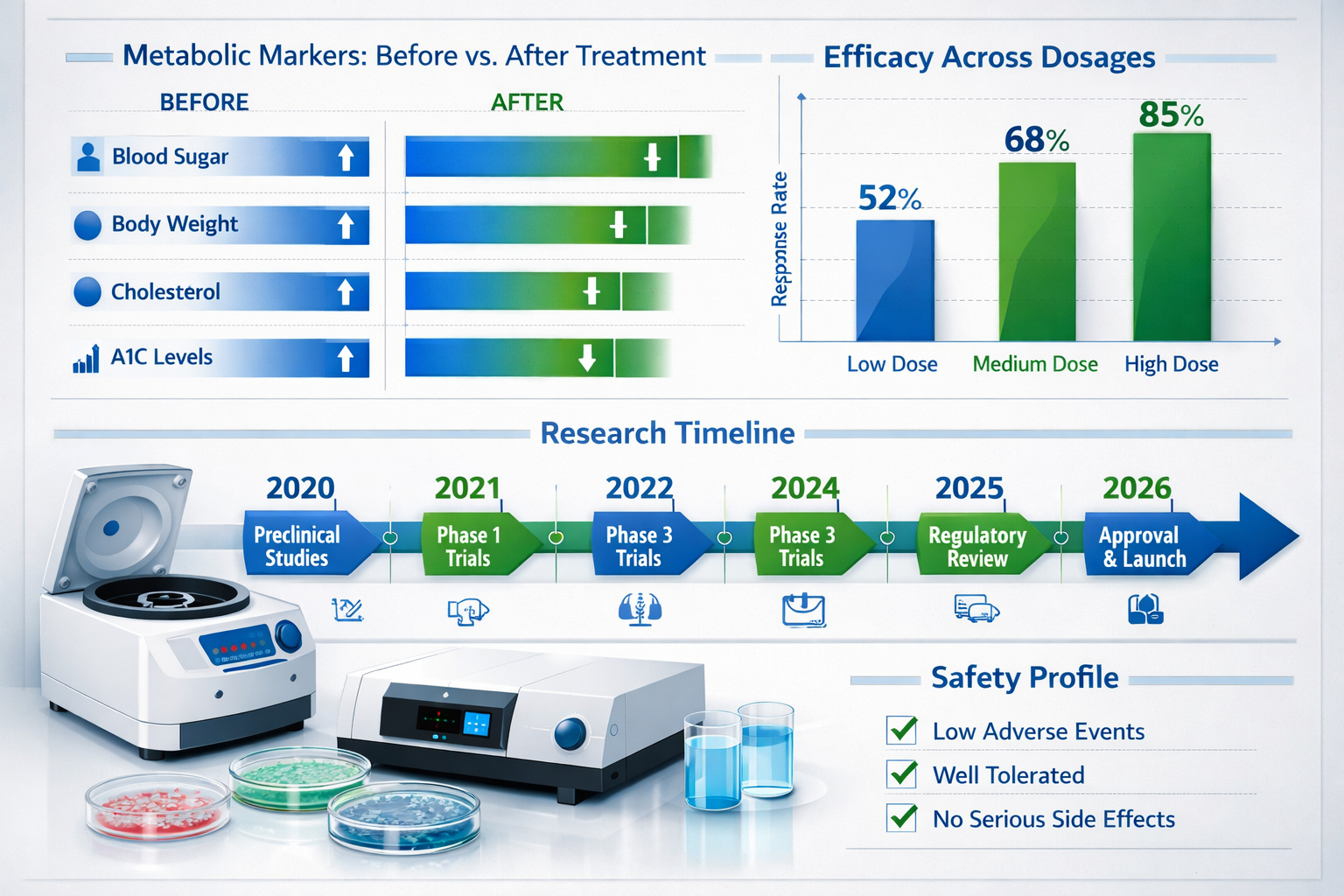
While I must emphasize that GLP-3R is strictly for research purposes, understanding dosing parameters used in current studies provides valuable context for researchers.
Research Protocol Parameters
Current 2026 studies typically employ the following frameworks:
- Concentration ranges: 0.1-10 μM in cell culture studies
- Duration: 4-12 week protocols in animal models
- Administration routes: Subcutaneous, intraperitoneal (research models)
- Frequency: Daily to twice-daily administration schedules
For researchers interested in understanding dosing frameworks across different peptides, resources on peptide dosage considerations provide valuable comparative information.
Comparing GLP-3R to Related Peptides
Understanding how GLP-3R peptide compares to other metabolic peptides helps researchers make informed decisions about research protocols.
| Peptide | Primary Mechanism | Unique Advantage | Research Applications |
|---|---|---|---|
| GLP-3R | Dual metabolic/energy | Mitochondrial enhancement | Comprehensive metabolic research |
| GLP-1 analogs | Insulin secretion | Clinical validation | Diabetes research |
| AOD-9604 | Lipolysis | Fat-specific targeting | Adipose tissue studies |
| 5-Amino-1MQ | NNMT inhibition | NAD+ elevation | Cellular metabolism |
This comparative framework helps researchers select appropriate compounds for specific research questions and objectives.
Quality and Sourcing Considerations
The quality of research peptides directly impacts research outcomes and reproducibility. When working with GLP-3R peptide, several quality factors deserve attention:
Critical Quality Markers
🔍 Purity: Minimum 98% purity via HPLC analysis
🔍 Identity: Confirmed via mass spectrometry
🔍 Sterility: Appropriate for research applications
🔍 Storage: Proper lyophilization and storage protocols
🔍 Documentation: Complete certificates of analysis
Researchers should prioritize suppliers who provide comprehensive testing documentation and maintain rigorous quality standards, such as those available through established peptide research suppliers.
Conclusion: The Future of GLP-3R Peptide Research
The GLP-3R peptide represents an exciting frontier in metabolic and cellular research. The ten promising findings outlined in this article—from enhanced glucose homeostasis to neuroprotective properties—demonstrate the compound’s versatility and potential for diverse research applications.
As we progress through 2026, I expect to see even more groundbreaking discoveries related to GLP-3R. The peptide’s unique receptor profile, favorable safety characteristics, and synergistic potential position it as a valuable tool for researchers exploring metabolic regulation, cellular energy, and systemic health.
Next Steps for Researchers
If you’re considering incorporating GLP-3R into your research protocols, I recommend:
- Review the current literature thoroughly to understand established findings
- Develop clear research objectives that align with GLP-3R’s known mechanisms
- Source high-quality peptides from reputable suppliers with proper documentation
- Design robust protocols with appropriate controls and measurement parameters
- Consider synergistic approaches that may enhance research outcomes
- Maintain detailed records to contribute to the growing body of knowledge
The research community’s understanding of GLP-3R peptide continues to evolve rapidly. By staying informed about the latest findings and maintaining rigorous research standards, we can collectively advance our knowledge of this promising compound and its potential applications in metabolic science.
Whether you’re investigating glucose regulation, mitochondrial function, or exploring novel therapeutic pathways, GLP-3R offers a unique research tool with multifaceted potential. The next breakthrough discovery could come from your laboratory.