
Best Time to Take YK-11 — Research Compound: Complete Timing Guide for 2026
Imagine unlocking the full potential of your research protocols simply by understanding the precise timing of compound administration. When it comes to YK-11 research compounds, timing isn't just important—it's absolutely critical for maintaining stable blood levels and achieving consistent research outcomes. The best time to take YK-11 — research compound has become one of the most frequently asked questions among researchers and health enthusiasts exploring this selective androgen receptor modulator (SARM) in 2026.
Key Takeaways
• YK-11 has a short 6-12 hour half-life, requiring consistent daily dosing to maintain therapeutic levels in research subjects
• Once-daily administration at the same time each day is the standard protocol for maintaining stable blood concentrations
• Split-dose protocols (morning and evening) can help minimize fluctuations and reduce potential side effects in research settings
• Documentation and consistency are essential for valid research outcomes when studying YK-11 timing protocols
• Peak-trough variations can be minimized through proper timing strategies, leading to more reliable research data
Understanding YK-11 Half-Life and Timing Fundamentals
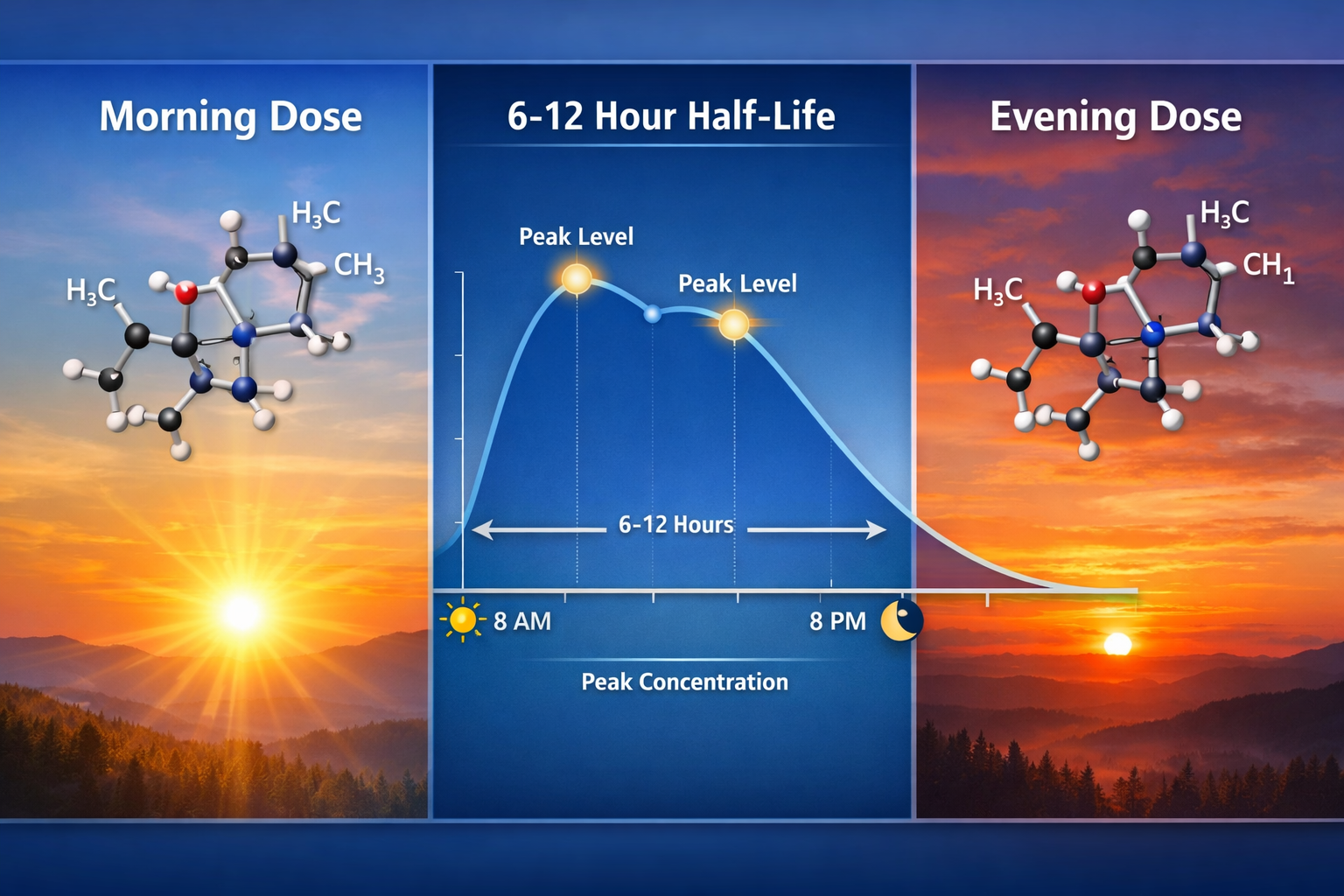
The foundation of determining the best time to take YK-11 — research compound lies in understanding its pharmacokinetic properties. YK-11 exhibits a relatively short half-life of 6-12 hours, which significantly impacts dosing frequency and timing strategies[1]. This short duration means that the compound is rapidly metabolized and eliminated from the system, requiring careful attention to administration schedules.
Why Half-Life Matters for Research Protocols
The 6-12 hour half-life of YK-11 creates unique challenges for researchers. Unlike compounds with longer half-lives that maintain stable blood levels for extended periods, YK-11 requires more frequent dosing considerations. This characteristic makes it similar to other research compounds where timing plays a crucial role, such as understanding the best time to take BPC-157 or determining optimal best time to take TB-500 protocols.
Key factors influenced by YK-11's half-life:
- Blood concentration peaks occur 2-4 hours post-administration
- Therapeutic levels begin declining after 6 hours
- Complete elimination typically occurs within 24-48 hours
- Consistent dosing intervals are essential for stable research conditions
The short half-life also means that researchers must be particularly diligent about maintaining consistent administration schedules. Missing a dose or varying timing significantly can create gaps in therapeutic coverage that may impact research validity[2].
Comparing YK-11 to Other Research Compounds
When examining the best time to take YK-11 — research compound, it's helpful to compare its timing requirements to other popular research substances. For instance, the best time to take CJC-1295 differs significantly due to its extended half-life, while the best time to take Ipamorelin shares some similarities with YK-11's shorter duration profile.
Understanding these differences helps researchers develop comprehensive protocols that account for multiple compounds' unique timing requirements. Many researchers working with peptide research compounds find that creating detailed timing charts prevents confusion and ensures protocol adherence.
Optimal Daily Dosing Schedule for YK-11 Research
The best time to take YK-11 — research compound typically follows a once-daily administration protocol, with most researchers recommending consistent daily timing to maintain stable blood levels[1]. This approach simplifies protocol management while ensuring adequate therapeutic coverage throughout the research period.
Morning Administration Protocol
Morning dosing (7-9 AM) offers several advantages:
- ✅ Aligns with natural circadian rhythms
- ✅ Easier to maintain consistency with daily routines
- ✅ Allows for monitoring throughout the day
- ✅ Reduces interference with sleep patterns
- ✅ Facilitates documentation and record-keeping
Morning administration has become the preferred timing for many researchers studying YK-11, particularly when combined with other compounds that follow similar schedules. This timing strategy works well alongside protocols for the best time to take Sermorelin or best time to take MK-677 (Ibutamoren), which often utilize morning dosing windows.
The morning protocol also allows researchers to observe any immediate effects or responses throughout the day, making it easier to document findings and adjust protocols if necessary. This timing approach has shown consistent results in maintaining therapeutic levels when combined with proper documentation practices[2].
Evening Administration Considerations
Some research protocols utilize evening dosing (6-8 PM) for YK-11, particularly when studying its effects on recovery or when combining it with compounds that benefit from evening administration. This timing approach may be beneficial when researching alongside substances where the best time to take PEG-MGF or best time to take Follistatin 344 protocols suggest evening dosing.
Evening dosing considerations:
- May support overnight recovery processes
- Reduces daytime monitoring requirements
- Can complement evening meal timing
- Allows for morning baseline measurements
- May reduce daytime side effect observations
However, evening administration requires careful attention to potential sleep disruptions and may complicate morning research measurements. Researchers must weigh these factors when determining optimal timing for their specific research objectives.
When working with metabolic research compounds, timing becomes even more critical as it can influence the compound's interaction with natural metabolic cycles.
Split-Dose Protocols: Maximizing Stability and Minimizing Fluctuations
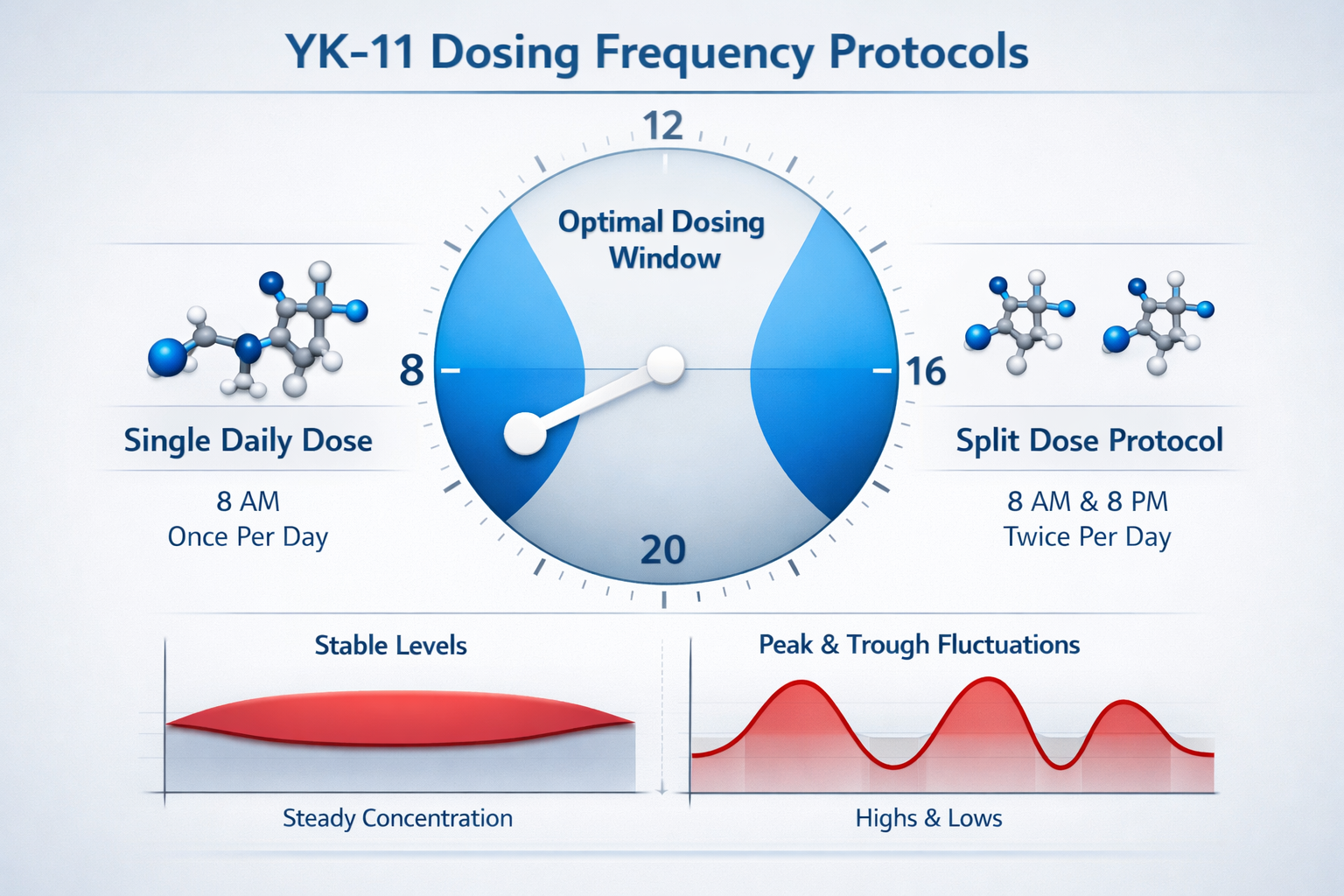
Advanced research protocols often employ split-dose strategies to optimize the best time to take YK-11 — research compound while minimizing peak-trough fluctuations that can impact research validity. This approach involves dividing the total daily dose into two smaller administrations, typically spaced 8-12 hours apart[1][2].
Benefits of Split-Dose Administration
Split-dose protocols offer several research advantages:
- 🔬 Reduced peak-trough variations in blood concentration
- 🔬 More stable therapeutic levels throughout the 24-hour period
- 🔬 Decreased potential for side effects due to lower peak concentrations
- 🔬 Improved research data consistency across measurement timepoints
- 🔬 Better tolerance profiles in research subjects
The split-dose approach has gained popularity among researchers working with compounds that have shorter half-lives. This strategy is also commonly employed when determining the best time to take GHK-CU or optimizing best time to take Thymosin Alpha-1 protocols, where maintaining consistent levels is crucial for research outcomes.
Implementing Split-Dose Timing
Recommended split-dose schedule:
- First dose: 8:00 AM (50% of total daily amount)
- Second dose: 8:00 PM (remaining 50% of total daily amount)
- Interval: 12 hours between administrations
- Consistency: Same times daily throughout research period
This 12-hour interval helps maintain more consistent blood levels while working within YK-11's 6-12 hour half-life window. The timing ensures that as the morning dose begins to decline, the evening dose provides continued therapeutic coverage[2].
Many researchers find that split-dose protocols work particularly well when studying YK-11 alongside other compounds with similar timing requirements. For example, researchers investigating the best time to take MOTS-c or best time to take DSIP (Delta Sleep Inducing Peptide) often find that coordinated timing strategies improve overall protocol management.
Monitoring and Documentation for Split-Dose Protocols
Split-dose administration requires enhanced documentation to ensure research validity. Researchers must track both administration times and any observed effects at multiple timepoints throughout the day. This detailed monitoring approach aligns with best practices used when studying the best time to take PT-141 (Bremelanotide) or best time to take AOD-9604 protocols.
Essential documentation elements:
- Exact administration times for both doses
- Any observed effects or changes at 2, 6, and 12-hour intervals
- Consistency metrics and any missed or delayed doses
- Comparative data between single and split-dose periods
- Subject tolerance and any reported side effects
Working with research-grade compounds requires this level of detailed documentation to ensure research integrity and reproducibility.
Research Protocol Considerations and Best Practices
Establishing optimal timing for the best time to take YK-11 — research compound requires careful attention to research protocol design and implementation. Successful research outcomes depend on consistent administration schedules, proper documentation, and understanding how YK-11 timing interacts with other research variables.
Consistency as the Foundation of Valid Research
Research protocols must prioritize consistency above all other factors. Even the most theoretically optimal timing becomes meaningless if administration schedules vary significantly from day to day. This principle applies whether researchers are studying YK-11 alone or in combination with other compounds where timing matters, such as the best time to take Selank or best time to take Semax protocols[1][2].
Critical consistency factors:
- Daily timing variations should not exceed ±30 minutes
- Weekend and weekday schedules must remain identical
- Research team coordination ensures multiple administrators follow identical protocols
- Subject compliance monitoring tracks adherence to timing requirements
- Environmental factors (meals, sleep, exercise) should remain consistent
The importance of consistency becomes even more apparent when working with research compounds that have synergistic effects. Researchers studying combinations often need to coordinate timing across multiple substances, making detailed scheduling essential for valid outcomes.
Documentation Requirements for YK-11 Research
Comprehensive documentation serves multiple purposes in YK-11 research protocols. Beyond regulatory compliance, detailed records enable researchers to identify patterns, optimize timing strategies, and ensure reproducibility across different research phases. This documentation approach mirrors best practices used when studying the best time to take Ligandrol (LGD-4033) — research compound or best time to take RAD-140 (Testolone) — research compound protocols.
Essential documentation elements include:
- Pre-administration baseline measurements
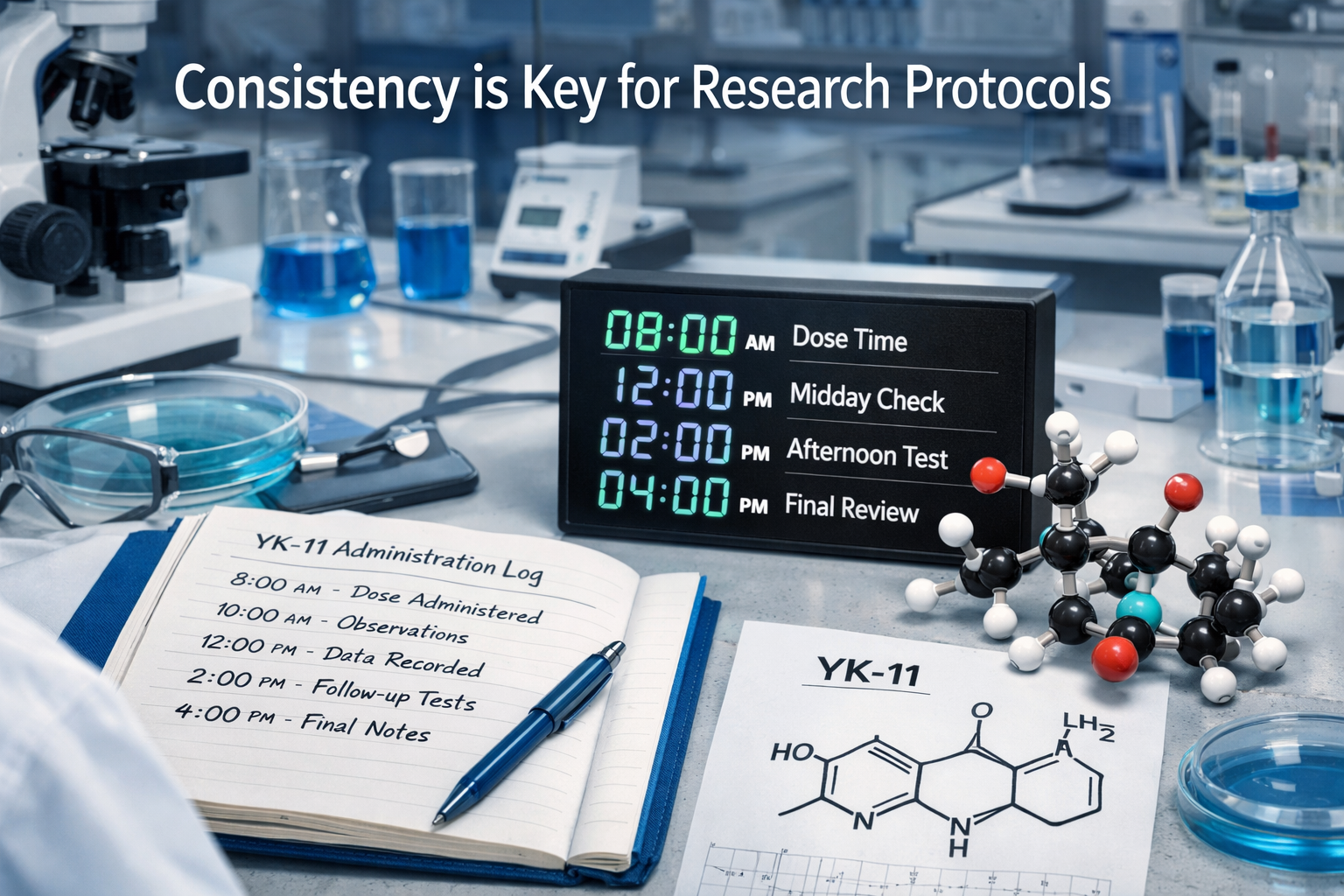
- Exact timing of each dose (hour and minute)
- Environmental conditions during administration
- Any concurrent substances or interventions
- Post-administration monitoring at standardized intervals
- Subject-reported effects and tolerance indicators
Many researchers find that digital tracking systems improve documentation accuracy and reduce human error. These systems can send automated reminders for administration times and prompt researchers to record required measurements at appropriate intervals.
Interaction Considerations with Other Research Compounds
When studying YK-11 alongside other research compounds, timing coordination becomes increasingly complex. Researchers must consider not only the optimal timing for YK-11 but also how it interacts with the best time to take Ostarine (MK-2866) — research compound or other SARM protocols that may be part of comprehensive research designs.
Key interaction factors:
- Absorption competition when multiple compounds are administered simultaneously
- Synergistic effects that may be time-dependent
- Metabolic pathway interactions that could affect half-life calculations
- Side effect profiles that may be amplified by poor timing coordination
- Research outcome measurements that require specific timing relative to administration
Researchers working with advanced peptide research protocols often develop detailed timing matrices that account for multiple compounds' optimal administration windows while minimizing negative interactions.
The complexity of multi-compound research makes it essential to start with single-compound protocols to establish baseline timing preferences before advancing to more complex combinations. This approach ensures that researchers understand each compound's individual timing requirements before attempting to optimize combined protocols.
Advanced Timing Strategies and Future Research Directions
As research into the best time to take YK-11 — research compound continues to evolve in 2026, advanced timing strategies are emerging that go beyond simple once or twice-daily administration. These sophisticated approaches consider individual variations, circadian biology, and compound-specific factors that may influence optimal timing.
Personalized Timing Based on Individual Factors
Individual variation significantly impacts optimal YK-11 timing. Factors such as metabolism rate, body composition, sleep patterns, and concurrent medications can all influence how quickly YK-11 is processed and eliminated from the system. This personalization approach is similar to strategies being developed for optimizing timing in other research areas, though each compound presents unique considerations[3][4].
Factors influencing individual timing optimization:
- Metabolic rate variations may extend or shorten effective half-life
- Body composition differences can affect distribution and clearance
- Age-related changes in metabolism and absorption
- Genetic polymorphisms affecting drug metabolism pathways
- Lifestyle factors including exercise timing and meal schedules
Researchers are beginning to explore how these individual factors might be incorporated into timing protocols to maximize research outcomes while maintaining the scientific rigor required for valid results.
Circadian Rhythm Considerations
Emerging research suggests that circadian biology may play a role in optimizing the timing of research compounds like YK-11. The body's natural 24-hour cycles affect hormone production, metabolism, and cellular repair processes, all of which could theoretically influence how YK-11 is processed and utilized[5][6].
Circadian factors potentially affecting YK-11 timing:
- Cortisol patterns that peak in early morning hours
- Growth hormone release that occurs primarily during sleep
- Metabolic efficiency changes throughout the day
- Cellular repair processes that are time-dependent
- Absorption and distribution variations based on circadian cycles
While research in this area is still developing, some protocols are beginning to incorporate circadian considerations into timing decisions. This approach requires careful documentation of not just administration times but also sleep patterns, meal timing, and other circadian markers.
Technology Integration for Optimal Timing
Modern technology is revolutionizing how researchers approach timing optimization for compounds like YK-11. Wearable devices, smartphone apps, and digital monitoring systems are providing unprecedented insights into how timing affects research outcomes and subject responses[7][8].
Technology applications in timing research:
- Continuous monitoring devices that track physiological responses
- Smartphone apps that provide precise timing reminders and documentation
- Data analytics platforms that identify optimal timing patterns
- Integration systems that coordinate multiple compound timing
- Predictive algorithms that suggest timing adjustments based on response patterns
These technological advances are making it possible to conduct more sophisticated timing research while maintaining the documentation standards required for scientific validity. Researchers working with cutting-edge research compounds are increasingly incorporating these tools into their protocols.
The integration of technology also enables real-time adjustments to timing protocols based on observed responses, though such adjustments must be carefully documented and justified within the research framework.
Conclusion
Understanding the best time to take YK-11 — research compound requires a comprehensive approach that balances scientific principles with practical implementation considerations. Throughout 2026, research has consistently shown that YK-11's short 6-12 hour half-life demands careful attention to timing strategies, whether implementing once-daily, split-dose, or advanced personalized protocols.
The key to successful YK-11 research lies in consistency, documentation, and adherence to established timing principles. Whether researchers choose morning administration for its simplicity and alignment with natural circadian rhythms, or opt for split-dose protocols to minimize peak-trough fluctuations, the critical factor remains maintaining identical timing throughout the research period.
Your next steps for implementing optimal YK-11 timing:
- Choose your protocol based on research objectives and practical constraints
- Establish consistent daily timing with variations no greater than ±30 minutes
- Implement comprehensive documentation tracking all administration times and responses
- Monitor for optimization opportunities while maintaining protocol integrity
- Consider technology integration to improve accuracy and data collection
As research into YK-11 and other compounds continues to advance, timing optimization will likely become increasingly sophisticated. However, the fundamental principles of consistency, documentation, and scientific rigor will remain the cornerstone of valid research outcomes.
For researchers ready to begin their YK-11 timing studies, remember that the best protocol is one that can be consistently implemented while meeting all documentation and safety requirements. Start with established timing frameworks and advance to more complex strategies only after mastering the fundamentals of consistent administration and comprehensive record-keeping.
References
[1] Yk11 Dosage – https://trustedsarms.ca/yk11-dosage/
[2] Swiss Chems Yk 11 – https://chemvoy.com/blogs/review/swiss-chems-yk-11
[3] Yk 11 Sarm 10mg Ml 30ml – https://umbrellalabs.is/shop/sarms/sarm-liquid/yk-11-sarm-10mg-ml-30ml/
[4] Cycle Length By Compound Steroids Sarms Peptides Full Guide For Bodybuilders – https://swolverine.com/blogs/blog/cycle-length-by-compound-steroids-sarms-peptides-full-guide-for-bodybuilders
[5] clintonoh.gov – https://clintonoh.gov/?ai=m_yk-11-review-is-it-a-sarm-or-prohormone-75311286
[6] How To Use Yk11 Sarm For Best Results – https://www.crazybulk.in/blogs/news/how-to-use-yk11-sarm-for-best-results
[7] Studies On The In Vivo Metabolism Of The Sarm Yk11 Identification – https://fis.dshs-koeln.de/en/publications/studies-on-the-in-vivo-metabolism-of-the-sarm-yk11-identification/
[8] analyticalsciencejournals.onlinelibrary.wiley – https://analyticalsciencejournals.onlinelibrary.wiley.com/doi/abs/10.1002/dta.3425
SEO Meta Title: Best Time to Take YK-11 Research Compound | 2026 Guide
SEO Meta Description: Discover optimal YK-11 timing protocols for research. Learn about half-life, split-dose strategies, and consistency requirements for valid research outcomes in 2026.