
Best Peptide Retail US: Comprehensive 2026 Guide to Quality Suppliers and Research Products
The peptide research market has experienced unprecedented growth, with the United States emerging as a global leader in peptide retail and distribution. As researchers, fitness professionals, and medispa owners seek reliable sources for high-quality peptides, understanding how to identify the best peptide retail US suppliers has become essential. The landscape of peptide suppliers has evolved dramatically, with increasing emphasis on third-party testing, transparency, and regulatory compliance that separates legitimate vendors from questionable sources.
Key Takeaways
- 🔬 Quality verification through third-party testing and Certificates of Analysis (COA) remains the most critical factor when evaluating peptide suppliers in the United States
- 📦 Product diversity matters—top US peptide retailers offer comprehensive catalogs including metabolic peptides, recovery compounds, cognitive enhancers, and specialized blends
- 🛡️ Regulatory compliance and transparent business practices distinguish reputable suppliers from underground or questionable sources in the peptide market
- 💰 Value proposition extends beyond price—reliable shipping, proper storage protocols, and responsive customer support define premium peptide retail experiences
- 📊 Research documentation and proper labeling for research purposes only ensures suppliers operate within legal frameworks while serving the scientific community
Understanding the US Peptide Retail Landscape in 2026
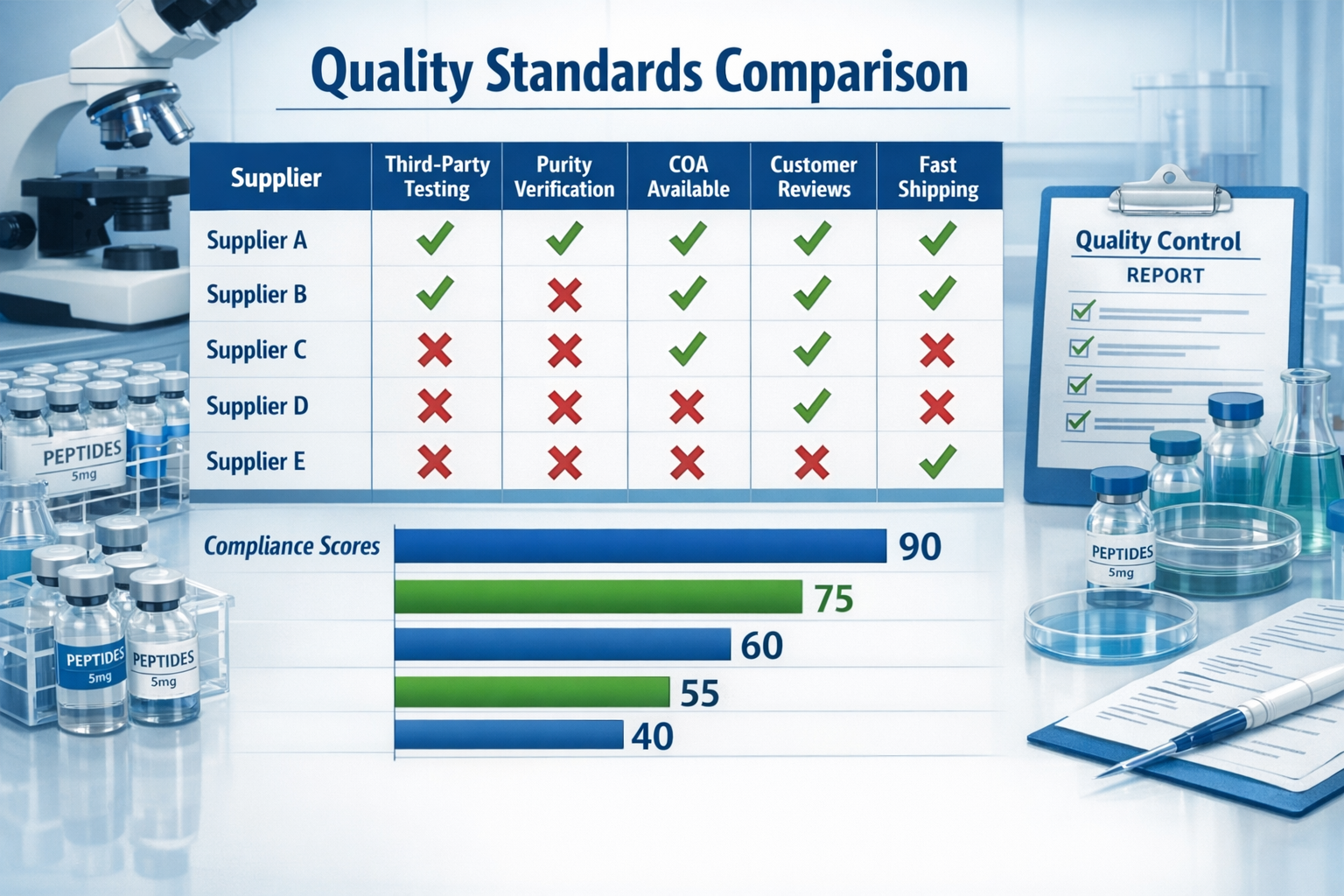
The peptide retail industry in the United States has matured significantly over the past decade. What began as a niche market serving primarily academic researchers has expanded to include fitness enthusiasts, anti-aging clinics, and wellness professionals seeking cutting-edge compounds for investigational purposes. The best peptide retail US companies have distinguished themselves through rigorous quality control measures and commitment to transparency.
Regulatory Environment and Compliance Standards
The regulatory framework governing peptide sales in the United States operates within a complex intersection of FDA oversight, research chemical regulations, and consumer protection laws. Legitimate peptide retailers clearly label their products "for research purposes only" and avoid making therapeutic claims that would classify their offerings as unapproved drugs.
Key compliance markers include:
- Clear research-only labeling on all products
- No therapeutic or medical claims in marketing materials
- Proper business licensing and transparent company information
- Adherence to payment processing standards that verify legitimacy
- Documentation of sourcing and manufacturing partnerships
The distinction between research peptides and pharmaceutical-grade compounds remains crucial. While pharmaceutical peptides undergo extensive clinical trials and FDA approval processes, research peptides serve the scientific community for investigational purposes. Understanding this difference helps researchers identify suppliers operating within legal boundaries.
Market Growth and Consumer Demand Trends
Research data indicates the peptide market has experienced compound annual growth exceeding 9% since 2020, with projections suggesting continued expansion through 2030. This growth stems from multiple factors including increased awareness of peptide applications in metabolic research, regenerative medicine studies, and longevity investigations.
Primary demand drivers include:
- Metabolic research applications – Studies examining peptides like 5-Amino-1MQ for metabolic pathway modulation
- Recovery and regeneration studies – Investigation of compounds supporting tissue repair mechanisms
- Cognitive enhancement research – Examination of nootropic peptides and their neurological effects
- Aesthetic applications – Research into peptides supporting skin health and cellular rejuvenation
- Athletic performance studies – Investigation of compounds potentially supporting endurance and recovery
The democratization of peptide access has enabled independent researchers, fitness coaches, and wellness practitioners to conduct their own investigations. However, this accessibility has also created challenges in quality control and consumer education.
Criteria for Identifying the Best Peptide Retail US Suppliers
Distinguishing exceptional peptide retailers from mediocre or problematic vendors requires systematic evaluation across multiple dimensions. The following criteria represent industry best practices for assessing supplier quality and reliability.
Third-Party Testing and Certificates of Analysis
The single most important quality indicator for any peptide supplier involves independent verification of product purity and composition. The best peptide retail US companies provide Certificates of Analysis (COA) from accredited third-party laboratories for every batch of peptides sold.
Essential testing components include:
- High-Performance Liquid Chromatography (HPLC) – Verifies peptide purity percentages, typically showing results of 98% or higher for quality products
- Mass Spectrometry – Confirms molecular weight and structural integrity of peptide sequences
- Endotoxin Testing – Ensures bacterial contamination remains below acceptable thresholds
- Sterility Verification – Confirms absence of microbial contamination in lyophilized products
Reputable suppliers make COAs readily accessible, either displaying them on product pages or providing them upon request. Researchers should verify that COA batch numbers match the products received. Some suppliers even implement QR code systems allowing instant verification of testing documentation.
The absence of third-party testing or reluctance to provide COAs represents a major red flag. Underground suppliers often claim "pharmaceutical grade" quality without substantiation, putting researchers at risk of receiving contaminated, underdosed, or completely fraudulent products.
Product Selection and Catalog Depth
Comprehensive product offerings indicate a supplier's commitment to serving diverse research needs. While some vendors specialize in specific peptide categories, the most established peptide supplier US companies maintain extensive catalogs spanning multiple research applications.
Categories typically offered by premium suppliers:
| Category | Examples | Research Applications |
|---|---|---|
| Metabolic Peptides | 5-Amino-1MQ, AOD-9604, MOTS-C | Metabolic pathway studies, energy regulation research |
| Recovery Compounds | BPC-157, TB-500, Thymosin Beta-4 | Tissue repair investigations, recovery protocol studies |
| Cognitive Peptides | Selank, Semax, Dihexa | Neurological research, cognitive function studies |
| GLP Analogs | GLP-1, Tirzepatide, Semaglutide | Metabolic regulation research, satiety mechanism studies |
| Aesthetic Peptides | GHK-Cu, Matrixyl, Copper Peptides | Skin health research, collagen synthesis studies |
| Specialized Blends | Wolverine Stack, Klow Blend, Glow Blend | Multi-pathway research protocols |
Beyond basic peptide offerings, advanced suppliers provide various formulations including lyophilized powders, pre-mixed solutions, nasal sprays, and oral capsules. This formulation diversity enables researchers to select delivery methods appropriate for their specific protocols.
Transparency and Business Practices
Legitimate peptide retailers operate transparently, providing comprehensive information about their business operations, sourcing practices, and quality standards. This transparency builds trust and helps researchers make informed purchasing decisions.
Transparency indicators include:
- Complete contact information including physical business address
- Responsive customer service via multiple channels (email, phone, chat)
- Clear shipping and return policies
- Detailed product information including peptide sequences and molecular weights
- Educational resources explaining proper handling and storage
- Active presence on professional platforms and research communities
The best peptide retail US companies invest in educational content, helping researchers understand proper reconstitution techniques, storage requirements, and handling protocols. This commitment to education demonstrates a supplier's dedication to supporting legitimate research rather than simply maximizing sales.
Conversely, suppliers operating through anonymous channels, accepting only cryptocurrency payments, or providing minimal contact information often indicate questionable operations. While privacy concerns exist in this market, completely opaque business practices suggest potential legal or quality issues.
Top Product Categories Available from US Peptide Retailers
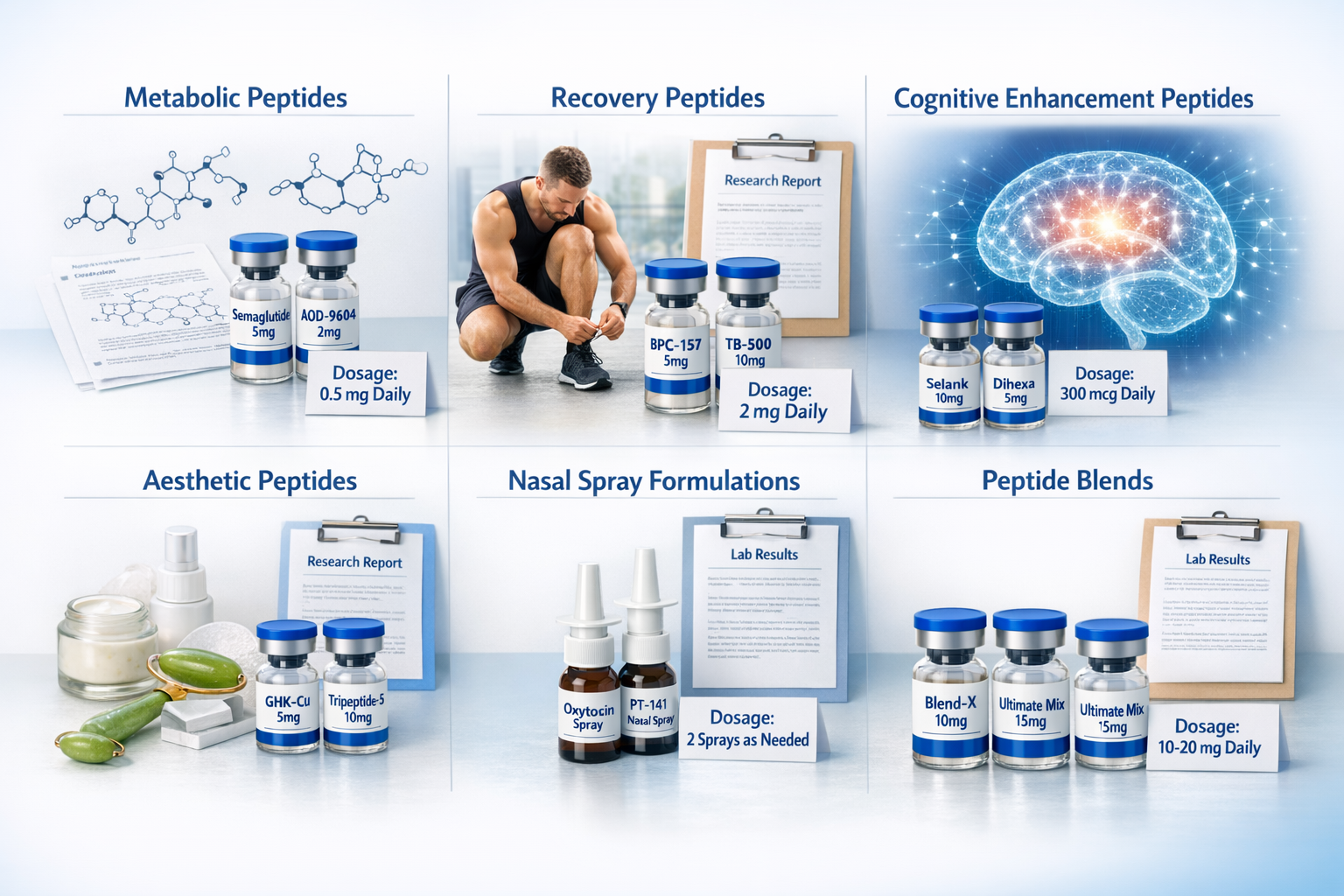
Understanding the major peptide categories helps researchers identify suppliers offering compounds relevant to their specific investigations. The following sections explore primary peptide families available from quality US retailers.
Metabolic and Weight Management Research Peptides
Metabolic peptides represent one of the fastest-growing segments in peptide research. These compounds interact with various metabolic pathways, making them subjects of intense scientific investigation.
5-Amino-1MQ has emerged as a particularly popular research compound. Studies suggest this peptide may influence the NNMT enzyme, which plays roles in cellular metabolism and energy regulation. Researchers examining metabolic flexibility and cellular energy dynamics frequently include this compound in their protocols.
AOD-9604 represents a modified fragment of human growth hormone that has been studied for its potential metabolic effects without the growth-promoting properties of full-length GH. Research investigations have examined its interactions with fat metabolism pathways, though results remain preliminary and require further validation.
MOTS-C belongs to the mitochondrial-derived peptide family and has attracted significant research interest for its potential roles in metabolic regulation and cellular energy production. Studies have examined its effects on insulin sensitivity, mitochondrial function, and metabolic flexibility in various experimental models.
When searching to buy peptides for metabolic research, investigators should prioritize suppliers offering these compounds with verified purity above 98% and comprehensive testing documentation. The 5-Amino-1MQ dosage protocols used in research vary considerably, emphasizing the importance of proper documentation and measurement equipment.
GLP Receptor Agonists and Analogs
The GLP (glucagon-like peptide) family has revolutionized metabolic research over the past decade. These compounds interact with incretin pathways involved in glucose regulation and satiety signaling, making them subjects of extensive investigation.
Researchers frequently ask where to buy GLP-1 analogs for investigational purposes. Quality suppliers offer various GLP receptor agonists including research-grade versions of compounds being studied in clinical settings. These include:
- GLP-1 analogs – Studied for their interactions with incretin receptors and potential metabolic effects
- Dual agonists – Compounds targeting multiple receptor pathways simultaneously
- Triple agonists – Experimental compounds engaging GLP-1, GIP, and glucagon receptors
The Reta-Cagrilintide blend represents an emerging area of research interest, combining different mechanisms of action in a single formulation. Researchers can buy Reta-Cagrilintide blend from specialized suppliers focusing on advanced peptide combinations.
For those investigating where to buy Cagrilintide specifically, this amylin analog has gained attention for research into satiety mechanisms and metabolic regulation. As with all research peptides, proper storage and handling remain essential for maintaining compound integrity.
Recovery and Regenerative Research Compounds
Peptides studied for their potential roles in tissue repair and recovery processes constitute another major category. These compounds have attracted interest from sports science researchers, regenerative medicine investigators, and wellness professionals.
BPC-157 (Body Protection Compound-157) derives from a protective gastric peptide and has been studied extensively in animal models examining tissue repair mechanisms. Research has investigated its potential interactions with various healing pathways, though human clinical data remains limited.
TB-500 and Thymosin Beta-4 represent related compounds studied for their potential roles in cellular migration, angiogenesis, and tissue remodeling. These peptides have been examined in various experimental contexts related to wound healing and recovery processes.
The Wolverine Stack or Wolverine Blend combines multiple recovery-focused peptides in a single formulation. Researchers can buy Wolverine blend peptide combinations from suppliers specializing in synergistic formulations. Those seeking to buy Wolverine stack peptide should verify that individual components meet purity standards and that the blend ratios are clearly documented.
Understanding where to buy Ipamorelin/Tesamorelin combinations is important for researchers examining growth hormone secretagogue effects. These compounds stimulate natural GH release through different mechanisms and are often studied in combination protocols.
Cognitive and Neuropeptide Research Compounds
Neuropeptides and cognitive enhancement compounds represent a specialized category attracting interest from neuroscience researchers and cognitive performance investigators.
Selank and Semax are synthetic peptides developed through Russian research programs and studied for their potential anxiolytic and cognitive effects. These compounds have been examined in various experimental models, though Western clinical data remains limited.
For researchers investigating where to buy Selank nasal spray formulations, specialized suppliers offer pre-formulated solutions designed for intranasal administration in research settings. Similarly, those looking to buy Selank spray should verify proper formulation with appropriate preservatives and pH balance.
BPC-157 nasal spray represents another intranasal formulation gaining research interest. Investigators can buy BPC nasal spray from suppliers offering alternative delivery methods beyond traditional subcutaneous administration.
Epithalon (also spelled Epitalon) is a synthetic tetrapeptide studied for its potential interactions with telomerase activity and cellular aging mechanisms. Researchers examining longevity pathways frequently ask where to buy Epithalon from verified sources with proper testing documentation.
Specialized Peptide Blends and Formulations
Advanced peptide retailers have developed proprietary blends combining multiple compounds to support specific research objectives. These formulations represent the cutting edge of peptide research product development.
Lipo C peptides combine lipotropic compounds with peptide elements, creating formulations studied for their potential metabolic and cellular effects. Researchers can buy Lipo C peptide blends from suppliers specializing in combination formulations.
MOTS-C peptide availability has expanded significantly as research interest has grown. Those investigating where to buy MOTS-C peptide should prioritize suppliers offering this mitochondrial-derived compound with verified sequence accuracy and high purity levels.
The Klow and Glow blends represent proprietary formulations combining multiple peptides targeting different physiological pathways. These specialized combinations allow researchers to examine synergistic effects and multi-pathway interventions.
When evaluating specialized blends, researchers should verify:
- Individual component purity and testing
- Documented blend ratios and concentrations
- Stability data for combined formulations
- Proper storage requirements for multi-component products
- Clear labeling of all included peptides
Practical Considerations When Purchasing Research Peptides
Beyond product quality and supplier reputation, several practical factors influence the peptide purchasing experience. Understanding these considerations helps researchers optimize their sourcing strategies.
Pricing Structures and Value Assessment
Peptide pricing varies considerably across suppliers, reflecting differences in quality standards, testing protocols, and business models. The best peptide retail US companies balance competitive pricing with quality assurance, avoiding the race-to-the-bottom pricing that often indicates compromised standards.
Factors influencing peptide pricing:
- Purity levels – Higher purity (99%+ vs. 98%) typically commands premium pricing
- Synthesis complexity – Longer peptide sequences cost more to manufacture
- Testing thoroughness – Comprehensive third-party verification adds to product costs
- Quantity purchased – Bulk orders often receive volume discounts
- Formulation type – Pre-mixed solutions and specialty formulations cost more than lyophilized powders
Researchers should evaluate total value rather than focusing solely on per-milligram pricing. A slightly more expensive peptide with verified 99% purity and comprehensive testing represents better value than a cheaper alternative with questionable quality or absent documentation.
Shipping, Storage, and Handling Protocols
Proper peptide handling begins the moment products leave the supplier's facility. Quality retailers implement shipping protocols that maintain peptide integrity throughout transit.
Shipping best practices include:
- Temperature-controlled packaging – Ice packs or cold shipping for temperature-sensitive compounds
- Discrete packaging – Professional, unmarked boxes protecting customer privacy
- Tracking and insurance – Full shipment visibility and protection against loss
- Fast processing – Quick order fulfillment minimizing storage time
- International capabilities – Proper customs documentation for international shipments
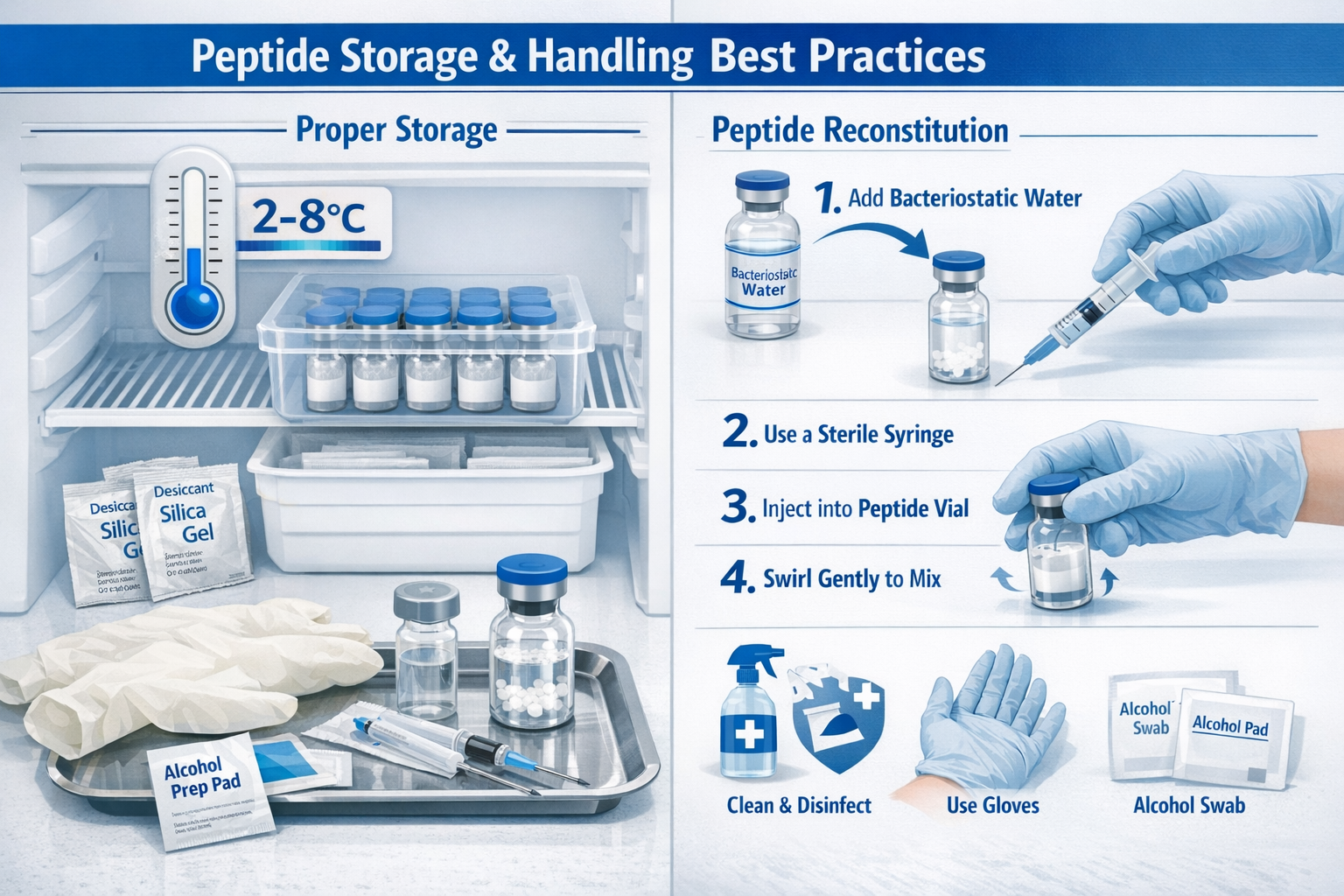
Upon receipt, researchers must implement proper storage protocols. Most lyophilized peptides remain stable at room temperature for short periods but require refrigeration (2-8°C) for extended storage. Reconstituted peptides typically require refrigeration and should be used within specified timeframes.
The peptide handling guide provided by quality suppliers offers detailed protocols for maintaining compound integrity from receipt through experimental use.
Customer Service and Research Support
Exceptional customer service distinguishes premium peptide suppliers from basic vendors. Researchers often require technical assistance with reconstitution procedures, storage questions, or protocol development.
Quality customer service features:
- 📞 Multiple contact channels (phone, email, live chat)
- ⏰ Responsive communication with replies within 24 hours
- 🎓 Knowledgeable staff capable of addressing technical questions
- 📚 Comprehensive FAQ sections and educational resources
- 🔄 Flexible return and replacement policies for defective products
- 💬 Active community engagement through forums or social platforms
The best peptide retail US suppliers view customer relationships as long-term partnerships rather than transactional interactions. This relationship-focused approach manifests in educational content, protocol guidance, and ongoing support throughout the research process.
Payment Processing and Transaction Security
Payment processing capabilities often reflect a supplier's legitimacy and business stability. Established peptide retailers maintain relationships with mainstream payment processors, while questionable vendors may rely exclusively on cryptocurrency or other anonymous payment methods.
Legitimate payment indicators:
- ✅ Credit card processing through recognized providers
- ✅ Secure checkout with SSL encryption
- ✅ Multiple payment options including major cards
- ✅ Clear billing descriptors on statements
- ✅ Documented refund and dispute resolution processes
While some legitimate suppliers accept cryptocurrency payments to accommodate customer preferences, exclusive reliance on anonymous payment methods may indicate regulatory concerns or business instability.
Evaluating Supplier Reputation and Community Feedback
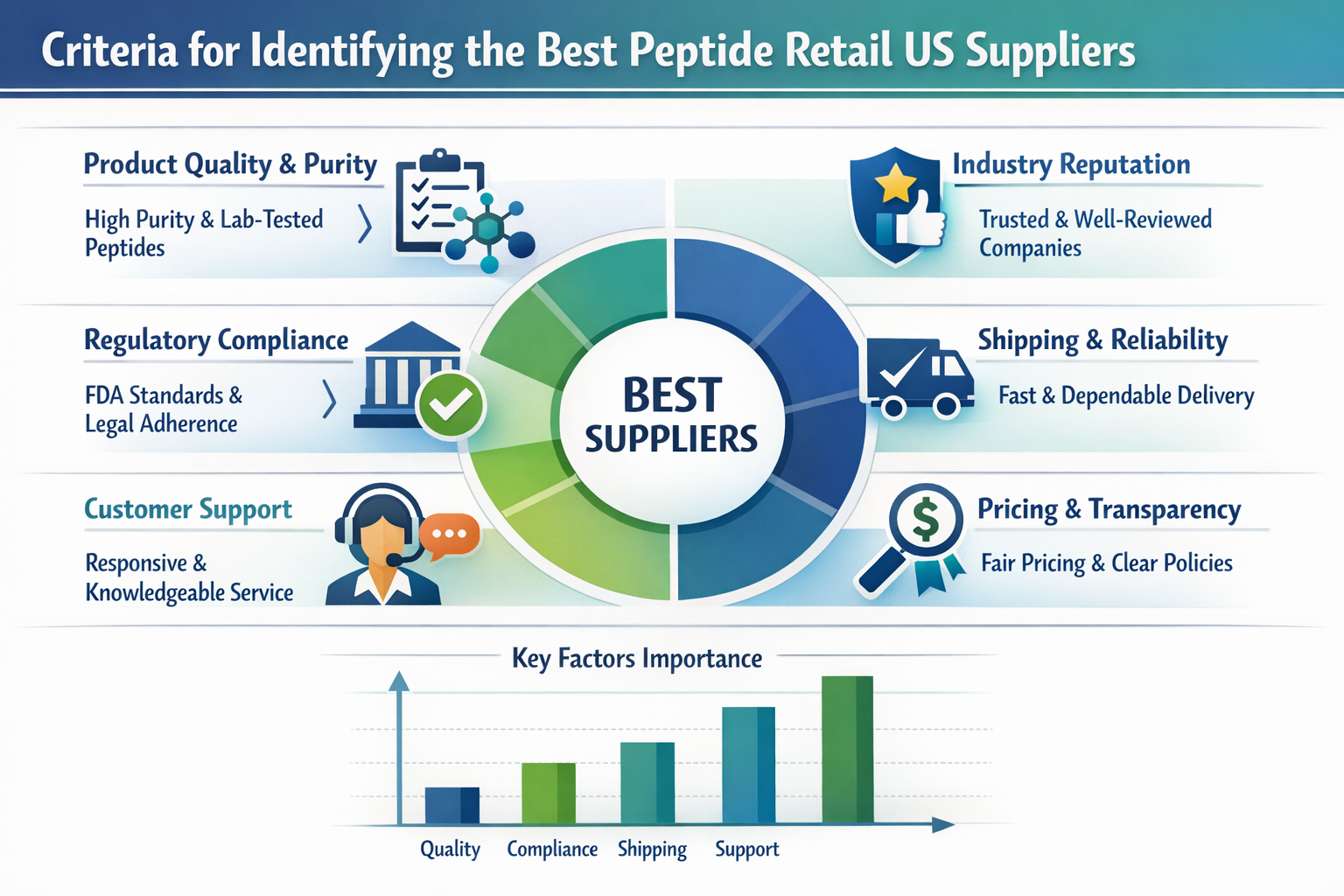
Beyond objective quality metrics, supplier reputation within the research community provides valuable insights into reliability and customer satisfaction. Several resources help researchers assess supplier standing.
Independent Review Platforms and Forums
The peptide research community actively shares experiences through various online platforms. These community-driven resources offer unfiltered perspectives on supplier performance.
Valuable information sources include:
- Reddit communities – Subreddits dedicated to peptide research feature supplier discussions and experience sharing
- Research forums – Specialized forums host detailed supplier reviews and protocol discussions
- Social media groups – Facebook and Telegram groups facilitate real-time information exchange
- Independent review sites – Third-party platforms aggregate customer feedback and ratings
When evaluating community feedback, researchers should consider multiple sources and look for consistent patterns rather than isolated complaints. Every supplier occasionally experiences issues; the pattern of response and resolution matters more than individual incidents.
Red Flags and Warning Signs
Certain characteristics consistently indicate problematic suppliers that researchers should avoid. Recognizing these warning signs protects against wasted resources and potentially dangerous products.
Critical red flags include:
- 🚫 Absence of third-party testing or refusal to provide COAs
- 🚫 Unrealistic claims about product effects or therapeutic benefits
- 🚫 Significantly below-market pricing suggesting quality compromises
- 🚫 Anonymous operations with no verifiable business information
- 🚫 Pressure tactics or limited-time offers creating artificial urgency
- 🚫 Poor communication or unresponsive customer service
- 🚫 Negative patterns in community feedback across multiple platforms
- 🚫 Lack of proper research-only labeling and disclaimers
These warning signs often appear in combination. A supplier exhibiting multiple red flags should be avoided regardless of pricing or product claims.
Verification Processes and Due Diligence
Thorough supplier verification requires systematic investigation across multiple dimensions. Researchers should implement a structured evaluation process before committing to significant purchases.
Recommended verification steps:
- Research company background – Verify business registration, operational history, and ownership information
- Review testing documentation – Examine COAs for recent products, checking for legitimate laboratory credentials
- Test customer service – Contact with questions to assess responsiveness and knowledge
- Start with small orders – Initial purchases allow quality verification before larger commitments
- Verify batch consistency – Compare COAs across multiple batches to assess quality consistency
- Check community reputation – Search supplier names across forums and review platforms
- Assess educational content – Review guides and resources for accuracy and depth
This systematic approach minimizes risks and helps identify suppliers worthy of long-term research partnerships.
The Future of Peptide Retail in the United States
The peptide research market continues evolving rapidly, with several trends shaping the industry's future trajectory. Understanding these developments helps researchers anticipate changes in product availability, regulatory environment, and quality standards.
Emerging Peptide Research Areas
Scientific investigation continues expanding into new peptide applications and novel compounds. Several emerging areas show particular promise for future research development.
Growing research domains include:
- Mitochondrial peptides – Compounds like MOTS-C, Humanin, and other mitochondrial-derived peptides attracting increased scientific attention
- Longevity research – Peptides studied for their potential interactions with aging mechanisms and cellular senescence
- Microbiome modulation – Antimicrobial peptides and compounds potentially influencing gut microbiota composition
- Combination therapies – Synergistic peptide stacks targeting multiple pathways simultaneously
- Novel delivery systems – Transdermal, sublingual, and other alternative administration methods
As research expands into these areas, the best peptide retail US suppliers will adapt their catalogs to serve emerging investigational needs. Researchers should monitor scientific literature to identify promising compounds before they achieve mainstream awareness.
Regulatory Developments and Industry Standardization
The regulatory landscape governing peptide sales continues evolving as authorities balance research access with consumer protection. Several potential developments may impact the industry over coming years.
Anticipated regulatory trends:
- Increased scrutiny of marketing claims and therapeutic implications
- Potential standardization of testing requirements and quality certifications
- Enhanced enforcement against suppliers making unapproved medical claims
- Possible restrictions on specific compounds if safety concerns emerge
- Industry self-regulation initiatives establishing voluntary quality standards
Proactive suppliers are already implementing practices exceeding current requirements, positioning themselves favorably for potential future regulations. Researchers benefit from partnering with forward-thinking suppliers committed to compliance and quality regardless of regulatory minimums.
Technology Integration and Customer Experience
Digital technologies continue transforming the peptide retail experience, with innovations improving quality verification, customer service, and research support.
Technological developments include:
- Blockchain verification – Immutable records of testing and supply chain tracking
- AI-powered customer service – Chatbots and automated systems providing instant protocol guidance
- Mobile applications – Apps facilitating ordering, tracking, and research documentation
- Virtual consultations – Video conferencing enabling detailed protocol discussions
- Automated reordering – Subscription systems ensuring continuous supply for ongoing research
These technological enhancements improve convenience while maintaining the quality standards essential for legitimate research. The integration of technology with traditional quality assurance creates optimal research experiences.
Conclusion: Making Informed Decisions About Peptide Suppliers
Identifying the best peptide retail US suppliers requires systematic evaluation across multiple dimensions including quality verification, product selection, business transparency, and customer support. The peptide research market offers tremendous opportunities for legitimate investigation, but success depends on partnering with reputable suppliers committed to quality and compliance.
Essential decision-making criteria include:
✅ Verified quality through comprehensive third-party testing and readily available COAs
✅ Extensive product selection spanning metabolic, recovery, cognitive, and specialized peptide categories
✅ Transparent operations with clear business information and responsive customer service
✅ Competitive value balancing reasonable pricing with uncompromised quality standards
✅ Strong reputation supported by positive community feedback and consistent performance
Researchers seeking to buy peptides for legitimate investigational purposes should prioritize these criteria over convenience or price considerations. The modest premium charged by quality suppliers represents insignificant cost compared to the risks of contaminated, underdosed, or fraudulent products.
Actionable Next Steps for Researchers
For those ready to establish relationships with quality peptide suppliers, the following action plan provides a structured approach:
- Define research objectives – Identify specific peptides relevant to your investigation
- Compile supplier shortlist – Research 3-5 potential vendors meeting quality criteria
- Verify credentials – Review testing documentation, business information, and community reputation
- Contact customer service – Assess responsiveness and technical knowledge
- Place test order – Start with small quantities to verify quality and service
- Document experience – Track product quality, shipping speed, and customer support
- Establish partnership – Commit to suppliers demonstrating consistent excellence
The peptide research landscape will continue evolving throughout 2026 and beyond. By establishing relationships with reputable suppliers now, researchers position themselves to access emerging compounds while maintaining the quality standards essential for meaningful investigation.
Whether searching for where to buy peptides for metabolic research, seeking specialized compounds like Epithalon for longevity studies, or exploring combination formulations for multi-pathway investigations, the principles outlined in this guide provide a framework for identifying suppliers worthy of trust and continued partnership.
The future of peptide research depends on maintaining high standards throughout the supply chain. By demanding quality, transparency, and compliance from suppliers, the research community elevates the entire industry while advancing scientific understanding of these fascinating compounds. The best peptide retail US companies recognize their role in supporting legitimate research and consistently deliver products and services meeting the highest standards of excellence.
SEO Meta Information
Meta Title: Best Peptide Retail US 2026: Quality Suppliers Guide
Meta Description: Comprehensive guide to finding the best peptide retail US suppliers. Compare quality standards, testing protocols, and product selection for research peptides.