
Bodybuilding Peptides for Sale: The Complete 2026 Guide for Researchers and Health Professionals

Picture this: You’re scrolling through online forums at midnight, reading testimonials from bodybuilders who claim peptides transformed their physique in weeks. The promises are compelling—rapid muscle growth, accelerated recovery, and fat loss that seems almost too good to be true. But here’s the reality check: the world of bodybuilding peptides for sale is complex, heavily regulated, and filled with both legitimate research opportunities and serious risks. Whether you’re a health professional, fitness expert, or researcher exploring peptide science, understanding what you’re actually buying—and whether it’s legal or safe—can mean the difference between advancing your knowledge and facing serious health or legal consequences.
The market for bodybuilding peptides for sale has exploded in 2026, with countless suppliers offering everything from growth hormone secretagogues to recovery-enhancing compounds. But navigating this landscape requires knowledge, caution, and a commitment to quality that many suppliers simply don’t provide.
Key Takeaways
- Bodybuilding peptides are primarily sold as research chemicals, not FDA-approved supplements for human consumption, despite widespread marketing claims
- Quality control varies dramatically among suppliers, with studies showing significant discrepancies between labeled and actual peptide content
- Legal status is complex: many peptides occupy a gray area, marketed as research chemicals while being used off-label for bodybuilding purposes
- Safety concerns are real: unregulated peptides may contain contaminants, incorrect dosages, or entirely different substances than advertised
- Legitimate research applications exist: when sourced from reputable suppliers like Pure Tested Peptides, peptides serve valuable scientific and clinical research purposes
Understanding Peptides in Bodybuilding: What Are They Really?
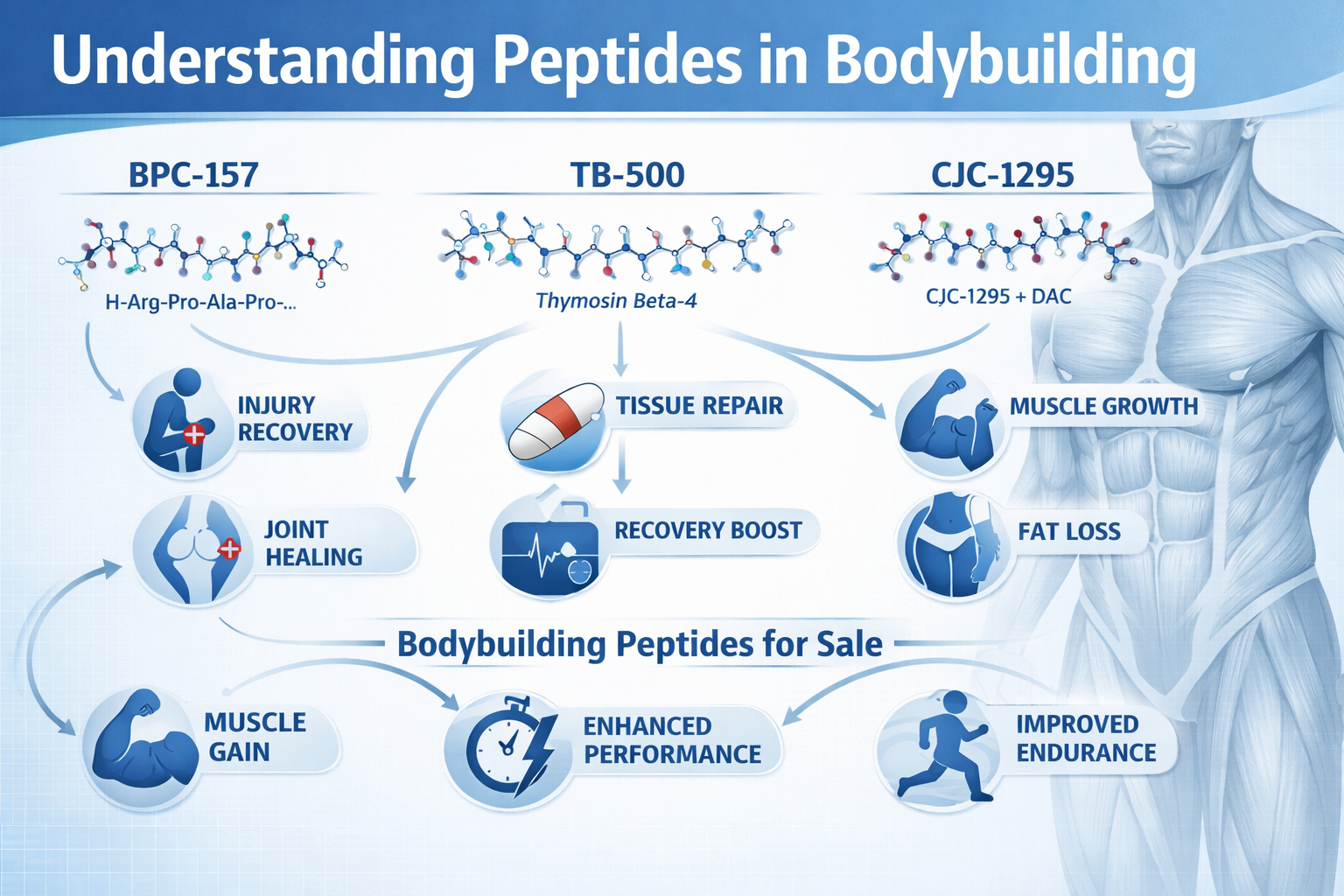
Peptides are short chains of amino acids—the building blocks of proteins—that serve as signaling molecules in the body. In the bodybuilding world, specific peptides have gained attention for their potential to influence muscle growth, fat metabolism, and recovery processes. But what exactly makes these compounds so interesting to fitness enthusiasts and researchers alike?
The Science Behind Peptide Function
When we talk about peptides buy options in the bodybuilding context, we’re typically referring to synthetic versions of naturally occurring peptides that interact with specific receptors in the body. These interactions can trigger various physiological responses, from stimulating growth hormone release to promoting tissue repair.
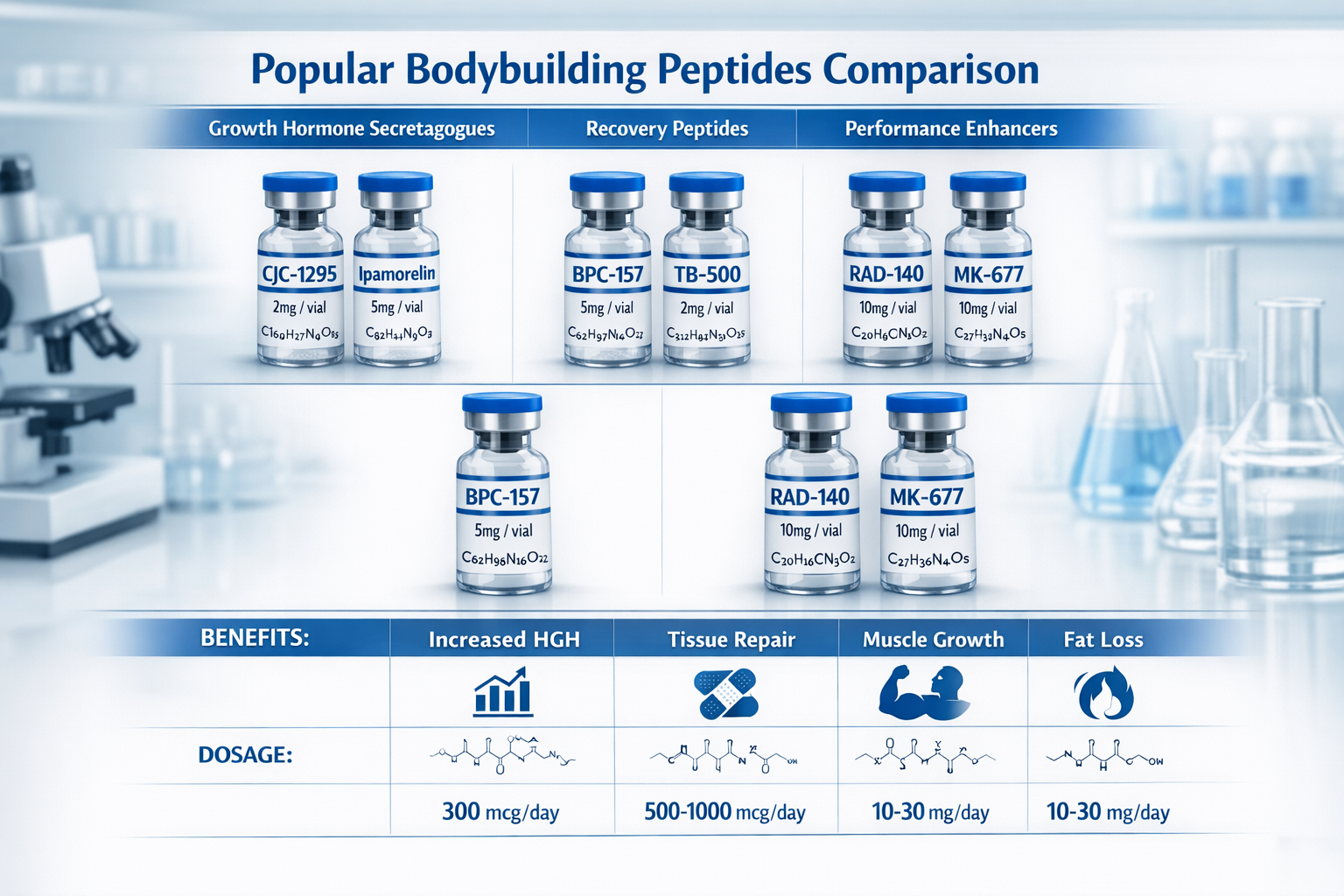
Growth hormone secretagogues represent one major category. Compounds like CJC-1295 and ipamorelin work by signaling the pituitary gland to increase natural growth hormone production. Unlike synthetic growth hormone itself, these peptides stimulate your body’s own production mechanisms—a distinction that matters both scientifically and legally.
Recovery and repair peptides form another significant category. TB-500 (a synthetic version of thymosin beta-4) and BPC-157 (body protection compound) are frequently discussed in bodybuilding communities for their purported ability to accelerate healing of muscles, tendons, and other tissues. The benefits of TB-500 have been explored in various research contexts, though human clinical data remains limited.
Common Peptides in the Bodybuilding Market
Let’s break down the most frequently encountered peptides when you search for peptide stores or buy peptide online options:
| Peptide Name | Primary Research Focus | Common Claims | WADA Status |
|---|---|---|---|
| CJC-1295 | Growth hormone secretion | Muscle growth, fat loss | Prohibited |
| Ipamorelin | GH release | Lean muscle, recovery | Prohibited |
| BPC-157 | Tissue repair | Injury healing, gut health | Not specifically listed |
| TB-500 | Wound healing | Muscle recovery, flexibility | Prohibited |
| IGF-1 LR3 | Muscle growth signaling | Hypertrophy, strength | Prohibited |
| GHRP-6 | Growth hormone release | Appetite, muscle gain | Prohibited |
| AOD-9604 | Fat metabolism | Weight loss, body composition | Not specifically listed |
It’s crucial to understand that when these compounds appear in bodybuilding peptides for sale listings, they’re almost always marketed as “research chemicals” with disclaimers stating “not for human consumption.” This labeling strategy attempts to navigate FDA regulations, but doesn’t necessarily make their use legal or safe for bodybuilding purposes.
How Peptides Differ from Traditional Supplements
Unlike protein powders or creatine—which are dietary supplements with established safety profiles—most bodybuilding peptides exist in a regulatory gray zone. They’re not approved by the FDA for the purposes they’re being marketed for, yet they’re widely available through online channels.
Traditional supplements work by providing nutrients or compounds that support normal physiological functions. Peptides, however, actively signal specific biological pathways, making them more similar to pharmaceutical agents than nutritional supplements. This distinction is why regulatory bodies take a much stricter stance on peptide sales and use.
When exploring where to buy glp 1 peptide options or other compounds, understanding this fundamental difference helps explain why quality, purity, and sourcing matter so much more than with conventional supplements.
Popular Bodybuilding Peptides for Sale in 2026
The landscape of peptide sale offerings has evolved significantly, with certain compounds dominating the market due to their research applications and bodybuilding community interest. Let’s examine the most commonly available peptides and what current research actually tells us about them.
Growth Hormone Secretagogues: The Most Sought-After Category
CJC-1295 and Ipamorelin consistently top the list when bodybuilders search for buy peptides options. These compounds work by mimicking ghrelin, a hormone that signals growth hormone release from the pituitary gland.
CJC-1295 comes in two forms: with DAC (Drug Affinity Complex) and without. The DAC version has a longer half-life, meaning less frequent dosing is required in research protocols. Studies in animal models have shown increased growth hormone levels lasting several days after a single administration, which explains its popularity among those seeking sustained effects.
Ipamorelin is often paired with CJC-1295 in research settings because it provides a more immediate growth hormone pulse without significantly affecting cortisol or prolactin levels—side effects seen with some other secretagogues. When you see modgrf listings (another name for modified GRF 1-29), this typically refers to CJC-1295 without DAC.
The appeal is clear: rather than injecting synthetic growth hormone (which is illegal without prescription and carries significant risks), these peptides theoretically work with your body’s natural systems. However, it’s essential to note that no growth hormone secretagogue is FDA-approved for bodybuilding or anti-aging purposes.
Recovery and Repair Peptides: BPC-157 and TB-500
BPC-157 has generated enormous interest in bodybuilding and athletic communities, despite having virtually no human clinical trial data. Derived from a protective protein found in gastric juice, BPC-157 has shown promising results in animal studies for healing various tissues including tendons, muscles, and even the gut lining.
Research in rodent models has demonstrated accelerated healing of Achilles tendon injuries, improved muscle regeneration after damage, and protective effects on the gastrointestinal system. These findings have led to widespread speculation about its potential for human use, though jumping from animal research to human application involves significant unknowns.
TB-500, the synthetic version of thymosin beta-4, represents another heavily researched recovery peptide. Natural thymosin beta-4 plays roles in wound healing, cell migration, and blood vessel formation. The TB-500 benefits bodybuilding community discusses include faster recovery from training, improved flexibility, and enhanced healing of chronic injuries.
Animal research has shown TB-500 can promote:
- 🔬 Angiogenesis (new blood vessel formation)
- 💪 Muscle cell differentiation and growth
- 🩹 Wound healing and tissue repair
- 🧬 Stem cell migration to injury sites
However, the World Anti-Doping Agency prohibits TB-500 in competitive sports precisely because of these potential performance-enhancing effects—even though human clinical evidence remains limited.
Metabolic and Fat Loss Peptides
AOD-9604 (Advanced Obesity Drug) is a modified fragment of growth hormone specifically designed to promote fat loss without the muscle-building or insulin-affecting properties of full growth hormone. When researchers buy AOD 9604 online for laboratory studies, they’re typically investigating its effects on lipolysis (fat breakdown) and metabolism.
Early human trials showed promise for weight loss, but subsequent larger studies failed to demonstrate significant effects compared to placebo, leading to abandonment of its development as a pharmaceutical. Despite this, AOD-9604 remains popular in bodybuilding circles, particularly during cutting phases.
MT1 peptide (Melanotan 1) and its cousin Melanotan 2 represent another category—peptides that affect melanocortin receptors. While primarily known for tanning effects, Melanotan 2 has appetite-suppressing properties that some bodybuilders find useful. Those who buy melanotan 1 are typically seeking the tanning benefits with fewer side effects than Melanotan 2, though both remain unapproved for human use in most jurisdictions.
Emerging Peptides in Research
The peptide landscape continues to evolve with compounds like 5-Amino-1MQ gaining attention for metabolic research. This small molecule inhibits an enzyme called NNMT, potentially affecting cellular metabolism and energy expenditure. Research into 5-Amino-1MQ peptides for sale reflects growing interest in metabolic modulation, though human data remains extremely limited.
Simple peptides like these represent the cutting edge of research, but also the frontier of unknown risks when used outside controlled research settings.
The Legal Landscape: What You Need to Know About Buying Peptides
Understanding the legal status of bodybuilding peptides for sale requires navigating a complex web of federal regulations, state laws, and international agreements. The situation in 2026 remains nuanced, with significant implications for buyers, sellers, and users.
FDA Regulations and Enforcement
The FDA’s position on peptides marketed for bodybuilding has become increasingly strict. While peptides themselves aren’t scheduled controlled substances like anabolic steroids, the FDA classifies them as unapproved drugs when marketed for human use outside approved clinical trials.
This creates the “research chemical” loophole that many suppliers exploit. By labeling products “for research purposes only” and “not for human consumption,” sellers attempt to circumvent regulations. However, the FDA has made clear that this labeling doesn’t provide legal protection if the seller knows or should know the products will be used by humans.
Recent FDA enforcement actions have included:
- 📋 Warning letters to companies making therapeutic claims
- 🚫 Seizures of peptide shipments at customs
- ⚖️ Legal action against sellers marketing to consumers rather than legitimate researchers
- 🔍 Increased scrutiny of online peptide retailers
When you search for peptide stores or buypeptides options, you’re likely encountering companies operating in this gray area. Legitimate research suppliers require institutional verification and won’t sell to individual consumers without proper credentials.
The Research Chemical Classification
Most online sources selling bodybuilding peptides for sale classify their products as research chemicals. This designation theoretically limits sales to qualified researchers conducting legitimate scientific studies. In practice, however, enforcement of these restrictions varies widely.
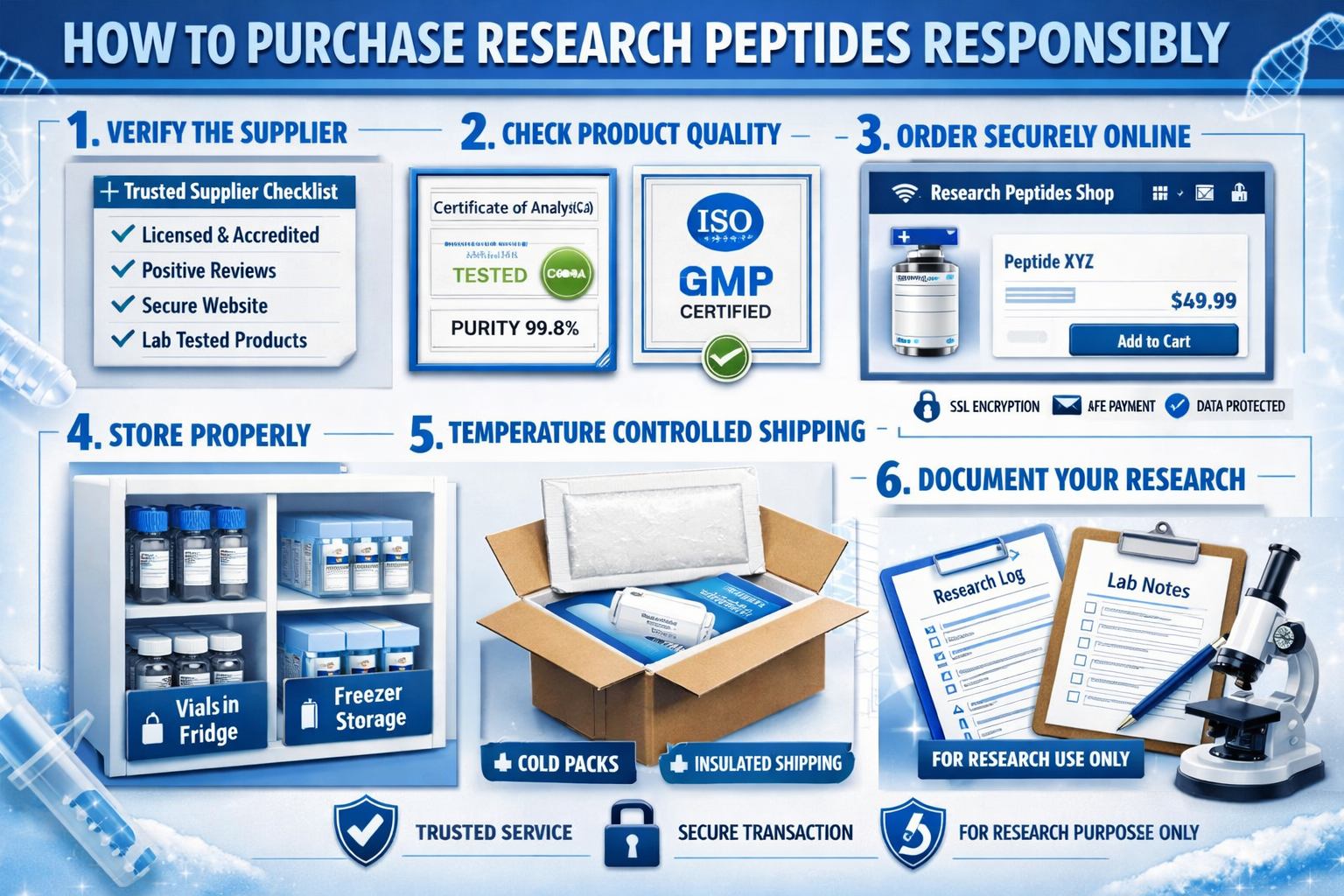
Legitimate research chemical suppliers typically:
- ✅ Require institutional affiliation verification
- ✅ Provide certificates of analysis from third-party labs
- ✅ Maintain proper storage and handling protocols
- ✅ Refuse sales for personal use
- ✅ Document the research purpose for each order
Red flags indicating questionable suppliers:
- ❌ Marketing directly to bodybuilders or consumers
- ❌ Making health or performance claims
- ❌ Accepting orders without verification
- ❌ Lacking proper quality documentation
- ❌ Providing dosing advice for human use
When considering where to buy GLP-1 peptide or other compounds, these distinctions matter enormously for both legal compliance and product quality.
WADA Prohibited List and Competitive Sports
For athletes subject to drug testing, the legal question extends beyond FDA regulations to anti-doping rules. The World Anti-Doping Agency’s 2026 Prohibited List includes most peptides of interest to bodybuilders under Section S2 (Peptide Hormones, Growth Factors, Related Substances, and Mimetics).
Specifically prohibited peptides include:
- Growth hormone secretagogues (CJC-1295, ipamorelin, GHRP-6, hexarelin)
- Growth hormone releasing factors
- Thymosin beta-4 and derivatives (TB-500)
- IGF-1 and its analogues
Using these substances, even if purchased legally as research chemicals, constitutes a doping violation for tested athletes. Positive tests can result in multi-year bans, stripped titles, and career-ending consequences.
State and International Variations
While federal law sets the baseline, some states have additional restrictions on peptide sales. Australia, for instance, requires prescriptions for most peptides and actively prosecutes illegal importation. The UK classifies many peptides as prescription-only medicines.
When exploring peptides doctor near me options, you’re likely seeking a physician who can legally prescribe peptides for legitimate medical purposes. Some peptides do have approved medical uses—like tesa for HIV-associated lipodystrophy—but these require proper diagnosis and medical supervision.
The international mail-order peptide market operates largely outside these regulations, but buyers face risks including customs seizures, legal consequences, and—most importantly—receiving counterfeit or contaminated products.
Quality, Safety, and Sourcing Considerations
Perhaps the most critical aspect of bodybuilding peptides for sale isn’t legality but quality and safety. The unregulated nature of the peptide market creates enormous variation in what you actually receive when you buy peptide online.
The Quality Control Problem
Independent testing of peptides purchased from online suppliers has revealed disturbing patterns. Studies analyzing products from various sources found:
Purity issues: Many products contained significantly less peptide than labeled, with some samples containing as little as 50-60% of the claimed amount. When you’re paying premium prices, you may be getting a fraction of what you ordered.
Contamination: Bacterial endotoxins, heavy metals, and other contaminants appeared in numerous samples. These contaminants can cause serious health reactions, from injection site infections to systemic inflammatory responses.
Wrong compounds: In some cases, testing revealed completely different peptides than what was labeled, or no peptide at all—just filler materials.
Degradation: Improper storage and shipping can degrade peptides, rendering them ineffective or creating breakdown products with unknown effects.
What Certificates of Analysis Really Mean
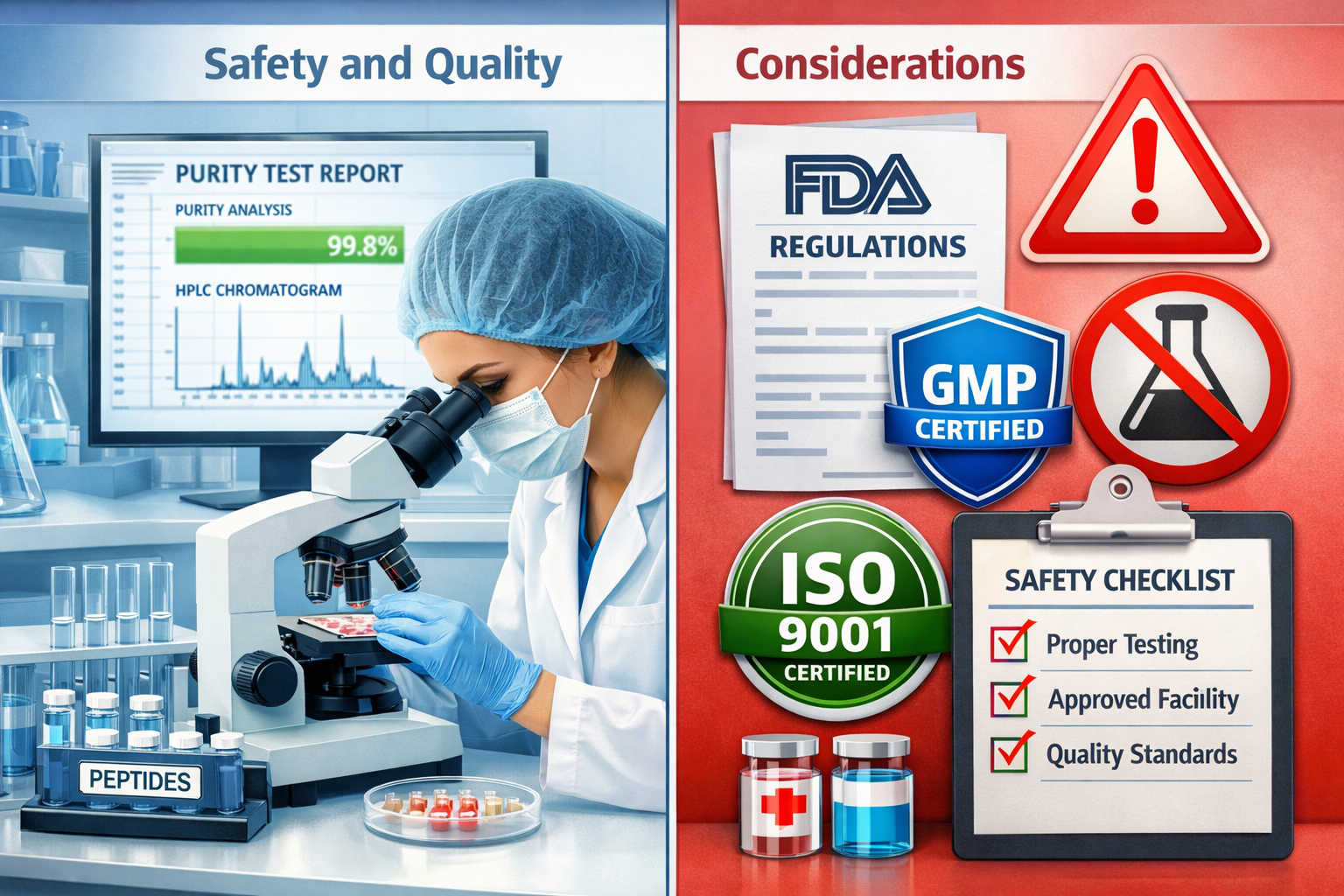
Reputable suppliers provide Certificates of Analysis (CoA) from third-party laboratories. However, not all CoAs are created equal. When evaluating peptide sale offerings, look for:
HPLC (High-Performance Liquid Chromatography) testing: This verifies the identity and purity of the peptide. A proper HPLC report shows a chromatogram with clear peaks indicating purity percentage.
Mass spectrometry: Confirms the molecular weight matches the expected peptide, verifying you’re getting the right compound.
Endotoxin testing: Measures bacterial contamination that could cause serious health reactions.
Batch-specific testing: Each production batch should have its own CoA, not a generic certificate used for multiple batches.
When researching AOD 9604 5mg or other specific peptides, requesting and verifying these documents separates legitimate suppliers from questionable sources.
Storage and Handling Requirements
Even high-quality peptides degrade rapidly without proper handling. Most peptides require:
Refrigeration: Lyophilized (freeze-dried) peptides typically need storage at 2-8°C (refrigerator temperature). Some require freezing at -20°C.
Protection from light: Many peptides are photosensitive and degrade when exposed to light.
Proper reconstitution: Using the correct diluent (usually bacteriostatic water) and technique prevents contamination and degradation.
Limited shelf life: Once reconstituted, most peptides remain stable for only 2-4 weeks, even when refrigerated.
The complexity of proper peptide handling explains why pharmaceutical-grade peptides cost significantly more than research chemicals. The entire supply chain—from synthesis to storage to shipping—must maintain strict conditions.
Pure Tested Peptides represents the type of supplier serious researchers should seek—one that prioritizes quality documentation, proper handling, and transparent business practices over making exaggerated marketing claims.
How to Approach Peptide Research Responsibly
Whether you’re a healthcare professional exploring peptide therapy options, a researcher investigating physiological mechanisms, or a medispa professional considering peptide-based treatments, approaching this field responsibly requires education, caution, and ethical consideration.
Educational Foundation First
Before considering any peptide stores or making purchases, build a solid knowledge base:
Understand peptide biochemistry: How do these molecules work at a cellular level? What receptors do they target? What downstream effects occur?
Review available research: PubMed and other scientific databases contain thousands of studies on peptides. Focus on peer-reviewed research rather than forum anecdotes.
Learn proper protocols: If conducting research, understand proper dosing, administration routes, storage, and safety procedures used in clinical settings.
Recognize limitations: Be honest about what’s known versus unknown. Most bodybuilding peptides have minimal human data.
The 5-Amino-1MQ research and data available through reputable sources demonstrates the type of evidence-based approach that should guide peptide investigation.
Alternative Technologies
Competing technologies may reduce demand for certain peptides:
Gene therapy: Emerging gene-based treatments might eventually offer more targeted approaches to muscle growth and recovery.
Selective androgen receptor modulators (SARMs): Though also controversial and largely unregulated, SARMs compete with peptides for the performance enhancement market.
Approved medications: As pharmaceutical companies develop approved drugs for muscle wasting, aging, and metabolic conditions, some current peptide applications may become obsolete.
Natural optimization: Better understanding of training, nutrition, and recovery optimization may help people achieve more without pharmacological interventions.
Market Predictions for 2026 and Beyond
The peptide sale market will likely see several trends:
Consolidation: Regulatory pressure may force smaller, questionable suppliers out of business while established companies grow.
Specialization: Clear separation between research suppliers, medical-grade providers, and consumer wellness markets.
Price stabilization: As synthesis becomes more efficient and competition increases, prices may stabilize or decrease.
Geographic shifts: Manufacturing and distribution may shift to jurisdictions with clearer regulatory frameworks.
Increased transparency: Consumer demand for quality and safety will pressure suppliers to provide better documentation and testing.
Understanding these trends helps contextualize current buy peptides decisions and anticipate how the landscape may change.
Conclusion: Making Informed Decisions About Bodybuilding Peptides
The world of bodybuilding peptides for sale in 2026 represents a complex intersection of cutting-edge science, regulatory gray areas, and significant health considerations. Whether you’re a researcher, healthcare professional, or fitness enthusiast, approaching this field requires careful thought, thorough education, and realistic expectations.
The Bottom Line
The availability of bodybuilding peptides for sale creates opportunities for legitimate research and potentially beneficial medical applications. However, the unregulated nature of much of the market, combined with limited human safety data and complex legal status, demands a cautious, informed approach.
For most people seeking muscle growth, fat loss, or improved recovery, optimizing proven strategies—progressive training, adequate protein intake, quality sleep, and stress management—will deliver better results with fewer risks than experimental peptides. When peptides do have a role, it should be within proper research protocols or under qualified medical supervision, using verified products from reputable sources.
The peptide field will continue evolving as research advances and regulations clarify. Staying informed, prioritizing safety and quality, and maintaining realistic expectations will help you navigate this complex landscape responsibly, whether your interest is scientific, medical, or personal.
Remember: the most powerful performance enhancer is knowledge. Invest in understanding before investing in compounds, and always prioritize long-term health over short-term gains.