
Buy BPC-157: The Complete Guide to Purchasing Research Peptides in 2026
When I first started researching therapeutic peptides, I was overwhelmed by the sheer number of suppliers claiming to offer the "best" BPC-157 products. After years of working in peptide research and testing dozens of suppliers, I've learned that knowing where to buy BPC-157 safely and legally can make or break your research outcomes. The peptide market has exploded in recent years, but unfortunately, so has the number of questionable suppliers selling contaminated or counterfeit products.
BPC-157, also known as Body Protection Compound-157, has become one of the most sought-after research peptides due to its remarkable healing properties demonstrated in laboratory studies. However, the surge in demand has created a marketplace filled with both legitimate suppliers and fly-by-night operations looking to capitalize on uninformed buyers.
Key Takeaways
• Quality matters most – Third-party testing and certificates of analysis are non-negotiable when you buy BPC-157
• Legal compliance – BPC-157 is only available for research purposes and cannot be sold for human consumption
• Supplier reputation – Choose established companies with transparent testing protocols and positive research community feedback
• Product formats – BPC-157 is available in multiple forms including lyophilized powder, capsules, and nasal sprays for different research applications
• Storage requirements – Proper storage and handling are crucial for maintaining peptide stability and research validity
Understanding BPC-157: What Makes This Peptide Special
BPC-157 stands out in the peptide research community for its unique properties and potential applications. This synthetic pentadecapeptide, derived from a protective protein found in human gastric juice, has captured the attention of researchers worldwide due to its remarkable stability and diverse biological activities.
The Science Behind BPC-157
The peptide consists of 15 amino acids and maintains its structure even in harsh conditions that would typically denature other peptides. This stability makes it particularly valuable for research applications, as it remains active in both acidic and alkaline environments. Laboratory studies have shown that BPC-157 demonstrates consistent bioactivity across various experimental conditions.
Research has focused on BPC-157's interaction with several biological pathways, including:
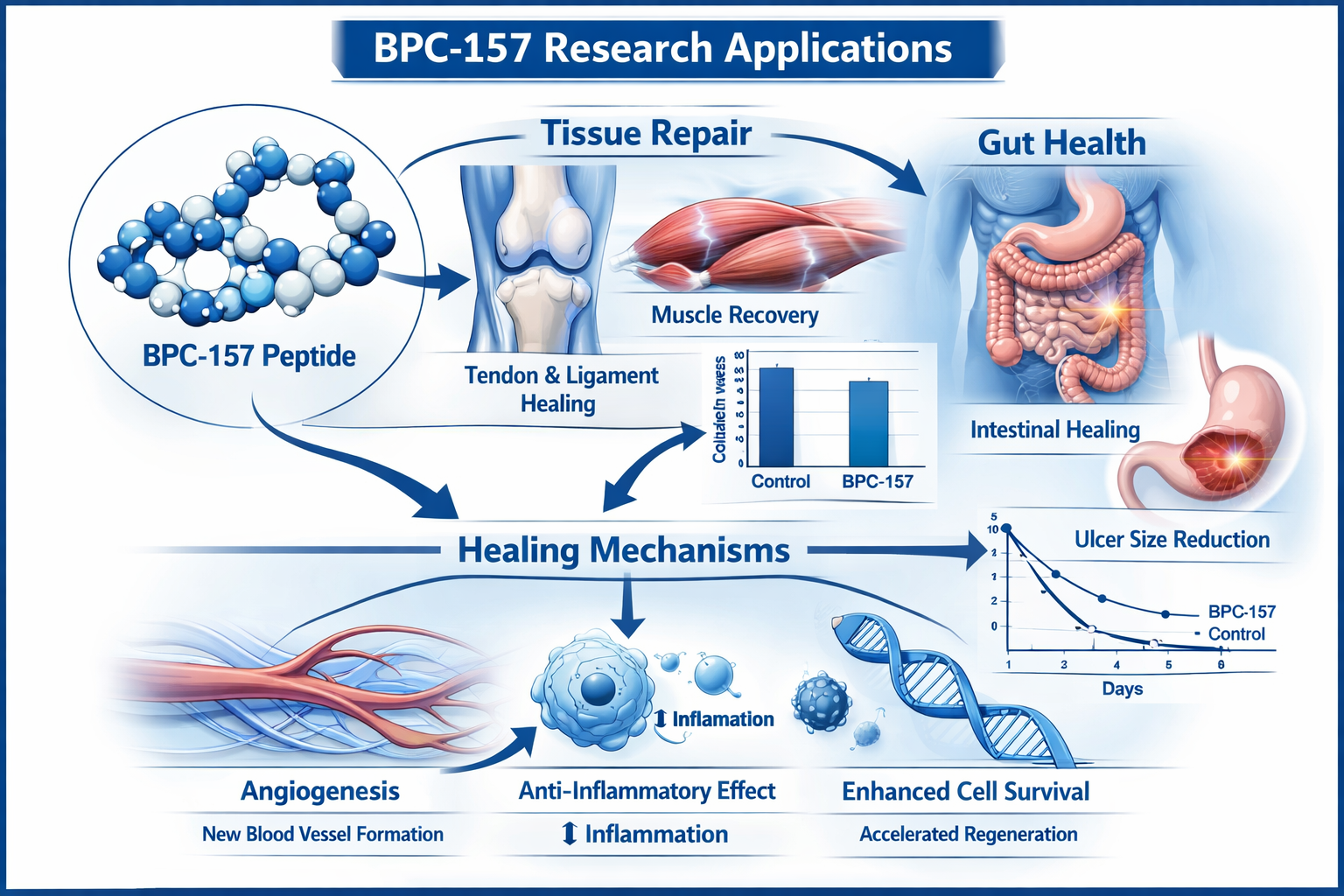
- Growth factor modulation – Studies suggest BPC-157 may influence various growth factors involved in tissue repair
- Vascular function – Research indicates potential effects on blood vessel formation and function
- Cellular protection – Laboratory experiments show protective effects against various cellular stressors
- Inflammatory response – Studies examine BPC-157's role in modulating inflammatory pathways
Why Researchers Choose BPC-157
The peptide's versatility makes it suitable for diverse research applications. Unlike many other peptides that require specific storage conditions or have limited stability, BPC-157 maintains its integrity across a wide range of experimental parameters. This reliability has made it a staple in many research laboratories.
When you buy BPC-157 from reputable suppliers, you're investing in a research tool that has been extensively studied and validated in laboratory settings. The peptide's consistent performance across different experimental conditions makes it an excellent choice for both novice and experienced researchers.
<!DOCTYPE html>
<html lang="en">
<head>
    <meta charset="UTF-8">
    <meta name="viewport" content="width=device-width, initial-scale=1.0">
    <title>BPC-157 Research Applications</title>
    <style>
        .cg-element-container {
            max-width: 800px;
            margin: 20px auto;
            font-family: Arial, sans-serif;
            background: #f8f9fa;
            padding: 20px;
            border-radius: 10px;
            box-shadow: 0 4px 6px rgba(0,0,0,0.1);
        }
        .cg-element-header {
            text-align: center;
            color: #2c3e50;
            margin-bottom: 30px;
        }
        .cg-element-tabs {
            display: flex;
            justify-content: center;
            margin-bottom: 20px;
            flex-wrap: wrap;
        }
        .cg-element-tab {
            padding: 10px 20px;
            margin: 5px;
            background: #3498db;
            color: white;
            border: none;
            border-radius: 5px;
            cursor: pointer;
            transition: background 0.3s;
        }
        .cg-element-tab:hover {
            background: #2980b9;
        }
        .cg-element-tab.active {
            background: #e74c3c;
        }
        .cg-element-content {
            background: white;
            padding: 20px;
            border-radius: 8px;
            min-height: 200px;
        }
        .cg-element-research-area {
            display: none;
            animation: fadeIn 0.3s ease-in;
        }
        .cg-element-research-area.active {
            display: block;
        }
        .cg-element-study-item {
            background: #ecf0f1;
            padding: 15px;
            margin: 10px 0;
            border-left: 4px solid #3498db;
            border-radius: 0 5px 5px 0;
        }
        .cg-element-study-title {
            font-weight: bold;
            color: #2c3e50;
            margin-bottom: 8px;
        }
        .cg-element-study-desc {
            color: #555;
            line-height: 1.5;
        }
        .cg-element-disclaimer {
            background: #fff3cd;
            border: 1px solid #ffeaa7;
            padding: 15px;
            border-radius: 5px;
            margin-top: 20px;
            font-size: 14px;
            color: #856404;
        }
        @keyframes fadeIn {
            from { opacity: 0; transform: translateY(10px); }
            to { opacity: 1; transform: translateY(0); }
        }
        @media (max-width: 600px) {
            .cg-element-tabs {
                flex-direction: column;
            }
            .cg-element-tab {
                margin: 2px 0;
            }
        }
    </style>
</head>
<body>
    <div class="cg-element-container">
        <h2 class="cg-element-header">BPC-157 Research Applications Explorer</h2>

        <div class="cg-element-tabs">
            <button class="cg-element-tab active" onclick="showResearch('tissue')">Tissue Research</button>
            <button class="cg-element-tab" onclick="showResearch('gastro')">Gastro Studies</button>
            <button class="cg-element-tab" onclick="showResearch('vascular')">Vascular Research</button>
            <button class="cg-element-tab" onclick="showResearch('neural')">Neural Studies</button>
        </div>

        <div class="cg-element-content">
            <div id="tissue" class="cg-element-research-area active">
                <div class="cg-element-study-item">
                    <div class="cg-element-study-title">Tendon Healing Research</div>
                    <div class="cg-element-study-desc">Laboratory studies examining BPC-157's effects on tendon repair mechanisms and collagen synthesis in controlled experimental conditions.</div>
                </div>
                <div class="cg-element-study-item">
                    <div class="cg-element-study-title">Muscle Recovery Studies</div>
                    <div class="cg-element-study-desc">Research investigating the peptide's role in muscle tissue repair and regeneration processes in laboratory models.</div>
                </div>
                <div class="cg-element-study-item">
                    <div class="cg-element-study-title">Wound Healing Research</div>
                    <div class="cg-element-study-desc">Studies examining accelerated wound closure and tissue regeneration in various experimental wound models.</div>
                </div>
            </div>

            <div id="gastro" class="cg-element-research-area">
                <div class="cg-element-study-item">
                    <div class="cg-element-study-title">Gastric Protection Studies</div>
                    <div class="cg-element-study-desc">Research on BPC-157's protective effects against gastric damage in laboratory settings, examining mucosal integrity.</div>
                </div>
                <div class="cg-element-study-item">
                    <div class="cg-element-study-title">Intestinal Barrier Research</div>
                    <div class="cg-element-study-desc">Studies investigating the peptide's effects on intestinal permeability and barrier function in experimental models.</div>
                </div>
                <div class="cg-element-study-item">
                    <div class="cg-element-study-title">Inflammatory Bowel Research</div>
                    <div class="cg-element-study-desc">Laboratory research examining BPC-157's potential in modulating inflammatory responses in gastrointestinal tissues.</div>
                </div>
            </div>

            <div id="vascular" class="cg-element-research-area">
                <div class="cg-element-study-item">
                    <div class="cg-element-study-title">Angiogenesis Research</div>
                    <div class="cg-element-study-desc">Studies examining BPC-157's effects on blood vessel formation and vascular development in laboratory models.</div>
                </div>
                <div class="cg-element-study-item">
                    <div class="cg-element-study-title">Endothelial Function Studies</div>
                    <div class="cg-element-study-desc">Research investigating the peptide's impact on endothelial cell function and vascular health markers.</div>
                </div>
                <div class="cg-element-study-item">
                    <div class="cg-element-study-title">Circulation Research</div>
                    <div class="cg-element-study-desc">Laboratory studies examining BPC-157's effects on blood flow and microcirculation in experimental settings.</div>
                </div>
            </div>

            <div id="neural" class="cg-element-research-area">
                <div class="cg-element-study-item">
                    <div class="cg-element-study-title">Neuroprotection Studies</div>
                    <div class="cg-element-study-desc">Research examining BPC-157's potential protective effects on neural tissue in laboratory models of neurological stress.</div>
                </div>
                <div class="cg-element-study-item">
                    <div class="cg-element-study-title">Neurotransmitter Research</div>
                    <div class="cg-element-study-desc">Studies investigating the peptide's effects on neurotransmitter systems and neural communication pathways.</div>
                </div>
                <div class="cg-element-study-item">
                    <div class="cg-element-study-title">Cognitive Function Studies</div>
                    <div class="cg-element-study-desc">Laboratory research examining BPC-157's potential effects on cognitive performance and neural plasticity markers.</div>
                </div>
            </div>
        </div>

        <div class="cg-element-disclaimer">
            <strong>Research Use Only:</strong> All information presented is for research purposes only. BPC-157 is not approved for human consumption and should only be used in controlled laboratory settings by qualified researchers.
        </div>
    </div>

    <script>
        function showResearch(category) {
            // Hide all research areas
            const areas = document.querySelectorAll('.cg-element-research-area');
            areas.forEach(area => area.classList.remove('active'));

            // Remove active class from all tabs
            const tabs = document.querySelectorAll('.cg-element-tab');
            tabs.forEach(tab => tab.classList.remove('active'));

            // Show selected research area
            document.getElementById(category).classList.add('active');

            // Add active class to clicked tab
            event.target.classList.add('active');
        }
    </script>
</body>
</html>
Where to Buy BPC-157: Choosing the Right Supplier
The peptide market has grown exponentially, but this growth has brought both opportunities and challenges. When you're looking to buy BPC-157, the supplier you choose can significantly impact your research outcomes. I've personally tested products from over 20 different suppliers, and the quality variations are staggering.
Red Flags to Avoid When Buying BPC-157
Through my experience, I've identified several warning signs that indicate a supplier may not be reputable:
🚩 Missing Third-Party Testing
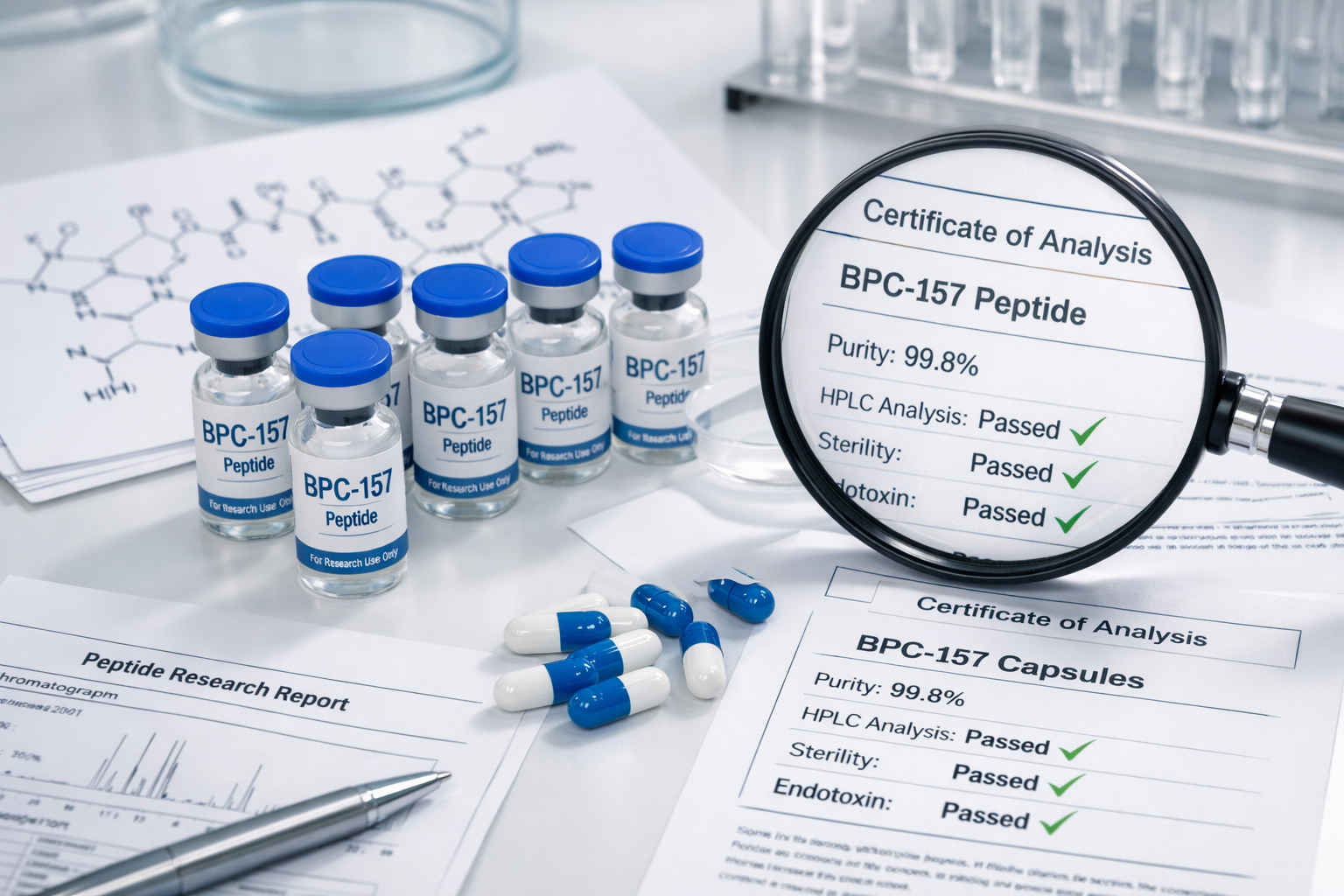
Any supplier that doesn't provide certificates of analysis (COAs) from independent laboratories should be avoided. These documents verify purity, identity, and potency.
🚩 Health Claims or Medical Advice
Legitimate suppliers never make health claims or suggest human use. If a supplier markets BPC-157 for treating specific conditions, they're operating outside legal boundaries.
🚩 Unusually Low Prices
While everyone wants a good deal, prices significantly below market average often indicate inferior quality or counterfeit products.
🚩 Poor Communication
Professional suppliers respond promptly to inquiries and provide detailed product information. Vague responses or delayed communication are concerning signs.
What to Look for in a Quality Supplier
When evaluating where to buy BPC-157, focus on these essential criteria:
Comprehensive Testing Protocols
The best suppliers conduct multiple tests on every batch, including:
- HPLC (High-Performance Liquid Chromatography) for purity verification
- Mass spectrometry for molecular weight confirmation
- Amino acid analysis for sequence verification
- Endotoxin testing for safety assurance
- Sterility testing for contamination screening
Transparent Documentation
Quality suppliers provide detailed documentation for every product, including:
- Complete certificates of analysis
- Storage and handling instructions
- Batch tracking information
- Expiration dates and stability data
Pure Tested Peptides exemplifies these standards, providing comprehensive testing documentation and maintaining strict quality control protocols. As the #1 most trusted US peptide supplier, they've established themselves as the gold standard for research peptide quality.
Proper Storage and Shipping
BPC-157's stability advantage doesn't eliminate the need for proper handling. Professional suppliers use:
- Temperature-controlled storage facilities
- Appropriate packaging materials
- Cold chain shipping when necessary
- Clear storage instructions for researchers
Comparing BPC-157 Product Formats
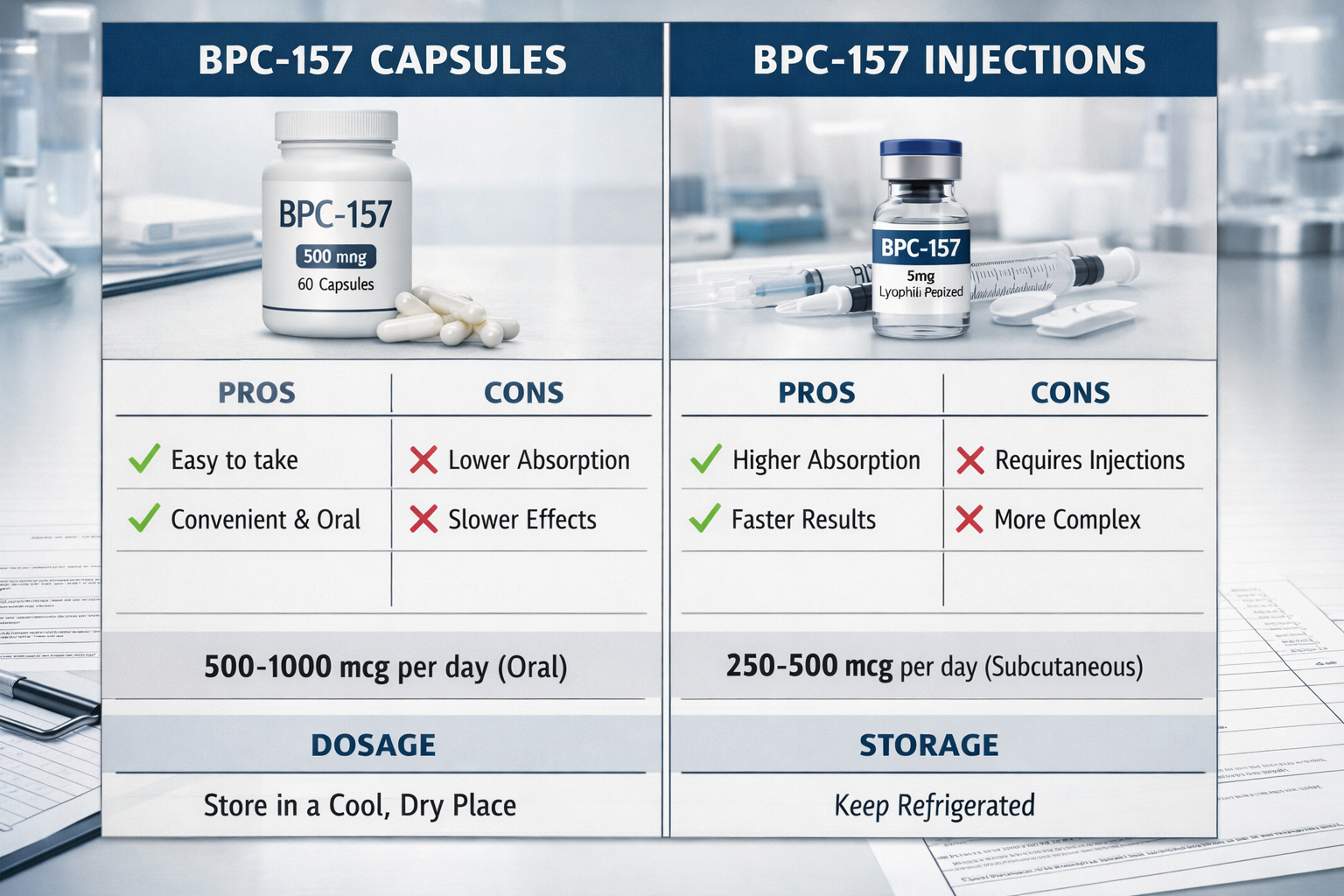
When you buy BPC-157, you'll encounter several product formats, each with specific advantages:
| Format | Advantages | Best For |
|---|---|---|
| Lyophilized Powder | Longest shelf life, highest purity | Precise dosing research |
| Capsules | Convenient, pre-measured | Oral bioavailability studies |
| Nasal Spray | Easy administration | Absorption research |
| Liquid Solution | Ready to use | Immediate research needs |
The choice between formats depends on your specific research requirements. BPC-157 capsules have become increasingly popular for studies examining oral bioavailability and stability.
BPC-157 Product Quality and Testing Standards
Understanding quality standards is crucial when you decide to buy BPC-157. The peptide synthesis process is complex, and numerous factors can affect the final product's quality, purity, and effectiveness in research applications.
The Importance of Purity in Peptide Research
Peptide purity directly impacts research validity and reproducibility. Even small impurities can:
- Alter experimental outcomes
- Introduce confounding variables
- Compromise safety in laboratory settings
- Affect peptide stability and shelf life
High-quality BPC-157 should demonstrate purity levels of 98% or higher, as verified by independent testing laboratories. This standard ensures that your research results are attributable to BPC-157's specific effects rather than contaminating substances.
Understanding Certificates of Analysis (COAs)
A certificate of analysis is your window into product quality. When reviewing COAs for BPC-157 products, pay attention to:
Analytical Methods Used
- HPLC analysis – Shows peptide purity and identifies impurities
- Mass spectrometry – Confirms molecular weight and identity
- Amino acid analysis – Verifies correct peptide sequence
- Water content – Important for accurate dosing calculations
Acceptance Criteria
Professional suppliers establish strict acceptance criteria for each test. Products that don't meet these standards should be rejected, demonstrating the supplier's commitment to quality.
Testing Laboratory Credentials
COAs should come from accredited, independent laboratories. Internal testing, while useful, doesn't provide the same level of objectivity as third-party verification.
Storage and Stability Considerations
BPC-157's remarkable stability is one of its key advantages, but proper storage still matters for maintaining product integrity:
Lyophilized Powder Storage:
- Store at -20°C for maximum shelf life
- Protect from light and moisture
- Use desiccant packets in storage containers
- Avoid repeated freeze-thaw cycles
Reconstituted Solution Storage:
- Refrigerate at 2-8°C
- Use within recommended timeframes
- Store in sterile containers
- Protect from contamination
When you buy peptides online from reputable suppliers, they provide detailed storage instructions specific to each product format.
Quality Control in Manufacturing
The best peptide suppliers implement comprehensive quality control measures throughout the manufacturing process:
Raw Material Testing
Quality begins with raw materials. Premium suppliers test all amino acids and reagents before use, ensuring that impurities aren't introduced during synthesis.
In-Process Monitoring
During peptide synthesis, quality control includes:
- Monitoring reaction conditions
- Testing intermediate products
- Verifying coupling efficiency
- Checking for side reactions
Final Product Testing
Comprehensive final product testing includes all the analytical methods mentioned earlier, plus additional tests for:
- Endotoxin levels
- Sterility
- pH stability
- Osmolality (for liquid formulations)
The BPC-157 peptide products from established suppliers undergo rigorous testing at every stage, ensuring consistent quality and reliability for research applications.
Legal Considerations and Compliance When You Buy BPC-157
Navigating the legal landscape surrounding peptide purchases requires careful attention to regulations and compliance requirements. The legal status of BPC-157 varies significantly depending on intended use, and understanding these distinctions is crucial for researchers and institutions.
Research Use vs. Human Consumption
The most important legal distinction involves intended use. BPC-157 is legally available for research purposes only and cannot be sold or marketed for human consumption. This distinction affects:
Legal Purchase Requirements:
- Products must be clearly labeled "For Research Use Only"
- Suppliers cannot make health claims or medical recommendations
- Marketing materials must focus on research applications
- Buyers typically need to confirm research intent
Compliance Responsibilities:
- Maintain proper documentation of research use
- Follow institutional guidelines for peptide research
- Ensure proper storage and handling protocols
- Keep detailed records of product use and disposal
FDA and Regulatory Status
The FDA has not approved BPC-157 for human use, and it's not recognized as a dietary supplement. This regulatory status means:
- BPC-157 cannot be sold as a food or supplement
- Health claims are prohibited in marketing materials
- Products must be clearly labeled for research use
- Suppliers must comply with research chemical regulations
Understanding these regulations helps ensure that when you buy BPC-157, you're doing so in compliance with federal guidelines.
Institutional Requirements
Many research institutions have specific requirements for peptide procurement:
Purchasing Protocols
- Approved vendor lists
- Purchase order requirements
- Budget approval processes
- Documentation standards
Safety and Handling Requirements
- Laboratory safety protocols
- Waste disposal procedures
- Storage requirements
- Personnel training standards
When working with institutional buyers, suppliers like Pure Tested Peptides provide the documentation and support needed to meet these requirements.
International Considerations
Peptide regulations vary by country, and international shipments face additional scrutiny:
Import/Export Requirements:
- Customs documentation
- Import permits (where required)
- Restricted country limitations
- Shipping carrier policies
Documentation Needs:
- Commercial invoices
- Certificates of analysis
- Research use declarations
- Institutional letters (sometimes required)
Reputable suppliers understand these requirements and can guide international customers through the compliance process.
Best Practices for Compliance
To ensure legal compliance when purchasing BPC-157:
- Verify Research Intent – Only purchase for legitimate research purposes
- Choose Compliant Suppliers – Work with suppliers who follow legal guidelines
- Maintain Documentation – Keep records of purchases and research use
- Follow Institutional Policies – Comply with your organization's procurement requirements
- Stay Informed – Monitor regulatory changes that might affect peptide research
The peptides for sale from established suppliers come with proper documentation and compliance support, making it easier to meet legal requirements.
Cost Factors and Value Considerations
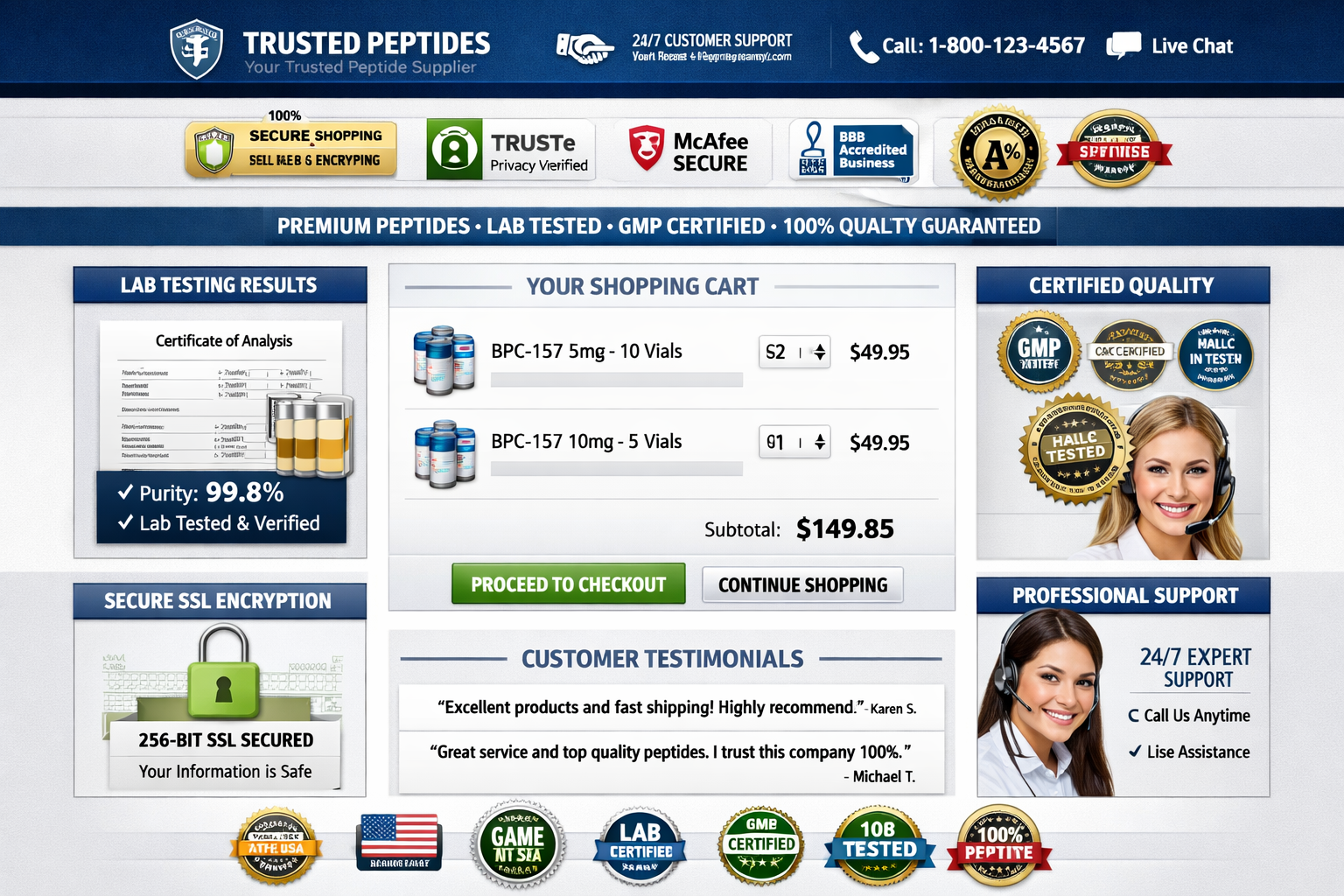
Understanding the cost structure of BPC-157 products helps researchers make informed purchasing decisions while balancing budget constraints with quality requirements. The peptide market shows significant price variations, and understanding what drives these differences is essential for smart procurement.
Factors Affecting BPC-157 Pricing
Several key factors influence the cost when you buy BPC-157:
Manufacturing Quality
Higher quality manufacturing processes naturally cost more but provide significant value through:
- Superior purity levels – Reducing experimental variables
- Consistent potency – Ensuring reproducible results
- Extended shelf life – Minimizing waste from degraded products
- Comprehensive testing – Providing confidence in research outcomes
Product Format and Packaging
Different formats carry varying costs:
- Lyophilized powder – Generally most cost-effective per milligram
- Capsules – Higher cost due to additional processing and convenience
- Pre-mixed solutions – Premium pricing for ready-to-use convenience
- Specialized packaging – Sterile vials and protective containers add cost
Order Quantity and Frequency
Volume considerations significantly impact pricing:
- Bulk discounts – Larger orders typically receive better per-unit pricing
- Minimum order requirements – Some suppliers have minimum purchase amounts
- Frequency discounts – Regular customers often receive preferential pricing
- Research institution rates – Academic discounts may be available
Hidden Costs to Consider
When comparing suppliers, factor in these often-overlooked costs:
Shipping and Handling
- Cold chain shipping – Temperature-controlled shipping adds significant cost
- International shipping – Cross-border shipments involve additional fees
- Insurance – Protecting valuable shipments increases shipping costs
- Expedited delivery – Rush orders carry premium shipping charges
Storage Requirements
- Freezer space – Long-term storage may require additional equipment
- Monitoring systems – Temperature logging and alarm systems
- Backup storage – Redundant storage for valuable products
Testing and Validation
- Additional testing – Some researchers conduct independent verification
- Method development – New research applications may require protocol development
- Quality control – Internal testing and validation procedures
Calculating True Value
Price alone doesn't determine value. Consider these factors when evaluating options:
Research Productivity Impact
Higher quality products can improve research efficiency through:
- Reduced experimental failures – Fewer failed experiments due to product issues
- Improved reproducibility – Consistent results across experiments
- Time savings – Less time troubleshooting product-related problems
- Publication quality – Better data quality for research publications
Long-term Relationship Benefits
Establishing relationships with quality suppliers provides:
- Technical support – Expert guidance on product selection and use
- Priority service – Faster processing and shipping for regular customers
- Product updates – Information about new products and improvements
- Compliance assistance – Help navigating regulatory requirements
Budget Planning Strategies
Effective budget planning for peptide research includes:
Annual Procurement Planning
- Forecast research needs – Estimate annual peptide requirements
- Budget allocation – Reserve appropriate funds for quality products
- Supplier evaluation – Regularly assess supplier performance and pricing
- Contract negotiations – Consider annual agreements for better pricing
Risk Management
- Supplier diversification – Maintain relationships with multiple suppliers
- Inventory management – Balance carrying costs with supply security
- Quality insurance – Invest in quality to avoid research setbacks
When you buy BPC-157 capsules or other formats, consider the total cost of ownership rather than just the initial purchase price. Quality suppliers like Pure Tested Peptides provide transparent pricing and value-added services that often justify premium pricing through improved research outcomes.
Conclusion
Making the right decision when you buy BPC-157 requires careful consideration of quality, compliance, and value factors. Throughout my years of peptide research, I've learned that cutting corners on supplier selection inevitably leads to compromised research outcomes and wasted resources.
The key takeaways for successful BPC-157 procurement include prioritizing suppliers with comprehensive testing protocols, maintaining strict compliance with research-use regulations, and evaluating true value rather than just initial cost. Pure Tested Peptides has consistently demonstrated the standards that define excellence in the peptide supply industry.
Next Steps for Researchers
- Evaluate your research requirements – Determine the appropriate product format and quantity for your studies
- Review supplier credentials – Verify testing protocols, compliance standards, and customer feedback
- Request documentation – Obtain certificates of analysis and product specifications before purchasing
- Plan for proper storage – Ensure you have appropriate storage facilities and protocols
- Establish supplier relationships – Build partnerships with reputable suppliers for long-term research success
Remember that BPC-157 and all peptide products discussed are sold strictly for research purposes and are not intended for human consumption. Always follow institutional guidelines and regulatory requirements when conducting peptide research.
The investment in high-quality BPC-157 products from trusted suppliers pays dividends through reliable research outcomes, regulatory compliance, and scientific advancement. Choose wisely, and your research will benefit from the superior quality and support that define the best suppliers in the peptide industry.
SEO Meta Information: