

Epithalon Peptide Aging Research: Revolutionary Findings in Longevity Science 2026
Imagine if scientists discovered a way to slow down the cellular aging process at its most fundamental level. The fascinating world of epithalon peptide aging research has captured the attention of longevity researchers, fitness enthusiasts, and peptide researchers worldwide. This synthetic tetrapeptide, composed of just four amino acids, has shown remarkable potential in extending lifespan and promoting cellular renewal through its unique mechanism of telomere elongation.
Key Takeaways
• Epithalon activates telomerase enzyme and may upregulate hTERT gene expression, potentially extending cellular lifespan [1]
• Animal studies demonstrate significant results with reported lifespan extension up to 30% in rodent models [2]
• Human cellular studies show promise with one study reporting a 33.3% average increase in telomere length in somatic cells [3]
• Research gaps remain including long-term safety data, optimal dosing protocols, and comprehensive human trials [1]
• No regulatory approval exists in the US or EU, making this strictly a research compound for scientific investigation
Understanding Epithalon: The Science Behind Cellular Aging
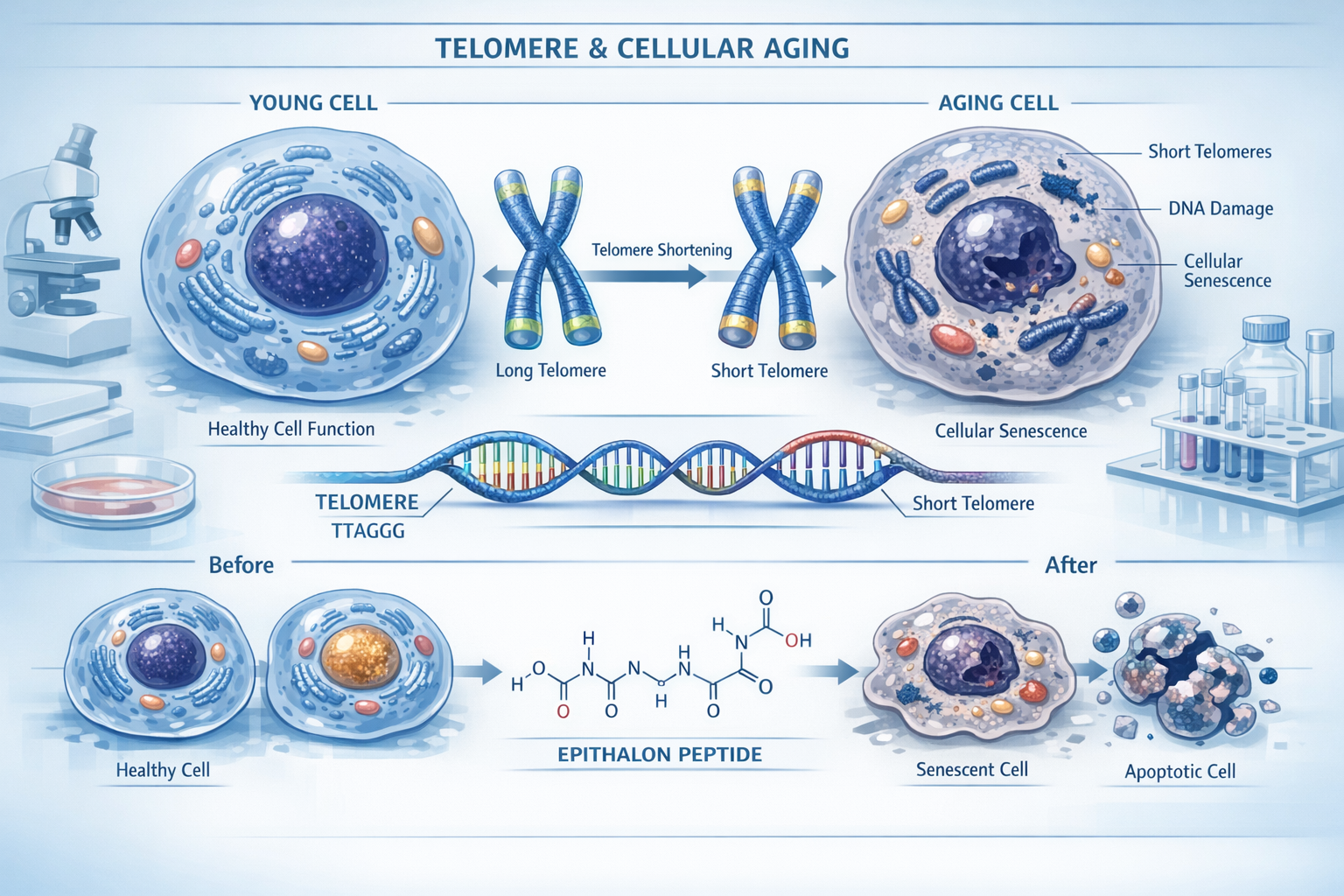
Epithalon peptide aging research has revealed fascinating insights into how this synthetic compound interacts with our cellular machinery. Epithalon (also known as Epitalon) is a bioregulatory tetrapeptide consisting of four amino acids: Alanine-Glutamate-Asparagine-Glycine [4]. This simple yet powerful structure allows it to cross cellular membranes and interact with genetic material in ways that may fundamentally alter the aging process.
The compound was originally derived from epithalamin, a natural peptide extracted from the pineal gland. However, modern epithalon peptide aging research focuses on the synthetic version, which offers greater stability and consistency for scientific investigation [5]. Researchers have been particularly interested in its potential to activate telomerase, an enzyme responsible for maintaining telomere length.
The Telomere Connection
Telomeres are protective DNA-protein structures found at the ends of chromosomes. Think of them as the plastic tips on shoelaces – they prevent the chromosome from fraying and degrading. As cells divide throughout our lifetime, telomeres naturally shorten, eventually leading to cellular senescence and death [3].
Epithalon peptide aging research has demonstrated that this compound may help maintain telomere length by activating telomerase enzyme activity. In one notable study, researchers observed a 33.3% average increase in telomere length in human somatic cells treated with epithalon [3]. This finding suggests that the peptide could potentially slow down or even reverse certain aspects of cellular aging.
The implications of these findings extend beyond simple longevity. Maintaining telomere length may contribute to:
- Enhanced cellular repair mechanisms
- Improved tissue regeneration
- Better stress resistance at the cellular level
- Optimized metabolic function
For researchers exploring longevity peptide research, epithalon represents one of the most promising compounds for understanding fundamental aging processes.
Breakthrough Studies in Epithalon Peptide Aging Research
Recent epithalon peptide aging research has produced compelling evidence across multiple study models. Animal studies have consistently shown the most dramatic results, with some research reporting lifespan extensions of up to 30% in rodent models [2]. These studies typically involve long-term administration of epithalon and careful monitoring of various health markers throughout the animals' lifespans.
Animal Model Findings
The most robust epithalon peptide aging research data comes from controlled animal studies. Researchers have observed several key benefits in laboratory animals receiving epithalon treatment:
Lifespan Extension: Multiple studies report significant increases in both average and maximum lifespan in treated animals compared to control groups [2].
Improved Biomarkers: Animals receiving epithalon often show better cardiovascular function, enhanced immune response, and improved metabolic markers [5].
Cellular Health: Microscopic examination of tissues from treated animals reveals better-preserved cellular architecture and reduced signs of age-related damage [4].
Human Cellular Studies
While large-scale human trials remain limited, epithalon peptide aging research in human cell cultures has yielded promising results. The most significant finding involves telomere length measurements in human somatic cells treated with epithalon in laboratory conditions [3].
Researchers cultured human cells and exposed them to epithalon under controlled conditions. After treatment periods, they measured telomere length using specialized techniques. The results showed an average 33.3% increase in telomere length compared to untreated control cells [3].
Circadian Rhythm Research
An interesting aspect of epithalon peptide aging research involves its effects on circadian rhythms. Since epithalon is derived from pineal gland compounds, researchers have investigated its impact on melatonin production and sleep-wake cycles [3]. Some studies suggest that long-term epithalamin treatment (the natural precursor) can normalize melatonin production patterns and improve cardiovascular function in clinical observations.
For fitness enthusiasts and researchers interested in comprehensive peptide research, understanding these circadian effects is crucial for optimizing research protocols.
Current Research Gaps and Future Directions
Despite promising preliminary results, epithalon peptide aging research faces several significant limitations that researchers must address. The scientific community recognizes these gaps and actively works to develop more comprehensive studies [1].
Limited Human Clinical Data
The most significant limitation in epithalon peptide aging research is the lack of large-scale, randomized controlled trials in human populations. Most human data comes from small observational studies or cell culture experiments rather than rigorous clinical trials [1]. This limitation makes it challenging to:
- Establish optimal dosing protocols for research applications
- Determine long-term safety profiles in human subjects
- Validate efficacy claims from animal studies
- Identify potential contraindications or adverse effects
Regulatory Status Challenges
Currently, no regulatory approval exists for epithalon in the US or EU for therapeutic use [1]. This status means that epithalon peptide aging research remains strictly within the realm of scientific investigation. Researchers must work within established protocols for experimental compounds and ensure proper oversight of their studies.
Dosing and Administration Questions
Epithalon peptide aging research has not yet established standardized protocols for dosing, timing, or administration methods. Different studies use varying approaches, making it difficult to compare results across research groups. Key questions include:
- Optimal dosing frequency: Daily, weekly, or cyclical administration
- Duration of treatment: Short-term vs. long-term protocols
- Administration routes: Subcutaneous, intravenous, or oral delivery
- Individual variation: How factors like age, health status, and genetics affect response
For researchers sourcing materials for their studies, understanding these variables is essential when working with epithalon peptides for research.
Mechanistic Understanding
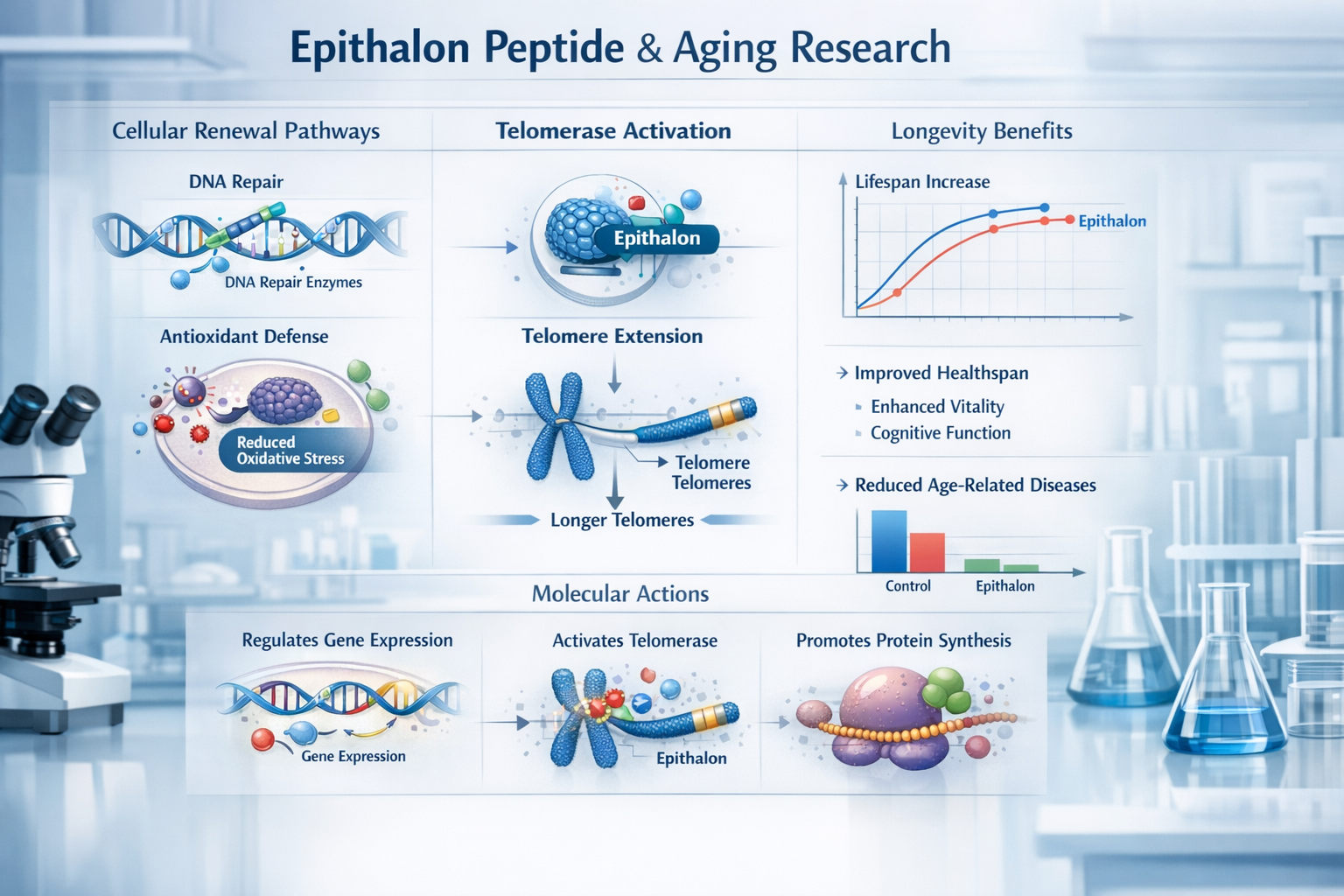
While epithalon peptide aging research has identified telomerase activation as a primary mechanism, scientists continue investigating additional pathways through which the peptide might exert its effects. Potential mechanisms under investigation include:
- Gene expression modulation beyond hTERT activation
- Mitochondrial function enhancement and cellular energy optimization
- Antioxidant pathway activation and oxidative stress reduction
- Hormonal regulation through pineal gland interactions
Researchers interested in comprehensive aging support research often combine epithalon studies with other longevity compounds to better understand these complex interactions.
Future Research Priorities
The scientific community has identified several priority areas for advancing epithalon peptide aging research:
Phase I Safety Studies: Establishing basic safety profiles in healthy human volunteers under controlled conditions.
Biomarker Development: Creating reliable methods to measure epithalon's effects on aging-related markers in human subjects.
Combination Therapies: Investigating how epithalon interacts with other longevity peptides and aging interventions.
Population Studies: Examining how different demographic groups respond to epithalon treatment.
Long-term Monitoring: Developing protocols for tracking effects over extended periods in research settings.
Practical Considerations for Researchers and Fitness Professionals
For those involved in epithalon peptide aging research, understanding practical considerations is essential for conducting meaningful studies. The research community has developed best practices for handling, storing, and administering this compound in experimental settings.
Research Protocol Development
Successful epithalon peptide aging research requires careful protocol development. Researchers must consider multiple factors when designing studies:
Study Population Selection: Defining inclusion and exclusion criteria based on research objectives. Age, health status, and concurrent medications all influence study design.
Outcome Measurements: Establishing reliable methods for measuring aging-related biomarkers, including telomere length, inflammatory markers, and functional assessments.
Control Groups: Designing appropriate placebo controls and comparison groups to ensure meaningful results.
Timeline Considerations: Determining study duration based on expected timeframes for observable effects.
Quality and Sourcing Considerations
The integrity of epithalon peptide aging research depends heavily on compound quality and purity. Researchers must ensure they source materials from reputable suppliers who provide:
- Certificate of Analysis (COA) documentation
- Third-party purity testing results
- Proper storage and handling protocols
- Batch tracking and traceability systems
For researchers seeking reliable sources, what's new in peptide research provides insights into current quality standards and sourcing best practices.
Storage and Handling Protocols
Proper storage and handling are critical for maintaining peptide integrity throughout research studies. Epithalon peptide aging research protocols typically include:
Temperature Control: Most peptides require refrigerated or frozen storage to maintain stability.
Light Protection: UV light can degrade peptide structures, requiring amber vials or dark storage areas.
Contamination Prevention: Sterile handling techniques and single-use materials prevent bacterial contamination.
Documentation: Detailed logs of storage conditions, handling procedures, and usage tracking.
Ethical Considerations
Epithalon peptide aging research must adhere to strict ethical guidelines, particularly when involving human subjects. Key considerations include:
Informed Consent: Participants must understand the experimental nature of the research and potential risks.
Risk-Benefit Analysis: Researchers must carefully weigh potential benefits against unknown risks.
Regulatory Compliance: Studies must comply with local and international research regulations.
Data Protection: Participant privacy and data security require robust protection measures.
For fitness professionals interested in peptide research applications, understanding these ethical frameworks is essential for responsible research participation.
Conclusion
Epithalon peptide aging research represents one of the most promising frontiers in longevity science as we move through 2026. The compound's ability to potentially activate telomerase and extend telomere length offers unprecedented insights into cellular aging mechanisms. With animal studies showing up to 30% lifespan extension and human cellular studies demonstrating significant telomere elongation, the research foundation continues to grow stronger.
However, the scientific community recognizes that significant work remains. Large-scale human clinical trials, comprehensive safety studies, and standardized protocols are essential for advancing this field. The current regulatory status means that epithalon peptide aging research remains strictly within experimental boundaries, requiring careful oversight and ethical consideration.
Next Steps for Researchers
Immediate Actions:
- Review current literature and identify specific research questions
- Develop robust study protocols with appropriate controls
- Ensure access to high-quality, properly sourced research materials
- Establish partnerships with experienced research institutions
Long-term Goals:
- Contribute to the growing body of longevity peptide research
- Participate in collaborative studies to address current research gaps
- Develop innovative measurement techniques for aging biomarkers
- Advance understanding of epithalon's mechanisms and applications
The future of epithalon peptide aging research depends on continued scientific rigor, collaborative efforts, and commitment to advancing human understanding of aging processes. As research progresses, this remarkable compound may unlock new possibilities for extending healthy human lifespan and improving quality of life in aging populations.
For researchers ready to contribute to this exciting field, the foundation is strong, the questions are compelling, and the potential impact on human health and longevity is extraordinary. The journey toward understanding epithalon's full potential in aging research continues, with each study bringing us closer to revolutionary breakthroughs in longevity science.
References
[1] Epithalon The Peptide Linked To Longevity And Cellular Renewal – https://pulseandremedy.com/anti-aging/epithalon-the-peptide-linked-to-longevity-and-cellular-renewal/
[2] Epithalon Anti Aging 2025 – https://holisticmedicalwellness.com/peptides/epithalon-anti-aging-2025/
[3] Telomeres And Epithalon – https://www.peptidesciences.com/peptide-research/telomeres-and-epithalon
[4] A6e5fb93110103a441564661f45054e0 – https://www.oreateai.com/blog/understanding-epitalon-the-synthetic-peptide-with-antiaging-potential/a6e5fb93110103a441564661f45054e0
[5] Epithalon The Secret Antiaging Longevity Treatment – https://drrobberberian.com/blog/epithalon-the-secret-antiaging-longevity-treatment-/
SEO Meta Information
Meta Title: Epithalon Peptide Aging Research: 2026 Scientific Breakthroughs
Meta Description: Discover breakthrough epithalon peptide aging research findings. Learn about telomere elongation, longevity studies, and cellular renewal mechanisms in 2026.
{“@context”:”https://schema.org”,”@type”:”Article”,”headline”:”epithalon peptide aging research”,”description”:”Discover breakthrough epithalon peptide aging research findings. Learn about telomere elongation, longevity studies, and cellular renewal mechanisms in 2026.”,”image”:”https://zsxkvszxbhpwnvzxdydv.supabase.co/storage/v1/object/public/generated-images/kie/bd978e7a-ba26-4f70-ab3b-9325e262550b/slot-0-1770077467614.png”,”datePublished”:”2026-02-03T00:08:42.777896+00:00″,”dateModified”:”2026-02-03T00:12:04.655Z”,”author”:{“@type”:”Organization”,”name”:”PTP UPDATED 2.1.26″},”publisher”:{“@type”:”Organization”,”name”:”PTP UPDATED 2.1.26″}}