

Epithalon Peptide Dosage Research: Complete 2026 Protocol Guide
The quest for longevity has led researchers to explore fascinating compounds that may influence aging at the cellular level. Among these, epithalon stands out as one of the most studied tetrapeptides in epithalon peptide dosage research, with protocols that have evolved significantly since its discovery in the 1980s. This synthetic version of epithalamin offers researchers a standardized approach to studying telomere biology and cellular aging mechanisms.
Key Takeaways
• Standard dosing protocols range from 5-10mg daily via subcutaneous injection for 10-day cycles
• Cycling patterns typically involve 1-2 cycles per year with 4-6 month rest periods between treatments
• Evening administration is preferred to align with natural pineal gland function and circadian rhythms
• Conservative approaches recommend starting at 5mg for first-time researchers before adjusting protocols
• Research-only status means epithalon remains available exclusively for scientific investigation, not therapeutic use
Understanding Epithalon Peptide Dosage Research Fundamentals
What Makes Epithalon Unique in Peptide Research
Epithalon (Ala-Glu-Asp-Gly) represents a synthetic version of epithalamin, a peptide originally isolated from the pineal gland. Unlike many peptides that require weight-based dosing calculations, epithalon peptide dosage research typically employs fixed dosing protocols that have remained consistent across multiple studies[1].
The peptide's mechanism involves telomerase activation and pineal gland regulation, which explains why researchers focus on specific timing and cycling patterns rather than continuous administration. This unique approach sets epithalon apart from other research peptides that may require daily, ongoing protocols.
For researchers interested in exploring longevity peptide research, epithalon offers a well-documented starting point with established dosing guidelines.
Core Research Applications
Current epithalon peptide dosage research focuses on several key areas:
- Telomere length studies examining cellular aging markers
- Circadian rhythm research investigating sleep-wake cycle optimization
- Melatonin synthesis studies measuring pineal gland function
- Cellular regeneration protocols exploring tissue repair mechanisms
Standard Epithalon Peptide Dosage Research Protocols
The 10-Day Gold Standard Protocol
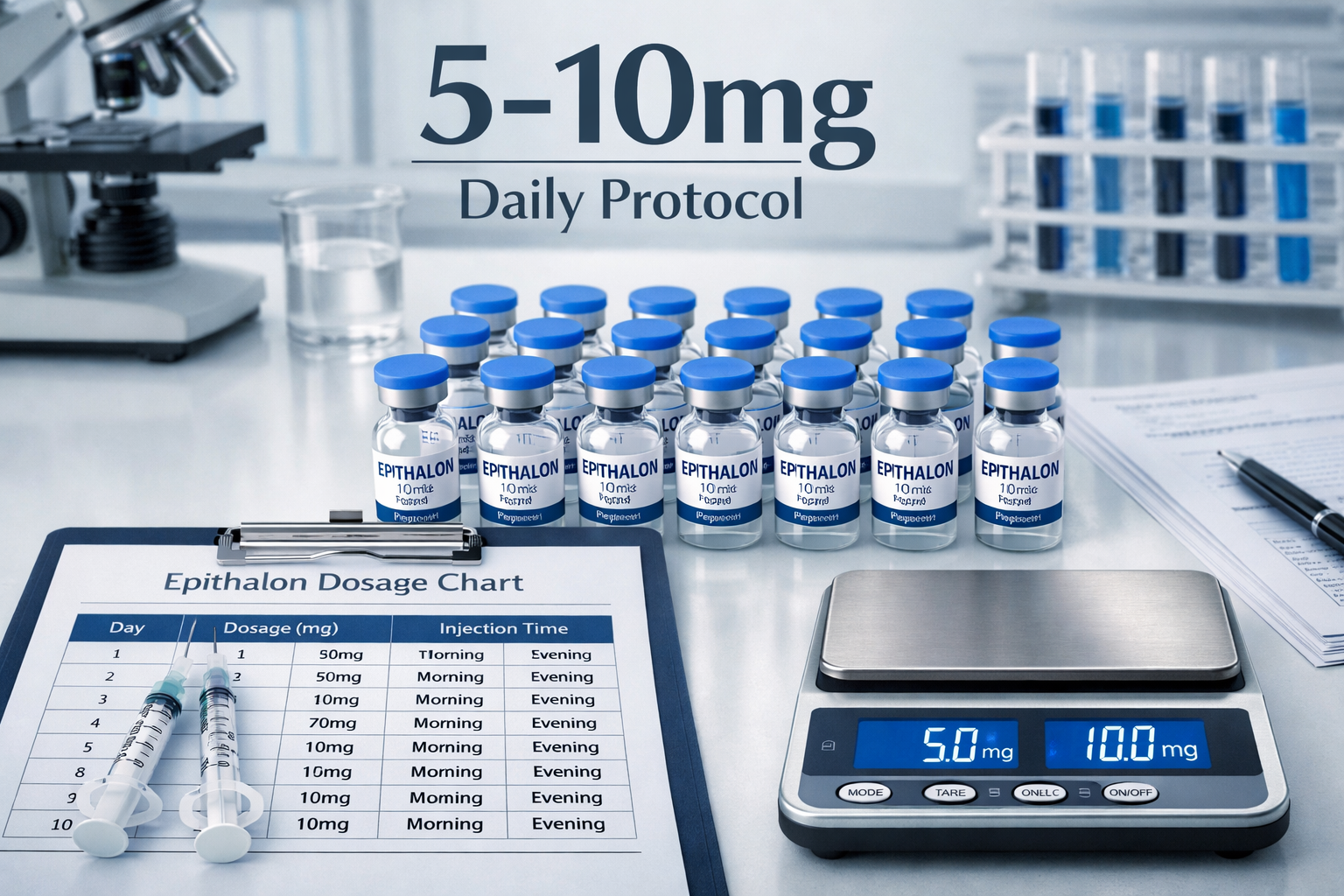
The most widely cited approach in epithalon peptide dosage research involves a 10-day active period with daily subcutaneous injections of 5-10mg[1][3]. This protocol has several key characteristics:
Daily Administration:
- Dosage: 5-10mg per day
- Route: Subcutaneous injection
- Timing: Evening, 1-2 hours before bed
- Duration: 10 consecutive days
Rest Period:
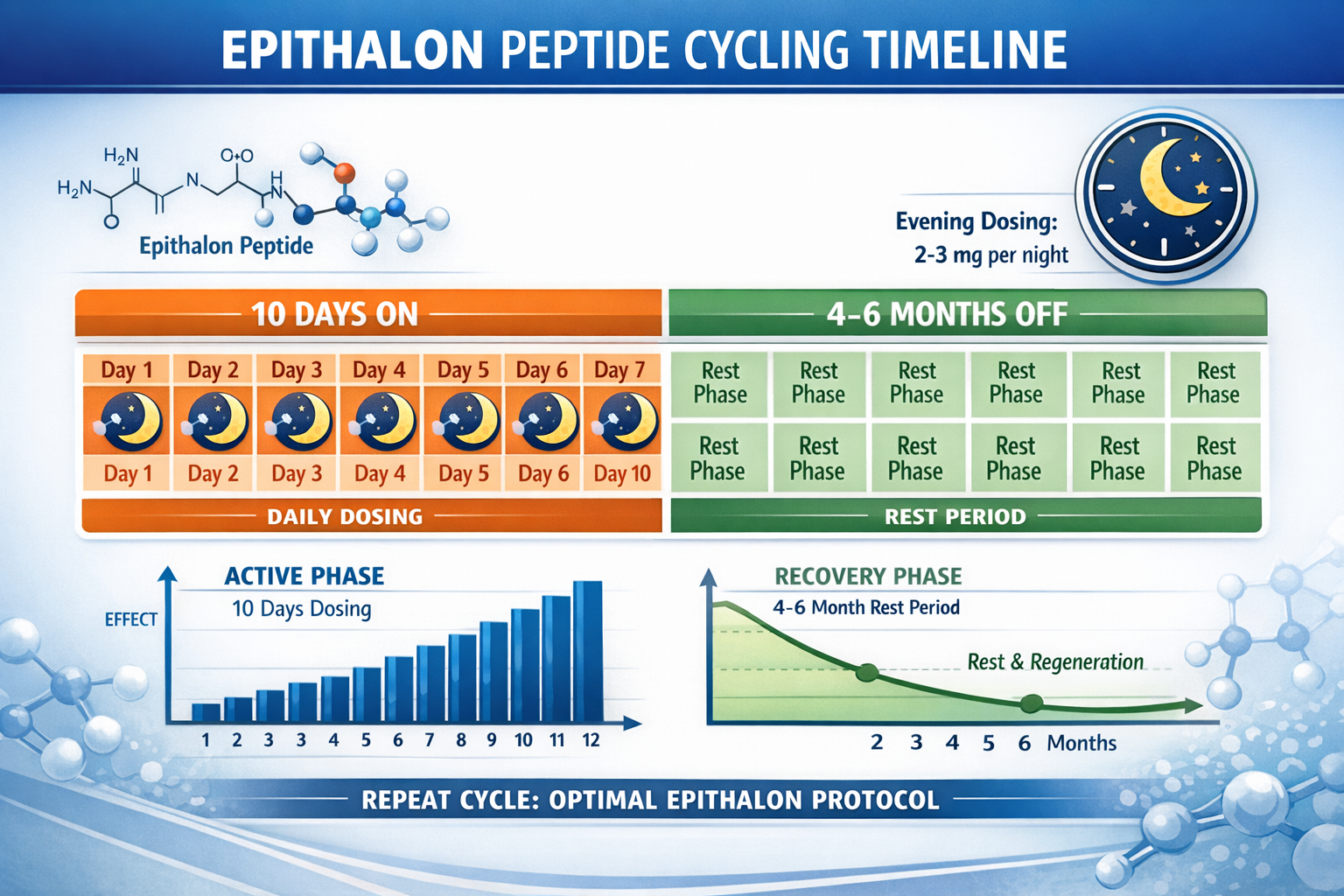
- Length: 4-6 months between cycles
- Frequency: 1-2 cycles per year maximum
- Monitoring: Document effects during rest periods
The evening timing aligns with natural pineal gland activity and supports the peptide's role in melatonin regulation[1][3]. Researchers often find this timing produces more consistent results compared to morning administration.
Those exploring epithalon peptides for sale should note that proper timing represents a critical component of effective protocols.
Alternative 20-Day Extended Protocols
Some epithalon peptide dosage research explores extended 20-day cycles, though evidence supporting superiority over 10-day protocols remains limited[1][4]. These longer protocols typically maintain the same daily dosing (5-10mg) but extend the active treatment period.
Extended Protocol Structure:
- Duration: 20 consecutive days
- Daily dose: 5-10mg subcutaneous
- Rest period: 6-8 months between cycles
- Annual frequency: 1 cycle per year maximum
Low-Dose Research Findings
Interesting developments in epithalon peptide dosage research include studies with significantly lower doses. A 2021 human trial demonstrated that 0.5mg daily increased melatonin synthesis by 160% compared to placebo in 75 women participants[6].
This research suggests that effective biological responses may occur at doses well below the traditional 5-10mg range, opening new avenues for investigation.
Epithalon Peptide Dosage Research Timing and Cycling
Optimal Administration Timing
Evening administration represents the gold standard in epithalon peptide dosage research protocols. The timing strategy serves multiple purposes:
🌙 Circadian Alignment: Supports natural pineal gland activity patterns
⏰ Melatonin Optimization: Enhances endogenous melatonin production timing
🧬 Cellular Repair: Aligns with natural cellular regeneration cycles
📊 Research Consistency: Provides standardized timing across studies
Most researchers administer epithalon 1-2 hours before intended sleep time, allowing the peptide to integrate with natural circadian processes[1][3].
For those interested in comprehensive peptide research approaches, understanding timing principles applies across multiple peptide categories.
Cycling Pattern Importance
The cycling approach in epithalon peptide dosage research differs significantly from continuous-use peptides. Research suggests that epithalon's mechanisms work optimally in short bursts followed by extended rest periods[3][5].
Why Cycling Matters:
- Receptor sensitivity: Prevents downregulation of cellular responses
- Natural rhythm: Mimics episodic hormone patterns
- Safety profile: Allows monitoring of long-term effects
- Cost efficiency: Reduces overall research expenses
Alternative Cycling Approaches
Beyond the standard 10-day protocol, some epithalon peptide dosage research explores alternative cycling patterns:
Monthly Cycling:
- Active period: 1 month daily administration
- Rest period: 3 months off
- Annual total: 3 cycles per year
- Monitoring: Enhanced tracking required
This approach requires more intensive monitoring but may provide insights into sustained administration effects.
Dosage Considerations for Different Research Goals
Beginner Research Protocols
First-time researchers in epithalon peptide dosage research benefit from conservative approaches that prioritize safety and documentation:
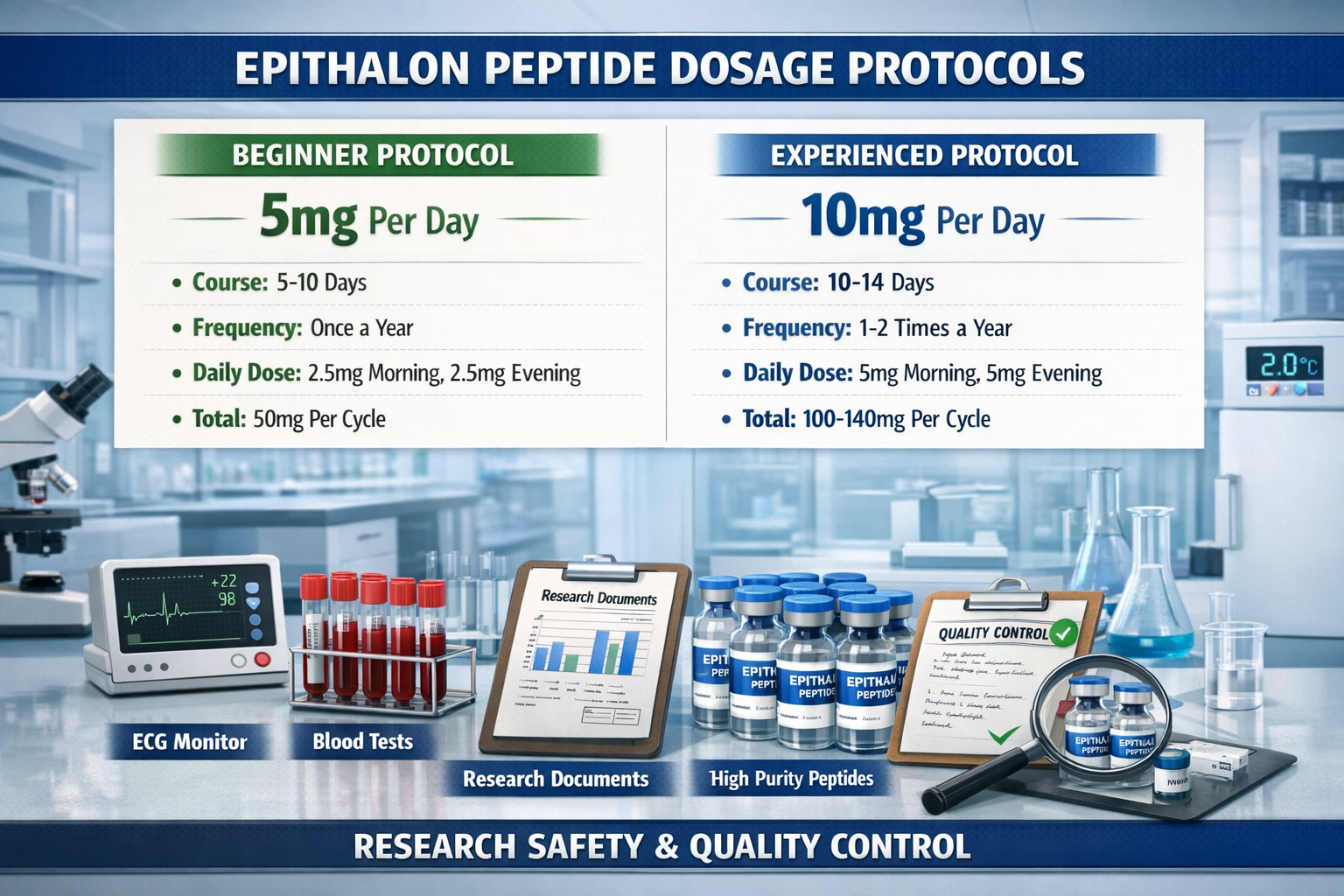
Conservative Starting Protocol:
- Initial dose: 5mg daily
- Duration: 10 days maximum
- Monitoring: Daily logs of sleep, energy, recovery
- Follow-up: 6-month rest period with continued tracking
Documentation Requirements:
- Baseline measurements before starting
- Daily administration logs
- Sleep quality assessments
- Energy level tracking
- Any notable changes or effects
Researchers can explore quality peptide sourcing to ensure protocol consistency.
Advanced Research Approaches
Experienced researchers familiar with peptide protocols may consider higher-end dosing within established ranges:
Advanced Protocol Options:
- Dosage range: 7.5-10mg daily
- Cycle options: 10-day or 20-day protocols
- Frequency: Up to 2 cycles per year
- Combinations: Potential stacking with other research peptides
Body Composition Considerations
Unlike weight-based dosing peptides, epithalon peptide dosage research traditionally uses fixed dosing. However, some researchers make minor adjustments within the 5-10mg range based on:
- Body weight: Larger individuals may lean toward 10mg
- Research goals: Specific outcomes may influence dosing
- Previous experience: Response to prior cycles
- Monitoring results: Biomarker changes from previous protocols
Safety Considerations in Epithalon Peptide Dosage Research
Current Safety Data Limitations
Epithalon peptide dosage research faces significant limitations regarding comprehensive long-term safety data[4]. Key considerations include:
⚠️ Limited long-term studies on extended use patterns
🔬 Research-only status with no FDA approval for therapeutic use
📋 Individual variation in response and tolerance
🏥 Professional oversight recommended for all protocols
Monitoring Protocols
Effective epithalon peptide dosage research requires systematic monitoring approaches:
Baseline Assessments:
- Sleep quality measurements
- Energy level documentation
- Recovery time tracking
- General wellness indicators
During-Cycle Monitoring:
- Daily administration logs
- Sleep pattern changes
- Energy fluctuations
- Any adverse observations
Post-Cycle Evaluation:
- Long-term effect assessment
- Return to baseline measurements
- Planning for subsequent cycles
Those interested in comprehensive research approaches can explore additional monitoring strategies.
Regulatory Status Awareness
Researchers must understand that epithalon remains available for research purposes only[5]. This status requires:
- Proper documentation of research protocols
- Institutional oversight where applicable
- Compliance with local research regulations
- Professional guidance for protocol development
Research Quality and Sourcing Considerations
Importance of Peptide Quality
Epithalon peptide dosage research depends heavily on peptide purity and consistency. Key quality factors include:
Purity Standards:
- Minimum purity: 98%+ for research applications
- Analytical testing: HPLC verification required
- Storage conditions: Proper temperature and humidity control
- Expiration dating: Fresh peptides for accurate results
Documentation Requirements:
- Certificate of analysis (COA) for each batch
- Third-party testing verification
- Proper chain of custody documentation
- Storage and handling protocols
Researchers can access verified peptide sources to ensure protocol integrity.
Storage and Preparation Protocols
Proper handling significantly impacts epithalon peptide dosage research outcomes:
Storage Guidelines:
- Lyophilized powder: -20°C freezer storage
- Reconstituted solution: 2-8°C refrigeration
- Usage timeframe: 30 days maximum after reconstitution
- Light protection: Amber vials or dark storage
Preparation Standards:
- Sterile technique: Prevent contamination
- Bacteriostatic water: Preferred reconstitution medium
- Gentle mixing: Avoid vigorous shaking
- Accurate measurement: Precision dosing equipment
Future Directions in Epithalon Peptide Dosage Research
Emerging Research Areas
Current epithalon peptide dosage research continues expanding into new territories:
Combination Protocols:
- Stacking with other longevity peptides
- Synergistic effects with SS-31 research
- Integration with lifestyle interventions
- Biomarker-guided dosing adjustments
Precision Dosing:
- Individual genetic factors
- Biomarker-based adjustments
- Age-specific protocols
- Gender-specific considerations
Technology Integration
Modern epithalon peptide dosage research increasingly incorporates advanced monitoring:
- Wearable devices for sleep and recovery tracking
- Biomarker panels for objective measurements
- Digital logging for protocol compliance
- Data analysis for pattern recognition
Those exploring innovative peptide research can stay current with technological developments.
Conclusion
Epithalon peptide dosage research in 2026 builds upon decades of scientific investigation while continuing to evolve with new findings and methodologies. The established protocols of 5-10mg daily for 10-day cycles, administered in the evening with 4-6 month rest periods, provide researchers with a solid foundation for investigation.
Key success factors include conservative starting approaches, systematic monitoring, quality sourcing, and proper cycling patterns. The research-only status of epithalon requires careful attention to regulatory compliance and professional oversight.
Next Steps for Researchers:
- Protocol Planning: Develop comprehensive research protocols with clear objectives and monitoring plans
- Quality Sourcing: Secure high-purity epithalon from verified suppliers with proper documentation
- Baseline Establishment: Document pre-research measurements for comparison purposes
- Professional Consultation: Seek appropriate oversight for research protocol development
- Long-term Tracking: Plan for extended monitoring beyond individual cycles
The future of epithalon peptide dosage research promises continued refinement of protocols, integration of precision medicine approaches, and deeper understanding of optimal timing and cycling strategies. As research methodologies advance, the scientific community gains valuable insights into this fascinating peptide's potential applications in longevity and cellular health research.
For researchers ready to begin their investigation, accessing comprehensive peptide resources provides the foundation for successful protocol implementation.
References
[1] Ideal Dose And Dosing For Epithalon – https://www.puretestedpeptides.com/ideal-dose-and-dosing-for-epithalon/
[2] Epitalon Peptide Benefits Uses Dosage – https://dynastyclinic.ae/peptide/epitalon-peptide-benefits-uses-dosage/
[3] Epitalon For Beginners Benefits Dosage Stacks And Anti Aging Insights – https://swolverine.com/blogs/blog/epitalon-for-beginners-benefits-dosage-stacks-and-anti-aging-insights
[4] Epithalon The Peptide Linked To Longevity And Cellular Renewal – https://pulseandremedy.com/anti-aging/epithalon-the-peptide-linked-to-longevity-and-cellular-renewal/
[5] Epitalon Cycling – https://swolverine.com/blogs/blog/epitalon-cycling
[6] Epitalon – https://www.innerbody.com/epitalon
[7] Epitalon The Fountain Of Youth Peptide – https://www.wellnessatcenturycity.com/service/epitalon-the-fountain-of-youth-peptide/
[8] Epitalon Sleep Dna Telomere – https://www.peptidesciences.com/peptide-research/epitalon-sleep-dna-telomere
SEO Meta Title: Epithalon Peptide Dosage Research Guide 2026 | Protocols & Cycles
SEO Meta Description: Complete epithalon peptide dosage research guide covering 5-10mg protocols, 10-day cycles, timing strategies, and safety considerations for researchers in 2026.
{“@context”:”https://schema.org”,”@type”:”Article”,”headline”:”epithalon peptide dosage Research”,”description”:” Complete epithalon peptide dosage research guide covering 5-10mg protocols, 10-day cycles, timing strategies, and safety considerations for researchers in 2026″,”image”:”https://zsxkvszxbhpwnvzxdydv.supabase.co/storage/v1/object/public/generated-images/kie/bd628e63-b62e-4a1d-8433-729042c7d0b3/slot-0-1770077497269.png”,”datePublished”:”2026-02-03T00:09:14.36363+00:00″,”dateModified”:”2026-02-03T00:13:11.530Z”,”author”:{“@type”:”Organization”,”name”:”PTP UPDATED 2.1.26″},”publisher”:{“@type”:”Organization”,”name”:”PTP UPDATED 2.1.26″}}