

Epithalon Peptide Explained: The Complete Research Guide for 2026
In the rapidly evolving world of anti-aging research, few compounds have captured the scientific community's attention quite like epithalon. This remarkable tetrapeptide, with its unique ability to potentially influence telomere length and cellular aging processes, represents a fascinating frontier in longevity science. Epithalon peptide explained in simple terms reveals a synthetic compound that may hold keys to understanding how we age at the cellular level and what we might do about it.
As researchers continue to uncover the mechanisms behind this intriguing molecule, fitness enthusiasts, scientists, and peptide buyers are increasingly seeking comprehensive information about its properties, research findings, and potential applications. The growing interest in epithalon peptides for sale reflects the broader movement toward peptide-based research and therapeutic exploration.
Key Takeaways
• Epithalon is a synthetic tetrapeptide composed of four amino acids (Ala-Glu-Asp-Gly) originally derived from pineal gland extracts
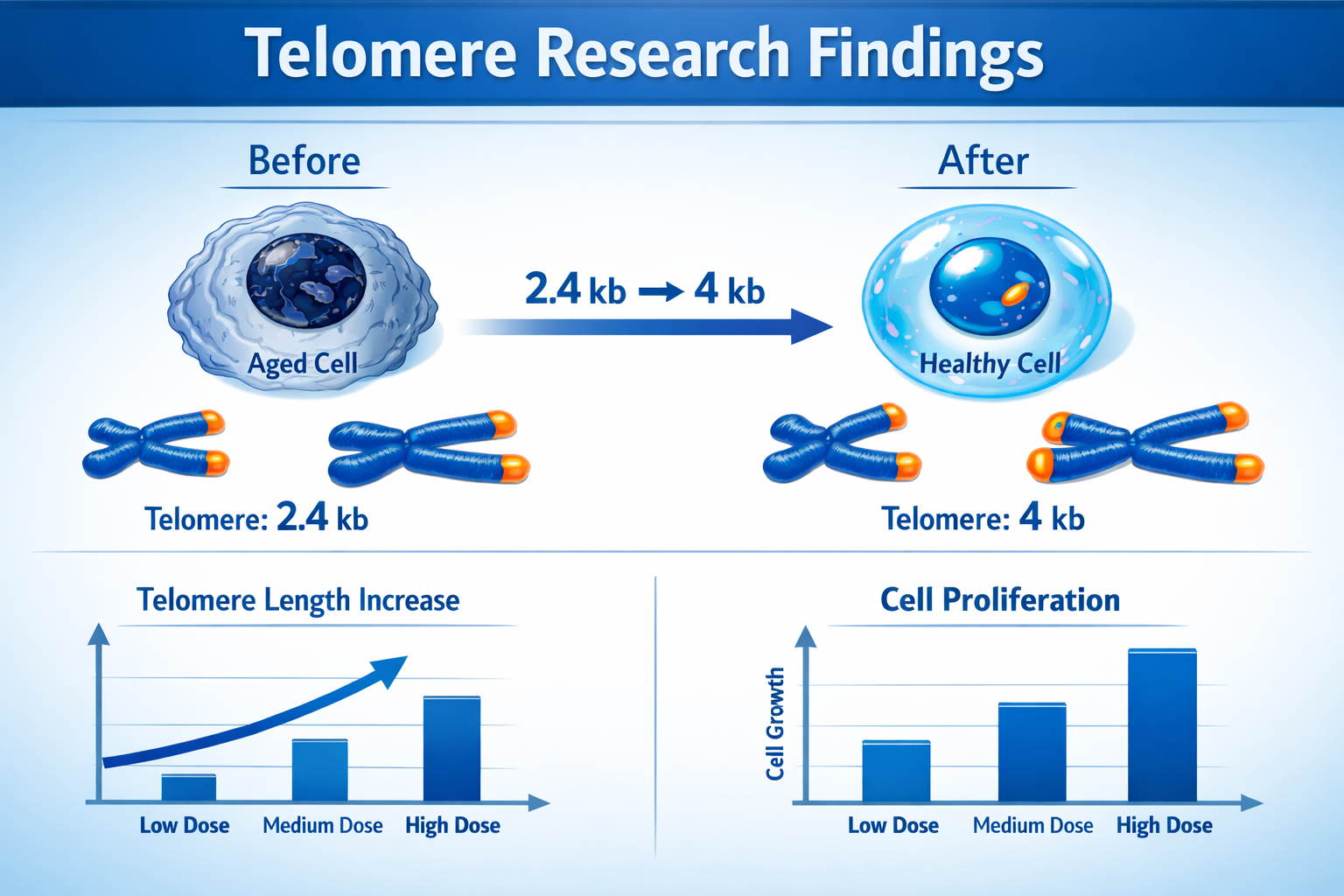
• Research demonstrates telomere lengthening effects with dose-dependent increases from 2.4 kb to 4 kb in laboratory studies
• Multiple mechanisms of action include telomerase reactivation, antioxidant restoration, and potential neuroprotective properties
• Current status remains experimental with limited human clinical data and no approved therapeutic uses
• Quality sourcing is critical for researchers seeking reliable peptide materials for legitimate scientific investigation
What is Epithalon? Understanding the Basic Structure and Origins
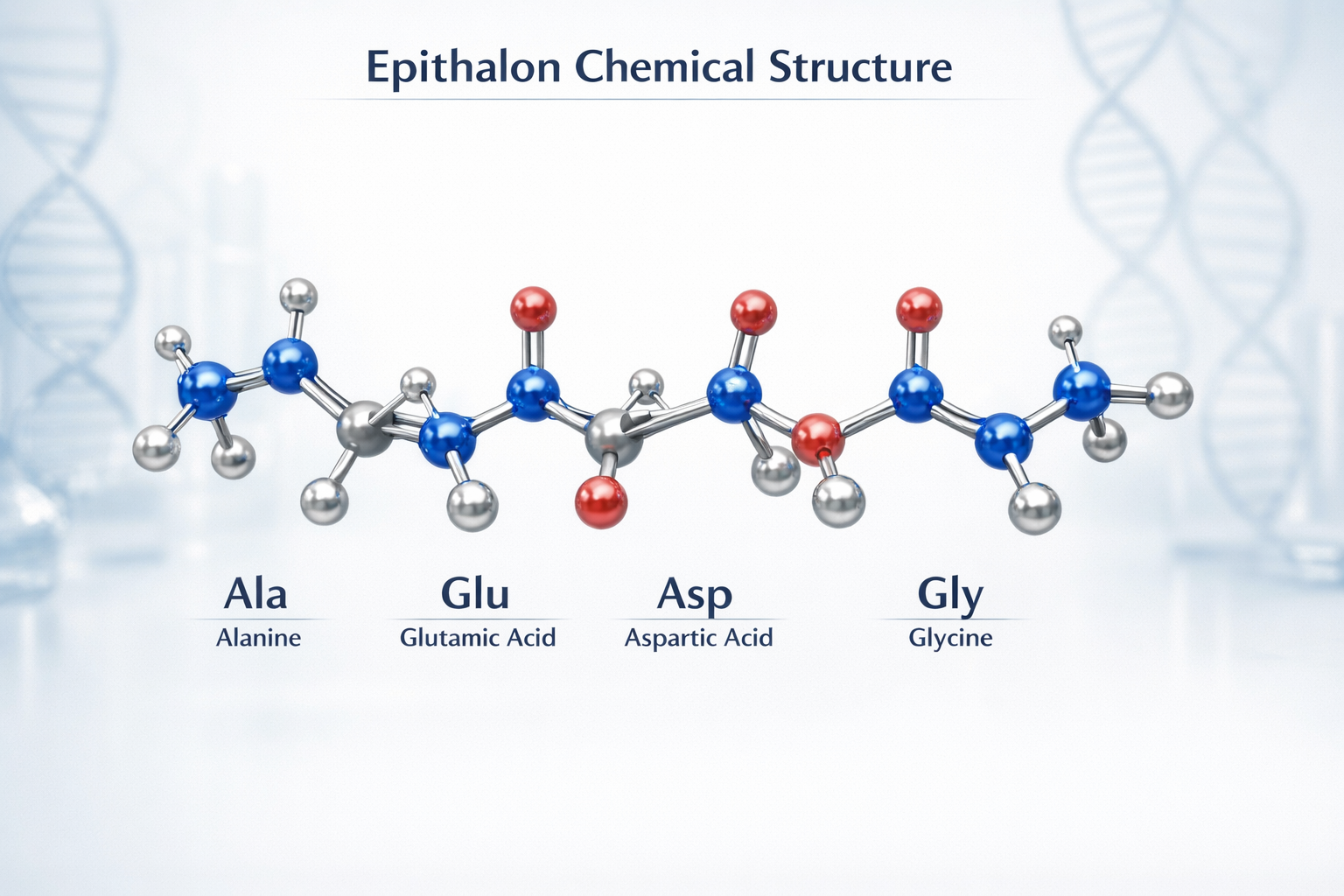
Epithalon peptide explained begins with understanding its fundamental composition and historical development. Epithalon, also known as Epitalon or AEDG, is a short synthetic tetrapeptide consisting of four amino acids: Alanine-Glutamic acid-Aspartic acid-Glycine [1]. This specific sequence was originally derived from natural pineal gland extracts, representing decades of research into the biological factors that influence aging and cellular longevity.
The peptide's discovery traces back to Russian research initiatives focused on understanding the pineal gland's role in aging processes. Scientists observed that certain peptide fractions from pineal extracts demonstrated remarkable properties in laboratory settings, leading to the synthesis of epithalon as a pure, standardized compound for research purposes.
Chemical Properties and Stability
From a biochemical perspective, epithalon's tetrapeptide structure provides several advantages for research applications. The molecule is relatively stable under proper storage conditions and can be synthesized with high purity using established peptide chemistry techniques. Its small size allows for various delivery methods and cellular uptake mechanisms that researchers find valuable for experimental protocols.
The peptide's molecular weight and charge distribution enable it to interact with cellular membranes and potentially cross biological barriers, though specific bioavailability studies remain limited. For researchers interested in peptide therapy benefits, epithalon represents an interesting case study in how synthetic peptides can mimic natural biological processes.
Understanding epithalon's basic structure provides the foundation for appreciating its more complex mechanisms of action and research applications. The peptide's design reflects decades of scientific investigation into the molecular basis of aging and cellular maintenance processes.
How Epithalon Works: Mechanisms of Action Explained
The epithalon peptide explained through its mechanisms reveals a compound with multiple potential pathways of biological activity. Research has identified several key mechanisms through which epithalon may exert its effects on cellular processes, with telomere biology representing the most extensively studied area.
Telomerase Reactivation and DNA Binding
One of the most significant findings in epithalon research involves its interaction with telomerase gene regulation. Studies demonstrate that epithalon binds selectively to DNA regions rich in CAG and ATTTC repeats within telomerase gene promoter regions, modulating transcriptional activity without directly altering the DNA structure itself [2].
This selective binding mechanism appears to influence the expression of human telomerase reverse transcriptase (hTERT), the catalytic subunit of telomerase enzyme. Importantly, research shows that epithalon elevated hTERT expression in both normal and cancer cells, but telomerase activity increased only in normal cells, not in cancer cells [3]. This differential response suggests sophisticated regulatory mechanisms that warrant further investigation.
Telomere Length Extension
Laboratory studies have documented dose-dependent increases in telomere length following epithalon treatment. In controlled experiments, treatment for four days showed significant telomere extension from 2.4 kb to 4 kb at doses of 0.5–1 μg/ml in tested cell lines [3]. These findings represent some of the most compelling evidence for epithalon's potential impact on cellular aging markers.
The telomere lengthening effect appears to occur through the reactivation of telomerase enzyme activity in appropriate cell types. Telomeres, the protective DNA-protein structures at chromosome ends, naturally shorten with each cell division and are considered biomarkers of cellular aging. The ability to potentially influence telomere length has significant implications for longevity peptide research.
Antioxidant and Epigenetic Effects
Beyond telomere biology, epithalon research suggests additional mechanisms involving antioxidant restoration and epigenetic regulation. Studies indicate that epithalon may reduce oxidative signaling and restore expression of antioxidant genes including SOD2, CAT, and HMOX1, potentially preserving DNA methylation patterns disrupted by cellular stress [1].
Research has also identified potential chromatin remodeling effects, with epithalon possibly deconstructing heterochromatin structures—particularly near centromeres—in aged lymphocytes [1]. These epigenetic mechanisms could complement the telomere effects and provide additional pathways for cellular maintenance and function.
For those exploring most popular products for sale in peptide research, understanding these mechanisms helps contextualize epithalon's position among various research compounds.
Research Findings and Clinical Evidence for Epithalon
The epithalon peptide explained through available research reveals a growing body of preclinical evidence alongside limited human studies. While the compound shows promise in laboratory settings, researchers emphasize the need for more comprehensive clinical trials to establish safety and efficacy profiles.
Neurological and Cognitive Research
Epithalon research has expanded beyond telomere biology to include neurological applications. In studies using gingival mesenchymal stem cell cultures, epithalon upregulated neurogenic markers including Nestin, GAP43, β-Tubulin III, and Doublecortin by approximately 1.6- to 1.8-fold at both mRNA and protein levels [1]. These findings suggest potential applications in neuroregeneration research.
Neuroprotection studies using neuroblastoma models have shown that epithalon significantly increased soluble amyloid precursor protein (sAPP) secretion by approximately 20% in SH-SY5Y neuroblastoma cells [2]. This contrasts with pathogenic amyloid-beta fragments implicated in neurodegenerative diseases, suggesting potential protective mechanisms worthy of further investigation.
Metabolic and Cellular Health Studies
Research into epithalon's broader cellular effects has revealed potential benefits for metabolic health and cellular maintenance. Studies suggest the peptide may support mitochondrial function and cellular energy production, though these mechanisms require additional investigation to establish clear causal relationships.
The peptide's potential influence on melatonin synthesis has also attracted research attention. Epithalon is believed to support pineal gland function and melatonin synthesis, with some models suggesting restoration of melatonin production in aged cellular systems, though data appear inconsistent across different experimental conditions [1].
Limited Human Studies and Historical Research
The most notable human study involving epithalon comes from Russian research that administered epithalon and thymulin to 266 elderly individuals for 6–8 years with annual ten-day peptide treatments [5]. While this study is described as "old but renowned," it represents one of the few long-term human investigations available in the literature.
However, researchers consistently note that without large-scale trials, validated delivery methods, and comprehensive long-term safety data, epithalon remains an experimental peptide not yet ready for mainstream clinical adoption, despite compelling preclinical findings [2].
For researchers comparing different compounds, studies examining epithalon vs NAD evidence provide valuable context for understanding relative research priorities and findings.
Safety Considerations and Research Applications
Understanding epithalon peptide explained requires careful consideration of safety profiles and appropriate research applications. As with any experimental compound, epithalon research must be conducted within proper scientific and ethical frameworks.
Current Safety Profile
Available research suggests epithalon demonstrates relatively favorable safety characteristics in laboratory settings, though comprehensive toxicology studies remain limited. Short-term studies have not identified significant adverse effects at research-appropriate dosages, but long-term safety data in humans remains insufficient for clinical recommendations.
Researchers emphasize the importance of proper handling, storage, and administration protocols when working with epithalon in experimental settings. The peptide's stability and purity can significantly impact research outcomes, making quality sourcing essential for reliable results.
Research Applications and Protocols
Current epithalon research applications span multiple areas including aging biology, cellular maintenance, neurological function, and metabolic health. Researchers utilize various experimental models ranging from cell culture studies to animal models, each providing different insights into the peptide's mechanisms and effects.
For investigators seeking epithalon longevity signals in their research, proper experimental design and controls remain essential for generating meaningful data. The complexity of aging biology requires sophisticated approaches to isolate and measure epithalon's specific contributions.
Regulatory and Ethical Considerations
Epithalon's experimental status means it falls under research chemical regulations rather than therapeutic drug classifications. Researchers must ensure compliance with institutional review boards, animal care committees, and relevant regulatory frameworks when designing studies involving epithalon.
The peptide's potential applications in aging research raise important ethical questions about enhancement versus treatment, access to experimental therapies, and the responsible translation of research findings. These considerations become particularly relevant as research progresses toward potential clinical applications.
Sourcing and Quality Considerations for Researchers
When epithalon peptide explained includes practical sourcing information, researchers must prioritize quality, purity, and regulatory compliance. The research peptide market includes various suppliers with different quality standards and testing protocols.
Purity and Testing Standards
High-quality epithalon research requires peptides with verified purity levels, typically 95% or higher for most research applications. Reputable suppliers provide certificates of analysis (COA) documenting purity, identity, and contamination testing results. These documents should include mass spectrometry, HPLC analysis, and endotoxin testing data.
Researchers should verify that suppliers follow good manufacturing practices (GMP) and maintain proper storage conditions throughout the supply chain. Temperature stability, moisture control, and contamination prevention directly impact peptide integrity and research reliability.
Supplier Evaluation Criteria
When evaluating potential suppliers, researchers should consider several key factors: analytical testing capabilities, manufacturing standards, shipping protocols, and customer support quality. Suppliers specializing in research peptides often provide more comprehensive documentation and technical support compared to general chemical suppliers.
For those exploring peptide purity testing made simple, understanding basic analytical techniques helps researchers evaluate supplier claims and make informed purchasing decisions.
Storage and Handling Best Practices
Proper epithalon storage requires controlled temperature conditions, typically -20°C for long-term storage and 2-8°C for short-term use. Researchers should protect peptides from light, moisture, and repeated freeze-thaw cycles that can degrade peptide integrity.
Reconstitution protocols vary depending on experimental requirements, but researchers typically use sterile water, PBS, or other appropriate buffers. Proper aseptic technique prevents contamination that could compromise research results or safety.
Future Research Directions and Clinical Potential
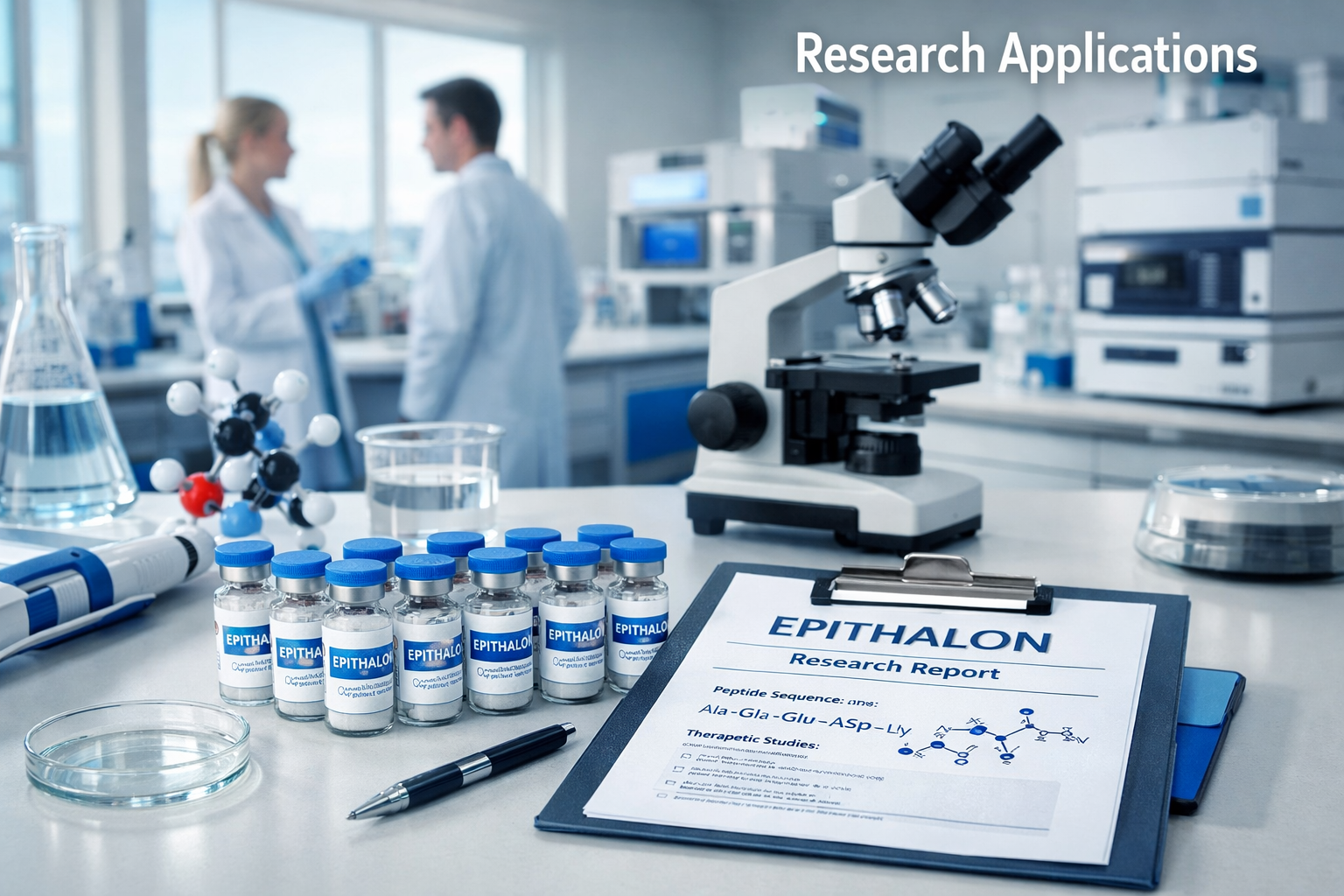
The epithalon peptide explained landscape continues evolving as researchers explore new applications and refine understanding of its mechanisms. Several promising research directions may shape future investigations and potential therapeutic development.
Emerging Research Areas
Current research trends include combination therapies pairing epithalon with other longevity peptides to potentially enhance or complement effects. Researchers are also investigating optimal dosing regimens, delivery methods, and treatment protocols for different experimental objectives.
Advanced analytical techniques are enabling more precise measurement of epithalon's cellular effects, including real-time telomere monitoring, epigenetic profiling, and comprehensive metabolomic analysis. These tools may reveal additional mechanisms and optimize research protocols.
Clinical Development Challenges
Translating epithalon research into clinical applications faces several challenges including regulatory approval processes, safety validation, and efficacy demonstration in human populations. The peptide's multiple mechanisms of action complicate clinical trial design and endpoint selection.
Researchers must also address questions about optimal patient populations, treatment durations, and combination therapies. The complexity of aging biology means that single-target interventions may require integration with broader health management approaches.
Technology and Delivery Innovation
Advances in peptide delivery systems may improve epithalon's therapeutic potential by enhancing bioavailability, targeting specific tissues, or extending duration of action. Nasal delivery, transdermal patches, and sustained-release formulations represent active areas of development.
Personalized medicine approaches may eventually allow researchers to identify individuals most likely to benefit from epithalon therapy based on genetic, epigenetic, or biomarker profiles. This precision approach could optimize treatment outcomes while minimizing unnecessary exposure.
Conclusion
Epithalon peptide explained reveals a fascinating compound at the intersection of aging biology, cellular maintenance, and therapeutic innovation. From its origins as a pineal-derived peptide to current research demonstrating telomere lengthening and cellular protective effects, epithalon represents both significant scientific promise and important research challenges.
The growing body of evidence supporting epithalon's mechanisms—including telomerase reactivation, antioxidant restoration, and neuroprotective properties—provides compelling rationale for continued investigation. However, researchers consistently emphasize that epithalon remains an experimental compound requiring additional safety studies, clinical trials, and regulatory evaluation before potential therapeutic applications.
For fitness enthusiasts, researchers, and peptide buyers interested in epithalon, the key takeaway involves balancing scientific optimism with appropriate caution. The peptide's research profile suggests significant potential, but responsible investigation requires high-quality materials, proper experimental protocols, and realistic expectations about current limitations.
Next Steps for Interested Researchers:
✅ Evaluate research objectives and determine whether epithalon aligns with specific scientific questions or experimental goals
✅ Review current literature to understand the latest findings, methodologies, and research gaps in epithalon studies
✅ Assess institutional capabilities for proper peptide handling, storage, and experimental protocols
✅ Identify reputable suppliers that provide high-purity epithalon with comprehensive analytical documentation
✅ Develop appropriate controls and measurement techniques for detecting epithalon's effects in chosen experimental systems
✅ Consider collaboration opportunities with other researchers investigating related aspects of aging biology or peptide therapeutics
As the field of peptide research continues expanding, epithalon's unique properties and mechanisms position it as an important tool for understanding cellular aging and potentially developing future therapeutic interventions. The compound's journey from laboratory curiosity to research focus illustrates the dynamic nature of scientific discovery and the ongoing quest to understand and influence human aging processes.
References
[1] Epithalons Intriguing Potential A Tetrapeptide Poised To Shape Research Frontiers – https://caribbeannewsglobal.com/epithalons-intriguing-potential-a-tetrapeptide-poised-to-shape-research-frontiers/
[2] Epitalon – https://www.gethealthspan.com/research/article/epitalon
[3] Pmc12411320 – https://pmc.ncbi.nlm.nih.gov/articles/PMC12411320/
[4] Epitalon – https://www.innerbody.com/epitalon
[5] Unlocking The Power Of Peptides – https://www.drcassileth.com/unlocking-the-power-of-peptides/
[6] Epithalon And Aging – https://www.peptidesciences.com/peptide-research/epithalon-and-aging
SEO Meta Title: Epithalon Peptide Explained: Complete Research Guide 2026
SEO Meta Description: Comprehensive guide to epithalon peptide mechanisms, research findings, telomere effects, and sourcing considerations for researchers and fitness enthusiasts in 2026.
{“@context”:”https://schema.org”,”@type”:”Article”,”headline”:”epithalon peptide explained”,”description”:” Comprehensive guide to epithalon peptide mechanisms, research findings, telomere effects, and sourcing considerations for researchers and fitness enthusiasts i”,”image”:”https://zsxkvszxbhpwnvzxdydv.supabase.co/storage/v1/object/public/generated-images/kie/e8d87354-4a4f-4da3-8d65-e9b267a32027/slot-0-1770077616359.png”,”datePublished”:”2026-02-03T00:08:36.302053+00:00″,”dateModified”:”2026-02-03T00:13:41.785Z”,”author”:{“@type”:”Organization”,”name”:”PTP UPDATED 2.1.26″},”publisher”:{“@type”:”Organization”,”name”:”PTP UPDATED 2.1.26″}}