
GHK-Cu Peptide: The Complete 2026 Research Guide for Professionals
Imagine a single molecule that has captivated researchers for over five decades, showing promise in tissue repair, skin regeneration, and cellular health. The GHK-Cu peptide isn't just another compound in the growing world of peptide research—it's a naturally occurring tripeptide that has become a cornerstone in regenerative medicine studies and aesthetic applications. Whether you're a peptide buyer sourcing quality compounds, a medi spa professional exploring cutting-edge treatments, or a fitness coach investigating recovery protocols, understanding this copper-binding peptide could transform your approach to wellness and performance optimization.
Key Takeaways
- GHK-Cu peptide is a naturally occurring tripeptide (glycine-histidine-lysine) that binds copper ions and plays crucial roles in tissue repair and regeneration
- Research suggests potential applications in skin health, wound healing, hair growth, and anti-inflammatory responses
- The peptide works through multiple mechanisms including collagen stimulation, antioxidant activity, and gene expression modulation
- Quality sourcing and proper storage are critical for maintaining peptide stability and research integrity
- Understanding dosage protocols and application methods is essential for bodybuilders, fitness professionals, and wellness practitioners
What Is GHK-Cu Peptide? Understanding the Basics
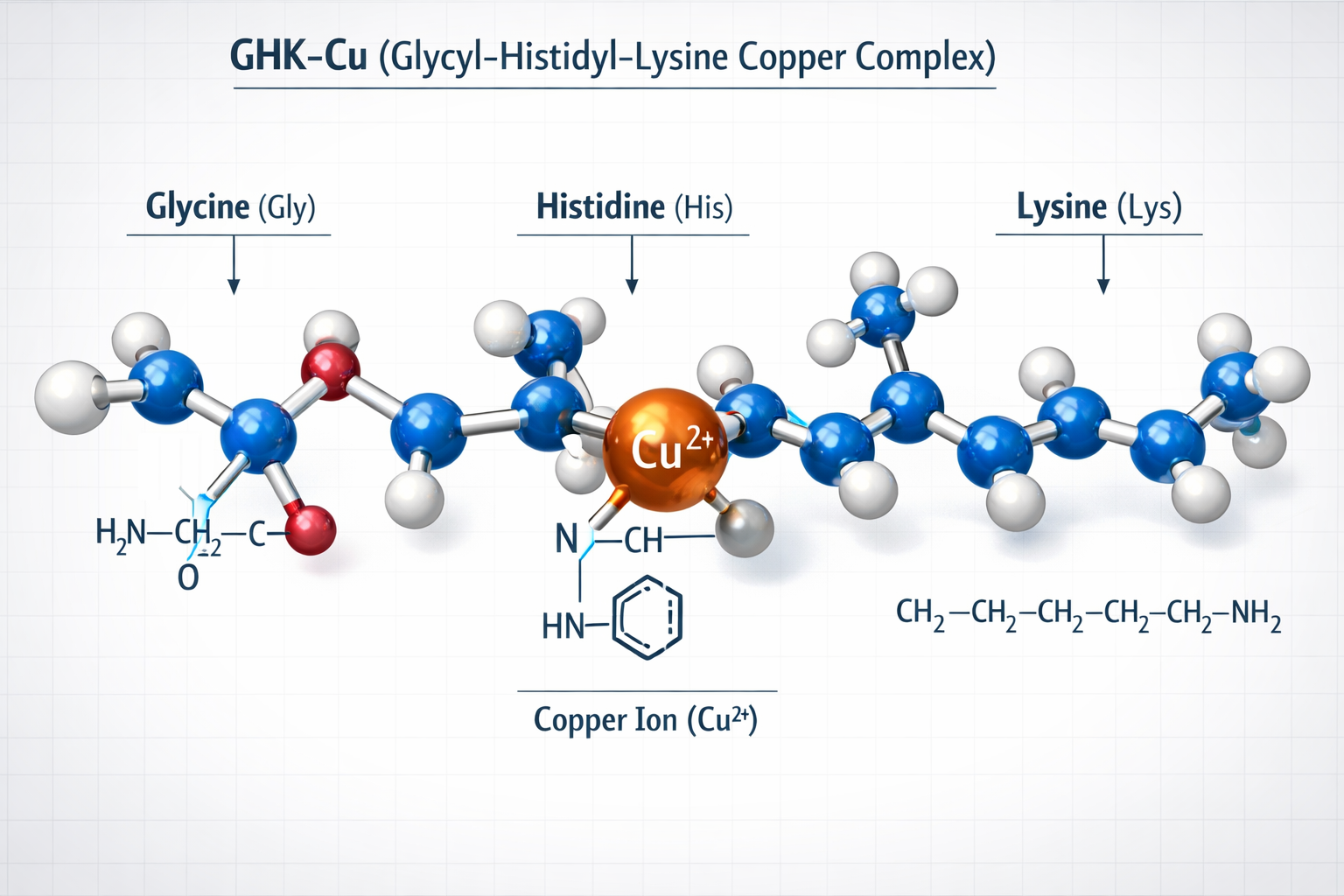
The GHK-Cu peptide represents one of the most extensively studied naturally occurring peptides in modern research. This tripeptide consists of three amino acids—glycine, histidine, and lysine—with a remarkable ability to bind copper ions (Cu²⁺). First discovered in human plasma in 1973 by Dr. Loren Pickart, this compound has since become a focal point for researchers investigating tissue regeneration and cellular repair mechanisms.
The Science Behind the Structure
What makes this peptide unique is its copper-binding capacity. The histidine residue in the sequence creates a high-affinity binding site for copper ions, forming a stable complex that exhibits biological activity distinct from the peptide alone. This copper-peptide complex demonstrates significantly different properties compared to either component separately.
Key structural features include:
- Molecular weight: approximately 340 Daltons (peptide) + 63.5 Daltons (copper)
- Water-soluble properties for easy formulation
- Stable at physiological pH levels
- Natural presence in human plasma, saliva, and urine
The concentration of GHK-Cu in human plasma decreases with age, dropping from approximately 200 ng/mL at age 20 to about 80 ng/mL by age 60. This age-related decline has sparked considerable research interest in supplementation and topical application strategies.
Natural Occurrence and Biological Role
In the human body, GHK-Cu peptide functions as a signaling molecule involved in wound healing and tissue remodeling. When tissue damage occurs, the peptide concentration increases at the injury site, suggesting an important role in the body's natural repair processes. This biological response has made it particularly interesting for professionals working in regenerative medicine and aesthetic applications.
For those interested in exploring quality peptide research compounds, understanding these fundamental properties becomes essential for making informed decisions about sourcing and application.
How GHK-Cu Peptide Works: Mechanisms of Action
Understanding the mechanisms behind GHK-Cu peptide helps professionals make evidence-based decisions about its potential applications. Research has identified multiple pathways through which this compound may exert its effects on cellular function and tissue health.
Collagen and Extracellular Matrix Stimulation
One of the most well-documented mechanisms involves the stimulation of collagen synthesis. Research studies have demonstrated that GHK-Cu can upregulate the production of collagen types I and II, which are crucial structural proteins in skin, connective tissue, and cartilage. The peptide appears to work by:
- Activating fibroblasts: These cells are responsible for producing collagen and other extracellular matrix components
- Increasing glycosaminoglycan synthesis: These molecules help maintain tissue hydration and structural integrity
- Promoting tissue remodeling: The peptide influences matrix metalloproteinases (MMPs) and their inhibitors (TIMPs)
For bodybuilders and fitness coaches interested in recovery protocols, this collagen-stimulating property has made GHK-Cu 50mg formulations particularly noteworthy in research settings.
Antioxidant and Anti-Inflammatory Properties
The copper component of the GHK-Cu peptide complex contributes to significant antioxidant activity. Research indicates that the peptide can:
✅ Scavenge free radicals and reduce oxidative stress
✅ Modulate inflammatory cytokine production
✅ Protect cellular components from oxidative damage
✅ Support mitochondrial function and cellular energy production
These anti-inflammatory properties have attracted attention from wellness professionals exploring comprehensive recovery strategies. The peptide's ability to modulate inflammation without suppressing the immune response makes it distinct from traditional anti-inflammatory compounds.
Gene Expression Modulation
Perhaps the most fascinating aspect of GHK-Cu research involves its effects on gene expression. Studies using gene chip technology have revealed that the peptide can influence the expression of thousands of genes, with particular effects on:
| Gene Category | Effect | Potential Significance |
|---|---|---|
| DNA repair genes | Upregulation | Enhanced cellular maintenance |
| Anti-cancer genes | Activation | Cellular health support |
| Antioxidant genes | Increased expression | Protection from oxidative stress |
| Fibrotic genes | Downregulation | Reduced excessive scarring |
This broad genomic influence suggests that GHK-Cu peptide functions as a gene-regulatory compound, potentially resetting certain aspects of cellular function toward more youthful patterns. For life coaches and wellness practitioners, this research opens interesting discussions about holistic approaches to healthy aging.
Copper Transport and Cellular Signaling
The peptide also plays a role in copper homeostasis, facilitating the transport of copper ions into cells where they serve as cofactors for numerous enzymatic reactions. This includes enzymes involved in:
- Energy production (cytochrome c oxidase)
- Antioxidant defense (superoxide dismutase)
- Connective tissue formation (lysyl oxidase)
- Neurotransmitter synthesis (dopamine β-hydroxylase)
Understanding these mechanisms helps professionals appreciate why peptide research continues to expand across multiple disciplines, from aesthetic medicine to performance optimization.
GHK-Cu Peptide Applications: From Medi Spas to Athletic Performance
The versatility of GHK-Cu peptide has led to its exploration across diverse professional settings. Each application area has developed specific protocols based on emerging research and practical experience.
Aesthetic and Skin Health Applications
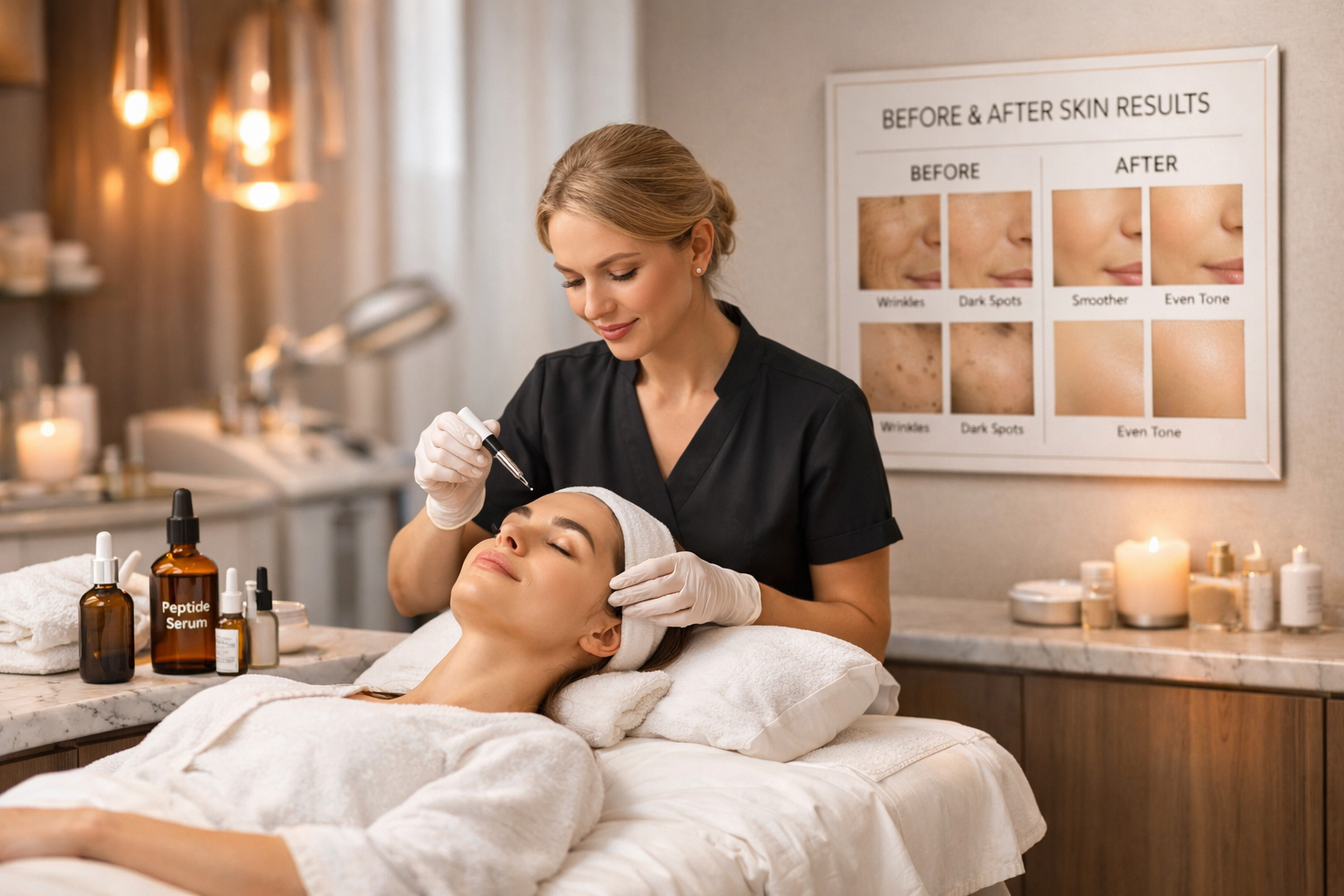
Medi spa professionals have been among the earliest adopters of GHK-Cu in topical formulations. Research suggests several skin-related benefits that have made this peptide popular in aesthetic practices:
Skin rejuvenation effects include:
- Increased skin thickness and firmness
- Improved skin elasticity measurements
- Reduction in fine lines and wrinkle depth
- Enhanced skin clarity and tone evenness
- Accelerated wound healing and reduced scarring
Studies examining topical application have shown measurable improvements in skin density and collagen content after consistent use over 8-12 weeks. For professionals offering topical GHK-Cu treatments, understanding proper formulation stability and penetration enhancers becomes crucial for optimal results.
The peptide's ability to stimulate both collagen and elastin production while simultaneously reducing inflammation creates a multi-faceted approach to skin health that appeals to clients seeking comprehensive anti-aging strategies.
Hair Growth and Scalp Health
Research into GHK-Cu peptide and hair follicle function has revealed promising findings for professionals addressing hair thinning and loss. Studies suggest the peptide may:
🔬 Enlarge hair follicle size
🔬 Stimulate hair growth in the anagen (growth) phase
🔬 Increase hair thickness and density
🔬 Improve scalp circulation and nutrient delivery
The mechanism appears to involve both direct follicle stimulation and improved scalp tissue health through enhanced blood vessel formation (angiogenesis). This dual action makes it an interesting compound for wellness practitioners developing comprehensive hair health protocols.
Athletic Performance and Recovery
Fitness coaches and bodybuilders have shown increasing interest in GHK-Cu peptide for recovery optimization. While research in this specific area continues to develop, the theoretical basis includes:
- Enhanced tissue repair: Faster recovery from microtrauma associated with intense training
- Reduced inflammation: Potentially shorter recovery windows between training sessions
- Improved collagen synthesis: Support for tendons, ligaments, and connective tissue health
- Antioxidant protection: Reduced oxidative stress from intense exercise
Many professionals combine GHK-Cu research with other recovery peptides to create comprehensive protocols. For instance, some fitness professionals explore synergistic approaches using quality peptide sources alongside nutrition and training optimization.
Wound Healing and Tissue Repair
The original research on GHK-Cu focused heavily on wound healing, and this remains one of the most evidence-supported applications. Studies have demonstrated:
- Accelerated closure of various wound types
- Improved wound contraction rates
- Enhanced granulation tissue formation
- Reduced scar tissue formation
- Better organized collagen deposition
For professionals in clinical settings, these wound-healing properties have practical implications for post-procedure recovery protocols and scar management strategies.
Bone and Joint Health
Emerging research suggests GHK-Cu peptide may influence bone metabolism and joint tissue health. Studies have indicated potential effects on:
- Osteoblast (bone-building cell) activity
- Bone mineral density markers
- Cartilage matrix synthesis
- Joint inflammation modulation
This has attracted attention from fitness professionals and life coaches working with aging populations or athletes dealing with joint stress from high-impact activities.
Dosage, Administration, and Safety Considerations
For professionals working with GHK-Cu peptide, understanding proper protocols is essential for research integrity and client safety. While individual needs vary significantly, research provides some general frameworks.
Dosage Protocols in Research Settings
Research studies have employed a wide range of dosages depending on the application method and desired outcomes:
Topical applications:
- Concentrations typically range from 0.05% to 3% in formulations
- Higher concentrations (1-3%) used in clinical studies for anti-aging effects
- Lower concentrations (0.05-0.5%) common in cosmetic products
Subcutaneous administration (research settings):
- Doses typically range from 1-3 mg per application
- Frequency varies from daily to 2-3 times weekly
- Research cycles often run 4-12 weeks with evaluation periods
Injectable protocols:
- Clinical research has used doses from 0.5-5 mg
- Administration frequency depends on specific research objectives
- Always requires proper medical supervision and sterile technique
It's crucial to note that these are research parameters, not medical recommendations. Professionals should always work within their scope of practice and applicable regulations.
Administration Methods
The GHK-Cu peptide can be administered through several routes, each with distinct characteristics:
| Method | Absorption | Duration | Common Uses |
|---|---|---|---|
| Topical | Localized, variable | 6-8 hours | Skin applications, hair growth |
| Subcutaneous | Systemic, gradual | 12-24 hours | Research protocols, systemic effects |
| Intradermal | Localized, moderate | 8-12 hours | Mesotherapy, targeted skin treatment |
When sourcing peptides for research or professional use, quality becomes paramount. Working with reputable peptide suppliers ensures proper purity, sterility, and documentation for research applications.
Storage and Handling Requirements
Proper storage of GHK-Cu peptide is critical for maintaining stability and activity:
Lyophilized (powder) form:
- Store at -20°C to -80°C for long-term stability
- Can remain stable at 4°C for shorter periods (weeks to months)
- Protect from light and moisture
- Shelf life typically 1-2 years when properly stored
Reconstituted solutions:
- Store at 2-8°C (refrigerated)
- Use bacteriostatic water for extended stability
- Typical stability: 2-4 weeks when refrigerated
- Avoid freeze-thaw cycles
- Protect from direct light
Safety Profile and Considerations
Research on GHK-Cu peptide has generally shown a favorable safety profile, with few reported adverse effects in studies. However, professionals should be aware of:
⚠️ Potential considerations:
- Copper sensitivity in rare individuals
- Injection site reactions (redness, swelling) with subcutaneous administration
- Theoretical concerns about copper accumulation with excessive use
- Interactions with other copper-containing supplements
- Individual variation in response and tolerance
Contraindications may include:
- Known copper metabolism disorders (Wilson's disease)
- Copper allergies or sensitivities
- Pregnancy and lactation (insufficient research)
- Active infections at application sites
For bodybuilders and fitness enthusiasts, it's essential to understand that GHK-Cu peptide is not a performance-enhancing drug in the traditional sense but rather a recovery and tissue health support compound. Proper expectations and realistic timelines (typically 4-12 weeks for noticeable effects) help ensure appropriate use.
Sourcing Quality GHK-Cu Peptide: What Professionals Need to Know

The peptide market has expanded dramatically, making quality sourcing a critical concern for professionals. Not all GHK-Cu peptide products offer the same purity, potency, or safety standards.
Purity and Testing Standards
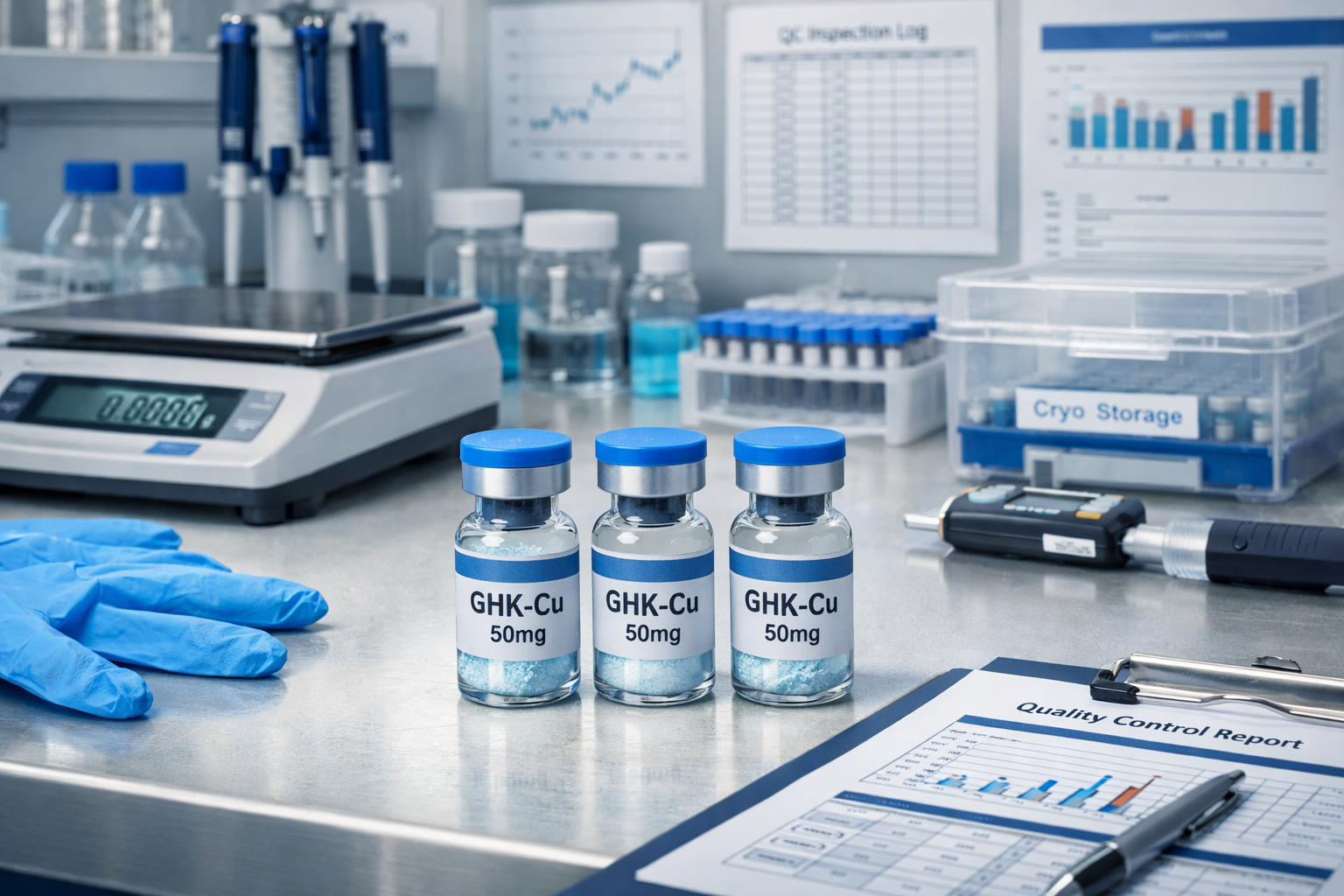
High-quality peptide suppliers provide comprehensive testing documentation:
Essential quality markers include:
- HPLC (High-Performance Liquid Chromatography): Confirms peptide purity, typically should be ≥98%
- Mass Spectrometry: Verifies molecular weight and identity
- Endotoxin testing: Ensures bacterial contamination is below safe thresholds
- Sterility testing: Confirms absence of microbial contamination
- Certificate of Analysis (COA): Documentation of all testing results
When evaluating suppliers, professionals should request and review COAs for each batch. Reputable sources like Pure Tested Peptides provide transparent testing documentation and maintain consistent quality standards.
Reconstitution and Preparation
Proper reconstitution of lyophilized GHK-Cu peptide is crucial for maintaining activity:
Step-by-step reconstitution:
- Allow peptide vial to reach room temperature (15-20 minutes)
- Clean vial tops with alcohol swabs
- Draw appropriate volume of bacteriostatic water or sterile water
- Inject water slowly down the side of the vial (not directly onto powder)
- Gently swirl (do not shake vigorously)
- Allow to fully dissolve (may take 2-5 minutes)
- Inspect solution for clarity and absence of particles
Reconstitution solvents:
- Bacteriostatic water (0.9% benzyl alcohol): Extended stability, 2-4 weeks refrigerated
- Sterile water: Shorter stability, use within days
- Sterile saline: Alternative option with similar stability to sterile water
Red Flags in Peptide Sourcing
Professionals should be cautious of suppliers exhibiting these warning signs:
❌ No third-party testing or COAs available
❌ Prices significantly below market average
❌ Lack of proper business credentials or contact information
❌ Making medical claims or guaranteeing specific results
❌ Poor packaging or unlabeled products
❌ No information about storage requirements
❌ Unwillingness to answer technical questions
Regulatory Considerations
The regulatory landscape for peptides varies by jurisdiction and intended use:
- Research use: Peptides sold for research purposes must be clearly labeled "Not for human consumption"
- Cosmetic applications: Topical formulations may fall under cosmetic regulations
- Clinical use: Medical applications require appropriate licensing and oversight
- Professional scope: Always operate within your professional credentials and local regulations
Understanding these distinctions helps professionals make informed decisions about sourcing and application within their practice areas.
Combining GHK-Cu Peptide with Other Compounds
Many professionals explore synergistic approaches, combining GHK-Cu peptide with other compounds to potentially enhance outcomes. While research on specific combinations remains limited, some theoretical frameworks exist.
Peptide Stacking Considerations
Complementary peptides that professionals sometimes research alongside GHK-Cu include:
- BPC-157: Another peptide studied for tissue repair and healing
- TB-500: Research focuses on tissue regeneration and inflammation modulation
- Collagen peptides: Oral supplementation to support structural protein synthesis
- Thymosin Beta-4: Investigated for wound healing and tissue repair
When considering combinations, professionals should understand that interactions between peptides are not always well-studied. Conservative approaches with careful monitoring are advisable.
Supportive Supplements
Some practitioners incorporate nutritional support alongside GHK-Cu peptide protocols:
🔸 Vitamin C: Essential cofactor for collagen synthesis
🔸 Copper: Some practitioners ensure adequate dietary copper (though GHK-Cu provides some)
🔸 Zinc: Important for tissue repair, but balance with copper is crucial
🔸 Silica: Supports connective tissue health
🔸 Antioxidants: May complement the peptide's antioxidant properties
For fitness coaches and bodybuilders, integrating GHK-Cu research with comprehensive nutrition and training programs creates a holistic approach to recovery and performance optimization.
Timing and Cycling Strategies
Research protocols often employ cycling strategies rather than continuous use:
Common approaches include:
- 8-12 week "on" periods followed by 4-8 week breaks
- Continuous use for specific applications (like ongoing skin care)
- Pulsed dosing (2-3 times weekly rather than daily)
- Seasonal cycling aligned with training periodization
The optimal approach depends on individual goals, response, and the specific application area.
The Future of GHK-Cu Peptide Research
As we move through 2026, research on GHK-Cu peptide continues to expand into new areas. Understanding emerging trends helps professionals stay ahead of developments in this field.
Current Research Directions
Active areas of investigation include:
- Neuroprotection: Studies examining potential brain health applications
- Lung health: Research into pulmonary fibrosis and respiratory tissue repair
- Cardiovascular applications: Investigation of vascular health and tissue regeneration
- Metabolic effects: Emerging research on insulin sensitivity and metabolic markers
- Longevity research: Gene expression studies related to aging processes
Technology and Delivery Systems
Innovations in peptide delivery are making GHK-Cu peptide more accessible and effective:
- Nanoparticle encapsulation: Improved skin penetration for topical applications
- Liposomal formulations: Enhanced stability and cellular uptake
- Microneedling combinations: Increased dermal delivery of peptide compounds
- Sustained-release systems: Extended duration of action with less frequent administration
Personalization and Precision Applications
The future of peptide use likely involves more personalized approaches:
- Genetic testing to identify optimal responders
- Biomarker monitoring to track individual responses
- Customized dosing based on individual metabolism
- Integration with wearable technology for real-time feedback
For professionals working in medi spas, fitness coaching, and wellness, staying informed about these developments positions you to offer cutting-edge, evidence-based services to clients.
Conclusion: Making Informed Decisions About GHK-Cu Peptide
The GHK-Cu peptide represents a fascinating intersection of natural biology and modern research. From its discovery in human plasma over 50 years ago to current applications in aesthetic medicine, athletic recovery, and wellness optimization, this copper-binding tripeptide continues to generate significant professional interest.
For peptide buyers, the key to success lies in sourcing high-quality, well-tested compounds from reputable suppliers who provide transparent documentation and support. Medi spa professionals can leverage the skin health and anti-aging research to develop evidence-based treatment protocols that address client concerns about aging and skin quality. Fitness coaches and bodybuilders may find value in exploring recovery applications, always within the context of comprehensive training and nutrition programs.
Actionable Next Steps
For professionals ready to explore GHK-Cu peptide:
- Educate yourself thoroughly on the research, mechanisms, and appropriate applications within your field
- Source quality products from reputable suppliers with proper testing and documentation like Pure Tested Peptides
- Start conservatively with established protocols and monitor responses carefully
- Document outcomes systematically to build your own evidence base
- Stay current with emerging research and evolving best practices
- Work within your scope of professional practice and applicable regulations
- Consider combination approaches thoughtfully, understanding that interactions may not be fully characterized
The growing body of research on GHK-Cu peptide suggests we've only begun to understand its full potential. Whether you're formulating topical treatments for skin rejuvenation, developing recovery protocols for athletes, or exploring wellness optimization strategies for clients, this naturally occurring peptide offers a research-backed option worth serious consideration.
As we continue through 2026 and beyond, the integration of peptide science into professional practice will likely accelerate. Those who invest time in understanding compounds like GHK-Cu, who prioritize quality sourcing, and who approach applications with both enthusiasm and appropriate caution will be best positioned to serve their clients effectively.
Remember that while research is promising, GHK-Cu peptide is not a magic solution but rather one tool in a comprehensive approach to health, wellness, and performance optimization. The most successful outcomes typically occur when peptide protocols are integrated with proper nutrition, training, sleep, stress management, and other foundational health practices.
For those ready to take the next step in exploring this remarkable peptide, investing in quality products and continuing education will provide the foundation for safe, effective, and evidence-based applications in your professional practice.
SEO Meta Information
Meta Title: GHK-Cu Peptide Guide 2026: Research, Benefits & Applications
Meta Description: Complete GHK-Cu peptide guide for professionals. Learn mechanisms, applications, dosing protocols, and quality sourcing for medi spas, fitness, and wellness.