
GHK-Cu Peptides: The Complete Guide to Copper Peptide Science and Applications
Imagine a single molecule that could turn back the clock on aging tissue, accelerate wound healing by nearly 50%, and influence over 4,000 genes involved in tissue repair. That molecule exists, and it's called GHK-Cu—a copper peptide complex that has captivated researchers, medical professionals, and wellness practitioners since its discovery in 1973. As someone who has spent years studying peptide research and applications, I can tell you that few compounds demonstrate the remarkable versatility and scientific backing that ghk-cu peptides offer for regenerative medicine and aesthetic applications.
For peptide buyers, medi spa professionals, fitness coaches, life coaches, and bodybuilders seeking evidence-based solutions for tissue repair, skin rejuvenation, and recovery optimization, understanding GHK-Cu peptides represents a critical knowledge gap worth filling. This comprehensive guide will walk you through the science, mechanisms, applications, and practical considerations surrounding this fascinating copper peptide complex.
Key Takeaways
✅ GHK-Cu is a tripeptide-copper complex that influences over 4,000 genes related to tissue repair, collagen synthesis, and inflammation control
✅ Laboratory studies show 70% increases in collagen production and 40-50% faster wound closure compared to control treatments
✅ Multiple mechanisms of action include SIRT1/STAT3 pathway regulation, antioxidant enzyme upregulation, and tight junction protein expression
✅ Applications span aesthetic, athletic recovery, and therapeutic domains, making it valuable for diverse professional practices
✅ Quality sourcing and proper handling are essential for research and application success with copper peptides
What Are GHK-Cu Peptides? Understanding the Copper Peptide Complex
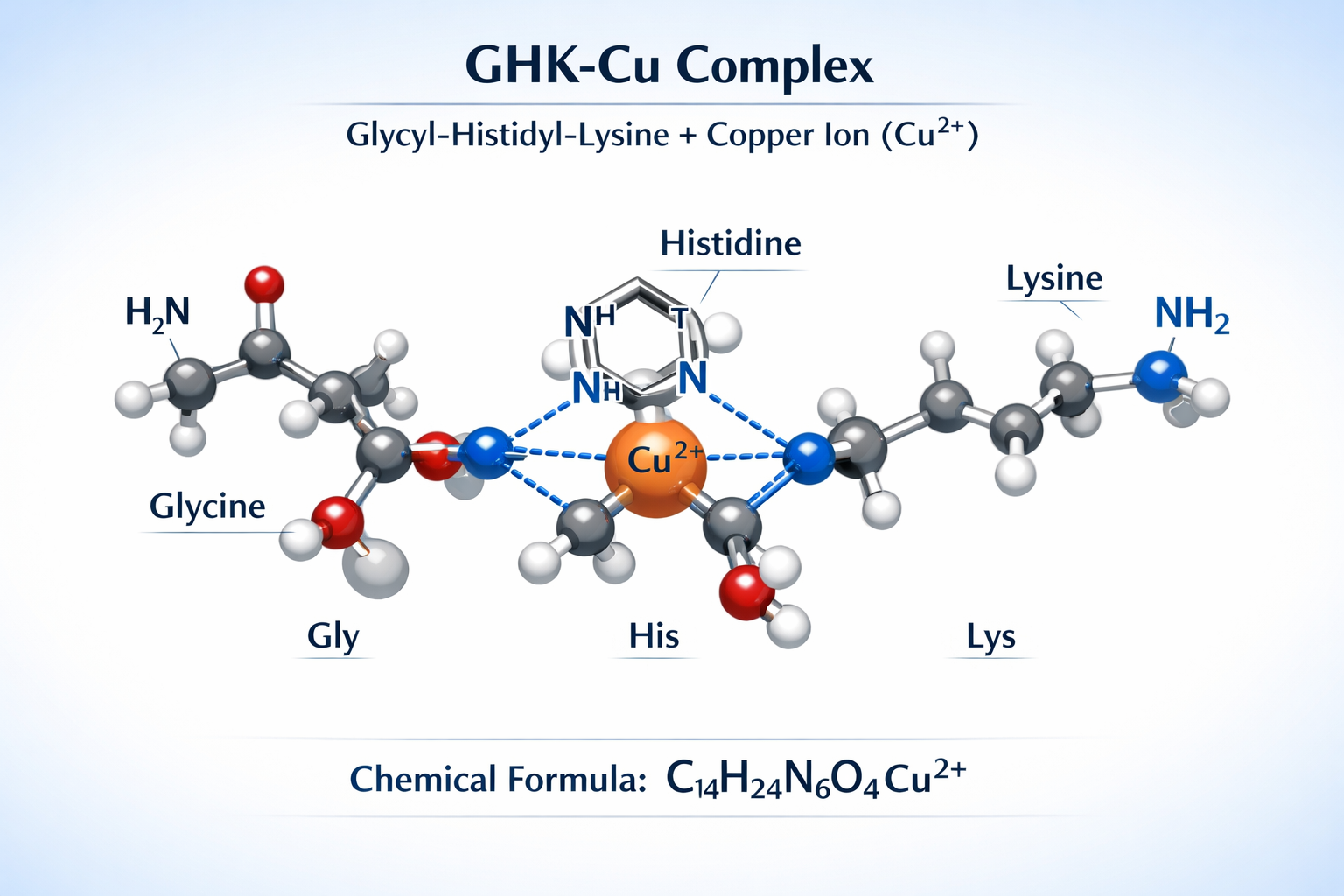
GHK-Cu peptides represent a unique class of bioactive molecules that combine the tripeptide sequence glycyl-histidyl-lysine (GHK) with copper ions (Cu²⁺) to form a stable coordination complex. This blue-colored compound was first discovered by Dr. Loren Pickart in 1973 during groundbreaking research on liver cell growth factors.
The Discovery That Changed Regenerative Medicine
Dr. Pickart's original research revealed something extraordinary: when aging human liver tissue was exposed to GHK, it began producing proteins characteristic of younger tissue. This discovery opened an entire field of research into how peptides could influence cellular aging and tissue regeneration.
The molecular structure of GHK-Cu peptides consists of:
- Glycine (Gly) – the simplest amino acid
- Histidine (His) – provides copper-binding capability
- Lysine (Lys) – contributes to structural stability
- Copper ion (Cu²⁺) – the catalytic center that drives biological activity
Why Copper Matters in Peptide Function
The copper component isn't just along for the ride—it's essential to the peptide's biological activity. Copper ions serve as cofactors for numerous enzymatic processes in the body, including:
🔹 Collagen and elastin cross-linking
🔹 Antioxidant enzyme activation
🔹 Cellular energy production
🔹 Iron metabolism and oxygen transport
When bound to the GHK tripeptide, copper becomes bioavailable in a form that cells can readily utilize for these critical processes. This explains why GHK-Cu peptides demonstrate such broad-spectrum effects across multiple tissue types and biological systems.
For those exploring peptide research applications, understanding this fundamental structure helps explain the compound's remarkable versatility.
The Science Behind GHK-Cu Peptides: Mechanisms of Action
What makes GHK-Cu peptides truly remarkable is not just what they do, but how they do it. The mechanisms of action operate at multiple levels—from gene expression to cellular signaling to tissue-level effects.
Gene Expression Regulation: The 4,000-Gene Effect
Perhaps the most striking finding in GHK-Cu research is its influence on gene expression. Studies have demonstrated that this copper peptide complex can modulate the expression of over 4,000 genes involved in:
| Gene Category | Effect | Biological Outcome |
|---|---|---|
| Tissue Repair Genes | ⬆️ Upregulated | Enhanced healing and regeneration |
| Inflammatory Genes | ⬇️ Downregulated | Reduced chronic inflammation |
| Collagen Synthesis Genes | ⬆️ Upregulated | Increased structural protein production |
| Antioxidant Genes | ⬆️ Upregulated | Better oxidative stress protection |
| Tissue Breakdown Genes | ⬇️ Downregulated | Reduced degradation and aging |
This broad gene regulation profile explains why GHK-Cu peptides demonstrate effects across so many different biological systems and applications.
The SIRT1/STAT3 Pathway: A Breakthrough Discovery
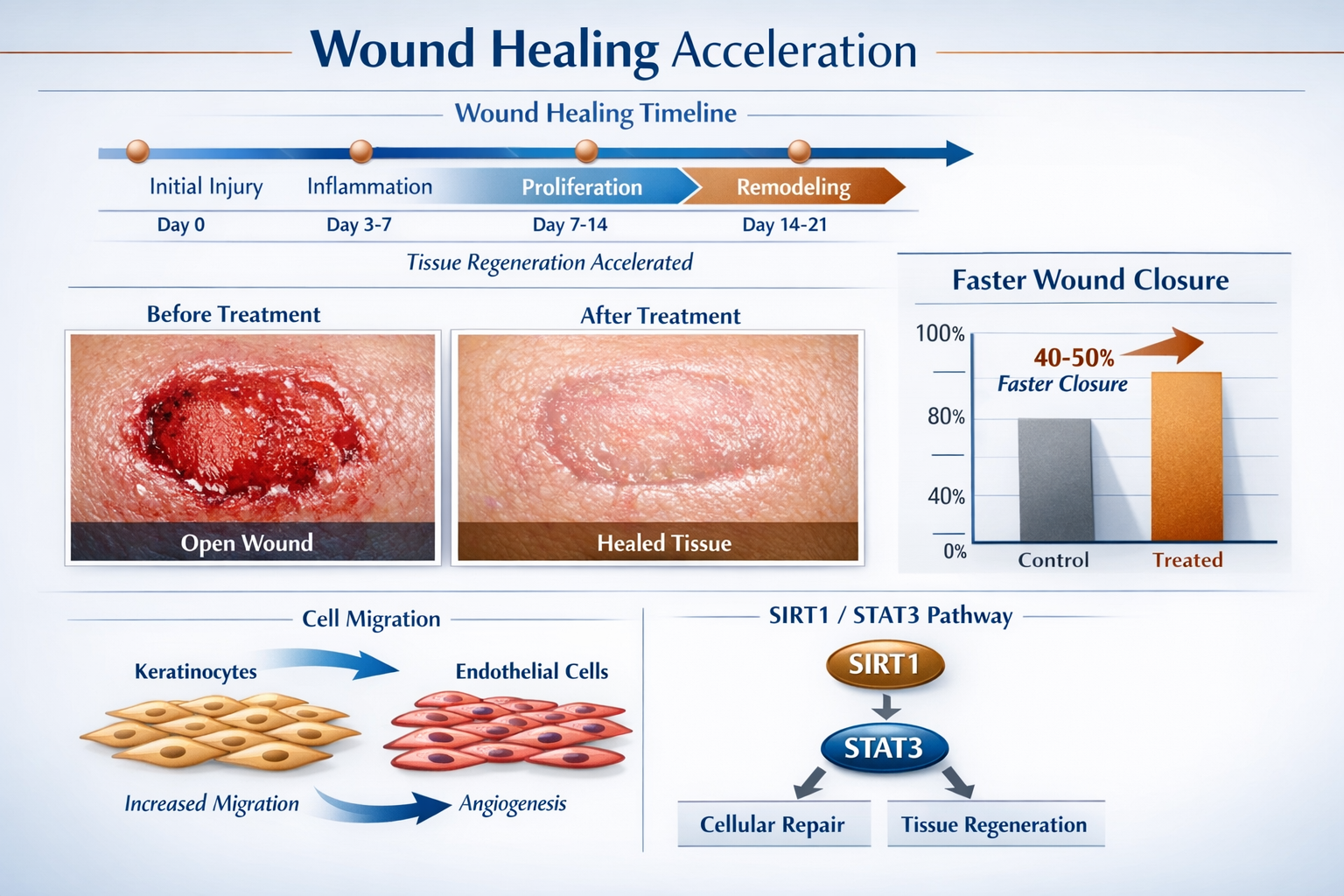
Recent 2025 research has identified a specific molecular mechanism through which GHK-Cu exerts its therapeutic effects. Molecular docking studies revealed that GHK-Cu directly binds to SIRT1 protein with a binding energy of −8.75 kcal/mol, establishing a mechanistic basis for its effects on:
- SIRT1 activation – a longevity-associated protein that regulates cellular stress responses
- STAT3 pathway modulation – controlling inflammation and tissue repair signaling
- Mucosal healing – particularly relevant for intestinal barrier function
This discovery provides a scientific foundation for understanding how such a small molecule can produce such significant biological effects. The SIRT1/STAT3 pathway plays crucial roles in aging, inflammation, and tissue homeostasis across multiple organ systems.
Collagen Production: The 70% Increase
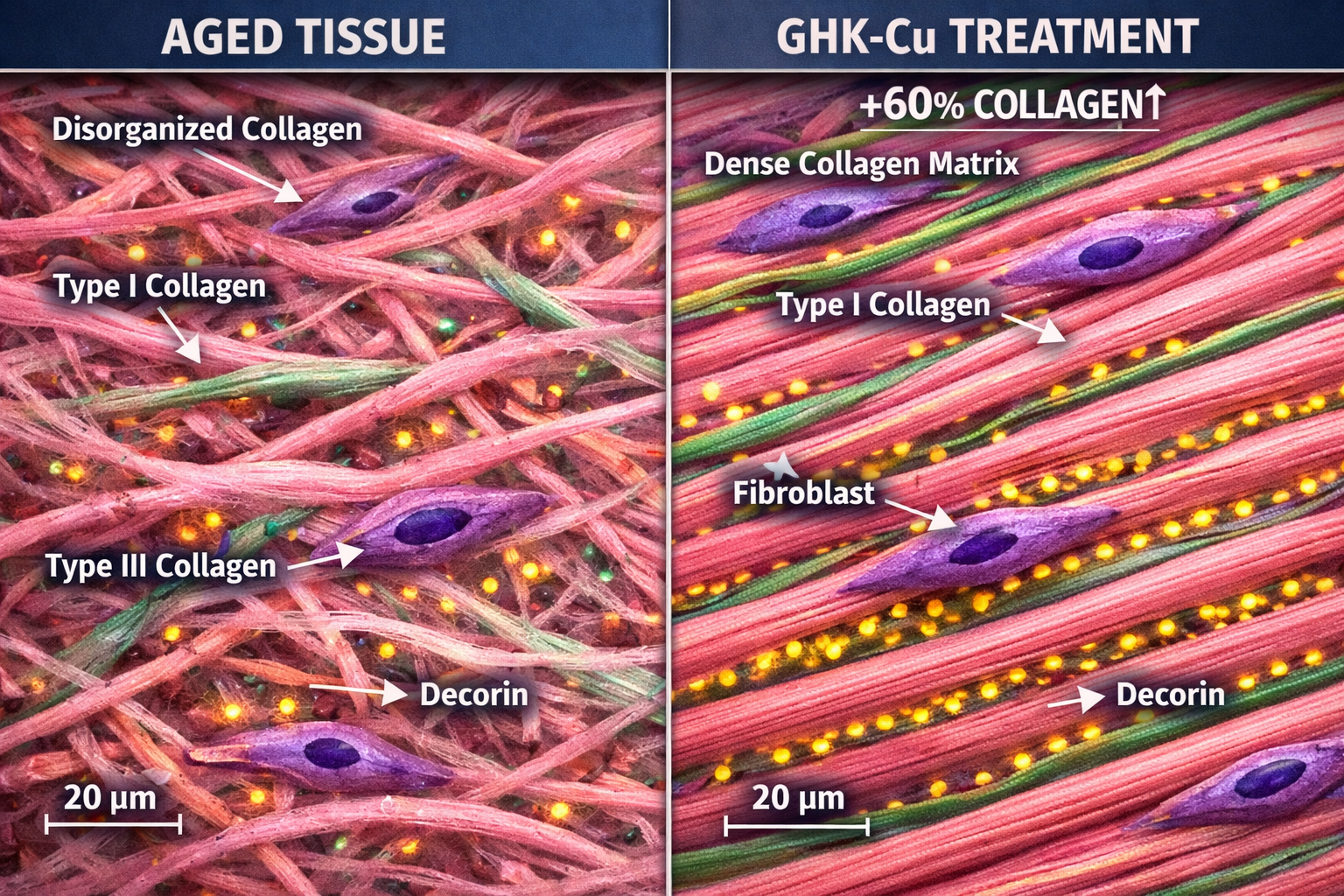
One of the most well-documented effects of GHK-Cu peptides is their ability to stimulate collagen synthesis. Laboratory studies demonstrate that GHK-Cu can increase collagen production by up to 70%, with enhanced production of both:
Type I Collagen – provides structural support and tensile strength to skin, tendons, and connective tissue
Type III Collagen – offers flexibility and is particularly abundant in young, healthy skin
The peptide achieves this through multiple mechanisms:
- Direct stimulation of fibroblast proliferation
- Upregulation of collagen gene expression
- Enhanced decorin synthesis (a proteoglycan that organizes collagen fibers)
- Improved collagen fiber organization and cross-linking
For professionals working in aesthetic medicine, athletic recovery, or peptide-based wellness protocols, this collagen-boosting effect represents one of the primary therapeutic targets.
Antioxidant and Anti-Inflammatory Properties
GHK-Cu peptides demonstrate powerful antioxidant effects by upregulating key protective enzymes:
- Superoxide dismutase (SOD) – neutralizes harmful superoxide radicals
- Catalase – breaks down hydrogen peroxide into water and oxygen
- Glutathione peroxidase – protects against lipid peroxidation
Simultaneously, the peptide suppresses inflammatory gene expression, including:
- TNF-α (Tumor Necrosis Factor-alpha) – a primary inflammatory cytokine
- IL-1β (Interleukin-1 beta) – drives inflammatory responses
- NF-κB pathway – the master regulator of inflammation
This dual action—enhancing antioxidant defenses while suppressing inflammatory pathways—creates an optimal cellular environment for tissue repair and regeneration.
Clinical Applications of GHK-Cu Peptides for Professional Practice
Understanding the science is one thing, but applying GHK-Cu peptides effectively in professional settings requires knowledge of specific use cases and protocols. Let me walk you through the primary applications relevant to different professional contexts.
For Medi Spa Professionals: Aesthetic and Skin Rejuvenation
The aesthetic applications of GHK-Cu peptides are extensive and well-documented. Medi spa professionals can leverage these peptides for:
Skin Texture and Tone Improvement
- Increased collagen density creates firmer, more resilient skin
- Enhanced elastin production improves skin elasticity
- Better organization of dermal matrix proteins reduces fine lines
Wound Healing and Post-Procedure Recovery
- 40-50% acceleration of wound closure compared to controls
- Reduced scarring through organized collagen deposition
- Faster recovery from microneedling, laser treatments, and chemical peels
Pigmentation and Sun Damage
- Antioxidant properties protect against UV-induced damage
- Support for healthy melanocyte function
- Enhanced skin barrier function prevents moisture loss
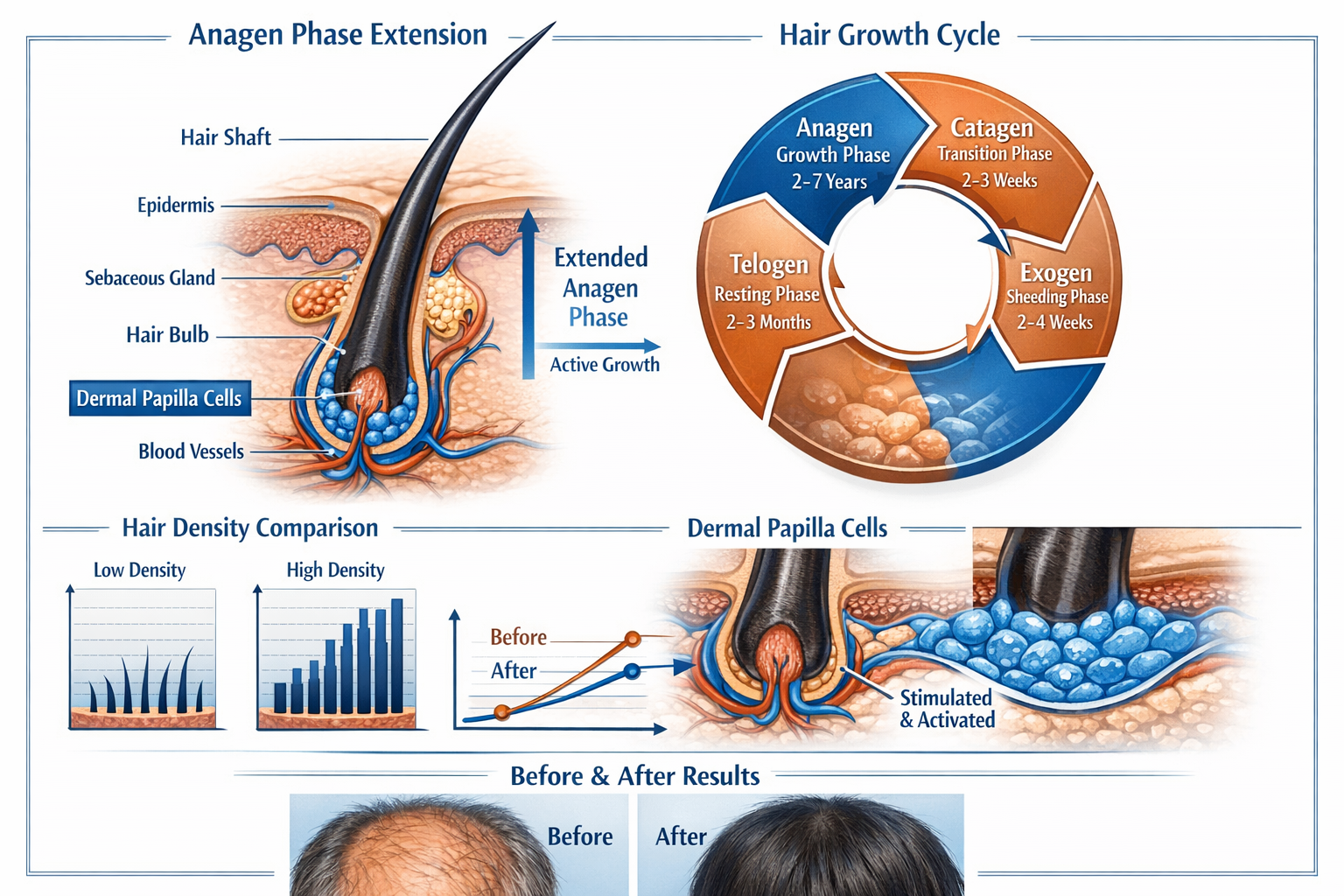
Hair Growth and Scalp Health
- Extension of the anagen (growth) phase of hair cycle
- Reduction of the catagen (regression) phase
- Improved hair follicle anchoring and density
Many professionals incorporate GHK-Cu into topical formulations or use it as part of comprehensive skin rejuvenation protocols.
For Fitness Coaches and Bodybuilders: Recovery and Tissue Repair
Athletes and fitness professionals face constant tissue stress from training. GHK-Cu peptides offer several advantages for recovery optimization:
Accelerated Muscle Tissue Repair
- Enhanced fibroblast activity supports connective tissue healing
- Improved collagen synthesis strengthens tendons and ligaments
- Reduced inflammatory signaling allows faster recovery between sessions
Joint and Connective Tissue Support
- Type I and III collagen production supports cartilage health
- Decorin synthesis improves tissue organization
- Anti-inflammatory effects reduce joint discomfort
Skin Integrity During Weight Fluctuations
- Maintained skin elasticity during cutting phases
- Enhanced collagen matrix prevents stretch marks
- Improved skin tone and texture
For those exploring comprehensive peptide protocols for athletic performance, GHK-Cu often serves as a foundational component alongside other recovery-focused compounds.
For Life Coaches and Wellness Practitioners: Holistic Health Applications
The broader wellness applications of GHK-Cu peptides extend beyond aesthetics and athletics:
Gut Health and Intestinal Barrier Function
- Increased expression of tight junction proteins (ZO-1 and Occludin)
- Enhanced mucosal integrity and barrier function
- Support for healthy inflammatory response in the gut
Systemic Anti-Aging Effects
- SIRT1 activation supports cellular longevity pathways
- Broad gene expression changes favor youthful cellular function
- Antioxidant protection reduces cellular aging markers
Stress Response and Adaptation
- Support for healthy cortisol metabolism
- Enhanced cellular stress resistance
- Improved tissue resilience to environmental stressors
Wellness practitioners often incorporate GHK-Cu as part of comprehensive adaptive capacity protocols that address multiple aspects of biological aging and stress response.
Research Applications and Therapeutic Potential
Beyond current professional applications, ongoing research continues to reveal new therapeutic potential for GHK-Cu peptides:
🔬 Ulcerative Colitis – 2025 studies demonstrate significant therapeutic effects through SIRT1/STAT3 pathway regulation
🔬 Chronic Wounds – Diabetic ulcers and non-healing wounds show improved closure rates
🔬 Neurodegenerative Conditions – Preliminary research suggests neuroprotective properties
🔬 Cardiovascular Health – Potential benefits for vascular tissue repair and function
These emerging applications highlight why GHK-Cu peptides continue to attract research attention across multiple medical disciplines.
Sourcing, Quality, and Practical Considerations for GHK-Cu Peptides
The therapeutic potential of GHK-Cu peptides can only be realized when working with high-quality, properly handled compounds. Let me share some critical considerations for professionals sourcing these peptides.
Quality Markers for GHK-Cu Peptides
Not all peptide sources are created equal. When evaluating GHK-Cu peptides for research or application, look for:
Purity Specifications
- ≥98% purity confirmed by HPLC (High-Performance Liquid Chromatography)
- Certificate of Analysis (CoA) from independent third-party testing
- Mass spectrometry verification of molecular weight
Proper Storage and Handling
- Lyophilized (freeze-dried) powder form for stability
- Storage at -20°C or below before reconstitution
- Protection from light and moisture
- Clear expiration dating
Supplier Credentials
- Transparent sourcing and manufacturing processes
- Compliance with Good Manufacturing Practices (GMP)
- Responsive customer support and technical expertise
- Batch-to-batch consistency documentation
When sourcing from reputable suppliers like Pure Tested Peptides, you gain access to compounds that meet these quality standards, ensuring consistent results in research and application.
Reconstitution and Preparation
GHK-Cu peptides typically arrive as lyophilized powder requiring reconstitution. Proper technique ensures peptide stability and efficacy:
Reconstitution Steps:
- Allow peptide vial to reach room temperature
- Use bacteriostatic water or sterile saline as solvent
- Add solvent slowly down the side of the vial (never directly onto powder)
- Gently swirl—never shake vigorously
- Allow complete dissolution before use
- Store reconstituted solution at 2-8°C (refrigerated)
Concentration Calculations:
Most research protocols use concentrations between 0.5-2.0 mg/mL, though specific applications may vary. Always calculate based on the actual peptide mass in your vial and desired final concentration.
Dosing Considerations Across Applications
While specific protocols vary by application and individual factors, general dosing frameworks include:
| Application | Typical Range | Frequency | Route |
|---|---|---|---|
| Topical Aesthetic | 0.5-2% concentration | Daily | Topical serum/cream |
| Wound Healing | 1-3 mg/mL | 2x daily | Topical application |
| Systemic Effects | Research-dependent | Variable | Research protocols |
| Hair Growth | 1-2% concentration | Daily | Topical scalp application |
Important Note: These ranges represent common research protocols and should not be interpreted as medical recommendations. Professional practitioners should develop protocols appropriate to their specific context and regulatory environment.
Combining GHK-Cu with Other Peptides
Many professionals find synergistic benefits when combining GHK-Cu peptides with complementary compounds. Common combinations include:
For Aesthetic Applications:
- GHK-Cu + Matrixyl (palmitoyl peptides) for enhanced collagen synthesis
- GHK-Cu + Argireline for combined collagen support and expression line reduction
For Recovery and Tissue Repair:
- GHK-Cu + BPC-157 for comprehensive tissue healing
- GHK-Cu + TB-500 for enhanced cellular migration and repair
For Metabolic Support:
- GHK-Cu + MOTS-C for mitochondrial function and metabolic optimization
When exploring peptide blend research, consider how different mechanisms of action can complement each other for comprehensive protocols.
Safety Profile and Considerations
GHK-Cu peptides demonstrate a favorable safety profile in research contexts, with few reported adverse effects. However, professionals should be aware of:
Potential Considerations:
- Copper sensitivity in rare individuals
- Interaction with copper-binding medications
- Proper sterile technique for any application
- Appropriate storage to maintain peptide integrity
Contraindications:
- Wilson's disease (copper metabolism disorder)
- Copper toxicity conditions
- Pregnancy and lactation (insufficient research data)
Always conduct thorough intake assessments and consider individual factors when developing protocols involving GHK-Cu peptides.
The Future of GHK-Cu Peptides: Emerging Research and Applications
As we move through 2026, the research landscape for GHK-Cu peptides continues to expand. Several exciting developments are worth noting for professionals staying current with peptide science.
Novel Delivery Systems
Researchers are developing advanced delivery mechanisms to enhance GHK-Cu bioavailability and targeting:
Nanoparticle Encapsulation
- Protects peptide from degradation
- Enhances skin penetration for topical applications
- Allows controlled release over extended periods
Liposomal Formulations
- Improves cellular uptake
- Reduces required dosing
- Enhances stability in formulations
Microneedle Patches
- Painless transdermal delivery
- Bypasses first-pass metabolism
- Provides sustained release profiles
These innovations may significantly expand the practical applications of GHK-Cu in professional settings.
Expanded Therapeutic Targets
Current research is investigating GHK-Cu peptides for conditions beyond traditional aesthetic and wound healing applications:
Inflammatory Bowel Diseases
- Building on 2025 ulcerative colitis research
- Exploring Crohn's disease applications
- Investigating barrier function restoration
Neurodegenerative Conditions
- Potential neuroprotective effects
- Anti-inflammatory benefits for brain tissue
- Support for healthy neuronal function
Metabolic Disorders
- SIRT1 activation for metabolic health
- Potential insulin sensitivity benefits
- Mitochondrial function support
As this research progresses, the applications for GHK-Cu peptides will likely expand well beyond current use cases.
Personalized Peptide Protocols
The future of peptide application lies in personalization. Emerging approaches include:
Genetic Testing Integration
- Identifying individuals most likely to respond to GHK-Cu
- Tailoring dosing based on genetic factors
- Combining with other peptides based on genetic profile
Biomarker Monitoring
- Tracking collagen synthesis markers
- Measuring inflammatory cytokine changes
- Assessing antioxidant status improvements
AI-Driven Protocol Optimization
- Machine learning algorithms predicting optimal combinations
- Data-driven dosing adjustments
- Outcome prediction based on individual factors
These advances will enable professionals to develop increasingly sophisticated and effective protocols using GHK-Cu peptides as foundational components.
Regulatory Landscape Evolution
As peptide therapeutics gain mainstream attention, regulatory frameworks continue to evolve. Professionals should stay informed about:
- FDA guidance on peptide compounds
- State-level regulations for peptide applications
- Professional practice standards and scope
- Quality control and testing requirements
Staying current with regulatory developments ensures compliant, ethical practice while maximizing the therapeutic potential of peptide research.
Conclusion: Integrating GHK-Cu Peptides into Professional Practice
GHK-Cu peptides represent one of the most well-researched and versatile compounds in the peptide landscape. From Dr. Pickart's original 1973 discovery to the cutting-edge 2025 research on SIRT1/STAT3 pathways, the scientific foundation supporting these copper peptides continues to grow stronger.
For peptide buyers, medi spa professionals, fitness coaches, life coaches, and bodybuilders, GHK-Cu offers evidence-based solutions across multiple domains:
✅ Aesthetic applications with documented collagen increases up to 70%
✅ Wound healing acceleration of 40-50% compared to controls
✅ Athletic recovery support through enhanced tissue repair and reduced inflammation
✅ Systemic wellness benefits via gene expression modulation and SIRT1 activation
✅ Gut health applications through tight junction protein expression and barrier function
The key to successful GHK-Cu integration lies in understanding the science, sourcing quality compounds, and developing protocols appropriate to your professional context and client needs.
Your Next Steps
Ready to explore GHK-Cu peptides for your professional practice? Here's what I recommend:
-
Educate yourself thoroughly on the mechanisms and applications most relevant to your field
-
Source from reputable suppliers who provide third-party testing and certificates of analysis—consider starting with high-quality GHK-Cu from Pure Tested Peptides
-
Start with well-researched protocols before experimenting with novel applications
-
Track outcomes systematically to build your own evidence base for effectiveness
-
Stay current with emerging research as the field continues to evolve rapidly
-
Consider complementary peptides that may enhance GHK-Cu effects for specific applications
-
Maintain rigorous quality control in storage, handling, and preparation
The regenerative potential of GHK-Cu peptides is remarkable, but realizing that potential requires commitment to quality, education, and evidence-based practice. Whether you're helping clients achieve aesthetic goals, supporting athletes in recovery, or developing comprehensive wellness protocols, GHK-Cu deserves serious consideration as a foundational component.
The science is clear, the applications are diverse, and the future looks bright for this fascinating copper peptide complex. The question isn't whether GHK-Cu has a place in modern peptide practice—it's how you'll integrate it most effectively into your professional toolkit.
SEO Meta Information
Meta Title: GHK-Cu Peptides Guide: Science, Benefits & Applications 2026
Meta Description: Complete guide to GHK-Cu peptides covering mechanisms, collagen synthesis, wound healing, and professional applications for aesthetic and wellness practices.