
Nasal Peptide Sprays: The Complete Guide for Health Professionals and Wellness Enthusiasts in 2026
Imagine delivering powerful therapeutic peptides directly to the bloodstream in seconds—bypassing digestive breakdown, avoiding needles, and achieving rapid bioavailability. Nasal peptide sprays are revolutionizing how health professionals, fitness coaches, and medispa practitioners approach peptide supplementation. This innovative delivery method combines convenience with effectiveness, making peptide therapy more accessible than ever before.
The nasal route offers unique advantages that traditional delivery methods simply cannot match. With direct access to the bloodstream through the highly vascularized nasal mucosa, peptides can reach systemic circulation within minutes while maintaining their molecular integrity. For peptide shoppers seeking efficient solutions and wellness professionals looking to expand their therapeutic toolkit, understanding nasal peptide delivery has become essential knowledge in 2026.
Key Takeaways
✅ Rapid Absorption: Nasal peptide sprays deliver compounds directly to the bloodstream through the nasal mucosa, achieving bioavailability rates of 50-80% compared to oral administration's 5-20%
✅ Convenience Factor: Needle-free administration makes peptide therapy accessible to needle-averse clients while maintaining therapeutic effectiveness
✅ Diverse Applications: Popular formulations include Selank for cognitive support, BPC-157 for tissue repair, and MOTS-C for metabolic optimization
✅ Quality Matters: Third-party testing, proper storage, and reputable suppliers are critical for safety and efficacy
✅ Professional Guidance: Working with knowledgeable peptide suppliers ensures appropriate selection, dosing, and monitoring protocols
Understanding Nasal Peptide Sprays: Science and Mechanism
What Are Nasal Peptide Sprays?
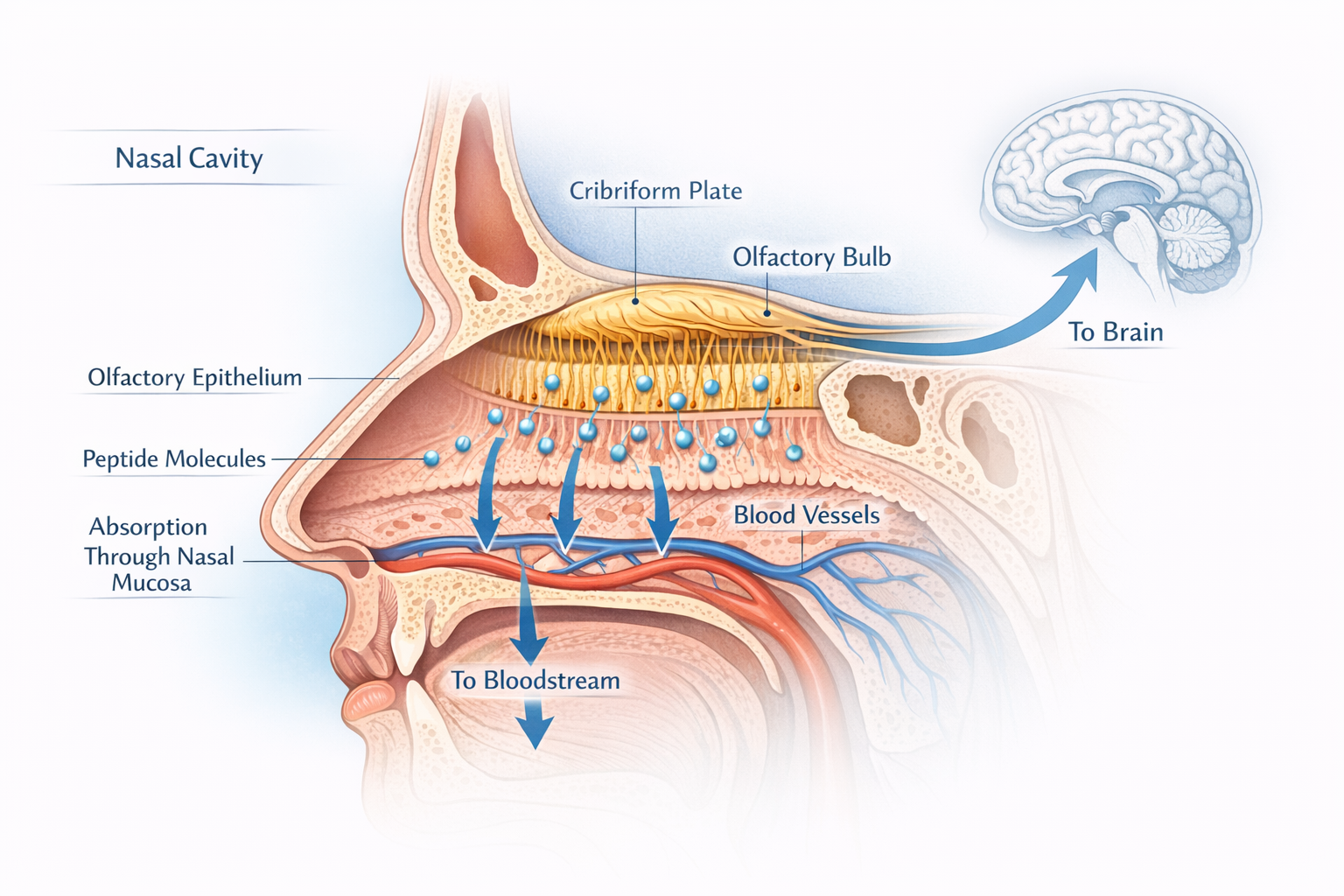
Nasal peptide sprays represent an advanced delivery system that administers bioactive peptides through the nasal cavity. Unlike traditional injection methods, these formulations utilize the unique anatomical features of the nose to facilitate rapid absorption. The nasal mucosa—a thin, highly permeable membrane rich in blood vessels—provides an ideal gateway for peptide molecules to enter systemic circulation.
Peptides are short chains of amino acids that serve as signaling molecules in the body, regulating everything from tissue repair to cognitive function. When formulated as nasal sprays, these compounds bypass first-pass metabolism in the liver, preserving their biological activity and therapeutic potential [1].
The Science Behind Nasal Absorption
The nasal cavity offers several physiological advantages for peptide delivery:
Extensive Vascularization 🩸
The nasal mucosa contains a dense network of capillaries positioned just beneath the epithelial surface. This proximity allows peptides to diffuse directly into the bloodstream without navigating complex digestive barriers.
Large Surface Area
With approximately 150 square centimeters of absorptive surface, the nasal cavity provides ample opportunity for molecular uptake. The presence of microvilli further increases this functional area.
Enzymatic Activity
While the nasal cavity does contain some peptidase enzymes, their activity is significantly lower than in the gastrointestinal tract. This reduced enzymatic degradation helps preserve peptide integrity during absorption [2].
Direct Brain Access
Certain peptides can access the central nervous system via the olfactory and trigeminal nerve pathways, offering unique therapeutic possibilities for cognitive and neurological applications.
Bioavailability Comparison
| Delivery Method | Bioavailability | Onset Time | Convenience |
|---|---|---|---|
| Nasal Spray | 50-80% | 5-15 minutes | ⭐⭐⭐⭐⭐ |
| Subcutaneous Injection | 90-100% | 15-30 minutes | ⭐⭐⭐ |
| Oral Capsule | 5-20% | 45-90 minutes | ⭐⭐⭐⭐ |
| Sublingual | 30-50% | 10-20 minutes | ⭐⭐⭐⭐ |
The data clearly demonstrates why nasal administration has gained traction among health professionals seeking optimal therapeutic outcomes with maximum client compliance.
Popular Nasal Peptide Spray Formulations and Their Applications
Selank Nasal Spray: Cognitive Enhancement and Stress Management
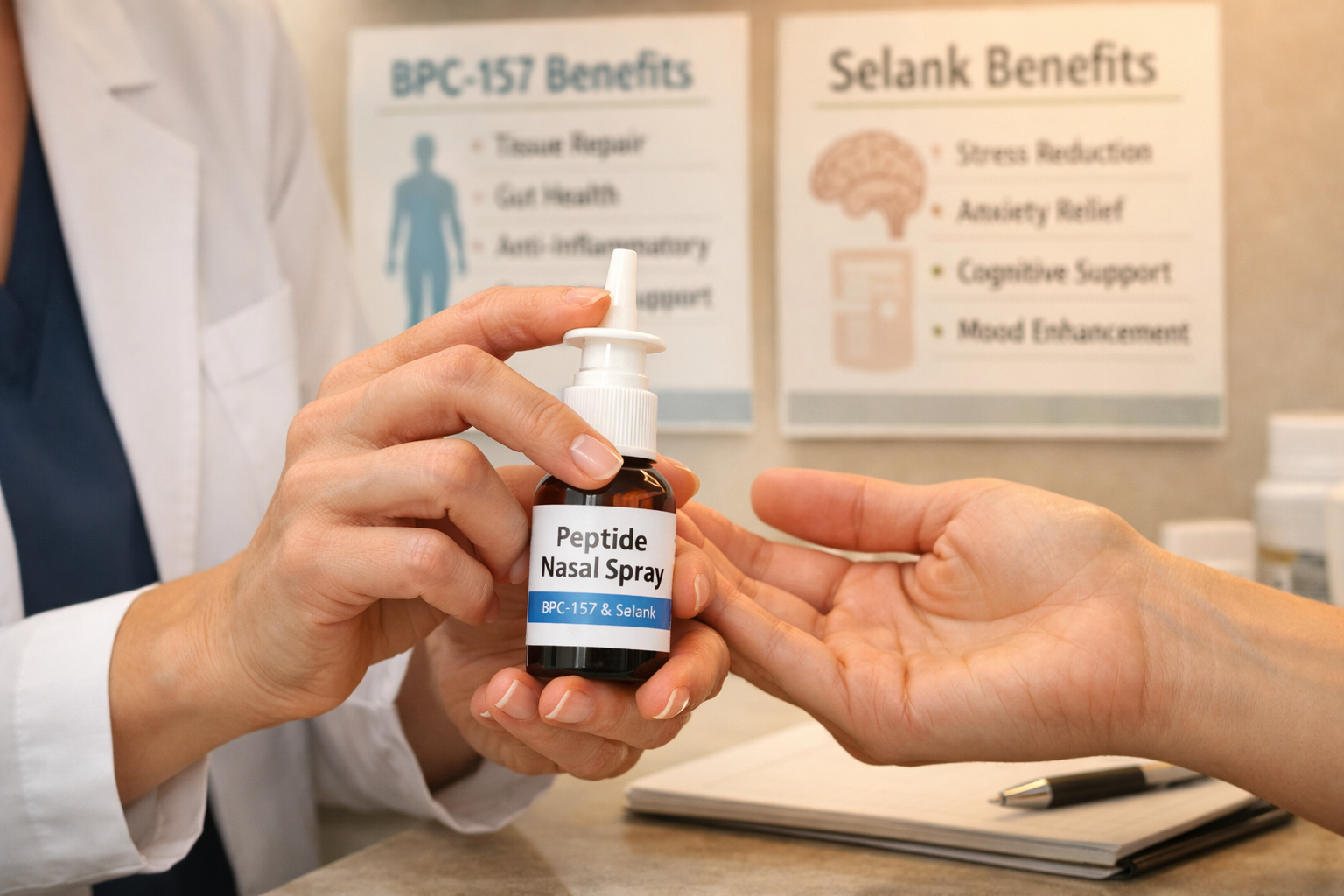
Selank stands as one of the most widely researched and utilized nasal peptides in 2026. Originally developed in Russia, this synthetic derivative of the naturally occurring peptide tuftsin has demonstrated remarkable anxiolytic and nootropic properties.
Primary Benefits:
- Reduces anxiety without sedation
- Enhances cognitive performance and focus
- Supports emotional stability during stress
- Modulates immune function
- Improves learning and memory consolidation
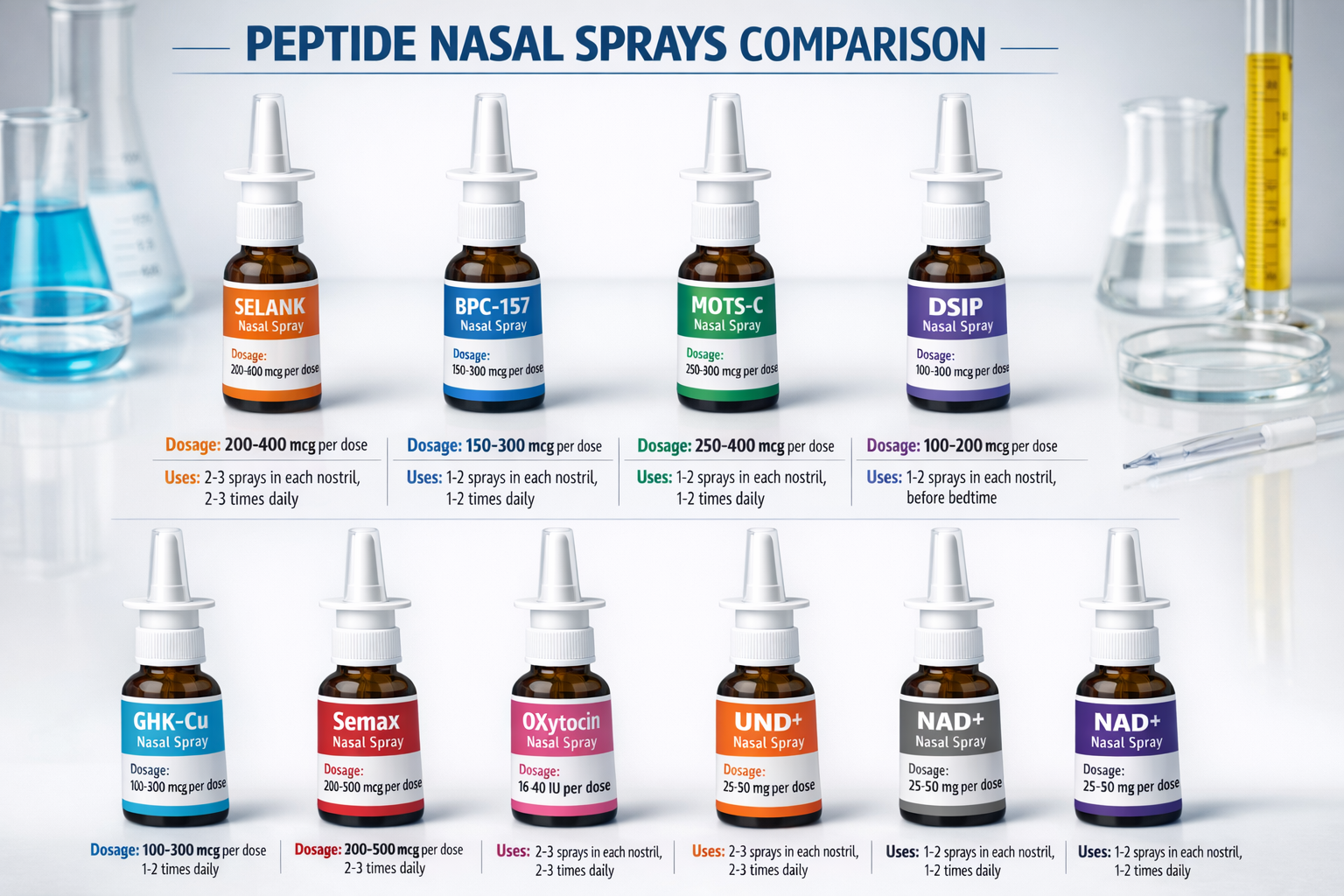
For health and fitness coaches working with high-performing clients, Selank nasal spray offers a non-pharmaceutical approach to managing performance anxiety and mental clarity. The typical dosing protocol involves 2-3 sprays per nostril once or twice daily, though individual needs vary [3].
"Selank's ability to reduce anxiety while simultaneously enhancing cognitive function makes it uniquely valuable for professionals managing both mental performance and stress resilience."
BPC-157 Nasal Spray: Tissue Repair and Recovery
BPC-157 (Body Protection Compound-157) has emerged as a cornerstone peptide for tissue healing and recovery applications. While traditionally administered via injection, nasal formulations have gained popularity for their systemic effects and ease of use.
Key Applications:
- Accelerates healing of soft tissue injuries
- Supports gut health and intestinal repair
- Reduces inflammation systemically
- Protects against gastric ulcers
- May support tendon and ligament healing
Medispa practitioners increasingly incorporate BPC-157 nasal spray into comprehensive wellness protocols, particularly for clients recovering from injuries or managing chronic inflammatory conditions. The nasal route provides systemic distribution while avoiding the discomfort of frequent injections.
MOTS-C Nasal Spray: Metabolic Optimization
MOTS-C (Mitochondrial Open Reading Frame of the 12S rRNA-c) represents cutting-edge peptide science focused on metabolic health and longevity. This mitochondrial-derived peptide influences glucose metabolism, insulin sensitivity, and cellular energy production.
Therapeutic Applications:
- Enhances insulin sensitivity
- Supports healthy metabolic function
- May improve exercise capacity
- Promotes mitochondrial health
- Assists with weight management protocols
For peptide shoppers interested in metabolic health, MOTS-C formulations delivered nasally offer an accessible entry point into mitochondrial peptide therapy. The convenience factor significantly improves adherence compared to injection protocols.
Additional Noteworthy Formulations
Epithalon Nasal Spray
This pineal peptide supports circadian rhythm regulation, cellular rejuvenation, and potentially telomere lengthening. Health professionals working with aging clients find epithalon particularly valuable for comprehensive longevity protocols.
Thymosin Alpha-1
Primarily recognized for immune system modulation, thymosin alpha-1 nasal spray supports immune function, reduces inflammation, and may enhance vaccine response.
Cerebrolysin
A neuropeptide complex that supports cognitive function, neuroplasticity, and neuroprotection, particularly valuable for clients concerned with cognitive decline or recovery from neurological events.
Advantages of Nasal Peptide Sprays for Professional Practice
Enhanced Client Compliance and Convenience
The single greatest barrier to successful peptide therapy often isn't efficacy—it's adherence. Nasal peptide sprays eliminate many obstacles that cause clients to discontinue treatment:
Needle Phobia Elimination 💉
Approximately 20-30% of adults experience some degree of needle anxiety. Nasal administration removes this psychological barrier entirely, opening peptide therapy to a significantly larger client population.
Simplified Administration
Clients can self-administer nasal sprays quickly and discreetly without special training, refrigeration requirements, or disposal concerns. This simplicity translates directly to improved protocol compliance.
Travel-Friendly Format
Unlike injectable peptides requiring refrigeration and careful transport, many nasal formulations remain stable at room temperature and fit easily into travel routines.
Reduced Infection Risk
Eliminating needle sticks removes the risk of injection site infections, improper technique complications, and sharps disposal challenges.
Rapid Onset and Predictable Pharmacokinetics
The nasal route provides several pharmacological advantages:
- Quick Absorption: Effects typically manifest within 5-15 minutes
- Bypassed First-Pass Metabolism: Peptides avoid hepatic degradation
- Consistent Bioavailability: Properly formulated sprays deliver predictable dosing
- Reduced Systemic Exposure: Lower doses may achieve therapeutic effects
For fitness coaches timing peptide administration around training sessions or medispa professionals coordinating treatments with other modalities, this predictable timing offers significant practical advantages.
Versatility Across Therapeutic Applications
Nasal peptide delivery suits diverse clinical scenarios:
Cognitive Enhancement Protocols
Selank, Semax, and Cerebrolysin administered nasally provide rapid cognitive support for professionals, students, and aging clients concerned with mental performance.
Recovery and Repair Programs
BPC-157 and TB-500 nasal formulations support athletes, post-surgical clients, and individuals managing chronic injuries.
Metabolic Health Optimization
MOTS-C, AOD-9604, and related peptides delivered nasally integrate seamlessly into weight management and metabolic syndrome protocols.
Immune System Support
Thymosin alpha-1 and LL-37 nasal sprays provide accessible immune modulation for clients with compromised immunity or frequent infections.
Cost-Effectiveness Considerations
While nasal formulations may carry a premium compared to raw peptide powders requiring reconstitution, the total cost of ownership often favors sprays when considering:
- Eliminated need for syringes, alcohol wipes, and sharps containers
- Reduced waste from incorrect mixing or contamination
- Improved adherence leading to better outcomes and fewer abandoned protocols
- Time savings for both practitioners and clients
Sourcing Quality Nasal Peptide Sprays: What Health Professionals Need to Know
The Critical Importance of Third-Party Testing
Not all peptide suppliers operate with equal rigor. The peptide industry remains relatively unregulated in many jurisdictions, creating significant quality variability. Third-party testing serves as the gold standard for verifying:
Purity Analysis 🔬
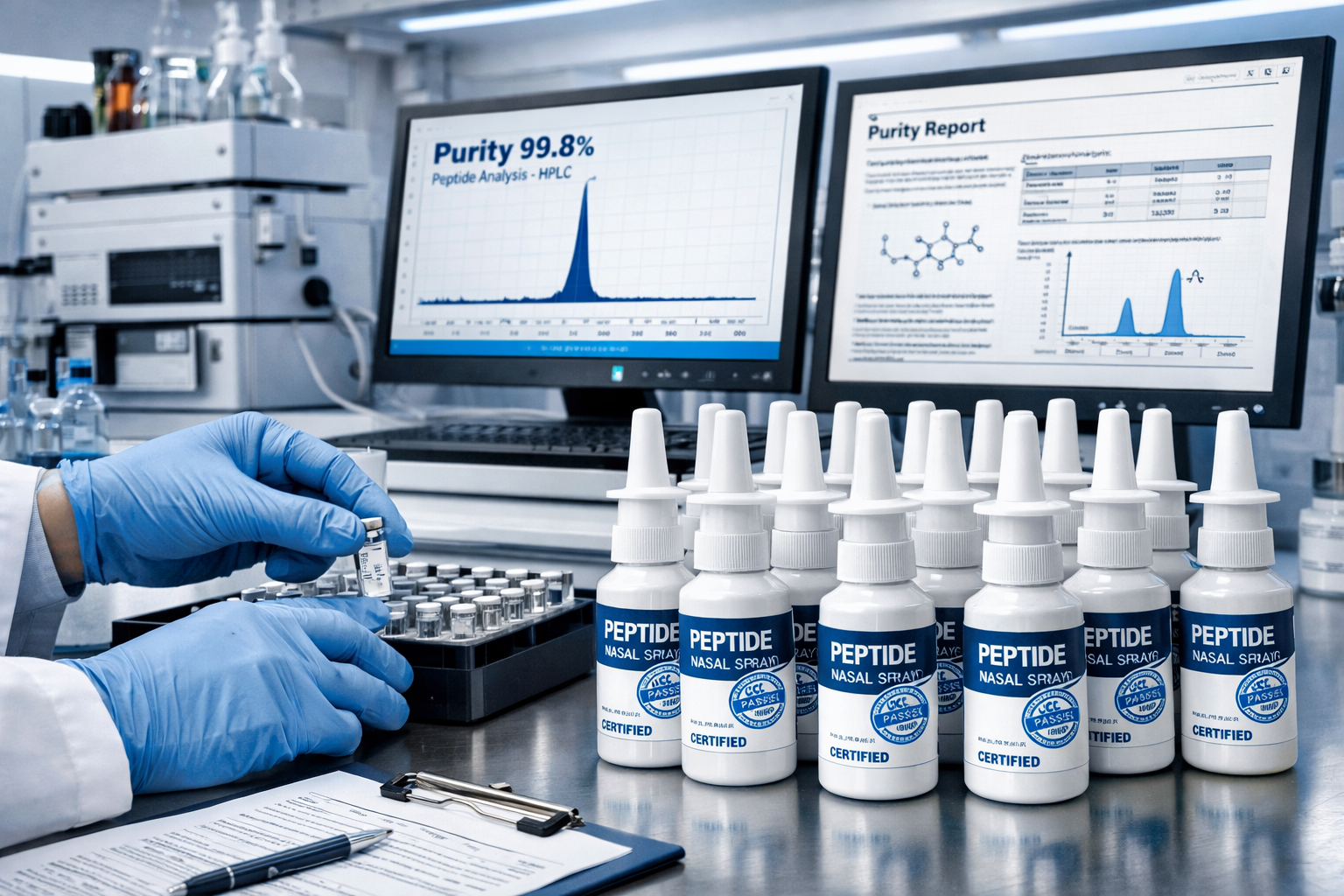
High-performance liquid chromatography (HPLC) testing confirms the peptide content and identifies contaminants. Quality formulations should demonstrate >98% purity.
Sterility Verification
Nasal formulations must be sterile to prevent infections. Reputable suppliers provide certificates of analysis (COAs) confirming microbiological safety.
Concentration Accuracy
Independent testing verifies that labeled peptide concentrations match actual content, ensuring consistent dosing.
Endotoxin Testing
Bacterial endotoxins can cause adverse reactions. Quality suppliers test for and eliminate these contaminants.
When evaluating peptide suppliers, request current COAs and verify they come from legitimate third-party laboratories, not in-house testing facilities with potential conflicts of interest.
Red Flags in Peptide Sourcing
Health professionals should avoid suppliers exhibiting these warning signs:
❌ No Third-Party Testing: Suppliers unable or unwilling to provide recent COAs
❌ Suspiciously Low Prices: Quality peptides involve significant manufacturing costs
❌ Vague Sourcing Information: Legitimate suppliers disclose manufacturing origins
❌ Medical Claims: Reputable suppliers market peptides for research purposes only
❌ Poor Storage Recommendations: Quality peptides require specific storage conditions
Storage and Handling Best Practices
Proper storage preserves peptide integrity and therapeutic potential:
Refrigeration Requirements
Most nasal peptide sprays require refrigeration at 2-8°C (36-46°F) to maintain stability. Some formulations with preservatives may tolerate room temperature for limited periods.
Light Protection
Peptides degrade when exposed to direct sunlight. Store in original packaging or amber containers.
Contamination Prevention
Never touch the spray nozzle to nasal tissues. Replace caps immediately after use to prevent bacterial contamination.
Expiration Monitoring
Track expiration dates carefully. Expired peptides may lose potency or develop harmful degradation products.
Recommended Sourcing Strategy for 2026
For health professionals building reliable peptide protocols:
-
Establish Relationships with Reputable Suppliers: Work with established peptide retailers known for quality and consistency
-
Request Batch-Specific COAs: Verify testing for each order, not just generic product testing
-
Start with Popular Formulations: Begin with well-researched peptides like Selank or BPC-157 before exploring exotic compounds
-
Monitor Client Outcomes: Track effectiveness to identify quality issues early
-
Stay Informed: Peptide science evolves rapidly; maintain current knowledge through continuing education
Implementing Nasal Peptide Sprays in Professional Practice
Client Assessment and Selection
Not every client represents an ideal candidate for nasal peptide therapy. Comprehensive assessment should evaluate:
Medical History Review
- Current medications and potential interactions
- Existing health conditions, particularly nasal/sinus issues
- History of allergic reactions
- Pregnancy or breastfeeding status
- Autoimmune conditions requiring special consideration
Goal Alignment
Ensure peptide selection matches client objectives. A cognitive enhancement protocol differs substantially from a tissue repair program.
Realistic Expectation Setting
Peptides are not magic bullets. Educate clients about realistic timelines, required consistency, and the importance of complementary lifestyle factors.
Dosing Protocols and Administration Technique
General Dosing Guidelines:
| Peptide | Typical Dose | Frequency | Duration |
|---|---|---|---|
| Selank | 600-1200 mcg | 1-2x daily | 2-4 weeks |
| BPC-157 | 250-500 mcg | 1-2x daily | 4-8 weeks |
| MOTS-C | 5-10 mg | 3x weekly | 4-12 weeks |
| Epithalon | 5-10 mg | Daily | 10-20 days |
Proper Administration Technique:
- Clear Nasal Passages: Gently blow nose before administration
- Prime the Spray: Pump until fine mist appears (first use only)
- Positioning: Tilt head slightly forward (not back)
- Administration: Insert nozzle into nostril, aim toward outer wall
- Spray and Breathe: Depress pump while inhaling gently
- Alternate Nostrils: Distribute doses between both sides
- Avoid Blowing Nose: Wait 10-15 minutes after administration
Monitoring and Adjusting Protocols
Effective peptide therapy requires ongoing assessment:
Subjective Measures
- Client-reported symptom improvements
- Quality of life assessments
- Mood and energy tracking
- Sleep quality monitoring
Objective Measures
- Body composition changes
- Performance metrics (strength, endurance, cognitive tests)
- Biomarkers (when appropriate and available)
- Recovery time measurements
Protocol Adjustments
Based on response, practitioners may:
- Modify dosing frequency or amount
- Combine complementary peptides
- Cycle peptides to prevent tolerance
- Adjust timing relative to meals, exercise, or sleep
Legal and Ethical Considerations
Health professionals must navigate the complex regulatory landscape surrounding peptides:
Research Use Designation ⚖️
In the United States and many other jurisdictions, peptides are sold for research purposes only, not for human consumption. Practitioners must understand and comply with relevant regulations in their area.
Scope of Practice
Ensure peptide recommendations fall within professional licensing boundaries. Medical doctors, naturopaths, and other licensed practitioners have different legal authorities.
Informed Consent
Document client understanding of peptide therapy's experimental nature, potential risks, and lack of FDA approval for many applications.
Professional Liability
Maintain appropriate insurance coverage and consult legal counsel regarding peptide therapy protocols within your practice.
Safety Considerations and Potential Side Effects of Nasal Peptide Sprays
Common Side Effects and Management
While generally well-tolerated, nasal peptide sprays can produce side effects:
Nasal Irritation
- Symptoms: Burning, stinging, dryness, or mild discomfort
- Management: Reduce frequency, ensure proper hydration, consider saline rinses
- Prevention: Avoid touching nozzle to nasal tissue, use proper technique
Headaches
- Occurrence: Occasional, particularly with initial use
- Management: Reduce dose, ensure adequate hydration, monitor timing
- Resolution: Often resolves with continued use as tolerance develops
Nasal Congestion or Drainage
- Cause: Mucosal response to formulation ingredients
- Management: Temporary reduction in frequency, antihistamine if appropriate
- Consideration: May indicate sensitivity to preservatives or carriers
Altered Taste or Smell
- Frequency: Rare but reported with some formulations
- Duration: Typically temporary
- Action: Discontinue if persistent; evaluate alternative formulations
Contraindications and Precautions
Certain conditions warrant caution or avoidance:
Absolute Contraindications:
- Active nasal infections or severe inflammation
- Recent nasal surgery or trauma
- Known allergy to specific peptide or formulation ingredients
- Certain autoimmune conditions (peptide-specific)
Relative Contraindications:
- Chronic rhinitis or sinusitis
- Deviated septum or structural abnormalities
- Pregnancy or breastfeeding (insufficient safety data)
- Concurrent use of certain medications
Drug Interactions and Considerations
While peptides generally exhibit minimal drug interactions due to their targeted mechanisms, practitioners should consider:
- Immune-Modulating Medications: Thymosin alpha-1 may interact with immunosuppressants
- Cognitive Medications: Nootropic peptides may potentiate or interfere with psychiatric medications
- Anticoagulants: BPC-157's effects on healing may theoretically interact with blood thinners
- Hormone Therapies: Some peptides influence hormone pathways
Always conduct thorough medication reviews before initiating peptide protocols.
When to Discontinue Use
Advise clients to stop nasal peptide administration and seek guidance if experiencing:
🚨 Severe or persistent nasal bleeding
🚨 Signs of infection (fever, colored discharge, severe pain)
🚨 Allergic reactions (rash, difficulty breathing, swelling)
🚨 Unexpected systemic symptoms
🚨 Vision changes or severe headaches
🚨 Worsening of underlying conditions
Future Trends and Innovations in Nasal Peptide Delivery
Emerging Peptide Formulations
The peptide landscape continues evolving rapidly. Several developments show particular promise for 2026 and beyond:
Combination Formulations
Synergistic peptide blends designed for specific outcomes are gaining traction. Examples include cognitive stacks combining Selank with Semax, or recovery blends pairing BPC-157 with TB-500.
Enhanced Bioavailability Technologies
Novel delivery systems incorporating permeation enhancers, mucoadhesive polymers, and nanoparticle carriers promise improved absorption and extended duration of action.
Personalized Peptide Protocols
Genetic testing and biomarker analysis increasingly inform individualized peptide selection and dosing, moving beyond one-size-fits-all approaches.
Regulatory Developments
The regulatory environment surrounding peptides remains in flux:
Increased Scrutiny
Regulatory agencies worldwide are paying closer attention to peptide marketing and sales. Expect continued evolution in compliance requirements.
Quality Standardization
Industry groups are working toward voluntary quality standards that may eventually become regulatory requirements.
Research Expansion
Growing clinical research into peptide therapeutics may lead to FDA-approved formulations for specific indications, potentially changing the landscape significantly.
Technology Integration
Modern technology enhances peptide therapy delivery:
Smart Delivery Devices
Bluetooth-enabled nasal spray devices that track usage, remind clients of dosing schedules, and transmit adherence data to practitioners are entering the market.
Telehealth Integration
Remote peptide consultations and monitoring have become standard practice, expanding access to specialized peptide expertise regardless of geographic location.
AI-Assisted Protocol Design
Artificial intelligence algorithms analyze client data to suggest optimal peptide combinations, dosing schedules, and protocol adjustments.
The Role of Education and Professional Development
As nasal peptide sprays become more mainstream, professional education becomes critical:
- Certification Programs: Specialized peptide therapy certifications for health professionals
- Continuing Education: Regular updates on emerging research and best practices
- Peer Networks: Professional communities sharing clinical experiences and outcomes
- Research Literacy: Enhanced ability to critically evaluate peptide studies and claims
For practitioners committed to excellence in peptide therapy, ongoing education represents not just a professional obligation but a competitive advantage in an increasingly sophisticated marketplace.
Conclusion: Integrating Nasal Peptide Sprays into Modern Wellness Practice
Nasal peptide sprays represent a convergence of cutting-edge science, practical convenience, and therapeutic potential that positions them as essential tools for forward-thinking health professionals in 2026. From the cognitive enhancement offered by Selank to the tissue repair properties of BPC-157 and the metabolic optimization potential of MOTS-C, these formulations provide accessible pathways to advanced peptide therapy.
The advantages are compelling: rapid absorption bypassing digestive degradation, needle-free administration eliminating compliance barriers, and versatile applications spanning cognitive, metabolic, immune, and recovery domains. For peptide shoppers, fitness coaches, and medispa professionals, nasal delivery removes traditional obstacles while maintaining therapeutic effectiveness.
However, success requires diligence. Quality sourcing from reputable peptide suppliers with rigorous third-party testing, proper storage and handling, appropriate client selection, and ongoing monitoring form the foundation of safe and effective protocols. The regulatory landscape demands careful navigation, and professional boundaries must be respected.
Actionable Next Steps
For Health and Fitness Coaches:
- Educate yourself on 2-3 core nasal peptides relevant to your client population
- Establish relationships with quality peptide suppliers offering third-party testing
- Develop client assessment protocols to identify appropriate candidates
- Create tracking systems to monitor outcomes and adjust protocols
- Consider specialized peptide therapy certification to deepen expertise
For Medispa Professionals:
- Evaluate which nasal peptide formulations complement existing service offerings
- Develop informed consent and client education materials
- Train staff on proper storage, handling, and client guidance
- Implement quality assurance processes for peptide sourcing
- Build referral relationships with medical professionals for complex cases
For Peptide Shoppers:
- Research specific peptides aligned with your health and performance goals
- Verify supplier credentials and request certificates of analysis
- Consult qualified health professionals before beginning peptide protocols
- Start with well-researched formulations before exploring exotic compounds
- Track your responses systematically to optimize protocols over time
The peptide revolution is here, and nasal delivery systems are democratizing access to these powerful therapeutic tools. By combining scientific understanding, quality sourcing, professional guidance, and systematic monitoring, nasal peptide sprays can become valuable components of comprehensive wellness strategies.
The future of peptide therapy is intranasal, convenient, and increasingly sophisticated. Those who invest in understanding this delivery method today position themselves at the forefront of tomorrow's wellness landscape.
References
[1] Illum, L. (2012). Nasal drug delivery—recent developments and future prospects. Journal of Controlled Release, 161(2), 254-263.
[2] Merkus, F. W., & van den Berg, M. P. (2007). Can nasal drug delivery bypass the blood-brain barrier? Questioning the direct transport theory. Drugs in R&D, 8(3), 133-144.
[3] Uchakina, O. N., & Uchakin, P. N. (2013). Immunomodulatory peptide Selank: Clinical and immunological aspects. Neuroscience and Medicine, 4(1), 27-33.
SEO Meta Title and Description
Meta Title: Nasal Peptide Sprays Guide 2026 | Benefits & Best Practices
Meta Description: Comprehensive guide to nasal peptide sprays for health professionals. Learn benefits, dosing, sourcing quality formulations, and implementation strategies.