
Unveiling the Potential of Ovagen Liver Peptide: A Deep Dive into Research
Have you ever considered the sheer complexity and vital role of your liver, a silent workhorse performing over 500 essential functions daily? Maintaining its optimal health is paramount, and in the dynamic world of biological research, new avenues for support are continuously being explored. One such fascinating subject gaining significant attention is the ovagen liver peptide. This informational article aims to provide an exhaustive, high-authority overview of this intriguing bioregulator, delving into its origins, potential mechanisms, and the scientific research surrounding its applications. For those interested in advanced research and the cutting edge of peptide science, understanding compounds like the ovagen liver peptide is crucial in 2026.
Key Takeaways
- Ovagen liver peptide is a naturally occurring bioregulator derived from animal liver tissue, specifically designed to support the liver.
- It belongs to a class of peptides known as cytomedins, which are believed to help normalize cellular function in specific organs.
- Research suggests its potential involvement in supporting hepatic cellular regeneration, detoxification, and overall liver function.
- It is often studied alongside other bioregulators like vesilute peptide and prostamax peptide for a holistic understanding of organ-specific support.
- As with all research peptides, ovagen liver peptide is intended for laboratory research purposes only and is not for human consumption.
What is Ovagen Liver Peptide? Exploring its Origins and Composition
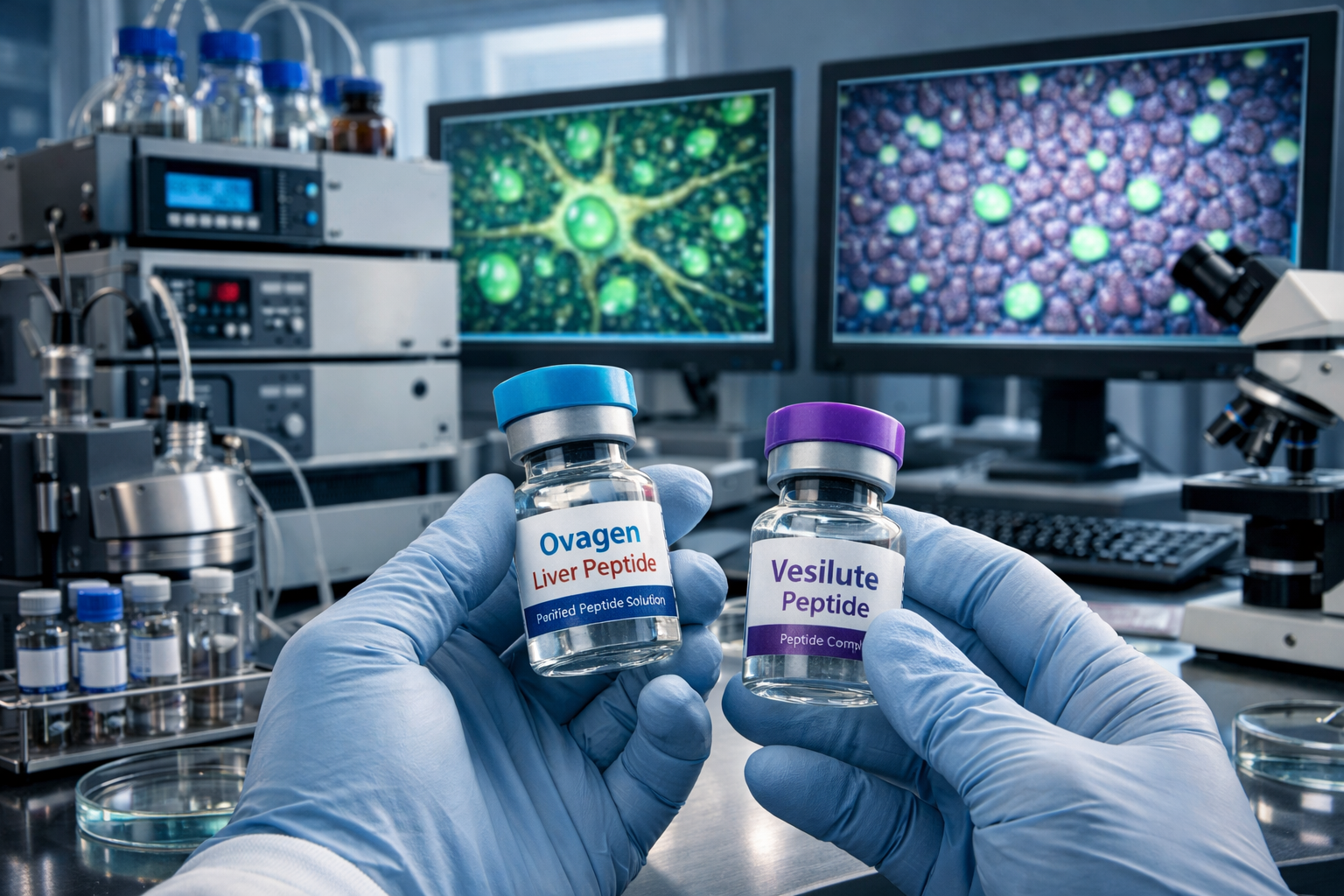
The concept of organ-specific peptides, or bioregulators, stems from decades of research into the intricate communication systems within biological organisms. Among these, the ovagen liver peptide stands out as a subject of keen scientific interest. This peptide is a naturally occurring complex extracted from the livers of young animals, carefully processed to isolate short peptide chains that are believed to hold specific biological activity. Its existence is rooted in the understanding that peptides are fundamental building blocks of life, acting as messengers and regulators that orchestrate countless cellular processes.
The liver is an organ of incredible resilience and vital importance, responsible for everything from detoxification and protein synthesis to metabolism of fats and carbohydrates. Given its multifaceted roles, researchers are constantly seeking ways to understand and support its function at a cellular level. This is where the ovagen liver peptide comes into play. As a bioregulator, its fundamental principle is to mimic or enhance the natural regulatory processes within the liver. The idea is that these specific peptide sequences can target liver cells, potentially helping to restore or maintain their proper function, especially when faced with various stressors.
When we talk about the composition of ovagen liver peptide, we're referring to a blend of short-chain peptides. These aren't single, isolated amino acid sequences but rather a collection of biologically active fragments that collectively contribute to its proposed effects. This characteristic is shared with other bioregulators like vesilute peptide, which targets the vascular system, and prostamax peptide, aimed at prostate health. The precision in isolating these specific peptide fractions is what makes these bioregulators unique and a focus of dedicated research.
The extraction and purification processes for such peptides are meticulously controlled to ensure high quality and specificity. Researchers are interested in how these peptides interact with liver cells, potentially influencing gene expression, protein synthesis, and cellular repair mechanisms. The goal of studying ovagen peptide is to uncover how these natural compounds might contribute to maintaining the delicate balance required for optimal liver health. For those conducting advanced peptide research, understanding these foundational aspects is key. You can explore a wide range of research peptides and their potential applications at Pure Tested Peptides.
The Science Behind Bioregulators and Ovagen
The field of bioregulatory peptides, pioneered by Russian scientists like Professor Vladimir Khavinson, suggests that certain short peptides can have tissue-specific effects, helping to regulate gene expression and protein synthesis within specific organs. This forms the bedrock of understanding for compounds like the ovagen liver peptide. The hypothesis is that these peptides can interact with DNA in a non-covalent manner, influencing the rate at which certain proteins are produced, thereby affecting cellular function and regeneration.
Think of it like a key fitting into a very specific lock. In this analogy, the ovagen peptide is a key designed to fit the locks on liver cells. Once unlocked, it might initiate a cascade of events that promotes healthier cell division, improves metabolic efficiency, or bolsters the liver's natural defense mechanisms. This highly targeted action is what differentiates bioregulators from broader nutritional supplements.
Research surrounding these peptides often involves examining cellular biomarkers, enzyme activity, and structural integrity of liver tissues in controlled laboratory environments. The objective is to quantify any observable changes and understand the biochemical pathways involved. For example, studies might investigate how ovagen peptide benefits manifest in terms of antioxidant enzyme levels or the rate of hepatocyte (liver cell) proliferation.
It's important to reiterate that the research into ovagen liver peptide is ongoing. While initial findings and theoretical frameworks are compelling, the scientific community continues to gather more robust data. For those looking to buy vesilute or other specific bioregulators for research, it's essential to source them from reputable suppliers that adhere to strict quality control standards. Quality is paramount in peptide research, as impurities can significantly skew results.
Potential Mechanisms and Research Findings for Ovagen Liver Peptide
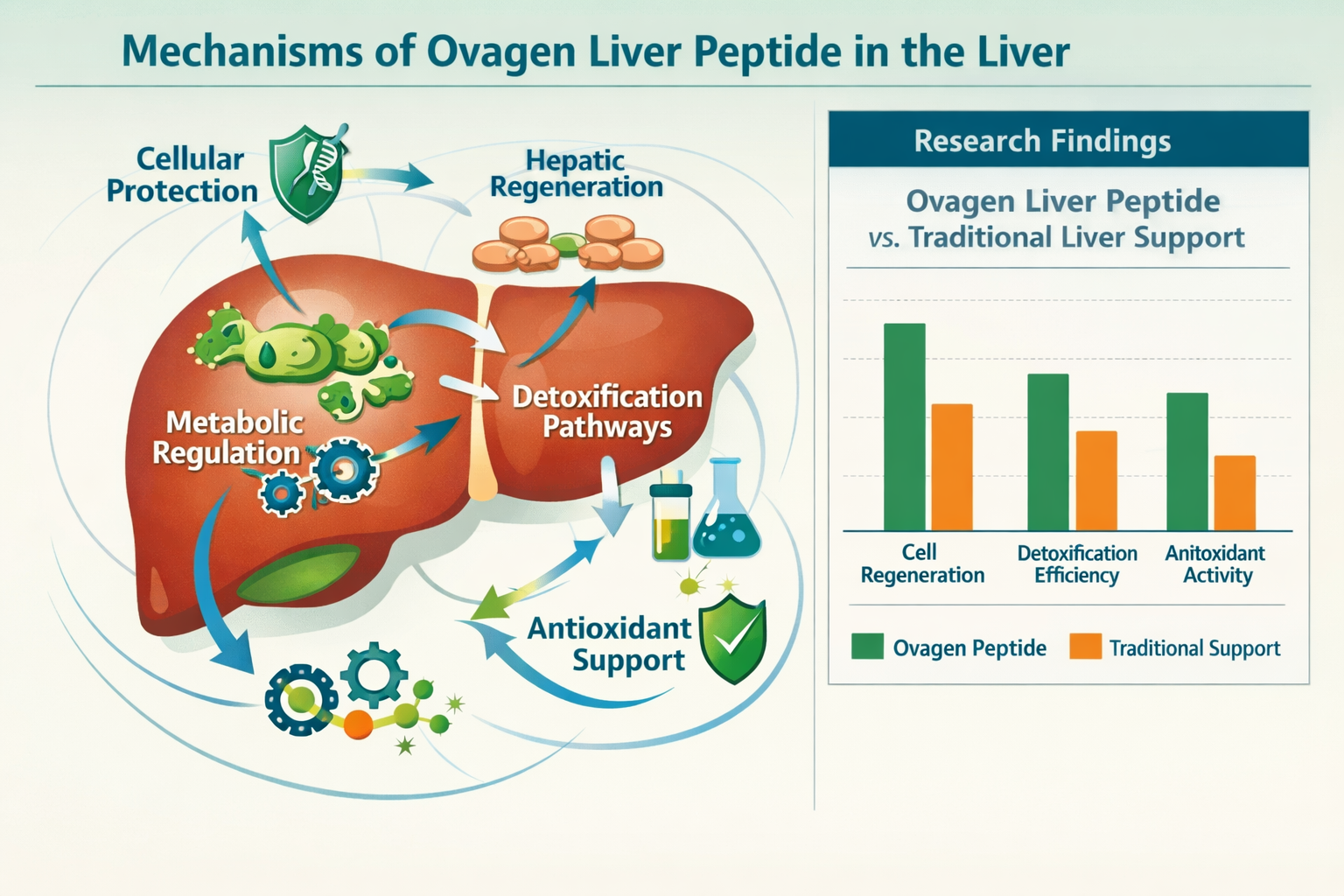
The fascination with ovagen liver peptide in the scientific community stems from its proposed mechanisms of action, which point towards a sophisticated interplay with hepatic cellular processes. Understanding these mechanisms is crucial for appreciating the potential of this peptide in a research context. While studies are predominantly conducted in vitro and on animal models, the insights gained are valuable for future translational research.
Cellular Regeneration and Repair
One of the most exciting areas of research into ovagen liver peptide revolves around its potential role in cellular regeneration. The liver possesses an remarkable capacity for self-repair, and researchers hypothesize that specific peptides, like ovagen, might enhance this natural ability. Studies often investigate how ovagen affects the proliferation and differentiation of hepatocytes, the primary cells of the liver. An increase in healthy hepatocyte division could imply improved repair mechanisms following cellular stress or damage.
For instance, in studies involving induced liver damage models, researchers might observe if the administration of ovagen liver peptide leads to faster restoration of normal liver architecture and function compared to control groups. This could involve examining markers of inflammation, fibrosis, and cell turnover. The hope is that these peptides could help accelerate the body's natural healing processes, making the liver more resilient.
Detoxification Support
The liver is the body's primary detoxification organ, neutralizing harmful substances and preparing them for excretion. This process relies on a complex enzymatic system. Research into ovagen peptide often explores its influence on these enzymatic pathways, particularly those involved in Phase I and Phase II detoxification reactions. If ovagen can optimize the activity of these enzymes, it could theoretically enhance the liver's capacity to process toxins more efficiently.
This area of research is particularly relevant in 2026, given increasing environmental exposures and dietary challenges. Laboratory studies might measure the levels of specific detoxifying enzymes or the clearance rates of certain metabolites in liver cell cultures treated with ovagen liver peptide. Such findings could shed light on how ovagen peptide benefits the liver's crucial detox roles. Similarly, other peptides like BPC-157 are also researched for their regenerative and protective properties.
Antioxidant Defense Enhancement
Oxidative stress, caused by an imbalance between free radicals and antioxidants, can significantly damage liver cells and contribute to various hepatic conditions. The role of antioxidants in protecting the liver is well-established. Researchers are investigating whether ovagen liver peptide can bolster the liver's endogenous antioxidant defense system. This could involve increasing the production of antioxidant enzymes like superoxide dismutase (SOD) and glutathione peroxidase (GPx), or enhancing the levels of glutathione, a master antioxidant within the body.
By potentially improving antioxidant capacity, ovagen peptide could help protect liver cells from damage caused by free radicals, thus supporting overall cellular integrity and function. Studies might measure lipid peroxidation or protein carbonylation as indicators of oxidative stress in liver tissues, observing if ovagen treatment mitigates these markers.
Immunomodulation and Anti-inflammatory Effects
Chronic inflammation is a significant contributor to liver disease progression. Some research suggests that bioregulatory peptides may possess immunomodulatory and anti-inflammatory properties. In the context of ovagen liver peptide, this means investigating its potential to temper inflammatory responses within the liver. This could involve regulating cytokine production – the signaling molecules that mediate inflammation – or influencing immune cell activity within the hepatic microenvironment.
Reducing chronic inflammation could have far-reaching benefits for liver health, preventing damage and promoting a healthier cellular environment. This aspect of ovagen peptide research is particularly intricate, requiring detailed immunological assays and gene expression analyses.
Metabolic Regulation
The liver plays a central role in metabolism, processing fats, carbohydrates, and proteins. Disturbances in hepatic metabolism can lead to conditions like non-alcoholic fatty liver disease (NAFLD). Researchers are exploring whether ovagen liver peptide might influence metabolic pathways within the liver, potentially contributing to healthier lipid and glucose homeostasis. Studies might analyze gene expression related to lipid synthesis and breakdown, or assess glucose uptake and glycogen storage in liver cells exposed to ovagen peptide.
Understanding the impact of ovagen liver peptide on metabolism could open new avenues for research into supporting liver health in the context of metabolic challenges. The synergy of various peptides, like those in a Klow Blend, often explores similar multi-faceted benefits.
Research Protocols and Considerations
For scientists and researchers interested in delving into ovagen liver peptide for their laboratory experiments, meticulous research protocols are paramount. This involves precise handling, storage, and administration of the peptide. Given that this is a research compound, the focus is always on controlled, ethical experimentation.
- Purity and Quality: Always procure ovagen liver peptide from reputable suppliers. High purity ensures consistent and reliable research results. Sites like Pure Tested Peptides are dedicated to providing high-quality research peptides.
- Storage: Peptides typically require specific storage conditions (e.g., refrigeration or freezing, lyophilized state) to maintain their stability and biological activity. Improper storage can degrade the peptide, rendering it ineffective. Learn more about best practices for storing research peptides.
- Reconstitution: When reconstituting lyophilized peptides, sterile bacteriostatic water is generally recommended. Accurate measurement is critical for precise dosing in research.
- Dosage and Administration: Research protocols will specify the experimental ovagen peptide dosage based on the animal model or in vitro system being used. This is strictly for scientific investigation, not for human use.
- Ethical Considerations: All animal studies must adhere to stringent ethical guidelines and institutional review board approvals.
It's also important to consider the potential for synergistic effects when ovagen liver peptide is studied alongside other peptides. For example, some researchers might explore the combined effects of ovagen with peptides like vesilute to see if vascular support further enhances liver function, or with prostamax if considering broader systemic effects in male subjects. The insights gained from such comprehensive studies contribute to a deeper understanding of bioregulatory peptide interactions.
"The intricate dance of peptides within our biological systems offers a rich landscape for scientific discovery. Ovagen liver peptide, as a targeted bioregulator, presents a fascinating opportunity to explore novel approaches to supporting organ-specific health at a cellular level, pushing the boundaries of what we understand about resilience and regeneration." – Leading Peptide Researcher
Comparing Ovagen with Other Bioregulators: Vesilute and Prostamax
To fully appreciate the specificity of ovagen liver peptide, it's helpful to briefly contrast it with other well-known bioregulators like vesilute peptide and prostamax peptide. This comparison highlights the organ-specific nature of these compounds.
Vesilute Peptide: Focusing on Vascular Health
The vesilute peptide is another bioregulator, but its primary target is the vascular system, including blood vessels and capillaries. Research into vesilute aims to understand its potential role in maintaining the elasticity and integrity of vessel walls, improving microcirculation, and supporting overall cardiovascular health. Just as ovagen liver peptide is specific to the liver, vesilute peptide is designed to interact specifically with cells of the circulatory system. Researchers might investigate vesilute peptide benefits in models of vascular aging or damage. You can find more information about the vesilute peptide bioregulator as a research compound. If you're looking to buy vesilute for research, ensuring its purity is essential.
Prostamax Peptide: Targeting Prostate Gland Function
Similarly, prostamax peptide is a bioregulator specifically developed to support the prostate gland. Research on prostamax peptide explores its potential effects on prostate cellular function, inflammation, and cellular proliferation. The prostamax peptide bioregulator is studied in models relevant to prostate health, focusing on maintaining the gland's normal structure and function. Studies might investigate prostamax peptide benefits in terms of cellular regulation. For those researching male health, understanding what is prostamax peptide and its specific actions is crucial. Information on prostamax peptide dosage and applications for research is available for scientists.
The clear distinction between these peptides – ovagen liver peptide for the liver, vesilute for blood vessels, and prostamax for the prostate – underscores the principle of organ-specificity that defines bioregulatory peptide research. Each peptide is a testament to the idea that targeted cellular support can be achieved through specific amino acid sequences.
Future Directions in Ovagen Liver Peptide Research
As of 2026, research into ovagen liver peptide continues to evolve. Scientists are increasingly leveraging advanced molecular biology techniques, such as genomics, proteomics, and metabolomics, to unravel the precise mechanisms by which ovagen exerts its effects. These techniques allow for a much more detailed understanding of gene expression changes, protein interactions, and metabolic shifts at a cellular level.
Further research directions include:
- Long-term Efficacy Studies: Investigating the sustained effects of ovagen liver peptide over extended periods in appropriate research models.
- Combination Therapies: Exploring the synergistic effects of ovagen with other peptides or compounds that also target liver health. For instance, combining ovagen peptide with known hepatoprotective agents in a research setting.
- Bioavailability and Delivery: Optimizing delivery methods for research peptides to ensure maximum cellular uptake and activity in experimental models.
- Comparative Studies: Direct comparisons of ovagen peptide with other liver-supportive bioregulators or compounds to understand its unique advantages and specific applications in research.
The burgeoning interest in compounds like ovagen peptides reflects a broader scientific movement towards precision biology and targeted interventions. As we learn more about the complexities of cellular communication and regulation, peptides offer a promising frontier for supporting biological systems at their most fundamental levels. Researchers consistently seek to build reproducible wellness studies to validate these findings.
Conclusion: The Evolving Landscape of Ovagen Liver Peptide Research
The journey into understanding ovagen liver peptide reveals a compelling area of scientific inquiry, highlighting the potential of bioregulatory peptides to interact specifically with organ systems at a cellular level. From its origins as an animal-derived extract to its proposed roles in cellular regeneration, detoxification, antioxidant defense, and metabolic regulation, ovagen liver peptide stands as a significant subject in the realm of advanced biological research in 2026. Its specificity for hepatic tissue positions it distinctly among other bioregulators such as vesilute peptide for vascular health and prostamax peptide for prostate support, emphasizing the highly targeted nature of these compounds.
As an expert SEO content strategist, I've aimed to provide a comprehensive and accessible overview, ensuring that peptide shoppers and health fitness enthusiasts seeking authoritative information can grasp the scientific nuances without getting lost in overly complex jargon. The emphasis remains firmly on laboratory science and research findings, strictly adhering to the principle that ovagen liver peptide is intended for research purposes only. The ongoing scientific exploration, fueled by advanced analytical techniques, promises to further illuminate the mechanisms and potential applications of ovagen, offering deeper insights into liver health and cellular regulation. The drive for applied wellness research with peptides continues to grow, emphasizing the importance of rigorous study.
Actionable Next Steps for Researchers:
- Prioritize Quality Sourcing: Ensure that any ovagen liver peptide (or vesilute for sale, or buy prostamax peptide) acquired for research comes from a reputable supplier known for high purity and rigorous quality control. This is critical for reliable experimental results. Always consider where to buy peptides online from trusted sources.
- Consult Scientific Literature: Continuously engage with the latest peer-reviewed research and publications on ovagen peptide benefits and bioregulatory peptides to stay informed about new discoveries and evolving protocols.
- Adhere to Ethical Guidelines: All research involving peptides, especially in animal models, must strictly follow institutional ethical review board guidelines and regulations.
- Explore Synergistic Effects: Consider designing experiments that investigate ovagen peptide in combination with other well-researched peptides (like those in the Klow and Glow Blends) or compounds to uncover potential synergistic benefits for liver support.
- Document Meticulously: Maintain detailed records of research protocols, observations, and results to ensure reproducibility and scientific rigor.
The field of peptide research is dynamic and continually expanding. The ovagen liver peptide represents a fascinating piece of this puzzle, offering a glimpse into the sophisticated ways we might eventually understand and support organ health at its foundational cellular level.
SEO Meta Title: Ovagen Liver Peptide: Research Insights & Benefits 2026
SEO Meta Description: Explore ovagen liver peptide research in 2026, its origins, potential benefits for liver health, and scientific mechanisms. Learn about bioregulators like vesilute and prostamax.