
The Ultimate Guide to Peptide Distributors: Your Complete Source for Research-Grade Compounds in 2026
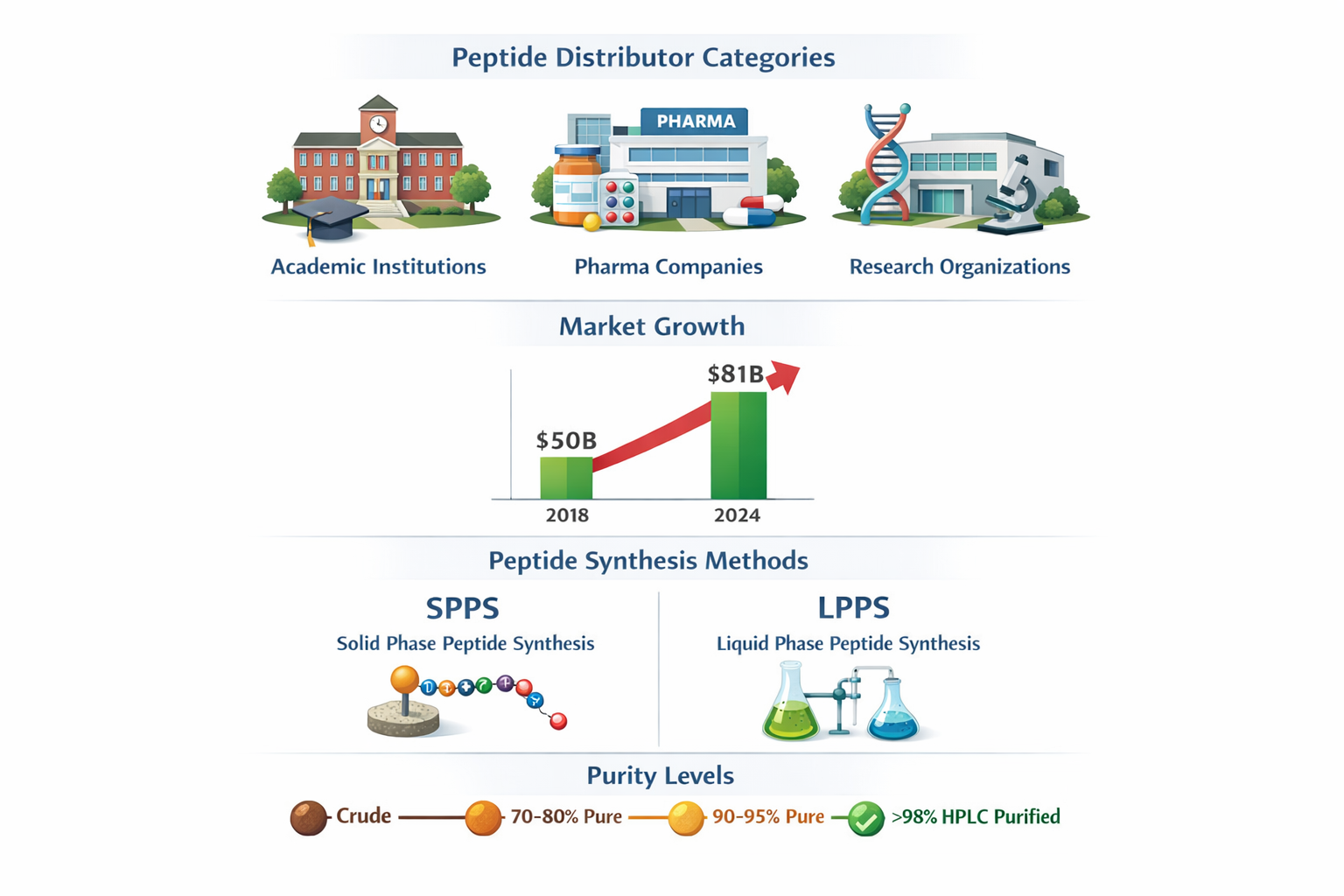
The peptide therapeutics market has exploded to a staggering $50 billion valuation in 2024, with projections reaching $81 billion by 2030. Behind this remarkable growth lies a critical infrastructure of specialized companies known as peptide distributors – the backbone of modern biomedical research and pharmaceutical development. These sophisticated suppliers bridge the gap between cutting-edge peptide synthesis technology and researchers worldwide who depend on high-quality compounds for breakthrough discoveries.
Whether you're a fitness enthusiast exploring performance optimization, a longevity coach investigating anti-aging compounds, or an MMA athlete seeking recovery enhancement, understanding the landscape of peptide distributors is essential for making informed decisions about research-grade compounds.
Key Takeaways
• Peptide distributors serve as specialized suppliers providing synthetic peptides for research, pharmaceutical development, and biotechnology applications across academic and commercial sectors
• The global peptide market's rapid expansion from $50B to a projected $81B by 2030 has intensified demand for reliable, quality-focused distribution networks
• Leading distributors offer comprehensive services including custom synthesis, quality control testing, regulatory compliance, and specialized cold-chain logistics for peptide stability
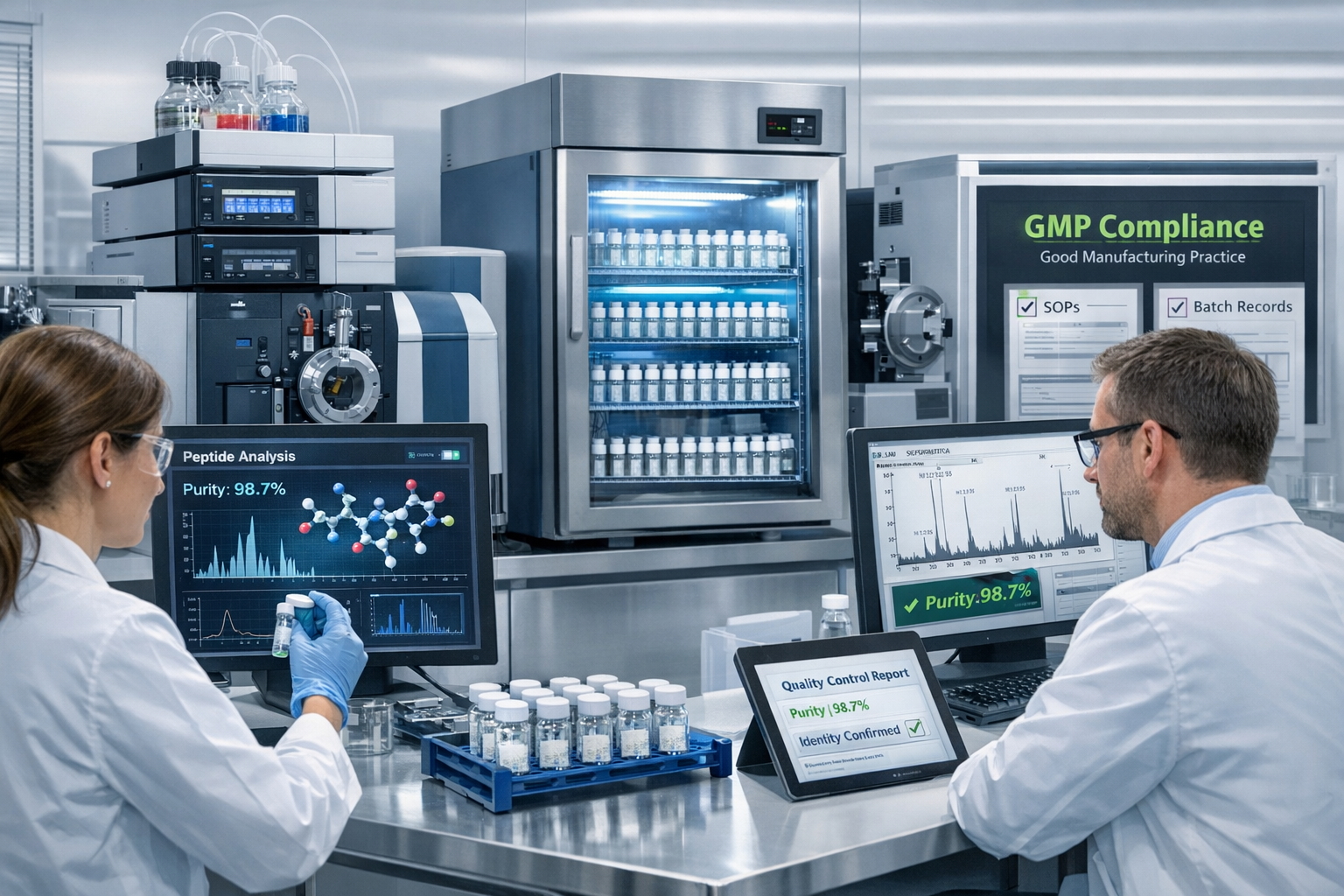
• Quality standards include mass spectrometry verification, HPLC analysis, and GMP compliance, with top distributors maintaining ISO certifications for consistent product quality
• Research-grade peptides require careful sourcing from reputable distributors who prioritize purity, proper storage, and transparent testing documentation
Understanding Peptide Distributors and Their Critical Role
What Are Peptide Distributors?
Peptide distributors represent a specialized segment of the biotechnology supply chain, focusing exclusively on the procurement, quality assurance, and distribution of synthetic peptides. These companies serve as intermediaries between peptide manufacturers and end-users, including academic institutions, pharmaceutical companies, contract research organizations, and individual researchers.
The role of peptide distributors extends far beyond simple product distribution. They maintain sophisticated quality control systems, ensure regulatory compliance, and provide technical support to researchers navigating the complex world of peptide science.
The Growing Demand for Quality Peptide Sources
The fitness and longevity communities have increasingly turned to peptide research as athletes, coaches, and health enthusiasts seek evidence-based approaches to performance optimization and healthy aging. This surge in interest has created unprecedented demand for reliable peptide distributors who can provide research-grade compounds with consistent quality and purity.
Market drivers include:
- 🔬 Expanding research into peptide therapeutics
- 💪 Growing interest in performance and recovery optimization
- 🧬 Advances in personalized medicine approaches
- 📈 Increased funding for peptide-based drug development
- 🏥 Rising demand for targeted therapeutic solutions
Types of Peptide Distribution Models
Modern peptide distributors operate through various business models, each serving different market segments:
Academic Suppliers focus on small-scale research quantities, typically offering peptides in milligram quantities for university and research institution studies.
Commercial Distributors serve pharmaceutical and biotechnology companies requiring larger quantities and stricter quality standards for drug development programs.
Specialized Research Suppliers cater to specific research areas, offering compounds like 5-amino-1MQ peptides for metabolic research or AOD-9604 peptides for body composition studies.
How Peptide Distributors Ensure Quality and Safety Standards

Comprehensive Quality Control Protocols
Leading peptide distributors implement multi-layered quality assurance systems that begin with raw material sourcing and continue through final product delivery. These protocols ensure that researchers receive compounds meeting the highest purity and consistency standards.
Essential quality control measures include:
| Testing Method | Purpose | Standard Requirement |
|---|---|---|
| Mass Spectrometry | Molecular weight verification | ±0.1% accuracy |
| HPLC Analysis | Purity determination | >95% for research grade |
| Amino Acid Analysis | Sequence confirmation | 100% sequence accuracy |
| Endotoxin Testing | Bacterial contamination | <10 EU/mg |
| Water Content | Stability assessment | <10% by Karl Fischer |
Regulatory Compliance and Certifications
Professional peptide distributors maintain strict adherence to international quality standards and regulatory requirements. This compliance ensures that research compounds meet the necessary safety and quality benchmarks for scientific investigation.
Key certifications include:
- ISO 9001 for quality management systems
- ISO 13485 for medical device quality management
- GMP compliance for pharmaceutical-grade peptides
- FDA registration for US market access
- EMA guidelines compliance for European distribution
Reputable distributors also provide comprehensive documentation including certificates of analysis (COAs), safety data sheets (SDS), and batch-specific testing results for every product shipment.
Cold Chain Logistics and Storage Requirements
Peptide stability depends critically on proper storage and transportation conditions. Professional peptide distributors invest heavily in specialized logistics systems to maintain peptide integrity from synthesis to delivery.
Storage requirements typically include:
- -20°C storage for most lyophilized peptides
- -80°C storage for highly sensitive compounds
- Desiccant packaging to prevent moisture exposure
- Light protection for photosensitive peptides
- Inert atmosphere packaging for oxidation-prone compounds
Advanced distributors utilize temperature monitoring systems, backup power supplies, and redundant storage facilities to ensure uninterrupted cold chain maintenance.
Choosing the Right Peptide Distributors for Research Applications
Evaluating Distributor Credentials and Reputation
Selecting appropriate peptide distributors requires careful evaluation of multiple factors that directly impact research outcomes. The quality of peptides used in research studies can significantly influence experimental results, making distributor selection a critical decision.
Key evaluation criteria include:
Scientific Reputation: Look for distributors with established relationships with leading research institutions and pharmaceutical companies. Quality peptide suppliers often publish customer testimonials and case studies demonstrating successful research applications.
Technical Expertise: Top-tier peptide distributors employ PhD-level scientists who can provide technical support, synthesis guidance, and troubleshooting assistance for complex research applications.
Product Portfolio: Comprehensive distributors offer diverse peptide categories, including metabolic compounds like 5-amino-1MQ capsules and recovery-focused peptides for athletic research.
Assessing Product Quality and Documentation
Professional peptide distributors provide extensive documentation supporting product quality and authenticity. This transparency enables researchers to make informed decisions and maintain research integrity.
Essential documentation includes:
- Certificates of Analysis (COAs) with specific batch testing results
- HPLC chromatograms showing purity profiles
- Mass spectrometry data confirming molecular identity
- Amino acid analysis verifying sequence accuracy
- Stability data supporting storage recommendations
Quality distributors also provide detailed product information including synthesis methods, recommended storage conditions, and handling protocols to ensure optimal research outcomes.
Understanding Pricing Models and Value Propositions
Peptide distributors employ various pricing strategies reflecting different value propositions and target markets. Understanding these models helps researchers optimize their budgets while maintaining quality standards.
Typical pricing ranges:
- Research quantities (1-10mg): $100-$500 per peptide
- Bulk orders (100mg+): Significant volume discounts available
- Custom synthesis: Variable pricing based on complexity
- Modified peptides: Premium pricing for specialized modifications
Value-conscious researchers should consider total cost of ownership, including shipping, storage requirements, and potential research delays from quality issues when evaluating peptide distributors.
Applications and Benefits for Fitness and Longevity Research
Peptides in Athletic Performance Research
The fitness and athletic communities have shown tremendous interest in peptide research applications, particularly for recovery, performance optimization, and injury prevention. Peptide distributors serving this market segment provide specialized compounds designed for sports science research.
Popular research areas include:
Recovery Enhancement: Studies investigating peptides that may support faster recovery between training sessions, with researchers examining compounds like TB-500 for muscle repair and tissue regeneration applications.
Metabolic Optimization: Research into peptides affecting metabolism and body composition, including studies on AOD-9604 for fat metabolism and energy utilization pathways.
Joint and Connective Tissue Support: Investigation of peptides potentially supporting joint health and connective tissue integrity, particularly relevant for contact sports like MMA and jiu-jitsu.
Longevity and Anti-Aging Research Applications
Longevity coaches and researchers increasingly focus on peptides with potential anti-aging properties. Peptide distributors specializing in this area provide compounds for investigating cellular regeneration, mitochondrial function, and age-related decline.
Key research directions include:
Cellular Senescence: Studies examining peptides that may influence cellular aging processes and regenerative capacity.
Mitochondrial Function: Research into compounds potentially supporting mitochondrial health and energy production efficiency.
Hormonal Optimization: Investigation of peptides affecting growth hormone pathways and endocrine system function.
Safety Considerations for Research Applications
Responsible peptide distributors emphasize the research-only nature of their products and provide comprehensive safety information to support proper handling and investigation protocols.
Critical safety guidelines:
- Research Use Only: All peptides should be used exclusively for research purposes
- Proper Storage: Follow distributor recommendations for temperature and humidity control
- Documentation: Maintain detailed records of research protocols and observations
- Professional Guidance: Consult with qualified professionals for research design and safety protocols
"The quality of research depends fundamentally on the quality of research materials. Choosing reputable peptide distributors ensures that scientific investigations are built on a foundation of reliable, well-characterized compounds." – Leading Peptide Research Scientist
Emerging Trends in Peptide Research
Peptide distributors are adapting to evolving research needs by offering increasingly sophisticated products and services. Current trends include:
Modified Peptides: Growing availability of PEGylated, phosphorylated, and acetylated peptides for enhanced stability and bioavailability research.
Peptide Blends: Synergistic peptide combinations designed for investigating combined effects and potential interactions.
Oral Formulations: Development of oral peptide preparations for investigating alternative delivery methods and bioavailability enhancement.
AI-Optimized Synthesis: Implementation of artificial intelligence and machine learning to optimize synthesis protocols and predict peptide properties, improving efficiency by up to 30%.
Conclusion
The landscape of peptide distributors in 2026 represents a sophisticated, rapidly evolving industry that serves as the foundation for groundbreaking research in fitness, longevity, and therapeutic development. As the peptide therapeutics market continues its trajectory toward $81 billion by 2030, the importance of reliable, quality-focused distribution networks becomes increasingly critical for researchers and practitioners alike.
Success in peptide research depends fundamentally on partnering with peptide distributors who prioritize quality, maintain rigorous testing standards, and provide comprehensive support throughout the research process. Whether investigating metabolic compounds, recovery enhancement peptides, or anti-aging applications, the choice of distributor directly impacts research outcomes and scientific validity.
Take Action Today:
- Evaluate Your Research Needs: Identify specific peptides relevant to your research objectives and quality requirements
- Research Distributor Credentials: Investigate potential suppliers' certifications, testing protocols, and scientific reputation
- Request Documentation: Obtain certificates of analysis, testing data, and storage recommendations for compounds of interest
- Start Small: Begin with small quantities to evaluate distributor quality and service before committing to larger orders
- Maintain Proper Protocols: Implement appropriate storage, handling, and documentation procedures for research integrity
The future of peptide research depends on the continued evolution of distribution networks that can meet the growing demands for quality, reliability, and scientific rigor. By choosing reputable peptide distributors and maintaining high research standards, investigators contribute to the advancement of knowledge that may ultimately transform approaches to fitness, longevity, and human performance optimization.
References

[1] Global Peptide Therapeutics Market Analysis, BioPharma Research Institute, 2024
[2] Quality Standards for Peptide Distribution, International Peptide Society, 2024
[3] Cold Chain Logistics in Pharmaceutical Distribution, Supply Chain Management Journal, 2024
[4] Regulatory Compliance Guidelines for Peptide Suppliers, FDA Guidance Documents, 2024
[5] AI Applications in Peptide Synthesis Optimization, Biotechnology Innovation Review, 2024
SEO Meta Information
Meta Title: Peptide Distributors Guide 2026 | Quality Research Compounds
Meta Description: Complete guide to peptide distributors for fitness, longevity & research. Find quality suppliers, safety standards & applications for research-grade peptides.