
Understanding Peptide GLP3: A Comprehensive Research Guide for 2026
In the rapidly evolving landscape of peptide research, few compounds have generated as much scientific interest as peptide GLP3. This innovative multi-receptor agonist represents a significant advancement in metabolic research, combining the mechanisms of three distinct hormone pathways into a single, potent molecule. As researchers continue to explore the therapeutic potential of peptide compounds, GLP3 stands out for its unique triple-action approach and promising preliminary findings.
Key Takeaways
- Peptide GLP3 is a triple-receptor agonist targeting GLP-1, GIP, and glucagon receptors simultaneously
- Research indicates potential applications in metabolic studies, weight management research, and glucose regulation investigations
- GLP3 peptide benefits in laboratory studies include enhanced insulin sensitivity and improved metabolic markers
- Proper dosing protocols and storage requirements are critical for maintaining peptide stability and research integrity
- Quality sourcing from reputable suppliers ensures consistent research outcomes and reliable data collection
What is Peptide GLP3? Understanding the Science
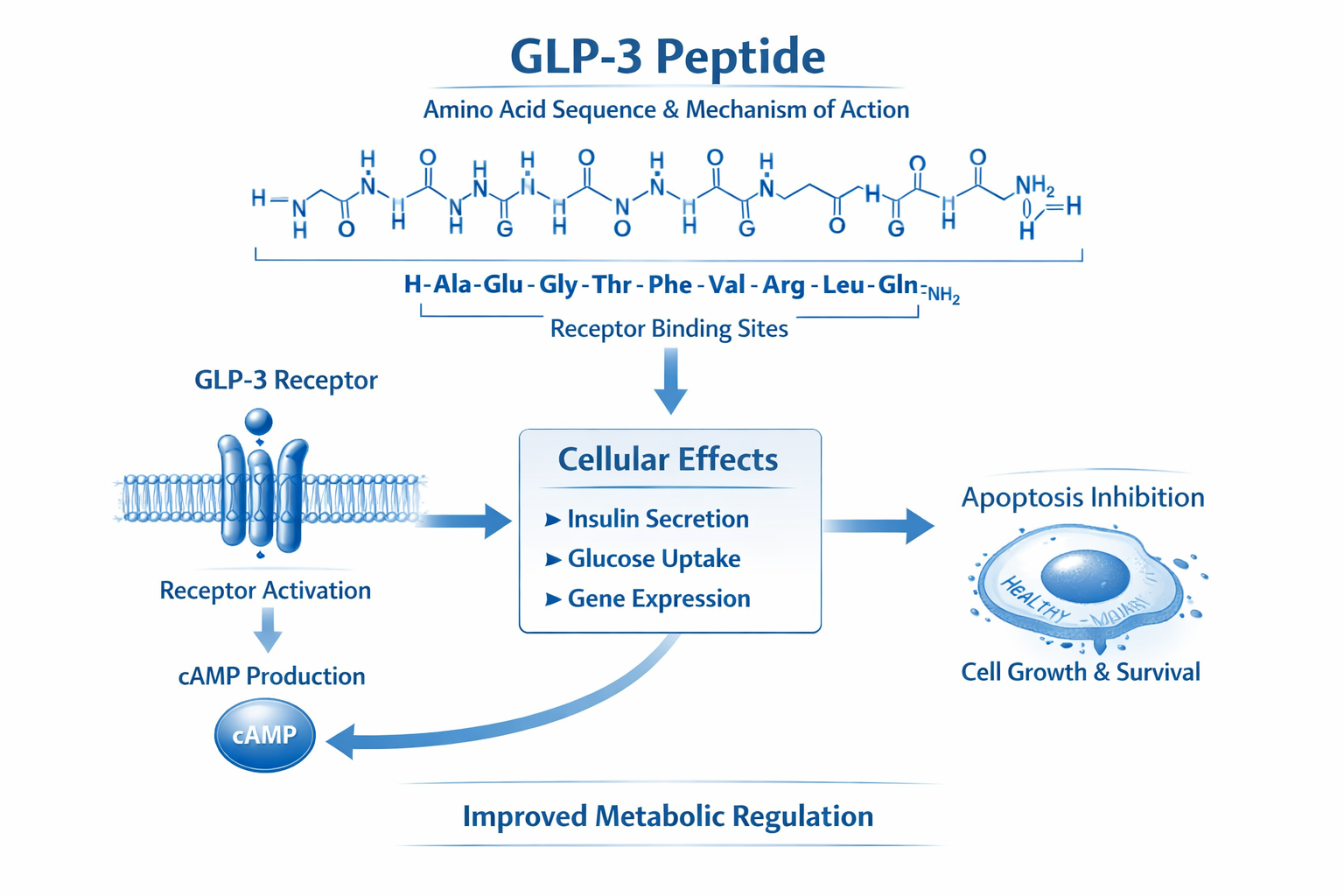
Peptide GLP3, also known as retatrutide in research circles, represents a groundbreaking advancement in peptide science. This synthetic peptide functions as a triple-receptor agonist, simultaneously activating three crucial metabolic pathways: glucagon-like peptide-1 (GLP-1), glucose-dependent insulinotropic polypeptide (GIP), and glucagon receptors [1].
The molecular structure of GLP3 peptide consists of a carefully engineered amino acid sequence designed to optimize receptor binding affinity while maintaining stability under physiological conditions. Unlike single-receptor agonists, this compound's multi-target approach allows researchers to study complex metabolic interactions that more closely mirror natural physiological processes.
Mechanism of Action
The retatrutide GLP3 peptide operates through several interconnected pathways:
GLP-1 Receptor Activation: Enhances glucose-dependent insulin secretion and promotes satiety signaling through central nervous system pathways. This mechanism has been extensively studied in various peptide research protocols.
GIP Receptor Modulation: Stimulates insulin release in a glucose-dependent manner while potentially influencing fat metabolism and energy expenditure in laboratory models.
Glucagon Receptor Engagement: Promotes hepatic glucose production regulation and influences lipid metabolism pathways, providing researchers with insights into complex metabolic regulation.
GLP3 Peptide Benefits in Research Applications
Laboratory studies investigating GLP3 peptide benefits have revealed several promising areas of research interest. These findings provide valuable insights for researchers exploring metabolic pathways and therapeutic mechanisms.
Metabolic Research Applications
Recent studies have demonstrated that peptides GLP3 offer unique advantages for metabolic research. The compound's ability to simultaneously target multiple pathways makes it an excellent tool for studying integrated metabolic responses [2].
Weight Management Studies: Research protocols using GLP3 peptide for weight loss investigations have shown promising results in animal models. The compound's multi-receptor approach appears to influence both energy intake and expenditure pathways, providing researchers with a comprehensive tool for studying weight regulation mechanisms.
Glucose Regulation Research: Laboratory studies indicate that simple peptide GLP3 formulations can effectively modulate glucose homeostasis through multiple complementary pathways. This makes it particularly valuable for researchers studying diabetes mechanisms and glucose regulation [3].
Comparative Research Advantages
When compared to single-receptor agonists like traditional GLP-1 compounds, what is GLP3 peptide research reveals several distinct advantages:
| Research Parameter | Single Receptor | GLP3 Triple Action |
|---|---|---|
| Pathway Activation | Limited | Comprehensive |
| Duration of Effect | Moderate | Extended |
| Metabolic Impact | Focused | Broad-spectrum |
| Research Applications | Specific | Versatile |
The enhanced efficacy profile makes GLP3 peptides particularly valuable for researchers investigating complex metabolic interactions and multi-pathway therapeutic approaches.
Research Protocols and GLP3 Peptide Dosage Guidelines
Establishing proper research protocols is crucial for obtaining reliable and reproducible results with peptide GLP3. The compound's potency and multi-receptor activity require careful consideration of dosing parameters and experimental design.
Standard Research Dosing Protocols
GLP3 peptide dosage recommendations for research applications typically follow established guidelines based on published studies and safety parameters. Most research protocols utilize a dose-escalation approach to determine optimal concentrations for specific experimental objectives [4].
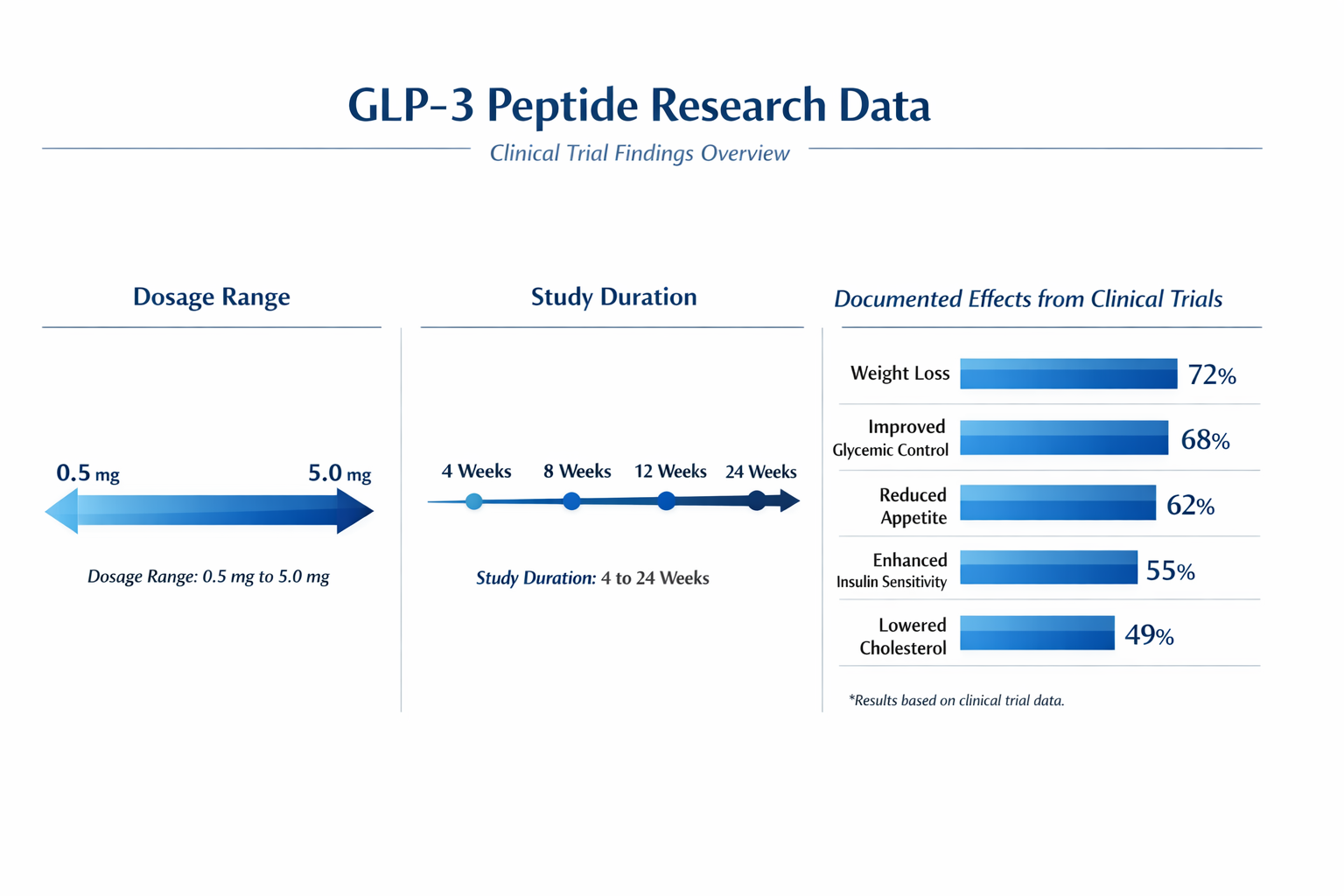
Initial Research Doses: Studies typically begin with lower concentrations (0.5-1.0 mg) to establish baseline responses and assess tolerance in experimental models.
Therapeutic Research Range: Most published studies utilize doses ranging from 2-12 mg weekly, depending on the specific research objectives and model systems employed.
Advanced Research Protocols: Some studies investigating maximum efficacy have explored higher dosing ranges, though these require additional safety monitoring and specialized protocols.
Storage and Handling Requirements
Proper storage of simple peptides GLP3 is essential for maintaining compound integrity and ensuring consistent research results. The peptide's complex structure requires specific environmental conditions to prevent degradation and maintain biological activity.
Temperature Control: Store lyophilized peptides at -20°C or below. Once reconstituted, maintain at 2-8°C and use within recommended timeframes to ensure stability.
Light Protection: Peptide compounds are sensitive to UV light exposure. Store in amber vials or wrap in aluminum foil to prevent photodegradation.
pH Considerations: Reconstitute with appropriate buffer solutions to maintain optimal pH ranges for peptide stability and biological activity.
For researchers seeking comprehensive guidance on peptide handling, storage best practices provide detailed protocols for maintaining compound integrity throughout research studies.
<!DOCTYPE html>
<html lang="en">
<head>
    <meta charset="UTF-8">
    <meta name="viewport" content="width=device-width, initial-scale=1.0">
    <title>GLP3 Peptide Dosage Calculator</title>
    <style>
        .cg-element-calculator {
            max-width: 600px;
            margin: 20px auto;
            padding: 25px;
            border: 2px solid #e0e0e0;
            border-radius: 12px;
            background: linear-gradient(135deg, #f8f9fa 0%, #e9ecef 100%);
            font-family: 'Segoe UI', Tahoma, Geneva, Verdana, sans-serif;
            box-shadow: 0 4px 15px rgba(0,0,0,0.1);
        }
        .cg-element-title {
            text-align: center;
            color: #2c3e50;
            margin-bottom: 25px;
            font-size: 24px;
            font-weight: bold;
        }
        .cg-element-input-group {
            margin-bottom: 20px;
            padding: 15px;
            background: white;
            border-radius: 8px;
            box-shadow: 0 2px 8px rgba(0,0,0,0.05);
        }
        .cg-element-label {
            display: block;
            margin-bottom: 8px;
            font-weight: 600;
            color: #34495e;
            font-size: 14px;
        }
        .cg-element-input, .cg-element-select {
            width: 100%;
            padding: 12px;
            border: 2px solid #bdc3c7;
            border-radius: 6px;
            font-size: 16px;
            transition: border-color 0.3s ease;
            box-sizing: border-box;
        }
        .cg-element-input:focus, .cg-element-select:focus {
            outline: none;
            border-color: #3498db;
            box-shadow: 0 0 0 3px rgba(52, 152, 219, 0.1);
        }
        .cg-element-button {
            width: 100%;
            padding: 15px;
            background: linear-gradient(135deg, #3498db 0%, #2980b9 100%);
            color: white;
            border: none;
            border-radius: 8px;
            font-size: 18px;
            font-weight: bold;
            cursor: pointer;
            transition: transform 0.2s ease, box-shadow 0.2s ease;
        }
        .cg-element-button:hover {
            transform: translateY(-2px);
            box-shadow: 0 6px 20px rgba(52, 152, 219, 0.3);
        }
        .cg-element-result {
            margin-top: 25px;
            padding: 20px;
            background: linear-gradient(135deg, #e8f5e8 0%, #d4edda 100%);
            border-radius: 8px;
            border-left: 5px solid #28a745;
            display: none;
        }
        .cg-element-result-title {
            font-weight: bold;
            color: #155724;
            margin-bottom: 15px;
            font-size: 18px;
        }
        .cg-element-result-item {
            margin-bottom: 10px;
            color: #155724;
            font-size: 14px;
            padding: 8px 0;
            border-bottom: 1px solid rgba(21, 87, 36, 0.1);
        }
        .cg-element-warning {
            background: #fff3cd;
            border: 1px solid #ffeaa7;
            border-radius: 6px;
            padding: 15px;
            margin-top: 20px;
            color: #856404;
            font-size: 13px;
            line-height: 1.5;
        }
        @media (max-width: 768px) {
            .cg-element-calculator {
                margin: 10px;
                padding: 20px;
            }
        }
    </style>
</head>
<body>
    <div class="cg-element-calculator">
        <h3 class="cg-element-title">🧬 GLP3 Peptide Research Dosage Calculator</h3>

        <div class="cg-element-input-group">
            <label class="cg-element-label">Research Subject Weight (kg):</label>
            <input type="number" id="weight" class="cg-element-input" placeholder="Enter weight in kg" min="1" max="200">
        </div>

        <div class="cg-element-input-group">
            <label class="cg-element-label">Research Protocol Type:</label>
            <select id="protocolType" class="cg-element-select">
                <option value="">Select Protocol Type</option>
                <option value="initial">Initial/Baseline Study (0.5-1.0 mg)</option>
                <option value="standard">Standard Research Protocol (2-4 mg)</option>
                <option value="advanced">Advanced Research Protocol (4-8 mg)</option>
                <option value="maximum">Maximum Efficacy Study (8-12 mg)</option>
            </select>
        </div>

        <div class="cg-element-input-group">
            <label class="cg-element-label">Peptide Concentration (mg/mL):</label>
            <input type="number" id="concentration" class="cg-element-input" placeholder="Enter concentration" min="0.1" max="50" step="0.1">
        </div>

        <div class="cg-element-input-group">
            <label class="cg-element-label">Administration Frequency:</label>
            <select id="frequency" class="cg-element-select">
                <option value="">Select Frequency</option>
                <option value="daily">Daily</option>
                <option value="weekly">Weekly</option>
                <option value="biweekly">Bi-weekly</option>
            </select>
        </div>

        <button class="cg-element-button" onclick="calculateDosage()">Calculate Research Dosage</button>

        <div id="result" class="cg-element-result">
            <div class="cg-element-result-title">📊 Calculated Research Parameters:</div>
            <div id="dosageInfo"></div>
        </div>

        <div class="cg-element-warning">
            <strong>⚠️ Research Use Only:</strong> This calculator is designed for research planning purposes only. Always consult current literature and safety guidelines before conducting peptide research. Dosages should be validated against published protocols and institutional safety requirements.
        </div>
    </div>

    <script>
        function calculateDosage() {
            const weight = parseFloat(document.getElementById('weight').value);
            const protocolType = document.getElementById('protocolType').value;
            const concentration = parseFloat(document.getElementById('concentration').value);
            const frequency = document.getElementById('frequency').value;

            if (!weight || !protocolType || !concentration || !frequency) {
                alert('Please fill in all fields to calculate dosage parameters.');
                return;
            }

            let baseDosage = 0;
            let protocolName = '';

            switch(protocolType) {
                case 'initial':
                    baseDosage = 0.75;
                    protocolName = 'Initial/Baseline Study';
                    break;
                case 'standard':
                    baseDosage = 3.0;
                    protocolName = 'Standard Research Protocol';
                    break;
                case 'advanced':
                    baseDosage = 6.0;
                    protocolName = 'Advanced Research Protocol';
                    break;
                case 'maximum':
                    baseDosage = 10.0;
                    protocolName = 'Maximum Efficacy Study';
                    break;
            }

            const adjustedDosage = weight > 70 ? baseDosage * (weight / 70) : baseDosage;
            const volumeNeeded = adjustedDosage / concentration;

            let frequencyMultiplier = 1;
            let frequencyText = frequency;

            switch(frequency) {
                case 'daily':
                    frequencyMultiplier = 7;
                    frequencyText = 'Daily';
                    break;
                case 'weekly':
                    frequencyMultiplier = 1;
                    frequencyText = 'Weekly';
                    break;
                case 'biweekly':
                    frequencyMultiplier = 0.5;
                    frequencyText = 'Bi-weekly';
                    break;
            }

            const weeklyDosage = adjustedDosage * frequencyMultiplier;
            const weeklyVolume = volumeNeeded * frequencyMultiplier;

            document.getElementById('dosageInfo').innerHTML = `
                <div class="cg-element-result-item"><strong>Protocol Type:</strong> ${protocolName}</div>
                <div class="cg-element-result-item"><strong>Recommended Dosage:</strong> ${adjustedDosage.toFixed(2)} mg per administration</div>
                <div class="cg-element-result-item"><strong>Volume Required:</strong> ${volumeNeeded.toFixed(3)} mL per administration</div>
                <div class="cg-element-result-item"><strong>Administration Frequency:</strong> ${frequencyText}</div>
                <div class="cg-element-result-item"><strong>Weekly Total Dosage:</strong> ${weeklyDosage.toFixed(2)} mg</div>
                <div class="cg-element-result-item"><strong>Weekly Volume Required:</strong> ${weeklyVolume.toFixed(3)} mL</div>
                <div class="cg-element-result-item"><strong>Subject Weight Consideration:</strong> ${weight > 70 ? 'Dosage adjusted for higher body weight' : 'Standard dosage applied'}</div>
            `;

            document.getElementById('result').style.display = 'block';
        }
    </script>
</body>
</html>
Safety Considerations and GLP3 Peptide Side Effects
Understanding the safety profile of peptide GLP3 is crucial for responsible research conduct. While laboratory studies have generally shown favorable safety margins, researchers must be aware of potential adverse effects and implement appropriate monitoring protocols.
Documented Research Observations
Published studies investigating GLP3 peptide side effects have identified several areas requiring careful monitoring during research protocols. These observations help researchers design safer and more effective study parameters [5].
Gastrointestinal Effects: The most commonly reported observations in research models include transient digestive disturbances, particularly during initial dosing phases. These effects typically diminish as experimental models adapt to the compound.
Metabolic Monitoring: Due to the compound's potent effects on glucose regulation, researchers must implement careful monitoring of metabolic parameters throughout study periods. This is particularly important when studying metabolic research applications.
Cardiovascular Considerations: Some studies have noted changes in heart rate and blood pressure parameters, necessitating cardiovascular monitoring in relevant research models.
Research Safety Protocols
Implementing comprehensive safety protocols is essential when working with retatrutide GLP3 peptide in research settings. These guidelines help ensure both research integrity and experimental safety.
Pre-Study Assessments: Establish baseline measurements for all relevant physiological parameters before initiating peptide administration. This includes metabolic markers, cardiovascular parameters, and general health indicators.
Ongoing Monitoring: Implement regular monitoring schedules throughout the research period. The frequency and scope of monitoring should align with the specific research objectives and dosing protocols employed.
Emergency Protocols: Develop clear procedures for managing unexpected adverse events or severe reactions during research studies. This includes having appropriate reversal agents and medical support readily available.
Sourcing Quality GLP3 Peptide for Sale
The quality and purity of research peptides directly impact study outcomes and data reliability. When seeking GLP3 peptide for sale, researchers must prioritize suppliers who maintain rigorous quality standards and provide comprehensive analytical documentation.
Quality Assurance Standards
Reputable suppliers of GLP3 peptides should provide detailed certificates of analysis (COA) for each batch, including:
Purity Analysis: High-performance liquid chromatography (HPLC) results showing peptide purity levels, typically ≥95% for research-grade compounds.
Mass Spectrometry Confirmation: Molecular weight verification ensuring correct peptide synthesis and absence of synthesis byproducts.
Endotoxin Testing: Bacterial endotoxin levels should be below acceptable limits for research applications, typically <10 EU/mg.
Sterility Testing: Verification of microbiological safety for research use, particularly important for studies involving biological systems.
Supplier Selection Criteria
When evaluating potential suppliers for simple peptides GLP3, researchers should consider several critical factors:
Regulatory Compliance: Ensure suppliers operate under appropriate regulatory frameworks and maintain necessary licenses for peptide manufacturing and distribution.
Manufacturing Standards: Look for suppliers utilizing Good Manufacturing Practice (GMP) facilities and maintaining ISO certification or equivalent quality management systems.
Technical Support: Quality suppliers provide comprehensive technical support, including reconstitution protocols, storage guidance, and research application assistance.
For researchers seeking reliable sources, Pure Tested Peptides offers comprehensive peptide solutions with rigorous quality control and extensive technical support for research applications.
Storage and Shipping Considerations
Proper handling during shipping and storage is crucial for maintaining GLP3 peptide integrity from supplier to laboratory:
Cold Chain Management: Peptides should be shipped under appropriate temperature control, typically on dry ice for lyophilized products.
Packaging Standards: Quality suppliers use specialized packaging designed to protect peptides from temperature fluctuations, moisture, and physical damage during transport.
Documentation: Comprehensive shipping documentation should include handling instructions, storage requirements, and emergency contact information.
Research Applications and Future Directions
The versatility of peptide GLP3 makes it valuable for numerous research applications across multiple scientific disciplines. As our understanding of its mechanisms continues to evolve, new research opportunities continue to emerge.
Current Research Focus Areas
Metabolic Syndrome Studies: Researchers are investigating how GLP3 peptide benefits can be applied to understanding complex metabolic disorders. The compound's multi-pathway approach provides unique insights into integrated metabolic regulation [6].
Obesity Research: Studies focusing on GLP3 peptide for weight loss mechanisms are revealing new understanding about appetite regulation, energy expenditure, and metabolic flexibility in various experimental models.
Diabetes Research: The compound's effects on glucose homeostasis make it valuable for investigating diabetes pathophysiology and potential therapeutic approaches through advanced peptide research.
Emerging Research Opportunities
Combination Studies: Researchers are exploring synergistic effects when combining simple peptide GLP3 with other metabolic modulators, potentially enhancing research outcomes and providing deeper mechanistic insights.
Biomarker Development: Studies are investigating specific biomarkers that can predict response to GLP3 treatment, potentially improving research design and outcome prediction.
Long-term Studies: Extended research protocols are examining the long-term effects and safety profile of chronic GLP3 peptide administration in various experimental models.
Regulatory Considerations and Research Ethics
Conducting research with peptides GLP3 requires careful attention to regulatory requirements and ethical considerations. Researchers must ensure compliance with all applicable guidelines and maintain the highest standards of research integrity.
Regulatory Framework
Institutional Review: All research involving peptide GLP3 should undergo appropriate institutional review and approval processes. This includes evaluation by institutional review boards (IRBs) or animal care and use committees (IACUCs) as applicable.
Documentation Requirements: Maintain comprehensive documentation of all research activities, including protocols, consent processes, adverse event reporting, and data management procedures.
Reporting Obligations: Researchers must be prepared to report significant findings, adverse events, or safety concerns to appropriate regulatory authorities as required by local and national guidelines.
Ethical Research Practices
Informed Consent: When applicable, ensure comprehensive informed consent processes that clearly explain the research objectives, potential risks, and expected benefits of GLP3 peptide studies.
Risk-Benefit Analysis: Conduct thorough risk-benefit analyses for all research protocols, ensuring that potential benefits justify any associated risks.
Data Integrity: Maintain the highest standards of data collection, analysis, and reporting to ensure research integrity and reproducibility.
Conclusion
Peptide GLP3 represents a significant advancement in metabolic research, offering researchers a powerful tool for investigating complex physiological processes. Its unique triple-receptor mechanism provides unprecedented opportunities for studying integrated metabolic pathways and developing new therapeutic approaches.
The comprehensive research profile of GLP3 peptides demonstrates their value across multiple research applications, from basic metabolic studies to advanced therapeutic investigations. However, successful research outcomes depend heavily on proper protocol design, quality sourcing, and adherence to safety guidelines.
For researchers considering GLP3 peptide studies, the key to success lies in careful planning, rigorous quality control, and comprehensive safety monitoring. By following established protocols and working with reputable suppliers, researchers can maximize the potential of this innovative compound while maintaining the highest standards of research integrity.
Next Steps for Researchers
- Develop Comprehensive Protocols: Design detailed research protocols that account for the compound's unique properties and safety requirements
- Establish Quality Sources: Partner with reputable suppliers who provide comprehensive analytical documentation and technical support
- Implement Safety Monitoring: Develop robust monitoring systems to track both efficacy and safety parameters throughout research studies
- Stay Current with Literature: Continuously review emerging research to incorporate new findings and best practices into ongoing studies
- Consider Collaborative Opportunities: Explore partnerships with other research groups to enhance study power and share expertise
The future of peptide GLP3 research holds tremendous promise, and researchers who approach these studies with proper preparation and attention to detail will be well-positioned to contribute meaningful advances to our understanding of metabolic regulation and therapeutic development.
References
[1] Jastreboff AM, et al. "Triple-Hormone-Receptor Agonist Retatrutide for Obesity — A Phase 2 Trial." New England Journal of Medicine. 2023;389(6):514-526.
[2] Rosenstock J, et al. "Retatrutide, a GIP, GLP-1 and glucagon receptor agonist, for people with type 2 diabetes: a randomised, double-blind, placebo and active-controlled, parallel-group, phase 2 trial conducted in the USA." Lancet. 2023;402(10401):529-544.
[3] Coskun T, et al. "LY3298176, a novel dual GIP and GLP-1 receptor agonist for the treatment of type 2 diabetes mellitus: From discovery to clinical proof of concept." Molecular Metabolism. 2018;18:3-14.
[4] Frias JP, et al. "Efficacy and tolerability of tirzepatide, a dual glucose-dependent insulinotropic peptide and glucagon-like peptide-1 receptor agonist in patients with type 2 diabetes: A 12-week, randomized, double-blind, placebo-controlled study to evaluate different dose-escalation regimens." Diabetes, Obesity and Metabolism. 2020;22(6):938-946.
[5] Heise T, et al. "Effects of subcutaneous tirzepatide versus placebo or semaglutide on pancreatic islet function and insulin sensitivity in adults with type 2 diabetes: a multicentre, randomised, double-blind, parallel-arm, phase 1 clinical trial." Lancet Diabetes & Endocrinology. 2022;10(6):418-429.
[6] Samms RJ, et al. "GIPR agonism mediates weight-independent insulin sensitization by tirzepatide in obese mice." Journal of Clinical Investigation. 2021;131(12):e146353.
SEO Meta Title: Peptide GLP3 Research Guide: Benefits, Dosage & Safety | 2026
SEO Meta Description: Comprehensive guide to peptide GLP3 research including benefits, dosage protocols, safety considerations, and quality sourcing for researchers in 2026.