Electrolytes and Research Peptides: Designing Fluid-Balance Controls for GLP, Growth-Hormone, and Metabolic Studies
A single unmonitored shift in serum sodium can quietly invalidate blood-pressure readings, skew DEXA-derived body composition, and compress glucose signals enough to blur a treatment effect entirely. For researchers working with GLP-1 receptor agonists, growth-hormone secretagogues, and multi-agonist peptides, that is not a hypothetical. Fluid-balance disturbances are now recognized as an intrinsic feature of these compounds, not incidental side effects. Designing proper controls for electrolytes and research peptides, across GLP, growth-hormone, and metabolic studies, has become a defining quality marker for 2026 trial methodology.
Key Takeaways
- GLP-1 receptor agonists actively regulate sodium excretion, arginine vasopressin signaling, and fluid intake, making electrolyte monitoring a core safety endpoint, not a secondary one.
- Sodium, potassium, extracellular volume, and hydration status each distort body-composition, blood-pressure, and metabolic readouts when left uncontrolled.
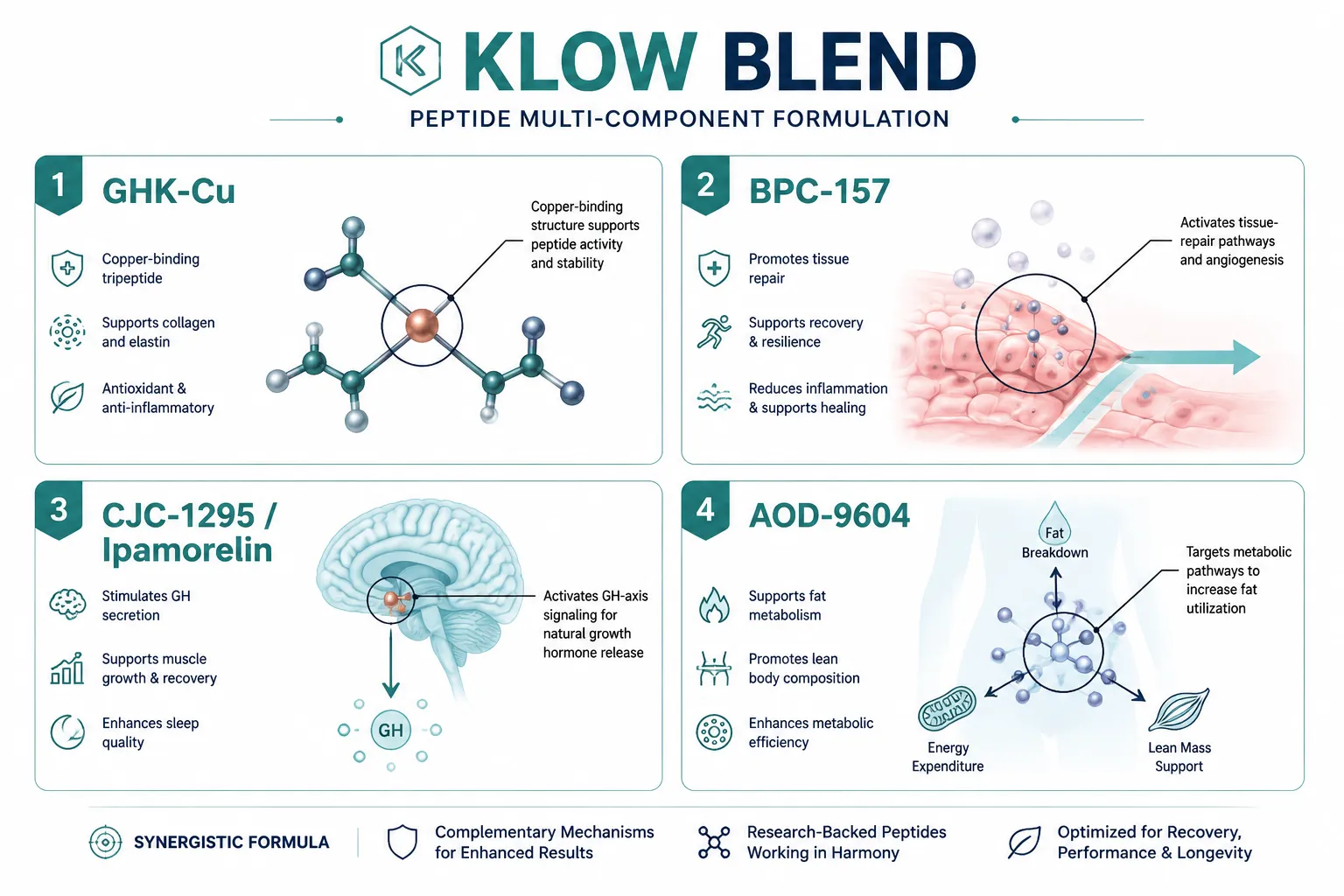
- Peptides such as retatrutide, CJC-1295, ipamorelin, and tesa each carry distinct fluid-balance risk profiles that call for tailored monitoring schedules.
- Integrated control frameworks should baseline-screen for AVP deficiency and CKD, then track copeptin, urine volume, and sodium at pre-specified intervals.
- Fluid and electrolyte controls should be engineered into the study design from the start, not retrofitted as general safety monitoring.
Why Electrolytes Distort Metabolic and Body-Composition Readouts
Body weight is not fat mass. That statement matters enormously in peptide research, where multi-kilogram changes on the scale over days can reflect shifts in extracellular water rather than adipose tissue loss. Sodium retention expands plasma volume, inflating body weight and elevating blood pressure independently of any true metabolic change. Potassium depletion alters cardiac excitability and can confound electrocardiographic safety endpoints. Dehydration, conversely, artificially concentrates glucose and creatinine, making metabolic improvement appear greater, or metabolic toxicity appear worse, than it actually is.
How individual electrolytes affect readouts:
| Electrolyte / Variable | Effect When Elevated | Effect When Depleted |
|---|---|---|
| Serum sodium | Volume expansion, BP rise, weight gain | Dilutional hyponatremia, fatigue, confusion |
| Serum potassium | Bradycardia risk, masked insulin effects | Glucose dysregulation, cardiac arrhythmia |
| Extracellular volume | DEXA lean-mass overestimate | Underestimated fat-free mass |
| Hydration status | Diluted glucose, lower Hb A1c | Falsely elevated glucose, creatinine, hematocrit |
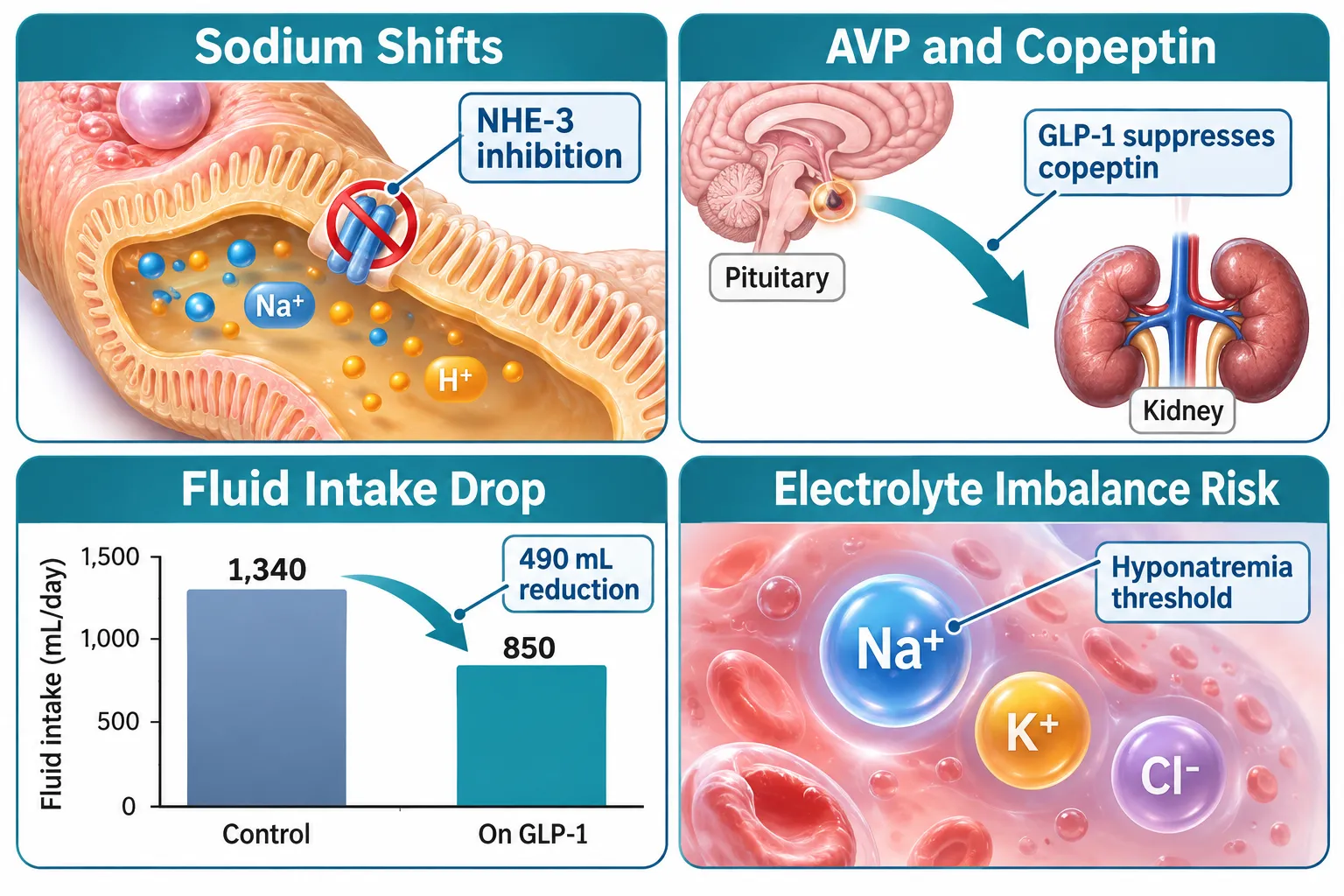
These distortions are especially acute in GLP-1 studies because GLP-1 receptor agonists inhibit proximal tubular sodium-hydrogen exchanger 3 (NHE-3), increasing urinary sodium and water excretion. In a chronic kidney disease context, that natriuresis helps alleviate fluid overload, but in a lean research participant, it can produce rapid shifts in both body weight and blood pressure that are entirely unrelated to energy metabolism. Without proper controls, investigators risk attributing fluid-driven changes to pharmacological efficacy.
Fluid-Balance Profiles of Key Research Peptides
Electrolytes and research peptides present different fluid-balance challenges depending on the compound class, half-life, and receptor target. Understanding these distinctions is the first step toward designing controls that actually match the biology.
GLP-1 Receptor Agonists and Dual Agonists
Long-acting GLP-1 receptor agonists such as dulaglutide have been shown to reduce total daily fluid intake by approximately 490 mL compared with placebo. In controlled volunteer studies, 24-hour urine output dropped from roughly 1,680 mL to 1,250 mL. This hypodipsic effect works partly through arginine vasopressin (AVP) suppression, tracked via copeptin, and partly through direct renal NHE-3 inhibition.
Short-acting GLP-1 agents primarily drive natriuresis with less impact on thirst. That distinction matters for protocol design: stratify fluid-balance monitoring by agent half-life, not just by receptor class.
For GLP-1 peptide sourcing and generational research concepts, understanding the pharmacokinetic profile of the specific compound in hand is non-negotiable before designing a fluid endpoint.
Dual GLP-1/GIP agonists, including the retatrutide scaffold, add GIP receptor and glucagon receptor activity. This broader agonism can precipitate early hyponatremia in participants with underlying AVP deficiency. Researchers sourcing GLP-3 peptides for sale for multi-agonist comparisons should build in serum sodium checks at weeks one and two of exposure, with pre-specified thresholds for dose reduction.
Key design rule: Any GLP-1 or multi-agonist peptide study that uses blood pressure, body weight, or kidney function as primary outcomes must treat fluid and electrolyte monitoring as co-primary endpoints, not footnotes.
For researchers working with the GLP-3R 10 mg peptide or related analogs, baseline copeptin measurement before first dose provides a critical reference point.
Growth-Hormone Secretagogues: CJC-1295, Ipamorelin, and Tesamorelin
Growth-hormone (GH) secretagogues operate through a different mechanism, but share one important fluid consequence: pharmacologic GH elevation consistently causes sodium and water retention, mild extracellular volume expansion, and in some subjects, peripheral edema. This makes DEXA-derived lean mass gains difficult to interpret without concurrent fluid-balance data.
Control variables specific to GH secretagogue studies:
- Daily morning body weight under standardized hydration conditions
- Urinary sodium and creatinine at baseline and every two weeks
- Blood pressure at each study visit, noting time since last peptide dose
- Hematocrit as a hemoconcentration marker
- Self-reported fluid intake log
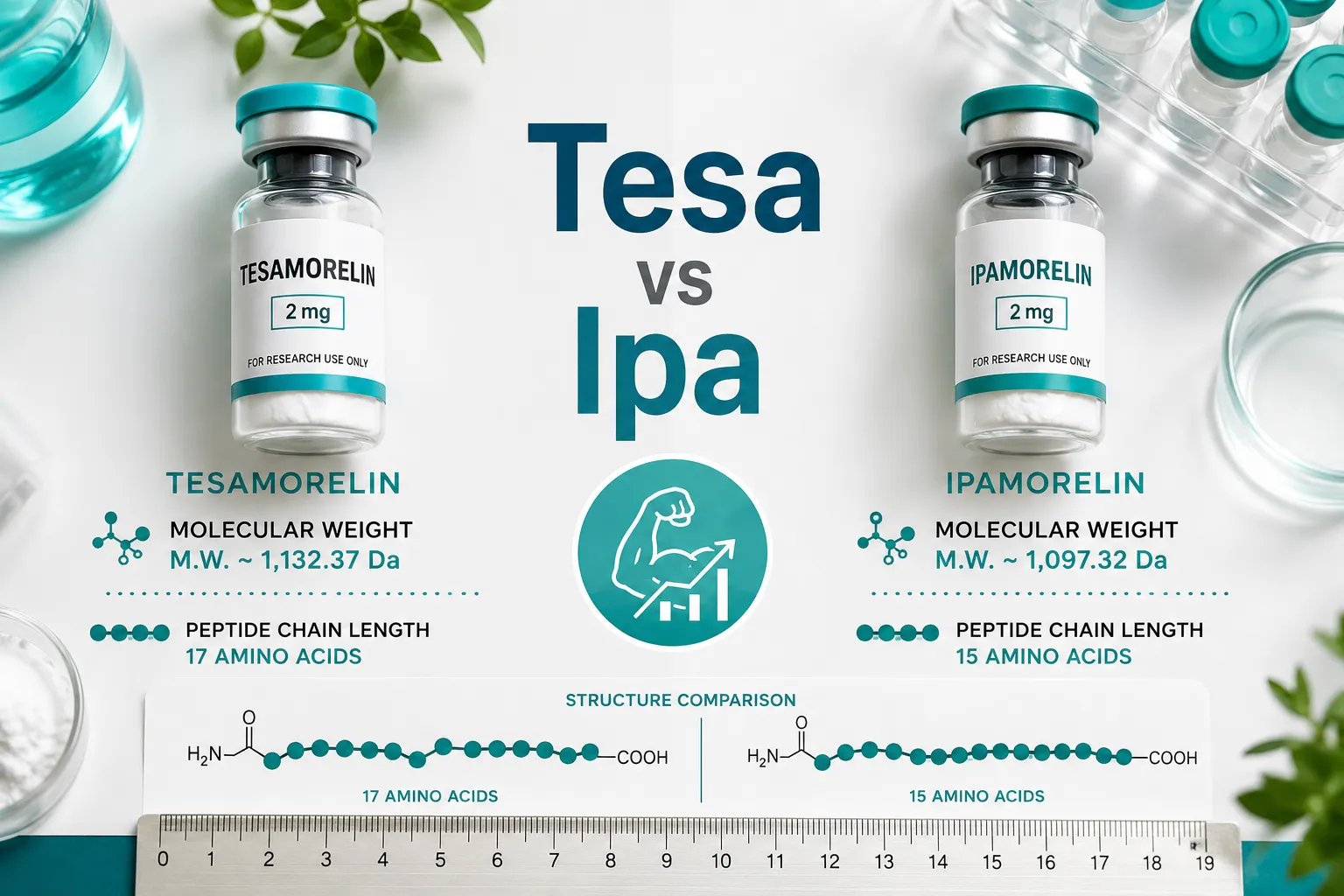
Tesamorelin, approved for HIV-associated lipodystrophy, has the most extensive safety database among GH-releasing factor analogs. Its effects on visceral adipose tissue are real, but trial-level body-composition readouts can be distorted by the volume-retention signal if sodium and fluid controls are not in place. CJC-1295 combined with ipamorelin produces sustained GH pulses; without fluid monitoring, an apparent lean-mass gain of 1-2 kg in the early weeks may be partly or entirely water.
For reference standards and peptide benchmarking, pairing compound-identity verification with a fluid-balance sub-protocol is now considered best practice.
Designing Integrated Fluid-Balance Controls for Peptide Studies
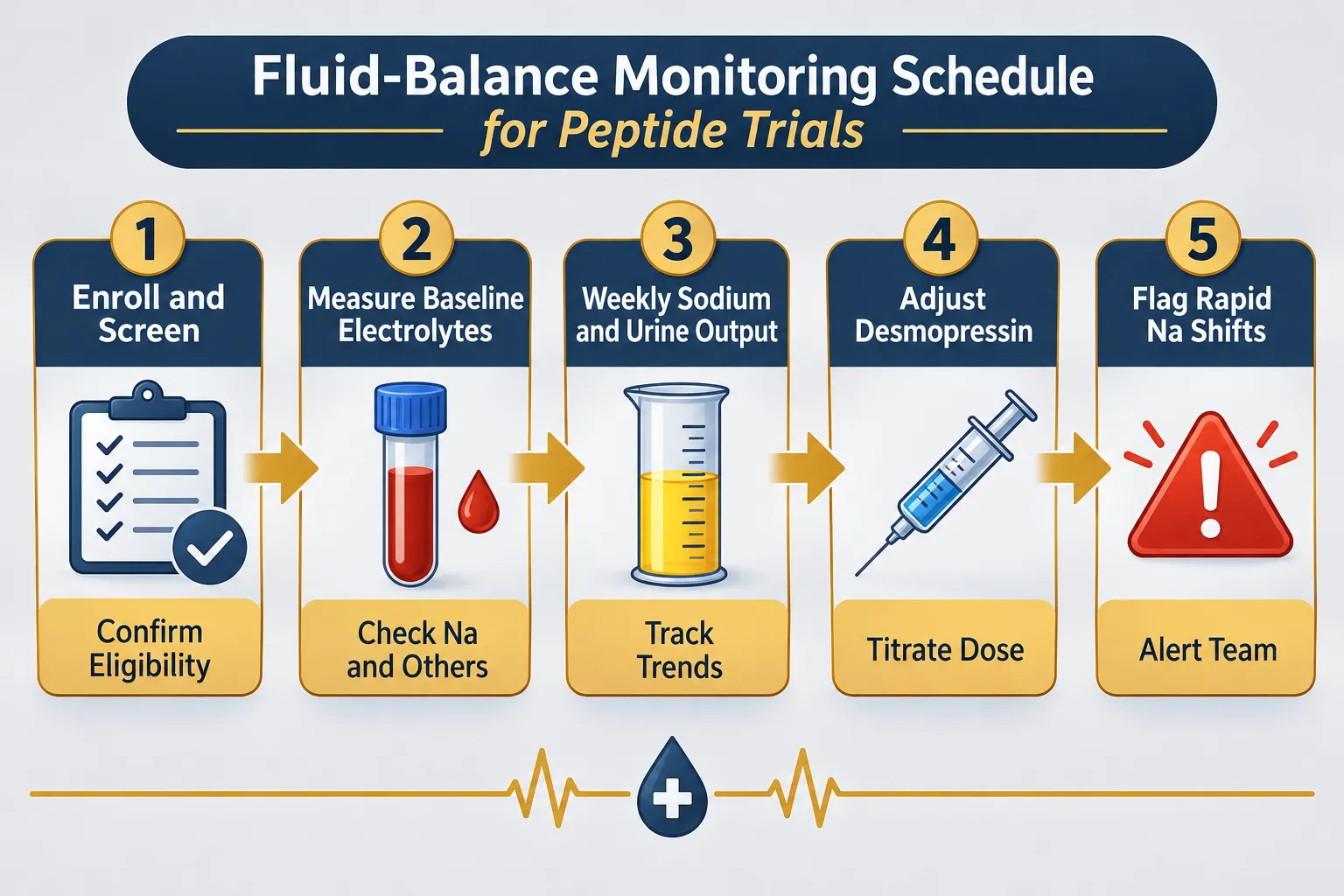
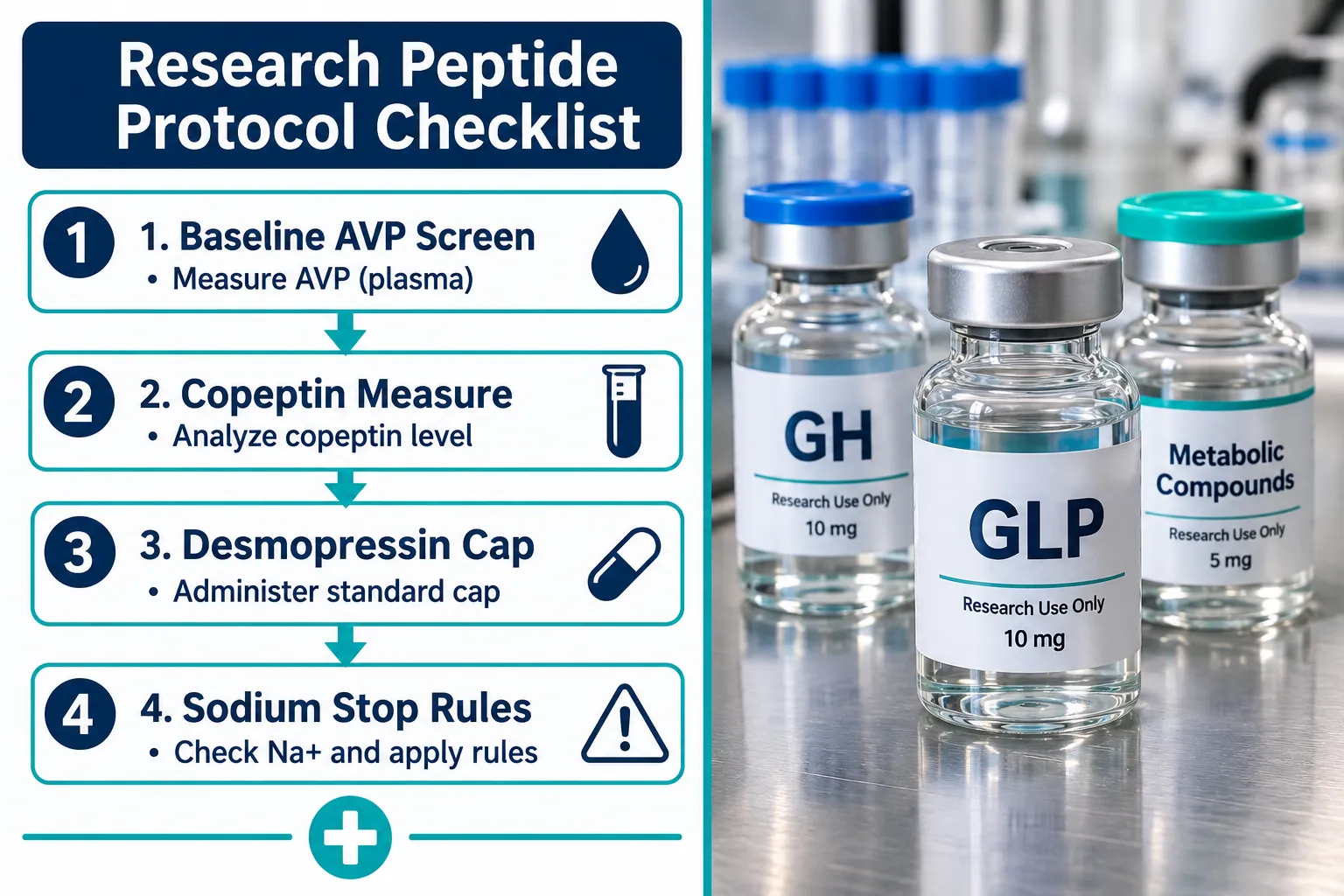
A practical, integrated control framework for electrolytes and research peptides in GLP, growth-hormone, and metabolic studies includes five structured elements drawn from 2024-2026 endocrinology and nephrology consensus:
Step 1, Pre-enrollment screening: Screen all participants for AVP deficiency, CKD stages 3-5, and baseline hyponatremia (sodium below 135 mEq/L). Flag heart failure and concurrent RAAS inhibitor or diuretic use as elevated-risk categories requiring more frequent panels.
Step 2, Baseline biomarker capture: Measure copeptin, serum sodium, potassium, creatinine, and 24-hour urine volume before the first dose. These values anchor all subsequent comparisons.
Step 3, Scheduled interval monitoring: Repeat the basic metabolic panel and copeptin at weeks one, two, four, and eight, more frequently (every three to five days) during the first two weeks in AVP-deficient or CKD participants. Track ad libitum fluid intake and 24-hour urine output as co-primary or key secondary endpoints.
Step 4, Desmopressin and fluid management rules: Cap daily desmopressin doses in AVP-deficient participants and adjust based on urine output data. When GI side effects (nausea, vomiting, diarrhea) emerge, common with GLP-1 agonists, replace fluids with electrolyte-containing solutions rather than plain water to prevent dilutional shifts.
Step 5, Pre-specified stopping rules: Define halt thresholds for rapid sodium change (greater than 10 mEq/L in 24 hours in either direction) and for unexpected oliguria or polyuria. Document these in the protocol before enrollment begins.
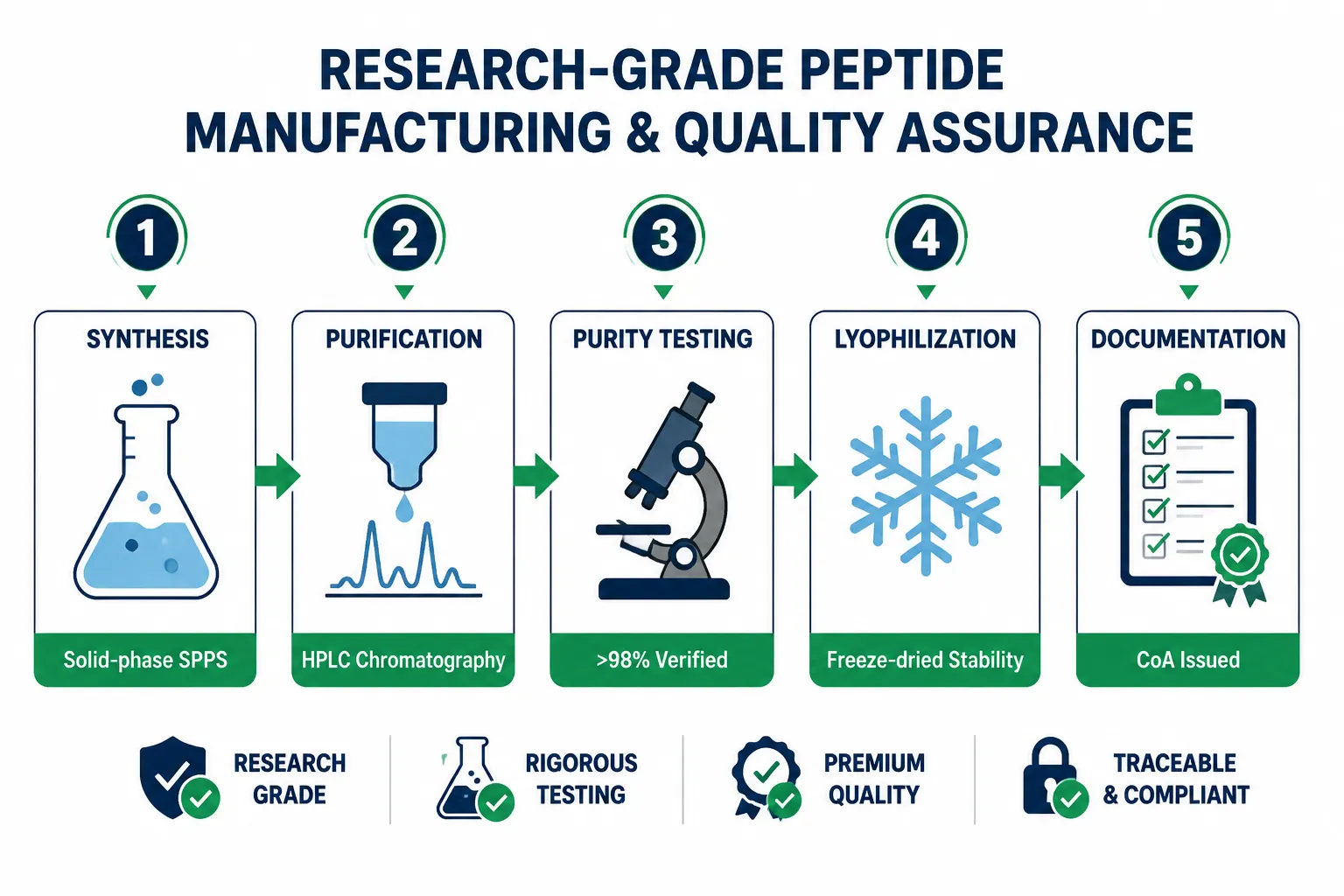
For researchers sourcing compounds through curated catalogs, wholesale peptides with verified purity documentation make it easier to rule out impurity-driven fluid effects as a confounding variable.
Studies enrolling participants with high cardiovascular or renal risk, the population most likely to be affected by natriuresis or diuresis, should start at lower peptide doses, shorten the titration interval, and prepare individualized fluid-intake targets in advance. Reviewing GLP peptides for sale with attention to formulation, excipients, and concentration helps avoid osmolarity-related fluid artifacts from the reconstitution vehicle itself.
Conclusion
The most important conceptual shift in peptide research methodology over the past three years is this: GLP-1 and related compounds are salt-and-water hormones as much as metabolic ones. Sodium handling, AVP suppression, renal tubular transport, and urinary volume are not side effects to manage, they are biological outputs to measure. The same logic, applied with appropriate modification for fluid-retention rather than fluid-loss patterns, extends to growth-hormone secretagogues including CJC-1295, ipamorelin, and tesa.
Actionable next steps for researchers in 2026:
- Add copeptin, serum sodium, and 24-hour urine volume to the primary endpoint list for any GLP or GH secretagogue study that measures blood pressure, body composition, or kidney function.
- Screen every participant for AVP deficiency and CKD before first exposure, and document RAAS inhibitor and diuretic co-medications.
- Stratify monitoring intensity by peptide half-life, long-acting agents require AVP-focused copeptin tracking; short-acting agents require more frequent natriuresis panels.
- Pre-specify electrolyte stopping rules and desmopressin caps in the protocol document before enrollment.
- Source compounds from suppliers providing verified purity data to eliminate formulation-driven fluid confounders.
Fluid-balance architecture is no longer optional in high-quality peptide research. Building it in from day one protects data integrity, participant safety, and the credibility of metabolic readouts across every endpoint.