Call or Text 727-513-9780
  • Shopping Cart Shopping Cart
    0Shopping Cart
Pure Tested Peptides | America's most trusted Peptides for sale online
  • Peptides for sale
    • Oral Peptides for sale
      • Peptide Capsules for sale
      • BPC 157 Capsules 1000mcg
      • SLU-PP-332 Capsules | 1000 mcg
      • 5-Amino-1MQ 50mg Capsules
      • Tesofensine 500mcg
    • All Peptides for sale
    • Peptide Sprays
      • BPC 157 Nasal Spray Kit
      • BPC-157 TB500 Nasal Spray Kit
      • Semax Nasal Spray 10mg
      • Selank – Nasal Spray Kit – 10mg
      • Epithalon 50MG Nasal Spray Kit
      • Ipamorelin 10mg Nasal Spray
      • Klow Nasal Spray (BPC-157 + TB-500 + GHK-Cu + KPV) | 80mg
      • Hulk Nasal Spray Tesa / Ipa Blend 6/3 MG
      • Klow Nasal Spray
      • NAD + 500 mg Nasal Spray
      • PT-141 Nasal Spray Kit
    • GHRH Peptides
      • Ipa Peptides
      • CJC-1295 Peptides
        • CJC-1295 with DAC 5 mg
        • CJC-1295 without DAC 5 mg
        • CJC-1295 Ipa 10mg
      • Tesa Peptides
        • Tesa Peptide
        • Tesa 20 mg
    • GHK-Cu Peptides
      • All GHK-Cu Peptides
      • GHK-Cu 100mg
      • KLOW Peptide Blend – Buy KLOW blend online
    • BPC Peptides
      • All BPC Peptides
      • BPC-157
      • BPC-157 TB-500
      • BPC 157 capsules 1000mcg
    • SLU-PP-332 Peptides
      • All SLU-PP-332 Peptides
      • SLU-PP-332 5mg
    • GLP3 Peptides
      • GLP3-R
      • GLP3-R CAG 10mg
      • GLP3-R 20mg
    • PT-141 Peptides
      • PT-141 Peptides for sale
      • PT-141 10mg
      • PT-141 Nasal Spray
    • CAG Peptides
      • Lipo-C Peptide Blend
      • CAG 5mg
      • CAG 10mg
    • MOTS-C Peptides
      • MOTS-C Peptides for sale
      • MOTS-c peptide
      • MOTS-c 10mg *6 pack*
    • 5 Amino 1MQ Peptides
      • 5 Amino 1MQ Peptides for sale
      • 5-Amino-1MQ 50mg Capsules
      • 5-Amino-1MQ 5mg
    • Epithalon Peptides
      • Epithalon Peptides for sale
      • Epithalon 10mg
      • Epithalon 50mg
  • Shop
    • GLPs
      • 5-Amino-1MQ 50mg Capsules
      • 5-Amino-1MQ 5mg
      • GLP3-Reta
      • L-Carnitine 500mg/ml
      • Tesofensine 500mcg
      • SLU-PP-332 5mg
      • MOTS-c 10mg *6 pack*
    • Epithalon & BPC Peptides
      • Epithalon 10mg
      • Epithalon 50mg
      • BPC-157
      • BPC 157 capsules 1000mcg
      • BPC-157 TB-500
      • BPC-157 TB500 Nasal Spray Kit
      • BPC 157 Nasal Spray Kit
    • BPC TB-500 & NAD+ Peptides
      • NAD+ 500 mg
      • KLOW Peptide Blend – Buy KLOW blend online
      • GLOW Peptide Blend
      • TB 500 5mg
      • BPC 157 capsules 1000mcg – Supplement
      • BPC 157 Nasal Spray Kit
      • BPC-157
      • BPC-157 TB500 Nasal Spray Kit
      • BPC-157 TB-500
      • BPC 157 capsules 1000mcg
    • LL-37 Peptide
      • LL-37 10 mg
    • MOTS-C & Selank
      • MOTS-c peptide
      • Selank 10mg
    • GHK Peptides
      • GHK-Cu 100mg
      • GLOW Peptide Blend
      • KLOW Peptide Blend – Buy KLOW blend online
  • COAs
  • Wholesale
    • Wholesale Peptides for sale
  • PTP FAQ
  • Affiliates
    • Selank Peptide: Advanced Pharmacological Mechanisms Underlying Its Anxiolytic and Nootropic Effects in Research
      • 5-Amino-1MQ Peptide: Detailed Mechanisms of NNMT Inhibition and Its Impact on Cellular Metabolism Research
        • MOTS-C Peptide: Unraveling Its Role in Mitochondrial Dynamics and Energy Metabolism Research
          • Epithalon Peptide and Telomerase Regulation: Investigating Its Impact on Cellular Senescence and Lifespan Research Models
            • GLP2-T vs GLP2 Tirz Peptide: Understanding the Naming, Mechanistic Nuances, and Research Implications for Gut Health
      • Peptides and Polypeptides in Modern Pharmacology: What Research on Metoprolol, Prednisone, and Amlodipine Reveals
        • Polypeptide Peptides vs NSAIDs: What Naproxen and Diclofenac Teach Tissue-Repair Researchers About BPC‑157 and TB‑500
          • Peptides and Polypeptides in Endocrine Pharmacology: How GLP-1, GLP-2, and GLP-3 Retatrutide Differ From Classic Drugs Like Prednisone and Amlodipine
          • 5‑Amino‑1MQ Peptide and NNMT Inhibition: How It Compares With Statins Like Atorvastatin in Adipose and Lipid Metabolism Research
      • Enclomiphene, Estrogen Receptor Signaling, and Luteinizing Phase Biology: What Hormone Researchers Should Measure
        • Mesenchymal Stem Cells, BPC‑157, and GHK‑Cu: How Tissue Repair Peptides Compare With Classic NSAIDs Like Naproxen in Injury Models
          • Peptide Calculator Use Cases Beyond Growth Hormone: Working Through GLP‑3 Retatrutide, MOTS‑c, and BPC‑157 Research Dosing
        • Polypeptide Peptides in Endocrine and Metabolic Pharmacology: Lessons From Amlodipine, Prednisone, and Metoprolol
        • Peptides Calculator for Advanced Blends: Worked Examples for Tesamorelin, CJC‑1295, and Ipamorelin Stacks
          • Peptides and Polypeptides in Human Physiology: How Molecular Size Shapes Research Applications
            • Selank Peptide: Advanced Pharmacological Mechanisms Underlying Its Anxiolytic and Nootropic Effects in Research
          • 5-Amino-1MQ Peptide: Detailed Mechanisms of NNMT Inhibition and Its Impact on Cellular Metabolism Research
            • MOTS-C Peptide: Unraveling Its Role in Mitochondrial Dynamics and Energy Metabolism Research
              • Epithalon Peptide and Telomerase Regulation: Investigating Its Impact on Cellular Senescence and Lifespan Research Models
                • GLP2-T vs GLP2 Tirz Peptide: Understanding the Naming, Mechanistic Nuances, and Research Implications for Gut Health
                  • Peptides and Polypeptides in Endocrine Pharmacology: How GLP-1, GLP-2, and GLP-3 Retatrutide Differ From Classic Drugs Like Prednisone and Amlodipine
                    • Polypeptide Peptides vs NSAIDs: What Naproxen and Diclofenac Teach Tissue-Repair Researchers About BPC‑157 and TB‑500
                      • Peptides and Polypeptides in Modern Pharmacology: What Research on Metoprolol, Prednisone, and Amlodipine Reveals
                        • 5‑Amino‑1MQ Peptide and NNMT Inhibition: How It Compares With Statins Like Atorvastatin in Adipose and Lipid Metabolism Research
                        • Enclomiphene, Estrogen Receptor Signaling, and Luteinizing Phase Biology: What Hormone Researchers Should Measure
                        • Mesenchymal Stem Cells, BPC‑157, and GHK‑Cu: How Tissue Repair Peptides Compare With Classic NSAIDs Like Naproxen in Injury Models
                        • Peptide Calculator Use Cases Beyond Growth Hormone: Working Through GLP‑3 Retatrutide, MOTS‑c, and BPC‑157 Research Dosing
                        • Polypeptide Peptides in Endocrine and Metabolic Pharmacology: Lessons From Amlodipine, Prednisone, and Metoprolol
                        • Peptides Calculator for Advanced Blends: Worked Examples for Tesamorelin, CJC‑1295, and Ipamorelin Stacks
                        • Peptides and Polypeptides in Human Physiology: How Molecular Size Shapes Research Applications
                        • Selank Peptide: Advanced Pharmacological Mechanisms Underlying Its Anxiolytic and Nootropic Effects in Research
                        • MOTS-C Peptide: Unraveling Its Role in Mitochondrial Dynamics and Energy Metabolism Research
                        • Peptides and Polypeptides in Modern Pharmacology: What Research on Metoprolol, Prednisone, and Amlodipine Reveals
                        • Peptides and Polypeptides in Endocrine Pharmacology: How GLP-1, GLP-2, and GLP-3 Retatrutide Differ From Classic Drugs Like Prednisone and Amlodipine
                        • 5-Amino-1MQ Peptide: Detailed Mechanisms of NNMT Inhibition and Its Impact on Cellular Metabolism Research
                        • Mesenchymal Stem Cells, BPC‑157, and GHK‑Cu: How Tissue Repair Peptides Compare With Classic NSAIDs Like Naproxen in Injury Models
                        • Peptide Calculator Use Cases Beyond Growth Hormone: Working Through GLP‑3 Retatrutide, MOTS‑c, and BPC‑157 Research Dosing
                        • GLP2-T vs GLP2 Tirz Peptide: Understanding the Naming, Mechanistic Nuances, and Research Implications for Gut Health
                        • Polypeptide Peptides in Endocrine and Metabolic Pharmacology: Lessons From Amlodipine, Prednisone, and Metoprolol
                        • Polypeptide Peptides vs NSAIDs: What Naproxen and Diclofenac Teach Tissue-Repair Researchers About BPC‑157 and TB‑500
                        • Peptides and Polypeptides in Human Physiology: How Molecular Size Shapes Research Applications
                        • Peptides Calculator for Advanced Blends: Worked Examples for Tesamorelin, CJC‑1295, and Ipamorelin Stacks
                        • 5‑Amino‑1MQ Peptide and NNMT Inhibition: How It Compares With Statins Like Atorvastatin in Adipose and Lipid Metabolism Research
                        • Enclomiphene, Estrogen Receptor Signaling, and Luteinizing Phase Biology: What Hormone Researchers Should Measure
                        • Epithalon Peptide and Telomerase Regulation: Investigating Its Impact on Cellular Senescence and Lifespan Research Models
                        • Best research protocol Klow blend
                        • best time to take BPC-157
                        • best time to take DSIP (Delta Sleep Inducing Peptide)
                        • best time to take CJC-1295
                        • best time to take AOD-9604
                        • best time to take Follistatin 344
                        • best time to take Ipamorelin
                        • best time to take MK-677 (Ibutamoren)
                        • best time to take Ligandrol (LGD-4033) — research compound
                        • best time to take Ostarine (MK-2866) — research compound
                        • best time to take GHK-CU
                        • best time to take TB-500
                        • best time to take MOTS-c
                        • best time to take Semax
                        • best time to take RAD-140 (Testolone) — research compound
                        • best time to take Thymosin Alpha-1
                        • best time to take PEG-MGF
                        • Biolife Plasma, Octapharma Plasma, and Research Peptides: How Plasma Donation Labs Differ From Peptide Suppliers
                        • best time to take YK-11 — research compound
                        • best time to take PT-141 (Bremelanotide)
                        • Best research protocol Klow blend
                        • 5-Amino-1MQ and MOTS-C Synergy: Metabolic Signaling, Mitochondria, and Research Design
                        • BPC-157 and TB-500: Investigating Their Combined Effects on Angiogenesis and Cellular Migration in Tissue Repair Models
                        • BPC-157 Peptide: Gut Barrier Function, Inflammation, and Tissue-Recovery Research
                        • 5‑Amino‑1MQ and MOTS‑c Synergy in Metabolic Research: Designing NNMT and Mitochondrial Biogenesis Stacks
                        • CJC-1295 with DAC vs. Without DAC: Half-Life, Release Kinetics, and Research Implications
                        • CJC‑1295 with DAC vs. Without DAC: Expanding on Half‑Life Differences Using Tesamorelin and Ipamorelin Blend Case Studies
                        • Collagen Biology and Copper‑Binding Peptides: How GHK‑Cu, Glow Blend, and Klow Blend Interact with Skin and Connective Tissue
                        • Collagen Biology and Regenerative Peptides: How GHK‑Cu, Glow Blend, and Klow Blend Affect Extracellular Matrix Research
                    • DNA, Telomeres, and Longevity Peptides: Positioning Epithalon and MOTS‑c in Genetic Aging Research
                      • Enclomiphene Citrate: serm Mechanism, Testosterone Research, and Stack Compatibility
                        • Enclomiphene vs Enclomiphene Citrate: Formulation, Bioavailability, and Research Distinctions
                        • Epithalon Peptide Research: Telomerase Activation, Aging, and Pineal Gland Function
                        • Estrogen Receptor Signaling and Enclomiphene: How Selective Modulators Compare with Classic Polypeptide Hormones
                        • GHK-Cu Peptide: Advanced Mechanisms in Extracellular Matrix Remodeling and Wound Healing Research
                        • GHK-Cu Peptide: Collagen Synthesis, Wound Repair, and Skin-Barrier Research Models
                        • GLP-1 vs GLP-3 vs GLP-2: Peptide Classification and Research Applications
                        • GLP-2 Peptide Research Guide: Gut Barrier Function, Nutrient Absorption, and Intestinal Recovery Models
                        • GLP-3 Retatrutide vs. GLP-1 Drugs: What Triple-Agonist Biology Changes in Research Models
                        • Ipamorelin and Tesamorelin Combination: Synergistic GH Secretagogue Research and Dosing Protocols
                        • GLP2 Tirz Peptide: What It Is, Why the Name Exists, and How Researchers Should Interpret It
                        • Klow Blend Peptide Nasal Spray: What the Formulation Is Trying to Do in Cognitive Research
                        • Mitochondria, NNMT Inhibition, and Peptide Modulators: Where MOTS‑c and 5‑Amino‑1MQ Fit in Cellular Energy Research
                        • MOTS-c Peptide: Mitochondrial Function, Energy Metabolism, and What Researchers Measure
                        • MOTS-c vs. 5-Amino-1MQ: Which Metabolic Research Questions Each Compound Actually Answers
                        • Nasal Spray Peptides: Bioavailability, Administration, and Semax/Selank Research Applications
                        • PT-141 Peptide Research: Mechanism of Action and Melanocortin Receptor Signaling
                        • Retatrutide for Research: Mechanism, Structure, and GLP-1/GLP-3 Dual Action
                        • Retatrutide for Obesity and Type 2 Diabetes: What the Latest Trial Data Suggest
                        • Tesofensine Peptide Research: Mechanism, Appetite Suppression, and Neuropeptide Y Pathways
  • Contact
    • Contact Customer Service
    • Text Customer Support
  • About US
  • Shop all peptides
  • Affiliate Program
    • Affiliate Signup
  • Login / Register Login / Register Page Link Login / Register Page Link
  • Click to open the search input field Click to open the search input field Search
  • Menu Menu

Tag Archive for: exercise mimetic

Slupp332 with 5-Amino-1MQ: An Advanced Look at Synergistic Metabolic Pathways in Research

Slupp332 with 5-Amino-1MQ: An Advanced Look at Synergistic Metabolic Pathways in Research

August 23, 2026/0 Comments/in Uncategorized/by

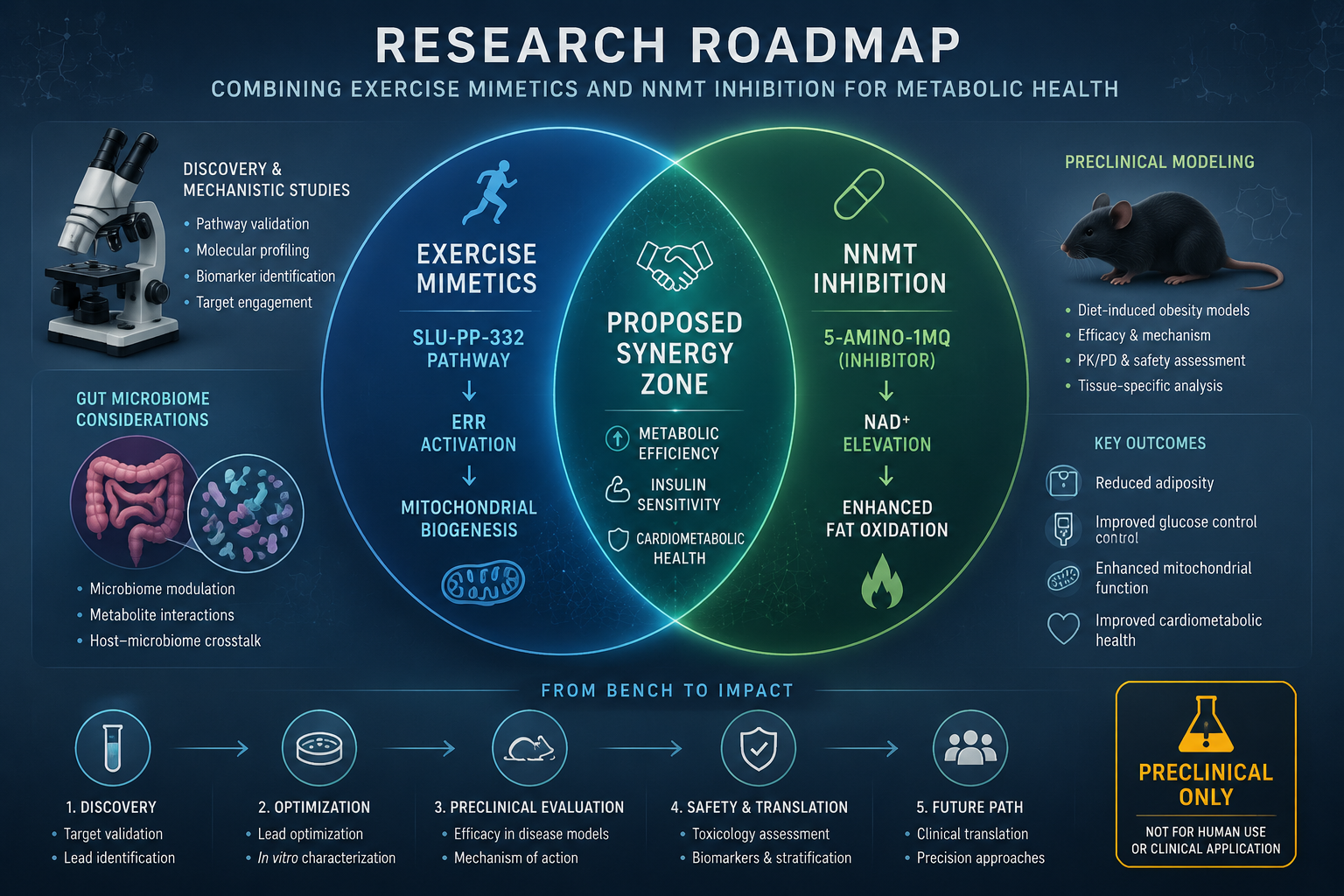
Two separate lines of metabolic research, one targeting estrogen-related receptors in muscle, the other disrupting a methyltransferase enzyme in fat, are now drawing attention from researchers who want to know whether combining them could amplify whole-body metabolic reprogramming. That question sits at the heart of Slupp332 with 5-Amino-1MQ: An Advanced Look at Synergistic Metabolic Pathways in Research, a topic that has gained traction in 2026 as preclinical data on both agents continues to mature.

Key Takeaways

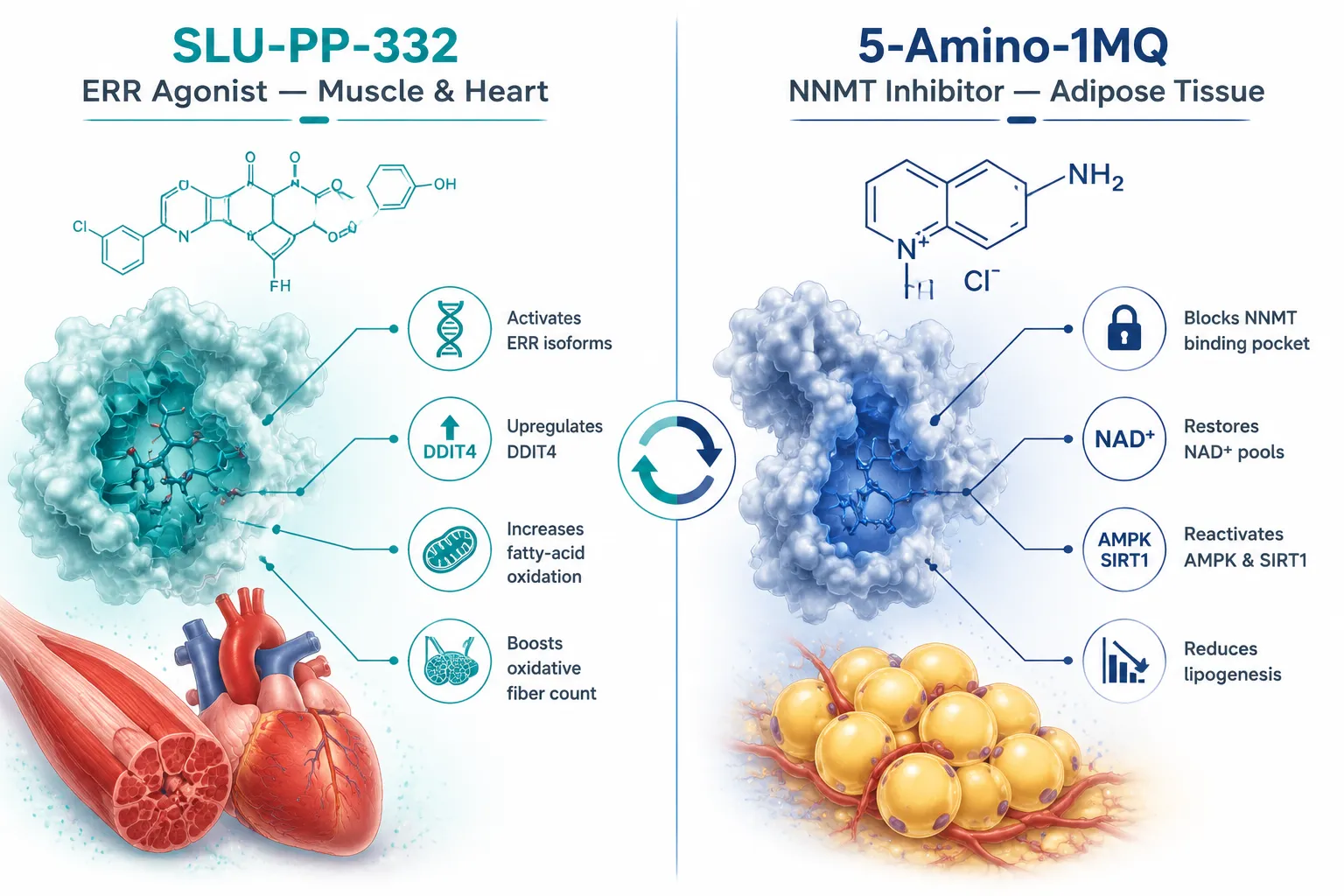
  • SLU-PP-332 is a synthetic ERR agonist that mimics endurance exercise in muscle tissue by increasing fatty-acid oxidation and mitochondrial respiration.
  • 5-Amino-1MQ is a small-molecule NNMT inhibitor that restores NAD+ and SAM pools in adipocytes, reactivating AMPK and SIRT1 signaling.
  • No published study has tested these two compounds together; any combined effect is currently a hypothesis grounded in complementary pathway analysis.
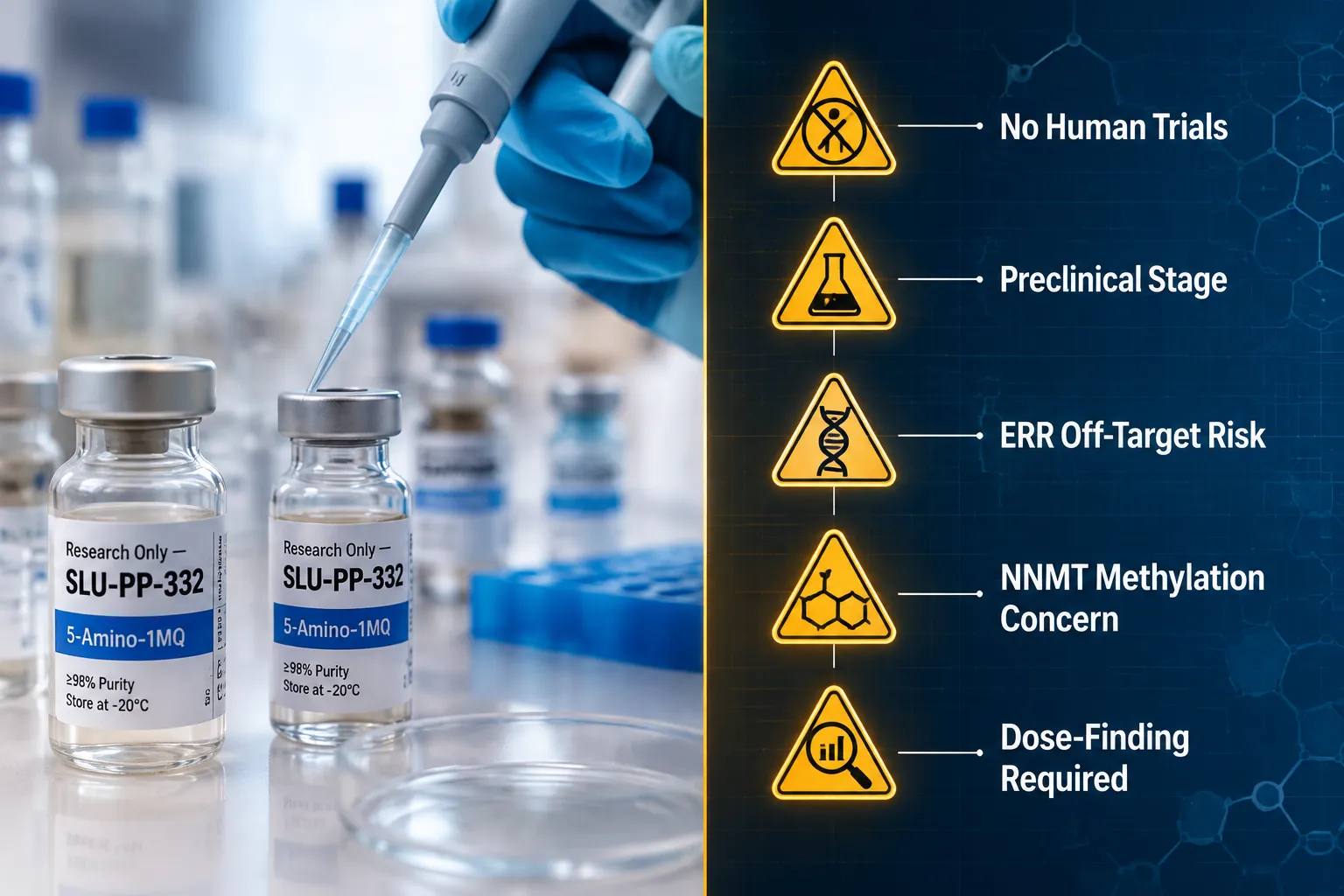
  • Both agents are strictly research-use compounds with no regulatory approval and no registered human clinical trials as of 2026.
  • Potential safety concerns, including cardiac effects from ERR agonism and methylation disruption from long-term NNMT inhibition, require careful evaluation before any future combined approach.

Understanding the Two Compounds Individually

Understanding the Two Compounds Individually

Before examining the theoretical stack, it is essential to understand what each compound does on its own.

SLU-PP-332: The Exercise Mimetic

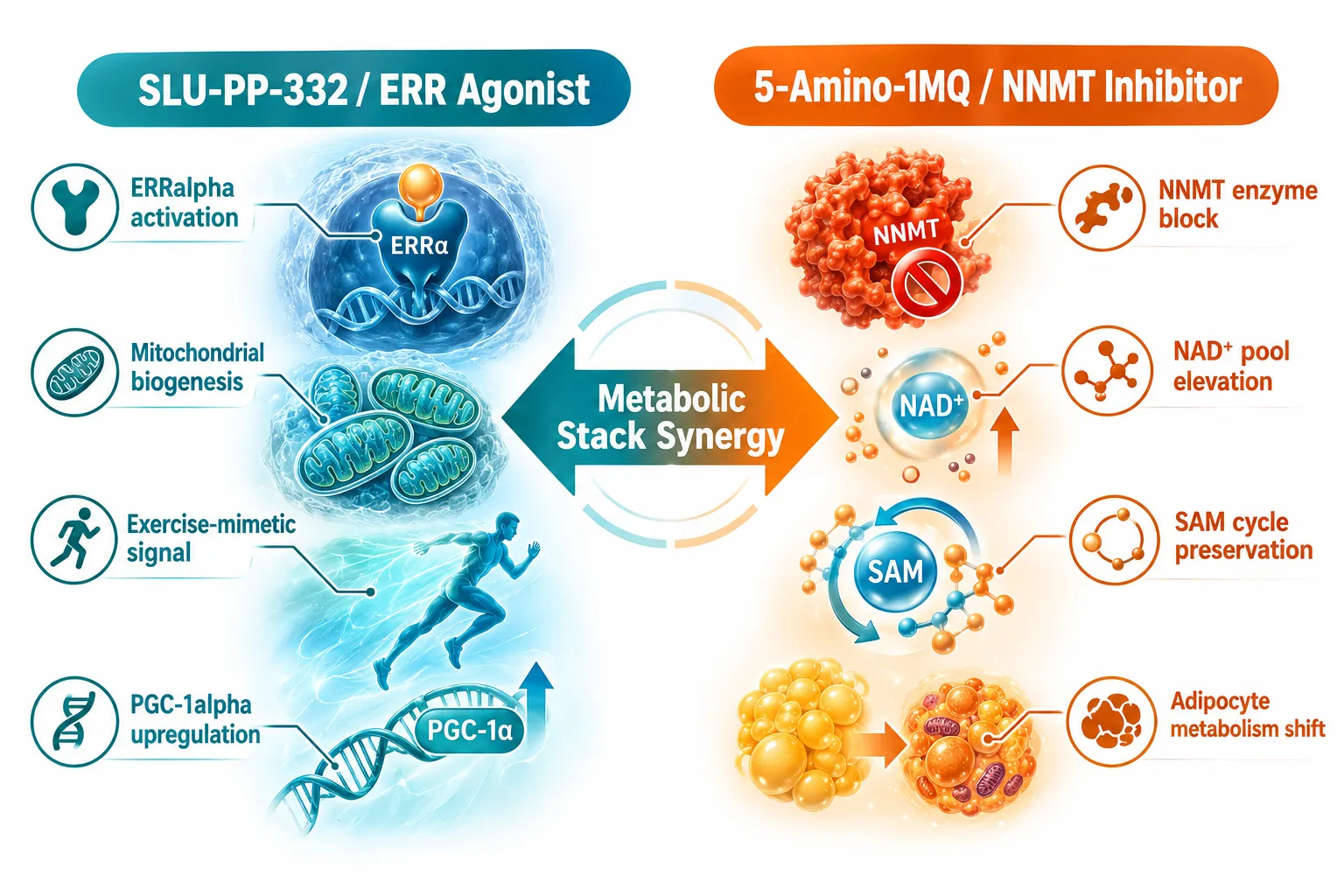
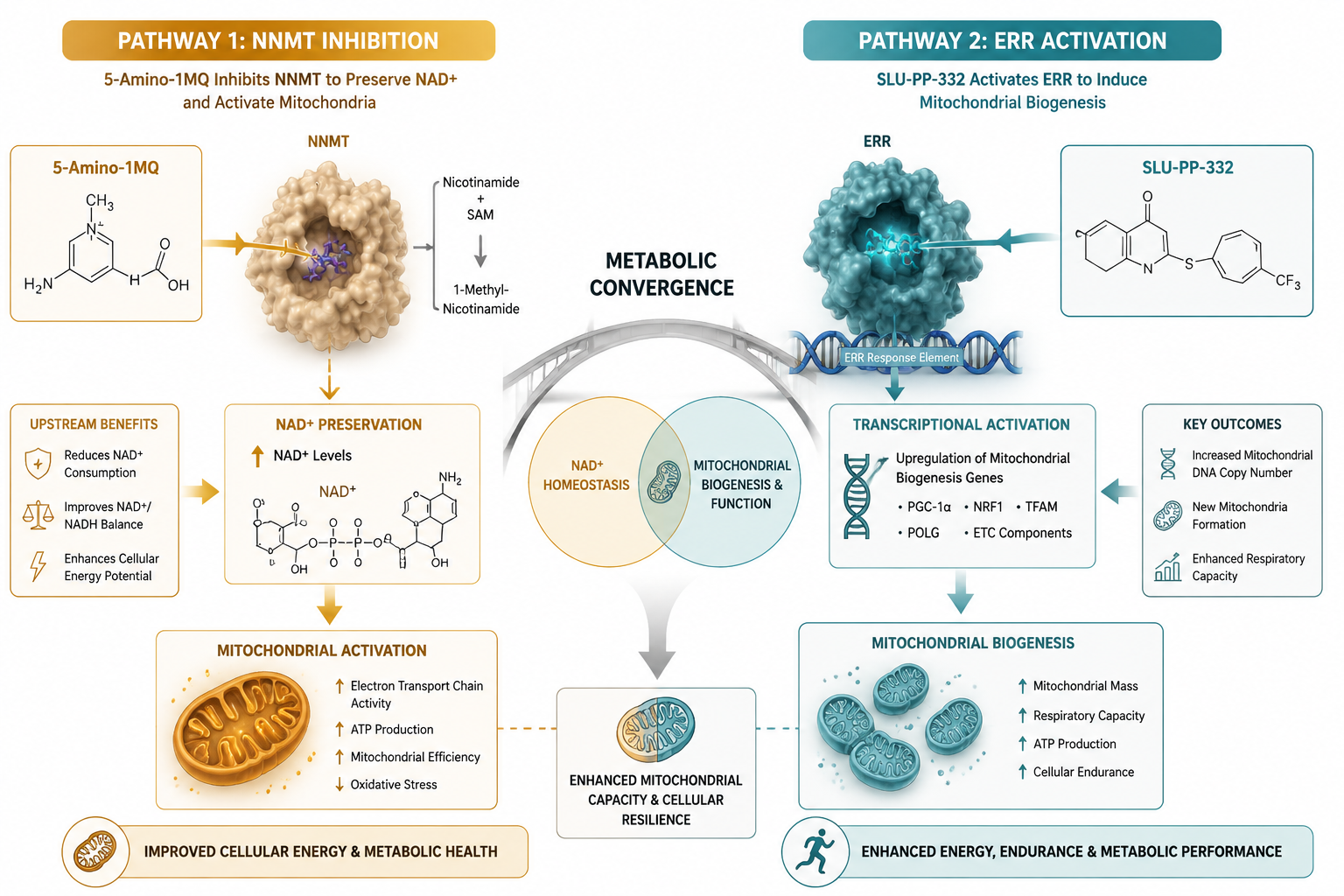
SLU-PP-332 is a synthetic small-molecule agonist of the estrogen-related receptor (ERR) family, which includes ERRalpha, ERRbeta, and ERRgamma. These nuclear receptors regulate transcriptional programs tied to mitochondrial biogenesis, fatty-acid oxidation, and oxidative fiber composition in skeletal muscle.

In diet-induced obesity mouse models, SLU-PP-332 has demonstrated:

  • Increased proportion of oxidative (slow-twitch) muscle fibers
  • Elevated resting energy expenditure
  • Reduced fat mass accumulation
  • Improved exercise endurance

Chemical-optimization work published in early 2026 confirmed upregulation of DDIT4 and enhanced mitochondrial respiration, refining the compound's pharmacologic profile for preclinical use. Researchers studying metabolic flexibility have also noted parallels with growth hormone-related peptides; for context on how secretagogues influence energy metabolism, the Sermorelin vs Tesamorelin comparison provides useful background on adjacent research compounds.

5-Amino-1MQ: The NNMT Inhibitor

5-Amino-1MQ (5-amino-1-methylquinolinium) is a quaternary aromatic quinolinium salt, not a peptide, that competitively occupies the nicotinamide-binding pocket of nicotinamide N-methyltransferase (NNMT). By blocking this enzyme, the compound diverts nicotinamide back into the NAD+ salvage pathway rather than allowing it to be methylated and excreted.

Key effects documented in cell culture and diet-induced obesity mouse models include:

Effect Mechanism
Restored NAD+ levels Nicotinamide redirected to salvage pathway
Increased SAM availability Reduced NNMT-driven SAM consumption
AMPK reactivation NAD+-dependent energy sensing restored
SIRT1 upregulation NAD+-dependent deacetylase activity increased
Reduced lipogenesis Downstream suppression of fat-synthesis genes

A 2021 review on NNMT in obesity and type 2 diabetes confirmed that 5-Amino-1MQ significantly reverses diet-induced obesity and related insulin resistance in mice, positioning NNMT inhibition as a potentially important strategy for metabolic disease. Research-use market data from August 2026 places the compound at approximately $1.90 per mg across commercial laboratory suppliers.

Synergistic Metabolic Pathways: The Theoretical Framework Behind Slupp332 with 5-Amino-1MQ Research

Synergistic Metabolic Pathways: The Theoretical Framework Behind Slupp332 with 5-Amino-1MQ Research

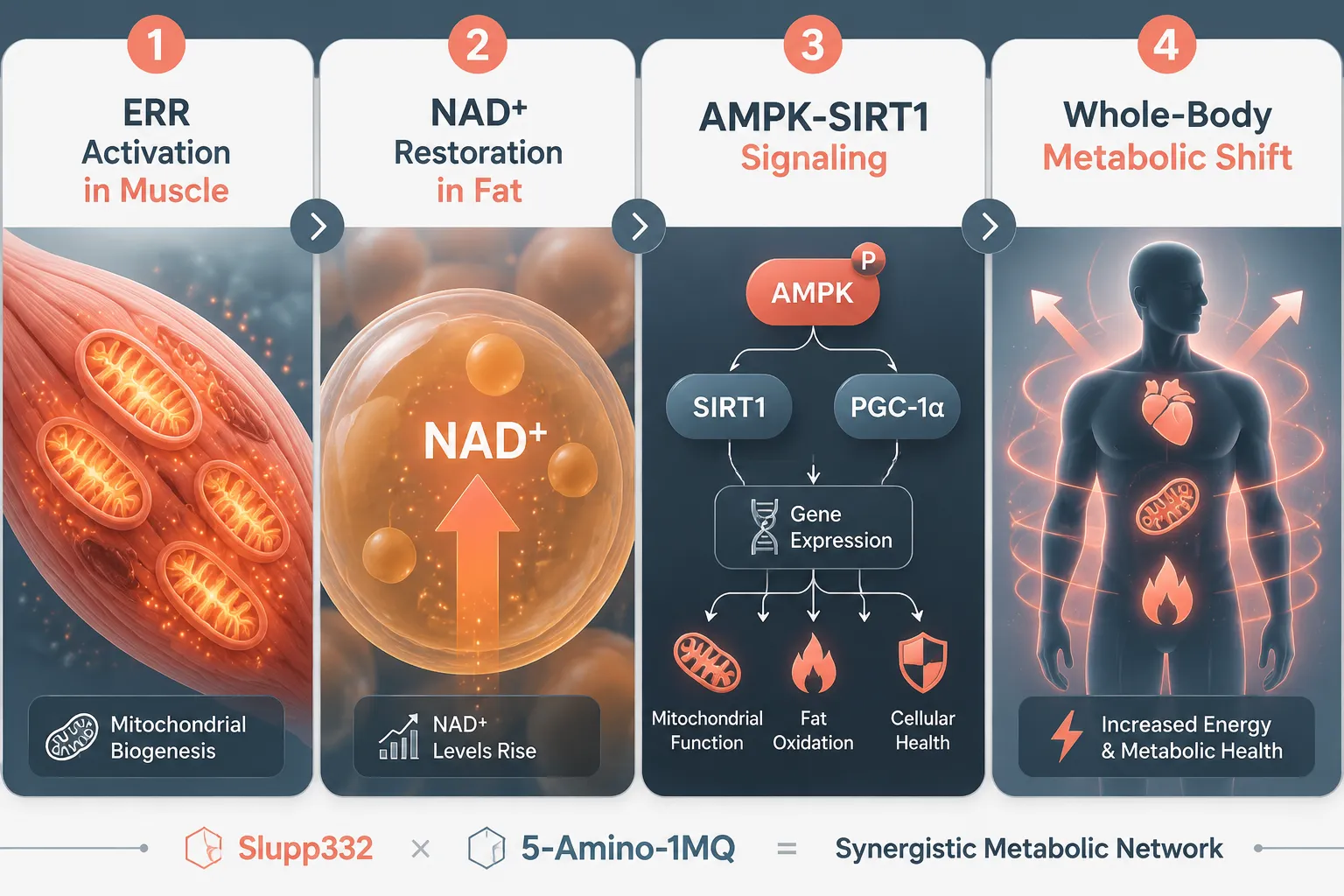
The phrase "Slupp332 with 5-Amino-1MQ: An Advanced Look at Synergistic Metabolic Pathways in Research" captures a genuinely compelling hypothesis: that ERR agonism in energy-demanding tissues and NNMT inhibition in adipose tissue could coordinate a whole-body shift toward fatty-acid utilization and improved metabolic flexibility.

Here is how the theoretical pathway network connects:

  1. SLU-PP-332 activates ERR isoforms in skeletal muscle and cardiac tissue, upregulating genes responsible for oxidative phosphorylation and fatty-acid beta-oxidation.
  2. Increased demand for fatty-acid substrates in muscle creates a systemic pull on circulating lipids.
  3. 5-Amino-1MQ restores NAD+ and SAM pools in adipose tissue, reactivating AMPK and SIRT1, both of which promote fat mobilization and suppress lipogenesis.
  4. Reduced lipogenesis in fat combined with elevated fat oxidation in muscle could, in principle, produce a coordinated reduction in adiposity.
  5. Shared downstream targets, particularly SIRT1 and AMPK, appear in both ERR and NNMT inhibition literature, suggesting potential convergence at the cellular energy-sensing level.

"The theoretical appeal of this combination lies in tissue complementarity: SLU-PP-332 programs muscle to burn more fat while 5-Amino-1MQ programs fat to release and oxidize more of it."

This remains a conceptual model based on pathway analysis. No peer-reviewed study has tested co-administration of these two compounds. Existing SLU-PP-332 papers do not mention NNMT inhibitors, and NNMT/5-Amino-1MQ literature does not reference ERR agonists. Researchers interested in how mitochondrial-targeting compounds interact with metabolic peptides may find the SS-31 and MOTS-C research overview a useful parallel for understanding multi-target mitochondrial strategies. Similarly, the SS-31 mechanism and research guide illustrates how mitochondrial cardiolipin-targeting compounds are studied alongside complementary agents.

Safety Considerations and Research Limitations

Safety Considerations and Research Limitations

Any serious examination of Slupp332 with 5-Amino-1MQ: An Advanced Look at Synergistic Metabolic Pathways in Research must address the substantial unknowns that accompany both agents.

Safety Concerns for SLU-PP-332

  • ERR agonism that mimics chronic endurance training may alter cardiac metabolism in ways that require organ-specific monitoring.
  • Central nervous system ERR expression means neurological effects cannot be ruled out at higher doses.
  • Human pharmacokinetics, tolerability, and long-term safety data are entirely absent; endocrinology commentary from 2024 explicitly notes that human trials are still lacking.

Safety Concerns for 5-Amino-1MQ

  • Long-term NNMT inhibition could disrupt one-carbon metabolism and global methylation patterns across multiple tissues.
  • Systemic SAM elevation may have downstream effects on epigenetic regulation that are not yet characterized.
  • All efficacy data come from cell culture and rodent models; translation to humans is unproven.

Regulatory Status

Both compounds are sold strictly for research purposes only. Neither has regulatory approval as a therapeutic drug, and no registered human clinical trials exist for either agent individually, let alone in combination. Educational resources updated in 2026 consistently reinforce this point. Researchers exploring adjacent metabolic peptides such as GLP-1 agonists can review the GLP-1 and GLP-2 peptide family research guide for comparison on how more clinically advanced compounds navigate the research-to-approval pipeline. For those also studying growth hormone secretagogues in metabolic contexts, the Sermorelin, Ipamorelin, and CJC-1295 research overview provides relevant context on multi-compound preclinical strategies.

Conclusion

The investigation of Slupp332 with 5-Amino-1MQ as a synergistic metabolic stack represents one of the more intellectually compelling hypotheses in current preclinical research. The mechanistic logic is sound: ERR agonism drives oxidative reprogramming in muscle while NNMT inhibition restores NAD+-dependent signaling in fat, and both pathways converge on shared energy-sensing nodes like AMPK and SIRT1. However, the gap between a compelling hypothesis and a validated research protocol remains wide.

Actionable next steps for researchers:

  • Review the independent preclinical literature on SLU-PP-332 ERR agonism and 5-Amino-1MQ NNMT inhibition separately before designing any combined protocol.
  • Prioritize dose-finding and toxicology studies for each compound individually in relevant model systems before attempting co-administration.
  • Monitor cardiac and CNS endpoints given ERR's broad tissue expression, and track methylation markers given NNMT's role in one-carbon metabolism.
  • Follow peer-reviewed journals for the first co-administration studies, which as of 2026 have not yet appeared in the published literature.
  • Ensure all procurement and use of these compounds complies with institutional research guidelines, as both remain strictly non-clinical research tools.

The science here is genuinely forward-looking. Translating it from pathway analysis into rigorous experimental data is the critical next step.

https://www.puretestedpeptides.com/wp-content/uploads/2026/08/slupp332-with-5-amino-1mq-an-advanced-look-at-synergistic-metabolic-pathways-in.webp 1024 1536 https://www.puretestedpeptides.com/wp-content/uploads/2026/01/buy-peptides-online.jpg 2026-08-23 13:04:532026-08-23 13:04:53Slupp332 with 5-Amino-1MQ: An Advanced Look at Synergistic Metabolic Pathways in Research

Tag Archive for: exercise mimetic

Slupp332 With 5-Amino-1MQ: How Exercise-Mimetic and NNMT-Targeted Research Are Being Connected

Slupp332 With 5-Amino-1MQ: How Exercise-Mimetic and NNMT-Targeted Research Are Being Connected

June 13, 2026/0 Comments/by Pure Tested

Two compounds with entirely different mechanisms are increasingly appearing in the same metabolic research conversations — and the reason why is worth understanding carefully. The discussion around Slupp332 with 5-Amino-1MQ centers on a hypothesis: that combining an exercise-mimetic compound with an NNMT-targeted molecule could produce complementary effects on energy metabolism, fat oxidation, and mitochondrial function. This article breaks down what each compound does, why researchers are connecting them, and what the current evidence actually supports.

Key Takeaways

  • SLU-PP-332 activates estrogen-related receptors (ERRs) to mimic exercise-induced mitochondrial biogenesis
  • 5-Amino-1MQ inhibits the NNMT enzyme to preserve NAD+ levels and promote fat oxidation
  • The two compounds operate through distinct but potentially complementary pathways
  • All supporting evidence remains preclinical — no human clinical trials have been completed for either compound in combination
  • Both are classified as research chemicals and are not approved for human use

Key Takeaways

What Each Compound Does on Its Own

Understanding the proposed synergy in Slupp332 with 5-Amino-1MQ research starts with understanding each compound independently.

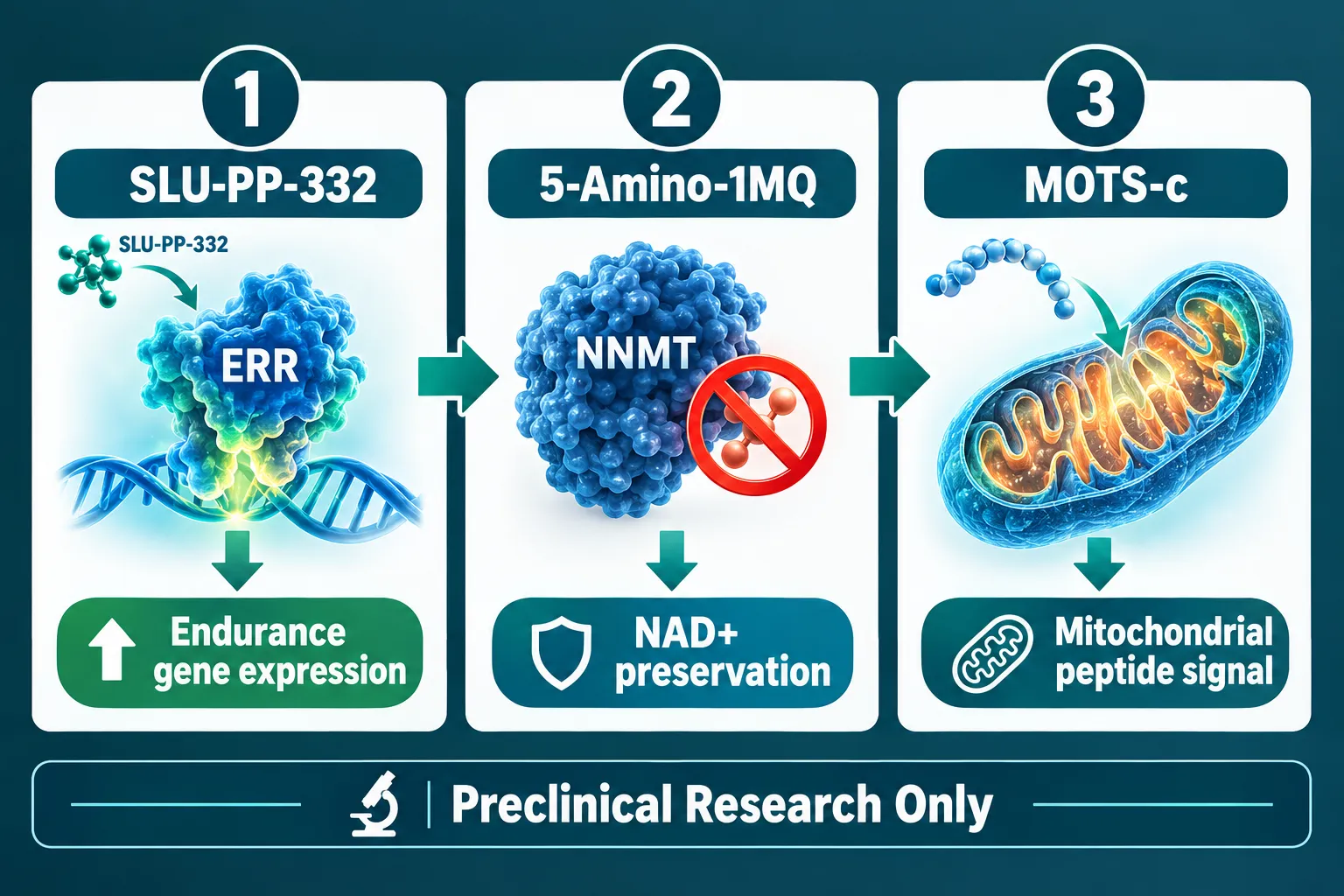
SLU-PP-332 is a synthetic agonist for estrogen-related receptors — specifically ERR-alpha, ERR-beta, and ERR-gamma. These nuclear receptors regulate mitochondrial biogenesis and oxidative metabolism. When activated, they trigger many of the same cellular adaptations seen after sustained aerobic exercise: increased energy expenditure, greater fatty acid oxidation, and improved mitochondrial density. For a deeper look at SLU-PP-332's metabolic profile, see this SLU-PP-332 metabolic research overview.

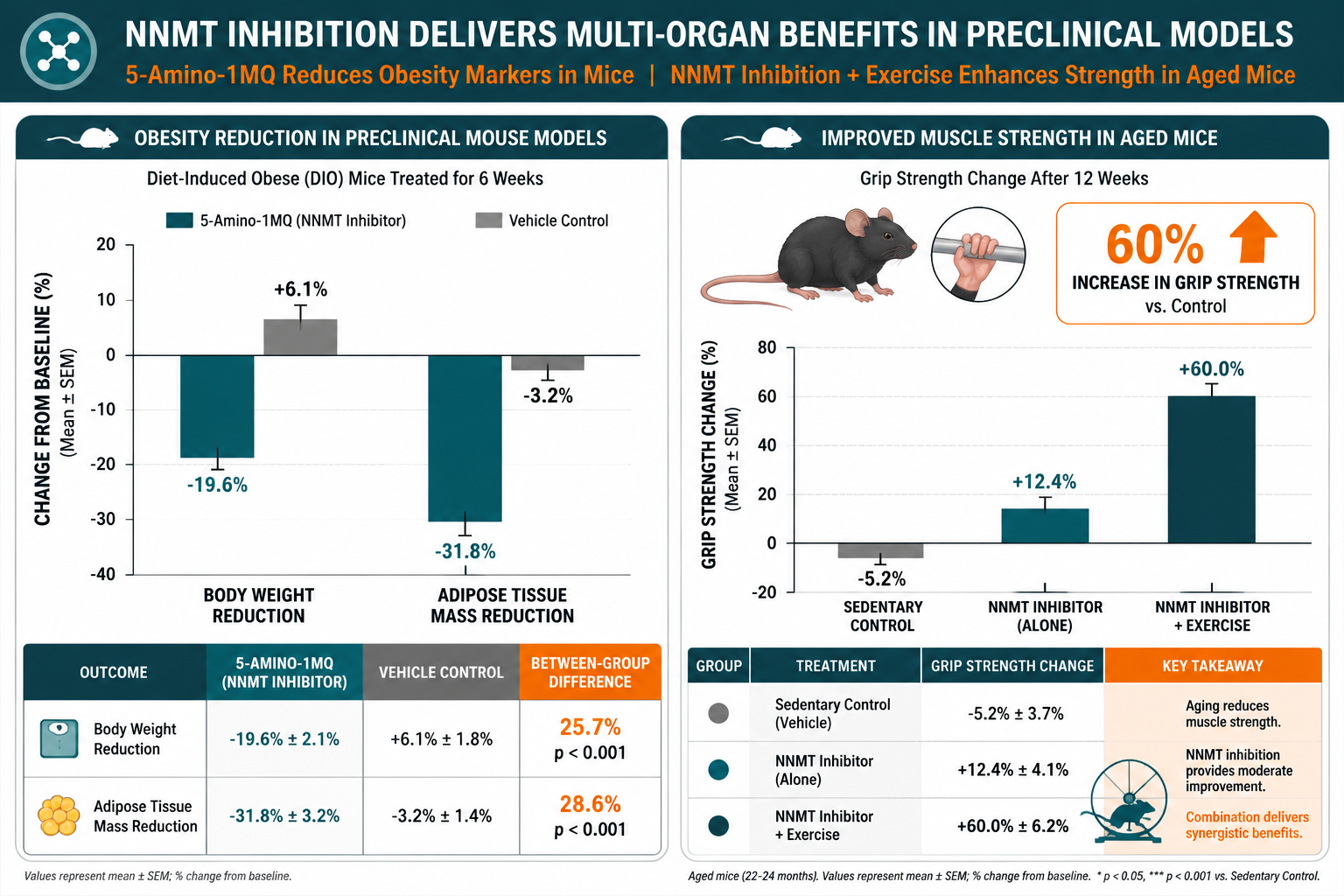
5-Amino-1MQ works through a completely different entry point. It selectively inhibits nicotinamide N-methyltransferase (NNMT), an enzyme that is overexpressed in the adipose tissue of obese individuals. NNMT consumes S-adenosylmethionine (SAM) and reduces NAD+ availability. By blocking NNMT, 5-Amino-1MQ preserves intracellular NAD+ levels, which in turn supports mitochondrial efficiency and fat oxidation. In a well-cited preclinical study, diet-induced obese mice treated with 5-Amino-1MQ for 11 days showed significant reductions in body weight, white adipose tissue mass, and adipocyte size — without changes in food intake.

Feature SLU-PP-332 5-Amino-1MQ
Primary Target ERR-alpha/beta/gamma NNMT enzyme
Core Effect Mitochondrial biogenesis NAD+ preservation
Research Model Preclinical (animal/cell) Preclinical (animal/cell)
Human Trials None completed None completed

The Proposed Synergy in Slupp332 With 5-Amino-1MQ Research

The central hypothesis connecting Slupp332 with 5-Amino-1MQ is that their mechanisms do not overlap — they stack. SLU-PP-332 pushes the cell to build more mitochondria and run oxidative pathways harder. 5-Amino-1MQ ensures the metabolic currency (NAD+) needed to fuel those pathways is not depleted by NNMT activity.

"Two compounds targeting separate bottlenecks in the same metabolic pipeline — one building the engine, the other supplying the fuel."

This logic is not without preclinical support. A 2024 study examining NNMT inhibition combined with exercise in aged mice reported a 60% improvement in grip strength compared to either intervention alone. While this study did not use SLU-PP-332 specifically, it illustrates the principle that NNMT inhibition can amplify exercise-type stimuli on muscle function. Researchers interested in related NAD+ and mitochondrial longevity themes can explore NAD+ energetics and longevity research and the mitochondrial longevity focus resource pages.

A 2022 study added another dimension: combining 5-Amino-1MQ with a reduced-calorie diet in obese mice produced a gut microbiome profile distinct from both obese and lean controls, including increased Lactobacillus species associated with weight loss. This suggests systemic effects beyond direct mitochondrial action.

The Proposed Synergy in Slupp332 With 5-Amino-1MQ Research


What the Evidence Does and Does Not Support

Evaluating Slupp332 with 5-Amino-1MQ: how exercise-mimetic and NNMT-targeted research are being connected requires honesty about the evidence gap. As of 2026, there are no completed human clinical trials for either compound individually, let alone in combination. All efficacy data come from cell cultures and animal models.

Key limitations to keep in mind:

  • Translational uncertainty: Animal model results frequently do not replicate in humans at equivalent doses
  • Regulatory status: 5-Amino-1MQ is classified as a research chemical, is not FDA-approved, and is banned by WADA under the S0 category
  • Safety data: Long-term safety profiles for both compounds in humans remain unknown
  • Combination pharmacokinetics: How these two compounds interact in vivo has not been formally studied

For researchers exploring adjacent metabolic compounds, MOTS-c peptide research and longevity peptide research themes offer related context on mitochondrial and metabolic signaling. Those interested in the broader landscape of metabolic peptides can also review SLU-PP-332 peptide research.

What the Evidence Does and Does Not Support


Conclusion

The connection being drawn between SLU-PP-332 and 5-Amino-1MQ in metabolic research circles is mechanistically coherent. One compound activates the cellular machinery for oxidative metabolism; the other removes a key enzymatic brake on the NAD+ supply that machinery depends on. The hypothesis is logical, and early preclinical data — particularly around NNMT inhibition combined with exercise stimuli — provides a reasonable basis for continued investigation.

However, the evidence base remains firmly preclinical. Researchers and readers evaluating this space should:

  1. Distinguish hypothesis from proof — mechanistic plausibility is not clinical validation
  2. Monitor peer-reviewed literature for any emerging human trial data on either compound
  3. Review regulatory and safety classifications before any research protocol design
  4. Explore related metabolic research themes to build a fuller picture of the pathways involved

The most productive next step for anyone following this area is to track primary literature on ERR agonism and NNMT inhibition separately, then assess combination data as it emerges from controlled preclinical studies.

https://www.puretestedpeptides.com/wp-content/uploads/2026/06/Slupp332-With-5-Amino-1MQ-How-Exercise-Mimetic-and-NNMT-Targeted-Research-Are-Being-Connected.png 1024 1536 Pure Tested https://www.puretestedpeptides.com/wp-content/uploads/2026/01/buy-peptides-online.jpg Pure Tested2026-06-13 13:03:092026-07-20 15:03:19Slupp332 With 5-Amino-1MQ: How Exercise-Mimetic and NNMT-Targeted Research Are Being Connected
×

Helpful Links

  • My account
  • Cart
  • Checkout
  • Refund and Returns Policy
  • Privacy Policy
  • SMS Privacy Policy
  • Login
  • My Account
  • Logout

USA Made Lab Tested Peptides

All products are sold for research, laboratory, or analytical purposes only, and are not for human consumption


Pure Tested Peptides is a chemical supplier. Pure Tested Peptides is not a compounding / chemical compounding facility as defined under 503A of the Federal Food, Drug, and Cosmetic act. Pure Tested Peptides is not an outsourcing facility as defined under 503B of the Federal Food, Drug, and Cosmetic act.

The statements made within this website have not been evaluated by the US Food and Drug Administration. The products we offer are not intended to diagnose, treat, cure or prevent any disease.

Human/Animal Consumption Prohibited. Laboratory/In-Vitro Experimental Use Only

Scroll to top Scroll to top Scroll to top