Call or Text 727-513-9780
  • Shopping Cart Shopping Cart
    0Shopping Cart
Pure Tested Peptides | America's most trusted Peptides for sale online
  • Peptides for sale
    • Oral Peptides for sale
      • Peptide Capsules for sale
      • BPC 157 Capsules 1000mcg
      • SLU-PP-332 Capsules | 1000 mcg
      • 5-Amino-1MQ 50mg Capsules
      • Tesofensine 500mcg
    • All Peptides for sale
    • Peptide Sprays
      • BPC 157 Nasal Spray Kit
      • BPC-157 TB500 Nasal Spray Kit
      • Semax Nasal Spray 10mg
      • Selank – Nasal Spray Kit – 10mg
      • Epithalon 50MG Nasal Spray Kit
      • Ipamorelin 10mg Nasal Spray
      • Klow Nasal Spray (BPC-157 + TB-500 + GHK-Cu + KPV) | 80mg
      • Hulk Nasal Spray Tesa / Ipa Blend 6/3 MG
      • Klow Nasal Spray
      • NAD + 500 mg Nasal Spray
      • PT-141 Nasal Spray Kit
    • GHRH Peptides
      • Ipa Peptides
      • CJC-1295 Peptides
        • CJC-1295 with DAC 5 mg
        • CJC-1295 without DAC 5 mg
        • CJC-1295 Ipa 10mg
      • Tesa Peptides
        • Tesa Peptide
        • Tesa 20 mg
    • GHK-Cu Peptides
      • All GHK-Cu Peptides
      • GHK-Cu 100mg
      • KLOW Peptide Blend – Buy KLOW blend online
    • BPC Peptides
      • All BPC Peptides
      • BPC-157
      • BPC-157 TB-500
      • BPC 157 capsules 1000mcg
    • SLU-PP-332 Peptides
      • All SLU-PP-332 Peptides
      • SLU-PP-332 5mg
    • GLP3 Peptides
      • GLP3-R
      • GLP3-R CAG 10mg
      • GLP3-R 20mg
    • PT-141 Peptides
      • PT-141 Peptides for sale
      • PT-141 10mg
      • PT-141 Nasal Spray
    • CAG Peptides
      • Lipo-C Peptide Blend
      • CAG 5mg
      • CAG 10mg
    • MOTS-C Peptides
      • MOTS-C Peptides for sale
      • MOTS-c peptide
      • MOTS-c 10mg *6 pack*
    • 5 Amino 1MQ Peptides
      • 5 Amino 1MQ Peptides for sale
      • 5-Amino-1MQ 50mg Capsules
      • 5-Amino-1MQ 5mg
    • Epithalon Peptides
      • Epithalon Peptides for sale
      • Epithalon 10mg
      • Epithalon 50mg
  • Shop
    • GLPs
      • 5-Amino-1MQ 50mg Capsules
      • 5-Amino-1MQ 5mg
      • GLP3-Reta
      • L-Carnitine 500mg/ml
      • Tesofensine 500mcg
      • SLU-PP-332 5mg
      • MOTS-c 10mg *6 pack*
    • Epithalon & BPC Peptides
      • Epithalon 10mg
      • Epithalon 50mg
      • BPC-157
      • BPC 157 capsules 1000mcg
      • BPC-157 TB-500
      • BPC-157 TB500 Nasal Spray Kit
      • BPC 157 Nasal Spray Kit
    • BPC TB-500 & NAD+ Peptides
      • NAD+ 500 mg
      • KLOW Peptide Blend – Buy KLOW blend online
      • GLOW Peptide Blend
      • TB 500 5mg
      • BPC 157 capsules 1000mcg – Supplement
      • BPC 157 Nasal Spray Kit
      • BPC-157
      • BPC-157 TB500 Nasal Spray Kit
      • BPC-157 TB-500
      • BPC 157 capsules 1000mcg
    • LL-37 Peptide
      • LL-37 10 mg
    • MOTS-C & Selank
      • MOTS-c peptide
      • Selank 10mg
    • GHK Peptides
      • GHK-Cu 100mg
      • GLOW Peptide Blend
      • KLOW Peptide Blend – Buy KLOW blend online
  • COAs
  • Wholesale
    • Wholesale Peptides for sale
  • PTP FAQ
  • Affiliates
    • Selank Peptide: Advanced Pharmacological Mechanisms Underlying Its Anxiolytic and Nootropic Effects in Research
      • 5-Amino-1MQ Peptide: Detailed Mechanisms of NNMT Inhibition and Its Impact on Cellular Metabolism Research
        • MOTS-C Peptide: Unraveling Its Role in Mitochondrial Dynamics and Energy Metabolism Research
          • Epithalon Peptide and Telomerase Regulation: Investigating Its Impact on Cellular Senescence and Lifespan Research Models
            • GLP2-T vs GLP2 Tirz Peptide: Understanding the Naming, Mechanistic Nuances, and Research Implications for Gut Health
      • Peptides and Polypeptides in Modern Pharmacology: What Research on Metoprolol, Prednisone, and Amlodipine Reveals
        • Polypeptide Peptides vs NSAIDs: What Naproxen and Diclofenac Teach Tissue-Repair Researchers About BPC‑157 and TB‑500
          • Peptides and Polypeptides in Endocrine Pharmacology: How GLP-1, GLP-2, and GLP-3 Retatrutide Differ From Classic Drugs Like Prednisone and Amlodipine
          • 5‑Amino‑1MQ Peptide and NNMT Inhibition: How It Compares With Statins Like Atorvastatin in Adipose and Lipid Metabolism Research
      • Enclomiphene, Estrogen Receptor Signaling, and Luteinizing Phase Biology: What Hormone Researchers Should Measure
        • Mesenchymal Stem Cells, BPC‑157, and GHK‑Cu: How Tissue Repair Peptides Compare With Classic NSAIDs Like Naproxen in Injury Models
          • Peptide Calculator Use Cases Beyond Growth Hormone: Working Through GLP‑3 Retatrutide, MOTS‑c, and BPC‑157 Research Dosing
        • Polypeptide Peptides in Endocrine and Metabolic Pharmacology: Lessons From Amlodipine, Prednisone, and Metoprolol
        • Peptides Calculator for Advanced Blends: Worked Examples for Tesamorelin, CJC‑1295, and Ipamorelin Stacks
          • Peptides and Polypeptides in Human Physiology: How Molecular Size Shapes Research Applications
            • Selank Peptide: Advanced Pharmacological Mechanisms Underlying Its Anxiolytic and Nootropic Effects in Research
          • 5-Amino-1MQ Peptide: Detailed Mechanisms of NNMT Inhibition and Its Impact on Cellular Metabolism Research
            • MOTS-C Peptide: Unraveling Its Role in Mitochondrial Dynamics and Energy Metabolism Research
              • Epithalon Peptide and Telomerase Regulation: Investigating Its Impact on Cellular Senescence and Lifespan Research Models
                • GLP2-T vs GLP2 Tirz Peptide: Understanding the Naming, Mechanistic Nuances, and Research Implications for Gut Health
                  • Peptides and Polypeptides in Endocrine Pharmacology: How GLP-1, GLP-2, and GLP-3 Retatrutide Differ From Classic Drugs Like Prednisone and Amlodipine
                    • Polypeptide Peptides vs NSAIDs: What Naproxen and Diclofenac Teach Tissue-Repair Researchers About BPC‑157 and TB‑500
                      • Peptides and Polypeptides in Modern Pharmacology: What Research on Metoprolol, Prednisone, and Amlodipine Reveals
                        • 5‑Amino‑1MQ Peptide and NNMT Inhibition: How It Compares With Statins Like Atorvastatin in Adipose and Lipid Metabolism Research
                        • Enclomiphene, Estrogen Receptor Signaling, and Luteinizing Phase Biology: What Hormone Researchers Should Measure
                        • Mesenchymal Stem Cells, BPC‑157, and GHK‑Cu: How Tissue Repair Peptides Compare With Classic NSAIDs Like Naproxen in Injury Models
                        • Peptide Calculator Use Cases Beyond Growth Hormone: Working Through GLP‑3 Retatrutide, MOTS‑c, and BPC‑157 Research Dosing
                        • Polypeptide Peptides in Endocrine and Metabolic Pharmacology: Lessons From Amlodipine, Prednisone, and Metoprolol
                        • Peptides Calculator for Advanced Blends: Worked Examples for Tesamorelin, CJC‑1295, and Ipamorelin Stacks
                        • Peptides and Polypeptides in Human Physiology: How Molecular Size Shapes Research Applications
                        • Selank Peptide: Advanced Pharmacological Mechanisms Underlying Its Anxiolytic and Nootropic Effects in Research
                        • MOTS-C Peptide: Unraveling Its Role in Mitochondrial Dynamics and Energy Metabolism Research
                        • Peptides and Polypeptides in Modern Pharmacology: What Research on Metoprolol, Prednisone, and Amlodipine Reveals
                        • Peptides and Polypeptides in Endocrine Pharmacology: How GLP-1, GLP-2, and GLP-3 Retatrutide Differ From Classic Drugs Like Prednisone and Amlodipine
                        • 5-Amino-1MQ Peptide: Detailed Mechanisms of NNMT Inhibition and Its Impact on Cellular Metabolism Research
                        • Mesenchymal Stem Cells, BPC‑157, and GHK‑Cu: How Tissue Repair Peptides Compare With Classic NSAIDs Like Naproxen in Injury Models
                        • Peptide Calculator Use Cases Beyond Growth Hormone: Working Through GLP‑3 Retatrutide, MOTS‑c, and BPC‑157 Research Dosing
                        • GLP2-T vs GLP2 Tirz Peptide: Understanding the Naming, Mechanistic Nuances, and Research Implications for Gut Health
                        • Polypeptide Peptides in Endocrine and Metabolic Pharmacology: Lessons From Amlodipine, Prednisone, and Metoprolol
                        • Polypeptide Peptides vs NSAIDs: What Naproxen and Diclofenac Teach Tissue-Repair Researchers About BPC‑157 and TB‑500
                        • Peptides and Polypeptides in Human Physiology: How Molecular Size Shapes Research Applications
                        • Peptides Calculator for Advanced Blends: Worked Examples for Tesamorelin, CJC‑1295, and Ipamorelin Stacks
                        • 5‑Amino‑1MQ Peptide and NNMT Inhibition: How It Compares With Statins Like Atorvastatin in Adipose and Lipid Metabolism Research
                        • Enclomiphene, Estrogen Receptor Signaling, and Luteinizing Phase Biology: What Hormone Researchers Should Measure
                        • Epithalon Peptide and Telomerase Regulation: Investigating Its Impact on Cellular Senescence and Lifespan Research Models
                        • Best research protocol Klow blend
                        • best time to take BPC-157
                        • best time to take DSIP (Delta Sleep Inducing Peptide)
                        • best time to take CJC-1295
                        • best time to take AOD-9604
                        • best time to take Follistatin 344
                        • best time to take Ipamorelin
                        • best time to take MK-677 (Ibutamoren)
                        • best time to take Ligandrol (LGD-4033) — research compound
                        • best time to take Ostarine (MK-2866) — research compound
                        • best time to take GHK-CU
                        • best time to take TB-500
                        • best time to take MOTS-c
                        • best time to take Semax
                        • best time to take RAD-140 (Testolone) — research compound
                        • best time to take Thymosin Alpha-1
                        • best time to take PEG-MGF
                        • Biolife Plasma, Octapharma Plasma, and Research Peptides: How Plasma Donation Labs Differ From Peptide Suppliers
                        • best time to take YK-11 — research compound
                        • best time to take PT-141 (Bremelanotide)
                        • Best research protocol Klow blend
  • Contact
    • Contact Customer Service
    • Text Customer Support
  • About US
  • Shop all peptides
  • Affiliate Program
    • Affiliate Signup
  • Login / Register Login / Register Page Link Login / Register Page Link
  • Click to open the search input field Click to open the search input field Search
  • Menu Menu

Tag Archive for: longevity peptides

Top Research Peptides for 2026: How GLP-3 Retatrutide, MOTS-c, GHK-Cu, and CJC-1295 Fit Into Current Lab Interest

Top Research Peptides for 2026: How GLP-3 Retatrutide, MOTS-c, GHK-Cu, and CJC-1295 Fit Into Current Lab Interest

June 18, 2026/0 Comments/by Pure Tested

Four peptides account for a disproportionate share of researcher search queries in 2026, yet their mechanisms, regulatory status, and evidence bases differ sharply from one another. Understanding why these compounds keep surfacing in lab discussions requires more than a surface-level overview. This article examines the top research peptides for 2026 — Retatrutide, MOTS-c, GHK-Cu, and CJC-1295 — and explains what makes each one relevant to current scientific interest.

Key Takeaways

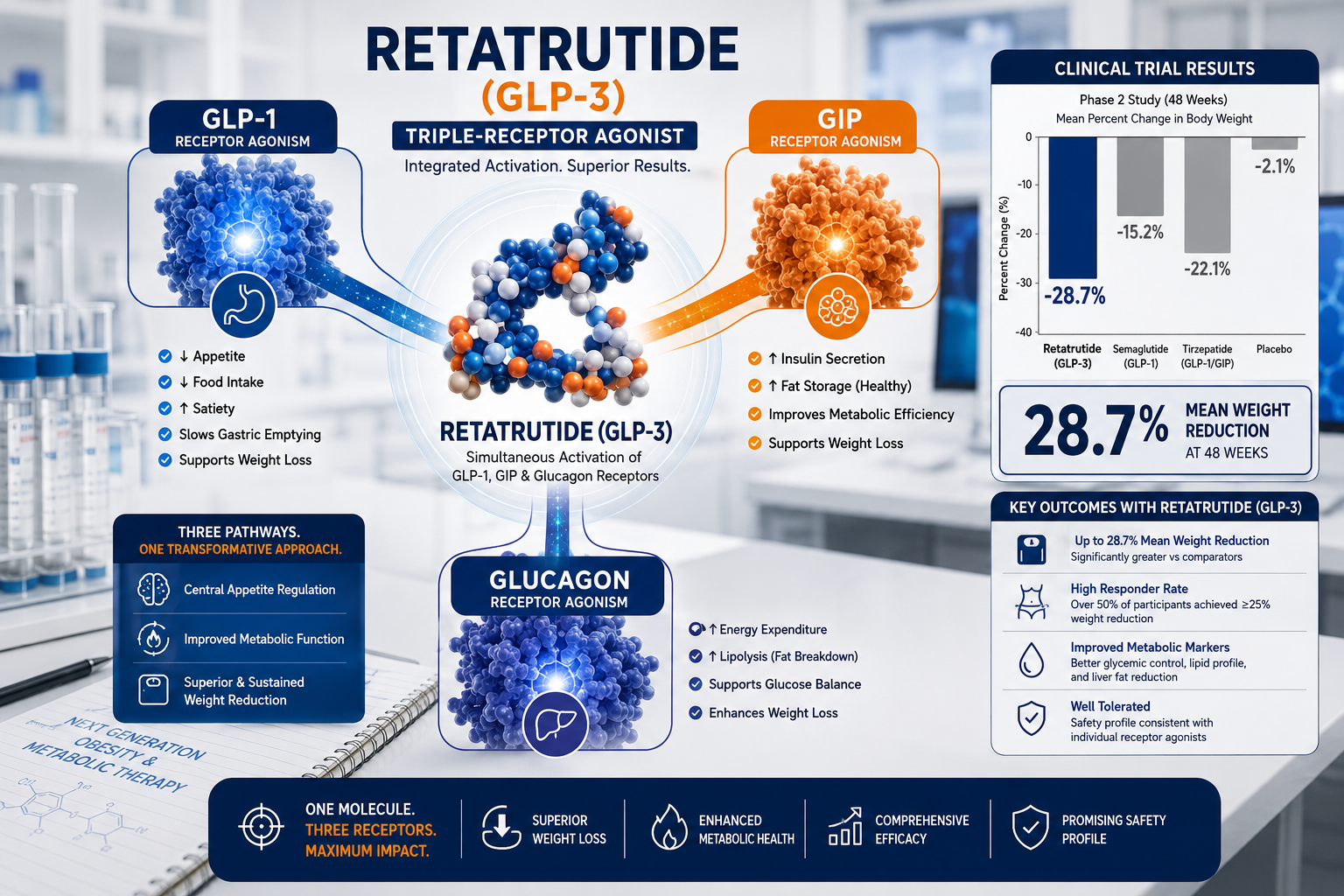
  • Retatrutide is a triple receptor agonist targeting GLP-1, GIP, and glucagon pathways, with Phase III data showing up to 28.7% mean body weight reduction at 68 weeks.
  • MOTS-c is a mitochondria-derived peptide still in preclinical stages, with limited but growing human data.
  • GHK-Cu holds FDA approval for topical cosmetic use but faces restrictions on injectable applications due to safety concerns.
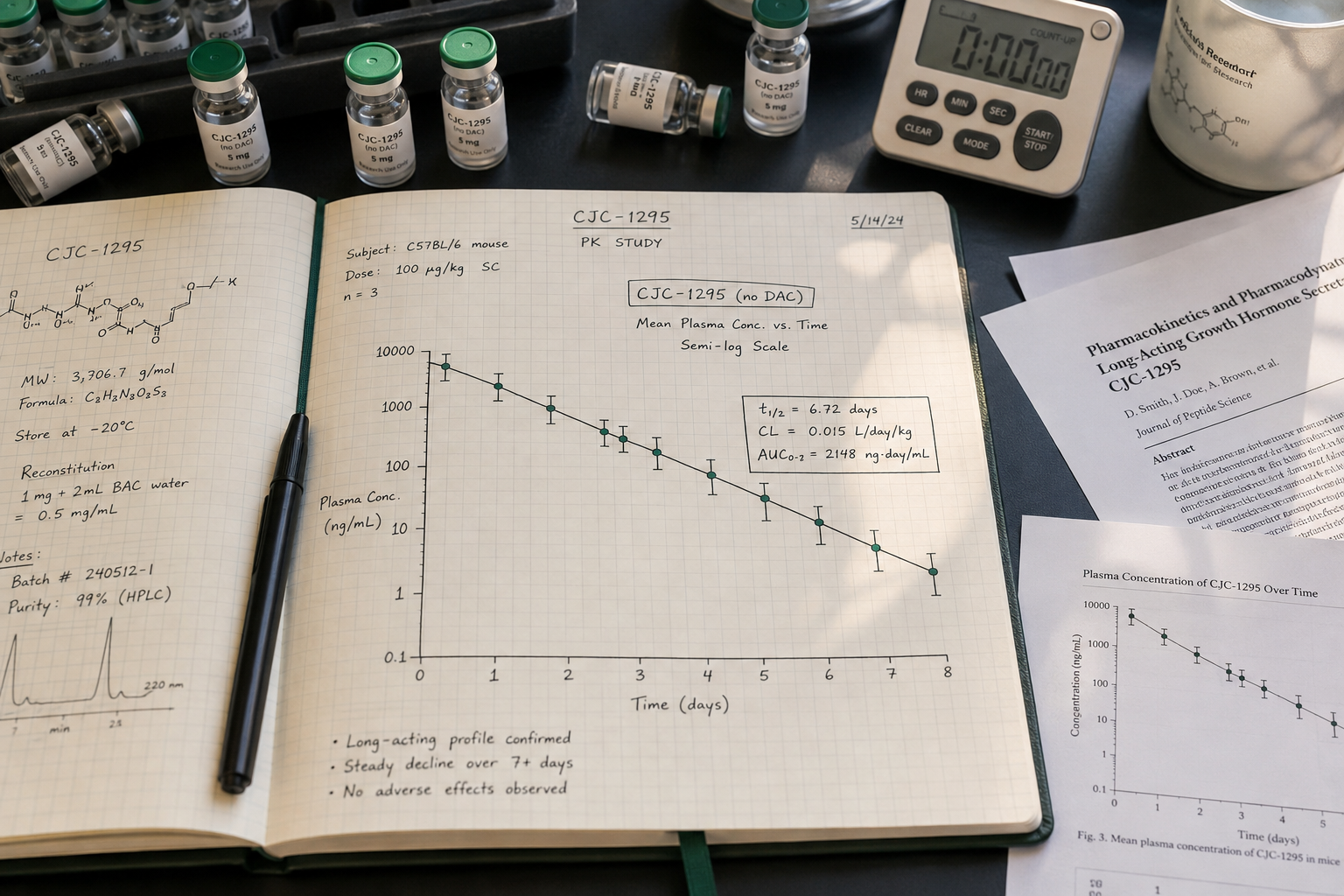
  • CJC-1295 has an estimated half-life of 6 to 8 days, making it one of the longer-acting growth hormone-releasing analogs under study.
  • Supply chain integrity and regulatory enforcement are shaping which vendors remain viable sources for research-grade compounds in 2026.

Key Takeaways

Why These Four Compounds Lead the Top Research Peptides for 2026 Discussion

Peptide research has expanded rapidly, but not all compounds receive equal scientific attention. Retatrutide, MOTS-c, GHK-Cu, and CJC-1295 each occupy a distinct research niche — metabolic modulation, mitochondrial biology, skin and tissue repair, and growth hormone axis stimulation, respectively. Together, they represent the breadth of where peptide science is heading.

Retatrutide (GLP-3): The Triple Agonist Reshaping Metabolic Research

Retatrutide stands apart from earlier GLP-1 drugs because it simultaneously targets three receptors: GLP-1, GIP, and glucagon. This triple agonism distinguishes it from dual agonists like tirzepatide and has made it a focal point in obesity and metabolic disease research.

Phase III clinical data published in 2026 reported a mean body weight reduction of 28.7% at a 12 mg dose over 68 weeks — a figure that has drawn significant attention from both academic and commercial research communities. An FDA New Drug Application submission is anticipated in late 2026, which would mark a major regulatory milestone.

However, supply chain integrity is a serious concern. Counterfeit batches containing no active retatrutide have been identified in the research market. FDA enforcement actions in late 2025 and early 2026 removed several low-tier vendors and required the removal of human-use claims from product listings. Researchers sourcing this compound should prioritize verified, lab-tested peptide suppliers and review available GLP-3 Retatrutide research documentation before proceeding.

For broader context on incretin-based research, the GLP-1 and incretin research themes overview provides useful background on receptor pharmacology across this class.


Retatrutide (GLP-3): The Triple Agonist Reshaping Metabolic Research

MOTS-c and GHK-Cu: Mitochondrial and Tissue-Level Research Themes

MOTS-c: A Mitochondria-Derived Peptide With Growing Preclinical Interest

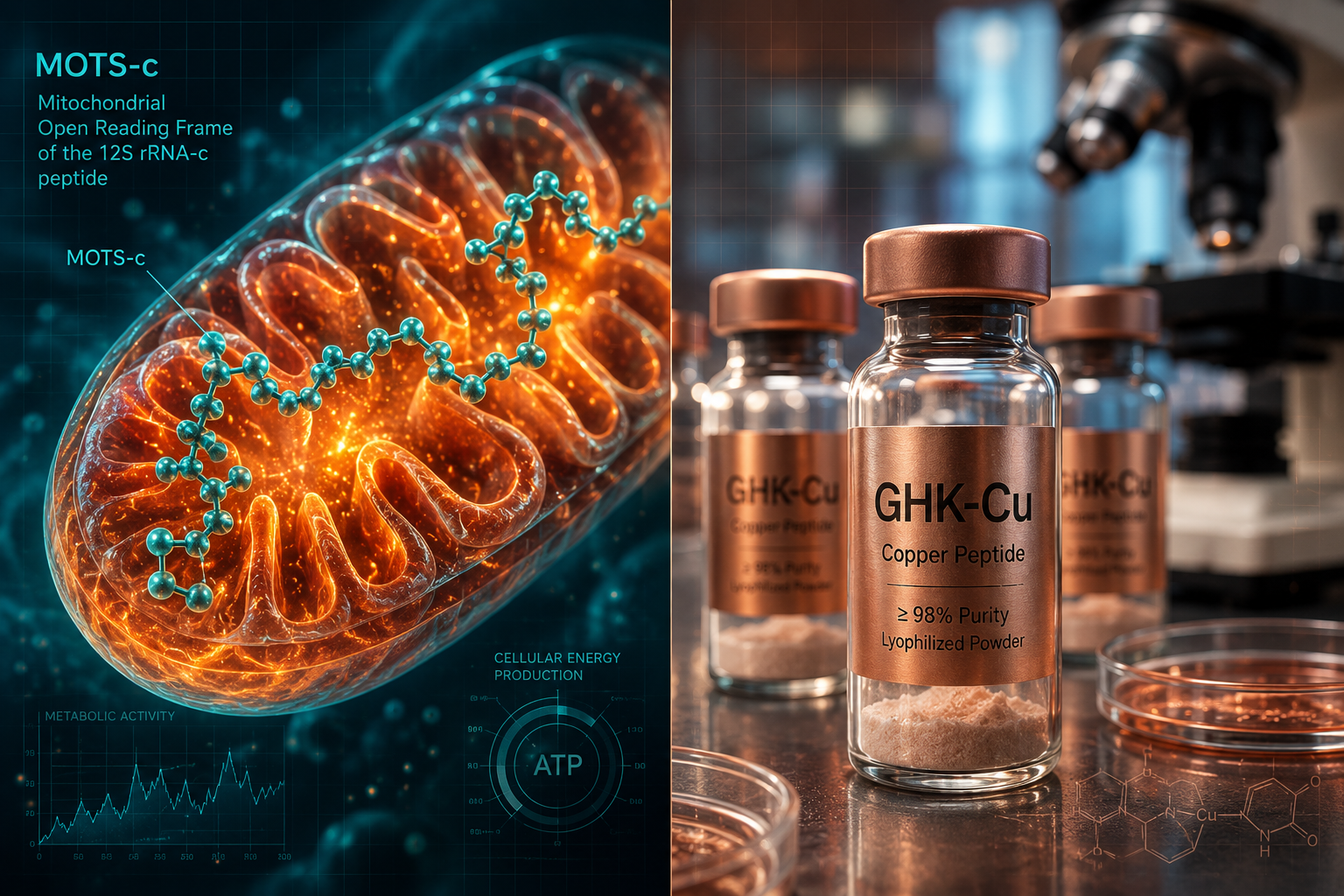
MOTS-c is encoded within mitochondrial DNA, which makes it biologically unusual among peptides. It is thought to regulate metabolic stress responses and energy homeostasis at the cellular level. As of mid-2026, MOTS-c remains primarily in the preclinical research phase, with limited human data available.

Despite this early-stage status, interest in MOTS-c has grown steadily because of its potential relevance to aging biology and exercise physiology. Researchers exploring this area can find detailed MOTS-c mitochondrial research themes and related MOTS-c metabolic stress documentation to understand the current evidence base.

GHK-Cu: Topical Approval, Injectable Restrictions

GHK-Cu (copper peptide) occupies a unique regulatory position. The FDA has approved it for use in topical anti-aging cosmetics, where it is widely incorporated into skincare formulations. However, injectable forms face restrictions due to safety concerns, including potential immune reactions linked to impurities.

This regulatory split means GHK-Cu research must be carefully scoped. For sourcing guidance and mechanism documentation, the GHK-Cu copper peptide research sourcing guide outlines what researchers should verify before acquiring this compound.

Peptide Primary Research Area Current Status
Retatrutide Metabolic / Weight Phase III / NDA Pending
MOTS-c Mitochondrial Biology Preclinical
GHK-Cu Tissue Repair / Skin Topical Approved
CJC-1295 Growth Hormone Axis Phase II (Discontinued)

GHK-Cu: Topical Approval, Injectable Restrictions

CJC-1295 and the Growth Hormone Axis: Pharmacokinetics and Lab Context

Why CJC-1295 Remains a Staple in Growth Hormone Research

CJC-1295 is a synthetic analog of growth hormone-releasing hormone (GHRH). Its estimated half-life of 6 to 8 days in humans — confirmed in recent endocrinology research — allows for prolonged stimulation of growth hormone and IGF-1 secretion. This extended activity profile is a primary reason it continues to attract research interest compared to shorter-acting GHRH analogs.

The compound reached Phase II clinical trials but was discontinued after a participant's death, which investigators deemed unrelated to the treatment. Despite this, CJC-1295 remains one of the most studied growth hormone secretagogues in the preclinical and research peptide space.

Researchers frequently combine it with ipamorelin to target complementary points in the growth hormone axis. Relevant documentation is available for both CJC-1295 with DAC research findings and CJC-1295 without DAC research themes.

Note on stacking: Some researchers combine CJC-1295 and ipamorelin with GLP-1 class drugs to explore simultaneous fat loss and lean mass outcomes. These combinations currently lack clinical validation and should be approached with appropriate caution.

For those exploring broader longevity-focused peptide research, the longevity peptide research overview provides additional context on how these compounds fit into aging-related research frameworks.


Conclusion

The top research peptides for 2026 — Retatrutide, MOTS-c, GHK-Cu, and CJC-1295 — each represent a distinct frontier in peptide science. Retatrutide's Phase III data and pending NDA make it the most clinically advanced of the four. MOTS-c offers compelling preclinical biology but requires patience as human data accumulates. GHK-Cu demands careful attention to regulatory scope. CJC-1295 remains a pharmacokinetically distinctive tool for growth hormone axis research.

Actionable next steps for researchers:

  • Verify vendor quality and testing documentation before sourcing any of these compounds.
  • Review mechanism-specific pages for each peptide to align sourcing with research objectives.
  • Monitor FDA enforcement updates, particularly as Retatrutide moves toward NDA review.
  • Consult the what is new in peptide research resource for ongoing regulatory and scientific developments.
https://www.puretestedpeptides.com/wp-content/uploads/2026/06/Top-Research-Peptides-for-2026-How-GLP-3-Retatrutide-MOTS-c-GHK-Cu-and-CJC-1295-Fit-Into-Current-Lab-Interest.png 1024 1536 Pure Tested https://www.puretestedpeptides.com/wp-content/uploads/2026/01/buy-peptides-online.jpg Pure Tested2026-06-18 13:03:542026-07-20 15:02:53Top Research Peptides for 2026: How GLP-3 Retatrutide, MOTS-c, GHK-Cu, and CJC-1295 Fit Into Current Lab Interest
Epithalon, Selank, and Semax: How ‘Longevity’ and Nootropic Peptides Intersect With Telomere Biology and Neurotrophic Pathways

Epithalon, Selank, and Semax: How ‘Longevity’ and Nootropic Peptides Intersect With Telomere Biology and Neurotrophic Pathways

June 14, 2026/0 Comments/by Pure Tested

Telomere length has been linked to biological age in over 200 peer-reviewed studies, yet most longevity conversations treat cellular aging and cognitive decline as separate problems. Epithalon, Selank, and Semax challenge that separation. Research into these three peptides reveals a striking overlap: the same biological machinery that governs how long cells live also shapes how well the brain learns, adapts, and recovers.

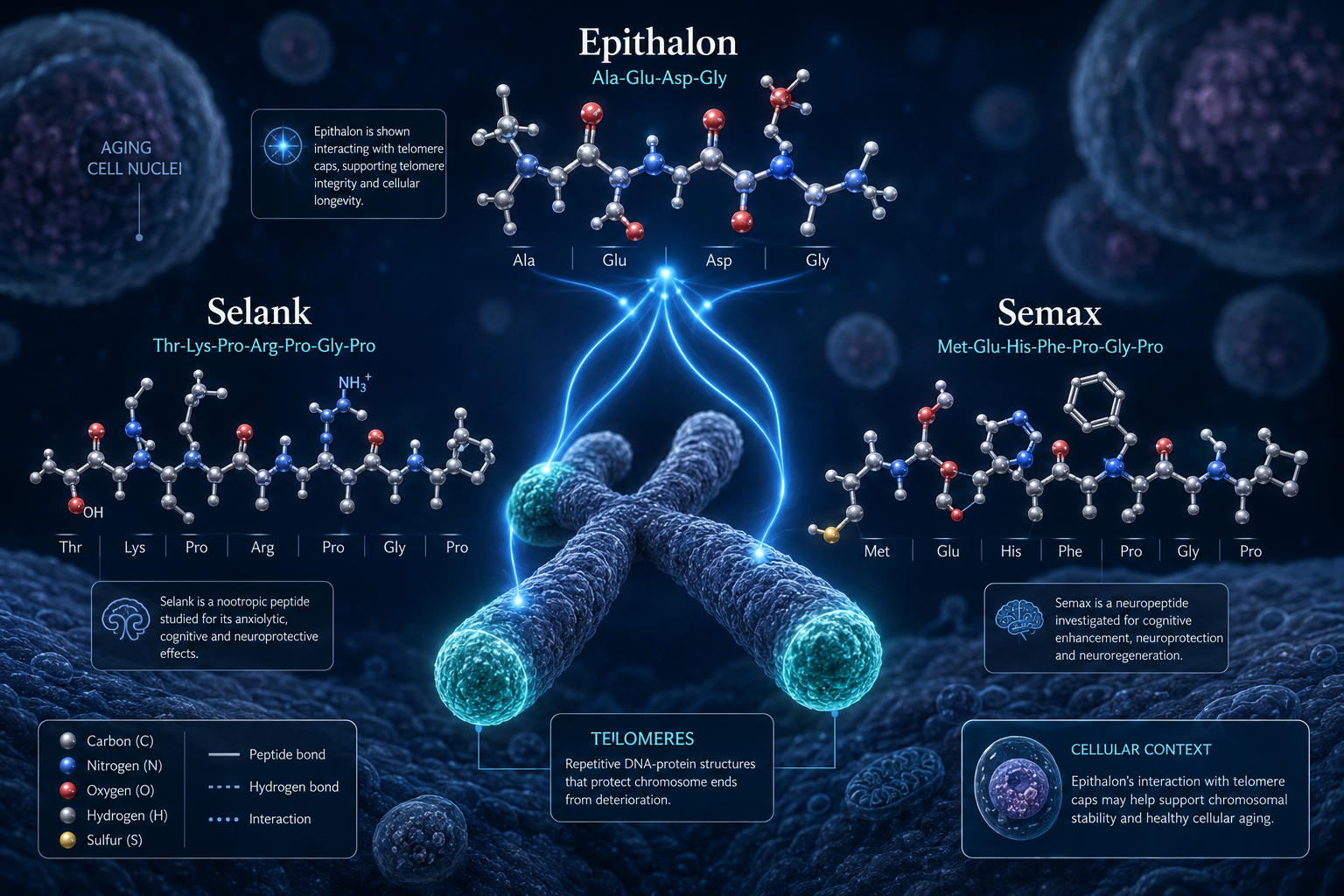
Detailed () scientific illustration showing three peptide molecular structures labeled Epithalon, Selank, and Semax arranged

Key Takeaways

  • Epithalon is a tetrapeptide studied for its ability to activate telomerase, the enzyme that rebuilds telomere caps on chromosomes.
  • Selank and Semax are neuropeptides developed in Russia with documented effects on BDNF, NGF, and GABAergic signaling.
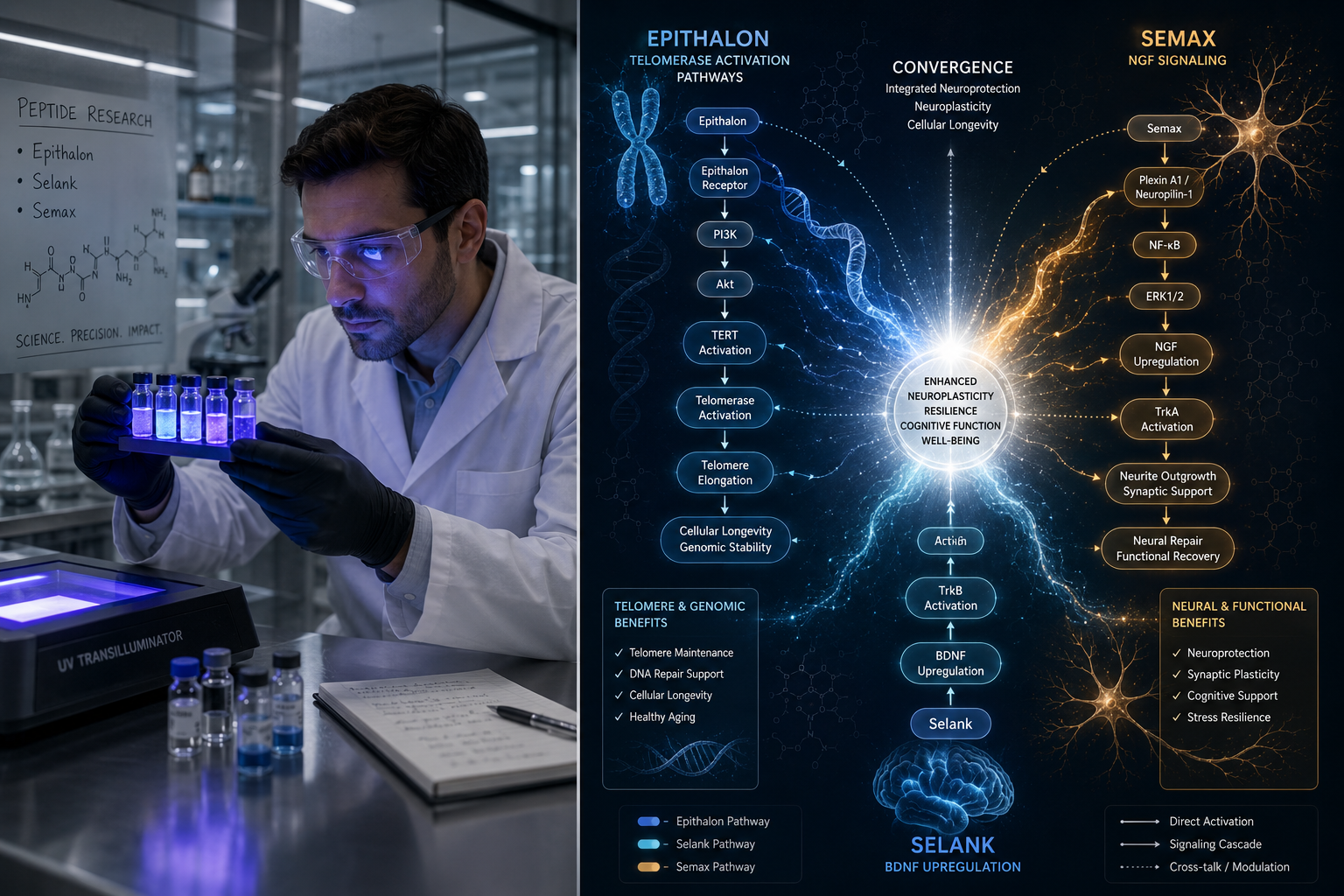
  • Telomere shortening and neurotrophic decline share upstream regulators, meaning anti-aging and nootropic peptides may act on overlapping pathways.
  • Preclinical data suggests these peptides influence oxidative stress, a common driver of both cellular aging and neurodegeneration.
  • Purity and sourcing quality are critical variables when evaluating research outcomes for any of these compounds.

Epithalon and Telomere Biology: The Anti-Aging Foundation

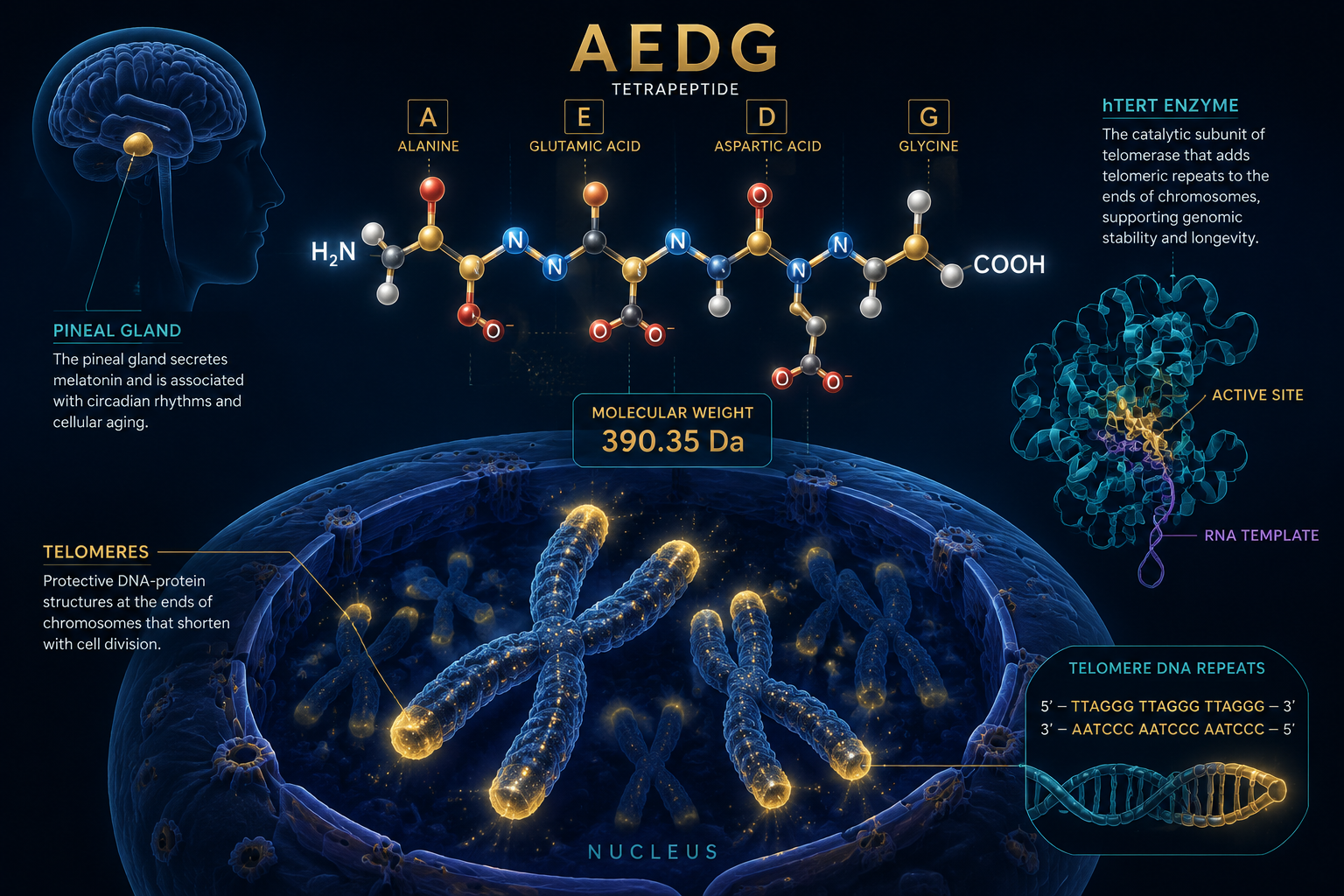
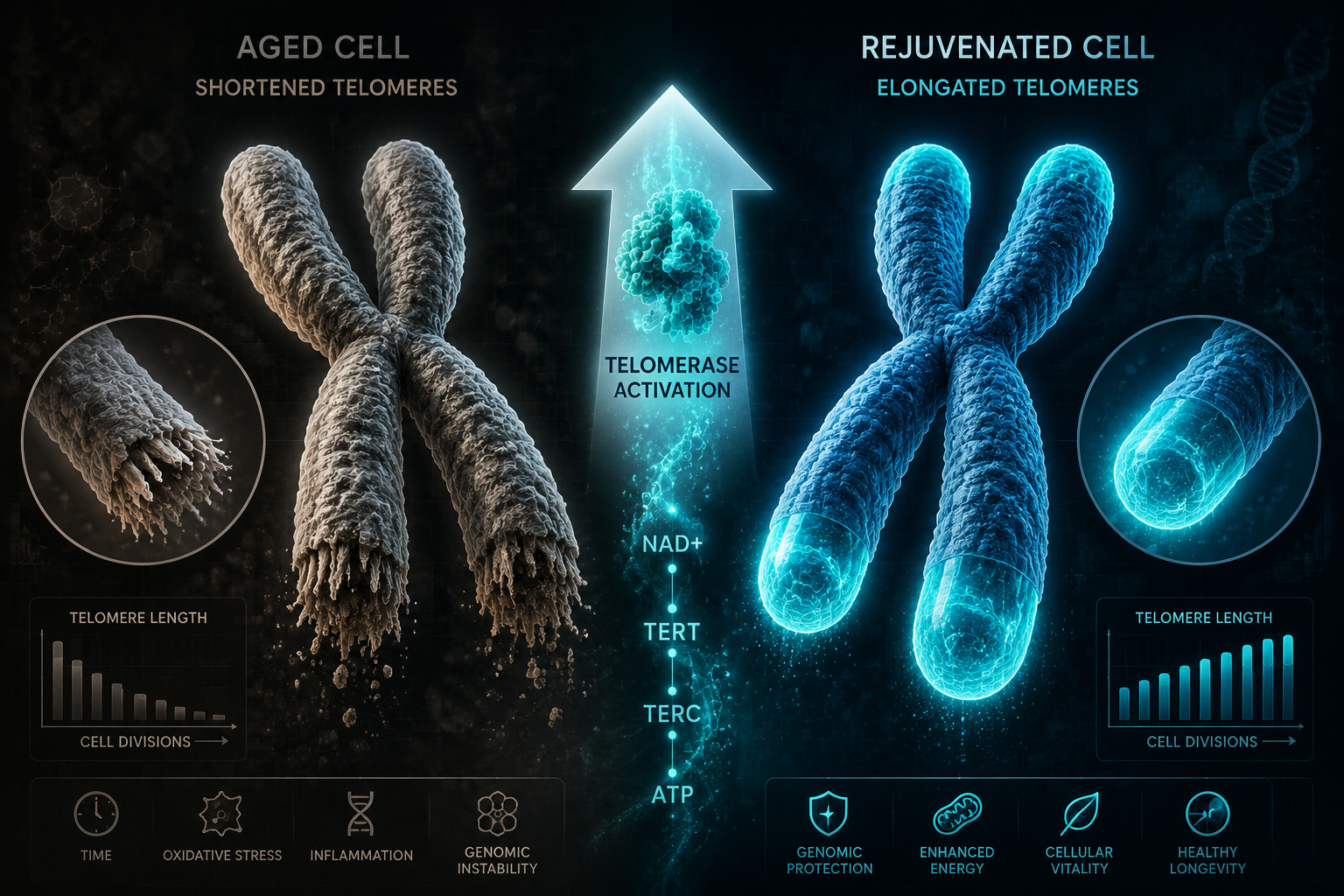
Epithalon (Ala-Glu-Asp-Gly) is a synthetic tetrapeptide derived from epithalamin, a natural extract of the pineal gland. Its primary claim in longevity research rests on telomerase activation. Telomerase is the enzyme responsible for adding protective nucleotide sequences back onto chromosome ends. Without it, telomeres shorten with each cell division until the cell enters senescence or apoptosis.

Key findings from preclinical models include:

  • Increased telomerase activity in somatic cells
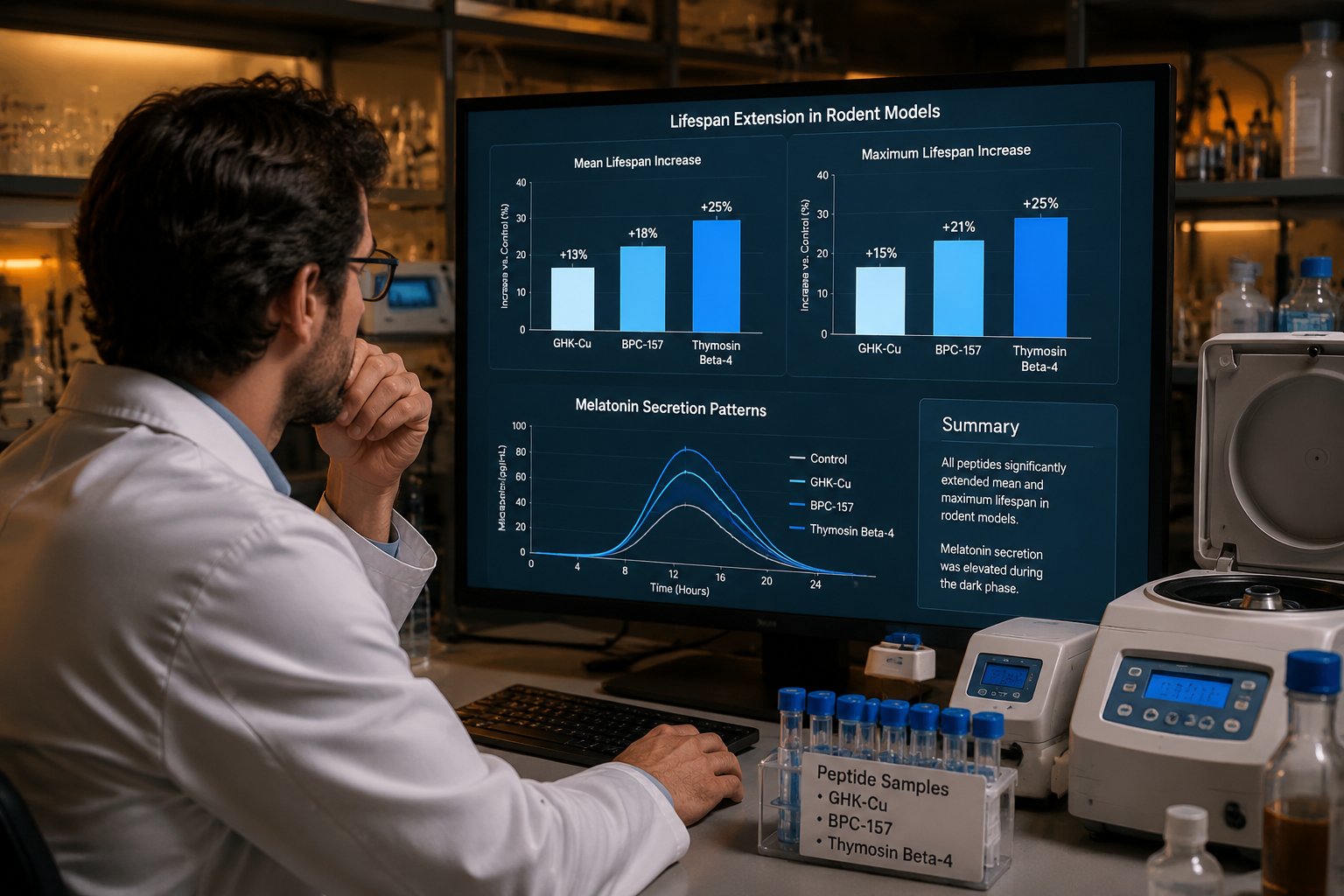
  • Extended lifespan in animal studies compared to controls
  • Reduced markers of oxidative DNA damage
  • Restored melatonin secretion patterns linked to circadian regulation

Explore the Epithalon research overview for a detailed breakdown of these findings.

What makes Epithalon particularly relevant to the broader longevity conversation is its downstream effect on reactive oxygen species (ROS). Oxidative stress accelerates telomere erosion and simultaneously damages mitochondria. This creates a direct mechanistic bridge to the mitochondrial longevity research that has gained significant traction in 2026.

"Telomere shortening and mitochondrial dysfunction are not parallel tracks — they are intersecting highways, and peptides like Epithalon may operate at the junction."


Selank and Semax: Nootropic Peptides and Neurotrophic Pathways

Selank and Semax: Nootropic Peptides and Neurotrophic Pathways

While Epithalon targets cellular longevity, Selank and Semax operate primarily in the central nervous system. Understanding how these compounds work helps clarify why researchers increasingly study them alongside anti-aging peptides.

Selank: Anxiety, BDNF, and GABAergic Modulation

Selank (Thr-Lys-Pro-Arg-Pro-Gly-Pro) is a heptapeptide analog of the immunomodulatory peptide tuftsin. Research models show it:

  • Upregulates brain-derived neurotrophic factor (BDNF), which supports neuronal survival and synaptic plasticity
  • Modulates GABAergic transmission, producing anxiolytic effects without sedation
  • Reduces enkephalin degradation, extending the activity of endogenous opioid peptides

For a thorough look at the research profile, see the Selank peptide benefits overview and the Selank side effects research summary.

Semax: NGF Upregulation and Neuroprotection

Semax (Met-Glu-His-Phe-Pro-Gly-Pro) is an ACTH(4-7) analog developed by the Russian Academy of Sciences. Its most studied mechanism involves nerve growth factor (NGF) upregulation in the hippocampus and frontal cortex. NGF is essential for the maintenance of cholinergic neurons, which are among the first casualties of age-related cognitive decline.

Peptide Primary Mechanism Key Neurotrophic Target
Selank GABAergic + enkephalin modulation BDNF
Semax ACTH analog signaling NGF
Epithalon Telomerase activation Indirect via oxidative stress reduction

The Selank and Semax comparison resource provides side-by-side research context for both compounds.


Where Longevity and Nootropic Peptides Converge

The intersection of Epithalon, Selank, and Semax with telomere biology and neurotrophic pathways becomes clearest when examining shared upstream regulators.

Where Longevity and Nootropic Peptides Converge

Three convergence points stand out:

  1. Oxidative stress reduction — Epithalon lowers ROS; Semax and Selank reduce neuroinflammatory markers. Both processes protect telomeres and neurons simultaneously.
  2. Pineal-hypothalamic axis — Epithalon restores melatonin rhythms; Semax modulates ACTH-related pathways. Both touch the neuroendocrine system that governs aging rate.
  3. Neuroplasticity and cellular repair — BDNF and NGF upregulation by Selank and Semax mirrors the cellular maintenance role Epithalon plays at the chromosomal level.

Researchers interested in the broader peptide landscape may also find value in the recovery and tissue biology overview and the aging support product category for context on how these compounds fit within a wider research framework.

Purity remains a non-negotiable variable. Contaminated or underdosed peptides produce unreliable data. Reviewing quality testing protocols before sourcing any research compound is an essential step.


Conclusion

The study of Epithalon, Selank, and Semax illustrates that longevity and nootropic peptides intersect with telomere biology and neurotrophic pathways at multiple, mechanistically meaningful points. Epithalon's telomerase activation reduces the oxidative damage that also undermines BDNF and NGF signaling. Selank and Semax, in turn, support the neuronal health that depends on the same cellular integrity Epithalon aims to preserve.

Actionable next steps for researchers:

  • Review primary literature on telomerase activity and BDNF co-regulation before designing multi-peptide protocols.
  • Prioritize verified, purity-tested sources to ensure data integrity.
  • Examine the Selank and Semax combined research resource alongside Epithalon data to map pathway overlaps.
  • Consider oxidative stress biomarkers as shared endpoints when evaluating outcomes across all three peptides.

The convergence of anti-aging and cognitive research is no longer speculative. The mechanistic evidence in 2026 points toward a unified biology of healthy aging — one where telomere length and neurotrophic signaling are two sides of the same coin.

https://www.puretestedpeptides.com/wp-content/uploads/2026/06/Epithalon-Selank-and-Semax-How-‘Longevity-and-Nootropic-Peptides-Intersect-With-Telomere-Biology-and-Neurotrophic-Pathways.png 1024 1536 Pure Tested https://www.puretestedpeptides.com/wp-content/uploads/2026/01/buy-peptides-online.jpg Pure Tested2026-06-14 13:04:032026-07-20 15:03:16Epithalon, Selank, and Semax: How ‘Longevity’ and Nootropic Peptides Intersect With Telomere Biology and Neurotrophic Pathways
Epithalon Peptide: Research into Anti-Aging and Telomerase Activity

Epithalon Peptide: Research into Anti-Aging and Telomerase Activity

June 12, 2026/0 Comments/by Pure Tested

Telomeres — the protective caps on the ends of chromosomes — shorten with every cell division, and their progressive erosion is one of the most measurable biological clocks known to science. Epithalon peptide: research into anti-aging and telomerase activity has placed this four-amino-acid compound (Ala-Glu-Asp-Gly) at the center of longevity science, largely because early laboratory findings suggested it could reactivate the very enzyme responsible for rebuilding those caps.

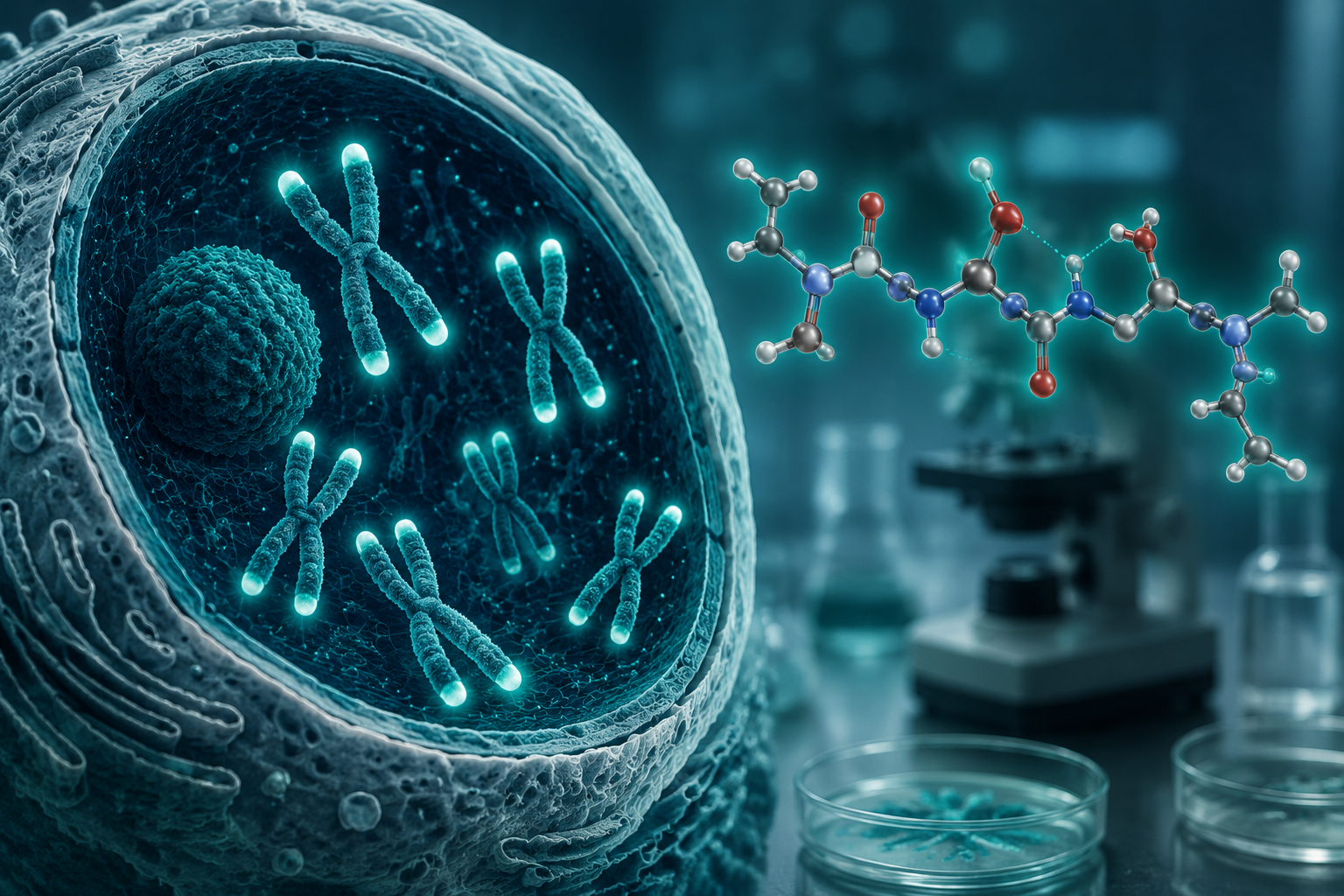
Detailed () scientific illustration showing a cross-section of a human cell nucleus with telomeres highlighted at chromosome

Key Takeaways

  • Epithalon is a synthetic tetrapeptide derived from a natural pineal gland extract called Epithalamin.
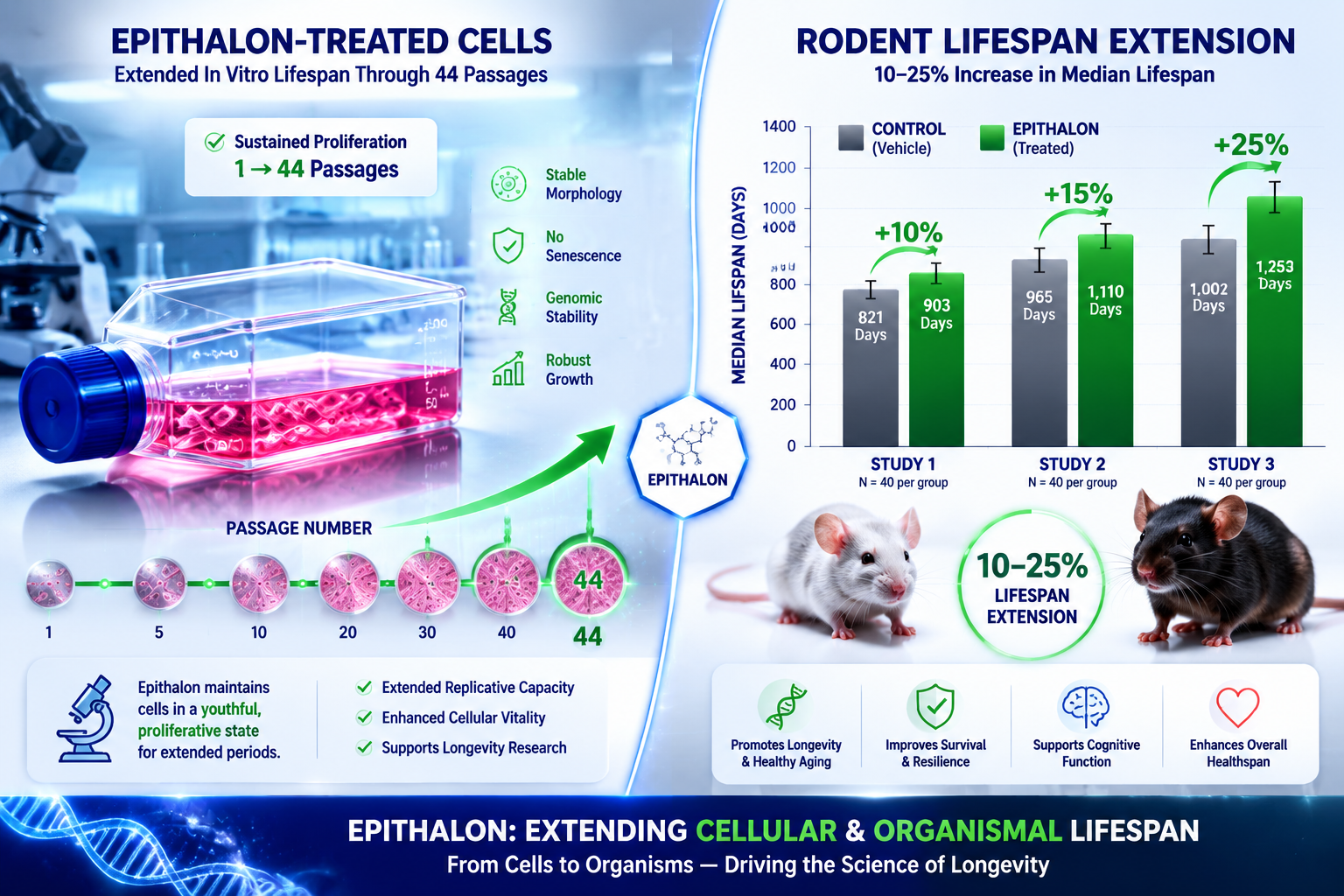
  • Preclinical studies reported telomerase activation in human fetal fibroblast cultures and lifespan extensions of 11-25% in rodent models.
  • The proposed mechanism involves epigenetic changes — specifically histone acetylation — that upregulate the TERT gene encoding telomerase reverse transcriptase.
  • Nearly all published research originates from a single laboratory, limiting independent reproducibility.
  • Epithalon is not FDA-approved and was classified as a Category 2 substance in 2023, restricting compounding pharmacy production.

What Is Epithalon and How Does It Work

Epithalon was synthesized by researcher Vladimir Khavinson at the St. Petersburg Institute of Bioregulation and Gerontology as a shorter, more stable analog of Epithalamin. Its four-amino-acid sequence is small enough to cross cell membranes and interact directly with chromatin — the protein-DNA complex that controls gene expression.

The proposed mechanism centers on epigenetic modification. Specifically, Epithalon is thought to alter histone acetylation patterns in a way that increases the expression of TERT (telomerase reverse transcriptase), the catalytic subunit of telomerase. In somatic (non-reproductive) cells, telomerase is normally silenced. By partially reactivating this gene, the peptide may allow cells to maintain or rebuild telomere length across successive divisions.

This mechanism was demonstrated in cultured human somatic cells, but independent replication remains limited. Researchers interested in the broader landscape of longevity peptides may find useful context in the Glow Blend longevity research overview, which places Epithalon alongside other compounds studied for cellular aging.


Epithalon Peptide: Research into Anti-Aging and Telomerase Activity — Key Findings

Telomerase Activation in Human Cells

A foundational 2003 study demonstrated that Epithalon induced telomerase activity and measurable telomere elongation in human fetal fibroblast cultures. This was a significant finding because somatic cells do not typically express telomerase at detectable levels. The study suggested that the peptide reactivated the telomerase gene rather than simply stimulating an already-active pathway.

Telomerase Activation in Human Cells

Lifespan Extension in Animal Models

Multiple rodent studies from the same research group documented lifespan extensions ranging from 11% to 25% in treated animals compared to controls. One widely cited figure is a 13.3% increase in median lifespan. Beyond raw longevity, these studies also observed:

Observed Effect Detail
Delayed tumor development Reduced incidence and later onset
Preserved immune function Maintained T-cell activity in aged animals
Normalized melatonin secretion Restored circadian rhythm markers in elderly subjects

The melatonin finding is particularly notable. Small-scale human studies reported that Epithalon normalized pineal gland secretion in elderly individuals, suggesting a role in correcting age-related circadian disruption — a factor increasingly linked to metabolic and immune decline.

For comparison with another compound studied for cellular energy and longevity, see the Epithalon vs. NAD evidence review, which examines how these two research compounds differ in their proposed mechanisms.


Limitations, Safety, and Regulatory Status

Critical Research Gaps

The most significant limitation in Epithalon research is source concentration. Virtually all published data originates from Khavinson et al. at a single Russian institute. No large-scale, independently conducted Phase I, II, or III clinical trials have been published in Western peer-reviewed journals as of 2026. Without independent replication, reproducibility and generalizability cannot be confirmed.

Safety Considerations

Short-term animal studies did not document significant toxicity. However, a meaningful concern exists: elevated telomerase activity is also a hallmark of cancer cells, which use the enzyme to achieve immortality. Whether chronic telomerase stimulation in healthy humans could increase cancer risk remains an open and unresolved question.

Regulatory Status

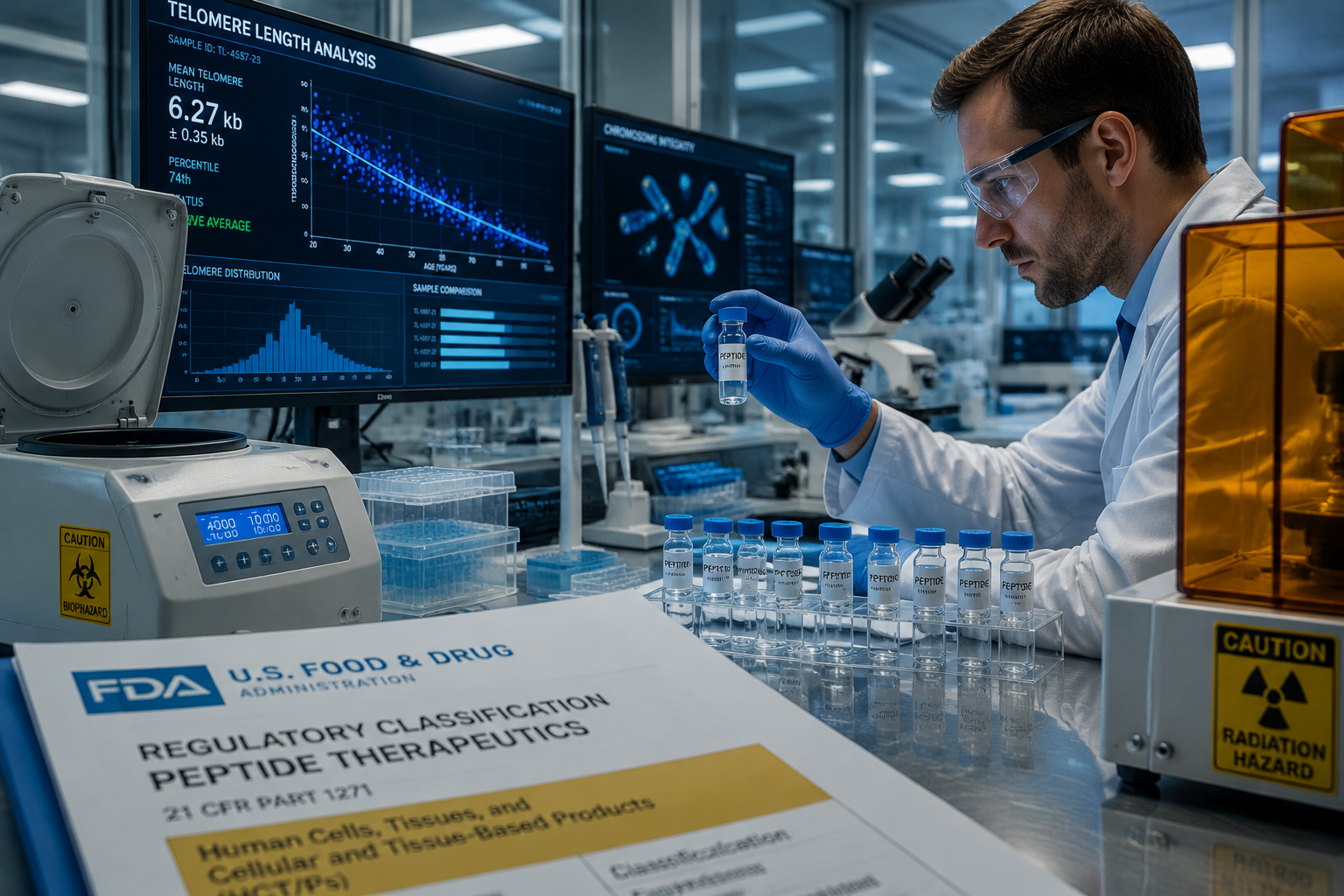
Epithalon is not approved by the FDA for any medical use. In 2023, the FDA classified it as a Category 2 substance, effectively banning compounding pharmacies from producing it. Researchers sourcing peptides for laboratory study should verify supplier quality standards; resources like lab-tested peptides and published quality testing protocols offer relevant guidance.

Regulatory Status

Dosing protocols used in published research typically involved 5-10 mg per injection, administered subcutaneously or intramuscularly over courses of 10-20 injections spanning 10-20 days, with repeat courses at six-month intervals. These protocols are documented in preclinical literature and should not be interpreted as clinical recommendations.

Those exploring the broader peptide longevity space may also find value in reviewing MOTS-c mitochondrial research and GHK-Cu peptide research, both of which address cellular aging through distinct but complementary pathways. For the primary Epithalon product page, see Epithalon research peptide.


Conclusion

Epithalon peptide: research into anti-aging and telomerase activity represents one of the more scientifically grounded — yet still preliminary — areas of longevity peptide investigation. The core findings are genuinely intriguing: telomerase reactivation in human somatic cells, measurable lifespan extension in animal models, and potential circadian restoration in aging subjects. However, the concentration of research within a single laboratory, the absence of independent clinical trials, unresolved cancer-risk questions, and current FDA restrictions all demand caution.

Actionable next steps for researchers and informed readers:

  • Review primary literature from Khavinson et al. with attention to study design and sample sizes.
  • Compare Epithalon's proposed mechanism against better-replicated longevity pathways such as NAD+ and mitochondrial peptides.
  • Verify that any peptide sourced for research use comes with documented purity testing.
  • Monitor regulatory updates, as the classification landscape for research peptides continues to evolve in 2026.

The science is promising enough to warrant continued investigation — and rigorous enough in its gaps to warrant equal skepticism.

https://www.puretestedpeptides.com/wp-content/uploads/2026/06/Epithalon-Peptide-Research-into-Anti-Aging-and-Telomerase-Activity.png 1024 1536 Pure Tested https://www.puretestedpeptides.com/wp-content/uploads/2026/01/buy-peptides-online.jpg Pure Tested2026-06-12 13:02:522026-07-20 15:03:28Epithalon Peptide: Research into Anti-Aging and Telomerase Activity
Page 2 of 212
×

Helpful Links

  • My account
  • Cart
  • Checkout
  • Refund and Returns Policy
  • Privacy Policy
  • SMS Privacy Policy
  • Login
  • My Account
  • Logout

USA Made Lab Tested Peptides

All products are sold for research, laboratory, or analytical purposes only, and are not for human consumption


Pure Tested Peptides is a chemical supplier. Pure Tested Peptides is not a compounding / chemical compounding facility as defined under 503A of the Federal Food, Drug, and Cosmetic act. Pure Tested Peptides is not an outsourcing facility as defined under 503B of the Federal Food, Drug, and Cosmetic act.

The statements made within this website have not been evaluated by the US Food and Drug Administration. The products we offer are not intended to diagnose, treat, cure or prevent any disease.

Human/Animal Consumption Prohibited. Laboratory/In-Vitro Experimental Use Only

Scroll to top Scroll to top Scroll to top