Call or Text 727-513-9780
  • Shopping Cart Shopping Cart
    0Shopping Cart
Pure Tested Peptides | America's most trusted Peptides for sale online
  • Peptides for sale
    • Oral Peptides for sale
      • Peptide Capsules for sale
      • BPC 157 Capsules 1000mcg
      • SLU-PP-332 Capsules | 1000 mcg
      • 5-Amino-1MQ 50mg Capsules
      • Tesofensine 500mcg
    • All Peptides for sale
    • Peptide Sprays
      • BPC 157 Nasal Spray Kit
      • BPC-157 TB500 Nasal Spray Kit
      • Semax Nasal Spray 10mg
      • Selank – Nasal Spray Kit – 10mg
      • Epithalon 50MG Nasal Spray Kit
      • Ipamorelin 10mg Nasal Spray
      • Klow Nasal Spray (BPC-157 + TB-500 + GHK-Cu + KPV) | 80mg
      • Hulk Nasal Spray Tesa / Ipa Blend 6/3 MG
      • Klow Nasal Spray
      • NAD + 500 mg Nasal Spray
      • PT-141 Nasal Spray Kit
    • GHRH Peptides
      • Ipa Peptides
      • CJC-1295 Peptides
        • CJC-1295 with DAC 5 mg
        • CJC-1295 without DAC 5 mg
        • CJC-1295 Ipa 10mg
      • Tesa Peptides
        • Tesa Peptide
        • Tesa 20 mg
    • GHK-Cu Peptides
      • All GHK-Cu Peptides
      • GHK-Cu 100mg
      • KLOW Peptide Blend – Buy KLOW blend online
    • BPC Peptides
      • All BPC Peptides
      • BPC-157
      • BPC-157 TB-500
      • BPC 157 capsules 1000mcg
    • SLU-PP-332 Peptides
      • All SLU-PP-332 Peptides
      • SLU-PP-332 5mg
    • GLP3 Peptides
      • GLP3-R
      • GLP3-R CAG 10mg
      • GLP3-R 20mg
    • PT-141 Peptides
      • PT-141 Peptides for sale
      • PT-141 10mg
      • PT-141 Nasal Spray
    • CAG Peptides
      • Lipo-C Peptide Blend
      • CAG 5mg
      • CAG 10mg
    • MOTS-C Peptides
      • MOTS-C Peptides for sale
      • MOTS-c peptide
      • MOTS-c 10mg *6 pack*
    • 5 Amino 1MQ Peptides
      • 5 Amino 1MQ Peptides for sale
      • 5-Amino-1MQ 50mg Capsules
      • 5-Amino-1MQ 5mg
    • Epithalon Peptides
      • Epithalon Peptides for sale
      • Epithalon 10mg
      • Epithalon 50mg
  • Shop
    • GLPs
      • 5-Amino-1MQ 50mg Capsules
      • 5-Amino-1MQ 5mg
      • GLP3-Reta
      • L-Carnitine 500mg/ml
      • Tesofensine 500mcg
      • SLU-PP-332 5mg
      • MOTS-c 10mg *6 pack*
    • Epithalon & BPC Peptides
      • Epithalon 10mg
      • Epithalon 50mg
      • BPC-157
      • BPC 157 capsules 1000mcg
      • BPC-157 TB-500
      • BPC-157 TB500 Nasal Spray Kit
      • BPC 157 Nasal Spray Kit
    • BPC TB-500 & NAD+ Peptides
      • NAD+ 500 mg
      • KLOW Peptide Blend – Buy KLOW blend online
      • GLOW Peptide Blend
      • TB 500 5mg
      • BPC 157 capsules 1000mcg – Supplement
      • BPC 157 Nasal Spray Kit
      • BPC-157
      • BPC-157 TB500 Nasal Spray Kit
      • BPC-157 TB-500
      • BPC 157 capsules 1000mcg
    • LL-37 Peptide
      • LL-37 10 mg
    • MOTS-C & Selank
      • MOTS-c peptide
      • Selank 10mg
    • GHK Peptides
      • GHK-Cu 100mg
      • GLOW Peptide Blend
      • KLOW Peptide Blend – Buy KLOW blend online
  • COAs
  • Wholesale
    • Wholesale Peptides for sale
  • PTP FAQ
  • Affiliates
    • Selank Peptide: Advanced Pharmacological Mechanisms Underlying Its Anxiolytic and Nootropic Effects in Research
      • 5-Amino-1MQ Peptide: Detailed Mechanisms of NNMT Inhibition and Its Impact on Cellular Metabolism Research
        • MOTS-C Peptide: Unraveling Its Role in Mitochondrial Dynamics and Energy Metabolism Research
          • Epithalon Peptide and Telomerase Regulation: Investigating Its Impact on Cellular Senescence and Lifespan Research Models
            • GLP2-T vs GLP2 Tirz Peptide: Understanding the Naming, Mechanistic Nuances, and Research Implications for Gut Health
      • Peptides and Polypeptides in Modern Pharmacology: What Research on Metoprolol, Prednisone, and Amlodipine Reveals
        • Polypeptide Peptides vs NSAIDs: What Naproxen and Diclofenac Teach Tissue-Repair Researchers About BPC‑157 and TB‑500
          • Peptides and Polypeptides in Endocrine Pharmacology: How GLP-1, GLP-2, and GLP-3 Retatrutide Differ From Classic Drugs Like Prednisone and Amlodipine
          • 5‑Amino‑1MQ Peptide and NNMT Inhibition: How It Compares With Statins Like Atorvastatin in Adipose and Lipid Metabolism Research
      • Enclomiphene, Estrogen Receptor Signaling, and Luteinizing Phase Biology: What Hormone Researchers Should Measure
        • Mesenchymal Stem Cells, BPC‑157, and GHK‑Cu: How Tissue Repair Peptides Compare With Classic NSAIDs Like Naproxen in Injury Models
          • Peptide Calculator Use Cases Beyond Growth Hormone: Working Through GLP‑3 Retatrutide, MOTS‑c, and BPC‑157 Research Dosing
        • Polypeptide Peptides in Endocrine and Metabolic Pharmacology: Lessons From Amlodipine, Prednisone, and Metoprolol
        • Peptides Calculator for Advanced Blends: Worked Examples for Tesamorelin, CJC‑1295, and Ipamorelin Stacks
          • Peptides and Polypeptides in Human Physiology: How Molecular Size Shapes Research Applications
            • Selank Peptide: Advanced Pharmacological Mechanisms Underlying Its Anxiolytic and Nootropic Effects in Research
          • 5-Amino-1MQ Peptide: Detailed Mechanisms of NNMT Inhibition and Its Impact on Cellular Metabolism Research
            • MOTS-C Peptide: Unraveling Its Role in Mitochondrial Dynamics and Energy Metabolism Research
              • Epithalon Peptide and Telomerase Regulation: Investigating Its Impact on Cellular Senescence and Lifespan Research Models
                • GLP2-T vs GLP2 Tirz Peptide: Understanding the Naming, Mechanistic Nuances, and Research Implications for Gut Health
                  • Peptides and Polypeptides in Endocrine Pharmacology: How GLP-1, GLP-2, and GLP-3 Retatrutide Differ From Classic Drugs Like Prednisone and Amlodipine
                    • Polypeptide Peptides vs NSAIDs: What Naproxen and Diclofenac Teach Tissue-Repair Researchers About BPC‑157 and TB‑500
                      • Peptides and Polypeptides in Modern Pharmacology: What Research on Metoprolol, Prednisone, and Amlodipine Reveals
                        • 5‑Amino‑1MQ Peptide and NNMT Inhibition: How It Compares With Statins Like Atorvastatin in Adipose and Lipid Metabolism Research
                        • Enclomiphene, Estrogen Receptor Signaling, and Luteinizing Phase Biology: What Hormone Researchers Should Measure
                        • Mesenchymal Stem Cells, BPC‑157, and GHK‑Cu: How Tissue Repair Peptides Compare With Classic NSAIDs Like Naproxen in Injury Models
                        • Peptide Calculator Use Cases Beyond Growth Hormone: Working Through GLP‑3 Retatrutide, MOTS‑c, and BPC‑157 Research Dosing
                        • Polypeptide Peptides in Endocrine and Metabolic Pharmacology: Lessons From Amlodipine, Prednisone, and Metoprolol
                        • Peptides Calculator for Advanced Blends: Worked Examples for Tesamorelin, CJC‑1295, and Ipamorelin Stacks
                        • Peptides and Polypeptides in Human Physiology: How Molecular Size Shapes Research Applications
                        • Selank Peptide: Advanced Pharmacological Mechanisms Underlying Its Anxiolytic and Nootropic Effects in Research
                        • MOTS-C Peptide: Unraveling Its Role in Mitochondrial Dynamics and Energy Metabolism Research
                        • Peptides and Polypeptides in Modern Pharmacology: What Research on Metoprolol, Prednisone, and Amlodipine Reveals
                        • Peptides and Polypeptides in Endocrine Pharmacology: How GLP-1, GLP-2, and GLP-3 Retatrutide Differ From Classic Drugs Like Prednisone and Amlodipine
                        • 5-Amino-1MQ Peptide: Detailed Mechanisms of NNMT Inhibition and Its Impact on Cellular Metabolism Research
                        • Mesenchymal Stem Cells, BPC‑157, and GHK‑Cu: How Tissue Repair Peptides Compare With Classic NSAIDs Like Naproxen in Injury Models
                        • Peptide Calculator Use Cases Beyond Growth Hormone: Working Through GLP‑3 Retatrutide, MOTS‑c, and BPC‑157 Research Dosing
                        • GLP2-T vs GLP2 Tirz Peptide: Understanding the Naming, Mechanistic Nuances, and Research Implications for Gut Health
                        • Polypeptide Peptides in Endocrine and Metabolic Pharmacology: Lessons From Amlodipine, Prednisone, and Metoprolol
                        • Polypeptide Peptides vs NSAIDs: What Naproxen and Diclofenac Teach Tissue-Repair Researchers About BPC‑157 and TB‑500
                        • Peptides and Polypeptides in Human Physiology: How Molecular Size Shapes Research Applications
                        • Peptides Calculator for Advanced Blends: Worked Examples for Tesamorelin, CJC‑1295, and Ipamorelin Stacks
                        • 5‑Amino‑1MQ Peptide and NNMT Inhibition: How It Compares With Statins Like Atorvastatin in Adipose and Lipid Metabolism Research
                        • Enclomiphene, Estrogen Receptor Signaling, and Luteinizing Phase Biology: What Hormone Researchers Should Measure
                        • Epithalon Peptide and Telomerase Regulation: Investigating Its Impact on Cellular Senescence and Lifespan Research Models
                        • Best research protocol Klow blend
                        • best time to take BPC-157
                        • best time to take DSIP (Delta Sleep Inducing Peptide)
                        • best time to take CJC-1295
                        • best time to take AOD-9604
                        • best time to take Follistatin 344
                        • best time to take Ipamorelin
                        • best time to take MK-677 (Ibutamoren)
                        • best time to take Ligandrol (LGD-4033) — research compound
                        • best time to take Ostarine (MK-2866) — research compound
                        • best time to take GHK-CU
                        • best time to take TB-500
                        • best time to take MOTS-c
                        • best time to take Semax
                        • best time to take RAD-140 (Testolone) — research compound
                        • best time to take Thymosin Alpha-1
                        • best time to take PEG-MGF
                        • Biolife Plasma, Octapharma Plasma, and Research Peptides: How Plasma Donation Labs Differ From Peptide Suppliers
                        • best time to take YK-11 — research compound
                        • best time to take PT-141 (Bremelanotide)
                        • Best research protocol Klow blend
                        • 5-Amino-1MQ and MOTS-C Synergy: Metabolic Signaling, Mitochondria, and Research Design
                        • BPC-157 and TB-500: Investigating Their Combined Effects on Angiogenesis and Cellular Migration in Tissue Repair Models
                        • BPC-157 Peptide: Gut Barrier Function, Inflammation, and Tissue-Recovery Research
                        • 5‑Amino‑1MQ and MOTS‑c Synergy in Metabolic Research: Designing NNMT and Mitochondrial Biogenesis Stacks
                        • CJC-1295 with DAC vs. Without DAC: Half-Life, Release Kinetics, and Research Implications
                        • CJC‑1295 with DAC vs. Without DAC: Expanding on Half‑Life Differences Using Tesamorelin and Ipamorelin Blend Case Studies
                        • Collagen Biology and Copper‑Binding Peptides: How GHK‑Cu, Glow Blend, and Klow Blend Interact with Skin and Connective Tissue
                        • Collagen Biology and Regenerative Peptides: How GHK‑Cu, Glow Blend, and Klow Blend Affect Extracellular Matrix Research
                    • DNA, Telomeres, and Longevity Peptides: Positioning Epithalon and MOTS‑c in Genetic Aging Research
                      • Enclomiphene Citrate: serm Mechanism, Testosterone Research, and Stack Compatibility
                        • Enclomiphene vs Enclomiphene Citrate: Formulation, Bioavailability, and Research Distinctions
                        • Epithalon Peptide Research: Telomerase Activation, Aging, and Pineal Gland Function
                        • Estrogen Receptor Signaling and Enclomiphene: How Selective Modulators Compare with Classic Polypeptide Hormones
                        • GHK-Cu Peptide: Advanced Mechanisms in Extracellular Matrix Remodeling and Wound Healing Research
                        • GHK-Cu Peptide: Collagen Synthesis, Wound Repair, and Skin-Barrier Research Models
                        • GLP-1 vs GLP-3 vs GLP-2: Peptide Classification and Research Applications
                        • GLP-2 Peptide Research Guide: Gut Barrier Function, Nutrient Absorption, and Intestinal Recovery Models
                        • GLP-3 Retatrutide vs. GLP-1 Drugs: What Triple-Agonist Biology Changes in Research Models
                        • Ipamorelin and Tesamorelin Combination: Synergistic GH Secretagogue Research and Dosing Protocols
                        • GLP2 Tirz Peptide: What It Is, Why the Name Exists, and How Researchers Should Interpret It
                        • Klow Blend Peptide Nasal Spray: What the Formulation Is Trying to Do in Cognitive Research
                        • Mitochondria, NNMT Inhibition, and Peptide Modulators: Where MOTS‑c and 5‑Amino‑1MQ Fit in Cellular Energy Research
                        • MOTS-c Peptide: Mitochondrial Function, Energy Metabolism, and What Researchers Measure
                        • MOTS-c vs. 5-Amino-1MQ: Which Metabolic Research Questions Each Compound Actually Answers
                        • Nasal Spray Peptides: Bioavailability, Administration, and Semax/Selank Research Applications
                        • PT-141 Peptide Research: Mechanism of Action and Melanocortin Receptor Signaling
                        • Retatrutide for Research: Mechanism, Structure, and GLP-1/GLP-3 Dual Action
                        • Retatrutide for Obesity and Type 2 Diabetes: What the Latest Trial Data Suggest
                        • Tesofensine Peptide Research: Mechanism, Appetite Suppression, and Neuropeptide Y Pathways
  • Contact
    • Contact Customer Service
    • Text Customer Support
  • About US
  • Shop all peptides
  • Affiliate Program
    • Affiliate Signup
  • Login / Register Login / Register Page Link Login / Register Page Link
  • Click to open the search input field Click to open the search input field Search
  • Menu Menu

Tag Archive for: oxidative phosphorylation

Adenosine Triphosphate, Mitochondrial Function, and Why Peptide Researchers Care About Cellular Energy

Adenosine Triphosphate, Mitochondrial Function, and Why Peptide Researchers Care About Cellular Energy

August 18, 2026/0 Comments/in Uncategorized/by

Every cell in the human body runs on a single molecular currency. Without a steady supply of adenosine triphosphate, neurons stop firing, muscles stop contracting, and repair processes stall within seconds. Understanding adenosine triphosphate, mitochondrial function, and why peptide researchers care about cellular energy is not an abstract exercise in biochemistry, it is the foundation for interpreting nearly every efficacy claim and endpoint choice in modern mitochondria-targeted peptide research.

Key Takeaways

  • Adenosine triphosphate (ATP) is produced primarily through oxidative phosphorylation inside mitochondria, making mitochondrial health the central determinant of cellular energy output.
  • Peptides such as SS-31 (elamipretide) target the inner mitochondrial membrane directly, stabilizing cardiolipin-dependent respiratory complexes and improving ATP synthesis efficiency.
  • Mitochondria-derived peptides (MDPs), including MOTS-c and humanin, are encoded by mitochondrial DNA and act as systemic regulators of energy metabolism and stress resistance.
  • In September 2025, elamipretide became the first FDA-approved mitochondria-targeted peptide drug, validating ATP modulation as a clinically recognized therapeutic endpoint.
  • Peptide researchers measure ATP turnover, reactive oxygen species, and mitochondrial membrane potential as primary outcomes because these metrics directly reflect whether an intervention is working at the cellular energy level.

How Mitochondria Produce ATP and Why the Process Fails

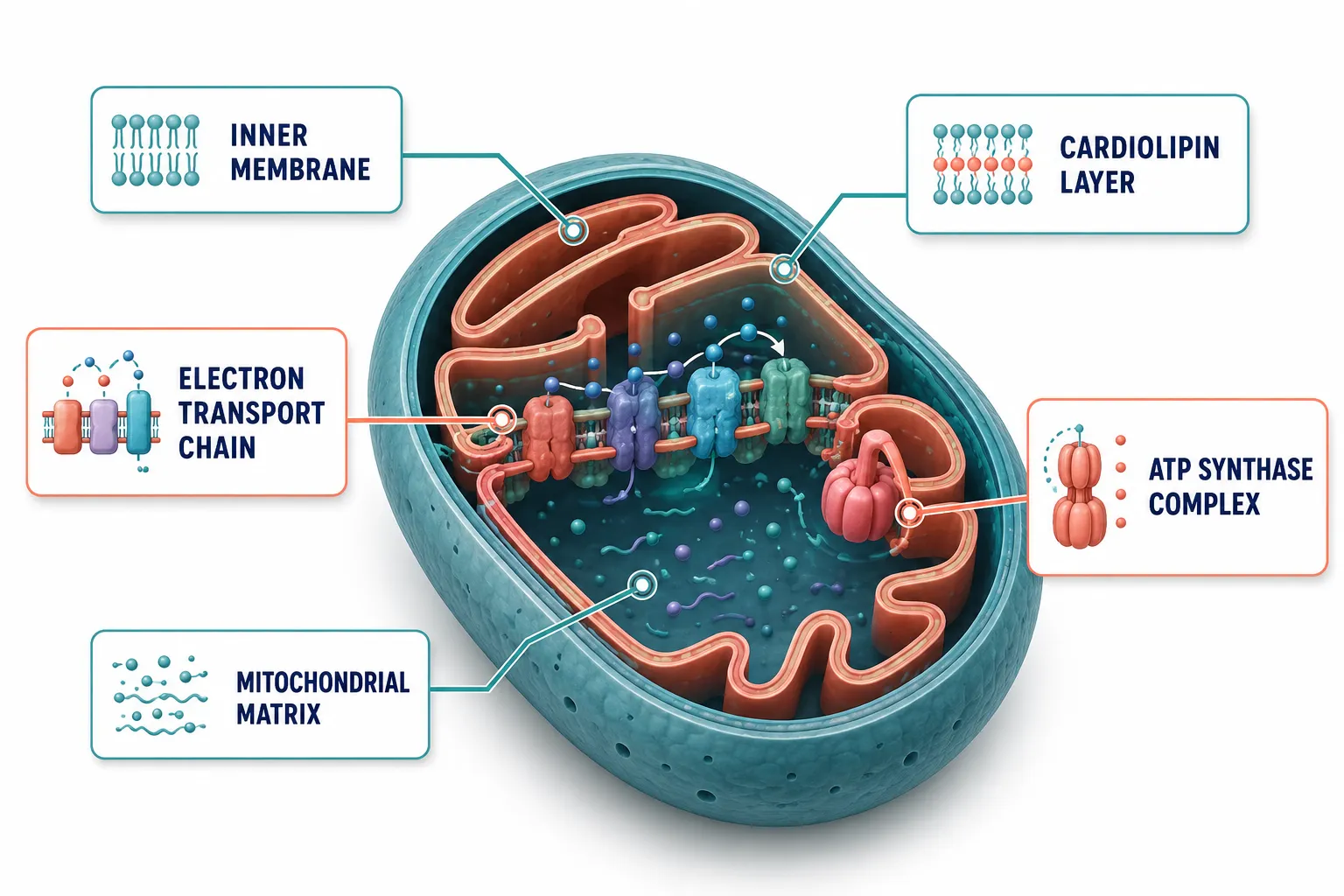
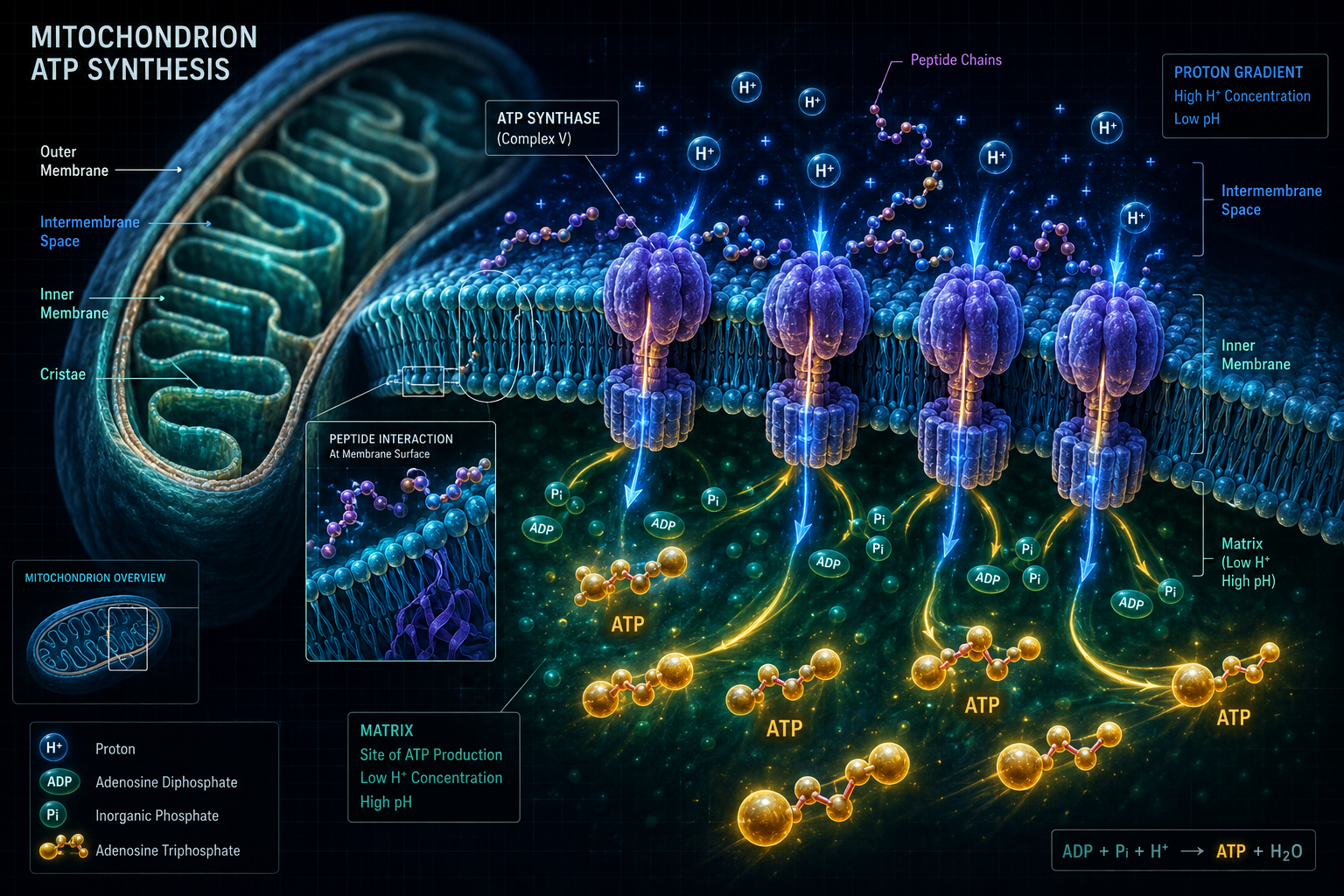
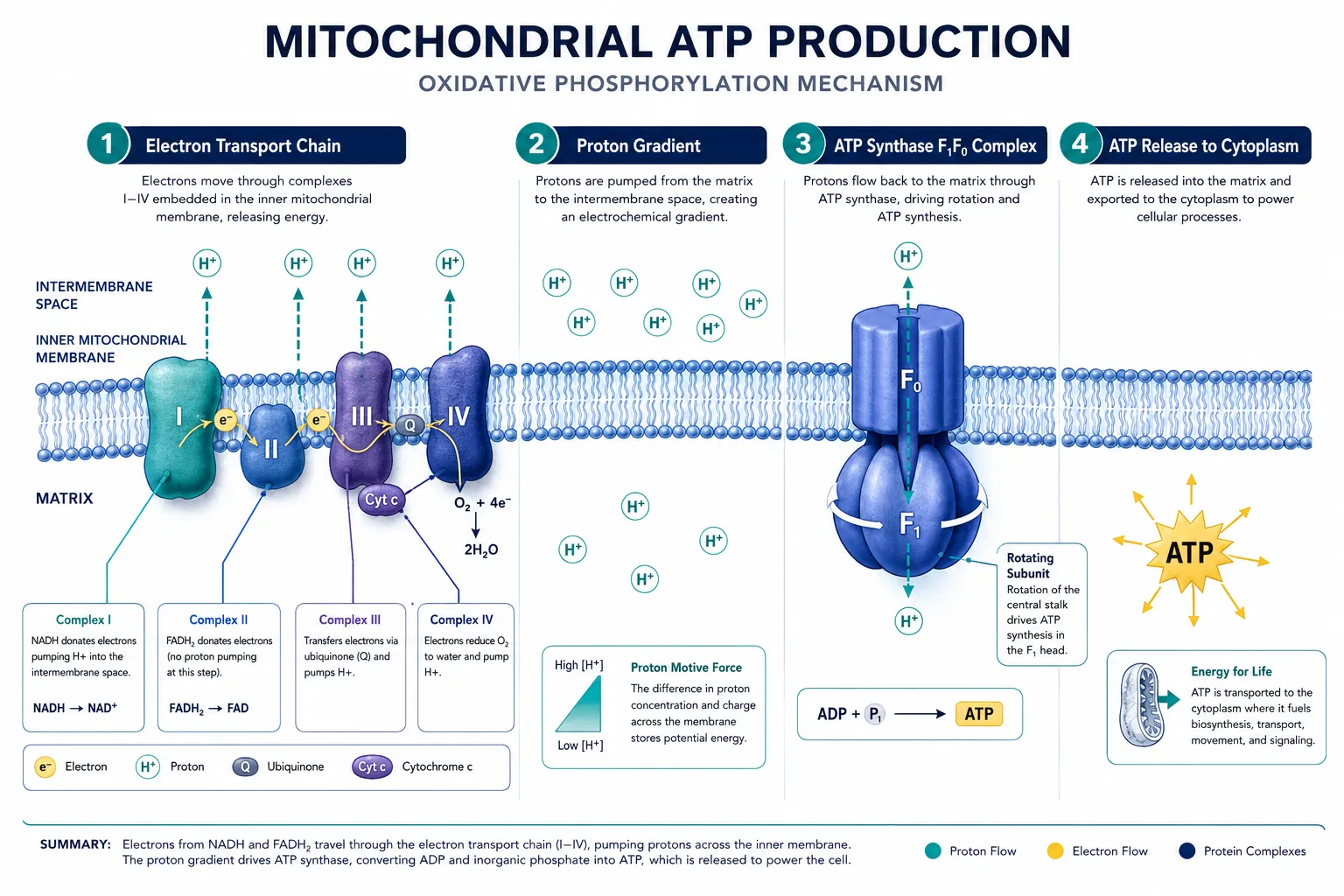
The mitochondrion is often called the powerhouse of the cell, but that shorthand understates its complexity. Inside the inner mitochondrial membrane, five large protein complexes, collectively known as the electron transport chain and ATP synthase, work in sequence to convert nutrients into usable energy. Electrons stripped from glucose and fatty acids travel through Complexes I through IV, driving protons across the membrane and creating an electrochemical gradient. Complex V, the F1Fo ATP synthase, then uses that gradient to phosphorylate ADP into ATP.
How Mitochondria Produce ATP and Why the Process Fails

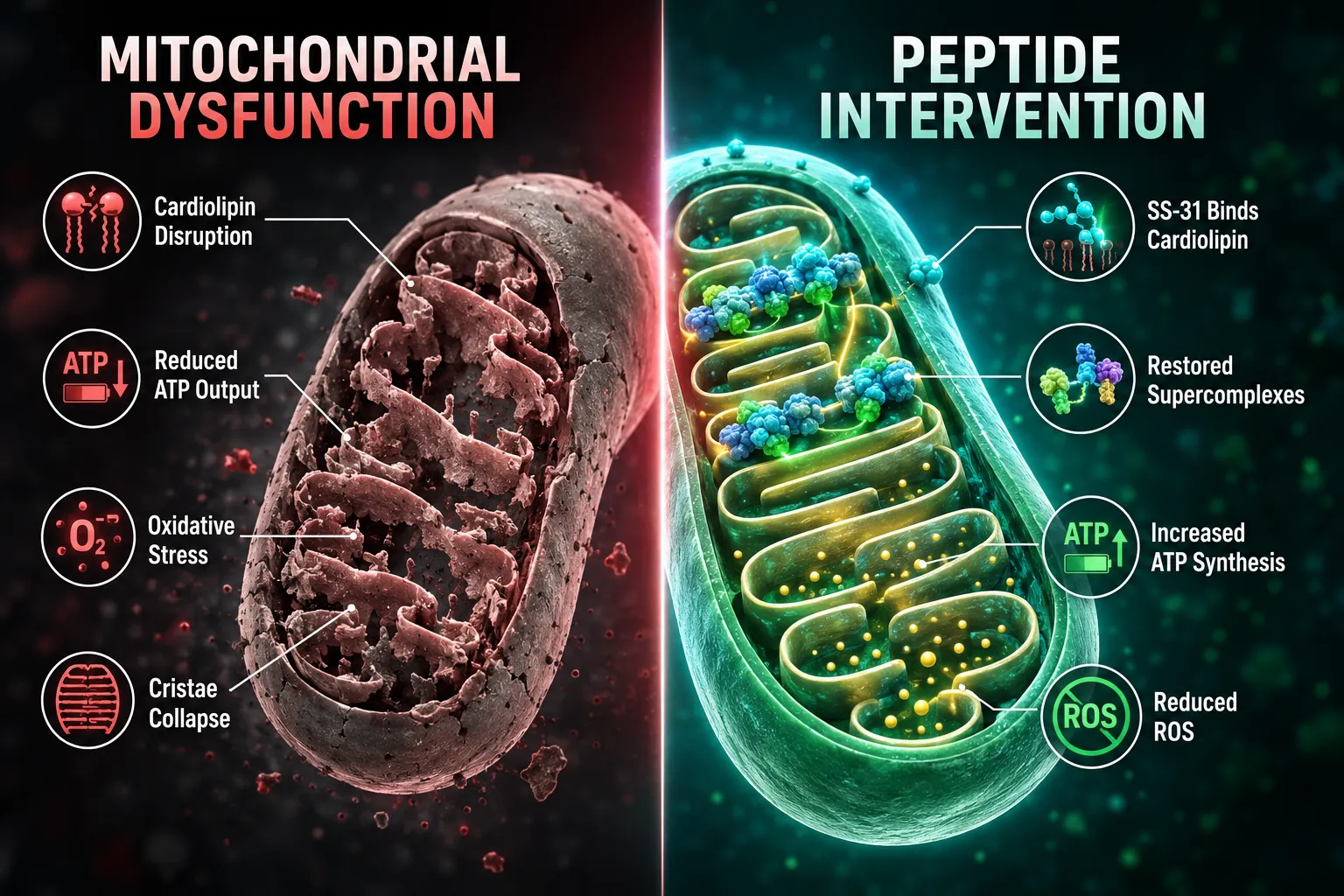
What makes this system fragile is its dependence on a specialized phospholipid called cardiolipin. Cardiolipin anchors the respiratory complexes into functional supercomplexes on the inner membrane. When cardiolipin is oxidized or depleted, as happens with aging, metabolic disease, or genetic disorders, the supercomplexes destabilize, electron flow becomes inefficient, and ATP output drops. Simultaneously, electron leakage increases reactive oxygen species (ROS), which further damage the membrane in a self-reinforcing cycle.

This is precisely why peptide researchers focus on ATP and mitochondrial function as primary endpoints rather than downstream symptoms. Measuring ATP turnover, mitochondrial membrane potential, and ROS levels gives researchers a direct, quantifiable window into whether an intervention is actually working at the cellular level.

Adenosine Triphosphate, Mitochondrial Function, and the Rise of Targeted Peptides

The connection between adenosine triphosphate, mitochondrial function, and why peptide researchers care about cellular energy became clinically concrete in September 2025, when the FDA granted accelerated approval to elamipretide, sold under the brand name Forzinity, for Barth syndrome. This made elamipretide the first drug to directly target mitochondrial dysfunction and the first mitochondria-targeted peptide to reach regulatory approval.

Elamipretide is also known as SS-31, a synthetic tetrapeptide with the sequence D-Arg-Dmt-Lys-Phe-NH2. It crosses mitochondrial membranes and binds directly to cardiolipin on the inner membrane, stabilizing respiratory chain supercomplexes and improving ATP production efficiency. Mechanistic reviews confirm that its benefits extend well beyond simple antioxidant activity, it modulates membrane electrostatic potentials and supports the assembly of cardiolipin-dependent protein complexes. Researchers interested in this area can explore detailed SS-31 mitochondrial research themes and the broader topic of SS31 mitochondrial dynamics for mechanistic context.

Earlier in vivo work demonstrated that a single injection of SS-31 could restore mitochondrial energetics to "young" levels in aged mouse skeletal muscle within one hour, normalizing both ATP synthesis and the cellular redox environment. That finding gave the field a mechanistic foundation: peptides could rapidly recalibrate cellular energy output rather than simply slowing its decline.
Adenosine Triphosphate, Mitochondrial Function, and the Rise of Targeted Peptides

Beyond SS-31, plant-derived peptides such as roseltide rT1 have demonstrated the ability to increase cellular ATP production by hyperpolarizing the mitochondrial membrane and directly interacting with ATP synthase subunit O, the intramitochondrial component of the F1Fo complex. This finding is significant because it shows that peptide researchers can tune cellular energy at the level of ATP synthase itself, not only at upstream electron transport steps.

Mitochondria-Derived Peptides and the Broader Cellular Energy Architecture

A parallel and rapidly expanding area of research concerns mitochondria-derived peptides (MDPs), bioactive microproteins encoded by short open reading frames within mitochondrial DNA itself. The best-characterized MDPs include MOTS-c, humanin, and the small humanin-like peptides (SHLPs). These molecules influence glucose and lipid metabolism, stress resistance, and longevity pathways, making them central to any peptide strategy aimed at optimizing ATP production and metabolic resilience.

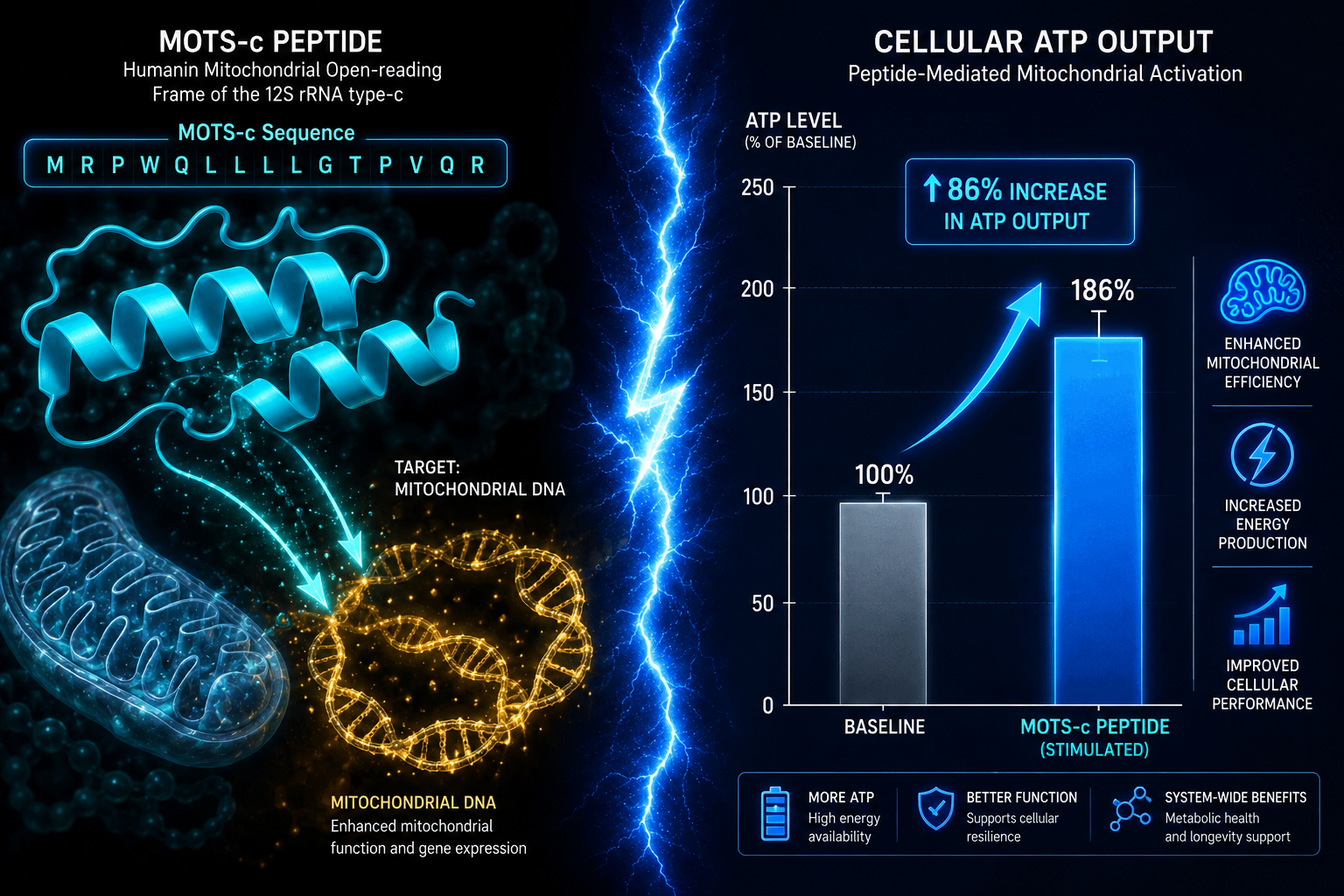
MOTS-c, a 16-amino-acid MDP, has produced some of the most compelling human data to date. A 2026 trial reported in the Journal of Cellular Biochemistry found that twice-weekly subcutaneous dosing of 5-10 mg MOTS-c increased skeletal muscle ATP turnover by approximately 18-22% over 12 weeks in 84 adults aged 35-55. Separate work in diabetic models shows that MOTS-c can restore mitochondrial function and improve metabolic parameters under insulin-resistant conditions, extending its relevance beyond rare diseases.

Humanin and the SHLPs are also under active investigation for neurodegenerative diseases, Alzheimer's, Parkinson's, and Huntington's, where maintaining neuronal ATP supply and limiting mitochondrial stress are critical survival factors for neurons.

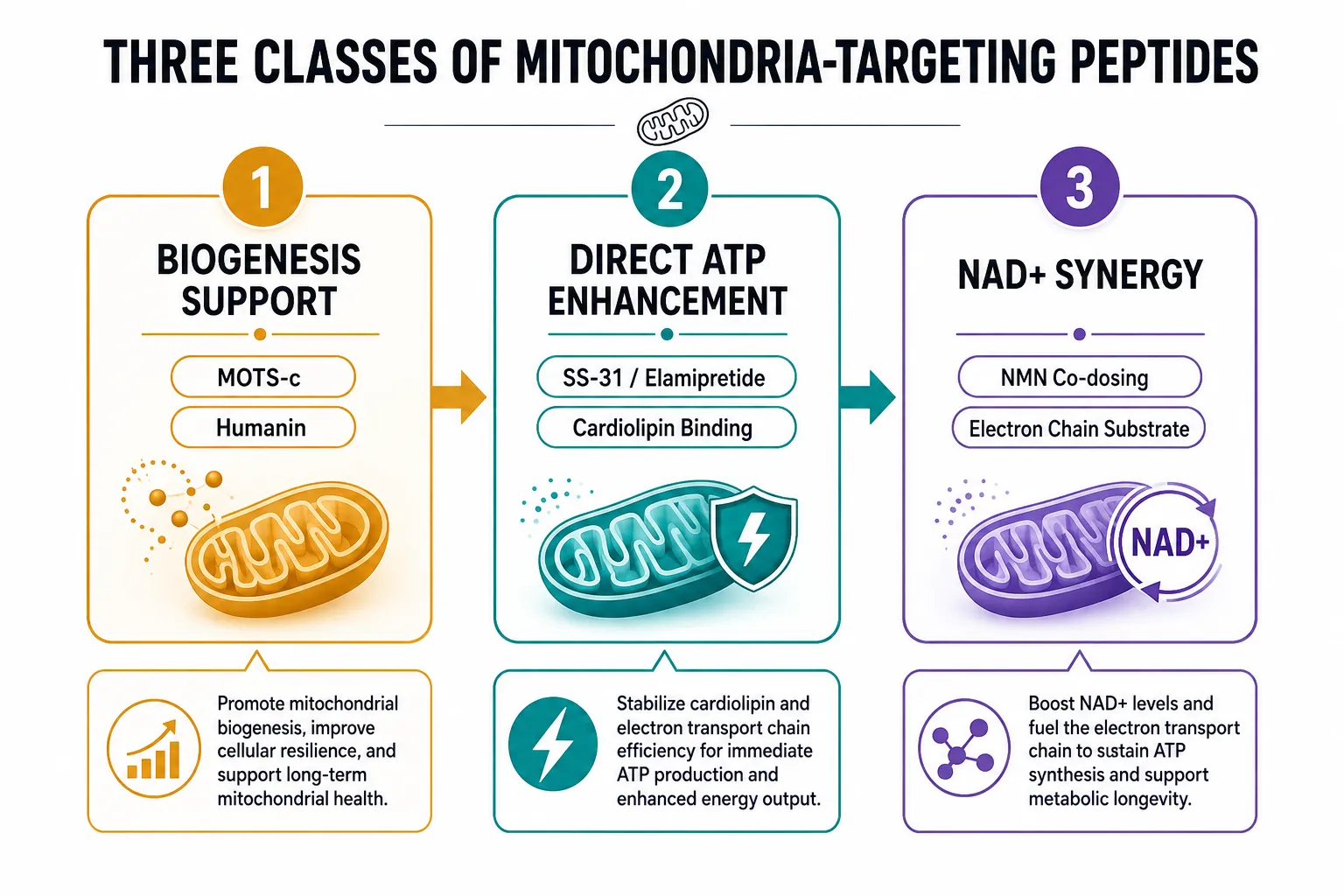
Research Insight: Peptide researchers now categorize mitochondria-targeting compounds into three mechanistic classes: those that support mitochondrial biogenesis (MOTS-c, humanin), those that directly enhance ATP synthesis (SS-31/elamipretide), and those optimized for NAD+ synergy, often combined with NMN (~500 mg/day) or NR (~300 mg/day) to simultaneously support electron transport chain substrate availability.

This three-class framework helps explain endpoint selection. A researcher studying an SS-31 analog will measure cardiolipin integrity and ATP synthase flux. A researcher studying MOTS-c will track glucose uptake, mitochondrial biogenesis markers, and ATP turnover rates. The choice of endpoint is not arbitrary, it follows directly from the peptide's mechanism of action.

Next-generation delivery platforms are also entering the picture. A 2026 study introduced a cationic liposomal system that co-delivers SS-31 with metabolic agents directly to adipose-tissue mitochondria, aiming to modulate fat-cell energy metabolism in obesity models. While this platform remains preclinical, it illustrates how cellular energy and ATP output have become central design constraints for advanced drug delivery research.

For researchers sourcing compounds for controlled laboratory investigations, quality documentation is a critical prerequisite. Resources covering peptide Certificate of Analysis standards and sourcing guides such as the GHK-Cu copper peptide research sourcing guide provide useful frameworks for evaluating purity and traceability before beginning any cellular energy study.
Mitochondria-Derived Peptides and the Broader Cellular Energy Architecture

The synergy between different peptide classes is also drawing attention. Combining compounds that target different nodes of the mitochondrial energy network, membrane stabilization, biogenesis signaling, and substrate availability, reflects how researchers now think in terms of integrated cellular energy architectures rather than single-target interventions. The documented synergy of LL-37 and SS-31 offers one example of how multi-peptide approaches are being explored in preclinical settings.

Conclusion

Adenosine triphosphate, mitochondrial function, and why peptide researchers care about cellular energy ultimately comes down to measurement and mechanism. ATP is not just a biological detail, it is the most direct indicator of whether a mitochondria-targeted intervention is producing a real cellular effect. The FDA approval of elamipretide, the human data on MOTS-c, and the expanding library of MDPs all point toward the same conclusion: peptides offer unusually precise tools for modulating cellular energy, and researchers who understand the underlying ATP biology are better equipped to design studies, select endpoints, and interpret results.

Actionable next steps for researchers:

  • Identify which mechanistic class a candidate peptide belongs to (biogenesis support, direct ATP enhancement, or NAD+ synergy) before selecting outcome measures.
  • Use ATP turnover rate, mitochondrial membrane potential, and ROS levels as primary endpoints rather than relying solely on downstream functional markers.
  • Review available mechanistic literature on cardiolipin-targeted peptides, particularly SS-31 research, to establish a baseline for comparing novel compound data.
  • Prioritize sourcing compounds with verified Certificates of Analysis to ensure that purity variables do not confound cellular energy measurements.
  • Consider multi-class peptide combinations in study design, informed by the growing body of work on integrated mitochondrial energy architectures.
https://www.puretestedpeptides.com/wp-content/uploads/2026/08/adenosine-triphosphate-mitochondrial-function-and-why-peptide-researchers-care-a.webp 1024 1536 https://www.puretestedpeptides.com/wp-content/uploads/2026/01/buy-peptides-online.jpg 2026-08-18 13:08:442026-08-18 13:08:44Adenosine Triphosphate, Mitochondrial Function, and Why Peptide Researchers Care About Cellular Energy
Mitochondria and Research Peptides: What Labs Measure When Studying Cellular Energy Signaling

Mitochondria and Research Peptides: What Labs Measure When Studying Cellular Energy Signaling

August 18, 2026/0 Comments/in Uncategorized/by

Fewer than 1% of the roughly 1,500 proteins inside a human mitochondrion have been fully characterized for their role in energy output, yet that small fraction already underpins some of the most active areas in peptide research today. Understanding Mitochondria and Research Peptides: What Labs Measure When Studying Cellular Energy Signaling is no longer a niche concern for biochemists alone. In 2026, it sits at the center of metabolic disease research, rare disease trials, and next-generation therapeutic design.

Key Takeaways

  • Mitochondrial function is measured through oxygen consumption rate (OCR) and ATP production assays, most commonly using Seahorse XF technology.
  • Research peptides such as SS-31 and MOTS-c target distinct nodes in the mitochondrial energy network and produce measurable, quantifiable effects.
  • Labs convert raw OCR data into ATP production rates using established bioenergetic equations, enabling direct comparison across studies.
  • Mitochondrial targeting sequences (MTS) are engineered design features that labs validate through membrane potential and proteomics assays.
  • Peptide purity and certificate of analysis standards directly affect the reliability of cellular energy signaling data.

Why Mitochondrial Energy Signaling Demands Precise Measurement

Why Mitochondrial Energy Signaling Demands Precise Measurement

Mitochondria are not static power generators. They are dynamic organelles that constantly shift their output in response to nutrient availability, stress signals, and intercellular communication. When a research peptide enters this environment, it can alter membrane potential, modulate electron transport chain activity, or change the rate at which ATP synthase produces adenosine triphosphate.

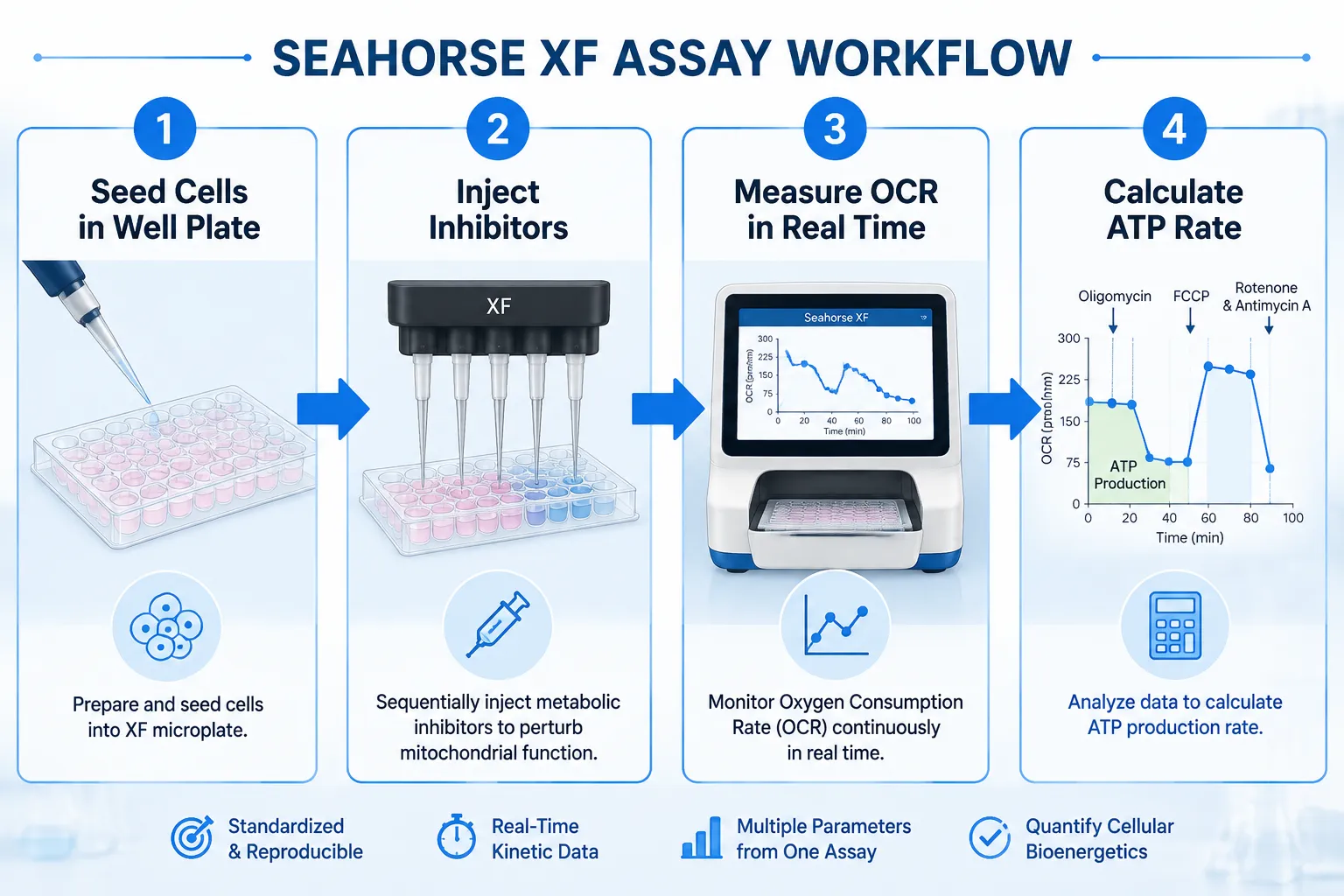
Labs studying cellular energy signaling need quantitative endpoints, not qualitative impressions. The most widely adopted platform for this work is the Seahorse XF Analyzer, which measures oxygen consumption rate (OCR) and extracellular acidification rate (ECAR) in live cells in real time. These two metrics together reveal how a cell balances oxidative phosphorylation against glycolysis, a balance that research peptides can shift in measurable ways.

"The OCR value alone tells you how hard the mitochondria are working. The ATP production rate tells you how efficiently that work translates into usable energy."

Beyond OCR, labs also track:

  • Mitochondrial membrane potential (using dyes such as JC-1 or TMRE)
  • Reactive oxygen species (ROS) output via fluorescent probes
  • NAD+/NADH ratios as indicators of redox balance
  • Mitochondrial fusion and fission dynamics through live-cell imaging

A 2025 study examining LRRK2 gene mutations used this exact framework to quantify ATP deficits in patient-derived neurons, demonstrating how OCR-to-ATP conversion math can anchor a disease mechanism to a specific molecular target.

Core Assays in Mitochondria and Research Peptides Studies

Core Assays in Mitochondria and Research Peptides Studies

The Seahorse XF Mito Stress Test

The standard Seahorse mito stress test injects three compounds in sequence, oligomycin, FCCP, and rotenone/antimycin A, each blocking a different step in the respiratory chain. The resulting OCR curve reveals:

Parameter What It Reflects
Basal respiration Baseline mitochondrial workload
ATP-linked respiration OCR directly coupled to ATP synthesis
Maximal respiration Full electron transport chain capacity
Spare respiratory capacity Metabolic reserve under stress
Proton leak Membrane integrity and uncoupling

Labs convert ATP-linked OCR to an ATP production rate by applying a stoichiometric factor derived from the P/O ratio, roughly 2.73 ATP per oxygen atom consumed during oxidative phosphorylation. This conversion is critical when comparing peptide-treated cells against controls.

Proteomics and Interaction Networks

SS-31 (elamipretide) has become a model compound for understanding how a peptide reshapes the mitochondrial protein interaction landscape. Proteomics studies have mapped SS-31's binding to cardiolipin on the inner mitochondrial membrane, revealing downstream stabilization of cristae architecture and suppression of cytochrome c release. Labs use co-immunoprecipitation and proximity labeling (BioID) to build these interaction networks.

For researchers sourcing this compound, the SS-31 10mg research peptide considerations page outlines purity and handling requirements that directly affect assay reproducibility. Additional context on SS-31 mitochondrial dynamics research is also available for deeper background.

Comparing SS-31 and MOTS-c: Two Distinct Signaling Profiles

Comparing SS-31 and MOTS-c: Two Distinct Signaling Profiles

In 2026 analyses, researchers have drawn a sharper line between SS-31 and MOTS-c, two peptides that both influence mitochondrial energy output but through fundamentally different mechanisms.

SS-31 acts at the inner mitochondrial membrane. It binds cardiolipin, reduces ROS production, and stabilizes the electron transport chain supercomplexes. Its primary measurable effect is an increase in ATP-linked OCR and a reduction in proton leak, outcomes directly visible in Seahorse assay data. Clinical trials in Barth syndrome and primary mitochondrial myopathy (MMPOWER-3) used functional endpoints such as the six-minute walk test and fatigue scores alongside these bioenergetic markers, though MMPOWER-3 showed limited efficacy improvements over placebo.

MOTS-c, by contrast, is a mitochondria-derived peptide that translocates to the nucleus under metabolic stress. It activates AMPK signaling, upregulates antioxidant gene expression, and shifts cellular metabolism toward glucose utilization. Labs measure its effects through AMPK phosphorylation assays, gene expression panels, and glucose uptake assays rather than pure OCR data.

This distinction matters for experimental design. Researchers exploring metabolic health applications can review the top 5 research peptides for metabolic health to understand how these compounds compare in applied research contexts.

Engineering Mitochondrial Targeting Sequences

Beyond naturally occurring peptides, labs now engineer mitochondrial targeting sequences (MTS), short amphipathic helical peptides that guide attached cargo into the mitochondrial matrix. Key metrics labs validate include:

  • Import efficiency (measured by protease protection assays)
  • Membrane potential dependence (collapsed by CCCP treatment)
  • Submitochondrial localization (outer membrane vs. matrix)

Plant-derived peptides such as roseltide rT1 have served as structural models for MTS design, demonstrating that even non-mammalian sequences can modulate ATP production in cell-free and cell-based systems. Reference standards for these comparisons are discussed in detail in the Bachem and reference standards guide for building robust peptide benchmarks.

Data Quality and Peptide Sourcing in Energy Signaling Research

The reliability of any cellular energy signaling dataset depends on the quality of the peptide used. Impurities in a research-grade compound can independently alter OCR, membrane potential, or ROS output, confounding results in ways that are difficult to detect post hoc.

Labs should require:

  • Certificate of Analysis (CoA) with HPLC purity above 98%
  • Mass spectrometry confirmation of molecular weight
  • Endotoxin testing results for cell-based assays
  • Lot-specific documentation for reproducibility across experiments

Researchers can find guidance on evaluating supplier documentation through peptide CoA standards and documentation and peptide supplier comparison resources. For those studying kidney-specific mitochondrial applications, SS-31 kidney health research provides organ-specific context for interpreting bioenergetic data.

Conclusion

The intersection of Mitochondria and Research Peptides: What Labs Measure When Studying Cellular Energy Signaling is defined by rigorous quantitative methods, Seahorse OCR profiling, ATP rate calculations, proteomics interaction mapping, and MTS validation assays. SS-31 and MOTS-c exemplify how two peptides targeting the same organelle can produce entirely different measurable signatures, requiring distinct experimental frameworks.

Actionable next steps for research teams:

  1. Standardize OCR-to-ATP conversion using published P/O ratios before comparing datasets across labs.
  2. Pair Seahorse assay data with at least one orthogonal endpoint (membrane potential or ROS) to validate findings.
  3. Confirm peptide purity via CoA and mass spectrometry before any cell-based energy assay.
  4. Select peptide compounds based on the specific node of the energy signaling pathway under investigation, membrane-targeted versus nuclear-translocating mechanisms require different readouts.
  5. Document lot numbers and storage conditions for every experiment to support reproducibility.

As mitochondrial peptide research matures in 2026, the labs that invest in measurement precision will produce the datasets that hold up to scrutiny, and drive the field forward.

https://www.puretestedpeptides.com/wp-content/uploads/2026/08/mitochondria-and-research-peptides-what-labs-measure-when-studying-cellular-ener.webp 1024 1536 https://www.puretestedpeptides.com/wp-content/uploads/2026/01/buy-peptides-online.jpg 2026-08-18 13:08:342026-08-18 13:08:34Mitochondria and Research Peptides: What Labs Measure When Studying Cellular Energy Signaling
Peptides and Polypeptides in Mitochondrial Biology: How MOTS-c and 5-Amino-1MQ Compare With Classic Mitochondrial Pathways

Peptides and Polypeptides in Mitochondrial Biology: How MOTS-c and 5-Amino-1MQ Compare With Classic Mitochondrial Pathways

August 1, 2026/0 Comments/in Uncategorized/by

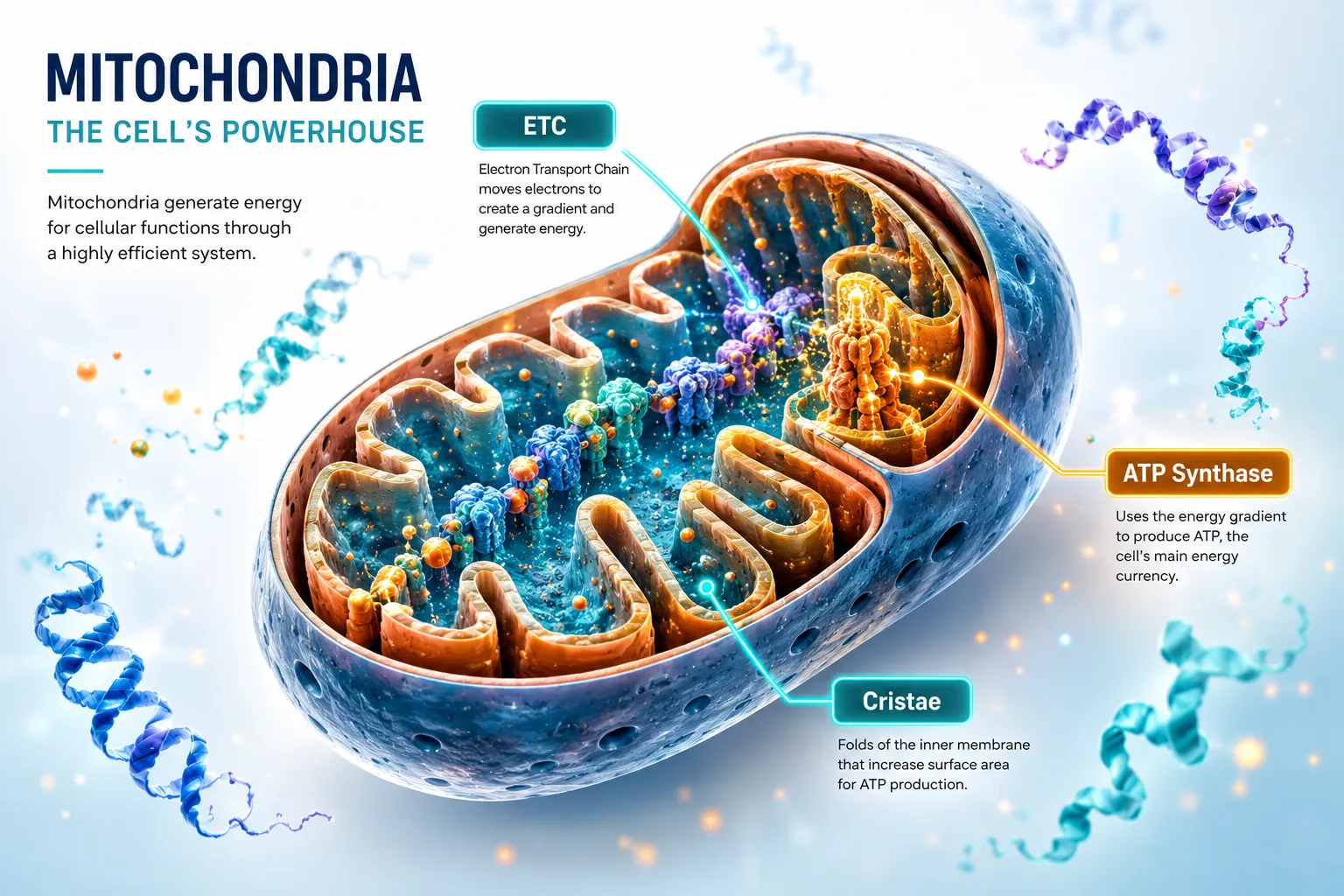
Mitochondria consume roughly 90% of the oxygen a cell uses, yet the molecular signals that govern their health remain one of biology's most active research frontiers. Exploring peptides and polypeptides in mitochondrial biology: how MOTS-c and 5-Amino-1MQ compare with classic mitochondrial pathways gives researchers a sharper map of where newer mitochondria-targeted compounds sit relative to well-established mechanisms like oxidative phosphorylation, the electron transport chain (ETC), and mitochondrial biogenesis.

Bright editorial infographic-style landscape (): a vivid cross-section diagram of a mitochondrion with clearly labeled short

Key Takeaways

  • Mitochondria rely on canonical pathways, the ETC, ATP synthase, and PGC-1alpha-driven biogenesis, to sustain cellular energy.
  • MOTS-c is a mitochondria-derived peptide (MDP) encoded in mitochondrial DNA that activates AMPK and influences metabolic homeostasis.
  • 5-Amino-1MQ is a small-molecule NNMT inhibitor that raises NAD+ precursor availability, indirectly supporting mitochondrial function.
  • Both agents intersect classic pathways at distinct nodes, making their mechanisms complementary rather than redundant.
  • Ongoing preclinical research continues to clarify how these compounds compare with established mitochondrial targets such as SS-31 (elamipretide).

Classic Mitochondrial Pathways: The Baseline for Comparison

Before mapping newer peptide research, it helps to anchor the discussion in core mitochondrial biology.

Oxidative phosphorylation (OXPHOS) is the process by which electrons from NADH and FADH2 travel through five protein complexes embedded in the inner mitochondrial membrane. This electron flow drives proton pumping, creating a gradient that ATP synthase (Complex V) converts into ATP, the cell's primary energy currency.

Mitochondrial biogenesis is the regulated growth and division of mitochondria. The transcriptional coactivator PGC-1alpha sits at the top of this regulatory cascade, coordinating nuclear respiratory factors (NRF-1, NRF-2) and mitochondrial transcription factor A (TFAM) to replicate mitochondrial DNA and build new organelles.

AMPK (AMP-activated protein kinase) acts as a cellular energy sensor. When the AMP:ATP ratio rises, signaling low energy, AMPK activates PGC-1alpha, stimulates fatty acid oxidation, and suppresses anabolic pathways that consume ATP.

NAD+ metabolism links directly to both OXPHOS and biogenesis. NAD+ is the electron acceptor that feeds Complex I of the ETC; it also activates sirtuins (SIRT1, SIRT3) that deacetylate and activate PGC-1alpha. Declining NAD+ is a hallmark of cellular aging and metabolic dysfunction.

These four nodes, OXPHOS, biogenesis via PGC-1alpha, AMPK signaling, and NAD+ flux, form the reference framework against which MOTS-c and 5-Amino-1MQ can be evaluated.

MOTS-c and 5-Amino-1MQ: Mechanisms Within Mitochondrial Pathways

MOTS-c and 5-Amino-1MQ: Mechanisms Within Mitochondrial Pathways

MOTS-c: A Mitochondria-Derived Peptide With AMPK Activity

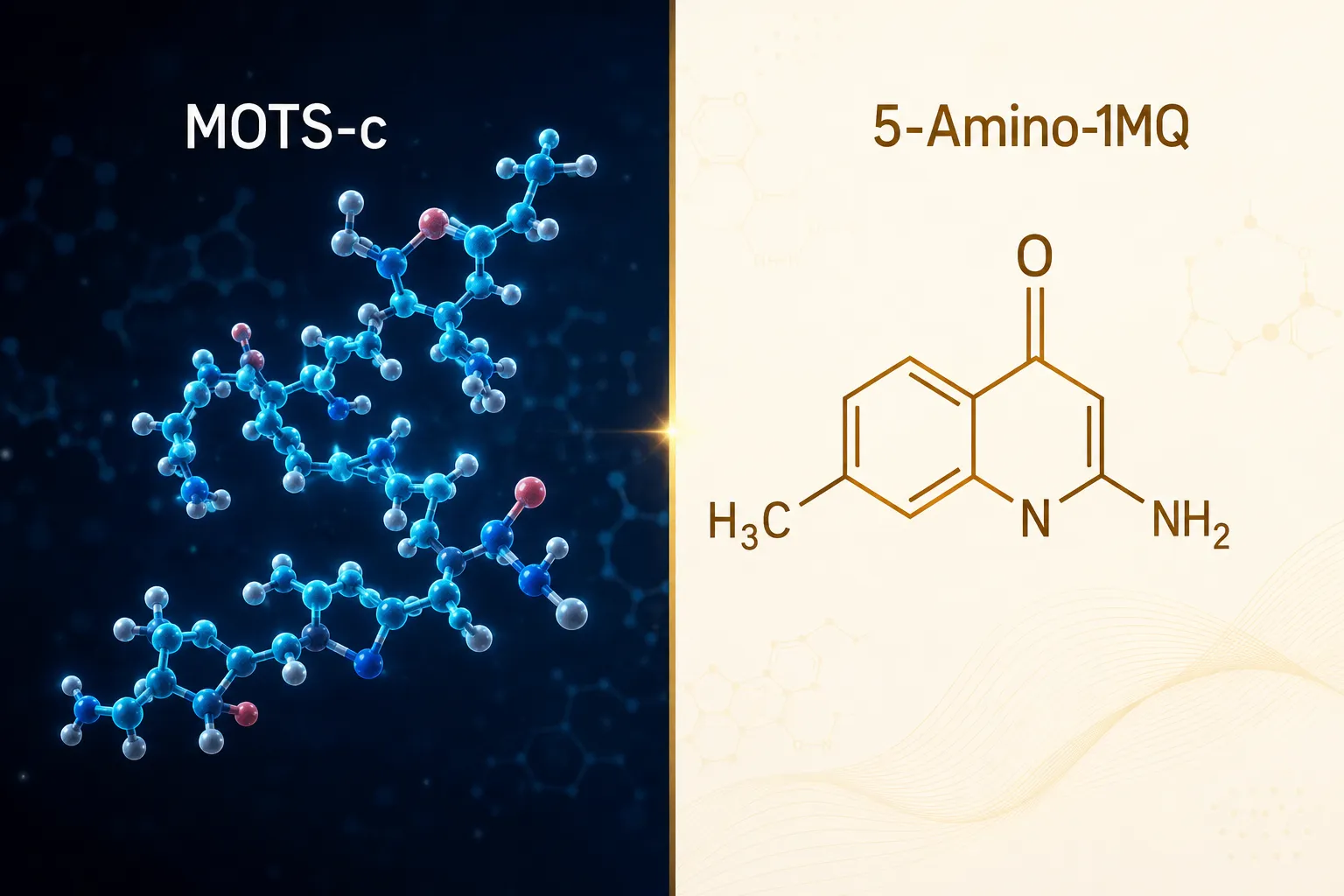
MOTS-c (Mitochondrial Open Reading Frame of the 12S rRNA-c) is a 16-amino-acid peptide encoded within the 12S rRNA gene of mitochondrial DNA. Its discovery in 2015 by Lee et al. established a new class of signaling molecules: mitochondria-derived peptides (MDPs).

Key mechanistic points:

  • AMPK activation: MOTS-c translocates to the nucleus under metabolic stress and activates AMPK, mirroring the energy-sensing role that classic AMPK activators (e.g., AICAR, metformin) fulfill.
  • Folate cycle interference: MOTS-c inhibits the folate cycle and de novo purine synthesis, which raises AMP levels and secondarily activates AMPK, a unique upstream mechanism not shared by conventional AMPK agonists.
  • Metabolic homeostasis: Preclinical studies show MOTS-c improves insulin sensitivity and reduces diet-induced obesity in mouse models, consistent with enhanced mitochondrial substrate utilization.

Compared to the classic PGC-1alpha pathway, MOTS-c does not directly upregulate mitochondrial biogenesis genes. Instead, it optimizes existing mitochondrial function by shifting cellular metabolism toward fatty acid oxidation and away from glucose dependence.

5-Amino-1MQ: NAD+ Restoration Through NNMT Inhibition

5-Amino-1-methylquinolinium (5-Amino-1MQ) is a small-molecule inhibitor of nicotinamide N-methyltransferase (NNMT), an enzyme that consumes S-adenosylmethionine (SAM) and converts nicotinamide into 1-methylnicotinamide, effectively sequestering NAD+ precursors away from biosynthetic use.

By blocking NNMT, 5-Amino-1MQ:

  • Increases intracellular nicotinamide availability, boosting NAD+ biosynthesis via the salvage pathway.
  • Elevates SIRT1 and SIRT3 activity, which deacetylates and activates PGC-1alpha, linking this compound directly to mitochondrial biogenesis.
  • Reduces adipogenesis in preclinical models, an effect attributed to improved mitochondrial energy expenditure.

Unlike direct NAD+ precursors (NMN, NR), 5-Amino-1MQ acts upstream by preventing precursor loss rather than supplying additional substrate. This positions it at a distinct node within NAD+ metabolism.

Comparing Peptides and Polypeptides in Mitochondrial Biology: MOTS-c, 5-Amino-1MQ, and SS-31

Comparing Peptides and Polypeptides in Mitochondrial Biology: MOTS-c, 5-Amino-1MQ, and SS-31

Understanding peptides and polypeptides in mitochondrial biology: how MOTS-c and 5-Amino-1MQ compare with classic mitochondrial pathways becomes clearer when these agents are placed alongside SS-31 (elamipretide), a well-studied mitochondria-targeted peptide. Researchers exploring SS-31 mitochondrial dynamics will recognize that SS-31 operates primarily at the inner mitochondrial membrane, stabilizing cardiolipin and protecting the structural integrity of ETC complexes, a mechanism distinct from both MOTS-c and 5-Amino-1MQ.

Agent Primary Target Classic Pathway Node
MOTS-c AMPK activation Energy sensing / substrate utilization
5-Amino-1MQ NNMT inhibition NAD+ metabolism / biogenesis
SS-31 Cardiolipin stabilization ETC structural integrity

Those researching SS-31 elamipretide will find that its cardiolipin-targeting mechanism complements MOTS-c's metabolic signaling role rather than overlapping with it. Similarly, resources on SS-31 mechanism and research provide useful context for understanding how structural mitochondrial peptides differ from signaling MDPs.

For researchers building a broader peptide research framework, reviewing research-only peptides and quality peptides sourcing considerations remains an essential step before experimental design. Aging-focused research programs may also find value in the aging support product category when planning compound selection.

Where the Mechanisms Converge

Despite their distinct entry points, all three agents ultimately support mitochondrial efficiency:

  • MOTS-c and 5-Amino-1MQ both feed into PGC-1alpha activity, MOTS-c via AMPK upstream signaling and 5-Amino-1MQ via SIRT1 activation downstream of NAD+.
  • SS-31 preserves the structural platform (cristae morphology, cardiolipin integrity) on which OXPHOS complexes operate.
  • Together, they represent complementary layers: structural protection, energy sensing, and metabolic substrate management.

Conclusion

Mapping peptides and polypeptides in mitochondrial biology: how MOTS-c and 5-Amino-1MQ compare with classic mitochondrial pathways reveals a layered picture. MOTS-c engages the AMPK energy-sensing node through a novel folate-cycle mechanism, while 5-Amino-1MQ restores NAD+ precursor flux by blocking NNMT, each intersecting canonical pathways at a different control point. Neither replaces the foundational biology of OXPHOS or PGC-1alpha-driven biogenesis; both modulate it.

Actionable next steps for researchers in 2026:

  1. Establish baseline NAD+ and AMPK activity measurements in your model system before introducing either compound.
  2. Consider whether structural mitochondrial protection (SS-31) should precede or accompany metabolic signaling interventions.
  3. Review current preclinical literature on MOTS-c dosing windows and 5-Amino-1MQ selectivity profiles before experimental design.
  4. Source compounds from verified, tested suppliers and document purity certificates for all research-grade materials.

The intersection of mitochondrial peptide biology with classic energy pathways is one of the most promising areas in cellular research today, and understanding where each tool fits within that map is the first step toward rigorous, reproducible science.


References

  • Lee, C., et al. (2015). "The mitochondrial-derived peptide MOTS-c promotes metabolic homeostasis and reduces obesity and insulin resistance." Cell Metabolism, 21(3), 443-454.
  • Neinast, M., et al. (2019). "Quantitative Analysis of the Whole-Body Metabolic Fate of Branched-Chain Amino Acids." Cell Metabolism, 29(2), 417-429.
  • Hong, S., et al. (2021). "NAD+ metabolism and its roles in cellular processes during ageing." Nature Reviews Molecular Cell Biology, 22(2), 119-141.
  • Bhullar, K. S., & Hubbard, B. P. (2015). "Lifespan and healthspan extension by resveratrol." Biochimica et Biophysica Acta, 1852(6), 1209-1218.
  • Szeto, H. H. (2014). "First-in-class cardiolipin-protective compound as a therapeutic agent to restore mitochondrial bioenergetics." British Journal of Pharmacology, 171(8), 2029-2050.
  • Eckert, M. A., et al. (2019). "Proteomics reveals NNMT as a master metabolic regulator of cancer-associated fibroblasts." Nature, 569(7758), 723-728.
https://www.puretestedpeptides.com/wp-content/uploads/2026/08/peptides-and-polypeptides-in-mitochondrial-biology-how-mots-c-and-5-amino-1mq-co.webp 1024 1536 https://www.puretestedpeptides.com/wp-content/uploads/2026/01/buy-peptides-online.jpg 2026-08-01 13:05:102026-08-01 13:05:10Peptides and Polypeptides in Mitochondrial Biology: How MOTS-c and 5-Amino-1MQ Compare With Classic Mitochondrial Pathways

Tag Archive for: oxidative phosphorylation

The Role of Adenosine Triphosphate (ATP) in Peptide-Mediated Cellular Energy Research

The Role of Adenosine Triphosphate (ATP) in Peptide-Mediated Cellular Energy Research

July 1, 2026/0 Comments/by Pure Tested

Every cell in the human body runs on a molecule so fundamental that without it, life stops within seconds. Adenosine triphosphate (ATP) powers nearly every biological process, yet researchers are only beginning to understand how peptides actively shape its production, regulation, and distribution at the cellular level. The role of adenosine triphosphate (ATP) in peptide-mediated cellular energy research has emerged as one of the most productive areas in modern biochemistry, connecting mitochondrial biology to therapeutic peptide science in ways that were not fully appreciated even a decade ago.

Key Takeaways

  • ATP is the primary energy currency of the cell, produced mainly within mitochondria through oxidative phosphorylation.
  • Specific peptides, including MOTS-c, directly influence ATP synthesis by interacting with mitochondrial pathways.
  • ATP also acts as a signaling molecule, not just a fuel source, affecting peptide behavior and cellular communication.
  • Research into peptide-ATP interactions is opening new directions in longevity, metabolic health, and tissue repair science.
  • Understanding this relationship helps researchers design more targeted peptide protocols for cellular energy optimization.

Key Takeaways

ATP as the Foundation of Cellular Energy Metabolism

ATP is produced primarily inside the mitochondria through a process called oxidative phosphorylation. The inner mitochondrial membrane houses ATP synthase complexes that harness the energy from a proton gradient to convert ADP into ATP. This continuous cycle of synthesis and hydrolysis drives muscle contraction, protein synthesis, ion transport, and virtually every other energy-demanding cellular event.

What makes ATP especially relevant to peptide research is its dual role. It functions both as a fuel molecule and as an extracellular signaling agent. When released from cells, ATP activates purinergic receptors, particularly P2 receptors, which regulate tissue responses including inflammation, wound healing, and mechanosensation. Research into mechanosensitive channels such as Piezo1 has shown that ATP release triggered by physical stimuli plays a key role in how tissues adapt to mechanical stress.

Beyond energy transfer, ATP has been shown to suppress the fibrillation of amyloid peptides associated with neurodegenerative conditions such as Alzheimer's disease. This finding positions ATP not merely as a passive fuel but as an active modulator of peptide behavior in biological systems.

Key ATP functions at a glance:

Function Mechanism
Energy transfer Phosphate bond hydrolysis
Cell signaling Purinergic receptor activation
Peptide modulation Amyloid fibrillation suppression
Skin cell regulation Calcium mobilization in keratinocytes

How Peptides Influence the Role of Adenosine Triphosphate (ATP) in Cellular Energy Research

How Peptides Influence the Role of Adenosine Triphosphate (ATP) in Cellular Energy Research

Peptides are not passive bystanders in energy metabolism. Several research-grade peptides interact directly with mitochondrial function and ATP output. Among the most studied is MOTS-c, a mitochondria-derived peptide encoded within mitochondrial DNA. Research on MOTS-c and mitochondrial dynamics shows that this peptide translocates to the nucleus under metabolic stress, where it activates pathways that restore ATP production efficiency.

MOTS-c is particularly notable because it appears to act as a retrograde signal from the mitochondria to the nucleus, coordinating the cell's response to energy deficits. This places it at the center of the peptide-ATP relationship. Research on MOTS-c and metabolic stress responses further supports its role in maintaining mitochondrial homeostasis during oxidative challenge.

Another well-researched peptide in this context is SS-31 (elamipretide). This tetrapeptide targets cardiolipin on the inner mitochondrial membrane, stabilizing the architecture needed for efficient ATP synthase function. Detailed SS-31 mitochondrial research themes document how this peptide reduces mitochondrial membrane potential loss and preserves ATP output under conditions of oxidative stress. Related work on SS-31 mitochondrial dynamics reinforces these findings across multiple tissue models.

GHK-Cu also appears in this research landscape. Studies reviewed in GHK-Cu longevity research themes suggest this copper-binding tripeptide supports mitochondrial gene expression, indirectly supporting ATP production capacity in aging tissue models.


Research Applications and the Broader Significance of ATP-Peptide Interactions

Research Applications and the Broader Significance of ATP-Peptide Interactions

The role of adenosine triphosphate (ATP) in peptide-mediated cellular energy research extends well beyond basic science. Oral ATP supplementation studies have demonstrated measurable improvements in strength, power output, fatigue reduction, and cardiovascular efficiency, suggesting that systemic ATP availability is a modifiable variable in performance and recovery research.

Bioelectronic applications have also emerged. ATPases, the enzymes that hydrolyze ATP, have been integrated into hybrid biological-electronic devices capable of converting chemical energy into electrical signals. Tandem mass spectrometry has advanced understanding of ATPase catalytic mechanisms at the molecular level, enabling more precise research into how peptides modulate these enzymes.

For researchers exploring the intersection of longevity and mitochondrial health, the connection between NAD+ metabolism and ATP synthesis is equally important. Reviewing NAD+ scientific evidence provides context for how upstream cofactors feed into ATP production pathways, and how peptides may amplify those effects.

Additionally, mitochondrial longevity focus research highlights the growing interest in peptides that target mitochondrial biogenesis as a strategy for extending cellular healthspan.


Conclusion

The relationship between ATP and peptide signaling is one of the most consequential areas in current cellular energy research. ATP is not simply a fuel molecule. It is a dynamic regulator of peptide behavior, mitochondrial function, and intercellular communication. Peptides such as MOTS-c and SS-31 demonstrate that targeted molecular interventions can meaningfully influence ATP production, opening research pathways relevant to aging, metabolic disease, and tissue repair.

Actionable next steps for researchers:

  • Review published data on SS-31 and MOTS-c mechanisms before designing mitochondrial energy studies.
  • Consider the interplay between NAD+ pathways and ATP synthesis when evaluating peptide protocols.
  • Examine mechanosensitive ATP release pathways when studying tissue-level peptide effects.
  • Source research-grade peptides from verified suppliers to ensure assay reliability and reproducibility.

Understanding the full scope of ATP's role in peptide-mediated cellular energy research is not optional for serious investigators. It is the foundation upon which meaningful experimental design is built.

https://www.puretestedpeptides.com/wp-content/uploads/2026/07/The-Role-of-Adenosine-Triphosphate-ATP-in-Peptide-Mediated-Cellular-Energy-Research.png 1024 1536 Pure Tested https://www.puretestedpeptides.com/wp-content/uploads/2026/01/buy-peptides-online.jpg Pure Tested2026-07-01 13:03:522026-07-20 15:01:18The Role of Adenosine Triphosphate (ATP) in Peptide-Mediated Cellular Energy Research
×

Helpful Links

  • My account
  • Cart
  • Checkout
  • Refund and Returns Policy
  • Privacy Policy
  • SMS Privacy Policy
  • Login
  • My Account
  • Logout

USA Made Lab Tested Peptides

All products are sold for research, laboratory, or analytical purposes only, and are not for human consumption


Pure Tested Peptides is a chemical supplier. Pure Tested Peptides is not a compounding / chemical compounding facility as defined under 503A of the Federal Food, Drug, and Cosmetic act. Pure Tested Peptides is not an outsourcing facility as defined under 503B of the Federal Food, Drug, and Cosmetic act.

The statements made within this website have not been evaluated by the US Food and Drug Administration. The products we offer are not intended to diagnose, treat, cure or prevent any disease.

Human/Animal Consumption Prohibited. Laboratory/In-Vitro Experimental Use Only

Scroll to top Scroll to top Scroll to top