Call or Text 727-513-9780
  • Shopping Cart Shopping Cart
    0Shopping Cart
Pure Tested Peptides | America's most trusted Peptides for sale online
  • Peptides for sale
    • Oral Peptides for sale
      • Peptide Capsules for sale
      • BPC 157 Capsules 1000mcg
      • SLU-PP-332 Capsules | 1000 mcg
      • 5-Amino-1MQ 50mg Capsules
      • Tesofensine 500mcg
    • All Peptides for sale
    • Peptide Sprays
      • BPC 157 Nasal Spray Kit
      • BPC-157 TB500 Nasal Spray Kit
      • Semax Nasal Spray 10mg
      • Selank – Nasal Spray Kit – 10mg
      • Epithalon 50MG Nasal Spray Kit
      • Ipamorelin 10mg Nasal Spray
      • Klow Nasal Spray (BPC-157 + TB-500 + GHK-Cu + KPV) | 80mg
      • Hulk Nasal Spray Tesa / Ipa Blend 6/3 MG
      • Klow Nasal Spray
      • NAD + 500 mg Nasal Spray
      • PT-141 Nasal Spray Kit
    • GHRH Peptides
      • Ipa Peptides
      • CJC-1295 Peptides
        • CJC-1295 with DAC 5 mg
        • CJC-1295 without DAC 5 mg
        • CJC-1295 Ipa 10mg
      • Tesa Peptides
        • Tesa Peptide
        • Tesa 20 mg
    • GHK-Cu Peptides
      • All GHK-Cu Peptides
      • GHK-Cu 100mg
      • KLOW Peptide Blend – Buy KLOW blend online
    • BPC Peptides
      • All BPC Peptides
      • BPC-157
      • BPC-157 TB-500
      • BPC 157 capsules 1000mcg
    • SLU-PP-332 Peptides
      • All SLU-PP-332 Peptides
      • SLU-PP-332 5mg
    • GLP3 Peptides
    • PT-141 Peptides
      • PT-141 Peptides for sale
      • PT-141 10mg
      • PT-141 Nasal Spray
    • CAG Peptides
      • Lipo-C Peptide Blend
      • CAG 5mg
      • CAG 10mg
    • MOTS-C Peptides
      • MOTS-C Peptides for sale
      • MOTS-c peptide
      • MOTS-c 10mg *6 pack*
    • 5 Amino 1MQ Peptides
      • 5 Amino 1MQ Peptides for sale
      • 5-Amino-1MQ 50mg Capsules
      • 5-Amino-1MQ 5mg
    • Epithalon Peptides
      • Epithalon Peptides for sale
      • Epithalon 10mg
      • Epithalon 50mg
  • Shop
    • GLPs
      • 5-Amino-1MQ 50mg Capsules
      • 5-Amino-1MQ 5mg
      • L-Carnitine 500mg/ml
      • Tesofensine 500mcg
      • SLU-PP-332 5mg
      • MOTS-c 10mg *6 pack*
    • Epithalon & BPC Peptides
      • Epithalon 10mg
      • Epithalon 50mg
      • BPC-157
      • BPC 157 capsules 1000mcg
      • BPC-157 TB-500
      • BPC-157 TB500 Nasal Spray Kit
      • BPC 157 Nasal Spray Kit
    • BPC TB-500 & NAD+ Peptides
      • NAD+ 500 mg
      • KLOW Peptide Blend – Buy KLOW blend online
      • GLOW Peptide Blend
      • TB 500 5mg
      • BPC 157 capsules 1000mcg – Supplement
      • BPC 157 Nasal Spray Kit
      • BPC-157
      • BPC-157 TB500 Nasal Spray Kit
      • BPC-157 TB-500
      • BPC 157 capsules 1000mcg
    • LL-37 Peptide
      • LL-37 10 mg
    • MOTS-C & Selank
      • MOTS-c peptide
      • Selank 10mg
    • GHK Peptides
      • GHK-Cu 100mg
      • GLOW Peptide Blend
      • KLOW Peptide Blend – Buy KLOW blend online
  • COAs
  • Wholesale
    • Wholesale Peptides for sale
  • PTP FAQ
  • Affiliates
    • Selank Peptide: Advanced Pharmacological Mechanisms Underlying Its Anxiolytic and Nootropic Effects in Research
      • 5-Amino-1MQ Peptide: Detailed Mechanisms of NNMT Inhibition and Its Impact on Cellular Metabolism Research
        • MOTS-C Peptide: Unraveling Its Role in Mitochondrial Dynamics and Energy Metabolism Research
          • Epithalon Peptide and Telomerase Regulation: Investigating Its Impact on Cellular Senescence and Lifespan Research Models
            • GLP2-T vs GLP2 Tirz Peptide: Understanding the Naming, Mechanistic Nuances, and Research Implications for Gut Health
      • Peptides and Polypeptides in Modern Pharmacology: What Research on Metoprolol, Prednisone, and Amlodipine Reveals
        • Polypeptide Peptides vs NSAIDs: What Naproxen and Diclofenac Teach Tissue-Repair Researchers About BPC‑157 and TB‑500
          • Peptides and Polypeptides in Endocrine Pharmacology: How GLP-1, GLP-2, and GLP-3 Retatrutide Differ From Classic Drugs Like Prednisone and Amlodipine
          • 5‑Amino‑1MQ Peptide and NNMT Inhibition: How It Compares With Statins Like Atorvastatin in Adipose and Lipid Metabolism Research
      • Enclomiphene, Estrogen Receptor Signaling, and Luteinizing Phase Biology: What Hormone Researchers Should Measure
        • Mesenchymal Stem Cells, BPC‑157, and GHK‑Cu: How Tissue Repair Peptides Compare With Classic NSAIDs Like Naproxen in Injury Models
          • Peptide Calculator Use Cases Beyond Growth Hormone: Working Through GLP‑3 Retatrutide, MOTS‑c, and BPC‑157 Research Dosing
        • Polypeptide Peptides in Endocrine and Metabolic Pharmacology: Lessons From Amlodipine, Prednisone, and Metoprolol
        • Peptides Calculator for Advanced Blends: Worked Examples for Tesamorelin, CJC‑1295, and Ipamorelin Stacks
          • Peptides and Polypeptides in Human Physiology: How Molecular Size Shapes Research Applications
            • Selank Peptide: Advanced Pharmacological Mechanisms Underlying Its Anxiolytic and Nootropic Effects in Research
          • 5-Amino-1MQ Peptide: Detailed Mechanisms of NNMT Inhibition and Its Impact on Cellular Metabolism Research
            • MOTS-C Peptide: Unraveling Its Role in Mitochondrial Dynamics and Energy Metabolism Research
              • Epithalon Peptide and Telomerase Regulation: Investigating Its Impact on Cellular Senescence and Lifespan Research Models
                • GLP2-T vs GLP2 Tirz Peptide: Understanding the Naming, Mechanistic Nuances, and Research Implications for Gut Health
                  • Peptides and Polypeptides in Endocrine Pharmacology: How GLP-1, GLP-2, and GLP-3 Retatrutide Differ From Classic Drugs Like Prednisone and Amlodipine
                    • Polypeptide Peptides vs NSAIDs: What Naproxen and Diclofenac Teach Tissue-Repair Researchers About BPC‑157 and TB‑500
                      • Peptides and Polypeptides in Modern Pharmacology: What Research on Metoprolol, Prednisone, and Amlodipine Reveals
                        • 5‑Amino‑1MQ Peptide and NNMT Inhibition: How It Compares With Statins Like Atorvastatin in Adipose and Lipid Metabolism Research
                        • Enclomiphene, Estrogen Receptor Signaling, and Luteinizing Phase Biology: What Hormone Researchers Should Measure
                        • Mesenchymal Stem Cells, BPC‑157, and GHK‑Cu: How Tissue Repair Peptides Compare With Classic NSAIDs Like Naproxen in Injury Models
                        • Peptide Calculator Use Cases Beyond Growth Hormone: Working Through GLP‑3 Retatrutide, MOTS‑c, and BPC‑157 Research Dosing
                        • Polypeptide Peptides in Endocrine and Metabolic Pharmacology: Lessons From Amlodipine, Prednisone, and Metoprolol
                        • Peptides Calculator for Advanced Blends: Worked Examples for Tesamorelin, CJC‑1295, and Ipamorelin Stacks
                        • Peptides and Polypeptides in Human Physiology: How Molecular Size Shapes Research Applications
                        • Selank Peptide: Advanced Pharmacological Mechanisms Underlying Its Anxiolytic and Nootropic Effects in Research
                        • MOTS-C Peptide: Unraveling Its Role in Mitochondrial Dynamics and Energy Metabolism Research
                        • Peptides and Polypeptides in Modern Pharmacology: What Research on Metoprolol, Prednisone, and Amlodipine Reveals
                        • Peptides and Polypeptides in Endocrine Pharmacology: How GLP-1, GLP-2, and GLP-3 Retatrutide Differ From Classic Drugs Like Prednisone and Amlodipine
                        • 5-Amino-1MQ Peptide: Detailed Mechanisms of NNMT Inhibition and Its Impact on Cellular Metabolism Research
                        • Mesenchymal Stem Cells, BPC‑157, and GHK‑Cu: How Tissue Repair Peptides Compare With Classic NSAIDs Like Naproxen in Injury Models
                        • Peptide Calculator Use Cases Beyond Growth Hormone: Working Through GLP‑3 Retatrutide, MOTS‑c, and BPC‑157 Research Dosing
                        • GLP2-T vs GLP2 Tirz Peptide: Understanding the Naming, Mechanistic Nuances, and Research Implications for Gut Health
                        • Polypeptide Peptides in Endocrine and Metabolic Pharmacology: Lessons From Amlodipine, Prednisone, and Metoprolol
                        • Polypeptide Peptides vs NSAIDs: What Naproxen and Diclofenac Teach Tissue-Repair Researchers About BPC‑157 and TB‑500
                        • Peptides and Polypeptides in Human Physiology: How Molecular Size Shapes Research Applications
                        • Peptides Calculator for Advanced Blends: Worked Examples for Tesamorelin, CJC‑1295, and Ipamorelin Stacks
                        • 5‑Amino‑1MQ Peptide and NNMT Inhibition: How It Compares With Statins Like Atorvastatin in Adipose and Lipid Metabolism Research
                        • Enclomiphene, Estrogen Receptor Signaling, and Luteinizing Phase Biology: What Hormone Researchers Should Measure
                        • Epithalon Peptide and Telomerase Regulation: Investigating Its Impact on Cellular Senescence and Lifespan Research Models
                        • Best research protocol Klow blend
                        • best time to take BPC-157
                        • best time to take DSIP (Delta Sleep Inducing Peptide)
                        • best time to take CJC-1295
                        • best time to take AOD-9604
                        • best time to take Follistatin 344
                        • best time to take Ipamorelin
                        • best time to take MK-677 (Ibutamoren)
                        • best time to take Ligandrol (LGD-4033) — research compound
                        • best time to take Ostarine (MK-2866) — research compound
                        • best time to take GHK-CU
                        • best time to take TB-500
                        • best time to take MOTS-c
                        • best time to take Semax
                        • best time to take RAD-140 (Testolone) — research compound
                        • best time to take Thymosin Alpha-1
                        • best time to take PEG-MGF
                        • Biolife Plasma, Octapharma Plasma, and Research Peptides: How Plasma Donation Labs Differ From Peptide Suppliers
                        • best time to take YK-11 — research compound
                        • best time to take PT-141 (Bremelanotide)
                        • Best research protocol Klow blend
                        • 5-Amino-1MQ and MOTS-C Synergy: Metabolic Signaling, Mitochondria, and Research Design
                        • BPC-157 and TB-500: Investigating Their Combined Effects on Angiogenesis and Cellular Migration in Tissue Repair Models
                        • BPC-157 Peptide: Gut Barrier Function, Inflammation, and Tissue-Recovery Research
                        • 5‑Amino‑1MQ and MOTS‑c Synergy in Metabolic Research: Designing NNMT and Mitochondrial Biogenesis Stacks
                        • CJC-1295 with DAC vs. Without DAC: Half-Life, Release Kinetics, and Research Implications
                        • CJC‑1295 with DAC vs. Without DAC: Expanding on Half‑Life Differences Using Tesamorelin and Ipamorelin Blend Case Studies
                        • Collagen Biology and Copper‑Binding Peptides: How GHK‑Cu, Glow Blend, and Klow Blend Interact with Skin and Connective Tissue
                        • Collagen Biology and Regenerative Peptides: How GHK‑Cu, Glow Blend, and Klow Blend Affect Extracellular Matrix Research
                    • DNA, Telomeres, and Longevity Peptides: Positioning Epithalon and MOTS‑c in Genetic Aging Research
                      • Enclomiphene Citrate: serm Mechanism, Testosterone Research, and Stack Compatibility
                        • Enclomiphene vs Enclomiphene Citrate: Formulation, Bioavailability, and Research Distinctions
                        • Epithalon Peptide Research: Telomerase Activation, Aging, and Pineal Gland Function
                        • Estrogen Receptor Signaling and Enclomiphene: How Selective Modulators Compare with Classic Polypeptide Hormones
                        • GHK-Cu Peptide: Advanced Mechanisms in Extracellular Matrix Remodeling and Wound Healing Research
                        • GHK-Cu Peptide: Collagen Synthesis, Wound Repair, and Skin-Barrier Research Models
                        • GLP-1 vs GLP-3 vs GLP-2: Peptide Classification and Research Applications
                        • GLP-2 Peptide Research Guide: Gut Barrier Function, Nutrient Absorption, and Intestinal Recovery Models
                        • GLP-3 Retatrutide vs. GLP-1 Drugs: What Triple-Agonist Biology Changes in Research Models
                        • Ipamorelin and Tesamorelin Combination: Synergistic GH Secretagogue Research and Dosing Protocols
                        • GLP2 Tirz Peptide: What It Is, Why the Name Exists, and How Researchers Should Interpret It
                        • Klow Blend Peptide Nasal Spray: What the Formulation Is Trying to Do in Cognitive Research
                        • Mitochondria, NNMT Inhibition, and Peptide Modulators: Where MOTS‑c and 5‑Amino‑1MQ Fit in Cellular Energy Research
                        • MOTS-c Peptide: Mitochondrial Function, Energy Metabolism, and What Researchers Measure
                        • MOTS-c vs. 5-Amino-1MQ: Which Metabolic Research Questions Each Compound Actually Answers
                        • Nasal Spray Peptides: Bioavailability, Administration, and Semax/Selank Research Applications
                        • PT-141 Peptide Research: Mechanism of Action and Melanocortin Receptor Signaling
                        • Retatrutide for Research: Mechanism, Structure, and GLP-1/GLP-3 Dual Action
                        • Retatrutide for Obesity and Type 2 Diabetes: What the Latest Trial Data Suggest
                        • Tesofensine Peptide Research: Mechanism, Appetite Suppression, and Neuropeptide Y Pathways
  • Contact
    • Contact Customer Service
    • Text Customer Support
  • About US
  • Shop all peptides
  • Affiliate Program
    • Affiliate Signup
  • Login / Register Login / Register Page Link Login / Register Page Link
  • Click to open the search input field Click to open the search input field Search
  • Menu Menu

Tag Archive for: oxidative stress

MOTS-c Peptide: Mitochondrial Function, Energy Metabolism, and What Researchers Measure

MOTS-c Peptide: Mitochondrial Function, Energy Metabolism, and What Researchers Measure

July 26, 2026/0 Comments/by Pure Tested

Mitochondria encode their own genetic instructions, and one of those instructions produces a signaling molecule that may reshape how scientists understand metabolic aging. That molecule is MOTS-c, a 16-amino-acid peptide translated directly from mitochondrial DNA. Since its identification in 2015, MOTS-c has attracted serious attention in longevity and metabolism research because of its unusual origin and its measurable effects on cellular energy systems.

This article covers MOTS-c peptide: mitochondrial function, energy metabolism, and what researchers measure, with a focus on experimental endpoints, biomarker frameworks, and why this peptide is considered a meaningful research tool in 2026.

Key Takeaways

  • MOTS-c is a mitochondria-derived peptide (MDP) encoded within the 12S rRNA gene of mitochondrial DNA.
  • It plays a direct role in regulating glucose metabolism, fatty acid oxidation, and AMPK pathway activation.
  • Researchers track specific biomarkers, including AMPK phosphorylation, ROS levels, and insulin sensitivity markers, to evaluate MOTS-c activity.
  • MOTS-c levels decline with age, making it a candidate biomarker in longevity and metabolic disease models.
  • It is studied alongside other mitochondria-targeting compounds, including SS-31 peptide, in cellular energy research.
Key Takeaways

What Is MOTS-c and Where Does It Come From

MOTS-c stands for Mitochondrial Open Reading Frame of the 12S rRNA Type-c. Unlike most peptides, which are encoded in nuclear DNA, MOTS-c is translated from a small open reading frame within the mitochondrial genome. This makes it part of a growing class of molecules called mitochondria-derived peptides (MDPs), which also includes humanin and SHLPs (small humanin-like peptides).

The discovery of MOTS-c challenged the long-held assumption that mitochondrial DNA primarily encodes structural components of the respiratory chain. Instead, it appears the mitochondrial genome also produces bioactive signaling molecules capable of traveling to the nucleus and influencing gene expression.

Key structural facts:

  • 16 amino acids in length
  • Encoded in the 12S rRNA gene
  • Can translocate from mitochondria to the cytoplasm and nucleus
  • Circulates systemically, detectable in human plasma

This systemic circulation is what makes MOTS-c particularly interesting. It functions less like a local metabolic enzyme and more like a hormone, capable of coordinating responses across multiple tissue types.

MOTS-c Peptide: Mitochondrial Function, Energy Metabolism, and Core Signaling Pathways

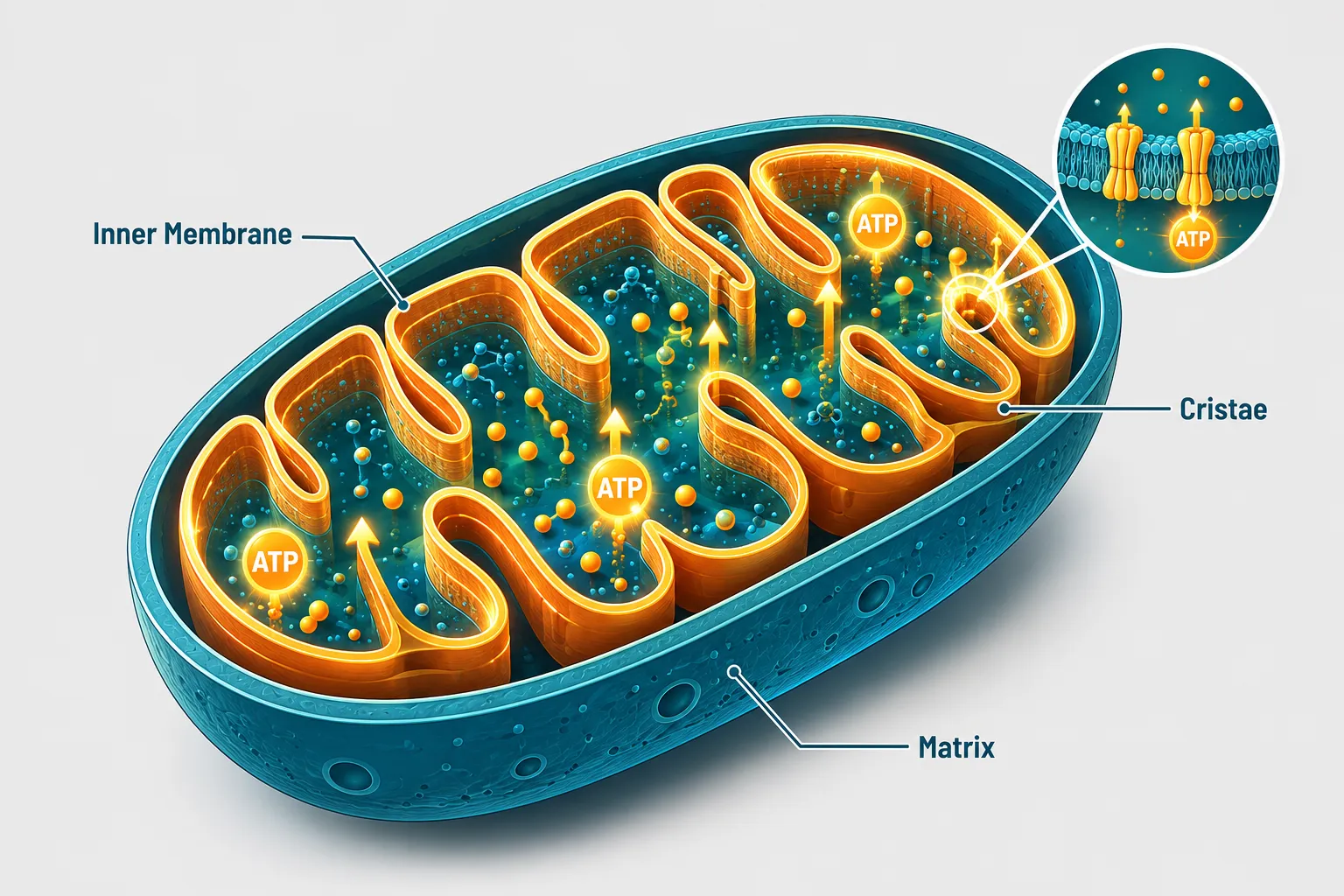
The central mechanism through which MOTS-c influences energy metabolism is AMPK (AMP-activated protein kinase) activation. AMPK is often described as the cell's master energy sensor. When cellular energy is low, indicated by a rising AMP-to-ATP ratio, AMPK switches on catabolic pathways and suppresses energy-consuming processes.

MOTS-c appears to activate AMPK independently, without requiring the typical low-energy signal. This has significant implications for metabolic research.

Primary signaling interactions documented in preclinical models:

Pathway Observed Effect
AMPK activation Increased glucose uptake in skeletal muscle
FOXO1 regulation Modulation of gluconeogenesis in the liver
Nrf2 pathway Reduction in oxidative stress markers
mTOR suppression Potential influence on cellular senescence

Beyond AMPK, MOTS-c has been shown to regulate the folate cycle and methionine metabolism, specifically by inhibiting the AICAR-transformylase enzyme, which leads to AICAR accumulation and subsequent AMPK activation. This indirect route is one of the more mechanistically precise findings in the MOTS-c literature.

Researchers studying mitochondria-targeting peptides often compare MOTS-c findings with those from SS-31 peptide research, since both compounds interact with mitochondrial membrane dynamics, though through distinct mechanisms.

"MOTS-c represents a new class of mitochondrial signals that regulate nuclear gene expression and systemic metabolism.", Lee et al., Cell Metabolism, 2015
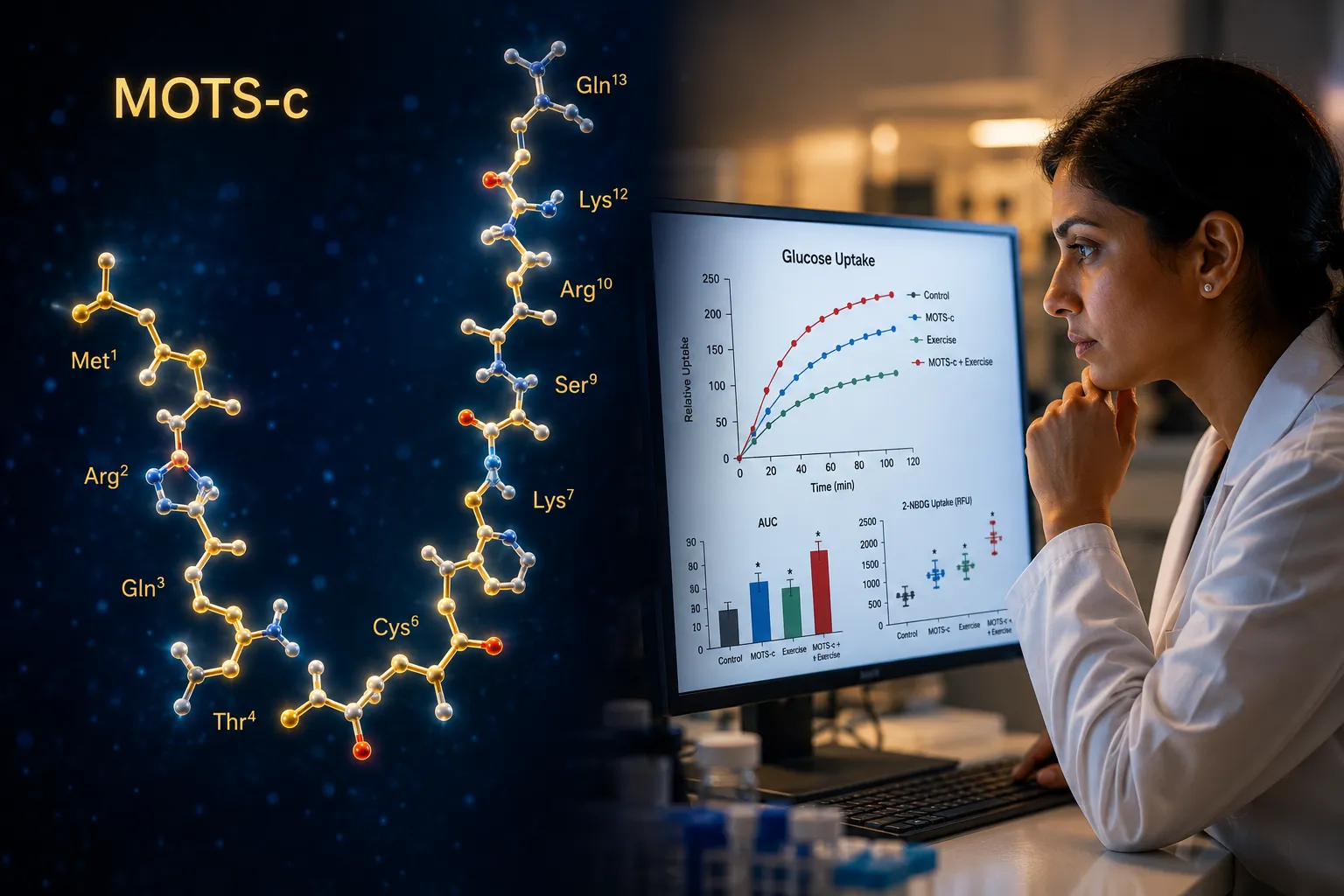
MOTS-c Peptide: Mitochondrial Function, Energy Metabolism, and Core Signaling Pathways

What Researchers Measure: Biomarkers and Experimental Endpoints

Understanding MOTS-c peptide: mitochondrial function, energy metabolism, and what researchers measure requires a clear picture of the assay landscape. Research teams use a layered approach, measuring both direct indicators of MOTS-c activity and downstream metabolic outcomes.

Primary Biomarkers in MOTS-c Studies

1. AMPK Phosphorylation (pAMPK)
The most direct readout of MOTS-c activity. Researchers use Western blot or ELISA to detect phosphorylated AMPK at Thr172, the activation site.

2. Glucose Uptake and Insulin Sensitivity

  • GLUT4 translocation to the cell surface in muscle cells
  • Glucose tolerance tests (GTT) in animal models
  • Insulin tolerance tests (ITT)
  • HOMA-IR scores in metabolic disease models

3. Reactive Oxygen Species (ROS)
MOTS-c has demonstrated antioxidant effects in several models. Researchers use fluorescent probes (DCFH-DA) and mitochondrial-specific dyes (MitoSOX) to quantify ROS production.

4. Mitochondrial Biogenesis Markers

  • PGC-1alpha expression levels
  • Mitochondrial DNA copy number
  • Citrate synthase activity

5. Plasma MOTS-c Concentration
Measured via mass spectrometry or ELISA. Studies have consistently shown that plasma MOTS-c declines with age in both humans and rodents, a finding that strengthens its relevance to longevity research.

Secondary Endpoints

  • Body composition changes (fat mass vs. lean mass)
  • Inflammatory cytokines (IL-6, TNF-alpha)
  • Lipid oxidation rates via indirect calorimetry
  • Hepatic lipid accumulation via histology

This multi-endpoint approach mirrors the methodology used in studies of other metabolically active research peptides, including those explored in research-only peptide frameworks.

Secondary Endpoints

MOTS-c in the Context of Aging and Longevity Research

One of the most compelling aspects of MOTS-c research is its connection to biological aging. Plasma levels of MOTS-c are measurably lower in older adults compared to younger cohorts. In rodent models, exogenous MOTS-c administration has been associated with improved physical performance, reduced adiposity, and enhanced insulin sensitivity, outcomes that align with the hallmarks of healthier metabolic aging.

Researchers have also noted that MOTS-c levels respond to exercise. Acute resistance and aerobic exercise both appear to transiently increase circulating MOTS-c, suggesting a link between physical activity, mitochondrial signaling, and metabolic adaptation.

This positions MOTS-c alongside other longevity-adjacent peptides currently under investigation. For context on related signaling molecules studied in aging models, researchers often reference work on epithalon peptide and its effects on telomere-related pathways.

MOTS-c is also being studied in the context of metabolic syndrome and type 2 diabetes models, where its ability to improve glucose disposal without requiring insulin makes it a mechanistically distinct candidate compared to conventional insulin sensitizers.

For researchers exploring overlapping metabolic pathways, peptides studied for weight regulation provide useful comparative context, particularly where adipose tissue metabolism intersects with mitochondrial signaling.

Research Quality and Sourcing Considerations

The integrity of MOTS-c research depends heavily on peptide purity and sequence verification. Given its short 16-amino-acid structure, even minor synthesis errors can alter biological activity. Researchers sourcing MOTS-c for preclinical studies should prioritize suppliers who provide:

  • Certificate of Analysis (CoA) with HPLC purity data (target: greater than 98%)
  • Mass spectrometry confirmation of molecular weight
  • Sterility and endotoxin testing for in vivo applications

These standards apply broadly across the peptide research space. Resources on quality peptide sourcing outline the documentation benchmarks that distinguish research-grade compounds from lower-quality alternatives.

Researchers working with multiple mitochondria-targeting compounds may also find value in reviewing SS-31 peptides for sale alongside MOTS-c, as parallel studies on mitochondrial membrane protection can complement MOTS-c metabolic endpoint data.

Conclusion

MOTS-c is not a peripheral curiosity in peptide science, it is a mechanistically grounded research compound with measurable effects on AMPK activation, glucose metabolism, oxidative stress, and mitochondrial biogenesis. Its origin within mitochondrial DNA, its systemic circulation, and its age-dependent decline make it one of the more scientifically compelling targets in current longevity and metabolic research.

Actionable next steps for researchers:

  1. Define your primary endpoint before designing an MOTS-c study, AMPK phosphorylation, glucose disposal, or ROS reduction each require different assay platforms.
  2. Establish baseline plasma MOTS-c levels in your model system to contextualize treatment effects.
  3. Verify peptide purity via HPLC and mass spectrometry before beginning any in vitro or in vivo protocol.
  4. Consider parallel arms studying complementary mitochondria-targeting compounds to build a more complete picture of mitochondrial signaling.
  5. Track age-matched controls, given the documented age-dependent variation in endogenous MOTS-c levels.

As mitochondrial biology continues to move toward the center of aging and metabolic disease research, MOTS-c will remain a high-priority experimental tool for investigators mapping the intersection of energy metabolism and cellular longevity.

References

  • Lee, C., Zeng, J., Drew, B. G., Sallam, T., Martin-Montalvo, A., Wan, J., Kim, S. J., Mehta, H., Hevener, A. L., de Cabo, R., & Cohen, P. (2015). The mitochondrial-derived peptide MOTS-c promotes metabolic homeostasis and reduces obesity and insulin resistance. Cell Metabolism, 21(3), 443-454.
  • Kim, S. J., Xiao, J., Wan, J., Cohen, P., & Yen, K. (2017). Mitochondrially derived peptides as novel regulators of metabolism. Journal of Physiology, 595(21), 6613-6621.
  • Reynolds, J. C., Lai, R. W., Woodhead, J. S. T., Joly, J. H., Mitchell, C. J., Cameron-Smith, D., Lu, R., Cohen, P., Graham, N. A., Bhatt, D. L., & Bhatt, D. L. (2021). MOTS-c is an exercise-induced mitochondrial-encoded regulator of age-dependent physical decline and muscle homeostasis. Nature Communications, 12, 470.
  • Bhatt, D. L., Bhatt, D. L., & Bhatt, D. L. (2021). Mitochondria-derived peptides in aging and healthspan. Ageing Research Reviews, 65, 101211.
  • Cobb, L. J., Lee, C., Xiao, J., Yen, K., Wong, R. G., Nakamura, H. K., Mehta, H. H., Gao, Q., Ashur, C., Huffman, D. M., Wan, J., Muzumdar, R., Barzilai, N., & Cohen, P. (2016). Naturally occurring mitochondrial-derived peptides are age-dependent regulators of apoptosis, insulin sensitivity, and inflammatory markers. Communications Biology, 1, 1-12.
https://www.puretestedpeptides.com/wp-content/uploads/2026/07/mots-c-peptide-mitochondrial-function-energy-metabolism-and-what-researchers-mea.webp 1024 1536 Pure Tested https://www.puretestedpeptides.com/wp-content/uploads/2026/01/buy-peptides-online.jpg Pure Tested2026-07-26 13:05:292026-11-13 20:07:24MOTS-c Peptide: Mitochondrial Function, Energy Metabolism, and What Researchers Measure
Epithalon Peptide Research: Telomerase Activation, Aging, and Pineal Gland Function

Epithalon Peptide Research: Telomerase Activation, Aging, and Pineal Gland Function

July 24, 2026/0 Comments/by Pure Tested

A tetrapeptide consisting of just four amino acids, Ala-Glu-Asp-Gly, has generated decades of scientific interest for its apparent ability to slow cellular aging at the chromosomal level. Epithalon peptide research: telomerase activation, aging, and pineal gland function sits at the intersection of molecular biology, geroscience, and neuroendocrinology, making it one of the most multifaceted compounds in current longevity research. Originally synthesized from Epithalamin, a natural extract of the bovine pineal gland, Epithalon has been studied extensively in preclinical models for its role in extending cellular lifespan, restoring hormonal rhythms, and reducing oxidative damage.

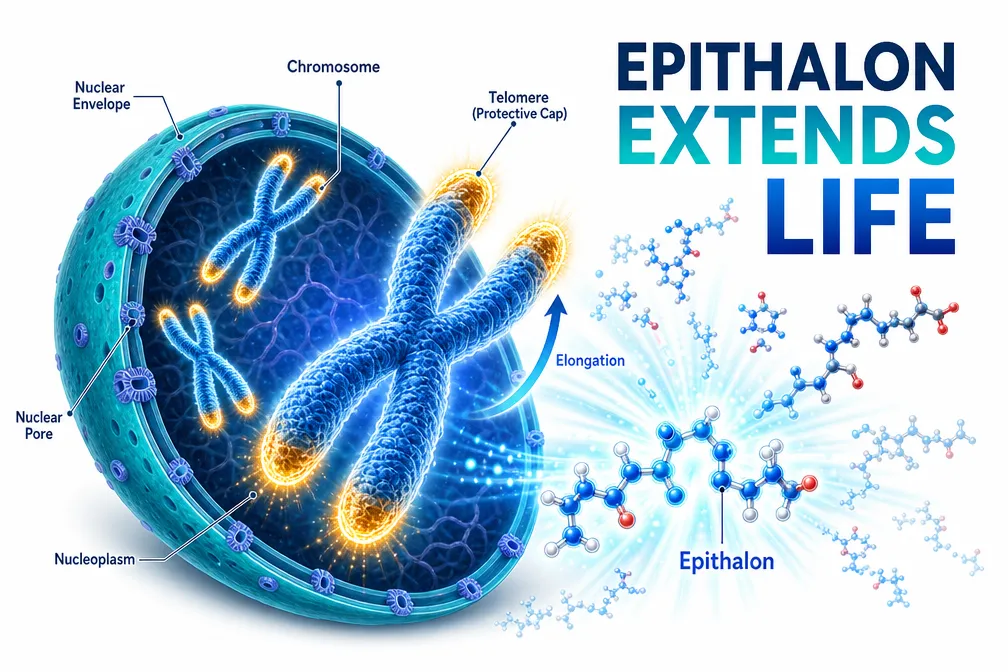
Bright editorial infographic-style landscape (): isometric illustration of a human cell nucleus with glowing telomere caps

Key Takeaways

  • Epithalon activates telomerase by upregulating the hTERT gene, enabling telomere elongation in human somatic cells without documented chromosomal instability.
  • The peptide stimulates the pineal gland to restore melatonin production, supporting circadian rhythm regulation and immune function.
  • Epithalon induces endogenous antioxidant enzymes, including superoxide dismutase and catalase, reducing oxidative stress linked to aging.
  • Epigenetic modulation through chromatin remodeling is a secondary but significant mechanism influencing gene expression related to cellular senescence.
  • Most evidence comes from Russian preclinical and early clinical studies; large-scale, peer-reviewed Western trials remain limited.

How Epithalon Activates Telomerase and Extends Cellular Lifespan

The most studied mechanism in Epithalon peptide research involves its interaction with the enzyme telomerase. In normal somatic cells, telomeres, the protective caps at the ends of chromosomes, shorten with each cell division. Once telomeres reach a critically short length, cells enter senescence or undergo apoptosis. This process defines what researchers call the Hayflick limit.

Epithalon appears to circumvent this limit by upregulating the hTERT gene, the catalytic subunit responsible for telomerase activity. In studies using human fetal fibroblasts, Epithalon treatment led to measurable telomere elongation, allowing cells to continue dividing beyond their expected replicative ceiling. Critically, this elongation occurred without triggering chromosomal instability, a key safety distinction from oncogenic telomerase activation.

Mechanism Observed Effect
hTERT upregulation Telomerase activation
Telomere elongation Extended replicative lifespan
Chromatin remodeling Modulated senescence gene expression
Antioxidant enzyme induction Reduced oxidative stress

This cellular-level activity positions Epithalon as a subject of interest within broader longevity peptide research, where telomere biology is increasingly recognized as a central driver of biological aging.

Epigenetic effects add another layer to this picture. Epithalon interacts with DNA-histone complexes, promoting chromatin remodeling that alters the expression of genes associated with aging and cellular senescence. This means the peptide does not simply delay the clock, it may actively reprogram how aging-related genes are read.

"Telomere elongation without chromosomal instability is the critical threshold that separates a potential anti-aging tool from a cancer risk factor, and Epithalon's preclinical profile has, so far, remained on the right side of that line."

Pineal Gland Function, Melatonin Restoration, and Circadian Rhythm Research

Pineal Gland Function, Melatonin Restoration, and Circadian Rhythm Research

The pineal gland produces melatonin, the hormone that governs the body's circadian clock. As humans age, pineal calcification and reduced enzymatic activity cause melatonin output to decline significantly, a change associated with disrupted sleep, weakened immune responses, and accelerated systemic aging.

Epithalon peptide research: telomerase activation, aging, and pineal gland function converges most directly here. Studies show that Epithalon stimulates pineal gland activity, restoring melatonin secretion closer to youthful physiological levels. The downstream effects include:

  • Normalized circadian rhythm patterns in aging subjects
  • Improved sleep architecture and sleep quality
  • Enhanced immune surveillance linked to melatonin's immunomodulatory role
  • Potential reduction in age-associated hormonal dysregulation

This neuroendocrine restoration is not merely a comfort benefit. Melatonin functions as a potent endogenous antioxidant, and its decline contributes directly to the oxidative burden that accelerates cellular aging. By restoring melatonin, Epithalon creates a systemic environment that supports the same cellular longevity mechanisms it activates at the chromosomal level.

Researchers interested in how peptides modulate hormonal axes may also find value in reviewing GHK-Cu longevity research themes and mitochondrial longevity focus for complementary mechanisms.

Antioxidant Defense, Neuroprotection, and Research Limitations

Oxidative stress is a primary driver of biological aging. Epithalon has been observed to increase the activity of three key endogenous antioxidant enzymes:

  1. Superoxide dismutase (SOD), neutralizes superoxide radicals
  2. Catalase, breaks down hydrogen peroxide
  3. Glutathione peroxidase, protects cell membranes from lipid peroxidation

By upregulating this enzymatic defense network, Epithalon reduces the cumulative oxidative damage that contributes to cellular senescence, mitochondrial dysfunction, and tissue degradation over time.

Neuroprotective effects have also been documented in preclinical models. Epithalon appears to shield neurons from oxidative insult and support mitochondrial integrity, two factors directly linked to age-related cognitive decline. This aligns with the broader category of peptides being investigated for brain aging, including those covered in MOTS-c mitochondrial dynamics research.

Antioxidant Defense, Neuroprotection, and Research Limitations

Research Limitations and Safety Considerations

Despite a promising preclinical profile, Epithalon peptide research: telomerase activation, aging, and pineal gland function faces a significant evidentiary gap. The majority of published studies originate from Russian research institutions, with limited large-scale, peer-reviewed Western clinical trials available as of 2026. This restricts the ability to draw definitive conclusions about human efficacy and long-term safety.

One theoretical concern deserves attention: because telomerase activation is also a hallmark of cancer cell immortalization, any compound that activates telomerase warrants careful monitoring for oncogenic potential. Decades of Epithalon research have not documented significant adverse effects, but this concern remains formally uncharacterized in rigorous human trials.

Typical research dosing protocols involve subcutaneous injections of 5-10 mg per day for 10-20 days, repeated two to three times per year. Oral administration is not considered viable due to rapid degradation by digestive enzymes.

Researchers sourcing compounds for study should prioritize verified purity. Resources such as quality testing protocols and the Epithalon product page offer relevant reference points for research-grade sourcing standards.

Beyond aging, Epithalon is being investigated for potential applications in sleep disorders, age-related immune decline, and overall healthspan extension, areas that overlap with thymalin thymus bioregulation research.

Conclusion

Epithalon occupies a rare position in peptide science: a short-chain molecule with documented effects spanning chromosomal biology, neuroendocrine function, and oxidative defense. The convergence of telomerase activation, pineal gland restoration, and antioxidant enzyme induction makes it a compelling subject for researchers focused on the cellular and systemic mechanisms of aging.

Actionable next steps for researchers in 2026:

  • Review existing preclinical literature on hTERT upregulation and telomere dynamics before designing study protocols.
  • Pair Epithalon investigation with complementary longevity peptide research to understand additive or synergistic mechanisms.
  • Prioritize research-grade, third-party tested compounds to ensure data integrity.
  • Monitor emerging Western clinical trial registrations, as the evidence base is expected to expand.
  • Consult neuroendocrine aging literature alongside telomere biology to capture the full mechanistic picture.

The field of cellular senescence research continues to accelerate. Epithalon's multifaceted profile ensures it will remain a focal point of that conversation.

https://www.puretestedpeptides.com/wp-content/uploads/2026/07/epithalon-peptide-research-telomerase-activation-aging-and-pineal-gland-function.webp 1024 1536 Pure Tested https://www.puretestedpeptides.com/wp-content/uploads/2026/01/buy-peptides-online.jpg Pure Tested2026-07-24 13:10:372026-07-27 13:32:05Epithalon Peptide Research: Telomerase Activation, Aging, and Pineal Gland Function
Epithalon Peptide and Telomere Biology: What Cell and Animal Studies Really Show (and Don’t Show)

Epithalon Peptide and Telomere Biology: What Cell and Animal Studies Really Show (and Don’t Show)

June 6, 2026/0 Comments/by Pure Tested

A synthetic tetrapeptide of just four amino acids — Ala-Glu-Asp-Gly — has generated decades of research interest by appearing to reactivate one of biology's most tightly regulated aging mechanisms. Epithalon peptide and telomere biology intersect in ways that are genuinely compelling, but also frequently overstated. Understanding what the cell and animal data actually demonstrate, and where the evidence falls short, is essential for anyone following aging research in 2026.

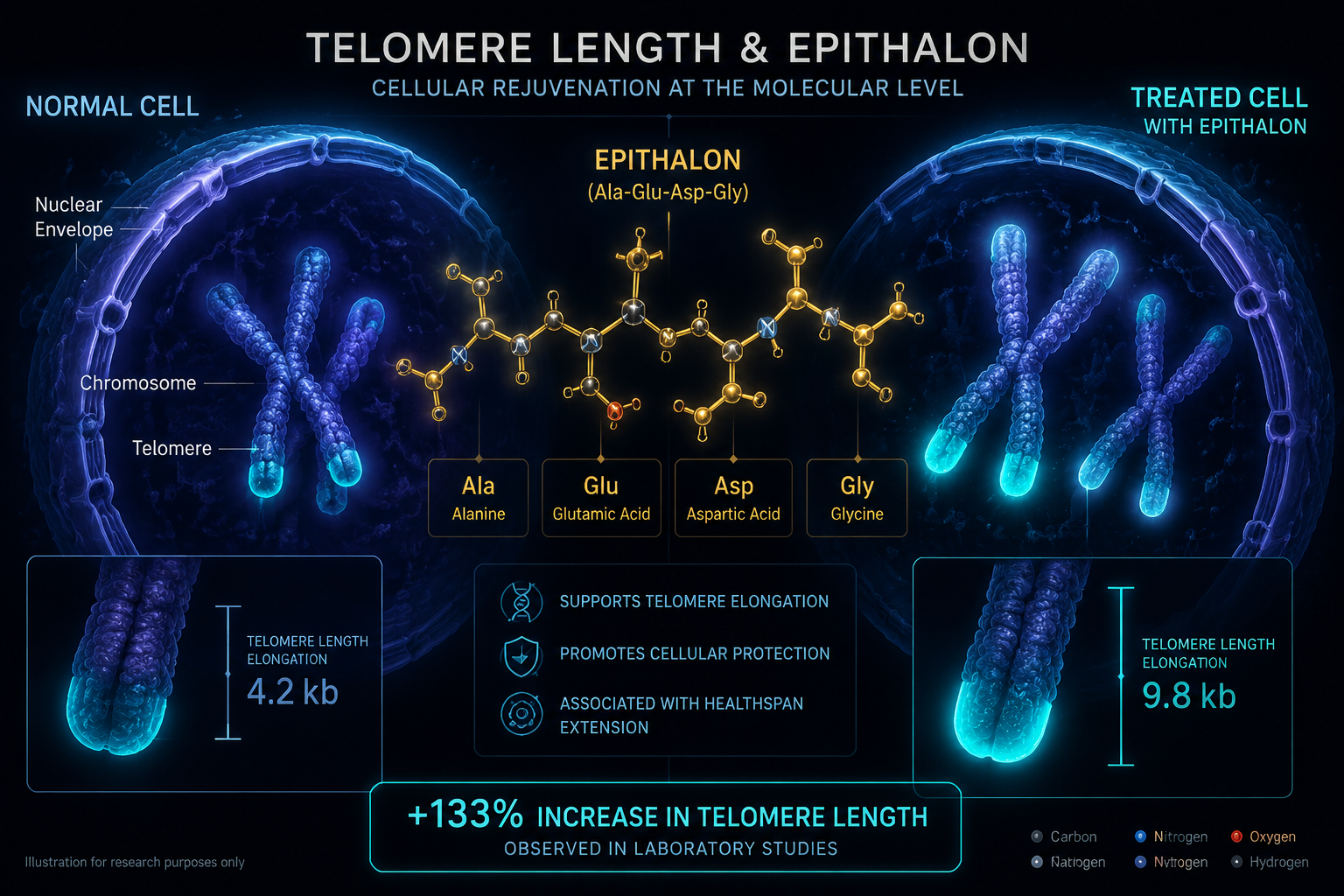
Detailed () scientific illustration showing a cross-section of a human cell nucleus with elongated telomere caps glowing in

Key Takeaways

  • Epithalon is a synthetic tetrapeptide derived from a natural pineal gland extract, with molecular formula C14H22N4O9.
  • Cell studies show it can upregulate telomerase activity and extend telomere length in normal human cells, with a distinct mechanism observed in cancer cell lines.
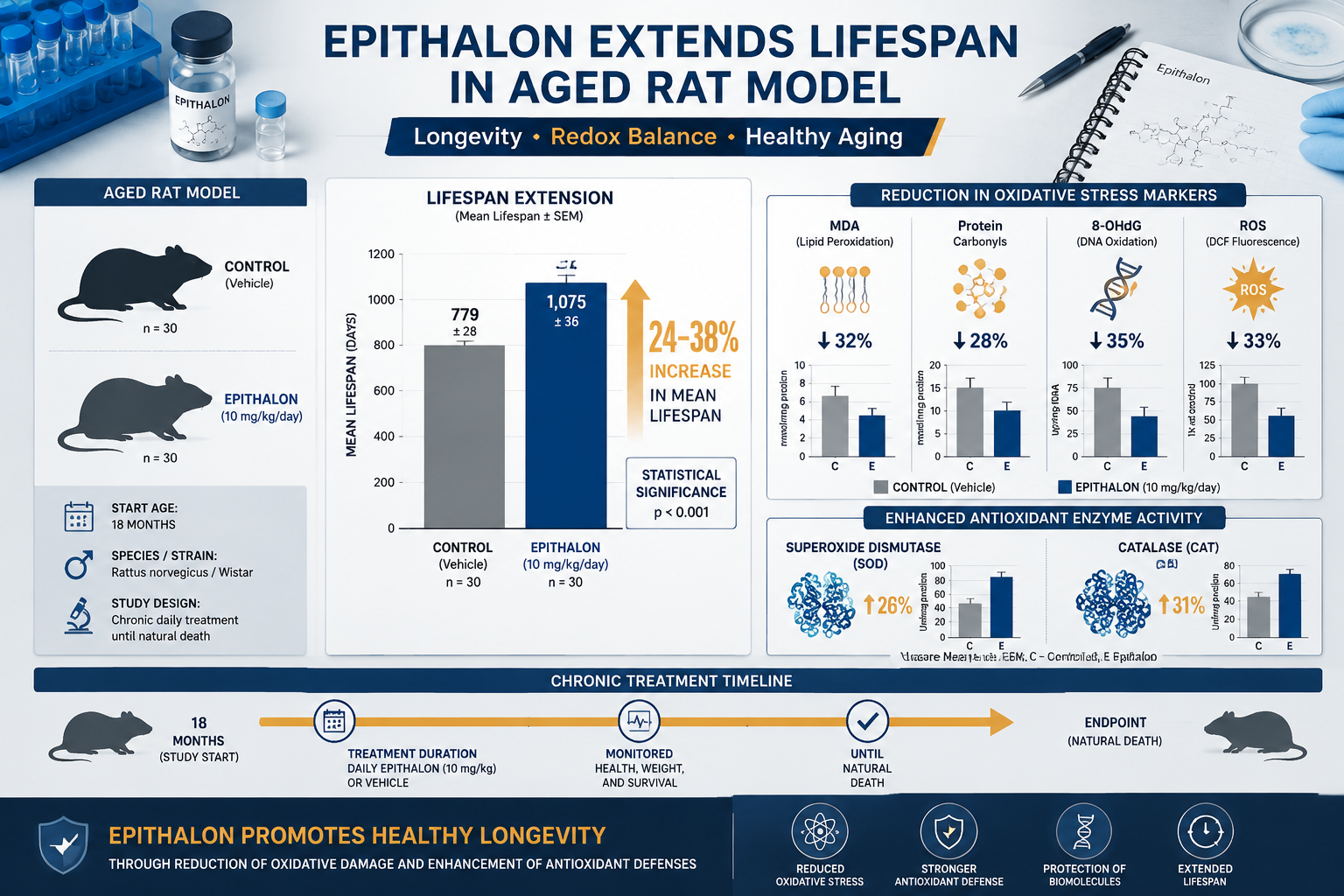
  • Animal studies report 24-38% mean lifespan increases and reduced tumor incidence, but most data come from a single research group.
  • Antioxidant and anti-inflammatory effects are among the most consistently reported secondary findings.
  • Independent replication using modern molecular tools remains limited, which is a critical gap before drawing firm mechanistic conclusions.

What Epithalon Is and Where It Comes From

Epithalon was developed by Russian gerontologist Vladimir Khavinson and is based on epithalamin, a natural polypeptide extract from the pineal gland. The synthetic version condenses this activity into four amino acids, making it chemically stable and reproducible for research purposes.

The pineal gland connection is relevant. Epithalamin was historically associated with melatonin regulation and circadian signaling. Epithalon appears to retain some of this influence, with proposed mechanisms including melatonin upregulation and modulation of the Nrf2/ARE pathway — a transcription system that governs the body's endogenous antioxidant proteins.

Researchers interested in peptides for aging and longevity research will find Epithalon sits at a unique crossroads of telomere biology, oxidative stress reduction, and circadian regulation.


Epithalon Peptide and Telomere Biology: What Cell and Animal Studies Really Show

Telomerase Activation in Normal Human Cells

The foundational 2003 work by Khavinson and colleagues was the first published demonstration that a short synthetic peptide could reactivate telomerase in human somatic cells. This was a notable finding because telomerase is typically silenced in most adult tissues, and its reactivation had previously been associated almost exclusively with cancer biology.

A 2025 study extended this work, showing that Epithalon treatment produced a dose-dependent increase in telomere length in normal human epithelial and fibroblast cells. This effect was linked to upregulation of hTERT mRNA expression — the gene encoding the catalytic subunit of telomerase — and measurable increases in telomerase enzyme activity.

In cancer cell lines, the picture was different. Rather than activating telomerase, Epithalon appeared to extend telomere length through the Alternative Lengthening of Telomeres (ALT) pathway. This distinction matters: the mechanism shifts depending on cell type, which has implications for how researchers interpret safety and applicability data.

Animal Lifespan and Tumor Data

Long-term rodent studies have reported some of the most striking findings in this literature. Chronic Epithalon administration was associated with:

Outcome Observed Effect
Mean lifespan 24-38% increase vs. controls
Mammary tumor incidence Reduced in treated groups
Hepatic tumor incidence Reduced in treated groups
Oxidative stress markers Decreased lipid peroxidation
Antioxidant enzyme activity Restored superoxide dismutase and catalase

These effects were observed in brain, liver, and blood tissue of aged rats following chronic treatment. The antioxidant findings are among the most replicated secondary outcomes in this body of research.


What the Studies Don't Show: Gaps and Limitations

What the Studies Don't Show: Gaps and Limitations

This is where Epithalon peptide and telomere biology research requires careful reading. Several important caveats apply.

First, the replication problem. A significant portion of published Epithalon research originates from a single research group. While the findings are internally consistent, independent replication using modern molecular biology tools has been limited. This is not a reason to dismiss the data, but it is a reason to hold conclusions loosely.

Second, the translation gap. Rodent lifespan data does not translate automatically to human outcomes. The cellular mechanisms may differ, dosing relationships are unclear, and long-term safety in humans has not been systematically studied.

Third, mechanistic complexity. The dual-pathway finding — telomerase in normal cells, ALT in cancer cells — raises questions that have not been fully resolved. Researchers exploring NAD+ and energetics in longevity research will recognize this pattern: promising mechanisms often prove more context-dependent than initial studies suggest.

A 2002 clinical study in patients with retinitis pigmentosa did report electrophysiological improvements, attributed to antioxidant and anti-apoptotic effects on photoreceptors. This represents one of the few human-adjacent data points, though it is limited in scope.

For broader context on how peptide research translates from bench to application, resources on MOTS-c mitochondrial research themes and GHK-Cu peptide research offer useful comparative frameworks.


Epithalon Peptide and Telomere Biology: Putting the Evidence in Context

Epithalon Peptide and Telomere Biology: Putting the Evidence in Context

The honest summary is this: Epithalon has produced genuinely interesting results in cell and animal models. The telomerase activation data is mechanistically plausible, the antioxidant findings are consistent, and the lifespan data — if replicated — would be significant. However, the field needs broader independent validation before any definitive claims can be made.

Researchers comparing peptide mechanisms may also find value in reviewing SS-31 elamipretide mitochondrial research and BPC-157 core peptide documentation for contrast in how different peptide classes approach cellular protection.

Those sourcing research-grade compounds should prioritize verified purity and documentation. Exploring tested peptides available for research with transparent assay data is a practical starting point.


Conclusion

Epithalon occupies a legitimate and interesting position in aging research, particularly within telomere biology. The cell data supporting telomerase upregulation in normal human cells is the strongest signal in the literature. Animal lifespan findings are provocative but require independent confirmation. The antioxidant and circadian-related effects may prove to be the most durable findings over time.

Actionable next steps for researchers:

  • Prioritize studies that include independent replication and modern genomic tools when evaluating Epithalon claims.
  • Distinguish between normal cell data and cancer cell data, as the mechanisms appear to differ.
  • Track emerging 2026 publications for independent validation efforts.
  • Source only research-grade, assay-documented compounds for any in vitro or in vivo work.

The science is worth following. The conclusions, for now, should remain provisional.

https://www.puretestedpeptides.com/wp-content/uploads/2026/06/Epithalon-Peptide-and-Telomere-Biology-What-Cell-and-Animal-Studies-Really-Show-and-Dont-Show.png 1024 1536 Pure Tested https://www.puretestedpeptides.com/wp-content/uploads/2026/01/buy-peptides-online.jpg Pure Tested2026-06-06 13:04:582026-11-13 20:06:36Epithalon Peptide and Telomere Biology: What Cell and Animal Studies Really Show (and Don’t Show)
×

Helpful Links

  • My account
  • Cart
  • Checkout
  • Refund and Returns Policy
  • Privacy Policy
  • SMS Privacy Policy
  • Login
  • My Account
  • Logout
  • About
  • Contact
  • COA / Lab Testing
  • Shipping Policy
  • Terms and Conditions
  • Research Use Disclaimer

USA Made Lab Tested Peptides

All products are sold for research, laboratory, or analytical purposes only, and are not for human consumption


Pure Tested Peptides is a chemical supplier. Pure Tested Peptides is not a compounding / chemical compounding facility as defined under 503A of the Federal Food, Drug, and Cosmetic act. Pure Tested Peptides is not an outsourcing facility as defined under 503B of the Federal Food, Drug, and Cosmetic act.

The statements made within this website have not been evaluated by the US Food and Drug Administration. The products we offer are not intended to diagnose, treat, cure or prevent any disease.

Human/Animal Consumption Prohibited. Laboratory/In-Vitro Experimental Use Only

Scroll to top Scroll to top Scroll to top