Call or Text 727-513-9780
  • Shopping Cart Shopping Cart
    0Shopping Cart
Pure Tested Peptides | America's most trusted Peptides for sale online
  • Peptides for sale
    • Oral Peptides for sale
      • Peptide Capsules for sale
      • BPC 157 Capsules 1000mcg
      • SLU-PP-332 Capsules | 1000 mcg
      • 5-Amino-1MQ 50mg Capsules
      • Tesofensine 500mcg
    • All Peptides for sale
    • Peptide Sprays
      • BPC 157 Nasal Spray Kit
      • BPC-157 TB500 Nasal Spray Kit
      • Semax Nasal Spray 10mg
      • Selank – Nasal Spray Kit – 10mg
      • Epithalon 50MG Nasal Spray Kit
      • Ipamorelin 10mg Nasal Spray
      • Klow Nasal Spray (BPC-157 + TB-500 + GHK-Cu + KPV) | 80mg
      • Hulk Nasal Spray Tesa / Ipa Blend 6/3 MG
      • Klow Nasal Spray
      • NAD + 500 mg Nasal Spray
      • PT-141 Nasal Spray Kit
    • GHRH Peptides
      • Ipa Peptides
      • CJC-1295 Peptides
        • CJC-1295 with DAC 5 mg
        • CJC-1295 without DAC 5 mg
        • CJC-1295 Ipa 10mg
      • Tesa Peptides
        • Tesa Peptide
        • Tesa 20 mg
    • GHK-Cu Peptides
      • All GHK-Cu Peptides
      • GHK-Cu 100mg
      • KLOW Peptide Blend – Buy KLOW blend online
    • BPC Peptides
      • All BPC Peptides
      • BPC-157
      • BPC-157 TB-500
      • BPC 157 capsules 1000mcg
    • SLU-PP-332 Peptides
      • All SLU-PP-332 Peptides
      • SLU-PP-332 5mg
    • GLP3 Peptides
      • GLP3-R
      • GLP3-R CAG 10mg
      • GLP3-R 20mg
    • PT-141 Peptides
      • PT-141 Peptides for sale
      • PT-141 10mg
      • PT-141 Nasal Spray
    • CAG Peptides
      • Lipo-C Peptide Blend
      • CAG 5mg
      • CAG 10mg
    • MOTS-C Peptides
      • MOTS-C Peptides for sale
      • MOTS-c peptide
      • MOTS-c 10mg *6 pack*
    • 5 Amino 1MQ Peptides
      • 5 Amino 1MQ Peptides for sale
      • 5-Amino-1MQ 50mg Capsules
      • 5-Amino-1MQ 5mg
    • Epithalon Peptides
      • Epithalon Peptides for sale
      • Epithalon 10mg
      • Epithalon 50mg
  • Shop
    • GLPs
      • 5-Amino-1MQ 50mg Capsules
      • 5-Amino-1MQ 5mg
      • GLP3-Reta
      • L-Carnitine 500mg/ml
      • Tesofensine 500mcg
      • SLU-PP-332 5mg
      • MOTS-c 10mg *6 pack*
    • Epithalon & BPC Peptides
      • Epithalon 10mg
      • Epithalon 50mg
      • BPC-157
      • BPC 157 capsules 1000mcg
      • BPC-157 TB-500
      • BPC-157 TB500 Nasal Spray Kit
      • BPC 157 Nasal Spray Kit
    • BPC TB-500 & NAD+ Peptides
      • NAD+ 500 mg
      • KLOW Peptide Blend – Buy KLOW blend online
      • GLOW Peptide Blend
      • TB 500 5mg
      • BPC 157 capsules 1000mcg – Supplement
      • BPC 157 Nasal Spray Kit
      • BPC-157
      • BPC-157 TB500 Nasal Spray Kit
      • BPC-157 TB-500
      • BPC 157 capsules 1000mcg
    • LL-37 Peptide
      • LL-37 10 mg
    • MOTS-C & Selank
      • MOTS-c peptide
      • Selank 10mg
    • GHK Peptides
      • GHK-Cu 100mg
      • GLOW Peptide Blend
      • KLOW Peptide Blend – Buy KLOW blend online
  • COAs
  • Wholesale
    • Wholesale Peptides for sale
  • PTP FAQ
  • Affiliates
    • Affiliate Program
    • Affiliate Signup
  • Contact
    • Contact Customer Service
    • Text Customer Support
  • About US
  • Shop all peptides
  • Login / Register Login / Register Page Link Login / Register Page Link
  • Click to open the search input field Click to open the search input field Search
  • Menu Menu

Tag Archive for: pt-141

Peptides Calculator 101: How Researchers Accurately Reconstitute CJC‑1295, Ipamorelin, PT‑141, and BPC‑157

Peptides Calculator 101: How Researchers Accurately Reconstitute CJC‑1295, Ipamorelin, PT‑141, and BPC‑157

July 15, 2026/0 Comments/in Uncategorized/by

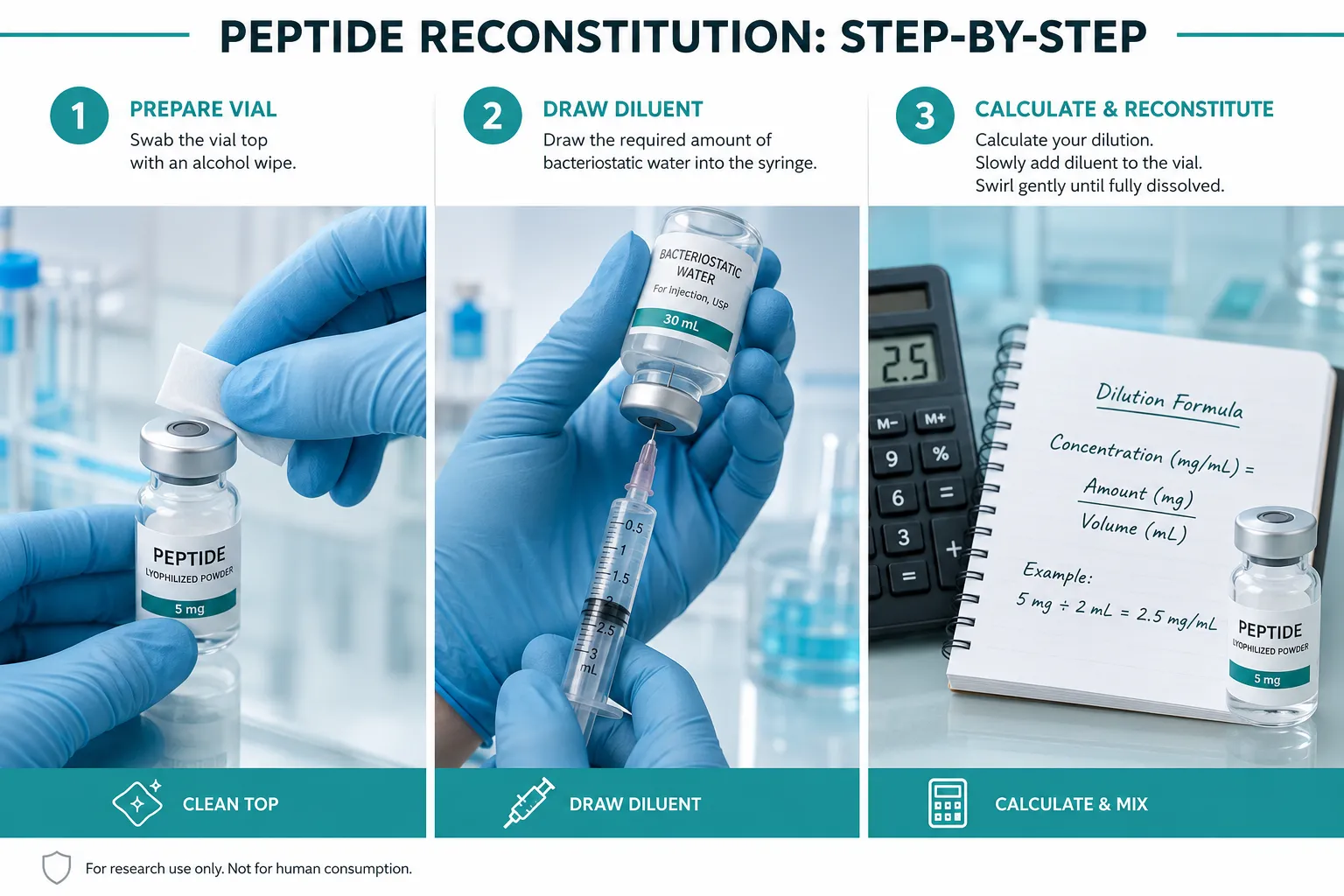
A single miscalculation during peptide reconstitution can render an entire vial useless, or worse, compromise months of research data. Yet dosing math errors remain one of the most common mistakes in laboratory peptide work, often stemming from skipped steps rather than complex chemistry.

This guide applies the core principles of Peptides Calculator 101: How Researchers Accurately Reconstitute CJC‑1295, Ipamorelin, PT‑141, and BPC‑157 to give researchers worked math examples, practical dilution tables, and error-avoidance strategies for four of the most studied research peptides in 2026.

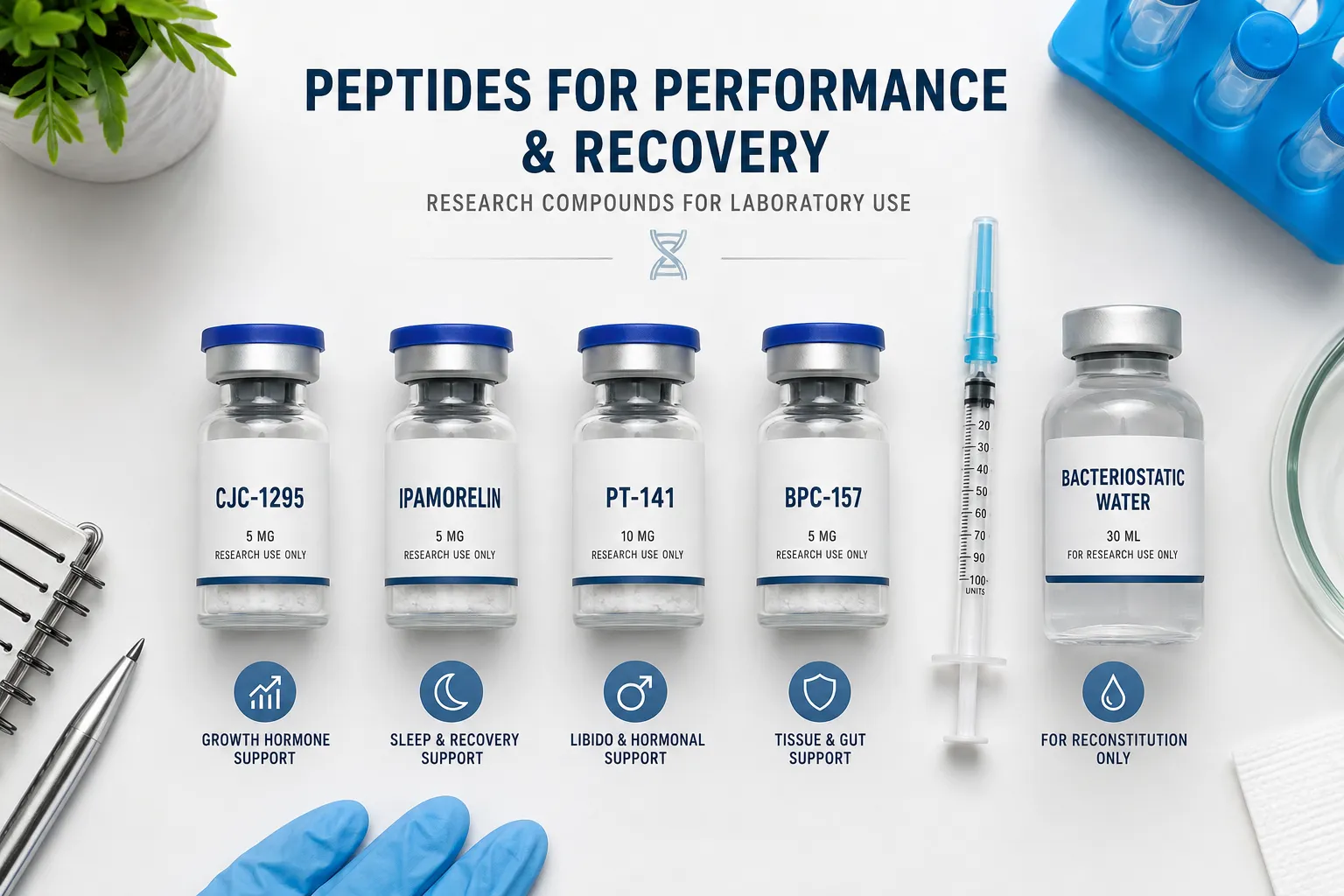
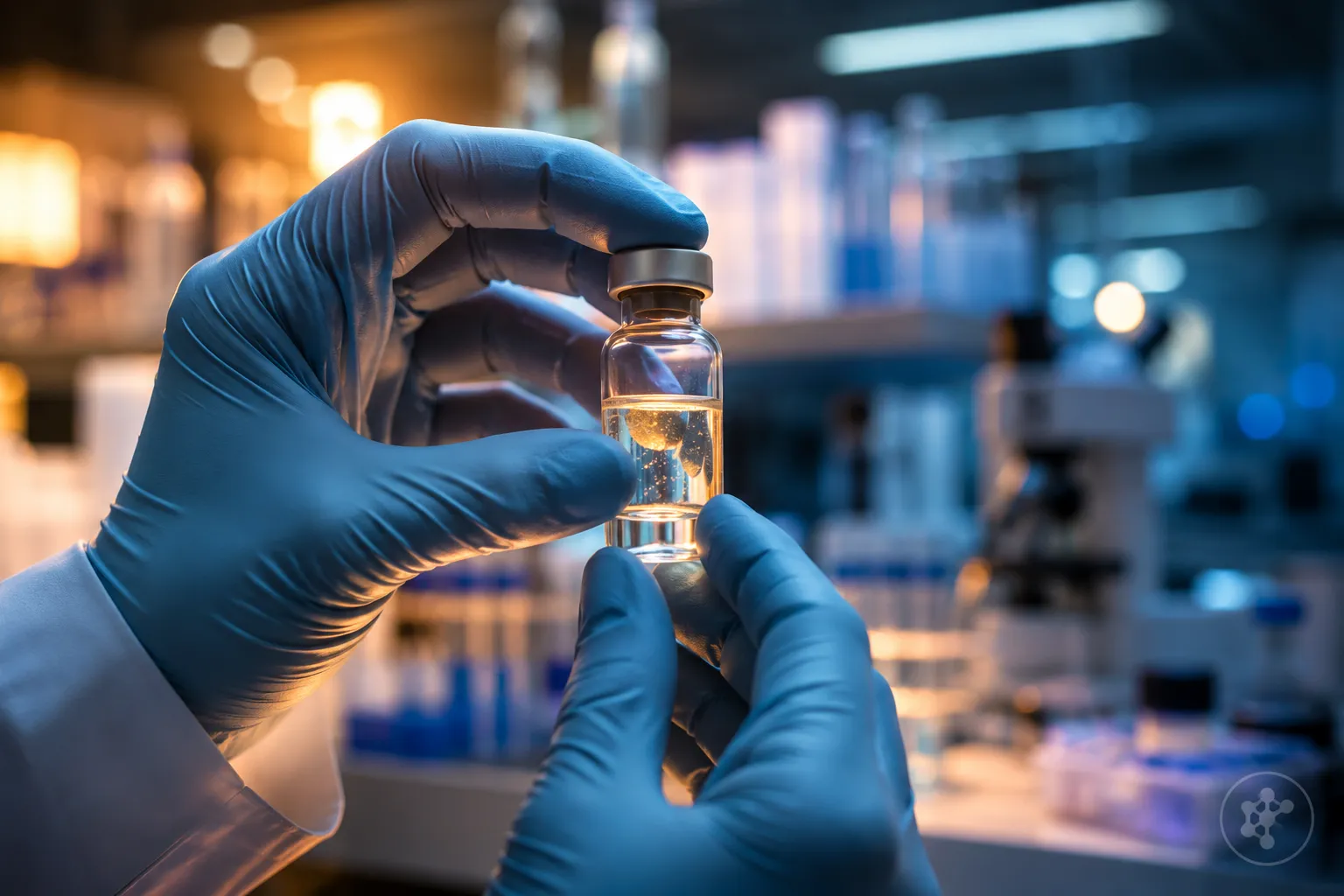
Bright editorial infographic-style landscape image (): overhead flat-lay of a laboratory workstation showing four labeled

Key Takeaways

  • Accurate reconstitution starts with a simple formula: Concentration (mg/mL) = Peptide mass (mg) / Volume of solvent added (mL)
  • Bacteriostatic water is the standard solvent for CJC‑1295, Ipamorelin, PT‑141, and BPC‑157
  • A 5 mg vial + 2 mL bacteriostatic water yields a 2.5 mg/mL working solution
  • Blend vials require calculating concentration per peptide, not total mass
  • Aseptic technique, gloves, alcohol swabs, clean workspace, is non-negotiable before any math begins

The Core Formula Every Researcher Must Know

Before running any peptide-specific calculation, one formula governs all reconstitution work:

Concentration (mg/mL) = Peptide mass (mg) / Solvent volume added (mL)

This is the foundation of every peptide calculator table. Once concentration is known, the volume needed for any target dose is:

Volume to draw (mL) = Target dose (mg) / Concentration (mg/mL)

Worked Example: CJC‑1295 (5 mg vial)

  • Vial contains: 5 mg lyophilized CJC‑1295
  • Bacteriostatic water added: 2 mL
  • Resulting concentration: 5 ÷ 2 = 2.5 mg/mL

To deliver a 0.5 mg research dose:

  • Volume to draw: 0.5 ÷ 2.5 = 0.2 mL (20 units on a 1 mL/100-unit insulin syringe)

For a deeper look at CJC‑1295 pharmacology and research context, the CJC-1295 with DAC deeper dive resource provides useful background.

Worked Example: Ipamorelin (5 mg vial)

The same logic applies. Researchers frequently explore whether Ipamorelin is among the most beneficial peptides for GH secretagogue research, and accurate dosing is central to that work.

  • Vial: 5 mg Ipamorelin + 2 mL bacteriostatic water = 2.5 mg/mL
  • For a 0.3 mg dose: 0.3 ÷ 2.5 = 0.12 mL (12 units)

Dilution Tables for CJC‑1295, Ipamorelin, PT‑141, and BPC‑157

Applying Peptides Calculator 101: How Researchers Accurately Reconstitute CJC‑1295, Ipamorelin, PT‑141, and BPC‑157 across four peptides reveals how vial size and solvent volume interact.

Dilution Tables for CJC‑1295, Ipamorelin, PT‑141, and BPC‑157

Peptide Vial Size BAC Water Added Concentration Units per 0.5 mg dose
CJC‑1295 5 mg 2 mL 2.5 mg/mL 20 units
Ipamorelin 5 mg 2 mL 2.5 mg/mL 20 units
PT‑141 10 mg 2 mL 5 mg/mL 10 units
BPC‑157 5 mg 2 mL 2.5 mg/mL 20 units

Blend Vials: The Extra Step Researchers Miss

When working with combination vials, such as a 10 mg CJC‑1295 no-DAC + Ipamorelin blend reconstituted with 3.0 mL bacteriostatic water, total concentration is 3.33 mg/mL, but each peptide contributes only 1.67 mg/mL. Researchers must calculate per-peptide concentration, not total mass.

For PT‑141 research context and sourcing details, the PT‑141 peptide research Q&A page offers useful supporting information. BPC‑157 researchers can also reference the dedicated BPC‑157 research overview for peptide-specific notes.


Aseptic Technique and Common Calculation Errors

No peptide calculator produces reliable results if preparation technique is flawed. Updated 2026 protocols from research-oriented suppliers consistently emphasize the following pre-calculation steps:

  • Equilibrate the vial at room temperature for 10-15 minutes before adding solvent
  • Swab all rubber stoppers with 70% isopropyl alcohol and allow to air-dry
  • Wear nitrile gloves and work on a clean, disinfected surface
  • Add solvent slowly by directing the stream along the vial wall, never inject directly onto the lyophilized cake, as this can degrade the peptide

The Three Most Common Errors

  1. Forgetting to account for dead volume in syringes, always draw slightly more than needed and confirm the final volume
  2. Using sterile water instead of bacteriostatic water, without the preservative (benzyl alcohol), multi-use vials degrade rapidly
  3. Misreading insulin syringe units as mL, on a standard U-100 syringe, 10 units = 0.1 mL

Researchers sourcing verified compounds should review lab-tested peptide products and check available certificates of analysis to confirm purity before any reconstitution begins.

The Three Most Common Errors

For those working with related secretagogue combinations, the resource on combining Tesamorelin with CJC and Ipamorelin addresses multi-peptide protocol considerations in detail.


Conclusion

Accurate peptide reconstitution is not guesswork, it is straightforward arithmetic applied within a disciplined aseptic framework. The principles covered in Peptides Calculator 101: How Researchers Accurately Reconstitute CJC‑1295, Ipamorelin, PT‑141, and BPC‑157 reduce to three actionable steps: confirm vial mass, choose the correct solvent volume, and apply the concentration formula before drawing any dose.

Next steps for researchers in 2026:

  • Build a personal reference table using the dilution examples above for every vial size used in active protocols
  • Always verify purity through third-party certificates of analysis before reconstitution
  • Store reconstituted vials at 2-8 °C and label each with the preparation date and calculated concentration
  • Cross-reference blend vials against per-peptide concentration, not total mass

Consistent application of these principles protects both data integrity and research investment.

https://www.puretestedpeptides.com/wp-content/uploads/2026/07/peptides-calculator-101-how-researchers-accurately-reconstitute-cjc-1295-ipamore.webp 672 1008 https://www.puretestedpeptides.com/wp-content/uploads/2026/01/buy-peptides-online.jpg 2026-07-15 13:05:232026-07-15 13:05:23Peptides Calculator 101: How Researchers Accurately Reconstitute CJC‑1295, Ipamorelin, PT‑141, and BPC‑157
Regulatory Scrutiny in the GLP‑1/GLP‑3 Era: How BPC‑157, PT‑141, and Enclomiphene Are Being Re‑Evaluated

Regulatory Scrutiny in the GLP‑1/GLP‑3 Era: How BPC‑157, PT‑141, and Enclomiphene Are Being Re‑Evaluated

July 8, 2026/0 Comments/in Uncategorized/by

The FDA issued 30 warning letters to telehealth companies in a single month in early 2026, a signal that the era of loosely regulated peptide compounding is ending fast. Regulatory scrutiny in the GLP-1/GLP-3 era is reshaping how compounds like BPC-157, PT-141, and enclomiphene are evaluated, sourced, and labeled across the research and clinical landscape.

Key Takeaways

  • The FDA is aggressively tightening oversight of compounded GLP-1 drugs and related peptides in 2026.
  • BPC-157 faces a pivotal PCAC review scheduled for July 23, 2026, that will determine its compounding status.
  • PT-141 and enclomiphene remain under existing regulatory frameworks with no new official policy changes as of mid-2026.
  • Sourcing compounds from suppliers who provide verified Certificates of Analysis is a critical compliance step.
  • Researchers and clinicians must treat BPC-157, PT-141, and enclomiphene strictly as research-only compounds until regulatory clarity is established.

Key Takeaways


The GLP-1 Crackdown That Changed Everything

The regulatory environment for peptides did not shift in isolation. It accelerated because of GLP-1 drugs.

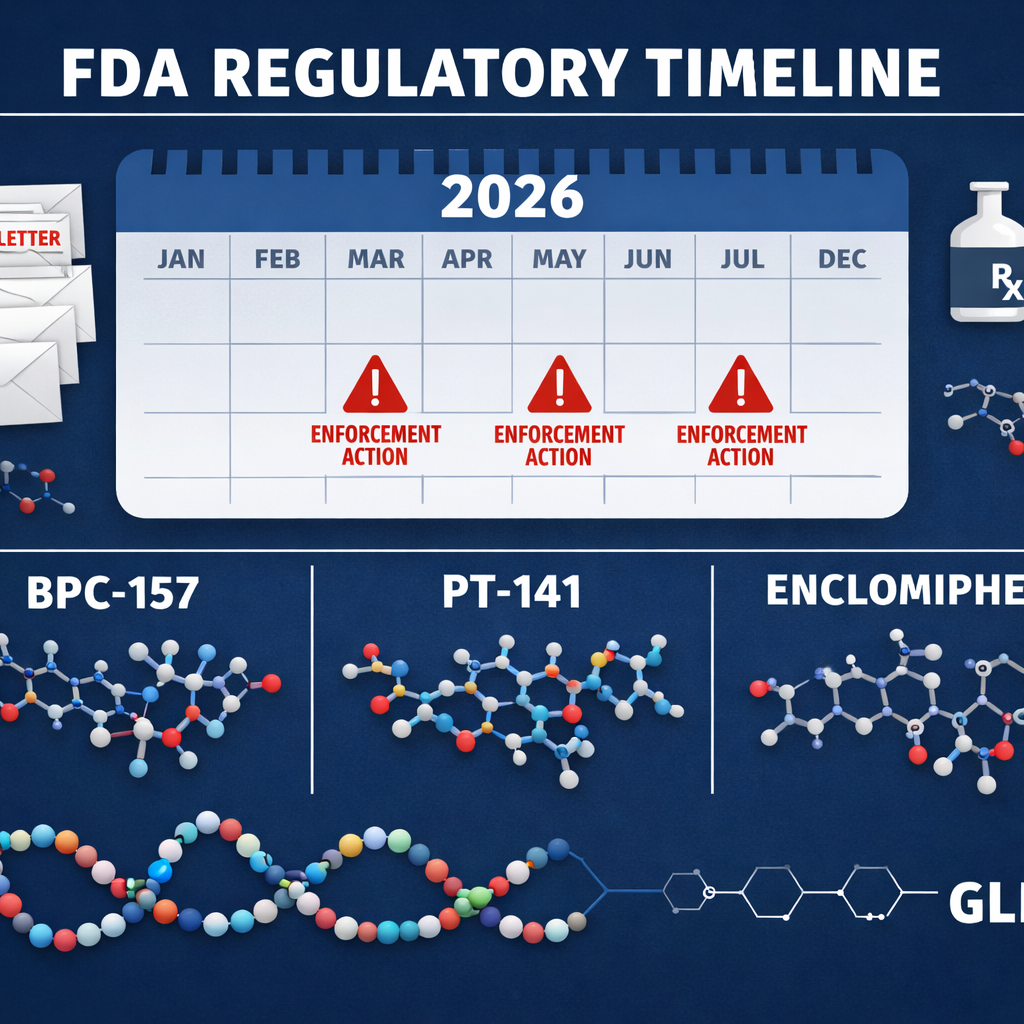
On April 30, 2026, the FDA proposed removing semaglutide, tirzepatide, and liraglutide from the 503B Bulk Drug Substances List, a move that would effectively end large-scale compounding of these blockbuster weight-loss medications. Public comments closed on June 29, 2026. The proposal followed the FDA's March 2026 enforcement wave, in which 30 warning letters targeted telehealth companies for misleading branding and unsubstantiated claims about compounded GLP-1 products.

These actions set a precedent. When regulators draw a hard line around GLP-1 receptor agonists, the scrutiny does not stop there. It flows downstream to adjacent peptides, including those popular in longevity and performance research circles.

For context on how the broader GLP-3 landscape is evolving, the GLP-3 Retatrutide research overview provides useful background on where next-generation metabolic peptides stand scientifically.

"Regulatory clarity around GLP-1 compounds is now the lens through which all compounded peptides are being measured."


Regulatory Scrutiny in the GLP-1/GLP-3 Era: BPC-157 Under the Microscope

BPC-157 is the compound facing the most direct regulatory action in 2026.

Timeline of key events:

Date Event
April 15, 2026 FDA removes BPC-157 from Category 2 list under Section 503A
July 23, 2026 PCAC scheduled to review BPC-157 for 503A Bulks List inclusion

The removal from Category 2 occurred after the original nominators withdrew their nominations, not because the FDA cleared BPC-157 for compounding. The upcoming Pharmacy Compounding Advisory Committee (PCAC) review will assess clinical utility and safety to determine whether BPC-157 can be legally compounded by pharmacies under Section 503A.

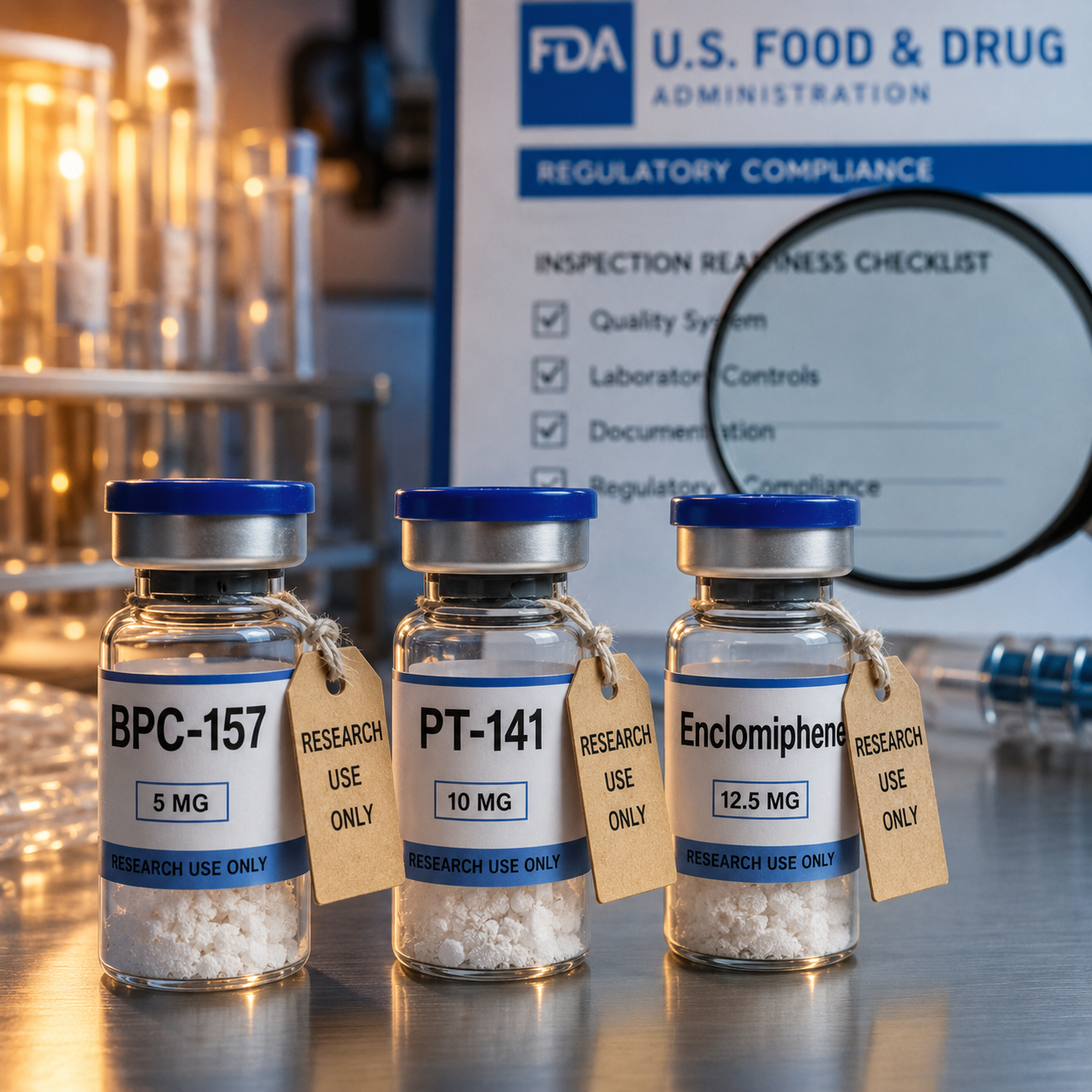
Until that review concludes, BPC-157 must be treated strictly as a research compound. Suppliers and researchers should ensure all materials are clearly labeled for research use only and accompanied by third-party purity documentation. For those tracking the regenerative research angle, the BPC-157 and TB-500 combination research page outlines the scientific basis for studying these compounds together.

Purity verification is non-negotiable in this environment. Understanding how peptide purity testing works is an essential step for any researcher handling these compounds responsibly.

Regulatory Scrutiny in the GLP-1/GLP-3 Era: BPC-157 Under the Microscope


Regulatory Scrutiny in the GLP-1/GLP-3 Era: PT-141 and Enclomiphene's Current Status

PT-141 (bremelanotide) and enclomiphene occupy a different regulatory position than BPC-157 as of mid-2026. No new official policy announcements have been issued for either compound. Both continue to be evaluated under existing frameworks.

PT-141 is a melanocortin receptor agonist studied for its role in central arousal pathways. The PT-141 central arousal research overview details the mechanistic research behind this compound. Because it operates through a distinct receptor pathway from GLP-1 drugs, it has not been swept into the same immediate enforcement wave, but increased FDA vigilance means labeling and sourcing standards must remain strict.

Enclomiphene, a selective estrogen receptor modulator studied in the context of hormonal optimization, similarly faces no new rulings. However, the broader enforcement climate means any compounded or research-grade enclomiphene must be sourced with full documentation. Researchers interested in related hormonal axis compounds may also find the Gonadorelin GnRH pulsatility research relevant to understanding endocrine feedback loops.

Best practices for all three compounds:

  • Label all materials clearly as "For Research Use Only, Not for Human Use"
  • Obtain Certificates of Analysis from independent, accredited laboratories
  • Avoid any promotional language that implies clinical or therapeutic use
  • Monitor FDA PCAC announcements, especially post-July 23, 2026

For researchers exploring the broader peptide landscape, the comprehensive peptide catalog offers a structured overview of compounds with available research documentation.

Regulatory Scrutiny in the GLP-1/GLP-3 Era: PT-141 and Enclomiphene's Current Status


Conclusion

Regulatory scrutiny in the GLP-1/GLP-3 era is not a temporary disruption, it is a structural shift in how peptide compounds are governed, sourced, and communicated. BPC-157 faces its most consequential review yet on July 23, 2026. PT-141 and enclomiphene remain under existing frameworks but are not immune to the enforcement momentum building around all compounded bioactive compounds.

Actionable next steps for researchers and suppliers:

  1. Monitor the FDA PCAC BPC-157 decision closely and adjust sourcing protocols immediately after the ruling.
  2. Audit all current labeling to confirm "Research Use Only" language is prominent and unambiguous.
  3. Require third-party Certificates of Analysis for every batch of BPC-157, PT-141, and enclomiphene.
  4. Avoid any marketing or communication that implies therapeutic or clinical application.
  5. Stay current with FDA 503A and 503B list updates, which are changing rapidly in 2026.

Researchers who build compliance into their sourcing and documentation practices now will be far better positioned regardless of how the regulatory landscape continues to evolve.

https://www.puretestedpeptides.com/wp-content/uploads/2026/07/Regulatory-Scrutiny-in-the-GLP‑1GLP‑3-Era-How-BPC‑157-PT‑141-and-Enclomiphene-Are-Being-Re‑Evaluated.png 1254 1254 https://www.puretestedpeptides.com/wp-content/uploads/2026/01/buy-peptides-online.jpg 2026-07-08 13:06:092026-07-08 13:06:09Regulatory Scrutiny in the GLP‑1/GLP‑3 Era: How BPC‑157, PT‑141, and Enclomiphene Are Being Re‑Evaluated
PT-141 and Melanocortin Receptor Research: What Makes It Different From PDE5 Inhibitor Models?

PT-141 and Melanocortin Receptor Research: What Makes It Different From PDE5 Inhibitor Models?

June 28, 2026/0 Comments/in Uncategorized/by

Roughly one-third of adults who use PDE5 inhibitors for sexual dysfunction report an inadequate response — a gap that has pushed researchers toward entirely different receptor systems. PT-141 and melanocortin receptor research represents one of the most mechanistically distinct approaches in this field, operating through the central nervous system rather than peripheral vasculature. Understanding what makes this model different from PDE5 inhibitor frameworks requires a close look at receptor selectivity, downstream signaling, and the endpoints researchers use to measure outcomes.

Key Takeaways

  • PT-141 (bremelanotide) acts centrally at MC3R and MC4R receptors in the brain, not on peripheral vascular tissue
  • PDE5 inhibitors require intact nitric oxide signaling; PT-141 does not, making it effective in non-responders
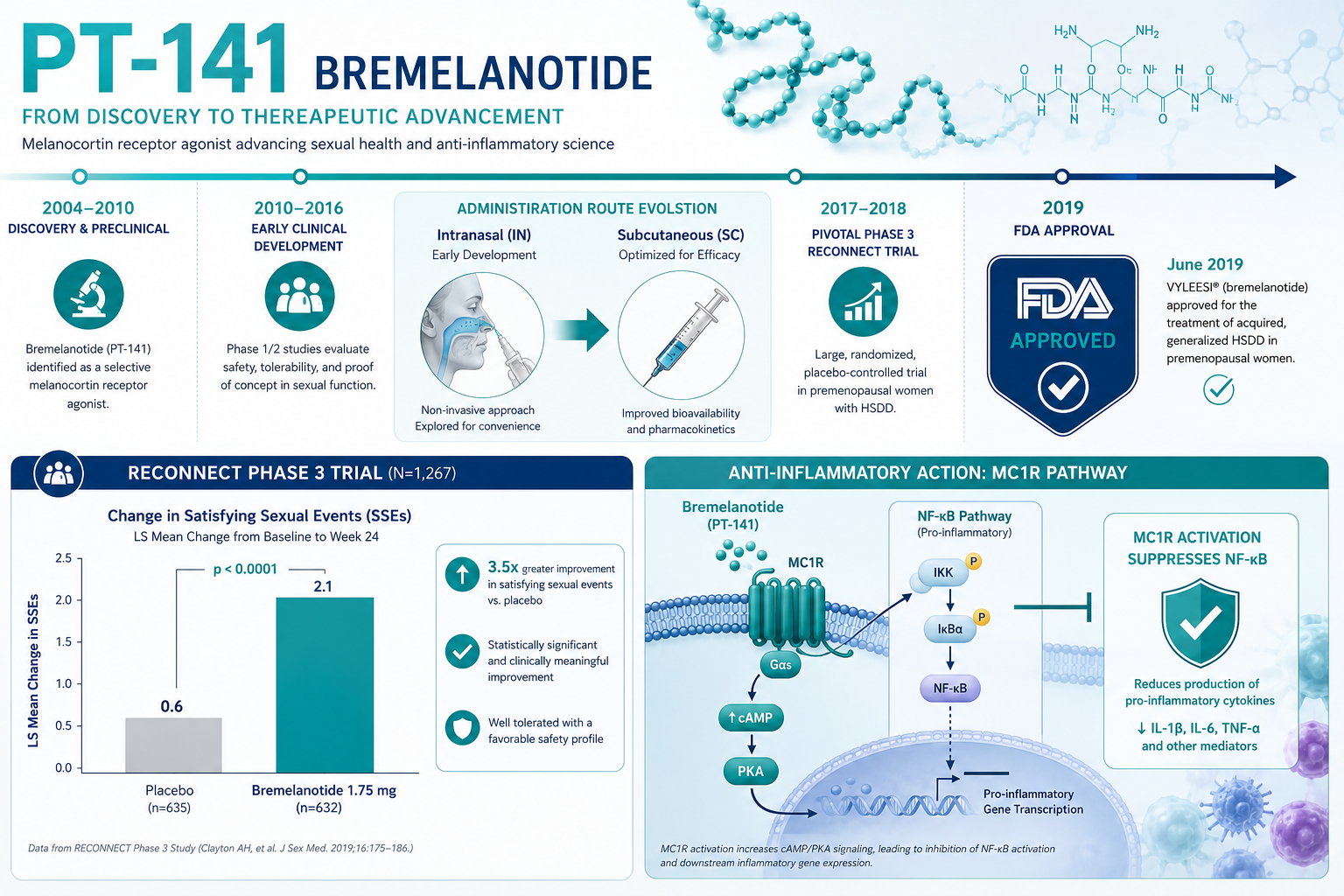
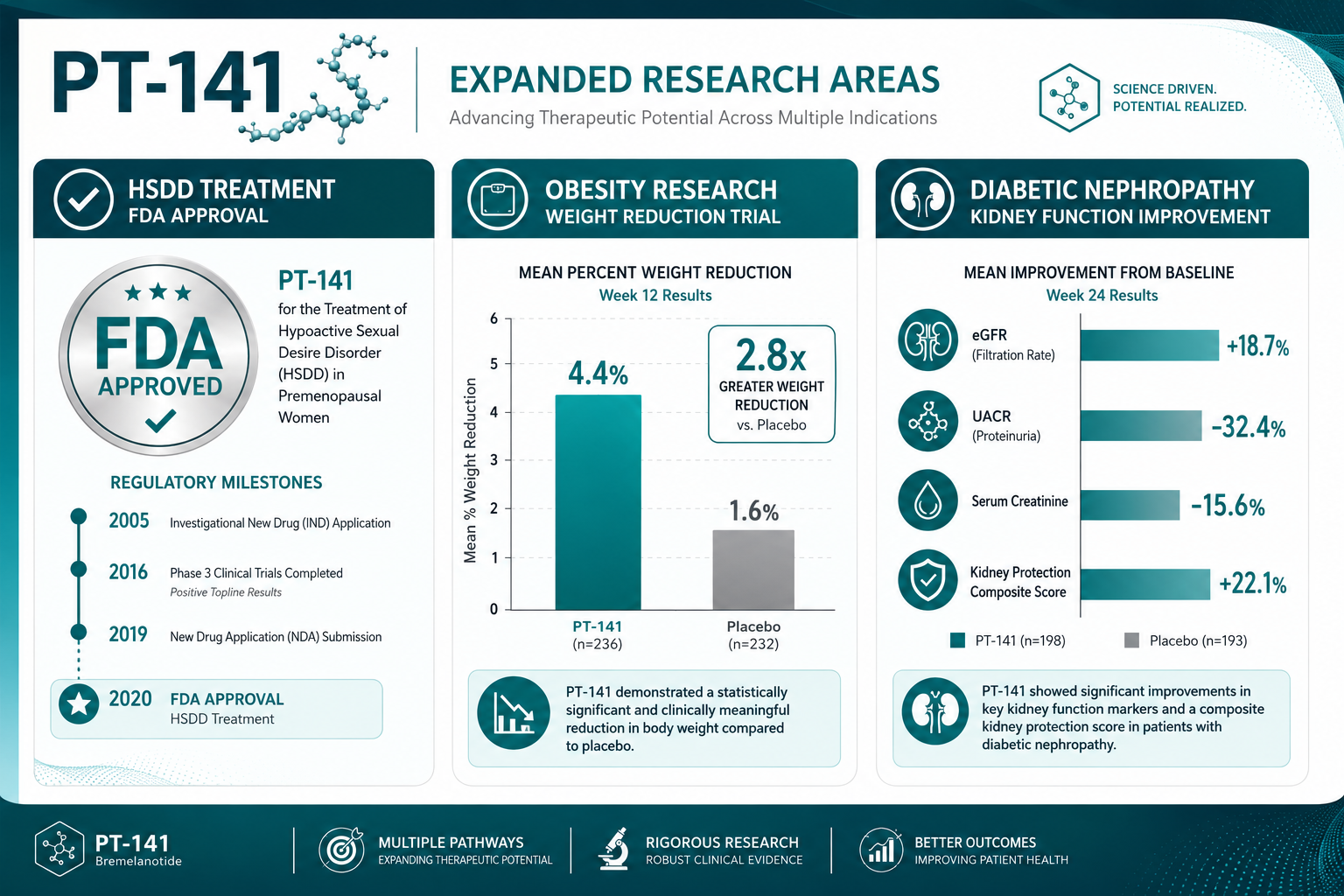
  • The FDA approved bremelanotide (Vyleesi) in 2019 for hypoactive sexual desire disorder in premenopausal women
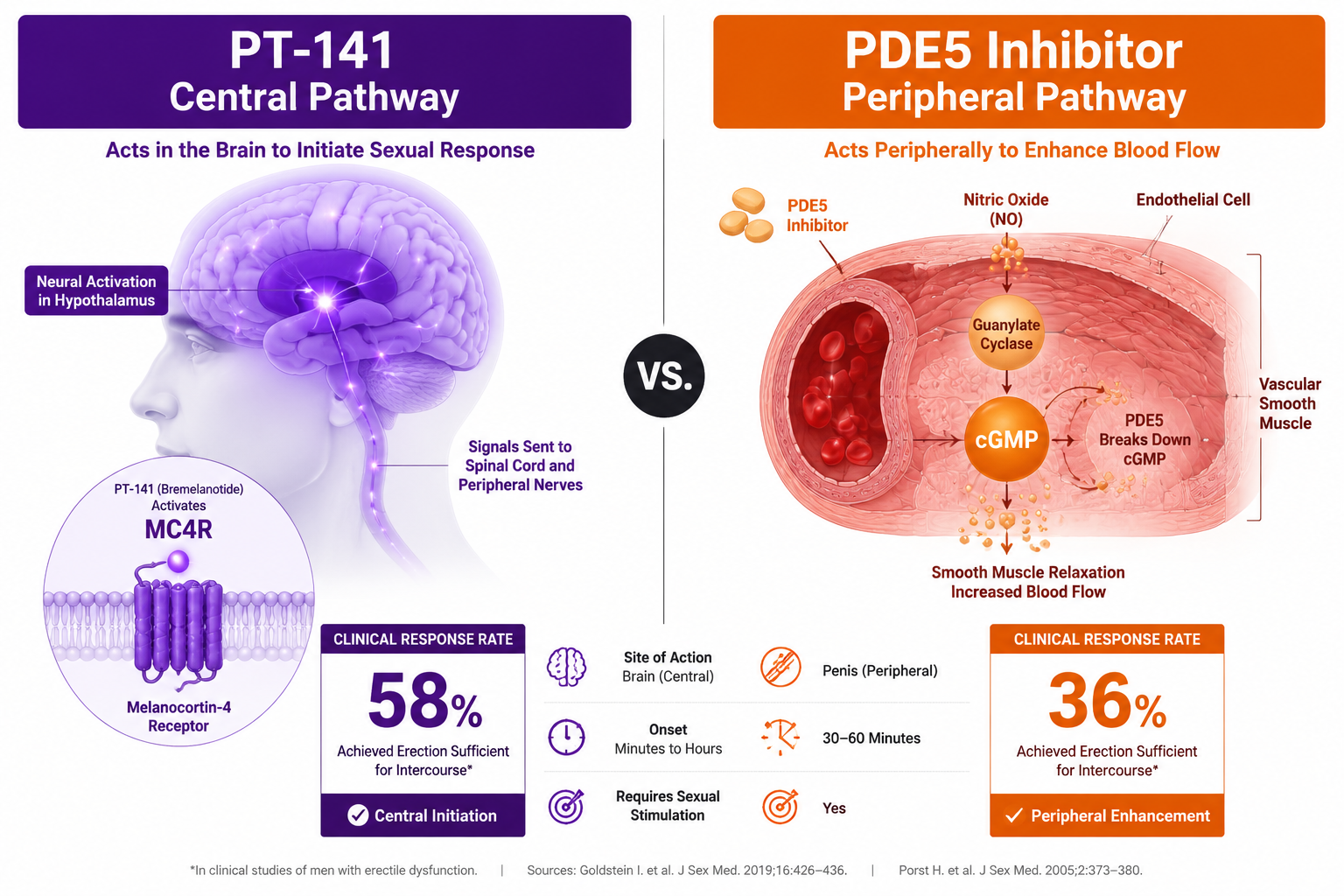
  • Phase 3 RECONNECT trial data showed approximately 58% response rates versus 36% for placebo
  • PT-141 also retains activity at MC1R, opening research into anti-inflammatory applications

The Central vs. Peripheral Distinction in PT-141 and Melanocortin Receptor Research

The Central vs. Peripheral Distinction in PT-141 and Melanocortin Receptor Research

The most fundamental difference between PT-141 and PDE5 inhibitor models lies in where each compound acts in the body.

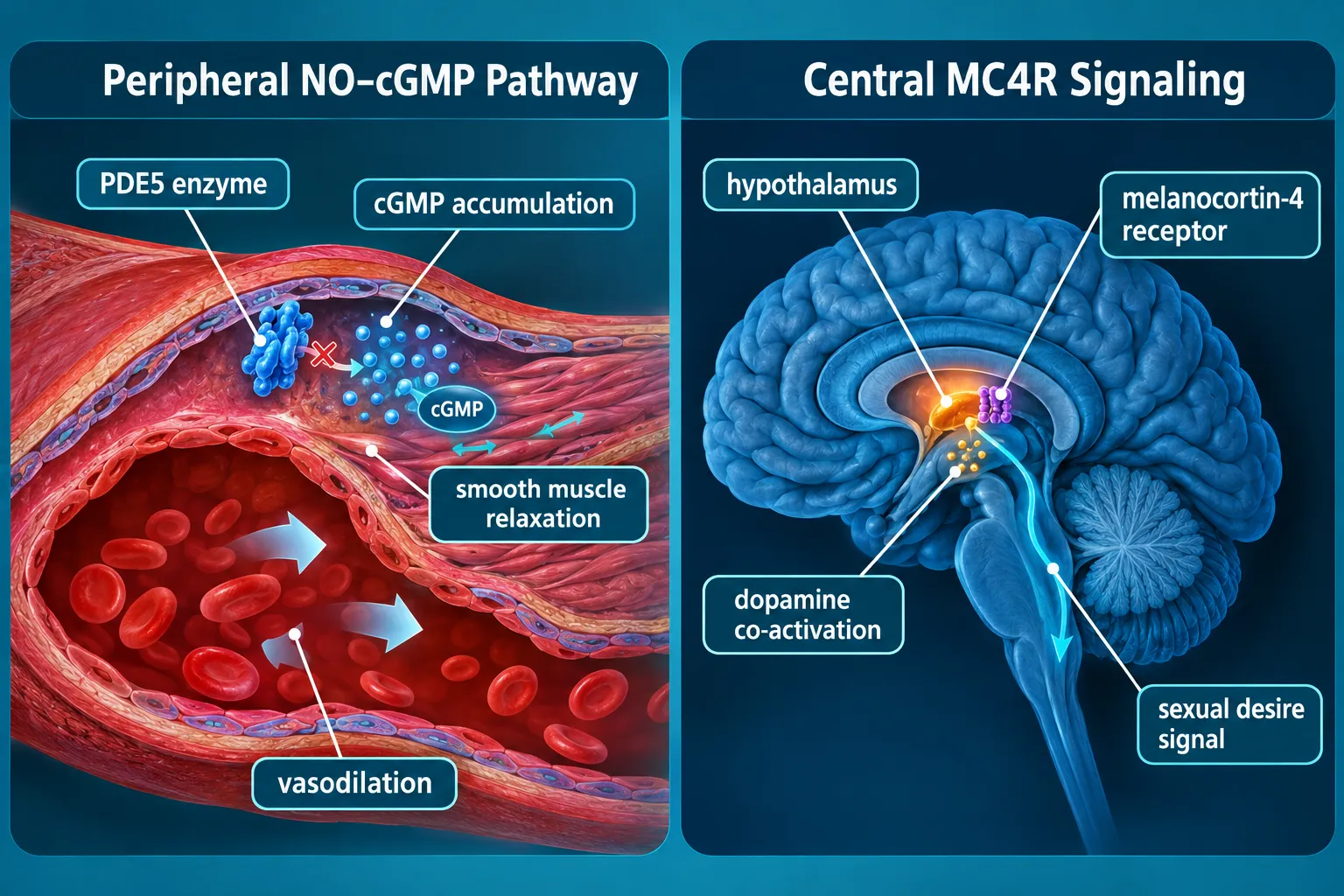
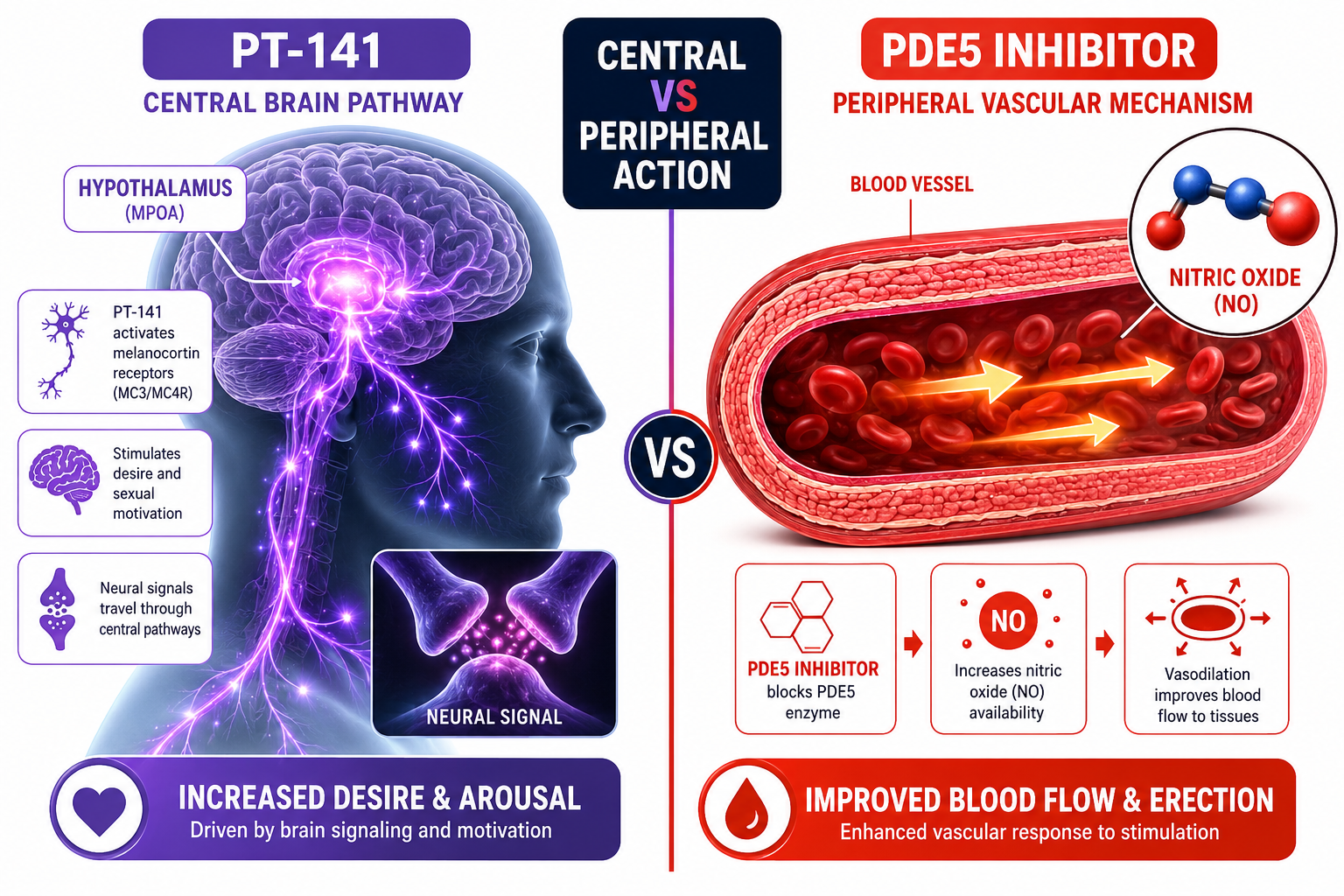
PDE5 inhibitors such as sildenafil work peripherally. They block the phosphodiesterase-5 enzyme in vascular smooth muscle, which prevents the breakdown of cyclic GMP (cGMP). This raises cGMP levels, relaxes smooth muscle, and increases blood flow to erectile tissue. The entire mechanism depends on intact nitric oxide (NO) signaling. If NO signaling is impaired — due to endothelial dysfunction, diabetes, or other vascular conditions — PDE5 inhibitors lose much of their effectiveness.

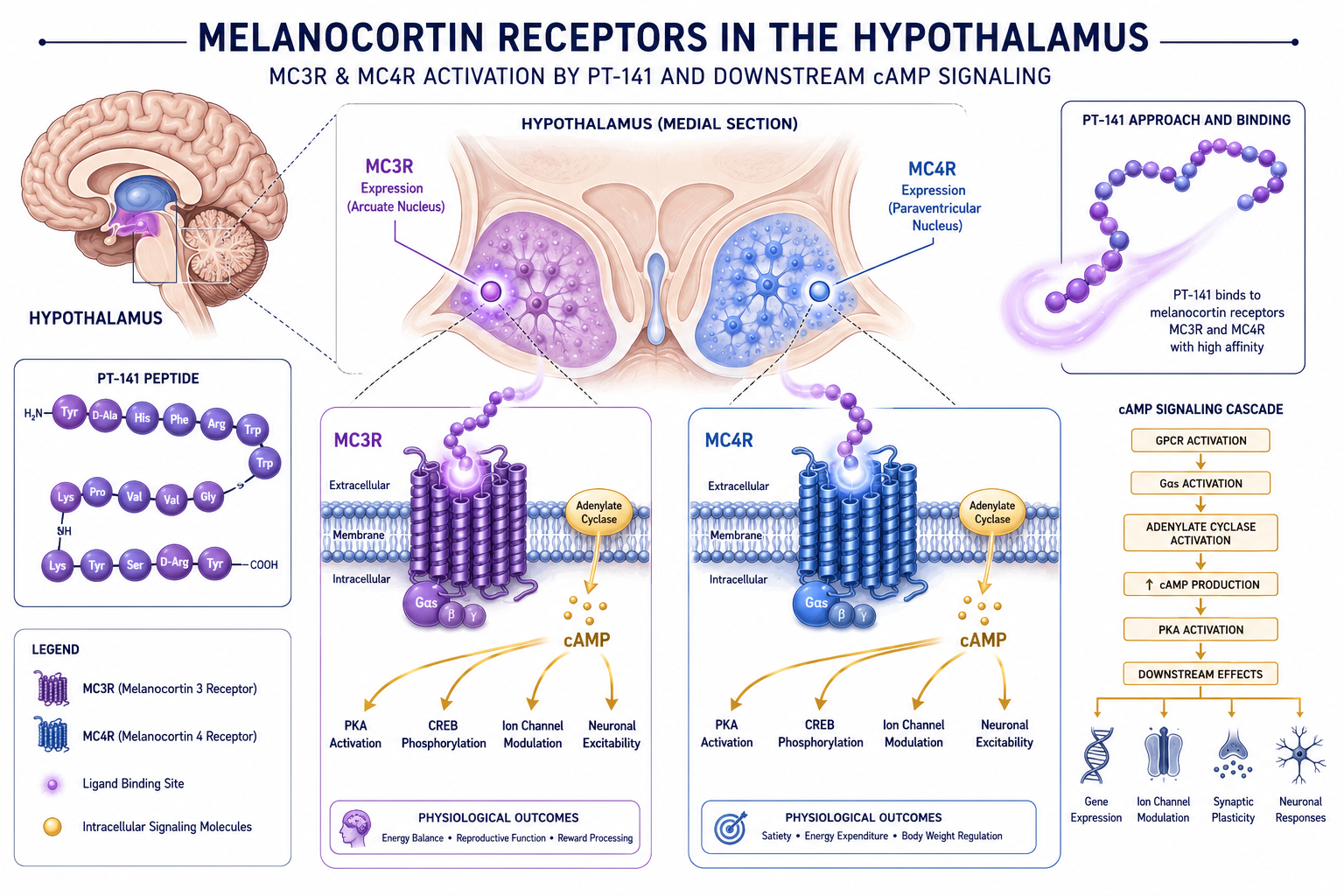
PT-141, by contrast, is a synthetic cyclic heptapeptide that acts as an agonist at melanocortin receptors, specifically MC3R and MC4R, within the central nervous system. These receptors are concentrated in the hypothalamus and other brain regions involved in sexual arousal and motivation. Activation of MC4R in particular triggers downstream cAMP-mediated signaling that initiates pro-erectile and pro-desire neural pathways without requiring peripheral vascular integrity.

"PT-141's central mechanism allows it to be effective in individuals who do not respond adequately to PDE5 inhibitors — a clinically meaningful distinction."

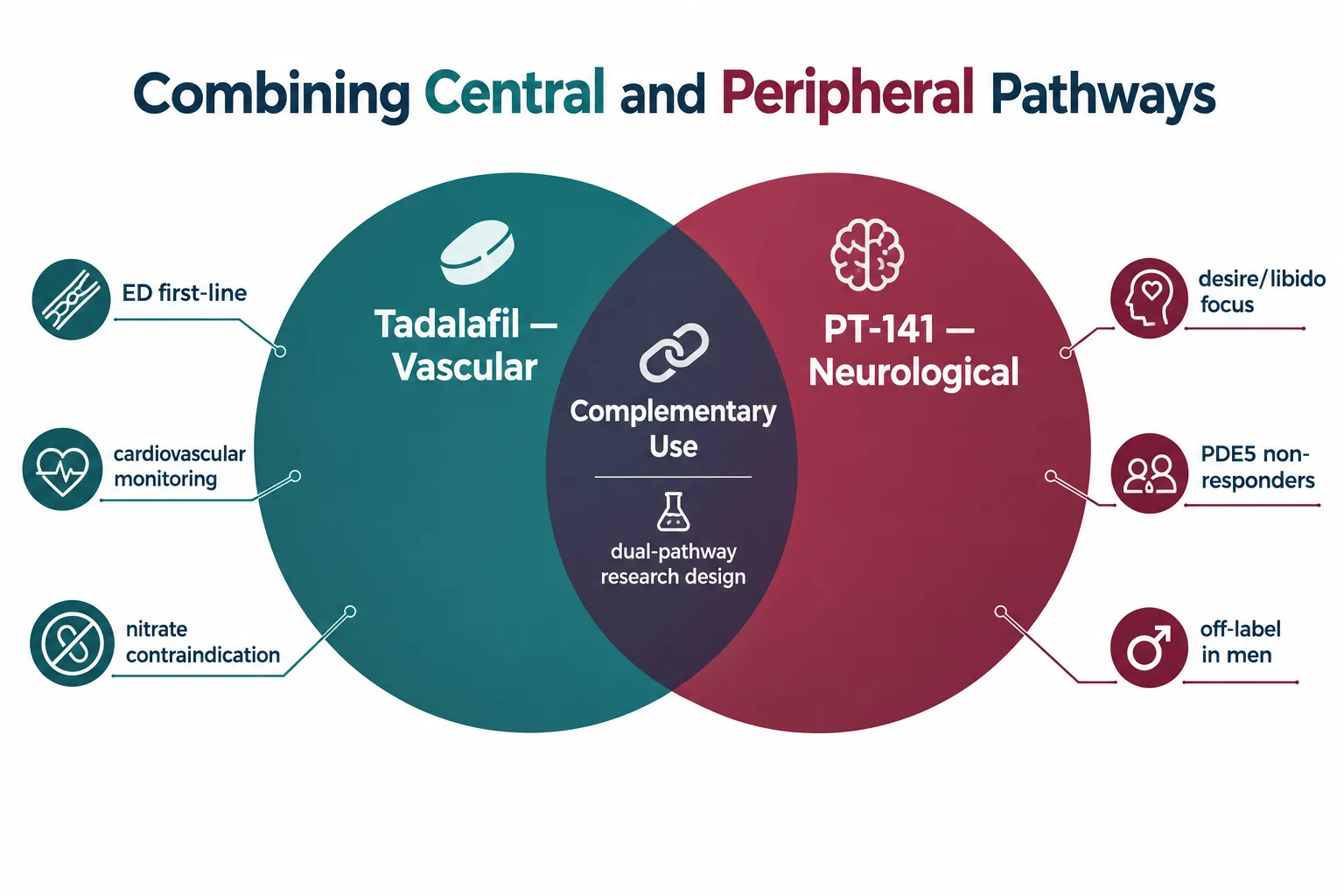
This is why early clinical studies found that PT-141 produced statistically significant erectile responses even in men who had previously shown inadequate responses to PDE5 inhibitor therapy. The two models are not competing — they are operating on entirely different physiological levels.

For researchers exploring other centrally acting or receptor-specific peptides, the longevity peptide research overview provides useful context on how receptor selectivity shapes research design across multiple peptide classes.


Receptor Selectivity, Pharmacokinetics, and Research Endpoints

Receptor Selectivity, Pharmacokinetics, and Research Endpoints

Melanocortin Receptor Subtypes and Selectivity

The melanocortin system includes five receptor subtypes (MC1R through MC5R). PT-141's research profile is shaped largely by its activity at three of these:

Receptor Primary Location Research Relevance
MC1R Peripheral immune cells, skin Anti-inflammatory signaling, NF-kB suppression
MC3R Hypothalamus, limbic system Sexual arousal modulation
MC4R Hypothalamus, brainstem Pro-erectile signaling, energy regulation

This multi-receptor profile makes PT-141 and melanocortin receptor research broader in scope than PDE5 inhibitor models, which are largely limited to vascular endpoints.

Pharmacokinetics

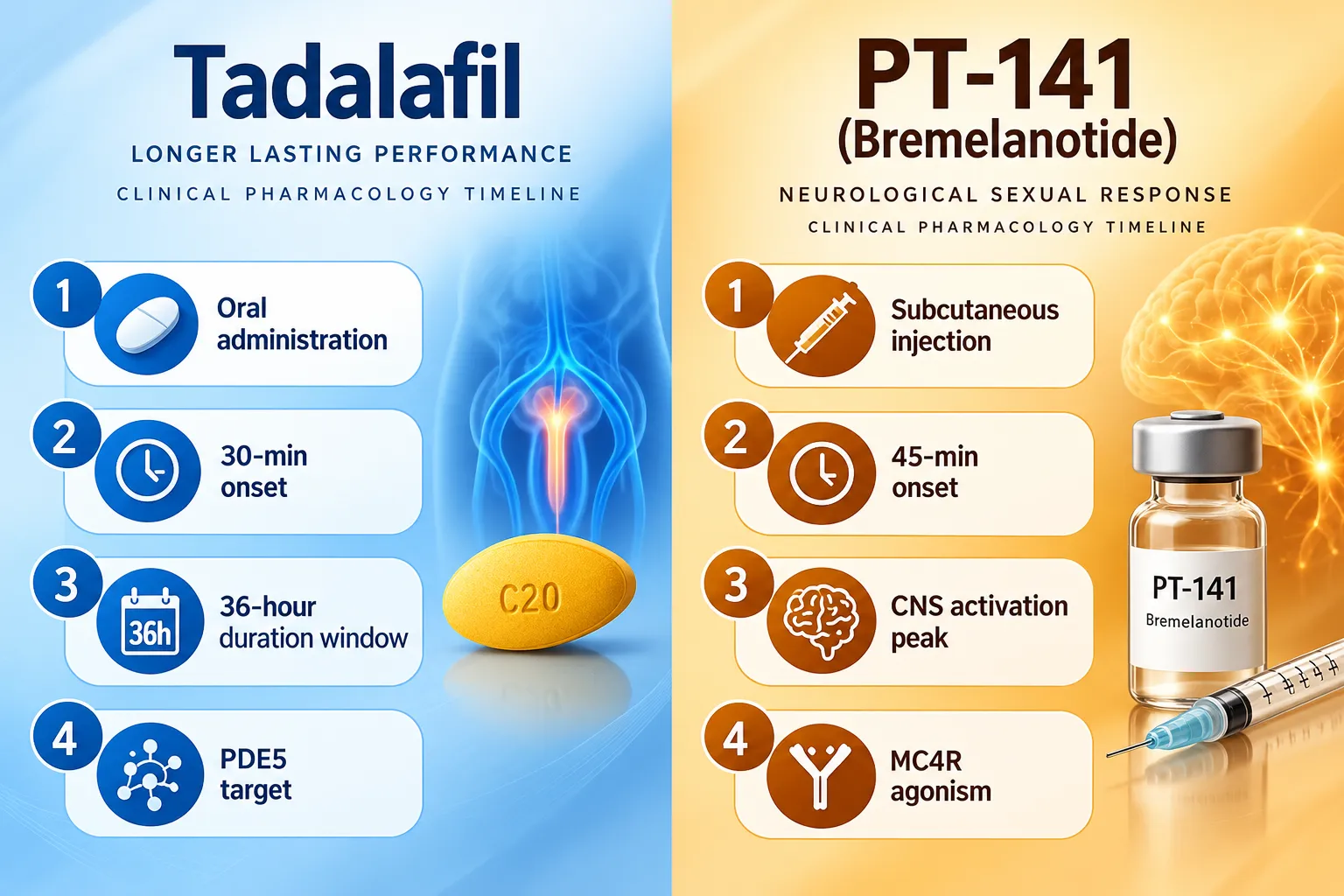
Bremelanotide is administered subcutaneously. Peak plasma concentrations occur within approximately one hour post-injection, with a plasma half-life of roughly two hours. Hepatic metabolism is the primary elimination pathway. Earlier development programs evaluated intranasal delivery, but the subcutaneous route was selected for the registered product due to more controlled pharmacokinetic exposure and a more acceptable cardiovascular profile.

Preclinical and Clinical Endpoints

Researchers studying PT-141 use endpoints that differ substantially from PDE5 inhibitor trials:

  • Central arousal measures: Changes in desire and motivation scores, not just physiological response
  • Satisfying sexual events (SSEs): The primary endpoint in HSDD trials
  • Female Sexual Distress Scale (FSDS): Validated patient-reported outcome used in RECONNECT Phase 3 trials
  • Non-vascular erectile response: Penile tumescence in the absence of visual stimulation

The RECONNECT Phase 3 program reported approximately 58% response rates for bremelanotide versus 36% for placebo in premenopausal women with HSDD — a meaningful separation that led to FDA approval in June 2019 under the trade name Vyleesi.

For comparison, researchers interested in metabolic peptide endpoints may find the AOD-9604 metabolic research overview a useful reference for how endpoint selection varies across peptide categories.


Broader Research Applications and What Makes This Model Unique

Broader Research Applications and What Makes This Model Unique

Anti-Inflammatory Research Through MC1R

One dimension that separates PT-141 and melanocortin receptor research from PDE5 inhibitor models is the anti-inflammatory potential. PT-141 retains partial agonist activity at MC1R, which is expressed on macrophages, monocytes, and other immune cells. MC1R activation suppresses NF-kB signaling and reduces pro-inflammatory cytokine release. This has prompted preclinical investigations into PT-141's potential utility in hemorrhagic shock and ischemia-reperfusion injury — areas entirely outside the scope of PDE5 inhibitor research.

Safety Profile Compared to PDE5 Inhibitors

The most commonly reported adverse events with PT-141 are flushing and nausea, both typically transient. Importantly, research data show no significant changes in vital signs, ECG readings, laboratory values, or physical examination findings at therapeutic doses. PDE5 inhibitors, by contrast, carry risks related to systemic vasodilation, including hypotension when combined with nitrates — a contraindication that does not apply to PT-141.

Researchers sourcing peptides for study should review quality testing protocols to ensure compound integrity before any preclinical work. Those specifically looking for verified compounds can explore PT-141 peptide for sale and PT-141 research options through tested suppliers.

For researchers comparing receptor-targeted peptide mechanisms across different physiological systems, the GLP-1 dual receptor agonism breakdown offers a parallel example of how multi-receptor engagement shapes research design and clinical endpoints.


Conclusion

PT-141 and melanocortin receptor research occupies a distinct mechanistic space that PDE5 inhibitor models simply cannot address. By targeting MC3R and MC4R centrally, PT-141 bypasses the peripheral vascular requirements that limit sildenafil and related compounds. Its multi-receptor activity — spanning sexual function, energy signaling, and anti-inflammatory pathways — makes it a uniquely versatile subject for preclinical and clinical investigation.

Actionable next steps for researchers in 2026:

  1. Review the RECONNECT Phase 3 trial data to understand validated endpoints for HSDD research
  2. Compare melanocortin receptor subtype selectivity profiles when designing preclinical models
  3. Source only lab-tested, verified PT-141 compounds — see lab-tested peptides for verified options
  4. Consider MC1R anti-inflammatory endpoints as secondary outcomes in broader research protocols
  5. Distinguish clearly between central arousal endpoints and peripheral vascular endpoints when designing study protocols
https://www.puretestedpeptides.com/wp-content/uploads/2026/06/PT-141-and-Melanocortin-Receptor-Research-What-Makes-It-Different-From-PDE5-Inhibitor-Models.png 1024 1536 https://www.puretestedpeptides.com/wp-content/uploads/2026/01/buy-peptides-online.jpg 2026-06-28 13:03:592026-06-28 13:03:59PT-141 and Melanocortin Receptor Research: What Makes It Different From PDE5 Inhibitor Models?
PT-141 in Research: Mechanism, Receptor Targets, and How It Differs from PDE5 Inhibitors

PT-141 in Research: Mechanism, Receptor Targets, and How It Differs from PDE5 Inhibitors

June 25, 2026/0 Comments/in Uncategorized/by

Most compounds studied for sexual dysfunction work from the outside in — targeting blood vessels, smooth muscle, and nitric oxide signaling. PT-141 takes the opposite approach, working from the brain down. That fundamental difference is what makes PT-141 in research: mechanism, receptor targets, and how it differs from PDE5 inhibitors such a compelling area of scientific inquiry in 2026.

PT-141 (bremelanotide) is a synthetic analog of alpha-melanocyte-stimulating hormone (alpha-MSH). Rather than acting on peripheral vasculature, it engages central melanocortin pathways — a mechanism that places it in an entirely different research category than sildenafil or tadalafil.

Key Takeaways

  • PT-141 activates melanocortin-4 receptors (MC4R) in the hypothalamus and limbic system, driving sexual desire centrally.
  • Unlike PDE5 inhibitors, PT-141 does not depend on nitric oxide or vascular function to produce its effects.
  • The FDA approved PT-141 (Vyleesi) in 2019 for hypoactive sexual desire disorder (HSDD) in premenopausal women.
  • Early research suggests PT-141 may benefit individuals who do not respond to PDE5 inhibitors.
  • Emerging studies point to potential roles in obesity management and renal protection.

The Central Mechanism Behind PT-141 in Research

PT-141 binds primarily to melanocortin-4 receptors (MC4R), which are densely expressed in the hypothalamus and limbic system — regions governing motivation, emotion, and sexual behavior. This central action is the defining feature of PT-141 in research: mechanism, receptor targets, and how it differs from PDE5 inhibitors.

When MC4R is activated, it modulates two key downstream pathways:

  • Dopaminergic signaling — increasing motivation and reward-seeking behavior linked to sexual arousal
  • Oxytocinergic signaling — promoting bonding and desire responses

This neurochemical cascade produces sexual motivation without requiring external stimulation or intact vascular function. That is a meaningful distinction from every major PDE5 inhibitor currently on the market.

PT-141 also binds to MC1R and MC3R, though MC4R activation is considered the primary driver of its pro-sexual effects. Researchers studying peptide-based neuromodulation — including work on compounds like BPC-157 and its tissue-level signaling — recognize that central receptor targeting opens research doors that peripheral compounds simply cannot.


How PT-141 Differs from PDE5 Inhibitors

How PT-141 Differs from PDE5 Inhibitors

Understanding PT-141 in research: mechanism, receptor targets, and how it differs from PDE5 inhibitors requires a clear comparison of their pharmacological targets.

Feature PT-141 (Bremelanotide) PDE5 Inhibitors (e.g., Sildenafil)
Primary target MC4R in hypothalamus PDE5 enzyme in vascular smooth muscle
Site of action Central nervous system Peripheral vasculature
Requires nitric oxide? No Yes
Affects sexual desire? Yes, directly No
Requires sexual stimulation? Not necessarily Yes

PDE5 inhibitors block the enzyme that breaks down cyclic GMP, which relaxes smooth muscle and increases genital blood flow. They are entirely dependent on the nitric oxide pathway. If that pathway is compromised — as it often is in diabetic or cardiovascular patients — PDE5 inhibitors lose effectiveness.

PT-141 bypasses this limitation entirely. Early clinical studies showed it could induce erections in men who had not responded adequately to PDE5 inhibitors, which strongly supports its mechanistic independence. This makes PT-141 a subject of serious interest alongside other centrally acting peptides such as Selank, which also modulates neurochemical signaling.


Expanding Research Frontiers for PT-141

Expanding Research Frontiers for PT-141

The FDA approved PT-141 as Vyleesi in 2019 for HSDD in premenopausal women, based on Phase 3 trial data showing significant improvements in sexual desire scores and reductions in distress. That approval validated the melanocortin pathway as a legitimate therapeutic target.

Research has since expanded beyond sexual dysfunction:

Obesity and metabolic regulation: A Phase 2 trial combining PT-141 with tirzepatide produced a 4.4% weight reduction versus 1.6% with placebo, suggesting MC4R activation may influence appetite and energy balance. This parallels metabolic research themes seen in compounds like GLP-1 dual receptor agonism studies.

Renal protection: The BREAKOUT Phase 2b study found that 71% of patients with type 2 diabetic kidney disease achieved more than a 30% reduction in urine protein/creatinine ratio with PT-141 treatment — a striking finding that researchers are still working to fully explain.

Female sexual dysfunction beyond HSDD: Ongoing studies are evaluating PT-141 for broader female sexual dysfunction categories, building on the established HSDD approval.

Safety profile: Common adverse effects include nausea and transient flushing. Long-term safety data collection is ongoing, but current profiles are considered manageable in research contexts.

Researchers interested in peptide purity and quality for controlled studies can review lab-tested peptide research options and the site's quality testing protocols for sourcing considerations.

For broader context on how peptides engage receptor systems at the cellular level, the research themes around MOTS-c and mitochondrial dynamics offer a useful comparative framework for understanding receptor-driven peptide biology.


Conclusion

PT-141 occupies a unique position in peptide research precisely because it does not follow the vascular playbook. Its activation of MC4R in the hypothalamus and limbic system drives sexual desire through dopaminergic and oxytocinergic pathways — mechanisms that PDE5 inhibitors never touch. The 2019 FDA approval for HSDD confirmed the clinical relevance of this pathway, while emerging data on obesity and renal protection suggest the research scope is still widening.

Actionable next steps for researchers:

  1. Review published Phase 2 and Phase 3 trial data on MC4R agonism to understand dose-response relationships.
  2. Compare PT-141's central mechanism against other neuromodulatory peptides to identify synergy opportunities.
  3. Prioritize sourcing from suppliers with verified purity documentation and transparent quality testing protocols before initiating any controlled study.

The melanocortin system is proving to be far more than a sexual function switch — and PT-141 is the compound that opened that research door.

https://www.puretestedpeptides.com/wp-content/uploads/2026/06/PT-141-in-Research-Mechanism-Receptor-Targets-and-How-It-Differs-from-PDE5-Inhibitors.png 1024 1536 https://www.puretestedpeptides.com/wp-content/uploads/2026/01/buy-peptides-online.jpg 2026-06-25 13:19:112026-06-25 13:19:11PT-141 in Research: Mechanism, Receptor Targets, and How It Differs from PDE5 Inhibitors
Selank vs Semax vs PT-141: A Research-Only Guide to Distinct Neuropeptide Mechanisms, Delivery Routes, and Use Cases

Selank vs Semax vs PT-141: A Research-Only Guide to Distinct Neuropeptide Mechanisms, Delivery Routes, and Use Cases

June 9, 2026/0 Comments/in Uncategorized/by

Three synthetic heptapeptides. Three completely different receptor targets. Three delivery strategies that reflect fundamentally different pharmacological goals. Researchers who treat Selank, Semax, and PT-141 as interchangeable nootropic compounds are missing the point entirely — and potentially compromising experimental design in the process.

This guide to Selank vs Semax vs PT-141: A Research-Only Guide to Distinct Neuropeptide Mechanisms, Delivery Routes, and Use Cases breaks down what actually separates these compounds at the mechanistic level, where each one is delivered and why, and which research contexts each one fits.

All three compounds are for research purposes only. None should be used for human self-administration outside of approved clinical settings.


Key Takeaways

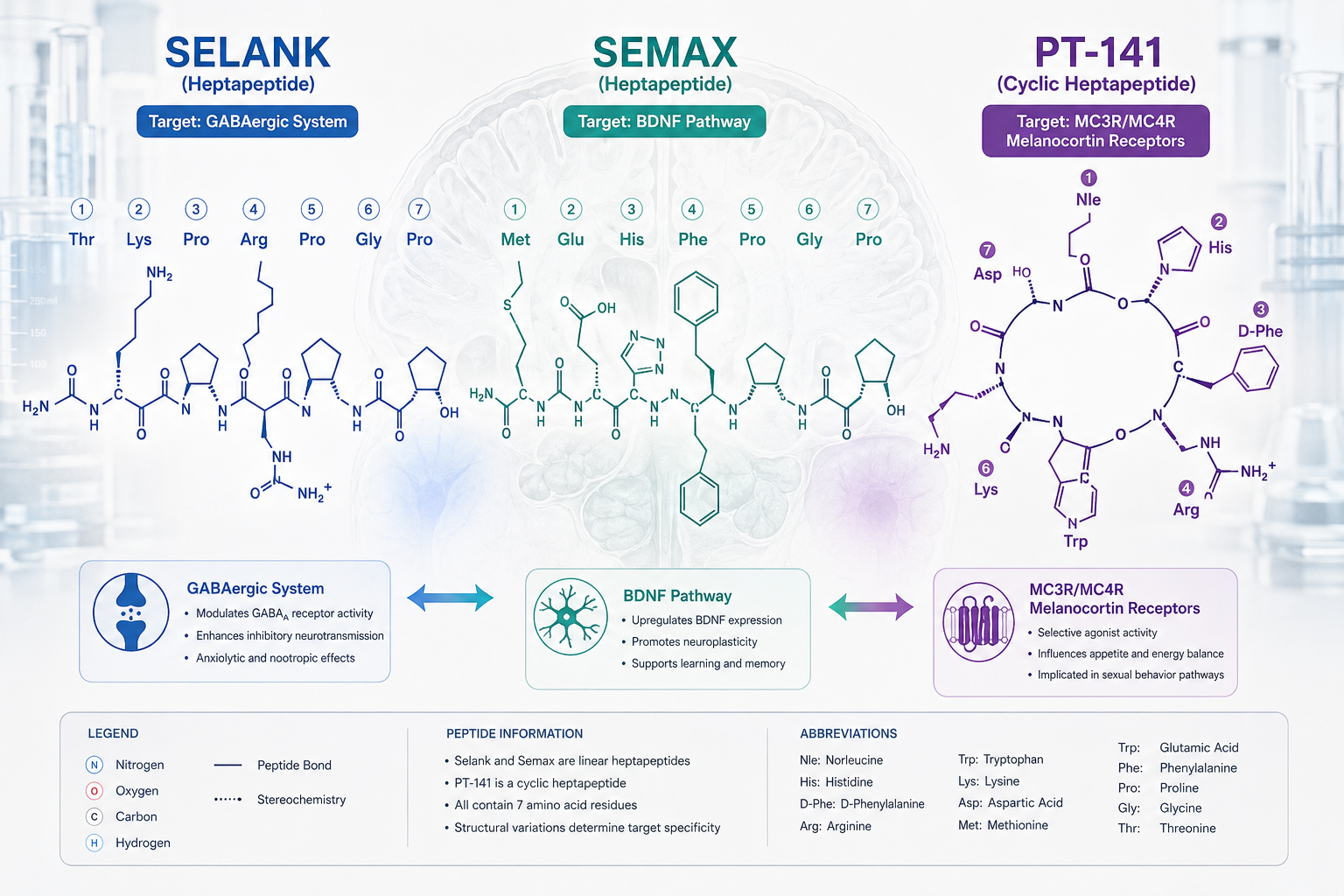
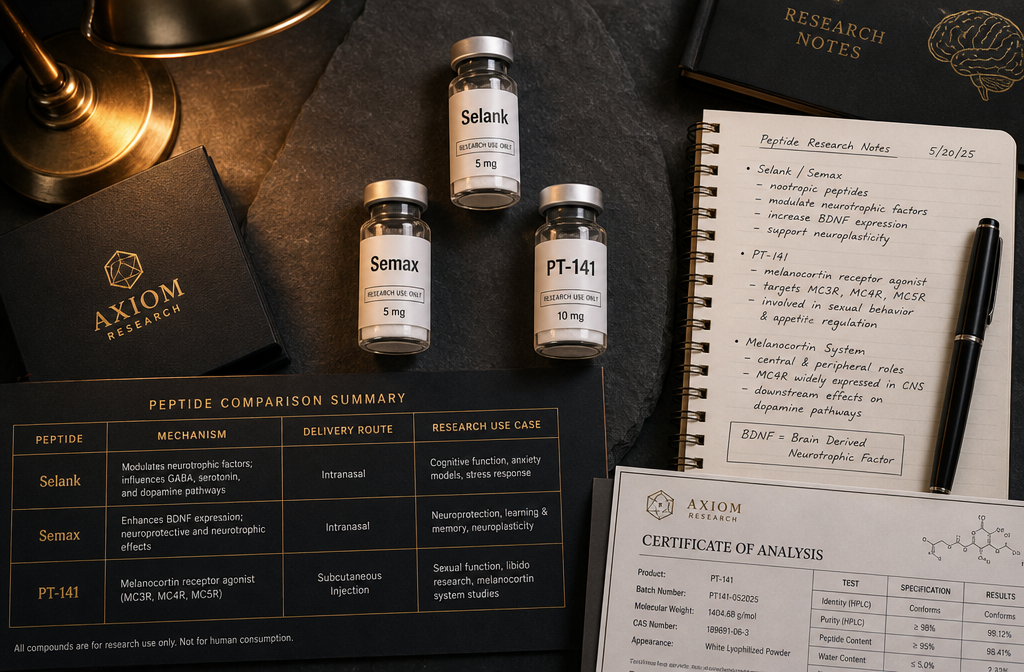
  • Selank targets the GABAergic system for anxiolytic effects without sedation; Semax modulates BDNF and monoamine pathways for cognitive enhancement.
  • PT-141 (bremelanotide) acts on central melanocortin receptors MC3R and MC4R — a mechanism entirely unrelated to the other two peptides.
  • Selank and Semax are primarily delivered intranasally; PT-141 is delivered via subcutaneous injection.
  • PT-141 received FDA approval in 2019 for HSDD in premenopausal women; Selank and Semax remain unapproved by the FDA.
  • Choosing the right peptide for a given research model requires understanding receptor specificity, not just general "neuropeptide" classification.

Key Takeaways

Mechanisms: What Each Peptide Actually Does

Understanding this research-only guide to distinct neuropeptide mechanisms starts at the receptor level.

Selank: GABAergic Modulation and Anxiolytic Signaling

Selank is a synthetic analog of the endogenous tetrapeptide tuftsin. Its primary mechanism involves modulating gene expression within the GABAergic system — the same neurotransmitter network targeted by benzodiazepines, but without the sedation or dependence risk associated with those drugs. Research models using Selank focus on anxiety reduction, stress response, and immune-adjacent signaling. For researchers studying the Selank side effects profile, the GABAergic mechanism is central to interpreting observed outcomes.

Semax: BDNF Upregulation and Monoamine Influence

Semax works differently. It is believed to enhance cognitive function by upregulating brain-derived neurotrophic factor (BDNF) and influencing dopaminergic and serotonergic systems. This makes Semax relevant to research on neuroplasticity, attention, and neuroprotection rather than anxiety. The two peptides are frequently compared, but their mechanisms are distinct enough that stacking them in a single model requires careful justification.

PT-141: Central Melanocortin Pathway

PT-141 (bremelanotide) operates through an entirely different system. As a synthetic cyclic heptapeptide, it acts as a melanocortin receptor agonist — specifically targeting MC3R and MC4R in the central nervous system. This distinguishes it sharply from PDE5 inhibitors, which work peripherally. PT-141 enhances sexual desire and arousal through central CNS signaling, not vasodilation. Researchers can explore the PT-141 research context and quality controls for sourcing and experimental design guidance.


Delivery Routes: Why Administration Method Matters

Delivery Routes: Why Administration Method Matters

Delivery route is not a minor detail — it directly affects bioavailability, onset time, and CNS penetration. This section of the Selank vs Semax vs PT-141 guide is where researchers often make consequential decisions.

Intranasal Delivery: Selank and Semax

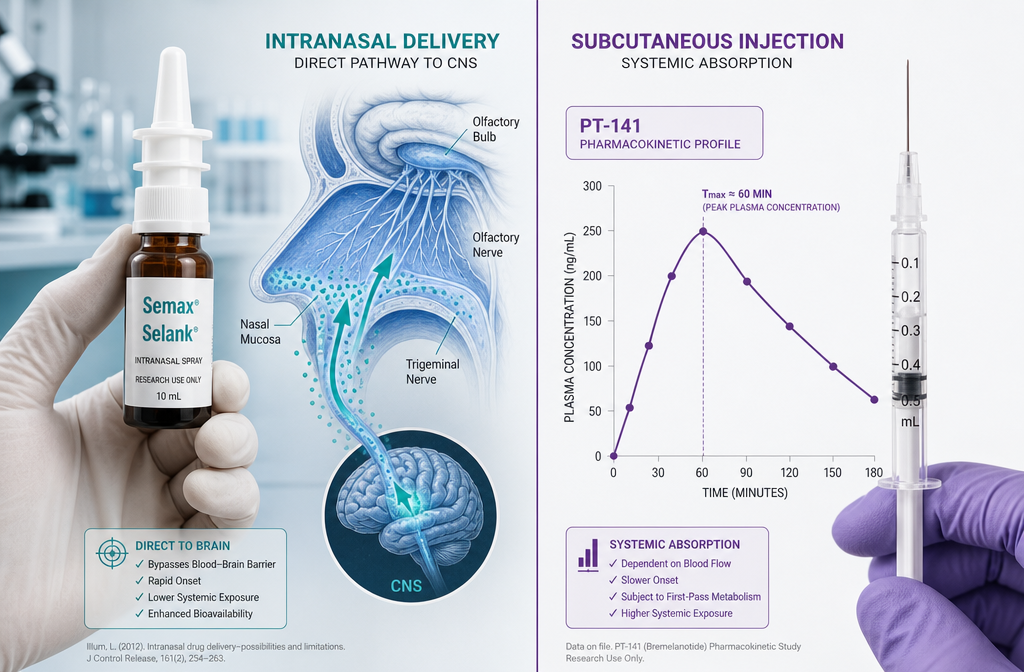
Both Selank and Semax are administered intranasally in research settings. The nasal mucosa offers rich vascularization and direct neural connections to the CNS via the olfactory pathway. This allows for rapid onset and relatively efficient CNS delivery without requiring injection. The intranasal route is also practical for repeated-dosing protocols.

Peptide Primary Delivery CNS Target Onset
Selank Intranasal GABAergic system Rapid
Semax Intranasal BDNF / Dopamine / Serotonin Rapid
PT-141 Subcutaneous injection MC3R / MC4R ~60 min

Subcutaneous Injection: PT-141

PT-141 follows a different path. The FDA-approved route is subcutaneous injection at 1.75 mg as needed. Following injection, peak plasma concentrations are reached approximately 60 minutes post-administration, with effects lasting 6 to 12 hours. Intranasal PT-141 was explored in early research but showed variable absorption and lower bioavailability, leading to its exclusion from the approved protocol.

Researchers comparing peptide delivery strategies may also find value in reviewing BPC-157 nasal spray and capsule evidence as a parallel case study in route-dependent outcomes.


Research Use Cases and Regulatory Status

Research Use Cases and Regulatory Status

Where Each Peptide Fits in Preclinical Research

Selank is best suited for models examining anxiety, stress resilience, and immune modulation. Its clean anxiolytic profile — without sedation — makes it useful in behavioral paradigms where motor function must remain intact.

Semax fits cognitive enhancement, neuroprotection, and neuroplasticity research. Its BDNF-modulating properties make it relevant in models of neurodegeneration or cognitive decline.

PT-141 belongs in research focused on sexual dysfunction, melanocortin signaling, or CNS-mediated arousal pathways. Its 2019 FDA approval for hypoactive sexual desire disorder (HSDD) in premenopausal women — based on two Phase III trials with 1,247 participants — gives it the strongest clinical validation of the three. Common side effects observed in trials included nausea (approximately 40% of participants), flushing, and headache.

Researchers building multi-peptide protocols may also want to examine how other neuropeptides interact with overlapping systems. The IPA-Sermorelin stack research overview and peptide supplier comparison guide offer useful context for sourcing decisions and protocol design.

Regulatory Landscape in 2026

As of 2026, Semax and Selank remain unapproved by the FDA for any medical use in the United States. They are available for research purposes only. PT-141 holds FDA approval under the brand name Vyleesi, though research-grade material is subject to different handling and documentation standards. Researchers should always verify certificates of analysis — the COA verification resource provides guidance on what to look for.

For those exploring adjacent peptide categories, GHK-Cu copper peptide sourcing guidance and AOD-9604 research method notes illustrate how traceability standards apply across different peptide classes.


Conclusion

The comparison at the heart of Selank vs Semax vs PT-141: A Research-Only Guide to Distinct Neuropeptide Mechanisms, Delivery Routes, and Use Cases reveals three peptides with almost nothing in common beyond their heptapeptide structure. Selank calms through GABAergic modulation. Semax stimulates cognitive pathways via BDNF and monoamines. PT-141 activates melanocortin receptors to influence central arousal signaling.

Actionable next steps for researchers:

  • Match peptide selection to the specific receptor system under investigation — do not group these compounds by structural similarity alone.
  • Account for delivery route when designing dosing intervals and bioavailability assumptions.
  • Verify regulatory status and obtain certificates of analysis before initiating any research protocol.
  • Review published clinical data on PT-141 as a benchmark for what rigorous peptide trial design looks like, then apply those standards to Selank and Semax research where Western-accessible data remains limited.

Precision in peptide research begins with precision in compound selection.

https://www.puretestedpeptides.com/wp-content/uploads/2026/06/Selank-vs-Semax-vs-PT-141-A-Research-Only-Guide-to-Distinct-Neuropeptide-Mechanisms-Delivery-Routes-and-Use-Cases.png 1024 1536 https://www.puretestedpeptides.com/wp-content/uploads/2026/01/buy-peptides-online.jpg 2026-06-09 13:05:202026-06-09 13:05:20Selank vs Semax vs PT-141: A Research-Only Guide to Distinct Neuropeptide Mechanisms, Delivery Routes, and Use Cases
×

Helpful Links

  • My account
  • Cart
  • Checkout
  • Refund and Returns Policy
  • Privacy Policy
  • SMS Privacy Policy
  • Login
  • My Account
  • Logout

USA Made Lab Tested Peptides

All products are sold for research, laboratory, or analytical purposes only, and are not for human consumption


Pure Tested Peptides is a chemical supplier. Pure Tested Peptides is not a compounding / chemical compounding facility as defined under 503A of the Federal Food, Drug, and Cosmetic act. Pure Tested Peptides is not an outsourcing facility as defined under 503B of the Federal Food, Drug, and Cosmetic act.

The statements made within this website have not been evaluated by the US Food and Drug Administration. The products we offer are not intended to diagnose, treat, cure or prevent any disease.

Human/Animal Consumption Prohibited. Laboratory/In-Vitro Experimental Use Only

Scroll to top Scroll to top Scroll to top