Tesamorelin in 2026: Visceral-Adipose, Frailty, and Lean-Mass Readouts for Research Models
Visceral fat is not simply an aesthetic concern, it is an independent metabolic risk factor, and reducing it by even 15% has been linked to meaningful improvements in cardiometabolic biomarkers. That single data point helps explain why tesa, a synthetic analog of growth hormone-releasing hormone (GHRH), has attracted sustained attention from researchers studying body composition, frailty, and metabolic disease. By 2026, the evidence base has grown considerably beyond its original HIV lipodystrophy indication, making Tesamorelin in 2026: Visceral-Adipose, Frailty, and Lean-Mass Readouts for Research Models a priority topic for any lab working in metabolic or aging research.
Key Takeaways
- Tesamorelin consistently reduces visceral adipose tissue (VAT) by 15-20% over 26-52 weeks in controlled research settings.
- Its selectivity for VAT over subcutaneous fat makes it a precise tool for body-composition endpoints.
- Preserved or modestly increased lean mass positions tesa as relevant to frailty-adjacent research models.
- 2026 post-hoc analyses confirm VAT reduction is consistent across diverse fat-distribution phenotypes.
- The research landscape is expanding toward MASLD and high-risk metabolic populations beyond HIV cohorts.
How Tesamorelin Acts on Visceral Adipose Tissue
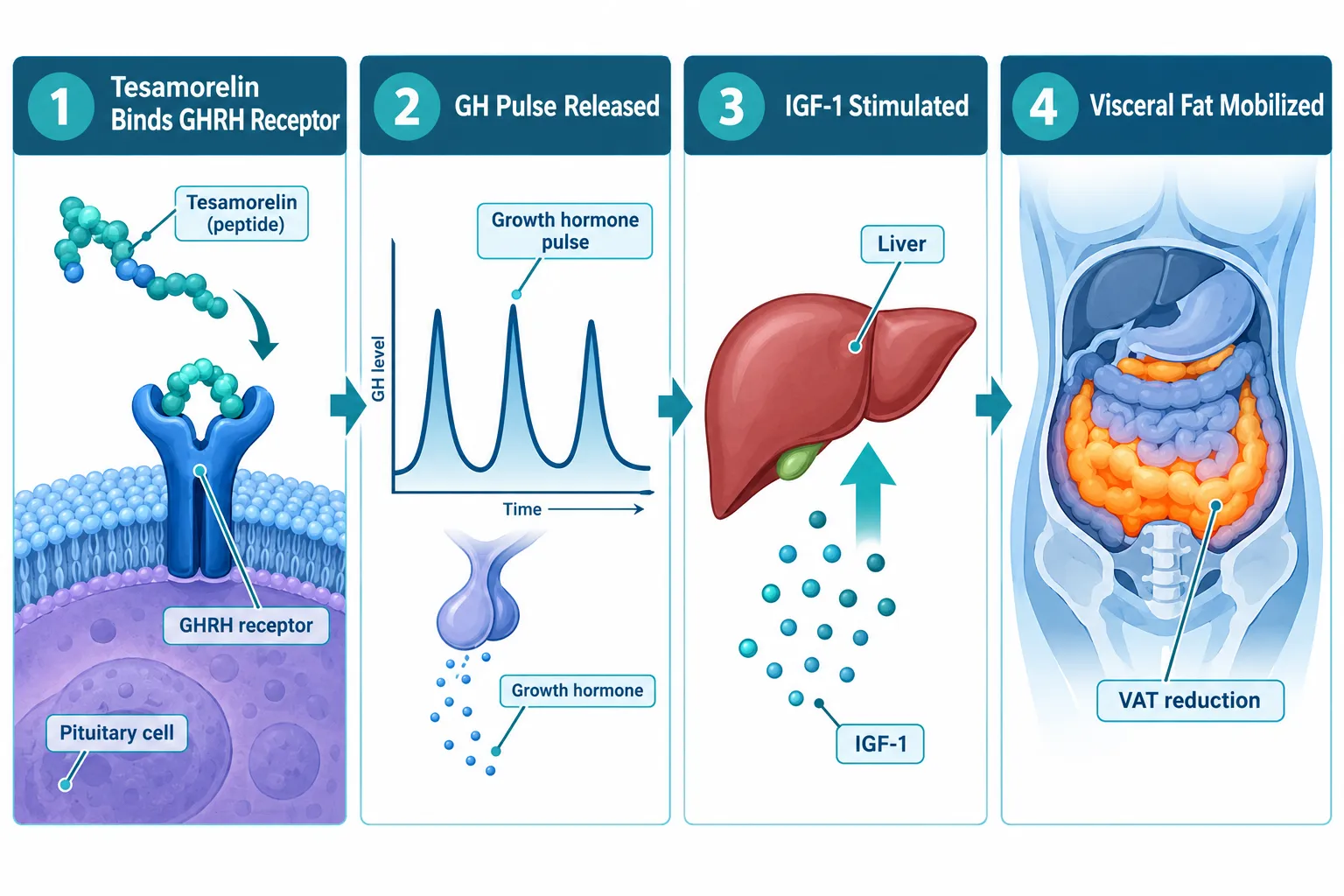
Tesamorelin binds to pituitary GHRH receptors, stimulating pulsatile growth hormone (GH) secretion. Elevated GH then triggers IGF-1 release, which drives lipolysis preferentially in the visceral depot. This mechanism is distinct from systemic GH administration because the physiological pulse pattern is preserved rather than overridden.
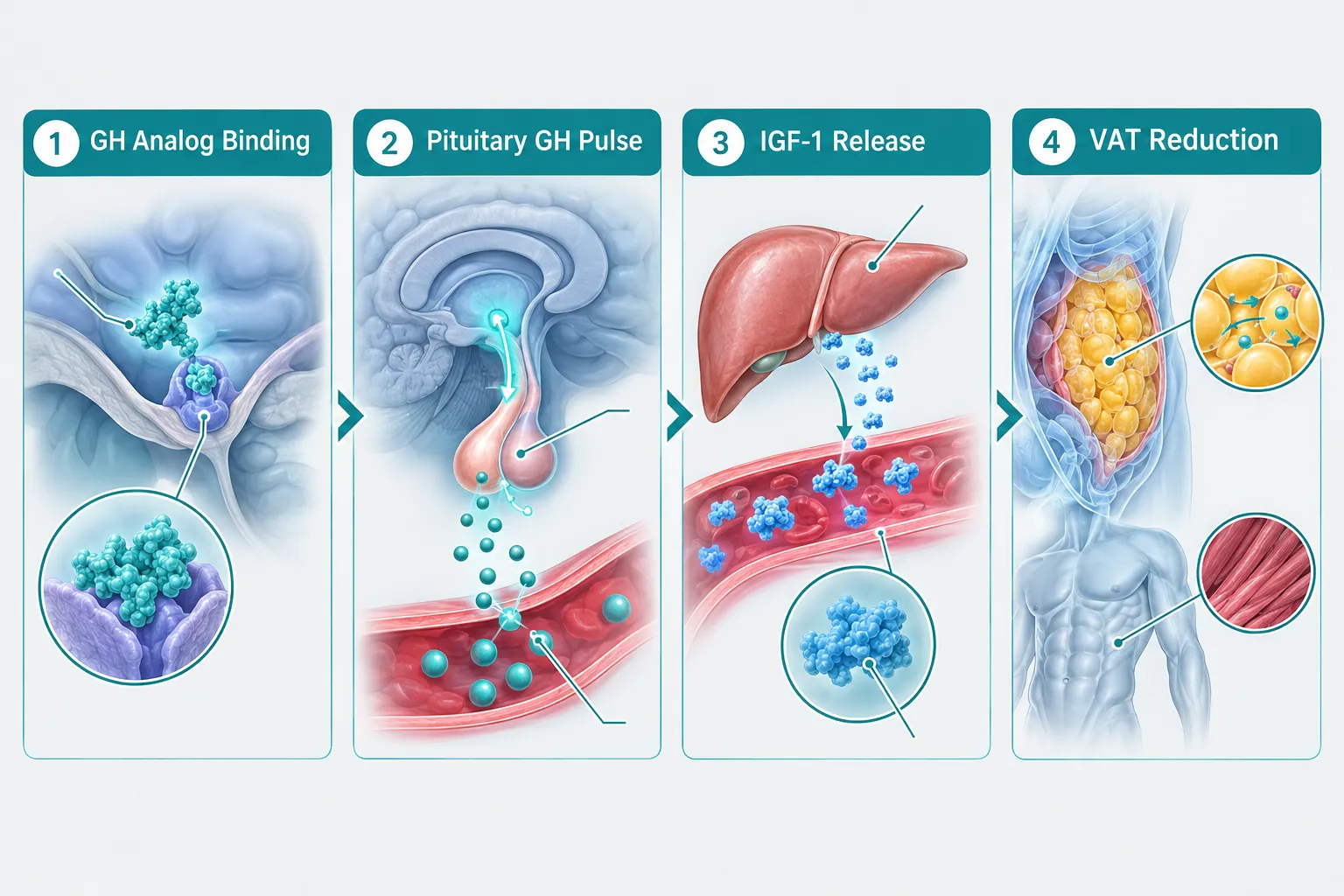
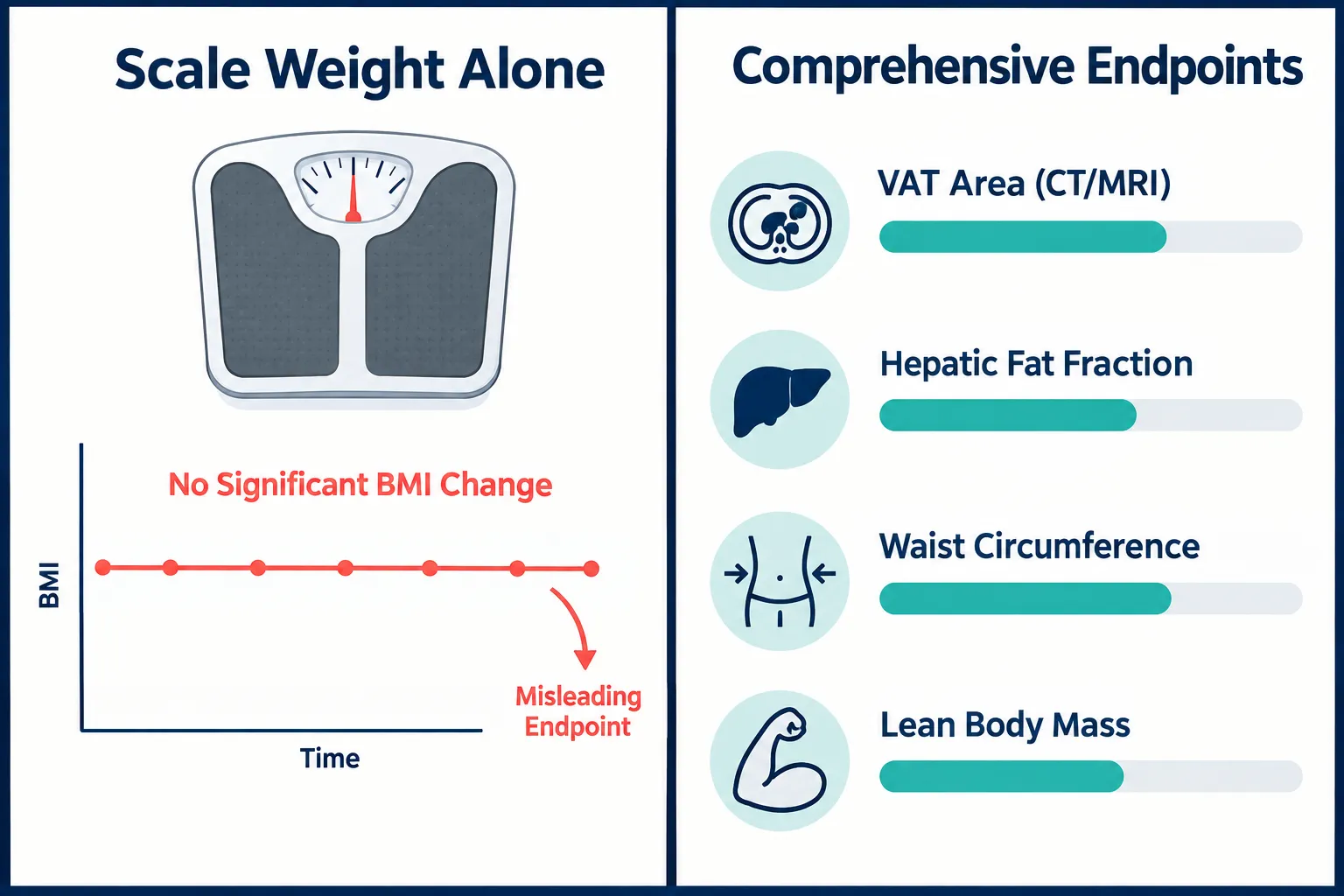
The selectivity for VAT over subcutaneous adipose tissue (SAT) is one of the compound's most reproduced findings. In research models, CT and MRI scans serve as the gold-standard measurement tools for quantifying this change. Waist circumference, trunk fat percentage, and visceral-to-subcutaneous fat ratios are additional readouts used across 2026 study protocols. Researchers interested in the foundational peptide science behind compounds like tesa will find the Peptides 101 for Research-Use Only Buyers: Structure, Mechanisms, and overview a useful reference for structural context.
A key distinction for research design: VAT reduction is dose-dependent and time-dependent. Phase 3 POWER-1 and POWER-2 data, which continue to anchor 2026 meta-analyses, showed 15-20% VAT reduction over 26-52 weeks. Post-hoc analyses published in 2026 confirm this reduction is consistent across different baseline fat-distribution phenotypes, an important finding for researchers designing heterogeneous cohorts.
Research note: VAT re-accumulation occurs after discontinuation, underscoring the importance of controlled washout periods in crossover designs.
Frailty and Lean-Mass Readouts: What 2026 Research Models Show
The frailty application for Tesamorelin in 2026: Visceral-Adipose, Frailty, and Lean-Mass Readouts for Research Models is emerging from a convergence of two findings: modest lean mass preservation and concurrent VAT reduction. Frailty indices typically incorporate grip strength, gait speed, muscle mass, and fatigue scores. Tesamorelin's mechanistic profile addresses at least two of these domains.
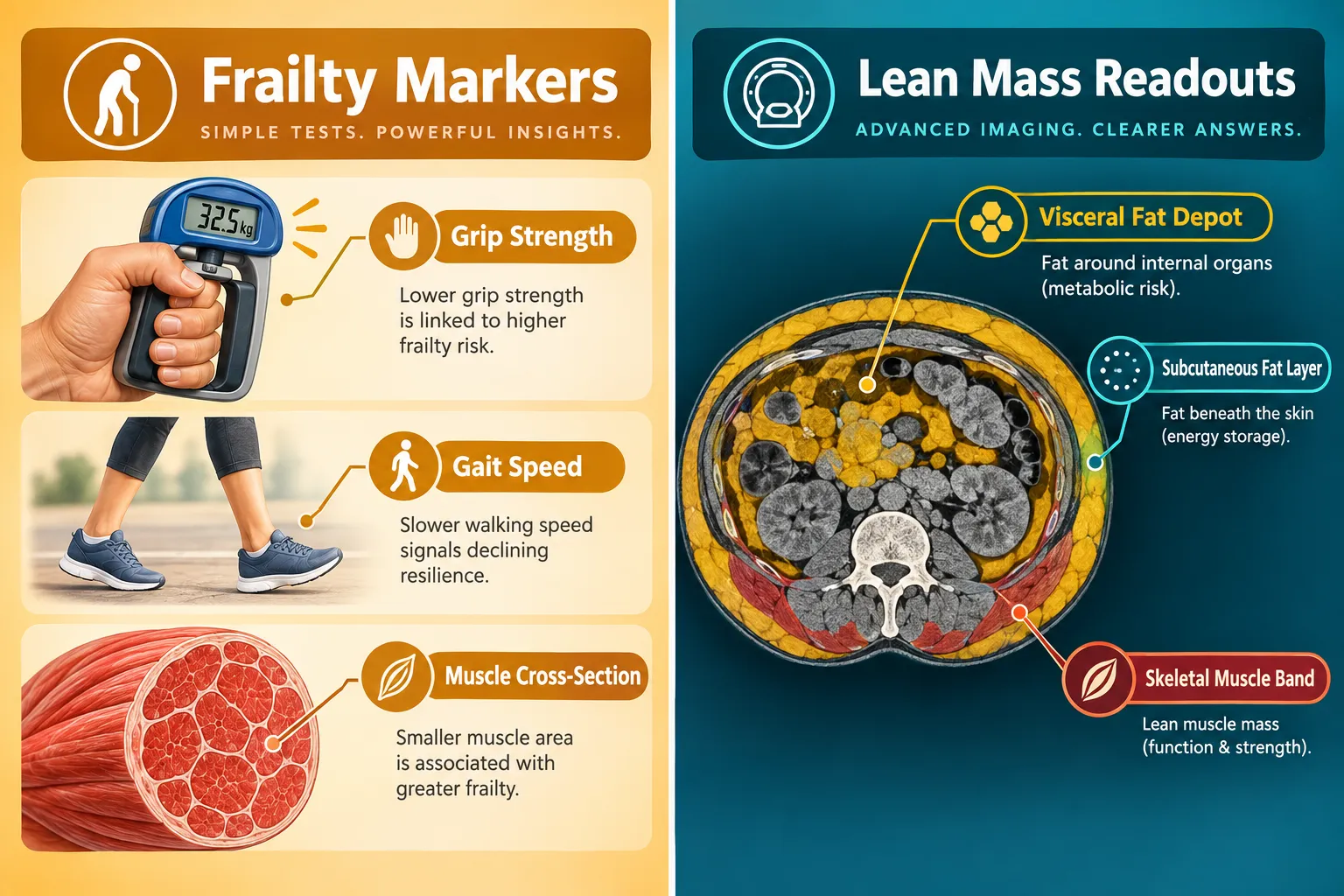
Lean mass outcomes across key study populations:
| Readout | Direction | Method Used |
|---|---|---|
| Visceral adipose tissue | Decrease (15-20%) | CT / MRI |
| Lean body mass | Preserved or modest increase | DEXA |
| Subcutaneous fat | Minimal change | CT / MRI |
| Waist circumference | Decrease | Tape measure / CT |
| IGF-1 levels | Increase | Serum assay |
Lean mass preservation is particularly relevant in aging and HIV-associated frailty models, where muscle wasting and fat redistribution often occur simultaneously. Researchers comparing tesa to other GH-axis peptides should review the Tesamorelin vs Ipamorelin breakdown for mechanistic differences, as well as the Sermorelin vs Tesamorelin comparison for analog-specific endpoint distinctions. For those working with multi-peptide protocols, the Tesamorelin AOD9604 CJC1295 Ipamorelin 12mg Blend formulation offers a reference point for combined body-composition approaches.
Three frailty-adjacent endpoints under active 2026 investigation:
- Trunk fat-to-lean mass ratio, a composite marker showing sensitivity to tesa intervention
- Grip strength correlation with VAT change, exploratory but consistent across HIV cohorts
- Metabolic biomarker panels (triglycerides, fasting glucose), improving alongside VAT reduction
2026 Research Landscape: Expanding Indications and Protocol Considerations
The research conversation in 2026 has moved decisively beyond HIV lipodystrophy. Metabolic dysfunction-associated steatotic liver disease (MASLD, formerly NAFLD) represents the most active expansion area, given the strong mechanistic link between VAT burden and hepatic fat accumulation. High-risk cardiometabolic populations are also under investigation, with researchers using tesa as a selective VAT-reduction probe rather than a broad metabolic agent.
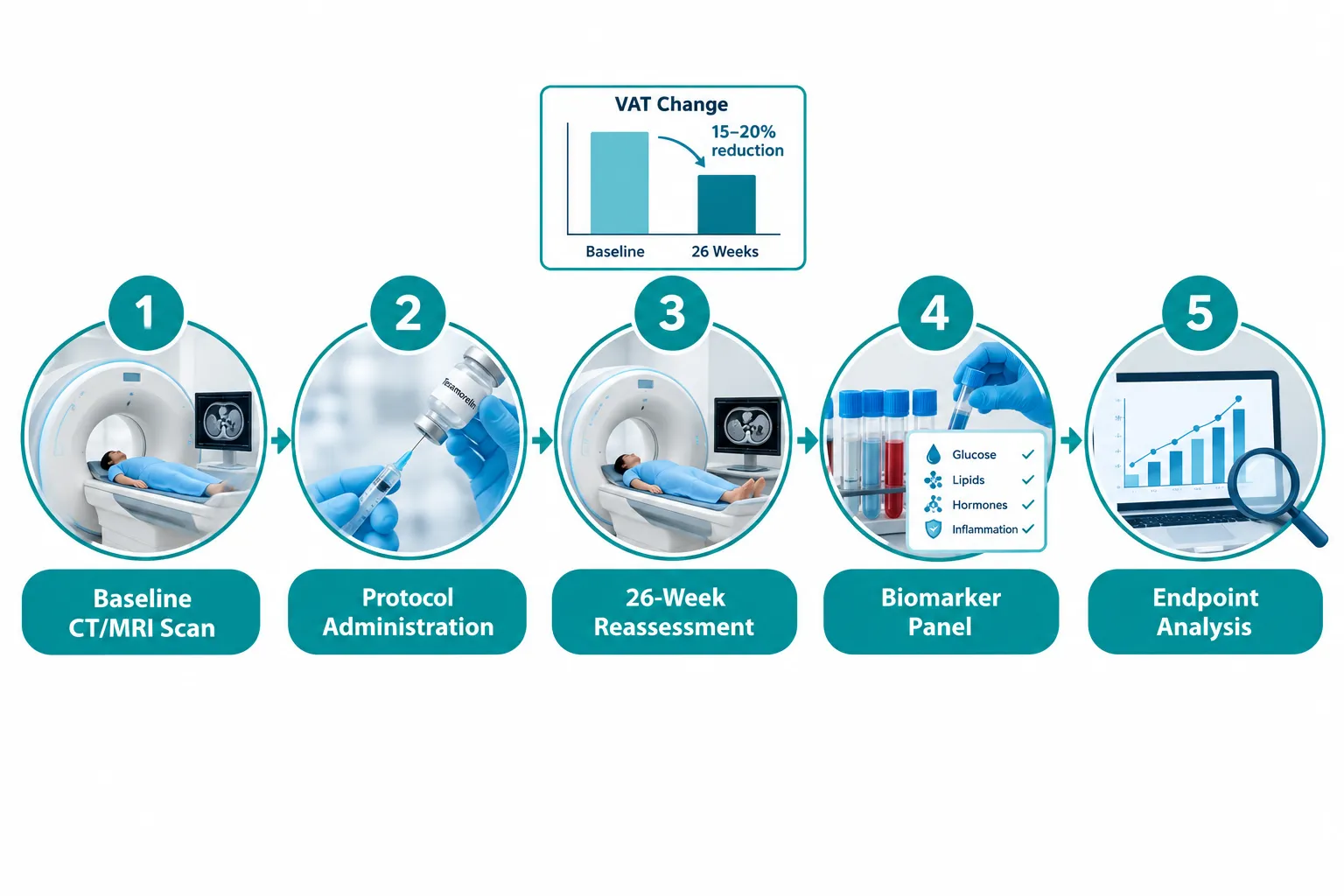
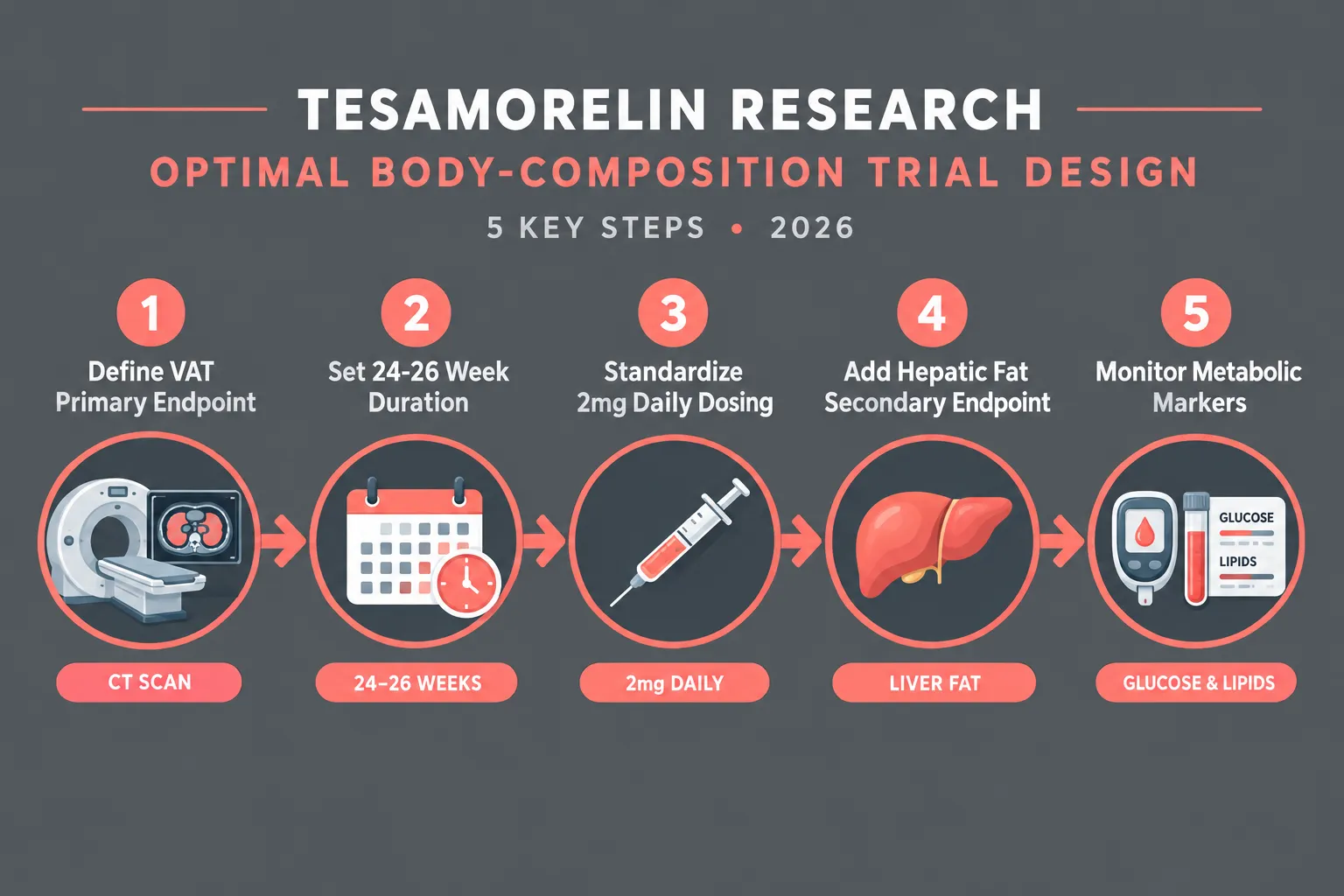
For protocol standardization, 2026 expert consensus reinforces CT and MRI as required endpoints for credible VAT readouts. Secondary endpoints commonly include:
- Fasting triglycerides and LDL particle size
- Hepatic fat fraction (MRI-PDFF)
- HOMA-IR and fasting insulin
- DEXA-derived appendicular lean mass
Researchers referencing dosing frameworks should consult the Tesamorelin Dosage Per Day documentation for protocol parameter baselines. The Tesamorelin Benefits summary provides a consolidated view of the outcome data most relevant to research model design.
Looking toward 2027-2028, the field anticipates more robust frailty-specific trial data and potential regulatory expansion. Multi-arm designs pairing tesa with resistance training interventions are appearing in trial registries, targeting the lean mass and physical performance endpoints that frailty models require. For comparison, the fat-metabolism mechanisms documented in AOD 9604 Sale Research Method Notes Storage and Traceability offer a useful contrast in lipolytic approach.
Conclusion
The body of evidence supporting Tesamorelin in 2026: Visceral-Adipose, Frailty, and Lean-Mass Readouts for Research Models is more actionable than at any prior point. Researchers designing studies in 2026 should prioritize CT or MRI-confirmed VAT as the primary endpoint, incorporate DEXA lean mass as a secondary readout, and plan washout periods to account for documented re-accumulation. The expansion into MASLD and frailty-adjacent metabolic models reflects a maturing understanding of tesa's selective mechanism.
Actionable next steps for research teams:
- Standardize VAT measurement with CT or MRI at baseline and 26-week intervals
- Include lean mass and grip strength as co-primary endpoints in frailty models
- Design controlled washout phases to capture rebound VAT data
- Monitor hepatic fat fraction as an emerging secondary endpoint in MASLD models
- Reference current protocol documentation to calibrate dosing parameters before study initiation