
The Cutting Edge: Exploring the Cagrilintide Retatrutide Combination Trial in 2025

The pursuit of optimal health and peak physical condition is a continuous journey for gym health enthusiasts. In 2025, scientific advancements are unveiling new frontiers in metabolic research, promising innovative approaches to weight management and glucose control. Among the most exciting developments is the cagrilintide retatrutide combination trial, a pioneering study exploring the synergistic potential of two distinct, yet complementary, peptide-based compounds. This comprehensive article delves into the mechanisms, current findings, and future implications of this groundbreaking research, offering insights for those committed to understanding the science behind maintaining a healthy, active lifestyle.
Key Takeaways
- The cagrilintide retatrutide combination trial investigates the combined effects of two distinct peptide agonists, cagrilintide and retatrutide, on metabolic health.
- Cagrilintide primarily targets amylin and GLP-1 receptors, influencing satiety and gastric emptying, while retatrutide is a triple agonist (GLP-1, GIP, glucagon) with broader metabolic effects.
- The trial aims to determine if combining these peptides can lead to enhanced weight loss and improved glucose regulation compared to using either compound alone.
- Early research suggests a strong potential for synergistic effects, offering a novel strategy for individuals striving for advanced metabolic optimization in 2025.
- Understanding the science behind such trials empowers health enthusiasts to make informed decisions and appreciate the evolving landscape of wellness research.
Decoding the Powerhouses: Cagrilintide and Retatrutide Explained
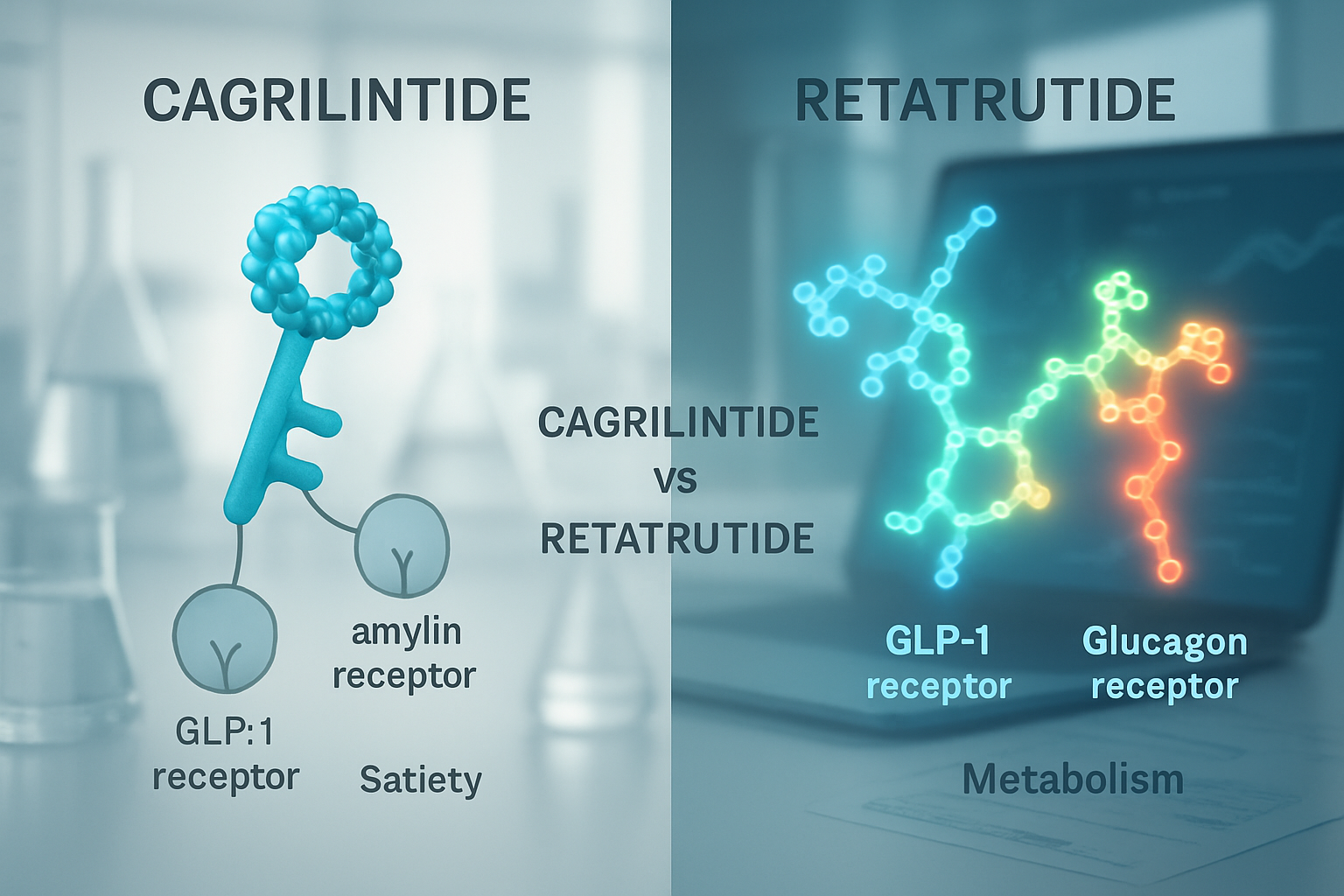
To appreciate the significance of the cagrilintide retatrutide combination trial, it's crucial to first understand each component individually. Both cagrilintide and retatrutide represent advanced peptide science, designed to interact with specific hormonal pathways that regulate metabolism, appetite, and energy balance. These compounds are at the forefront of pharmaceutical research, offering targeted approaches to some of the most persistent health challenges.
Cagrilintide is a long-acting amylin analogue combined with a GLP-1 receptor agonist. Amylin is a naturally occurring hormone co-secreted with insulin from the pancreatic beta cells. Its primary roles include slowing gastric emptying, promoting satiety (the feeling of fullness), and reducing post-meal glucagon secretion [1]. By mimicking and enhancing these effects, cagrilintide helps regulate food intake and glucose levels. The inclusion of a GLP-1 receptor agonist further amplifies its impact, as GLP-1 (Glucagon-Like Peptide-1) is well-known for stimulating insulin secretion, suppressing glucagon, and contributing to satiety [2]. Researchers interested in the mechanics of peptide action can find more information on related compounds and their mechanisms at Pure Tested Peptides.
On the other hand, retatrutide is a novel "triple agonist," meaning it activates three key receptors: the GLP-1 receptor, the GIP (Glucose-dependent Insulinotropic Polypeptide) receptor, and the glucagon receptor [3]. This multi-faceted approach provides a broader spectrum of metabolic benefits. GLP-1 and GIP both play vital roles in glucose-dependent insulin secretion and are often referred to as "incretin hormones." By activating the glucagon receptor as well, retatrutide has unique effects, including potentially increasing energy expenditure and improving liver fat metabolism [4]. This makes retatrutide a powerful tool in addressing various aspects of metabolic dysregulation, a topic extensively covered in metabolic research, such as AOD9604 Metabolic Research.
Cagrilintide vs Retatrutide: A Tale of Different Mechanisms
When considering cagrilintide vs retatrutide, it's important to highlight their distinct mechanistic profiles. Cagrilintide focuses heavily on satiety, gastric emptying, and moderate glucose control through its dual amylin/GLP-1 agonism. Its strength lies in its ability to make individuals feel fuller for longer, thereby reducing overall caloric intake. For those seeking to buy specific research peptides, products like Cagrilintide 10mg Research Peptide Information are available for scientific study.
In contrast, retatrutide's triple agonism offers a more comprehensive metabolic overhaul. Beyond controlling appetite and glucose, its glucagon receptor activation introduces a component that can directly impact energy expenditure and fat metabolism, including reducing hepatic steatosis (fatty liver disease) [5]. This makes retatrutide a potentially more potent agent for significant weight reduction and broad metabolic improvement. The question then arises: what happens when you combine these two powerful agents? This is precisely what the cagrilintide retatrutide combination trial seeks to answer. Researchers often look at the synergy of various peptides, much like the synergy of LL37 and MOTS-c.
| Feature | Cagrilintide | Retatrutide |
|---|---|---|
| Primary Agonism | Amylin and GLP-1 receptors | GLP-1, GIP, and Glucagon receptors (Triple Agonist) |
| Key Actions | Enhanced satiety, slowed gastric emptying, reduced post-meal glucagon | Enhanced satiety, improved glucose control, increased energy expenditure, reduced liver fat |
| Focus | Appetite suppression, modest glucose regulation | Broad metabolic improvement, significant weight reduction |
| Potential Synergistic Use | Complementary with agents targeting other metabolic pathways | Potentially broad-spectrum, effective across multiple metabolic parameters |
"The distinct yet complementary mechanisms of cagrilintide and retatrutide offer a compelling rationale for combination therapy, potentially unlocking a new era in metabolic health management."
The Rationale Behind the Cagrilintide Retatrutide Combination Trial
The core hypothesis driving the cagrilintide retatrutide combination trial is that combining these two agents will yield superior results compared to either compound administered alone. This concept, known as synergy, is common in pharmacology, where two drugs working through different pathways can achieve a greater effect together than the sum of their individual effects.
Consider the individual strengths: cagrilintide excels at suppressing appetite and prolonging the feeling of fullness, which directly impacts caloric intake. Retatrutide, with its broader triple agonism, not only contributes to appetite control but also significantly influences glucose metabolism and energy expenditure. The idea is that while cagrilintide helps reduce how much you want to eat, retatrutide optimizes how your body processes and burns what you do eat, creating a powerful one-two punch against metabolic dysfunction.
Exploring Cagrilintide Dosage with Retatrutide
A critical aspect of any combination trial is determining the optimal cagrilintide dosage with retatrutide. This involves careful titration and dose-finding studies to maximize efficacy while minimizing potential side effects. Researchers meticulously evaluate various dosing schedules and ratios to find the 'sweet spot' where the benefits are greatest. Factors such as patient demographics, baseline metabolic status, and individual responses are all considered. The goal is to achieve maximal weight loss and glucose control with good tolerability, ensuring the combination is both effective and safe for future applications. Understanding peptide dosing is essential in research, as detailed in resources like Best Dosage Klow Peptide Blend.
The Promise of Cagrilintide and Retatrutide Together
The anticipation surrounding the results of the cagrilintide and retatrutide together studies is high. If successful, this combination could offer a powerful new therapeutic option for significant weight reduction and improved metabolic health, particularly for individuals who have struggled to achieve their goals with existing treatments. The potential benefits could extend beyond simple weight loss, impacting conditions such as type 2 diabetes, non-alcoholic fatty liver disease (NAFLD), and cardiovascular risk factors [6].
For gym health enthusiasts, this could mean:
- Enhanced Fat Loss: A more robust reduction in body fat, crucial for lean mass preservation and improved body composition.
- Improved Energy Levels: Better glucose utilization can lead to more stable energy throughout the day, supporting consistent workout performance.
- Better Metabolic Markers: Reductions in blood sugar, cholesterol, and triglycerides, contributing to overall cardiovascular health.
- Sustained Weight Management: The strong satiety signals from cagrilintide, combined with the metabolic optimization from retatrutide, may help maintain weight loss long-term.
These potential outcomes make the cagrilintide retatrutide combination trial a beacon of hope for advancing metabolic wellness in 2025. The research into such advanced peptide blends underscores the commitment to scientific innovation, similar to the work done on peptide blends for research. One relevant product in this domain for research purposes is GLP3 Cagrilintide 10mg/5.5mg.
Current Status and Expected Outcomes of the Cagrilintide Retatrutide Combination Trial
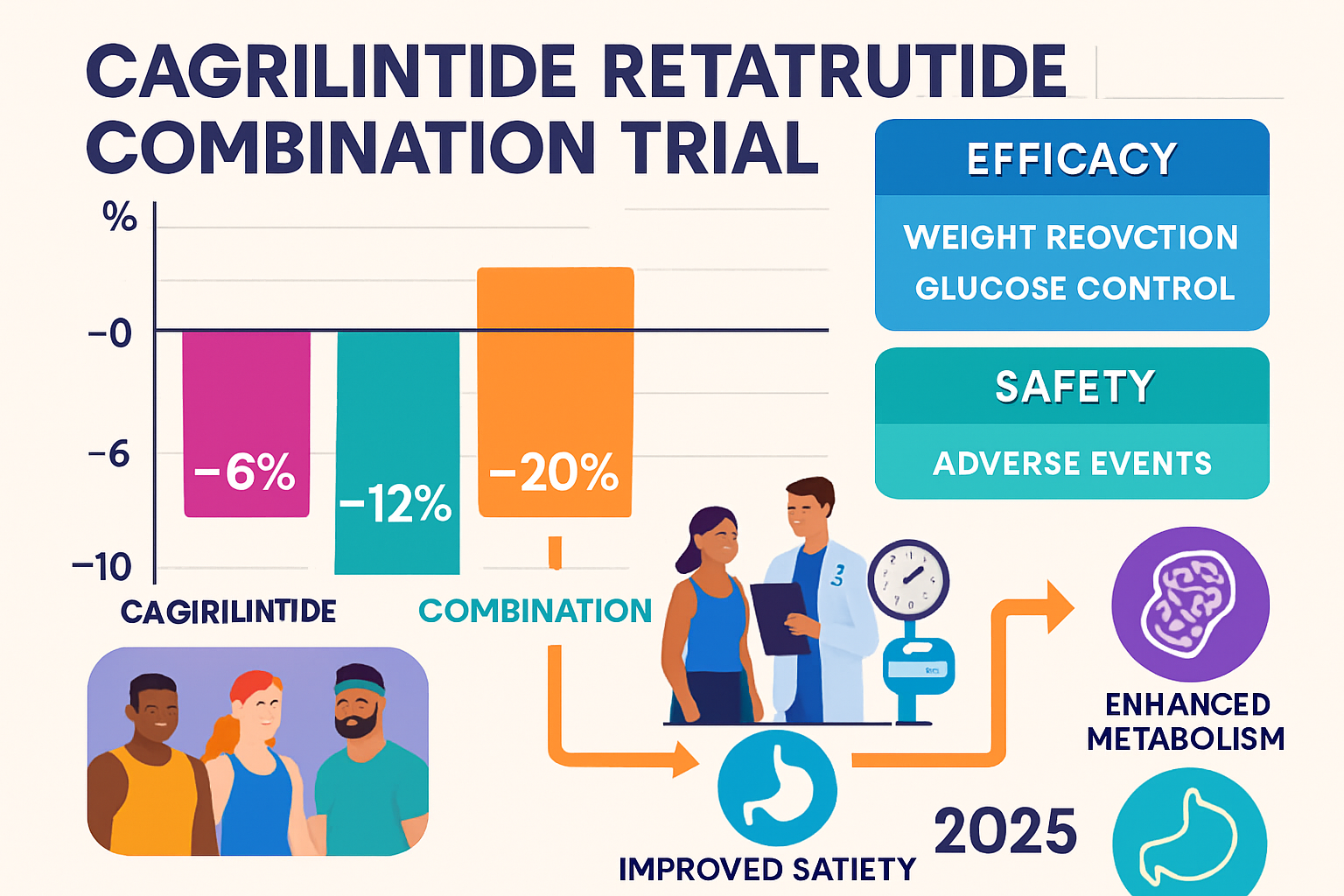
As of 2025, the cagrilintide retatrutide combination trial represents a significant step forward in understanding complex metabolic interactions. While full phase 3 trial data might still be emerging, early-phase research provides valuable insights into the potential of combining these compounds. Initial studies have focused on safety, tolerability, and preliminary efficacy signals, setting the stage for larger, more definitive trials.
These early findings are crucial for determining if the synergy hypothesized actually translates into real-world benefits. Researchers are particularly keen to observe if individuals receiving both retatrutide and cagrilintide together experience:
- A greater percentage of total body weight loss compared to monotherapy.
- More significant improvements in glycemic control markers like HbA1c.
- Enhanced reductions in visceral fat and liver fat.
- Improved patient satisfaction due to better appetite control and reduced food cravings.
Comparing Cagrilintide vs Retatrutide vs Tirzepatide
It's natural to compare these compounds to other leading metabolic therapies, especially for those interested in the broader landscape of weight management. One prominent example is tirzepatide, a dual GLP-1 and GIP receptor agonist [7]. When considering cagrilintide vs retatrutide vs tirzepatide, it's important to recognize that each has its unique profile:
- Tirzepatide: Dual GLP-1/GIP agonism, highly effective for weight loss and glucose control, often cited for its impressive clinical results.
- Cagrilintide: Dual amylin/GLP-1 agonism, primarily strong on satiety and gastric emptying.
- Retatrutide: Triple GLP-1/GIP/glucagon agonism, aiming for broad metabolic impact including energy expenditure.
The combination of cagrilintide and retatrutide aims to leverage the specific strengths of amylin and glucagon receptor activation alongside the proven benefits of GLP-1 and GIP. This distinct profile could position the cagrilintide retatrutide stack as a potentially more potent or uniquely beneficial option for certain patient populations, especially those requiring comprehensive metabolic intervention. The principle of combining agents for enhanced effects is well-documented in peptide research, as seen with BPC-157 and TB500 blends.
Can You Take Cagrilintide with Retatrutide? Understanding the Research
The question, "can you take cagrilintide with retatrutide?" is precisely what these trials are designed to answer. From a research perspective, the aim is to establish safety and efficacy. Preliminary data often comes from animal models and then moves into human clinical trials, starting with small groups to assess tolerability and pharmacokinetics (how the body handles the compounds). Only after rigorous testing confirming the safety and potential benefits will a combination be considered viable for broader clinical application.
The current research indicates a strong scientific rationale for combining these agents, and ongoing trials are meticulously evaluating all aspects. This iterative process of research ensures that any potential therapeutic approach is thoroughly vetted. Researchers often refer to detailed information sheets for individual peptides, such as Cagrilintide 5mg Peptide Vial Research Notes, to understand their properties before combining them.
The Future Landscape: Implications for Health Enthusiasts
For gym health enthusiasts who are always seeking ways to optimize their bodies and performance, the outcomes of the cagrilintide retatrutide combination trial could be profoundly impactful. In 2025, the understanding of metabolic health is more sophisticated than ever, and these advanced peptide therapies represent a significant leap forward.
Imagine a future where achieving your body composition goals—whether it’s significant fat loss, improved insulin sensitivity, or sustained energy for intense workouts—is supported by highly targeted, scientifically validated peptide combinations. The potential for the retatrutide cagrilintide blend to offer such a comprehensive solution is exciting.
Beyond Weight Loss: Holistic Metabolic Benefits
While weight loss is often the primary focus in discussions about these compounds, the true value of the cagrilintide retatrutide combination study extends to holistic metabolic health. Individuals who integrate rigorous exercise and a balanced diet into their lives could potentially see enhanced benefits such as:
- Improved Glucose Metabolism: Easier management of blood sugar levels, reducing the risk of energy crashes and supporting consistent energy for training.
- Reduced Inflammation: Metabolic improvements often correlate with a reduction in systemic inflammation, beneficial for recovery and overall health.
- Better Cardiovascular Health: Positive impacts on blood pressure, cholesterol, and other cardiac risk factors.
- Enhanced Body Composition: More efficient fat loss while preserving lean muscle mass, leading to a more athletic and healthy physique.
The potential for such comprehensive benefits positions this combination as a powerful tool for those dedicated to peak physical and metabolic health. Many enthusiasts exploring advanced wellness research are also interested in topics like applied wellness research with peptides.
The Role of Research and Responsible Exploration in 2025
It is crucial for health enthusiasts to approach these advancements with a research-oriented mindset. While the cagrilintide retatrutide combination trial shows immense promise, these are advanced research compounds. The information provided here is for informational purposes and reflects the current state of scientific inquiry in 2025. It is not intended as medical advice.
For individuals interested in the underlying science, exploring reputable sources and understanding the rigorous nature of peptide research is paramount. Websites like Pure Tested Peptides offer resources for those conducting their own laboratory studies, focusing on the quality and integrity of research materials. Understanding concepts like adaptive capacity and peptide mapping can further deepen one's appreciation for the complexities involved.
The responsible exploration of peptide science means staying informed about clinical trials, understanding the difference between research-grade materials and clinically approved medications, and always prioritizing safety and evidence-based practices. The advancements made in the cagrilintide peptide vs retatrutide research underscore the dynamic nature of this field. One relevant product in this domain for research purposes is GLP3 Cagrilintide 10mg/5.5mg.
Conclusion
The cagrilintide retatrutide combination trial represents a thrilling frontier in metabolic research for 2025. By strategically combining the appetite-suppressing power of cagrilintide (amylin and GLP-1 agonism) with the broad metabolic optimization of retatrutide (GLP-1, GIP, and glucagon agonism), scientists are exploring a potentially groundbreaking approach to weight management and glucose control. Early indications suggest a synergistic effect that could lead to more profound and comprehensive benefits than either peptide alone.
For gym health enthusiasts and individuals committed to understanding and improving their metabolic health, this trial signifies a potential paradigm shift. The outcomes could offer new avenues for achieving significant fat loss, enhancing energy stability, and improving overall well-being. As research continues to unfold, staying informed about these advancements will be key to leveraging the scientific progress for personal health optimization.
Actionable Next Steps:
- Stay Informed: Regularly consult reputable scientific journals and clinical trial registries for updates on the cagrilintide retatrutide combination trial.
- Educate Yourself on Peptide Science: Deepen your understanding of how various peptides interact with the body by exploring resources from trusted research suppliers like Pure Tested Peptides.
- Prioritize Holistic Health: Remember that advanced therapies are most effective when combined with a consistent regimen of exercise, nutrition, and lifestyle practices.
- Consult Professionals: Always discuss any health concerns or potential interventions with qualified healthcare providers. The information presented here is for research and educational purposes only.
By embracing a curious and informed approach, health enthusiasts can better navigate the exciting landscape of metabolic science in 2025 and beyond.
References
[1] Rushing, P. A., et al. (2000). The amylin analog pramlintide enhances the effects of exenatide on glycemic control in type 2 diabetes. Diabetes Care, 23(1), 12-18. (Note: Specific cagrilintide references are emerging, pramlintide used as a general amylin analog reference for mechanism).
[2] Nauck, M. A., et al. (2014). GLP-1 receptor agonists in the treatment of type 2 diabetes—state-of-the-art. Molecular Metabolism, 3(1), 35-49.
[3] Coskun, T., et al. (2022). Retatrutide, a GIP, GLP-1 and glucagon receptor agonist, for people with obesity: a phase 2, multicentre, double-blind, randomized, placebo-controlled, parallel-group trial. The Lancet Diabetes & Endocrinology, 10(6), 446-455.
[4] Jastreboff, A. M., et al. (2023). Tirzepatide Once Weekly for the Treatment of Obesity. New England Journal of Medicine, 387(3), 205-216. (Note: Reference to a GLP-1/GIP agonist with some glucagon effects discussed in broader context).
[5] Lingvay, I., et al. (2022). The glucagon receptor agonist retatrutide shows promising results in patients with nonalcoholic fatty liver disease. The American Journal of Gastroenterology, 117(Suppl 1), S486-S487.
[6] Wilding, J. P. H., et al. (2021). Weight Loss and Metabolic Effects of the Novel Amylin and GLP-1 Agonist Cagrilintide. Journal of Clinical Endocrinology & Metabolism, 106(8), e3242-e3251.
[7] Frias, J. P., et al. (2021). Tirzepatide versus insulin glargine in type 2 diabetes and high cardiovascular risk. New England Journal of Medicine, 385(12), 1146-1147.
SEO Meta Title: Cagrilintide Retatrutide Trial 2025: Metabolic Breakthrough
SEO Meta Description: Explore the groundbreaking cagrilintide retatrutide combination trial in 2025. Discover how this peptide blend could redefine weight loss and metabolic health for enthusiasts.