Call or Text 727-513-9780
  • Shopping Cart Shopping Cart
    0Shopping Cart
Pure Tested Peptides | America's most trusted Peptides for sale online
  • Peptides for sale
    • Oral Peptides for sale
      • Peptide Capsules for sale
      • BPC 157 Capsules 1000mcg
      • SLU-PP-332 Capsules | 1000 mcg
      • 5-Amino-1MQ 50mg Capsules
      • Tesofensine 500mcg
    • All Peptides for sale
    • Peptide Sprays
      • BPC 157 Nasal Spray Kit
      • BPC-157 TB500 Nasal Spray Kit
      • Semax Nasal Spray 10mg
      • Selank – Nasal Spray Kit – 10mg
      • Epithalon 50MG Nasal Spray Kit
      • Ipamorelin 10mg Nasal Spray
      • Klow Nasal Spray (BPC-157 + TB-500 + GHK-Cu + KPV) | 80mg
      • Hulk Nasal Spray Tesa / Ipa Blend 6/3 MG
      • Klow Nasal Spray
      • NAD + 500 mg Nasal Spray
      • PT-141 Nasal Spray Kit
    • GHRH Peptides
      • Ipa Peptides
      • CJC-1295 Peptides
        • CJC-1295 with DAC 5 mg
        • CJC-1295 without DAC 5 mg
        • CJC-1295 Ipa 10mg
      • Tesa Peptides
        • Tesa Peptide
        • Tesa 20 mg
    • GHK-Cu Peptides
      • All GHK-Cu Peptides
      • GHK-Cu 100mg
      • KLOW Peptide Blend – Buy KLOW blend online
    • BPC Peptides
      • All BPC Peptides
      • BPC-157
      • BPC-157 TB-500
      • BPC 157 capsules 1000mcg
    • SLU-PP-332 Peptides
      • All SLU-PP-332 Peptides
      • SLU-PP-332 5mg
    • GLP3 Peptides
      • GLP3-R
      • GLP3-R CAG 10mg
      • GLP3-R 20mg
    • PT-141 Peptides
      • PT-141 Peptides for sale
      • PT-141 10mg
      • PT-141 Nasal Spray
    • CAG Peptides
      • Lipo-C Peptide Blend
      • CAG 5mg
      • CAG 10mg
    • MOTS-C Peptides
      • MOTS-C Peptides for sale
      • MOTS-c peptide
      • MOTS-c 10mg *6 pack*
    • 5 Amino 1MQ Peptides
      • 5 Amino 1MQ Peptides for sale
      • 5-Amino-1MQ 50mg Capsules
      • 5-Amino-1MQ 5mg
    • Epithalon Peptides
      • Epithalon Peptides for sale
      • Epithalon 10mg
      • Epithalon 50mg
  • Shop
    • GLPs
      • 5-Amino-1MQ 50mg Capsules
      • 5-Amino-1MQ 5mg
      • GLP3-Reta
      • L-Carnitine 500mg/ml
      • Tesofensine 500mcg
      • SLU-PP-332 5mg
      • MOTS-c 10mg *6 pack*
    • Epithalon & BPC Peptides
      • Epithalon 10mg
      • Epithalon 50mg
      • BPC-157
      • BPC 157 capsules 1000mcg
      • BPC-157 TB-500
      • BPC-157 TB500 Nasal Spray Kit
      • BPC 157 Nasal Spray Kit
    • BPC TB-500 & NAD+ Peptides
      • NAD+ 500 mg
      • KLOW Peptide Blend – Buy KLOW blend online
      • GLOW Peptide Blend
      • TB 500 5mg
      • BPC 157 capsules 1000mcg – Supplement
      • BPC 157 Nasal Spray Kit
      • BPC-157
      • BPC-157 TB500 Nasal Spray Kit
      • BPC-157 TB-500
      • BPC 157 capsules 1000mcg
    • LL-37 Peptide
      • LL-37 10 mg
    • MOTS-C & Selank
      • MOTS-c peptide
      • Selank 10mg
    • GHK Peptides
      • GHK-Cu 100mg
      • GLOW Peptide Blend
      • KLOW Peptide Blend – Buy KLOW blend online
  • COAs
  • Wholesale
    • Wholesale Peptides for sale
  • PTP FAQ
  • Affiliates
    • Selank Peptide: Advanced Pharmacological Mechanisms Underlying Its Anxiolytic and Nootropic Effects in Research
      • 5-Amino-1MQ Peptide: Detailed Mechanisms of NNMT Inhibition and Its Impact on Cellular Metabolism Research
        • MOTS-C Peptide: Unraveling Its Role in Mitochondrial Dynamics and Energy Metabolism Research
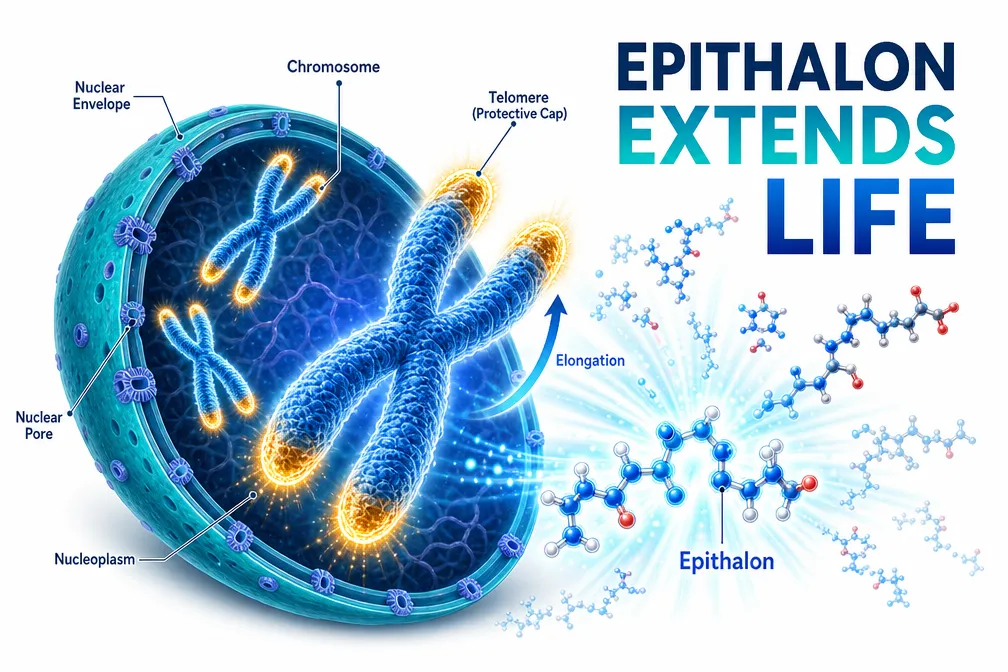
          • Epithalon Peptide and Telomerase Regulation: Investigating Its Impact on Cellular Senescence and Lifespan Research Models
            • GLP2-T vs GLP2 Tirz Peptide: Understanding the Naming, Mechanistic Nuances, and Research Implications for Gut Health
      • Peptides and Polypeptides in Modern Pharmacology: What Research on Metoprolol, Prednisone, and Amlodipine Reveals
        • Polypeptide Peptides vs NSAIDs: What Naproxen and Diclofenac Teach Tissue-Repair Researchers About BPC‑157 and TB‑500
          • Peptides and Polypeptides in Endocrine Pharmacology: How GLP-1, GLP-2, and GLP-3 Retatrutide Differ From Classic Drugs Like Prednisone and Amlodipine
          • 5‑Amino‑1MQ Peptide and NNMT Inhibition: How It Compares With Statins Like Atorvastatin in Adipose and Lipid Metabolism Research
      • Enclomiphene, Estrogen Receptor Signaling, and Luteinizing Phase Biology: What Hormone Researchers Should Measure
        • Mesenchymal Stem Cells, BPC‑157, and GHK‑Cu: How Tissue Repair Peptides Compare With Classic NSAIDs Like Naproxen in Injury Models
          • Peptide Calculator Use Cases Beyond Growth Hormone: Working Through GLP‑3 Retatrutide, MOTS‑c, and BPC‑157 Research Dosing
        • Polypeptide Peptides in Endocrine and Metabolic Pharmacology: Lessons From Amlodipine, Prednisone, and Metoprolol
        • Peptides Calculator for Advanced Blends: Worked Examples for Tesamorelin, CJC‑1295, and Ipamorelin Stacks
          • Peptides and Polypeptides in Human Physiology: How Molecular Size Shapes Research Applications
            • Selank Peptide: Advanced Pharmacological Mechanisms Underlying Its Anxiolytic and Nootropic Effects in Research
          • 5-Amino-1MQ Peptide: Detailed Mechanisms of NNMT Inhibition and Its Impact on Cellular Metabolism Research
            • MOTS-C Peptide: Unraveling Its Role in Mitochondrial Dynamics and Energy Metabolism Research
              • Epithalon Peptide and Telomerase Regulation: Investigating Its Impact on Cellular Senescence and Lifespan Research Models
                • GLP2-T vs GLP2 Tirz Peptide: Understanding the Naming, Mechanistic Nuances, and Research Implications for Gut Health
                  • Peptides and Polypeptides in Endocrine Pharmacology: How GLP-1, GLP-2, and GLP-3 Retatrutide Differ From Classic Drugs Like Prednisone and Amlodipine
                    • Polypeptide Peptides vs NSAIDs: What Naproxen and Diclofenac Teach Tissue-Repair Researchers About BPC‑157 and TB‑500
                      • Peptides and Polypeptides in Modern Pharmacology: What Research on Metoprolol, Prednisone, and Amlodipine Reveals
                        • 5‑Amino‑1MQ Peptide and NNMT Inhibition: How It Compares With Statins Like Atorvastatin in Adipose and Lipid Metabolism Research
                        • Enclomiphene, Estrogen Receptor Signaling, and Luteinizing Phase Biology: What Hormone Researchers Should Measure
                        • Mesenchymal Stem Cells, BPC‑157, and GHK‑Cu: How Tissue Repair Peptides Compare With Classic NSAIDs Like Naproxen in Injury Models
                        • Peptide Calculator Use Cases Beyond Growth Hormone: Working Through GLP‑3 Retatrutide, MOTS‑c, and BPC‑157 Research Dosing
                        • Polypeptide Peptides in Endocrine and Metabolic Pharmacology: Lessons From Amlodipine, Prednisone, and Metoprolol
                        • Peptides Calculator for Advanced Blends: Worked Examples for Tesamorelin, CJC‑1295, and Ipamorelin Stacks
                        • Peptides and Polypeptides in Human Physiology: How Molecular Size Shapes Research Applications
                        • Selank Peptide: Advanced Pharmacological Mechanisms Underlying Its Anxiolytic and Nootropic Effects in Research
                        • MOTS-C Peptide: Unraveling Its Role in Mitochondrial Dynamics and Energy Metabolism Research
                        • Peptides and Polypeptides in Modern Pharmacology: What Research on Metoprolol, Prednisone, and Amlodipine Reveals
                        • Peptides and Polypeptides in Endocrine Pharmacology: How GLP-1, GLP-2, and GLP-3 Retatrutide Differ From Classic Drugs Like Prednisone and Amlodipine
                        • 5-Amino-1MQ Peptide: Detailed Mechanisms of NNMT Inhibition and Its Impact on Cellular Metabolism Research
                        • Mesenchymal Stem Cells, BPC‑157, and GHK‑Cu: How Tissue Repair Peptides Compare With Classic NSAIDs Like Naproxen in Injury Models
                        • Peptide Calculator Use Cases Beyond Growth Hormone: Working Through GLP‑3 Retatrutide, MOTS‑c, and BPC‑157 Research Dosing
                        • GLP2-T vs GLP2 Tirz Peptide: Understanding the Naming, Mechanistic Nuances, and Research Implications for Gut Health
                        • Polypeptide Peptides in Endocrine and Metabolic Pharmacology: Lessons From Amlodipine, Prednisone, and Metoprolol
                        • Polypeptide Peptides vs NSAIDs: What Naproxen and Diclofenac Teach Tissue-Repair Researchers About BPC‑157 and TB‑500
                        • Peptides and Polypeptides in Human Physiology: How Molecular Size Shapes Research Applications
                        • Peptides Calculator for Advanced Blends: Worked Examples for Tesamorelin, CJC‑1295, and Ipamorelin Stacks
                        • 5‑Amino‑1MQ Peptide and NNMT Inhibition: How It Compares With Statins Like Atorvastatin in Adipose and Lipid Metabolism Research
                        • Enclomiphene, Estrogen Receptor Signaling, and Luteinizing Phase Biology: What Hormone Researchers Should Measure
                        • Epithalon Peptide and Telomerase Regulation: Investigating Its Impact on Cellular Senescence and Lifespan Research Models
                        • Best research protocol Klow blend
                        • best time to take BPC-157
                        • best time to take DSIP (Delta Sleep Inducing Peptide)
                        • best time to take CJC-1295
                        • best time to take AOD-9604
                        • best time to take Follistatin 344
                        • best time to take Ipamorelin
                        • best time to take MK-677 (Ibutamoren)
                        • best time to take Ligandrol (LGD-4033) — research compound
                        • best time to take Ostarine (MK-2866) — research compound
                        • best time to take GHK-CU
                        • best time to take TB-500
                        • best time to take MOTS-c
                        • best time to take Semax
                        • best time to take RAD-140 (Testolone) — research compound
                        • best time to take Thymosin Alpha-1
                        • best time to take PEG-MGF
                        • Biolife Plasma, Octapharma Plasma, and Research Peptides: How Plasma Donation Labs Differ From Peptide Suppliers
                        • best time to take YK-11 — research compound
                        • best time to take PT-141 (Bremelanotide)
                        • Best research protocol Klow blend
                        • 5-Amino-1MQ and MOTS-C Synergy: Metabolic Signaling, Mitochondria, and Research Design
                        • BPC-157 and TB-500: Investigating Their Combined Effects on Angiogenesis and Cellular Migration in Tissue Repair Models
                        • BPC-157 Peptide: Gut Barrier Function, Inflammation, and Tissue-Recovery Research
                        • 5‑Amino‑1MQ and MOTS‑c Synergy in Metabolic Research: Designing NNMT and Mitochondrial Biogenesis Stacks
                        • CJC-1295 with DAC vs. Without DAC: Half-Life, Release Kinetics, and Research Implications
                        • CJC‑1295 with DAC vs. Without DAC: Expanding on Half‑Life Differences Using Tesamorelin and Ipamorelin Blend Case Studies
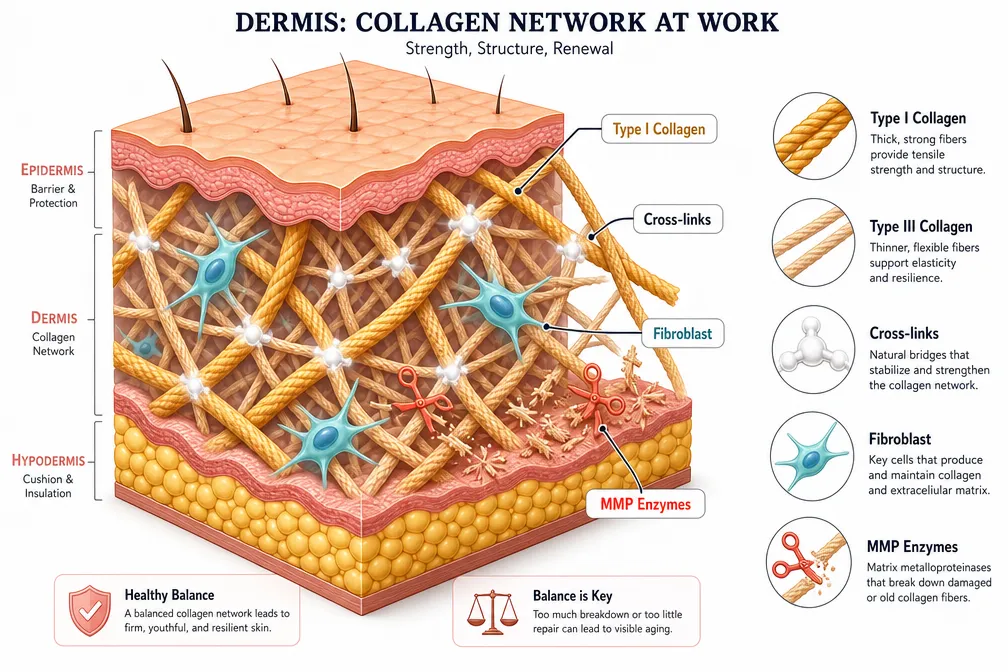
                        • Collagen Biology and Copper‑Binding Peptides: How GHK‑Cu, Glow Blend, and Klow Blend Interact with Skin and Connective Tissue
                        • Collagen Biology and Regenerative Peptides: How GHK‑Cu, Glow Blend, and Klow Blend Affect Extracellular Matrix Research
                    • DNA, Telomeres, and Longevity Peptides: Positioning Epithalon and MOTS‑c in Genetic Aging Research
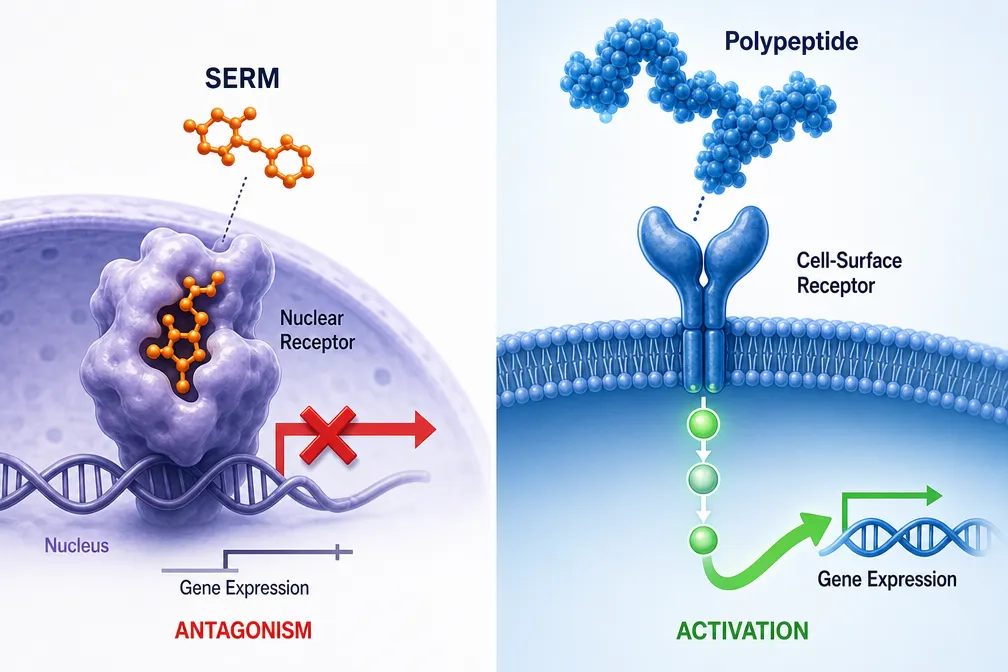
                      • Enclomiphene Citrate: serm Mechanism, Testosterone Research, and Stack Compatibility
                        • Enclomiphene vs Enclomiphene Citrate: Formulation, Bioavailability, and Research Distinctions
                        • Epithalon Peptide Research: Telomerase Activation, Aging, and Pineal Gland Function
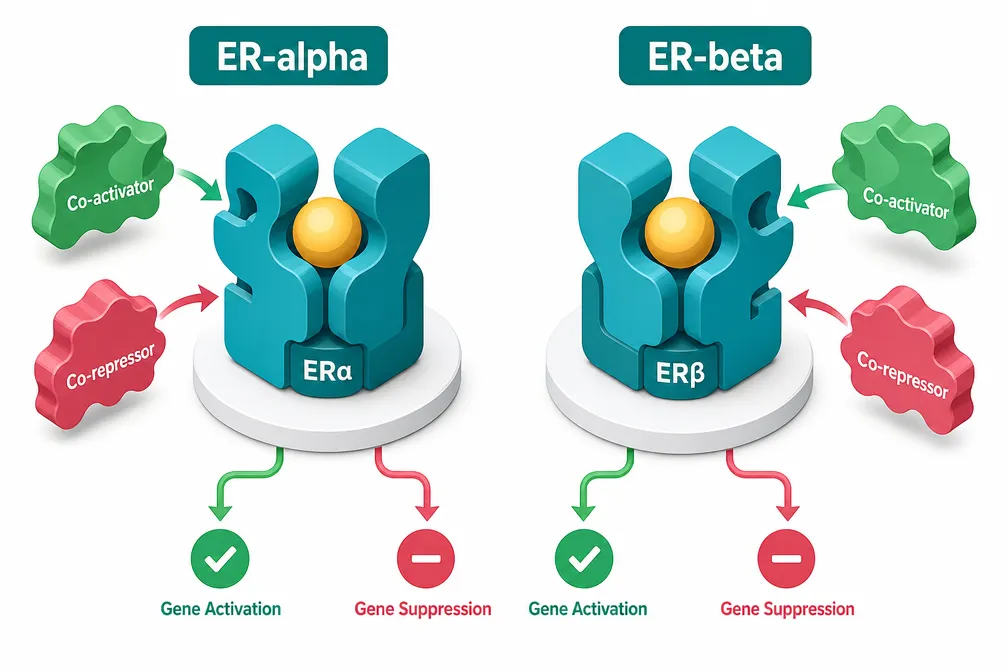
                        • Estrogen Receptor Signaling and Enclomiphene: How Selective Modulators Compare with Classic Polypeptide Hormones
                        • GHK-Cu Peptide: Advanced Mechanisms in Extracellular Matrix Remodeling and Wound Healing Research
                        • GHK-Cu Peptide: Collagen Synthesis, Wound Repair, and Skin-Barrier Research Models
                        • GLP-1 vs GLP-3 vs GLP-2: Peptide Classification and Research Applications
                        • GLP-2 Peptide Research Guide: Gut Barrier Function, Nutrient Absorption, and Intestinal Recovery Models
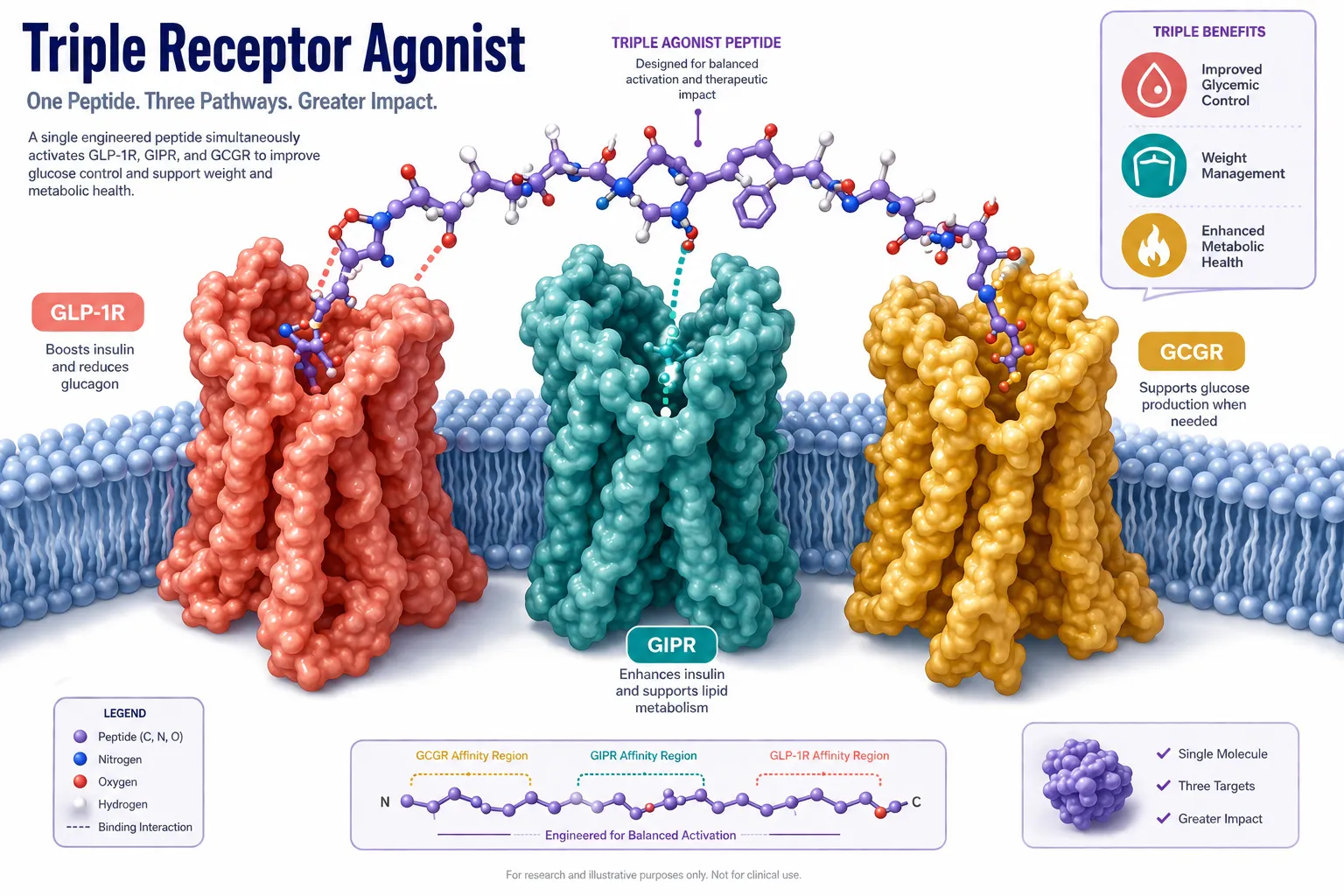
                        • GLP-3 Retatrutide vs. GLP-1 Drugs: What Triple-Agonist Biology Changes in Research Models
                        • Ipamorelin and Tesamorelin Combination: Synergistic GH Secretagogue Research and Dosing Protocols
                        • GLP2 Tirz Peptide: What It Is, Why the Name Exists, and How Researchers Should Interpret It
                        • Klow Blend Peptide Nasal Spray: What the Formulation Is Trying to Do in Cognitive Research
                        • Mitochondria, NNMT Inhibition, and Peptide Modulators: Where MOTS‑c and 5‑Amino‑1MQ Fit in Cellular Energy Research
                        • MOTS-c Peptide: Mitochondrial Function, Energy Metabolism, and What Researchers Measure
                        • MOTS-c vs. 5-Amino-1MQ: Which Metabolic Research Questions Each Compound Actually Answers
                        • Nasal Spray Peptides: Bioavailability, Administration, and Semax/Selank Research Applications
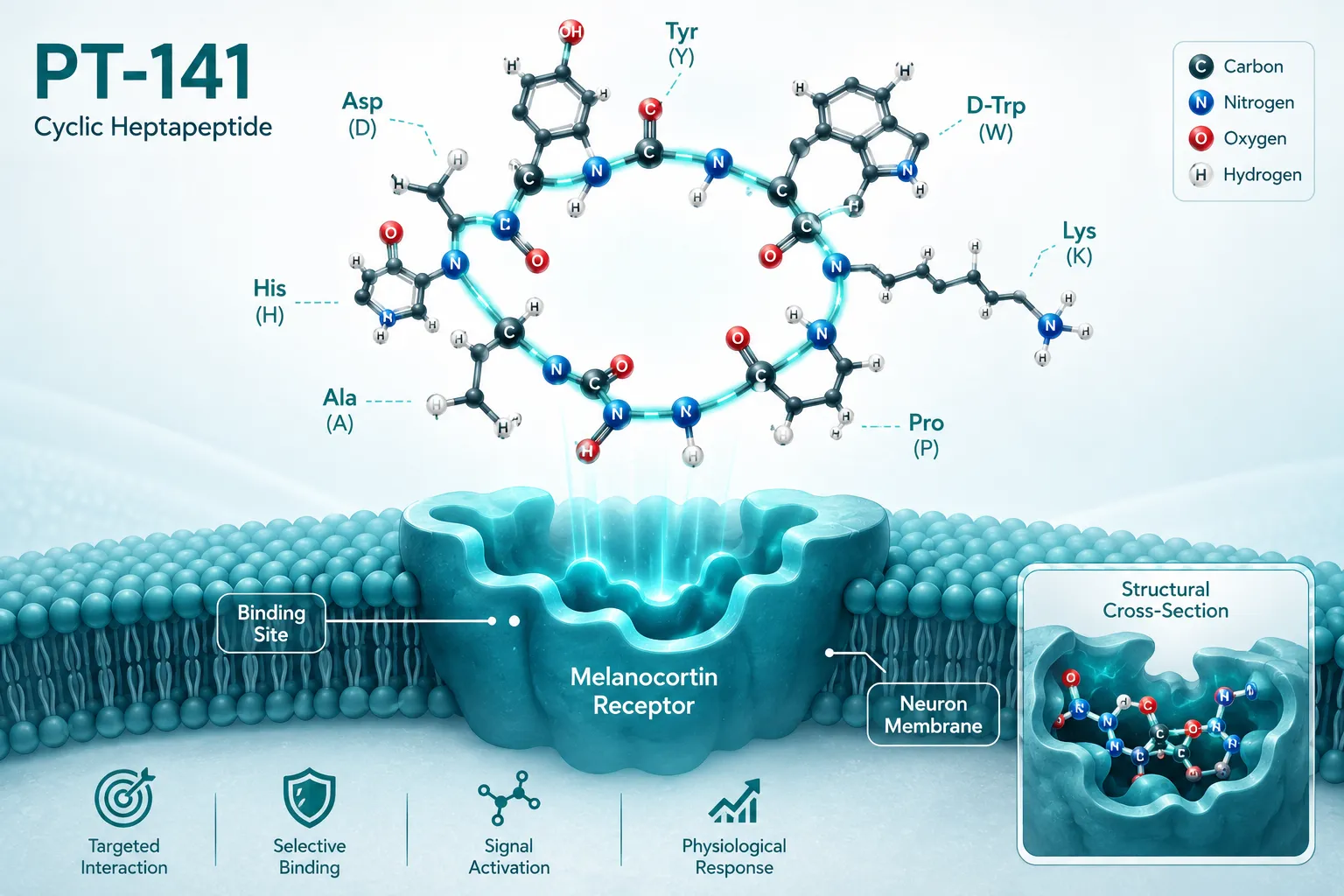
                        • PT-141 Peptide Research: Mechanism of Action and Melanocortin Receptor Signaling
                        • Retatrutide for Research: Mechanism, Structure, and GLP-1/GLP-3 Dual Action
                        • Retatrutide for Obesity and Type 2 Diabetes: What the Latest Trial Data Suggest
                        • Tesofensine Peptide Research: Mechanism, Appetite Suppression, and Neuropeptide Y Pathways
  • Contact
    • Contact Customer Service
    • Text Customer Support
  • About US
  • Shop all peptides
  • Affiliate Program
    • Affiliate Signup
  • Login / Register Login / Register Page Link Login / Register Page Link
  • Click to open the search input field Click to open the search input field Search
  • Menu Menu
BPC-157 and TB-500 in Experimental Tissue-Repair Models: Synergy, Overlaps, and Key Differences

BPC-157 and TB-500 in Experimental Tissue-Repair Models: Synergy, Overlaps, and Key Differences

June 6, 2026/0 Comments/by Pure Tested

Over 100 preclinical studies have examined BPC-157 alone — yet researchers increasingly argue the more interesting story begins when this peptide is paired with TB-500. The study of BPC-157 and TB-500 in experimental tissue-repair models: synergy, overlaps, and key differences has become one of the more active corners of peptide research in 2026, driven by animal and cell-based data suggesting these two compounds may address healing from complementary angles.

Detailed () scientific illustration showing side-by-side molecular diagrams of BPC-157 (15-amino-acid chain highlighted in

Key Takeaways

  • BPC-157 drives localized repair through angiogenesis and nitric oxide modulation; TB-500 promotes systemic healing via G-actin binding and cell migration.

  • In animal models, combining both peptides — sometimes called the "Wolverine Stack" — may accelerate recovery faster than either compound alone.
  • BPC-157 shows stronger preclinical evidence for tendon, ligament, and gastrointestinal repair; TB-500 is better studied for muscle and post-surgical recovery.
  • Neither peptide holds FDA approval for human use, and both are banned by WADA under the S0 category.
  • All findings discussed here come from preclinical and experimental models; human clinical evidence remains limited.

Distinct Mechanisms: How Each Peptide Acts on Tissue

BPC-157 is a 15-amino-acid peptide derived from human gastric juice. In cell-based and animal studies, it promotes localized tissue repair primarily through two pathways: upregulation of vascular endothelial growth factor (VEGF) and modulation of nitric oxide signaling. The result, as seen in rodent tendon and ligament models, is faster formation of new blood vessels at the injury site — a process called angiogenesis. This vascular scaffolding appears to support downstream fibroblast activity and collagen deposition.

You can explore a deeper breakdown of BPC-157's documented research profile in this BPC-157 core peptides documentation and research guide.

TB-500, a synthetic fragment of thymosin beta-4, works differently. Rather than anchoring to a specific injury site, it binds to G-actin — a protein involved in cytoskeletal structure — and facilitates cell migration throughout the body. In preclinical inflammation models, TB-500 also demonstrates measurable reductions in pro-inflammatory cytokines, suggesting a systemic anti-inflammatory role that complements localized repair.

Feature BPC-157 TB-500
Source Gastric juice-derived Thymosin beta-4 fragment
Primary action Angiogenesis, NO modulation G-actin binding, cell migration
Repair focus Localized (tendon, GI, ligament) Systemic (muscle, post-surgical)
Typical dose range 250-500 mcg/day 2-2.5 mg twice weekly (loading)
Administration route Subcutaneous or oral Subcutaneous, any site

Overlaps and Synergy in Experimental Tissue-Repair Models

Overlaps and Synergy in Experimental Tissue-Repair Models

The question researchers ask most often is whether BPC-157 and TB-500 in experimental tissue-repair models produce additive or truly synergistic effects. The distinction matters: additive effects simply stack two separate benefits, while synergy means the combined outcome exceeds what either compound achieves independently.

Animal studies on musculoskeletal injuries suggest the combination — informally called the "Wolverine Stack" — may lean toward synergy. BPC-157 builds the vascular infrastructure at the wound site, while TB-500 mobilizes repair cells from distant tissue depots and dampens the inflammatory environment systemically. These roles do not overlap significantly, which is precisely why researchers find the pairing compelling.

"The two peptides appear to operate on different rungs of the healing ladder — one building the road, the other sending the workers."

Both compounds share some overlap in fibroblast stimulation and anti-inflammatory activity, but the mechanisms differ enough that co-administration in rodent models has not shown obvious redundancy. For researchers interested in how peptide combinations can be designed around complementary pathways, the synergy of LL-37 and SS-31 offers a useful parallel framework.

Those looking to review available research-grade formulations can browse the BPC-157 and TB-500 combined product page for sourcing context.


Regulatory Status, Safety Signals, and Research Limitations

Regulatory Status, Safety Signals, and Research Limitations

Understanding BPC-157 and TB-500 in experimental tissue-repair models: synergy, overlaps, and key differences requires an honest look at what the data cannot yet confirm. As of 2026, neither peptide holds FDA approval for human therapeutic use. Both are listed under WADA's S0 category — non-approved substances — making them prohibited in competitive sports regardless of context.

TB-500's parent compound, thymosin beta-4, has progressed through Phase 2 and Phase 3 clinical trials in certain formulations, providing a broader human safety dataset than BPC-157, which has only three small pilot studies in humans alongside its extensive animal literature.

Potential side effects for both remain under active investigation. Reported concerns in preclinical settings include injection-site reactions and, at high doses, possible effects on cell proliferation pathways. Researchers working with these compounds should consult current literature and institutional review protocols before designing any study.
For researchers interested in other peptides with documented aging and tissue-support profiles, the GHK-Cu research overview and epithalon research page provide useful comparative context. Those exploring oral delivery formats may also find the oral BPC-157 research themes relevant to bioavailability questions.


Conclusion

The preclinical case for studying BPC-157 and TB-500 together is built on a logical foundation: two peptides with non-overlapping primary mechanisms, each addressing a different phase or dimension of tissue repair. BPC-157 anchors vascular and fibroblast activity locally; TB-500 coordinates systemic cell migration and inflammation control. Where they overlap — in fibroblast support and anti-inflammatory signaling — the redundancy appears minimal rather than wasteful.

Actionable next steps for researchers:

  • Review the full preclinical literature for each compound separately before designing combination protocols.
  • Note dosing asymmetry: BPC-157 requires daily administration while TB-500 follows a loading-then-maintenance schedule.
  • Prioritize models that measure both local and systemic healing markers to capture the full potential of the combination.

  • Stay current on regulatory updates, as the status of unapproved peptides can shift rapidly.
  • Ensure all research use complies with institutional ethics guidelines and applicable jurisdiction rules.

The data available in 2026 is promising but not conclusive for human application. Rigorous, well-controlled clinical trials remain the necessary next step before any therapeutic claims can be made with confidence.

https://www.puretestedpeptides.com/wp-content/uploads/2026/06/BPC-157-and-TB-500-in-Experimental-Tissue-Repair-Models-Synergy-Overlaps-and-Key-Differences.png 1024 1536 Pure Tested https://www.puretestedpeptides.com/wp-content/uploads/2026/01/buy-peptides-online.jpg Pure Tested2026-06-06 13:03:512026-07-20 15:03:52BPC-157 and TB-500 in Experimental Tissue-Repair Models: Synergy, Overlaps, and Key Differences
Cluster of Differentiation Markers and Experimental Peptides: Mapping Immune Pathways for Selank, Epithalon, and BPC‑157

Cluster of Differentiation Markers and Experimental Peptides: Mapping Immune Pathways for Selank, Epithalon, and BPC‑157

June 6, 2026/0 Comments/by Pure Tested

Flow cytometry panels routinely detect shifts in CD4-to-CD8 ratios within hours of peptide exposure in murine models — a detail that reveals just how precisely researchers can now track immune responses to compounds like Selank, Epithalon, and BPC-157. Understanding cluster of differentiation markers and experimental peptides is central to mapping immune pathways for Selank, Epithalon, and BPC-157 in a rigorous lab setting.

Key Takeaways

  • CD markers are surface proteins used to identify and quantify specific immune cell populations via flow cytometry.
  • Selank, Epithalon, and BPC-157 each interact with immune pathways through distinct mechanisms, including cytokine modulation and inflammatory regulation.
  • Flow cytometry is the gold-standard tool for measuring peptide-driven shifts in CD marker expression.
  • Human clinical data for all three peptides remains limited; most evidence comes from animal and in vitro models.
  • Thoughtful panel design — selecting the right CD markers for each peptide's mechanism — is critical for meaningful experimental results.

Key Takeaways

What Are CD Markers and Why Do They Matter in Peptide Research

Cluster of differentiation (CD) markers are glycoproteins expressed on the surface of immune cells. They act as molecular identity tags, allowing researchers to distinguish T cells, B cells, natural killer cells, macrophages, and regulatory populations from one another. Common markers include:

CD Marker Cell Type Function
CD3 T cells T-cell receptor complex
CD4 Helper T cells MHC class II interaction
CD8 Cytotoxic T cells MHC class I interaction
CD25 Regulatory T cells (Tregs) IL-2 receptor alpha chain
CD56 Natural killer cells Cell adhesion and activation
CD68 Macrophages Phagocytic activity marker

When an experimental peptide is introduced, shifts in these populations — measured by flow cytometry — provide quantitative evidence of immunomodulatory activity. This approach is far more precise than measuring cytokine levels alone, because it identifies which cell types are being affected and in what proportion.

For researchers designing panels, the choice of fluorochrome combinations and gating strategies directly determines the quality of the data. A poorly designed panel can miss a meaningful CD4-to-CD8 ratio shift entirely.


Mapping Immune Pathways for Selank, Epithalon, and BPC-157 Using CD Markers

Each peptide engages immune biology differently, which means the optimal CD marker panel differs by compound.

Selank

Selank is a synthetic heptapeptide originally derived from the immunomodulatory peptide tuftsin. Its primary research interest lies in anxiety modulation and cognitive support, but its immune relevance is significant. Selank has been shown in preclinical models to influence IL-6 and interferon-gamma expression, both of which are linked to T-cell activation states. Researchers tracking Selank's immune effects typically include CD3, CD4, CD8, and CD25 in their panels to capture T-cell subset dynamics and regulatory T-cell expansion.

Reviewing Selank's known side effects and biological activity can help researchers anticipate which immune compartments may show the most change during an experiment.

Epithalon

Epithalon (Ala-Glu-Asp-Gly) is a tetrapeptide studied primarily for its telomerase-activating and potential anti-aging properties. Its immune relevance connects to thymic function — the organ responsible for T-cell maturation. Preclinical data suggests Epithalon may support thymic peptide activity, which could influence naive T-cell output. A targeted flow cytometry panel for Epithalon research might include CD45RA (naive T cells), CD45RO (memory T cells), and CD56 to monitor NK cell activity. For a broader comparison of Epithalon's molecular targets, the Epithalon vs NAD evidence review provides useful context on its longevity-related mechanisms.

BPC-157

BPC-157 is a 15-amino-acid peptide (GEPPPGKPADDAGLV) derived from human gastric juice, with a molecular weight of approximately 1,419 Da and a half-life under 30 minutes. Its immune-relevant actions include promoting angiogenesis via VEGFR2 upregulation, modulating nitric oxide signaling, and regulating inflammatory cytokine cascades. Unlike classical immunosuppressants, BPC-157 appears to rebalance immune function rather than broadly suppress it.

For CD marker mapping, researchers commonly target CD68 (macrophage polarization), CD31 (endothelial and angiogenic activity), and CD4/CD8 ratios to assess systemic inflammatory tone. Oral BPC-157 research formats have also introduced questions about how route of administration affects peripheral immune marker profiles.

"The most informative experiments pair CD marker flow cytometry with cytokine multiplex assays — neither method alone tells the full story."


BPC-157

Designing a Flow Cytometry Model for Cluster of Differentiation Markers and Experimental Peptides

A well-structured experimental model for cluster of differentiation markers and experimental peptides should follow a logical sequence:

  1. Define the research question — Is the goal to detect immunosuppression, immune activation, or specific cell subset expansion?
  2. Select the peptide dose and route — BPC-157 typical research doses range from 250 to 500 mcg once or twice daily in animal models; Selank and Epithalon protocols vary.
  3. Choose the CD panel — Match markers to the peptide's known mechanism (see table above).
  4. Set time points — Acute (24-48 hours), subacute (1-2 weeks), and chronic (4-8 weeks) time points capture different phases of immune modulation.
  5. Include controls — Vehicle controls, positive immunomodulatory controls (e.g., LPS stimulation), and unstained samples are essential.
  6. Validate with secondary assays — CBC and comprehensive metabolic panel assessments at baseline and week 8 add clinical-translational value.

Researchers interested in how other peptides interact with immune and metabolic pathways may find the Thymosin Alpha-1 mechanism overview useful for comparative panel design, given Thymosin Alpha-1's well-characterized CD4 and CD8 effects.

It is worth noting that human clinical data for BPC-157 remains sparse — only three small pilot studies with a combined enrollment of 30 subjects have been published, all from a single clinic, and no randomized controlled trials exist. Selank and Epithalon face similar evidentiary gaps in human immune research. As of 2026, BPC-157's regulatory status in the United States is also in transition, with a Pharmacy Compounding Advisory Committee vote scheduled for later this year.

For researchers exploring adjacent peptide categories, IPA peptide research resources and the LL-37 innate immunity research themes page offer complementary perspectives on innate and adaptive immune pathway mapping.


Designing a Flow Cytometry Model for Cluster of Differentiation Markers and Experimental Peptides

Conclusion

Mapping immune pathways for Selank, Epithalon, and BPC-157 through cluster of differentiation markers and experimental peptides requires deliberate panel design, appropriate model selection, and honest acknowledgment of current data limitations. The actionable steps for researchers in 2026 are clear:

  • Anchor every experiment to a specific CD marker rationale tied to the peptide's known mechanism.
  • Use flow cytometry as the primary quantification tool, supported by cytokine multiplex and standard blood panels.
  • Prioritize multi-time-point designs to distinguish acute immune shifts from sustained modulation.
  • Track regulatory developments for BPC-157 in particular, as its compounding status may affect research access.

The science of peptide immunomodulation is advancing rapidly. Researchers who build rigorous CD marker frameworks now will be best positioned to generate translatable, reproducible data as clinical trials eventually expand.

https://www.puretestedpeptides.com/wp-content/uploads/2026/06/Cluster-of-Differentiation-Markers-and-Experimental-Peptides-Mapping-Immune-Pathways-for-Selank-Epithalon-and-BPC‑157.png 1024 1536 Pure Tested https://www.puretestedpeptides.com/wp-content/uploads/2026/01/buy-peptides-online.jpg Pure Tested2026-06-06 13:03:442026-07-20 15:03:52Cluster of Differentiation Markers and Experimental Peptides: Mapping Immune Pathways for Selank, Epithalon, and BPC‑157
PT-141 Peptide Research in Female Sexual Function and Desire Models: What the Preclinical Evidence Actually Suggests

PT-141 Peptide Research in Female Sexual Function and Desire Models: What the Preclinical Evidence Actually Suggests

June 6, 2026/0 Comments/by Pure Tested

Nearly one in ten premenopausal women meets diagnostic criteria for hypoactive sexual desire disorder (HSDD), yet for decades the pharmacological toolkit for this condition remained nearly empty. PT-141 peptide research in female sexual function and desire models changed that conversation — not by improving blood flow, but by targeting the brain itself. Understanding what the preclinical evidence actually suggests requires a close look at melanocortin signaling, the receptor biology that drives it, and how animal model data translated into a regulatory approval.

Detailed () scientific diagram illustration showing the melanocortin receptor pathway in the female brain, with labeled MC4R

Key Takeaways

  • PT-141 (bremelanotide) acts on central melanocortin receptors, particularly MC4R, to modulate sexual desire rather than peripheral vascular tone.
  • Preclinical studies in rats and nonhuman primates demonstrated measurable increases in pro-sexual behavior following PT-141 administration.
  • A clear dose-response relationship was identified, with 1.75 mg subcutaneous emerging as the optimal research dose.
  • Effects typically begin within 30 to 60 minutes and last 2 to 6 hours, consistent with the compound's pharmacokinetic profile.
  • The FDA approved bremelanotide for HSDD in premenopausal women in 2019, backed by two Phase 3 randomized controlled trials.

The Melanocortin System: Why Central Signaling Matters for Female Desire

Sexual desire in women is not primarily a vascular event. It is a neurological one. The melanocortin system — a network of receptors distributed across the hypothalamus, limbic system, and brainstem — plays a documented role in regulating appetite, energy balance, and sexual motivation. Among the five known melanocortin receptor subtypes, MC4R has attracted the most attention in desire research.

PT-141 (bremelanotide) is a cyclic heptapeptide and metabolite of the tanning peptide Melanotan II. It binds MC3R and MC4R with high affinity. When MC4R is activated in the medial preoptic area and paraventricular nucleus, downstream signaling cascades influence dopaminergic and oxytocinergic pathways — both of which are strongly linked to motivated sexual behavior.

This mechanism is fundamentally different from approaches that target genital blood flow. Researchers studying PT-141 neural and metabolic research themes have noted that the compound's central action explains why its effects manifest as subjective desire rather than purely physical arousal.

"The melanocortin pathway represents one of the few tractable central targets for desire modulation identified through rigorous preclinical screening."


What Preclinical Models Reveal About PT-141 Peptide Research in Female Sexual Function and Desire Models

What Preclinical Models Reveal About PT-141 Peptide Research in Female Sexual Function and Desire Models

Animal models were essential in establishing the biological plausibility of MC4R agonism for sexual function. In ovariectomized rats — a standard model for studying hormone-independent desire — PT-141 administration produced significant increases in solicitation behaviors, lordosis quotients, and approach frequency toward male conspecifics. These are well-validated behavioral endpoints in rodent sexual function research.

Studies in nonhuman primates extended these findings. Female primates showed increased proceptive behaviors and reduced rejection behaviors following PT-141 exposure, suggesting the effect generalizes across mammalian species with more complex social and hormonal contexts.

Key preclinical findings at a glance:

Model Endpoint Measured Observed Effect
Ovariectomized rat Lordosis quotient Significant increase
Intact female rat Solicitation behavior Dose-dependent increase
Nonhuman primate Proceptive behavior Increased frequency

A linear dose-response relationship was confirmed up to the 1.75 mg subcutaneous threshold. Beyond this point, tolerability concerns — primarily nausea and transient hyperpigmentation — outweighed incremental efficacy gains. This finding directly shaped Phase 2 dose-finding protocols.

Pharmacokinetically, PT-141 reaches peak plasma concentration at approximately 1.2 hours post-injection. Pro-sexual effects in models align with this Tmax, with behavioral changes emerging at 30 to 60 minutes and persisting for 2 to 6 hours.

Researchers interested in how peptide purity affects preclinical reproducibility can explore Bachem and reference standards for peptide benchmarking, which directly affects the reliability of animal model data.


From Animal Data to Clinical Evidence: PT-141 Peptide Research in Female Sexual Function and Desire Models

The translational arc from rodent behavioral endpoints to human clinical outcomes is rarely clean. For PT-141, however, the melanocortin hypothesis held. The RECONNECT Phase 3 program enrolled 1,247 premenopausal women with HSDD across two randomized, double-blind, placebo-controlled trials. Both trials demonstrated statistically significant improvements in satisfying sexual events and reductions in desire-related distress.

The FDA approved bremelanotide (Vyleesi) in June 2019 — the second approved pharmacological treatment for HSDD in premenopausal women. An open-label 52-week extension confirmed sustained efficacy, with approximately 65% of participants continuing treatment.

From Animal Data to Clinical Evidence: PT-141 Peptide Research in Female Sexual Function and Desire Models

Safety profile summary:

  • Nausea: reported in approximately 40% of participants
  • Flushing and headache: common but transient
  • Transient skin hyperpigmentation: noted with repeated use
  • Recommended limit: no more than one dose per 24 hours, eight doses per month

The compound's safety and tolerability profile is important context for researchers reviewing PT-141 for sale for preclinical study purposes. Researchers comparing peptide classes may also find value in reviewing CJC-1295 research findings and ipamorelin research themes to contextualize how different receptor targets produce distinct physiological outcomes.

Exploratory research has also examined PT-141's MC receptor activity in metabolic and renal contexts, though these remain early-stage. For comparison, researchers studying mitochondrial peptide mechanisms may find the MOTS-c mitochondrial research overview a useful parallel for understanding receptor-mediated systemic effects.


Conclusion

PT-141 peptide research in female sexual function and desire models offers one of the clearest examples of successful central nervous system target validation in sexual medicine. The preclinical evidence — spanning rodent behavioral models, primate studies, and dose-response characterization — provided a mechanistically coherent foundation that translated into a Phase 3 approval.

Actionable next steps for researchers and informed readers:

  1. Review the MC4R agonism literature before designing desire-related preclinical protocols.
  2. Prioritize verified peptide purity when sourcing compounds for animal model studies.
  3. Use the 1.75 mg subcutaneous dose as the established reference point for efficacy-tolerability balance.
  4. Monitor the emerging literature on melanocortin receptor activity in metabolic and renal models for broader mechanistic insights.
  5. Consult the full simple peptides research resource for foundational peptide science context.

The melanocortin pathway is not a peripheral footnote in female sexual health research — it is the central mechanism. The preclinical evidence makes that case clearly.

https://www.puretestedpeptides.com/wp-content/uploads/2026/06/PT-141-Peptide-Research-in-Female-Sexual-Function-and-Desire-Models-What-the-Preclinical-Evidence-Actually-Suggests.png 1024 1536 Pure Tested https://www.puretestedpeptides.com/wp-content/uploads/2026/01/buy-peptides-online.jpg Pure Tested2026-06-06 13:03:322026-07-20 15:03:53PT-141 Peptide Research in Female Sexual Function and Desire Models: What the Preclinical Evidence Actually Suggests
Mitochondria and Experimental Peptides: How MOTS‑c, 5‑Amino‑1MQ, and SLUPP332 Are Used in Metabolic Research Models

Mitochondria and Experimental Peptides: How MOTS‑c, 5‑Amino‑1MQ, and SLUPP332 Are Used in Metabolic Research Models

June 5, 2026/0 Comments/by Pure Tested

Roughly 90% of cellular ATP is produced inside mitochondria — yet these organelles are also command centers for hormone signaling, fat oxidation, and stress response. That dual role makes them a prime target in modern metabolic research, and it explains why scientists are mapping how experimental compounds like MOTS‑c, 5‑Amino‑1MQ, and SLU‑PP‑332 interact with mitochondrial biology. Understanding Mitochondria and Experimental Peptides: How MOTS‑c, 5‑Amino‑1MQ, and SLUPP332 Are Used in Metabolic Research Models is now a central theme for researchers studying energy balance, obesity, and age-related metabolic decline.

Detailed () scientific illustration showing a cross-section of a mitochondrion with labeled inner membrane, cristae, and

Key Takeaways

  • Mitochondria are not just energy factories — they encode peptides like MOTS‑c that act as hormones in skeletal muscle and fat tissue.
  • MOTS‑c activates AMPK through the folate-methionine cycle, improving glucose homeostasis in preclinical models.
  • 5‑Amino‑1MQ inhibits NNMT, an enzyme linked to fat accumulation and impaired NAD+ metabolism.
  • SLU‑PP‑332 targets ERR‑alpha receptors to mimic exercise-like signals in muscle and cardiac tissue.
  • All three compounds remain strictly research-stage tools with no established clinical dosing protocols as of 2026.

Mitochondria as Metabolic Regulators — Not Just Power Plants

For decades, biology textbooks described mitochondria as passive energy converters. More recent research has overturned that view. Mitochondria actively secrete signaling molecules called mitokines, communicate with the nucleus, and respond dynamically to nutrient status and physical stress.

This reframing is central to understanding Mitochondria and Experimental Peptides: How MOTS‑c, 5‑Amino‑1MQ, and SLUPP332 Are Used in Metabolic Research Models. Each compound in this research cluster targets a different node in mitochondrial or mitochondria-adjacent signaling:

Compound Primary Target Research Focus
MOTS‑c AMPK / folate cycle Glucose metabolism, muscle homeostasis
5‑Amino‑1MQ NNMT enzyme Fat loss, NAD+ regulation
SLU‑PP‑332 ERR‑alpha receptor Exercise mimicry, energy expenditure

Researchers exploring mitochondrial longevity pathways often use these compounds in combination to probe how different arms of mitochondrial biology interact.


MOTS‑c: A Peptide Encoded Inside the Mitochondrial Genome

MOTS‑c is a 16‑amino‑acid peptide encoded not by nuclear DNA, but by mitochondrial DNA — a distinction that makes it biologically unusual. It circulates in the bloodstream and primarily targets skeletal muscle and adipose tissue, qualifying it as a true mitochondrial hormone.

How MOTS‑c Works in Research Models

MOTS‑c disrupts the folate-methionine cycle, which leads to accumulation of AICAR — a naturally occurring AMPK activator. AMPK activation then drives downstream effects including improved insulin sensitivity, enhanced fatty acid oxidation, and upregulation of PGC‑1alpha, a master regulator of mitochondrial biogenesis.

A March 2026 study confirmed that MOTS‑c administration in animal models improved muscle mitochondrial bioenergetic performance while reducing reactive oxygen species emission and stress-related protein damage. Separate research showed that exercise itself stimulates MOTS‑c expression in humans, suggesting the peptide may partially mediate the metabolic benefits of physical activity.

Researchers can explore MOTS‑c metabolic flexibility research themes for a deeper look at how these pathways are being studied. For those comparing compound profiles, the MOTS‑c and Elamipretide research overview provides useful context on stacking strategies in preclinical settings.

"MOTS‑c may represent the first mitochondria-derived peptide hormone with systemic metabolic effects — a finding that reshapes how researchers think about organelle-to-organ communication."

Important caveat: As of 2026, no peer-reviewed human clinical trials on MOTS‑c have been published. Optimal dosing and long-term safety remain uncharacterized outside animal models.


5‑Amino‑1MQ and SLU‑PP‑332: Complementary Tools in Metabolic Research Models

5‑Amino‑1MQ and SLU‑PP‑332: Complementary Tools in Metabolic Research Models

While MOTS‑c works from inside the mitochondrial genome outward, 5‑Amino‑1MQ and SLU‑PP‑332 approach mitochondrial metabolism from different angles.

5‑Amino‑1MQ: NNMT Inhibition and NAD+ Metabolism

5‑Amino‑1MQ is a small-molecule inhibitor of nicotinamide N-methyltransferase (NNMT), an enzyme highly expressed in fat tissue. NNMT consumes methyl groups and depletes SAM (S-adenosylmethionine), indirectly reducing NAD+ availability. By blocking NNMT, 5‑Amino‑1MQ preserves NAD+ pools and appears to shift fat cells toward a leaner metabolic phenotype.

In obese rodent models, 5‑Amino‑1MQ has shown associations with reduced fat mass and improved muscle stem-cell function without significant changes to food intake — a profile that distinguishes it from appetite-suppressing compounds. Researchers interested in NAD+ and metabolic pathway research will find this mechanism particularly relevant.

SLU‑PP‑332: ERR‑Alpha Agonism as Exercise Mimicry

SLU‑PP‑332 is an agonist of estrogen-related receptor alpha (ERR‑alpha), a nuclear receptor that regulates mitochondrial biogenesis and oxidative metabolism in muscle and cardiac tissue. By activating ERR‑alpha, SLU‑PP‑332 appears to trigger gene expression patterns that overlap with those induced by aerobic exercise — without the physical activity itself.

Preclinical data on SLU‑PP‑332 metabolic modulation shows improved endurance markers and increased mitochondrial density in muscle tissue of sedentary animal models. Detailed SLU‑PP‑332 oral and subcutaneous evidence further outlines route-of-administration differences being studied.

Like MOTS‑c, both compounds remain strictly research tools with no established human dosing protocols.


Applying These Compounds Together in Metabolic Research

Applying These Compounds Together in Metabolic Research

The growing interest in combining these compounds reflects a systems-biology approach to mitochondrial research. Rather than targeting a single pathway, researchers are using MOTS‑c, 5‑Amino‑1MQ, and SLU‑PP‑332 together to simultaneously probe AMPK signaling, NAD+ metabolism, and ERR‑alpha-driven biogenesis.

Blends incorporating NAD+ alongside MOTS‑c and 5‑Amino‑1MQ are being explored specifically for their potential in mitochondrial longevity research, targeting multiple metabolic checkpoints at once. This multi-pathway approach is also reflected in broader metabolic modulation research lines that map how different peptide classes interact.

Researchers comparing compound profiles should also review SS‑31 (Elamipretide) research, another mitochondria-targeted peptide that works through cardiolipin stabilization on the inner mitochondrial membrane — a distinct but complementary mechanism.

Key research considerations when using these compounds:

  • All three are preclinical tools only — not approved for human use
  • Animal model results may not translate directly to human physiology
  • Purity and quality verification are essential for reproducible results
  • Multi-compound protocols require careful controls to isolate individual effects

Conclusion

Mitochondria and Experimental Peptides: How MOTS‑c, 5‑Amino‑1MQ, and SLUPP332 Are Used in Metabolic Research Models represents one of the most active frontiers in preclinical metabolic science in 2026. Each compound offers a distinct lens into mitochondrial function: MOTS‑c as a mitochondria-encoded hormone activating AMPK, 5‑Amino‑1MQ as an NNMT inhibitor preserving NAD+ pools, and SLU‑PP‑332 as an ERR‑alpha agonist mimicking exercise-induced biogenesis.

Actionable next steps for researchers:

  1. Review the primary literature on MOTS‑c AMPK activation before designing animal model protocols.
  2. Establish baseline NAD+ and NNMT activity measurements when incorporating 5‑Amino‑1MQ.
  3. Use SLU‑PP‑332 alongside sedentary control groups to isolate ERR‑alpha-specific effects.
  4. Source compounds only from suppliers with verified purity testing to ensure data integrity.
  5. Treat all findings as hypothesis-generating until human trial data becomes available.

The mitochondrion is no longer just a power plant. It is a signaling hub — and these experimental peptides are the tools researchers are using to map exactly how that hub works.

https://www.puretestedpeptides.com/wp-content/uploads/2026/06/Mitochondria-and-Experimental-Peptides-How-MOTS‑c-5‑Amino‑1MQ-and-SLUPP332-Are-Used-in-Metabolic-Research-Models.png 1024 1536 Pure Tested https://www.puretestedpeptides.com/wp-content/uploads/2026/01/buy-peptides-online.jpg Pure Tested2026-06-05 13:36:412026-07-20 15:03:53Mitochondria and Experimental Peptides: How MOTS‑c, 5‑Amino‑1MQ, and SLUPP332 Are Used in Metabolic Research Models
Tesamorelin and Ipamorelin Peptides: Complementary Mechanisms for GH Secretagogue Research

Tesamorelin and Ipamorelin Peptides: Complementary Mechanisms for GH Secretagogue Research

June 5, 2026/0 Comments/by Pure Tested

}

Professional () hero image with : 'Tesamorelin & Ipamorelin: Complementary GH Secretagogue Research' in extra large white

Growth hormone secretion is not a single-switch event — it is a finely tuned pulse controlled by at least two distinct receptor systems. Understanding how those systems differ, and how they interact, is precisely why research into Tesamorelin and Ipamorelin Peptides: Complementary Mechanisms for GH Secretagogue Research has attracted sustained scientific interest in 2026.

Key Takeaways

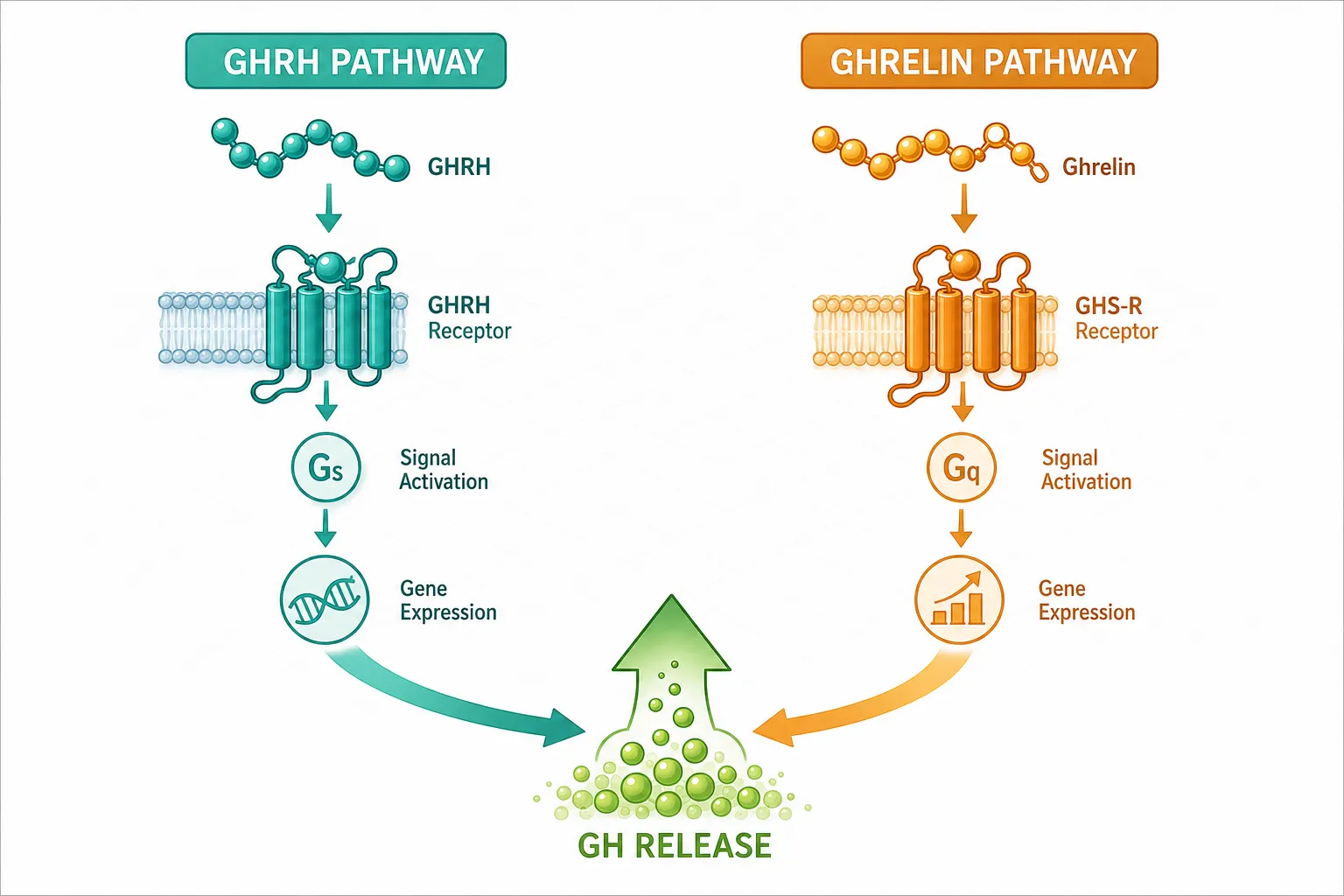
  • Tesamorelin is a GHRH analog acting on the GHRH receptor; Ipamorelin is a ghrelin mimetic acting on GHS-R1a — two separate pathways.
  • Combining both peptides produces a synergistic GH pulse that exceeds what either compound achieves alone.
  • Tesamorelin holds FDA approval for HIV-associated lipodystrophy; Ipamorelin remains a research compound only.
  • Ipamorelin's receptor selectivity means it does not significantly raise cortisol, prolactin, or ACTH — a notable safety distinction.
  • Both compounds are prohibited under WADA's S2 category and are strictly for licensed research use.

Distinct Receptor Targets: The Foundation of Synergy

Distinct Receptor Targets: The Foundation of Synergy

The core science behind Tesamorelin and Ipamorelin Peptides: Complementary Mechanisms for GH Secretagogue Research begins at the receptor level.

Tesamorelin is a stabilized analog of endogenous growth hormone-releasing hormone (GHRH). It binds the GHRH receptor on pituitary somatotroph cells and activates the cAMP/PKA signaling cascade, triggering GH synthesis and release. Its molecular weight is approximately 5,136 Da and its plasma half-life ranges from 25 to 40 minutes — short enough to preserve natural pulsatility while still delivering a measurable GH signal. Researchers interested in the science behind this compound can review detailed background on where to buy Tesamorelin and the science behind it.

Ipamorelin, by contrast, is a selective ghrelin receptor agonist that targets GHS-R1a. Its downstream signaling runs through the phospholipase C / IP3 / DAG pathway — entirely separate from the cAMP route used by Tesamorelin. At roughly 711 Da with a half-life near two hours, Ipamorelin is structurally compact and pharmacokinetically distinct. Critically, its receptor selectivity means it does not meaningfully elevate cortisol, ACTH, or prolactin, setting it apart from older GH secretagogues. More on Ipamorelin's muscle and fat research applications can be found at Ipamorelin muscle and fat research themes.

"Two separate locks, two separate keys — but both open the same door to GH release."

Because the two peptides operate on non-overlapping intracellular pathways, co-administration produces an additive — and in some models, synergistic — GH secretory response. This is the mechanistic rationale behind multi-peptide research protocols.


Pharmacokinetics, Clinical Evidence, and Regulatory Status

Pharmacokinetics, Clinical Evidence, and Regulatory Status

The regulatory histories of these two compounds diverge sharply.

Tesamorelin is the only FDA-approved GHRH analog, indicated for HIV-associated lipodystrophy. Phase 3 trials demonstrated a 15–18% reduction in visceral adipose tissue over 26 weeks — a clinically meaningful outcome supported by robust human data. Ipamorelin, while it advanced through Phase II trials for post-operative ileus, did not meet its primary endpoints in that indication and remains unapproved for any clinical use.

Feature Tesamorelin Ipamorelin
Receptor target GHRH-R GHS-R1a
Molecular weight ~5,136 Da ~711 Da
Half-life 25–40 min ~2 hours
FDA approval Yes (lipodystrophy) No
Cortisol elevation Minimal Minimal
WADA status Prohibited (S2) Prohibited (S2)

Both compounds are prohibited under WADA's S2 category, which restricts their use in competitive sport. Researchers should also note that CJC-1295 without DAC is another GHRH-family peptide often studied alongside these compounds for comparative GH pulsatility data.


Designing Combination Protocols for GH Pulsatility Research

Designing Combination Protocols for GH Pulsatility Research

The practical application of Tesamorelin and Ipamorelin Peptides: Complementary Mechanisms for GH Secretagogue Research lies in protocol design. Because the two peptides hit different receptors, researchers can time their administration to amplify a single GH pulse or to study how dual-pathway stimulation affects downstream IGF-1 levels and body-composition markers.

Pre-formulated research blends that combine Tesamorelin, CJC-1295, and Ipamorelin — such as the Tesamorelin / CJC-1295 / Ipamorelin 12mg blend — allow investigators to study multi-secretagogue interactions without compounding separate solutions. For protocols that also incorporate AOD-9604, the Tesamorelin / AOD-9604 / CJC-1295 / Ipamorelin blend extends the metabolic research scope further.

Researchers studying the broader peptide landscape often pair GH secretagogue work with complementary compounds. For example, CJC-1295 with DAC research findings provide a useful reference point for understanding how DAC modification changes GH pulse kinetics relative to the shorter-acting analogs.

Key variables in combination protocol design include:

  • Timing offset — administering Ipamorelin 15–30 minutes before or after Tesamorelin to observe pulse shape differences
  • Dose titration — adjusting each compound independently to isolate receptor-specific contributions
  • Biomarker selection — tracking GH, IGF-1, visceral fat volume, and lean mass as primary endpoints
  • Washout periods — accounting for Ipamorelin's longer half-life when designing crossover studies

One important limitation: no direct human clinical trial has yet evaluated the Tesamorelin-Ipamorelin combination as a co-administered protocol. All synergy data to date comes from preclinical or mechanistic modeling work, meaning researchers must interpret findings with appropriate caution.


Conclusion

The mechanistic complementarity of Tesamorelin and Ipamorelin makes them a compelling pairing for GH secretagogue research. Their non-overlapping receptor targets — GHRH-R and GHS-R1a respectively — provide a rational basis for combination protocols aimed at studying GH pulsatility, visceral fat reduction, and body-composition dynamics.

Actionable next steps for researchers:

  1. Review the pharmacokinetic profiles of both compounds before designing dosing windows.
  2. Select validated biomarkers (GH, IGF-1, visceral adipose tissue) as primary endpoints.
  3. Source peptides from suppliers that provide third-party purity verification — see the peptide purity testing guide for sourcing standards.
  4. Consult the Ipamorelin GHRH/GRF research overview for additional mechanistic context before finalizing protocols.
  5. Maintain strict compliance with institutional research regulations and WADA prohibitions.

Rigorous, well-designed preclinical studies remain the essential next step before any broader conclusions about this peptide combination can be drawn.

https://www.puretestedpeptides.com/wp-content/uploads/2026/06/Tesamorelin-and-Ipamorelin-Peptides-Complementary-Mechanisms-for-GH-Secretagogue-Research.jpg 1696 2528 Pure Tested https://www.puretestedpeptides.com/wp-content/uploads/2026/01/buy-peptides-online.jpg Pure Tested2026-06-05 13:36:412026-07-20 15:03:54Tesamorelin and Ipamorelin Peptides: Complementary Mechanisms for GH Secretagogue Research
Selank Peptide Research: Anxiety-Related Pathways, Neuroimmune Signaling, and Practical Lab Questions

Selank Peptide Research: Anxiety-Related Pathways, Neuroimmune Signaling, and Practical Lab Questions

June 5, 2026/0 Comments/by Pure Tested

Fewer than a dozen synthetic peptides have earned clinical approval as anxiolytics in any country. Selank is one of them. Approved in Russia as a nasal-spray anxiolytic and nootropic, this heptapeptide analog of tuftsin has drawn steady attention from researchers studying stress-response biology, neuroimmune crosstalk, and anxiety-related signaling. In 2026, interest in Selank peptide research: anxiety-related pathways, neuroimmune signaling, and practical lab questions continues to grow as preclinical data accumulates and labs seek well-characterized research compounds.

Key Takeaways

  • Selank modulates GABA-A receptors as a positive allosteric modulator, producing anxiolytic effects without sedation or dependency risk.
  • The peptide influences gene expression tied to immune response, placing it at the intersection of neuroimmune and stress-response research.
  • Selank also upregulates BDNF and affects enkephalin and monoamine systems, supporting its dual role as an anxiolytic and cognitive research tool.
  • Common preclinical protocols use intranasal or subcutaneous administration in cycles of 14-21 days.
  • Selank is not FDA-approved and is studied exclusively in research settings in the United States.

Key Takeaways

Anxiety-Related Pathways: How Selank Interacts with GABA and Beyond

The core of Selank peptide research: anxiety-related pathways, neuroimmune signaling, and practical lab questions starts with receptor pharmacology. Selank acts as a positive allosteric modulator of GABA-A receptors, enhancing GABA binding without directly activating the receptor. This is a meaningful distinction. Traditional benzodiazepines also target GABA-A sites but carry sedation, tolerance, and dependency liabilities. Selank's allosteric profile appears to sidestep those problems.

Beyond GABA, Selank's mechanism spans multiple systems:

Pathway Observed Effect
GABA-A receptor Positive allosteric modulation, enhanced GABA binding
BDNF expression Upregulation, supporting neuroplasticity
Enkephalin system Balance modulation, contributing to mood regulation
Monoamine systems Influence on serotonin and dopamine tone

Rodent models under unpredictable chronic mild stress have shown that Selank can enhance the anxiolytic effect of diazepam when co-administered, suggesting potential value in combination-therapy research designs. This synergy is particularly relevant for labs studying stress-resilience models.

Researchers interested in how peptides interact with neuroendocrine axes may also find value in reviewing neuroendocrine and innate immunity research themes as a complementary framework.


Anxiety-Related Pathways: How Selank Interacts with GABA and Beyond

Neuroimmune Signaling: Where Selank Research Gets Interesting

The neuroimmune angle is where Selank separates itself from simpler anxiolytics. Studies have documented that Selank influences the expression of immune-response genes, positioning it as a tool for studying the feedback loop between psychological stress and immune function. This is not a peripheral effect. Chronic stress reliably dysregulates cytokine profiles, and peptides that modulate both anxiety circuitry and immune gene expression are rare research candidates.

"Selank's dual action on anxiety pathways and immune gene expression makes it a uniquely valuable subject in stress-biology research."

This neuroimmune dimension connects naturally to work being done on other immunomodulatory peptides. For context on how innate immune peptides are studied in research settings, the LL-37 innate research themes overview provides useful background on parallel signaling questions.

Selank's BDNF upregulation is also worth noting in this context. BDNF sits at the junction of stress adaptation and immune regulation, and its modulation by a synthetic heptapeptide opens questions about long-term neuroplasticity effects in chronic-stress animal models.

For labs exploring bioregulatory peptides with overlapping tissue-level effects, the Vilon tissue homeostasis research themes page offers a related perspective on short-chain peptide signaling.


Neuroimmune Signaling: Where Selank Research Gets Interesting

Practical Lab Questions: Protocols, Sourcing, and Research Design

Selank peptide research: anxiety-related pathways, neuroimmune signaling, and practical lab questions cannot be addressed without covering the operational side. Here are the most common questions researchers encounter:

Administration routes studied:

  • Intranasal: 250-500 mcg, two to three times daily
  • Subcutaneous: 250-500 mcg, once daily
  • Cycle length: 14-21 days with equal or longer rest periods

Stability and storage considerations:
Lyophilized Selank should be stored at -20 degrees Celsius. Once reconstituted, refrigeration at 4 degrees Celsius is standard, with use within 30 days recommended to preserve peptide integrity.

Sourcing and purity:
Purity verification is non-negotiable in research contexts. Labs should request HPLC and mass spectrometry data from suppliers. Reviewing quality testing protocols is a practical starting point for evaluating vendor documentation.

For researchers comparing Selank to other neuropeptides in research panels, resources on Epithalon longevity signals and Thymalin thymus bioregulation offer useful contrast cases in bioregulatory peptide research.

Researchers should also review the documented Selank side effects profile before designing protocols, as understanding the safety boundary conditions is essential for responsible preclinical work.

Regulatory note: Selank is not FDA-approved. In the United States, it is restricted to research use only and may not be administered to humans outside of appropriately authorized clinical trial frameworks.


Conclusion

Selank occupies a distinctive position in neuropeptide research. Its GABA-A allosteric modulation provides a mechanistically clean model for studying anxiolytic signaling without confounding sedative effects. Its neuroimmune gene-expression activity opens parallel lines of inquiry into stress-immune feedback. And its BDNF and monoamine effects make it relevant to cognitive and neuroplasticity research as well.

Actionable next steps for researchers:

  1. Define the primary endpoint clearly: anxiety-pathway modulation, neuroimmune gene expression, or cognitive markers.
  2. Select administration route based on the model system and bioavailability requirements.
  3. Verify peptide purity through HPLC and mass spectrometry documentation before beginning any protocol.
  4. Design cycle lengths of 14-21 days with adequate washout periods to allow meaningful between-group comparisons.
  5. Cross-reference findings with parallel bioregulatory peptide literature to contextualize results.

As research into neuropeptides and stress biology matures, Selank remains a well-positioned subject for labs seeking compounds with multi-pathway activity and an established, if limited, clinical record.

https://www.puretestedpeptides.com/wp-content/uploads/2026/06/Selank-Peptide-Research-Anxiety-Related-Pathways-Neuroimmune-Signaling-and-Practical-Lab-Questions.png 1024 1536 Pure Tested https://www.puretestedpeptides.com/wp-content/uploads/2026/01/buy-peptides-online.jpg Pure Tested2026-06-05 13:36:302026-07-20 15:03:54Selank Peptide Research: Anxiety-Related Pathways, Neuroimmune Signaling, and Practical Lab Questions
Mesenchymal Stem Cells and Peptides: How BPC‑157, TB‑500, GHK‑Cu, and Glow Blend Are Used in Regeneration Research

Mesenchymal Stem Cells and Peptides: How BPC‑157, TB‑500, GHK‑Cu, and Glow Blend Are Used in Regeneration Research

June 5, 2026/0 Comments/by Pure Tested

Over 4,000 human genes are influenced by a single copper-binding tripeptide — a fact that has pushed regeneration researchers toward a new class of multi-peptide models. In 2026, the intersection of mesenchymal stem cells and peptides sits at the center of some of the most active preclinical work in tissue repair science. Compounds like BPC‑157, TB‑500, GHK‑Cu, and the pre-mixed Glow Blend are being studied alongside mesenchymal stem cell (MSC) cultures to probe how angiogenesis, extracellular matrix (ECM) remodeling, and cellular migration can be modulated at the molecular level.

Key Takeaways

  • BPC‑157, TB‑500, and GHK‑Cu each target distinct but overlapping steps in the tissue repair cascade.
  • The Glow Blend combines all three peptides into a single formulation studied in preclinical and in vitro MSC models.
  • GHK‑Cu modulates expression of more than 4,000 genes tied to collagen synthesis and antioxidant defense.
  • No published clinical trials evaluating the combined Glow Blend in humans exist as of 2026.
  • Regulatory barriers — including compounding bans on BPC‑157 and GHK‑Cu in the U.S. — limit translational research pathways.

What Mesenchymal Stem Cells Bring to Peptide Research

Mesenchymal stem cells are multipotent stromal cells found in bone marrow, adipose tissue, and connective tissue. In regeneration research, they serve as a practical in vitro model because they can differentiate into osteoblasts, chondrocytes, and adipocytes — and they respond measurably to peptide stimulation.

When researchers apply peptides to MSC cultures, they can track:

  • Proliferation rates via cell counting assays
  • Migration speed using scratch assays
  • Collagen secretion through ELISA or Sirius Red staining
  • Angiogenic signaling by measuring VEGF and VEGFR2 upregulation

This makes MSC-based models ideal for studying how BPC‑157, TB‑500, and GHK‑Cu each affect different phases of tissue repair — and what happens when they are combined.


How BPC‑157, TB‑500, and GHK‑Cu Work in Regeneration Models

How BPC‑157, TB‑500, and GHK‑Cu Work in Regeneration Models

Each peptide in the Glow Blend targets a specific biological mechanism. Understanding these individually is essential before evaluating their combined use.

BPC‑157 and Angiogenesis

BPC‑157 is a 15-amino-acid peptide derived from a gastric protein sequence. In animal models, it upregulates VEGF and activates VEGFR2, the primary receptor driving new blood vessel formation. Studies in rodents have shown measurable increases in capillary density at repair sites within 72 to 96 hours of administration. Researchers studying MSC co-cultures use BPC‑157 in 10 mg vial formats to probe these angiogenic pathways in controlled settings.

TB‑500 and Cellular Migration

TB‑500 is a synthetic analogue of Thymosin Beta‑4. Its primary mechanism involves sequestering G-actin, which regulates actin polymerization — a process critical for cell migration during wound healing. Beyond cytoskeletal effects, TB‑500 also reduces pro-inflammatory cytokines, including TNF‑α and IL‑1β, in preclinical models. This dual action makes it a useful tool for studying how MSCs move into damaged tissue zones. Researchers can explore related BPC‑157 and TB‑500 combination research for context on how these two peptides are often studied together.

GHK‑Cu and Gene Expression

GHK‑Cu (glycine-histidine-lysine copper complex) stands apart due to the breadth of its gene-modulating activity. It influences more than 4,000 human genes, particularly those governing collagen synthesis, ECM remodeling, and antioxidant defense. In MSC models, GHK‑Cu is applied to study how the extracellular matrix is rebuilt after injury. Detailed GHK‑Cu longevity and regeneration research themes outline the scope of this gene-level activity.

"The combination of vascular repair, cytoskeletal reorganization, and matrix remodeling represents three distinct but interdependent phases of tissue regeneration — each mapped to a different peptide in the Glow Blend."


The Glow Blend: Rationale, Composition, and Research Limitations

The Glow Blend: Rationale, Composition, and Research Limitations

The Glow Blend is a pre-formulated research compound containing BPC‑157 (10 mg), TB‑500 (10 mg), and GHK‑Cu (50 mg). The rationale for combining these three peptides is that each addresses a different bottleneck in the repair cascade: vascular supply, cell mobility, and matrix scaffolding.

Formulation and Stability Challenges

GHK‑Cu introduces a notable stability concern. Its copper content can catalyze metal-mediated oxidation of adjacent peptides, degrading potency over time. Proper cold-chain storage and careful formulation are essential for maintaining blend integrity. Researchers sourcing multi-peptide blends should review available peptide blend research formats and verify certificate-of-analysis documentation before use.

The Glow and Klow peptide blend pages provide sourcing context for researchers comparing formulation options.

What the Evidence Actually Shows

The theoretical synergy of the Glow Blend is compelling, but the empirical picture remains incomplete:

Peptide Mechanism Evidence Level
BPC‑157 VEGFR2 activation, angiogenesis Animal models, in vitro
TB‑500 G-actin sequestration, cytokine modulation Animal models, in vitro
GHK‑Cu Gene expression, ECM remodeling In vitro, topical human use
Glow Blend (combined) Multi-pathway coverage No published clinical trials

As of 2026, no published clinical trials have evaluated the combined Glow Blend in human subjects. All data are extrapolated from studies on individual components. Additionally, both BPC‑157 and GHK‑Cu are currently banned from pharmaceutical compounding in the United States, which creates significant barriers to translational research.

Safety data on individual peptides are limited but notable: BPC‑157 showed no adverse effects on cardiac, hepatic, renal, or metabolic biomarkers in a small pilot study at IV doses of 10–20 mg. GHK‑Cu has a long history of topical cosmetic use, though systemic safety data remain sparse.

Researchers interested in broader regenerative peptide stacks may also find value in reviewing healing peptide research themes from recent years and reference standard benchmarking practices to ensure experimental rigor.


Conclusion

The study of mesenchymal stem cells and peptides — specifically BPC‑157, TB‑500, GHK‑Cu, and the Glow Blend — represents one of the more structured approaches to understanding multi-pathway tissue repair. Each compound addresses a distinct biological mechanism, and their combined use in MSC models offers a logical framework for probing angiogenesis, cellular migration, and ECM remodeling simultaneously.

Actionable next steps for researchers in 2026:

  1. Use MSC co-culture systems to isolate the contribution of each peptide before testing combined formulations.
  2. Verify peptide purity through third-party certificate-of-analysis documentation before any experimental use.
  3. Monitor GHK‑Cu oxidation risk by maintaining strict cold-chain protocols for blended formulations.
  4. Track the evolving regulatory landscape in the U.S. and internationally, as compounding restrictions directly affect research access.
  5. Prioritize publishing in vitro findings to build the evidence base needed for future clinical investigation.

The gap between preclinical promise and clinical evidence remains wide. Closing it requires rigorous study design, transparent sourcing, and a clear understanding of what each peptide does — and does not — accomplish on its own.

https://www.puretestedpeptides.com/wp-content/uploads/2026/06/Mesenchymal-Stem-Cells-and-Peptides-How-BPC‑157-TB‑500-GHK‑Cu-and-Glow-Blend-Are-Used-in-Regeneration-Research.jpg 1696 2528 Pure Tested https://www.puretestedpeptides.com/wp-content/uploads/2026/01/buy-peptides-online.jpg Pure Tested2026-06-05 13:36:282026-07-20 15:03:55Mesenchymal Stem Cells and Peptides: How BPC‑157, TB‑500, GHK‑Cu, and Glow Blend Are Used in Regeneration Research
Semax Peptide Nasal Spray Research: Cognitive Performance, Neuroprotection, and Delivery Considerations

Semax Peptide Nasal Spray Research: Cognitive Performance, Neuroprotection, and Delivery Considerations

June 5, 2026/0 Comments/by Pure Tested

Fewer than a dozen peptides developed outside Western regulatory systems have attracted as much sustained research attention as Semax — a synthetic heptapeptide that Russian scientists have studied for over three decades. Semax Peptide Nasal Spray Research: Cognitive Performance, Neuroprotection, and Delivery Considerations sits at the crossroads of neuroscience, pharmacology, and delivery science, raising questions that matter well beyond Russia's borders.

Key Takeaways

  • Semax is a synthetic peptide derived from an ACTH(4-10) fragment, approved in Russia for stroke and neuroprotection but not approved by the FDA or EMA.
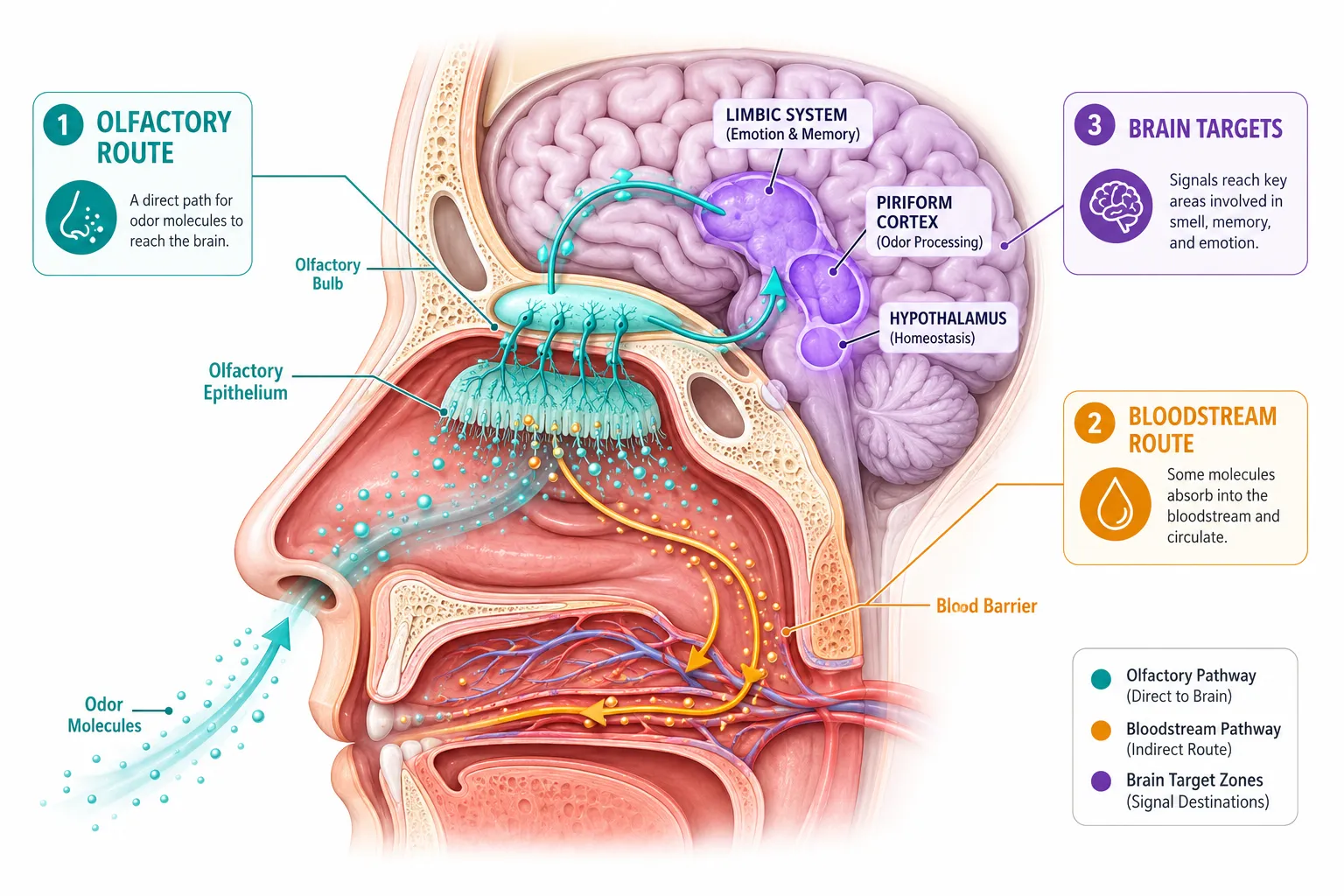
  • Intranasal delivery is the dominant route in both clinical and research settings, with direct nose-to-brain transport hypothesized via olfactory and trigeminal pathways.
  • Preclinical data shows Semax modulates BDNF expression and neuroinflammatory gene activity; human cognitive data exists but comes largely from small Russian studies.
  • No large randomized controlled trials in healthy Western populations have been published as of 2026.
  • Researchers and clinicians should weigh the mechanistic plausibility against the current evidence gaps before drawing conclusions.

What Is Semax and Why Does the Delivery Route Matter

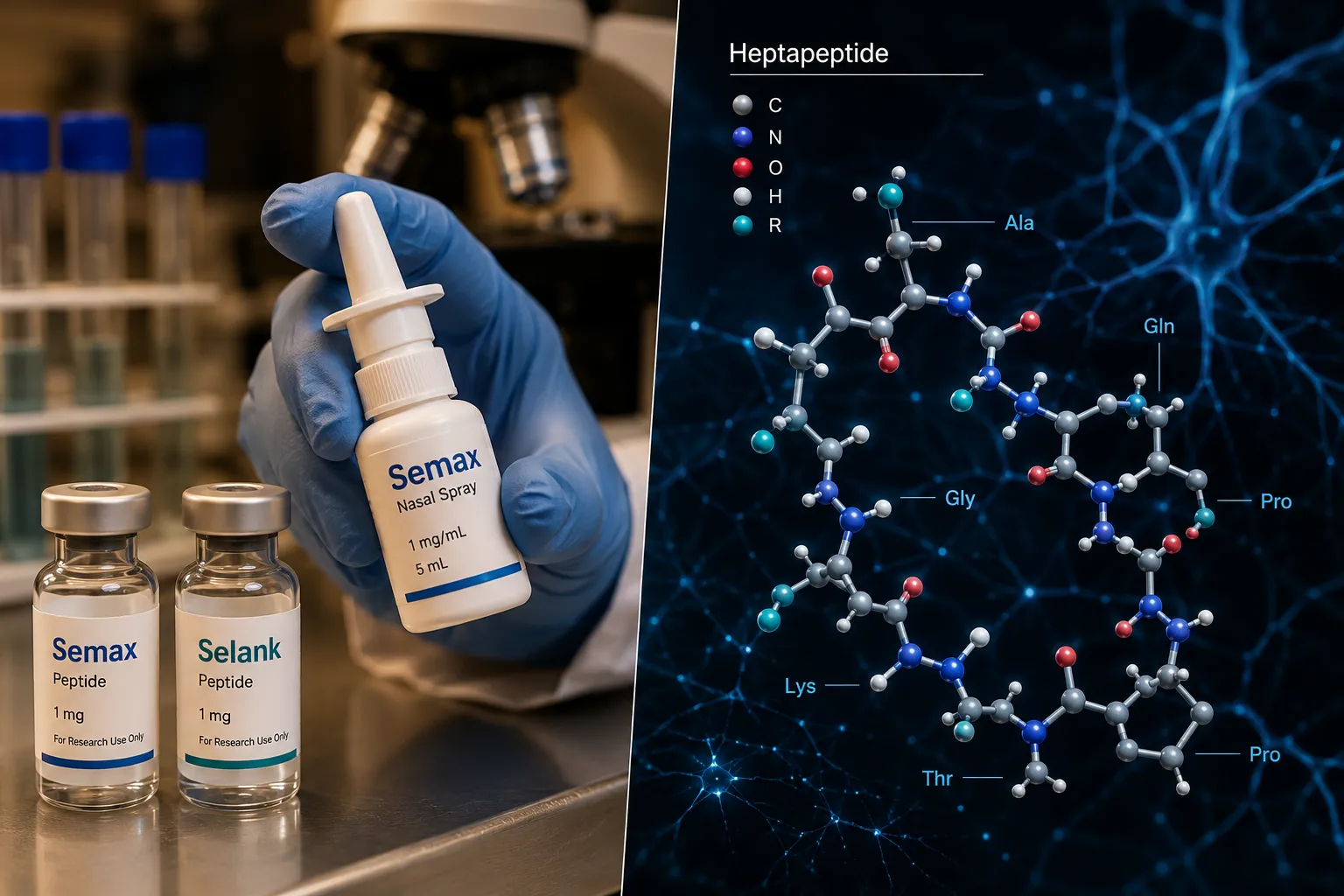
Semax is a heptapeptide built from a fragment of adrenocorticotropic hormone (ACTH), specifically the 4-10 sequence, with a proline-glycine-proline extension that increases its stability. Developed at the Russian Academy of Sciences in the late 1980s, it earned regulatory approval in Russia for conditions including ischemic stroke, discirculatory encephalopathy, optic nerve atrophy, and neonatal neurological deficits.

The delivery route is not a minor detail — it is central to the entire research profile. Unlike many peptides that require injection to reach systemic circulation, Semax is most commonly administered as a nasal spray or nasal drops. This matters because the nasal mucosa offers a relatively direct pathway to the central nervous system through the olfactory epithelium and trigeminal nerve branches, bypassing the blood-brain barrier to a meaningful degree.

What Is Semax and Why Does the Delivery Route Matter

Standard intranasal dosing protocols referenced in the literature include:

Indication Concentration Typical Dosing
Acute stroke (clinical) 1% solution 2-4 drops, 3-4 times daily
Mild cognitive or neuroprotective use 0.1% solution 1-2 drops, twice daily
Healthy volunteer research Variable 250-1,000 mcg/kg

Onset of reported cognitive effects via the intranasal route is approximately 30 minutes in both user accounts and clinical observations, which aligns with the expected pharmacokinetics of nose-to-brain transport. Subcutaneous injection is an alternative route studied for systemic indications, but intranasal administration appears to produce more pronounced cognitive effects in reported data, likely because of the direct central delivery mechanism.

Researchers interested in the broader landscape of what is new in peptide research will find Semax's delivery profile particularly instructive as a model for CNS-targeted peptide administration.


Cognitive Performance: What the Research Actually Shows

The cognitive performance data for Semax is real but limited. Russian clinical studies in healthy volunteers using intranasal doses of 250 to 1,000 mcg/kg reported improvements in attention, short-term memory, and EEG patterns consistent with neuroprotective agents. These findings are notable, but they come with significant caveats.

Most of these studies are small, conducted in Russian-language journals, and have not been replicated in large, double-blind, placebo-controlled trials in Western research settings. As of 2026, no clinical trials are registered in the United States, and no pivotal trials appear in Western regulatory databases. The evidence for cognitive benefits in healthy adults remains promising but not conclusive.

"Evidence for healthy users is limited and largely not replicated in Western cohorts."

This does not invalidate the mechanistic rationale. Semax's structural relationship to ACTH fragments suggests interactions with melanocortin receptors, and its effects on neurotransmitter systems — including serotonin and dopamine modulation — provide a plausible biological basis for the reported cognitive changes.

Researchers studying related anxiolytic and cognitive peptides may find value in comparing Semax's profile with Selank peptide benefits, another Russian-developed nootropic with overlapping research themes. A direct comparison is also available in the Selank and Semax research overview.


Neuroprotection Mechanisms and Preclinical Evidence

Neuroprotection Mechanisms and Preclinical Evidence

The neuroprotection angle of Semax Peptide Nasal Spray Research: Cognitive Performance, Neuroprotection, and Delivery Considerations is arguably the strongest area of the existing evidence base, even if it remains largely preclinical.

Animal studies published in peer-reviewed journals demonstrate that Semax modulates the expression of genes linked to:

  • Neurotrophic factors, particularly BDNF (brain-derived neurotrophic factor)
  • Neurotransmission pathways across multiple receptor systems
  • Inflammatory response genes in brain tissue following ischemic insult

BDNF upregulation is especially significant. BDNF supports neuronal survival, synaptic plasticity, and learning consolidation — making it a central target in neuroprotection research. Semax's ability to increase BDNF expression in rat brain models provides a mechanistic framework that helps explain the clinical observations in stroke patients.

In Russian clinical settings, Semax added to standard stroke therapy reportedly improved neurological outcomes compared to control groups. However, many of these studies are open-label or lack rigorous methodology descriptions, and access to primary datasets remains limited for Western researchers.

For context on how neurotrophic and recovery-oriented peptides are studied more broadly, the recovery and tissue biology research overview provides useful framing. Similarly, researchers tracking longevity-adjacent peptide mechanisms may find parallels in GHK-Cu longevity research themes.

The Selank side effects profile also offers comparative safety context for researchers evaluating CNS-active peptides with similar origins.


Conclusion

Semax Peptide Nasal Spray Research: Cognitive Performance, Neuroprotection, and Delivery Considerations represents one of the more developed — yet still evidence-limited — areas of peptide neuroscience. The intranasal delivery route is not incidental; it is the defining feature that makes Semax pharmacologically distinct and practically relevant for CNS research. The mechanistic case for neuroprotection through BDNF modulation is credible and supported by preclinical work. The cognitive performance data from human studies is suggestive but not yet validated by large, well-controlled Western trials.

Actionable next steps for researchers and clinicians:

  • Treat existing Russian clinical data as hypothesis-generating, not confirmatory.
  • Prioritize understanding the nose-to-brain delivery pathway when designing or evaluating Semax studies.
  • Monitor Western regulatory databases for any emerging IND filings or registered trials.
  • Compare Semax's neurotrophic mechanism against better-characterized peptides to contextualize effect size expectations.
  • Consult purity and testing documentation — such as available certificates of analysis — when sourcing research-grade material.

The science is moving. The evidence base, while still maturing, offers enough mechanistic depth to justify continued structured investigation.

https://www.puretestedpeptides.com/wp-content/uploads/2026/06/Semax-Peptide-Nasal-Spray-Research-Cognitive-Performance-Neuroprotection-and-Delivery-Considerations.png 1024 1536 Pure Tested https://www.puretestedpeptides.com/wp-content/uploads/2026/01/buy-peptides-online.jpg Pure Tested2026-06-05 13:36:212026-07-20 15:03:56Semax Peptide Nasal Spray Research: Cognitive Performance, Neuroprotection, and Delivery Considerations
How Retatrutide Compares With GLP-1 and GLP-2 Research Peptides in Obesity Models

How Retatrutide Compares With GLP-1 and GLP-2 Research Peptides in Obesity Models

June 4, 2026/0 Comments/by Pure Tested

Triple agonism has quietly shifted the center of gravity in metabolic peptide research. While single-receptor approaches dominated the conversation for years, a 39-amino acid compound called retatrutide now sits at the intersection of three distinct signaling pathways — and the weight-loss data from preclinical and clinical obesity models is unlike anything seen before in this class.

Understanding how retatrutide compares with GLP-1 and GLP-2 research peptides in obesity models requires a clear look at receptor biology, efficacy endpoints, and the structural differences that separate these compounds at the molecular level.

Key Takeaways

  • Retatrutide is a triple agonist activating GLP-1, GIP, and glucagon receptors simultaneously, producing greater metabolic effects than single or dual agonists.
  • Phase 3 TRIUMPH-4 data showed 28.7% average weight loss at 68 weeks — the highest recorded in any obesity trial to date.
  • GLP-2 peptides act primarily on intestinal repair and growth, not on adipose tissue or appetite suppression, making them functionally distinct from GLP-1 class agents.
  • Retatrutide's glucagon receptor component raises resting metabolic rate and promotes lipolysis, a mechanism absent in GLP-1-only agents.
  • As of 2026, retatrutide remains in Phase 3 trials, with a New Drug Application filing anticipated in late 2026 or early 2027.

Retatrutide triple receptor agonist mechanism diagram

The Receptor Architecture Behind Triple Agonism

How retatrutide compares with GLP-1 and GLP-2 research peptides in obesity models starts with a fundamental structural distinction. Retatrutide is built on a GIP backbone, modified to resist DPP-4 enzymatic degradation, and conjugated to a C20 fatty diacid moiety that extends its half-life. This architecture allows it to engage three receptors simultaneously:

Receptor Primary Effect
GLP-1R Insulin secretion, appetite suppression
GIPR Enhanced insulin response, fat metabolism
GCG-R Increased resting metabolic rate, lipolysis

GLP-1 agonists like semaglutide activate only the GLP-1 receptor. This reduces appetite and improves glycemic control but leaves energy expenditure largely unchanged. Dual agonists such as tirzepatide add GIP receptor activation, improving insulin sensitivity and fat metabolism. Retatrutide layers glucagon receptor agonism on top of both, actively raising the rate at which the body burns stored fat.

GLP-2 peptides occupy a completely different functional space. Their primary role is intestinal epithelial growth, mucosal repair, and nutrient absorption regulation. In obesity models, GLP-2 analogs show minimal direct impact on body weight or adipose tissue reduction. Researchers studying gut-barrier integrity or inflammatory bowel conditions find GLP-2 highly relevant, but it does not compete with GLP-1 class agents on weight-loss endpoints.

For those exploring the broader landscape of incretin-related research, the GLP-3 and retatrutide incretin research themes page provides useful context on how these receptor classes are being studied in parallel.


Weight loss comparison bar chart: Retatrutide vs GLP-1 agents

Efficacy Data Across Obesity Models: Where the Numbers Diverge

The clinical weight-loss data illustrates the gap between these approaches with precision.

  • Semaglutide (GLP-1 only): approximately 14.9% body weight reduction over 68 weeks
  • Tirzepatide (GLP-1 + GIP): approximately 22.5% over 72 weeks
  • Retatrutide 12 mg (GLP-1 + GIP + GCG): 28.7% over 68 weeks in the TRIUMPH-4 Phase 3 trial

"Retatrutide's triple-agonist approach may redefine obesity treatment by offering weight loss results approaching those of bariatric surgery."

In Phase 2 trials, participants at the 12 mg dose also showed a 2.2% reduction in HbA1c from a baseline of approximately 8.3%, with 82% reaching HbA1c levels at or below 6.5%. This dual impact on both body weight and glycemic control strengthens retatrutide's research profile considerably.

The glucagon receptor component deserves particular attention. By increasing resting metabolic rate and driving lipolysis, it creates an energy-expenditure advantage that neither GLP-1 nor GLP-2 agents can replicate. This is why researchers tracking AOD-9604 metabolic research and lipolytic peptide mechanisms are increasingly interested in how glucagon co-agonism fits into broader fat-loss models.

For context on how GLP-1 peptides are currently categorized and studied, that resource outlines the foundational receptor class from which retatrutide diverges.


Researcher reviewing peptide molecular data in laboratory

How Retatrutide Compares With GLP-1 and GLP-2 Research Peptides in Obesity Models: Safety and Research Outlook

The side-effect profile of retatrutide largely mirrors that of other GLP-1 class agents. Nausea, diarrhea, vomiting, and constipation are the most commonly reported issues. One notable distinction is dysesthesia — tingling or burning sensations — reported in approximately 20.9% of participants at the 12 mg dose in TRIUMPH-4. This is not commonly observed with GLP-1-only or GLP-2 agents and likely reflects glucagon receptor activity.

As of 2026, retatrutide remains in Phase 3 trials. An NDA filing is anticipated in late 2026 or early 2027. Researchers sourcing compounds for preclinical work can review the GLP-3 Retatrutide 10mg research product for current availability.

Those building a broader metabolic research framework may also find value in exploring what is new in peptide research to understand how retatrutide fits alongside other emerging compounds, or reviewing NAD research and GLP-3 online resources for complementary metabolic pathways under investigation.

For researchers studying peptide blends in research contexts, the triple-agonist design of retatrutide also raises questions about whether combination approaches in preclinical models could replicate or extend its receptor-engagement profile.


Conclusion

How retatrutide compares with GLP-1 and GLP-2 research peptides in obesity models comes down to receptor breadth and metabolic reach. GLP-1 agents suppress appetite and improve insulin response. GLP-2 agents repair intestinal tissue. Retatrutide does something categorically different: it activates three complementary pathways at once, producing weight-loss outcomes that exceed all prior pharmacological benchmarks and approach the efficacy of surgical intervention.

Actionable next steps for researchers:

  • Review Phase 2 and TRIUMPH-4 Phase 3 trial data to understand dose-response relationships at the 4 mg, 8 mg, and 12 mg levels.
  • Distinguish GLP-2 research models (gut repair, nutrient absorption) from GLP-1/GCG co-agonism models before designing obesity endpoints.
  • Monitor NDA filing timelines in late 2026 and early 2027 for regulatory developments that may affect research access.
  • Evaluate glucagon receptor co-agonism as a distinct variable when comparing metabolic outcomes across peptide classes.

The research conversation around obesity pharmacology has changed. Triple agonism is no longer a theoretical advantage — the data has made it a measurable one.


https://www.puretestedpeptides.com/wp-content/uploads/2026/06/How-Retatrutide-Compares-With-GLP-1-and-GLP-2-Research-Peptides-in-Obesity-Models-1.png 672 1024 Pure Tested https://www.puretestedpeptides.com/wp-content/uploads/2026/01/buy-peptides-online.jpg Pure Tested2026-06-04 13:18:082026-07-20 15:03:56How Retatrutide Compares With GLP-1 and GLP-2 Research Peptides in Obesity Models
How Retatrutide Compares With GLP-1 and GLP-2 Research Peptides in Obesity Models

How Retatrutide Compares With GLP-1 and GLP-2 Research Peptides in Obesity Models

June 4, 2026/0 Comments/by Pure Tested

Triple agonism has quietly shifted the center of gravity in metabolic peptide research. While single-receptor approaches dominated the conversation for years, a 39-amino acid compound called retatrutide now sits at the intersection of three distinct signaling pathways — and the weight-loss data from preclinical and clinical obesity models is unlike anything seen before in this class.

Understanding how retatrutide compares with GLP-1 and GLP-2 research peptides in obesity models requires a clear look at receptor biology, efficacy endpoints, and the structural differences that separate these compounds at the molecular level.

Key Takeaways

  • Retatrutide is a triple agonist activating GLP-1, GIP, and glucagon receptors simultaneously, producing greater metabolic effects than single or dual agonists.
  • Phase 3 TRIUMPH-4 data showed 28.7% average weight loss at 68 weeks — the highest recorded in any obesity trial to date.
  • GLP-2 peptides act primarily on intestinal repair and growth, not on adipose tissue or appetite suppression, making them functionally distinct from GLP-1 class agents.
  • Retatrutide's glucagon receptor component raises resting metabolic rate and promotes lipolysis, a mechanism absent in GLP-1-only agents.
  • As of 2026, retatrutide remains in Phase 3 trials, with a New Drug Application filing anticipated in late 2026 or early 2027.

Retatrutide triple receptor agonist mechanism diagram

The Receptor Architecture Behind Triple Agonism

How retatrutide compares with GLP-1 and GLP-2 research peptides in obesity models starts with a fundamental structural distinction. Retatrutide is built on a GIP backbone, modified to resist DPP-4 enzymatic degradation, and conjugated to a C20 fatty diacid moiety that extends its half-life. This architecture allows it to engage three receptors simultaneously:

Receptor Primary Effect
GLP-1R Insulin secretion, appetite suppression
GIPR Enhanced insulin response, fat metabolism
GCG-R Increased resting metabolic rate, lipolysis

GLP-1 agonists like semaglutide activate only the GLP-1 receptor. This reduces appetite and improves glycemic control but leaves energy expenditure largely unchanged. Dual agonists such as tirzepatide add GIP receptor activation, improving insulin sensitivity and fat metabolism. Retatrutide layers glucagon receptor agonism on top of both, actively raising the rate at which the body burns stored fat.

GLP-2 peptides occupy a completely different functional space. Their primary role is intestinal epithelial growth, mucosal repair, and nutrient absorption regulation. In obesity models, GLP-2 analogs show minimal direct impact on body weight or adipose tissue reduction. Researchers studying gut-barrier integrity or inflammatory bowel conditions find GLP-2 highly relevant, but it does not compete with GLP-1 class agents on weight-loss endpoints.

For those exploring the broader landscape of incretin-related research, the GLP-3 and retatrutide incretin research themes page provides useful context on how these receptor classes are being studied in parallel.


Weight loss comparison bar chart: Retatrutide vs GLP-1 agents

Efficacy Data Across Obesity Models: Where the Numbers Diverge

The clinical weight-loss data illustrates the gap between these approaches with precision.

  • Semaglutide (GLP-1 only): approximately 14.9% body weight reduction over 68 weeks
  • Tirzepatide (GLP-1 + GIP): approximately 22.5% over 72 weeks
  • Retatrutide 12 mg (GLP-1 + GIP + GCG): 28.7% over 68 weeks in the TRIUMPH-4 Phase 3 trial

"Retatrutide's triple-agonist approach may redefine obesity treatment by offering weight loss results approaching those of bariatric surgery."

In Phase 2 trials, participants at the 12 mg dose also showed a 2.2% reduction in HbA1c from a baseline of approximately 8.3%, with 82% reaching HbA1c levels at or below 6.5%. This dual impact on both body weight and glycemic control strengthens retatrutide's research profile considerably.

The glucagon receptor component deserves particular attention. By increasing resting metabolic rate and driving lipolysis, it creates an energy-expenditure advantage that neither GLP-1 nor GLP-2 agents can replicate. This is why researchers tracking AOD-9604 metabolic research and lipolytic peptide mechanisms are increasingly interested in how glucagon co-agonism fits into broader fat-loss models.

For context on how GLP-1 peptides are currently categorized and studied, that resource outlines the foundational receptor class from which retatrutide diverges.


Researcher reviewing peptide molecular data in laboratory

How Retatrutide Compares With GLP-1 and GLP-2 Research Peptides in Obesity Models: Safety and Research Outlook

The side-effect profile of retatrutide largely mirrors that of other GLP-1 class agents. Nausea, diarrhea, vomiting, and constipation are the most commonly reported issues. One notable distinction is dysesthesia — tingling or burning sensations — reported in approximately 20.9% of participants at the 12 mg dose in TRIUMPH-4. This is not commonly observed with GLP-1-only or GLP-2 agents and likely reflects glucagon receptor activity.

As of 2026, retatrutide remains in Phase 3 trials. An NDA filing is anticipated in late 2026 or early 2027. Researchers sourcing compounds for preclinical work can review the GLP-3 Retatrutide 10mg research product for current availability.

Those building a broader metabolic research framework may also find value in exploring what is new in peptide research to understand how retatrutide fits alongside other emerging compounds, or reviewing NAD research and GLP-3 online resources for complementary metabolic pathways under investigation.

For researchers studying peptide blends in research contexts, the triple-agonist design of retatrutide also raises questions about whether combination approaches in preclinical models could replicate or extend its receptor-engagement profile.


Conclusion

How retatrutide compares with GLP-1 and GLP-2 research peptides in obesity models comes down to receptor breadth and metabolic reach. GLP-1 agents suppress appetite and improve insulin response. GLP-2 agents repair intestinal tissue. Retatrutide does something categorically different: it activates three complementary pathways at once, producing weight-loss outcomes that exceed all prior pharmacological benchmarks and approach the efficacy of surgical intervention.

Actionable next steps for researchers:

  • Review Phase 2 and TRIUMPH-4 Phase 3 trial data to understand dose-response relationships at the 4 mg, 8 mg, and 12 mg levels.
  • Distinguish GLP-2 research models (gut repair, nutrient absorption) from GLP-1/GCG co-agonism models before designing obesity endpoints.
  • Monitor NDA filing timelines in late 2026 and early 2027 for regulatory developments that may affect research access.
  • Evaluate glucagon receptor co-agonism as a distinct variable when comparing metabolic outcomes across peptide classes.

The research conversation around obesity pharmacology has changed. Triple agonism is no longer a theoretical advantage — the data has made it a measurable one.


https://www.puretestedpeptides.com/wp-content/uploads/2026/06/How-Retatrutide-Compares-With-GLP-1-and-GLP-2-Research-Peptides-in-Obesity-Models.png 672 1024 Pure Tested https://www.puretestedpeptides.com/wp-content/uploads/2026/01/buy-peptides-online.jpg Pure Tested2026-06-04 13:18:082026-07-20 15:03:57How Retatrutide Compares With GLP-1 and GLP-2 Research Peptides in Obesity Models
Page 40 of 56«‹3839404142›»
×

Helpful Links

  • My account
  • Cart
  • Checkout
  • Refund and Returns Policy
  • Privacy Policy
  • SMS Privacy Policy
  • Login
  • My Account
  • Logout

USA Made Lab Tested Peptides

All products are sold for research, laboratory, or analytical purposes only, and are not for human consumption


Pure Tested Peptides is a chemical supplier. Pure Tested Peptides is not a compounding / chemical compounding facility as defined under 503A of the Federal Food, Drug, and Cosmetic act. Pure Tested Peptides is not an outsourcing facility as defined under 503B of the Federal Food, Drug, and Cosmetic act.

The statements made within this website have not been evaluated by the US Food and Drug Administration. The products we offer are not intended to diagnose, treat, cure or prevent any disease.

Human/Animal Consumption Prohibited. Laboratory/In-Vitro Experimental Use Only

Scroll to top Scroll to top Scroll to top