Call or Text 727-513-9780
  • Shopping Cart Shopping Cart
    0Shopping Cart
Pure Tested Peptides | America's most trusted Peptides for sale online
  • Peptides for sale
    • Oral Peptides for sale
      • Peptide Capsules for sale
      • BPC 157 Capsules 1000mcg
      • SLU-PP-332 Capsules | 1000 mcg
      • 5-Amino-1MQ 50mg Capsules
      • Tesofensine 500mcg
    • All Peptides for sale
    • Peptide Sprays
      • BPC 157 Nasal Spray Kit
      • BPC-157 TB500 Nasal Spray Kit
      • Semax Nasal Spray 10mg
      • Selank – Nasal Spray Kit – 10mg
      • Epithalon 50MG Nasal Spray Kit
      • Ipamorelin 10mg Nasal Spray
      • Klow Nasal Spray (BPC-157 + TB-500 + GHK-Cu + KPV) | 80mg
      • Hulk Nasal Spray Tesa / Ipa Blend 6/3 MG
      • Klow Nasal Spray
      • NAD + 500 mg Nasal Spray
      • PT-141 Nasal Spray Kit
    • GHRH Peptides
      • Ipa Peptides
      • CJC-1295 Peptides
        • CJC-1295 with DAC 5 mg
        • CJC-1295 without DAC 5 mg
        • CJC-1295 Ipa 10mg
      • Tesa Peptides
        • Tesa Peptide
        • Tesa 20 mg
    • GHK-Cu Peptides
      • All GHK-Cu Peptides
      • GHK-Cu 100mg
      • KLOW Peptide Blend – Buy KLOW blend online
    • BPC Peptides
      • All BPC Peptides
      • BPC-157
      • BPC-157 TB-500
      • BPC 157 capsules 1000mcg
    • SLU-PP-332 Peptides
      • All SLU-PP-332 Peptides
      • SLU-PP-332 5mg
    • GLP3 Peptides
      • GLP3-R
      • GLP3-R CAG 10mg
      • GLP3-R 20mg
    • PT-141 Peptides
      • PT-141 Peptides for sale
      • PT-141 10mg
      • PT-141 Nasal Spray
    • CAG Peptides
      • Lipo-C Peptide Blend
      • CAG 5mg
      • CAG 10mg
    • MOTS-C Peptides
      • MOTS-C Peptides for sale
      • MOTS-c peptide
      • MOTS-c 10mg *6 pack*
    • 5 Amino 1MQ Peptides
      • 5 Amino 1MQ Peptides for sale
      • 5-Amino-1MQ 50mg Capsules
      • 5-Amino-1MQ 5mg
    • Epithalon Peptides
      • Epithalon Peptides for sale
      • Epithalon 10mg
      • Epithalon 50mg
  • Shop
    • GLPs
      • 5-Amino-1MQ 50mg Capsules
      • 5-Amino-1MQ 5mg
      • GLP3-Reta
      • L-Carnitine 500mg/ml
      • Tesofensine 500mcg
      • SLU-PP-332 5mg
      • MOTS-c 10mg *6 pack*
    • Epithalon & BPC Peptides
      • Epithalon 10mg
      • Epithalon 50mg
      • BPC-157
      • BPC 157 capsules 1000mcg
      • BPC-157 TB-500
      • BPC-157 TB500 Nasal Spray Kit
      • BPC 157 Nasal Spray Kit
    • BPC TB-500 & NAD+ Peptides
      • NAD+ 500 mg
      • KLOW Peptide Blend – Buy KLOW blend online
      • GLOW Peptide Blend
      • TB 500 5mg
      • BPC 157 capsules 1000mcg – Supplement
      • BPC 157 Nasal Spray Kit
      • BPC-157
      • BPC-157 TB500 Nasal Spray Kit
      • BPC-157 TB-500
      • BPC 157 capsules 1000mcg
    • LL-37 Peptide
      • LL-37 10 mg
    • MOTS-C & Selank
      • MOTS-c peptide
      • Selank 10mg
    • GHK Peptides
      • GHK-Cu 100mg
      • GLOW Peptide Blend
      • KLOW Peptide Blend – Buy KLOW blend online
  • COAs
  • Wholesale
    • Wholesale Peptides for sale
  • PTP FAQ
  • Affiliates
    • Selank Peptide: Advanced Pharmacological Mechanisms Underlying Its Anxiolytic and Nootropic Effects in Research
      • 5-Amino-1MQ Peptide: Detailed Mechanisms of NNMT Inhibition and Its Impact on Cellular Metabolism Research
        • MOTS-C Peptide: Unraveling Its Role in Mitochondrial Dynamics and Energy Metabolism Research
          • Epithalon Peptide and Telomerase Regulation: Investigating Its Impact on Cellular Senescence and Lifespan Research Models
            • GLP2-T vs GLP2 Tirz Peptide: Understanding the Naming, Mechanistic Nuances, and Research Implications for Gut Health
      • Peptides and Polypeptides in Modern Pharmacology: What Research on Metoprolol, Prednisone, and Amlodipine Reveals
        • Polypeptide Peptides vs NSAIDs: What Naproxen and Diclofenac Teach Tissue-Repair Researchers About BPC‑157 and TB‑500
          • Peptides and Polypeptides in Endocrine Pharmacology: How GLP-1, GLP-2, and GLP-3 Retatrutide Differ From Classic Drugs Like Prednisone and Amlodipine
          • 5‑Amino‑1MQ Peptide and NNMT Inhibition: How It Compares With Statins Like Atorvastatin in Adipose and Lipid Metabolism Research
      • Enclomiphene, Estrogen Receptor Signaling, and Luteinizing Phase Biology: What Hormone Researchers Should Measure
        • Mesenchymal Stem Cells, BPC‑157, and GHK‑Cu: How Tissue Repair Peptides Compare With Classic NSAIDs Like Naproxen in Injury Models
          • Peptide Calculator Use Cases Beyond Growth Hormone: Working Through GLP‑3 Retatrutide, MOTS‑c, and BPC‑157 Research Dosing
        • Polypeptide Peptides in Endocrine and Metabolic Pharmacology: Lessons From Amlodipine, Prednisone, and Metoprolol
        • Peptides Calculator for Advanced Blends: Worked Examples for Tesamorelin, CJC‑1295, and Ipamorelin Stacks
          • Peptides and Polypeptides in Human Physiology: How Molecular Size Shapes Research Applications
            • Selank Peptide: Advanced Pharmacological Mechanisms Underlying Its Anxiolytic and Nootropic Effects in Research
          • 5-Amino-1MQ Peptide: Detailed Mechanisms of NNMT Inhibition and Its Impact on Cellular Metabolism Research
            • MOTS-C Peptide: Unraveling Its Role in Mitochondrial Dynamics and Energy Metabolism Research
              • Epithalon Peptide and Telomerase Regulation: Investigating Its Impact on Cellular Senescence and Lifespan Research Models
                • GLP2-T vs GLP2 Tirz Peptide: Understanding the Naming, Mechanistic Nuances, and Research Implications for Gut Health
                  • Peptides and Polypeptides in Endocrine Pharmacology: How GLP-1, GLP-2, and GLP-3 Retatrutide Differ From Classic Drugs Like Prednisone and Amlodipine
                    • Polypeptide Peptides vs NSAIDs: What Naproxen and Diclofenac Teach Tissue-Repair Researchers About BPC‑157 and TB‑500
                      • Peptides and Polypeptides in Modern Pharmacology: What Research on Metoprolol, Prednisone, and Amlodipine Reveals
                        • 5‑Amino‑1MQ Peptide and NNMT Inhibition: How It Compares With Statins Like Atorvastatin in Adipose and Lipid Metabolism Research
                        • Enclomiphene, Estrogen Receptor Signaling, and Luteinizing Phase Biology: What Hormone Researchers Should Measure
                        • Mesenchymal Stem Cells, BPC‑157, and GHK‑Cu: How Tissue Repair Peptides Compare With Classic NSAIDs Like Naproxen in Injury Models
                        • Peptide Calculator Use Cases Beyond Growth Hormone: Working Through GLP‑3 Retatrutide, MOTS‑c, and BPC‑157 Research Dosing
                        • Polypeptide Peptides in Endocrine and Metabolic Pharmacology: Lessons From Amlodipine, Prednisone, and Metoprolol
                        • Peptides Calculator for Advanced Blends: Worked Examples for Tesamorelin, CJC‑1295, and Ipamorelin Stacks
                        • Peptides and Polypeptides in Human Physiology: How Molecular Size Shapes Research Applications
                        • Selank Peptide: Advanced Pharmacological Mechanisms Underlying Its Anxiolytic and Nootropic Effects in Research
                        • MOTS-C Peptide: Unraveling Its Role in Mitochondrial Dynamics and Energy Metabolism Research
                        • Peptides and Polypeptides in Modern Pharmacology: What Research on Metoprolol, Prednisone, and Amlodipine Reveals
                        • Peptides and Polypeptides in Endocrine Pharmacology: How GLP-1, GLP-2, and GLP-3 Retatrutide Differ From Classic Drugs Like Prednisone and Amlodipine
                        • 5-Amino-1MQ Peptide: Detailed Mechanisms of NNMT Inhibition and Its Impact on Cellular Metabolism Research
                        • Mesenchymal Stem Cells, BPC‑157, and GHK‑Cu: How Tissue Repair Peptides Compare With Classic NSAIDs Like Naproxen in Injury Models
                        • Peptide Calculator Use Cases Beyond Growth Hormone: Working Through GLP‑3 Retatrutide, MOTS‑c, and BPC‑157 Research Dosing
                        • GLP2-T vs GLP2 Tirz Peptide: Understanding the Naming, Mechanistic Nuances, and Research Implications for Gut Health
                        • Polypeptide Peptides in Endocrine and Metabolic Pharmacology: Lessons From Amlodipine, Prednisone, and Metoprolol
                        • Polypeptide Peptides vs NSAIDs: What Naproxen and Diclofenac Teach Tissue-Repair Researchers About BPC‑157 and TB‑500
                        • Peptides and Polypeptides in Human Physiology: How Molecular Size Shapes Research Applications
                        • Peptides Calculator for Advanced Blends: Worked Examples for Tesamorelin, CJC‑1295, and Ipamorelin Stacks
                        • 5‑Amino‑1MQ Peptide and NNMT Inhibition: How It Compares With Statins Like Atorvastatin in Adipose and Lipid Metabolism Research
                        • Enclomiphene, Estrogen Receptor Signaling, and Luteinizing Phase Biology: What Hormone Researchers Should Measure
                        • Epithalon Peptide and Telomerase Regulation: Investigating Its Impact on Cellular Senescence and Lifespan Research Models
                        • Best research protocol Klow blend
                        • best time to take BPC-157
                        • best time to take DSIP (Delta Sleep Inducing Peptide)
                        • best time to take CJC-1295
                        • best time to take AOD-9604
                        • best time to take Follistatin 344
                        • best time to take Ipamorelin
                        • best time to take MK-677 (Ibutamoren)
                        • best time to take Ligandrol (LGD-4033) — research compound
                        • best time to take Ostarine (MK-2866) — research compound
                        • best time to take GHK-CU
                        • best time to take TB-500
                        • best time to take MOTS-c
                        • best time to take Semax
                        • best time to take RAD-140 (Testolone) — research compound
                        • best time to take Thymosin Alpha-1
                        • best time to take PEG-MGF
                        • Biolife Plasma, Octapharma Plasma, and Research Peptides: How Plasma Donation Labs Differ From Peptide Suppliers
                        • best time to take YK-11 — research compound
                        • best time to take PT-141 (Bremelanotide)
                        • Best research protocol Klow blend
                        • 5-Amino-1MQ and MOTS-C Synergy: Metabolic Signaling, Mitochondria, and Research Design
                        • BPC-157 and TB-500: Investigating Their Combined Effects on Angiogenesis and Cellular Migration in Tissue Repair Models
                        • BPC-157 Peptide: Gut Barrier Function, Inflammation, and Tissue-Recovery Research
                        • 5‑Amino‑1MQ and MOTS‑c Synergy in Metabolic Research: Designing NNMT and Mitochondrial Biogenesis Stacks
                        • CJC-1295 with DAC vs. Without DAC: Half-Life, Release Kinetics, and Research Implications
                        • CJC‑1295 with DAC vs. Without DAC: Expanding on Half‑Life Differences Using Tesamorelin and Ipamorelin Blend Case Studies
                        • Collagen Biology and Copper‑Binding Peptides: How GHK‑Cu, Glow Blend, and Klow Blend Interact with Skin and Connective Tissue
                        • Collagen Biology and Regenerative Peptides: How GHK‑Cu, Glow Blend, and Klow Blend Affect Extracellular Matrix Research
                    • DNA, Telomeres, and Longevity Peptides: Positioning Epithalon and MOTS‑c in Genetic Aging Research
                      • Enclomiphene Citrate: serm Mechanism, Testosterone Research, and Stack Compatibility
                        • Enclomiphene vs Enclomiphene Citrate: Formulation, Bioavailability, and Research Distinctions
                        • Epithalon Peptide Research: Telomerase Activation, Aging, and Pineal Gland Function
                        • Estrogen Receptor Signaling and Enclomiphene: How Selective Modulators Compare with Classic Polypeptide Hormones
                        • GHK-Cu Peptide: Advanced Mechanisms in Extracellular Matrix Remodeling and Wound Healing Research
                        • GHK-Cu Peptide: Collagen Synthesis, Wound Repair, and Skin-Barrier Research Models
                        • GLP-1 vs GLP-3 vs GLP-2: Peptide Classification and Research Applications
                        • GLP-2 Peptide Research Guide: Gut Barrier Function, Nutrient Absorption, and Intestinal Recovery Models
                        • GLP-3 Retatrutide vs. GLP-1 Drugs: What Triple-Agonist Biology Changes in Research Models
                        • Ipamorelin and Tesamorelin Combination: Synergistic GH Secretagogue Research and Dosing Protocols
                        • GLP2 Tirz Peptide: What It Is, Why the Name Exists, and How Researchers Should Interpret It
                        • Klow Blend Peptide Nasal Spray: What the Formulation Is Trying to Do in Cognitive Research
                        • Mitochondria, NNMT Inhibition, and Peptide Modulators: Where MOTS‑c and 5‑Amino‑1MQ Fit in Cellular Energy Research
                        • MOTS-c Peptide: Mitochondrial Function, Energy Metabolism, and What Researchers Measure
                        • MOTS-c vs. 5-Amino-1MQ: Which Metabolic Research Questions Each Compound Actually Answers
                        • Nasal Spray Peptides: Bioavailability, Administration, and Semax/Selank Research Applications
                        • PT-141 Peptide Research: Mechanism of Action and Melanocortin Receptor Signaling
                        • Retatrutide for Research: Mechanism, Structure, and GLP-1/GLP-3 Dual Action
                        • Retatrutide for Obesity and Type 2 Diabetes: What the Latest Trial Data Suggest
                        • Tesofensine Peptide Research: Mechanism, Appetite Suppression, and Neuropeptide Y Pathways
  • Contact
    • Contact Customer Service
    • Text Customer Support
  • About US
  • Shop all peptides
  • Affiliate Program
    • Affiliate Signup
  • Login / Register Login / Register Page Link Login / Register Page Link
  • Click to open the search input field Click to open the search input field Search
  • Menu Menu
GLP-3 Retatrutide vs Traditional GLP-1 Agonists: Mechanisms, Early Data, and Research-Only Use Cases

GLP-3 Retatrutide vs Traditional GLP-1 Agonists: Mechanisms, Early Data, and Research-Only Use Cases

June 3, 2026/0 Comments/by Pure Tested

A single peptide producing nearly 29% mean body weight loss in a clinical trial is not a headline most metabolic researchers expected to see this decade. Yet that is precisely what early data from retatrutide's Phase 3 program suggests. Understanding the comparison of GLP-3 Retatrutide vs Traditional GLP-1 Agonists: Mechanisms, Early Data, and Research-Only Use Cases requires looking closely at receptor biology, trial outcomes, and the strict research boundaries that currently govern this compound.

Key Takeaways

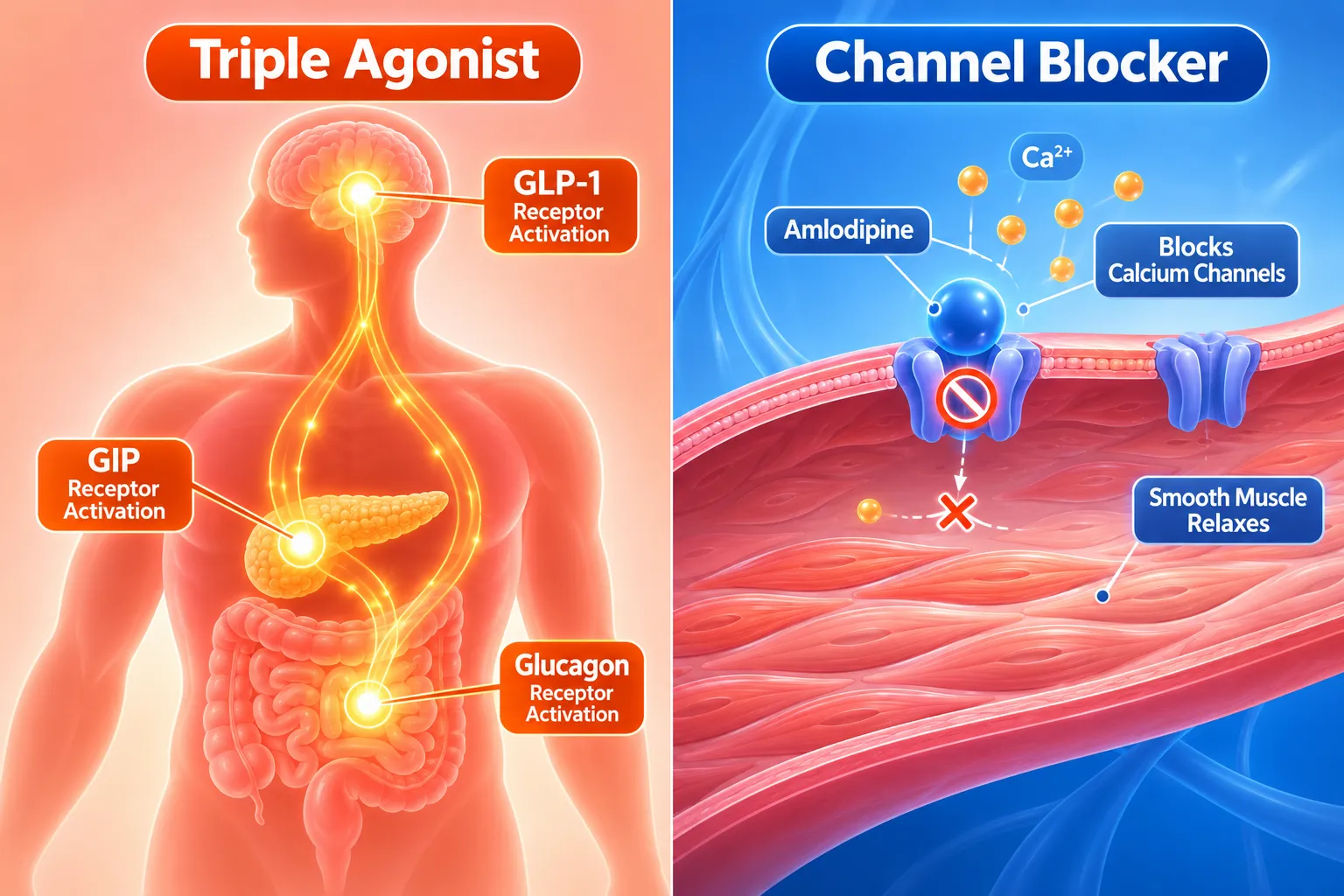
  • Retatrutide is a triple agonist activating GLP-1, GIP, and glucagon receptors simultaneously, while classic GLP-1 agents target only one receptor.
  • Phase 2 and early Phase 3 data show weight reductions of 24.2% to 28.7%, surpassing results seen with semaglutide or tirzepatide.
  • Retatrutide reduced liver fat by up to 82.4% in clinical studies, pointing to broad metabolic utility.
  • As of 2026, retatrutide is not FDA-approved and is designated for laboratory and research use only.
  • An FDA filing is anticipated between 2026 and 2027, making this a critical period for preclinical researchers to build foundational knowledge.

Receptor Mechanisms: How Retatrutide Differs from Classic GLP-1 Agonists

Receptor Mechanisms: How Retatrutide Differs from Classic GLP-1 Agonists

Traditional GLP-1 receptor agonists such as semaglutide work by mimicking the incretin hormone GLP-1. This single-receptor approach suppresses appetite, slows gastric emptying, and improves insulin secretion. The results are clinically meaningful, but the mechanism is inherently limited to one signaling pathway.

Retatrutide expands that model significantly. It activates three distinct receptors:

Receptor Primary Role
GLP-1 Appetite suppression, delayed gastric emptying
GIP Enhanced insulin secretion, lipid metabolism
Glucagon Increased energy expenditure, fat oxidation

This triple-agonist design means the compound addresses energy balance from multiple angles at once. The glucagon receptor component is particularly notable. While glucagon is classically associated with raising blood glucose, its activation in a balanced incretin context appears to drive thermogenesis and fat oxidation without destabilizing glycemic control.

Cryo-electron microscopy studies have mapped exactly how retatrutide engages all three receptor types at the molecular level, providing a structural explanation for its activity profile. For researchers exploring the broader GLP-1 generations overview, this mechanistic leap from single to triple agonism represents a defining shift in incretin pharmacology.

Tirzepatide, a dual GLP-1/GIP agonist, sits between semaglutide and retatrutide on this spectrum. Retatrutide's additional glucagon receptor activation is the primary differentiator that researchers believe accounts for its superior efficacy signals in early trials.


Early Clinical Data: What the Trial Numbers Show

Early Clinical Data: What the Trial Numbers Show

The numbers from retatrutide's clinical program are difficult to ignore. In a Phase 2 trial published in the New England Journal of Medicine, participants receiving the 12 mg dose achieved a mean body weight reduction of 24.2% at 48 weeks. That figure exceeded the weight loss benchmarks set by both semaglutide and tirzepatide in comparable timeframes.

Preliminary data from the Phase 3 TRIUMPH-4 trial pushed that figure further. At 68 weeks, the mean body weight loss reached 28.7%, the highest reduction recorded in an obesity trial to date.

Beyond weight, the metabolic data is equally compelling:

  • Liver fat reduction of up to 82.4%, suggesting significant potential for non-alcoholic fatty liver disease research
  • Improvements in glycemic control and lipid profiles across trial cohorts
  • Once-weekly subcutaneous dosing with a half-life of approximately 6 days, supporting practical research protocols

The side effect profile is consistent with other incretin-based compounds. Gastrointestinal effects including nausea and vomiting were the most commonly reported adverse events, which aligns with what researchers observe across the GLP-1 class.

For those tracking how body composition peptides interact with metabolic pathways, the TESA body composition research themes page offers relevant context on related investigational compounds. Similarly, researchers studying fat metabolism may find value in reviewing AOD-9604 research method notes as a complementary reference point.


Research-Only Use Cases for GLP-3 Retatrutide vs Traditional GLP-1 Agonists

Research-Only Use Cases for GLP-3 Retatrutide vs Traditional GLP-1 Agonists

As of 2026, retatrutide holds no FDA approval and is not available for commercial or clinical use outside of authorized trials. It is strictly designated for laboratory and research purposes. This boundary is not a limitation to work around; it is the appropriate framework for a compound still moving through regulatory evaluation.

Within that framework, legitimate research use cases include:

  • Receptor binding studies examining triple-agonist pharmacodynamics
  • In vitro metabolic models exploring GIP and glucagon receptor co-activation
  • Preclinical obesity models comparing retatrutide's efficacy signals against established GLP-1 benchmarks
  • Liver health investigations given the striking hepatic fat reduction data

Researchers building metabolic study panels may also find it useful to explore cagrilintide synergy with GLP-1 as a complementary area of investigation, since amylin-GLP-1 combinations represent another emerging research direction. For broader metabolic and longevity research themes, the GLP-3 Reta incretin research themes resource provides a structured overview of where the science currently stands.

Researchers interested in how mitochondrial function intersects with metabolic peptide research can also reference MOTS-c mitochondrial peptide research for related mechanistic context.

An FDA filing is anticipated between 2026 and 2027. Until that process concludes, all use must remain within certified research environments with appropriate oversight.


Conclusion

The comparison of GLP-3 Retatrutide vs Traditional GLP-1 Agonists: Mechanisms, Early Data, and Research-Only Use Cases reveals a compound that is mechanistically distinct and clinically promising. Its triple-receptor design addresses metabolic dysfunction through pathways that single and dual agonists cannot reach simultaneously. The trial data, while still maturing, places retatrutide ahead of any previously studied obesity intervention by weight-loss magnitude.

Actionable next steps for researchers in 2026:

  1. Review the Phase 2 NEJM publication and TRIUMPH-4 preliminary data to establish baseline familiarity with the efficacy and safety signals.
  2. Map retatrutide's receptor pharmacology against your existing GLP-1 or dual-agonist research models to identify where triple agonism adds mechanistic value.
  3. Ensure all procurement and use of retatrutide complies strictly with research-only designations and institutional oversight requirements.
  4. Monitor FDA filing developments expected in the 2026-2027 window, as regulatory milestones will reshape the research landscape quickly.

The science is moving fast. Researchers who build foundational knowledge now will be best positioned to interpret and apply what comes next.


https://www.puretestedpeptides.com/wp-content/uploads/2026/06/GLP-3-Retatrutide-vs-Traditional-GLP-1-Agonists-Mechanisms-Early-Data-and-Research-Only-Use-Cases.png 1024 1536 Pure Tested https://www.puretestedpeptides.com/wp-content/uploads/2026/01/buy-peptides-online.jpg Pure Tested2026-06-03 13:04:222026-07-20 15:04:12GLP-3 Retatrutide vs Traditional GLP-1 Agonists: Mechanisms, Early Data, and Research-Only Use Cases
Understanding Polypeptide Peptides: Essential Building Blocks for Research Use Only

Understanding Polypeptide Peptides: Essential Building Blocks for Research Use Only

June 3, 2026/0 Comments/by Pure Tested

Roughly 22% of commercially available research peptides fail basic quality checks — a sobering figure that underscores why researchers must understand exactly what polypeptides are, how they are made, and what standards govern their use. Understanding polypeptide peptides: essential building blocks for research use only begins with grasping their molecular identity and the strict boundaries that define legitimate scientific application.

Close-up macro photograph of a molecular model of amino acid chains linked by peptide bonds, rendered in three-dimensional

Key Takeaways

  • Polypeptides are chains of more than 20 amino acids linked by peptide bonds, making them structurally distinct from shorter peptides.
  • They serve as hormones, signaling molecules, and structural components in biological systems.
  • Research-grade polypeptides are synthesized for laboratory use only and are not approved for human or animal administration.
  • Purity standards of 98% or higher are the benchmark for credible research peptide suppliers.
  • Regulatory classification as "For Research Use Only" (RUO) carries significant legal and ethical implications.

What Are Polypeptides and Why Do They Matter in Research

At the most fundamental level, a polypeptide is a polymer — a long chain of amino acids connected end-to-end through peptide bonds. The threshold that separates a polypeptide from a simpler peptide is generally accepted as 20 or more amino acids in sequence. Once a chain reaches sufficient length and folds into a defined three-dimensional shape, it becomes a functional protein.

This structural distinction is not merely academic. In laboratory settings, the length and sequence of an amino acid chain directly determines how a molecule behaves, what receptors it interacts with, and what biological pathways it may influence. Researchers studying metabolic regulation, tissue repair, or cellular signaling must select compounds with precision.

Why polypeptides are central to biological research:

Property Significance
Chain length (20+ amino acids) Enables complex folding and receptor specificity
Peptide bond stability Allows predictable behavior in controlled assays
Sequence variability Supports diverse research targets
Hormonal activity Models endogenous signaling for study

Polypeptides function as hormones, enzymes, and signaling molecules throughout living systems. Compounds such as BPC-157 and GHK-Cu are studied precisely because their amino acid sequences mimic or modulate naturally occurring biological activity, making them valuable tools for in-vitro investigation.


Synthesis, Purity, and the Research Use Only Framework

Synthesis, Purity, and the Research Use Only Framework

Understanding polypeptide peptides: essential building blocks for research use only requires a clear view of how these compounds are produced and what quality standards apply.

How Research Peptides Are Made

The dominant manufacturing method is Solid-Phase Peptide Synthesis (SPPS). In this process, amino acids are added one at a time to a growing chain anchored to a solid resin support. This sequential approach allows chemists to build highly specific sequences with controlled accuracy. After synthesis, the peptide is cleaved from the resin, purified, and analyzed.

High-quality research peptides should achieve a purity level of at least 98%, with premium-tier suppliers reaching 99% or above. Purity directly affects experimental reliability. A peptide with significant impurities introduces variables that can compromise data integrity.

"Purity is not a marketing claim — it is the foundation of reproducible science."

Researchers sourcing compounds such as Tesamorelin or CJC-1295 should request certificates of analysis (CoA) that confirm third-party purity testing before use.

The "For Research Use Only" Designation

The RUO label is not a formality. Peptides classified as research use only have not undergone the clinical trials, sterility testing, or manufacturing controls required for pharmaceutical approval. They are intended exclusively for in-vitro laboratory research — meaning controlled experiments outside of living organisms.

Key distinctions between research-grade and pharmaceutical-grade peptides:

  • Research-grade: synthesized for laboratory assays, no sterility mandate for human use
  • Pharmaceutical-grade: manufactured under strict Good Manufacturing Practice (GMP) standards, approved for clinical administration
  • RUO products: not tested or approved by the FDA for human or animal consumption

Compounds like MOTS-c and Epithalon are actively studied in research contexts, but their RUO status means they remain outside the scope of approved therapeutic use.


Selecting Quality Polypeptides for Legitimate Research Applications

Understanding polypeptide peptides: essential building blocks for research use only also means knowing how to evaluate suppliers and avoid substandard products. Independent analyses have found dose inaccuracies exceeding 20% in a meaningful share of commercially available research peptides — a risk that can invalidate entire study protocols.

Selecting Quality Polypeptides for Legitimate Research Applications

Checklist for evaluating a research peptide supplier:

  • Published certificates of analysis from independent third-party laboratories
  • Clearly stated purity percentages per batch
  • Transparent synthesis methods and storage recommendations
  • Compliance with RUO labeling requirements
  • No claims suggesting human or animal use

Researchers exploring innovative peptide delivery systems should also consider how formulation affects compound stability and bioavailability in experimental models. For those comparing sourcing options, reviewing peptide supplier comparisons can provide useful context for making informed procurement decisions.


Conclusion

Polypeptides are far more than long chains of amino acids — they are the molecular tools that drive some of the most important questions in modern biological research. A clear understanding of their structure, synthesis, purity requirements, and regulatory classification is essential for any researcher working with these compounds in 2026.

Actionable next steps for researchers:

  1. Verify the purity and CoA documentation of any polypeptide before incorporating it into a study protocol.
  2. Confirm that all compounds are sourced from suppliers who clearly label products as research use only.
  3. Review the specific amino acid sequence and known biological activity of a polypeptide to ensure it aligns with the research objective.
  4. Stay current with regulatory updates affecting the RUO classification in your jurisdiction.
  5. Consult peer-reviewed literature to contextualize in-vitro findings before drawing broader conclusions.

Rigorous sourcing and a firm grasp of the research use only framework are not optional — they are the baseline for credible, reproducible science.


https://www.puretestedpeptides.com/wp-content/uploads/2026/06/Understanding-Polypeptide-Peptides-Essential-Building-Blocks-for-Research-Use-Only.png 672 1024 Pure Tested https://www.puretestedpeptides.com/wp-content/uploads/2026/01/buy-peptides-online.jpg Pure Tested2026-06-03 13:03:422026-07-20 15:04:12Understanding Polypeptide Peptides: Essential Building Blocks for Research Use Only
Selank vs Semax: Neuroimmune, Anxiolytic, and Cognitive Pathways Compared for Research Use

Selank vs Semax: Neuroimmune, Anxiolytic, and Cognitive Pathways Compared for Research Use

June 2, 2026/0 Comments/by Pure Tested

Two peptides developed at the same institution, sharing a stabilizing tripeptide backbone, yet targeting almost opposite ends of the neurological spectrum — that structural paradox is exactly what makes the Selank vs Semax comparison so valuable for researchers in 2026.

Both compounds emerged from the Russian Academy of Sciences in the 1990s. Both incorporate a Pro-Gly-Pro (PGP) sequence that resists enzymatic breakdown. Beyond those shared traits, their pharmacological profiles diverge sharply, and understanding where anxiolytic signaling ends and cognitive-support hypotheses begin is essential for any serious research application.

Close-up laboratory research scene showing two glass vials labeled with molecular diagrams on a reflective surface, one vial

Key Takeaways

  • Semax is an ACTH(4-10) analog focused on BDNF upregulation and dopaminergic cognitive enhancement.
  • Selank is derived from tuftsin and primarily modulates GABAergic and enkephalin pathways for anxiolytic effects.
  • Selank carries meaningful neuroimmune activity; Semax does not at standard research doses.
  • Neither compound is FDA, EMA, or Health Canada approved; both are research-use compounds outside Russia.
  • Combining both may offer complementary coverage, but no controlled combination studies exist yet.

Structural Origins and Primary Mechanisms

Semax is a synthetic analog of the adrenocorticotropic hormone fragment ACTH(4-10). Its dominant mechanism involves potent upregulation of brain-derived neurotrophic factor (BDNF) in the hippocampus and prefrontal cortex, supporting neuroplasticity, attention, and working memory. It also modulates serotonergic and dopaminergic signaling, which drives its cognitive-activating profile.

Selank traces its lineage to tuftsin, a naturally occurring immunopeptide. Rather than stimulating BDNF as its primary action, Selank acts as a positive allosteric modulator of GABA-A receptors and inhibits enkephalin degradation. The result is anxiety reduction without sedation or dependence risk — a profile that sets it apart from classical anxiolytics.

For researchers exploring Selank peptide benefits in greater depth, the GABAergic and enkephalin mechanisms are central to understanding its unique anxiolytic signature.


Anxiolytic and Neuroimmune Pathways: Where Selank Leads

Selank's anxiolytic effects are mechanistically distinct from benzodiazepines. By modulating GABA-A receptors allosterically and slowing enkephalin breakdown, it reduces anxiety without producing the sedation or withdrawal patterns associated with classical agents. This makes it a compelling research subject for stress-related behavioral models.

Critically, Selank also retains tuftsin's cytokine-regulatory properties. This neuroimmune activity — influencing interleukin expression and immune cell signaling — may itself contribute to its anxiolytic effects, suggesting a bidirectional brain-immune axis at work. Semax, by contrast, shows no significant immune modulation at standard nootropic research doses.

"Selank's neuroimmune activity represents a distinct mechanistic layer that Semax simply does not share — making the two compounds complementary rather than interchangeable."

Researchers interested in innate immune peptide interactions may find it useful to compare Selank's cytokine modulation with the mechanisms described in LL-37 innate research themes, where immune-neural crosstalk is also a central focus.

For a detailed look at Selank side effects observed in research contexts, mild nasal irritation from intranasal delivery is the most commonly noted finding, with no significant dependence signals reported.


Cognitive Pathways and Research Protocols: Selank vs Semax Compared

Cognitive Pathways and Research Protocols: Selank vs Semax Compared

When evaluating Selank vs Semax for cognitive research, the distinction comes down to mechanism and target population.

Semax enhances:

  • Attention and processing speed via dopaminergic modulation
  • Working memory through BDNF-driven hippocampal support
  • Neuroprotection in ischemic injury models (registered in Russia for stroke and transient ischemic attacks)

Selank enhances:

  • Emotional regulation and stress-impaired cognition
  • Anxiety-adjacent cognitive deficits via GABAergic and serotonergic pathways
  • Immune-mediated stress responses through cytokine modulation

A 2020 resting-state fMRI study in 52 healthy participants found that both peptides influence functional connectivity between the right amygdala and temporal cortex — confirming overlapping yet distinct effects on networks governing both anxiety and cognition.

Feature Selank Semax
Primary mechanism GABA-A modulation, enkephalin BDNF upregulation, dopamine
Anxiolytic activity Strong Mild
Cognitive enhancement Stress-impaired focus Direct attention/memory
Neuroimmune activity Yes (cytokine regulation) Minimal
Typical research dose 200-400 mcg, 2-3x daily 300-600 mcg, 1-2x daily
Approved use (Russia) Generalized anxiety disorder Ischemic stroke, TIA

Researchers building multi-pathway stacks may also find value in reviewing what is Selank as a foundational reference before designing protocols.

For broader neuromodulatory context, the PT-141 neural and metabolic research themes page illustrates how centrally acting peptides can produce overlapping yet mechanistically separate effects — a pattern directly relevant to the Selank vs Semax comparison.

Cognitive Pathways and Research Protocols: Selank vs Semax Compared

Combination use of both peptides has been discussed in research circles as a way to address both anxiety and direct cognitive activation simultaneously. However, no controlled Phase 3 trials have evaluated this combination, and caution is warranted until more data emerges. Researchers exploring multi-compound designs may also want to review KLow blend multipathway research for examples of how complementary mechanisms are structured in blended research protocols.

Both compounds remain unapproved by the FDA, EMA, MHRA, and Health Canada. The majority of published clinical evidence originates from Russian-language journals, limiting direct translation to Western research frameworks.


Conclusion

The Selank vs Semax comparison for neuroimmune, anxiolytic, and cognitive pathways reveals two compounds that are far more complementary than competitive. Semax is the stronger candidate for direct cognitive activation research — particularly attention, memory, and neuroprotection models. Selank is the clearer choice for anxiety-focused and neuroimmune research, with its GABAergic, enkephalin, and cytokine-regulatory mechanisms offering a profile no other peptide in this class replicates.

Actionable next steps for researchers in 2026:

  1. Define the primary research endpoint first — anxiety reduction or cognitive enhancement — before selecting a compound.
  2. Review available Russian-language clinical literature alongside Western fMRI and behavioral data.
  3. If designing a combination protocol, treat Selank and Semax as mechanistically distinct agents requiring independent dose optimization.
  4. Source only verified, lab-tested material and confirm purity documentation before any research application.
  5. Monitor for transient dopaminergic sensitization with higher Semax doses and nasal mucosal tolerance with Selank intranasal administration.

https://www.puretestedpeptides.com/wp-content/uploads/2026/06/Selank-vs-Semax-Neuroimmune-Anxiolytic-and-Cognitive-Pathways-Compared-for-Research-Use.png 1024 1536 Pure Tested https://www.puretestedpeptides.com/wp-content/uploads/2026/01/buy-peptides-online.jpg Pure Tested2026-06-02 22:10:112026-07-20 15:04:13Selank vs Semax: Neuroimmune, Anxiolytic, and Cognitive Pathways Compared for Research Use
5-Amino-1MQ Peptide: NNMT Inhibition, NAD+ Preservation, and Metabolic Research Applications

5-Amino-1MQ Peptide: NNMT Inhibition, NAD+ Preservation, and Metabolic Research Applications

June 2, 2026/0 Comments/by Pure Tested

A single enzyme quietly redirects the flow of cellular energy — and blocking it may reshape how researchers think about fat metabolism, muscle aging, and NAD+ biology. That enzyme is nicotinamide N-methyltransferase (NNMT), and the compound drawing the most attention in this space is 5-Amino-1MQ.

As of 2026, the 5-Amino-1MQ peptide — spanning NNMT inhibition, NAD+ preservation, and metabolic research applications — has generated a focused body of preclinical evidence that positions it as one of the more mechanistically interesting small molecules in metabolic science.

Key Takeaways

  • 5-Amino-1MQ selectively inhibits NNMT, an enzyme that consumes methyl groups and depletes NAD+ precursors in metabolically active tissues.
  • Preclinical studies show dose-dependent fat loss, improved insulin sensitivity, and reduced liver fat without changes in food intake.
  • Muscle regeneration data from aged mouse models is compelling, with peak torque improvements near 70% and grip strength gains up to 60% when combined with exercise.
  • No human clinical trials have been published or registered as of 2026; all data remain preclinical.
  • 5-Amino-1MQ is classified as a research compound and is not FDA-approved for any therapeutic use.

Key Takeaways

How NNMT Inhibition Drives NAD+ Preservation

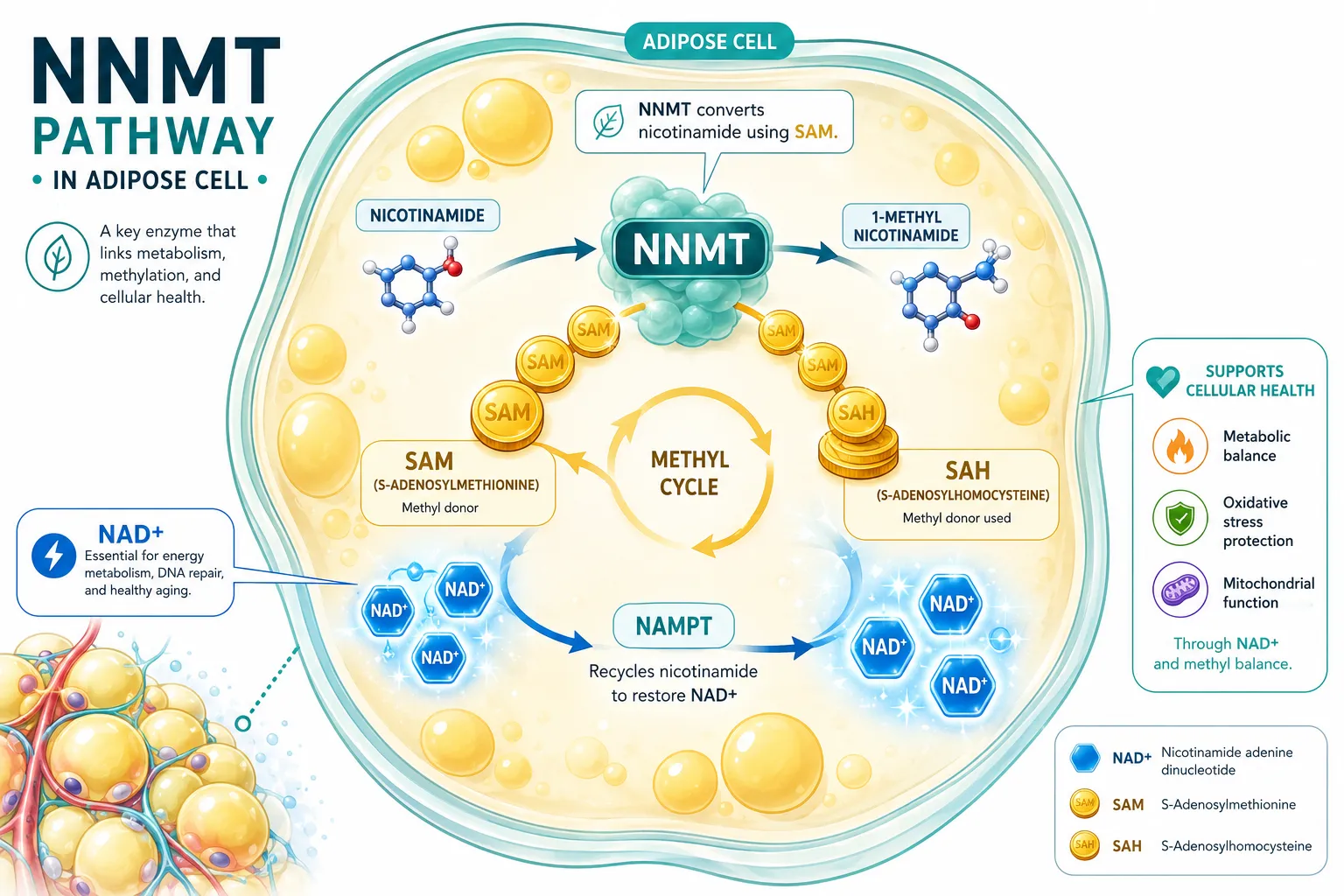
NNMT catalyzes the methylation of nicotinamide, converting it to 1-methylnicotinamide (1-MNA) and effectively removing it from the NAD+ biosynthesis pathway. When NNMT is overactive — as it tends to be in obese and aged tissues — this process accelerates NAD+ precursor depletion, impairing mitochondrial function and energy output.

5-Amino-1MQ works by selectively binding to NNMT's active site, slowing this drain. The result is a measurable increase in intracellular NAD+ levels, which supports mitochondrial respiration, activates sirtuins, and improves overall metabolic efficiency.

"Blocking NNMT is not simply about preserving a molecule — it is about restoring the signaling environment that governs how cells burn fuel and repair themselves."

This mechanism distinguishes 5-Amino-1MQ from direct NAD+ precursor supplementation. Rather than flooding cells with nicotinamide riboside or NMN, it reduces the rate at which NAD+ precursors are diverted away from synthesis. For researchers exploring NAD+ biology and metabolic signaling, this upstream approach offers a distinct angle worth examining.

Key pharmacokinetic data from rat studies:

Parameter Value
Oral bioavailability 38.4%
Half-life 4-7 hours (route-dependent)
Tissue distribution Adipose, muscle, liver confirmed

Preclinical Evidence: Fat Loss, Muscle, and Metabolic Health

Preclinical Evidence: Fat Loss, Muscle, and Metabolic Health

The preclinical record for 5-Amino-1MQ across NNMT inhibition, NAD+ preservation, and metabolic research applications spans several well-designed animal studies.

Obesity and fat metabolism:

A 2018 study found that 20 mg/kg/day of 5-Amino-1MQ reversed diet-induced obesity in mice without reducing food intake. This is significant because it suggests a thermogenic or metabolic shift rather than appetite suppression. A 2024 dose-finding study extended this work, demonstrating 28-day treatment produced dose-dependent weight loss, improved glucose tolerance, better insulin sensitivity, and measurable reductions in hepatic steatosis.

When combined with caloric restriction, NNMT inhibition normalized adiposity faster than either intervention alone and produced a distinct gut microbiome shift enriched in Lactobacillus species.

Muscle regeneration and aging:

  • A 2019 study in aged mice showed NNMT inhibition doubled myofiber cross-sectional area and improved peak muscle torque by approximately 70%.
  • A 2024 follow-up reported a 40% improvement in grip strength in sedentary aged mice, rising to 60% when paired with exercise.

These findings make 5-Amino-1MQ relevant to researchers studying sarcopenia and age-related muscle decline. This complements work being done with compounds like MOTS-c, a mitochondrial peptide that also targets energy metabolism in aging tissue.

Researchers building metabolic stacks may also find value in reviewing the scientific evidence around NAD+ supplementation and how upstream inhibition strategies compare to direct precursor loading.

Research Limitations and Where 5-Amino-1MQ Fits in 2026

Research Limitations and Where 5-Amino-1MQ Fits in 2026

The most important limitation of 5-Amino-1MQ research is straightforward: as of 2026, no human clinical trials have been published or registered. Every data point discussed above comes from rodent models. Translating these findings to human physiology requires controlled trials that do not yet exist.

5-Amino-1MQ is not FDA-approved and is classified strictly as a research compound. Its safety profile in humans is unknown.

That said, its mechanism fits logically into current metabolic research frameworks. Researchers interested in longevity peptide research will recognize NNMT inhibition as a credible target given the enzyme's known upregulation in obesity, aging, and metabolic disease states.

For those sourcing research compounds, peptide purity testing remains a non-negotiable step before any preclinical work begins. Researchers can also explore the full catalog of available research peptides to review current compound specifications.

5-Amino-1MQ may also pair meaningfully with compounds targeting adjacent pathways. Research on SS-31, a mitochondrial-targeted peptide, addresses oxidative stress at the inner mitochondrial membrane — a complementary mechanism to the NAD+ preservation strategy of NNMT inhibition.

Conclusion

5-Amino-1MQ occupies a genuinely interesting position in metabolic research. Its mechanism — reducing NNMT activity to preserve NAD+ precursors and improve mitochondrial function — is well-supported at the molecular level, and preclinical data across obesity, insulin resistance, liver health, and muscle aging are consistent and encouraging.

Actionable next steps for researchers:

  • Review the 2024 dose-finding data carefully before designing rodent study protocols.
  • Pair NNMT inhibition research with gut microbiome analysis, given the Lactobacillus enrichment findings.
  • Prioritize third-party purity verification for all research-grade compounds.
  • Monitor clinical trial registries for the first human studies, which remain the critical missing piece.
  • Consider how 5-Amino-1MQ fits within broader metabolic stacks targeting NAD+ biology, mitochondrial function, and adipose tissue regulation.

The compound is not a clinical solution yet. It is a research priority — and in 2026, that distinction matters.


https://www.puretestedpeptides.com/wp-content/uploads/2026/06/5-Amino-1MQ-Peptide-NNMT-Inhibition-NAD-Preservation-and-Metabolic-Research-Applications.png 1024 1536 Pure Tested https://www.puretestedpeptides.com/wp-content/uploads/2026/01/buy-peptides-online.jpg Pure Tested2026-06-02 22:10:032026-07-20 15:04:135-Amino-1MQ Peptide: NNMT Inhibition, NAD+ Preservation, and Metabolic Research Applications
Retatrutide vs Tirzepatide vs Semaglutide vs Cagrilintide: Which Metabolic Pathways Matter Most in Research Models?

Retatrutide vs Tirzepatide vs Semaglutide vs Cagrilintide: Which Metabolic Pathways Matter Most in Research Models?

June 2, 2026/0 Comments/by Pure Tested

Fewer than five years ago, GLP-1 monotherapy was considered the ceiling of pharmacological weight management. Today, the question driving preclinical research is no longer whether to target GLP-1, but how many additional metabolic pathways to engage simultaneously. The comparison of Retatrutide vs Tirzepatide vs Semaglutide vs Cagrilintide sits at the center of that debate, and understanding which metabolic pathways matter most in research models is essential for interpreting emerging data correctly.

Key Takeaways

  • Retatrutide activates three receptors (GLP-1, GIP, and glucagon), adding energy expenditure signaling absent in dual or single agonists.
  • Tirzepatide's dual GLP-1/GIP agonism outperforms semaglutide monotherapy in weight reduction across multiple trials.
  • Cagrilintide targets the amylin receptor, engaging a satiety pathway that is mechanistically distinct from incretin-based approaches.
  • The CagriSema combination (cagrilintide plus semaglutide) demonstrated 22.7% weight loss over 48 weeks in Phase 3 research.
  • For researchers, pathway breadth and receptor potency profiles determine how each compound performs across different metabolic models.

Mapping the Receptor Targets Across All Four Compounds

Before comparing outcomes, it helps to map exactly which receptors each compound engages.

Compound GLP-1R GIPR Glucagon R Amylin R
Semaglutide Yes No No No
Tirzepatide Yes Yes No No
Retatrutide Yes Yes Yes No
Cagrilintide No No No Yes

Semaglutide is a selective GLP-1 receptor agonist. It slows gastric emptying, reduces appetite through central hypothalamic signaling, and promotes insulin secretion in a glucose-dependent manner. It remains the most studied reference point for incretin-based research.

Tirzepatide adds GIP receptor co-agonism. GIP receptor activation enhances insulin secretion further and may improve adipose tissue metabolism. Research covered in this GLP-1 dual receptor agonism breakdown shows why the dual mechanism consistently outperforms semaglutide in weight reduction endpoints.

Retatrutide extends this further by incorporating glucagon receptor agonism. Its receptor potency profile is GIP-primary (EC50 = 0.064 nM), followed by GLP-1 (EC50 = 0.775 nM) and glucagon (EC50 = 5.79 nM). This hierarchy matters because GIP receptor activation dominates its anabolic and lipolytic signaling. Researchers exploring this triple agonist can find additional context in the GLP-3 Retatrutide incretin research overview.

Cagrilintide operates entirely outside the incretin axis. As a long-acting amylin analogue, it activates amylin receptors in the area postrema and hypothalamus to reduce meal size and slow gastric emptying through a pathway independent of GLP-1 signaling.


Why Glucagon Receptor Activation Changes the Research Picture

Why Glucagon Receptor Activation Changes the Research Picture

The inclusion of glucagon receptor agonism in Retatrutide is the most consequential mechanistic distinction in the Retatrutide vs Tirzepatide vs Semaglutide vs Cagrilintide comparison for research models focused on energy balance.

Glucagon receptor activation drives two processes that neither semaglutide nor tirzepatide can replicate:

  • Increased basal energy expenditure through thermogenic signaling in brown adipose tissue
  • Hepatic fat mobilization, making retatrutide particularly relevant in models of metabolic-associated steatotic liver disease

Phase 2 clinical data reported up to 24.2% mean body weight reduction at 48 weeks with retatrutide, the highest figure recorded among once-weekly injectable agents at that stage of development. For broader context on how metabolic modulation compounds are being studied, the metabolic modulation research overview provides useful framing.

"Glucagon receptor agonism shifts the mechanism from appetite suppression alone to a combined appetite-plus-expenditure model, which changes what research endpoints are most informative."

In contrast, tirzepatide's weight loss advantage over semaglutide is driven primarily by enhanced insulin secretion and improved adipose tissue insulin sensitivity through GIPR, not by meaningful increases in energy expenditure. Both are important mechanisms, but they are not interchangeable in research design.


Amylin Pathway Synergy and the CagriSema Model

Amylin Pathway Synergy and the CagriSema Model

Cagrilintide represents a fundamentally different strategy. Rather than amplifying incretin signaling, it recruits the amylin pathway, which regulates satiety through different neural circuits. This is why combining cagrilintide with semaglutide (CagriSema) produces additive effects that exceed either agent alone.

The Phase 3 REDEFINE 1 trial reported 22.7% weight loss in non-diabetic adults over 48 weeks with CagriSema, with an FDA decision anticipated later in 2026. The mechanistic rationale for this synergy is explored in depth in the cagrilintide and GLP-1 synergy research summary.

Key distinctions for research models comparing amylin-based to incretin-based strategies:

  • Amylin receptor signaling primarily reduces meal size rather than altering energy expenditure
  • GLP-1 receptor agonism reduces meal frequency and caloric intake through central satiety circuits
  • Combined, these mechanisms address appetite from two non-overlapping angles

For researchers also examining how peptide combinations interact with body composition endpoints, the IPA muscle and fat research themes page offers relevant comparative data on lean mass preservation.

Researchers investigating the newest generation of triple agonists can also review the GLP-3 triple agonist research page for additional mechanistic detail.


Conclusion

The comparison of Retatrutide vs Tirzepatide vs Semaglutide vs Cagrilintide is not simply a ranking exercise. Each compound engages a distinct receptor profile, and the metabolic pathways that matter most depend entirely on the research question being asked.

For models focused on maximum weight reduction, retatrutide's triple agonism and energy expenditure component give it a mechanistic edge. For models examining incretin synergy and insulin dynamics, tirzepatide offers a well-characterized dual receptor platform. For appetite suppression benchmarking, semaglutide remains the standard reference. For amylin pathway research or combination strategies, cagrilintide and CagriSema open a mechanistically separate avenue.

Actionable next steps for researchers:

  • Define the primary metabolic endpoint before selecting a compound for a model
  • Account for receptor potency hierarchy, not just the number of receptors targeted
  • Consider combination models when studying non-overlapping satiety pathways
  • Review the latest peptide research developments to stay current as Phase 3 data continues to emerge in 2026

https://www.puretestedpeptides.com/wp-content/uploads/2026/06/Retatrutide-vs-Tirzepatide-vs-Semaglutide-vs-Cagrilintide-Which-Metabolic-Pathways-Matter-Most-in-Research-Models.png 1024 1536 Pure Tested https://www.puretestedpeptides.com/wp-content/uploads/2026/01/buy-peptides-online.jpg Pure Tested2026-06-02 22:10:012026-07-20 15:04:14Retatrutide vs Tirzepatide vs Semaglutide vs Cagrilintide: Which Metabolic Pathways Matter Most in Research Models?
PT-141 Peptide and Melanocortin Signaling: What Researchers Should Know Beyond Erectile-Function Headlines

PT-141 Peptide and Melanocortin Signaling: What Researchers Should Know Beyond Erectile-Function Headlines

June 2, 2026/0 Comments/by Pure Tested

Fewer than 5% of published peptide research articles on bremelanotide address its role outside of sexual function — yet the melanocortin system it targets governs appetite, inflammation, energy balance, and kidney filtration. Understanding PT-141 peptide and melanocortin signaling means looking past the headlines and into the receptor biology that makes this compound a serious subject of multi-system investigation in 2026.

Close-up overhead view of a laboratory bench with multiple glass vials containing clear peptide solutions arranged beside a

Key Takeaways

  • PT-141 is a synthetic cyclic heptapeptide that selectively activates MC3R and MC4R in the central nervous system, bypassing vascular mechanisms entirely.
  • Its pharmacological reach extends well beyond sexual function into appetite regulation, kidney disease, and metabolic research.
  • Purity thresholds matter: batches below 97% purity show an 18-24% variance in receptor binding affinity.
  • Recent hypothalamic mapping has identified previously uncharted MC4R-dense regions, expanding the research scope of this peptide.
  • Researchers sourcing PT-141 for preclinical work should prioritize verified, high-purity material to ensure reproducible results.

The Melanocortin Receptor System: A Framework Researchers Must Understand

Before examining PT-141 peptide and melanocortin signaling in applied contexts, researchers need a firm grasp of the receptor architecture involved.

The melanocortin system comprises five G-protein-coupled receptors (MC1R through MC5R). PT-141 — derived from Melanotan II — acts with high selectivity at MC3R and MC4R, bypassing MC1R and MC2R almost entirely. This selectivity is not trivial. MC4R is densely expressed in the hypothalamus, including the paraventricular nucleus (PVN) and the lateral hypothalamic area (LHA), regions recently mapped in a multi-institutional study published in Nature Communications. These areas regulate feeding behavior, energy expenditure, and autonomic tone — not just reproductive signaling.

Why this matters for research design: Any experimental model using PT-141 that treats it purely as a pro-erectile agent is missing the broader neuroendocrine canvas. The same receptor activation that modulates sexual arousal also intersects with satiety signaling and stress-axis responses.

Researchers exploring adjacent peptide systems — such as MOTS-c mitochondrial research themes or GLP-1 and incretin pathway investigations — will find meaningful mechanistic overlap with the MC4R axis, particularly in metabolic regulation models.


Beyond Sexual Function: Emerging Research Domains

Beyond Sexual Function: Emerging Research Domains

The clinical approval of bremelanotide (Vyleesi) in 2019 for hypoactive sexual desire disorder (HSDD) in premenopausal women established PT-141's regulatory legitimacy. Open-label extension data confirm that improvements in sexual desire and reductions in distress are maintained over 52 weeks of on-demand use with no new safety signals. In male erectile dysfunction research, a randomized controlled trial showed positive clinical responses in 33.5% of bremelanotide-treated patients versus 8.5% on placebo — and co-administration with sildenafil produced significantly enhanced responses in non-responders.

But the more compelling frontier lies elsewhere.

Metabolic and Appetite Research

Palatin Technologies completed a Phase 2 trial pairing bremelanotide with tirzepatide, a dual GLP-1/GIP agonist. The combination group achieved a 4.4% weight reduction compared to 1.6% in the placebo group. The mechanistic logic is straightforward: MC4R activation suppresses appetite through central pathways, and stacking it with incretin-based agents may amplify energy balance effects. This is preliminary data, not an approved application — but it signals why researchers studying metabolic peptide synergy should monitor the MC4R literature closely.

Kidney Disease Models

The BREAKOUT Phase 2b study in type 2 diabetic kidney disease found that 71% of patients achieved more than a 30% reduction in urine protein/creatinine ratio with bremelanotide treatment. MC receptors expressed in renal tissue appear to modulate podocyte function and inflammatory signaling. These findings require further validation but represent a significant expansion of the peptide's research profile.


Purity, Pharmacokinetics, and Research Protocol Considerations

Purity, Pharmacokinetics, and Research Protocol Considerations

Reproducibility in peptide research starts with material quality. Research published in the Journal of Peptide Science demonstrated that PT-141 batches below 97% purity show an 18-24% variance in receptor binding affinity compared to pharmaceutical-grade material — a variance large enough to invalidate dose-response conclusions.

Following subcutaneous administration, PT-141 reaches peak plasma concentration within 30-60 minutes, with maximal effects observed between 1-4 hours. Despite a plasma half-life of approximately 2.7 hours, biological effects persist for 6-8 hours, likely due to receptor residence time and downstream neurochemical changes.

Common adverse events in clinical trials include:

  • Nausea (approximately 40% of participants)
  • Flushing (approximately 20%)
  • Injection site reactions
  • Transient blood pressure increases, typically resolving within 12 hours

Researchers sourcing material for preclinical work should consult detailed PT-141 research context documentation and review reference standard benchmarking practices before designing assays. For those ready to source verified material, PT-141 peptide for research use is available with documented purity specifications.

"Receptor selectivity is only as meaningful as the purity of the compound activating it."

Researchers comparing neuroendocrine peptides may also find value in reviewing BPC-157 core documentation for parallel methodology frameworks in CNS-adjacent peptide studies.


Conclusion

PT-141 peptide and melanocortin signaling represent a research area far broader than the erectile-function narrative that dominates popular coverage. The MC3R/MC4R axis connects appetite regulation, kidney filtration, metabolic balance, and neuroendocrine function — all active areas of investigation in 2026. Researchers entering this space should prioritize three immediate steps: verify that sourced material meets or exceeds 97% purity, design protocols that account for the peptide's extended biological half-life relative to plasma clearance, and monitor emerging Phase 2 data in metabolic and renal disease models. The mechanism is the message — and the mechanism here is considerably richer than the headlines suggest.


https://www.puretestedpeptides.com/wp-content/uploads/2026/06/PT-141-Peptide-and-Melanocortin-Signaling-What-Researchers-Should-Know-Beyond-Erectile-Function-Headlines.png 1024 1536 Pure Tested https://www.puretestedpeptides.com/wp-content/uploads/2026/01/buy-peptides-online.jpg Pure Tested2026-06-02 22:09:512026-07-20 15:04:15PT-141 Peptide and Melanocortin Signaling: What Researchers Should Know Beyond Erectile-Function Headlines
MOTS-C vs 5-Amino-1MQ: Mitochondrial Signaling vs NNMT Inhibition in Fat-Loss Research

MOTS-C vs 5-Amino-1MQ: Mitochondrial Signaling vs NNMT Inhibition in Fat-Loss Research

June 2, 2026/0 Comments/by Pure Tested

}

Professional () hero image depicting a split-screen scientific visualization: left side shows a glowing blue mitochondrion

Obesity-related metabolic dysfunction now affects more than one billion people globally, yet the biological levers researchers use to study fat loss are remarkably different from one compound to the next. Two molecules generating serious scientific interest in 2026 — MOTS-C and 5-Amino-1MQ — work through entirely separate mechanisms, making a direct comparison both useful and necessary for anyone designing a metabolic research protocol.

This article provides a clean side-by-side look at MOTS-C vs 5-Amino-1MQ: Mitochondrial Signaling vs NNMT Inhibition in Fat-Loss Research, covering how each compound works, what preclinical evidence shows, and how researchers approach their use.

Key Takeaways

  • MOTS-C is a mitochondrial-derived peptide that activates AMPK and improves insulin sensitivity; 5-Amino-1MQ is a small-molecule enzyme inhibitor that raises cellular NAD+ levels.
  • Both compounds remain research-only and are not FDA-approved for human therapeutic use.
  • MOTS-C has early-phase clinical trials underway; 5-Amino-1MQ is still in the preclinical stage.
  • Administration routes differ: MOTS-C is typically injected subcutaneously, while 5-Amino-1MQ is taken orally.
  • Choosing between them depends on the biological pathway a researcher wants to target — mitochondrial signaling or enzyme inhibition.

How Each Compound Works

How Each Compound Works

MOTS-C: A Signal From the Mitochondria

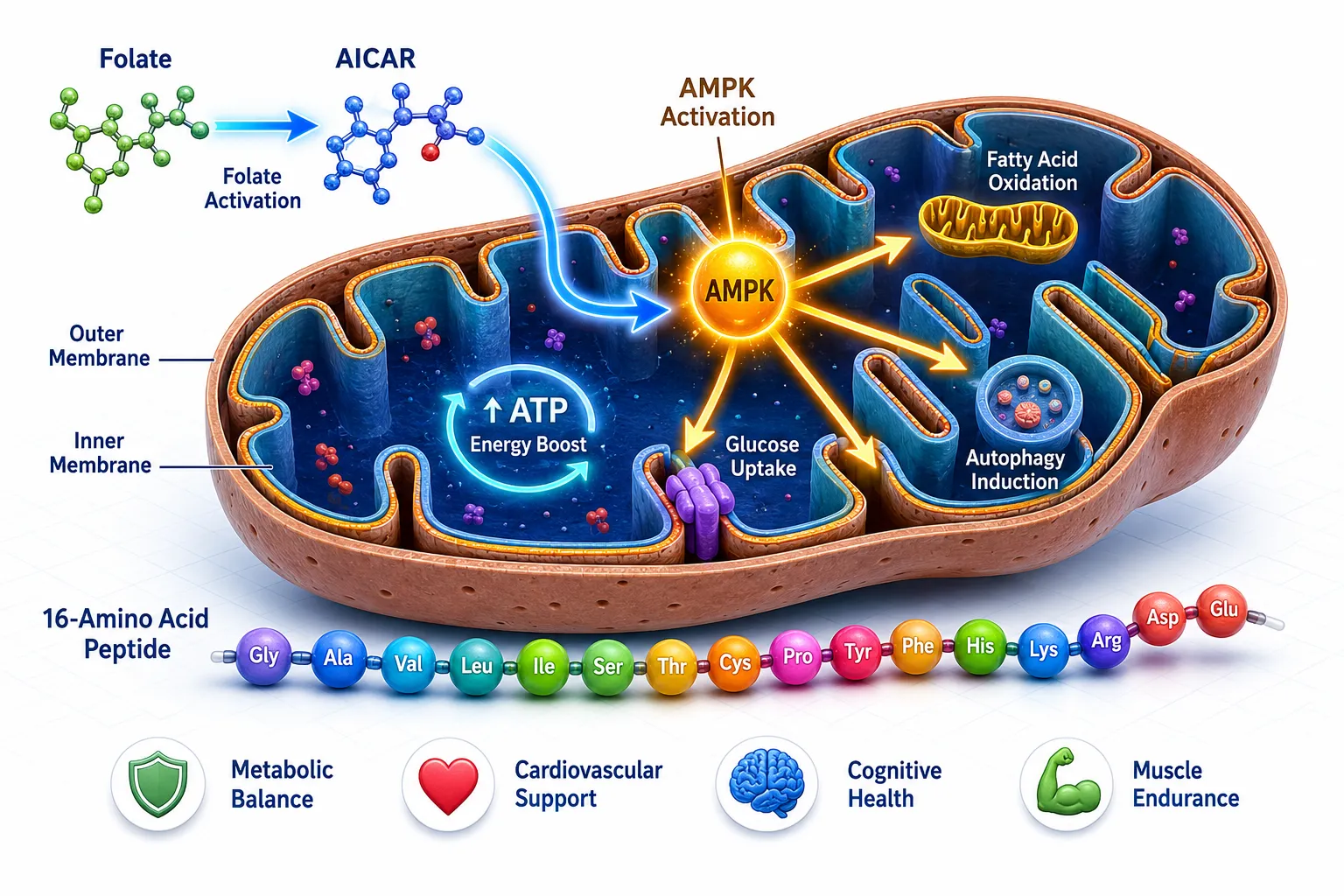
MOTS-C is a 16-amino-acid peptide encoded in the mitochondrial genome. Unlike most peptides, it originates inside the mitochondria and travels to the cell nucleus, where it regulates gene expression tied to metabolism and proteostasis. Its primary action involves activating AMP-activated protein kinase (AMPK), a central energy-sensing enzyme that promotes glucose uptake, fatty acid oxidation, and improved insulin sensitivity.

Because MOTS-C is mitochondria-derived, it functions as a genuine intracellular messenger — a type of "mitokine" — linking energy status directly to metabolic output. Researchers studying MOTS-C mitochondrial dynamics have noted its capacity to regulate skeletal muscle metabolism and support adaptation under metabolic stress conditions.

5-Amino-1MQ: Blocking the Fat-Storage Enzyme

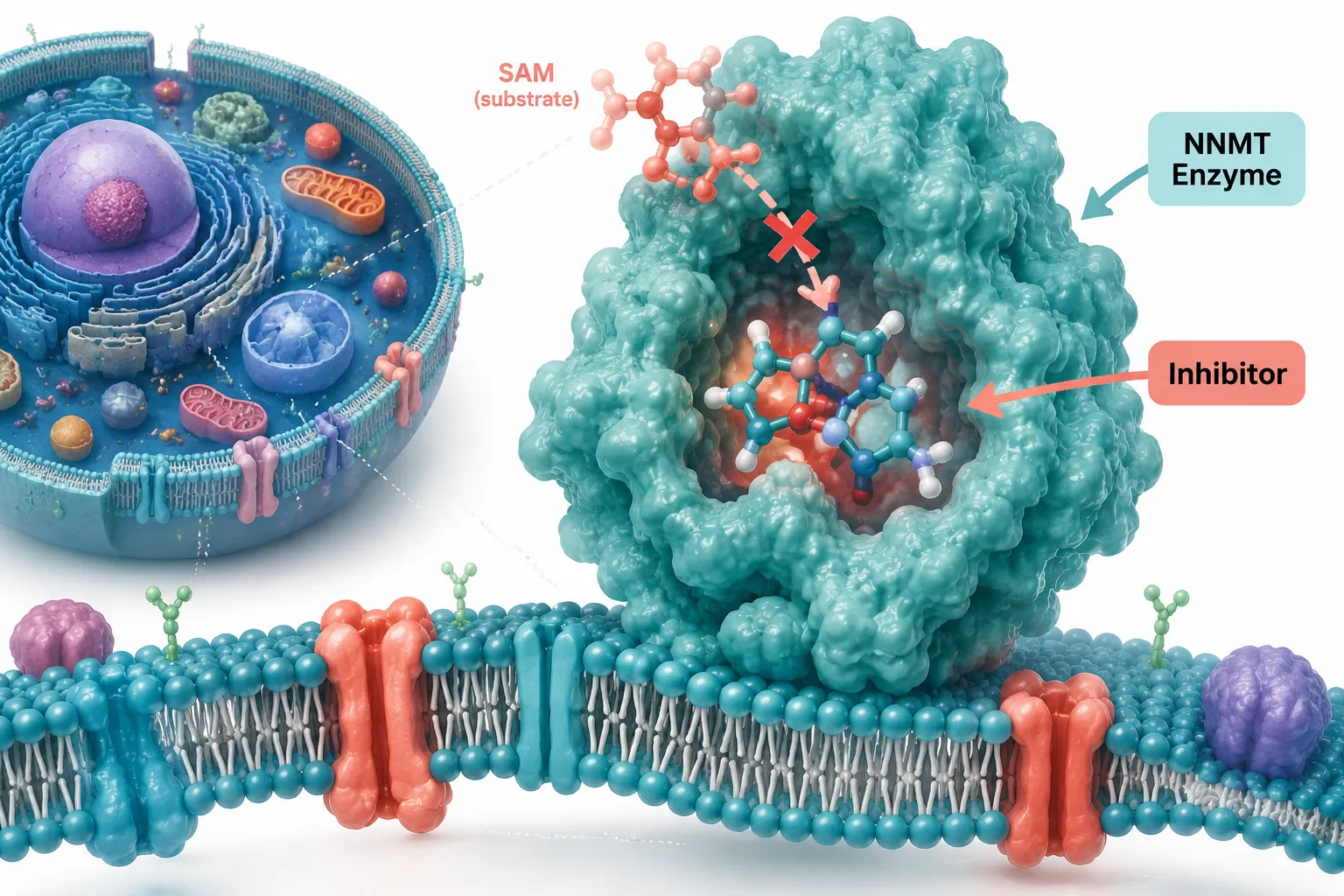
5-Amino-1MQ takes a completely different approach. It is a small-molecule inhibitor of nicotinamide N-methyltransferase (NNMT), an enzyme that is overexpressed in the adipose tissue of obese individuals. NNMT consumes SAM (S-adenosylmethionine) and depletes cellular NAD+ precursors, effectively slowing metabolism and encouraging fat storage.

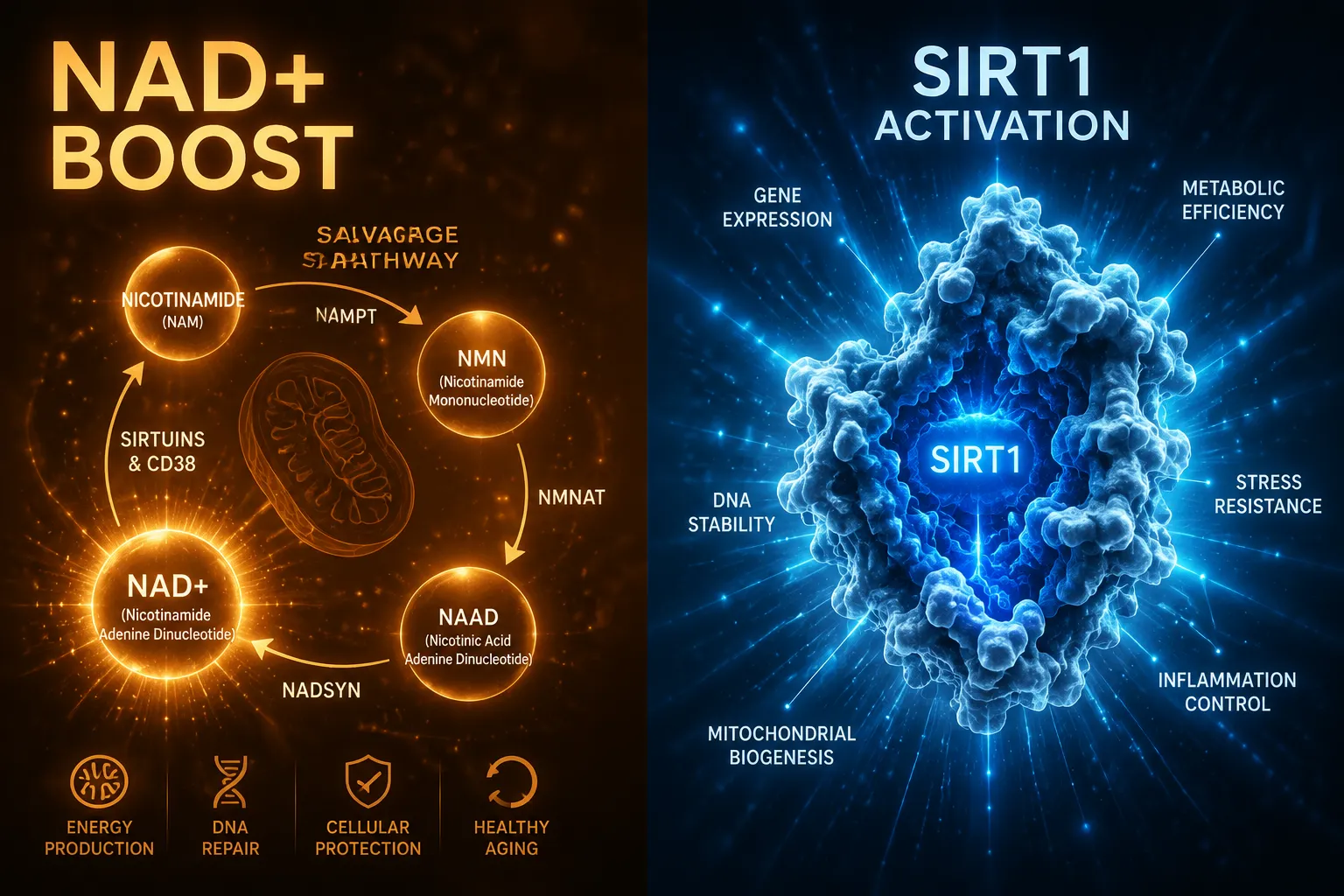
By blocking NNMT, 5-Amino-1MQ allows NAD+ levels to rise. Higher NAD+ activates sirtuins and other energy-expenditure pathways, shifting cellular behavior away from fat accumulation. This makes it a pharmacological tool for studying how enzyme inhibition can reprogram metabolic set points.


Preclinical Evidence and Research Findings

Preclinical Evidence and Research Findings

In the context of MOTS-C vs 5-Amino-1MQ: Mitochondrial Signaling vs NNMT Inhibition in Fat-Loss Research, the preclinical data for each compound tells a distinct story.

What Animal Studies Show

Feature MOTS-C 5-Amino-1MQ
Primary target AMPK / nuclear gene expression NNMT enzyme
Key metabolic effect Insulin sensitivity, muscle metabolism NAD+ elevation, fat reduction
Animal model outcomes Improved physical performance, metabolic regulation Fat loss, improved muscle stem-cell function
Human trials Early-phase clinical trials underway No RCTs conducted yet
Regulatory status Research compound Research compound

MOTS-C animal studies have shown improvements in physical performance across multiple age groups, with notable effects on skeletal muscle adaptation. Researchers exploring MOTS-C and SLU-PP332 combinations have examined whether stacking exercise-mimetic compounds amplifies these metabolic benefits.

5-Amino-1MQ demonstrated measurable fat loss and improved muscle stem-cell function in obese rodent models. However, no human randomized controlled trials have been completed, placing it firmly in the preclinical category.

For researchers interested in broader metabolic modulation research lines, both compounds represent distinct entry points into fat-loss biology.


Dosage, Administration, and Safety Considerations

Dosage, Administration, and Safety Considerations

Understanding the practical side of MOTS-C vs 5-Amino-1MQ: Mitochondrial Signaling vs NNMT Inhibition in Fat-Loss Research requires looking at how each compound is handled in research settings.

Research Dosing Protocols

MOTS-C is administered subcutaneously, typically at doses of 5–10 mg given two to three times per week. Its peptide structure requires injection to preserve bioavailability.

5-Amino-1MQ is taken orally at doses ranging from 50–150 mg daily in research contexts. Its small-molecule structure allows it to survive the digestive process, making oral delivery practical.

Neither compound has an established comprehensive safety profile due to the limited scope of human trials conducted to date.

Researchers comparing these agents alongside other metabolic peptides — such as those reviewed in longevity peptide research — should note that combining multiple metabolic modulators requires careful experimental design.

Those evaluating adjacent research tools, including Tesamorelin for fat-loss protocols or GLP-1 incretin research themes, will find that each compound targets a different node in the metabolic network.


Conclusion

The comparison of MOTS-C vs 5-Amino-1MQ: Mitochondrial Signaling vs NNMT Inhibition in Fat-Loss Research reveals two compounds that are complementary in concept but distinct in mechanism. MOTS-C targets mitochondrial-to-nuclear signaling through AMPK activation, while 5-Amino-1MQ removes an enzymatic brake on NAD+ metabolism.

Actionable next steps for researchers:

  • Define the biological pathway of interest before selecting a compound — mitochondrial signaling or enzyme inhibition.
  • Review current early-phase trial data for MOTS-C before designing human-adjacent protocols.
  • Treat 5-Amino-1MQ as a purely preclinical tool until RCT data becomes available.
  • Consider whether multi-pathway approaches, such as those explored in peptide blend research, could address multiple metabolic targets simultaneously.
  • Source research compounds only from suppliers providing verified purity documentation.

Both compounds are research tools, not therapeutic agents. Rigorous experimental design, appropriate controls, and attention to evolving regulatory guidance remain essential for any serious investigation into metabolic fat-loss biology.


https://www.puretestedpeptides.com/wp-content/uploads/2026/06/MOTS-C-vs-5-Amino-1MQ-Mitochondrial-Signaling-vs-NNMT-Inhibition-in-Fat-Loss-Research.png 1024 1536 Pure Tested https://www.puretestedpeptides.com/wp-content/uploads/2026/01/buy-peptides-online.jpg Pure Tested2026-06-02 22:09:332026-07-20 15:04:15MOTS-C vs 5-Amino-1MQ: Mitochondrial Signaling vs NNMT Inhibition in Fat-Loss Research
Photo Selank nasal spray

Improving Mental Health with Selank Nasal Spray

March 4, 2026/0 Comments/by Pure Tested

Mental well-being is a complex landscape, often navigated with varying degrees of success. Many individuals seek modalities to enhance their mental acuity and emotional resilience. One such modality that has garnered attention is Selank nasal spray. This synthetic peptide, derived from the human immunoglobulin G molecule, is primarily explored for its potential in ameliorating symptoms associated with anxiety and related disorders, as well as its reported cognitive benefits.

Selank is a heptapeptide (Thr-Lys-Pro-Arg-Pro-Gly-Pro) that was developed in Russia. Its structure is analogous to tuftsin, a naturally occurring immunomodulatory peptide. This structural similarity is believed to underpin some of its observed effects, particularly in relation to immune system modulation. However, its primary applications under consideration relate to neuropharmacology.

Origin and Development

The development of Selank emerged from research into synthetic peptide analogues designed to replicate or enhance specific biological functions. The initial rationale for its creation revolved around the exploration of peptides that could exert anxiolytic effects without the sedative properties often associated with conventional anxiolytics.

Peptide Pharmacology

As a peptide, Selank interacts with biological systems through different mechanisms than small-molecule pharmaceuticals. Peptides typically exhibit high specificity for their targets, which can translate to fewer off-target effects. Its administration via nasal spray is a deliberate choice, intended to bypass first-pass metabolism in the liver and facilitate direct absorption into the bloodstream and, subsequently, the central nervous system.

Selank nasal spray has garnered attention for its potential cognitive-enhancing and anxiolytic effects, making it a subject of interest in the realm of nootropics. For those looking to explore related peptides that may also support cognitive function and overall well-being, you might find the article on Tesa CJC-1295 and Ipamorelin particularly informative. This blend is known for its growth hormone-releasing properties, which can complement the effects of Selank. To learn more about this peptide blend and its dosage, you can visit the article here: Tesa CJC-1295 and Ipamorelin.

Selank’s Impact on Anxiety and Stress Reduction

Anxiety and stress are prevalent challenges in modern society, often manifesting as a persistent state of unease or heightened physiological arousal. Selank nasal spray has been investigated for its capacity to mitigate these states without inducing sedation, a common side effect of many traditional anxiolytics.

Clinical Observations

In clinical settings, Selank has demonstrated an ability to reduce anxiety levels. For instance, in trials involving individuals diagnosed with Generalized Anxiety Disorder (GAD), Selank has shown comparable efficacy to established anxiolytic medications such as medazepam. One study, involving 62 patients with GAD, reported equivalent reductions in anxiety scores between the Selank group and the medazepam group. This suggests that Selank may offer a non-sedating alternative for managing anxiety.

Mechanisms of Anxiolysis

The anxiolytic effects of Selank are attributed to its influence on several key neurotransmitter systems. It is understood to modulate gamma-aminobutyric acid (GABA)ergic neurotransmission, which is central to the brain’s inhibitory processes. By enhancing GABAergic activity, Selank can help to dampen neuronal excitability, leading to a state of calm. Furthermore, its interaction with serotonin pathways contributes to its anxiety-reducing properties, as serotonin plays a crucial role in mood regulation and anxiety.

Non-addictive Profile

A significant advantage reported for Selank is its non-addictive nature. Unlike benzodiazepines, which carry a risk of dependence and withdrawal, Selank is not associated with these issues. This makes it an appealing option for individuals seeking long-term management of anxiety without concerns about developing tolerance or withdrawal symptoms. The absence of sedation also allows individuals to maintain normal cognitive function and daily activities while undergoing treatment.

Mood Improvement and Emotional Stability

Beyond its anxiolytic properties, Selank has been implicated in enhancing mood and promoting emotional stability. The intricate interplay of neurotransmitters, hormonal balance, and neural pathways dictates an individual’s emotional landscape. Selank appears to contribute positively to this balance.

Neurotransmitter Modulation

One of the primary ways Selank is thought to improve mood is through its modulation of neurotransmitter levels. It has been shown to influence serotonin, a key neurotransmitter often referred to as the “feel-good” chemical. By stabilizing serotonin levels, Selank can contribute to a more balanced emotional state, potentially alleviating symptoms of low mood and emotional lability. Additionally, its broader impact on neurotransmitter systems suggests a generalized harmonizing effect on brain chemistry.

Long-term Anxiolytic Effects

Rodent studies have provided insights into the sustained effects of Selank on mood and anxiety. These investigations suggest that Selank can induce long-term anxiolytic effects, which is a departure from many acute-acting anxiolytics. This sustained influence can contribute to greater emotional resilience over time, allowing individuals to navigate stressful situations with greater equanimity. The concept here is akin to a gentle, persistent current shaping a riverbed, gradually creating a more stable and navigable course for emotional flow.

Potential for Depression Relief

While not primarily classified as an antidepressant, the mood-elevating and anxiety-reducing properties of Selank suggest a potential adjunctive role in managing depressive symptoms. By addressing underlying anxiety and emotional instability, it could indirectly contribute to an improved overall mood profile. However, it is crucial to note that further comprehensive research is required to fully elucidate its efficacy in clinical depression. Current research suggests it acts more as a supportive agent for mental well-being rather than a primary antidepressant.

Cognitive Enhancement and Mental Clarity

Cognitive function encompasses a range of mental processes, including attention, memory, executive functions, and problem-solving. Individuals seeking to sharpen these abilities often explore various avenues. Selank has been identified as a compound with potential nootropic effects, contributing to improved cognitive performance and mental clarity.

Focus and Memory Improvement

Users of Selank have reported enhancements in focus and memory. This is attributed to its impact on neuroplasticity and the efficiency of neural networks. Improved synaptic function can lead to better information processing and retention. Think of your brain as a library; Selank may be helping to index the books more efficiently and providing clearer pathways to access specific information.
BDNF Levels and Neuronal Health

Brain-Derived Neurotrophic Factor (BDNF) is a protein crucial for neuronal growth, survival, and differentiation. It plays a vital role in memory formation and overall brain health. Studies indicate that Selank may contribute to increased BDNF levels. Elevated BDNF is associated with improved cognitive function and resilience against neurodegenerative processes. This suggests that Selank might not only enhance immediate cognitive abilities but also support long-term brain health.
Timeline of Cognitive Benefits

The onset and progression of cognitive benefits from Selank typically follow a staggered timeline. Many users report an initial sense of calm and mental clarity within a few days to one or two weeks of consistent use. However, the more robust nootropic and mood-enhancing effects tend to become noticeable after four to twelve weeks. This gradual manifestation suggests a process of neuroadaptation and cumulative effect rather than an instantaneous alteration. It is akin to consistently training a muscle – initial changes are subtle, but significant strength develops over weeks and months.

Selank nasal spray has gained attention for its potential benefits in enhancing cognitive function and reducing anxiety. For those interested in exploring how peptides can support cognitive health and brain function, a related article provides valuable insights into the mechanisms and advantages of these compounds. You can read more about it in this informative piece on peptides and their impact on cognitive health. This connection highlights the growing interest in innovative treatments for mental well-being.

Mechanisms of Action and Efficacy Timeline

Metric Value Unit Notes
Active Ingredient Selank – Heptapeptide analog of tuftsin
Concentration 300 mcg/mL Typical nasal spray concentration
Dosage per Spray 250 mcg Approximate amount delivered per spray
Recommended Daily Dose 750 – 1500 mcg Divided into 2-3 administrations
Onset of Action 15 – 30 minutes Time to noticeable effect
Duration of Effect 4 – 6 hours Approximate duration of anxiolytic effect
Storage Temperature 2 – 8 °C Refrigerated storage recommended
pH 5.5 – 6.5 – Optimal nasal spray pH range
Bioavailability High – Due to intranasal administration
Common Side Effects None or mild irritation – Generally well tolerated

Understanding how Selank exerts its effects is crucial for appreciating its potential. Its mechanisms are multifaceted, involving neurochemical modulation and immune system interaction. The timeline of its benefits also offers practical guidance for users.

Modulating GABA and Serotonin

As previously mentioned, Selank’s influence on GABA and serotonin systems is central to its anxiolytic and mood-stabilizing effects. It appears to modulate the activity of GABA receptors, thereby enhancing the inhibitory signaling in the brain. This contributes to a sense of calm and reduces over-excitation. Simultaneously, its interaction with serotonin pathways helps to regulate mood, sleep, appetite, and social behavior. This dual modulation creates a balanced neurochemical environment conducive to mental well-being.

Immune System Modulation (Tuftsin Analog)

Selank’s structural similarity to tuftsin, an immunomodulatory peptide, means it also interacts with the immune system. Tuftsin is known to stimulate phagocytic activity and enhance immune responses. While the primary focus of Selank research remains neuropharmacological, its immune-modulating properties may indirectly contribute to overall physiological resilience, including the mitigation of stress-induced immune dysfunction. This interplay between the nervous and immune systems is increasingly recognized in the context of mental health.

Non-addictive and Well-Tolerated Profile

One of the most compelling aspects of Selank is its reported non-addictive profile. This distinguishes it from many conventional anxiolytics, which can lead to dependence and withdrawal. Its lack of significant side effects, particularly sedation, contributes to its well-tolerated nature. This makes it an attractive option for individuals seeking mental health support without compromising daily functioning or facing the challenges of discontinuation syndromes.

Timeline of Benefits

The speed at which benefits manifest is often a key consideration for individuals exploring new interventions. Selank, being administered nasally, offers relatively fast absorption, leading to rapid initial effects.

  • Days to 1-2 Weeks: Users may begin to experience a noticeable sense of calm, reduced anxiety, and improved mental clarity. This initial phase often involves the amelioration of acute stress responses.
  • 4-6 Weeks: As consistent use continues, the nootropic benefits tend to become more prominent. Enhanced focus, improved memory, and a more robust sense of mental acuity are commonly reported. The building of BDNF levels and sustained neurotransmitter modulation contribute to these effects.
  • 4-12 Weeks: The full spectrum of benefits, including significant mood improvement, emotional stability, and sustained cognitive enhancement, typically solidifies within this extended period. This longer timeline reflects the brain’s process of adaptation and the gradual strengthening of neural pathways. Think of it as a garden: initial watering brings immediate relief, but sustained care over weeks and months leads to robust growth and abundant blooms.

Psychology Today Mention and Ongoing Research

The growing interest in Selank as a potential tool for mental well-being is reflected in its recent mentions in popular science and health publications. For instance, Psychology Today (October 2025) highlighted Selank nasal spray’s role in neurotransmitter modulation for mental health. Such publications underscore the increasing public and professional awareness of this peptide. However, it is crucial to recognize that while promising, ongoing research is essential for full clinical validation of Selank. The scientific community continues to explore its precise mechanisms, optimal dosages, and long-term safety profiles through rigorous clinical trials to ensure its effective and responsible integration into mental health practices.

Direct Address to the Reader

As an individual considering options for mental well-being, it is paramount to approach any new modality with informed discernment. Selank nasal spray presents itself as an investigational peptide with a fascinating profile of potential benefits, particularly in anxiety reduction, mood stabilization, and cognitive enhancement, all without the burden of addiction or sedation. The information presented here, drawn from clinical observations and scientific studies, aims to illuminate its reported effects and mechanisms. However, the landscape of mental health is unique to each person. What works for one may not work for another, and individual responses can vary. As with any intervention affecting brain chemistry, consulting with a qualified healthcare professional is always the recommended course of action before beginning a regimen. They can provide personalized advice based on your specific health profile and existing conditions. The journey toward improved mental health is often a nuanced one, and informed choices are your most steadfast companions.

https://www.puretestedpeptides.com/wp-content/uploads/2026/03/image-11.jpg 600 900 Pure Tested https://www.puretestedpeptides.com/wp-content/uploads/2026/01/buy-peptides-online.jpg Pure Tested2026-03-04 20:02:012026-07-20 15:04:16Improving Mental Health with Selank Nasal Spray
Photo Tesamorelin Ipamorelin peptide blend

Boost Growth Hormone with Tesamorelin Ipamorelin Peptide Blend

March 4, 2026/0 Comments/by Pure Tested

Growth hormone (GH) is a polypeptide hormone produced by somatotropic cells in the anterior pituitary gland. It plays a critical role in various physiological processes, including growth, cell reproduction and regeneration, and metabolism. Levels of GH naturally decline with age, a phenomenon often associated with a range of age-related changes. Manipulating GH secretion, therefore, has been a subject of ongoing research and clinical interest. One approach involves the use of growth hormone-releasing peptides (GHRPs) and growth hormone-releasing hormone (RHRH) analogues, which act by stimulating different pathways involved in GH release.

If you’re considering the benefits of the Tesamorelin and Ipamorelin peptide blend, you might find it helpful to read more about where to purchase high-quality peptides. A related article that provides insights into reputable sources for buying peptides can be found at this link. It offers valuable information on ensuring the quality and efficacy of the peptides you choose to enhance your health and wellness journey.

The Synergistic Action of Tesamorelin and Ipamorelin

The combination of Tesamorelin and Ipamorelin represents a deliberate strategy to amplify growth hormone secretion. Tesamorelin is a synthetic analogue of growth hormone-releasing hormone (GHRH), while Ipamorelin is a selective growth hormone secretagogue (GHRP). Their combined action targets distinct, yet complementary, pathways to enhance GH pulsatility and overall GH levels.

Tesamorelin: A GHRH Analogue

Tesamorelin functions by mimicking the body’s natural GHRH. It binds to GHRH receptors on somatotropic cells in the anterior pituitary gland, stimulating the production and release of endogenous GH. This sustained stimulation helps to restore a more youthful pattern of GH secretion. The FDA has approved Tesamorelin for the treatment of HIV-associated lipodystrophy, a condition characterized by abnormal fat distribution.

Ipamorelin: A Selective Growth Hormone Secretagogue

Ipamorelin belongs to the class of GHRPs. Unlike some other GHRPs, Ipamorelin is characterized by its high selectivity for the GH secretagogue receptor (GHSR-1a). This selectivity minimizes off-target effects, such as the increase in cortisol and prolactin levels, which can be observed with less selective GHRPs. Ipamorelin primarily works by mimicking ghrelin, the endogenous ligand for GHSR-1a, leading to a pulsatile release of GH.

Combined Mechanism of Action

When Tesamorelin and Ipamorelin are administered together, their individual mechanisms converge. Tesamorelin establishes a more robust foundation of GHRH signaling, priming the pituitary for GH release. Ipamorelin, simultaneously, provides targeted, pulsatile stimulation to the same somatotropic cells. This dual-pronged approach is akin to having two distinct signals, each reinforcing the other, to elicit a more profound GH response. One study indicated that this blend could induce up to a 54-fold increase in pulsatile GH secretion, alongside an elevation in insulin-like growth factor 1 (IGF-1). IGF-1, a hormone primarily produced by the liver in response to GH, mediates many of GH’s anabolic effects on muscle, bone, and other tissues.

Targeted Fat Reduction and Body Composition

Tesamorelin Ipamorelin peptide blend

One of the most notable effects attributed to elevated GH levels, particularly with the Tesamorelin-Ipamorelin blend, is its impact on body composition, specifically fat reduction. This blend demonstrates a particular efficacy in addressing visceral abdominal fat (VAF).

Visceral Adipose Tissue and Metabolic Health

Visceral adipose tissue is fat stored deep within the abdominal cavity, surrounding vital organs. Elevated levels of VAF are strongly correlated with an increased risk of metabolic syndrome, type 2 diabetes, cardiovascular disease, and other chronic health conditions. Tesamorelin’s FDA approval for HIV lipodystrophy underscores its proven ability to reduce VAF in a specific clinical population. The blend extends this benefit by broadly influencing metabolic health through enhanced GH secretion.

Preserving Lean Muscle Mass

While the primary focus regarding fat reduction often centers on the adipose tissue itself, the preservation and enhancement of lean muscle mass are equally important for overall body composition and metabolic health. Growth hormone is inherently anabolic, promoting protein synthesis and muscle growth. The Tesamorelin-Ipamorelin blend, by elevating GH and subsequently IGF-1, not only aids in fat loss but also contributes to the maintenance and potential increase of lean muscle. This dual action is crucial, as often, weight loss strategies can inadvertently lead to muscle catabolism. The blend aims to shift the body’s metabolic bias towards fat utilization for energy while safeguarding muscle tissue. Achieving a positive nitrogen balance, essential for muscle protein synthesis, is facilitated by these elevated anabolic hormones.

Beyond HIV Lipodystrophy

While Tesamorelin’s initial approval is for HIV lipodystrophy, the underlying mechanisms of action suggest broader applicability for fat reduction. Research into the combined use of Tesamorelin, Ipamorelin, and potentially CJC-1295 (a GHRH analogue that extends the half-life of Tesamorelin) in lipodystrophy models continues to explore enhanced GH secretion and further reductions in visceral fat. This highlights a broader scientific interest in tailoring peptide blends for specific body composition goals beyond the initial clinical indications.

Broader Health and Wellness Applications

Photo Tesamorelin Ipamorelin peptide blend

The effects of optimized GH levels extend well beyond fat reduction and improved body composition. A balanced and sustained increase in GH, achieved through the Tesamorelin-Ipamorelin blend, can contribute to a range of holistic health benefits.

Anti-Aging and Skin Elasticity

As GH levels decline with age, so too does the body’s capacity for tissue regeneration and repair. Replenishing GH can influence various markers associated with aging. For instance, GH is involved in collagen and elastin synthesis, proteins crucial for skin structure and elasticity. Increased GH levels can contribute to improved skin turgor and a reduction in the visible signs of aging. This is not about reversing aging, but rather about supporting the body’s natural regenerative processes to maintain a more youthful physiological state.

Energy Levels and Sleep Quality

Many individuals report improvements in energy levels and sleep quality with optimized GH. GH plays a role in regulating cellular energy metabolism. Furthermore, aspects of GH secretion are intricately linked with sleep cycles, particularly slow-wave sleep. By promoting a more physiological GH pulsatility, the blend may contribute to more restorative sleep, which in turn impacts daytime energy, mood, and cognitive function. This is a subtle yet significant domino effect: better sleep fuels better energy, creating a more robust foundation for overall well-being.

Muscle Recovery and Bone Formation

The anabolic properties of GH and IGF-1 are fundamental to muscle recovery and bone health. Following strenuous exercise, muscle fibers undergo repair and remodeling. GH and IGF-1 facilitate protein synthesis, which is essential for this regenerative process, potentially leading to faster recovery times and reduced muscle soreness. Similarly, GH plays a pivotal role in maintaining bone mineral density and stimulating osteoblast activity (bone-forming cells). This can be particularly beneficial for aging individuals who are at a higher risk of osteoporosis and diminished bone strength. The blend provides a physiological stimulus for these foundational processes, supporting structural integrity and resilience.

Protein Synthesis and Overall Anabolism

At a fundamental cellular level, growth hormone is a pro-anabolic hormone. It promotes the uptake of amino acids into cells, facilitating the synthesis of new proteins. This widespread increase in protein synthesis is not limited to muscle; it impacts virtually all tissues and organs in the body. This systemic anabolic effect underpins many of the observed benefits, from improved wound healing to enhanced cellular repair. It is the architect of building and repairing, ensuring the body’s machinery remains well-maintained.

Absence of Cortisol and Prolactin Increase

A significant advantage of the Tesamorelin-Ipamorelin blend, particularly due to Ipamorelin’s selectivity, is the ability to stimulate GH release without concurrently raising levels of cortisol or prolactin. Cortisol, the primary stress hormone, can have catabolic effects if chronically elevated, leading to muscle breakdown and fat accumulation. Prolactin, another pituitary hormone, can also have undesirable side effects when elevated. By avoiding these unwanted hormonal fluctuations, the blend offers a cleaner, more physiological method of boosting GH, minimizing potential adverse effects and optimizing the desired outcomes.

If you’re considering the benefits of using a peptide blend like Tesamorelin and Ipamorelin, you might find it helpful to explore related articles that discuss other peptides and their effects. For instance, an insightful read on the synergistic properties of BPC-157 and TB-500 can be found in this article, which delves into their potential benefits for recovery and healing. You can check it out for more information on how these peptides work together to enhance overall wellness. To learn more, visit this link.

Clinical Insights and Emerging Trends (2025-2026)

Metric Details
Product Name Tesamorelin Ipamorelin Peptide Blend
Peptides Included Tesamorelin, Ipamorelin
Common Uses Fat reduction, Growth hormone stimulation, Anti-aging
Dosage Form Lyophilized powder for reconstitution
Typical Dosage 200 mcg Tesamorelin + 100-300 mcg Ipamorelin per day
Administration Subcutaneous injection
Storage Conditions Refrigerate at 2-8°C, protect from light
Expected Results Timeline 4-8 weeks for visible fat reduction and improved skin tone
Side Effects Injection site reactions, headache, flushing, dizziness
Purchase Considerations Buy from reputable suppliers, verify peptide purity and authenticity

The field of peptide therapeutics is continually evolving, with ongoing research refining our understanding and expanding the potential applications of compounds like Tesamorelin and Ipamorelin. Recent insights and anticipated trends underscore the growing interest in these blends.

Enhanced GH Secretion with Triple Blends

Looking ahead to 2025, there are proposals and ongoing investigations into the efficacy of combining Tesamorelin and Ipamorelin with other GHRH analogues, such as CJC-1295. CJC-1295 is a modified GHRH that, when administered, has an extended half-life, meaning it remains active in the body for a longer period. The theoretical advantage of a Tesamorelin/Ipamorelin/CJC-1295 blend lies in creating an even more sustained and potent GH secretagogue effect. Tesamorelin provides a physiological GHRH signal, Ipamorelin offers precise, pulsatile GHRP stimulation, and CJC-1295 provides a prolonged GHRH background. This three-pronged approach aims for maximal GH release and potentially superior outcomes, particularly in conditions like lipodystrophy where significant VAF reduction is desired. This combination is akin to orchestrating a symphony of signals to achieve a crescendo of growth hormone release.

Role in Wellness and Performance

Anticipated trends for 2026 highlight Tesamorelin and Ipamorelin, both individually and as a blend, as leading peptides for specific wellness and performance-related goals. Their ability to induce GH release makes them attractive for individuals focusing on body composition enhancements, particularly fat loss. In the context of bodybuilding and athletic performance, recovery is paramount. The anabolic and regenerative effects of GH, facilitated by these peptides, can contribute to faster recovery from intense training, allowing for more consistent and effective workouts. This leads to improved muscle adaptation and growth.

A Top Fat-Loss Peptide

Beyond their role in specific clinical conditions, the Tesamorelin-Ipamorelin blend is gaining recognition as a “top fat-loss peptide.” This designation stems from the collective evidence pointing to its efficacy in reducing visceral and subcutaneous fat, often without significant dietary changes. While no peptide is a magic bullet, its ability to shift metabolic pathways towards fat utilization and maintain lean mass makes it a potent tool in a comprehensive fat-loss strategy. It acts as a metabolic sculptor, refining body composition by primarily targeting adipose tissue.

Broader Lifestyle Integration

The increasing awareness and accessibility of these peptides are also leading to their integration into broader wellness protocols. From individuals seeking to mitigate age-related decline to athletes looking for a competitive edge, the applications are expanding. However, it is crucial to emphasize that responsible use, under medical supervision, remains paramount. The narrative around these peptides is shifting from niche clinical applications to a more widespread understanding of their potential in optimizing human physiology for various health and performance objectives. This is not about shortcuts, but about providing the body with optimal conditions to perform at its best.

Administration and Considerations

The administration of Tesamorelin-Ipamorelin blend typically involves subcutaneous injection. Dosage and frequency are critical parameters that must be determined by a healthcare professional, based on individual needs, health status, and specific treatment goals.

Storage and Handling

These peptides are usually supplied as lyophilized powders and require reconstitution with sterile water (bacteriostatic water is commonly used). Proper refrigeration is essential for storage to maintain their stability and efficacy. Before injection, the reconstituted solution should be clear and free of particulate matter. Adherence to strict sterile technique is crucial during reconstitution and administration to prevent contamination.

Potential Side Effects

While generally considered safe when used appropriately, potential side effects can occur. These may include injection site reactions (redness, swelling, irritation), headache, joint pain (arthralgia), or flu-like symptoms. More rarely, individuals may experience nausea or dizziness. It’s important to monitor for any adverse reactions and communicate them to a healthcare provider. The selective nature of Ipamorelin helps mitigate some of the side effects associated with less selective GHRPs, such as elevated cortisol and prolactin, but individual responses can vary.

Contraindications and Precautions

The use of Tesamorelin-Ipamorelin blend is contraindicated in certain conditions, such as known hypersensitivity to either peptide, pregnancy, or breastfeeding. Individuals with active cancer, a history of pituitary tumors, or uncontrolled diabetes should exercise caution or avoid use entirely, as GH can influence these conditions. A thorough medical evaluation, including a review of medical history and current medications, is essential before initiating treatment. This ensures that the benefits outweigh any potential risks for the individual.

Conclusion

The Tesamorelin and Ipamorelin peptide blend offers a targeted and synergistic approach to augmenting growth hormone secretion. By stimulating distinct yet complementary pathways, this blend can lead to a significant increase in GH pulsatility and IGF-1 levels. This enhancement translates into tangible benefits, notably in targeted fat reduction, particularly visceral abdominal fat, while concurrently preserving lean muscle mass. Beyond body composition, the blend contributes to broader health and wellness, encompassing improvements in anti-aging markers, skin elasticity, energy levels, sleep quality, muscle recovery, and bone formation, all without the undesirable increases in cortisol and prolactin often associated with less selective GH secretagogues.

Moving forward, ongoing research and emerging trends highlight the expanding utility of these peptides, with proposed triple blends for even more pronounced effects and their increasing recognition within wellness and athletic performance circles. As with any potent therapeutic agent, responsible use under professional guidance is paramount to optimize benefits and mitigate potential risks. This blend acts as a conductor, guiding the body’s endocrine system to orchestrate a more youthful and efficient symphony of growth hormone.

https://www.puretestedpeptides.com/wp-content/uploads/2026/03/image-9.jpg 864 1080 Pure Tested https://www.puretestedpeptides.com/wp-content/uploads/2026/01/buy-peptides-online.jpg Pure Tested2026-03-04 08:02:022026-07-20 15:04:16Boost Growth Hormone with Tesamorelin Ipamorelin Peptide Blend
Photo Ipamorelin cjc without DAC

Purchase Ipamorelin CJC Without DAC for Enhanced Performance

March 4, 2026/0 Comments/by Pure Tested

You are likely here because you have encountered, or are interested in, the peptides Ipamorelin and CJC-1295, specifically the formulation “without DAC.” These compounds are frequently discussed in communities concerned with performance enhancement, anti-aging, and body composition. It is crucial to understand from the outset that Ipamorelin and CJC-1295 (without DAC) are classified as research chemicals. This designation is not merely a formality; it signifies a fundamental truth regarding their legal status, regulatory oversight, and the extent of human safety data available. They are intended “for research use only” and are not approved for human consumption. This article will explore the scientific mechanisms behind these peptides in a research context, their differences, potential applications in animal models, and the critical regulatory and safety considerations you must be aware of.

Understanding Peptide Research Chemicals

The term “research chemical” serves as a protective fence, clearly delineating compounds that have not undergone the rigorous testing and approval processes required for pharmaceutical products intended for human therapeutic use. These substances may possess intriguing biological activities, but their long-term effects, optimal dosages in humans, potential side effects, and drug interactions are largely undocumented or poorly understood outside of controlled laboratory environments.

The Landscape of Peptides

Peptides are short chains of amino acids, the building blocks of proteins. They play diverse roles in biological systems, acting as hormones, neurotransmitters, and signaling molecules. In the realm of performance and anti-aging research, synthetic peptides are often investigated for their potential to mimic or modulate endogenous physiological processes. Ipamorelin and CJC-1295 are two such synthetically derived peptides that have garnered significant attention due to their involvement in the somatotropic axis – the system governing growth hormone secretion.

If you’re interested in enhancing your understanding of peptides and their benefits, you might find this article on Mots-C peptide particularly insightful. It explores the various advantages of this peptide and how it can complement other compounds like Ipamorelin and CJC without DAC. For more information, you can read the article here: Mots-C Peptide Benefits.

Scientific Mechanisms of Action

Ipamorelin and CJC-1295 (without DAC) exert their effects primarily by influencing the release of growth hormone (GH) from the pituitary gland. They represent different classes of GH secretagogues, each with a distinct molecular key fitting into a specific cellular lock to unlock GH release.

Ipamorelin: The Selective Growth Hormone Secretagogue

Ipamorelin is a synthetic peptide belonging to the growth hormone secretagogue receptor (GHSR) agonists, often referred to as ghrelin mimetics. Its mechanism of action is analogous to that of a carefully aimed sniper, targeting specific receptors to induce GH release.

ghrelin Receptor Agonism

Ipamorelin selectively binds to and activates the ghrelin receptor (GHSR-1a) in the pituitary gland. This activation signals the pituitary to release GH.

Selectivity and Side Effects

A key characteristic often highlighted in research on Ipamorelin is its high selectivity for GH release. Unlike some other GH secretagogues, research suggests Ipamorelin may promote GH secretion without significantly impacting the release of other pituitary hormones, such as adrenocorticotropic hormone (ACTH), cortisol, prolactin, and luteinizing hormone (LH). This selectivity is theorized to potentially result in a more favorable side effect profile in animal studies compared to less selective compounds, though comprehensive human data confirming this is absent.

Pulsatile GH Release

Early research indicates that Ipamorelin stimulates a more natural, pulsatile release of GH, mimicking the body’s endogenous rhythm rather than causing a constant, sustained elevation. This pulsatile pattern is often considered advantageous as it aligns with physiological processes.

CJC-1295 (without DAC): The GHRH Analog

CJC-1295 is a synthetic analog of growth hormone-releasing hormone (GHRH). It acts as a precisely tailored whisper, signaling the pituitary directly to release GH. The “without DAC” designation is critical here, differentiating it from CJC-1295 with DAC (Drug Affinity Complex), which has a significantly longer half-life.

GHRH Receptor Agonism

CJC-1295 (without DAC) binds to and activates the growth hormone-releasing hormone receptor (GHRHR) on somatotroph cells in the anterior pituitary. This binding stimulates the synthesis and release of GH.

Rapid Degradation

Unlike its DAC-modified counterpart, CJC-1295 (without DAC) is structurally similar to endogenous GHRH and, consequently, shares its susceptibility to rapid enzymatic degradation by dipeptidyl peptidase-IV (DPP-IV). This enzyme quickly breaks down the peptide, leading to a relatively short half-life, typically measured in minutes.

Complementary Action

In research settings, CJC-1295 (without DAC) is sometimes studied in conjunction with Ipamorelin. The rationale behind this combination is that they act through different mechanisms. CJC-1295 (without DAC) provides the “go” signal from the GHRH pathway, while Ipamorelin amplifies this signal via the ghrelin receptor pathway. This dual stimulation is hypothesized, in preclinical models, to lead to a synergistic increase in GH release compared to either compound used alone.

Regulatory and Safety Considerations

It is paramount that you understand the stark difference between a research chemical and an approved medication. The pursuit of “enhanced performance” using unapproved substances carries significant and often unknown risks.

Unapproved Status

Neither Ipamorelin nor CJC-1295 (without DAC) are approved by the U.S. Food and Drug Administration (FDA) or similar regulatory bodies in most countries for human therapeutic use. This means they have not undergone the rigorous testing for safety, efficacy, purity, and manufacturing quality that is legally required for prescription or over-the-counter drugs.

Limited Human Clinical Evidence

While animal studies and anecdotal reports circulate, there is a severe lack of controlled human clinical trials specifically assessing the safety and efficacy of Ipamorelin and CJC-1295 (without DAC) for performance enhancement, anti-aging, or any other medical condition. The existing information is often confined to preclinical mechanisms. The long-term effects of chronic administration in humans are largely unknown.

Safety Concerns and Unknown Risks

Using research chemicals for self-administration is akin to navigating uncharted waters without a map or compass. The potential risks are numerous and poorly characterized:

  • Purity and Contamination: Research chemicals purchased online or from unregulated sources may be impure, mislabeled, or contaminated with other substances. This can lead to unpredictable and potentially dangerous outcomes.
  • Dosage Uncertainty: There are no established, medically validated human dosages for these compounds for performance enhancement. Dosing regimens are often based on extrapolation from animal studies or unverified anecdotal information, leading to a high risk of underdosing or overdosing.
  • Adverse Effects: While Ipamorelin is often discussed as having fewer side effects due to its selectivity in animal models, this does not translate directly to human safety. Potential side effects associated with elevated GH levels can include insulin resistance, fluid retention (edema), joint pain (arthralgia), tingling or numbness (paresthesia), and carpal tunnel syndrome. The specific and comprehensive range of adverse effects for unapproved human use of these peptides remains largely unknown.
  • Drug Interactions: The potential for these peptides to interact with other medications, supplements, or pre-existing medical conditions has not been systematically studied in humans.
  • Cancer Risk: While elevated GH and IGF-1 levels are implicated in cell proliferation and theoretically could increase cancer risk or accelerate existing cancers, robust human data specifically linking Ipamorelin or CJC-1295 (without DAC) to cancer development is lacking due to the absence of long-term human studies. However, this remains a significant theoretical concern for chronic use.

Legal Implications

The sale and possession of research chemicals for personal use may fall into a legal grey area or be explicitly illegal depending on your specific jurisdiction. Misrepresenting these compounds as dietary supplements or drugs approved for human consumption can carry significant legal penalties for suppliers. Individuals purchasing and using such compounds also risk legal repercussions.

Potential Research Applications (in Animal Models)

Before reiterating, it is essential to emphasize that the following discussion pertains to research applications, primarily in animal models or in vitro studies. These are potential avenues of investigation, not validated human treatments or performance enhancement strategies.

Body Composition in Animal Studies

Research in animal models sometimes investigates the effects of GH secretagogues on body composition. This includes examining potential impacts on:

  • Lean Body Mass: Increased GH secretion is associated with effects on protein synthesis and muscle growth in some animal models.
  • Adipose Tissue Reduction: GH can influence lipid metabolism and potentially contribute to reductions in body fat.

Bone Density

GH plays a role in bone metabolism. Preclinical research may explore whether these peptides could influence bone mineral density, particularly in animal models of osteoporosis or bone fracture healing.

Recovery and Regeneration

Some animal studies might investigate whether enhancing GH levels through these peptides could accelerate tissue repair or improve recovery from injury, given GH’s known role in cell proliferation and tissue maintenance.

Anti-Aging Research

The decline in endogenous GH production with age makes GH secretagogues a subject of interest in anti-aging research in animal models. The hypothesis is that restoring more youthful GH levels could mitigate some age-related physiological changes, though this is a complex and highly debated area, especially concerning the risks versus benefits in humans.

If you’re considering enhancing your fitness regimen, you might want to explore the benefits of peptides like Ipamorelin and CJC without DAC. These compounds are gaining popularity for their potential to promote muscle growth and fat loss. For a deeper understanding of how peptides can impact your body, check out this informative article on PT-141, which discusses another peptide that can complement your fitness goals effectively.

Distinguishing Between DAC and “Without DAC”

Metric Details
Product Name Ipamorelin CJC without DAC
Peptide Type Growth Hormone Releasing Peptide (GHRP)
Common Dosage 100-300 mcg per injection
Administration Method Subcutaneous or Intramuscular injection
Typical Cycle Length 8-12 weeks
Expected Benefits Increased growth hormone release, improved recovery, fat loss
Half-Life Approximately 2 hours
Storage Requirements Refrigerated between 2-8°C
Legal Status Varies by country; often research use only
Common Side Effects Headaches, dizziness, injection site irritation

The presence or absence of the “Drug Affinity Complex” (DAC) component in CJC-1295 fundamentally alters its pharmacokinetic profile, particularly its half-life. Understanding this distinction is crucial for interpreting research literature and appreciating why “without DAC” is a specific formulation.

CJC-1295 with DAC

CJC-1295 with DAC (often marketed simply as CJC-1295) is a modified GHRH analog that includes a DAC moiety. This complex allows the peptide to bind to plasma proteins, such as albumin, extending its half-life significantly. Instead of being rapidly degraded, CJC-1295 with DAC can circulate in the body for days. This extended duration of action means it can maintain elevated GH and IGF-1 levels over a longer period with less frequent dosing in animal models.

CJC-1295 without DAC (Mod GRF 1-29)

CJC-1295 without DAC is essentially a modified form of Growth Hormone-Releasing Hormone (GHRH) known as Tesamorelin, or often referred to in research communities as Mod GRF 1-29. This peptide is a synthetic analog of the first 29 amino acids of human GHRH.

  • Mechanism: It binds to the GHRH receptor in the pituitary, stimulating GH release.
  • Half-Life: Crucially, like natural GHRH, CJC-1295 without DAC has a very short half-life, typically a few minutes, due to rapid enzymatic degradation by DPP-IV.
  • Pulsatile Release: Because of its short half-life, CJC-1295 without DAC, when administered periodically, can promote a more pulsatile release of GH in animal models, mimicking the body’s natural rhythm. This is often seen as a key advantage by researchers investigating physiological GH secretion patterns.

Implications for Research Design

In a research context, the choice between CJC-1295 with DAC and without DAC depends entirely on the experimental objectives. If a researcher aims to study the effects of a sustained, relatively constant elevation of GH, the DAC version might be chosen. If the goal is to investigate the impacts of more natural, pulsatile bursts of GH, then the “without DAC” version, often in combination with Ipamorelin, would be more appropriate for animal models.

If you’re considering the benefits of peptides for enhancing your fitness regimen, you might find it interesting to explore the advantages of Ipamorelin and CJC without DAC. These compounds are known for their potential in promoting muscle growth and recovery. For a deeper understanding of how these peptides work and their applications, you can read a related article on MOTS-c, which discusses another peptide that plays a significant role in metabolic regulation and energy production.

Conclusion

In summary, Ipamorelin and CJC-1295 (without DAC) are intriguing peptides that modulate growth hormone secretion through distinct mechanisms. Ipamorelin acts as a selective ghrelin receptor agonist, while CJC-1295 (without DAC) is a GHRH analog with a short half-life. Both have been subjects of scientific inquiry, primarily in animal models, concerning their potential effects on body composition, bone density, and recovery.

However, you, the reader, must internalize the overwhelming asterisk that accompanies any discussion of these compounds: they are research chemicals. This is not a trivial classification. It is a critical declaration that these substances are unapproved for human consumption, lack comprehensive human safety data, and carry significant, often unknown, risks. The legal status of purchasing and using these compounds for personal enhancement is also highly precarious and varies by jurisdiction.

If your interest in these peptides stems from a desire for “enhanced performance” or anti-aging benefits, you are urged to consider the profound implications of using unapproved substances. The scientific mechanisms are indeed fascinating, but the leap from preclinical research to human self-administration is a chasm that currently lacks a safe and regulated bridge. Prioritizing your health and well-being means adhering to legally approved and medically supervised interventions.

https://www.puretestedpeptides.com/wp-content/uploads/2026/03/image-8.jpg 579 900 Pure Tested https://www.puretestedpeptides.com/wp-content/uploads/2026/01/buy-peptides-online.jpg Pure Tested2026-03-04 02:01:532026-07-20 15:04:17Purchase Ipamorelin CJC Without DAC for Enhanced Performance
Page 42 of 56«‹4041424344›»
×

Helpful Links

  • My account
  • Cart
  • Checkout
  • Refund and Returns Policy
  • Privacy Policy
  • SMS Privacy Policy
  • Login
  • My Account
  • Logout

USA Made Lab Tested Peptides

All products are sold for research, laboratory, or analytical purposes only, and are not for human consumption


Pure Tested Peptides is a chemical supplier. Pure Tested Peptides is not a compounding / chemical compounding facility as defined under 503A of the Federal Food, Drug, and Cosmetic act. Pure Tested Peptides is not an outsourcing facility as defined under 503B of the Federal Food, Drug, and Cosmetic act.

The statements made within this website have not been evaluated by the US Food and Drug Administration. The products we offer are not intended to diagnose, treat, cure or prevent any disease.

Human/Animal Consumption Prohibited. Laboratory/In-Vitro Experimental Use Only

Scroll to top Scroll to top Scroll to top