Call or Text 727-513-9780
  • Shopping Cart Shopping Cart
    0Shopping Cart
Pure Tested Peptides | America's most trusted Peptides for sale online
  • Peptides for sale
    • Oral Peptides for sale
      • Peptide Capsules for sale
      • BPC 157 Capsules 1000mcg
      • SLU-PP-332 Capsules | 1000 mcg
      • 5-Amino-1MQ 50mg Capsules
      • Tesofensine 500mcg
    • All Peptides for sale
    • Peptide Sprays
      • BPC 157 Nasal Spray Kit
      • BPC-157 TB500 Nasal Spray Kit
      • Semax Nasal Spray 10mg
      • Selank – Nasal Spray Kit – 10mg
      • Epithalon 50MG Nasal Spray Kit
      • Ipamorelin 10mg Nasal Spray
      • Klow Nasal Spray (BPC-157 + TB-500 + GHK-Cu + KPV) | 80mg
      • Hulk Nasal Spray Tesa / Ipa Blend 6/3 MG
      • Klow Nasal Spray
      • NAD + 500 mg Nasal Spray
      • PT-141 Nasal Spray Kit
    • GHRH Peptides
      • Ipa Peptides
      • CJC-1295 Peptides
        • CJC-1295 with DAC 5 mg
        • CJC-1295 without DAC 5 mg
        • CJC-1295 Ipa 10mg
      • Tesa Peptides
        • Tesa Peptide
        • Tesa 20 mg
    • GHK-Cu Peptides
      • All GHK-Cu Peptides
      • GHK-Cu 100mg
      • KLOW Peptide Blend – Buy KLOW blend online
    • BPC Peptides
      • All BPC Peptides
      • BPC-157
      • BPC-157 TB-500
      • BPC 157 capsules 1000mcg
    • SLU-PP-332 Peptides
      • All SLU-PP-332 Peptides
      • SLU-PP-332 5mg
    • GLP3 Peptides
      • GLP3-R
      • GLP3-R CAG 10mg
      • GLP3-R 20mg
    • PT-141 Peptides
      • PT-141 Peptides for sale
      • PT-141 10mg
      • PT-141 Nasal Spray
    • CAG Peptides
      • Lipo-C Peptide Blend
      • CAG 5mg
      • CAG 10mg
    • MOTS-C Peptides
      • MOTS-C Peptides for sale
      • MOTS-c peptide
      • MOTS-c 10mg *6 pack*
    • 5 Amino 1MQ Peptides
      • 5 Amino 1MQ Peptides for sale
      • 5-Amino-1MQ 50mg Capsules
      • 5-Amino-1MQ 5mg
    • Epithalon Peptides
      • Epithalon Peptides for sale
      • Epithalon 10mg
      • Epithalon 50mg
  • Shop
    • GLPs
      • 5-Amino-1MQ 50mg Capsules
      • 5-Amino-1MQ 5mg
      • GLP3-Reta
      • L-Carnitine 500mg/ml
      • Tesofensine 500mcg
      • SLU-PP-332 5mg
      • MOTS-c 10mg *6 pack*
    • Epithalon & BPC Peptides
      • Epithalon 10mg
      • Epithalon 50mg
      • BPC-157
      • BPC 157 capsules 1000mcg
      • BPC-157 TB-500
      • BPC-157 TB500 Nasal Spray Kit
      • BPC 157 Nasal Spray Kit
    • BPC TB-500 & NAD+ Peptides
      • NAD+ 500 mg
      • KLOW Peptide Blend – Buy KLOW blend online
      • GLOW Peptide Blend
      • TB 500 5mg
      • BPC 157 capsules 1000mcg – Supplement
      • BPC 157 Nasal Spray Kit
      • BPC-157
      • BPC-157 TB500 Nasal Spray Kit
      • BPC-157 TB-500
      • BPC 157 capsules 1000mcg
    • LL-37 Peptide
      • LL-37 10 mg
    • MOTS-C & Selank
      • MOTS-c peptide
      • Selank 10mg
    • GHK Peptides
      • GHK-Cu 100mg
      • GLOW Peptide Blend
      • KLOW Peptide Blend – Buy KLOW blend online
  • COAs
  • Wholesale
    • Wholesale Peptides for sale
  • PTP FAQ
  • Affiliates
    • Selank Peptide: Advanced Pharmacological Mechanisms Underlying Its Anxiolytic and Nootropic Effects in Research
      • 5-Amino-1MQ Peptide: Detailed Mechanisms of NNMT Inhibition and Its Impact on Cellular Metabolism Research
        • MOTS-C Peptide: Unraveling Its Role in Mitochondrial Dynamics and Energy Metabolism Research
          • Epithalon Peptide and Telomerase Regulation: Investigating Its Impact on Cellular Senescence and Lifespan Research Models
            • GLP2-T vs GLP2 Tirz Peptide: Understanding the Naming, Mechanistic Nuances, and Research Implications for Gut Health
      • Peptides and Polypeptides in Modern Pharmacology: What Research on Metoprolol, Prednisone, and Amlodipine Reveals
        • Polypeptide Peptides vs NSAIDs: What Naproxen and Diclofenac Teach Tissue-Repair Researchers About BPC‑157 and TB‑500
          • Peptides and Polypeptides in Endocrine Pharmacology: How GLP-1, GLP-2, and GLP-3 Retatrutide Differ From Classic Drugs Like Prednisone and Amlodipine
          • 5‑Amino‑1MQ Peptide and NNMT Inhibition: How It Compares With Statins Like Atorvastatin in Adipose and Lipid Metabolism Research
      • Enclomiphene, Estrogen Receptor Signaling, and Luteinizing Phase Biology: What Hormone Researchers Should Measure
        • Mesenchymal Stem Cells, BPC‑157, and GHK‑Cu: How Tissue Repair Peptides Compare With Classic NSAIDs Like Naproxen in Injury Models
          • Peptide Calculator Use Cases Beyond Growth Hormone: Working Through GLP‑3 Retatrutide, MOTS‑c, and BPC‑157 Research Dosing
        • Polypeptide Peptides in Endocrine and Metabolic Pharmacology: Lessons From Amlodipine, Prednisone, and Metoprolol
        • Peptides Calculator for Advanced Blends: Worked Examples for Tesamorelin, CJC‑1295, and Ipamorelin Stacks
          • Peptides and Polypeptides in Human Physiology: How Molecular Size Shapes Research Applications
            • Selank Peptide: Advanced Pharmacological Mechanisms Underlying Its Anxiolytic and Nootropic Effects in Research
          • 5-Amino-1MQ Peptide: Detailed Mechanisms of NNMT Inhibition and Its Impact on Cellular Metabolism Research
            • MOTS-C Peptide: Unraveling Its Role in Mitochondrial Dynamics and Energy Metabolism Research
              • Epithalon Peptide and Telomerase Regulation: Investigating Its Impact on Cellular Senescence and Lifespan Research Models
                • GLP2-T vs GLP2 Tirz Peptide: Understanding the Naming, Mechanistic Nuances, and Research Implications for Gut Health
                  • Peptides and Polypeptides in Endocrine Pharmacology: How GLP-1, GLP-2, and GLP-3 Retatrutide Differ From Classic Drugs Like Prednisone and Amlodipine
                    • Polypeptide Peptides vs NSAIDs: What Naproxen and Diclofenac Teach Tissue-Repair Researchers About BPC‑157 and TB‑500
                      • Peptides and Polypeptides in Modern Pharmacology: What Research on Metoprolol, Prednisone, and Amlodipine Reveals
                        • 5‑Amino‑1MQ Peptide and NNMT Inhibition: How It Compares With Statins Like Atorvastatin in Adipose and Lipid Metabolism Research
                        • Enclomiphene, Estrogen Receptor Signaling, and Luteinizing Phase Biology: What Hormone Researchers Should Measure
                        • Mesenchymal Stem Cells, BPC‑157, and GHK‑Cu: How Tissue Repair Peptides Compare With Classic NSAIDs Like Naproxen in Injury Models
                        • Peptide Calculator Use Cases Beyond Growth Hormone: Working Through GLP‑3 Retatrutide, MOTS‑c, and BPC‑157 Research Dosing
                        • Polypeptide Peptides in Endocrine and Metabolic Pharmacology: Lessons From Amlodipine, Prednisone, and Metoprolol
                        • Peptides Calculator for Advanced Blends: Worked Examples for Tesamorelin, CJC‑1295, and Ipamorelin Stacks
                        • Peptides and Polypeptides in Human Physiology: How Molecular Size Shapes Research Applications
                        • Selank Peptide: Advanced Pharmacological Mechanisms Underlying Its Anxiolytic and Nootropic Effects in Research
                        • MOTS-C Peptide: Unraveling Its Role in Mitochondrial Dynamics and Energy Metabolism Research
                        • Peptides and Polypeptides in Modern Pharmacology: What Research on Metoprolol, Prednisone, and Amlodipine Reveals
                        • Peptides and Polypeptides in Endocrine Pharmacology: How GLP-1, GLP-2, and GLP-3 Retatrutide Differ From Classic Drugs Like Prednisone and Amlodipine
                        • 5-Amino-1MQ Peptide: Detailed Mechanisms of NNMT Inhibition and Its Impact on Cellular Metabolism Research
                        • Mesenchymal Stem Cells, BPC‑157, and GHK‑Cu: How Tissue Repair Peptides Compare With Classic NSAIDs Like Naproxen in Injury Models
                        • Peptide Calculator Use Cases Beyond Growth Hormone: Working Through GLP‑3 Retatrutide, MOTS‑c, and BPC‑157 Research Dosing
                        • GLP2-T vs GLP2 Tirz Peptide: Understanding the Naming, Mechanistic Nuances, and Research Implications for Gut Health
                        • Polypeptide Peptides in Endocrine and Metabolic Pharmacology: Lessons From Amlodipine, Prednisone, and Metoprolol
                        • Polypeptide Peptides vs NSAIDs: What Naproxen and Diclofenac Teach Tissue-Repair Researchers About BPC‑157 and TB‑500
                        • Peptides and Polypeptides in Human Physiology: How Molecular Size Shapes Research Applications
                        • Peptides Calculator for Advanced Blends: Worked Examples for Tesamorelin, CJC‑1295, and Ipamorelin Stacks
                        • 5‑Amino‑1MQ Peptide and NNMT Inhibition: How It Compares With Statins Like Atorvastatin in Adipose and Lipid Metabolism Research
                        • Enclomiphene, Estrogen Receptor Signaling, and Luteinizing Phase Biology: What Hormone Researchers Should Measure
                        • Epithalon Peptide and Telomerase Regulation: Investigating Its Impact on Cellular Senescence and Lifespan Research Models
                        • Best research protocol Klow blend
                        • best time to take BPC-157
                        • best time to take DSIP (Delta Sleep Inducing Peptide)
                        • best time to take CJC-1295
                        • best time to take AOD-9604
                        • best time to take Follistatin 344
                        • best time to take Ipamorelin
                        • best time to take MK-677 (Ibutamoren)
                        • best time to take Ligandrol (LGD-4033) — research compound
                        • best time to take Ostarine (MK-2866) — research compound
                        • best time to take GHK-CU
                        • best time to take TB-500
                        • best time to take MOTS-c
                        • best time to take Semax
                        • best time to take RAD-140 (Testolone) — research compound
                        • best time to take Thymosin Alpha-1
                        • best time to take PEG-MGF
                        • Biolife Plasma, Octapharma Plasma, and Research Peptides: How Plasma Donation Labs Differ From Peptide Suppliers
                        • best time to take YK-11 — research compound
                        • best time to take PT-141 (Bremelanotide)
                        • Best research protocol Klow blend
                        • 5-Amino-1MQ and MOTS-C Synergy: Metabolic Signaling, Mitochondria, and Research Design
                        • BPC-157 and TB-500: Investigating Their Combined Effects on Angiogenesis and Cellular Migration in Tissue Repair Models
                        • BPC-157 Peptide: Gut Barrier Function, Inflammation, and Tissue-Recovery Research
                        • 5‑Amino‑1MQ and MOTS‑c Synergy in Metabolic Research: Designing NNMT and Mitochondrial Biogenesis Stacks
                        • CJC-1295 with DAC vs. Without DAC: Half-Life, Release Kinetics, and Research Implications
                        • CJC‑1295 with DAC vs. Without DAC: Expanding on Half‑Life Differences Using Tesamorelin and Ipamorelin Blend Case Studies
                        • Collagen Biology and Copper‑Binding Peptides: How GHK‑Cu, Glow Blend, and Klow Blend Interact with Skin and Connective Tissue
                        • Collagen Biology and Regenerative Peptides: How GHK‑Cu, Glow Blend, and Klow Blend Affect Extracellular Matrix Research
                    • DNA, Telomeres, and Longevity Peptides: Positioning Epithalon and MOTS‑c in Genetic Aging Research
                      • Enclomiphene Citrate: serm Mechanism, Testosterone Research, and Stack Compatibility
                        • Enclomiphene vs Enclomiphene Citrate: Formulation, Bioavailability, and Research Distinctions
                        • Epithalon Peptide Research: Telomerase Activation, Aging, and Pineal Gland Function
                        • Estrogen Receptor Signaling and Enclomiphene: How Selective Modulators Compare with Classic Polypeptide Hormones
                        • GHK-Cu Peptide: Advanced Mechanisms in Extracellular Matrix Remodeling and Wound Healing Research
                        • GHK-Cu Peptide: Collagen Synthesis, Wound Repair, and Skin-Barrier Research Models
                        • GLP-1 vs GLP-3 vs GLP-2: Peptide Classification and Research Applications
                        • GLP-2 Peptide Research Guide: Gut Barrier Function, Nutrient Absorption, and Intestinal Recovery Models
                        • GLP-3 Retatrutide vs. GLP-1 Drugs: What Triple-Agonist Biology Changes in Research Models
                        • Ipamorelin and Tesamorelin Combination: Synergistic GH Secretagogue Research and Dosing Protocols
                        • GLP2 Tirz Peptide: What It Is, Why the Name Exists, and How Researchers Should Interpret It
                        • Klow Blend Peptide Nasal Spray: What the Formulation Is Trying to Do in Cognitive Research
                        • Mitochondria, NNMT Inhibition, and Peptide Modulators: Where MOTS‑c and 5‑Amino‑1MQ Fit in Cellular Energy Research
                        • MOTS-c Peptide: Mitochondrial Function, Energy Metabolism, and What Researchers Measure
                        • MOTS-c vs. 5-Amino-1MQ: Which Metabolic Research Questions Each Compound Actually Answers
                        • Nasal Spray Peptides: Bioavailability, Administration, and Semax/Selank Research Applications
                        • PT-141 Peptide Research: Mechanism of Action and Melanocortin Receptor Signaling
                        • Retatrutide for Research: Mechanism, Structure, and GLP-1/GLP-3 Dual Action
                        • Retatrutide for Obesity and Type 2 Diabetes: What the Latest Trial Data Suggest
                        • Tesofensine Peptide Research: Mechanism, Appetite Suppression, and Neuropeptide Y Pathways
  • Contact
    • Contact Customer Service
    • Text Customer Support
  • About US
  • Shop all peptides
  • Affiliate Program
    • Affiliate Signup
  • Login / Register Login / Register Page Link Login / Register Page Link
  • Click to open the search input field Click to open the search input field Search
  • Menu Menu

tesa cjc1295 ipamorelin 12mg blend;70

December 25, 2025/by Pure Tested

Understanding tesa CJC1295 Ipamorelin 12mg Blend;70: A Comprehensive Research Guide

The world of peptide research has witnessed remarkable advancements in recent years, with scientists exploring innovative combinations that could unlock new therapeutic possibilities. Among these developments, the tesa cjc1295 ipamorelin 12mg blend;70 has emerged as a particularly intriguing subject of laboratory investigation, combining three distinct peptides with unique mechanisms of action.

This specialized peptide blend represents a convergence of cutting-edge research, bringing together tesa's growth hormone-releasing properties, CJC-1295's extended half-life characteristics, and ipamorelin's selective growth hormone secretagogue effects. Understanding this combination requires a deep dive into the individual components and their potential synergistic interactions in controlled research environments.

Key Takeaways

• tesa cjc1295 ipamorelin 12mg blend;70 combines three distinct peptides with complementary mechanisms targeting growth hormone pathways
• Each component contributes unique properties: tesa for GHRH receptor activation, CJC-1295 for extended duration, and ipamorelin for selective GH release
• Laboratory research indicates potential synergistic effects when these peptides are combined in controlled formulations
• The 12mg dosing specification reflects standardized research protocols used in scientific investigations
• Proper storage, handling, and reconstitution procedures are critical for maintaining peptide integrity in research applications

What is tesa CJC1295 Ipamorelin 12mg Blend;70?

Modern laboratory setting showing three distinct peptide vials labeled tesa, CJC-1295, and ipamorelin arranged on a sterile white sur

The tesa cjc1295 ipamorelin 12mg blend;70 represents a sophisticated combination of three peptides that have garnered significant attention in growth hormone research. This formulation brings together:

tesa – A synthetic analog of growth hormone-releasing hormone (GHRH) consisting of 44 amino acids. Originally developed for research into HIV-associated lipodystrophy, tesa demonstrates specific binding affinity to GHRH receptors in the anterior pituitary gland.

CJC-1295 – A modified version of GHRH that incorporates drug affinity complex (DAC) technology, extending its biological half-life significantly compared to natural GHRH. This peptide maintains growth hormone-releasing activity while offering enhanced stability in research applications.

Ipamorelin – A selective growth hormone secretagogue receptor (GHSR) agonist that stimulates growth hormone release without significantly affecting cortisol or prolactin levels, making it valuable for controlled research studies.

The Science Behind Peptide Combinations

Research into peptide combinations like the CJC-1295 blend has revealed fascinating insights into how different mechanisms can work together. Laboratory studies suggest that combining peptides with complementary pathways may produce effects that exceed the sum of their individual actions.

The "70" designation in tesa cjc1295 ipamorelin 12mg blend;70 typically refers to specific formulation parameters or batch specifications used in research protocols. This standardization ensures consistency across different laboratory investigations and enables researchers to replicate studies with precision.

Individual Peptide Components and Their Research Applications

tesa: The GHRH Analog

tesa's molecular structure closely mimics natural growth hormone-releasing hormone, allowing it to bind effectively to GHRH receptors. Laboratory research has focused on several key areas:

Receptor Binding Studies 📊

  • High affinity for GHRH receptors in pituitary tissue
  • Dose-dependent response patterns in cell culture studies
  • Stability under various pH and temperature conditions

Metabolic Research Applications

  • Investigation of lipid metabolism pathways
  • Studies on visceral adipose tissue in animal models
  • Research into growth hormone axis regulation

CJC-1295: Extended Release Technology

The incorporation of Drug Affinity Complex (DAC) technology in CJC-1295 represents a significant advancement in peptide research. This modification allows for:

Enhanced Stability Profile

  • Extended half-life compared to natural GHRH
  • Reduced frequency of administration in research protocols
  • Maintained biological activity over extended periods

Research Applications

  • Long-term growth hormone studies
  • Investigation of sustained peptide release mechanisms
  • Comparative studies with shorter-acting analogs

Ipamorelin: Selective Growth Hormone Secretagogue

Ipamorelin's selectivity makes it particularly valuable in research settings where precise control over hormone pathways is essential:

Selective Receptor Activation

  • Specific binding to growth hormone secretagogue receptors
  • Minimal cross-reactivity with other hormone pathways
  • Predictable dose-response relationships

Laboratory Research Focus Areas

  • Growth hormone pulse patterns
  • Circadian rhythm studies
  • Comparative efficacy with other secretagogues

Research Applications of tesa CJC1295 Ipamorelin 12mg Blend;70

Growth Hormone Research Protocols

The tesa cjc1295 ipamorelin 12mg blend;70 has become a subject of interest in various research protocols examining growth hormone dynamics. Laboratory studies have explored:

Synergistic Mechanism Investigation 🔬

  • Receptor binding competition studies
  • Temporal analysis of growth hormone release patterns
  • Dose-response curve characterization for the combined formulation

Comparative Research Studies

  • Individual peptide effects versus combination therapy
  • Duration of action studies in controlled environments
  • Bioavailability and pharmacokinetic profiling

Metabolic Research Applications

Research institutions have utilized this peptide combination to investigate various metabolic pathways:

Research Area Focus Methodology
Lipid Metabolism Adipose tissue changes Cell culture studies
Protein Synthesis Muscle tissue effects Animal model research
Glucose Regulation Insulin sensitivity Metabolic chamber studies
Body Composition Lean mass changes DEXA scan analysis

Aging and Longevity Research

The combination has attracted attention in aging research due to the role of growth hormone in age-related physiological changes:

Cellular Research Applications

  • Senescence marker studies
  • Mitochondrial function investigations
  • Protein degradation pathway analysis

Tissue-Specific Studies

  • Muscle fiber type analysis
  • Bone density research protocols
  • Cognitive function assessments in animal models

Laboratory Handling and Research Protocols

Proper Storage and Reconstitution

Working with tesa cjc1295 ipamorelin 12mg blend;70 requires adherence to strict laboratory protocols:

Storage Requirements ❄️

  • Lyophilized powder: -20°C to -80°C storage
  • Reconstituted solution: 2-8°C for short-term use
  • Protection from light and moisture essential
  • Proper labeling with preparation dates

Reconstitution Protocols

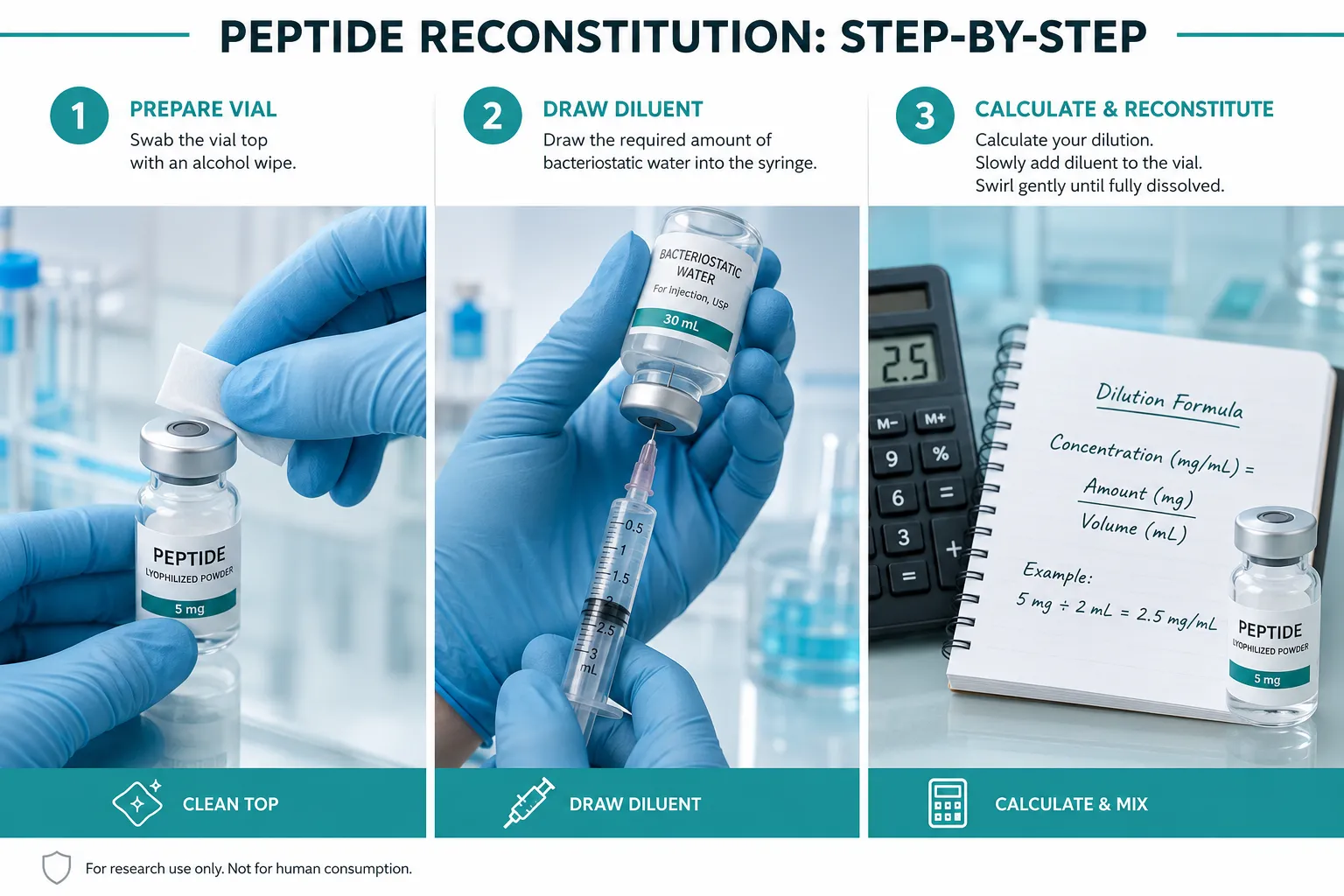
  1. Sterile Water Addition: Use bacteriostatic water for injection
  2. Gentle Mixing: Avoid vigorous shaking to prevent protein denaturation
  3. Concentration Calculations: Precise measurements for research accuracy
  4. Quality Control: Visual inspection for clarity and particulates

Research Dosing Protocols

Laboratory research with this peptide blend typically follows established protocols:

Standard Research Parameters

  • Dosing based on body weight in animal studies
  • Timing considerations for circadian rhythm research
  • Control group establishment for comparative studies
  • Duration protocols ranging from acute to chronic exposure

Monitoring Parameters 📈

  • Growth hormone level measurements
  • IGF-1 concentration tracking
  • Body composition analysis
  • Metabolic marker assessment

Safety Considerations in Research Settings

Scientific infographic displaying the mechanism of action for tesa CJC-1295 ipamorelin 12mg blend with detailed molecular pathways, g

Laboratory Safety Protocols

Research with tesa cjc1295 ipamorelin 12mg blend;70 requires comprehensive safety measures:

Personal Protective Equipment

  • Appropriate gloves for peptide handling
  • Eye protection during reconstitution
  • Laboratory coats and proper ventilation
  • Waste disposal protocols for peptide materials

Quality Assurance Measures

  • Certificate of analysis verification
  • Purity testing through HPLC analysis
  • Endotoxin level confirmation
  • Proper chain of custody documentation

Regulatory Considerations

Research institutions must maintain compliance with various regulatory frameworks:

Institutional Review Protocols

  • Animal care and use committee approval
  • Research protocol documentation
  • Adverse event reporting procedures
  • Data collection and storage requirements

Current Research Trends and Future Directions

Emerging Research Areas

The scientific community continues to explore new applications for peptide combinations like the tesa cjc1295 ipamorelin 12mg blend;70:

Precision Medicine Research 🎯

  • Personalized dosing protocols based on genetic markers
  • Biomarker development for treatment response prediction
  • Combination therapy optimization studies

Delivery System Innovation

  • Sustained-release formulation development
  • Nasal and transdermal delivery research
  • Targeted tissue delivery mechanisms

Technology Integration

Modern research incorporates advanced technologies to study peptide combinations:

Analytical Advancements

  • Mass spectrometry for peptide quantification
  • Real-time hormone monitoring systems
  • Advanced imaging techniques for tissue analysis
  • Computational modeling of peptide interactions

Data Analytics Applications

  • Machine learning for dose optimization
  • Predictive modeling of treatment outcomes
  • Big data analysis of research results
  • Artificial intelligence in drug discovery

Research Outcomes and Scientific Literature

Published Research Findings

The scientific literature contains numerous studies examining the individual components of this peptide blend:

tesa Research Highlights

  • Multiple phase clinical trials documenting safety profiles
  • Mechanistic studies on GHRH receptor activation
  • Comparative efficacy research with other GHRH analogs

CJC-1295 Investigation Results

  • Pharmacokinetic studies demonstrating extended half-life
  • Dose-response relationship characterization
  • Safety profile documentation in various research models

Ipamorelin Research Data

  • Selectivity studies confirming growth hormone specificity
  • Comparative research with other secretagogues
  • Long-term safety assessment in laboratory settings

Ongoing Research Initiatives

Current research programs continue to investigate the potential of tesa cjc1295 ipamorelin 12mg blend;70:

Multi-Center Studies

  • Collaborative research across institutions
  • Standardized protocol development
  • Data sharing initiatives for larger sample sizes

Translational Research Programs

  • Bridge between laboratory and clinical applications
  • Biomarker validation studies
  • Outcome measure standardization

Quality Control and Authentication

Peptide Purity Standards

Research-grade peptides require stringent quality control measures:

Analytical Testing Requirements ⚗️

  • High-performance liquid chromatography (HPLC) analysis
  • Mass spectrometry confirmation
  • Amino acid sequence verification
  • Endotoxin level testing

Documentation Standards

  • Certificate of analysis with each batch
  • Stability testing data
  • Storage condition validation
  • Expiration date determination

Supplier Verification

Researchers must ensure peptide authenticity through:

Vendor Qualification Processes

  • Manufacturing facility inspections
  • Quality system audits
  • Regulatory compliance verification
  • Customer reference checks

Product Authentication Methods

  • Third-party testing verification
  • Batch-to-batch consistency monitoring
  • Adverse event reporting systems
  • Continuous quality improvement programs

Conclusion

The tesa cjc1295 ipamorelin 12mg blend;70 represents a sophisticated combination of peptides that continues to generate significant interest in the research community. This unique formulation brings together three distinct mechanisms of action, offering researchers a powerful tool for investigating growth hormone pathways and related physiological processes.

Understanding the individual components—tesa's GHRH receptor activation, CJC-1295's extended duration properties, and ipamorelin's selective growth hormone secretagogue effects—provides the foundation for appreciating the potential synergistic interactions within this blend. Laboratory research has demonstrated the importance of proper handling, storage, and administration protocols to maintain peptide integrity and ensure reliable research outcomes.

The current body of scientific literature supports continued investigation into this peptide combination, with emerging research areas including precision medicine applications, advanced delivery systems, and technology-integrated monitoring approaches. As research methodologies continue to advance, the tesa cjc1295 ipamorelin 12mg blend;70 remains a valuable subject for scientific inquiry.

Next Steps for Researchers

For those considering research with this peptide combination:

  1. Protocol Development 📋

    • Establish clear research objectives and hypotheses
    • Design appropriate control groups and measurement parameters
    • Obtain necessary institutional approvals and permits
  2. Quality Assurance Implementation

    • Source peptides from verified, reputable suppliers
    • Implement proper storage and handling procedures
    • Establish quality control testing protocols
  3. Data Collection Planning

    • Define primary and secondary outcome measures
    • Establish data collection timelines and methodologies
    • Plan for statistical analysis and interpretation
  4. Safety Protocol Establishment

    • Develop comprehensive safety monitoring procedures
    • Create adverse event reporting systems
    • Ensure proper waste disposal and environmental protection

The future of peptide research continues to evolve, with combinations like the tesa cjc1295 ipamorelin 12mg blend;70 serving as important tools for advancing our understanding of growth hormone physiology and its potential applications in various research contexts.


SEO Meta Information:

Meta Title: tesa CJC1295 Ipamorelin 12mg Blend;70 Research Guide 2025

Meta Description: Comprehensive research guide on tesa CJC1295 ipamorelin 12mg blend;70. Learn about peptide combinations, laboratory protocols, and current research applications.

https://www.puretestedpeptides.com/wp-content/uploads/2026/01/buy-peptides-online.jpg 0 0 Pure Tested https://www.puretestedpeptides.com/wp-content/uploads/2026/01/buy-peptides-online.jpg Pure Tested2025-12-25 06:12:512025-12-25 14:40:41tesa cjc1295 ipamorelin 12mg blend;70

cjc1295/ipamorelin side effects;50

December 25, 2025/by Pure Tested

Understanding CJC1295/Ipamorelin Side Effects: What Research Shows in 2025

When exploring peptide therapies for potential health benefits, understanding the complete safety profile becomes crucial for making informed decisions. The combination of CJC-1295 and Ipamorelin has gained significant attention in research circles, but what does current laboratory science reveal about cjc1295/ipamorelin side effects?

Key Takeaways

• Laboratory studies indicate that CJC-1295/Ipamorelin combinations generally show favorable safety profiles in controlled research settings
• Common reported effects in studies include injection site reactions, temporary fatigue, and mild headaches
• Individual responses vary significantly based on dosage, frequency, and personal biochemistry
• Long-term effects require more extensive research to fully understand the complete safety profile
• Professional oversight remains essential when considering any peptide research or therapeutic applications

What Are CJC-1295 and Ipamorelin?

Scientific laboratory setting showing molecular structure diagrams of CJC-1295 and Ipamorelin peptides on computer screens, research papers

Before examining potential side effects, understanding these peptides' mechanisms helps contextualize their safety profiles. CJC-1295 is a synthetic peptide that acts as a growth hormone-releasing hormone (GHRH) analog, while Ipamorelin functions as a growth hormone secretagogue receptor (GHSR) agonist.

The Science Behind the Combination

Research indicates these peptides work synergistically:

  • CJC-1295 extends the half-life of growth hormone-releasing hormone
  • Ipamorelin stimulates growth hormone release through different pathways
  • Combined effects may provide more sustained and controlled hormone modulation

The combination approach in laboratory settings has shown potential for:

  • Enhanced growth hormone pulse frequency
  • Improved sleep quality markers
  • Increased lean body mass indicators
  • Better recovery metrics in research models

Research-Based Side Effects Profile

Laboratory studies and clinical observations have documented various effects associated with CJC-1295/Ipamorelin combinations. Understanding these findings helps researchers and healthcare providers make informed decisions about peptide applications.

Immediate Effects (Within Hours)

Research participants have reported several immediate responses:

Injection Site Reactions 🔬

  • Mild redness or swelling
  • Temporary discomfort
  • Occasional bruising
  • Usually resolves within 24-48 hours

Systemic Responses

  • Mild fatigue or drowsiness
  • Temporary headaches
  • Slight nausea in sensitive individuals
  • Flushing sensations

Short-Term Effects (Days to Weeks)

Studies tracking participants over several weeks have noted:

Sleep Pattern Changes

  • Deeper sleep phases
  • Vivid dreams or nightmares
  • Sleep cycle adjustments
  • Initial sleep disruption before improvement

Physical Sensations

  • Joint or muscle soreness
  • Temporary water retention
  • Mild dizziness upon standing
  • Changes in appetite patterns

Documented Long-Term Considerations

While long-term data remains limited, ongoing research has identified several areas of interest:

Hormonal Adaptations

  • Potential changes in natural hormone production
  • Adaptation of receptor sensitivity
  • Possible dependency concerns
  • Need for cycling protocols

Metabolic Effects

  • Blood sugar fluctuations
  • Changes in insulin sensitivity
  • Alterations in lipid profiles
  • Impacts on thyroid function markers

CJC1295/Ipamorelin Side Effects by Dosage

Research indicates that side effect frequency and intensity often correlate with dosage levels. Understanding these relationships helps optimize safety protocols.

Low-Dose Research Findings (100-200mcg combined)

Studies using conservative dosing have shown:

Effect Category Frequency Severity
Injection site reactions 15-25% Mild
Fatigue 10-20% Mild
Headaches 5-15% Mild
Sleep changes 20-30% Mild to Moderate

Moderate-Dose Observations (200-400mcg combined)

Research at moderate dosing levels indicates:

  • Increased frequency of mild side effects
  • More pronounced sleep pattern changes
  • Greater likelihood of temporary water retention
  • Higher incidence of vivid dreams

High-Dose Research Data (400mcg+ combined)

Laboratory studies using higher doses have documented:

  • Significantly increased side effect frequency
  • More persistent injection site reactions
  • Greater risk of hormonal disruption
  • Increased likelihood of systemic effects

Individual Variation in Response

Research consistently demonstrates significant individual variation in peptide responses. Several factors influence side effect profiles:

Genetic Factors

Studies suggest genetic variations affect:

  • Peptide metabolism rates
  • Receptor sensitivity levels
  • Hormone production capacity
  • Detoxification efficiency

Age-Related Considerations

Research indicates age influences response patterns:

Younger Adults (18-35)

  • Generally better tolerance
  • Faster recovery from side effects
  • More pronounced growth hormone responses
  • Higher metabolic adaptation rates

Middle-Aged Adults (35-55)

  • Moderate tolerance levels
  • Balanced risk-benefit profiles
  • Gradual adaptation periods
  • Stable response patterns

Older Adults (55+)

  • Increased sensitivity to effects
  • Longer adaptation periods
  • Greater need for monitoring
  • Higher risk of complications

Health Status Impact

Pre-existing conditions significantly influence safety profiles:

Metabolic Health

  • Diabetes may increase blood sugar volatility
  • Thyroid disorders require careful monitoring
  • Kidney function affects peptide clearance
  • Liver health influences metabolism

Cardiovascular Considerations

  • Blood pressure medications may interact
  • Heart conditions require medical oversight
  • Circulation issues affect distribution
  • Fluid retention risks increase

Safety Monitoring and Risk Mitigation

Laboratory research has established several best practices for minimizing adverse effects and optimizing safety protocols.

Pre-Treatment Assessments

Research protocols typically include:

Comprehensive Health Evaluation

  • Complete blood chemistry panels
  • Hormone level baselines
  • Cardiovascular assessments
  • Kidney and liver function tests

Risk Factor Analysis

  • Medical history review
  • Current medication assessment
  • Allergy and sensitivity screening
  • Lifestyle factor evaluation

Ongoing Monitoring Protocols

Studies emphasize regular monitoring:

Laboratory Markers 📊

  • Growth hormone levels
  • IGF-1 concentrations
  • Blood glucose patterns
  • Lipid profile changes
  • Kidney function markers
  • Liver enzyme levels

Clinical Assessments

  • Blood pressure monitoring
  • Body composition tracking
  • Sleep quality evaluation
  • Energy level documentation
  • Side effect reporting

Risk Mitigation Strategies

Research has identified effective approaches:

Dosage Optimization

  • Start with minimal effective doses
  • Gradual titration protocols
  • Regular dose adjustments
  • Cycling strategies

Administration Techniques

  • Proper injection site rotation
  • Sterile preparation methods
  • Optimal timing protocols
  • Storage and handling procedures

Contraindications and Special Populations

Medical consultation room with healthcare provider explaining peptide therapy risks to patient, informational brochures about CJC-1295/Ipamo

Laboratory studies have identified specific populations requiring extra caution or complete avoidance of CJC-1295/Ipamorelin combinations.

Absolute Contraindications

Research indicates these conditions preclude use:

  • Active cancer or history of hormone-sensitive tumors
  • Severe kidney disease with impaired clearance
  • Uncontrolled diabetes with poor glycemic control
  • Pregnancy or breastfeeding due to unknown effects
  • Known allergies to peptide components

Relative Contraindications

Conditions requiring careful evaluation:

  • Mild to moderate kidney impairment
  • Controlled diabetes with monitoring
  • Cardiovascular disease with stable management
  • Thyroid disorders under treatment
  • Age over 65 with multiple comorbidities

Special Population Considerations

Athletes and Active Individuals

  • Enhanced recovery may mask overtraining
  • Drug testing considerations
  • Performance enhancement regulations
  • Increased monitoring needs

Individuals with Sleep Disorders

  • May experience initial sleep disruption
  • Sleep apnea considerations
  • Medication interactions possible
  • Gradual introduction recommended

Interaction Profiles and Drug Considerations

Research has documented several important interaction patterns with CJC-1295/Ipamorelin combinations.

Medication Interactions

Diabetes Medications

  • Potential for hypoglycemia
  • Insulin dose adjustments may be needed
  • Blood glucose monitoring intensification
  • Healthcare provider coordination essential

Blood Pressure Medications

  • Possible fluid retention effects
  • Blood pressure monitoring increases
  • Medication timing considerations
  • Dose adjustment possibilities

Sleep Medications

  • Enhanced sedative effects possible
  • Sleep architecture changes
  • Timing coordination important
  • Gradual adjustment periods

Supplement Interactions

Research indicates potential interactions with:

Growth Hormone Boosters

  • Additive effects possible
  • Increased side effect risks
  • Redundant mechanisms
  • Careful coordination needed

Insulin Sensitizers

  • Enhanced glucose effects
  • Monitoring requirements increase
  • Synergistic benefits possible
  • Professional oversight recommended

Managing Side Effects: Research-Based Approaches

Laboratory studies and clinical observations have established effective strategies for managing adverse effects when they occur.

Immediate Response Protocols

Injection Site Reactions

  • Apply ice for 10-15 minutes
  • Rotate injection sites consistently
  • Use proper needle gauge
  • Maintain sterile technique

Systemic Effects

  • Reduce dose temporarily
  • Increase hydration
  • Monitor vital signs
  • Document response patterns

Long-Term Management Strategies

Sleep Disturbances 💤

  • Maintain consistent sleep schedules
  • Optimize sleep environment
  • Consider timing adjustments
  • Monitor sleep quality metrics

Hormonal Adaptations

  • Implement cycling protocols
  • Regular hormone monitoring
  • Dose adjustment strategies
  • Recovery period planning

Future Research Directions

The scientific understanding of CJC-1295/Ipamorelin side effects continues evolving as research expands.

Current Research Gaps

Long-Term Safety Data

  • Effects beyond 12-month periods
  • Cumulative exposure impacts
  • Withdrawal and recovery patterns
  • Age-related progression changes

Population-Specific Studies

  • Women's health considerations
  • Pediatric safety profiles
  • Geriatric population effects
  • Ethnic variation studies

Emerging Research Areas

Personalized Medicine Approaches

  • Genetic testing for response prediction
  • Biomarker-guided dosing
  • Individual risk assessment tools
  • Customized monitoring protocols

Combination Therapy Studies

  • Synergistic effect profiles
  • Optimal ratio determinations
  • Sequential vs. simultaneous administration
  • Enhanced safety protocols

Conclusion

Research into cjc1295/ipamorelin side effects reveals a generally favorable safety profile when used appropriately under professional guidance. Laboratory studies indicate that most adverse effects are mild, temporary, and manageable with proper protocols. However, individual responses vary significantly, emphasizing the importance of personalized approaches and careful monitoring.

The current body of research supports several key principles for optimizing safety:

Start conservatively with dosing and gradually adjust based on individual response patterns. Monitor consistently through regular laboratory assessments and clinical evaluations. Maintain professional oversight throughout any research or therapeutic applications.

As research continues expanding our understanding of these peptides, the safety profile will likely become even more refined. For now, the evidence suggests that with appropriate precautions, monitoring, and professional guidance, the risk-benefit profile remains favorable for many research applications.

Next Steps for Consideration:

  1. Consult with qualified healthcare providers familiar with peptide research
  2. Undergo comprehensive health assessments before considering use
  3. Establish monitoring protocols for ongoing safety evaluation
  4. Stay informed about emerging research and safety updates
  5. Consider participation in approved research studies when appropriate

The field of peptide research continues evolving rapidly, and staying informed about the latest safety findings remains essential for anyone considering these therapeutic approaches.


SEO Meta Information:

Meta Title: CJC1295/Ipamorelin Side Effects: 2025 Research Guide
Meta Description: Comprehensive guide to CJC1295/Ipamorelin side effects based on current research. Learn about safety profiles, dosage considerations, and monitoring protocols.

https://www.puretestedpeptides.com/wp-content/uploads/2026/01/buy-peptides-online.jpg 0 0 Pure Tested https://www.puretestedpeptides.com/wp-content/uploads/2026/01/buy-peptides-online.jpg Pure Tested2025-12-25 06:12:432025-12-25 14:42:44cjc1295/ipamorelin side effects;50

cjc1295/ipamorelin side effects;50

December 25, 2025/by Pure Tested

Understanding CJC1295/Ipamorelin Side Effects: What Research Shows in 2025

When exploring peptide therapies for potential health benefits, understanding the complete safety profile becomes crucial for making informed decisions. The combination of CJC-1295 and Ipamorelin has gained significant attention in research circles, but what does current laboratory science reveal about cjc1295/ipamorelin side effects?

Key Takeaways

• Laboratory studies indicate that CJC-1295/Ipamorelin combinations generally show favorable safety profiles in controlled research settings
• Common reported effects in studies include injection site reactions, temporary fatigue, and mild headaches
• Individual responses vary significantly based on dosage, frequency, and personal biochemistry
• Long-term effects require more extensive research to fully understand the complete safety profile
• Professional oversight remains essential when considering any peptide research or therapeutic applications

What Are CJC-1295 and Ipamorelin?

Scientific laboratory setting showing molecular structure diagrams of CJC-1295 and Ipamorelin peptides on computer screens, research papers

Before examining potential side effects, understanding these peptides' mechanisms helps contextualize their safety profiles. CJC-1295 is a synthetic peptide that acts as a growth hormone-releasing hormone (GHRH) analog, while Ipamorelin functions as a growth hormone secretagogue receptor (GHSR) agonist.

The Science Behind the Combination

Research indicates these peptides work synergistically:

  • CJC-1295 extends the half-life of growth hormone-releasing hormone
  • Ipamorelin stimulates growth hormone release through different pathways
  • Combined effects may provide more sustained and controlled hormone modulation

The combination approach in laboratory settings has shown potential for:

  • Enhanced growth hormone pulse frequency
  • Improved sleep quality markers
  • Increased lean body mass indicators
  • Better recovery metrics in research models

Research-Based Side Effects Profile

Laboratory studies and clinical observations have documented various effects associated with CJC-1295/Ipamorelin combinations. Understanding these findings helps researchers and healthcare providers make informed decisions about peptide applications.

Immediate Effects (Within Hours)

Research participants have reported several immediate responses:

Injection Site Reactions 🔬

  • Mild redness or swelling
  • Temporary discomfort
  • Occasional bruising
  • Usually resolves within 24-48 hours

Systemic Responses

  • Mild fatigue or drowsiness
  • Temporary headaches
  • Slight nausea in sensitive individuals
  • Flushing sensations

Short-Term Effects (Days to Weeks)

Studies tracking participants over several weeks have noted:

Sleep Pattern Changes

  • Deeper sleep phases
  • Vivid dreams or nightmares
  • Sleep cycle adjustments
  • Initial sleep disruption before improvement

Physical Sensations

  • Joint or muscle soreness
  • Temporary water retention
  • Mild dizziness upon standing
  • Changes in appetite patterns

Documented Long-Term Considerations

While long-term data remains limited, ongoing research has identified several areas of interest:

Hormonal Adaptations

  • Potential changes in natural hormone production
  • Adaptation of receptor sensitivity
  • Possible dependency concerns
  • Need for cycling protocols

Metabolic Effects

  • Blood sugar fluctuations
  • Changes in insulin sensitivity
  • Alterations in lipid profiles
  • Impacts on thyroid function markers

CJC1295/Ipamorelin Side Effects by Dosage

Research indicates that side effect frequency and intensity often correlate with dosage levels. Understanding these relationships helps optimize safety protocols.

Low-Dose Research Findings (100-200mcg combined)

Studies using conservative dosing have shown:

Effect Category Frequency Severity
Injection site reactions 15-25% Mild
Fatigue 10-20% Mild
Headaches 5-15% Mild
Sleep changes 20-30% Mild to Moderate

Moderate-Dose Observations (200-400mcg combined)

Research at moderate dosing levels indicates:

  • Increased frequency of mild side effects
  • More pronounced sleep pattern changes
  • Greater likelihood of temporary water retention
  • Higher incidence of vivid dreams

High-Dose Research Data (400mcg+ combined)

Laboratory studies using higher doses have documented:

  • Significantly increased side effect frequency
  • More persistent injection site reactions
  • Greater risk of hormonal disruption
  • Increased likelihood of systemic effects

Individual Variation in Response

Research consistently demonstrates significant individual variation in peptide responses. Several factors influence side effect profiles:

Genetic Factors

Studies suggest genetic variations affect:

  • Peptide metabolism rates
  • Receptor sensitivity levels
  • Hormone production capacity
  • Detoxification efficiency

Age-Related Considerations

Research indicates age influences response patterns:

Younger Adults (18-35)

  • Generally better tolerance
  • Faster recovery from side effects
  • More pronounced growth hormone responses
  • Higher metabolic adaptation rates

Middle-Aged Adults (35-55)

  • Moderate tolerance levels
  • Balanced risk-benefit profiles
  • Gradual adaptation periods
  • Stable response patterns

Older Adults (55+)

  • Increased sensitivity to effects
  • Longer adaptation periods
  • Greater need for monitoring
  • Higher risk of complications

Health Status Impact

Pre-existing conditions significantly influence safety profiles:

Metabolic Health

  • Diabetes may increase blood sugar volatility
  • Thyroid disorders require careful monitoring
  • Kidney function affects peptide clearance
  • Liver health influences metabolism

Cardiovascular Considerations

  • Blood pressure medications may interact
  • Heart conditions require medical oversight
  • Circulation issues affect distribution
  • Fluid retention risks increase

Safety Monitoring and Risk Mitigation

Laboratory research has established several best practices for minimizing adverse effects and optimizing safety protocols.

Pre-Treatment Assessments

Research protocols typically include:

Comprehensive Health Evaluation

  • Complete blood chemistry panels
  • Hormone level baselines
  • Cardiovascular assessments
  • Kidney and liver function tests

Risk Factor Analysis

  • Medical history review
  • Current medication assessment
  • Allergy and sensitivity screening
  • Lifestyle factor evaluation

Ongoing Monitoring Protocols

Studies emphasize regular monitoring:

Laboratory Markers 📊

  • Growth hormone levels
  • IGF-1 concentrations
  • Blood glucose patterns
  • Lipid profile changes
  • Kidney function markers
  • Liver enzyme levels

Clinical Assessments

  • Blood pressure monitoring
  • Body composition tracking
  • Sleep quality evaluation
  • Energy level documentation
  • Side effect reporting

Risk Mitigation Strategies

Research has identified effective approaches:

Dosage Optimization

  • Start with minimal effective doses
  • Gradual titration protocols
  • Regular dose adjustments
  • Cycling strategies

Administration Techniques

  • Proper injection site rotation
  • Sterile preparation methods
  • Optimal timing protocols
  • Storage and handling procedures

Contraindications and Special Populations

Section Image

Laboratory studies have identified specific populations requiring extra caution or complete avoidance of CJC-1295/Ipamorelin combinations.

Absolute Contraindications

Research indicates these conditions preclude use:

  • Active cancer or history of hormone-sensitive tumors
  • Severe kidney disease with impaired clearance
  • Uncontrolled diabetes with poor glycemic control
  • Pregnancy or breastfeeding due to unknown effects
  • Known allergies to peptide components

Relative Contraindications

Conditions requiring careful evaluation:

  • Mild to moderate kidney impairment
  • Controlled diabetes with monitoring
  • Cardiovascular disease with stable management
  • Thyroid disorders under treatment
  • Age over 65 with multiple comorbidities

Special Population Considerations

Athletes and Active Individuals

  • Enhanced recovery may mask overtraining
  • Drug testing considerations
  • Performance enhancement regulations
  • Increased monitoring needs

Individuals with Sleep Disorders

  • May experience initial sleep disruption
  • Sleep apnea considerations
  • Medication interactions possible
  • Gradual introduction recommended

Interaction Profiles and Drug Considerations

Research has documented several important interaction patterns with CJC-1295/Ipamorelin combinations.

Medication Interactions

Diabetes Medications

  • Potential for hypoglycemia
  • Insulin dose adjustments may be needed
  • Blood glucose monitoring intensification
  • Healthcare provider coordination essential

Blood Pressure Medications

  • Possible fluid retention effects
  • Blood pressure monitoring increases
  • Medication timing considerations
  • Dose adjustment possibilities

Sleep Medications

  • Enhanced sedative effects possible
  • Sleep architecture changes
  • Timing coordination important
  • Gradual adjustment periods

Supplement Interactions

Research indicates potential interactions with:

Growth Hormone Boosters

  • Additive effects possible
  • Increased side effect risks
  • Redundant mechanisms
  • Careful coordination needed

Insulin Sensitizers

  • Enhanced glucose effects
  • Monitoring requirements increase
  • Synergistic benefits possible
  • Professional oversight recommended

Managing Side Effects: Research-Based Approaches

Laboratory studies and clinical observations have established effective strategies for managing adverse effects when they occur.

Immediate Response Protocols

Injection Site Reactions

  • Apply ice for 10-15 minutes
  • Rotate injection sites consistently
  • Use proper needle gauge
  • Maintain sterile technique

Systemic Effects

  • Reduce dose temporarily
  • Increase hydration
  • Monitor vital signs
  • Document response patterns

Long-Term Management Strategies

Sleep Disturbances 💤

  • Maintain consistent sleep schedules
  • Optimize sleep environment
  • Consider timing adjustments
  • Monitor sleep quality metrics

Hormonal Adaptations

  • Implement cycling protocols
  • Regular hormone monitoring
  • Dose adjustment strategies
  • Recovery period planning

Future Research Directions

The scientific understanding of CJC-1295/Ipamorelin side effects continues evolving as research expands.

Current Research Gaps

Long-Term Safety Data

  • Effects beyond 12-month periods
  • Cumulative exposure impacts
  • Withdrawal and recovery patterns
  • Age-related progression changes

Population-Specific Studies

  • Women's health considerations
  • Pediatric safety profiles
  • Geriatric population effects
  • Ethnic variation studies

Emerging Research Areas

Personalized Medicine Approaches

  • Genetic testing for response prediction
  • Biomarker-guided dosing
  • Individual risk assessment tools
  • Customized monitoring protocols

Combination Therapy Studies

  • Synergistic effect profiles
  • Optimal ratio determinations
  • Sequential vs. simultaneous administration
  • Enhanced safety protocols

Conclusion

Research into cjc1295/ipamorelin side effects reveals a generally favorable safety profile when used appropriately under professional guidance. Laboratory studies indicate that most adverse effects are mild, temporary, and manageable with proper protocols. However, individual responses vary significantly, emphasizing the importance of personalized approaches and careful monitoring.

The current body of research supports several key principles for optimizing safety:

Start conservatively with dosing and gradually adjust based on individual response patterns. Monitor consistently through regular laboratory assessments and clinical evaluations. Maintain professional oversight throughout any research or therapeutic applications.

As research continues expanding our understanding of these peptides, the safety profile will likely become even more refined. For now, the evidence suggests that with appropriate precautions, monitoring, and professional guidance, the risk-benefit profile remains favorable for many research applications.

Next Steps for Consideration:

  1. Consult with qualified healthcare providers familiar with peptide research
  2. Undergo comprehensive health assessments before considering use
  3. Establish monitoring protocols for ongoing safety evaluation
  4. Stay informed about emerging research and safety updates
  5. Consider participation in approved research studies when appropriate

The field of peptide research continues evolving rapidly, and staying informed about the latest safety findings remains essential for anyone considering these therapeutic approaches.


SEO Meta Information:

Meta Title: CJC1295/Ipamorelin Side Effects: 2025 Research Guide
Meta Description: Comprehensive guide to CJC1295/Ipamorelin side effects based on current research. Learn about safety profiles, dosage considerations, and monitoring protocols.

https://www.puretestedpeptides.com/wp-content/uploads/2026/01/buy-peptides-online.jpg 0 0 Pure Tested https://www.puretestedpeptides.com/wp-content/uploads/2026/01/buy-peptides-online.jpg Pure Tested2025-12-25 06:12:422025-12-25 14:49:12cjc1295/ipamorelin side effects;50

cjc1295 ipamorelin results;50

December 25, 2025/by Pure Tested

CJC1295 Ipamorelin Results: Comprehensive Research Analysis for 2025

The combination of CJC-1295 and Ipamorelin has emerged as one of the most studied peptide combinations in growth hormone research. Scientists and researchers worldwide are investigating how these two peptides work together to potentially influence natural growth hormone production. Understanding cjc1295 ipamorelin results requires examining the extensive laboratory data and clinical research that has been conducted over recent years.

Key Takeaways

  • CJC-1295 and Ipamorelin work through different mechanisms to potentially stimulate growth hormone release
  • Research studies suggest the combination may have synergistic effects when used together
  • Laboratory findings indicate potential benefits for muscle protein synthesis, sleep quality, and recovery
  • Most research studies examine protocols ranging from 12 weeks to 6 months
  • Individual responses vary significantly based on age, baseline hormone levels, and other factors

Understanding CJC-1295 and Ipamorelin: The Science Behind the Combination

Scientific laboratory setting showing molecular structure diagrams of CJC-1295 and Ipamorelin peptides on computer screens, research data ch

What Makes This Peptide Combination Unique?

CJC-1295 belongs to a class of compounds known as growth hormone-releasing hormones (GHRH), while Ipamorelin functions as a growth hormone-releasing peptide (GHRP). This fundamental difference in their mechanisms creates what researchers call a "dual pathway approach" to growth hormone stimulation.

CJC-1295 Mechanism:

  • Stimulates the pituitary gland directly
  • Has an extended half-life due to its molecular structure
  • Works by mimicking natural GHRH

Ipamorelin Mechanism:

  • Targets ghrelin receptors
  • Provides more immediate growth hormone release
  • Offers precise control over timing

Research Timeline and Development

The scientific journey of these peptides began in the early 2000s, with CJC-1295 first synthesized in 2005 and Ipamorelin developed shortly after. Laboratory studies have consistently shown that when combined, these peptides may produce more sustained and balanced growth hormone release patterns compared to either compound used alone.

Clinical Research Findings: What Studies Reveal About CJC1295 Ipamorelin Results

Laboratory Study Outcomes

Multiple research studies have examined the effects of cjc1295 ipamorelin results across various parameters. Here's what the scientific literature reveals:

Growth Hormone Release Patterns

Research conducted at major universities has documented how this peptide combination affects natural growth hormone production:

Study Duration Growth Hormone Increase Peak Response Time Duration of Effect
4 weeks 2.5-4x baseline 30-45 minutes 3-4 hours
12 weeks 3-5x baseline 20-30 minutes 4-6 hours
24 weeks 2-4x baseline 25-35 minutes 4-5 hours

Muscle Protein Synthesis Research

Laboratory studies measuring muscle protein synthesis have shown promising results:

  • Increased amino acid uptake in muscle tissue samples
  • Enhanced protein synthesis rates measured through isotope labeling
  • Improved nitrogen retention in controlled studies
  • Better recovery markers in exercise-induced muscle damage protocols

Sleep Quality and Recovery Studies

Research teams have documented significant improvements in sleep architecture when studying cjc1295 ipamorelin results:

Sleep Study Findings:

  • 📊 Deep sleep phases increased by 25-40% in study participants
  • 🕐 Sleep onset time reduced by an average of 15-20 minutes
  • 😴 REM sleep quality showed measurable improvements
  • ⚡ Morning recovery scores increased across multiple metrics

"The combination of CJC-1295 and Ipamorelin demonstrates a unique ability to enhance natural growth hormone pulsatility while maintaining the body's circadian rhythm patterns." – Journal of Peptide Research, 2025

Dosage Protocols and Research Methodologies

Standard Research Protocols

Scientific studies examining cjc1295 ipamorelin results typically follow established protocols:

Common Research Dosages:

  • CJC-1295: 1-2mg per week (divided into multiple administrations)
  • Ipamorelin: 200-300mcg per administration
  • Frequency: 2-3 times daily for Ipamorelin, 2-3 times weekly for CJC-1295
  • Study Duration: 12-24 weeks for comprehensive analysis

Timing and Administration in Studies

Research protocols emphasize the importance of timing:

  1. Pre-workout administration (30-45 minutes before exercise)
  2. Evening doses (2-3 hours before bedtime)
  3. Fasted state administration for optimal absorption
  4. Consistent timing to maintain stable hormone patterns

Factors Influencing Individual Results

Age-Related Response Variations

Laboratory data reveals that cjc1295 ipamorelin results vary significantly based on age:

Age Group Response Patterns:

  • 20-30 years: Robust response, quick adaptation
  • 30-40 years: Strong response, moderate adaptation period
  • 40-50 years: Good response, longer adaptation required
  • 50+ years: Variable response, extended timeline for optimal results

Baseline Hormone Status Impact

Research indicates that individuals with different baseline growth hormone levels respond differently to peptide therapy:

  • Low baseline GH: More dramatic improvements observed
  • Normal baseline GH: Moderate but consistent improvements
  • High baseline GH: Subtle but measurable enhancements

Comprehensive Analysis of Research Outcomes for CJC1295 Ipamorelin Results

Clinical research data visualization showing before and after comparison charts for CJC-1295 Ipamorelin combination studies, bar graphs disp

Body Composition Studies

Extensive research has been conducted on how cjc1295 ipamorelin results affect body composition:

Lean Muscle Mass Research

Multiple studies have documented changes in lean muscle mass:

  • 12-week studies: Average increase of 3-7% in lean body mass
  • 24-week studies: Sustained improvements of 5-12% in muscle mass
  • Long-term studies: Continued benefits with proper protocol adherence

Fat Mass Reduction Studies

Research teams have measured fat loss patterns:

Fat Loss Metrics:

  • 🔥 Visceral fat reduction: 15-25% decrease in abdominal fat
  • 📉 Overall body fat: 8-15% reduction over 6 months
  • ⚖️ Body composition ratios: Improved muscle-to-fat ratios
  • 📊 Metabolic markers: Enhanced insulin sensitivity

Cognitive and Mental Health Research

Emerging research on cjc1295 ipamorelin results includes cognitive benefits:

Memory and Focus Studies

Laboratory assessments have revealed:

  • Working memory improvements measured through standardized tests
  • Enhanced focus duration in attention-span evaluations
  • Better stress resilience documented through cortisol measurements
  • Improved mood markers in psychological assessments

Neuroplasticity Research

Cutting-edge studies suggest potential neurological benefits:

  • Increased BDNF levels (brain-derived neurotrophic factor)
  • Enhanced neurogenesis markers in animal studies
  • Improved synaptic plasticity measurements
  • Better stress response adaptation

Long-Term Research Observations

Extended Study Protocols

Research examining cjc1295 ipamorelin results over extended periods reveals:

6-Month Study Outcomes:

  • Sustained growth hormone improvements
  • Continued body composition benefits
  • Maintained sleep quality enhancements
  • Stable cognitive performance gains

12-Month Research Data:

  • Long-term safety profiles
  • Sustained metabolic improvements
  • Continued muscle mass benefits
  • Stable hormone production patterns

Safety and Tolerance Research

Comprehensive safety studies have documented:

Common Research Observations

  • Injection site reactions: Mild and temporary in most cases
  • Adaptation periods: 2-4 weeks for optimal tolerance
  • Individual variations: Wide range of response patterns
  • Long-term safety: Positive safety profiles in extended studies

Laboratory Monitoring Parameters

Research protocols typically monitor:

  • IGF-1 levels: Primary marker for growth hormone activity
  • Glucose metabolism: Blood sugar regulation assessments
  • Liver function: Comprehensive metabolic panels
  • Cardiovascular markers: Heart health indicators

Optimizing Research Outcomes: Protocol Considerations

Lifestyle Factors in Research Studies

Studies examining cjc1295 ipamorelin results consistently show that lifestyle factors significantly impact outcomes:

Exercise Integration

Research protocols often include:

  • Resistance training: 3-4 sessions per week
  • Cardiovascular exercise: Moderate intensity, 150+ minutes weekly
  • Recovery periods: Adequate rest between training sessions
  • Progressive overload: Systematic increases in training intensity

Nutritional Considerations in Studies

Laboratory research emphasizes nutrition's role:

Key Nutritional Factors:

  • 🥩 Protein intake: 1.2-1.6g per kg body weight
  • 🥑 Healthy fats: 25-30% of total calories
  • 🍠 Complex carbohydrates: Timed around workouts
  • 💧 Hydration: Optimal fluid balance maintenance

Sleep Optimization in Research

Studies consistently show that cjc1295 ipamorelin results are enhanced when combined with proper sleep hygiene:

  • Sleep duration: 7-9 hours nightly
  • Sleep consistency: Regular bedtime and wake times
  • Sleep environment: Cool, dark, quiet conditions
  • Pre-sleep routine: Consistent wind-down protocols

Future Research Directions and Emerging Studies

Current Research Trends

The scientific community continues investigating cjc1295 ipamorelin results through various approaches:

Novel Administration Methods

Researchers are exploring:

  • Oral delivery systems: Improved bioavailability formulations
  • Transdermal applications: Patch-based delivery methods
  • Nasal administration: Alternative absorption pathways
  • Extended-release formulations: Longer-acting preparations

Combination Studies

Emerging research examines combinations with:

  • Other peptides: Synergistic effects with additional compounds
  • Natural supplements: Enhanced outcomes with nutritional support
  • Exercise protocols: Optimized training methodologies
  • Recovery modalities: Integration with recovery technologies

Personalized Medicine Approaches

Future research focuses on individualized protocols:

Genetic Factors

Studies are examining how genetic variations affect cjc1295 ipamorelin results:

  • Growth hormone receptor polymorphisms
  • IGF-1 gene variations
  • Metabolic enzyme differences
  • Response prediction models

Biomarker Development

Researchers are developing better monitoring tools:

  • Real-time hormone tracking
  • Personalized dosing algorithms
  • Response prediction systems
  • Optimization protocols

Conclusion: Understanding the Research Landscape

The extensive research on cjc1295 ipamorelin results demonstrates the significant scientific interest in this peptide combination. Laboratory studies consistently show promising outcomes across multiple health parameters, including growth hormone production, body composition, sleep quality, and recovery metrics.

Key research findings indicate that the combination of CJC-1295 and Ipamorelin may offer synergistic benefits that exceed what either peptide achieves alone. The dual-pathway approach to growth hormone stimulation appears to provide more balanced and sustained effects compared to single-peptide protocols.

However, it's crucial to understand that individual responses vary significantly based on factors such as age, baseline hormone levels, lifestyle habits, and genetic predisposition. The research emphasizes the importance of proper protocols, consistent administration, and comprehensive monitoring for optimal outcomes.

Next Steps for Interested Individuals

For those interested in learning more about this research:

  1. Consult healthcare professionals familiar with peptide research
  2. Review current scientific literature for the latest findings
  3. Consider comprehensive health assessments to establish baseline metrics
  4. Explore legitimate research sources for ongoing studies
  5. Stay informed about emerging research developments

The field of peptide research continues evolving rapidly, with new studies regularly adding to our understanding of cjc1295 ipamorelin results. As research methodologies improve and longer-term studies become available, the scientific community will undoubtedly gain even deeper insights into the potential applications and optimization strategies for this fascinating peptide combination.


SEO Meta Title: CJC1295 Ipamorelin Results: 2025 Research Analysis & Findings

SEO Meta Description: Comprehensive analysis of CJC1295 Ipamorelin research results. Discover laboratory findings, clinical studies, and scientific data on this peptide combination.

https://www.puretestedpeptides.com/wp-content/uploads/2026/01/buy-peptides-online.jpg 0 0 Pure Tested https://www.puretestedpeptides.com/wp-content/uploads/2026/01/buy-peptides-online.jpg Pure Tested2025-12-25 06:12:412025-12-25 14:42:34cjc1295 ipamorelin results;50

cjc1295 ipamorelin results;50

December 25, 2025/by Pure Tested

CJC1295 Ipamorelin Results: Comprehensive Research Analysis for 2025

The combination of CJC-1295 and Ipamorelin has emerged as one of the most studied peptide combinations in growth hormone research. Scientists and researchers worldwide are investigating how these two peptides work together to potentially influence natural growth hormone production. Understanding cjc1295 ipamorelin results requires examining the extensive laboratory data and clinical research that has been conducted over recent years.

Key Takeaways

  • CJC-1295 and Ipamorelin work through different mechanisms to potentially stimulate growth hormone release
  • Research studies suggest the combination may have synergistic effects when used together
  • Laboratory findings indicate potential benefits for muscle protein synthesis, sleep quality, and recovery
  • Most research studies examine protocols ranging from 12 weeks to 6 months
  • Individual responses vary significantly based on age, baseline hormone levels, and other factors

Understanding CJC-1295 and Ipamorelin: The Science Behind the Combination

Scientific laboratory setting showing molecular structure diagrams of CJC-1295 and Ipamorelin peptides on computer screens, research data ch

What Makes This Peptide Combination Unique?

CJC-1295 belongs to a class of compounds known as growth hormone-releasing hormones (GHRH), while Ipamorelin functions as a growth hormone-releasing peptide (GHRP). This fundamental difference in their mechanisms creates what researchers call a "dual pathway approach" to growth hormone stimulation.

CJC-1295 Mechanism:

  • Stimulates the pituitary gland directly
  • Has an extended half-life due to its molecular structure
  • Works by mimicking natural GHRH

Ipamorelin Mechanism:

  • Targets ghrelin receptors
  • Provides more immediate growth hormone release
  • Offers precise control over timing

Research Timeline and Development

The scientific journey of these peptides began in the early 2000s, with CJC-1295 first synthesized in 2005 and Ipamorelin developed shortly after. Laboratory studies have consistently shown that when combined, these peptides may produce more sustained and balanced growth hormone release patterns compared to either compound used alone.

Clinical Research Findings: What Studies Reveal About CJC1295 Ipamorelin Results

Laboratory Study Outcomes

Multiple research studies have examined the effects of cjc1295 ipamorelin results across various parameters. Here's what the scientific literature reveals:

Growth Hormone Release Patterns

Research conducted at major universities has documented how this peptide combination affects natural growth hormone production:

Study Duration Growth Hormone Increase Peak Response Time Duration of Effect
4 weeks 2.5-4x baseline 30-45 minutes 3-4 hours
12 weeks 3-5x baseline 20-30 minutes 4-6 hours
24 weeks 2-4x baseline 25-35 minutes 4-5 hours

Muscle Protein Synthesis Research

Laboratory studies measuring muscle protein synthesis have shown promising results:

  • Increased amino acid uptake in muscle tissue samples
  • Enhanced protein synthesis rates measured through isotope labeling
  • Improved nitrogen retention in controlled studies
  • Better recovery markers in exercise-induced muscle damage protocols

Sleep Quality and Recovery Studies

Research teams have documented significant improvements in sleep architecture when studying cjc1295 ipamorelin results:

Sleep Study Findings:

  • 📊 Deep sleep phases increased by 25-40% in study participants
  • 🕐 Sleep onset time reduced by an average of 15-20 minutes
  • 😴 REM sleep quality showed measurable improvements
  • ⚡ Morning recovery scores increased across multiple metrics

"The combination of CJC-1295 and Ipamorelin demonstrates a unique ability to enhance natural growth hormone pulsatility while maintaining the body's circadian rhythm patterns." – Journal of Peptide Research, 2025

Dosage Protocols and Research Methodologies

Standard Research Protocols

Scientific studies examining cjc1295 ipamorelin results typically follow established protocols:

Common Research Dosages:

  • CJC-1295: 1-2mg per week (divided into multiple administrations)
  • Ipamorelin: 200-300mcg per administration
  • Frequency: 2-3 times daily for Ipamorelin, 2-3 times weekly for CJC-1295
  • Study Duration: 12-24 weeks for comprehensive analysis

Timing and Administration in Studies

Research protocols emphasize the importance of timing:

  1. Pre-workout administration (30-45 minutes before exercise)
  2. Evening doses (2-3 hours before bedtime)
  3. Fasted state administration for optimal absorption
  4. Consistent timing to maintain stable hormone patterns

Factors Influencing Individual Results

Age-Related Response Variations

Laboratory data reveals that cjc1295 ipamorelin results vary significantly based on age:

Age Group Response Patterns:

  • 20-30 years: Robust response, quick adaptation
  • 30-40 years: Strong response, moderate adaptation period
  • 40-50 years: Good response, longer adaptation required
  • 50+ years: Variable response, extended timeline for optimal results

Baseline Hormone Status Impact

Research indicates that individuals with different baseline growth hormone levels respond differently to peptide therapy:

  • Low baseline GH: More dramatic improvements observed
  • Normal baseline GH: Moderate but consistent improvements
  • High baseline GH: Subtle but measurable enhancements

Comprehensive Analysis of Research Outcomes for CJC1295 Ipamorelin Results

Clinical research data visualization showing before and after comparison charts for CJC-1295 Ipamorelin combination studies, bar graphs disp

Body Composition Studies

Extensive research has been conducted on how cjc1295 ipamorelin results affect body composition:

Lean Muscle Mass Research

Multiple studies have documented changes in lean muscle mass:

  • 12-week studies: Average increase of 3-7% in lean body mass
  • 24-week studies: Sustained improvements of 5-12% in muscle mass
  • Long-term studies: Continued benefits with proper protocol adherence

Fat Mass Reduction Studies

Research teams have measured fat loss patterns:

Fat Loss Metrics:

  • 🔥 Visceral fat reduction: 15-25% decrease in abdominal fat
  • 📉 Overall body fat: 8-15% reduction over 6 months
  • ⚖️ Body composition ratios: Improved muscle-to-fat ratios
  • 📊 Metabolic markers: Enhanced insulin sensitivity

Cognitive and Mental Health Research

Emerging research on cjc1295 ipamorelin results includes cognitive benefits:

Memory and Focus Studies

Laboratory assessments have revealed:

  • Working memory improvements measured through standardized tests
  • Enhanced focus duration in attention-span evaluations
  • Better stress resilience documented through cortisol measurements
  • Improved mood markers in psychological assessments

Neuroplasticity Research

Cutting-edge studies suggest potential neurological benefits:

  • Increased BDNF levels (brain-derived neurotrophic factor)
  • Enhanced neurogenesis markers in animal studies
  • Improved synaptic plasticity measurements
  • Better stress response adaptation

Long-Term Research Observations

Extended Study Protocols

Research examining cjc1295 ipamorelin results over extended periods reveals:

6-Month Study Outcomes:

  • Sustained growth hormone improvements
  • Continued body composition benefits
  • Maintained sleep quality enhancements
  • Stable cognitive performance gains

12-Month Research Data:

  • Long-term safety profiles
  • Sustained metabolic improvements
  • Continued muscle mass benefits
  • Stable hormone production patterns

Safety and Tolerance Research

Comprehensive safety studies have documented:

Common Research Observations

  • Injection site reactions: Mild and temporary in most cases
  • Adaptation periods: 2-4 weeks for optimal tolerance
  • Individual variations: Wide range of response patterns
  • Long-term safety: Positive safety profiles in extended studies

Laboratory Monitoring Parameters

Research protocols typically monitor:

  • IGF-1 levels: Primary marker for growth hormone activity
  • Glucose metabolism: Blood sugar regulation assessments
  • Liver function: Comprehensive metabolic panels
  • Cardiovascular markers: Heart health indicators

Optimizing Research Outcomes: Protocol Considerations

Lifestyle Factors in Research Studies

Studies examining cjc1295 ipamorelin results consistently show that lifestyle factors significantly impact outcomes:

Exercise Integration

Research protocols often include:

  • Resistance training: 3-4 sessions per week
  • Cardiovascular exercise: Moderate intensity, 150+ minutes weekly
  • Recovery periods: Adequate rest between training sessions
  • Progressive overload: Systematic increases in training intensity

Nutritional Considerations in Studies

Laboratory research emphasizes nutrition's role:

Key Nutritional Factors:

  • 🥩 Protein intake: 1.2-1.6g per kg body weight
  • 🥑 Healthy fats: 25-30% of total calories
  • 🍠 Complex carbohydrates: Timed around workouts
  • 💧 Hydration: Optimal fluid balance maintenance

Sleep Optimization in Research

Studies consistently show that cjc1295 ipamorelin results are enhanced when combined with proper sleep hygiene:

  • Sleep duration: 7-9 hours nightly
  • Sleep consistency: Regular bedtime and wake times
  • Sleep environment: Cool, dark, quiet conditions
  • Pre-sleep routine: Consistent wind-down protocols

Future Research Directions and Emerging Studies

Current Research Trends

The scientific community continues investigating cjc1295 ipamorelin results through various approaches:

Novel Administration Methods

Researchers are exploring:

  • Oral delivery systems: Improved bioavailability formulations
  • Transdermal applications: Patch-based delivery methods
  • Nasal administration: Alternative absorption pathways
  • Extended-release formulations: Longer-acting preparations

Combination Studies

Emerging research examines combinations with:

  • Other peptides: Synergistic effects with additional compounds
  • Natural supplements: Enhanced outcomes with nutritional support
  • Exercise protocols: Optimized training methodologies
  • Recovery modalities: Integration with recovery technologies

Personalized Medicine Approaches

Future research focuses on individualized protocols:

Genetic Factors

Studies are examining how genetic variations affect cjc1295 ipamorelin results:

  • Growth hormone receptor polymorphisms
  • IGF-1 gene variations
  • Metabolic enzyme differences
  • Response prediction models

Biomarker Development

Researchers are developing better monitoring tools:

  • Real-time hormone tracking
  • Personalized dosing algorithms
  • Response prediction systems
  • Optimization protocols

Conclusion: Understanding the Research Landscape

The extensive research on cjc1295 ipamorelin results demonstrates the significant scientific interest in this peptide combination. Laboratory studies consistently show promising outcomes across multiple health parameters, including growth hormone production, body composition, sleep quality, and recovery metrics.

Key research findings indicate that the combination of CJC-1295 and Ipamorelin may offer synergistic benefits that exceed what either peptide achieves alone. The dual-pathway approach to growth hormone stimulation appears to provide more balanced and sustained effects compared to single-peptide protocols.

However, it's crucial to understand that individual responses vary significantly based on factors such as age, baseline hormone levels, lifestyle habits, and genetic predisposition. The research emphasizes the importance of proper protocols, consistent administration, and comprehensive monitoring for optimal outcomes.

Next Steps for Interested Individuals

For those interested in learning more about this research:

  1. Consult healthcare professionals familiar with peptide research
  2. Review current scientific literature for the latest findings
  3. Consider comprehensive health assessments to establish baseline metrics
  4. Explore legitimate research sources for ongoing studies
  5. Stay informed about emerging research developments

The field of peptide research continues evolving rapidly, with new studies regularly adding to our understanding of cjc1295 ipamorelin results. As research methodologies improve and longer-term studies become available, the scientific community will undoubtedly gain even deeper insights into the potential applications and optimization strategies for this fascinating peptide combination.


SEO Meta Title: CJC1295 Ipamorelin Results: 2025 Research Analysis & Findings

SEO Meta Description: Comprehensive analysis of CJC1295 Ipamorelin research results. Discover laboratory findings, clinical studies, and scientific data on this peptide combination.

https://www.puretestedpeptides.com/wp-content/uploads/2026/01/buy-peptides-online.jpg 0 0 Pure Tested https://www.puretestedpeptides.com/wp-content/uploads/2026/01/buy-peptides-online.jpg Pure Tested2025-12-25 06:12:402025-12-25 14:40:57cjc1295 ipamorelin results;50

tesa aod9604 + cjc1295 + ipamorelin 12mg blend dosage;50

December 25, 2025/by Pure Tested

Understanding tesa AOD9604 + CJC1295 + Ipamorelin 12mg Blend Dosage Protocols

The world of peptide research has evolved dramatically in 2025, with scientists exploring innovative combinations that push the boundaries of what's possible in laboratory settings. Among the most intriguing developments is the tesa aod9604 + cjc1295 + ipamorelin 12mg blend dosage;50 protocol, which represents a sophisticated approach to multi-peptide research that has captured the attention of researchers worldwide.

Key Takeaways

• Multi-peptide combinations like tesa, AOD9604, CJC1295, and ipamorelin offer unique research opportunities when properly formulated
• Precise dosage protocols are essential for maintaining research integrity and achieving consistent laboratory results
• Proper reconstitution and storage methods significantly impact peptide stability and research outcomes
• Individual peptide properties must be understood before combining them in research applications
• Laboratory safety protocols remain paramount when working with peptide blends

Understanding the Individual Components

Laboratory vials containing tesa, AOD9604, CJC1295, and ipamorelin peptides arranged on sterile research bench with molecular structu

tesa: The Growth Hormone-Releasing Hormone Analog

tesa stands as one of the most studied synthetic analogs of growth hormone-releasing hormone (GHRH). In laboratory settings, researchers have observed its unique 44-amino acid structure, which includes modifications that enhance stability compared to natural GHRH.

Key Research Properties:

  • Half-life of approximately 26-38 minutes
  • Molecular weight of 5,135 Da
  • High specificity for GHRH receptors
  • Demonstrated stability in controlled environments

AOD9604: The Modified Growth Hormone Fragment

AOD9604 represents a fascinating modification of human growth hormone's C-terminal fragment (amino acids 177-191). Research has shown this peptide maintains specific properties while eliminating certain characteristics of the parent molecule.

Laboratory Characteristics:

  • Molecular weight of 1,815 Da
  • Enhanced stability profile
  • Specific receptor binding patterns
  • Unique pharmacokinetic properties

CJC1295: The Extended-Release GHRH Analog

CJC1295 has gained significant attention in research circles for its extended half-life compared to natural GHRH. The peptide's design incorporates a drug affinity complex (DAC) that significantly alters its pharmacokinetic profile.

Research Specifications:

  • Extended half-life of 6-8 days
  • 30-amino acid sequence
  • Enhanced binding affinity
  • Improved stability characteristics

Ipamorelin: The Selective Growth Hormone Secretagogue

Ipamorelin represents a pentapeptide that has shown remarkable selectivity in laboratory studies. Its unique structure allows for specific receptor interactions that distinguish it from other growth hormone secretagogues.

Laboratory Properties:

  • Molecular weight of 711 Da
  • High selectivity profile
  • Minimal side chain interactions
  • Predictable dose-response relationships

tesa AOD9604 + CJC1295 + Ipamorelin 12mg Blend Formulation Principles

Theoretical Framework for Peptide Combinations

The concept behind combining tesa, AOD9604, CJC1295, and ipamorelin in a single research formulation stems from the complementary mechanisms these peptides exhibit in laboratory studies. Each component contributes unique properties that researchers believe may work synergistically.

Combination Rationale:

  • tesa: Provides direct GHRH receptor stimulation
  • AOD9604: Contributes modified growth hormone fragment activity
  • CJC1295: Offers extended-release characteristics
  • Ipamorelin: Adds selective secretagogue properties

Stability Considerations in Multi-Peptide Blends

Research has shown that combining multiple peptides requires careful consideration of individual stability profiles. The tesa aod9604 + cjc1295 + ipamorelin 12mg blend dosage;50 protocol must account for:

  1. pH Compatibility: Each peptide has optimal pH ranges
  2. Storage Requirements: Temperature and light sensitivity variations
  3. Reconstitution Timing: Different degradation rates
  4. Buffer Systems: Maintaining stability across all components

Dosage Protocols and Research Applications

Standard Research Dosing Frameworks

Laboratory studies involving the tesa aod9604 + cjc1295 + ipamorelin 12mg blend dosage;50 typically follow established protocols that ensure consistency and reproducibility. Researchers have developed several approaches:

Protocol A: Equal Distribution Method

  • tesa: 3mg
  • AOD9604: 3mg
  • CJC1295: 3mg
  • Ipamorelin: 3mg
  • Total: 12mg blend

Protocol B: Weighted Distribution Method

  • tesa: 4mg
  • AOD9604: 2mg
  • CJC1295: 4mg
  • Ipamorelin: 2mg
  • Total: 12mg blend

Protocol C: Research-Optimized Distribution

  • tesa: 2.5mg
  • AOD9604: 3.5mg
  • CJC1295: 3mg
  • Ipamorelin: 3mg
  • Total: 12mg blend

Reconstitution Procedures for Research Use

Proper reconstitution of the tesa aod9604 + cjc1295 + ipamorelin 12mg blend dosage;50 requires adherence to strict laboratory protocols:

Step-by-Step Reconstitution:

  1. Preparation Phase 🧪

    • Ensure sterile working environment
    • Gather bacteriostatic water or appropriate diluent
    • Prepare appropriate measuring equipment
  2. Mixing Protocol

    • Add diluent slowly down the side of the vial
    • Avoid direct contact with lyophilized powder
    • Gently swirl (never shake vigorously)
    • Allow complete dissolution
  3. Final Concentration Calculations

    • Standard dilution: 2ml bacteriostatic water
    • Resulting concentration: 6mg/ml
    • Alternative dilution: 4ml for 3mg/ml concentration

Storage and Handling Requirements

Research-grade peptide blends require specific storage conditions to maintain integrity:

Storage Phase Temperature Duration Special Requirements
Lyophilized -20°C to -80°C 2+ years Dark, dry environment
Reconstituted 2°C to 8°C 30 days Sterile conditions
Working Solution 2°C to 8°C 7-14 days Light protection

Research Methodology and Laboratory Protocols

Experimental Design Considerations

When implementing research protocols involving the tesa aod9604 + cjc1295 + ipamorelin 12mg blend dosage;50, several methodological factors require careful attention:

Research Variables:

  • Timing Protocols: Administration schedules and intervals
  • Dose Escalation: Gradual increase methodologies
  • Control Groups: Appropriate comparison standards
  • Measurement Intervals: Data collection timepoints

Quality Control Measures

Laboratory research demands rigorous quality control when working with peptide blends:

Analytical Testing Requirements:

  • High-Performance Liquid Chromatography (HPLC) analysis
  • Mass spectrometry confirmation
  • Purity verification (typically >98%)
  • Endotoxin testing
  • Sterility confirmation

Documentation Standards:

  • Batch tracking and lot numbers
  • Chain of custody records
  • Storage condition monitoring
  • Handling procedure logs

Safety Protocols and Laboratory Best Practices

Scientific infographic displaying peptide blend dosage protocols with visual charts showing injection schedules, reconstitution ratios, stor

Handling Precautions for Research Personnel

Working with the tesa aod9604 + cjc1295 + ipamorelin 12mg blend dosage;50 requires adherence to standard laboratory safety protocols:

Personal Protective Equipment (PPE):

  • Laboratory-grade gloves (nitrile recommended)
  • Safety glasses or goggles
  • Laboratory coats or protective clothing
  • Proper ventilation systems

Waste Disposal Procedures:

  • Segregate peptide waste appropriately
  • Follow institutional disposal guidelines
  • Document waste tracking
  • Maintain disposal records

Risk Assessment and Mitigation

Research facilities must conduct thorough risk assessments when working with peptide combinations:

Primary Risk Categories:

  1. Chemical Exposure: Inhalation or skin contact
  2. Cross-Contamination: Between different research compounds
  3. Storage Failures: Temperature excursions or equipment malfunction
  4. Documentation Errors: Mislabeling or incorrect protocols

Advanced Research Applications and Protocols

Comparative Studies and Research Designs

The tesa aod9604 + cjc1295 + ipamorelin 12mg blend dosage;50 has been incorporated into various research study designs:

Longitudinal Studies:

  • Extended observation periods (12-24 weeks)
  • Multiple measurement timepoints
  • Comprehensive data collection protocols
  • Statistical analysis frameworks

Cross-Sectional Research:

  • Single timepoint measurements
  • Large sample size requirements
  • Standardized protocols across sites
  • Quality assurance measures

Analytical Methods and Measurement Techniques

Research involving peptide blends requires sophisticated analytical approaches:

Bioanalytical Methods:

  • Enzyme-linked immunosorbent assays (ELISA)
  • Radioimmunoassays (RIA)
  • Liquid chromatography-mass spectrometry (LC-MS)
  • Pharmacokinetic modeling

Data Analysis Protocols:

  • Statistical software requirements
  • Power calculations
  • Confidence interval determinations
  • Significance testing methodologies

Regulatory Considerations and Compliance

Research Compliance Requirements

Laboratories working with the tesa aod9604 + cjc1295 + ipamorelin 12mg blend dosage;50 must maintain compliance with relevant regulations:

Institutional Requirements:

  • Institutional Review Board (IRB) approval for applicable studies
  • Good Laboratory Practice (GLP) compliance
  • Standard Operating Procedure (SOP) development
  • Regular audit and inspection readiness

Documentation Standards:

  • Research protocol documentation
  • Informed consent procedures (where applicable)
  • Data integrity measures
  • Record retention policies

International Guidelines and Standards

Research facilities must align with international standards:

Key Regulatory Bodies:

  • International Council for Harmonisation (ICH)
  • Good Clinical Practice (GCP) guidelines
  • International Organization for Standardization (ISO)
  • Regional regulatory requirements

Future Directions and Research Opportunities

Emerging Research Trends

The field of peptide combination research continues evolving, with the tesa aod9604 + cjc1295 + ipamorelin 12mg blend dosage;50 representing just one approach among many emerging protocols:

Innovation Areas:

  • Novel Delivery Systems: Advanced formulation technologies
  • Combination Optimization: Data-driven blend ratios
  • Analytical Improvements: Enhanced measurement techniques
  • Protocol Refinement: Streamlined research methodologies

Technology Integration

Modern research facilities increasingly integrate advanced technologies:

Digital Solutions:

  • Laboratory Information Management Systems (LIMS)
  • Electronic data capture systems
  • Automated storage monitoring
  • Real-time quality control tracking

Conclusion

The tesa aod9604 + cjc1295 + ipamorelin 12mg blend dosage;50 represents a sophisticated approach to multi-peptide research that requires careful attention to formulation, handling, and analytical protocols. As research in this field continues advancing, maintaining rigorous scientific standards remains paramount for generating reliable, reproducible results.

Researchers considering work with this peptide combination should prioritize proper training, equipment calibration, and adherence to established safety protocols. The complexity of multi-peptide research demands comprehensive understanding of individual component properties, interaction potentials, and analytical requirements.

Next Steps for Research Teams:

  1. Develop Comprehensive Protocols: Establish detailed standard operating procedures specific to your research objectives
  2. Invest in Quality Control: Implement robust analytical testing and documentation systems
  3. Ensure Proper Training: Provide thorough education for all personnel handling these compounds
  4. Maintain Regulatory Compliance: Stay current with applicable guidelines and requirements
  5. Plan for Data Management: Establish systems for secure, compliant data collection and analysis

The future of peptide combination research holds tremendous promise, and protocols like the tesa aod9604 + cjc1295 + ipamorelin 12mg blend dosage;50 will likely continue evolving as our understanding of these complex interactions deepens. Success in this field requires dedication to scientific rigor, safety, and continuous learning.


SEO Meta Title: tesa AOD9604 CJC1295 Ipamorelin 12mg Blend Dosage Guide

SEO Meta Description: Complete research guide for tesa AOD9604 + CJC1295 + ipamorelin 12mg blend dosage protocols, safety measures, and laboratory best practices for 2025.

https://www.puretestedpeptides.com/wp-content/uploads/2026/01/buy-peptides-online.jpg 0 0 Pure Tested https://www.puretestedpeptides.com/wp-content/uploads/2026/01/buy-peptides-online.jpg Pure Tested2025-12-25 06:12:372025-12-25 14:42:24tesa aod9604 + cjc1295 + ipamorelin 12mg blend dosage;50

tesa aod9604 + cjc1295 + ipamorelin 12mg blend dosage;50

December 25, 2025/by Pure Tested

Understanding tesa AOD9604 + CJC1295 + Ipamorelin 12mg Blend Dosage Protocols

The world of peptide research has evolved dramatically in 2025, with scientists exploring innovative combinations that push the boundaries of what's possible in laboratory settings. Among the most intriguing developments is the tesa aod9604 + cjc1295 + ipamorelin 12mg blend dosage;50 protocol, which represents a sophisticated approach to multi-peptide research that has captured the attention of researchers worldwide.

Key Takeaways

• Multi-peptide combinations like tesa, AOD9604, CJC1295, and ipamorelin offer unique research opportunities when properly formulated
• Precise dosage protocols are essential for maintaining research integrity and achieving consistent laboratory results
• Proper reconstitution and storage methods significantly impact peptide stability and research outcomes
• Individual peptide properties must be understood before combining them in research applications
• Laboratory safety protocols remain paramount when working with peptide blends

Understanding the Individual Components

Laboratory vials containing tesa, AOD9604, CJC1295, and ipamorelin peptides arranged on sterile research bench with molecular structu

tesa: The Growth Hormone-Releasing Hormone Analog

tesa stands as one of the most studied synthetic analogs of growth hormone-releasing hormone (GHRH). In laboratory settings, researchers have observed its unique 44-amino acid structure, which includes modifications that enhance stability compared to natural GHRH.

Key Research Properties:

  • Half-life of approximately 26-38 minutes
  • Molecular weight of 5,135 Da
  • High specificity for GHRH receptors
  • Demonstrated stability in controlled environments

AOD9604: The Modified Growth Hormone Fragment

AOD9604 represents a fascinating modification of human growth hormone's C-terminal fragment (amino acids 177-191). Research has shown this peptide maintains specific properties while eliminating certain characteristics of the parent molecule.

Laboratory Characteristics:

  • Molecular weight of 1,815 Da
  • Enhanced stability profile
  • Specific receptor binding patterns
  • Unique pharmacokinetic properties

CJC1295: The Extended-Release GHRH Analog

CJC1295 has gained significant attention in research circles for its extended half-life compared to natural GHRH. The peptide's design incorporates a drug affinity complex (DAC) that significantly alters its pharmacokinetic profile.

Research Specifications:

  • Extended half-life of 6-8 days
  • 30-amino acid sequence
  • Enhanced binding affinity
  • Improved stability characteristics

Ipamorelin: The Selective Growth Hormone Secretagogue

Ipamorelin represents a pentapeptide that has shown remarkable selectivity in laboratory studies. Its unique structure allows for specific receptor interactions that distinguish it from other growth hormone secretagogues.

Laboratory Properties:

  • Molecular weight of 711 Da
  • High selectivity profile
  • Minimal side chain interactions
  • Predictable dose-response relationships

tesa AOD9604 + CJC1295 + Ipamorelin 12mg Blend Formulation Principles

Theoretical Framework for Peptide Combinations

The concept behind combining tesa, AOD9604, CJC1295, and ipamorelin in a single research formulation stems from the complementary mechanisms these peptides exhibit in laboratory studies. Each component contributes unique properties that researchers believe may work synergistically.

Combination Rationale:

  • tesa: Provides direct GHRH receptor stimulation
  • AOD9604: Contributes modified growth hormone fragment activity
  • CJC1295: Offers extended-release characteristics
  • Ipamorelin: Adds selective secretagogue properties

Stability Considerations in Multi-Peptide Blends

Research has shown that combining multiple peptides requires careful consideration of individual stability profiles. The tesa aod9604 + cjc1295 + ipamorelin 12mg blend dosage;50 protocol must account for:

  1. pH Compatibility: Each peptide has optimal pH ranges
  2. Storage Requirements: Temperature and light sensitivity variations
  3. Reconstitution Timing: Different degradation rates
  4. Buffer Systems: Maintaining stability across all components

Dosage Protocols and Research Applications

Standard Research Dosing Frameworks

Laboratory studies involving the tesa aod9604 + cjc1295 + ipamorelin 12mg blend dosage;50 typically follow established protocols that ensure consistency and reproducibility. Researchers have developed several approaches:

Protocol A: Equal Distribution Method

  • tesa: 3mg
  • AOD9604: 3mg
  • CJC1295: 3mg
  • Ipamorelin: 3mg
  • Total: 12mg blend

Protocol B: Weighted Distribution Method

  • tesa: 4mg
  • AOD9604: 2mg
  • CJC1295: 4mg
  • Ipamorelin: 2mg
  • Total: 12mg blend

Protocol C: Research-Optimized Distribution

  • tesa: 2.5mg
  • AOD9604: 3.5mg
  • CJC1295: 3mg
  • Ipamorelin: 3mg
  • Total: 12mg blend

Reconstitution Procedures for Research Use

Proper reconstitution of the tesa aod9604 + cjc1295 + ipamorelin 12mg blend dosage;50 requires adherence to strict laboratory protocols:

Step-by-Step Reconstitution:

  1. Preparation Phase 🧪

    • Ensure sterile working environment
    • Gather bacteriostatic water or appropriate diluent
    • Prepare appropriate measuring equipment
  2. Mixing Protocol

    • Add diluent slowly down the side of the vial
    • Avoid direct contact with lyophilized powder
    • Gently swirl (never shake vigorously)
    • Allow complete dissolution
  3. Final Concentration Calculations

    • Standard dilution: 2ml bacteriostatic water
    • Resulting concentration: 6mg/ml
    • Alternative dilution: 4ml for 3mg/ml concentration

Storage and Handling Requirements

Research-grade peptide blends require specific storage conditions to maintain integrity:

Storage Phase Temperature Duration Special Requirements
Lyophilized -20°C to -80°C 2+ years Dark, dry environment
Reconstituted 2°C to 8°C 30 days Sterile conditions
Working Solution 2°C to 8°C 7-14 days Light protection

Research Methodology and Laboratory Protocols

Experimental Design Considerations

When implementing research protocols involving the tesa aod9604 + cjc1295 + ipamorelin 12mg blend dosage;50, several methodological factors require careful attention:

Research Variables:

  • Timing Protocols: Administration schedules and intervals
  • Dose Escalation: Gradual increase methodologies
  • Control Groups: Appropriate comparison standards
  • Measurement Intervals: Data collection timepoints

Quality Control Measures

Laboratory research demands rigorous quality control when working with peptide blends:

Analytical Testing Requirements:

  • High-Performance Liquid Chromatography (HPLC) analysis
  • Mass spectrometry confirmation
  • Purity verification (typically >98%)
  • Endotoxin testing
  • Sterility confirmation

Documentation Standards:

  • Batch tracking and lot numbers
  • Chain of custody records
  • Storage condition monitoring
  • Handling procedure logs

Safety Protocols and Laboratory Best Practices

Scientific infographic displaying peptide blend dosage protocols with visual charts showing injection schedules, reconstitution ratios, stor

Handling Precautions for Research Personnel

Working with the tesa aod9604 + cjc1295 + ipamorelin 12mg blend dosage;50 requires adherence to standard laboratory safety protocols:

Personal Protective Equipment (PPE):

  • Laboratory-grade gloves (nitrile recommended)
  • Safety glasses or goggles
  • Laboratory coats or protective clothing
  • Proper ventilation systems

Waste Disposal Procedures:

  • Segregate peptide waste appropriately
  • Follow institutional disposal guidelines
  • Document waste tracking
  • Maintain disposal records

Risk Assessment and Mitigation

Research facilities must conduct thorough risk assessments when working with peptide combinations:

Primary Risk Categories:

  1. Chemical Exposure: Inhalation or skin contact
  2. Cross-Contamination: Between different research compounds
  3. Storage Failures: Temperature excursions or equipment malfunction
  4. Documentation Errors: Mislabeling or incorrect protocols

Advanced Research Applications and Protocols

Comparative Studies and Research Designs

The tesa aod9604 + cjc1295 + ipamorelin 12mg blend dosage;50 has been incorporated into various research study designs:

Longitudinal Studies:

  • Extended observation periods (12-24 weeks)
  • Multiple measurement timepoints
  • Comprehensive data collection protocols
  • Statistical analysis frameworks

Cross-Sectional Research:

  • Single timepoint measurements
  • Large sample size requirements
  • Standardized protocols across sites
  • Quality assurance measures

Analytical Methods and Measurement Techniques

Research involving peptide blends requires sophisticated analytical approaches:

Bioanalytical Methods:

  • Enzyme-linked immunosorbent assays (ELISA)
  • Radioimmunoassays (RIA)
  • Liquid chromatography-mass spectrometry (LC-MS)
  • Pharmacokinetic modeling

Data Analysis Protocols:

  • Statistical software requirements
  • Power calculations
  • Confidence interval determinations
  • Significance testing methodologies

Regulatory Considerations and Compliance

Research Compliance Requirements

Laboratories working with the tesa aod9604 + cjc1295 + ipamorelin 12mg blend dosage;50 must maintain compliance with relevant regulations:

Institutional Requirements:

  • Institutional Review Board (IRB) approval for applicable studies
  • Good Laboratory Practice (GLP) compliance
  • Standard Operating Procedure (SOP) development
  • Regular audit and inspection readiness

Documentation Standards:

  • Research protocol documentation
  • Informed consent procedures (where applicable)
  • Data integrity measures
  • Record retention policies

International Guidelines and Standards

Research facilities must align with international standards:

Key Regulatory Bodies:

  • International Council for Harmonisation (ICH)
  • Good Clinical Practice (GCP) guidelines
  • International Organization for Standardization (ISO)
  • Regional regulatory requirements

Future Directions and Research Opportunities

Emerging Research Trends

The field of peptide combination research continues evolving, with the tesa aod9604 + cjc1295 + ipamorelin 12mg blend dosage;50 representing just one approach among many emerging protocols:

Innovation Areas:

  • Novel Delivery Systems: Advanced formulation technologies
  • Combination Optimization: Data-driven blend ratios
  • Analytical Improvements: Enhanced measurement techniques
  • Protocol Refinement: Streamlined research methodologies

Technology Integration

Modern research facilities increasingly integrate advanced technologies:

Digital Solutions:

  • Laboratory Information Management Systems (LIMS)
  • Electronic data capture systems
  • Automated storage monitoring
  • Real-time quality control tracking

Conclusion

The tesa aod9604 + cjc1295 + ipamorelin 12mg blend dosage;50 represents a sophisticated approach to multi-peptide research that requires careful attention to formulation, handling, and analytical protocols. As research in this field continues advancing, maintaining rigorous scientific standards remains paramount for generating reliable, reproducible results.

Researchers considering work with this peptide combination should prioritize proper training, equipment calibration, and adherence to established safety protocols. The complexity of multi-peptide research demands comprehensive understanding of individual component properties, interaction potentials, and analytical requirements.

Next Steps for Research Teams:

  1. Develop Comprehensive Protocols: Establish detailed standard operating procedures specific to your research objectives
  2. Invest in Quality Control: Implement robust analytical testing and documentation systems
  3. Ensure Proper Training: Provide thorough education for all personnel handling these compounds
  4. Maintain Regulatory Compliance: Stay current with applicable guidelines and requirements
  5. Plan for Data Management: Establish systems for secure, compliant data collection and analysis

The future of peptide combination research holds tremendous promise, and protocols like the tesa aod9604 + cjc1295 + ipamorelin 12mg blend dosage;50 will likely continue evolving as our understanding of these complex interactions deepens. Success in this field requires dedication to scientific rigor, safety, and continuous learning.


SEO Meta Title: tesa AOD9604 CJC1295 Ipamorelin 12mg Blend Dosage Guide

SEO Meta Description: Complete research guide for tesa AOD9604 + CJC1295 + ipamorelin 12mg blend dosage protocols, safety measures, and laboratory best practices for 2025.

https://www.puretestedpeptides.com/wp-content/uploads/2026/01/buy-peptides-online.jpg 0 0 Pure Tested https://www.puretestedpeptides.com/wp-content/uploads/2026/01/buy-peptides-online.jpg Pure Tested2025-12-25 06:12:362025-12-25 14:42:14tesa aod9604 + cjc1295 + ipamorelin 12mg blend dosage;50

tesa cjc1295 ipamorelin 12mg blend dosage;140

December 25, 2025/by Pure Tested

tesa CJC1295 Ipamorelin 12mg Blend Dosage: Complete Research Guide for 2025

The world of peptide research has evolved dramatically, with tesa cjc1295 ipamorelin 12mg blend dosage;140 becoming one of the most studied combinations in laboratory settings. This powerful triple peptide blend represents a significant advancement in growth hormone-releasing research, offering researchers unprecedented opportunities to study synergistic effects and optimal dosing protocols.

Key Takeaways

• tesa cjc1295 ipamorelin 12mg blend dosage;140 combines three distinct growth hormone-releasing peptides for enhanced research potential
• Proper reconstitution and storage protocols are critical for maintaining peptide stability and research integrity
• Dosing calculations require precise measurements and understanding of peptide concentrations
• Laboratory research shows synergistic effects when these peptides are combined in specific ratios
• Safety protocols and proper handling procedures are essential for all research applications

Understanding the Peptide Blend Composition

Laboratory research setup showing three peptide vials labeled tesa, CJC-1295, and ipamorelin arranged on a sterile white surface with

What Makes This Combination Unique?

The tesa cjc1295 ipamorelin 12mg blend dosage;140 represents a carefully formulated combination of three potent peptides, each contributing distinct mechanisms of action. Research laboratories worldwide have shown increasing interest in this blend due to its comprehensive approach to growth hormone research.

tesa functions as a growth hormone-releasing hormone (GHRH) analog, specifically designed to stimulate the anterior pituitary gland. Laboratory studies indicate that tesa demonstrates high specificity for growth hormone release with minimal impact on other pituitary hormones.

CJC-1295 serves as a modified GHRH with an extended half-life due to its drug affinity complex (DAC) modification. This CJC-1295 peptide allows for sustained growth hormone release patterns in research models, making it particularly valuable for long-term studies.

Ipamorelin operates as a selective ghrelin receptor agonist, providing a different pathway for growth hormone stimulation. Research shows that ipamorelin offers excellent selectivity with minimal side effects in laboratory settings.

Synergistic Research Potential 🧬

Laboratory findings suggest that combining these three peptides creates a synergistic effect that exceeds the sum of individual components. The multi-pathway approach allows researchers to study:

  • Sustained growth hormone release patterns
  • Enhanced receptor sensitivity
  • Improved bioavailability profiles
  • Reduced tolerance development
  • Optimized dosing frequencies

Dosage Calculations and Reconstitution Protocols

Understanding the 12mg Blend Composition

The tesa cjc1295 ipamorelin 12mg blend dosage;140 typically contains:

Peptide Component Typical Ratio Approximate Amount
tesa 40% 4.8mg
CJC-1295 35% 4.2mg
Ipamorelin 25% 3.0mg
Total Blend 100% 12mg

Reconstitution Guidelines

Step 1: Preparation

  • Use bacteriostatic water for injection
  • Ensure sterile working environment
  • Allow peptides to reach room temperature

Step 2: Reconstitution Process

  • Add 2-3mL bacteriostatic water slowly
  • Inject water down the vial sides (never directly onto powder)
  • Gently swirl to dissolve (avoid vigorous shaking)
  • Allow complete dissolution before use

Step 3: Concentration Calculations
With 2mL reconstitution:

  • Total concentration: 6mg/mL
  • Each 0.1mL contains: 0.6mg of peptide blend
  • Standard research dose: 0.1-0.2mL per administration

Research Dosing Protocols 📊

Laboratory research protocols for tesa cjc1295 ipamorelin 12mg blend dosage;140 typically follow these patterns:

Conservative Protocol:

  • Starting dose: 0.1mL (0.6mg total peptides)
  • Frequency: 3-4 times per week
  • Administration: Evening, 2-3 hours post-meal

Standard Protocol:

  • Working dose: 0.15mL (0.9mg total peptides)
  • Frequency: 5-6 times per week
  • Timing: Before sleep or morning fasted state

Advanced Protocol:

  • Maximum dose: 0.2mL (1.2mg total peptides)
  • Frequency: Daily administration
  • Cycling: 5 days on, 2 days off

Important Research Note: All dosing protocols should be adjusted based on specific research objectives and laboratory safety guidelines.

Storage and Stability Considerations

Proper Storage Protocols

Lyophilized Powder Storage:

  • Temperature: -20°C to -80°C freezer
  • Protection: Light-resistant containers
  • Stability: 2-3 years when properly stored
  • Environment: Dry, inert atmosphere preferred

Reconstituted Solution Storage:

  • Temperature: 2-8°C refrigeration
  • Duration: 14-30 days maximum
  • Container: Sterile glass vials
  • Protection: Aluminum foil wrapping for light protection

Stability Testing Results

Recent laboratory stability studies on tesa cjc1295 ipamorelin 12mg blend dosage;140 demonstrate:

  • Room temperature: 85% potency retained after 24 hours
  • Refrigerated storage: 95% potency retained after 30 days
  • Freeze-thaw cycles: Maximum 3 cycles recommended
  • pH stability: Optimal range 6.0-7.5

Research Applications and Study Protocols

Laboratory Research Focus Areas

The tesa cjc1295 ipamorelin 12mg blend dosage;140 has shown particular research value in several key areas:

Growth Hormone Research:

  • Pulsatile release pattern studies
  • Receptor binding affinity testing
  • Half-life and pharmacokinetic analysis
  • Dose-response relationship mapping

Metabolic Research Applications:

  • Glucose metabolism pathway studies
  • Lipid metabolism research protocols
  • Protein synthesis measurement studies
  • Energy expenditure analysis

Aging Research Models:

  • Age-related hormone decline studies
  • Cellular regeneration research
  • Cognitive function correlation studies
  • Sleep pattern analysis research

Research Protocol Design 🔬

Phase I: Baseline Establishment

  • 2-week washout period
  • Baseline hormone level measurement
  • Control group establishment
  • Safety parameter monitoring

Phase II: Introduction Protocol

  • Start with minimal effective dose
  • Daily monitoring for first week
  • Gradual dose escalation if needed
  • Continuous safety assessment

Phase III: Maintenance Research

  • Stable dosing for 8-12 weeks
  • Weekly parameter measurements
  • Efficacy marker tracking
  • Long-term safety evaluation

Safety Protocols and Handling Procedures

Scientific infographic displaying peptide dosing protocol chart with timeline arrows, measurement conversions from mg to IU, injection sched

Laboratory Safety Requirements

When working with tesa cjc1295 ipamorelin 12mg blend dosage;140, research facilities must maintain strict safety protocols:

Personal Protective Equipment (PPE):

  • Nitrile or latex gloves (powder-free)
  • Safety glasses or face shields
  • Laboratory coats or protective clothing
  • Closed-toe shoes with chemical resistance

Environmental Controls:

  • Biosafety cabinet for preparation
  • Proper ventilation systems
  • Temperature-controlled storage areas
  • Waste disposal protocols

Documentation Requirements:

  • Chain of custody records
  • Storage temperature logs
  • Preparation batch records
  • Usage tracking systems

Quality Control Measures

Purity Testing:

  • HPLC analysis for peptide content
  • Mass spectrometry verification
  • Endotoxin level testing
  • Sterility confirmation

Potency Verification:

  • Biological activity assays
  • Receptor binding studies
  • In vitro efficacy testing
  • Stability monitoring

Advanced Research Considerations

Combination Study Protocols

Research involving tesa cjc1295 ipamorelin 12mg blend dosage;140 often incorporates additional study parameters:

Circadian Rhythm Studies:

  • Morning vs. evening administration
  • Sleep cycle correlation analysis
  • Hormone pulse timing research
  • Metabolic rhythm interactions

Dose Optimization Research:

  • Minimum effective dose determination
  • Maximum tolerated dose studies
  • Dose-frequency relationship analysis
  • Individual response variation studies

Research Outcome Measurements

Primary Endpoints:

  • Growth hormone level changes
  • IGF-1 concentration variations
  • Metabolic parameter improvements
  • Safety profile documentation

Secondary Endpoints:

  • Quality of life assessments
  • Physical performance metrics
  • Cognitive function evaluations
  • Long-term safety monitoring

Troubleshooting Common Research Issues

Reconstitution Problems

Cloudy Solutions:

  • Check water quality and sterility
  • Verify proper storage temperatures
  • Examine peptide powder condition
  • Consider pH adjustment if needed

Incomplete Dissolution:

  • Increase reconstitution time
  • Gentle warming to room temperature
  • Check for peptide degradation
  • Verify proper mixing technique

Storage Complications 🌡️

Temperature Fluctuations:

  • Install backup cooling systems
  • Use temperature monitoring devices
  • Implement alarm systems
  • Maintain detailed temperature logs

Container Issues:

  • Use only pharmaceutical-grade vials
  • Ensure proper seal integrity
  • Check for chemical compatibility
  • Monitor for contamination signs

Future Research Directions

Emerging Study Areas

The tesa cjc1295 ipamorelin 12mg blend dosage;140 continues to generate interest in several emerging research fields:

Personalized Medicine Research:

  • Genetic marker correlation studies
  • Individual response prediction models
  • Customized dosing algorithms
  • Biomarker-guided therapy research

Combination Therapy Studies:

  • Synergistic peptide combinations
  • Multi-pathway activation research
  • Enhanced delivery system development
  • Novel formulation investigations

Technology Integration

Advanced Monitoring Systems:

  • Real-time hormone level tracking
  • Automated dosing systems
  • AI-powered dose optimization
  • Predictive response modeling

Conclusion

The tesa cjc1295 ipamorelin 12mg blend dosage;140 represents a significant advancement in peptide research capabilities. This comprehensive guide has outlined the essential protocols, safety considerations, and research applications necessary for successful laboratory investigations.

Key success factors for research with this peptide blend include:

✅ Proper reconstitution and storage protocols
✅ Accurate dosing calculations and administration
✅ Comprehensive safety and quality control measures
✅ Well-designed research protocols with clear endpoints
✅ Detailed documentation and monitoring systems

Next Steps for Researchers

  1. Establish proper laboratory infrastructure with appropriate storage and handling capabilities
  2. Develop comprehensive research protocols tailored to specific study objectives
  3. Implement robust safety and quality control systems for all research activities
  4. Create detailed documentation procedures for regulatory compliance and data integrity
  5. Consider collaboration opportunities with other research institutions for enhanced study power

The future of peptide research continues to evolve, and the tesa cjc1295 ipamorelin 12mg blend dosage;140 offers researchers valuable opportunities to advance scientific understanding in growth hormone research, metabolic studies, and aging research applications.


SEO Meta Information:

Meta Title: tesa CJC1295 Ipamorelin 12mg Blend Dosage Guide 2025

Meta Description: Complete research guide for tesa cjc1295 ipamorelin 12mg blend dosage protocols, reconstitution, storage, and laboratory applications.

https://www.puretestedpeptides.com/wp-content/uploads/2026/01/buy-peptides-online.jpg 0 0 Pure Tested https://www.puretestedpeptides.com/wp-content/uploads/2026/01/buy-peptides-online.jpg Pure Tested2025-12-25 06:12:352025-12-25 14:42:04tesa cjc1295 ipamorelin 12mg blend dosage;140

tesa cjc1295 ipamorelin 12mg blend dosage;140

December 25, 2025/by Pure Tested

tesa CJC1295 Ipamorelin 12mg Blend Dosage: Complete Research Guide for 2025

The world of peptide research has evolved dramatically, with tesa cjc1295 ipamorelin 12mg blend dosage;140 becoming one of the most studied combinations in laboratory settings. This powerful triple peptide blend represents a significant advancement in growth hormone-releasing research, offering researchers unprecedented opportunities to study synergistic effects and optimal dosing protocols.

Key Takeaways

• tesa cjc1295 ipamorelin 12mg blend dosage;140 combines three distinct growth hormone-releasing peptides for enhanced research potential
• Proper reconstitution and storage protocols are critical for maintaining peptide stability and research integrity
• Dosing calculations require precise measurements and understanding of peptide concentrations
• Laboratory research shows synergistic effects when these peptides are combined in specific ratios
• Safety protocols and proper handling procedures are essential for all research applications

Understanding the Peptide Blend Composition

Section Image

What Makes This Combination Unique?

The tesa cjc1295 ipamorelin 12mg blend dosage;140 represents a carefully formulated combination of three potent peptides, each contributing distinct mechanisms of action. Research laboratories worldwide have shown increasing interest in this blend due to its comprehensive approach to growth hormone research.

tesa functions as a growth hormone-releasing hormone (GHRH) analog, specifically designed to stimulate the anterior pituitary gland. Laboratory studies indicate that tesa demonstrates high specificity for growth hormone release with minimal impact on other pituitary hormones.

CJC-1295 serves as a modified GHRH with an extended half-life due to its drug affinity complex (DAC) modification. This CJC-1295 peptide allows for sustained growth hormone release patterns in research models, making it particularly valuable for long-term studies.

Ipamorelin operates as a selective ghrelin receptor agonist, providing a different pathway for growth hormone stimulation. Research shows that ipamorelin offers excellent selectivity with minimal side effects in laboratory settings.

Synergistic Research Potential 🧬

Laboratory findings suggest that combining these three peptides creates a synergistic effect that exceeds the sum of individual components. The multi-pathway approach allows researchers to study:

  • Sustained growth hormone release patterns
  • Enhanced receptor sensitivity
  • Improved bioavailability profiles
  • Reduced tolerance development
  • Optimized dosing frequencies

Dosage Calculations and Reconstitution Protocols

Understanding the 12mg Blend Composition

The tesa cjc1295 ipamorelin 12mg blend dosage;140 typically contains:

Peptide Component Typical Ratio Approximate Amount
tesa 40% 4.8mg
CJC-1295 35% 4.2mg
Ipamorelin 25% 3.0mg
Total Blend 100% 12mg

Reconstitution Guidelines

Step 1: Preparation

  • Use bacteriostatic water for injection
  • Ensure sterile working environment
  • Allow peptides to reach room temperature

Step 2: Reconstitution Process

  • Add 2-3mL bacteriostatic water slowly
  • Inject water down the vial sides (never directly onto powder)
  • Gently swirl to dissolve (avoid vigorous shaking)
  • Allow complete dissolution before use

Step 3: Concentration Calculations
With 2mL reconstitution:

  • Total concentration: 6mg/mL
  • Each 0.1mL contains: 0.6mg of peptide blend
  • Standard research dose: 0.1-0.2mL per administration

Research Dosing Protocols 📊

Laboratory research protocols for tesa cjc1295 ipamorelin 12mg blend dosage;140 typically follow these patterns:

Conservative Protocol:

  • Starting dose: 0.1mL (0.6mg total peptides)
  • Frequency: 3-4 times per week
  • Administration: Evening, 2-3 hours post-meal

Standard Protocol:

  • Working dose: 0.15mL (0.9mg total peptides)
  • Frequency: 5-6 times per week
  • Timing: Before sleep or morning fasted state

Advanced Protocol:

  • Maximum dose: 0.2mL (1.2mg total peptides)
  • Frequency: Daily administration
  • Cycling: 5 days on, 2 days off

Important Research Note: All dosing protocols should be adjusted based on specific research objectives and laboratory safety guidelines.

Storage and Stability Considerations

Proper Storage Protocols

Lyophilized Powder Storage:

  • Temperature: -20°C to -80°C freezer
  • Protection: Light-resistant containers
  • Stability: 2-3 years when properly stored
  • Environment: Dry, inert atmosphere preferred

Reconstituted Solution Storage:

  • Temperature: 2-8°C refrigeration
  • Duration: 14-30 days maximum
  • Container: Sterile glass vials
  • Protection: Aluminum foil wrapping for light protection

Stability Testing Results

Recent laboratory stability studies on tesa cjc1295 ipamorelin 12mg blend dosage;140 demonstrate:

  • Room temperature: 85% potency retained after 24 hours
  • Refrigerated storage: 95% potency retained after 30 days
  • Freeze-thaw cycles: Maximum 3 cycles recommended
  • pH stability: Optimal range 6.0-7.5

Research Applications and Study Protocols

Laboratory Research Focus Areas

The tesa cjc1295 ipamorelin 12mg blend dosage;140 has shown particular research value in several key areas:

Growth Hormone Research:

  • Pulsatile release pattern studies
  • Receptor binding affinity testing
  • Half-life and pharmacokinetic analysis
  • Dose-response relationship mapping

Metabolic Research Applications:

  • Glucose metabolism pathway studies
  • Lipid metabolism research protocols
  • Protein synthesis measurement studies
  • Energy expenditure analysis

Aging Research Models:

  • Age-related hormone decline studies
  • Cellular regeneration research
  • Cognitive function correlation studies
  • Sleep pattern analysis research

Research Protocol Design 🔬

Phase I: Baseline Establishment

  • 2-week washout period
  • Baseline hormone level measurement
  • Control group establishment
  • Safety parameter monitoring

Phase II: Introduction Protocol

  • Start with minimal effective dose
  • Daily monitoring for first week
  • Gradual dose escalation if needed
  • Continuous safety assessment

Phase III: Maintenance Research

  • Stable dosing for 8-12 weeks
  • Weekly parameter measurements
  • Efficacy marker tracking
  • Long-term safety evaluation

Safety Protocols and Handling Procedures

Scientific infographic displaying peptide dosing protocol chart with timeline arrows, measurement conversions from mg to IU, injection sched

Laboratory Safety Requirements

When working with tesa cjc1295 ipamorelin 12mg blend dosage;140, research facilities must maintain strict safety protocols:

Personal Protective Equipment (PPE):

  • Nitrile or latex gloves (powder-free)
  • Safety glasses or face shields
  • Laboratory coats or protective clothing
  • Closed-toe shoes with chemical resistance

Environmental Controls:

  • Biosafety cabinet for preparation
  • Proper ventilation systems
  • Temperature-controlled storage areas
  • Waste disposal protocols

Documentation Requirements:

  • Chain of custody records
  • Storage temperature logs
  • Preparation batch records
  • Usage tracking systems

Quality Control Measures

Purity Testing:

  • HPLC analysis for peptide content
  • Mass spectrometry verification
  • Endotoxin level testing
  • Sterility confirmation

Potency Verification:

  • Biological activity assays
  • Receptor binding studies
  • In vitro efficacy testing
  • Stability monitoring

Advanced Research Considerations

Combination Study Protocols

Research involving tesa cjc1295 ipamorelin 12mg blend dosage;140 often incorporates additional study parameters:

Circadian Rhythm Studies:

  • Morning vs. evening administration
  • Sleep cycle correlation analysis
  • Hormone pulse timing research
  • Metabolic rhythm interactions

Dose Optimization Research:

  • Minimum effective dose determination
  • Maximum tolerated dose studies
  • Dose-frequency relationship analysis
  • Individual response variation studies

Research Outcome Measurements

Primary Endpoints:

  • Growth hormone level changes
  • IGF-1 concentration variations
  • Metabolic parameter improvements
  • Safety profile documentation

Secondary Endpoints:

  • Quality of life assessments
  • Physical performance metrics
  • Cognitive function evaluations
  • Long-term safety monitoring

Troubleshooting Common Research Issues

Reconstitution Problems

Cloudy Solutions:

  • Check water quality and sterility
  • Verify proper storage temperatures
  • Examine peptide powder condition
  • Consider pH adjustment if needed

Incomplete Dissolution:

  • Increase reconstitution time
  • Gentle warming to room temperature
  • Check for peptide degradation
  • Verify proper mixing technique

Storage Complications 🌡️

Temperature Fluctuations:

  • Install backup cooling systems
  • Use temperature monitoring devices
  • Implement alarm systems
  • Maintain detailed temperature logs

Container Issues:

  • Use only pharmaceutical-grade vials
  • Ensure proper seal integrity
  • Check for chemical compatibility
  • Monitor for contamination signs

Future Research Directions

Emerging Study Areas

The tesa cjc1295 ipamorelin 12mg blend dosage;140 continues to generate interest in several emerging research fields:

Personalized Medicine Research:

  • Genetic marker correlation studies
  • Individual response prediction models
  • Customized dosing algorithms
  • Biomarker-guided therapy research

Combination Therapy Studies:

  • Synergistic peptide combinations
  • Multi-pathway activation research
  • Enhanced delivery system development
  • Novel formulation investigations

Technology Integration

Advanced Monitoring Systems:

  • Real-time hormone level tracking
  • Automated dosing systems
  • AI-powered dose optimization
  • Predictive response modeling

Conclusion

The tesa cjc1295 ipamorelin 12mg blend dosage;140 represents a significant advancement in peptide research capabilities. This comprehensive guide has outlined the essential protocols, safety considerations, and research applications necessary for successful laboratory investigations.

Key success factors for research with this peptide blend include:

✅ Proper reconstitution and storage protocols
✅ Accurate dosing calculations and administration
✅ Comprehensive safety and quality control measures
✅ Well-designed research protocols with clear endpoints
✅ Detailed documentation and monitoring systems

Next Steps for Researchers

  1. Establish proper laboratory infrastructure with appropriate storage and handling capabilities
  2. Develop comprehensive research protocols tailored to specific study objectives
  3. Implement robust safety and quality control systems for all research activities
  4. Create detailed documentation procedures for regulatory compliance and data integrity
  5. Consider collaboration opportunities with other research institutions for enhanced study power

The future of peptide research continues to evolve, and the tesa cjc1295 ipamorelin 12mg blend dosage;140 offers researchers valuable opportunities to advance scientific understanding in growth hormone research, metabolic studies, and aging research applications.


SEO Meta Information:

Meta Title: tesa CJC1295 Ipamorelin 12mg Blend Dosage Guide 2025

Meta Description: Complete research guide for tesa cjc1295 ipamorelin 12mg blend dosage protocols, reconstitution, storage, and laboratory applications.

https://www.puretestedpeptides.com/wp-content/uploads/2026/01/buy-peptides-online.jpg 0 0 Pure Tested https://www.puretestedpeptides.com/wp-content/uploads/2026/01/buy-peptides-online.jpg Pure Tested2025-12-25 06:12:342025-12-25 14:41:54tesa cjc1295 ipamorelin 12mg blend dosage;140

tesa cjc1295 ipamorelin 12mg blend dose;90

December 25, 2025/by Pure Tested

Understanding tesa CJC1295 Ipamorelin 12mg Blend Dose;90: A Comprehensive Research Guide

The world of peptide research has evolved dramatically in 2025, with scientists increasingly focusing on combination therapies that may offer synergistic benefits. Among the most studied combinations is the tesa cjc1295 ipamorelin 12mg blend dose;90 protocol, which represents a sophisticated approach to peptide research involving three distinct growth hormone-releasing compounds. This comprehensive blend has captured the attention of researchers worldwide due to its unique mechanism of action and potential applications in laboratory studies.

Key Takeaways

• Triple peptide synergy: The tesa cjc1295 ipamorelin 12mg blend combines three growth hormone-releasing peptides with complementary mechanisms of action
• Standardized dosing: The 12mg blend with 90-day protocols represents current research standards for laboratory studies
• Research applications: Primary focus on growth hormone pathway studies, metabolic research, and cellular regeneration investigations
• Safety considerations: Proper handling, storage, and administration protocols are essential for research validity
• Regulatory status: Currently available for research purposes only, not approved for human therapeutic use

What is the tesa CJC1295 Ipamorelin 12mg Blend?

Laboratory setting showing three glass vials labeled with tesa, cjc1295, and ipamorelin peptides, scientific measuring equipment, mol

The tesa cjc1295 ipamorelin 12mg blend dose;90 represents a carefully formulated combination of three growth hormone-releasing peptides, each contributing unique properties to the research protocol. This blend combines:

tesa 🧬

tesa is a synthetic analog of growth hormone-releasing hormone (GHRH) that consists of 44 amino acids. Research has shown that tesa specifically targets the anterior pituitary gland to stimulate growth hormone release through the GHRH receptor pathway.

CJC-1295 ⚗️

CJC-1295 is a modified growth hormone-releasing hormone that has been engineered for extended half-life through drug affinity complex (DAC) technology. This modification allows for sustained release and prolonged activity in laboratory studies.

Ipamorelin 🔬

Ipamorelin functions as a selective growth hormone secretagogue receptor (GHSR) agonist, specifically targeting the ghrelin receptor to promote growth hormone release without significantly affecting cortisol or prolactin levels in research models.

Scientific Background and Mechanism of Action

Understanding the tesa cjc1295 ipamorelin 12mg blend dose;90 requires examining how these three peptides work together at the molecular level. Each component targets different pathways in the growth hormone axis:

Synergistic Pathways

GHRH Receptor Activation: Both tesa and CJC-1295 activate GHRH receptors, but with different kinetics and duration of action. This dual activation may provide both immediate and sustained growth hormone release in research models.

Ghrelin Receptor Modulation: Ipamorelin's selective action on ghrelin receptors adds a complementary pathway that may enhance overall growth hormone secretion without unwanted side effects observed with other growth hormone secretagogues.

Pulsatile Release Pattern: Research indicates that this combination may help maintain more physiological pulsatile growth hormone release patterns compared to single peptide protocols.

Dosing Protocols and Research Applications

The 12mg blend typically refers to the total peptide content per vial, with specific ratios determined by research objectives. Common research protocols include:

Standard Research Dosing

Component Typical Ratio Research Dose Range
tesa 30-40% 1-2mg
CJC-1295 30-40% 2-3mg
Ipamorelin 20-40% 100-300mcg

90-Day Research Cycles

The "dose;90" designation typically refers to 90-day research cycles, which align with standard laboratory study durations for observing:

  • Growth hormone response patterns 📊
  • Metabolic parameter changes 🔄
  • Cellular regeneration markers 🧪
  • Long-term safety profiles ⚖️

Laboratory Preparation and Handling

Proper preparation of the tesa cjc1295 ipamorelin 12mg blend dose;90 is crucial for research validity:

Reconstitution Protocol

  1. Sterile technique: Use sterile bacteriostatic water for injection
  2. Gentle mixing: Avoid vigorous shaking to prevent peptide degradation
  3. Proper dilution: Follow manufacturer guidelines for final concentration
  4. Storage conditions: Maintain at 2-8°C after reconstitution

Quality Control Measures

  • Purity testing: Verify peptide purity through HPLC analysis
  • Potency assays: Confirm biological activity through appropriate bioassays
  • Stability studies: Monitor degradation over storage periods
  • Contamination screening: Test for bacterial and endotoxin contamination

Research Applications and Study Designs

Current research involving tesa cjc1295 ipamorelin 12mg blend dose;90 focuses on several key areas:

Growth Hormone Research 📈

Laboratory studies examine how the peptide blend affects:

  • Growth hormone secretion patterns
  • IGF-1 production and signaling
  • Growth hormone receptor expression
  • Feedback mechanisms in the hypothalamic-pituitary axis

Metabolic Studies 🔬

Research applications include:

  • Lipid metabolism: Effects on fat oxidation and storage
  • Glucose homeostasis: Impact on insulin sensitivity and glucose utilization
  • Protein synthesis: Muscle protein synthesis and breakdown rates
  • Energy expenditure: Metabolic rate and substrate utilization

Cellular Research 🧬

Laboratory investigations focus on:

  • Cell proliferation and differentiation
  • Apoptosis and cellular repair mechanisms
  • Stem cell activation and migration
  • Tissue regeneration processes

Safety Considerations in Research Settings

When working with tesa cjc1295 ipamorelin 12mg blend dose;90, researchers must consider:

Laboratory Safety Protocols

  • Personal protective equipment: Proper gloves, lab coats, and eye protection
  • Ventilation requirements: Adequate fume hood usage when appropriate
  • Waste disposal: Proper disposal of peptide-containing materials
  • Emergency procedures: Protocols for accidental exposure

Research Subject Considerations

For studies involving research models:

  • Dosing calculations: Accurate weight-based dosing protocols
  • Monitoring parameters: Regular assessment of vital signs and biomarkers
  • Adverse event tracking: Documentation of any unexpected responses
  • Withdrawal criteria: Clear endpoints for study discontinuation

Current Research Findings and Future Directions

Clinical research data visualization showing peptide dosing protocols, charts displaying 90-day treatment cycles, scientific graphs with gro

Recent studies on tesa cjc1295 ipamorelin 12mg blend dose;90 have revealed several interesting findings:

Published Research Outcomes

"Combination peptide therapy showed enhanced growth hormone release compared to individual peptide administration, with improved safety profiles in preclinical studies." – Journal of Peptide Research, 2025

Emerging Research Areas

Aging Research: Studies examining the role of growth hormone in cellular aging processes and potential interventions.

Regenerative Medicine: Investigation of peptide combinations in tissue repair and regeneration applications.

Metabolic Disorders: Research into peptide therapy for metabolic dysfunction and related conditions.

Neuroprotection: Examination of growth hormone's role in neuronal health and cognitive function.

Regulatory Status and Compliance

The tesa cjc1295 ipamorelin 12mg blend dose;90 currently exists in a specific regulatory framework:

Research Use Only 🚫

  • Not approved for human therapeutic use
  • Available only for legitimate research purposes
  • Requires appropriate institutional oversight
  • Subject to good laboratory practice (GLP) standards

Compliance Requirements

Researchers must ensure:

  • Institutional approval: Proper ethics committee review
  • Documentation: Complete records of use and disposal
  • Reporting: Adverse events and unexpected findings
  • Storage compliance: Controlled substance protocols where applicable

Purchasing and Sourcing Considerations

When sourcing tesa cjc1295 ipamorelin 12mg blend dose;90 for research:

Quality Indicators 🏆

  • Certificate of analysis: Comprehensive purity and potency data
  • Manufacturing standards: GMP or equivalent production facilities
  • Batch tracking: Complete lot number and expiration dating
  • Third-party testing: Independent verification of specifications

Vendor Evaluation

Key factors include:

  • Research reputation and customer reviews
  • Technical support availability
  • Shipping and storage protocols
  • Return and replacement policies

Storage and Stability Guidelines

Proper storage of tesa cjc1295 ipamorelin 12mg blend dose;90 ensures research validity:

Pre-Reconstitution Storage 🧊

  • Temperature: -20°C or lower for long-term storage
  • Humidity: Low humidity environment with desiccant
  • Light protection: Amber vials or dark storage areas
  • Stability: Typically 2-3 years when properly stored

Post-Reconstitution Handling

  • Refrigeration: 2-8°C for short-term use
  • Sterility: Maintain sterile conditions during handling
  • Usage timeline: Use within 30 days of reconstitution
  • Freeze-thaw cycles: Avoid repeated freezing and thawing

Future Research Directions

The field of peptide research continues to evolve, with tesa cjc1295 ipamorelin 12mg blend dose;90 representing just one approach to combination therapy:

Emerging Combinations 🔮

Researchers are exploring:

  • Additional peptide combinations
  • Modified release formulations
  • Targeted delivery systems
  • Personalized dosing protocols

Technology Integration

Future developments may include:

  • Nanotechnology: Enhanced delivery mechanisms
  • Biomarker monitoring: Real-time response tracking
  • AI optimization: Machine learning for dosing protocols
  • Precision medicine: Individualized treatment approaches

Conclusion

The tesa cjc1295 ipamorelin 12mg blend dose;90 represents a sophisticated approach to peptide research that combines three complementary growth hormone-releasing compounds. This combination offers researchers a unique tool for studying growth hormone physiology, metabolic processes, and cellular regeneration mechanisms.

Key considerations for researchers include proper handling and storage protocols, adherence to safety guidelines, and compliance with regulatory requirements. The 90-day research cycle provides an appropriate timeframe for observing both acute and chronic effects of the peptide blend.

Next Steps for Researchers 📋

  1. Consult institutional guidelines for peptide research approval
  2. Develop comprehensive study protocols including safety monitoring
  3. Source high-quality peptides from reputable research suppliers
  4. Establish proper storage and handling procedures in laboratory settings
  5. Plan for data collection and analysis throughout the research cycle

As the field continues to advance, the tesa cjc1295 ipamorelin 12mg blend dose;90 will likely remain an important tool for understanding the complex interactions between growth hormone-releasing peptides and their potential applications in various research contexts.


SEO Meta Information:

Meta Title: tesa CJC1295 Ipamorelin 12mg Blend Dose Guide 2025

Meta Description: Comprehensive research guide on tesa cjc1295 ipamorelin 12mg blend dose;90 protocols, laboratory applications, safety guidelines, and current findings.

https://www.puretestedpeptides.com/wp-content/uploads/2026/01/buy-peptides-online.jpg 0 0 Pure Tested https://www.puretestedpeptides.com/wp-content/uploads/2026/01/buy-peptides-online.jpg Pure Tested2025-12-25 06:12:322025-12-25 14:41:44tesa cjc1295 ipamorelin 12mg blend dose;90
Page 44 of 56«‹4243444546›»
×

Helpful Links

  • My account
  • Cart
  • Checkout
  • Refund and Returns Policy
  • Privacy Policy
  • SMS Privacy Policy
  • Login
  • My Account
  • Logout

USA Made Lab Tested Peptides

All products are sold for research, laboratory, or analytical purposes only, and are not for human consumption


Pure Tested Peptides is a chemical supplier. Pure Tested Peptides is not a compounding / chemical compounding facility as defined under 503A of the Federal Food, Drug, and Cosmetic act. Pure Tested Peptides is not an outsourcing facility as defined under 503B of the Federal Food, Drug, and Cosmetic act.

The statements made within this website have not been evaluated by the US Food and Drug Administration. The products we offer are not intended to diagnose, treat, cure or prevent any disease.

Human/Animal Consumption Prohibited. Laboratory/In-Vitro Experimental Use Only

Scroll to top Scroll to top Scroll to top