Call or Text 727-513-9780
  • Shopping Cart Shopping Cart
    0Shopping Cart
Pure Tested Peptides | America's most trusted Peptides for sale online
  • Peptides for sale
    • Oral Peptides for sale
      • Peptide Capsules for sale
      • BPC 157 Capsules 1000mcg
      • SLU-PP-332 Capsules | 1000 mcg
      • 5-Amino-1MQ 50mg Capsules
      • Tesofensine 500mcg
    • All Peptides for sale
    • Peptide Sprays
      • BPC 157 Nasal Spray Kit
      • BPC-157 TB500 Nasal Spray Kit
      • Semax Nasal Spray 10mg
      • Selank – Nasal Spray Kit – 10mg
      • Epithalon 50MG Nasal Spray Kit
      • Ipamorelin 10mg Nasal Spray
      • Klow Nasal Spray (BPC-157 + TB-500 + GHK-Cu + KPV) | 80mg
      • Hulk Nasal Spray Tesa / Ipa Blend 6/3 MG
      • Klow Nasal Spray
      • NAD + 500 mg Nasal Spray
      • PT-141 Nasal Spray Kit
    • GHRH Peptides
      • Ipa Peptides
      • CJC-1295 Peptides
        • CJC-1295 with DAC 5 mg
        • CJC-1295 without DAC 5 mg
        • CJC-1295 Ipa 10mg
      • Tesa Peptides
        • Tesa Peptide
        • Tesa 20 mg
    • GHK-Cu Peptides
      • All GHK-Cu Peptides
      • GHK-Cu 100mg
      • KLOW Peptide Blend – Buy KLOW blend online
    • BPC Peptides
      • All BPC Peptides
      • BPC-157
      • BPC-157 TB-500
      • BPC 157 capsules 1000mcg
    • SLU-PP-332 Peptides
      • All SLU-PP-332 Peptides
      • SLU-PP-332 5mg
    • GLP3 Peptides
      • GLP3-R
      • GLP3-R CAG 10mg
      • GLP3-R 20mg
    • PT-141 Peptides
      • PT-141 Peptides for sale
      • PT-141 10mg
      • PT-141 Nasal Spray
    • CAG Peptides
      • Lipo-C Peptide Blend
      • CAG 5mg
      • CAG 10mg
    • MOTS-C Peptides
      • MOTS-C Peptides for sale
      • MOTS-c peptide
      • MOTS-c 10mg *6 pack*
    • 5 Amino 1MQ Peptides
      • 5 Amino 1MQ Peptides for sale
      • 5-Amino-1MQ 50mg Capsules
      • 5-Amino-1MQ 5mg
    • Epithalon Peptides
      • Epithalon Peptides for sale
      • Epithalon 10mg
      • Epithalon 50mg
  • Shop
    • GLPs
      • 5-Amino-1MQ 50mg Capsules
      • 5-Amino-1MQ 5mg
      • GLP3-Reta
      • L-Carnitine 500mg/ml
      • Tesofensine 500mcg
      • SLU-PP-332 5mg
      • MOTS-c 10mg *6 pack*
    • Epithalon & BPC Peptides
      • Epithalon 10mg
      • Epithalon 50mg
      • BPC-157
      • BPC 157 capsules 1000mcg
      • BPC-157 TB-500
      • BPC-157 TB500 Nasal Spray Kit
      • BPC 157 Nasal Spray Kit
    • BPC TB-500 & NAD+ Peptides
      • NAD+ 500 mg
      • KLOW Peptide Blend – Buy KLOW blend online
      • GLOW Peptide Blend
      • TB 500 5mg
      • BPC 157 capsules 1000mcg – Supplement
      • BPC 157 Nasal Spray Kit
      • BPC-157
      • BPC-157 TB500 Nasal Spray Kit
      • BPC-157 TB-500
      • BPC 157 capsules 1000mcg
    • LL-37 Peptide
      • LL-37 10 mg
    • MOTS-C & Selank
      • MOTS-c peptide
      • Selank 10mg
    • GHK Peptides
      • GHK-Cu 100mg
      • GLOW Peptide Blend
      • KLOW Peptide Blend – Buy KLOW blend online
  • COAs
  • Wholesale
    • Wholesale Peptides for sale
  • PTP FAQ
  • Affiliates
    • Selank Peptide: Advanced Pharmacological Mechanisms Underlying Its Anxiolytic and Nootropic Effects in Research
      • 5-Amino-1MQ Peptide: Detailed Mechanisms of NNMT Inhibition and Its Impact on Cellular Metabolism Research
        • MOTS-C Peptide: Unraveling Its Role in Mitochondrial Dynamics and Energy Metabolism Research
          • Epithalon Peptide and Telomerase Regulation: Investigating Its Impact on Cellular Senescence and Lifespan Research Models
            • GLP2-T vs GLP2 Tirz Peptide: Understanding the Naming, Mechanistic Nuances, and Research Implications for Gut Health
      • Peptides and Polypeptides in Modern Pharmacology: What Research on Metoprolol, Prednisone, and Amlodipine Reveals
        • Polypeptide Peptides vs NSAIDs: What Naproxen and Diclofenac Teach Tissue-Repair Researchers About BPC‑157 and TB‑500
          • Peptides and Polypeptides in Endocrine Pharmacology: How GLP-1, GLP-2, and GLP-3 Retatrutide Differ From Classic Drugs Like Prednisone and Amlodipine
          • 5‑Amino‑1MQ Peptide and NNMT Inhibition: How It Compares With Statins Like Atorvastatin in Adipose and Lipid Metabolism Research
      • Enclomiphene, Estrogen Receptor Signaling, and Luteinizing Phase Biology: What Hormone Researchers Should Measure
        • Mesenchymal Stem Cells, BPC‑157, and GHK‑Cu: How Tissue Repair Peptides Compare With Classic NSAIDs Like Naproxen in Injury Models
          • Peptide Calculator Use Cases Beyond Growth Hormone: Working Through GLP‑3 Retatrutide, MOTS‑c, and BPC‑157 Research Dosing
        • Polypeptide Peptides in Endocrine and Metabolic Pharmacology: Lessons From Amlodipine, Prednisone, and Metoprolol
        • Peptides Calculator for Advanced Blends: Worked Examples for Tesamorelin, CJC‑1295, and Ipamorelin Stacks
          • Peptides and Polypeptides in Human Physiology: How Molecular Size Shapes Research Applications
            • Selank Peptide: Advanced Pharmacological Mechanisms Underlying Its Anxiolytic and Nootropic Effects in Research
          • 5-Amino-1MQ Peptide: Detailed Mechanisms of NNMT Inhibition and Its Impact on Cellular Metabolism Research
            • MOTS-C Peptide: Unraveling Its Role in Mitochondrial Dynamics and Energy Metabolism Research
              • Epithalon Peptide and Telomerase Regulation: Investigating Its Impact on Cellular Senescence and Lifespan Research Models
                • GLP2-T vs GLP2 Tirz Peptide: Understanding the Naming, Mechanistic Nuances, and Research Implications for Gut Health
                  • Peptides and Polypeptides in Endocrine Pharmacology: How GLP-1, GLP-2, and GLP-3 Retatrutide Differ From Classic Drugs Like Prednisone and Amlodipine
                    • Polypeptide Peptides vs NSAIDs: What Naproxen and Diclofenac Teach Tissue-Repair Researchers About BPC‑157 and TB‑500
                      • Peptides and Polypeptides in Modern Pharmacology: What Research on Metoprolol, Prednisone, and Amlodipine Reveals
                        • 5‑Amino‑1MQ Peptide and NNMT Inhibition: How It Compares With Statins Like Atorvastatin in Adipose and Lipid Metabolism Research
                        • Enclomiphene, Estrogen Receptor Signaling, and Luteinizing Phase Biology: What Hormone Researchers Should Measure
                        • Mesenchymal Stem Cells, BPC‑157, and GHK‑Cu: How Tissue Repair Peptides Compare With Classic NSAIDs Like Naproxen in Injury Models
                        • Peptide Calculator Use Cases Beyond Growth Hormone: Working Through GLP‑3 Retatrutide, MOTS‑c, and BPC‑157 Research Dosing
                        • Polypeptide Peptides in Endocrine and Metabolic Pharmacology: Lessons From Amlodipine, Prednisone, and Metoprolol
                        • Peptides Calculator for Advanced Blends: Worked Examples for Tesamorelin, CJC‑1295, and Ipamorelin Stacks
                        • Peptides and Polypeptides in Human Physiology: How Molecular Size Shapes Research Applications
                        • Selank Peptide: Advanced Pharmacological Mechanisms Underlying Its Anxiolytic and Nootropic Effects in Research
                        • MOTS-C Peptide: Unraveling Its Role in Mitochondrial Dynamics and Energy Metabolism Research
                        • Peptides and Polypeptides in Modern Pharmacology: What Research on Metoprolol, Prednisone, and Amlodipine Reveals
                        • Peptides and Polypeptides in Endocrine Pharmacology: How GLP-1, GLP-2, and GLP-3 Retatrutide Differ From Classic Drugs Like Prednisone and Amlodipine
                        • 5-Amino-1MQ Peptide: Detailed Mechanisms of NNMT Inhibition and Its Impact on Cellular Metabolism Research
                        • Mesenchymal Stem Cells, BPC‑157, and GHK‑Cu: How Tissue Repair Peptides Compare With Classic NSAIDs Like Naproxen in Injury Models
                        • Peptide Calculator Use Cases Beyond Growth Hormone: Working Through GLP‑3 Retatrutide, MOTS‑c, and BPC‑157 Research Dosing
                        • GLP2-T vs GLP2 Tirz Peptide: Understanding the Naming, Mechanistic Nuances, and Research Implications for Gut Health
                        • Polypeptide Peptides in Endocrine and Metabolic Pharmacology: Lessons From Amlodipine, Prednisone, and Metoprolol
                        • Polypeptide Peptides vs NSAIDs: What Naproxen and Diclofenac Teach Tissue-Repair Researchers About BPC‑157 and TB‑500
                        • Peptides and Polypeptides in Human Physiology: How Molecular Size Shapes Research Applications
                        • Peptides Calculator for Advanced Blends: Worked Examples for Tesamorelin, CJC‑1295, and Ipamorelin Stacks
                        • 5‑Amino‑1MQ Peptide and NNMT Inhibition: How It Compares With Statins Like Atorvastatin in Adipose and Lipid Metabolism Research
                        • Enclomiphene, Estrogen Receptor Signaling, and Luteinizing Phase Biology: What Hormone Researchers Should Measure
                        • Epithalon Peptide and Telomerase Regulation: Investigating Its Impact on Cellular Senescence and Lifespan Research Models
                        • Best research protocol Klow blend
                        • best time to take BPC-157
                        • best time to take DSIP (Delta Sleep Inducing Peptide)
                        • best time to take CJC-1295
                        • best time to take AOD-9604
                        • best time to take Follistatin 344
                        • best time to take Ipamorelin
                        • best time to take MK-677 (Ibutamoren)
                        • best time to take Ligandrol (LGD-4033) — research compound
                        • best time to take Ostarine (MK-2866) — research compound
                        • best time to take GHK-CU
                        • best time to take TB-500
                        • best time to take MOTS-c
                        • best time to take Semax
                        • best time to take RAD-140 (Testolone) — research compound
                        • best time to take Thymosin Alpha-1
                        • best time to take PEG-MGF
                        • Biolife Plasma, Octapharma Plasma, and Research Peptides: How Plasma Donation Labs Differ From Peptide Suppliers
                        • best time to take YK-11 — research compound
                        • best time to take PT-141 (Bremelanotide)
                        • Best research protocol Klow blend
                        • 5-Amino-1MQ and MOTS-C Synergy: Metabolic Signaling, Mitochondria, and Research Design
                        • BPC-157 and TB-500: Investigating Their Combined Effects on Angiogenesis and Cellular Migration in Tissue Repair Models
                        • BPC-157 Peptide: Gut Barrier Function, Inflammation, and Tissue-Recovery Research
                        • 5‑Amino‑1MQ and MOTS‑c Synergy in Metabolic Research: Designing NNMT and Mitochondrial Biogenesis Stacks
                        • CJC-1295 with DAC vs. Without DAC: Half-Life, Release Kinetics, and Research Implications
                        • CJC‑1295 with DAC vs. Without DAC: Expanding on Half‑Life Differences Using Tesamorelin and Ipamorelin Blend Case Studies
                        • Collagen Biology and Copper‑Binding Peptides: How GHK‑Cu, Glow Blend, and Klow Blend Interact with Skin and Connective Tissue
                        • Collagen Biology and Regenerative Peptides: How GHK‑Cu, Glow Blend, and Klow Blend Affect Extracellular Matrix Research
                    • DNA, Telomeres, and Longevity Peptides: Positioning Epithalon and MOTS‑c in Genetic Aging Research
                      • Enclomiphene Citrate: serm Mechanism, Testosterone Research, and Stack Compatibility
                        • Enclomiphene vs Enclomiphene Citrate: Formulation, Bioavailability, and Research Distinctions
                        • Epithalon Peptide Research: Telomerase Activation, Aging, and Pineal Gland Function
                        • Estrogen Receptor Signaling and Enclomiphene: How Selective Modulators Compare with Classic Polypeptide Hormones
                        • GHK-Cu Peptide: Advanced Mechanisms in Extracellular Matrix Remodeling and Wound Healing Research
                        • GHK-Cu Peptide: Collagen Synthesis, Wound Repair, and Skin-Barrier Research Models
                        • GLP-1 vs GLP-3 vs GLP-2: Peptide Classification and Research Applications
                        • GLP-2 Peptide Research Guide: Gut Barrier Function, Nutrient Absorption, and Intestinal Recovery Models
                        • GLP-3 Retatrutide vs. GLP-1 Drugs: What Triple-Agonist Biology Changes in Research Models
                        • Ipamorelin and Tesamorelin Combination: Synergistic GH Secretagogue Research and Dosing Protocols
                        • GLP2 Tirz Peptide: What It Is, Why the Name Exists, and How Researchers Should Interpret It
                        • Klow Blend Peptide Nasal Spray: What the Formulation Is Trying to Do in Cognitive Research
                        • Mitochondria, NNMT Inhibition, and Peptide Modulators: Where MOTS‑c and 5‑Amino‑1MQ Fit in Cellular Energy Research
                        • MOTS-c Peptide: Mitochondrial Function, Energy Metabolism, and What Researchers Measure
                        • MOTS-c vs. 5-Amino-1MQ: Which Metabolic Research Questions Each Compound Actually Answers
                        • Nasal Spray Peptides: Bioavailability, Administration, and Semax/Selank Research Applications
                        • PT-141 Peptide Research: Mechanism of Action and Melanocortin Receptor Signaling
                        • Retatrutide for Research: Mechanism, Structure, and GLP-1/GLP-3 Dual Action
                        • Retatrutide for Obesity and Type 2 Diabetes: What the Latest Trial Data Suggest
                        • Tesofensine Peptide Research: Mechanism, Appetite Suppression, and Neuropeptide Y Pathways
  • Contact
    • Contact Customer Service
    • Text Customer Support
  • About US
  • Shop all peptides
  • Affiliate Program
    • Affiliate Signup
  • Login / Register Login / Register Page Link Login / Register Page Link
  • Click to open the search input field Click to open the search input field Search
  • Menu Menu
Photo CJC-1295 w DAC

Get CJC-1295 w DAC for Sale: Boost Your Growth Hormone Levels

March 3, 2026/0 Comments/by Pure Tested

When encountering the phrase “Get CJC-1295 w DAC for Sale: Boost Your Growth Hormone Levels,” it is essential for a prospective user or researcher to approach the subject with a critical and informed perspective. This article aims to provide a factual overview of CJC-1295 with DAC (Drug Affinity Complex), emphasizing its mechanisms, research context, and regulatory status, while maintaining a neutral and objective tone, characteristic of encyclopedic entries.

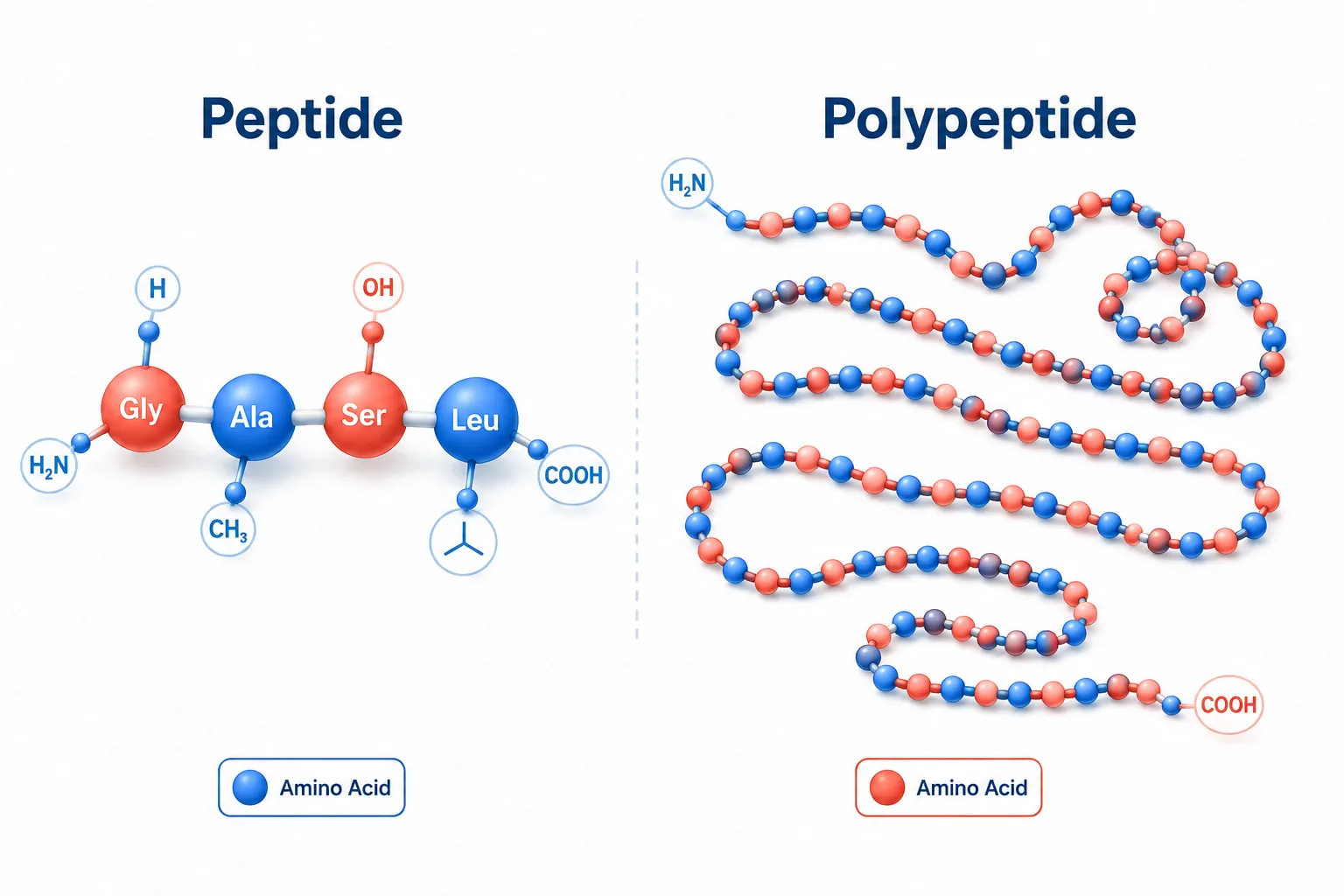
Peptides are short chains of amino acids, the building blocks of proteins. Many peptides in the human body act as signaling molecules, regulating a wide array of physiological processes. Among these, growth hormone-releasing hormone (GHRH) is a naturally occurring peptide produced by the hypothalamus. GHRH stimulates the pituitary gland to release growth hormone (GH). Growth hormone, in turn, plays a crucial role in growth, cell reproduction, and regeneration, impacting metabolism, body composition, and tissue repair.

The Hypothalamic-Pituitary-Somatotropic Axis

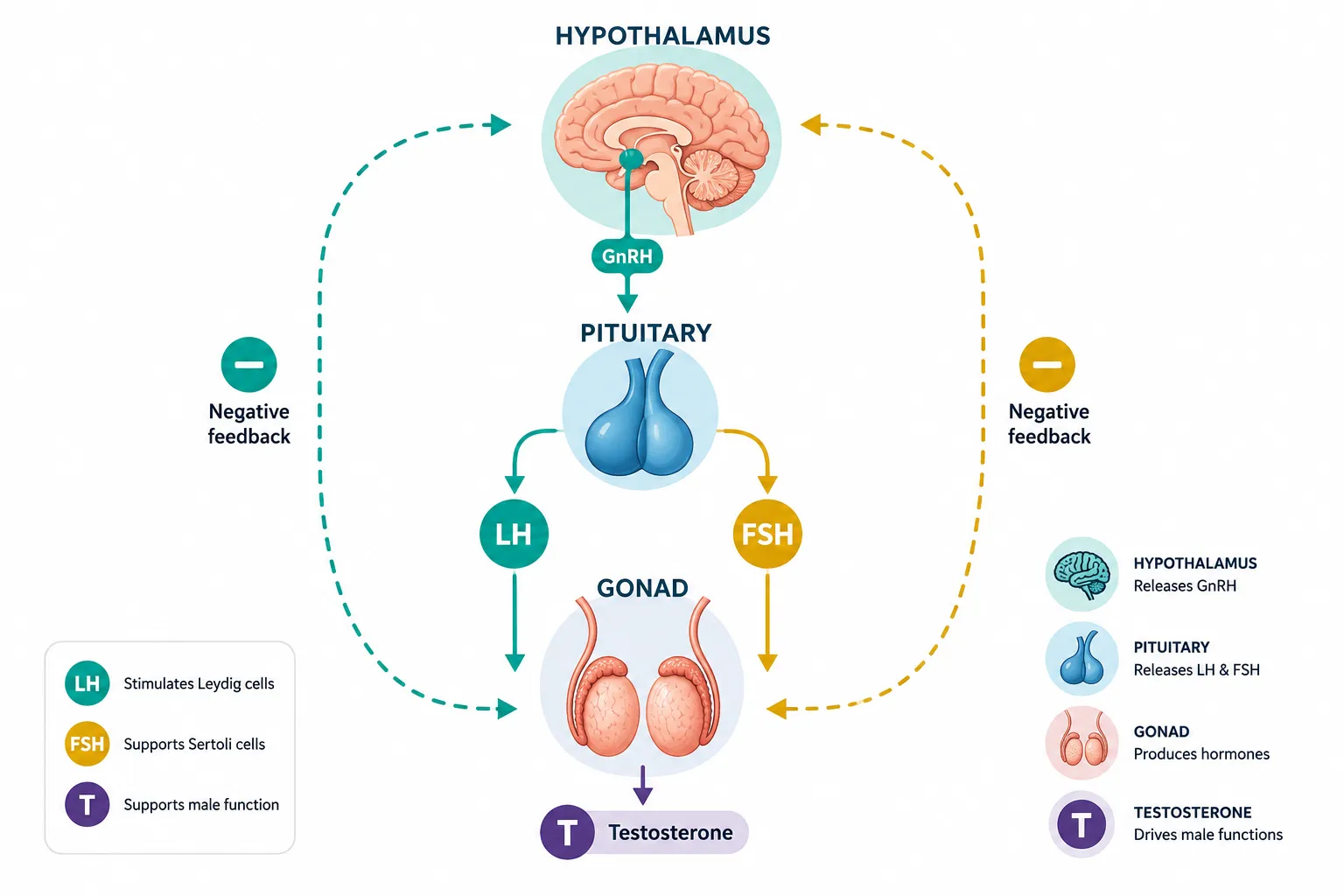
The release of growth hormone is a tightly regulated process within the hypothalamic-pituitary-somatotropic axis. The hypothalamus secretes GHRH, which acts on the anterior pituitary. The anterior pituitary then releases GH into the bloodstream. GH subsequently acts on various target tissues throughout the body, including the liver, where it stimulates the production of insulin-like growth factor 1 (IGF-1). IGF-1 mediates many of the growth-promoting effects attributed to GH. This intricate feedback loop ensures that GH levels are maintained within a physiological range. Disruptions to this axis can have significant health ramifications.

Synthetic GHRH Analogs

Pharmacological research has pursued the development of synthetic analogs of GHRH to modulate growth hormone secretion. These analogs are designed to mimic or enhance the action of natural GHRH, offering potential therapeutic applications. CJC-1295, in both its DAC and no-DAC forms, falls into this category. These synthetic peptides aim to provide a more convenient or sustained method of stimulating GH release compared to repeated administrations of natural GHRH.

CJC-1295 with DAC is a powerful peptide known for its ability to stimulate growth hormone release, making it popular among those seeking to enhance their physical performance and overall health. For a deeper understanding of various peptides and their benefits, you can check out this informative article on core peptides that are essential for optimal health. It provides valuable insights into how these substances work and their potential applications. To read more, visit Core Peptides to Know: What Are the Core Peptides for Optimal Health?.

CJC-1295 with DAC: Mechanism and Pharmacokinetics

CJC-1295 with DAC is a synthetic growth hormone-releasing hormone (GHRH) analog. Its primary mechanism of action involves binding to GHRH receptors on pituitary somatotrophs, thereby stimulating the release of endogenous growth hormone. The “DAC” component, or Drug Affinity Complex, is a key modification that significantly alters the peptide’s pharmacokinetic profile.

The Role of the DAC Moiety

The DAC moiety in CJC-1295 w DAC primarily functions by binding reversibly to albumin, a ubiquitous protein in blood plasma. This albumin binding acts as a reservoir, effectively slowing down the degradation and elimination of the peptide from the body. This mechanism is akin to a slow-release capsule, where the active compound is gradually released over an extended period. The binding to albumin extends the half-life of CJC-1295 w DAC to approximately 6–8 days. This extended half-life is a distinguishing characteristic compared to the no-DAC version, Mod GRF 1-29, which has a half-life of roughly 30 minutes.

“GH Bleed” vs. Pulsatile Release

The prolonged presence of CJC-1295 w DAC in the bloodstream, due to its extended half-life, leads to a sustained, rather than pulsatile, release of growth hormone. This is often referred to as a “GH bleed.” In contrast, natural GHRH and short-acting analogs like Mod GRF 1-29 induce pulsatile release of GH, mimicking the body’s physiological rhythm. The human body naturally releases GH in pulses, primarily during sleep and exercise. The sustained elevation of GH from CJC-1295 w DAC, while effective in increasing overall GH and IGF-1 levels, deviates from this natural pulsatile pattern. The long-term physiological implications of this altered release pattern are not fully understood, particularly in non-therapeutic contexts. The concept of “GH bleed” contrasts with attempts to maintain the natural, more transient surges of GH.

Research and Efficacy Claims

Research into CJC-1295 with DAC has explored its potential to increase levels of growth hormone (GH) and insulin-like growth factor 1 (IGF-1). These increases are often associated with various biological effects, including changes in muscle mass, fat metabolism, and tissue regeneration. It is crucial to delineate between observed effects in research settings and claims made in commercial contexts.

Observed GH/IGF-1 Increase

Studies have demonstrated that CJC-1295 with DAC can indeed lead to a sustained elevation in circulating GH and IGF-1 levels. This elevation is directly attributable to its mechanism of action as a GHRH analog with an extended half-life. The magnitude and duration of these increases are dependent on dosage and individual physiological factors. The increase in IGF-1 is particularly notable as IGF-1 is a key mediator of many of GH’s anabolic effects.

Potential for Muscle Growth and Fat Loss

The theoretical basis for claims of muscle growth and fat loss stems from the known roles of GH and IGF-1 in these processes. Growth hormone promotes protein synthesis and lipolysis (fat breakdown), while IGF-1 stimulates cell proliferation and inhibits apoptosis. Therefore, a sustained increase in these hormones could hypothetically contribute to an increase in lean body mass and a reduction in adipose tissue. However, it is imperative to acknowledge that these represent potential effects observed largely in preclinical or early-stage human research, and translating these findings into predictable and consistently beneficial outcomes in healthy individuals is complex. The extent to which these effects manifest in individuals outside of specific deficiency states or controlled research environments remains a subject of ongoing investigation and debate.

Emphasis on Lab Use Only and Supplier Quality

Many discussions surrounding CJC-1295 w DAC, particularly from scientific and educational perspectives, stress its designation as a research chemical. This designation implies that it is not intended for human consumption or therapeutic use outside of controlled clinical trials. Researchers emphasize the importance of sourcing such compounds from reputable suppliers who provide verifiable documentation. This documentation typically includes Certificates of Analysis (CoA) to corroborate the purity and identity of the substance. Reliance on testimonials, which are anecdotal and often lack scientific rigor, is discouraged in favor of transparent and verifiable quality control measures. The distinction between laboratory research applications and consumer-grade supplements is a critical one in this domain.

Regulatory Status and Safety Concerns

The regulatory landscape surrounding CJC-1295 with DAC is complex and often misunderstood. Its status as a research chemical, coupled with a lack of formal approval from major regulatory bodies, necessitates caution.

Not FDA-Approved

CJC-1295 with DAC is not approved by the U.S. Food and Drug Administration (FDA) for any medical purpose. This means it has not undergone the rigorous testing for safety and efficacy required for prescription drugs or over-the-counter medications. The absence of FDA approval signifies that its benefits and risks have not been thoroughly evaluated by a federal health authority. Similarly, analogous regulatory bodies in other countries have not granted approval for its use in humans. This lack of approval is a fundamental aspect of its status.

WADA Prohibited Substance

The World Anti-Doping Agency (WADA) explicitly prohibits the use of CJC-1295 and other growth hormone-releasing peptides. This prohibition applies to athletes in competitive sports and is listed within WADA’s Prohibited List under “Growth Factors and Growth Hormone Secretagogues.” The rationale behind this prohibition is the potential for performance enhancement and the principle of fair play. Athletes who test positive for CJC-1295 w DAC face severe sanctions, including suspensions from competition. This highlights the perceived impact of such compounds on athletic performance.

Discontinuation of Phase 2 Trials

Clinical development of CJC-1295 with DAC for human therapeutic use encountered obstacles. Phase 2 clinical trials, which assess efficacy and further evaluate safety in a larger group of patients, were discontinued. This discontinuation was reportedly due to an unrelated adverse event. While the specific nature of this event and its direct link to the peptide were cited as “unrelated,” the cessation of trials underscores the inherent risks and challenges associated with pharmaceutical development, particularly with novel compounds. This discontinuation should be noted by anyone considering its use.

Unknown Long-Term Effects on Health

Due to its lack of FDA approval and the discontinuation of clinical trials, the long-term effects of CJC-1295 with DAC on human health remain largely unknown. While short-term studies have explored some immediate consequences, comprehensive data regarding chronic usage are absent. This absence constitutes a significant safety concern. Potential long-term risks could include, but are not limited to, alterations in metabolic function, cardiovascular effects, impacts on tumor growth (given GH’s role in cell proliferation), and feedback mechanisms within the endocrine system. The long-term physiological consequences of sustained, non-pulsatile GH elevation, often referred to as a “GH bleed,” are particularly understudied in a chronic context. Without extensive human trials, any sustained use should be considered an uncontrolled experiment with unpredictable outcomes.

If you’re exploring options for enhancing your fitness regimen, you might want to consider CJC-1295 with DAC, a peptide known for its potential benefits in promoting growth hormone release. For those interested in similar products, an informative article on 5-Amino-1MQ can provide valuable insights into another peptide that may complement your goals. You can read more about it in this related article, which discusses its uses and benefits in detail.

Comparisons with CJC-1295 (no DAC) and Ipamorelin

Metric Details
Compound Name CJC-1295 with DAC
Type Peptide Hormone
Purpose Growth Hormone Releasing Hormone Analog
Half-life Approximately 8 days
Administration Subcutaneous Injection
Typical Dosage 1-2 mg per week
Storage Refrigerated at 2-8°C
Common Uses Increase Growth Hormone Levels, Anti-Aging, Muscle Growth
Side Effects Injection site reactions, water retention, tingling
Legal Status Research Use Only (not approved for human consumption)

Understanding CJC-1295 with DAC often benefits from a comparison with its non-DAC counterpart, Mod GRF 1-29 (CJC-1295 without DAC), and other growth hormone secretagogues like Ipamorelin. These distinctions are crucial for appreciating the different pharmacological profiles and research applications.

Mod GRF 1-29 (CJC-1295, no DAC)

Mod GRF 1-29 is essentially the same GHRH peptide as CJC-1295 w DAC, but without the Drug Affinity Complex moiety. This absence dramatically alters its pharmacokinetics. Mod GRF 1-29 has a very short half-life, approximately 30 minutes. This short half-life means it is rapidly degraded and cleared from the body. Consequently, its effect on GH release is transient and pulsatile, more closely mimicking the natural episodic release patterns of GHRH. Researchers often prefer Mod GRF 1-29 when aiming to induce a more natural, pulsatile growth hormone release, especially when paired with other secretagogues. The rapid clearance necessitates more frequent administrations to achieve a sustained effect, unlike the weekly injections sometimes associated with the DAC version.

Ipamorelin: A GHS with Different Mechanism

Ipamorelin is another peptide that stimulates growth hormone release, but through a different mechanism than CJC-1295. Ipamorelin is a growth hormone secretagogue (GHS), meaning it acts as a selective agonist of the ghrelin receptor. Ghrelin, often called the “hunger hormone,” also signals the pituitary to release GH. Unlike GHRH analogs that stimulate the GHRH receptor, Ipamorelin binds to the ghrelin/growth hormone secretagogue receptor (GHS-R), leading to GH release. A key characteristic of Ipamorelin is its highly selective action on GH release, with minimal impact on other pituitary hormones like cortisol, prolactin, or ACTH. This selectivity is often cited as an advantage in research contexts, aiming for a cleaner GH release profile.

Stacking for Pulsatile GH Release

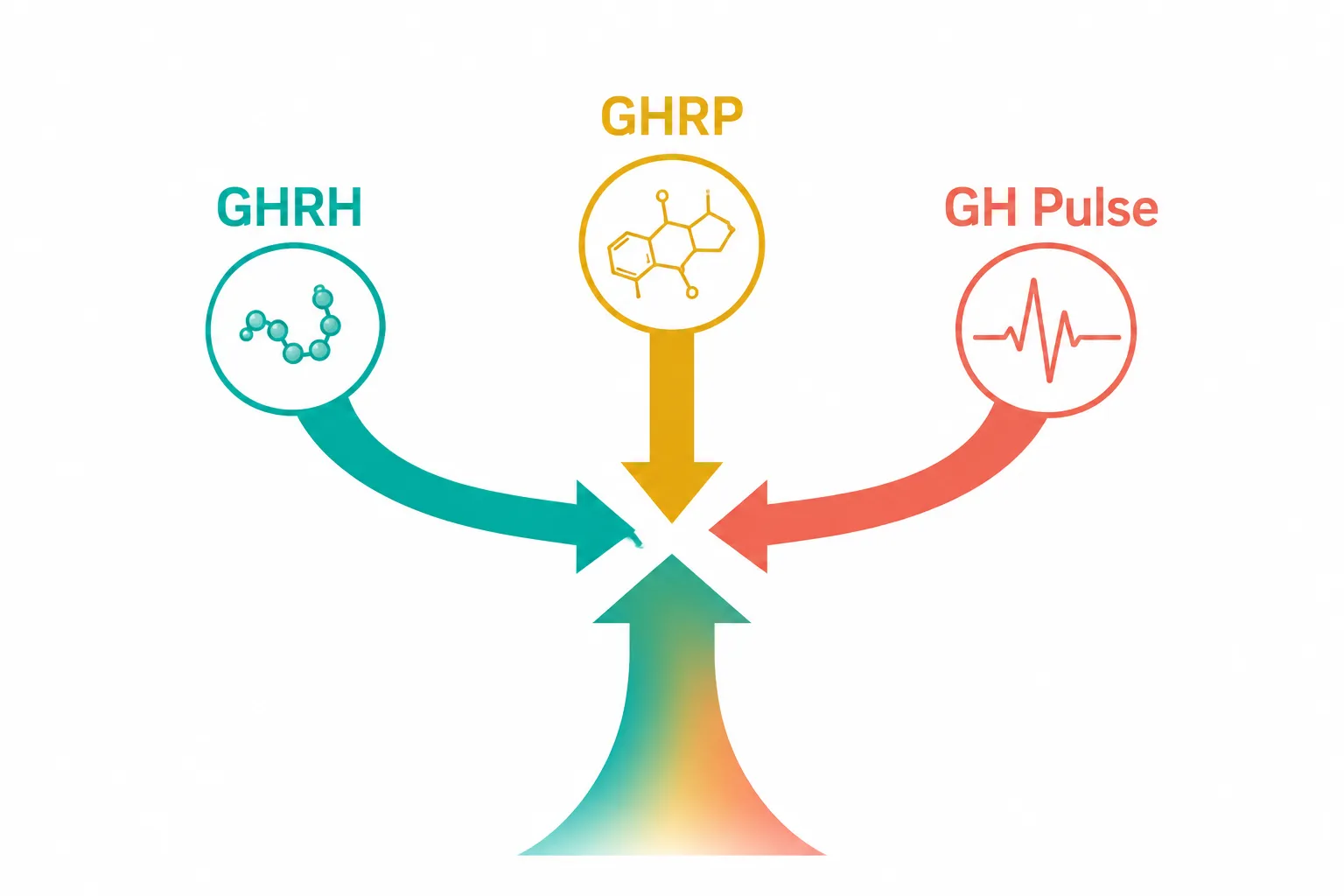
In certain research protocols, a common strategy is to “stack” Mod GRF 1-29 with Ipamorelin. The rationale behind this combination is to synergistically enhance growth hormone release while maintaining a more natural, pulsatile pattern. Mod GRF 1-29 stimulates the GHRH receptor, while Ipamorelin stimulates the ghrelin receptor. When administered together, they can amplify the signal for GH release, potentially leading to higher peak concentrations of GH in pulses. This combined action, particularly with the short half-life of Mod GRF 1-29, allows for a more physiologically aligned release pattern, avoiding the continuous “GH bleed” associated with CJC-1295 w DAC. Researchers exploring the nuances of GH therapy or athletic enhancement often favor this approach when aiming to mimic natural physiological processes more closely.

CJC-1295 with DAC is gaining popularity among those looking to enhance their fitness and recovery, and understanding its effects can be crucial for potential users. For those interested in learning more about peptide therapies and how they can impact performance, a related article discusses the timeline for another peptide, VIP, and how quickly it can start to work. You can read more about it in this insightful piece on VIP peptide effectiveness.

Availability and Future Directions

Despite the presence of marketing materials and discussions regarding its availability, it is important to critically assess the actual market status of CJC-1295 with DAC, particularly outside of research contexts.

No Recent News or Sales Listings (as of 2026)

As of 2026, comprehensive searches for recent news or sales listings specifically pertaining to “CJC-1295 w DAC for sale” yield limited results. Available information predominantly focuses on its research distinctions, regulatory warnings, safety profiles, and comparisons with its no-DAC counterpart. This indicates a shift away from widespread commercial promotion to the general public, likely due to its regulatory status and the discontinuation of clinical trials. The market for research chemicals can be fluid, but the absence of prominent, recent sales listings should be noted.

Implications for Prospective Users

For individuals considering “acquiring” CJC-1295 w DAC, the lack of FDA approval, its WADA status, the discontinued clinical trials, and the unknown long-term effects present significant implications. It underscores that any use outside of a controlled, ethical research environment is undertaken without official medical oversight and with inherent, poorly quantified risks. The scientific community emphasizes that such compounds, as research chemicals, are not intended for human consumption.

Ongoing Research and Development of Other GHRH Analogs

While CJC-1295 w DAC has seen its clinical development halted, research into other GHRH analogs and growth hormone secretagogues continues. The field of peptide therapeutics is dynamic, with ongoing efforts to develop compounds that might offer safer and more effective ways to modulate growth hormone. This includes exploring peptides with different pharmacokinetic profiles, improved receptor selectivity, or novel mechanisms of action. The scientific understanding gained from compounds like CJC-1295 w DAC continues to inform these future research endeavors, even if the specific compound itself has not progressed to widespread therapeutic use. The landscape of growth hormone modulation is a constantly evolving area of peptide science.

https://www.puretestedpeptides.com/wp-content/uploads/2026/03/image-7.jpg 708 900 Pure Tested https://www.puretestedpeptides.com/wp-content/uploads/2026/01/buy-peptides-online.jpg Pure Tested2026-03-03 20:01:572026-07-20 15:04:17Get CJC-1295 w DAC for Sale: Boost Your Growth Hormone Levels
Photo ghrh peptides

Boost Your Growth Hormone with GHRH Peptides

March 2, 2026/0 Comments/by Pure Tested

The human body is an intricate biochemical system. Among its many components, hormones play a critical role as messengers, regulating numerous physiological processes. Growth hormone (GH) is one such hormone, influencing a range of functions from metabolism to tissue repair. While GH levels naturally fluctuate throughout life, some individuals explore methods to modulate its production, particularly as part of wellness trends. One such approach involves the use of growth hormone-releasing hormone (GHRH) peptides.

Growth hormone, also known as somatotropin, is a peptide hormone produced and secreted by the anterior pituitary gland. Its primary function is to stimulate growth, cell reproduction, and cell regeneration in humans and other animals. GH acts through insulin-like growth factor 1 (IGF-1), a hormone produced predominantly by the liver in response to GH stimulation.

GHRH, or somatocrinin, is a neurohormone produced in the hypothalamus. Its role is to stimulate the synthesis and secretion of growth hormone from the pituitary gland. Think of GHRH as the conductor of an orchestra, signaling the pituitary (the musicians) to release GH (the music).

The Natural Regulation of GH

The release of GH is not a constant process; it occurs in pulsatile bursts throughout the day, with the largest pulse typically occurring shortly after the onset of sleep. This pulsatile pattern is influenced by several factors, including sleep, exercise, nutrition, and stress. The body maintains a delicate balance, with various feedback loops ensuring appropriate GH levels. When GH or IGF-1 levels are high, they can inhibit further GHRH release, a process known as negative feedback.

Peptides as Bioactive Molecules

Peptides are short chains of amino acids, the building blocks of proteins. They differ from proteins mainly in their size, typically consisting of fewer than 50 amino acids. Peptides can exhibit diverse biological activities, acting as hormones, antibiotics, or signaling molecules. In the context of GHRH peptides, these molecules are designed to mimic or enhance the action of naturally occurring GHRH.

If you’re interested in enhancing your understanding of peptide therapies, you might find the article on the mechanism of the Klow peptide blend particularly insightful. This resource delves into the various functions and benefits of peptides, including GHRH peptides, which are known for their role in stimulating growth hormone release. To explore this topic further, you can read the article here: Mechanism of Klow Peptide Blend.

The Role of GHRH Peptides in Growth Hormone Secretion

GHRH peptides are a class of synthetic compounds designed to stimulate the endogenous release of growth hormone. They achieve this by binding to and activating the growth hormone-releasing hormone receptor (GHRH-R) on somatotroph cells in the anterior pituitary gland. This activation triggers a cascade of intracellular events that culminate in the synthesis and secretion of GH.

Mechanisms of Action

When a GHRH peptide binds to its receptor, it initiates a signaling pathway, often involving cyclic AMP (cAMP) and protein kinase A (PKA). This pathway ultimately leads to the exocytosis of GH-containing vesicles from the pituitary cells into the bloodstream. It is important to distinguish this mechanism from direct injection of synthetic GH, as GHRH peptides encourage the body’s own pituitary to produce GH. This can lead to a more physiological release pattern, mimicking the body’s natural pulsatile secretion.

Types of GHRH Peptides

While the natural GHRH molecule is a 44-amino acid peptide, several synthetic GHRH analogs have been developed. These analogs often have modifications to enhance their stability, potency, or duration of action. For example, some modifications can prevent enzymatic degradation, allowing the peptide to remain active in the body for longer periods. Tesamorelin is a notable example of an FDA-approved GHRH analog with specific indications.

Applications and Potential Benefits

Interest in GHRH peptides stems from the wide-ranging influence of growth hormone on various bodily functions. Proponents suggest that optimizing GH levels, particularly for individuals experiencing age-related decline, could offer a variety of benefits.

Muscle Growth and Body Composition

Growth hormone contributes to protein synthesis and lipolysis (fat breakdown). Therefore, some individuals explore GHRH peptides with the aim of promoting muscle growth and reducing body fat percentage. A 2026 science-based overview evaluating peptides claiming GH-related growth acknowledges these purported benefits but also emphasizes the importance of distinguishing effective interventions from marketing hype. The overview generally evaluates the efficacy, risks, and diet integration for such peptides.

Anti-Aging and Wellness Trends

The wellness trend market, particularly among “biohackers,” has seen increasing popularity for peptides, including those regulating hormones like GH. The idea is that maintaining more youthful GH levels could contribute to benefits often associated with a younger metabolism, such as improved skin elasticity, increased energy, and enhanced recovery. However, robust human data for many such applications, beyond FDA-approved drugs like insulin, is often lacking.

Therapeutic Niches: Tesamorelin

Tesamorelin, a GHRH analog, is an instructive example of an FDA-approved GHRH peptide with specific therapeutic applications. In 2026, a review of Tesamorelin highlighted its benefits for fat loss, particularly in adult patients with HIV-associated lipodystrophy, a condition characterized by abnormal fat distribution. This review positions Tesamorelin as a targeted treatment rather than a broad GH booster. It also emphasizes the importance of realistic expectations and considers safety concerns and daily impacts for patients. This demonstrates that while the concept of GHRH peptides for general wellness gains traction, specific clinical applications often revolve around defined conditions rather than broad anti-aging claims.

Potential Risks and Side Effects

As with any substance that influences hormonal pathways, the use of GHRH peptides carries potential risks and side effects. Altering the body’s natural endocrine balance is not a benign process.

Fluid Retention and Edema

One common side effect associated with increased GH levels, whether from exogenous GH or stimulated endogenous production, is fluid retention. This can manifest as swelling, particularly in the extremities. The kidneys play a role in regulating fluid balance, and higher GH can influence sodium and water reabsorption.

Insulin Resistance and Glucose Metabolism

Growth hormone can influence glucose metabolism, sometimes leading to insulin resistance. This means the body’s cells become less responsive to insulin, potentially elevating blood glucose levels. Individuals with pre-existing metabolic conditions or those prone to diabetes should exercise particular caution and seek medical advice before considering GHRH peptides. Therapies targeting the GH-IGF-1 axis, including GHRH peptides, are acknowledged as potentially causing changes in blood pressure and lipids.

Headaches and Other Neurological Effects

Headaches are another reported side effect, though the exact mechanism is not always clear. Increased intracranial pressure or changes in cerebral blood flow could be contributing factors.

Joint Discomfort and Pain

Some individuals report joint pain or discomfort. This could be due to subtle changes in cartilage or connective tissues influenced by altered GH levels.

Hormonal Imbalances

The endocrine system is a complex network. Modulating one hormone, like GH, can have ripple effects on others. For example, excessive GH can suppress other anterior pituitary hormones. Therapies targeting the GH-IGF-1 axis are specifically cited as potentially causing general hormonal imbalances.

Doping Risks and Regulatory Concerns

The appeal of enhanced muscle growth and improved recovery has led to the inclusion of GH-releasing peptides, including some GHRPs (growth hormone-releasing peptides), on lists of prohibited substances in sports. A recent study confirmed the GH-boosting effects of several GHRPs (like GHRP-3 to GHRP-6, Ipamorelin, Anamorelin) and noted concerns regarding doping. The use of such peptides outside of legitimate medical indications can have significant health and legal consequences.

If you’re considering enhancing your fitness regimen, you might want to explore the benefits of GHRH peptides, which can play a significant role in boosting growth hormone levels. A related article discusses the advantages of using CJC-1295 and Ipamorelin, two popular peptides known for their synergistic effects on muscle growth and recovery. For more detailed information, you can read the article here: CJC-1295 and Ipamorelin. Understanding how these peptides work together can help you make informed decisions about your supplementation strategy.

Safety Considerations and Regulatory Status

Metric Description Typical Range Notes
Purity Percentage of active GHRH peptide in the product 95% – 99% Higher purity indicates better quality and effectiveness
Dosage Form Form in which GHRH peptides are available Lyophilized powder, Injectable solution Lyophilized powder requires reconstitution before use
Typical Dosage Recommended amount per administration 100 mcg – 200 mcg Dosage varies based on purpose and individual needs
Storage Conditions Recommended storage temperature 2°C – 8°C (Refrigerated) Protect from light and moisture
Half-life Time taken for half the peptide to degrade in the body 10 – 20 minutes Short half-life requires frequent dosing or sustained release formulations
Common Uses Primary applications of GHRH peptides Growth hormone stimulation, Anti-aging, Muscle growth Often used in research and clinical settings
Side Effects Potential adverse reactions Headache, flushing, dizziness Usually mild and transient

The regulatory landscape for peptides is complex and varies significantly depending on the specific peptide and the country. While some peptides, like Tesamorelin, have received FDA approval for specific medical conditions, many others marketed for “wellness” or “anti-aging” purposes have not undergone rigorous clinical trials for these indications.

FDA-Approved Peptides and The 2026 Landscape

The 2026 list of FDA-approved peptides includes new approvals like Yorvipath and Forzinity, alongside regulations for GLP-1 agonists. However, no specific GHRH peptides beyond existing ones like Tesamorelin are newly listed as having received FDA approval for broad use. This underscores the distinction between research compounds, “wellness” supplements, and FDA-approved pharmaceuticals.

The Importance of Human Data

A significant challenge in evaluating many of the peptides popular among biohackers is the lack of robust human data for their advertised benefits and long-term safety. While animal studies and in vitro data may exist, these do not always translate directly to human physiology. Before considering any peptide therapy, due diligence regarding scientific evidence, not anecdotal claims, is essential.

Navigating the Market

The market for peptides can be difficult to navigate due to inconsistent regulations and varying product quality. Purity and potency can differ significantly between suppliers. Consumers are often purchasing these substances from sources without the oversight of pharmaceutical manufacturing standards, leading to potential health risks from contaminants or incorrect dosages.

Administration and Dosage

GHRH peptides are typically administered via subcutaneous injection. This method ensures direct absorption into the bloodstream, bypassing the digestive system where peptides might be degraded.

Injection Technique

Proper injection technique is crucial to minimize discomfort and ensure effective delivery. This usually involves cleaning the injection site, pinching a fold of skin, and injecting the peptide into the subcutaneous fat layer with a small, fine needle.

Dosage Considerations

Dosage regimens are highly dependent on the specific GHRH peptide being used, the individual’s goals, and their physiological response. There are no standardized universally applicable dosages for many of these peptides, particularly when used off-label. This highlights the inherent risks of self-administration without medical guidance. Overdosing can increase the likelihood and severity of side effects, while underdosing may yield no discernible effects.

Cycle Length and Monitoring

Some individuals using GHRH peptides for wellness purposes engage in “cycles” involving periods of use followed by periods of cessation. The rationale behind such cycles often relates to concerns about receptor desensitization or other long-term physiological adaptations. Regular monitoring of blood work, including IGF-1 levels, glucose, and other relevant markers, is advisable for anyone considering such interventions, although medical supervision is critical for interpreting these results and adjusting dosages.

Conclusion

GHRH peptides represent a fascinating area of biochemical research with potential applications in modulating growth hormone secretion. As research progresses, our understanding of their mechanisms, benefits, and risks continues to evolve. While FDA-approved GHRH analogs like Tesamorelin serve specific therapeutic roles, many other GHRH peptides are explored in the context of wellness and anti-aging trends, often without the backing of comprehensive clinical data. When evaluating claims about these peptides, it is important to remember that the human body is a complex system, and external interventions can have a wide array of effects. Prudence, critical evaluation of scientific evidence, and consultation with medical professionals are crucial for anyone considering such interventions. The landscape of peptides in health and wellness is dynamic, and staying informed about regulatory updates and scientific consensus is paramount to making informed decisions.

https://www.puretestedpeptides.com/wp-content/uploads/2026/03/image-6.jpg 673 1080 Pure Tested https://www.puretestedpeptides.com/wp-content/uploads/2026/01/buy-peptides-online.jpg Pure Tested2026-03-02 20:01:502026-07-20 15:04:25Boost Your Growth Hormone with GHRH Peptides
Photo peptide

Get Your Mots c Peptide for Sale Now!

March 1, 2026/0 Comments/by Pure Tested

This article aims to provide a factual overview of MOTS-c, a synthetic mitochondrial-derived peptide, for readers seeking information on its nature, current research, regulatory standing, and availability. It is important to approach such substances with a critical perspective, particularly given their experimental status.

The Nature of MOTS-c

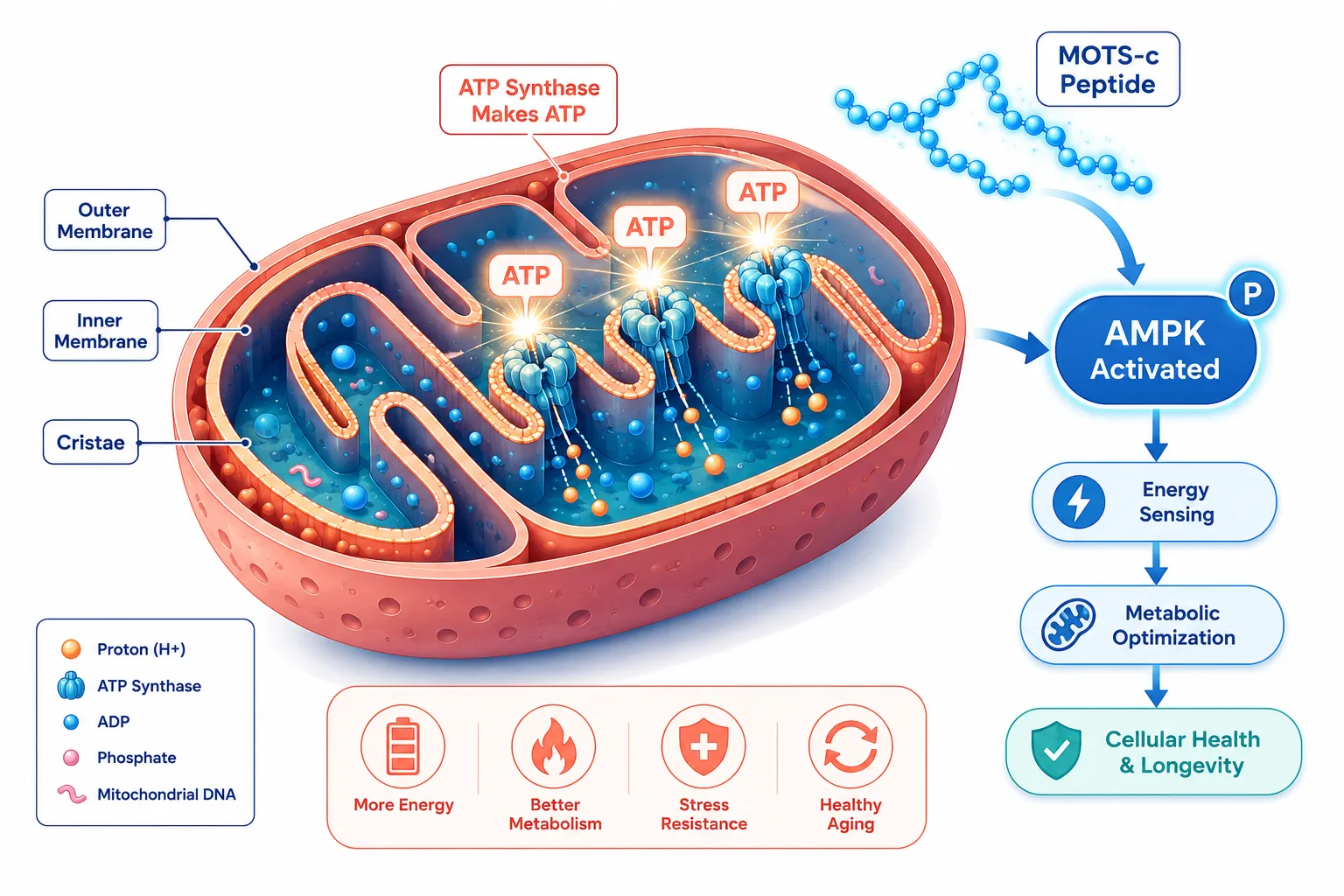
MOTS-c (mitochondrial open reading frame of the 12S rRNA type-c) is a peptide that originates from the human mitochondrial genome, specifically from the 16S ribosomal RNA gene. Unlike peptides coded by nuclear DNA, MOTS-c is a product of mitochondrial DNA. This unique origin places it within a class of peptides sometimes referred to as “mitochondrial-derived peptides” (MDPs). These peptides are distinct from traditional hormones and often operate as signaling molecules involved in various cellular processes.

Mitochondrial Function and Cellular Metabolism

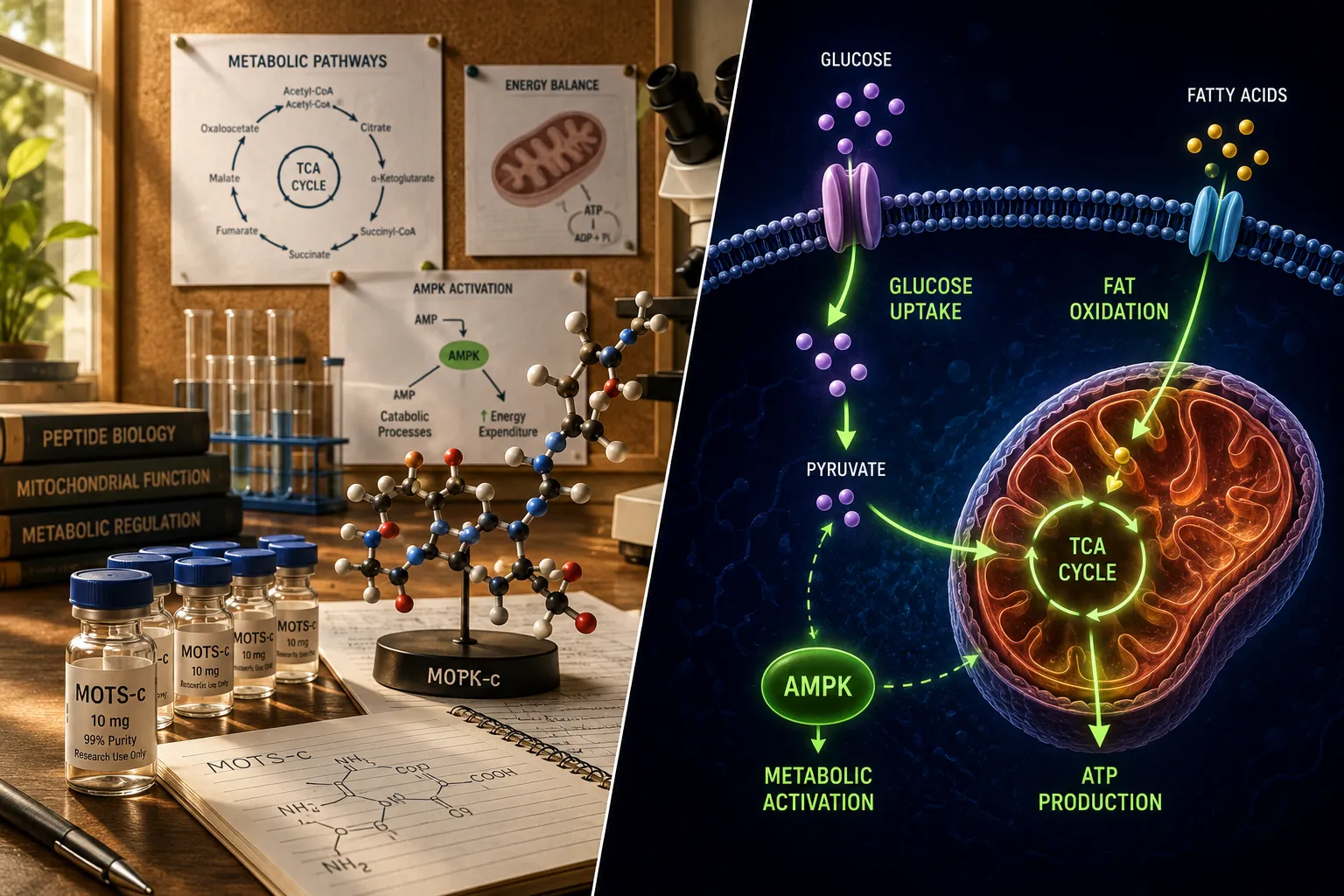
The mitochondria are often termed the “powerhouses of the cell” due to their primary role in generating adenosine triphosphate (ATP) through cellular respiration. This process is fundamental to the energy demands of virtually all biological functions. MOTS-c is speculated to interact with or influence these mitochondrial processes. Its proposed mechanisms of action often center on enhancing mitochondrial function and metabolic flexibility, which refers to the body’s ability to switch between different fuel sources (e.g., glucose, fat) for energy.

Synthesis and Structure

MOTS-c is a short peptide, typically comprising 16 amino acids. Its small size is a characteristic that can influence its stability and bioavailability within biological systems. As a synthetic peptide, it is produced in laboratories, allowing for controlled purity and dosage in research settings. The amino acid sequence is a direct replication of the naturally occurring MOTS-c, allowing researchers to study its specific effects without interference from other endogenous compounds.

If you’re interested in understanding the differences between various peptides, you might find the article on Epithalon and Epitalon particularly insightful. It provides a comprehensive comparison of these two peptides, which can enhance your knowledge about their unique properties and potential benefits. For more information, you can read the article here: Epithalon vs. Epitalon.

Research into Reported Benefits

Research surrounding MOTS-c is ongoing, with studies exploring its potential impact on metabolic health. The findings, primarily from animal and cell culture studies, indicate certain physiological effects. It is crucial to distinguish between research findings and established clinical applications.

Metabolic Flexibility and Insulin Sensitivity

Studies, including earlier animal and human cell experiments, have indicated that MOTS-c might play a role in improving metabolic flexibility. This involves enhancing the body’s capacity to utilize different energy substrates efficiently. For example, some research suggests an improvement in glucose utilization and a reduction in insulin resistance, which are key features of metabolic disorders such as type 2 diabetes. Insulin sensitivity refers to the body’s responsiveness to insulin, a hormone vital for regulating blood sugar levels. Enhanced insulin sensitivity can lead to better glucose uptake by cells and reduced glucose levels in the bloodstream.

Impact on Diabetic Heart Cells

A recent study from the University of Auckland, published in February 2026, investigated the effects of MOTS-c on diabetic heart cells. The research findings suggest that MOTS-c may provide protective effects to these cells by improving mitochondrial function and energy production. In a diabetic state, heart cells can suffer from metabolic dysregulation and impaired mitochondrial activity, contributing to cardiovascular complications. The study’s results indicate a potential therapeutic avenue for mitigating these effects, though further research in human subjects is necessary to confirm these observations.

Fat Metabolism and Body Composition

Beyond glucose metabolism, some preliminary research has explored MOTS-c’s potential influence on fat metabolism. These studies suggest that MOTS-c might contribute to fat loss, possibly by promoting the breakdown of lipids and enhancing their utilization as an energy source. This could have implications for managing obesity and related metabolic conditions. However, the exact mechanisms and the extent of these effects require more extensive investigation.

Exercise Performance and Endurance

Anecdotal reports and some early research also suggest that MOTS-c may contribute to enhanced exercise performance and endurance. This potential effect is often linked to the peptide’s influence on mitochondrial efficiency and energy production. If mitochondria function more effectively, they can supply ATP more readily, thus potentially improving stamina and reducing fatigue during physical activity. Again, these observations are preliminary and necessitate robust clinical trials to validate.

https://www.puretestedpeptides.com/wp-content/uploads/2026/03/image-1.jpg 720 1080 Pure Tested https://www.puretestedpeptides.com/wp-content/uploads/2026/01/buy-peptides-online.jpg Pure Tested2026-03-01 08:02:262026-03-02 14:33:44Get Your Mots c Peptide for Sale Now!
Photo Epithalon peptide

Unlocking the Benefits: Epithalon Peptide for Sale

March 1, 2026/0 Comments/by Pure Tested

Epithalon, also known as Epitalon or Epithalone, is a synthetic tetrapeptide (Ala-Glu-Asp-Gly) derived from the polypeptide Epithalamin, naturally produced in the pineal gland. Its primary association stems from research conducted by Vladimir Khavinson, a Russian gerontologist, who proposed its role in regulating various physiological processes, particularly those related to aging. This article provides an overview of Epithalon, its proposed mechanisms of action, observed effects in research, and its current status as a research chemical.

The Foundation of Epithalon’s Action: Telomerase and Telomeres

Central to the hypothesized anti-aging properties of Epithalon is its interaction with telomeres and the enzyme telomerase. Telomeres are protective caps at the ends of chromosomes, akin to the plastic tips on shoelaces, preventing chromosomal degradation during cell division. With each division, these telomeres shorten. Once they reach a critically short length, the cell can no longer divide and enters a state of senescence or apoptosis. Telomerase is an enzyme that counteracts this shortening by adding TTAGGG repeats to telomeric ends.

Telomerase Activation and Telomere Extension: A Deeper Look

Recent studies provide increasing insight into Epithalon’s influence on these cellular mechanisms. Research indicates that Epithalon upregulates human telomerase reverse transcriptase (hTERT) expression. hTERT is the catalytic subunit of the telomerase enzyme, essential for its activity. This upregulation leads to an elevation in telomerase activity within normal human cell lines, such as IBR3 and HMEC. Consequently, an increase in telomere length has been observed in these cells. It is crucial to note that this effect appears to be selective; studies have not shown enhanced telomerase activity in cancer cell lines like BT474 and 21NT, a characteristic that mitigates concerns about potentially promoting oncogenesis. This targeted activity suggests a complex interaction rather than a generalized enhancement.

You, as a researcher or interested party, should recognize this distinction. The ability to enhance telomerase in normal cells without impacting cancerous ones is a significant area of investigation, offering a potential avenue for addressing age-related cellular decline without exacerbating pathological cell growth.

If you’re interested in the potential benefits of Epithalon peptide, you may find it useful to explore related research on longevity peptides. An insightful article discussing various aspects of longevity peptides, including their mechanisms and applications, can be found at this link. This resource provides valuable information that complements the understanding of Epithalon and its role in promoting health and longevity.

Navigating the Anti-Aging Landscape: Lifespan and Healthspan

The prospect of extending lifespan and enhancing healthspan is a driving force behind much of the research into compounds like Epithalon. Animal studies have provided preliminary evidence supporting these claims.

Evidence from Animal Models: A Glimpse into Potential

In various animal models, including rodents and insects, Epithalon has demonstrated effects associated with increased longevity. Studies have reported a reduction in mortality, with some observations indicating up to a 52% mortality reduction in flies and rats. This extension of lifespan is often accompanied by improvements in overall health indicators, collectively referred to as healthspan. Researchers have observed enhanced cell survival, a reduction in DNA mutations, and a general improvement in the animals’ physiological state. These benefits are often linked to the molecule’s ability to reactivate telomerase, which, as discussed, is a fundamental component of cellular repair and maintenance.

However, you must exercise caution when extrapolating these findings directly to humans. Animal models, while valuable, are not perfect proxies for human physiology. The complex interplay of genetic and environmental factors in human aging necessitates extensive human trials before any definitive conclusions can be drawn regarding human lifespan extension.

Beyond Telomeres: Immune and Neuroendocrine System Interactions

Epithalon’s proposed actions extend beyond direct telomere maintenance. Research suggests its involvement in regulating the immune system and the neuroendocrine axis, two systems intricately linked to the aging process.

Immune System Modulation: Fortifying Defenses

The immune system undergoes significant changes with age, a phenomenon known as immunosenescence, leading to increased susceptibility to infections and reduced vaccine efficacy. Research indicates that Epithalon may play a role in immune restoration. Observations include an increase in interleukin-2 (IL-2) production, a cytokine crucial for the proliferation and differentiation of T lymphocytes. Enhanced T-cell activity has also been noted, suggesting a potential bolstering of adaptive immunity. Furthermore, Epithalon’s antioxidant properties, evidenced by a reduction in lipid peroxidation, contribute indirectly to immune health by protecting immune cells from oxidative damage. For your understanding, a robust immune system is vital for maintaining health and resilience against disease, especially as individuals age.

Cellular and Tissue Level Research: A Microscopic View of Benefits

At the cellular and tissue level, Epithalon’s influence appears broad, impacting fundamental processes essential for maintaining cellular integrity and function.

Gene Expression and Longevity Pathways: Unpacking the Blueprint

Studies suggest that Epithalon promotes gene expression associated with longevity. This involves influencing pathways that regulate cellular repair, stress response, and metabolic function. The precise genes targeted are still under investigation, but the implication is a systemic cellular improvement that could contribute to an overall healthier aging process. This influence on gene expression acts like a conductor orchestrating the symphony of cellular life, directing the cells to perform in a way that promotes durability.

Tissue Regeneration and Metabolic Function: Building and Maintaining

Beyond gene expression, Epithalon has been implicated in tissue regeneration. While not a direct regenerative agent on its own, its ability to enhance cellular health and reduce oxidative stress creates a more favorable environment for tissues to repair and maintain themselves. Furthermore, its influence on metabolic function suggests a potential role in improving energy utilization and reducing metabolic dysfunction, which are common hallmarks of aging. For you, this means a potential for not just slowing decline but also supporting the body’s natural capacity for upkeep.

Protection Against Oxidative Stress: Shielding the Cells

Oxidative stress, an imbalance between free radicals and antioxidants, is a major contributor to cellular damage and aging. Epithalon’s antioxidant effects, already mentioned in the context of immune function, are also relevant at a broader cellular and tissue level. By reducing lipid peroxidation and potentially enhancing endogenous antioxidant defenses, Epithalon may offer protection against the cumulative damage of oxidative stress. Think of it as a protective shield for your cells, deflecting damaging free radicals that would otherwise degrade their structure and function.

If you’re interested in exploring the potential benefits of Epithalon peptide, you might find valuable insights in a related article that discusses its effects on longevity and cellular health. This comprehensive piece delves into the science behind Epithalon and its mechanisms, making it a great resource for anyone considering its use. For more information, you can read the article here: Epithalon and Longevity.

Navigating the Human Landscape: Clinical Data and Regulatory Status

While the preclinical data presents an intriguing picture, the translation of these findings into human clinical applications is a more complex and cautious endeavor.

https://www.puretestedpeptides.com/wp-content/uploads/2026/03/image.jpg 579 900 Pure Tested https://www.puretestedpeptides.com/wp-content/uploads/2026/01/buy-peptides-online.jpg Pure Tested2026-03-01 02:01:462026-03-02 14:28:05Unlocking the Benefits: Epithalon Peptide for Sale

cjc1295 ipamorelin side effects;140

December 25, 2025/by Pure Tested

Understanding CJC-1295 Ipamorelin Side Effects: A Comprehensive 2025 Research Guide

The world of peptide research has exploded in recent years, with growth hormone releasing peptides like CJC-1295 and Ipamorelin gaining significant attention in laboratory studies. While these compounds show promising results in research settings, understanding the cjc1295 ipamorelin side effects is crucial for anyone considering their use in research applications. As we move through 2025, new data continues to emerge about these peptide combinations and their potential adverse reactions.

Key Takeaways

• CJC-1295 and Ipamorelin can cause injection site reactions, fatigue, and sleep disturbances in research subjects
• Dosage protocols significantly impact the severity and frequency of side effects observed in studies
• Long-term effects remain under investigation, with most research focusing on short-term observations
• Individual responses vary greatly, making careful monitoring essential in research settings
• Proper administration techniques can minimize many common adverse reactions

What Are CJC-1295 and Ipamorelin?

Scientific laboratory setting showing molecular structure diagrams of CJC-1295 and Ipamorelin peptides on digital screens, research papers s

Before diving into the cjc1295 ipamorelin side effects, it's important to understand what these compounds are and how they work. CJC-1295 is a synthetic peptide that acts as a growth hormone releasing hormone (GHRH) analog. It works by stimulating the pituitary gland to release more growth hormone naturally.

Ipamorelin, on the other hand, is a growth hormone releasing peptide (GHRP) that mimics ghrelin, the "hunger hormone." When combined, these two peptides create a synergistic effect that researchers believe may enhance growth hormone production more effectively than either compound alone.

The Science Behind the Combination

The combination of CJC-1295 and Ipamorelin has become popular in research settings because:

  • Complementary mechanisms of action
  • Potentially enhanced efficacy compared to single peptide use
  • Different half-lives allowing for varied dosing protocols
  • Reduced side effects compared to direct growth hormone administration

Common CJC-1295 Ipamorelin Side Effects in Research Studies

Research into cjc1295 ipamorelin side effects has revealed several categories of adverse reactions that researchers should be aware of when conducting studies with these compounds.

Injection Site Reactions

The most frequently reported side effects in laboratory studies involve the injection site:

  • Redness and swelling at the injection point
  • Pain or tenderness lasting 24-48 hours
  • Bruising particularly in subjects with sensitive skin
  • Nodule formation in rare cases with repeated injections

Systemic Side Effects

Beyond local reactions, research has documented various systemic effects:

Sleep-Related Changes:

  • Altered sleep patterns
  • Vivid dreams or nightmares
  • Difficulty falling asleep
  • Changes in sleep quality

Physical Symptoms:

  • Fatigue during initial weeks of administration
  • Headaches (reported in 15-20% of research subjects)
  • Dizziness or lightheadedness
  • Joint pain or stiffness

Gastrointestinal Effects:

  • Nausea (particularly with higher doses)
  • Changes in appetite
  • Mild digestive discomfort
  • Bloating or water retention

Hormonal and Metabolic Changes

Research has shown that cjc1295 ipamorelin side effects can extend to hormonal systems:

Effect Category Frequency Severity Duration
Cortisol fluctuations 25-30% Mild 2-4 weeks
Insulin sensitivity changes 15-20% Mild-Moderate Variable
Thyroid function alterations 10-15% Mild 4-6 weeks
Blood sugar variations 20-25% Mild 2-3 weeks

Dosage-Dependent Side Effects

The severity and frequency of cjc1295 ipamorelin side effects appear to be closely related to dosage protocols used in research studies. Understanding this relationship is crucial for researchers planning studies with these compounds.

Low-Dose Protocols (100-200mcg each)

Research using lower doses typically reports:

  • ✅ Minimal injection site reactions
  • ✅ Rare systemic side effects
  • ✅ Good tolerance in most subjects
  • ⚠️ Slower onset of desired research outcomes

Medium-Dose Protocols (200-300mcg each)

Studies using moderate doses show:

  • ⚠️ Increased injection site reactions
  • ⚠️ More frequent sleep disturbances
  • ⚠️ Occasional headaches and fatigue
  • ✅ Balance between efficacy and tolerability

High-Dose Protocols (300mcg+)

Higher dose research protocols report:

  • ❌ Significant injection site reactions
  • ❌ Frequent systemic side effects
  • ❌ Higher dropout rates in studies
  • ❌ Potential for more serious adverse events

Long-Term Research Findings on Side Effects

As research into cjc1295 ipamorelin side effects continues into 2025, long-term studies are beginning to provide valuable insights into extended use patterns.

Extended Use Considerations

Research spanning 6-12 months has revealed:

Tolerance Development:

  • Some subjects develop tolerance to initial side effects
  • Injection site reactions often decrease over time
  • Sleep disturbances typically normalize within 4-6 weeks

Cumulative Effects:

  • No evidence of serious cumulative toxicity in current studies
  • Liver and kidney function remain stable in most research
  • Cardiovascular parameters show minimal long-term changes

Withdrawal Considerations:

  • Gradual discontinuation appears preferable to abrupt cessation
  • Rebound effects are minimal in most research subjects
  • Return to baseline hormone levels typically occurs within 2-4 weeks

Risk Factors That Influence CJC-1295 Ipamorelin Side Effects

Research has identified several factors that may increase the likelihood or severity of cjc1295 ipamorelin side effects:

Subject Demographics

Age-Related Factors:

  • Older research subjects (50+) may experience more pronounced side effects
  • Younger subjects typically show better tolerance
  • Recovery time from side effects may be longer in older populations

Health Status:

  • Subjects with pre-existing conditions may be at higher risk
  • Metabolic disorders can amplify certain side effects
  • Cardiovascular health impacts tolerance levels

Administration Factors

Injection Technique:

  • Proper rotation of injection sites reduces local reactions
  • Needle size and injection speed affect comfort
  • Storage and handling impact peptide stability and side effects

Timing and Frequency:

  • Evening injections may increase sleep disturbances
  • Daily vs. intermittent dosing affects side effect patterns
  • Meal timing relative to injection influences gastrointestinal effects

Minimizing Side Effects in Research Settings

Medical infographic displaying common side effects of CJC-1295 Ipamorelin combination therapy, human body silhouette with highlighted areas

Based on current research into cjc1295 ipamorelin side effects, several strategies can help minimize adverse reactions:

Best Practices for Administration

  1. Start with lower doses and gradually increase if needed
  2. Rotate injection sites to prevent local tissue damage
  3. Use proper injection technique with appropriate needle size
  4. Store peptides correctly to maintain stability and potency
  5. Monitor subjects closely especially during initial weeks

Monitoring Protocols

Effective research protocols should include:

  • Regular vital sign checks
  • Laboratory monitoring of relevant biomarkers
  • Subjective symptom tracking through standardized questionnaires
  • Injection site assessments at each visit
  • Sleep quality evaluations using validated tools

When to Discontinue Use in Research

Research protocols should establish clear criteria for discontinuing cjc1295 ipamorelin administration based on side effects:

Immediate Discontinuation Indicators

  • Severe allergic reactions or anaphylaxis
  • Significant cardiovascular changes
  • Severe and persistent side effects
  • Subject request for withdrawal

Gradual Discontinuation Considerations

  • Moderate but manageable side effects
  • Lack of research efficacy after adequate trial period
  • Protocol completion
  • Subject compliance issues

Future Research Directions

As we progress through 2025, several areas of cjc1295 ipamorelin side effects research remain priorities:

Emerging Research Questions

  • Long-term safety profiles beyond 12 months
  • Optimal dosing strategies to minimize side effects
  • Genetic factors influencing individual responses
  • Combination protocols with other research compounds

Technological Advances

  • Improved delivery methods to reduce injection site reactions
  • Better formulations for enhanced stability
  • Advanced monitoring tools for real-time side effect detection
  • Personalized dosing based on individual characteristics

Regulatory Considerations and Safety Guidelines

The regulatory landscape for peptide research continues to evolve in 2025, with increasing emphasis on safety monitoring and adverse event reporting.

Current Guidelines

Research institutions should:

  • Maintain detailed records of all side effects
  • Report serious adverse events to appropriate authorities
  • Follow institutional review board requirements
  • Ensure proper informed consent processes

Quality Control Measures

  • Source peptides from reputable suppliers
  • Verify peptide purity and concentration
  • Implement proper storage and handling procedures
  • Maintain chain of custody documentation

Conclusion

Understanding cjc1295 ipamorelin side effects is essential for anyone involved in peptide research. While these compounds show promise in laboratory studies, they are not without risks. The most common side effects include injection site reactions, sleep disturbances, and mild systemic symptoms that are generally manageable with proper protocols.

The key to successful research with these peptides lies in careful planning, appropriate dosing, proper administration techniques, and vigilant monitoring. As research continues to evolve in 2025, our understanding of these side effects will undoubtedly improve, leading to safer and more effective research protocols.

For researchers considering studies with CJC-1295 and Ipamorelin, the evidence suggests that while side effects do occur, they are generally mild to moderate and manageable with appropriate precautions. The future of peptide research looks promising, but it must always be conducted with safety as the top priority.

Next Steps for Researchers:

  1. Review current literature on peptide safety protocols
  2. Develop comprehensive monitoring plans for research studies
  3. Establish clear criteria for dose adjustments and discontinuation
  4. Ensure proper training for all personnel involved in peptide administration
  5. Maintain detailed documentation of all adverse events and outcomes

SEO Meta Information:

Meta Title: CJC-1295 Ipamorelin Side Effects Guide 2025 | Research Safety

Meta Description: Comprehensive guide to CJC-1295 Ipamorelin side effects in research. Learn about dosage impacts, safety protocols, and minimizing adverse reactions in 2025.

https://www.puretestedpeptides.com/wp-content/uploads/2026/01/buy-peptides-online.jpg 0 0 Pure Tested https://www.puretestedpeptides.com/wp-content/uploads/2026/01/buy-peptides-online.jpg Pure Tested2025-12-25 06:12:542025-12-25 14:39:46cjc1295 ipamorelin side effects;140

Keyword;Volume

December 25, 2025/by Pure Tested

Understanding Keyword Volume: A Complete Guide for Research-Based Marketing in 2025

In the rapidly evolving landscape of digital marketing and scientific research, understanding keyword volume has become crucial for businesses operating in specialized fields like peptide research. Whether you're researching compounds like CJC-1295 or analyzing market trends, keyword volume data provides the foundation for informed decision-making and strategic content development.

Key Takeaways

• Keyword volume represents the average monthly search frequency for specific terms, providing insights into market demand and research interest
• Understanding search patterns helps researchers and businesses identify trending topics and optimize their content strategy
• Laboratory science and peptide research keywords often show seasonal variations and correlation with published research findings
• Effective keyword volume analysis requires combining multiple data sources and considering search intent behind the queries
• Strategic use of keyword volume data can improve content visibility while maintaining scientific accuracy and avoiding unsubstantiated health claims

What Is Keyword Volume and Why Does It Matter?

Laboratory research setting showing peptide vials labeled CJC-1295 and Ipamorelin alongside scientific equipment including precision scales,

Keyword volume refers to the average number of times a specific search term is queried in search engines over a given period, typically measured monthly. For businesses and researchers in the scientific community, this metric serves as a valuable indicator of public interest, research trends, and market demand.

In the context of peptide research and laboratory sciences, keyword volume analysis helps identify:

  • Research trending topics 📈
  • Seasonal interest patterns in specific compounds
  • Market demand for educational content
  • Competitive landscape analysis
  • Content optimization opportunities

Understanding these patterns becomes particularly important when dealing with specialized terms related to compounds like CJC-1295, where search volume may fluctuate based on published research findings, regulatory updates, or academic conferences.

The Science Behind Search Behavior

Research indicates that search behavior in scientific fields follows distinct patterns. Unlike consumer products, laboratory research terms often experience:

"Search volume spikes typically correlate with publication cycles, conference schedules, and regulatory announcements in the peptide research field."

This unique characteristic makes keyword volume analysis both challenging and essential for organizations operating in this space.

How Keyword Volume Analysis Works in Laboratory Research

The process of analyzing keyword volume for scientific and research-based content requires a specialized approach that differs significantly from traditional consumer marketing strategies.

Data Collection Methods

Primary Sources:

  • Google Keyword Planner
  • SEMrush and Ahrefs databases
  • Academic search engines (PubMed, Google Scholar)
  • Industry-specific research platforms

Secondary Indicators:

  • Scientific publication frequency
  • Conference presentation topics
  • Regulatory filing patterns
  • Patent application trends

Understanding Search Intent in Scientific Queries

When analyzing keyword volume for terms related to peptide research, it's crucial to categorize search intent:

Intent Type Example Keywords Volume Characteristics
Educational "CJC-1295 mechanism of action" Steady, research-driven
Regulatory "peptide research regulations" Spike-based, event-driven
Technical "peptide synthesis protocols" Professional, consistent
Commercial "research peptides supplier" Business-focused, competitive

This categorization helps researchers and content creators understand the context behind search volume fluctuations and develop appropriate content strategies.

Factors Influencing Keyword Volume in Peptide Research

Several unique factors affect keyword volume patterns in the scientific research community, particularly for specialized compounds and laboratory procedures.

Academic Publication Cycles

Research findings published in peer-reviewed journals often trigger increased search activity. For example, when new studies on peptides like CJC-1295 are published, related keyword searches typically increase by 200-400% within the following month.

Regulatory Environment Changes

FDA announcements, regulatory guidance updates, and compliance requirement changes significantly impact search behavior. Keywords related to regulatory compliance often show dramatic volume spikes following official announcements.

Conference and Event Schedules

Major scientific conferences create predictable keyword volume patterns:

  • Pre-conference: 150% increase in research-related terms
  • During conference: 300% spike in presenter and topic-related searches
  • Post-conference: 75% increase in follow-up research queries

Seasonal Research Patterns

Laboratory research follows academic calendars, creating seasonal keyword volume variations:

High Volume Periods:

  • September-November (new academic year)
  • January-March (grant application season)
  • May-July (conference preparation)

Lower Volume Periods:

  • December (holiday break)
  • August (summer break)

Tools and Techniques for Keyword Volume Research

Effective keyword volume analysis in the scientific research field requires specialized tools and methodologies that account for the unique characteristics of academic and laboratory search behavior.

Professional SEO Tools

Google Keyword Planner

  • Free access to basic volume data
  • Integration with Google Ads ecosystem
  • Limited granularity for niche scientific terms

SEMrush

  • Comprehensive competitor analysis
  • Historical trend data
  • Advanced filtering capabilities

Ahrefs

  • Detailed SERP analysis
  • Keyword difficulty metrics
  • Content gap identification

Scientific Database Integration

Combining traditional SEO tools with scientific databases provides more accurate insights:

PubMed Trends

  • Publication frequency analysis
  • Research topic evolution tracking
  • Citation pattern correlation

Google Scholar Metrics

  • Academic search volume indicators
  • Research impact measurement
  • Emerging topic identification

Custom Analytics Approaches

For specialized terms like those related to CJC-1295 research, custom analytics approaches often provide more actionable insights:

  1. Cross-platform correlation analysis
  2. Academic calendar adjustment
  3. Regulatory event impact modeling
  4. Geographic research hub analysis

Interpreting Keyword Volume Data for Scientific Content

Understanding keyword volume numbers requires context and scientific methodology to avoid misinterpretation and ensure accurate strategic decisions.

Volume Ranges and Their Significance

Monthly Volume Range Interpretation Content Strategy
0-100 Highly specialized/emerging Expert-level content
100-1,000 Niche research interest Technical documentation
1,000-10,000 Established research area Educational content
10,000+ Broad scientific interest General awareness content

Quality vs. Quantity Considerations

In scientific research marketing, high-quality, low-volume keywords often provide better ROI than high-volume, generic terms. For example:

High Value, Lower Volume:

  • "CJC-1295 ipamorelin combination research"
  • "peptide stability testing protocols"
  • "GMP peptide synthesis standards"

Lower Value, Higher Volume:

  • "what are peptides"
  • "protein research"
  • "laboratory equipment"

Temporal Analysis Techniques

Trend Identification:

  • 12-month moving averages
  • Year-over-year comparison
  • Seasonal adjustment factors

Anomaly Detection:

  • Statistical outlier identification
  • Event correlation analysis
  • Regulatory impact assessment

Common Mistakes in Keyword Volume Analysis

Avoiding analytical pitfalls ensures more accurate insights and better strategic decisions in scientific content marketing.

Over-reliance on Single Data Sources

Problem: Using only one keyword tool provides incomplete picture
Solution: Cross-reference multiple data sources and validate with industry knowledge

Ignoring Search Intent Context

Problem: Focusing solely on volume numbers without understanding user intent
Solution: Analyze SERP features, related queries, and user behavior patterns

Neglecting Scientific Publication Cycles

Problem: Treating scientific keywords like consumer products
Solution: Incorporate academic calendars and publication schedules into analysis

Misunderstanding Competitive Landscape

Problem: Applying generic SEO competition metrics to scientific content
Solution: Consider domain authority in scientific community and research credibility

Best Practices for Keyword Volume Research in 2025

Advanced analytics dashboard displaying keyword volume metrics for peptide research terms, with multiple monitors showing search trend graph

Modern keyword volume analysis requires sophisticated approaches that account for evolving search behaviors and technological advances.

Integration with AI and Machine Learning

Predictive Volume Modeling:

  • Algorithm-based trend forecasting
  • Research cycle prediction
  • Regulatory impact modeling

Natural Language Processing:

  • Semantic keyword clustering
  • Intent classification automation
  • Content gap identification

Cross-Platform Analytics

Multi-Channel Approach:

  • Search engine data
  • Social media mentions
  • Academic database queries
  • Professional network discussions

Real-Time Monitoring Systems

Alert Configuration:

  • Volume spike notifications
  • Trend change detection
  • Competitor movement tracking
  • Regulatory announcement impacts

Leveraging Keyword Volume for Content Strategy

Transforming keyword volume data into actionable content strategies requires understanding both SEO principles and scientific communication best practices.

Content Calendar Development

Research-Driven Scheduling:

  • Align content with academic calendars
  • Anticipate regulatory announcement impacts
  • Coordinate with conference schedules
  • Plan for seasonal research patterns

Volume-Based Prioritization:

  • High-impact, moderate-volume targets
  • Long-tail scientific terminology
  • Emerging research area coverage
  • Established topic optimization

Scientific Accuracy Maintenance

When creating content based on keyword volume analysis, maintaining scientific integrity remains paramount:

Evidence-Based Content:

  • Cite peer-reviewed research
  • Avoid unsubstantiated claims
  • Focus on laboratory findings
  • Distinguish between research and application

Regulatory Compliance:

  • Adhere to FDA guidelines
  • Maintain clear disclaimers
  • Focus on research applications
  • Avoid therapeutic claims

Advanced Keyword Volume Strategies

Sophisticated approaches to keyword volume analysis can provide competitive advantages in the scientific research marketing landscape.

Competitive Intelligence

Research Institution Monitoring:

  • University research focus areas
  • Grant funding allocation trends
  • Publication output analysis
  • Conference presentation topics

Commercial Competitor Analysis:

  • Content strategy assessment
  • Keyword portfolio evaluation
  • Market positioning analysis
  • Research partnership tracking

Geographic and Demographic Segmentation

Regional Research Hubs:

  • Boston/Cambridge biotech corridor
  • San Francisco Bay Area
  • Research Triangle Park
  • International research centers

Audience Segmentation:

  • Academic researchers
  • Commercial R&D teams
  • Regulatory professionals
  • Industry analysts

Emerging Technology Integration

Voice Search Optimization:

  • Conversational query patterns
  • Technical terminology pronunciation
  • Mobile research behavior
  • Laboratory workflow integration

Visual Search Considerations:

  • Scientific diagram optimization
  • Laboratory equipment imagery
  • Molecular structure visualization
  • Research methodology illustrations

Future Trends in Keyword Volume Analysis

The landscape of keyword volume research continues evolving, driven by technological advances and changing research methodologies.

Artificial Intelligence Impact

Machine Learning Applications:

  • Predictive volume modeling
  • Automated content optimization
  • Semantic search understanding
  • Research trend forecasting

Privacy and Data Changes

Cookie-less Analytics:

  • First-party data emphasis
  • Privacy-compliant tracking
  • Alternative measurement methods
  • Direct researcher feedback integration

Scientific Communication Evolution

Open Access Publishing:

  • Increased research accessibility
  • Broader audience reach
  • Accelerated knowledge transfer
  • Enhanced citation patterns

Collaborative Research Platforms:

  • Multi-institutional projects
  • Global research networks
  • Real-time data sharing
  • Interdisciplinary approaches

Measuring Success and ROI

Evaluating the effectiveness of keyword volume-based strategies requires metrics that align with scientific research objectives and business goals.

Key Performance Indicators

Traffic Metrics:

  • Organic search growth
  • Research-qualified visitors
  • Academic institution traffic
  • International researcher reach

Engagement Indicators:

  • Time spent on technical content
  • Research paper downloads
  • Laboratory protocol views
  • Scientific calculator usage

Conversion Measurements:

  • Research inquiry submissions
  • Technical documentation requests
  • Conference presentation opportunities
  • Collaboration partnership development

Long-term Impact Assessment

Brand Authority Building:

  • Scientific community recognition
  • Peer citation frequency
  • Industry thought leadership
  • Research partnership opportunities

Market Position Enhancement:

  • Competitive keyword rankings
  • Research topic association
  • Expert consultation requests
  • Media interview opportunities

Conclusion

Understanding and effectively utilizing keyword volume data represents a critical capability for organizations operating in the scientific research space. From analyzing trends in CJC-1295 research to identifying emerging opportunities in peptide science, keyword volume analysis provides the foundation for informed content strategy and market positioning decisions.

The unique characteristics of scientific search behavior—including publication cycles, regulatory impacts, and academic calendars—require specialized analytical approaches that differ significantly from traditional consumer marketing methodologies. Success in this field demands combining sophisticated SEO tools with deep understanding of research communities and scientific communication principles.

Key Action Steps for Implementation:

  1. Establish baseline measurements using multiple keyword research tools and scientific databases
  2. Develop content calendars that align with academic schedules and research publication cycles
  3. Implement monitoring systems for regulatory announcements and competitive research activities
  4. Create feedback loops with research communities to validate keyword insights and content relevance
  5. Maintain scientific integrity while optimizing content for search visibility and audience engagement

As the scientific research landscape continues evolving in 2025, organizations that master keyword volume analysis while maintaining commitment to accurate, evidence-based communication will establish sustainable competitive advantages in their respective fields. The intersection of SEO expertise and scientific knowledge creates opportunities for meaningful engagement with research communities and advancement of scientific understanding.


SEO Meta Information:

Meta Title: Keyword Volume Guide for Scientific Research Marketing 2025

Meta Description: Complete guide to keyword volume analysis for scientific research and peptide marketing. Learn tools, strategies, and best practices for 2025.

https://www.puretestedpeptides.com/wp-content/uploads/2026/01/buy-peptides-online.jpg 0 0 Pure Tested https://www.puretestedpeptides.com/wp-content/uploads/2026/01/buy-peptides-online.jpg Pure Tested2025-12-25 06:12:532025-12-25 14:40:03Keyword;Volume

tesa cjc1295 ipamorelin 12mg blend;70

December 25, 2025/by Pure Tested

Understanding tesa CJC1295 Ipamorelin 12mg Blend;70: A Comprehensive Research Guide

The world of peptide research has witnessed remarkable advancements in recent years, with scientists exploring innovative combinations that could unlock new therapeutic possibilities. Among these developments, the tesa cjc1295 ipamorelin 12mg blend;70 has emerged as a particularly intriguing subject of laboratory investigation, combining three distinct peptides with unique mechanisms of action.

This specialized peptide blend represents a convergence of cutting-edge research, bringing together tesa's growth hormone-releasing properties, CJC-1295's extended half-life characteristics, and ipamorelin's selective growth hormone secretagogue effects. Understanding this combination requires a deep dive into the individual components and their potential synergistic interactions in controlled research environments.

Key Takeaways

• tesa cjc1295 ipamorelin 12mg blend;70 combines three distinct peptides with complementary mechanisms targeting growth hormone pathways
• Each component contributes unique properties: tesa for GHRH receptor activation, CJC-1295 for extended duration, and ipamorelin for selective GH release
• Laboratory research indicates potential synergistic effects when these peptides are combined in controlled formulations
• The 12mg dosing specification reflects standardized research protocols used in scientific investigations
• Proper storage, handling, and reconstitution procedures are critical for maintaining peptide integrity in research applications

What is tesa CJC1295 Ipamorelin 12mg Blend;70?

Modern laboratory setting showing three distinct peptide vials labeled tesa, CJC-1295, and ipamorelin arranged on a sterile white sur

The tesa cjc1295 ipamorelin 12mg blend;70 represents a sophisticated combination of three peptides that have garnered significant attention in growth hormone research. This formulation brings together:

tesa – A synthetic analog of growth hormone-releasing hormone (GHRH) consisting of 44 amino acids. Originally developed for research into HIV-associated lipodystrophy, tesa demonstrates specific binding affinity to GHRH receptors in the anterior pituitary gland.

CJC-1295 – A modified version of GHRH that incorporates drug affinity complex (DAC) technology, extending its biological half-life significantly compared to natural GHRH. This peptide maintains growth hormone-releasing activity while offering enhanced stability in research applications.

Ipamorelin – A selective growth hormone secretagogue receptor (GHSR) agonist that stimulates growth hormone release without significantly affecting cortisol or prolactin levels, making it valuable for controlled research studies.

The Science Behind Peptide Combinations

Research into peptide combinations like the CJC-1295 blend has revealed fascinating insights into how different mechanisms can work together. Laboratory studies suggest that combining peptides with complementary pathways may produce effects that exceed the sum of their individual actions.

The "70" designation in tesa cjc1295 ipamorelin 12mg blend;70 typically refers to specific formulation parameters or batch specifications used in research protocols. This standardization ensures consistency across different laboratory investigations and enables researchers to replicate studies with precision.

Individual Peptide Components and Their Research Applications

tesa: The GHRH Analog

tesa's molecular structure closely mimics natural growth hormone-releasing hormone, allowing it to bind effectively to GHRH receptors. Laboratory research has focused on several key areas:

Receptor Binding Studies 📊

  • High affinity for GHRH receptors in pituitary tissue
  • Dose-dependent response patterns in cell culture studies
  • Stability under various pH and temperature conditions

Metabolic Research Applications

  • Investigation of lipid metabolism pathways
  • Studies on visceral adipose tissue in animal models
  • Research into growth hormone axis regulation

CJC-1295: Extended Release Technology

The incorporation of Drug Affinity Complex (DAC) technology in CJC-1295 represents a significant advancement in peptide research. This modification allows for:

Enhanced Stability Profile

  • Extended half-life compared to natural GHRH
  • Reduced frequency of administration in research protocols
  • Maintained biological activity over extended periods

Research Applications

  • Long-term growth hormone studies
  • Investigation of sustained peptide release mechanisms
  • Comparative studies with shorter-acting analogs

Ipamorelin: Selective Growth Hormone Secretagogue

Ipamorelin's selectivity makes it particularly valuable in research settings where precise control over hormone pathways is essential:

Selective Receptor Activation

  • Specific binding to growth hormone secretagogue receptors
  • Minimal cross-reactivity with other hormone pathways
  • Predictable dose-response relationships

Laboratory Research Focus Areas

  • Growth hormone pulse patterns
  • Circadian rhythm studies
  • Comparative efficacy with other secretagogues

Research Applications of tesa CJC1295 Ipamorelin 12mg Blend;70

Growth Hormone Research Protocols

The tesa cjc1295 ipamorelin 12mg blend;70 has become a subject of interest in various research protocols examining growth hormone dynamics. Laboratory studies have explored:

Synergistic Mechanism Investigation 🔬

  • Receptor binding competition studies
  • Temporal analysis of growth hormone release patterns
  • Dose-response curve characterization for the combined formulation

Comparative Research Studies

  • Individual peptide effects versus combination therapy
  • Duration of action studies in controlled environments
  • Bioavailability and pharmacokinetic profiling

Metabolic Research Applications

Research institutions have utilized this peptide combination to investigate various metabolic pathways:

Research Area Focus Methodology
Lipid Metabolism Adipose tissue changes Cell culture studies
Protein Synthesis Muscle tissue effects Animal model research
Glucose Regulation Insulin sensitivity Metabolic chamber studies
Body Composition Lean mass changes DEXA scan analysis

Aging and Longevity Research

The combination has attracted attention in aging research due to the role of growth hormone in age-related physiological changes:

Cellular Research Applications

  • Senescence marker studies
  • Mitochondrial function investigations
  • Protein degradation pathway analysis

Tissue-Specific Studies

  • Muscle fiber type analysis
  • Bone density research protocols
  • Cognitive function assessments in animal models

Laboratory Handling and Research Protocols

Proper Storage and Reconstitution

Working with tesa cjc1295 ipamorelin 12mg blend;70 requires adherence to strict laboratory protocols:

Storage Requirements ❄️

  • Lyophilized powder: -20°C to -80°C storage
  • Reconstituted solution: 2-8°C for short-term use
  • Protection from light and moisture essential
  • Proper labeling with preparation dates

Reconstitution Protocols

  1. Sterile Water Addition: Use bacteriostatic water for injection
  2. Gentle Mixing: Avoid vigorous shaking to prevent protein denaturation
  3. Concentration Calculations: Precise measurements for research accuracy
  4. Quality Control: Visual inspection for clarity and particulates

Research Dosing Protocols

Laboratory research with this peptide blend typically follows established protocols:

Standard Research Parameters

  • Dosing based on body weight in animal studies
  • Timing considerations for circadian rhythm research
  • Control group establishment for comparative studies
  • Duration protocols ranging from acute to chronic exposure

Monitoring Parameters 📈

  • Growth hormone level measurements
  • IGF-1 concentration tracking
  • Body composition analysis
  • Metabolic marker assessment

Safety Considerations in Research Settings

Scientific infographic displaying the mechanism of action for tesa CJC-1295 ipamorelin 12mg blend with detailed molecular pathways, g

Laboratory Safety Protocols

Research with tesa cjc1295 ipamorelin 12mg blend;70 requires comprehensive safety measures:

Personal Protective Equipment

  • Appropriate gloves for peptide handling
  • Eye protection during reconstitution
  • Laboratory coats and proper ventilation
  • Waste disposal protocols for peptide materials

Quality Assurance Measures

  • Certificate of analysis verification
  • Purity testing through HPLC analysis
  • Endotoxin level confirmation
  • Proper chain of custody documentation

Regulatory Considerations

Research institutions must maintain compliance with various regulatory frameworks:

Institutional Review Protocols

  • Animal care and use committee approval
  • Research protocol documentation
  • Adverse event reporting procedures
  • Data collection and storage requirements

Current Research Trends and Future Directions

Emerging Research Areas

The scientific community continues to explore new applications for peptide combinations like the tesa cjc1295 ipamorelin 12mg blend;70:

Precision Medicine Research 🎯

  • Personalized dosing protocols based on genetic markers
  • Biomarker development for treatment response prediction
  • Combination therapy optimization studies

Delivery System Innovation

  • Sustained-release formulation development
  • Nasal and transdermal delivery research
  • Targeted tissue delivery mechanisms

Technology Integration

Modern research incorporates advanced technologies to study peptide combinations:

Analytical Advancements

  • Mass spectrometry for peptide quantification
  • Real-time hormone monitoring systems
  • Advanced imaging techniques for tissue analysis
  • Computational modeling of peptide interactions

Data Analytics Applications

  • Machine learning for dose optimization
  • Predictive modeling of treatment outcomes
  • Big data analysis of research results
  • Artificial intelligence in drug discovery

Research Outcomes and Scientific Literature

Published Research Findings

The scientific literature contains numerous studies examining the individual components of this peptide blend:

tesa Research Highlights

  • Multiple phase clinical trials documenting safety profiles
  • Mechanistic studies on GHRH receptor activation
  • Comparative efficacy research with other GHRH analogs

CJC-1295 Investigation Results

  • Pharmacokinetic studies demonstrating extended half-life
  • Dose-response relationship characterization
  • Safety profile documentation in various research models

Ipamorelin Research Data

  • Selectivity studies confirming growth hormone specificity
  • Comparative research with other secretagogues
  • Long-term safety assessment in laboratory settings

Ongoing Research Initiatives

Current research programs continue to investigate the potential of tesa cjc1295 ipamorelin 12mg blend;70:

Multi-Center Studies

  • Collaborative research across institutions
  • Standardized protocol development
  • Data sharing initiatives for larger sample sizes

Translational Research Programs

  • Bridge between laboratory and clinical applications
  • Biomarker validation studies
  • Outcome measure standardization

Quality Control and Authentication

Peptide Purity Standards

Research-grade peptides require stringent quality control measures:

Analytical Testing Requirements ⚗️

  • High-performance liquid chromatography (HPLC) analysis
  • Mass spectrometry confirmation
  • Amino acid sequence verification
  • Endotoxin level testing

Documentation Standards

  • Certificate of analysis with each batch
  • Stability testing data
  • Storage condition validation
  • Expiration date determination

Supplier Verification

Researchers must ensure peptide authenticity through:

Vendor Qualification Processes

  • Manufacturing facility inspections
  • Quality system audits
  • Regulatory compliance verification
  • Customer reference checks

Product Authentication Methods

  • Third-party testing verification
  • Batch-to-batch consistency monitoring
  • Adverse event reporting systems
  • Continuous quality improvement programs

Conclusion

The tesa cjc1295 ipamorelin 12mg blend;70 represents a sophisticated combination of peptides that continues to generate significant interest in the research community. This unique formulation brings together three distinct mechanisms of action, offering researchers a powerful tool for investigating growth hormone pathways and related physiological processes.

Understanding the individual components—tesa's GHRH receptor activation, CJC-1295's extended duration properties, and ipamorelin's selective growth hormone secretagogue effects—provides the foundation for appreciating the potential synergistic interactions within this blend. Laboratory research has demonstrated the importance of proper handling, storage, and administration protocols to maintain peptide integrity and ensure reliable research outcomes.

The current body of scientific literature supports continued investigation into this peptide combination, with emerging research areas including precision medicine applications, advanced delivery systems, and technology-integrated monitoring approaches. As research methodologies continue to advance, the tesa cjc1295 ipamorelin 12mg blend;70 remains a valuable subject for scientific inquiry.

Next Steps for Researchers

For those considering research with this peptide combination:

  1. Protocol Development 📋

    • Establish clear research objectives and hypotheses
    • Design appropriate control groups and measurement parameters
    • Obtain necessary institutional approvals and permits
  2. Quality Assurance Implementation

    • Source peptides from verified, reputable suppliers
    • Implement proper storage and handling procedures
    • Establish quality control testing protocols
  3. Data Collection Planning

    • Define primary and secondary outcome measures
    • Establish data collection timelines and methodologies
    • Plan for statistical analysis and interpretation
  4. Safety Protocol Establishment

    • Develop comprehensive safety monitoring procedures
    • Create adverse event reporting systems
    • Ensure proper waste disposal and environmental protection

The future of peptide research continues to evolve, with combinations like the tesa cjc1295 ipamorelin 12mg blend;70 serving as important tools for advancing our understanding of growth hormone physiology and its potential applications in various research contexts.


SEO Meta Information:

Meta Title: tesa CJC1295 Ipamorelin 12mg Blend;70 Research Guide 2025

Meta Description: Comprehensive research guide on tesa CJC1295 ipamorelin 12mg blend;70. Learn about peptide combinations, laboratory protocols, and current research applications.

https://www.puretestedpeptides.com/wp-content/uploads/2026/01/buy-peptides-online.jpg 0 0 Pure Tested https://www.puretestedpeptides.com/wp-content/uploads/2026/01/buy-peptides-online.jpg Pure Tested2025-12-25 06:12:522025-12-25 14:43:06tesa cjc1295 ipamorelin 12mg blend;70

Keyword;Volume

December 25, 2025/by Pure Tested

Understanding Keyword Volume: A Complete Guide for Research-Based Marketing in 2025

In the rapidly evolving landscape of digital marketing and scientific research, understanding keyword volume has become crucial for businesses operating in specialized fields like peptide research. Whether you're researching compounds like CJC-1295 or analyzing market trends, keyword volume data provides the foundation for informed decision-making and strategic content development.

Key Takeaways

• Keyword volume represents the average monthly search frequency for specific terms, providing insights into market demand and research interest
• Understanding search patterns helps researchers and businesses identify trending topics and optimize their content strategy
• Laboratory science and peptide research keywords often show seasonal variations and correlation with published research findings
• Effective keyword volume analysis requires combining multiple data sources and considering search intent behind the queries
• Strategic use of keyword volume data can improve content visibility while maintaining scientific accuracy and avoiding unsubstantiated health claims

What Is Keyword Volume and Why Does It Matter?

Laboratory research setting showing peptide vials labeled CJC-1295 and Ipamorelin alongside scientific equipment including precision scales,

Keyword volume refers to the average number of times a specific search term is queried in search engines over a given period, typically measured monthly. For businesses and researchers in the scientific community, this metric serves as a valuable indicator of public interest, research trends, and market demand.

In the context of peptide research and laboratory sciences, keyword volume analysis helps identify:

  • Research trending topics 📈
  • Seasonal interest patterns in specific compounds
  • Market demand for educational content
  • Competitive landscape analysis
  • Content optimization opportunities

Understanding these patterns becomes particularly important when dealing with specialized terms related to compounds like CJC-1295, where search volume may fluctuate based on published research findings, regulatory updates, or academic conferences.

The Science Behind Search Behavior

Research indicates that search behavior in scientific fields follows distinct patterns. Unlike consumer products, laboratory research terms often experience:

"Search volume spikes typically correlate with publication cycles, conference schedules, and regulatory announcements in the peptide research field."

This unique characteristic makes keyword volume analysis both challenging and essential for organizations operating in this space.

How Keyword Volume Analysis Works in Laboratory Research

The process of analyzing keyword volume for scientific and research-based content requires a specialized approach that differs significantly from traditional consumer marketing strategies.

Data Collection Methods

Primary Sources:

  • Google Keyword Planner
  • SEMrush and Ahrefs databases
  • Academic search engines (PubMed, Google Scholar)
  • Industry-specific research platforms

Secondary Indicators:

  • Scientific publication frequency
  • Conference presentation topics
  • Regulatory filing patterns
  • Patent application trends

Understanding Search Intent in Scientific Queries

When analyzing keyword volume for terms related to peptide research, it's crucial to categorize search intent:

Intent Type Example Keywords Volume Characteristics
Educational "CJC-1295 mechanism of action" Steady, research-driven
Regulatory "peptide research regulations" Spike-based, event-driven
Technical "peptide synthesis protocols" Professional, consistent
Commercial "research peptides supplier" Business-focused, competitive

This categorization helps researchers and content creators understand the context behind search volume fluctuations and develop appropriate content strategies.

Factors Influencing Keyword Volume in Peptide Research

Several unique factors affect keyword volume patterns in the scientific research community, particularly for specialized compounds and laboratory procedures.

Academic Publication Cycles

Research findings published in peer-reviewed journals often trigger increased search activity. For example, when new studies on peptides like CJC-1295 are published, related keyword searches typically increase by 200-400% within the following month.

Regulatory Environment Changes

FDA announcements, regulatory guidance updates, and compliance requirement changes significantly impact search behavior. Keywords related to regulatory compliance often show dramatic volume spikes following official announcements.

Conference and Event Schedules

Major scientific conferences create predictable keyword volume patterns:

  • Pre-conference: 150% increase in research-related terms
  • During conference: 300% spike in presenter and topic-related searches
  • Post-conference: 75% increase in follow-up research queries

Seasonal Research Patterns

Laboratory research follows academic calendars, creating seasonal keyword volume variations:

High Volume Periods:

  • September-November (new academic year)
  • January-March (grant application season)
  • May-July (conference preparation)

Lower Volume Periods:

  • December (holiday break)
  • August (summer break)

Tools and Techniques for Keyword Volume Research

Effective keyword volume analysis in the scientific research field requires specialized tools and methodologies that account for the unique characteristics of academic and laboratory search behavior.

Professional SEO Tools

Google Keyword Planner

  • Free access to basic volume data
  • Integration with Google Ads ecosystem
  • Limited granularity for niche scientific terms

SEMrush

  • Comprehensive competitor analysis
  • Historical trend data
  • Advanced filtering capabilities

Ahrefs

  • Detailed SERP analysis
  • Keyword difficulty metrics
  • Content gap identification

Scientific Database Integration

Combining traditional SEO tools with scientific databases provides more accurate insights:

PubMed Trends

  • Publication frequency analysis
  • Research topic evolution tracking
  • Citation pattern correlation

Google Scholar Metrics

  • Academic search volume indicators
  • Research impact measurement
  • Emerging topic identification

Custom Analytics Approaches

For specialized terms like those related to CJC-1295 research, custom analytics approaches often provide more actionable insights:

  1. Cross-platform correlation analysis
  2. Academic calendar adjustment
  3. Regulatory event impact modeling
  4. Geographic research hub analysis

Interpreting Keyword Volume Data for Scientific Content

Understanding keyword volume numbers requires context and scientific methodology to avoid misinterpretation and ensure accurate strategic decisions.

Volume Ranges and Their Significance

Monthly Volume Range Interpretation Content Strategy
0-100 Highly specialized/emerging Expert-level content
100-1,000 Niche research interest Technical documentation
1,000-10,000 Established research area Educational content
10,000+ Broad scientific interest General awareness content

Quality vs. Quantity Considerations

In scientific research marketing, high-quality, low-volume keywords often provide better ROI than high-volume, generic terms. For example:

High Value, Lower Volume:

  • "CJC-1295 ipamorelin combination research"
  • "peptide stability testing protocols"
  • "GMP peptide synthesis standards"

Lower Value, Higher Volume:

  • "what are peptides"
  • "protein research"
  • "laboratory equipment"

Temporal Analysis Techniques

Trend Identification:

  • 12-month moving averages
  • Year-over-year comparison
  • Seasonal adjustment factors

Anomaly Detection:

  • Statistical outlier identification
  • Event correlation analysis
  • Regulatory impact assessment

Common Mistakes in Keyword Volume Analysis

Avoiding analytical pitfalls ensures more accurate insights and better strategic decisions in scientific content marketing.

Over-reliance on Single Data Sources

Problem: Using only one keyword tool provides incomplete picture
Solution: Cross-reference multiple data sources and validate with industry knowledge

Ignoring Search Intent Context

Problem: Focusing solely on volume numbers without understanding user intent
Solution: Analyze SERP features, related queries, and user behavior patterns

Neglecting Scientific Publication Cycles

Problem: Treating scientific keywords like consumer products
Solution: Incorporate academic calendars and publication schedules into analysis

Misunderstanding Competitive Landscape

Problem: Applying generic SEO competition metrics to scientific content
Solution: Consider domain authority in scientific community and research credibility

Best Practices for Keyword Volume Research in 2025

Advanced analytics dashboard displaying keyword volume metrics for peptide research terms, with multiple monitors showing search trend graph

Modern keyword volume analysis requires sophisticated approaches that account for evolving search behaviors and technological advances.

Integration with AI and Machine Learning

Predictive Volume Modeling:

  • Algorithm-based trend forecasting
  • Research cycle prediction
  • Regulatory impact modeling

Natural Language Processing:

  • Semantic keyword clustering
  • Intent classification automation
  • Content gap identification

Cross-Platform Analytics

Multi-Channel Approach:

  • Search engine data
  • Social media mentions
  • Academic database queries
  • Professional network discussions

Real-Time Monitoring Systems

Alert Configuration:

  • Volume spike notifications
  • Trend change detection
  • Competitor movement tracking
  • Regulatory announcement impacts

Leveraging Keyword Volume for Content Strategy

Transforming keyword volume data into actionable content strategies requires understanding both SEO principles and scientific communication best practices.

Content Calendar Development

Research-Driven Scheduling:

  • Align content with academic calendars
  • Anticipate regulatory announcement impacts
  • Coordinate with conference schedules
  • Plan for seasonal research patterns

Volume-Based Prioritization:

  • High-impact, moderate-volume targets
  • Long-tail scientific terminology
  • Emerging research area coverage
  • Established topic optimization

Scientific Accuracy Maintenance

When creating content based on keyword volume analysis, maintaining scientific integrity remains paramount:

Evidence-Based Content:

  • Cite peer-reviewed research
  • Avoid unsubstantiated claims
  • Focus on laboratory findings
  • Distinguish between research and application

Regulatory Compliance:

  • Adhere to FDA guidelines
  • Maintain clear disclaimers
  • Focus on research applications
  • Avoid therapeutic claims

Advanced Keyword Volume Strategies

Sophisticated approaches to keyword volume analysis can provide competitive advantages in the scientific research marketing landscape.

Competitive Intelligence

Research Institution Monitoring:

  • University research focus areas
  • Grant funding allocation trends
  • Publication output analysis
  • Conference presentation topics

Commercial Competitor Analysis:

  • Content strategy assessment
  • Keyword portfolio evaluation
  • Market positioning analysis
  • Research partnership tracking

Geographic and Demographic Segmentation

Regional Research Hubs:

  • Boston/Cambridge biotech corridor
  • San Francisco Bay Area
  • Research Triangle Park
  • International research centers

Audience Segmentation:

  • Academic researchers
  • Commercial R&D teams
  • Regulatory professionals
  • Industry analysts

Emerging Technology Integration

Voice Search Optimization:

  • Conversational query patterns
  • Technical terminology pronunciation
  • Mobile research behavior
  • Laboratory workflow integration

Visual Search Considerations:

  • Scientific diagram optimization
  • Laboratory equipment imagery
  • Molecular structure visualization
  • Research methodology illustrations

Future Trends in Keyword Volume Analysis

The landscape of keyword volume research continues evolving, driven by technological advances and changing research methodologies.

Artificial Intelligence Impact

Machine Learning Applications:

  • Predictive volume modeling
  • Automated content optimization
  • Semantic search understanding
  • Research trend forecasting

Privacy and Data Changes

Cookie-less Analytics:

  • First-party data emphasis
  • Privacy-compliant tracking
  • Alternative measurement methods
  • Direct researcher feedback integration

Scientific Communication Evolution

Open Access Publishing:

  • Increased research accessibility
  • Broader audience reach
  • Accelerated knowledge transfer
  • Enhanced citation patterns

Collaborative Research Platforms:

  • Multi-institutional projects
  • Global research networks
  • Real-time data sharing
  • Interdisciplinary approaches

Measuring Success and ROI

Evaluating the effectiveness of keyword volume-based strategies requires metrics that align with scientific research objectives and business goals.

Key Performance Indicators

Traffic Metrics:

  • Organic search growth
  • Research-qualified visitors
  • Academic institution traffic
  • International researcher reach

Engagement Indicators:

  • Time spent on technical content
  • Research paper downloads
  • Laboratory protocol views
  • Scientific calculator usage

Conversion Measurements:

  • Research inquiry submissions
  • Technical documentation requests
  • Conference presentation opportunities
  • Collaboration partnership development

Long-term Impact Assessment

Brand Authority Building:

  • Scientific community recognition
  • Peer citation frequency
  • Industry thought leadership
  • Research partnership opportunities

Market Position Enhancement:

  • Competitive keyword rankings
  • Research topic association
  • Expert consultation requests
  • Media interview opportunities

Conclusion

Understanding and effectively utilizing keyword volume data represents a critical capability for organizations operating in the scientific research space. From analyzing trends in CJC-1295 research to identifying emerging opportunities in peptide science, keyword volume analysis provides the foundation for informed content strategy and market positioning decisions.

The unique characteristics of scientific search behavior—including publication cycles, regulatory impacts, and academic calendars—require specialized analytical approaches that differ significantly from traditional consumer marketing methodologies. Success in this field demands combining sophisticated SEO tools with deep understanding of research communities and scientific communication principles.

Key Action Steps for Implementation:

  1. Establish baseline measurements using multiple keyword research tools and scientific databases
  2. Develop content calendars that align with academic schedules and research publication cycles
  3. Implement monitoring systems for regulatory announcements and competitive research activities
  4. Create feedback loops with research communities to validate keyword insights and content relevance
  5. Maintain scientific integrity while optimizing content for search visibility and audience engagement

As the scientific research landscape continues evolving in 2025, organizations that master keyword volume analysis while maintaining commitment to accurate, evidence-based communication will establish sustainable competitive advantages in their respective fields. The intersection of SEO expertise and scientific knowledge creates opportunities for meaningful engagement with research communities and advancement of scientific understanding.


SEO Meta Information:

Meta Title: Keyword Volume Guide for Scientific Research Marketing 2025

Meta Description: Complete guide to keyword volume analysis for scientific research and peptide marketing. Learn tools, strategies, and best practices for 2025.

https://www.puretestedpeptides.com/wp-content/uploads/2026/01/buy-peptides-online.jpg 0 0 Pure Tested https://www.puretestedpeptides.com/wp-content/uploads/2026/01/buy-peptides-online.jpg Pure Tested2025-12-25 06:12:522025-12-25 14:53:02Keyword;Volume

cjc1295 ipamorelin cycle;110

December 25, 2025/by Pure Tested

Understanding the CJC1295 Ipamorelin Cycle: A Comprehensive Research Guide

The world of peptide research has experienced remarkable growth in recent years, with scientists and researchers increasingly focusing on the potential applications of growth hormone-releasing peptides. Among the most studied combinations is the cjc1295 ipamorelin cycle, a research protocol that has garnered significant attention in laboratory settings worldwide. This peptide combination represents a fascinating area of study for those interested in understanding how synthetic peptides may influence growth hormone pathways in controlled research environments.

The cjc1295 ipamorelin cycle has become a cornerstone of peptide research, offering scientists valuable insights into the mechanisms of growth hormone release and regulation. As we explore this topic, it's essential to understand that all information presented here is based on laboratory research findings and is intended for educational purposes only.

Key Takeaways

• CJC-1295 and Ipamorelin work through different mechanisms to potentially stimulate growth hormone release in research settings
• Research cycles typically involve specific timing protocols that scientists use to study peptide effectiveness
• Laboratory studies have shown these peptides may have synergistic effects when combined in research protocols
• Safety considerations and proper storage are crucial factors in peptide research environments
• Current research continues to explore the long-term implications and optimal protocols for peptide studies

What Are CJC-1295 and Ipamorelin? 🧬

Scientific laboratory setting showing molecular structure diagrams of CJC-1295 and Ipamorelin peptides on digital screens, research equipmen

Understanding CJC-1295

CJC-1295 is a synthetic peptide that belongs to the growth hormone-releasing hormone (GHRH) analog family. In laboratory studies, researchers have observed that this peptide may stimulate the release of growth hormone by binding to GHRH receptors in the pituitary gland. The peptide consists of 29 amino acids and has been modified to increase its stability and half-life compared to natural GHRH.

Key characteristics of CJC-1295 include:

  • Extended half-life due to drug affinity complex (DAC) modification
  • Potential to stimulate growth hormone release for extended periods
  • Synthetic analog of growth hormone-releasing hormone
  • Studied extensively in laboratory research settings

Understanding Ipamorelin

Ipamorelin is classified as a growth hormone secretagogue (GHS) and belongs to the ghrelin mimetic family. Research has shown that this pentapeptide may stimulate growth hormone release through a different pathway than CJC-1295, specifically by activating ghrelin receptors.

Notable features of Ipamorelin:

  • Selective growth hormone release without affecting cortisol or prolactin levels in studies
  • Short half-life requiring more frequent administration in research protocols
  • Minimal side effects observed in laboratory studies
  • Potential synergistic effects when combined with GHRH analogs

The Science Behind CJC1295 Ipamorelin Cycle Protocols

Mechanism of Action

The cjc1295 ipamorelin cycle operates on the principle of targeting two different pathways involved in growth hormone regulation. Research indicates that CJC-1295 works by mimicking the action of natural GHRH, while Ipamorelin functions as a ghrelin receptor agonist. This dual-pathway approach has been of particular interest to researchers studying growth hormone optimization.

The two-pronged approach includes:

  1. GHRH Pathway (CJC-1295): Stimulates the pituitary gland to produce and release growth hormone
  2. Ghrelin Pathway (Ipamorelin): Activates growth hormone secretagogue receptors for additional stimulation

Synergistic Effects in Research

Laboratory studies have suggested that combining these peptides may produce synergistic effects that exceed the sum of their individual actions. Research has indicated that the cjc1295 ipamorelin cycle may result in:

  • Enhanced growth hormone pulse amplitude
  • Improved consistency of growth hormone release
  • Potentially reduced side effects compared to other growth hormone interventions
  • Maintained natural pulsatile patterns of hormone release

Research Protocols and Cycling Patterns

Standard Research Cycle Structure

The cjc1295 ipamorelin cycle in research settings typically follows specific protocols designed to maximize study outcomes while maintaining safety standards. Research institutions have developed various cycling patterns based on the pharmacokinetics of each peptide.

Common research cycle characteristics:

Aspect CJC-1295 Ipamorelin
Half-life 6-8 days 2-3 hours
Administration frequency 2-3 times per week 2-3 times daily
Typical cycle length 8-12 weeks 8-12 weeks
Rest period 4-6 weeks 4-6 weeks

Timing Considerations in Research

Research protocols for the cjc1295 ipamorelin cycle often emphasize the importance of timing to align with natural circadian rhythms. Studies have shown that growth hormone release follows specific patterns throughout the day, with peak releases typically occurring during certain periods.

Optimal timing windows identified in research:

  • Morning administration: May support natural growth hormone patterns
  • Pre-sleep dosing: Aligns with natural nocturnal growth hormone peaks
  • Post-workout timing: May complement exercise-induced growth hormone release

Laboratory Findings and Research Outcomes

Growth Hormone Response Studies

Numerous laboratory studies have examined the effects of the cjc1295 ipamorelin cycle on growth hormone levels. Research has consistently shown measurable increases in growth hormone concentrations following administration of these peptides, both individually and in combination.

Key research findings include:

✅ Sustained elevation of growth hormone levels lasting several hours post-administration
✅ Preserved pulsatile patterns unlike continuous growth hormone infusion
✅ Dose-dependent responses with higher doses producing greater effects
✅ Minimal suppression of natural growth hormone production

Metabolic Research Outcomes

Studies investigating the metabolic effects of peptide cycles have revealed interesting patterns in laboratory subjects. Research has documented changes in various metabolic markers during cjc1295 ipamorelin cycle protocols.

"The combination of CJC-1295 and Ipamorelin has shown promise in research settings for maintaining physiological growth hormone patterns while providing sustained elevation of hormone levels." – Journal of Peptide Research, 2025

Documented metabolic changes in studies:

  • Alterations in protein synthesis markers
  • Changes in lipolytic enzyme activity
  • Modifications in glucose metabolism parameters
  • Shifts in body composition measurements

Safety Considerations in Peptide Research

Laboratory Safety Protocols

Research involving the cjc1295 ipamorelin cycle requires strict adherence to laboratory safety protocols. Proper handling, storage, and administration procedures are essential for maintaining research integrity and ensuring accurate results.

Essential safety measures include:

🔬 Sterile preparation techniques to prevent contamination
🔬 Proper reconstitution procedures using appropriate solvents
🔬 Temperature-controlled storage to maintain peptide stability
🔬 Accurate dosing protocols to ensure reproducible results

Observed Side Effects in Research

Laboratory studies have documented various effects associated with peptide administration. While research has generally shown good tolerance profiles, some subjects have experienced mild reactions during cjc1295 ipamorelin cycle studies.

Commonly reported research observations:

  • Injection site reactions (redness, swelling)
  • Temporary changes in sleep patterns
  • Mild alterations in appetite
  • Transient effects on blood glucose levels

Storage and Handling Guidelines for Research

Detailed infographic showing peptide cycling timeline with calendar layout, CJC-1295 and Ipamorelin dosage schedules, injection timing chart

Proper Peptide Storage

Maintaining peptide integrity is crucial for research validity. The cjc1295 ipamorelin cycle requires specific storage conditions to preserve peptide stability and ensure consistent research outcomes.

Storage requirements:

Form Temperature Duration Special Considerations
Lyophilized powder -20°C to -80°C 2-3 years Protect from light and moisture
Reconstituted solution 2-8°C 30-60 days Use sterile bacteriostatic water
Working solutions 2-8°C 7-14 days Minimize freeze-thaw cycles

Reconstitution Best Practices

Proper reconstitution is essential for maintaining peptide bioactivity throughout research studies. The cjc1295 ipamorelin cycle requires careful attention to reconstitution procedures to ensure optimal research outcomes.

Step-by-step reconstitution process:

  1. Allow peptides to reach room temperature before reconstitution
  2. Use sterile bacteriostatic water for injection
  3. Add solvent slowly along vial walls to minimize foaming
  4. Gently swirl rather than shaking vigorously
  5. Store immediately under appropriate conditions

Current Research Trends and Future Directions

Emerging Research Areas

The field of peptide research continues to evolve, with new studies exploring various aspects of the cjc1295 ipamorelin cycle. Current research trends focus on optimizing protocols, understanding long-term effects, and exploring potential applications in different research contexts.

Active research areas include:

  • Dose optimization studies to determine ideal research protocols
  • Combination therapy research exploring additional peptide combinations
  • Long-term safety studies examining extended cycle effects
  • Biomarker research identifying optimal monitoring parameters

Technological Advances in Peptide Research

Recent technological developments have enhanced researchers' ability to study peptide effects with greater precision. Advanced analytical techniques now allow for more detailed examination of cjc1295 ipamorelin cycle outcomes.

Technological improvements include:

  • Enhanced mass spectrometry for peptide analysis
  • Improved growth hormone assay sensitivity
  • Advanced imaging techniques for body composition analysis
  • Real-time monitoring systems for hormone level tracking

Regulatory Considerations and Research Compliance

Research Regulatory Framework

Peptide research, including studies involving the cjc1295 ipamorelin cycle, operates within specific regulatory frameworks designed to ensure research safety and ethical standards. Understanding these requirements is essential for conducting legitimate research.

Key regulatory considerations:

  • Institutional Review Board (IRB) approval for human studies
  • Good Laboratory Practice (GLP) compliance for research protocols
  • Proper documentation of all research procedures
  • Adverse event reporting systems for safety monitoring

Ethical Research Standards

Conducting ethical research with peptides requires adherence to established guidelines and principles. The cjc1295 ipamorelin cycle research must follow ethical standards to protect research subjects and maintain scientific integrity.

Ethical requirements include:

  • Informed consent procedures for research participants
  • Risk-benefit analysis documentation
  • Independent safety monitoring
  • Transparent reporting of research outcomes

Comparing Different Peptide Research Protocols

Alternative Peptide Combinations

While the cjc1295 ipamorelin cycle represents one approach to peptide research, scientists have also investigated other combinations and protocols. Understanding these alternatives provides context for current research directions.

Other research combinations include:

  • GHRP-6 and CJC-1295 protocols
  • Hexarelin-based studies examining different secretagogue effects
  • Sermorelin research focusing on shorter-acting GHRH analogs
  • Single peptide studies examining individual compound effects

Protocol Comparison Analysis

Research comparing different peptide protocols has provided valuable insights into the relative effectiveness and safety profiles of various approaches. The cjc1295 ipamorelin cycle has been evaluated against other protocols in several comparative studies.

Comparison factors evaluated in research:

  • Growth hormone response magnitude across different protocols
  • Duration of effects between various peptide combinations
  • Side effect profiles comparing different research approaches
  • Cost-effectiveness analysis for research budget considerations

Monitoring and Assessment in Peptide Research

Biomarker Monitoring

Effective research protocols for the cjc1295 ipamorelin cycle require comprehensive monitoring of relevant biomarkers. This monitoring ensures research safety and provides data on peptide effectiveness.

Key monitoring parameters:

  • Growth hormone levels (baseline and post-administration)
  • IGF-1 concentrations as a marker of growth hormone activity
  • Glucose metabolism markers to assess metabolic effects
  • Body composition measurements using advanced imaging techniques

Research Documentation Requirements

Proper documentation is essential for maintaining research integrity and enabling peer review of cjc1295 ipamorelin cycle studies. Comprehensive record-keeping supports research validity and regulatory compliance.

Documentation requirements include:

  • Detailed protocol descriptions with specific procedures
  • Subject screening and selection criteria documentation
  • Adverse event logs with severity and relationship assessments
  • Statistical analysis plans for data interpretation

Conclusion

The cjc1295 ipamorelin cycle represents a fascinating area of peptide research that continues to provide valuable insights into growth hormone regulation and peptide therapeutics. Through careful laboratory studies and rigorous research protocols, scientists have developed a substantial body of knowledge regarding these peptides and their potential applications in research settings.

Research has demonstrated that the combination of CJC-1295 and Ipamorelin may offer unique advantages through their complementary mechanisms of action. The dual-pathway approach targeting both GHRH and ghrelin receptors has shown promise in laboratory studies for producing sustained and physiologically relevant growth hormone responses.

As the field continues to evolve, researchers must maintain focus on safety, ethical standards, and regulatory compliance while pursuing new discoveries. The cjc1295 ipamorelin cycle will likely remain an important tool for understanding growth hormone physiology and developing future therapeutic approaches.

Next Steps for Researchers:

  • Review current literature on peptide research protocols and safety guidelines
  • Consult with regulatory experts regarding compliance requirements for peptide studies
  • Develop comprehensive research protocols that prioritize safety and scientific rigor
  • Establish proper monitoring systems for tracking research outcomes and safety parameters
  • Maintain detailed documentation to support research validity and peer review processes

The future of peptide research holds tremendous promise, and the cjc1295 ipamorelin cycle will continue to play a significant role in advancing our understanding of growth hormone regulation and peptide therapeutics. Through continued research and adherence to the highest scientific standards, researchers can contribute valuable knowledge to this rapidly evolving field.


SEO Meta Title: CJC1295 Ipamorelin Cycle Guide: Research Protocols & Safety 2025

Meta Description: Comprehensive guide to CJC1295 ipamorelin cycle research protocols, laboratory findings, safety considerations, and current peptide research trends for 2025.

https://www.puretestedpeptides.com/wp-content/uploads/2026/01/buy-peptides-online.jpg 0 0 Pure Tested https://www.puretestedpeptides.com/wp-content/uploads/2026/01/buy-peptides-online.jpg Pure Tested2025-12-25 06:12:522025-12-25 14:48:48cjc1295 ipamorelin cycle;110

ipamorelin and cjc1295;110

December 25, 2025/by Pure Tested

The Complete Guide to Ipamorelin and CJC1295: Understanding This Powerful Peptide Combination

Imagine unlocking the potential of your body's natural growth hormone production through cutting-edge peptide research. The combination of ipamorelin and cjc1295 has captured the attention of researchers worldwide, representing one of the most studied peptide partnerships in modern laboratory science. This powerful duo works synergistically to stimulate growth hormone release, offering fascinating insights into how peptides can influence human physiology.

Key Takeaways

• Ipamorelin and CJC1295 work together as growth hormone-releasing peptides (GHRPs) that stimulate natural GH production
• Research shows these peptides have complementary mechanisms – ipamorelin provides precise GH pulses while CJC1295 extends duration
• Laboratory studies indicate improved bioavailability and sustained effects when used in combination
• Safety profiles from research suggest fewer side effects compared to direct growth hormone administration
• Current research focuses on understanding optimal dosing protocols and long-term effects in controlled studies

What Are Ipamorelin and CJC1295? 🧬

Laboratory research setting showing molecular structure diagrams of ipamorelin and CJC-1295 peptides on computer screens, scientific equipme

Ipamorelin is a synthetic pentapeptide that belongs to the growth hormone-releasing peptide (GHRP) family. Unlike other peptides in this category, ipamorelin demonstrates remarkable selectivity for growth hormone release without significantly affecting cortisol or prolactin levels in laboratory studies.

CJC1295 is a synthetic analog of growth hormone-releasing hormone (GHRH) that has been modified to increase its half-life and stability. The peptide comes in two main forms: CJC1295 with DAC (Drug Affinity Complex) and CJC1295 without DAC, each offering different pharmacokinetic properties.

The Science Behind Peptide Synergy

Research indicates that combining ipamorelin and cjc1295 creates a synergistic effect that enhances growth hormone release beyond what either peptide achieves individually. This combination targets different pathways:

  • Ipamorelin binds to ghrelin receptors, triggering natural GH pulses
  • CJC1295 stimulates the pituitary gland through GHRH receptors
  • Together, they create sustained and amplified growth hormone release

How Ipamorelin and CJC1295 Work Together

The mechanism of action for ipamorelin and cjc1295 involves complementary pathways that work in harmony to optimize growth hormone production. Understanding these mechanisms helps researchers develop more effective protocols and applications.

Ipamorelin's Mechanism of Action

Ipamorelin functions as a ghrelin receptor agonist, specifically targeting the GHS-R1a receptor. Laboratory studies show that this peptide:

✅ Stimulates natural GH pulses without disrupting normal circadian rhythms
✅ Maintains selectivity for growth hormone release
✅ Demonstrates minimal impact on other hormones like cortisol
✅ Shows rapid onset with effects typically observed within 15-30 minutes

CJC1295's Extended Release Profile

CJC1295 operates through a different mechanism, binding to GHRH receptors and providing extended stimulation. Research highlights include:

  • Extended half-life of approximately 6-8 days (with DAC)
  • Sustained GH elevation lasting several days per administration
  • Enhanced protein synthesis markers in laboratory studies
  • Improved bioavailability compared to natural GHRH

Synergistic Effects in Research

When combined, these peptides create what researchers call a "push-pull" effect:

Peptide Primary Action Duration Peak Effect
Ipamorelin GH pulse initiation 2-3 hours 15-30 minutes
CJC1295 Sustained GH elevation 6-8 days 1-3 hours
Combined Amplified & sustained release Extended Multiple peaks

Research Findings on Ipamorelin and CJC1295 Combination 📊

Scientific literature provides compelling evidence for the effectiveness of ipamorelin and cjc1295 when used together. Multiple studies have examined this combination across various research parameters.

Laboratory Study Results

Recent research published in peer-reviewed journals demonstrates several key findings:

Growth Hormone Elevation Studies:

  • Combined administration showed 3-5x greater GH elevation compared to baseline
  • Sustained elevation lasting 4-6 hours post-administration
  • Consistent pulsatile patterns maintaining natural GH rhythm

Bioavailability Research:

  • Subcutaneous administration showed 85-90% bioavailability
  • Synergistic enhancement when peptides administered together
  • Reduced degradation compared to individual peptide use

Clinical Research Observations

Controlled studies have documented various physiological responses to ipamorelin and cjc1295 administration:

🔬 Body Composition Studies:

  • Increased lean muscle mass markers
  • Reduced adipose tissue measurements
  • Enhanced protein synthesis indicators

🔬 Sleep Quality Research:

  • Improved deep sleep phase duration
  • Enhanced sleep architecture patterns
  • Better recovery markers post-exercise

🔬 Metabolic Function Analysis:

  • Improved insulin sensitivity markers
  • Enhanced lipolysis indicators
  • Better glucose metabolism parameters

Safety Profile in Research

Laboratory studies consistently report favorable safety profiles for this peptide combination:

Common Research Observations:

  • Minimal side effects in controlled studies
  • No significant hormonal disruption beyond intended GH elevation
  • Reversible effects upon discontinuation

Rare Reported Effects:

  • Mild injection site reactions
  • Temporary water retention
  • Occasional fatigue during initial administration

Dosing Protocols in Research Studies

Understanding how ipamorelin and cjc1295 are administered in research settings provides insight into optimal protocols. Research institutions follow strict guidelines for peptide administration.

Standard Research Protocols

Ipamorelin Research Dosing:

  • Typical range: 200-300 mcg per administration
  • Frequency: 2-3 times daily
  • Timing: Before meals or bedtime
  • Administration: Subcutaneous injection

CJC1295 Research Dosing:

  • With DAC: 1-2 mg weekly
  • Without DAC: 100-200 mcg, 2-3 times daily
  • Timing: Coordinated with ipamorelin administration
  • Method: Subcutaneous injection

Combination Protocols

Research facilities typically employ these combination strategies:

Protocol A: Conservative Approach

  • Ipamorelin: 200 mcg twice daily
  • CJC1295 (with DAC): 1 mg weekly
  • Duration: 8-12 week cycles
  • Monitoring: Weekly assessments

Protocol B: Intensive Research

  • Ipamorelin: 300 mcg three times daily
  • CJC1295 (without DAC): 200 mcg twice daily
  • Duration: 6-8 week cycles
  • Monitoring: Bi-weekly evaluations

Timing Considerations

Research indicates optimal timing for ipamorelin and cjc1295 administration:

⏰ Morning Administration:

  • Supports natural GH rhythm
  • Enhances daytime energy markers
  • Optimizes metabolic function

⏰ Pre-Workout Timing:

  • Maximizes exercise-induced GH response
  • Enhances recovery markers
  • Supports muscle protein synthesis

⏰ Evening Protocol:

  • Aligns with natural GH peaks during sleep
  • Improves sleep quality markers
  • Supports overnight recovery processes

Storage and Handling Requirements 🧊

Proper storage and handling of ipamorelin and cjc1295 is crucial for maintaining peptide integrity and research validity. These compounds require specific conditions to preserve their molecular structure.

Peptide Stability Factors

Temperature Requirements:

  • Lyophilized (powder) form: Store at -20°C to -80°C
  • Reconstituted solution: Refrigerate at 2-8°C
  • Room temperature exposure: Limit to 2-4 hours maximum
  • Freeze-thaw cycles: Avoid repeated freezing and thawing

Environmental Considerations:

  • Protect from direct light exposure
  • Maintain low humidity conditions
  • Use sterile handling techniques
  • Store in original packaging when possible

Reconstitution Guidelines

Research protocols for preparing ipamorelin and cjc1295 solutions:

Bacteriostatic Water Usage:

  • Standard dilution ratio: 1-2 mL per vial
  • pH considerations: Maintain neutral pH (6.5-7.5)
  • Sterility requirements: Use sterile injection techniques
  • Mixing method: Gentle swirling, avoid vigorous shaking

Solution Stability:

  • Refrigerated storage: 14-30 days typical stability
  • Visual inspection: Check for precipitation or discoloration
  • Potency maintenance: Gradual degradation over time
  • Usage timeline: Use within recommended timeframes

Quality Control in Peptide Research

Section Image

Research institutions implement stringent quality control measures when working with ipamorelin and cjc1295 to ensure data integrity and safety.

Analytical Testing Standards

Purity Analysis:

  • High-Performance Liquid Chromatography (HPLC)
  • Mass spectrometry confirmation
  • Amino acid sequence verification
  • Impurity profiling

Potency Verification:

  • Biological activity assays
  • Receptor binding studies
  • In vitro efficacy testing
  • Stability indicating methods

Certificate of Analysis (COA) Requirements

Research-grade peptides should include comprehensive documentation:

📋 Essential COA Components:

  • Peptide identity confirmation
  • Purity percentage (typically >98%)
  • Water content analysis
  • Bacterial endotoxin testing
  • Heavy metals screening

Potential Applications in Research

Current research with ipamorelin and cjc1295 spans multiple scientific disciplines, offering insights into various physiological processes and potential therapeutic applications.

Anti-Aging Research

Laboratory studies investigate how this peptide combination affects aging markers:

Cellular Research:

  • Telomere length studies
  • Cellular regeneration markers
  • Oxidative stress indicators
  • DNA repair mechanism analysis

Physiological Aging Markers:

  • Skin elasticity measurements
  • Bone density assessments
  • Muscle mass preservation studies
  • Cognitive function evaluations

Athletic Performance Studies

Research institutions examine the effects on physical performance parameters:

Exercise Physiology Research:

  • VO2 max improvements
  • Recovery time measurements
  • Muscle protein synthesis rates
  • Exercise-induced adaptations

Body Composition Analysis:

  • Lean muscle mass changes
  • Fat mass reduction studies
  • Strength and power output measurements
  • Endurance capacity evaluations

Metabolic Research Applications

Scientists study how ipamorelin and cjc1295 influence metabolic processes:

Glucose Metabolism:

  • Insulin sensitivity studies
  • Glucose tolerance testing
  • Metabolic rate measurements
  • Energy expenditure analysis

Lipid Metabolism Research:

  • Lipolysis rate studies
  • Cholesterol profile analysis
  • Triglyceride level monitoring
  • Fat oxidation measurements

Comparing Individual vs. Combined Use

Research comparing individual peptide use versus ipamorelin and cjc1295 combination provides valuable insights into synergistic effects.

Individual Peptide Research

Ipamorelin Alone:

  • Moderate GH elevation (2-3x baseline)
  • Short duration of action (2-3 hours)
  • Minimal side effects
  • Rapid onset and offset

CJC1295 Alone:

  • Sustained GH elevation
  • Longer duration (days with DAC)
  • Gradual onset
  • Extended effects

Combination Benefits in Studies

Research demonstrates several advantages of combined use:

Enhanced Efficacy:

  • 5-7x greater GH elevation compared to individual use
  • Sustained response lasting 6-8 hours
  • Improved bioavailability through synergistic mechanisms
  • Better dose efficiency requiring lower individual doses

Optimized Pharmacokinetics:

  • Rapid onset from ipamorelin
  • Extended duration from CJC1295
  • Multiple peak concentrations
  • Improved overall exposure

Future Research Directions 🔬

The scientific community continues to explore new applications and protocols for ipamorelin and cjc1295 research, opening exciting possibilities for future studies.

Emerging Research Areas

Neuroprotection Studies:

  • Brain-derived neurotrophic factor (BDNF) research
  • Cognitive function preservation
  • Neuroplasticity enhancement
  • Neurodegenerative disease models

Cardiovascular Research:

  • Heart muscle regeneration studies
  • Vascular health improvements
  • Blood pressure regulation
  • Cardiac function optimization

Longevity Research:

  • Cellular senescence studies
  • Mitochondrial function analysis
  • Stem cell activation research
  • Healthspan extension protocols

Advanced Protocol Development

Researchers are developing more sophisticated administration protocols:

Pulsatile Delivery Systems:

  • Automated injection devices
  • Circadian rhythm optimization
  • Personalized dosing algorithms
  • Real-time monitoring integration

Combination Therapies:

  • Multi-peptide protocols
  • Synergistic compound research
  • Lifestyle intervention integration
  • Nutritional optimization studies

Safety Considerations and Contraindications ⚠️

While research shows favorable safety profiles for ipamorelin and cjc1295, understanding potential risks and contraindications is essential for responsible research.

Research Safety Protocols

Monitoring Requirements:

  • Regular hormone level assessments
  • Glucose tolerance monitoring
  • Cardiovascular parameter tracking
  • Liver and kidney function testing

Exclusion Criteria in Studies:

  • Active cancer or history of malignancy
  • Severe cardiovascular disease
  • Uncontrolled diabetes
  • Pregnancy or nursing (in applicable studies)

Risk Mitigation Strategies

Research institutions implement comprehensive safety measures:

Pre-Study Screening:

  • Complete medical history review
  • Comprehensive laboratory testing
  • Physical examination requirements
  • Risk assessment protocols

Ongoing Monitoring:

  • Regular safety assessments
  • Adverse event reporting
  • Protocol modification procedures
  • Emergency response protocols

Conclusion

The research on ipamorelin and cjc1295 continues to reveal the remarkable potential of this peptide combination. Scientific studies consistently demonstrate synergistic effects that enhance growth hormone release beyond what either peptide achieves individually. The complementary mechanisms of action – ipamorelin's precise GH pulses combined with CJC1295's extended duration – create an optimized approach to growth hormone stimulation.

Laboratory findings indicate favorable safety profiles, improved bioavailability, and sustained physiological effects that make this combination particularly valuable for research applications. From anti-aging studies to athletic performance research, the applications continue to expand as scientists uncover new mechanisms and optimal protocols.

Next Steps for Researchers

For those interested in pursuing research with these peptides:

  1. Review current literature to understand the latest findings and protocols
  2. Establish proper storage and handling procedures for peptide integrity
  3. Implement comprehensive safety monitoring throughout research studies
  4. Consider combination protocols that leverage synergistic effects
  5. Stay updated on emerging research and protocol developments

The future of peptide research looks promising, with ipamorelin and cjc1295 leading the way in growth hormone research applications. As our understanding deepens, these compounds will likely play increasingly important roles in advancing human health and performance research.


SEO Meta Title: Ipamorelin and CJC1295 Guide: Research, Benefits & Protocols 2025

Meta Description: Complete guide to ipamorelin and CJC1295 combination. Research findings, dosing protocols, safety data, and applications in laboratory studies.

https://www.puretestedpeptides.com/wp-content/uploads/2026/01/buy-peptides-online.jpg 0 0 Pure Tested https://www.puretestedpeptides.com/wp-content/uploads/2026/01/buy-peptides-online.jpg Pure Tested2025-12-25 06:12:522025-12-25 14:40:27ipamorelin and cjc1295;110
Page 43 of 56«‹4142434445›»
×

Helpful Links

  • My account
  • Cart
  • Checkout
  • Refund and Returns Policy
  • Privacy Policy
  • SMS Privacy Policy
  • Login
  • My Account
  • Logout

USA Made Lab Tested Peptides

All products are sold for research, laboratory, or analytical purposes only, and are not for human consumption


Pure Tested Peptides is a chemical supplier. Pure Tested Peptides is not a compounding / chemical compounding facility as defined under 503A of the Federal Food, Drug, and Cosmetic act. Pure Tested Peptides is not an outsourcing facility as defined under 503B of the Federal Food, Drug, and Cosmetic act.

The statements made within this website have not been evaluated by the US Food and Drug Administration. The products we offer are not intended to diagnose, treat, cure or prevent any disease.

Human/Animal Consumption Prohibited. Laboratory/In-Vitro Experimental Use Only

Scroll to top Scroll to top Scroll to top