Prednisone Versus Retatrutide in Metabolic Models: Designing Controls for Glucose, Appetite, and Inflammation
Chronic glucocorticoid therapy raises fasting blood glucose in roughly 50% of patients who take it long-term — yet that same predictable metabolic disruption makes prednisone one of the most useful positive controls available to researchers studying metabolic disease. Understanding how to position prednisone versus retatrutide in metabolic models for designing controls for glucose, appetite, and inflammation is not simply an academic exercise; it directly shapes whether experimental results translate into meaningful clinical insight.
Key Takeaways
- Prednisone functions as a mechanistic metabolic stressor by inducing hyperglycemia, insulin resistance, increased appetite, and dyslipidemia through glucocorticoid receptor pathways that are entirely independent of incretin signaling.
- Retatrutide is a triple agonist at GIP, GLP-1, and glucagon receptors, producing measurable reductions in fasting glucose, appetite, body weight, and atherogenic lipids.
- Placing these two agents in the same experimental framework creates a push-pull model: prednisone shifts metabolic parameters toward dysfunction, retatrutide works to normalize them.
- Key readout variables for well-designed controls include HOMA-IR, fasting glucose, HbA1c, inflammatory cytokines, and body composition.
- Phase 2 and emerging phase 3 data for retatrutide provide quantitative benchmarks that can anchor model predictions.
How Prednisone Disrupts Metabolic Homeostasis
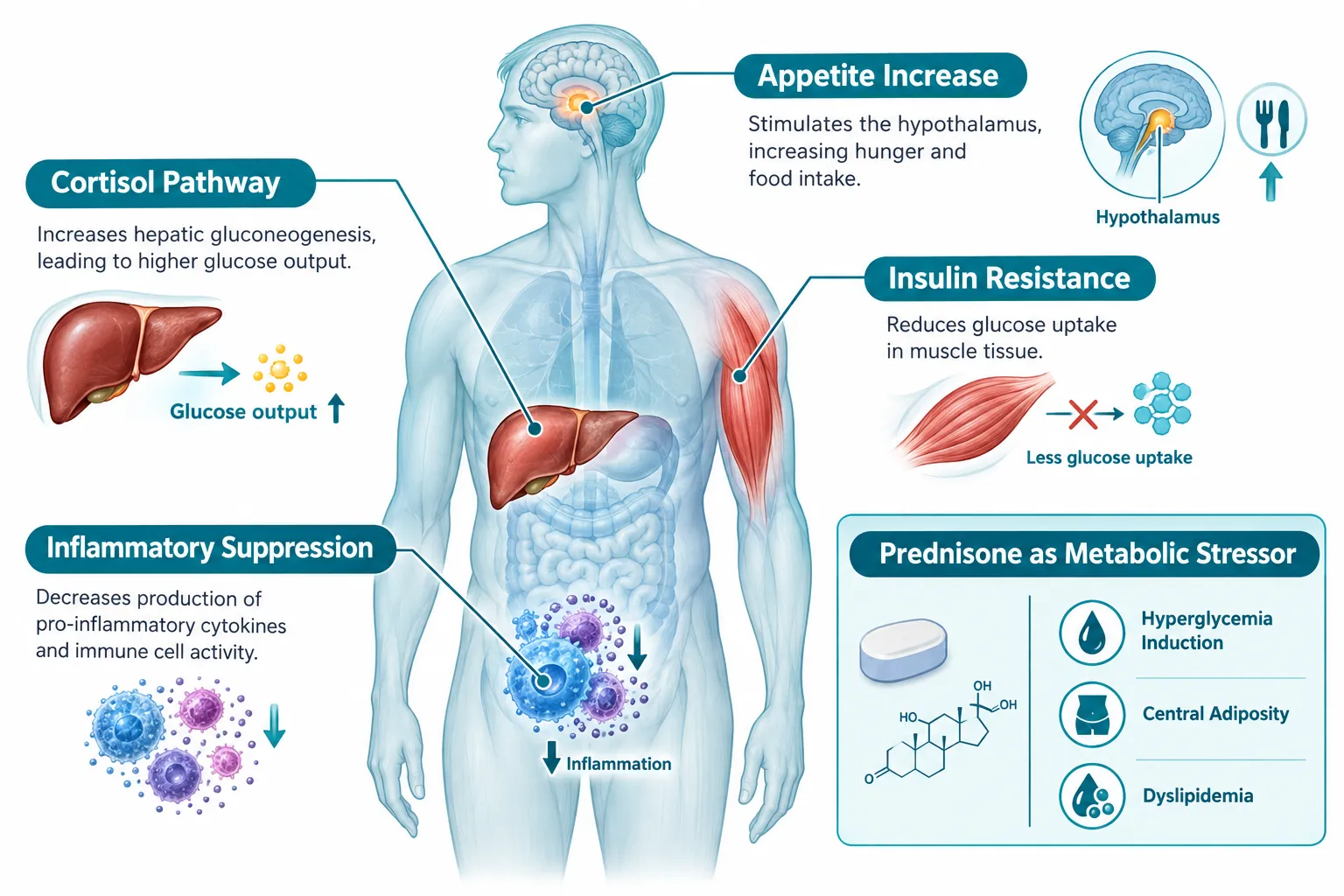
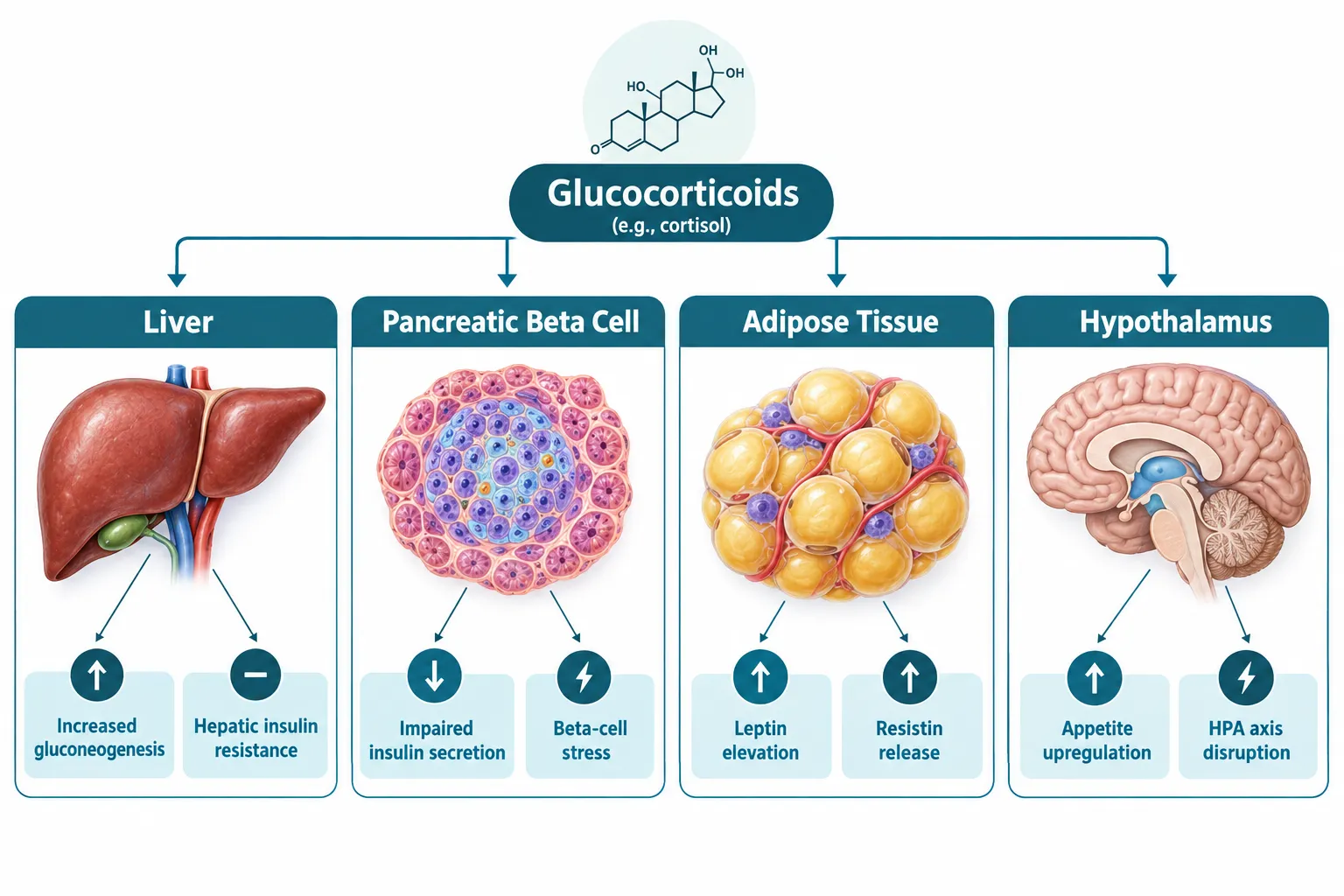
Prednisone is a synthetic glucocorticoid that suppresses inflammation powerfully, but it does so at a significant metabolic cost. Its mechanism operates through glucocorticoid receptors in the liver, skeletal muscle, adipose tissue, and the central nervous system — pathways that sit entirely upstream of the incretin axis that drugs like retatrutide target.
Key metabolic consequences of prednisone exposure include:
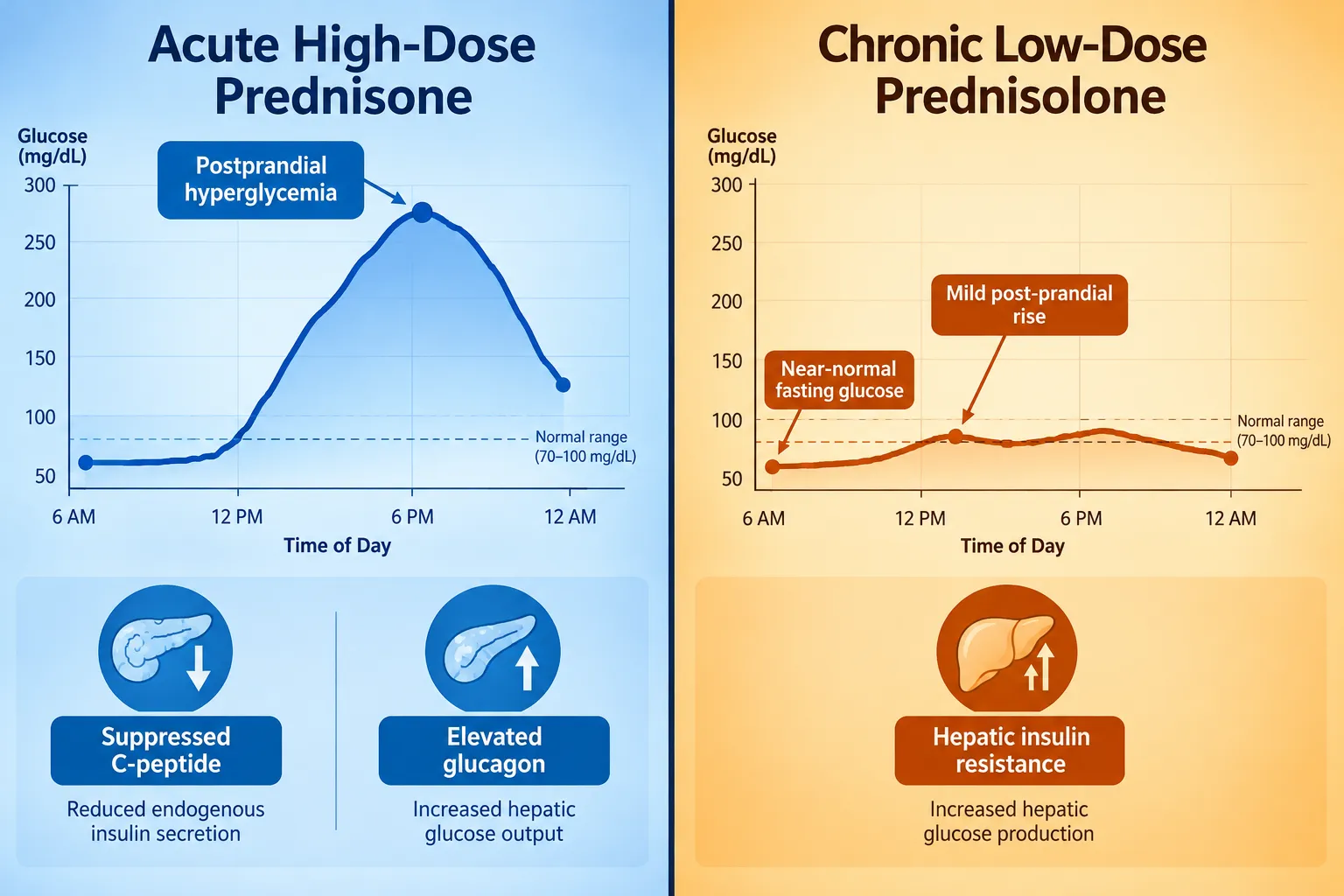
- Hepatic glucose output: Glucocorticoids stimulate gluconeogenesis, raising fasting and postprandial blood glucose independent of dietary intake.
- Peripheral insulin resistance: Prednisone impairs glucose uptake in skeletal muscle, elevating plasma insulin and eventually worsening the HOMA-IR index.
- Appetite stimulation: Glucocorticoid signaling in the hypothalamus increases hunger drive and promotes caloric overconsumption.
- Central adiposity: Chronic exposure redistributes body fat toward visceral depots, compounding cardiometabolic risk.
- Dyslipidemia: LDL cholesterol and triglycerides rise, mirroring the lipid profile seen in metabolic syndrome.
These effects are well-characterized and reproducible, which is precisely why prednisone serves as a reliable positive control for metabolic dysfunction in experimental models. When a model needs a defined, dose-dependent shift in glucose handling and inflammatory tone, glucocorticoid exposure delivers that shift through a mechanism that does not overlap with incretin receptor signaling.
"Prednisone creates a metabolic environment that mirrors glucocorticoid-induced insulin resistance in clinical populations — making it an ideal reference condition against which incretin-based therapies can be tested."
Retatrutide's Mechanism: A Multi-Target Counter to Metabolic Stress
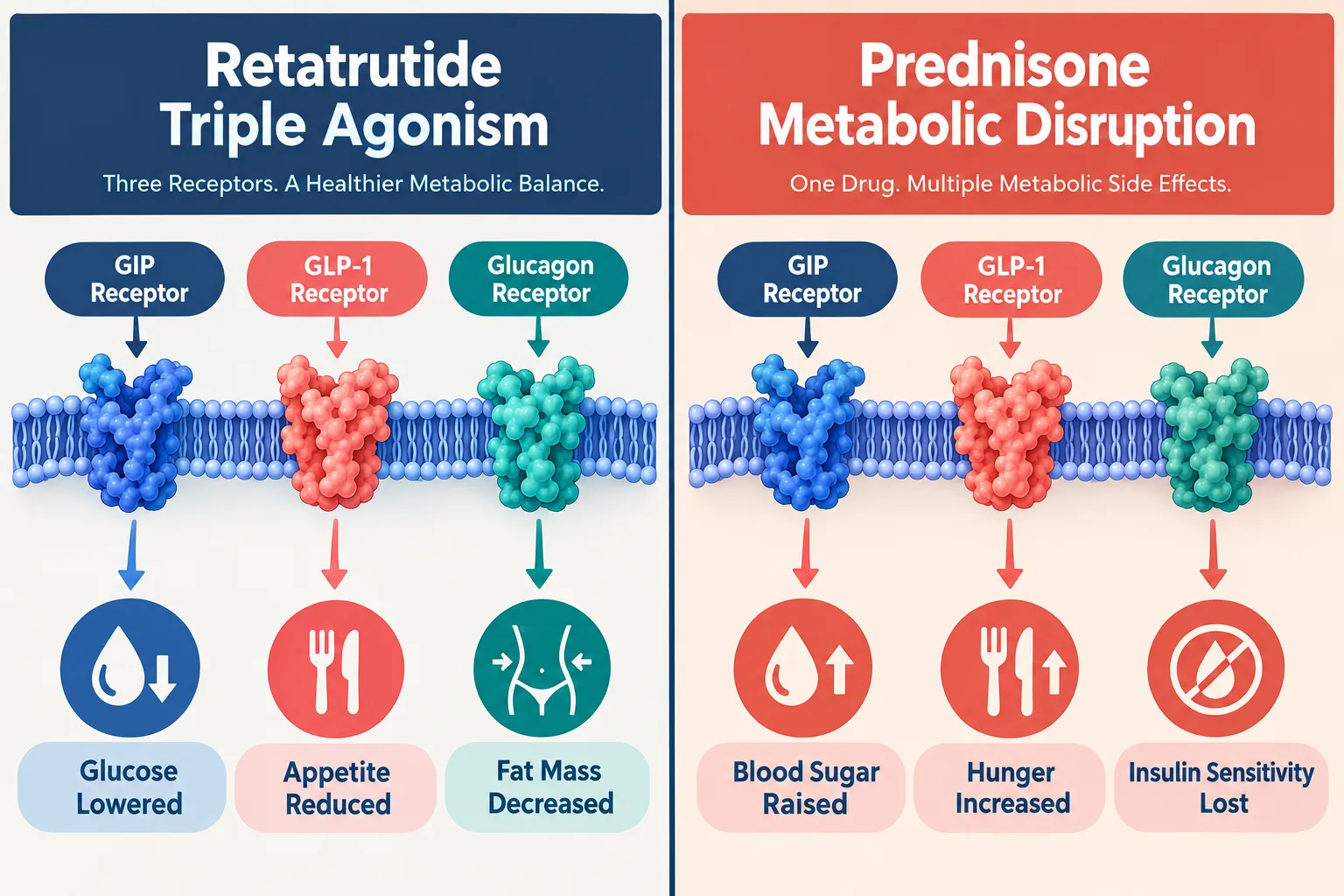
Retatrutide operates through simultaneous agonism at three receptors: glucose-dependent insulinotropic polypeptide (GIP), glucagon-like peptide-1 (GLP-1), and glucagon receptors. This triple-agonist profile positions it as a multi-target metabolic therapy rather than a single-pathway weight-loss agent.
In phase 2 obesity trials, the 12 mg weekly dose produced mean weight loss of up to 24.2% at 48 weeks. In type 2 diabetes studies, HbA1c fell by up to 2.02 percentage points at 36 weeks, with approximately 95% of participants at the highest dose achieving HbA1c below 7%. These are not marginal shifts — they represent the kind of quantitative anchors that make retatrutide data highly valuable for model calibration.
Preclinical work in diet-induced obesity mouse models reinforces the human findings. Retatrutide reduced body weight by 31% versus vehicle, lowered fasting blood glucose by roughly 27%, and cut plasma insulin by approximately 57%, producing a significant improvement in HOMA-IR. Critically, the acute metabolic impact was driven primarily by reduced food and water intake rather than increased energy expenditure, confirming that appetite suppression is the dominant early mechanism.
For researchers sourcing the compound for controlled studies, resources on retatrutide clinical trial data and options to buy GLP-3 Reta provide useful starting points. Those exploring specific formulations may also review Reta 10mg options or check where to buy Reta peptide for sourcing guidance.
Designing Controls for Glucose, Appetite, and Inflammation Using Both Agents
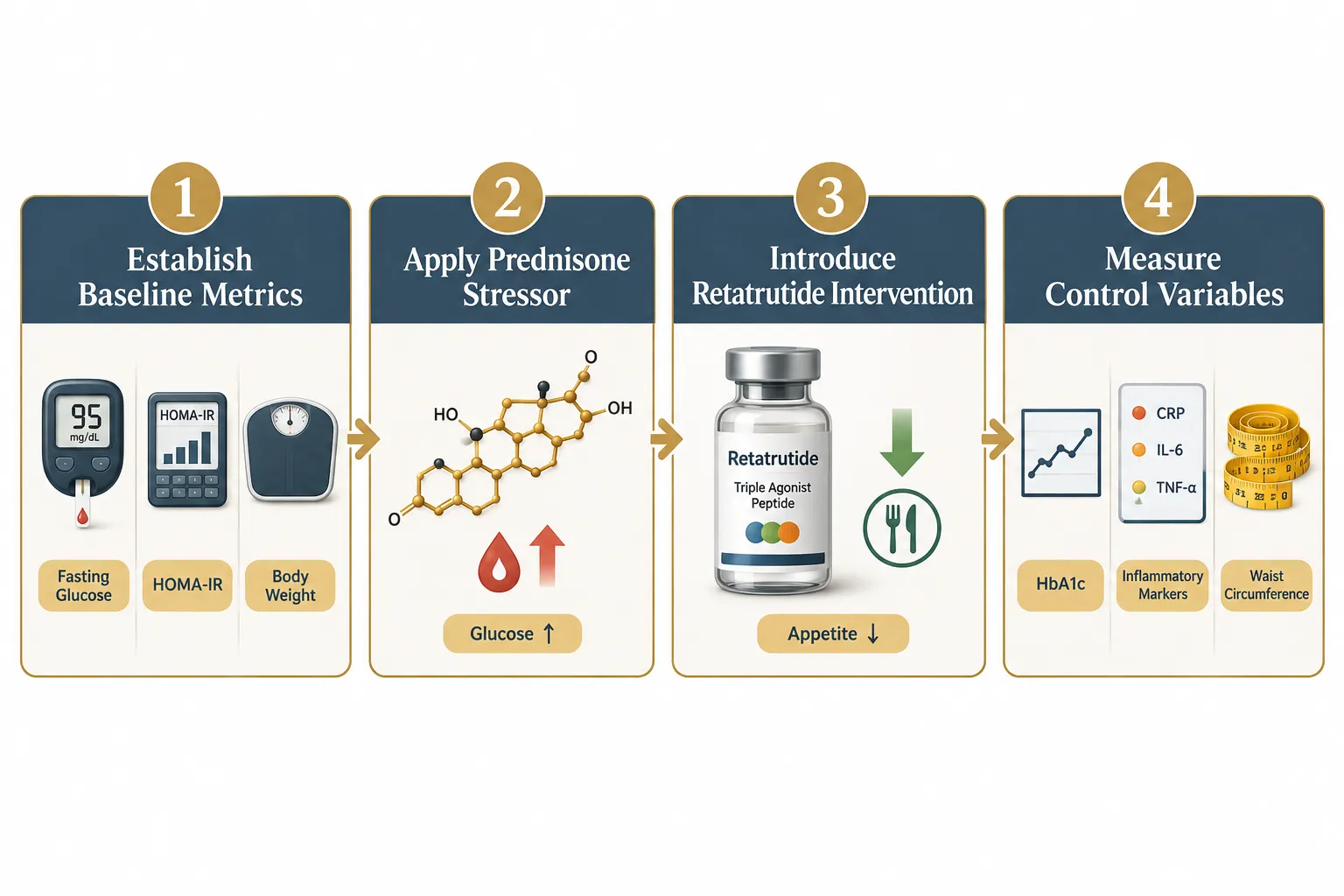
The strategic value of studying prednisone versus retatrutide in metabolic models for designing controls for glucose, appetite, and inflammation lies in the mechanistic separation between the two compounds. Prednisone stresses the system through glucocorticoid pathways; retatrutide repairs it through incretin and glucagon pathways. Together, they create a push-pull experimental framework with clearly defined variables.
Selecting Control Variables
A well-designed model should include readouts across three domains:
| Domain | Key Variables |
|---|---|
| Glucose Metabolism | Fasting glucose, postprandial glucose, HbA1c, HOMA-IR, plasma insulin |
| Appetite and Body Composition | Body weight, food intake, fat mass, lean mass, waist circumference |
| Inflammation | CRP, IL-6, TNF-alpha, atherogenic lipids (LDL, triglycerides) |
Structuring the Experimental Arms
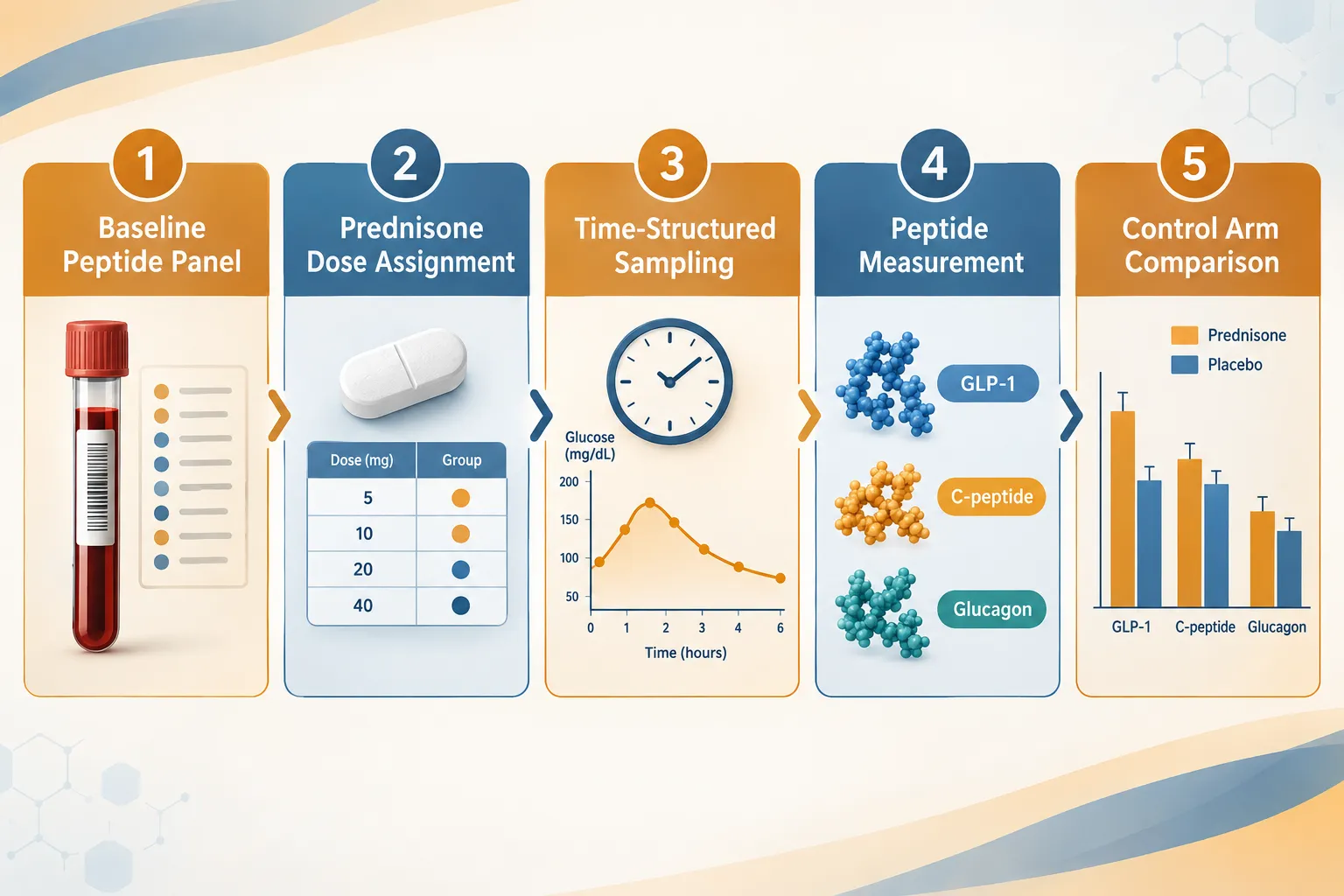
A practical four-arm design includes:
- Vehicle control — establishes true baseline
- Prednisone-only arm — induces defined metabolic dysfunction (positive control for stress)
- Retatrutide-only arm — demonstrates therapeutic normalization
- Prednisone plus retatrutide arm — tests whether incretin-based therapy can rescue glucocorticoid-induced metabolic disruption
This design mirrors the framework used in the TRIUMPH phase 3 program, which tracks waist circumference, blood pressure, lipids, glycemic parameters, and patient-reported outcomes as secondary endpoints — a comprehensive set of metabolic and inflammatory surrogates that translates well into experimental model design.
For those comparing peptide-based interventions more broadly, the discussion of LL-37 versus SS-31 benefits offers useful context on how different peptide classes are evaluated against inflammatory and metabolic endpoints. Additional sourcing information for the Reta GLP-3 peptide is available for researchers planning procurement.
Timing and Dose Considerations
- Prednisone-induced insulin resistance develops within days of consistent dosing, making it a rapid stressor suitable for acute and subchronic models.
- Retatrutide's appetite effects emerge early (within the first week in preclinical models), while its full glycemic and weight effects accumulate over weeks to months.
- Aligning measurement windows to capture both early appetite changes and later glycemic normalization is essential for interpreting interaction effects.
Conclusion
Designing rigorous metabolic models requires controls that are mechanistically distinct, reproducible, and clinically relevant. Prednisone fills the role of a glucocorticoid stressor that shifts glucose handling, appetite, inflammatory markers, and body composition through pathways entirely independent of incretin signaling. Retatrutide, with its triple-agonist profile and robust clinical data, provides a quantifiable therapeutic counterpoint.
Actionable next steps for researchers:
- Define primary endpoints (HOMA-IR, HbA1c, or body weight) before selecting dose levels for either agent.
- Use the TRIUMPH phase 3 endpoint framework as a template for selecting secondary metabolic and inflammatory surrogates.
- Include a prednisone-plus-retatrutide combination arm to test whether incretin therapy can overcome glucocorticoid-induced metabolic disruption.
- Validate preclinical findings against the phase 2 quantitative benchmarks (27% fasting glucose reduction, 57% plasma insulin reduction) to assess translational relevance.
When prednisone versus retatrutide in metabolic models for designing controls for glucose, appetite, and inflammation is approached with this mechanistic clarity, the resulting data carry far greater explanatory power — and far greater potential to inform clinical decision-making.