Selank vs Semax: Which Nootropic Peptide Is Better Suited to Different Research Questions?
Two synthetic peptides derived from endogenous neuropeptides, one engineered from tuftsin, the other from ACTH(4-7), have quietly become among the most studied intranasal compounds in preclinical neuroscience. The question of Selank vs Semax: which nootropic peptide is better suited to different research questions? is not a matter of one compound being superior. It is a matter of which biological target, which model system, and which outcome variable the research design is built around.
Key Takeaways
- Selank (TP-7) is a heptapeptide analog of tuftsin with primary research interest in anxiolytic, GABAergic, and stress-response models.
- Semax is an ACTH(4-7) analog with primary research interest in BDNF upregulation, neuroprotection, and cognitive-function models.
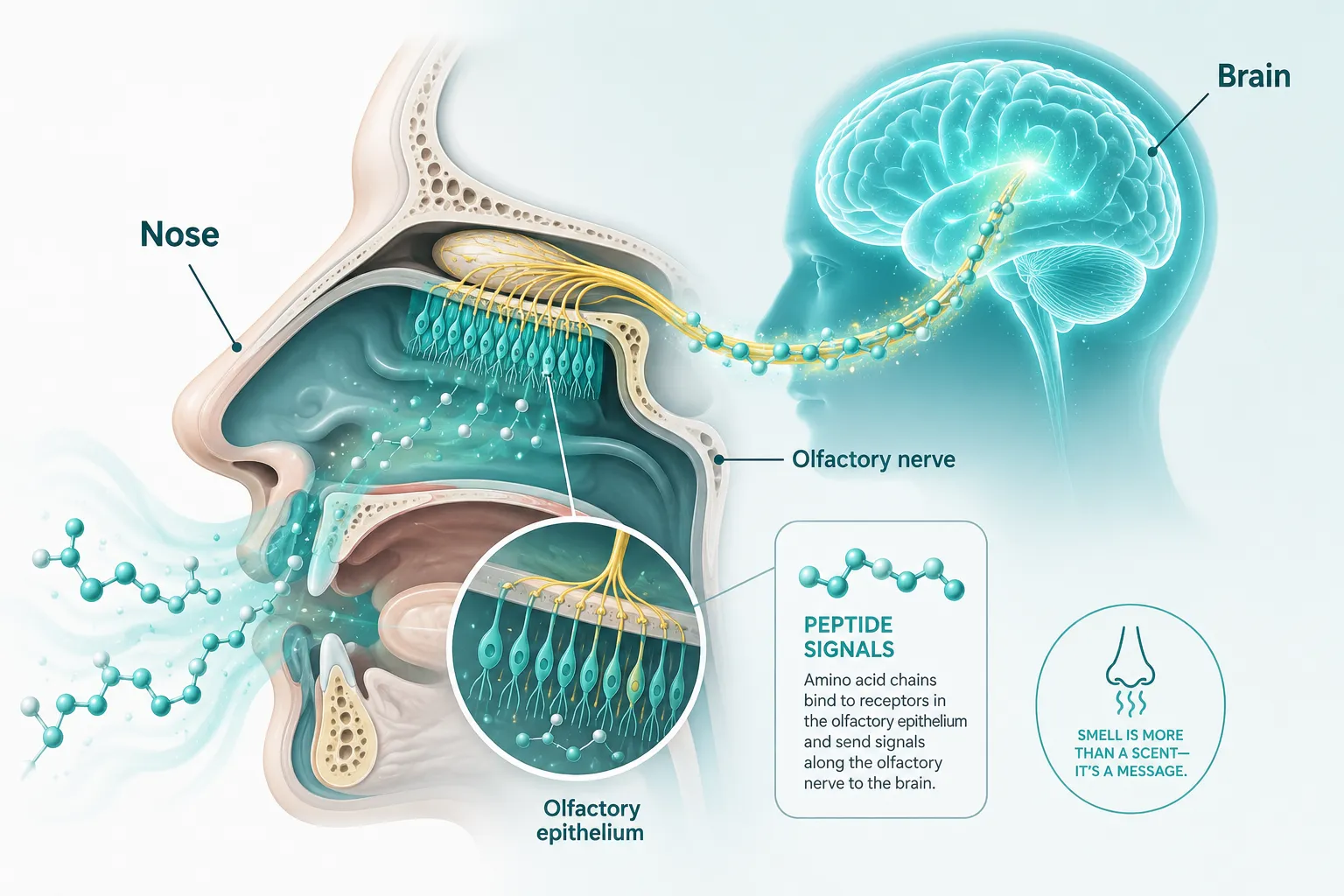
- Both peptides are typically studied in intranasal formulations that allow for direct mucosal-to-CNS delivery pathways.
- The two compounds are not interchangeable; their mechanistic profiles make them better suited to distinct experimental endpoints.
- Researchers selecting between them should align the compound's known receptor interactions with the specific biological question being tested.
Structural Origins and Mechanistic Profiles
Understanding the Selank vs Semax distinction begins at the molecular level.
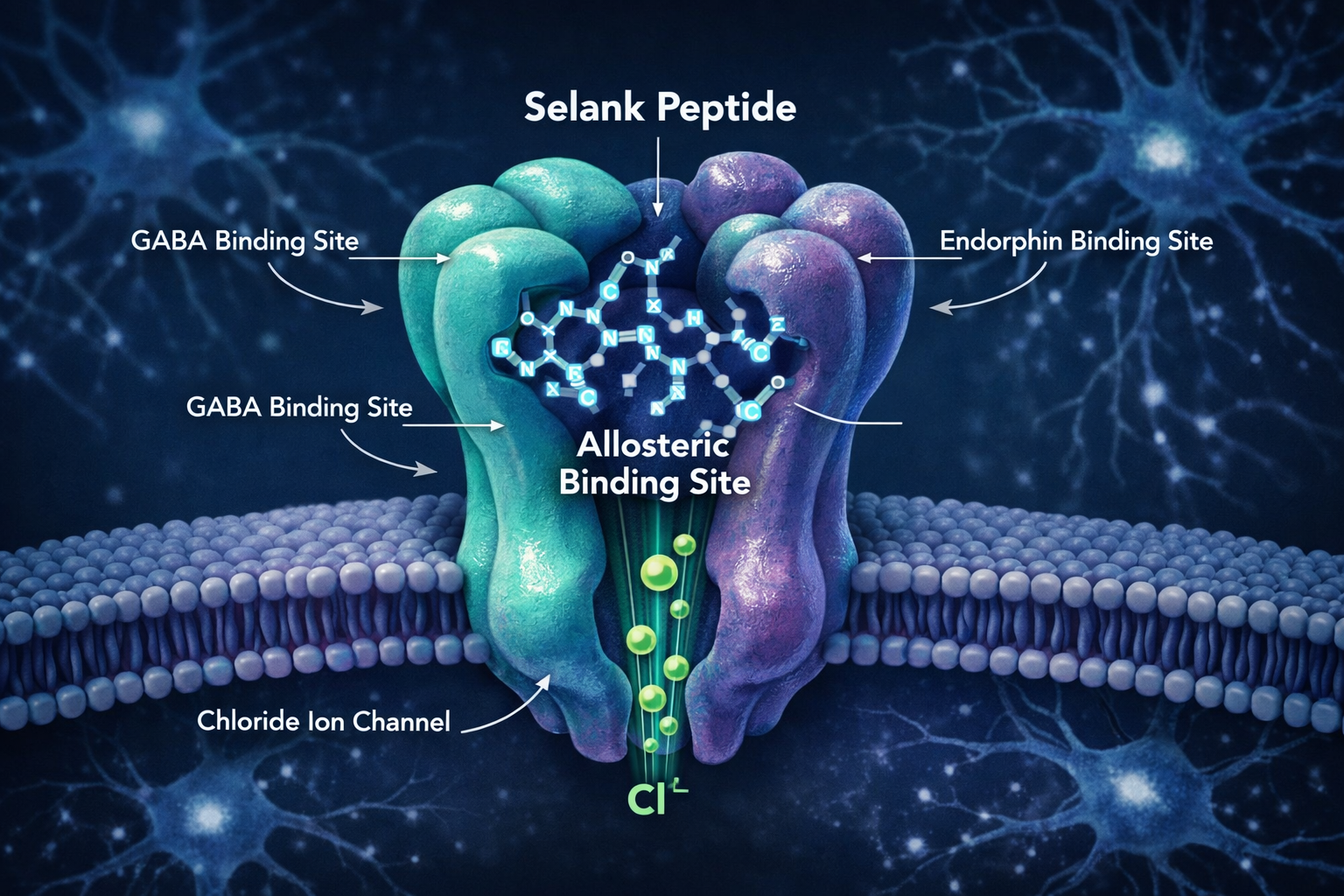
Selank (Thr-Lys-Pro-Arg-Pro-Gly-Pro) is a synthetic analog of the endogenous tetrapeptide tuftsin. Its seven-amino-acid sequence was developed to extend the biological half-life of tuftsin while preserving and amplifying its central nervous system activity. Preclinical data suggest Selank modulates GABAergic transmission, influences serotonin metabolism, and reduces expression of anxiety-related behaviors in rodent models. It has also been associated with regulation of interleukin-6, pointing toward potential neuroimmune research applications.
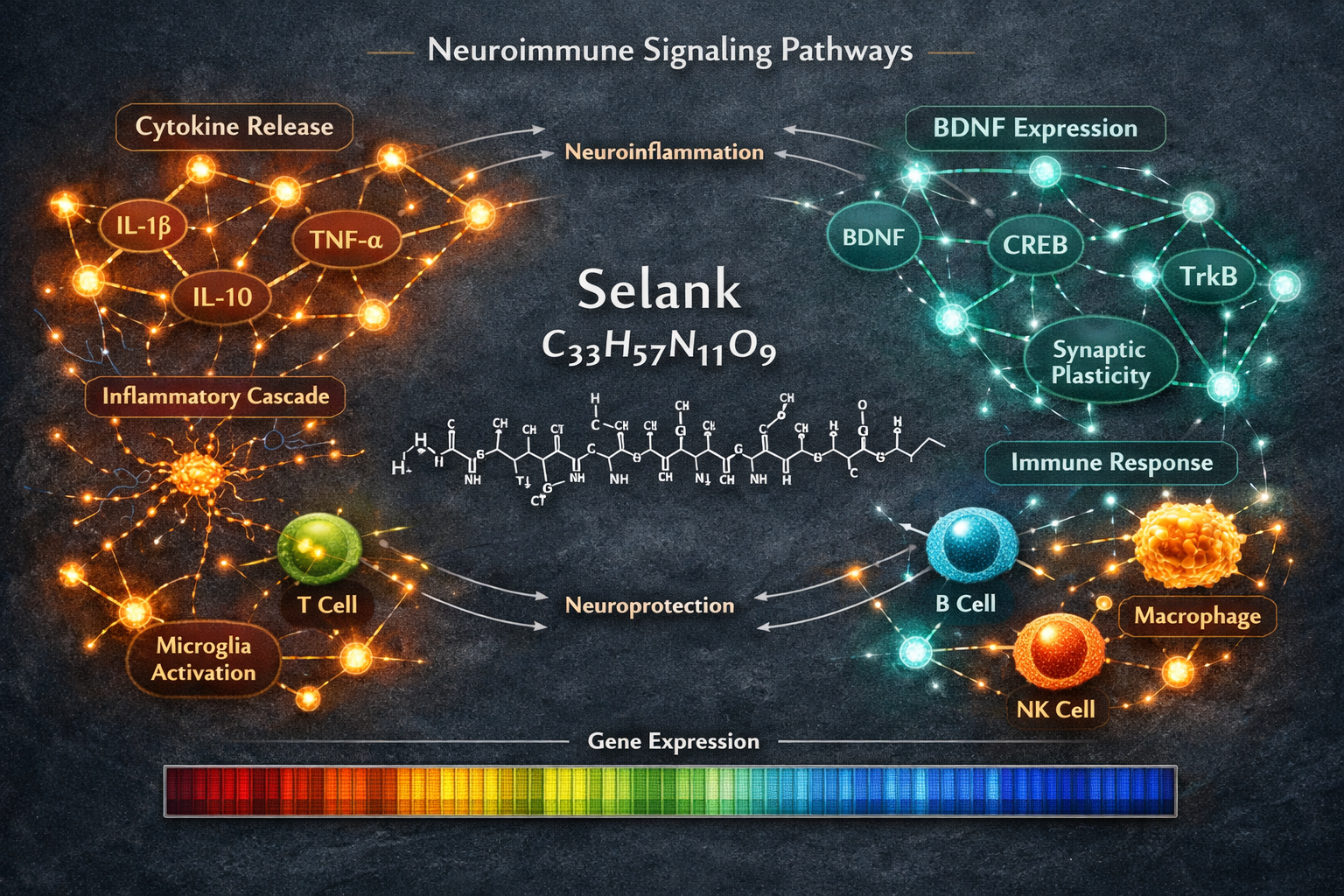
Semax (Met-Glu-His-Phe-Pro-Gly-Pro) is derived from the ACTH(4-7) fragment and was developed in Russia as a neuroprotective and cognitive-enhancing agent. Its most cited mechanism involves upregulation of brain-derived neurotrophic factor (BDNF) and its receptor TrkB, alongside effects on dopaminergic and serotonergic systems. Research models have also examined its role in reducing ischemic damage and supporting neuronal survival under stress conditions.
"The mechanistic divergence between Selank and Semax is not incidental, it reflects fundamentally different parent molecules and different design goals."
Both peptides are commonly delivered via nasal spray formulations. For a detailed look at how intranasal delivery affects bioavailability in CNS-targeted peptide research, see this overview of nasal spray peptides, delivery methods, bioavailability, and research advantages.
Selank vs Semax: Which Nootropic Peptide Is Better Suited to Different Research Questions in Stress and Anxiety Models?
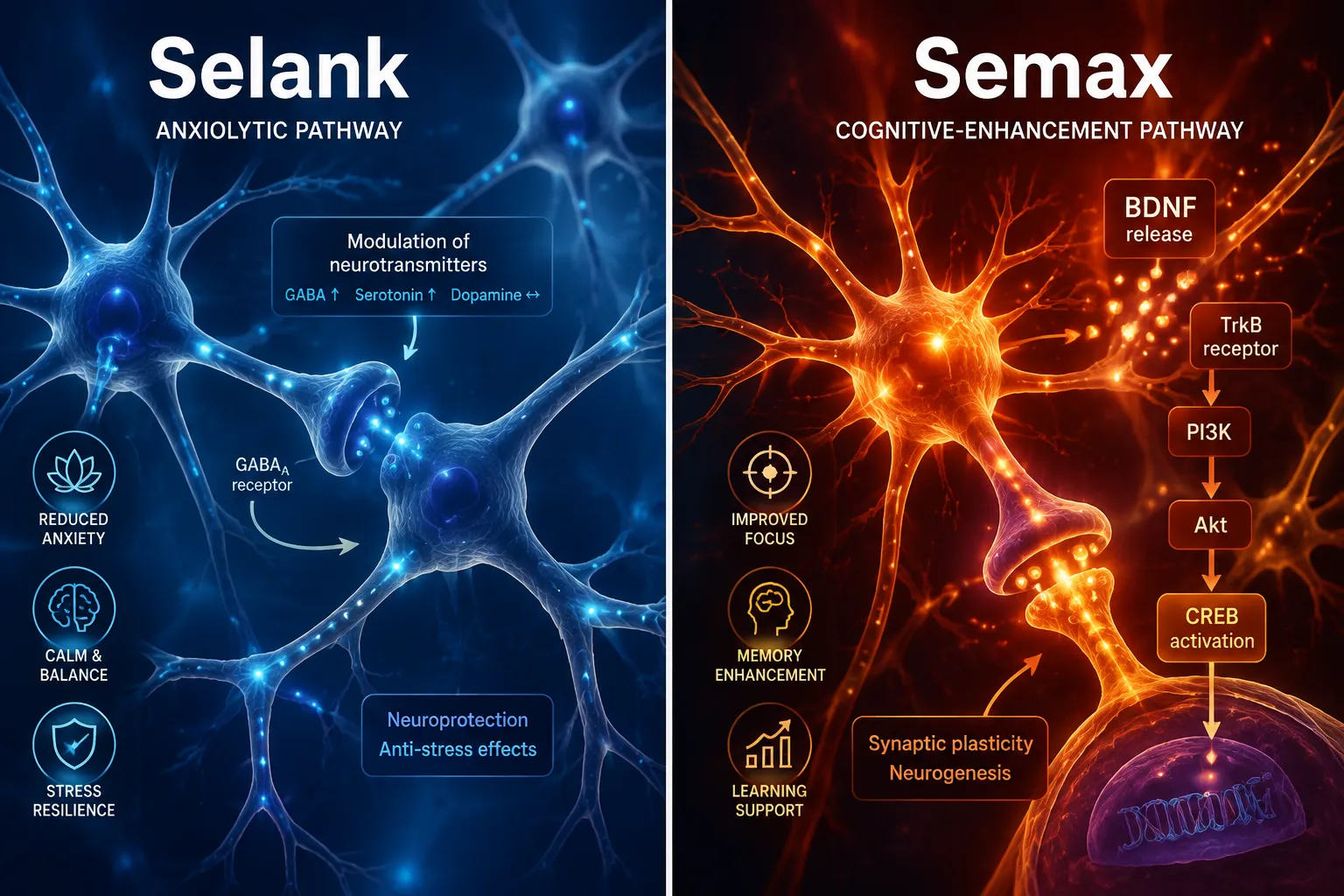
When the research question centers on stress response, anxiety behavior, or GABAergic modulation, Selank is generally the more mechanistically aligned candidate.
Selank in Stress and Anxiety Research
Preclinical studies in rodent models have consistently shown Selank reduces anxiety-like behavior in elevated plus-maze and open-field tests. The proposed mechanisms include:
- Enhancement of GABAergic inhibitory tone
- Modulation of serotonin (5-HT) turnover in limbic regions
- Downregulation of pro-inflammatory cytokines, including IL-6, in stress-exposed animals
- Stabilization of enkephalin degradation, extending endogenous opioid activity
These properties make Selank a logical selection for studies examining anxiolytic mechanisms without sedation, stress-induced neuroinflammation, or neuroimmune crosstalk in anxiety models.
Semax in Stress-Adjacent Models
Semax is not without stress-related research relevance. Its BDNF-upregulating activity has implications for stress-induced neuroplasticity research, and some studies have examined its role in reducing oxidative stress markers after ischemic events. However, its primary profile is oriented toward cognitive enhancement and neuroprotection rather than direct anxiolytic action.
For a side-by-side look at how both peptides are positioned in intranasal research formulations, the article on research-use only nasal spray peptides comparing Semax, Selank, and Klow Nasal for cognitive and anxiolytic models provides additional context.
Selank vs Semax: Which Nootropic Peptide Is Better Suited to Different Research Questions in Cognitive and Neuroprotective Models?
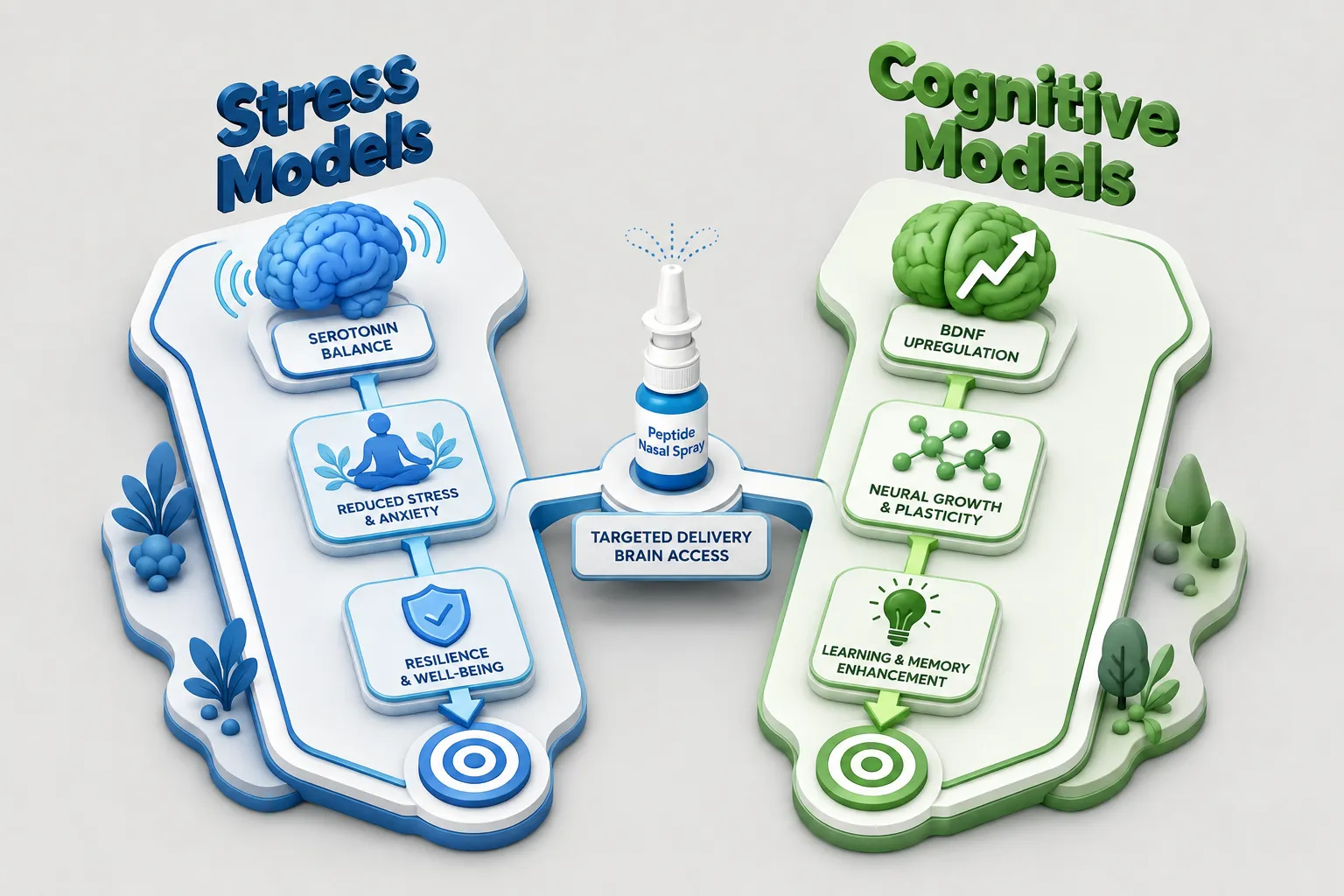

When the research question centers on memory, learning, neuroplasticity, or neuroprotection, Semax is the more mechanistically appropriate compound.
Semax in Cognitive Research
The BDNF-upregulating activity of Semax is its most studied and cited feature in cognitive research contexts. BDNF plays a central role in:
| Research Area | Semax Relevance |
|---|---|
| Long-term potentiation (LTP) | BDNF/TrkB signaling supports synaptic strengthening |
| Ischemic neuroprotection | Reduces apoptotic markers in oxygen-deprivation models |
| Dopaminergic modulation | Influences dopamine receptor sensitivity in prefrontal models |
| Learning and memory tasks | Improved performance in Morris water maze and passive avoidance tests |
Researchers designing studies around post-ischemic recovery, cognitive deficit models, or BDNF-pathway interventions will find Semax's profile substantially more relevant than Selank's.
For detailed administration and dosing concepts specific to Semax nasal spray formulations, refer to the resource on Semax peptide nasal spray administration, dosing concepts, and research applications.
Selank in Cognitive Research
Selank is not without cognitive research relevance. Some studies report improvements in working memory and attention in anxious animal models, likely secondary to its anxiolytic effects reducing cognitive interference. However, these effects are generally considered downstream of its primary anxiolytic action rather than direct nootropic mechanisms.
Practical Research Design Considerations
Choosing between Selank and Semax in 2026 requires researchers to map compound profiles against experimental endpoints with precision. The following framework helps clarify the selection:
Choose Selank when:
- The primary endpoint involves anxiety-like behavior or GABAergic tone
- The model involves stress-induced neuroinflammation or cytokine dysregulation
- The research question requires anxiolytic action without sedative confounds
- The study examines neuroimmune interactions in limbic regions
Choose Semax when:
- The primary endpoint involves BDNF expression, synaptic plasticity, or LTP
- The model involves ischemia, hypoxia, or oxidative neuronal stress
- The research question requires dopaminergic or serotonergic modulation in prefrontal circuits
- The study examines neuroprotection or post-injury cognitive recovery
Researchers working with combined intranasal peptide formulations may also find value in reviewing the Klow blend peptide nasal spray research applications and bioavailability considerations for context on how multi-peptide nasal formulations are structured in preclinical settings.
For labs evaluating procurement and quality standards before sourcing either compound, the guide on research-use only nasal spray peptides: what labs should know before buying Semax, Selank, and Klow Nasal formulations outlines purity benchmarks and supplier evaluation criteria.
Conclusion
The debate around Selank vs Semax: which nootropic peptide is better suited to different research questions? resolves most cleanly when researchers anchor their compound selection to mechanistic specificity rather than general "nootropic" categorization.
Selank belongs in stress, anxiety, and neuroimmune research designs. Semax belongs in cognitive enhancement, neuroprotection, and BDNF-pathway studies. Both compounds deserve rigorous, hypothesis-driven investigation using research-grade materials with verified purity documentation.
Actionable next steps for researchers:
- Define the primary biological endpoint before selecting a compound
- Review the receptor-level mechanistic literature for the specific model system being used
- Source only research-grade peptides with third-party purity verification
- Design controls that account for each compound's secondary effects on overlapping neurotransmitter systems
- Consult formulation-specific resources to ensure intranasal delivery parameters match published preclinical protocols