Call or Text 727-513-9780
  • Shopping Cart Shopping Cart
    0Shopping Cart
Pure Tested Peptides | America's most trusted Peptides for sale online
  • Peptides for sale
    • Oral Peptides for sale
      • Peptide Capsules for sale
      • BPC 157 Capsules 1000mcg
      • SLU-PP-332 Capsules | 1000 mcg
      • 5-Amino-1MQ 50mg Capsules
      • Tesofensine 500mcg
    • All Peptides for sale
    • Peptide Sprays
      • BPC 157 Nasal Spray Kit
      • BPC-157 TB500 Nasal Spray Kit
      • Semax Nasal Spray 10mg
      • Selank – Nasal Spray Kit – 10mg
      • Epithalon 50MG Nasal Spray Kit
      • Ipamorelin 10mg Nasal Spray
      • Klow Nasal Spray (BPC-157 + TB-500 + GHK-Cu + KPV) | 80mg
      • Hulk Nasal Spray Tesa / Ipa Blend 6/3 MG
      • Klow Nasal Spray
      • NAD + 500 mg Nasal Spray
      • PT-141 Nasal Spray Kit
    • GHRH Peptides
      • Ipa Peptides
      • CJC-1295 Peptides
        • CJC-1295 with DAC 5 mg
        • CJC-1295 without DAC 5 mg
        • CJC-1295 Ipa 10mg
      • Tesa Peptides
        • Tesa Peptide
        • Tesa 20 mg
    • GHK-Cu Peptides
      • All GHK-Cu Peptides
      • GHK-Cu 100mg
      • KLOW Peptide Blend – Buy KLOW blend online
    • BPC Peptides
      • All BPC Peptides
      • BPC-157
      • BPC-157 TB-500
      • BPC 157 capsules 1000mcg
    • SLU-PP-332 Peptides
      • All SLU-PP-332 Peptides
      • SLU-PP-332 5mg
    • GLP3 Peptides
    • PT-141 Peptides
      • PT-141 Peptides for sale
      • PT-141 10mg
      • PT-141 Nasal Spray
    • CAG Peptides
      • Lipo-C Peptide Blend
      • CAG 5mg
      • CAG 10mg
    • MOTS-C Peptides
      • MOTS-C Peptides for sale
      • MOTS-c peptide
      • MOTS-c 10mg *6 pack*
    • 5 Amino 1MQ Peptides
      • 5 Amino 1MQ Peptides for sale
      • 5-Amino-1MQ 50mg Capsules
      • 5-Amino-1MQ 5mg
    • Epithalon Peptides
      • Epithalon Peptides for sale
      • Epithalon 10mg
      • Epithalon 50mg
  • Shop
    • GLPs
      • 5-Amino-1MQ 50mg Capsules
      • 5-Amino-1MQ 5mg
      • L-Carnitine 500mg/ml
      • Tesofensine 500mcg
      • SLU-PP-332 5mg
      • MOTS-c 10mg *6 pack*
    • Epithalon & BPC Peptides
      • Epithalon 10mg
      • Epithalon 50mg
      • BPC-157
      • BPC 157 capsules 1000mcg
      • BPC-157 TB-500
      • BPC-157 TB500 Nasal Spray Kit
      • BPC 157 Nasal Spray Kit
    • BPC TB-500 & NAD+ Peptides
      • NAD+ 500 mg
      • KLOW Peptide Blend – Buy KLOW blend online
      • GLOW Peptide Blend
      • TB 500 5mg
      • BPC 157 capsules 1000mcg – Supplement
      • BPC 157 Nasal Spray Kit
      • BPC-157
      • BPC-157 TB500 Nasal Spray Kit
      • BPC-157 TB-500
      • BPC 157 capsules 1000mcg
    • LL-37 Peptide
      • LL-37 10 mg
    • MOTS-C & Selank
      • MOTS-c peptide
      • Selank 10mg
    • GHK Peptides
      • GHK-Cu 100mg
      • GLOW Peptide Blend
      • KLOW Peptide Blend – Buy KLOW blend online
  • COAs
  • Wholesale
    • Wholesale Peptides for sale
  • PTP FAQ
  • Affiliates
    • Selank Peptide: Advanced Pharmacological Mechanisms Underlying Its Anxiolytic and Nootropic Effects in Research
      • 5-Amino-1MQ Peptide: Detailed Mechanisms of NNMT Inhibition and Its Impact on Cellular Metabolism Research
        • MOTS-C Peptide: Unraveling Its Role in Mitochondrial Dynamics and Energy Metabolism Research
          • Epithalon Peptide and Telomerase Regulation: Investigating Its Impact on Cellular Senescence and Lifespan Research Models
            • GLP2-T vs GLP2 Tirz Peptide: Understanding the Naming, Mechanistic Nuances, and Research Implications for Gut Health
      • Peptides and Polypeptides in Modern Pharmacology: What Research on Metoprolol, Prednisone, and Amlodipine Reveals
        • Polypeptide Peptides vs NSAIDs: What Naproxen and Diclofenac Teach Tissue-Repair Researchers About BPC‑157 and TB‑500
          • Peptides and Polypeptides in Endocrine Pharmacology: How GLP-1, GLP-2, and GLP-3 Retatrutide Differ From Classic Drugs Like Prednisone and Amlodipine
          • 5‑Amino‑1MQ Peptide and NNMT Inhibition: How It Compares With Statins Like Atorvastatin in Adipose and Lipid Metabolism Research
      • Enclomiphene, Estrogen Receptor Signaling, and Luteinizing Phase Biology: What Hormone Researchers Should Measure
        • Mesenchymal Stem Cells, BPC‑157, and GHK‑Cu: How Tissue Repair Peptides Compare With Classic NSAIDs Like Naproxen in Injury Models
          • Peptide Calculator Use Cases Beyond Growth Hormone: Working Through GLP‑3 Retatrutide, MOTS‑c, and BPC‑157 Research Dosing
        • Polypeptide Peptides in Endocrine and Metabolic Pharmacology: Lessons From Amlodipine, Prednisone, and Metoprolol
        • Peptides Calculator for Advanced Blends: Worked Examples for Tesamorelin, CJC‑1295, and Ipamorelin Stacks
          • Peptides and Polypeptides in Human Physiology: How Molecular Size Shapes Research Applications
            • Selank Peptide: Advanced Pharmacological Mechanisms Underlying Its Anxiolytic and Nootropic Effects in Research
          • 5-Amino-1MQ Peptide: Detailed Mechanisms of NNMT Inhibition and Its Impact on Cellular Metabolism Research
            • MOTS-C Peptide: Unraveling Its Role in Mitochondrial Dynamics and Energy Metabolism Research
              • Epithalon Peptide and Telomerase Regulation: Investigating Its Impact on Cellular Senescence and Lifespan Research Models
                • GLP2-T vs GLP2 Tirz Peptide: Understanding the Naming, Mechanistic Nuances, and Research Implications for Gut Health
                  • Peptides and Polypeptides in Endocrine Pharmacology: How GLP-1, GLP-2, and GLP-3 Retatrutide Differ From Classic Drugs Like Prednisone and Amlodipine
                    • Polypeptide Peptides vs NSAIDs: What Naproxen and Diclofenac Teach Tissue-Repair Researchers About BPC‑157 and TB‑500
                      • Peptides and Polypeptides in Modern Pharmacology: What Research on Metoprolol, Prednisone, and Amlodipine Reveals
                        • 5‑Amino‑1MQ Peptide and NNMT Inhibition: How It Compares With Statins Like Atorvastatin in Adipose and Lipid Metabolism Research
                        • Enclomiphene, Estrogen Receptor Signaling, and Luteinizing Phase Biology: What Hormone Researchers Should Measure
                        • Mesenchymal Stem Cells, BPC‑157, and GHK‑Cu: How Tissue Repair Peptides Compare With Classic NSAIDs Like Naproxen in Injury Models
                        • Peptide Calculator Use Cases Beyond Growth Hormone: Working Through GLP‑3 Retatrutide, MOTS‑c, and BPC‑157 Research Dosing
                        • Polypeptide Peptides in Endocrine and Metabolic Pharmacology: Lessons From Amlodipine, Prednisone, and Metoprolol
                        • Peptides Calculator for Advanced Blends: Worked Examples for Tesamorelin, CJC‑1295, and Ipamorelin Stacks
                        • Peptides and Polypeptides in Human Physiology: How Molecular Size Shapes Research Applications
                        • Selank Peptide: Advanced Pharmacological Mechanisms Underlying Its Anxiolytic and Nootropic Effects in Research
                        • MOTS-C Peptide: Unraveling Its Role in Mitochondrial Dynamics and Energy Metabolism Research
                        • Peptides and Polypeptides in Modern Pharmacology: What Research on Metoprolol, Prednisone, and Amlodipine Reveals
                        • Peptides and Polypeptides in Endocrine Pharmacology: How GLP-1, GLP-2, and GLP-3 Retatrutide Differ From Classic Drugs Like Prednisone and Amlodipine
                        • 5-Amino-1MQ Peptide: Detailed Mechanisms of NNMT Inhibition and Its Impact on Cellular Metabolism Research
                        • Mesenchymal Stem Cells, BPC‑157, and GHK‑Cu: How Tissue Repair Peptides Compare With Classic NSAIDs Like Naproxen in Injury Models
                        • Peptide Calculator Use Cases Beyond Growth Hormone: Working Through GLP‑3 Retatrutide, MOTS‑c, and BPC‑157 Research Dosing
                        • GLP2-T vs GLP2 Tirz Peptide: Understanding the Naming, Mechanistic Nuances, and Research Implications for Gut Health
                        • Polypeptide Peptides in Endocrine and Metabolic Pharmacology: Lessons From Amlodipine, Prednisone, and Metoprolol
                        • Polypeptide Peptides vs NSAIDs: What Naproxen and Diclofenac Teach Tissue-Repair Researchers About BPC‑157 and TB‑500
                        • Peptides and Polypeptides in Human Physiology: How Molecular Size Shapes Research Applications
                        • Peptides Calculator for Advanced Blends: Worked Examples for Tesamorelin, CJC‑1295, and Ipamorelin Stacks
                        • 5‑Amino‑1MQ Peptide and NNMT Inhibition: How It Compares With Statins Like Atorvastatin in Adipose and Lipid Metabolism Research
                        • Enclomiphene, Estrogen Receptor Signaling, and Luteinizing Phase Biology: What Hormone Researchers Should Measure
                        • Epithalon Peptide and Telomerase Regulation: Investigating Its Impact on Cellular Senescence and Lifespan Research Models
                        • Best research protocol Klow blend
                        • best time to take BPC-157
                        • best time to take DSIP (Delta Sleep Inducing Peptide)
                        • best time to take CJC-1295
                        • best time to take AOD-9604
                        • best time to take Follistatin 344
                        • best time to take Ipamorelin
                        • best time to take MK-677 (Ibutamoren)
                        • best time to take Ligandrol (LGD-4033) — research compound
                        • best time to take Ostarine (MK-2866) — research compound
                        • best time to take GHK-CU
                        • best time to take TB-500
                        • best time to take MOTS-c
                        • best time to take Semax
                        • best time to take RAD-140 (Testolone) — research compound
                        • best time to take Thymosin Alpha-1
                        • best time to take PEG-MGF
                        • Biolife Plasma, Octapharma Plasma, and Research Peptides: How Plasma Donation Labs Differ From Peptide Suppliers
                        • best time to take YK-11 — research compound
                        • best time to take PT-141 (Bremelanotide)
                        • Best research protocol Klow blend
                        • 5-Amino-1MQ and MOTS-C Synergy: Metabolic Signaling, Mitochondria, and Research Design
                        • BPC-157 and TB-500: Investigating Their Combined Effects on Angiogenesis and Cellular Migration in Tissue Repair Models
                        • BPC-157 Peptide: Gut Barrier Function, Inflammation, and Tissue-Recovery Research
                        • 5‑Amino‑1MQ and MOTS‑c Synergy in Metabolic Research: Designing NNMT and Mitochondrial Biogenesis Stacks
                        • CJC-1295 with DAC vs. Without DAC: Half-Life, Release Kinetics, and Research Implications
                        • CJC‑1295 with DAC vs. Without DAC: Expanding on Half‑Life Differences Using Tesamorelin and Ipamorelin Blend Case Studies
                        • Collagen Biology and Copper‑Binding Peptides: How GHK‑Cu, Glow Blend, and Klow Blend Interact with Skin and Connective Tissue
                        • Collagen Biology and Regenerative Peptides: How GHK‑Cu, Glow Blend, and Klow Blend Affect Extracellular Matrix Research
                    • DNA, Telomeres, and Longevity Peptides: Positioning Epithalon and MOTS‑c in Genetic Aging Research
                      • Enclomiphene Citrate: serm Mechanism, Testosterone Research, and Stack Compatibility
                        • Enclomiphene vs Enclomiphene Citrate: Formulation, Bioavailability, and Research Distinctions
                        • Epithalon Peptide Research: Telomerase Activation, Aging, and Pineal Gland Function
                        • Estrogen Receptor Signaling and Enclomiphene: How Selective Modulators Compare with Classic Polypeptide Hormones
                        • GHK-Cu Peptide: Advanced Mechanisms in Extracellular Matrix Remodeling and Wound Healing Research
                        • GHK-Cu Peptide: Collagen Synthesis, Wound Repair, and Skin-Barrier Research Models
                        • GLP-1 vs GLP-3 vs GLP-2: Peptide Classification and Research Applications
                        • GLP-2 Peptide Research Guide: Gut Barrier Function, Nutrient Absorption, and Intestinal Recovery Models
                        • GLP-3 Retatrutide vs. GLP-1 Drugs: What Triple-Agonist Biology Changes in Research Models
                        • Ipamorelin and Tesamorelin Combination: Synergistic GH Secretagogue Research and Dosing Protocols
                        • GLP2 Tirz Peptide: What It Is, Why the Name Exists, and How Researchers Should Interpret It
                        • Klow Blend Peptide Nasal Spray: What the Formulation Is Trying to Do in Cognitive Research
                        • Mitochondria, NNMT Inhibition, and Peptide Modulators: Where MOTS‑c and 5‑Amino‑1MQ Fit in Cellular Energy Research
                        • MOTS-c Peptide: Mitochondrial Function, Energy Metabolism, and What Researchers Measure
                        • MOTS-c vs. 5-Amino-1MQ: Which Metabolic Research Questions Each Compound Actually Answers
                        • Nasal Spray Peptides: Bioavailability, Administration, and Semax/Selank Research Applications
                        • PT-141 Peptide Research: Mechanism of Action and Melanocortin Receptor Signaling
                        • Retatrutide for Research: Mechanism, Structure, and GLP-1/GLP-3 Dual Action
                        • Retatrutide for Obesity and Type 2 Diabetes: What the Latest Trial Data Suggest
                        • Tesofensine Peptide Research: Mechanism, Appetite Suppression, and Neuropeptide Y Pathways
  • Contact
    • Contact Customer Service
    • Text Customer Support
  • About US
  • Shop all peptides
  • Affiliate Program
    • Affiliate Signup
  • Login / Register Login / Register Page Link Login / Register Page Link
  • Click to open the search input field Click to open the search input field Search
  • Menu Menu

Tag Archive for: dopamine signaling

Tesofensine vs GLP-3 Retatrutide: Comparing Appetite, Dopamine, Noradrenergic, and Incretin Signaling

Tesofensine vs GLP-3 Retatrutide: Comparing Appetite, Dopamine, Noradrenergic, and Incretin Signaling

September 30, 2026/0 Comments/in Uncategorized/by

Obesity pharmacology has split into two sharply different philosophies: rewire the brain's reward circuitry with monoamine reuptake inhibition, or flood peripheral and central receptors with gut-derived hormone signals. Tesofensine vs GLP-3 Retatrutide: Comparing Appetite, Dopamine, Noradrenergic, and Incretin Signaling sits at the center of that debate, and the contrast reveals just how many routes the body uses to regulate food intake, energy expenditure, and metabolic homeostasis.

Key Takeaways

  • Tesofensine suppresses appetite by blocking dopamine, norepinephrine, and serotonin reuptake in the central nervous system, while retatrutide activates three distinct gut-hormone receptors simultaneously.
  • Retatrutide's triple agonism at GLP-1, GIP, and glucagon receptors produces weight loss of up to 24% in phase 2 data, with phase 3 TRIUMPH-2 trials ongoing as of 2026.
  • Tesofensine's monoamine mechanism raises distinct cardiovascular and neuropsychiatric monitoring concerns not shared by incretin-based agents.
  • Both compounds converge on reduced caloric intake, but through entirely different upstream signaling cascades.
  • Retatrutide shows broader metabolic potential, including hepatic glucose regulation and improvements in insulin sensitivity, beyond appetite suppression alone.

How Tesofensine Works: Dopamine, Noradrenergic, and Serotonin Reuptake Inhibition

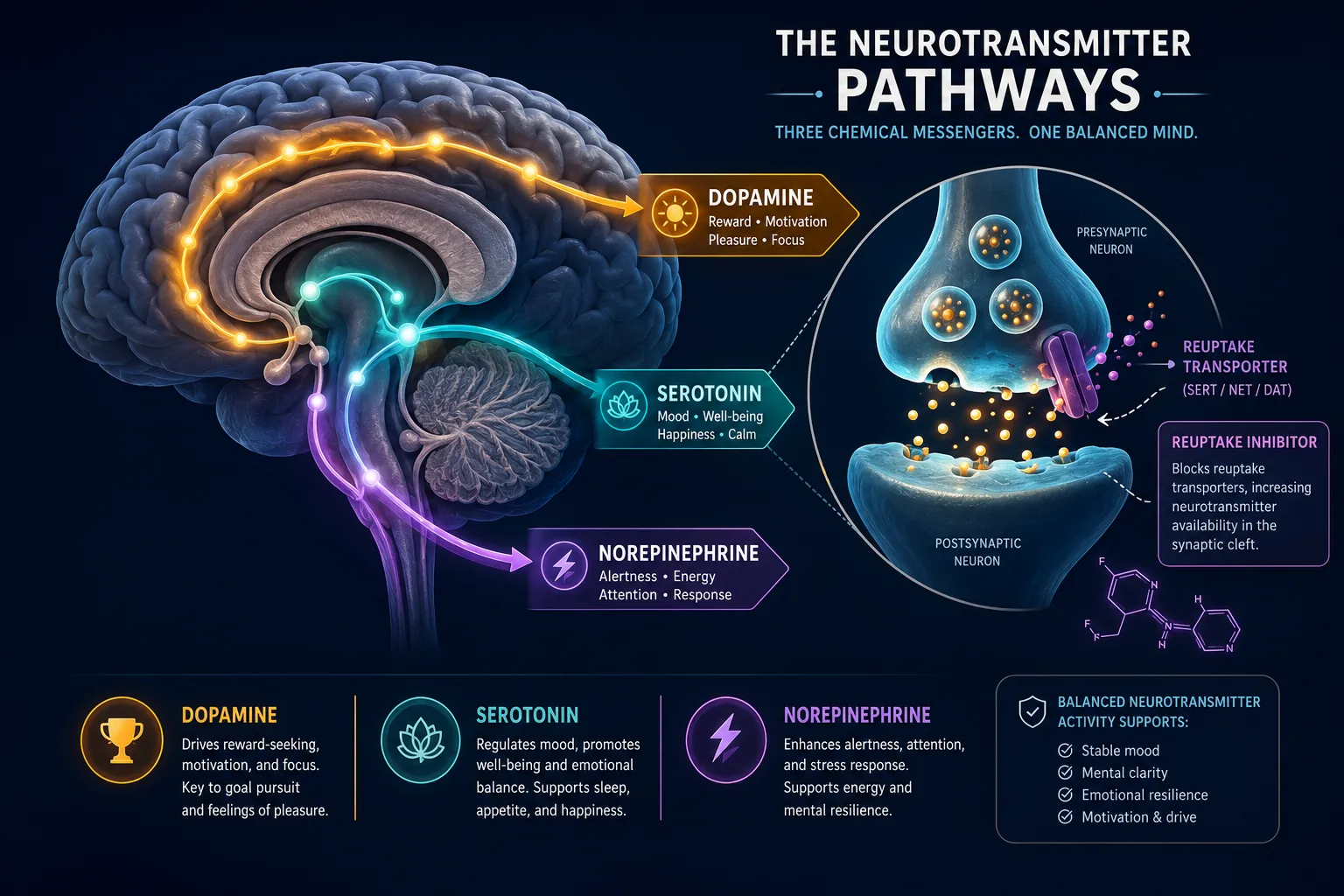
Tesofensine is a triple monoamine reuptake inhibitor. It blocks the reuptake transporters for dopamine, norepinephrine, and serotonin in presynaptic neurons, extending the time these neurotransmitters remain active in the synaptic cleft.

Tesofensine vs retatrutide mechanism-of-action diagram with receptor callouts

Dopamine signaling is central to reward-driven eating. By prolonging dopamine availability in the mesolimbic and hypothalamic pathways, tesofensine reduces the motivational drive to seek food, particularly calorie-dense, highly palatable foods. This is sometimes described as blunting hedonic hunger.

Noradrenergic signaling adds a second layer. Elevated norepinephrine in the hypothalamus activates alpha-2 adrenergic receptors and suppresses orexigenic neuropeptide Y (NPY) signaling, a well-established appetite-stimulating pathway. The result is a reduction in homeostatic hunger alongside the hedonic suppression from dopamine.

Serotonergic contributions are comparatively modest in tesofensine's profile but reinforce satiety signaling through 5-HT2C receptor activation, a mechanism shared with older weight-loss agents like lorcaserin.

"Tesofensine's strength is its central reach, it simultaneously targets reward, homeostatic, and satiety circuits in the brain."

Phase 2 clinical data showed meaningful short-term weight reduction, with some studies reporting 6-10% body weight loss over 24 weeks. However, cardiovascular monitoring remains a critical safety endpoint because elevated norepinephrine tone can increase heart rate and blood pressure. Neuropsychiatric effects, including insomnia and mood changes, are also tracked closely given the dopaminergic mechanism.

For researchers exploring peptide-based mechanisms, the Peptides 101 guide covering GLP-3, MOTS-C, and 5-Amino-1MQ provides useful structural context on how different compound classes interact with metabolic pathways.


How Retatrutide Works: Triple Incretin and Glucagon Receptor Agonism

Retatrutide operates on an entirely different axis. Rather than modulating neurotransmitter availability, it acts as a simultaneous agonist at three receptors: glucagon-like peptide-1 (GLP-1), glucose-dependent insulinotropic polypeptide (GIP), and glucagon receptors. This is why it is often labeled a GLP-3 receptor agonist in research contexts, the triple-receptor profile distinguishes it from dual agonists like tirzepatide.

Retatrutide vs tesofensine clinical trial weight loss comparison 2026

GLP-1 receptor agonism slows gastric emptying, enhances glucose-dependent insulin secretion, and activates hypothalamic satiety neurons directly. This is the mechanism shared with semaglutide.

GIP receptor agonism amplifies the insulinotropic response and may improve adipocyte insulin sensitivity, reducing lipid overflow into non-adipose tissues.

Glucagon receptor agonism is the differentiating element. Glucagon increases hepatic glucose output and, critically, raises basal energy expenditure by stimulating fatty acid oxidation. This thermogenic effect means retatrutide does not simply reduce caloric intake, it also increases the rate at which stored energy is burned.

Phase 2 data from the retatrutide clinical trial program demonstrated up to 24.2% body weight reduction at 48 weeks, a figure that exceeds any approved anti-obesity pharmacotherapy to date. The TRIUMPH-2 phase 3 program, actively enrolling and reporting interim data through 2026, is evaluating these outcomes at scale across diverse populations.

Researchers can review available GLP-3 retatrutide peptide formats as part of ongoing preclinical investigation.


Side-by-Side Comparison: Signaling Pathways, Efficacy, and Safety

Feature Tesofensine Retatrutide
Primary mechanism Monoamine reuptake inhibition Triple receptor agonism (GLP-1, GIP, glucagon)
Appetite pathway Dopamine, norepinephrine, serotonin Incretin hormones, hypothalamic GLP-1R
Energy expenditure Modest increase via noradrenergic tone Significant increase via glucagon receptor
Glucose regulation Indirect, secondary to weight loss Direct via GLP-1 and GIP insulinotropic action
Phase 2 weight loss 6-10% over 24 weeks Up to 24% over 48 weeks
Key safety watch Heart rate, blood pressure, mood GI tolerability, gallbladder, heart rate
Regulatory status (2026) Phase 2 completed; not approved Phase 3 TRIUMPH-2 ongoing

Metabolic Scope Beyond Weight Loss

The comparison in Tesofensine vs GLP-3 Retatrutide: Comparing Appetite, Dopamine, Noradrenergic, and Incretin Signaling extends well beyond the scale.

Retatrutide metabolic signaling organs liver pancreas hypothalamus diagram

Retatrutide's glucagon component raises its potential in non-alcoholic fatty liver disease (NAFLD) and metabolic-associated steatohepatitis (MASH), conditions driven by hepatic lipid accumulation. By stimulating hepatic fatty acid oxidation, retatrutide addresses the liver pathology that often accompanies severe obesity, a target tesofensine does not reach directly.

Tesofensine, by contrast, may have a role in populations where central reward dysregulation is the dominant driver of excess intake, such as binge-eating phenotypes, given its direct action on dopaminergic circuits. Its noradrenergic component also raises the possibility of mild thermogenic benefit, though this is modest compared to retatrutide's glucagon-driven energy expenditure increase.

For research teams studying broader peptide pharmacology, resources on peptides and polypeptides in endocrine pharmacology offer relevant mechanistic context. Those sourcing GLP-3 peptides for research use should verify purity documentation and third-party testing before use.


Conclusion

The Tesofensine vs GLP-3 Retatrutide: Comparing Appetite, Dopamine, Noradrenergic, and Incretin Signaling framework makes clear that these are not competing versions of the same drug, they are fundamentally different tools built on different biological theories of obesity.

Actionable next steps for researchers and clinicians in 2026:

  • Monitor TRIUMPH-2 phase 3 interim data releases for retatrutide's cardiovascular and hepatic endpoints, which will define its approval trajectory.
  • Evaluate tesofensine's monoamine profile in study designs focused on reward-driven eating behavior, where dopaminergic modulation may offer unique mechanistic insight.
  • When designing metabolic research protocols, consider whether the target endpoint is central appetite regulation (favoring monoamine approaches) or peripheral metabolic correction (favoring incretin-glucagon agonism).
  • Ensure all research-grade peptide sourcing uses lab-tested peptides with verified purity certificates to maintain experimental integrity.

Both compounds represent serious scientific advances. Retatrutide's efficacy data currently leads by a wide margin, but tesofensine's neurochemical mechanism keeps it relevant for specific research questions that incretin agonists cannot address.

https://www.puretestedpeptides.com/wp-content/uploads/2026/09/tesofensine-vs-glp-3-retatrutide-comparing-appetite-dopamine-noradrenergic-and-i.webp 1024 1536 https://www.puretestedpeptides.com/wp-content/uploads/2026/01/buy-peptides-online.jpg 2026-09-30 13:20:102026-09-30 13:20:10Tesofensine vs GLP-3 Retatrutide: Comparing Appetite, Dopamine, Noradrenergic, and Incretin Signaling

Tag Archive for: dopamine signaling

Tesofensine Peptide Research: Mechanism, Appetite Suppression, and Neuropeptide Y Pathways

Tesofensine Peptide Research: Mechanism, Appetite Suppression, and Neuropeptide Y Pathways

July 24, 2026/0 Comments/by Pure Tested

Obesity affects more than one billion people worldwide, yet fewer than five approved pharmacological treatments exist that produce sustained, clinically meaningful weight loss. That gap has driven researchers toward compounds like tesofensine, a triple monoamine reuptake inhibitor that first appeared in neurodegenerative disease trials before its dramatic weight-loss effects redirected scientific attention entirely. Tesofensine peptide research, mechanism, appetite suppression, and neuropeptide Y pathways have since become central themes in metabolic science, making this compound one of the more closely watched molecules in preclinical and clinical obesity research.

Professional () hero image with (≤42 chars): 'Tesofensine Peptide Research' in crisp white centered on a deep navy

Key Takeaways

  • Tesofensine blocks the reuptake of dopamine, norepinephrine, and serotonin simultaneously, elevating extracellular levels of all three neurotransmitters.
  • Originally developed for Alzheimer's and Parkinson's diseases, its significant weight-loss side effects redirected research toward obesity treatment.
  • Phase 2 clinical trials demonstrated approximately 10% body weight reduction, though cardiovascular side effects remain a barrier to approval.
  • Appetite suppression appears to involve GABAergic neuron silencing in the lateral hypothalamus and indirect adrenoceptor and dopamine receptor stimulation.
  • As of 2026, tesofensine has not received regulatory approval for obesity treatment, and research continues to refine its safety profile.

Understanding the Mechanism Behind Tesofensine Peptide Research

Tesofensine operates as a triple monoamine reuptake inhibitor (TMRI). Its primary action is blocking presynaptic transporters responsible for clearing dopamine, norepinephrine, and serotonin from the synaptic cleft. By preventing reuptake, tesofensine raises extracellular concentrations of all three neurotransmitters simultaneously, a broader mechanism than compounds that target only one or two pathways.

This multi-target approach distinguishes tesofensine from older single-mechanism agents. The elevated monoamine activity produces downstream effects across several brain regions involved in energy balance, reward processing, and satiety signaling.

Key neurotransmitter roles in tesofensine's mechanism:

Neurotransmitter Primary Role in Energy Balance
Dopamine Reward signaling, motivation to eat
Norepinephrine Sympathetic activation, thermogenesis
Serotonin Satiety, mood, food intake regulation

Research in diet-induced obese (DIO) rat models showed that tesofensine reverses abnormally low forebrain dopamine levels, a deficit commonly observed in obesity. Restoring dopamine tone appears to reduce the reward-driven motivation to overeat, contributing meaningfully to caloric restriction without direct appetite suppression alone.

For researchers exploring how metabolic peptides interact with neurotransmitter systems, understanding compounds like tesa and its metabolic effects offers useful comparative context for how different mechanisms produce body composition changes.

Appetite Suppression Pathways: What the Research Shows

Appetite Suppression Pathways: What the Research Shows

Tesofensine peptide research on mechanism, appetite suppression, and neuropeptide Y pathways reveals that hunger reduction is not a single-step process. Multiple neural circuits are engaged.

Lateral Hypothalamus and GABAergic Neurons

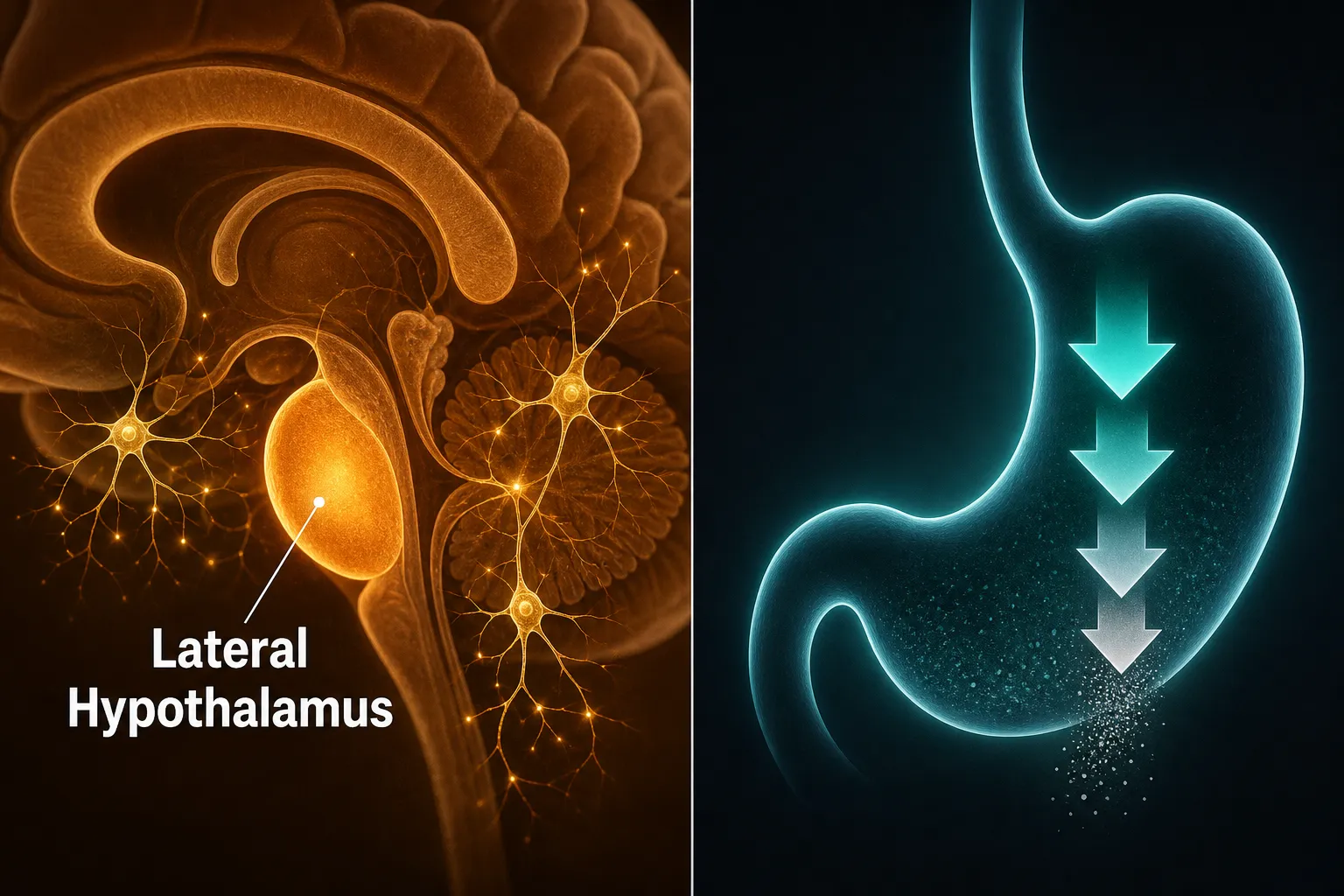
Recent research points to a compelling mechanism: tesofensine may silence GABAergic (inhibitory) neurons in the lateral hypothalamus (LH). The lateral hypothalamus is classically known as a hunger-promoting region. When GABAergic neurons in this area are suppressed, the net effect is reduced drive to seek and consume food.

"Silencing inhibitory neurons in a hunger-promoting brain region creates a functional brake on appetite, a mechanism distinct from simple satiety signaling."

This finding suggests tesofensine's appetite effects go beyond monoamine elevation and involve direct modulation of hypothalamic circuitry.

Adrenoceptor and Dopamine Receptor Involvement

Studies in DIO rats demonstrated that tesofensine suppresses appetite through indirect stimulation of alpha-1 adrenoceptors and dopamine D1 receptors. These receptor pathways are not directly activated by tesofensine itself, rather, elevated norepinephrine and dopamine levels produced by reuptake inhibition create the downstream receptor stimulation.

This indirect mechanism has important implications for researchers studying metabolic modulation compounds and how receptor selectivity shapes both efficacy and side effect profiles.

Phase 2 Clinical Trial Findings

In a Phase 2 clinical trial, tesofensine produced approximately 10% body weight reduction in participants, a result that significantly outperformed placebo and compared favorably to other approved anti-obesity agents at the time. However, dose-dependent increases in heart rate and blood pressure emerged as consistent findings, raising cardiovascular safety concerns that have since slowed regulatory progress.

Neuropeptide Y Pathways and Tesofensine: Current Research Landscape

Neuropeptide Y Pathways and Tesofensine: Current Research Landscape

Neuropeptide Y Pathways and Tesofensine: Current Research Landscape

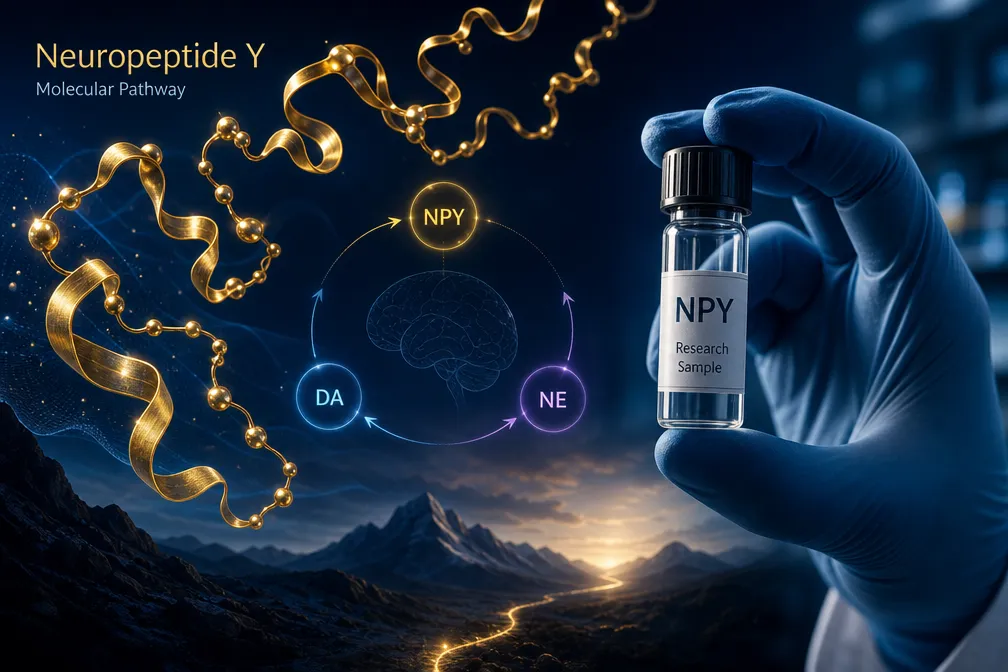
Neuropeptide Y (NPY) is one of the most potent appetite-stimulating peptides in the central nervous system. It is produced primarily in the arcuate nucleus of the hypothalamus and acts on multiple receptor subtypes (Y1 through Y5) to promote food intake, reduce energy expenditure, and regulate fat storage.

The intersection of tesofensine peptide research on mechanism, appetite suppression, and neuropeptide Y pathways is an area of active scientific interest, though not without important caveats.

What current research suggests:

  • Elevated dopamine and norepinephrine levels from tesofensine's reuptake inhibition may indirectly modulate NPY neuronal activity, since monoaminergic neurons interact with NPY-expressing cells in the hypothalamus.
  • Norepinephrine, in particular, has well-established inhibitory effects on NPY release via alpha-2 adrenoceptor signaling in the arcuate nucleus.
  • However, direct, conclusive evidence that tesofensine specifically targets NPY receptor subtypes has not been established in published literature as of 2026.

This distinction matters for researchers. Tesofensine likely influences NPY pathways as a secondary consequence of monoamine elevation rather than as a primary pharmacological target. Understanding this distinction helps frame tesofensine within the broader landscape of appetite-regulating compounds.

Researchers interested in complementary metabolic peptide mechanisms may also find value in reviewing MOTS-c mitochondrial research themes and SLU-PP-332 metabolic research for comparative mechanistic insights.

Regulatory and Safety Status in 2026

As of 2026, tesofensine has not received regulatory approval for obesity treatment from the FDA or EMA. The cardiovascular concerns, primarily elevated heart rate and blood pressure at therapeutic doses, remain the primary obstacle. Ongoing research is exploring whether lower doses combined with adjunct therapies might preserve efficacy while reducing cardiovascular burden.

For researchers building a broader understanding of peptide-based metabolic research, the ultimate guide to peptide therapy provides foundational context, while tesofensine product research information offers compound-specific details.

Conclusion

Tesofensine represents a scientifically compelling case study in how unexpected clinical findings, in this case, significant weight loss during neurodegenerative disease trials, can redirect an entire research program. Its triple monoamine reuptake inhibition mechanism, combined with evidence of lateral hypothalamic GABAergic neuron silencing and indirect NPY pathway modulation, makes it a multifaceted compound for researchers studying metabolic health.

Actionable next steps for researchers in 2026:

  • Review published Phase 2 trial data to understand the dose-response relationship between tesofensine and cardiovascular outcomes.
  • Examine preclinical DIO rat studies for detailed mechanistic data on adrenoceptor and dopamine D1 receptor involvement.
  • Explore how tesofensine's monoaminergic effects may interact with NPY-expressing arcuate nucleus neurons in future study designs.
  • Consider comparative analysis with GLP-1 pathway compounds to contextualize tesofensine's mechanism within the broader anti-obesity pharmacology landscape.
  • Monitor regulatory developments, as ongoing safety refinement research may shift tesofensine's clinical status.

The science surrounding tesofensine continues to evolve. For researchers committed to understanding novel compounds in metabolic health and weight management, it remains a high-value subject worthy of rigorous investigation.

https://www.puretestedpeptides.com/wp-content/uploads/2026/07/tesofensine-peptide-research-mechanism-appetite-suppression-and-neuropeptide-y-p.webp 672 1008 Pure Tested https://www.puretestedpeptides.com/wp-content/uploads/2026/01/buy-peptides-online.jpg Pure Tested2026-07-24 13:04:522026-07-27 13:32:07Tesofensine Peptide Research: Mechanism, Appetite Suppression, and Neuropeptide Y Pathways
×

Helpful Links

  • My account
  • Cart
  • Checkout
  • Refund and Returns Policy
  • Privacy Policy
  • SMS Privacy Policy
  • Login
  • My Account
  • Logout

USA Made Lab Tested Peptides

All products are sold for research, laboratory, or analytical purposes only, and are not for human consumption


Pure Tested Peptides is a chemical supplier. Pure Tested Peptides is not a compounding / chemical compounding facility as defined under 503A of the Federal Food, Drug, and Cosmetic act. Pure Tested Peptides is not an outsourcing facility as defined under 503B of the Federal Food, Drug, and Cosmetic act.

The statements made within this website have not been evaluated by the US Food and Drug Administration. The products we offer are not intended to diagnose, treat, cure or prevent any disease.

Human/Animal Consumption Prohibited. Laboratory/In-Vitro Experimental Use Only

Scroll to top Scroll to top Scroll to top