CJC-1295 with Ipamorelin: Optimizing Growth Hormone Release for Advanced Research Protocols
Growth hormone secretion declines by roughly 14% per decade after age 30, a physiological reality that has driven intense scientific interest in peptide-based strategies to restore pulsatile GH dynamics. Among the combinations studied in research settings, CJC-1295 with Ipamorelin: Optimizing Growth Hormone Release for Advanced Research Protocols has emerged as one of the most discussed dual-mechanism stacks in endocrine peptide science. By targeting two distinct receptor pathways simultaneously, this pairing offers a mechanistically rational approach to amplifying the body's own GH pulses rather than replacing them with exogenous hormone.
Key Takeaways
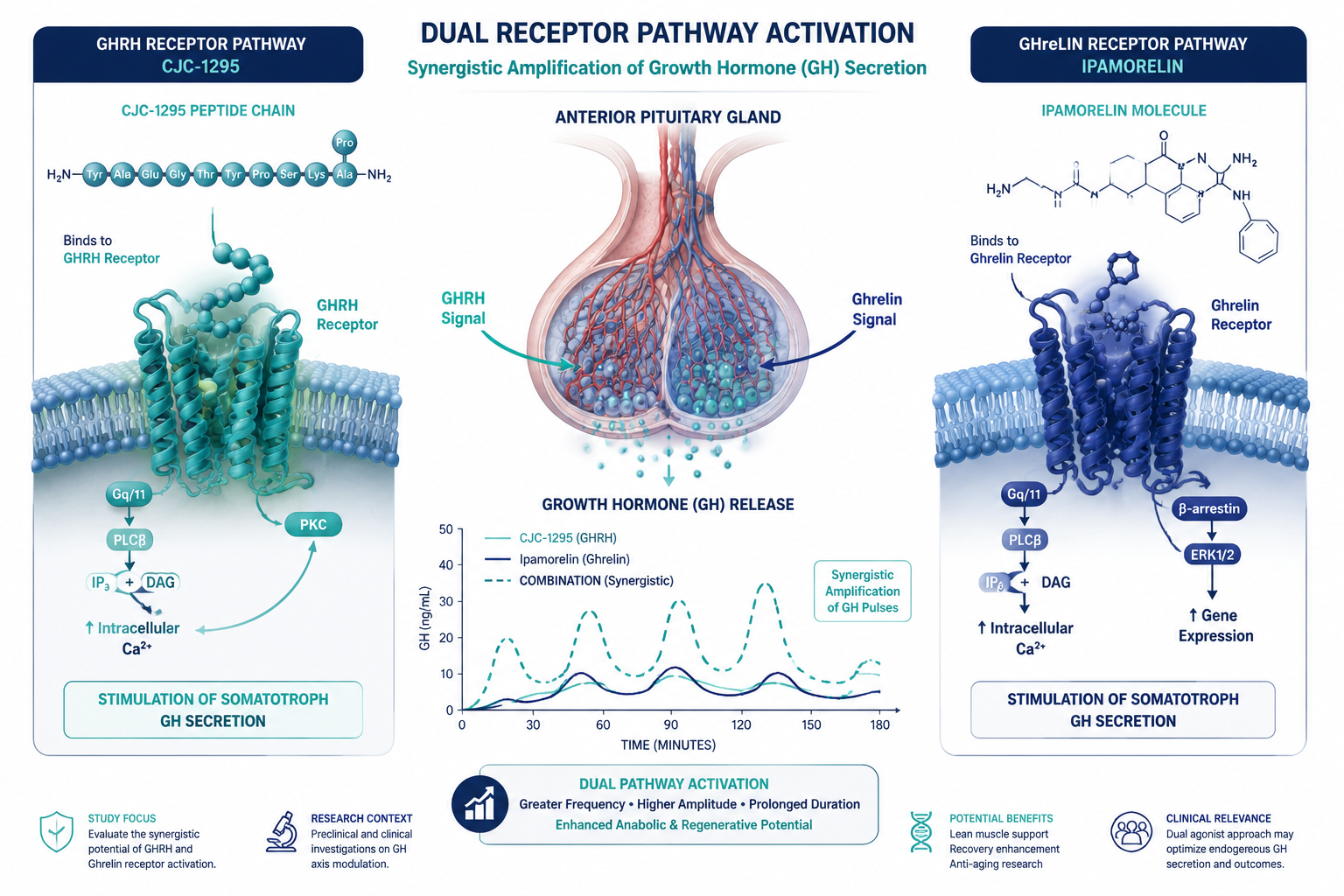
- CJC-1295 acts at the GHRH receptor to extend GH pulse amplitude, while Ipamorelin activates the GHS-R1a ghrelin receptor to initiate discrete GH pulses, creating a complementary synergy.
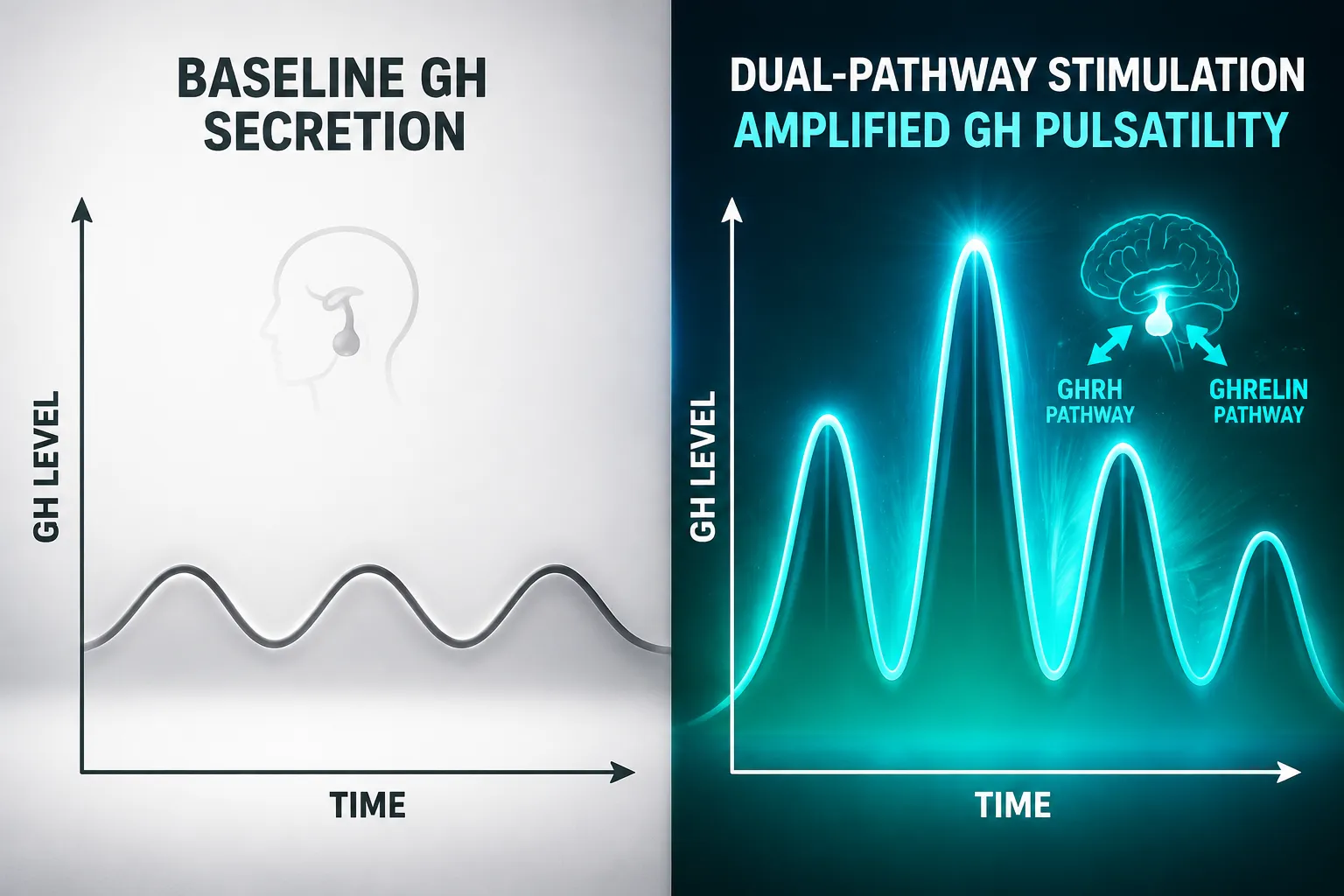
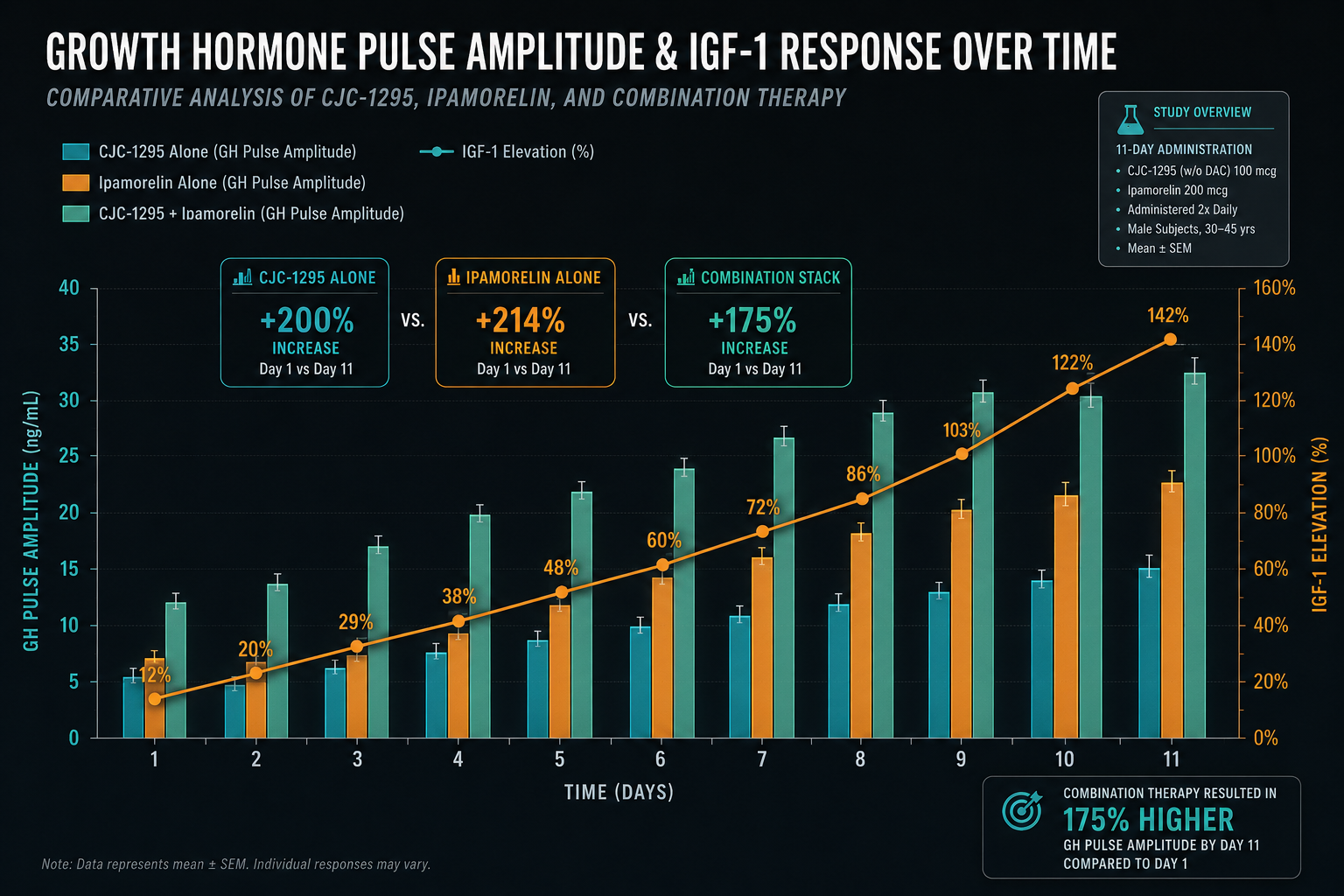
- Combined use is reported to produce 3- to 5-fold increases in GH pulse amplitude compared to either peptide alone, based on extrapolated single-agent data and clinic-level observations.
- No randomized controlled human trials have specifically tested the CJC-1295/Ipamorelin stack; the evidence base relies on single-agent studies and observational protocols.
- Neither peptide is FDA-approved, and both remain in a complex regulatory environment regarding compounding status as of 2026.
- Advanced research protocols must include rigorous monitoring of glucose metabolism, cardiovascular markers, and injection-site reactions.
Mechanistic Synergy: How the Dual-Pathway Design Works
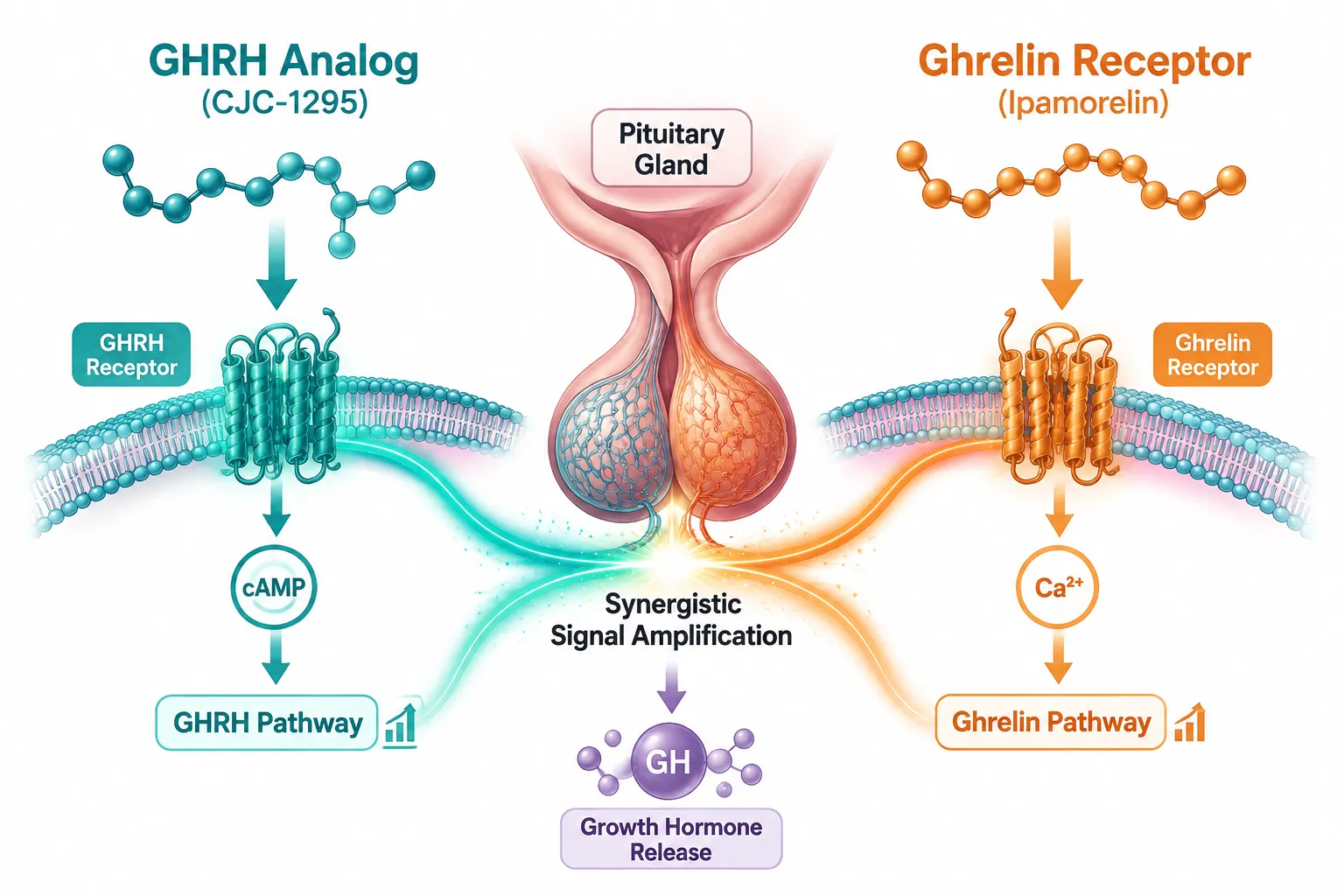
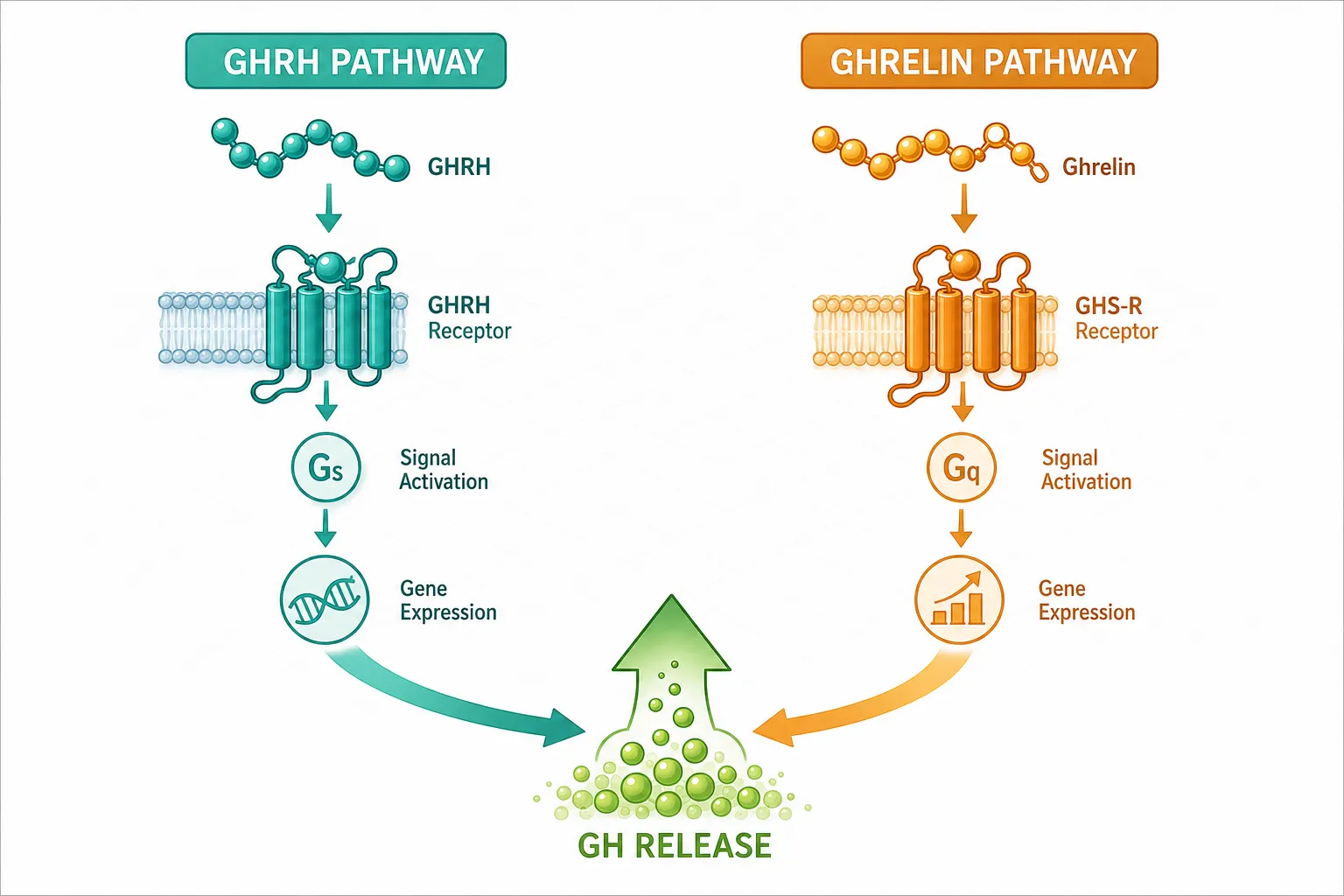
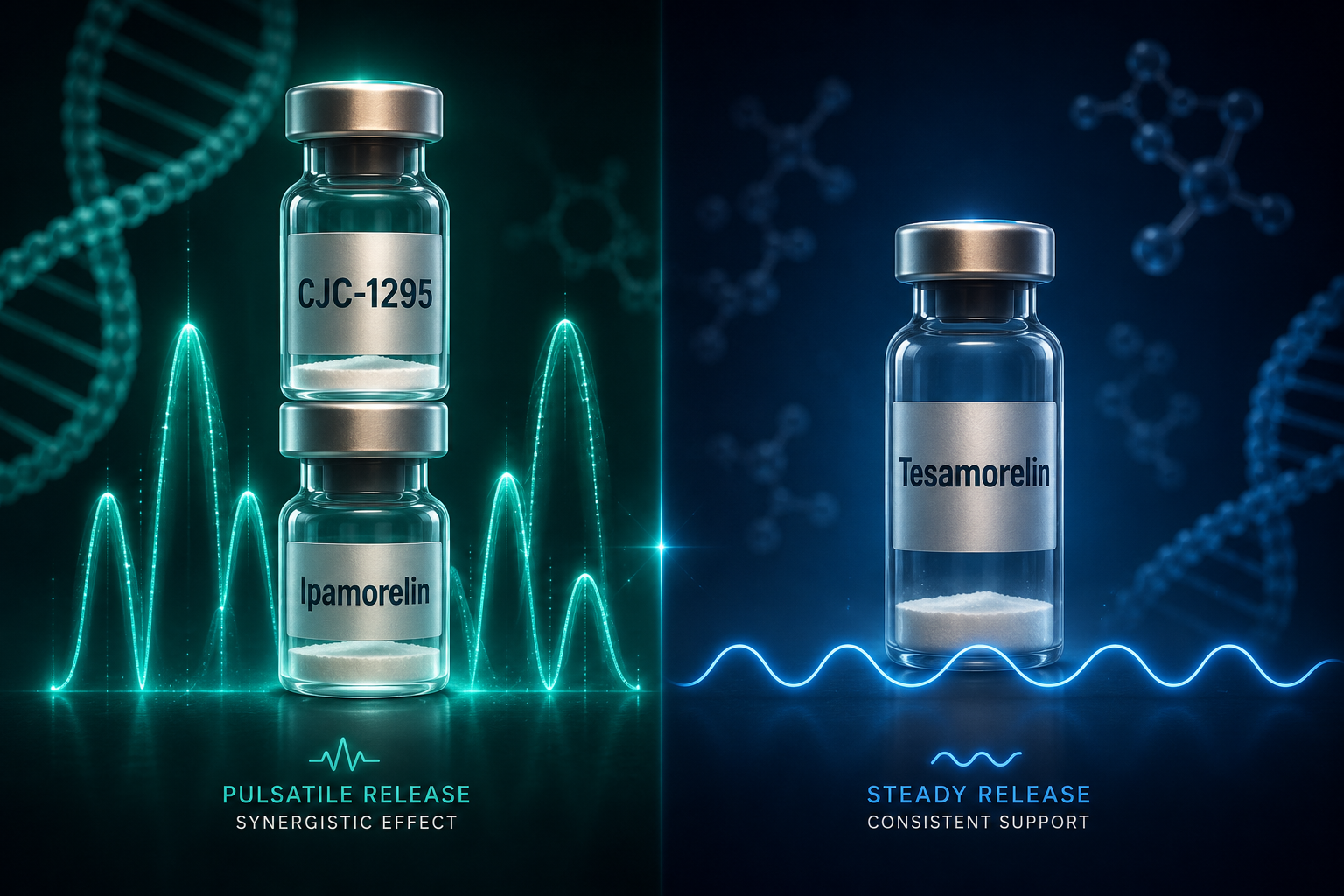
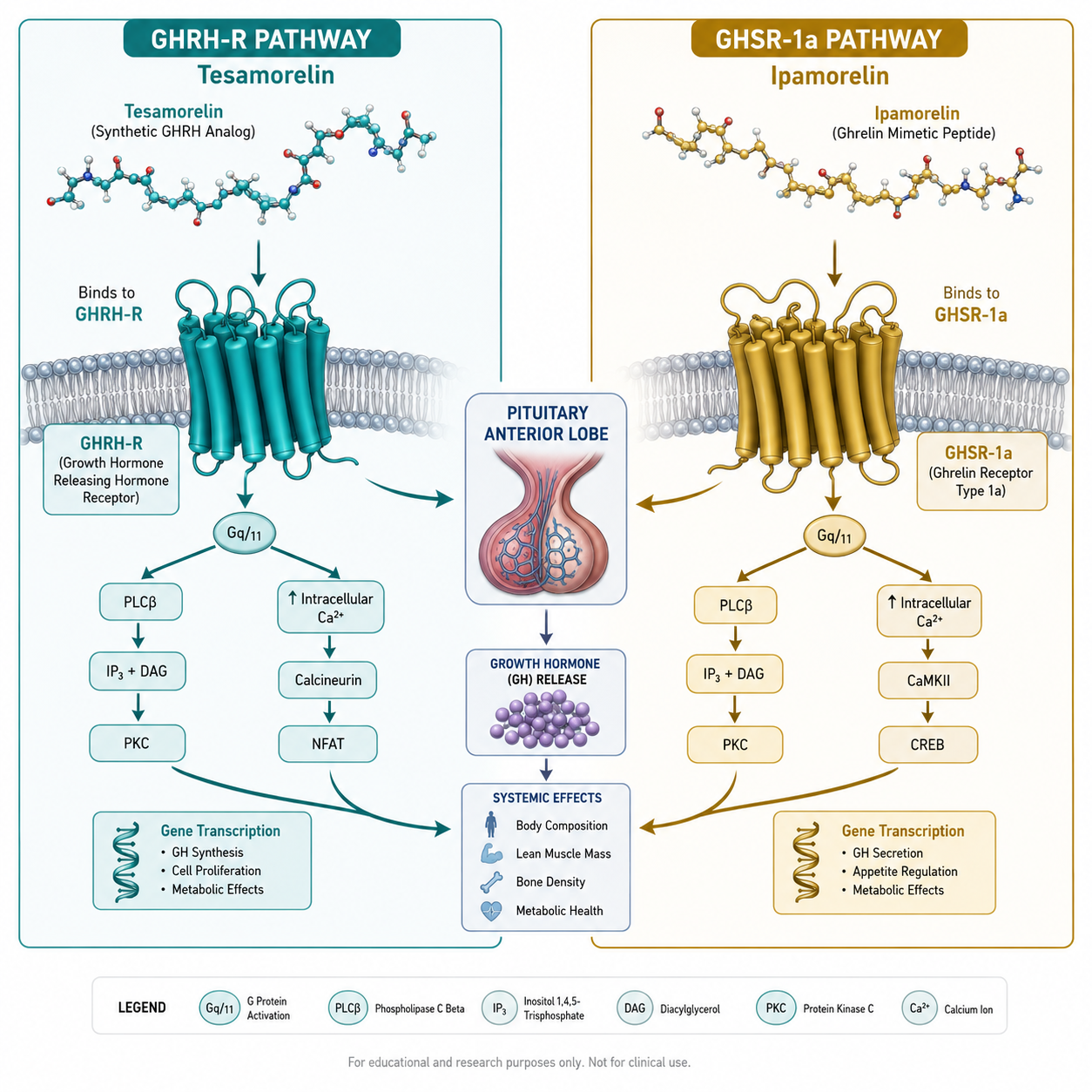
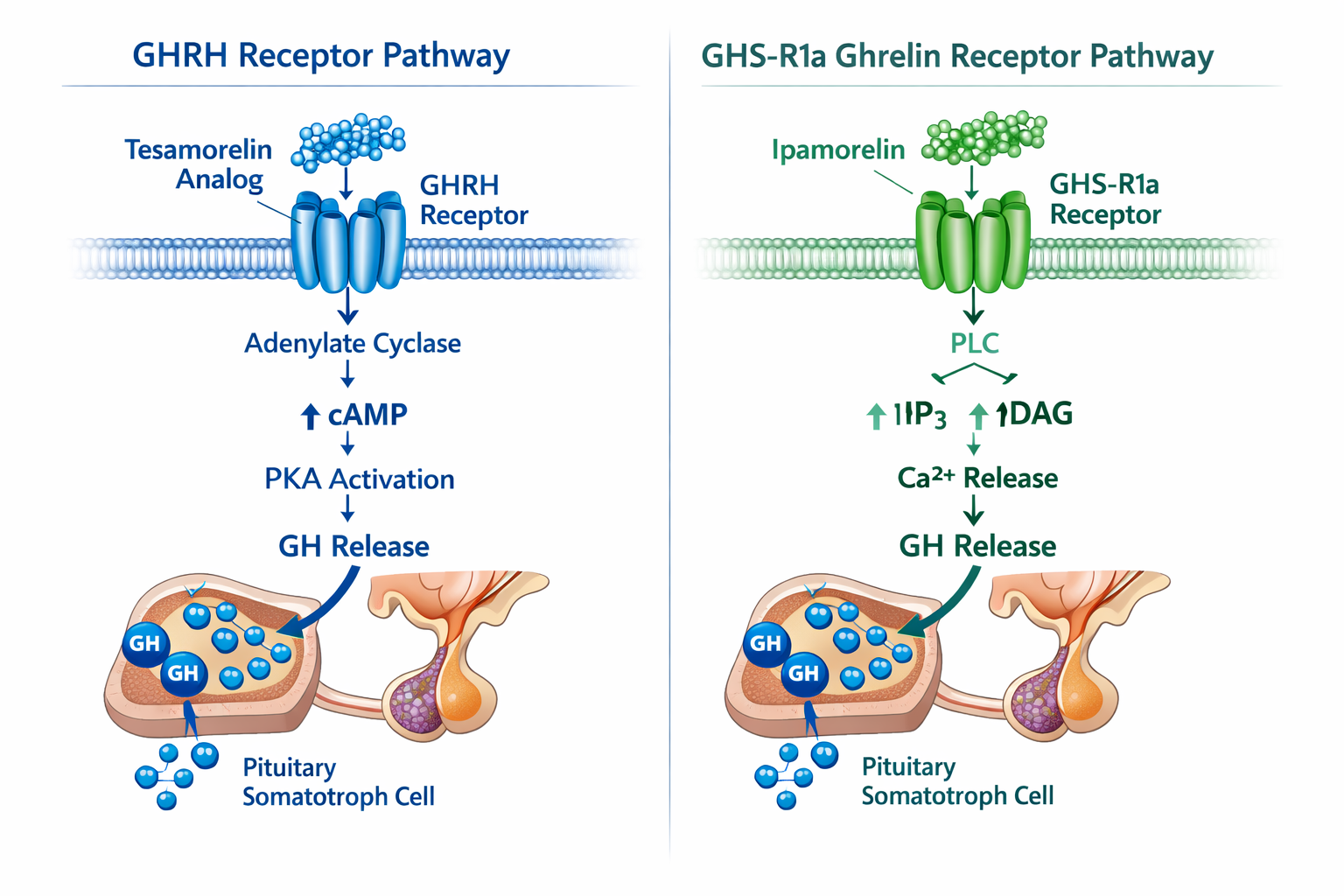
The scientific rationale behind CJC-1295 with Ipamorelin: Optimizing Growth Hormone Release for Advanced Research Protocols begins at the receptor level. CJC-1295 is a synthetic analog of growth hormone-releasing hormone (GHRH). It binds to GHRH receptors on pituitary somatotroph cells, stimulating them to release GH in larger, more sustained pulses. The Drug Affinity Complex (DAC) modification extends its half-life considerably, while the no-DAC version produces a shorter, more physiologic burst.
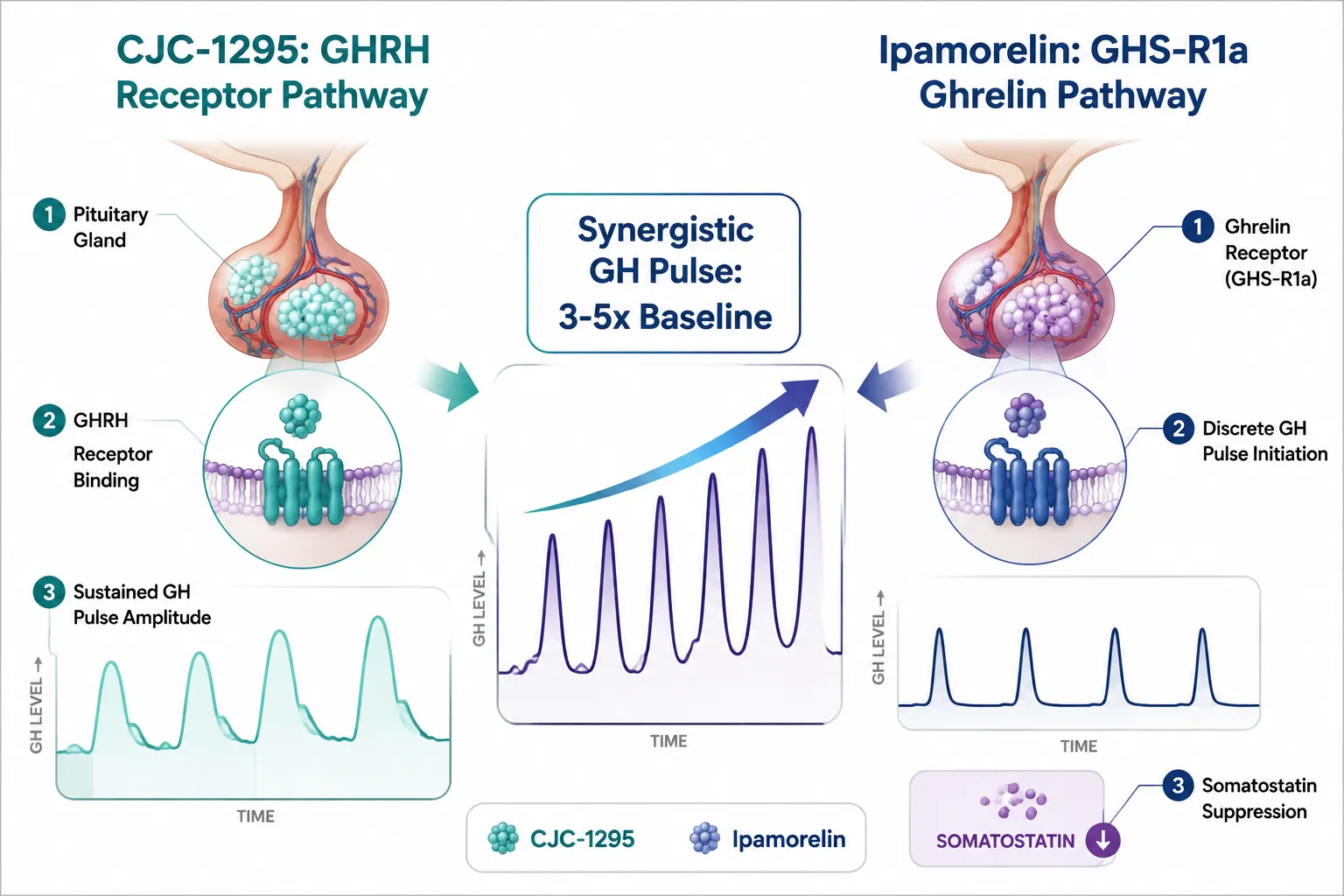
Ipamorelin, by contrast, is a selective growth hormone secretagogue (GHS) and ghrelin receptor agonist. It binds to the GHS-R1a receptor, triggering a separate but complementary cascade that initiates discrete GH pulses. Critically, Ipamorelin does not significantly elevate cortisol or prolactin at research-relevant doses, making it one of the more selective agents in its class.
When both peptides are administered together, they engage two independent signaling pathways that converge on the same output: pituitary GH release. This is not simple addition. The GHRH pathway primes somatotrophs and amplifies pulse height, while the ghrelin-receptor pathway provides the triggering signal. Extrapolation from separate single-agent trials and clinic-level data suggests the combination can produce GH pulse amplitudes 3 to 5 times above baseline, a magnitude that neither peptide achieves alone.
Researchers interested in exploring the broader landscape of hormone research protocols will find this dual-receptor model a useful framework for understanding how stacked peptides differ from single-agent approaches.
Advanced Research Protocol Design and Dosing Considerations
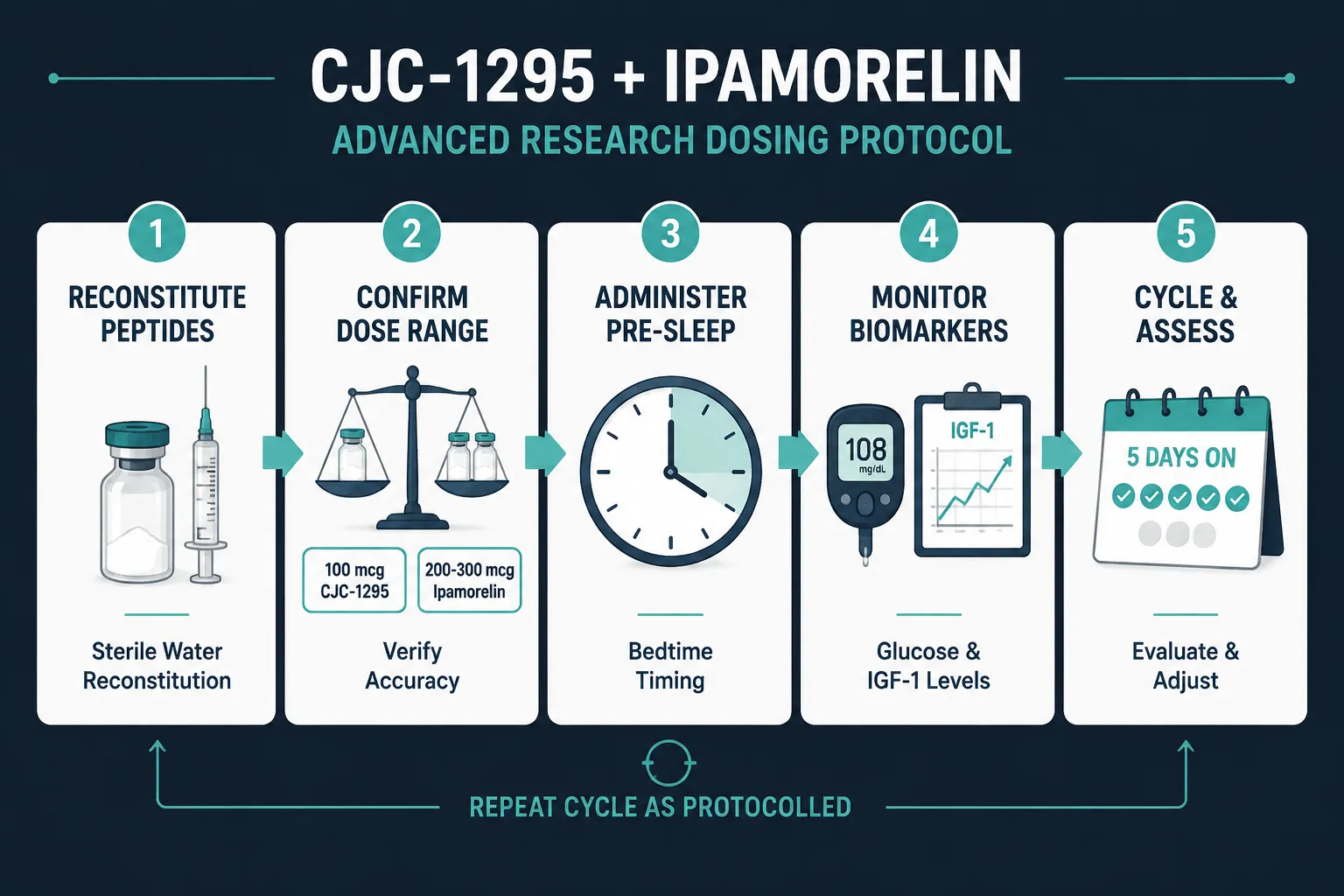
Designing a rigorous protocol around CJC-1295 with Ipamorelin: Optimizing Growth Hormone Release for Advanced Research Protocols requires careful attention to formulation choice, timing, and dose selection.
Formulation options:
| Variant | Half-Life | Typical Research Dose | Frequency |
|---|---|---|---|
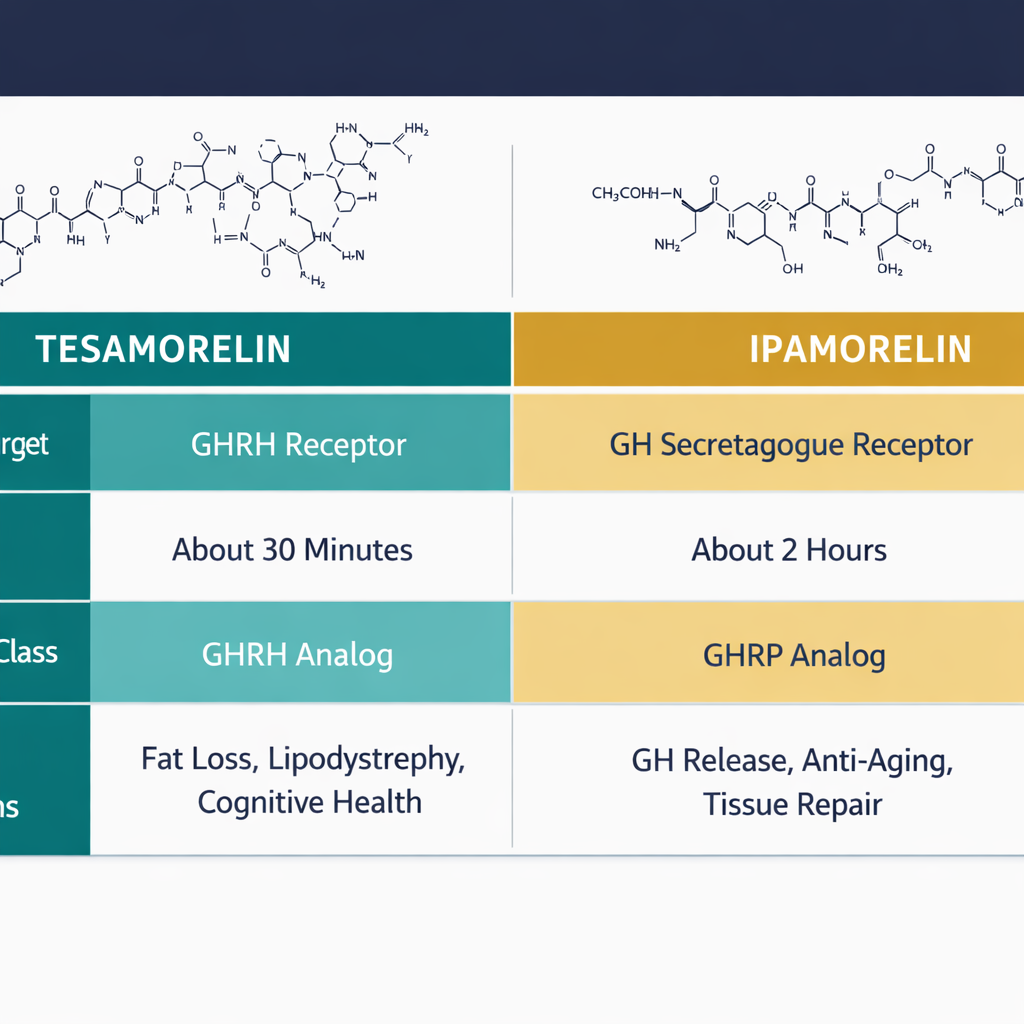
| CJC-1295 (no DAC) | ~30 minutes | 100 mcg | Once or twice daily |
| CJC-1295 with DAC | ~6-8 days | 1-2 mg | Weekly |
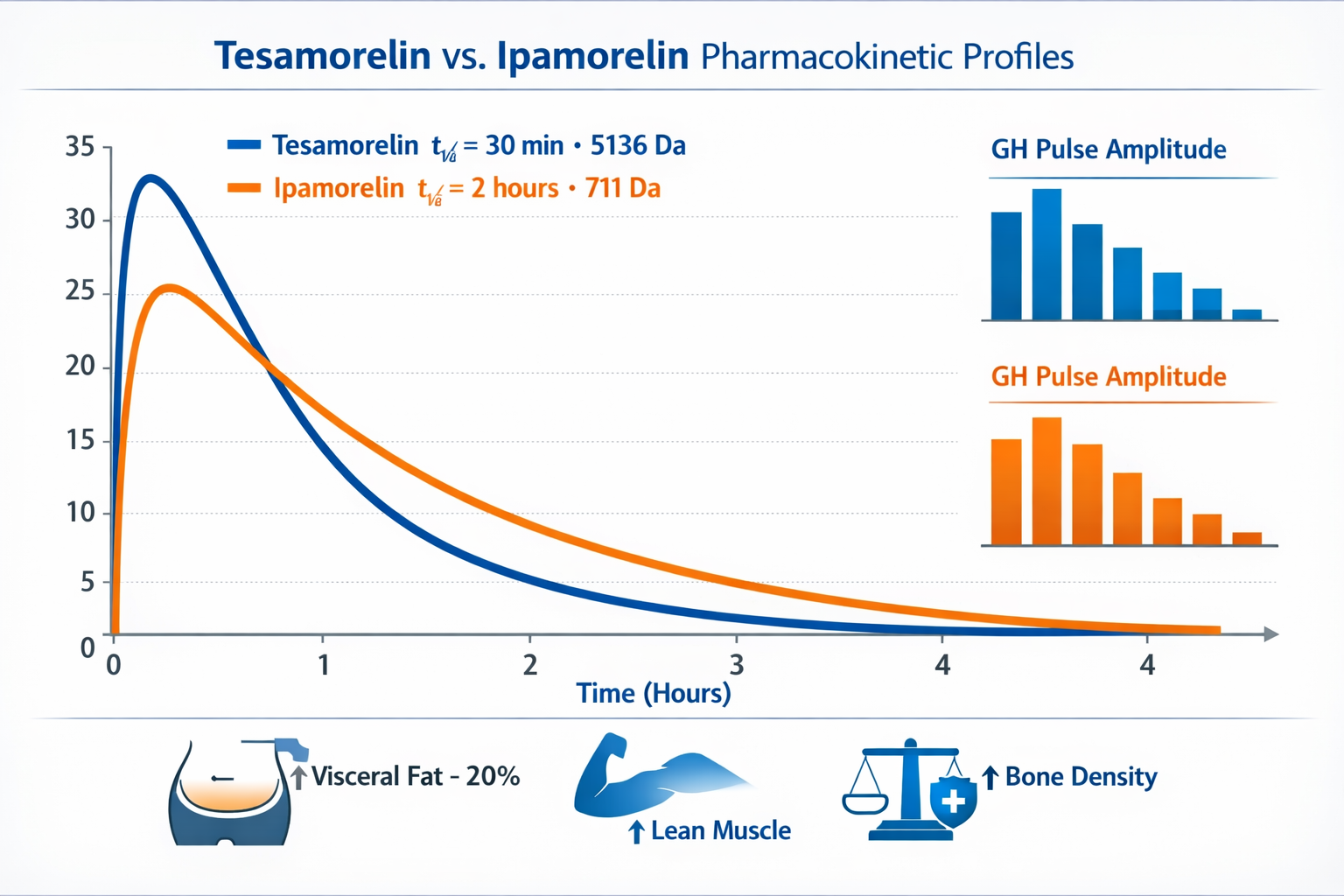
| Ipamorelin | ~2 hours | 200-300 mcg | 1-3 times daily |
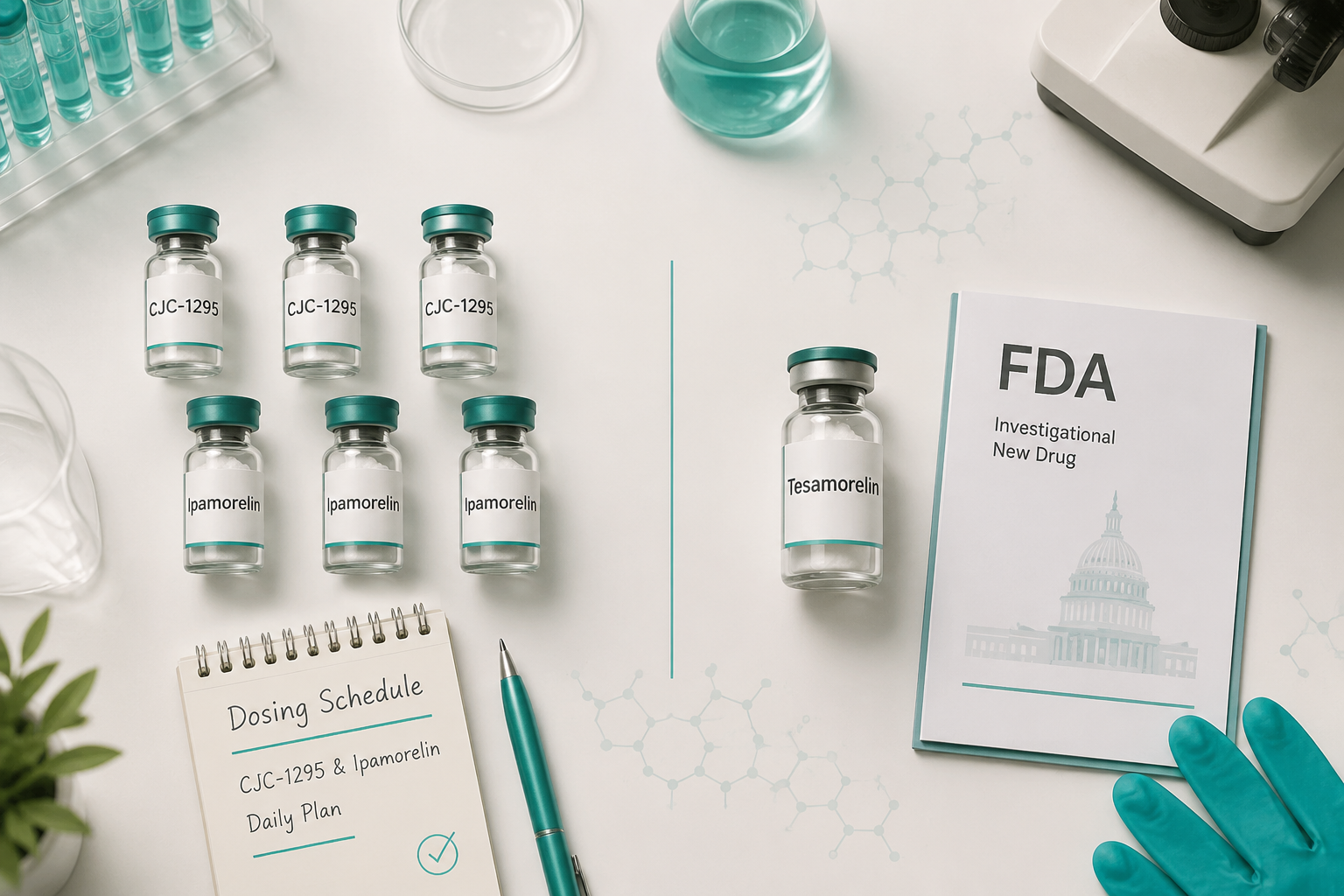
Contemporary protocol guides describe a common starting point of approximately 0.2 mg of a combined CJC-1295/Ipamorelin injection per administration, with titration guided by subject age, body weight, and tolerability. An FDA docket document reviewing this combination references example blend concentrations of 1-2 mg/mL of each peptide, with 0.05-0.1 mL administered at bedtime, five nights per week, as a representative advanced research schedule.
Timing matters. GH is naturally secreted in pulses, with the largest pulse occurring in early slow-wave sleep. Administering the stack at bedtime aligns with this physiological rhythm and avoids blunting the natural pulse through competitive feedback.
Researchers comparing this stack against single-agent secretagogues may also find value in reviewing the Sermorelin vs CJC-1295 comparison and the Ipamorelin and Sermorelin stack research to contextualize where this combination sits within the broader GHRH-analog landscape.
For researchers evaluating pre-blended options, the CJC-1295 IPA 10mg product and detailed guidance on CJC-1295/Ipamorelin dosage protocols offer additional reference points for protocol calibration.
Key research design principle: Pulsatile administration that mirrors endogenous GH secretion rhythms produces more physiologically relevant data than continuous infusion models.
Safety Profile, Regulatory Status, and Research Boundaries
No discussion of CJC-1295 with Ipamorelin: Optimizing Growth Hormone Release for Advanced Research Protocols is complete without a thorough review of the safety and regulatory context.
Commonly reported adverse effects in research subjects include:
- Flushing, headache, and transient dizziness
- Increased heart rate and mild body temperature elevation
- Injection-site irritation or redness
- Transient fluid retention (tingling in hands, mild edema)
- Sleep changes, including vivid dreams or drowsiness
- Joint discomfort or mild musculoskeletal effects
More serious risks identified in regulatory and safety reviews include immunogenic reactions (including rare anaphylaxis), insulin resistance with sustained IGF-1 elevation, and documented serious adverse events associated with intravenous administration of Ipamorelin in non-GH indications.
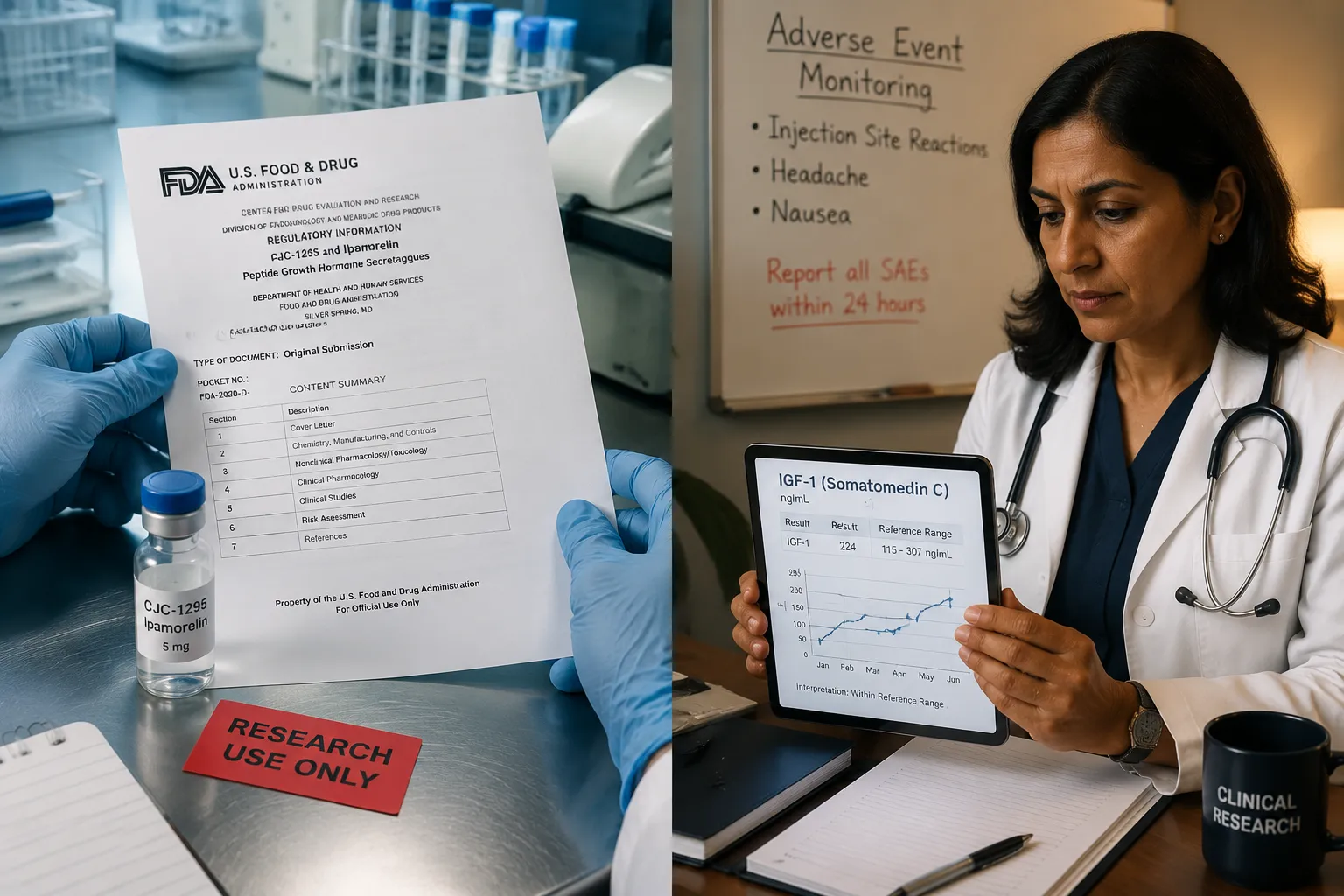
Regulatory status as of 2026 remains complex. Both peptides were placed on the FDA 503A Category 2 bulk substances list, indicating they "may present significant safety risks" and cannot be legally compounded under Section 503A pending further review. As of mid-2026, no formal FDA reclassification has been published, and neither peptide appears on the Pharmacy Compounding Advisory Committee docket for 2026-2027. Industry speculation about reclassification following a February 2026 HHS announcement has not been confirmed by formal regulatory action.
Neither CJC-1295 nor Ipamorelin is FDA-approved for any indication, and no approved finished drug product combining them exists. All research use must operate within ethically approved, controlled study frameworks.
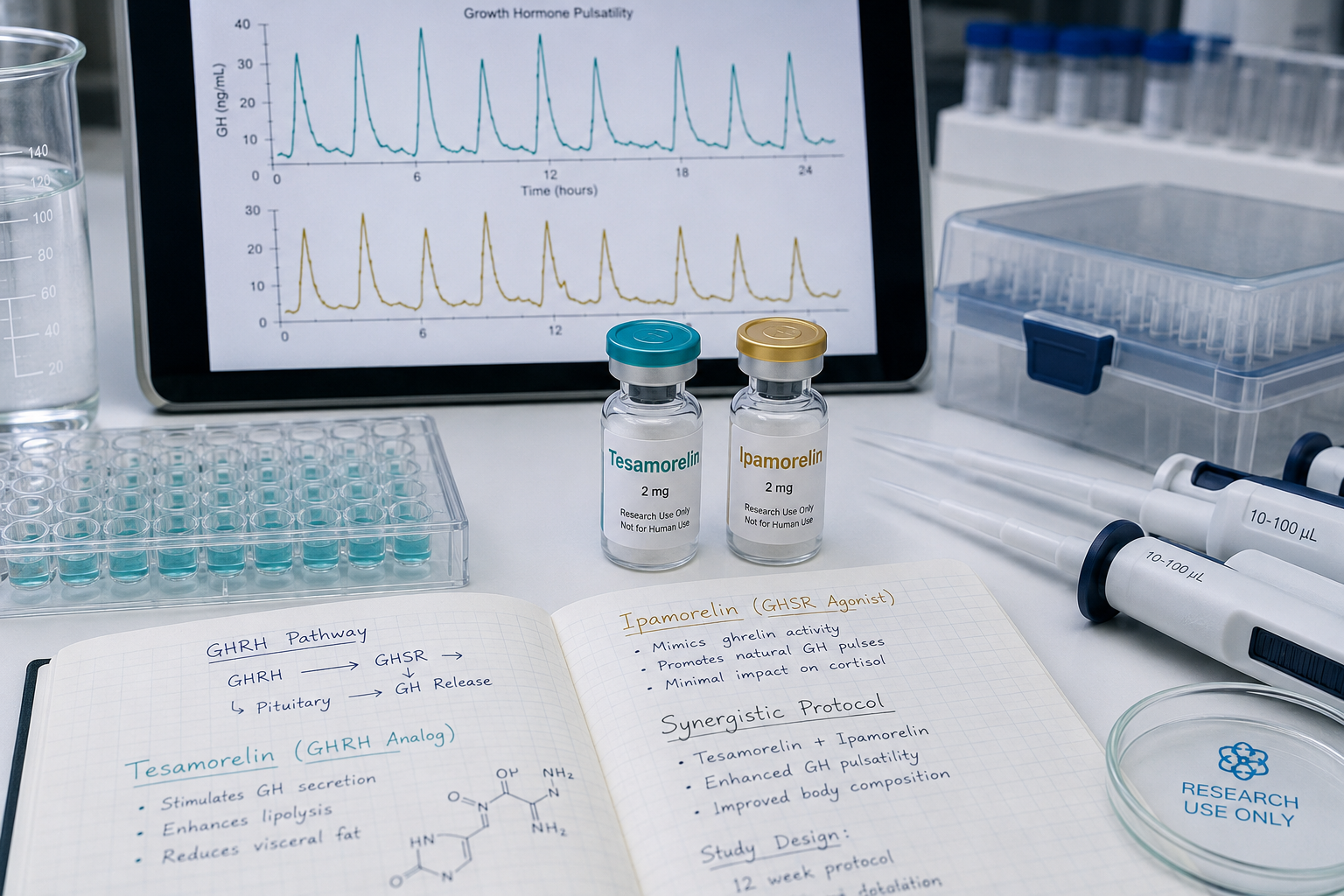
Endocrine and evidence-based medicine experts consistently recommend against use in subjects with cancer history, uncontrolled diabetes, significant cardiovascular disease, untreated sleep apnea, or during pregnancy and breastfeeding. Researchers designing studies involving related multi-peptide stacks may also consult resources on combining Tesamorelin with CJC-1295 and Ipamorelin blends and the safety considerations for combining Tesamorelin with CJC Ipamorelin for comparative protocol design.
Conclusion
The scientific case for CJC-1295 paired with Ipamorelin rests on a well-defined dual-receptor mechanism, a growing body of single-agent evidence, and clinic-level observational data suggesting meaningful GH pulse amplification. However, the absence of randomized controlled combination trials, unresolved regulatory status, and an incomplete long-term safety profile mean that this stack belongs firmly in the domain of advanced, controlled research, not routine clinical application.
Actionable next steps for researchers:
- Design ethically approved protocols that include pre-specified monitoring of fasting glucose, IGF-1 levels, cardiovascular markers, and injection-site reactions at defined intervals.
- Select formulation and timing carefully, no-DAC CJC-1295 with bedtime Ipamorelin administration aligns most closely with physiologic GH pulsatility.
- Track regulatory developments through official FDA channels, as the compounding status of both peptides may change without broad advance notice.
- Compare against related stacks using published single-agent data to contextualize findings within the broader GHRH-secretagogue literature.
- Restrict use to qualified research settings with appropriate institutional oversight and subject safety protocols.
The mechanistic elegance of this combination makes it a compelling subject for endocrine research. Responsible advancement of that research depends on rigorous protocol design, honest appraisal of the current evidence gaps, and strict adherence to evolving regulatory requirements.