GLP Peptides vs Traditional Small‑Molecule Metabolic Drugs: Where GLP‑3 Retatrutide, GLP‑2‑T, and Tesofensine Fit in Cardiometabolic Research
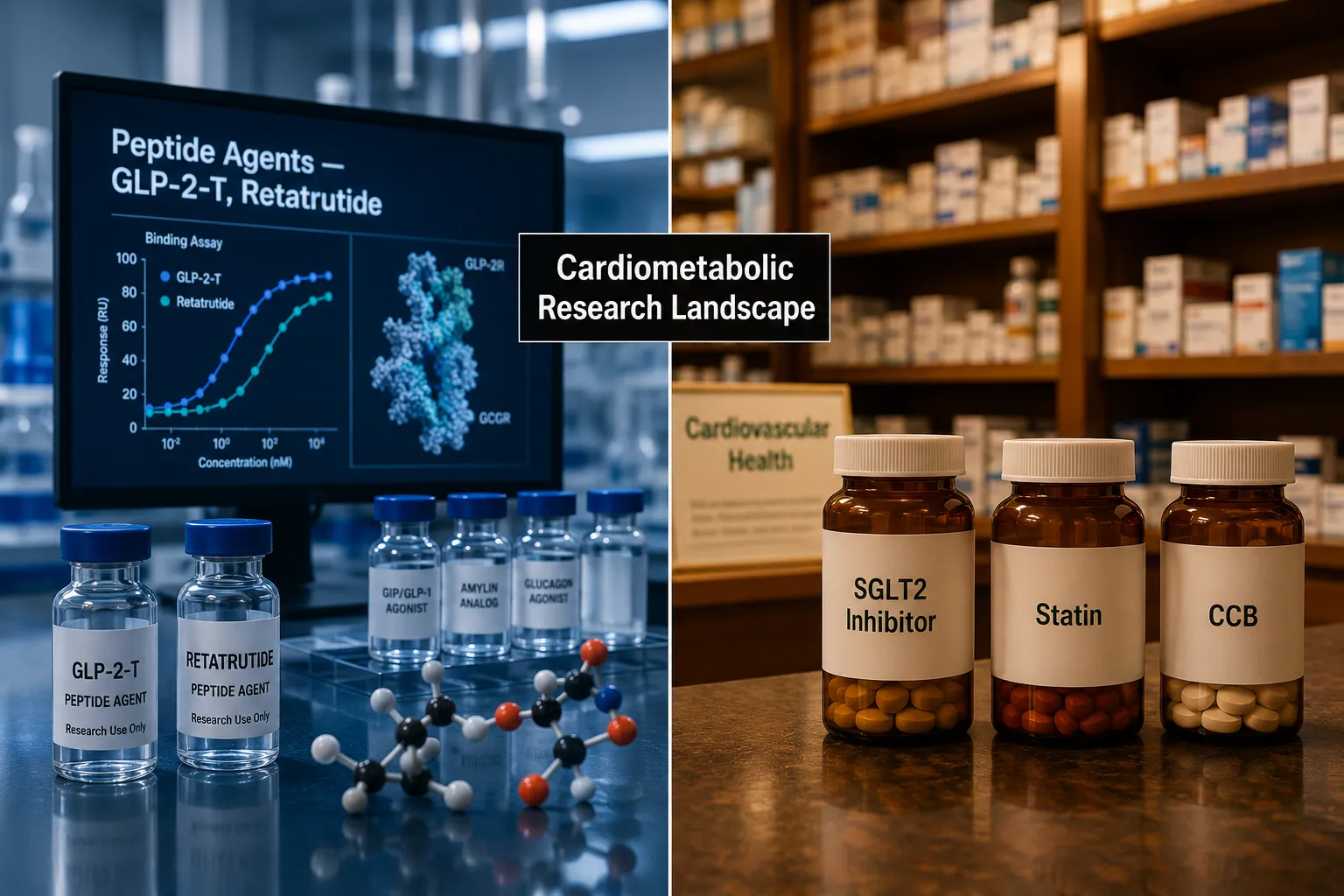
Cardiovascular disease and metabolic dysfunction together account for more than 17 million deaths annually worldwide, yet the dominant drugs managing these conditions, including atorvastatin, amlodipine, and prednisone, were designed decades before researchers understood the gut-hormone axis. The emergence of GLP peptides vs traditional small-molecule metabolic drugs as a central debate in 2026 cardiometabolic research reflects a genuine mechanistic shift, not just a trend. Understanding where GLP-3 retatrutide, GLP-2-T, and tesofensine fit in cardiometabolic research requires mapping each agent against the biological pathways that older drug classes were never built to target.
Key Takeaways
- GLP peptides operate through receptor-level hormonal signaling, while traditional small molecules like statins and calcium channel blockers inhibit specific enzymes or ion channels.
- Retatrutide is a triple agonist targeting GLP-1, GIP, and glucagon receptors simultaneously, producing weight loss of up to approximately 30% in phase 2 data.
- GLP-2-T remains an experimental dual agonist with limited formal validation but growing preclinical interest.
- Tesofensine is a small-molecule monoamine reuptake inhibitor with potent weight-loss effects but a narrower cardiometabolic profile than GLP peptides.
- Combination research pairing GLP agents with SGLT2 inhibitors represents one of the most active frontiers in 2026 metabolic drug development.
The Mechanistic Divide: How GLP Peptides Differ From Traditional Small-Molecule Drugs
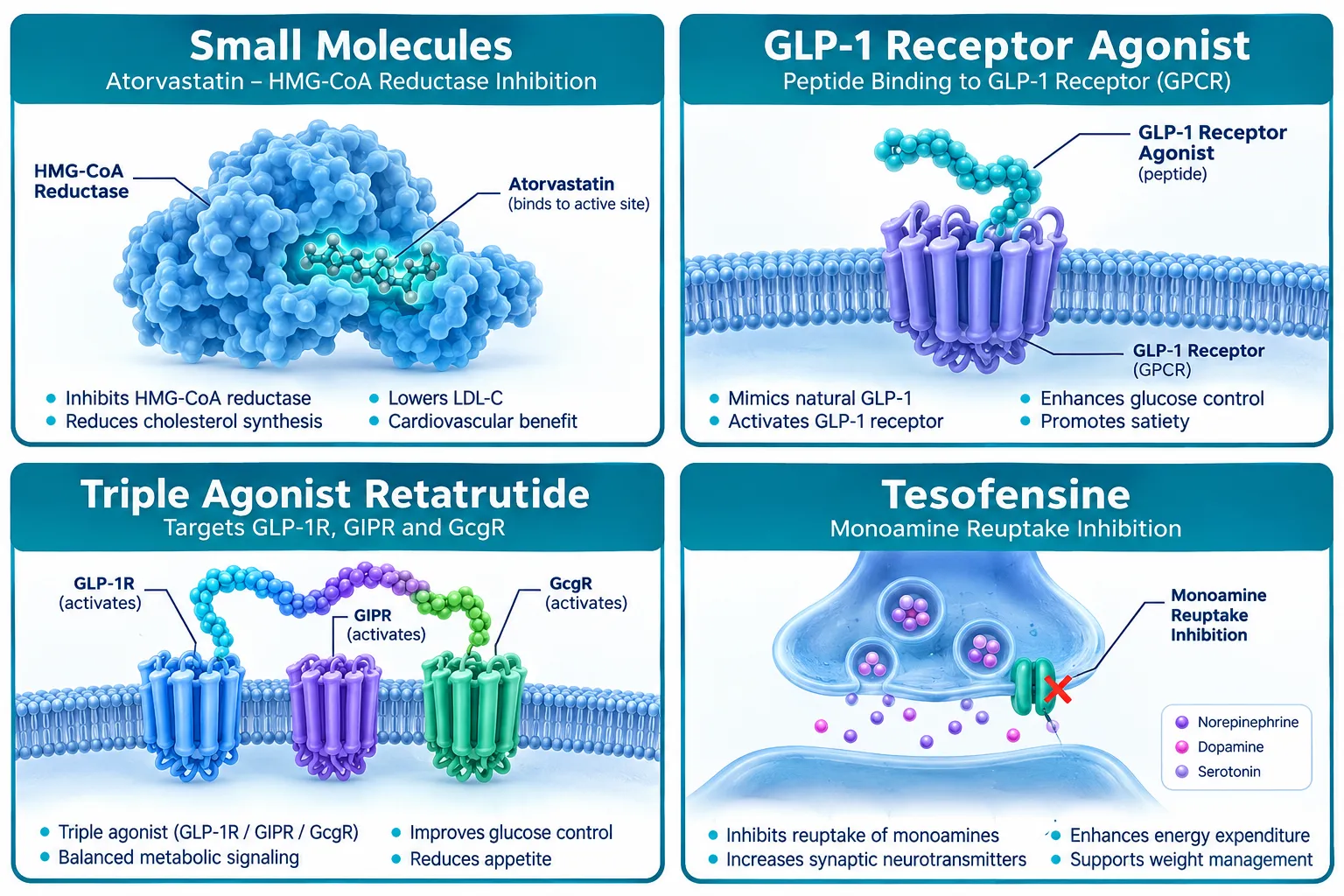
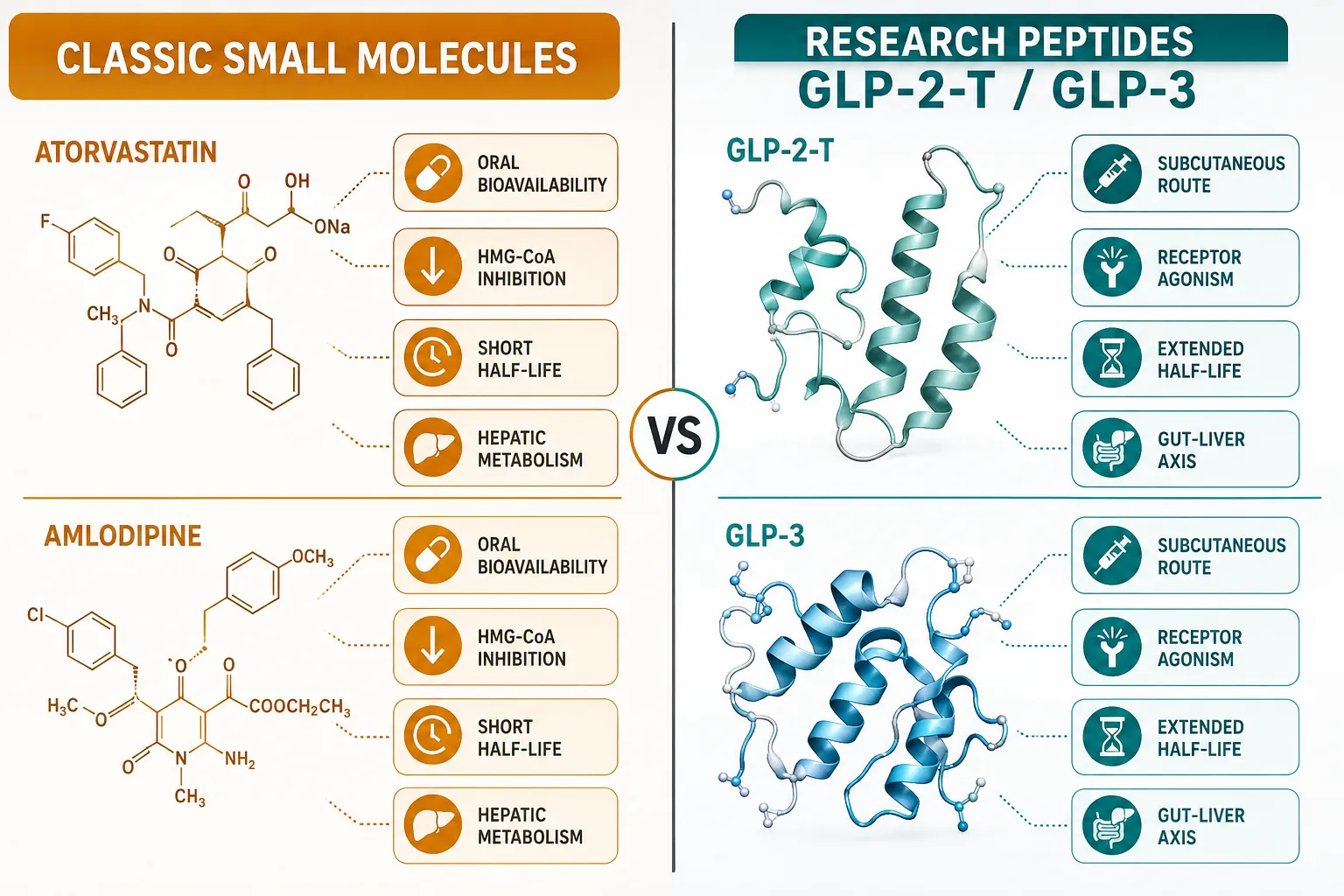
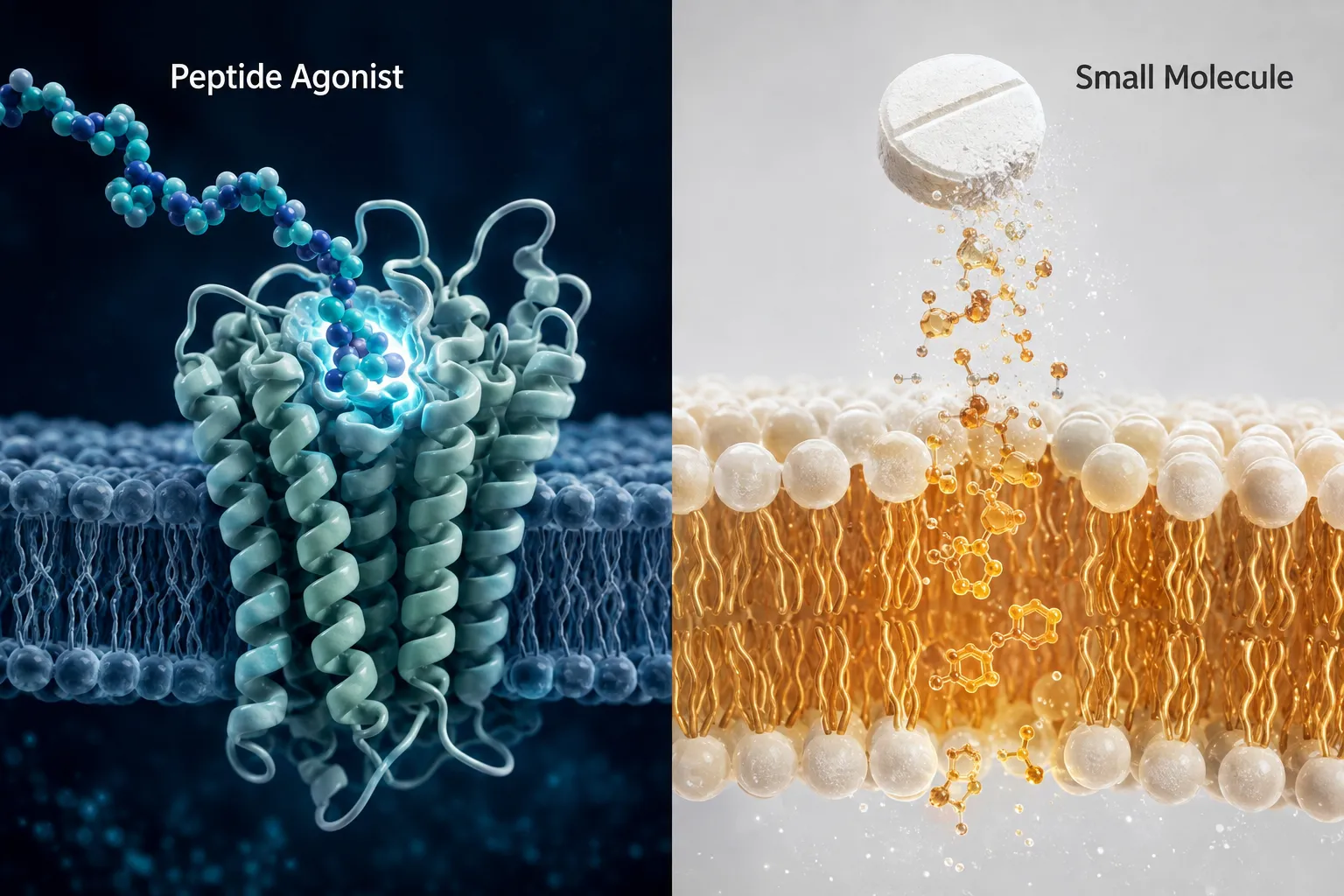
Traditional cardiometabolic drugs work by blocking or inhibiting a single molecular target. Atorvastatin inhibits HMG-CoA reductase to reduce LDL cholesterol. Amlodipine blocks L-type calcium channels to lower blood pressure. Prednisone suppresses inflammatory cytokines through glucocorticoid receptor binding. Each of these agents is chemically synthesized, orally bioavailable, and designed for a narrow, well-defined pathway.
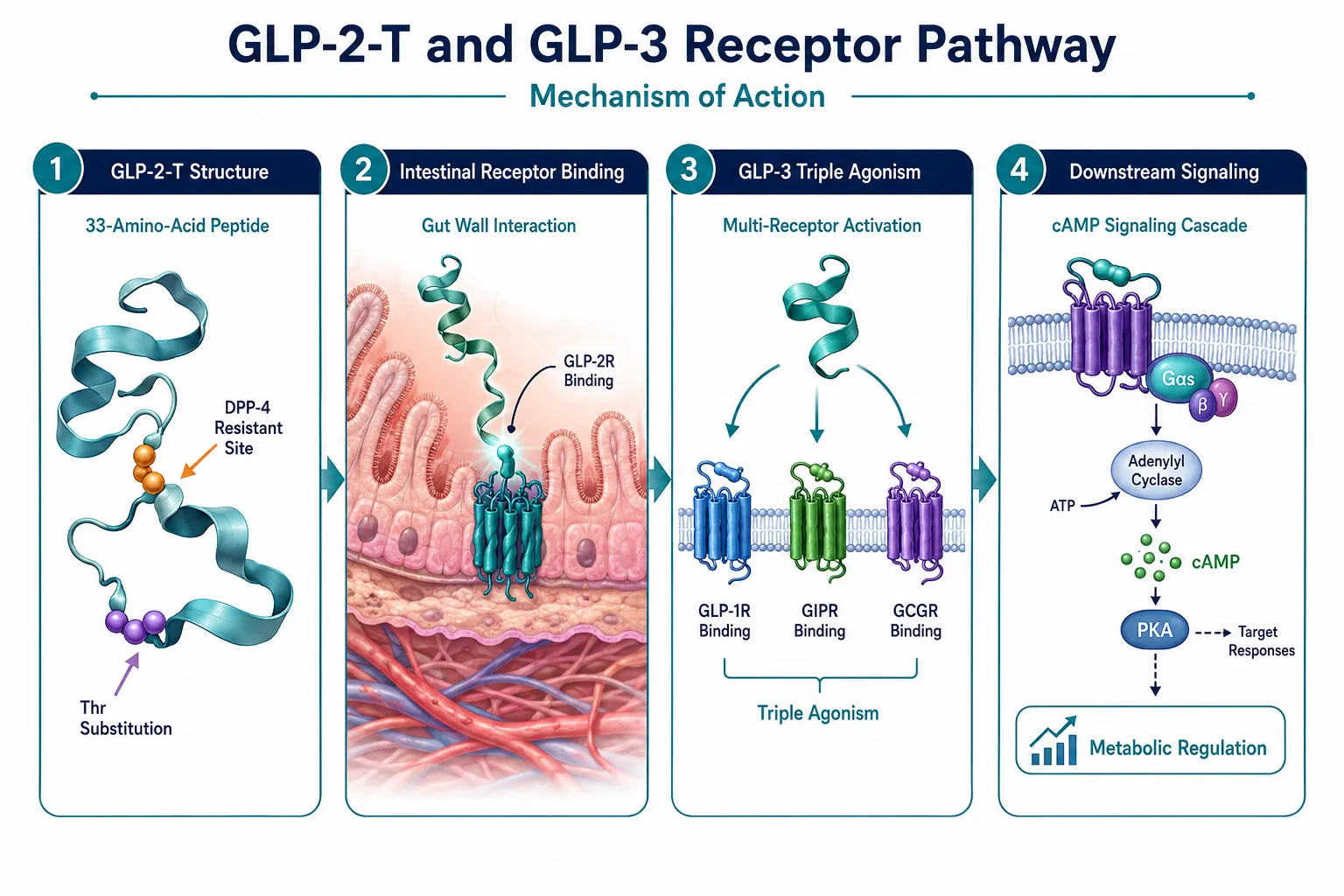
GLP peptides operate differently. They are amino acid chains that mimic or modulate endogenous gut hormones, binding to G-protein-coupled receptors (GPCRs) that regulate insulin secretion, appetite, gastric emptying, and energy expenditure. This multi-system engagement is the core reason GLP peptides vs traditional small-molecule metabolic drugs has become such a meaningful research distinction.
Key mechanistic differences at a glance:
| Feature | GLP Peptides | Traditional Small Molecules |
|---|---|---|
| Molecular structure | Amino acid chains | Synthesized organic compounds |
| Route of administration | Typically subcutaneous | Often oral |
| Target specificity | Multi-receptor hormonal | Single enzyme or channel |
| Metabolic scope | Broad (weight, glucose, CV) | Narrow (lipid, BP, inflammation) |
| Degradation pathway | Enzymatic (DPP-4) | Hepatic metabolism |
This mechanistic breadth is precisely why researchers are now studying GLP agents alongside, and sometimes in place of, older drug classes in cardiometabolic protocols.
For researchers exploring the broader peptide landscape, the GLP-3, GLP-1, and GLP-2 explained: a researcher's guide to the peptide family provides essential foundational context.
Retatrutide, GLP-2-T, and the Multi-Agonist Paradigm in Cardiometabolic Research
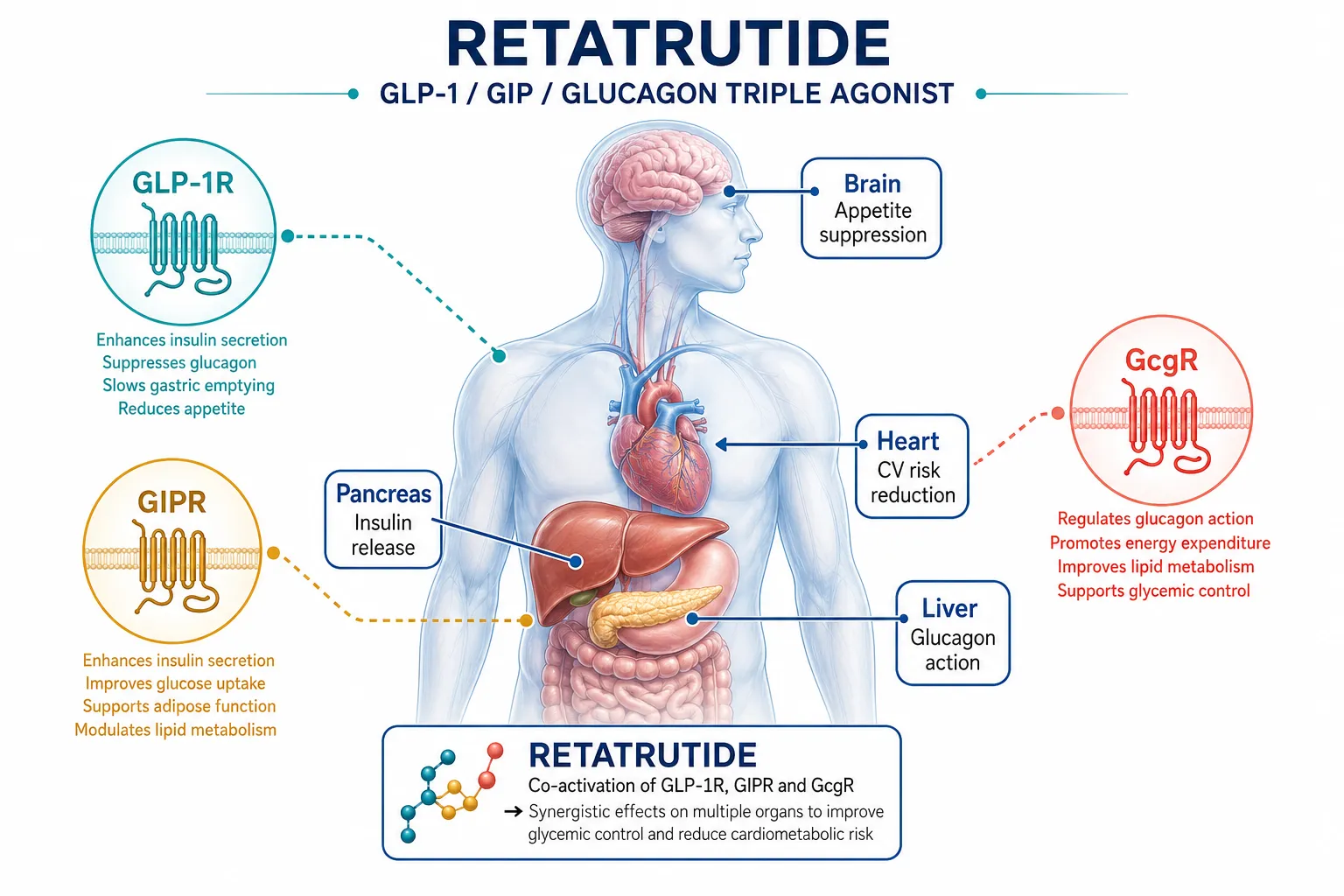
The most significant development in GLP peptides vs traditional small-molecule metabolic drugs research is the emergence of multi-receptor agonists. Retatrutide, often referred to informally as a "GLP-3-like" agent, simultaneously activates GLP-1, GIP (glucose-dependent insulinotropic polypeptide), and glucagon receptors. This triple agonism drives insulin sensitization, appetite suppression, and increased energy expenditure through three distinct but complementary pathways.
Phase 2 clinical data for retatrutide demonstrated weight reduction of up to approximately 24-30% from baseline, surpassing outcomes seen with GLP-1 mono-agonists like semaglutide. The TRIUMPH phase 3 program, now actively enrolling across multiple cardiometabolic indications in 2025-2026, is evaluating retatrutide not just for obesity but for heart failure, metabolic-associated steatohepatitis (MASH), and type 2 diabetes. This breadth of indication reflects the multi-system nature of triple agonism.
"Triple agonism in retatrutide targets three receptor systems that no single traditional small molecule was designed to address simultaneously."
Researchers can explore the triple agonist retatrutide research profile for detailed mechanistic data, and those sourcing research-grade material may reference Reta 10mg specifications.
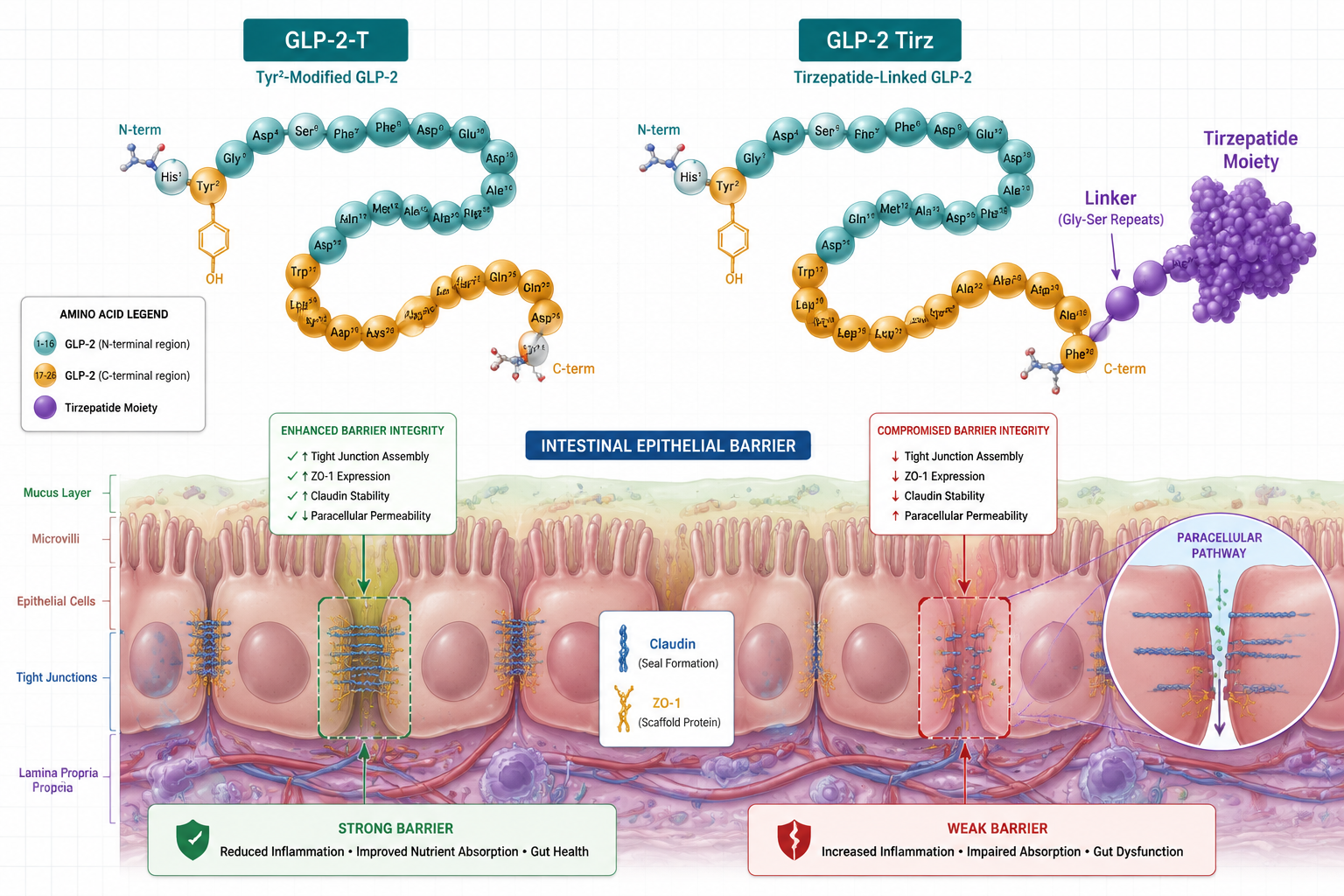
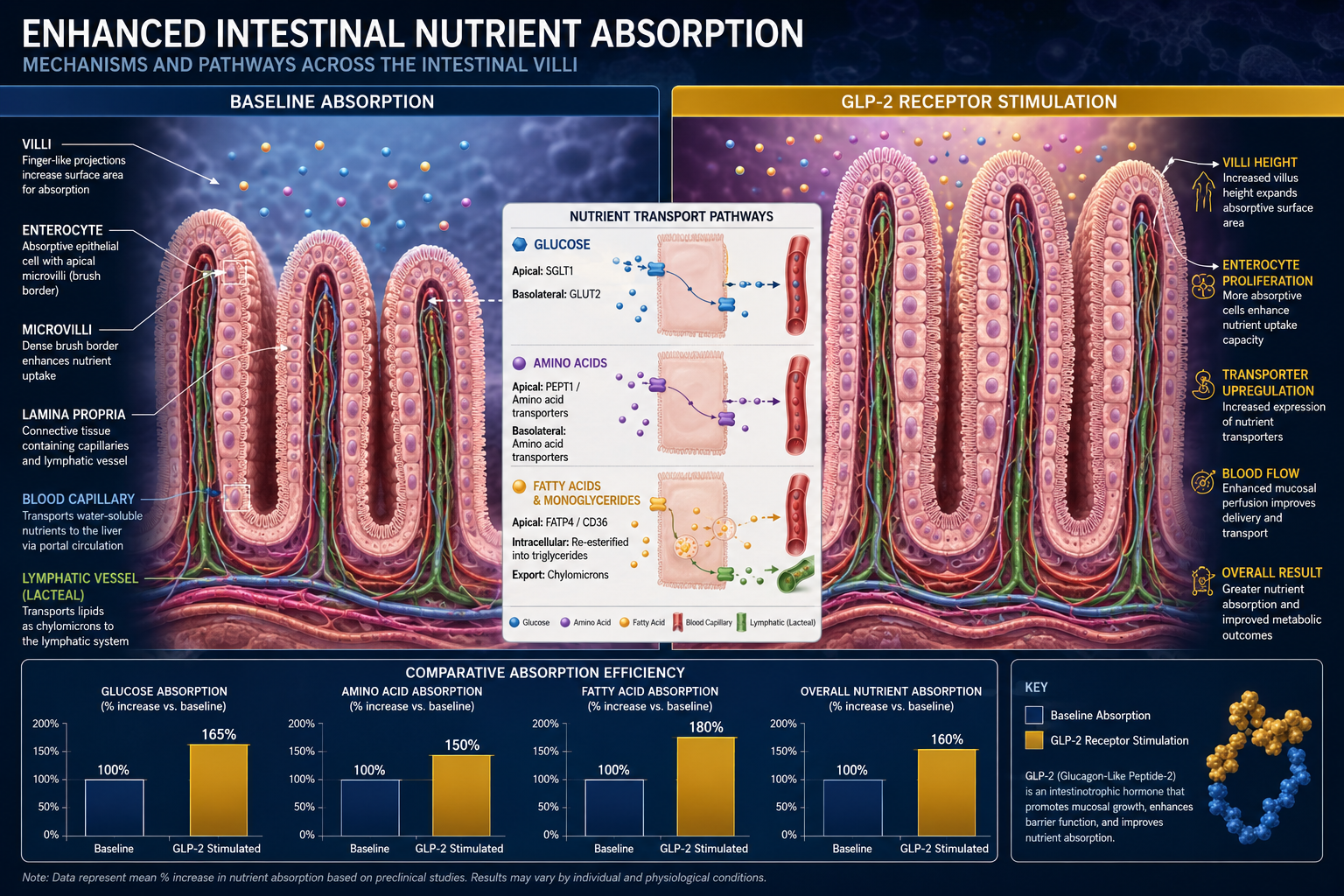
GLP-2-T is a distinct experimental compound, a dual agonist with activity at GLP-2 receptors alongside a secondary target. GLP-2 receptors are expressed in intestinal epithelium and have established roles in gut barrier integrity and nutrient absorption. In cardiometabolic research, GLP-2-T is being studied for its potential to reduce systemic inflammation originating from gut permeability, a pathway entirely absent from the pharmacology of atorvastatin or amlodipine. Formal clinical validation remains limited, but preclinical models show meaningful reductions in inflammatory markers relevant to atherosclerosis.
For researchers tracking GLP-1 peptides for research purposes, understanding GLP-2-T's distinct receptor profile is important for accurate experimental design.
Tesofensine and the Role of Small-Molecule Weight-Loss Agents Alongside GLP Peptides
Tesofensine occupies a unique position in the GLP peptides vs traditional small-molecule metabolic drugs conversation. It is a small molecule, not a peptide, that inhibits the reuptake of serotonin, dopamine, and norepinephrine in the central nervous system. This triple monoamine reuptake inhibition produces significant appetite suppression and has shown weight loss of 6-12% in clinical trials, placing it well above older agents like orlistat but below GLP-1 mono-agonists.
As of 2026, tesofensine remains approved in limited markets, primarily in Latin America, without broad regulatory clearance from the FDA or EMA. This geographic restriction shapes its role in research: it is studied as a comparator agent and as a potential combination partner rather than a frontline cardiometabolic therapy.
Where tesofensine fits in research design:
- As a CNS-pathway comparator to GLP-1's peripheral appetite suppression
- In combination studies examining monoaminergic plus incretin-based weight loss
- As a reference compound when evaluating tolerability profiles of newer peptides
The tolerability distinction between GLP peptides and tesofensine is clinically meaningful. GLP agents primarily cause gastrointestinal side effects (nausea, vomiting) that are dose-dependent and typically transient. Tesofensine carries cardiovascular signals including elevated heart rate and blood pressure, a concern that limits its cardiometabolic framing despite its weight-loss efficacy.
Researchers interested in mitochondrial and cellular energy pathways as complementary research targets may find value in reviewing MOTS-C peptide and mitochondrial biogenesis research, which addresses energy metabolism from a distinct mechanistic angle.
Integration with traditional cardiometabolic drugs is another active research area. GLP-1 agents combined with SGLT2 inhibitors (such as empagliflozin) show additive reductions in cardiovascular events, HbA1c, and body weight, a combination that no traditional drug pairing achieves with comparable breadth. Retatrutide's triple agonism may further amplify these benefits when studied alongside SGLT2 inhibitors in future phase 3 substudies.
For researchers sourcing verified compounds, high purity peptide sourcing and peptide CoA verification resources are critical for maintaining experimental integrity.
Conclusion
The debate around GLP peptides vs traditional small-molecule metabolic drugs is not a competition, it is a map of complementary mechanisms. Atorvastatin, amlodipine, and prednisone remain essential tools for managing lipid levels, blood pressure, and inflammation through well-characterized single-target pathways. Retatrutide, GLP-2-T, and tesofensine address metabolic dysfunction through hormonal signaling, gut-barrier modulation, and CNS appetite regulation, pathways that traditional drugs were not designed to reach.
Actionable next steps for researchers in 2026:
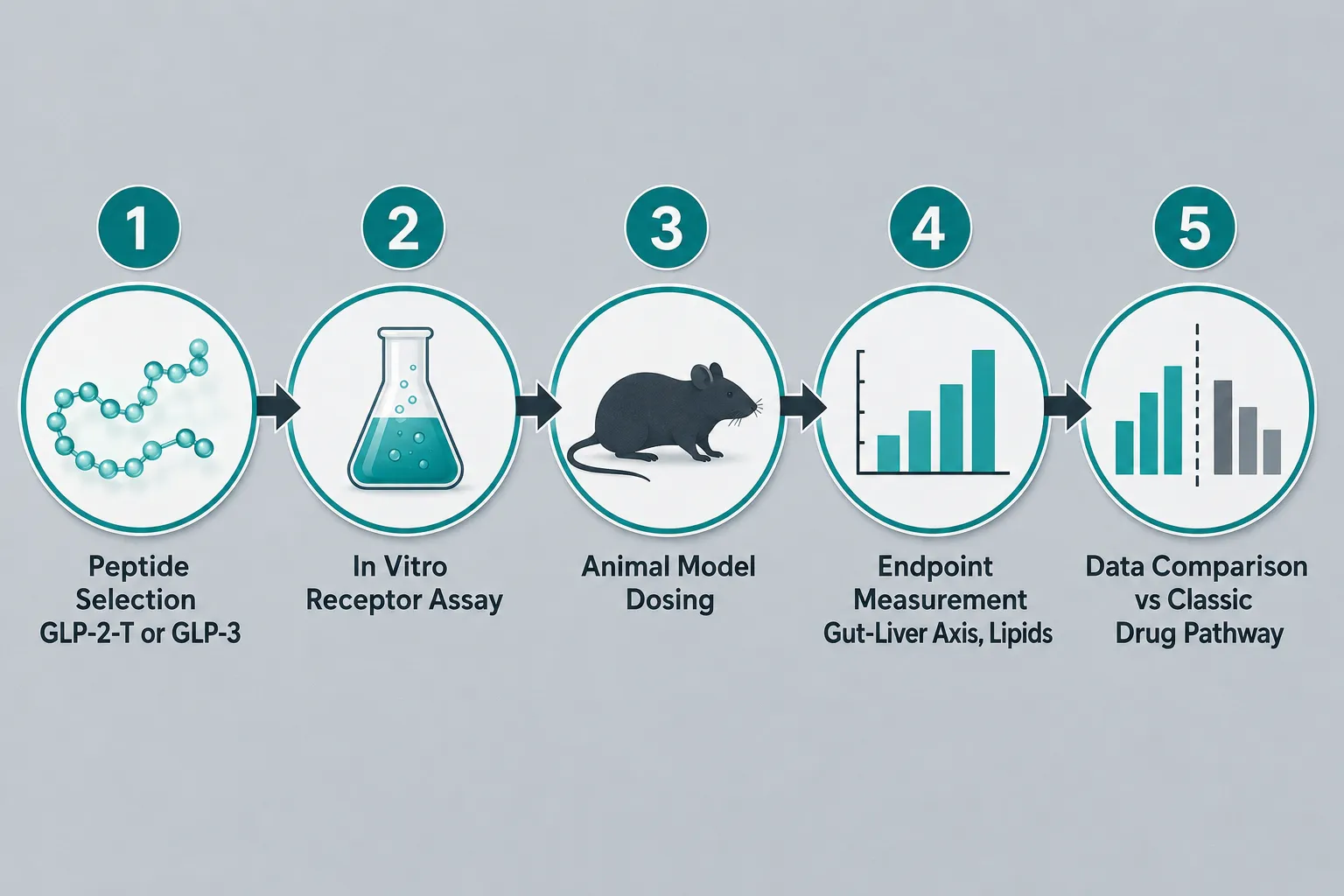
- Define the specific receptor pathway under investigation before selecting a GLP agent or small-molecule comparator.
- Review TRIUMPH phase 3 data as it publishes to understand retatrutide's evolving cardiometabolic evidence base.
- When designing combination protocols, consider GLP-1 plus SGLT2 pairings as the current evidence-supported benchmark.
- Treat GLP-2-T as a hypothesis-generating agent requiring rigorous in vitro validation before advancing to complex models.
- Source all research peptides with documented purity certificates to ensure data reproducibility.
The cardiometabolic research landscape in 2026 is defined by multi-mechanism thinking. Researchers who understand where each agent sits in this landscape, peptide or small molecule, will design more precise, reproducible, and ultimately meaningful studies.