Call or Text 727-513-9780
  • Shopping Cart Shopping Cart
    0Shopping Cart
Pure Tested Peptides | America's most trusted Peptides for sale online
  • Peptides for sale
    • Oral Peptides for sale
      • Peptide Capsules for sale
      • BPC 157 Capsules 1000mcg
      • SLU-PP-332 Capsules | 1000 mcg
      • 5-Amino-1MQ 50mg Capsules
      • Tesofensine 500mcg
    • All Peptides for sale
    • Peptide Sprays
      • BPC 157 Nasal Spray Kit
      • BPC-157 TB500 Nasal Spray Kit
      • Semax Nasal Spray 10mg
      • Selank – Nasal Spray Kit – 10mg
      • Epithalon 50MG Nasal Spray Kit
      • Ipamorelin 10mg Nasal Spray
      • Klow Nasal Spray (BPC-157 + TB-500 + GHK-Cu + KPV) | 80mg
      • Hulk Nasal Spray Tesa / Ipa Blend 6/3 MG
      • Klow Nasal Spray
      • NAD + 500 mg Nasal Spray
      • PT-141 Nasal Spray Kit
    • GHRH Peptides
      • Ipa Peptides
      • CJC-1295 Peptides
        • CJC-1295 with DAC 5 mg
        • CJC-1295 without DAC 5 mg
        • CJC-1295 Ipa 10mg
      • Tesa Peptides
        • Tesa Peptide
        • Tesa 20 mg
    • GHK-Cu Peptides
      • All GHK-Cu Peptides
      • GHK-Cu 100mg
      • KLOW Peptide Blend – Buy KLOW blend online
    • BPC Peptides
      • All BPC Peptides
      • BPC-157
      • BPC-157 TB-500
      • BPC 157 capsules 1000mcg
    • SLU-PP-332 Peptides
      • All SLU-PP-332 Peptides
      • SLU-PP-332 5mg
    • GLP3 Peptides
      • GLP3-R
      • GLP3-R CAG 10mg
      • GLP3-R 20mg
    • PT-141 Peptides
      • PT-141 Peptides for sale
      • PT-141 10mg
      • PT-141 Nasal Spray
    • CAG Peptides
      • Lipo-C Peptide Blend
      • CAG 5mg
      • CAG 10mg
    • MOTS-C Peptides
      • MOTS-C Peptides for sale
      • MOTS-c peptide
      • MOTS-c 10mg *6 pack*
    • 5 Amino 1MQ Peptides
      • 5 Amino 1MQ Peptides for sale
      • 5-Amino-1MQ 50mg Capsules
      • 5-Amino-1MQ 5mg
    • Epithalon Peptides
      • Epithalon Peptides for sale
      • Epithalon 10mg
      • Epithalon 50mg
  • Shop
    • GLPs
      • 5-Amino-1MQ 50mg Capsules
      • 5-Amino-1MQ 5mg
      • GLP3-Reta
      • L-Carnitine 500mg/ml
      • Tesofensine 500mcg
      • SLU-PP-332 5mg
      • MOTS-c 10mg *6 pack*
    • Epithalon & BPC Peptides
      • Epithalon 10mg
      • Epithalon 50mg
      • BPC-157
      • BPC 157 capsules 1000mcg
      • BPC-157 TB-500
      • BPC-157 TB500 Nasal Spray Kit
      • BPC 157 Nasal Spray Kit
    • BPC TB-500 & NAD+ Peptides
      • NAD+ 500 mg
      • KLOW Peptide Blend – Buy KLOW blend online
      • GLOW Peptide Blend
      • TB 500 5mg
      • BPC 157 capsules 1000mcg – Supplement
      • BPC 157 Nasal Spray Kit
      • BPC-157
      • BPC-157 TB500 Nasal Spray Kit
      • BPC-157 TB-500
      • BPC 157 capsules 1000mcg
    • LL-37 Peptide
      • LL-37 10 mg
    • MOTS-C & Selank
      • MOTS-c peptide
      • Selank 10mg
    • GHK Peptides
      • GHK-Cu 100mg
      • GLOW Peptide Blend
      • KLOW Peptide Blend – Buy KLOW blend online
  • COAs
  • Wholesale
    • Wholesale Peptides for sale
  • PTP FAQ
  • Affiliates
    • Selank Peptide: Advanced Pharmacological Mechanisms Underlying Its Anxiolytic and Nootropic Effects in Research
      • 5-Amino-1MQ Peptide: Detailed Mechanisms of NNMT Inhibition and Its Impact on Cellular Metabolism Research
        • MOTS-C Peptide: Unraveling Its Role in Mitochondrial Dynamics and Energy Metabolism Research
          • Epithalon Peptide and Telomerase Regulation: Investigating Its Impact on Cellular Senescence and Lifespan Research Models
            • GLP2-T vs GLP2 Tirz Peptide: Understanding the Naming, Mechanistic Nuances, and Research Implications for Gut Health
      • Peptides and Polypeptides in Modern Pharmacology: What Research on Metoprolol, Prednisone, and Amlodipine Reveals
        • Polypeptide Peptides vs NSAIDs: What Naproxen and Diclofenac Teach Tissue-Repair Researchers About BPC‑157 and TB‑500
          • Peptides and Polypeptides in Endocrine Pharmacology: How GLP-1, GLP-2, and GLP-3 Retatrutide Differ From Classic Drugs Like Prednisone and Amlodipine
          • 5‑Amino‑1MQ Peptide and NNMT Inhibition: How It Compares With Statins Like Atorvastatin in Adipose and Lipid Metabolism Research
      • Enclomiphene, Estrogen Receptor Signaling, and Luteinizing Phase Biology: What Hormone Researchers Should Measure
        • Mesenchymal Stem Cells, BPC‑157, and GHK‑Cu: How Tissue Repair Peptides Compare With Classic NSAIDs Like Naproxen in Injury Models
          • Peptide Calculator Use Cases Beyond Growth Hormone: Working Through GLP‑3 Retatrutide, MOTS‑c, and BPC‑157 Research Dosing
        • Polypeptide Peptides in Endocrine and Metabolic Pharmacology: Lessons From Amlodipine, Prednisone, and Metoprolol
        • Peptides Calculator for Advanced Blends: Worked Examples for Tesamorelin, CJC‑1295, and Ipamorelin Stacks
          • Peptides and Polypeptides in Human Physiology: How Molecular Size Shapes Research Applications
            • Selank Peptide: Advanced Pharmacological Mechanisms Underlying Its Anxiolytic and Nootropic Effects in Research
          • 5-Amino-1MQ Peptide: Detailed Mechanisms of NNMT Inhibition and Its Impact on Cellular Metabolism Research
            • MOTS-C Peptide: Unraveling Its Role in Mitochondrial Dynamics and Energy Metabolism Research
              • Epithalon Peptide and Telomerase Regulation: Investigating Its Impact on Cellular Senescence and Lifespan Research Models
                • GLP2-T vs GLP2 Tirz Peptide: Understanding the Naming, Mechanistic Nuances, and Research Implications for Gut Health
                  • Peptides and Polypeptides in Endocrine Pharmacology: How GLP-1, GLP-2, and GLP-3 Retatrutide Differ From Classic Drugs Like Prednisone and Amlodipine
                    • Polypeptide Peptides vs NSAIDs: What Naproxen and Diclofenac Teach Tissue-Repair Researchers About BPC‑157 and TB‑500
                      • Peptides and Polypeptides in Modern Pharmacology: What Research on Metoprolol, Prednisone, and Amlodipine Reveals
                        • 5‑Amino‑1MQ Peptide and NNMT Inhibition: How It Compares With Statins Like Atorvastatin in Adipose and Lipid Metabolism Research
                        • Enclomiphene, Estrogen Receptor Signaling, and Luteinizing Phase Biology: What Hormone Researchers Should Measure
                        • Mesenchymal Stem Cells, BPC‑157, and GHK‑Cu: How Tissue Repair Peptides Compare With Classic NSAIDs Like Naproxen in Injury Models
                        • Peptide Calculator Use Cases Beyond Growth Hormone: Working Through GLP‑3 Retatrutide, MOTS‑c, and BPC‑157 Research Dosing
                        • Polypeptide Peptides in Endocrine and Metabolic Pharmacology: Lessons From Amlodipine, Prednisone, and Metoprolol
                        • Peptides Calculator for Advanced Blends: Worked Examples for Tesamorelin, CJC‑1295, and Ipamorelin Stacks
                        • Peptides and Polypeptides in Human Physiology: How Molecular Size Shapes Research Applications
                        • Selank Peptide: Advanced Pharmacological Mechanisms Underlying Its Anxiolytic and Nootropic Effects in Research
                        • MOTS-C Peptide: Unraveling Its Role in Mitochondrial Dynamics and Energy Metabolism Research
                        • Peptides and Polypeptides in Modern Pharmacology: What Research on Metoprolol, Prednisone, and Amlodipine Reveals
                        • Peptides and Polypeptides in Endocrine Pharmacology: How GLP-1, GLP-2, and GLP-3 Retatrutide Differ From Classic Drugs Like Prednisone and Amlodipine
                        • 5-Amino-1MQ Peptide: Detailed Mechanisms of NNMT Inhibition and Its Impact on Cellular Metabolism Research
                        • Mesenchymal Stem Cells, BPC‑157, and GHK‑Cu: How Tissue Repair Peptides Compare With Classic NSAIDs Like Naproxen in Injury Models
                        • Peptide Calculator Use Cases Beyond Growth Hormone: Working Through GLP‑3 Retatrutide, MOTS‑c, and BPC‑157 Research Dosing
                        • GLP2-T vs GLP2 Tirz Peptide: Understanding the Naming, Mechanistic Nuances, and Research Implications for Gut Health
                        • Polypeptide Peptides in Endocrine and Metabolic Pharmacology: Lessons From Amlodipine, Prednisone, and Metoprolol
                        • Polypeptide Peptides vs NSAIDs: What Naproxen and Diclofenac Teach Tissue-Repair Researchers About BPC‑157 and TB‑500
                        • Peptides and Polypeptides in Human Physiology: How Molecular Size Shapes Research Applications
                        • Peptides Calculator for Advanced Blends: Worked Examples for Tesamorelin, CJC‑1295, and Ipamorelin Stacks
                        • 5‑Amino‑1MQ Peptide and NNMT Inhibition: How It Compares With Statins Like Atorvastatin in Adipose and Lipid Metabolism Research
                        • Enclomiphene, Estrogen Receptor Signaling, and Luteinizing Phase Biology: What Hormone Researchers Should Measure
                        • Epithalon Peptide and Telomerase Regulation: Investigating Its Impact on Cellular Senescence and Lifespan Research Models
                        • Best research protocol Klow blend
                        • best time to take BPC-157
                        • best time to take DSIP (Delta Sleep Inducing Peptide)
                        • best time to take CJC-1295
                        • best time to take AOD-9604
                        • best time to take Follistatin 344
                        • best time to take Ipamorelin
                        • best time to take MK-677 (Ibutamoren)
                        • best time to take Ligandrol (LGD-4033) — research compound
                        • best time to take Ostarine (MK-2866) — research compound
                        • best time to take GHK-CU
                        • best time to take TB-500
                        • best time to take MOTS-c
                        • best time to take Semax
                        • best time to take RAD-140 (Testolone) — research compound
                        • best time to take Thymosin Alpha-1
                        • best time to take PEG-MGF
                        • Biolife Plasma, Octapharma Plasma, and Research Peptides: How Plasma Donation Labs Differ From Peptide Suppliers
                        • best time to take YK-11 — research compound
                        • best time to take PT-141 (Bremelanotide)
                        • Best research protocol Klow blend
                        • 5-Amino-1MQ and MOTS-C Synergy: Metabolic Signaling, Mitochondria, and Research Design
                        • BPC-157 and TB-500: Investigating Their Combined Effects on Angiogenesis and Cellular Migration in Tissue Repair Models
                        • BPC-157 Peptide: Gut Barrier Function, Inflammation, and Tissue-Recovery Research
                        • 5‑Amino‑1MQ and MOTS‑c Synergy in Metabolic Research: Designing NNMT and Mitochondrial Biogenesis Stacks
                        • CJC-1295 with DAC vs. Without DAC: Half-Life, Release Kinetics, and Research Implications
                        • CJC‑1295 with DAC vs. Without DAC: Expanding on Half‑Life Differences Using Tesamorelin and Ipamorelin Blend Case Studies
                        • Collagen Biology and Copper‑Binding Peptides: How GHK‑Cu, Glow Blend, and Klow Blend Interact with Skin and Connective Tissue
                        • Collagen Biology and Regenerative Peptides: How GHK‑Cu, Glow Blend, and Klow Blend Affect Extracellular Matrix Research
                    • DNA, Telomeres, and Longevity Peptides: Positioning Epithalon and MOTS‑c in Genetic Aging Research
                      • Enclomiphene Citrate: serm Mechanism, Testosterone Research, and Stack Compatibility
                        • Enclomiphene vs Enclomiphene Citrate: Formulation, Bioavailability, and Research Distinctions
                        • Epithalon Peptide Research: Telomerase Activation, Aging, and Pineal Gland Function
                        • Estrogen Receptor Signaling and Enclomiphene: How Selective Modulators Compare with Classic Polypeptide Hormones
                        • GHK-Cu Peptide: Advanced Mechanisms in Extracellular Matrix Remodeling and Wound Healing Research
                        • GHK-Cu Peptide: Collagen Synthesis, Wound Repair, and Skin-Barrier Research Models
                        • GLP-1 vs GLP-3 vs GLP-2: Peptide Classification and Research Applications
                        • GLP-2 Peptide Research Guide: Gut Barrier Function, Nutrient Absorption, and Intestinal Recovery Models
                        • GLP-3 Retatrutide vs. GLP-1 Drugs: What Triple-Agonist Biology Changes in Research Models
                        • Ipamorelin and Tesamorelin Combination: Synergistic GH Secretagogue Research and Dosing Protocols
                        • GLP2 Tirz Peptide: What It Is, Why the Name Exists, and How Researchers Should Interpret It
                        • Klow Blend Peptide Nasal Spray: What the Formulation Is Trying to Do in Cognitive Research
                        • Mitochondria, NNMT Inhibition, and Peptide Modulators: Where MOTS‑c and 5‑Amino‑1MQ Fit in Cellular Energy Research
                        • MOTS-c Peptide: Mitochondrial Function, Energy Metabolism, and What Researchers Measure
                        • MOTS-c vs. 5-Amino-1MQ: Which Metabolic Research Questions Each Compound Actually Answers
                        • Nasal Spray Peptides: Bioavailability, Administration, and Semax/Selank Research Applications
                        • PT-141 Peptide Research: Mechanism of Action and Melanocortin Receptor Signaling
                        • Retatrutide for Research: Mechanism, Structure, and GLP-1/GLP-3 Dual Action
                        • Retatrutide for Obesity and Type 2 Diabetes: What the Latest Trial Data Suggest
                        • Tesofensine Peptide Research: Mechanism, Appetite Suppression, and Neuropeptide Y Pathways
  • Contact
    • Contact Customer Service
    • Text Customer Support
  • About US
  • Shop all peptides
  • Affiliate Program
    • Affiliate Signup
  • Login / Register Login / Register Page Link Login / Register Page Link
  • Click to open the search input field Click to open the search input field Search
  • Menu Menu

Tag Archive for: hypothalamic signaling

Tesofensine: Mechanism, Appetite Pathways, and Research Use in Metabolic Studies

Tesofensine: Mechanism, Appetite Pathways, and Research Use in Metabolic Studies

August 10, 2026/0 Comments/in Uncategorized/by

Obesity affects more than one billion people globally as of 2026, yet the pharmacological toolkit for studying its underlying neurobiology remains surprisingly narrow. Tesofensine: Mechanism, Appetite Pathways, and Research Use in Metabolic Studies is a subject that has drawn sustained attention from metabolic researchers precisely because this small molecule operates through a mechanism that sets it apart from the incretin-based compounds dominating current headlines. While GLP-1 receptor agonists and dual-receptor peptides generate most of the conversation, tesofensine works upstream, at the level of monoamine neurotransmission, offering a distinct window into how the brain governs appetite and energy expenditure.

Key Takeaways

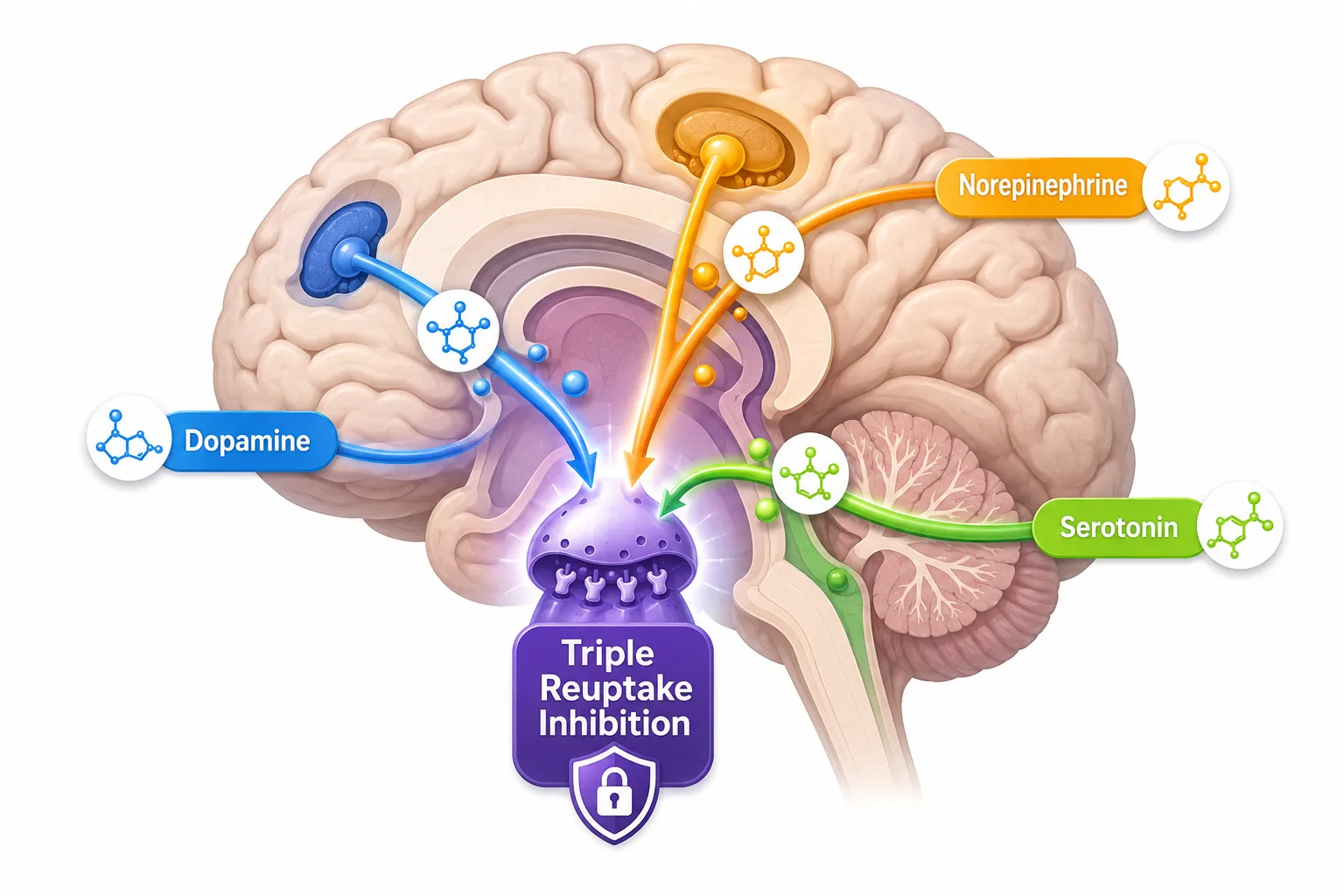
  • Tesofensine is a triple monoamine reuptake inhibitor that simultaneously blocks the reuptake of dopamine, norepinephrine, and serotonin.
  • Its primary appetite-suppressing effects are linked to hypothalamic signaling pathways, particularly those involving neuropeptide Y and pro-opiomelanocortin neurons.
  • Preclinical and early clinical data suggest significant reductions in body weight, making it a valuable tool in metabolic research models.
  • Tesofensine is mechanistically distinct from incretin-based peptides such as GLP-1 agonists, though both converge on energy balance outcomes.
  • Research-grade tesofensine is used in laboratory settings to probe monoamine-driven appetite circuits, not as an approved therapeutic agent.
Key Takeaways

How Tesofensine Works: The Triple Reuptake Mechanism

Tesofensine belongs to a class of compounds known as triple monoamine reuptake inhibitors (TMRIs). Its core action is the simultaneous inhibition of presynaptic transporters responsible for clearing three neurotransmitters from the synaptic cleft:

Neurotransmitter Transporter Blocked Metabolic Relevance
Dopamine DAT Reward signaling, motivation to eat
Norepinephrine NET Energy expenditure, thermogenesis
Serotonin SERT Satiety signaling, meal termination

By blocking all three transporters, tesofensine elevates synaptic concentrations of each neurotransmitter simultaneously. This is fundamentally different from older single-target agents like selective serotonin reuptake inhibitors (SSRIs) or norepinephrine-dopamine reuptake inhibitors (NDRIs), which address only one or two pathways.

"The triple-inhibition profile of tesofensine allows researchers to study how monoamine crosstalk shapes appetite regulation in ways that single-target compounds simply cannot replicate."

This multi-pathway engagement is one reason tesofensine is discussed alongside incretin-based compounds in metabolic research. Both categories ultimately reduce food intake and body weight, but through entirely separate biological entry points. Incretin peptides act on peripheral gut receptors and vagal nerve signaling; tesofensine acts centrally on monoamine circuits. Researchers studying the polypeptide peptides in cardiometabolic models that include tesofensine alongside GLP-class agents have noted this mechanistic divergence as a key variable in experimental design.

Appetite Pathways Targeted by Tesofensine

Appetite Pathways Targeted by Tesofensine

Hypothalamic Control of Energy Balance

The hypothalamus is the primary brain region where tesofensine exerts its appetite-suppressing effects. Two neuronal populations are especially relevant:

  • NPY/AgRP neurons, These neurons stimulate appetite and reduce energy expenditure when activated. Elevated norepinephrine and dopamine tone, driven by tesofensine, suppresses their activity.
  • POMC/CART neurons, These neurons promote satiety and increase metabolic rate. Enhanced serotonin signaling supports their activation.

The net effect is a shift in the hypothalamic set point toward reduced caloric intake and increased energy output.

Dopaminergic Reward Circuits

Beyond the hypothalamus, tesofensine's dopaminergic action influences the mesolimbic reward pathway. Elevated dopamine in the nucleus accumbens reduces the motivational drive to seek high-calorie foods. This is a distinct mechanism from the gut-hormone signaling studied in GLP-1 dual receptor agonism research, yet both pathways converge on reduced caloric consumption.

Norepinephrine and Thermogenesis

Norepinephrine elevation contributes to increased sympathetic nervous system activity, which promotes brown adipose tissue thermogenesis, the process by which the body generates heat by burning stored fat. This thermogenic component adds a second dimension to tesofensine's weight-reducing profile beyond simple appetite suppression.

For researchers exploring mitochondrial metabolism alongside appetite regulation, the MOTS-c peptide mitochondrial signaling research provides a complementary perspective on how cellular energy pathways interface with systemic metabolic outcomes.

Research Use in Metabolic Studies

Research Use in Metabolic Studies

What the Preclinical and Clinical Data Show

Tesofensine: Mechanism, Appetite Pathways, and Research Use in Metabolic Studies has been examined in both animal models and Phase II human trials. Key findings include:

  • In diet-induced obese mouse models, tesofensine produced dose-dependent reductions in body weight, with effects attributed to both hypophagia (reduced food intake) and increased energy expenditure.
  • A landmark Phase II clinical trial (NeuroSearch, 2008) reported mean weight loss of 10.6% over 24 weeks at the 1.0 mg dose, a result that exceeded comparator agents available at the time.
  • Cardiovascular parameters, including heart rate, showed dose-dependent increases, which remains an active area of safety characterization in research models.

Why Researchers Use Tesofensine Alongside Incretin Compounds

The growing interest in combination metabolic research has placed tesofensine in direct comparison with incretin-based peptides. The distinction matters:

  • Incretin peptides (GLP-1 agonists, dual agonists) act peripherally and centrally via receptor-mediated pathways.
  • Tesofensine acts centrally via transporter inhibition, independent of receptor binding.

This makes tesofensine a useful mechanistic control in studies designed to isolate central versus peripheral contributions to energy balance. Researchers consulting the top research peptides for metabolic health buyer's guide will find tesofensine positioned as a small-molecule comparator rather than a peptide, reinforcing its distinct role in experimental frameworks.

For those designing multi-compound metabolic protocols, resources on IPA muscle and fat research themes and tesa and ipamorelin combination protocols offer relevant context on how growth hormone axis modulation intersects with adipose tissue outcomes.

For a foundational overview of the compound itself, the tesofensine peptide overview provides a useful reference point before designing experimental protocols.

Research-Grade Sourcing Considerations

Because tesofensine is not an approved therapeutic in most jurisdictions as of 2026, its use is confined to laboratory and preclinical research settings. Purity verification, certificate of analysis documentation, and proper storage conditions are non-negotiable requirements for valid experimental data.

Conclusion

Tesofensine occupies a unique position in metabolic research: a small molecule that engages three monoamine systems simultaneously to reduce appetite and increase energy expenditure through entirely central mechanisms. Understanding Tesofensine: Mechanism, Appetite Pathways, and Research Use in Metabolic Studies equips researchers to use it as a mechanistic probe rather than conflating it with the incretin-based peptide class.

Actionable next steps for researchers:

  1. Review the preclinical literature on triple reuptake inhibition before designing dosing protocols in animal models.
  2. Use tesofensine as a mechanistic control in studies comparing central versus peripheral appetite regulation.
  3. Pair findings with complementary metabolic research on mitochondrial and GH-axis pathways to build a more complete picture of energy balance.
  4. Source only research-grade material with verified purity documentation to ensure data integrity.
  5. Monitor cardiovascular parameters alongside weight and intake endpoints in all study designs.

The mechanistic clarity tesofensine offers, distinct from yet complementary to incretin research, makes it a valuable tool for any laboratory serious about dissecting the neurobiology of metabolic disease.

References

  • Astrup, A., Madsbad, S., Breum, L., Jensen, T. J., Kroustrup, J. P., & Larsen, T. M. (2008). Effect of tesofensine on bodyweight loss, body composition, and quality of life in obese patients: a randomised, double-blind, placebo-controlled trial. The Lancet, 372(9653), 1906-1913.
  • Lehr, T., Staab, A., Tillmann, C., Nielsen, E. O., Trommeshauser, D., Schaefer, H. G., & Kloft, C. (2008). Contribution of the active metabolite M1 to the pharmacological activity of tesofensine in vivo: a pharmacokinetic-pharmacodynamic modelling approach. British Journal of Pharmacology, 153(1), 164-174.
  • Axel, A. M., Mikkelsen, J. D., & Hansen, H. H. (2010). Tesofensine, a novel triple monoamine reuptake inhibitor, induces appetite suppression by indirect stimulation of alpha1 adrenoceptor and dopamine D1 receptor pathways in the diet-induced obese rat. Neuropsychopharmacology, 35(7), 1464-1476.
  • Appel, L., Bergström, M., Buus Lassen, J., & Långström, B. (2014). Tesofensine, a novel triple monoamine reuptake inhibitor with anti-obesity effects: dopamine transporter occupancy as measured by PET. European Neuropsychopharmacology, 24(2), 251-261.
https://www.puretestedpeptides.com/wp-content/uploads/2026/08/tesofensine-mechanism-appetite-pathways-and-research-use-in-metabolic-studies.webp 1024 1536 https://www.puretestedpeptides.com/wp-content/uploads/2026/01/buy-peptides-online.jpg 2026-08-10 13:04:102026-08-10 13:04:10Tesofensine: Mechanism, Appetite Pathways, and Research Use in Metabolic Studies
PT-141 Peptide Research: Mechanism, Applications, and Comparison to Traditional Approaches

PT-141 Peptide Research: Mechanism, Applications, and Comparison to Traditional Approaches

August 9, 2026/0 Comments/in Uncategorized/by

Fewer than 30 years ago, the idea of targeting the central nervous system directly to study arousal-related biology was largely theoretical. PT-141 peptide research has since moved that concept into active experimental territory, giving researchers a distinct tool that operates through melanocortin signaling rather than the vascular or hormonal pathways that older pharmacological models rely on. This article breaks down the core mechanism behind PT-141 peptide research, its documented research applications, and how it compares to traditional approaches in experimental biology.

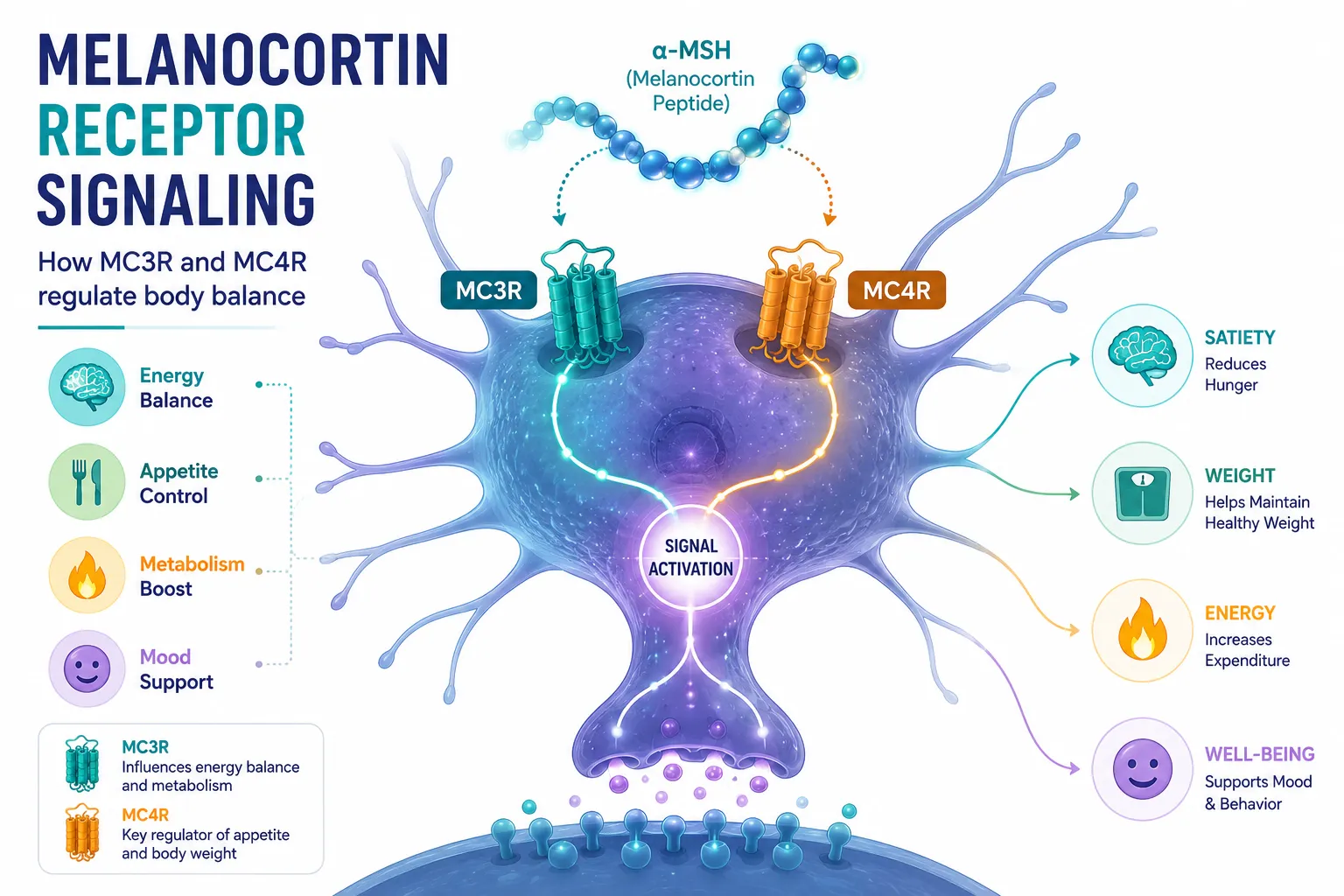
Bright editorial infographic-style landscape image () illustrating melanocortin receptor signaling: a clean flat-vector

Key Takeaways

  • PT-141 (bremelanotide) is a synthetic melanocortin receptor agonist derived from the alpha-MSH peptide family.
  • Its primary research interest centers on MC3R and MC4R activation in the central nervous system, not peripheral vascular targets.
  • Preclinical and clinical studies have examined PT-141 in the context of sexual dysfunction, energy regulation, and appetite modulation.
  • Unlike PDE5 inhibitors or hormone replacement strategies, PT-141 acts upstream at the neural level.
  • Researchers studying melanocortin biology often use PT-141 as a probe compound to understand receptor selectivity and downstream signaling.

Melanocortin Signaling: The Biological Foundation

PT-141 peptide research begins with understanding the melanocortin system. Melanocortins are a family of peptides derived from the precursor protein proopiomelanocortin (POMC). They bind to five known G-protein-coupled receptors, labeled MC1R through MC5R, each with distinct tissue distributions and downstream effects.

PT-141, also known as bremelanotide, is a cyclic heptapeptide analogue of alpha-melanocyte-stimulating hormone (alpha-MSH). Its structure was developed by modifying the natural peptide Melanotan II, with the primary goal of improving metabolic stability and receptor selectivity. The compound shows particular affinity for MC3R and MC4R, both of which are expressed in hypothalamic and limbic brain regions.

Why does this matter for researchers?

MC4R in particular has been linked to a wide range of central functions:

  • Energy homeostasis and appetite regulation
  • Autonomic nervous system tone
  • Sexual arousal and motivation pathways
  • Inflammation modulation

When PT-141 binds MC4R, it activates adenylyl cyclase through Gs-protein coupling, increasing intracellular cyclic AMP (cAMP). This cascade influences neuronal firing patterns in areas like the paraventricular nucleus of the hypothalamus. For more on how melanocortin receptor biology intersects with broader neural-metabolic themes, see the PT-141 neural metabolic research themes overview and the dedicated MC4R research resource.

Research Applications in PT-141 Peptide Studies

Research Applications in PT-141 Peptide Studies

Sexual Function Research

The most extensively studied application in PT-141 peptide research involves sexual dysfunction models. Unlike PDE5 inhibitors such as sildenafil, which work by relaxing smooth muscle in penile vasculature, PT-141 acts centrally. Animal studies demonstrated that MC4R agonism in the hypothalamus could trigger erections independent of direct genital stimulation, pointing to a neural motivational component rather than a purely mechanical vascular one.

In clinical trials, bremelanotide was evaluated in both male and female subjects. The FDA approved it in 2019 under the brand name Vyleesi for hypoactive sexual desire disorder (HSDD) in premenopausal women, one of the few approved agents with a central nervous system mechanism of action for this indication.

"PT-141 does not require sexual stimulation to initiate its effects in animal models, which distinguishes it fundamentally from peripheral vasodilatory agents."

Appetite and Energy Balance Research

Because MC4R is a key regulator of food intake, researchers have also used PT-141 as a probe to study appetite suppression pathways. Rodent studies show reduced food intake following MC4R agonist administration, consistent with the known role of this receptor in satiety signaling. This overlaps with broader metabolic peptide research, see the top 5 research peptides for metabolic health for context on where PT-141 sits relative to other metabolic probes.

Inflammation and Autonomic Modulation

Emerging preclinical data suggest MC3R and MC4R activation may modulate inflammatory cytokine release and autonomic tone. This positions PT-141 as a potential research tool in neuroinflammation models, though this area remains early-stage.

PT-141 Peptide Research vs. Traditional Pharmacological Approaches

PT-141 Peptide Research vs. Traditional Pharmacological Approaches

Understanding what makes PT-141 peptide research distinct requires a direct comparison with older paradigms.

Dimension PT-141 / Melanocortin Agonism Traditional Approaches
Primary target CNS receptors (MC3R, MC4R) Vascular smooth muscle or endocrine glands
Mechanism cAMP-mediated neural signaling PDE5 inhibition or hormone supplementation
Onset pathway Central (hypothalamic) Peripheral (genital, systemic)
Dependency on stimulation Not required in animal models Often required (PDE5 inhibitors)
Research selectivity Receptor subtype-specific probing Broad systemic effects

Traditional approaches to sexual dysfunction research have relied heavily on two frameworks: endocrine supplementation (testosterone, estrogen) and vascular modulation (PDE5 inhibitors). Both operate downstream of the neural decision-making process. PT-141 targets the motivational and arousal circuitry upstream, which is why it is valuable as an experimental probe for understanding the neurobiology of desire rather than the mechanics of physical response.

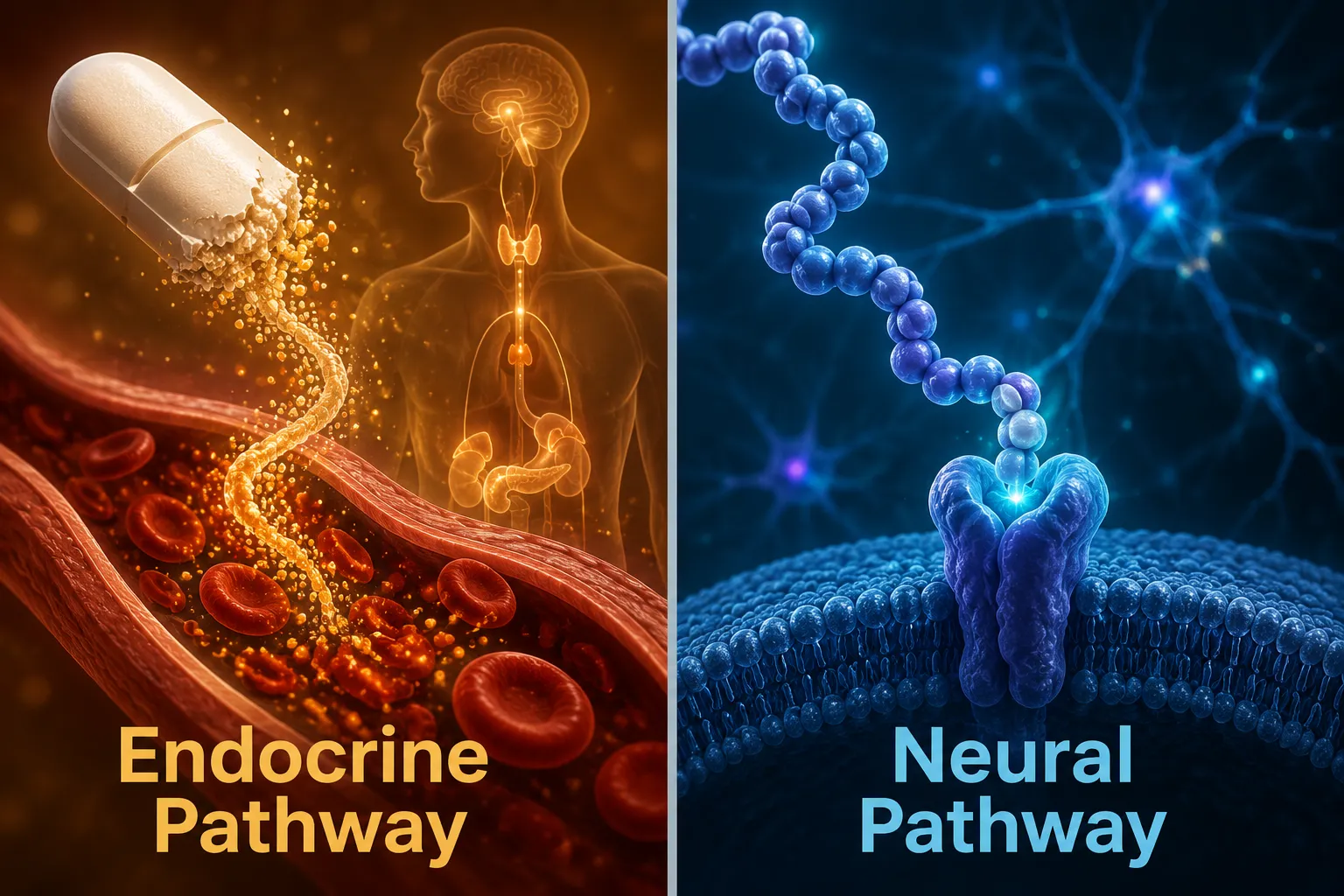
For researchers interested in how peptides broadly compare to small-molecule drugs in terms of receptor specificity and signaling depth, the peptides vs. classic small-molecule drugs analysis provides a useful framework. Delivery method also plays a role in research design; the nasal spray peptides: delivery methods, bioavailability, and research advantages article covers how route of administration affects peptide bioavailability in study contexts.

Researchers sourcing PT-141 for laboratory use can find high-purity material at the buy PT-141 peptide (bremelanotide) 10mg product page.

Conclusion

PT-141 peptide research occupies a unique position in experimental biology because it targets the central melanocortin system rather than peripheral vascular or endocrine structures. Its primary research value lies in its ability to activate MC3R and MC4R in hypothalamic circuits, making it a precise tool for studying neural arousal, appetite regulation, and autonomic modulation.

Actionable next steps for researchers:

  1. Review the published MC4R literature to understand receptor subtype selectivity before designing dosing protocols.
  2. Consider delivery route carefully, subcutaneous and intranasal models produce different pharmacokinetic profiles.
  3. Use PT-141 alongside complementary probes to map melanocortin pathway interactions rather than studying it in isolation.
  4. Cross-reference findings with related peptide research, such as Selank peptide research benefits and mechanism of action, to contextualize CNS peptide effects.
  5. Ensure compound purity is verified through third-party testing before use in any experimental protocol.

As 2026 research continues to expand the melanocortin receptor map, PT-141 remains one of the most pharmacologically informative tools available for probing the neural biology of motivation and metabolic regulation.

https://www.puretestedpeptides.com/wp-content/uploads/2026/08/pt-141-peptide-research-mechanism-applications-and-comparison-to-traditional-app.webp 1024 1536 https://www.puretestedpeptides.com/wp-content/uploads/2026/01/buy-peptides-online.jpg 2026-08-09 13:05:092026-08-09 13:05:09PT-141 Peptide Research: Mechanism, Applications, and Comparison to Traditional Approaches

Tag Archive for: hypothalamic signaling

PT-141 Peptide and Melanocortin Signaling: What Researchers Should Know Beyond Erectile-Function Headlines

PT-141 Peptide and Melanocortin Signaling: What Researchers Should Know Beyond Erectile-Function Headlines

June 2, 2026/0 Comments/by Pure Tested

Fewer than 5% of published peptide research articles on bremelanotide address its role outside of sexual function — yet the melanocortin system it targets governs appetite, inflammation, energy balance, and kidney filtration. Understanding PT-141 peptide and melanocortin signaling means looking past the headlines and into the receptor biology that makes this compound a serious subject of multi-system investigation in 2026.

Close-up overhead view of a laboratory bench with multiple glass vials containing clear peptide solutions arranged beside a

Key Takeaways

  • PT-141 is a synthetic cyclic heptapeptide that selectively activates MC3R and MC4R in the central nervous system, bypassing vascular mechanisms entirely.
  • Its pharmacological reach extends well beyond sexual function into appetite regulation, kidney disease, and metabolic research.
  • Purity thresholds matter: batches below 97% purity show an 18-24% variance in receptor binding affinity.
  • Recent hypothalamic mapping has identified previously uncharted MC4R-dense regions, expanding the research scope of this peptide.
  • Researchers sourcing PT-141 for preclinical work should prioritize verified, high-purity material to ensure reproducible results.

The Melanocortin Receptor System: A Framework Researchers Must Understand

Before examining PT-141 peptide and melanocortin signaling in applied contexts, researchers need a firm grasp of the receptor architecture involved.

The melanocortin system comprises five G-protein-coupled receptors (MC1R through MC5R). PT-141 — derived from Melanotan II — acts with high selectivity at MC3R and MC4R, bypassing MC1R and MC2R almost entirely. This selectivity is not trivial. MC4R is densely expressed in the hypothalamus, including the paraventricular nucleus (PVN) and the lateral hypothalamic area (LHA), regions recently mapped in a multi-institutional study published in Nature Communications. These areas regulate feeding behavior, energy expenditure, and autonomic tone — not just reproductive signaling.

Why this matters for research design: Any experimental model using PT-141 that treats it purely as a pro-erectile agent is missing the broader neuroendocrine canvas. The same receptor activation that modulates sexual arousal also intersects with satiety signaling and stress-axis responses.

Researchers exploring adjacent peptide systems — such as MOTS-c mitochondrial research themes or GLP-1 and incretin pathway investigations — will find meaningful mechanistic overlap with the MC4R axis, particularly in metabolic regulation models.


Beyond Sexual Function: Emerging Research Domains

Beyond Sexual Function: Emerging Research Domains

The clinical approval of bremelanotide (Vyleesi) in 2019 for hypoactive sexual desire disorder (HSDD) in premenopausal women established PT-141's regulatory legitimacy. Open-label extension data confirm that improvements in sexual desire and reductions in distress are maintained over 52 weeks of on-demand use with no new safety signals. In male erectile dysfunction research, a randomized controlled trial showed positive clinical responses in 33.5% of bremelanotide-treated patients versus 8.5% on placebo — and co-administration with sildenafil produced significantly enhanced responses in non-responders.

But the more compelling frontier lies elsewhere.

Metabolic and Appetite Research

Palatin Technologies completed a Phase 2 trial pairing bremelanotide with tirzepatide, a dual GLP-1/GIP agonist. The combination group achieved a 4.4% weight reduction compared to 1.6% in the placebo group. The mechanistic logic is straightforward: MC4R activation suppresses appetite through central pathways, and stacking it with incretin-based agents may amplify energy balance effects. This is preliminary data, not an approved application — but it signals why researchers studying metabolic peptide synergy should monitor the MC4R literature closely.

Kidney Disease Models

The BREAKOUT Phase 2b study in type 2 diabetic kidney disease found that 71% of patients achieved more than a 30% reduction in urine protein/creatinine ratio with bremelanotide treatment. MC receptors expressed in renal tissue appear to modulate podocyte function and inflammatory signaling. These findings require further validation but represent a significant expansion of the peptide's research profile.


Purity, Pharmacokinetics, and Research Protocol Considerations

Purity, Pharmacokinetics, and Research Protocol Considerations

Reproducibility in peptide research starts with material quality. Research published in the Journal of Peptide Science demonstrated that PT-141 batches below 97% purity show an 18-24% variance in receptor binding affinity compared to pharmaceutical-grade material — a variance large enough to invalidate dose-response conclusions.

Following subcutaneous administration, PT-141 reaches peak plasma concentration within 30-60 minutes, with maximal effects observed between 1-4 hours. Despite a plasma half-life of approximately 2.7 hours, biological effects persist for 6-8 hours, likely due to receptor residence time and downstream neurochemical changes.

Common adverse events in clinical trials include:

  • Nausea (approximately 40% of participants)
  • Flushing (approximately 20%)
  • Injection site reactions
  • Transient blood pressure increases, typically resolving within 12 hours

Researchers sourcing material for preclinical work should consult detailed PT-141 research context documentation and review reference standard benchmarking practices before designing assays. For those ready to source verified material, PT-141 peptide for research use is available with documented purity specifications.

"Receptor selectivity is only as meaningful as the purity of the compound activating it."

Researchers comparing neuroendocrine peptides may also find value in reviewing BPC-157 core documentation for parallel methodology frameworks in CNS-adjacent peptide studies.


Conclusion

PT-141 peptide and melanocortin signaling represent a research area far broader than the erectile-function narrative that dominates popular coverage. The MC3R/MC4R axis connects appetite regulation, kidney filtration, metabolic balance, and neuroendocrine function — all active areas of investigation in 2026. Researchers entering this space should prioritize three immediate steps: verify that sourced material meets or exceeds 97% purity, design protocols that account for the peptide's extended biological half-life relative to plasma clearance, and monitor emerging Phase 2 data in metabolic and renal disease models. The mechanism is the message — and the mechanism here is considerably richer than the headlines suggest.


https://www.puretestedpeptides.com/wp-content/uploads/2026/06/PT-141-Peptide-and-Melanocortin-Signaling-What-Researchers-Should-Know-Beyond-Erectile-Function-Headlines.png 1024 1536 Pure Tested https://www.puretestedpeptides.com/wp-content/uploads/2026/01/buy-peptides-online.jpg Pure Tested2026-06-02 22:09:512026-07-20 15:04:15PT-141 Peptide and Melanocortin Signaling: What Researchers Should Know Beyond Erectile-Function Headlines
×

Helpful Links

  • My account
  • Cart
  • Checkout
  • Refund and Returns Policy
  • Privacy Policy
  • SMS Privacy Policy
  • Login
  • My Account
  • Logout

USA Made Lab Tested Peptides

All products are sold for research, laboratory, or analytical purposes only, and are not for human consumption


Pure Tested Peptides is a chemical supplier. Pure Tested Peptides is not a compounding / chemical compounding facility as defined under 503A of the Federal Food, Drug, and Cosmetic act. Pure Tested Peptides is not an outsourcing facility as defined under 503B of the Federal Food, Drug, and Cosmetic act.

The statements made within this website have not been evaluated by the US Food and Drug Administration. The products we offer are not intended to diagnose, treat, cure or prevent any disease.

Human/Animal Consumption Prohibited. Laboratory/In-Vitro Experimental Use Only

Scroll to top Scroll to top Scroll to top