Call or Text 727-513-9780
  • Shopping Cart Shopping Cart
    0Shopping Cart
Pure Tested Peptides | America's most trusted Peptides for sale online
  • Peptides for sale
    • Oral Peptides for sale
      • Peptide Capsules for sale
      • BPC 157 Capsules 1000mcg
      • SLU-PP-332 Capsules | 1000 mcg
      • 5-Amino-1MQ 50mg Capsules
      • Tesofensine 500mcg
    • All Peptides for sale
    • Peptide Sprays
      • BPC 157 Nasal Spray Kit
      • BPC-157 TB500 Nasal Spray Kit
      • Semax Nasal Spray 10mg
      • Selank – Nasal Spray Kit – 10mg
      • Epithalon 50MG Nasal Spray Kit
      • Ipamorelin 10mg Nasal Spray
      • Klow Nasal Spray (BPC-157 + TB-500 + GHK-Cu + KPV) | 80mg
      • Hulk Nasal Spray Tesa / Ipa Blend 6/3 MG
      • Klow Nasal Spray
      • NAD + 500 mg Nasal Spray
      • PT-141 Nasal Spray Kit
    • GHRH Peptides
      • Ipa Peptides
      • CJC-1295 Peptides
        • CJC-1295 with DAC 5 mg
        • CJC-1295 without DAC 5 mg
        • CJC-1295 Ipa 10mg
      • Tesa Peptides
        • Tesa Peptide
        • Tesa 20 mg
    • GHK-Cu Peptides
      • All GHK-Cu Peptides
      • GHK-Cu 100mg
      • KLOW Peptide Blend – Buy KLOW blend online
    • BPC Peptides
      • All BPC Peptides
      • BPC-157
      • BPC-157 TB-500
      • BPC 157 capsules 1000mcg
    • SLU-PP-332 Peptides
      • All SLU-PP-332 Peptides
      • SLU-PP-332 5mg
    • GLP3 Peptides
      • GLP3-R
      • GLP3-R CAG 10mg
      • GLP3-R 20mg
    • PT-141 Peptides
      • PT-141 Peptides for sale
      • PT-141 10mg
      • PT-141 Nasal Spray
    • CAG Peptides
      • Lipo-C Peptide Blend
      • CAG 5mg
      • CAG 10mg
    • MOTS-C Peptides
      • MOTS-C Peptides for sale
      • MOTS-c peptide
      • MOTS-c 10mg *6 pack*
    • 5 Amino 1MQ Peptides
      • 5 Amino 1MQ Peptides for sale
      • 5-Amino-1MQ 50mg Capsules
      • 5-Amino-1MQ 5mg
    • Epithalon Peptides
      • Epithalon Peptides for sale
      • Epithalon 10mg
      • Epithalon 50mg
  • Shop
    • GLPs
      • 5-Amino-1MQ 50mg Capsules
      • 5-Amino-1MQ 5mg
      • GLP3-Reta
      • L-Carnitine 500mg/ml
      • Tesofensine 500mcg
      • SLU-PP-332 5mg
      • MOTS-c 10mg *6 pack*
    • Epithalon & BPC Peptides
      • Epithalon 10mg
      • Epithalon 50mg
      • BPC-157
      • BPC 157 capsules 1000mcg
      • BPC-157 TB-500
      • BPC-157 TB500 Nasal Spray Kit
      • BPC 157 Nasal Spray Kit
    • BPC TB-500 & NAD+ Peptides
      • NAD+ 500 mg
      • KLOW Peptide Blend – Buy KLOW blend online
      • GLOW Peptide Blend
      • TB 500 5mg
      • BPC 157 capsules 1000mcg – Supplement
      • BPC 157 Nasal Spray Kit
      • BPC-157
      • BPC-157 TB500 Nasal Spray Kit
      • BPC-157 TB-500
      • BPC 157 capsules 1000mcg
    • LL-37 Peptide
      • LL-37 10 mg
    • MOTS-C & Selank
      • MOTS-c peptide
      • Selank 10mg
    • GHK Peptides
      • GHK-Cu 100mg
      • GLOW Peptide Blend
      • KLOW Peptide Blend – Buy KLOW blend online
  • COAs
  • Wholesale
    • Wholesale Peptides for sale
  • PTP FAQ
  • Affiliates
    • Selank Peptide: Advanced Pharmacological Mechanisms Underlying Its Anxiolytic and Nootropic Effects in Research
      • 5-Amino-1MQ Peptide: Detailed Mechanisms of NNMT Inhibition and Its Impact on Cellular Metabolism Research
        • MOTS-C Peptide: Unraveling Its Role in Mitochondrial Dynamics and Energy Metabolism Research
          • Epithalon Peptide and Telomerase Regulation: Investigating Its Impact on Cellular Senescence and Lifespan Research Models
            • GLP2-T vs GLP2 Tirz Peptide: Understanding the Naming, Mechanistic Nuances, and Research Implications for Gut Health
      • Peptides and Polypeptides in Modern Pharmacology: What Research on Metoprolol, Prednisone, and Amlodipine Reveals
        • Polypeptide Peptides vs NSAIDs: What Naproxen and Diclofenac Teach Tissue-Repair Researchers About BPC‑157 and TB‑500
          • Peptides and Polypeptides in Endocrine Pharmacology: How GLP-1, GLP-2, and GLP-3 Retatrutide Differ From Classic Drugs Like Prednisone and Amlodipine
          • 5‑Amino‑1MQ Peptide and NNMT Inhibition: How It Compares With Statins Like Atorvastatin in Adipose and Lipid Metabolism Research
      • Enclomiphene, Estrogen Receptor Signaling, and Luteinizing Phase Biology: What Hormone Researchers Should Measure
        • Mesenchymal Stem Cells, BPC‑157, and GHK‑Cu: How Tissue Repair Peptides Compare With Classic NSAIDs Like Naproxen in Injury Models
          • Peptide Calculator Use Cases Beyond Growth Hormone: Working Through GLP‑3 Retatrutide, MOTS‑c, and BPC‑157 Research Dosing
        • Polypeptide Peptides in Endocrine and Metabolic Pharmacology: Lessons From Amlodipine, Prednisone, and Metoprolol
        • Peptides Calculator for Advanced Blends: Worked Examples for Tesamorelin, CJC‑1295, and Ipamorelin Stacks
          • Peptides and Polypeptides in Human Physiology: How Molecular Size Shapes Research Applications
            • Selank Peptide: Advanced Pharmacological Mechanisms Underlying Its Anxiolytic and Nootropic Effects in Research
          • 5-Amino-1MQ Peptide: Detailed Mechanisms of NNMT Inhibition and Its Impact on Cellular Metabolism Research
            • MOTS-C Peptide: Unraveling Its Role in Mitochondrial Dynamics and Energy Metabolism Research
              • Epithalon Peptide and Telomerase Regulation: Investigating Its Impact on Cellular Senescence and Lifespan Research Models
                • GLP2-T vs GLP2 Tirz Peptide: Understanding the Naming, Mechanistic Nuances, and Research Implications for Gut Health
                  • Peptides and Polypeptides in Endocrine Pharmacology: How GLP-1, GLP-2, and GLP-3 Retatrutide Differ From Classic Drugs Like Prednisone and Amlodipine
                    • Polypeptide Peptides vs NSAIDs: What Naproxen and Diclofenac Teach Tissue-Repair Researchers About BPC‑157 and TB‑500
                      • Peptides and Polypeptides in Modern Pharmacology: What Research on Metoprolol, Prednisone, and Amlodipine Reveals
                        • 5‑Amino‑1MQ Peptide and NNMT Inhibition: How It Compares With Statins Like Atorvastatin in Adipose and Lipid Metabolism Research
                        • Enclomiphene, Estrogen Receptor Signaling, and Luteinizing Phase Biology: What Hormone Researchers Should Measure
                        • Mesenchymal Stem Cells, BPC‑157, and GHK‑Cu: How Tissue Repair Peptides Compare With Classic NSAIDs Like Naproxen in Injury Models
                        • Peptide Calculator Use Cases Beyond Growth Hormone: Working Through GLP‑3 Retatrutide, MOTS‑c, and BPC‑157 Research Dosing
                        • Polypeptide Peptides in Endocrine and Metabolic Pharmacology: Lessons From Amlodipine, Prednisone, and Metoprolol
                        • Peptides Calculator for Advanced Blends: Worked Examples for Tesamorelin, CJC‑1295, and Ipamorelin Stacks
                        • Peptides and Polypeptides in Human Physiology: How Molecular Size Shapes Research Applications
                        • Selank Peptide: Advanced Pharmacological Mechanisms Underlying Its Anxiolytic and Nootropic Effects in Research
                        • MOTS-C Peptide: Unraveling Its Role in Mitochondrial Dynamics and Energy Metabolism Research
                        • Peptides and Polypeptides in Modern Pharmacology: What Research on Metoprolol, Prednisone, and Amlodipine Reveals
                        • Peptides and Polypeptides in Endocrine Pharmacology: How GLP-1, GLP-2, and GLP-3 Retatrutide Differ From Classic Drugs Like Prednisone and Amlodipine
                        • 5-Amino-1MQ Peptide: Detailed Mechanisms of NNMT Inhibition and Its Impact on Cellular Metabolism Research
                        • Mesenchymal Stem Cells, BPC‑157, and GHK‑Cu: How Tissue Repair Peptides Compare With Classic NSAIDs Like Naproxen in Injury Models
                        • Peptide Calculator Use Cases Beyond Growth Hormone: Working Through GLP‑3 Retatrutide, MOTS‑c, and BPC‑157 Research Dosing
                        • GLP2-T vs GLP2 Tirz Peptide: Understanding the Naming, Mechanistic Nuances, and Research Implications for Gut Health
                        • Polypeptide Peptides in Endocrine and Metabolic Pharmacology: Lessons From Amlodipine, Prednisone, and Metoprolol
                        • Polypeptide Peptides vs NSAIDs: What Naproxen and Diclofenac Teach Tissue-Repair Researchers About BPC‑157 and TB‑500
                        • Peptides and Polypeptides in Human Physiology: How Molecular Size Shapes Research Applications
                        • Peptides Calculator for Advanced Blends: Worked Examples for Tesamorelin, CJC‑1295, and Ipamorelin Stacks
                        • 5‑Amino‑1MQ Peptide and NNMT Inhibition: How It Compares With Statins Like Atorvastatin in Adipose and Lipid Metabolism Research
                        • Enclomiphene, Estrogen Receptor Signaling, and Luteinizing Phase Biology: What Hormone Researchers Should Measure
                        • Epithalon Peptide and Telomerase Regulation: Investigating Its Impact on Cellular Senescence and Lifespan Research Models
                        • Best research protocol Klow blend
                        • best time to take BPC-157
                        • best time to take DSIP (Delta Sleep Inducing Peptide)
                        • best time to take CJC-1295
                        • best time to take AOD-9604
                        • best time to take Follistatin 344
                        • best time to take Ipamorelin
                        • best time to take MK-677 (Ibutamoren)
                        • best time to take Ligandrol (LGD-4033) — research compound
                        • best time to take Ostarine (MK-2866) — research compound
                        • best time to take GHK-CU
                        • best time to take TB-500
                        • best time to take MOTS-c
                        • best time to take Semax
                        • best time to take RAD-140 (Testolone) — research compound
                        • best time to take Thymosin Alpha-1
                        • best time to take PEG-MGF
                        • Biolife Plasma, Octapharma Plasma, and Research Peptides: How Plasma Donation Labs Differ From Peptide Suppliers
                        • best time to take YK-11 — research compound
                        • best time to take PT-141 (Bremelanotide)
                        • Best research protocol Klow blend
  • Contact
    • Contact Customer Service
    • Text Customer Support
  • About US
  • Shop all peptides
  • Affiliate Program
    • Affiliate Signup
  • Login / Register Login / Register Page Link Login / Register Page Link
  • Click to open the search input field Click to open the search input field Search
  • Menu Menu

Tag Archive for: melanocortin receptor agonist

PT-141 Peptide: Exploring Melanocortin Receptor Agonism and Its Diverse Research Applications

PT-141 Peptide: Exploring Melanocortin Receptor Agonism and Its Diverse Research Applications

July 5, 2026/0 Comments/by Pure Tested

A synthetic peptide that bypasses the vascular system entirely and acts directly on the brain to influence desire, that distinction alone sets PT-141 apart from nearly every other compound in its class. PT-141 Peptide: Exploring Melanocortin Receptor Agonism and Its Diverse Research Applications reveals a compound whose scientific profile extends well beyond its FDA-approved indication, touching inflammatory biology, metabolic signaling, and neuropeptide research in ways that continue to attract serious laboratory interest in 2026.

Key Takeaways

  • PT-141 (bremelanotide) is a cyclic heptapeptide that acts as a melanocortin receptor agonist, primarily targeting MC4R and MC3R in the central nervous system.
  • The FDA approved PT-141 as Vyleesi in June 2019 for hypoactive sexual desire disorder (HSDD) in premenopausal women.
  • Its central mechanism of action distinguishes it fundamentally from PDE5 inhibitors, which work peripherally on vascular smooth muscle.
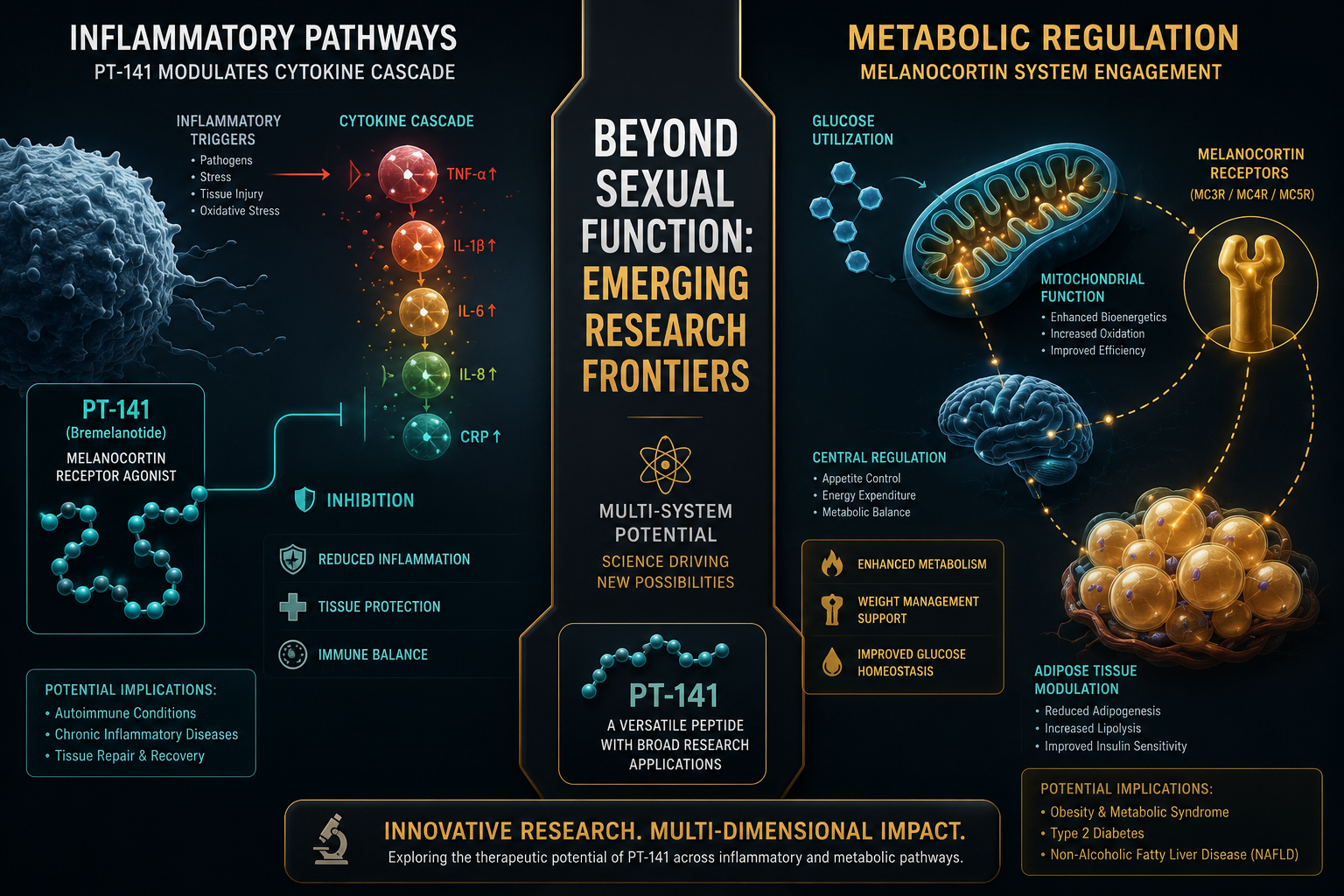
  • Emerging research explores PT-141's role in inflammatory modulation, metabolic pathways, and male sexual dysfunction.
  • As of 2026, PT-141 maintains a stable regulatory position due to its FDA-approved drug status.

Key Takeaways

Mechanism of Action: How PT-141 Engages Melanocortin Receptors

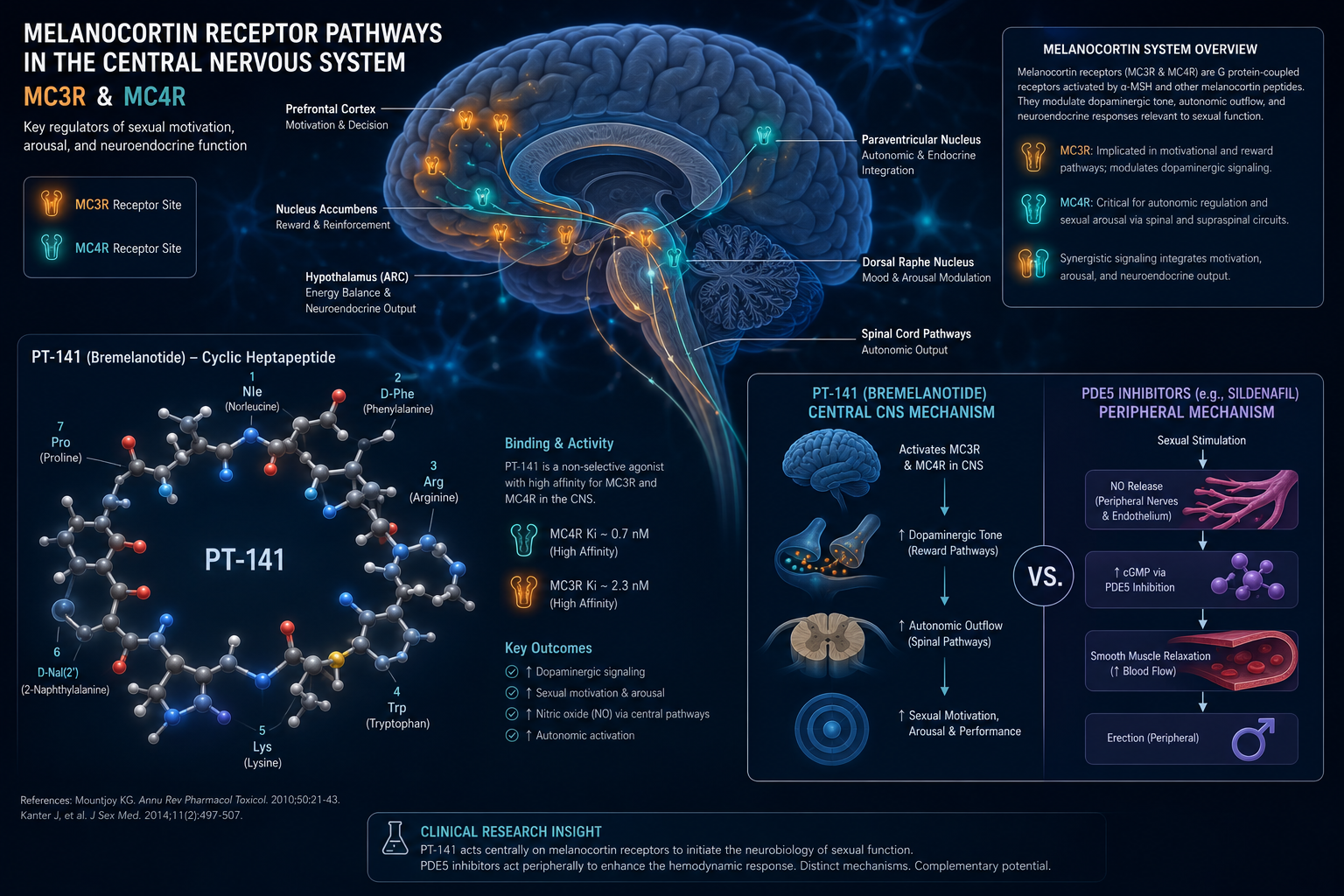
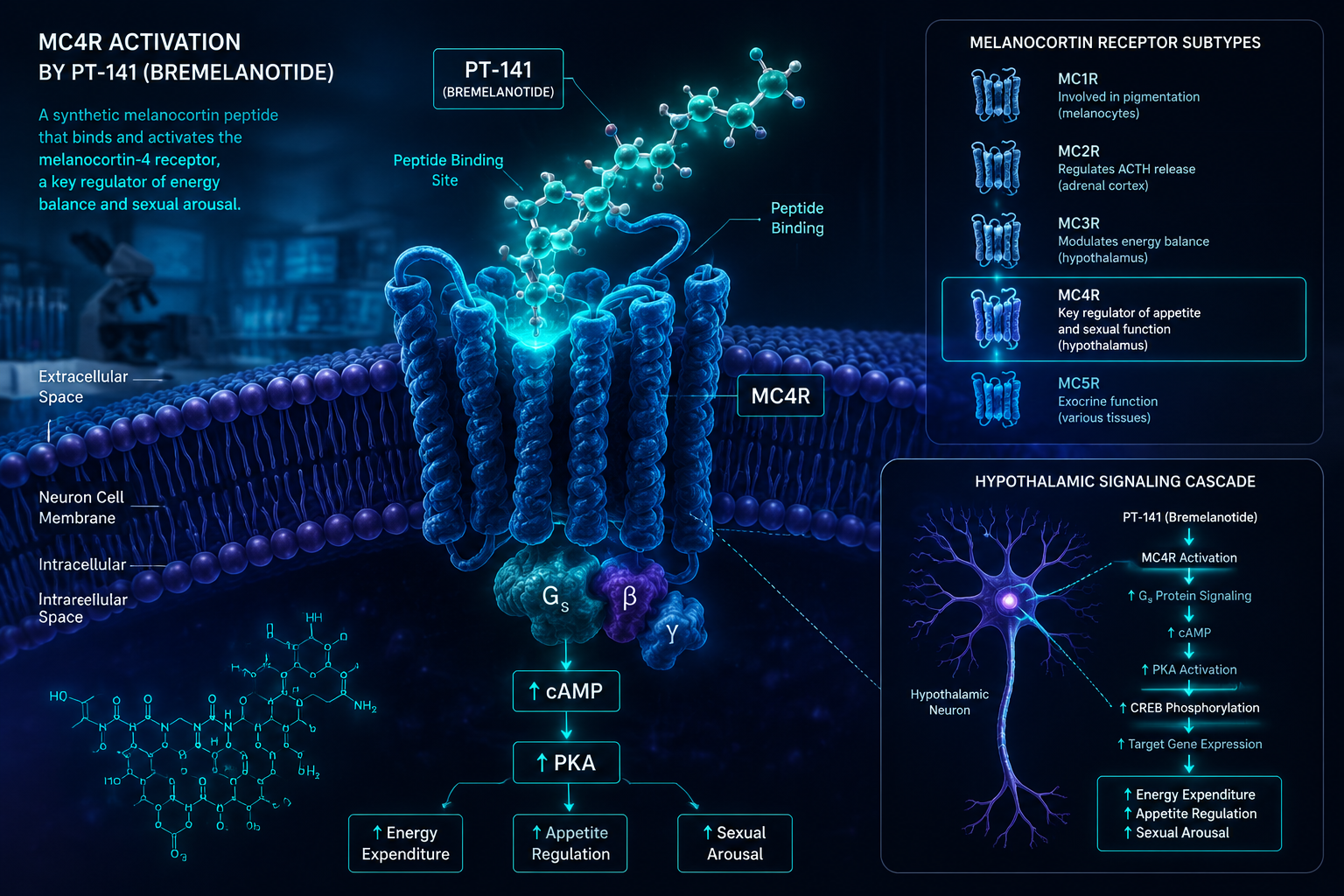
Understanding PT-141 Peptide: Exploring Melanocortin Receptor Agonism and Its Diverse Research Applications begins with its receptor pharmacology. PT-141, also known as bremelanotide, is a synthetic cyclic heptapeptide derived from the naturally occurring alpha-melanocyte-stimulating hormone (alpha-MSH). It binds selectively to melanocortin receptors, primarily MC4R and MC3R, located within the central nervous system.

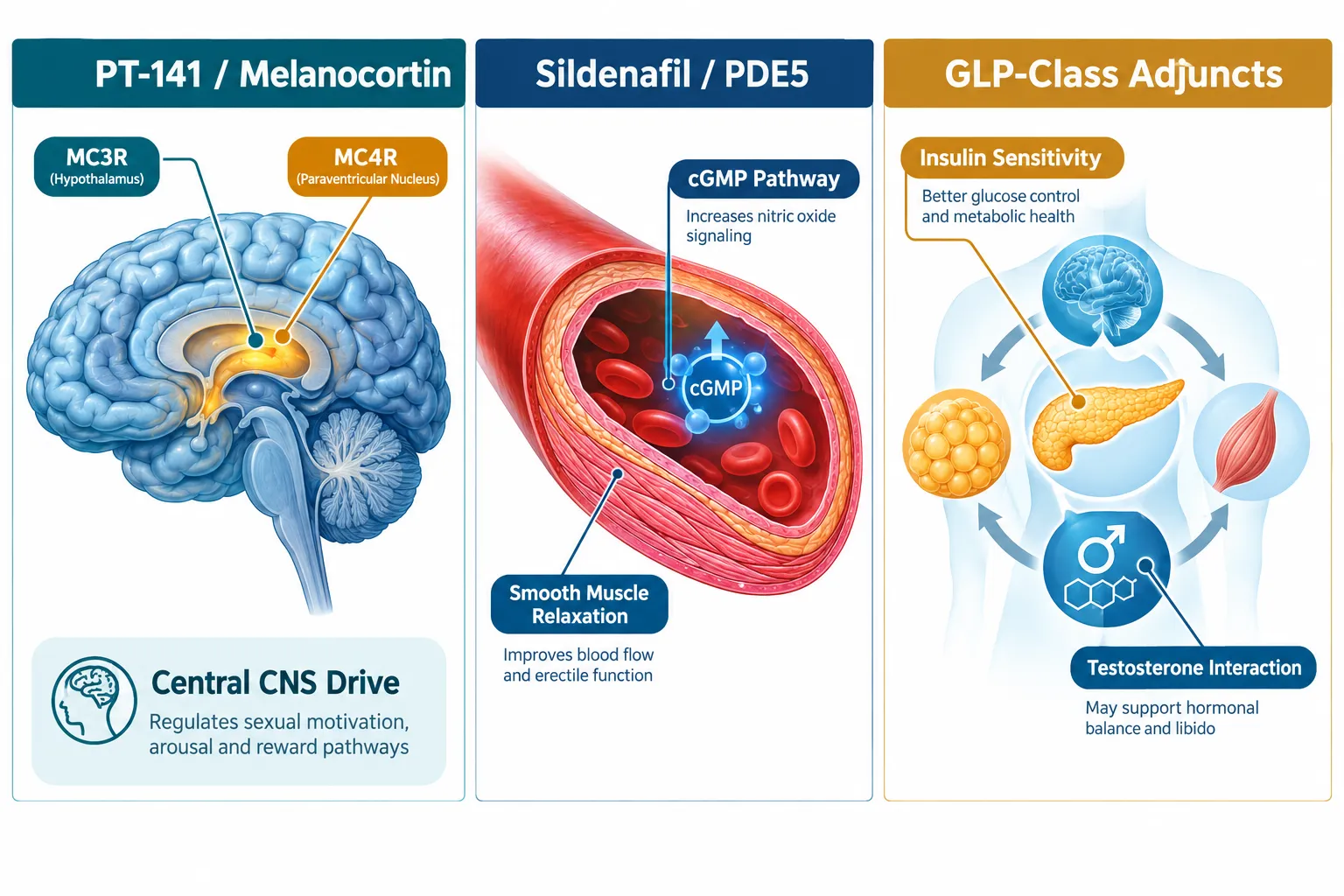
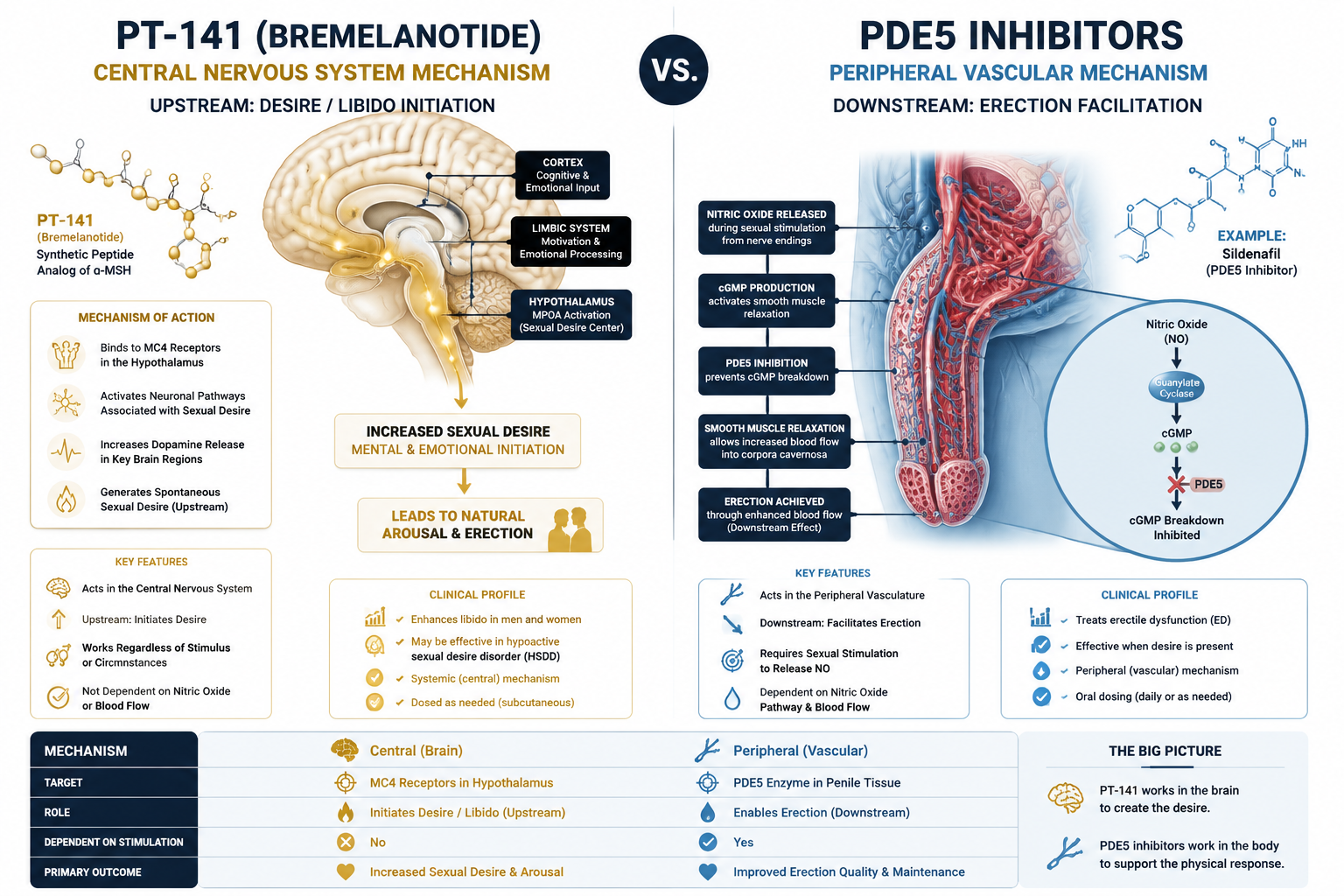
This central activity is the defining feature that separates PT-141 from older sexual dysfunction therapies. PDE5 inhibitors such as sildenafil act peripherally on vascular smooth muscle to increase blood flow. PT-141, by contrast, engages neurological circuits that initiate and sustain sexual desire upstream of vascular events. The result is a fundamentally different pharmacological approach, one rooted in neuromodulation rather than hemodynamic manipulation.

Key pharmacokinetic facts:

Parameter Value
Peptide structure Cyclic heptapeptide
Primary receptors MC4R, MC3R
Route of administration Subcutaneous injection
Elimination half-life Approximately 2.7 hours
FDA approval year 2019 (Vyleesi)

The subcutaneous route delivers the compound efficiently, and the relatively short half-life supports predictable dosing windows in both clinical and research settings. Researchers interested in broader peptide receptor pharmacology may also find value in reviewing what is new in peptide research for context on evolving receptor agonism studies.

Clinical Evidence and the RECONNECT Trial

Clinical Evidence and the RECONNECT Trial

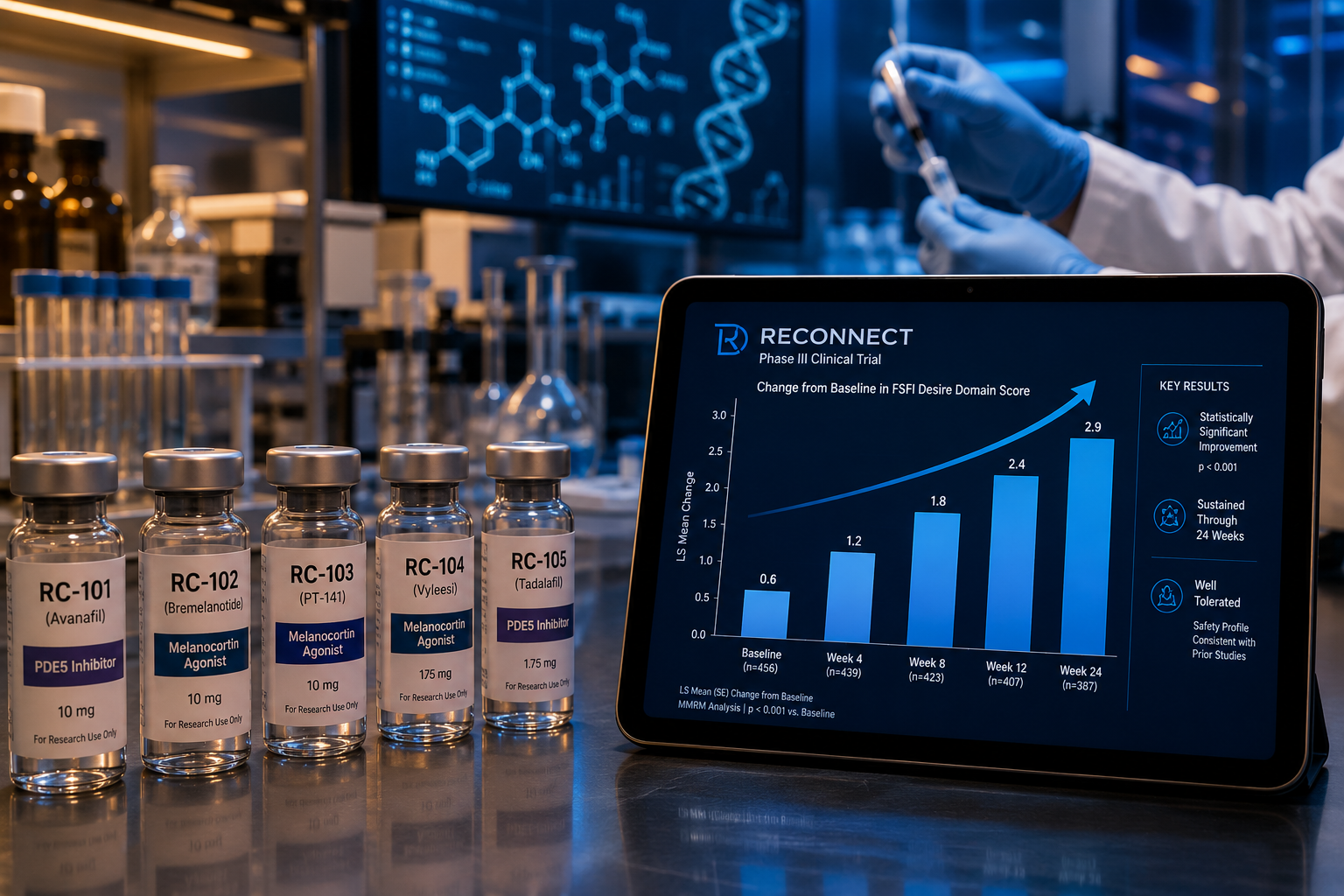
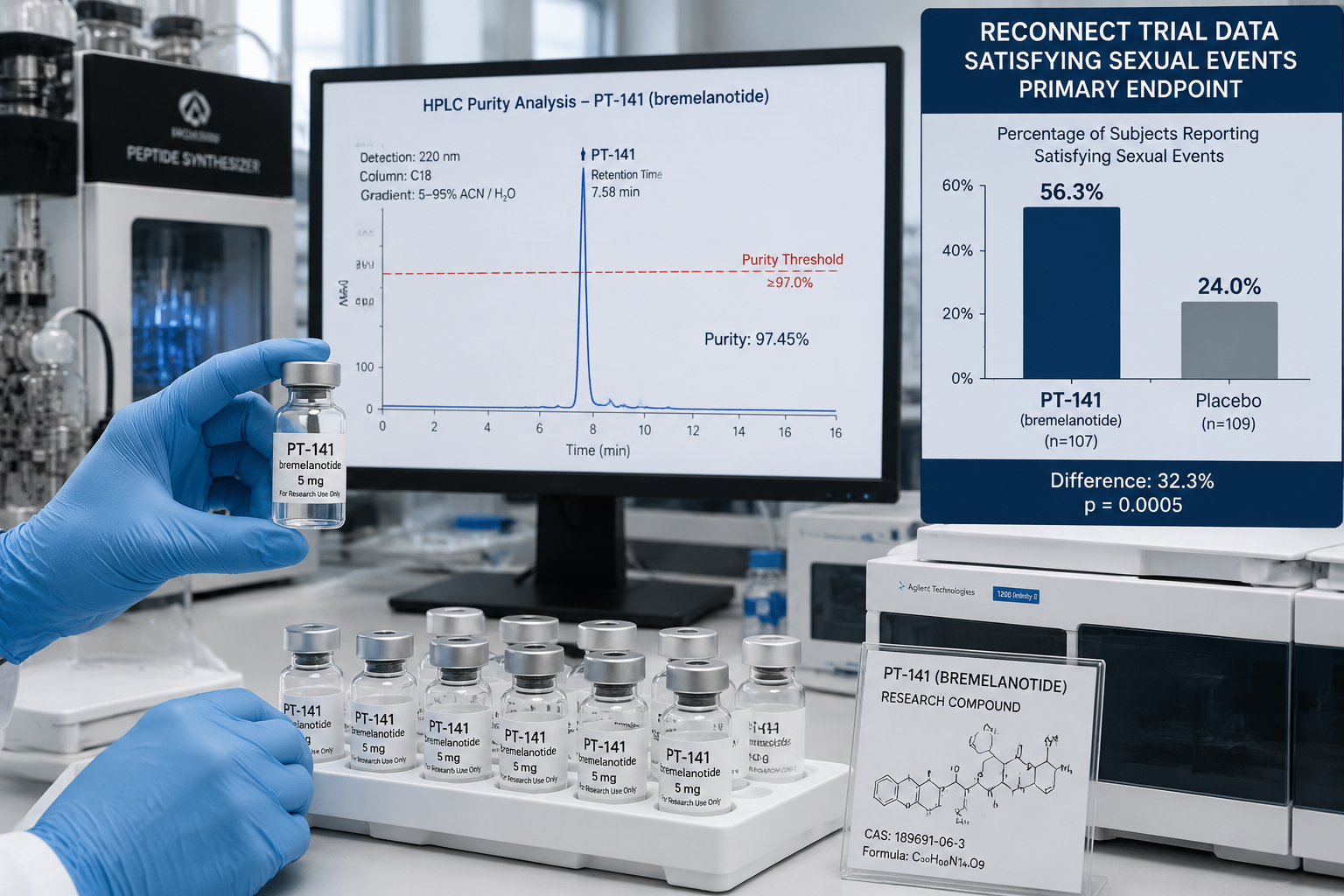
The RECONNECT Phase III clinical program enrolled more than 1,200 premenopausal women diagnosed with acquired, generalized HSDD. Results demonstrated statistically significant improvements in desire domain scores and approximately 0.4 additional satisfying sexual events per month over placebo at the approved dose. These findings supported FDA approval in June 2019, making PT-141 the first non-hormonal, centrally acting treatment for HSDD.

Safety data from clinical trials confirmed no significant hemodynamic changes or severe adverse events, a meaningful finding given the cardiovascular concerns historically associated with sexual dysfunction treatments. Nausea and flushing were the most commonly reported side effects, both transient in nature.

"PT-141's central nervous system activity represents a significant advancement in treating sexual dysfunctions, offering a mechanism distinct from all previously approved therapies."

Research into male erectile dysfunction has also shown early promise. Preliminary studies suggest MC4R agonism can facilitate erectile response through central pathways, independent of peripheral vascular status, an area of ongoing investigation. Those following longevity peptide research themes will recognize the broader pattern of CNS-targeted peptides gaining traction across multiple therapeutic categories.

For researchers sourcing the compound, PT-141 10mg peptide is available through specialized peptide suppliers, and the PT-141 research overview provides additional context on current catalog options.

Diverse Research Applications Beyond Sexual Function

PT-141 Peptide: Exploring Melanocortin Receptor Agonism and Its Diverse Research Applications extends meaningfully into territory beyond HSDD. The melanocortin receptor system, particularly MC3R, plays a documented role in inflammatory regulation. Preclinical models have examined MC3R agonism as a pathway for modulating pro-inflammatory cytokine release, positioning PT-141 as a potential research tool in inflammatory biology studies.

Diverse Research Applications Beyond Sexual Function

Emerging research areas include:

  • Inflammatory modulation: MC3R activation has been linked to suppression of inflammatory signaling cascades, making PT-141 relevant to studies of autoimmune and neuroinflammatory conditions.
  • Metabolic signaling: MC4R is well-established in energy homeostasis and appetite regulation; PT-141's receptor affinity creates natural overlap with metabolic research, particularly in obesity-adjacent studies.
  • Neuroprotection: Central melanocortin pathways intersect with stress response and neuroprotective signaling, areas of growing interest in longevity-focused peptide research.

Researchers exploring metabolic peptide interactions may find parallel themes in MOTS-C mitochondrial research and GLP-1 dual receptor agonism studies, where receptor selectivity similarly drives diverse downstream effects. For those comparing metabolic flexibility compounds, MOTS-C metabolic flexibility research themes offer useful comparative context.

Regulatory note for 2026: PT-141 retains a stable legal position as an FDA-approved drug, meaning it benefits from more predictable compounding regulations than many investigational peptides currently under review. Access routes in 2026 include branded Vyleesi, compounded nasal spray formulations, and research-grade suppliers, with monthly costs ranging from approximately $60 to over $300 depending on source and formulation.

Conclusion

PT-141's value to the research community in 2026 rests on three pillars: a well-characterized central mechanism, robust clinical validation through the RECONNECT program, and an expanding frontier of applications in inflammatory and metabolic biology. Researchers and clinicians should prioritize sourcing from suppliers who provide verified purity documentation, given the compound's CNS activity profile. Those building broader peptide research programs should consider how MC4R and MC3R agonism intersects with other receptor systems under active study. Reviewing the all peptides for sale catalog and staying current with peptide supplier comparisons are practical next steps for any serious investigator working with melanocortin receptor agonists.

https://www.puretestedpeptides.com/wp-content/uploads/2026/07/PT-141-Peptide-Exploring-Melanocortin-Receptor-Agonism-and-Its-Diverse-Research-Applications.png 1024 1536 Pure Tested https://www.puretestedpeptides.com/wp-content/uploads/2026/01/buy-peptides-online.jpg Pure Tested2026-07-05 13:06:592026-07-20 15:00:56PT-141 Peptide: Exploring Melanocortin Receptor Agonism and Its Diverse Research Applications
PT-141 Peptide: Melanocortin Receptor Agonist Research and its Mechanism of Action

PT-141 Peptide: Melanocortin Receptor Agonist Research and its Mechanism of Action

June 19, 2026/0 Comments/by Pure Tested

Only one FDA-approved peptide targets sexual desire directly at the level of the brain rather than the body's vascular system — and that peptide is bremelanotide, better known as PT-141. This distinction makes PT-141 peptide: melanocortin receptor agonist research and its mechanism of action one of the most scientifically compelling areas in modern peptide pharmacology. Unlike conventional approaches that work downstream of arousal, PT-141 engages the central nervous system at the motivational level, opening research pathways that extend well beyond its approved indication.

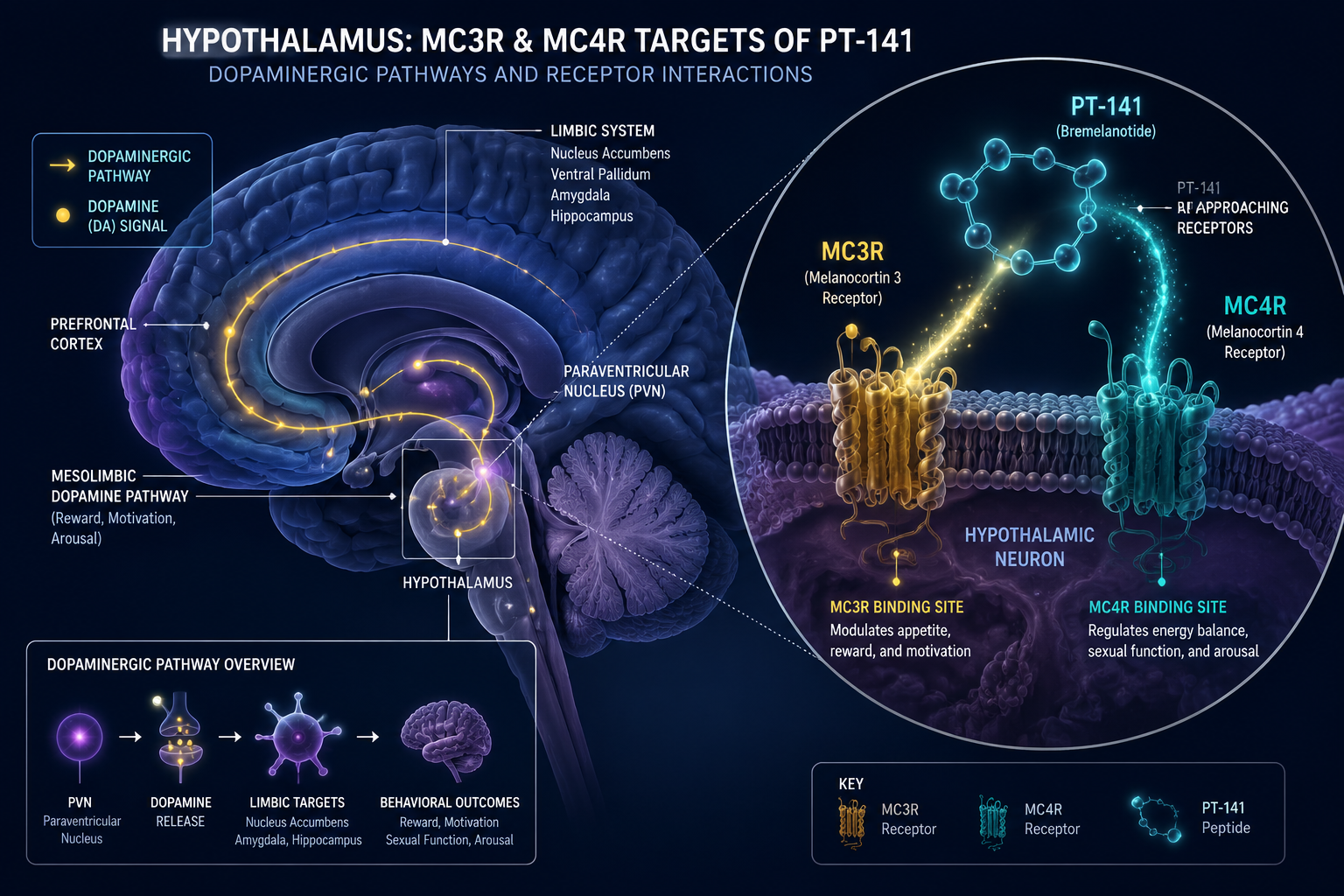
Detailed () scientific diagram illustration showing a cross-sectional view of the human brain hypothalamus with labeled MC3R

Key Takeaways

  • PT-141 is a synthetic cyclic heptapeptide that activates MC3R and MC4R receptors in the hypothalamus and limbic brain regions.
  • Its central mechanism distinguishes it from PDE5 inhibitors, which act peripherally on vascular tissue.
  • PT-141 received FDA approval in 2019 as Vyleesi for hypoactive sexual desire disorder (HSDD) in premenopausal women.
  • Purity standards matter significantly: batches below 97% purity show up to 24% variance in receptor binding affinity.
  • Active research in 2026 continues to map MC4R receptor density in previously uncharted hypothalamic regions.

How PT-141 Engages the Melanocortin System

PT-141 is a cyclic heptapeptide derived from Melanotan II. Its cyclic lactam structure resists enzymatic breakdown, giving it an elimination half-life of approximately 2.7 hours. Importantly, its biological effects persist well beyond plasma clearance, a feature that distinguishes it from linear peptides with similar receptor targets.

The compound functions as a non-selective agonist at melanocortin receptors, with primary activity at MC3R and MC4R. It bypasses MC1R (which governs pigmentation) and MC2R (which regulates cortisol) almost entirely. This selectivity is central to understanding PT-141 peptide: melanocortin receptor agonist research and its mechanism of action, because it means the compound's effects are routed through neural circuits rather than hormonal or pigmentation pathways.

A multi-institution study published in Nature Communications in early 2026 mapped MC4R receptor density across the paraventricular nucleus (PVN) and the lateral hypothalamic area (LHA) — regions previously under-characterized in melanocortin research. These findings provide a more precise anatomical map of where PT-141 exerts its influence, which has significant implications for targeted research design.

Researchers exploring other neuropeptide systems, such as those studying PT-141 neural and metabolic research themes, will find these receptor mapping results directly applicable to experimental design.


Central vs. Peripheral: A Mechanistic Distinction That Matters

Central vs. Peripheral: A Mechanistic Distinction That Matters

Understanding PT-141 peptide: melanocortin receptor agonist research and its mechanism of action requires a clear comparison with existing pharmacological tools.

PDE5 inhibitors such as sildenafil act peripherally. They enhance the vascular nitric oxide response once sexual stimulation has already occurred. They do not influence desire or motivation — they only amplify the downstream vascular response.

PT-141 operates upstream of arousal, working at the level of desire and motivation by modulating dopaminergic pathways within the hypothalamus and limbic system. This makes it effective in cases where vascular drugs fail or are contraindicated.

Feature PT-141 (Bremelanotide) PDE5 Inhibitors
Site of action Central nervous system Peripheral vasculature
Target receptors MC3R, MC4R Phosphodiesterase-5 enzyme
Requires stimulation No Yes
Primary effect Desire and motivation Vascular response
FDA approval Yes (HSDD in women) Yes (erectile dysfunction)

For researchers interested in how other peptides interact with neuroendocrine systems, the article on neuroendocrine and innate immunity offers useful comparative context.


Clinical Research, Purity Standards, and Emerging Applications

Clinical Research, Purity Standards, and Emerging Applications

The FDA approved PT-141 in 2019 under the brand name Vyleesi, based on the RECONNECT trials — two Phase 3 randomized controlled trials enrolling over 1,200 premenopausal women with HSDD. Women receiving 1.75 mg subcutaneous PT-141 reported a mean increase of 0.7 satisfying sexual events per month compared to 0.3 in the placebo group. Common side effects included nausea, flushing, and headache, with approximately 40% of participants discontinuing due to adverse effects or lack of efficacy.

Off-label research in men has also produced notable data. A 2024 observational study of 318 men using compounded bremelanotide found that 52% at 1.75 mg reported a strong response, defined as noticeable increases in spontaneous desire and sustained erectile quality. Another 23% reported mild benefit.

Purity is a critical research variable. Research published in the Journal of Peptide Science in early 2026 demonstrated that PT-141 batches below 97% purity showed 18-24% variance in receptor binding affinity compared to pharmaceutical-grade bremelanotide. This finding has driven stricter synthesis and batch testing protocols across the research supply chain. Researchers sourcing peptides should review quality testing protocols before selecting a supplier.

Those comparing PT-141 to other peptides with central or metabolic activity may also find value in reviewing research on MOTS-c, the mitochondrial peptide, or exploring nasal spray peptide delivery formats as alternative administration routes under investigation.

For researchers seeking PT-141 specifically, the PT-141 for sale research page and the PT-141 central arousal research themes page provide additional sourcing and study context.


Conclusion

PT-141 peptide: melanocortin receptor agonist research and its mechanism of action represents a genuinely distinct class of pharmacological investigation. By targeting MC3R and MC4R centrally rather than acting on peripheral vasculature, PT-141 addresses desire and motivation at their neurological source. The 2026 receptor mapping data from the PVN and LHA adds anatomical precision to existing mechanistic models, while updated purity standards reinforce the importance of sourcing high-quality, rigorously tested material.

Actionable next steps for researchers:

  • Prioritize peptide batches verified at 97% purity or above to ensure consistent receptor binding data.
  • Review the latest MC4R receptor density mapping literature when designing hypothalamic stimulation protocols.
  • Compare PT-141's central mechanism against PDE5 inhibitor data in mixed-population study designs.
  • Monitor regulatory developments, as PT-141's FDA-approved status provides a relatively stable compliance baseline heading into any future reclassification reviews.
https://www.puretestedpeptides.com/wp-content/uploads/2026/06/PT-141-Peptide-Melanocortin-Receptor-Agonist-Research-and-its-Mechanism-of-Action.png 1024 1536 Pure Tested https://www.puretestedpeptides.com/wp-content/uploads/2026/01/buy-peptides-online.jpg Pure Tested2026-06-19 13:07:062026-07-20 15:02:51PT-141 Peptide: Melanocortin Receptor Agonist Research and its Mechanism of Action
PT-141 Peptide: Melanocortin Signaling, Research Applications, and Study Design Considerations

PT-141 Peptide: Melanocortin Signaling, Research Applications, and Study Design Considerations

June 14, 2026/0 Comments/by Pure Tested

Fewer than five peptides in modern pharmacology act directly on the central nervous system to influence arousal rather than working through vascular or hormonal pathways — PT-141 is one of them. This distinction makes PT-141 Peptide: Melanocortin Signaling, Research Applications, and Study Design Considerations a topic of genuine scientific interest well beyond its approved clinical use.

Bremelanotide, the active compound behind PT-141, received U.S. FDA approval in June 2019 under the brand name Vyleesi for acquired, generalized hypoactive sexual desire disorder (HSDD) in premenopausal women. It remains unapproved for men or any other indication, yet preclinical and exploratory research continues to expand its profile.

Key Takeaways

  • PT-141 (bremelanotide) targets melanocortin receptors — primarily MC3R and MC4R — in the central nervous system, not peripheral vascular tissue.
  • FDA approval is limited to HSDD in premenopausal women; use in men or other contexts remains investigational.
  • Receptor subtype selectivity is the central variable in study design for this compound.
  • Purity verification and standardized dosing protocols are non-negotiable for credible preclinical research.
  • Emerging research explores PT-141 alongside other neuroendocrine-active peptides in multi-axis study models.

How Melanocortin Signaling Drives PT-141 Research

Understanding PT-141 Peptide: Melanocortin Signaling, Research Applications, and Study Design Considerations begins at the receptor level. The melanocortin system comprises five G-protein-coupled receptor subtypes (MC1R through MC5R), each distributed across different tissues and governing distinct physiological functions.

PT-141 shows preferential binding affinity for MC3R and MC4R, both expressed heavily in hypothalamic nuclei. This central localization is what separates PT-141 mechanistically from phosphodiesterase inhibitors, which act peripherally on vascular smooth muscle. By activating MC4R in particular, PT-141 modulates dopaminergic and oxytocinergic signaling pathways that researchers associate with motivational and arousal-related behavior.

Key receptor targets at a glance:

Receptor Primary Location Research Relevance
MC1R Melanocytes, immune cells Pigmentation, inflammation
MC3R Hypothalamus, limbic system Energy balance, arousal
MC4R Hypothalamus, brainstem Sexual function, appetite
MC5R Exocrine glands Secretory function

This receptor profile also intersects with neuroendocrine immune research, a domain explored in resources like neuroendocrine and innate immunity research, which highlights how peptide signaling bridges CNS and immune function.

Researchers interested in the broader landscape of CNS-active peptides will find context in what is new in peptide research, which tracks emerging targets across multiple receptor families.

How Melanocortin Signaling Drives PT-141 Research


Research Applications: Where PT-141 Study Is Heading

The compound's CNS-centric mechanism opens several investigational avenues beyond its approved indication.

Current and emerging research areas include:

  • Sexual motivation neuroscience — mapping MC4R activation to dopamine release in nucleus accumbens circuits
  • Energy homeostasis — MC3R's role in feeding behavior and adipose regulation creates overlap with metabolic peptide research
  • Inflammation modulation — melanocortin receptors on immune cells suggest anti-inflammatory potential
  • Neuroprotection models — early-stage inquiry into melanocortin signaling in neuronal stress responses

For researchers building multi-peptide study panels, PT-141's central arousal profile complements compounds with peripheral or metabolic targets. The PT-141 central arousal research overview provides a focused starting point for protocol development.

Comparisons with metabolic peptides such as those covered in SLU-PP-332 metabolic modulation research themes illustrate how multi-axis models can test CNS and peripheral signaling simultaneously.

Researchers sourcing compounds for these studies should prioritize lab-tested peptides with documented purity certificates, as receptor-binding assays are highly sensitive to impurity interference.


Study Design Considerations for PT-141 Peptide Research

Study Design Considerations for PT-141 Peptide Research

Study Design Considerations for PT-141 Peptide Research

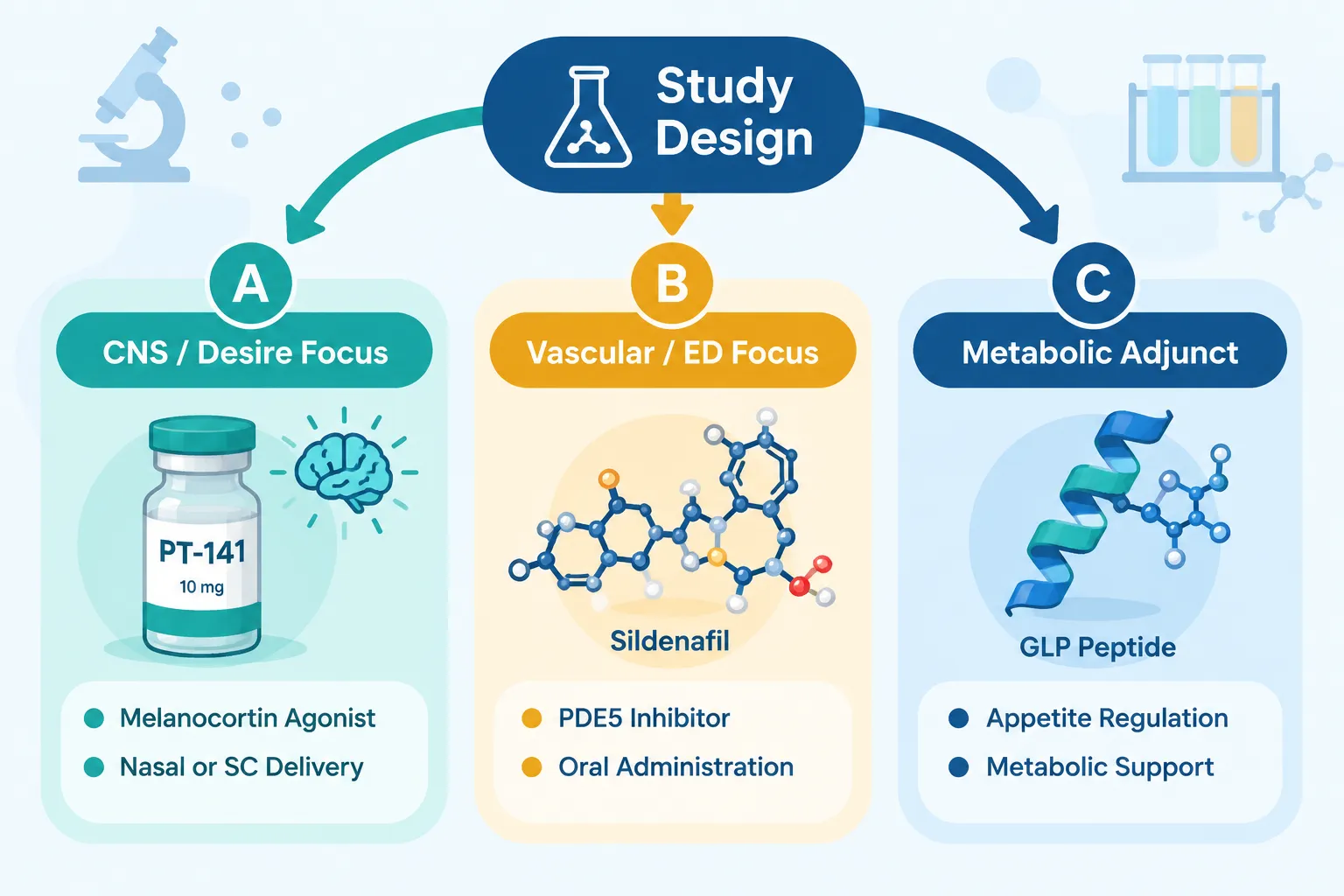
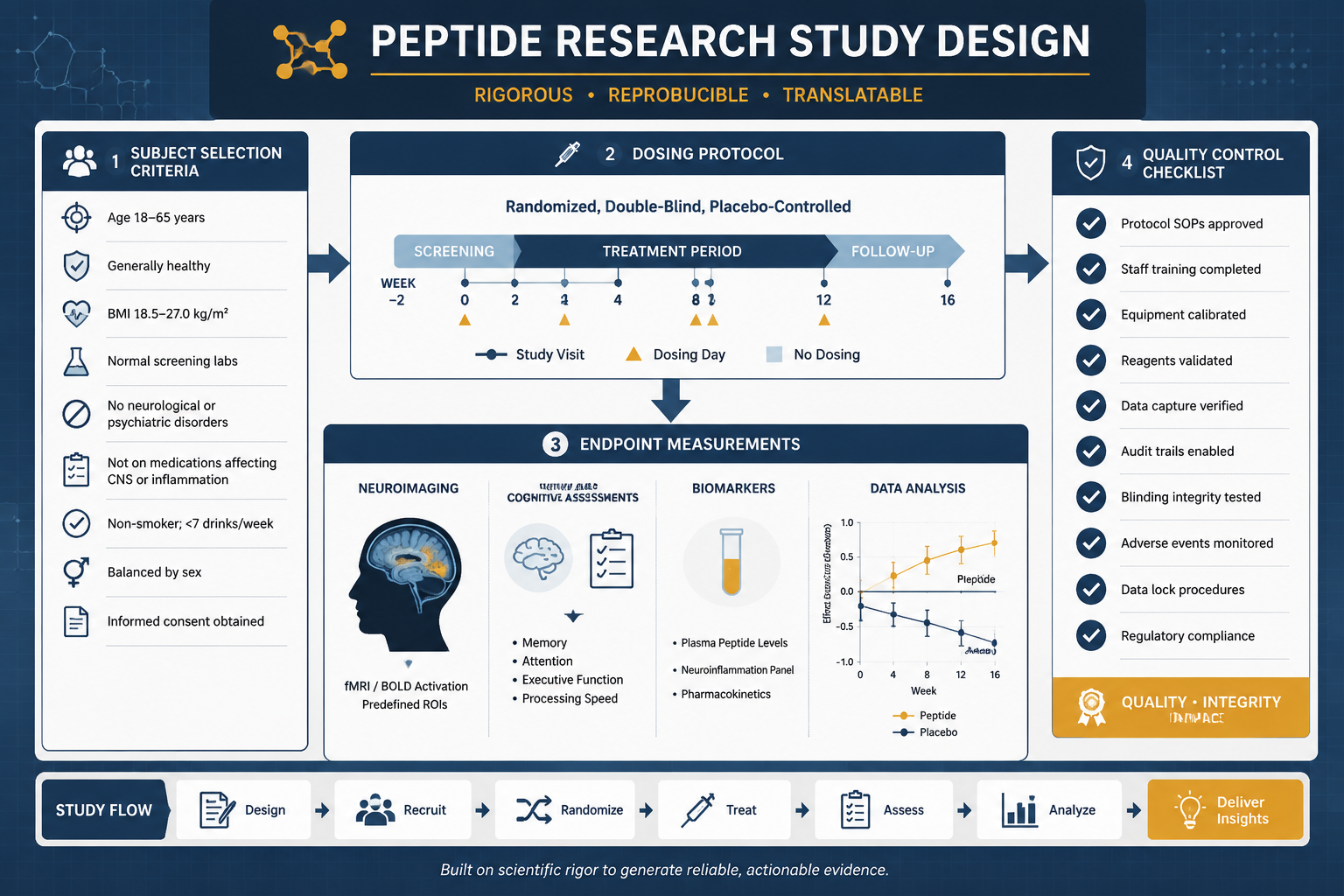
Rigorous study design is where PT-141 Peptide: Melanocortin Signaling, Research Applications, and Study Design Considerations becomes most practically relevant. Several variables require deliberate control.

Critical design parameters:

  1. Receptor selectivity assays — confirm MC3R vs. MC4R binding ratios before behavioral endpoint measurement
  2. Dose-response modeling — subcutaneous delivery kinetics differ markedly from intranasal routes; nasal spray peptide delivery research offers comparative pharmacokinetic data
  3. Endpoint selection — distinguish motivational endpoints from performance endpoints to avoid conflation
  4. Reference standards — using validated benchmarks, as discussed in building robust peptide benchmarks with reference standards, ensures cross-study comparability
  5. Confounding neuroendocrine variables — baseline hormonal status affects MC4R sensitivity; controlling for this is essential

"The mechanistic specificity of melanocortin receptor agonism demands equally specific outcome measures — broad behavioral endpoints will obscure the signal."

Researchers can also review how parallel neuroendocrine peptides are studied by examining gonadorelin GnRH pulsatility research, which demonstrates rigorous pulsatile dosing methodology applicable to other CNS-active compounds.

For those sourcing PT-141 for preclinical work, verified supply is available through PT-141 for sale online with accompanying documentation.


Conclusion

PT-141's value to researchers lies in its mechanistic precision: a centrally acting melanocortin agonist with a well-characterized receptor profile and an approved clinical precedent. That combination is rare.

Actionable next steps for researchers:

  • Map your study endpoints directly to MC3R or MC4R activation to avoid ambiguous results
  • Verify peptide purity through third-party COA documentation before any receptor assay
  • Review existing CNS peptide study frameworks to benchmark your dosing and endpoint selection
  • Consider multi-peptide panel designs that pair PT-141 with metabolic or neuroendocrine compounds for broader mechanistic insight

As melanocortin research matures in 2026, PT-141 remains one of the most mechanistically instructive peptides available for CNS-focused preclinical investigation.

https://www.puretestedpeptides.com/wp-content/uploads/2026/06/PT-141-Peptide-Melanocortin-Signaling-Research-Applications-and-Study-Design-Considerations.png 1024 1536 Pure Tested https://www.puretestedpeptides.com/wp-content/uploads/2026/01/buy-peptides-online.jpg Pure Tested2026-06-14 16:48:442026-07-20 15:03:12PT-141 Peptide: Melanocortin Signaling, Research Applications, and Study Design Considerations
PT-141 Peptide and Melanocortin Signaling: What Researchers Should Know Beyond Erectile-Function Headlines

PT-141 Peptide and Melanocortin Signaling: What Researchers Should Know Beyond Erectile-Function Headlines

June 2, 2026/0 Comments/by Pure Tested

Fewer than 5% of published peptide research articles on bremelanotide address its role outside of sexual function — yet the melanocortin system it targets governs appetite, inflammation, energy balance, and kidney filtration. Understanding PT-141 peptide and melanocortin signaling means looking past the headlines and into the receptor biology that makes this compound a serious subject of multi-system investigation in 2026.

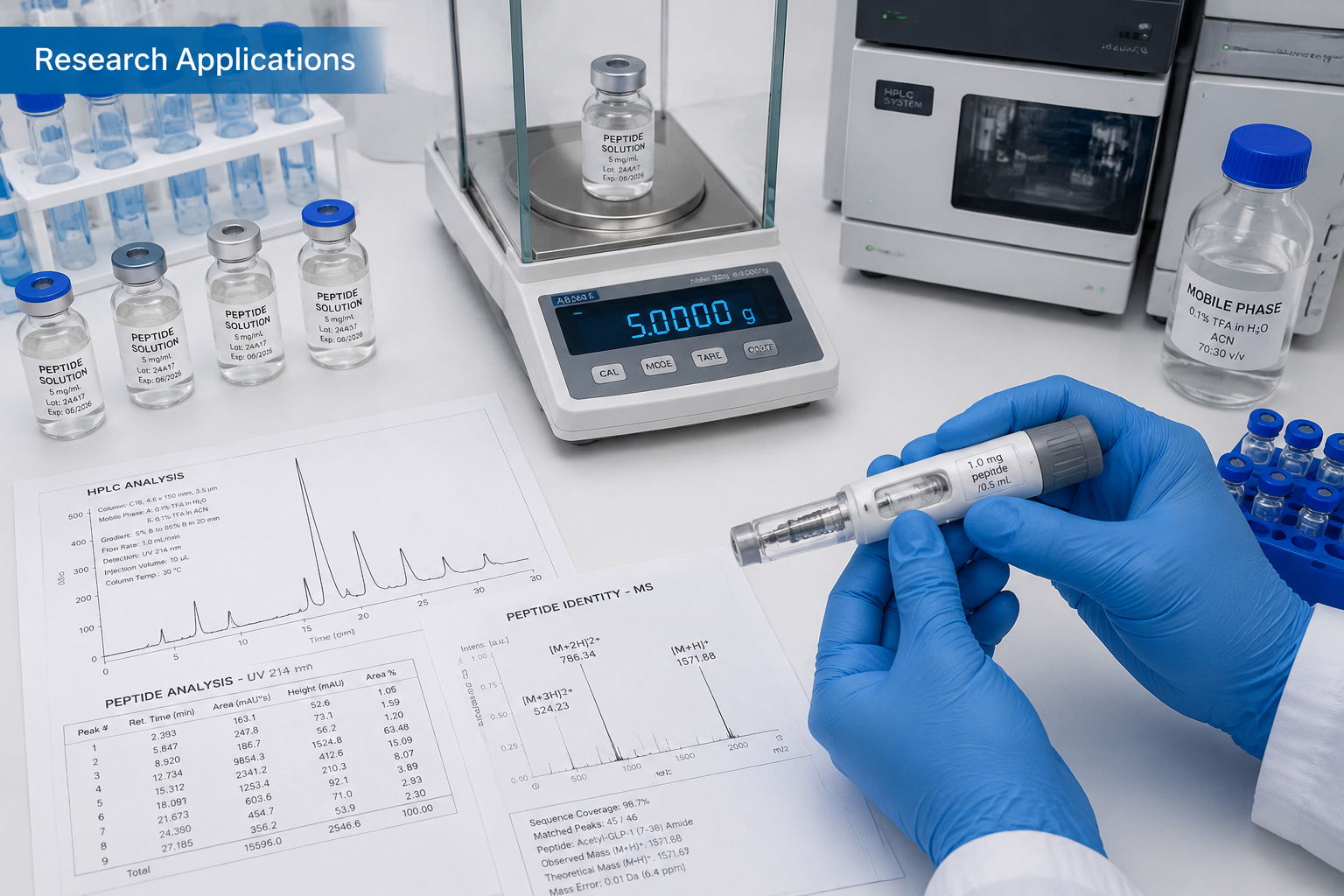
Close-up overhead view of a laboratory bench with multiple glass vials containing clear peptide solutions arranged beside a

Key Takeaways

  • PT-141 is a synthetic cyclic heptapeptide that selectively activates MC3R and MC4R in the central nervous system, bypassing vascular mechanisms entirely.
  • Its pharmacological reach extends well beyond sexual function into appetite regulation, kidney disease, and metabolic research.
  • Purity thresholds matter: batches below 97% purity show an 18-24% variance in receptor binding affinity.
  • Recent hypothalamic mapping has identified previously uncharted MC4R-dense regions, expanding the research scope of this peptide.
  • Researchers sourcing PT-141 for preclinical work should prioritize verified, high-purity material to ensure reproducible results.

The Melanocortin Receptor System: A Framework Researchers Must Understand

Before examining PT-141 peptide and melanocortin signaling in applied contexts, researchers need a firm grasp of the receptor architecture involved.

The melanocortin system comprises five G-protein-coupled receptors (MC1R through MC5R). PT-141 — derived from Melanotan II — acts with high selectivity at MC3R and MC4R, bypassing MC1R and MC2R almost entirely. This selectivity is not trivial. MC4R is densely expressed in the hypothalamus, including the paraventricular nucleus (PVN) and the lateral hypothalamic area (LHA), regions recently mapped in a multi-institutional study published in Nature Communications. These areas regulate feeding behavior, energy expenditure, and autonomic tone — not just reproductive signaling.

Why this matters for research design: Any experimental model using PT-141 that treats it purely as a pro-erectile agent is missing the broader neuroendocrine canvas. The same receptor activation that modulates sexual arousal also intersects with satiety signaling and stress-axis responses.

Researchers exploring adjacent peptide systems — such as MOTS-c mitochondrial research themes or GLP-1 and incretin pathway investigations — will find meaningful mechanistic overlap with the MC4R axis, particularly in metabolic regulation models.


Beyond Sexual Function: Emerging Research Domains

Beyond Sexual Function: Emerging Research Domains

The clinical approval of bremelanotide (Vyleesi) in 2019 for hypoactive sexual desire disorder (HSDD) in premenopausal women established PT-141's regulatory legitimacy. Open-label extension data confirm that improvements in sexual desire and reductions in distress are maintained over 52 weeks of on-demand use with no new safety signals. In male erectile dysfunction research, a randomized controlled trial showed positive clinical responses in 33.5% of bremelanotide-treated patients versus 8.5% on placebo — and co-administration with sildenafil produced significantly enhanced responses in non-responders.

But the more compelling frontier lies elsewhere.

Metabolic and Appetite Research

Palatin Technologies completed a Phase 2 trial pairing bremelanotide with tirzepatide, a dual GLP-1/GIP agonist. The combination group achieved a 4.4% weight reduction compared to 1.6% in the placebo group. The mechanistic logic is straightforward: MC4R activation suppresses appetite through central pathways, and stacking it with incretin-based agents may amplify energy balance effects. This is preliminary data, not an approved application — but it signals why researchers studying metabolic peptide synergy should monitor the MC4R literature closely.

Kidney Disease Models

The BREAKOUT Phase 2b study in type 2 diabetic kidney disease found that 71% of patients achieved more than a 30% reduction in urine protein/creatinine ratio with bremelanotide treatment. MC receptors expressed in renal tissue appear to modulate podocyte function and inflammatory signaling. These findings require further validation but represent a significant expansion of the peptide's research profile.


Purity, Pharmacokinetics, and Research Protocol Considerations

Purity, Pharmacokinetics, and Research Protocol Considerations

Reproducibility in peptide research starts with material quality. Research published in the Journal of Peptide Science demonstrated that PT-141 batches below 97% purity show an 18-24% variance in receptor binding affinity compared to pharmaceutical-grade material — a variance large enough to invalidate dose-response conclusions.

Following subcutaneous administration, PT-141 reaches peak plasma concentration within 30-60 minutes, with maximal effects observed between 1-4 hours. Despite a plasma half-life of approximately 2.7 hours, biological effects persist for 6-8 hours, likely due to receptor residence time and downstream neurochemical changes.

Common adverse events in clinical trials include:

  • Nausea (approximately 40% of participants)
  • Flushing (approximately 20%)
  • Injection site reactions
  • Transient blood pressure increases, typically resolving within 12 hours

Researchers sourcing material for preclinical work should consult detailed PT-141 research context documentation and review reference standard benchmarking practices before designing assays. For those ready to source verified material, PT-141 peptide for research use is available with documented purity specifications.

"Receptor selectivity is only as meaningful as the purity of the compound activating it."

Researchers comparing neuroendocrine peptides may also find value in reviewing BPC-157 core documentation for parallel methodology frameworks in CNS-adjacent peptide studies.


Conclusion

PT-141 peptide and melanocortin signaling represent a research area far broader than the erectile-function narrative that dominates popular coverage. The MC3R/MC4R axis connects appetite regulation, kidney filtration, metabolic balance, and neuroendocrine function — all active areas of investigation in 2026. Researchers entering this space should prioritize three immediate steps: verify that sourced material meets or exceeds 97% purity, design protocols that account for the peptide's extended biological half-life relative to plasma clearance, and monitor emerging Phase 2 data in metabolic and renal disease models. The mechanism is the message — and the mechanism here is considerably richer than the headlines suggest.


https://www.puretestedpeptides.com/wp-content/uploads/2026/06/PT-141-Peptide-and-Melanocortin-Signaling-What-Researchers-Should-Know-Beyond-Erectile-Function-Headlines.png 1024 1536 Pure Tested https://www.puretestedpeptides.com/wp-content/uploads/2026/01/buy-peptides-online.jpg Pure Tested2026-06-02 22:09:512026-07-20 15:04:15PT-141 Peptide and Melanocortin Signaling: What Researchers Should Know Beyond Erectile-Function Headlines
×

Helpful Links

  • My account
  • Cart
  • Checkout
  • Refund and Returns Policy
  • Privacy Policy
  • SMS Privacy Policy
  • Login
  • My Account
  • Logout

USA Made Lab Tested Peptides

All products are sold for research, laboratory, or analytical purposes only, and are not for human consumption


Pure Tested Peptides is a chemical supplier. Pure Tested Peptides is not a compounding / chemical compounding facility as defined under 503A of the Federal Food, Drug, and Cosmetic act. Pure Tested Peptides is not an outsourcing facility as defined under 503B of the Federal Food, Drug, and Cosmetic act.

The statements made within this website have not been evaluated by the US Food and Drug Administration. The products we offer are not intended to diagnose, treat, cure or prevent any disease.

Human/Animal Consumption Prohibited. Laboratory/In-Vitro Experimental Use Only

Scroll to top Scroll to top Scroll to top