Call or Text 727-513-9780
  • Shopping Cart Shopping Cart
    0Shopping Cart
Pure Tested Peptides | America's most trusted Peptides for sale online
  • Peptides for sale
    • Oral Peptides for sale
      • Peptide Capsules for sale
      • BPC 157 Capsules 1000mcg
      • SLU-PP-332 Capsules | 1000 mcg
      • 5-Amino-1MQ 50mg Capsules
      • Tesofensine 500mcg
    • All Peptides for sale
    • Peptide Sprays
      • BPC 157 Nasal Spray Kit
      • BPC-157 TB500 Nasal Spray Kit
      • Semax Nasal Spray 10mg
      • Selank – Nasal Spray Kit – 10mg
      • Epithalon 50MG Nasal Spray Kit
      • Ipamorelin 10mg Nasal Spray
      • Klow Nasal Spray (BPC-157 + TB-500 + GHK-Cu + KPV) | 80mg
      • Hulk Nasal Spray Tesa / Ipa Blend 6/3 MG
      • Klow Nasal Spray
      • NAD + 500 mg Nasal Spray
      • PT-141 Nasal Spray Kit
    • GHRH Peptides
      • Ipa Peptides
      • CJC-1295 Peptides
        • CJC-1295 with DAC 5 mg
        • CJC-1295 without DAC 5 mg
        • CJC-1295 Ipa 10mg
      • Tesa Peptides
        • Tesa Peptide
        • Tesa 20 mg
    • GHK-Cu Peptides
      • All GHK-Cu Peptides
      • GHK-Cu 100mg
      • KLOW Peptide Blend – Buy KLOW blend online
    • BPC Peptides
      • All BPC Peptides
      • BPC-157
      • BPC-157 TB-500
      • BPC 157 capsules 1000mcg
    • SLU-PP-332 Peptides
      • All SLU-PP-332 Peptides
      • SLU-PP-332 5mg
    • GLP3 Peptides
      • GLP3-R
      • GLP3-R CAG 10mg
      • GLP3-R 20mg
    • PT-141 Peptides
      • PT-141 Peptides for sale
      • PT-141 10mg
      • PT-141 Nasal Spray
    • CAG Peptides
      • Lipo-C Peptide Blend
      • CAG 5mg
      • CAG 10mg
    • MOTS-C Peptides
      • MOTS-C Peptides for sale
      • MOTS-c peptide
      • MOTS-c 10mg *6 pack*
    • 5 Amino 1MQ Peptides
      • 5 Amino 1MQ Peptides for sale
      • 5-Amino-1MQ 50mg Capsules
      • 5-Amino-1MQ 5mg
    • Epithalon Peptides
      • Epithalon Peptides for sale
      • Epithalon 10mg
      • Epithalon 50mg
  • Shop
    • GLPs
      • 5-Amino-1MQ 50mg Capsules
      • 5-Amino-1MQ 5mg
      • GLP3-Reta
      • L-Carnitine 500mg/ml
      • Tesofensine 500mcg
      • SLU-PP-332 5mg
      • MOTS-c 10mg *6 pack*
    • Epithalon & BPC Peptides
      • Epithalon 10mg
      • Epithalon 50mg
      • BPC-157
      • BPC 157 capsules 1000mcg
      • BPC-157 TB-500
      • BPC-157 TB500 Nasal Spray Kit
      • BPC 157 Nasal Spray Kit
    • BPC TB-500 & NAD+ Peptides
      • NAD+ 500 mg
      • KLOW Peptide Blend – Buy KLOW blend online
      • GLOW Peptide Blend
      • TB 500 5mg
      • BPC 157 capsules 1000mcg – Supplement
      • BPC 157 Nasal Spray Kit
      • BPC-157
      • BPC-157 TB500 Nasal Spray Kit
      • BPC-157 TB-500
      • BPC 157 capsules 1000mcg
    • LL-37 Peptide
      • LL-37 10 mg
    • MOTS-C & Selank
      • MOTS-c peptide
      • Selank 10mg
    • GHK Peptides
      • GHK-Cu 100mg
      • GLOW Peptide Blend
      • KLOW Peptide Blend – Buy KLOW blend online
  • COAs
  • Wholesale
    • Wholesale Peptides for sale
  • PTP FAQ
  • Affiliates
    • Selank Peptide: Advanced Pharmacological Mechanisms Underlying Its Anxiolytic and Nootropic Effects in Research
      • 5-Amino-1MQ Peptide: Detailed Mechanisms of NNMT Inhibition and Its Impact on Cellular Metabolism Research
        • MOTS-C Peptide: Unraveling Its Role in Mitochondrial Dynamics and Energy Metabolism Research
          • Epithalon Peptide and Telomerase Regulation: Investigating Its Impact on Cellular Senescence and Lifespan Research Models
            • GLP2-T vs GLP2 Tirz Peptide: Understanding the Naming, Mechanistic Nuances, and Research Implications for Gut Health
      • Peptides and Polypeptides in Modern Pharmacology: What Research on Metoprolol, Prednisone, and Amlodipine Reveals
        • Polypeptide Peptides vs NSAIDs: What Naproxen and Diclofenac Teach Tissue-Repair Researchers About BPC‑157 and TB‑500
          • Peptides and Polypeptides in Endocrine Pharmacology: How GLP-1, GLP-2, and GLP-3 Retatrutide Differ From Classic Drugs Like Prednisone and Amlodipine
          • 5‑Amino‑1MQ Peptide and NNMT Inhibition: How It Compares With Statins Like Atorvastatin in Adipose and Lipid Metabolism Research
      • Enclomiphene, Estrogen Receptor Signaling, and Luteinizing Phase Biology: What Hormone Researchers Should Measure
        • Mesenchymal Stem Cells, BPC‑157, and GHK‑Cu: How Tissue Repair Peptides Compare With Classic NSAIDs Like Naproxen in Injury Models
          • Peptide Calculator Use Cases Beyond Growth Hormone: Working Through GLP‑3 Retatrutide, MOTS‑c, and BPC‑157 Research Dosing
        • Polypeptide Peptides in Endocrine and Metabolic Pharmacology: Lessons From Amlodipine, Prednisone, and Metoprolol
        • Peptides Calculator for Advanced Blends: Worked Examples for Tesamorelin, CJC‑1295, and Ipamorelin Stacks
          • Peptides and Polypeptides in Human Physiology: How Molecular Size Shapes Research Applications
            • Selank Peptide: Advanced Pharmacological Mechanisms Underlying Its Anxiolytic and Nootropic Effects in Research
          • 5-Amino-1MQ Peptide: Detailed Mechanisms of NNMT Inhibition and Its Impact on Cellular Metabolism Research
            • MOTS-C Peptide: Unraveling Its Role in Mitochondrial Dynamics and Energy Metabolism Research
              • Epithalon Peptide and Telomerase Regulation: Investigating Its Impact on Cellular Senescence and Lifespan Research Models
                • GLP2-T vs GLP2 Tirz Peptide: Understanding the Naming, Mechanistic Nuances, and Research Implications for Gut Health
                  • Peptides and Polypeptides in Endocrine Pharmacology: How GLP-1, GLP-2, and GLP-3 Retatrutide Differ From Classic Drugs Like Prednisone and Amlodipine
                    • Polypeptide Peptides vs NSAIDs: What Naproxen and Diclofenac Teach Tissue-Repair Researchers About BPC‑157 and TB‑500
                      • Peptides and Polypeptides in Modern Pharmacology: What Research on Metoprolol, Prednisone, and Amlodipine Reveals
                        • 5‑Amino‑1MQ Peptide and NNMT Inhibition: How It Compares With Statins Like Atorvastatin in Adipose and Lipid Metabolism Research
                        • Enclomiphene, Estrogen Receptor Signaling, and Luteinizing Phase Biology: What Hormone Researchers Should Measure
                        • Mesenchymal Stem Cells, BPC‑157, and GHK‑Cu: How Tissue Repair Peptides Compare With Classic NSAIDs Like Naproxen in Injury Models
                        • Peptide Calculator Use Cases Beyond Growth Hormone: Working Through GLP‑3 Retatrutide, MOTS‑c, and BPC‑157 Research Dosing
                        • Polypeptide Peptides in Endocrine and Metabolic Pharmacology: Lessons From Amlodipine, Prednisone, and Metoprolol
                        • Peptides Calculator for Advanced Blends: Worked Examples for Tesamorelin, CJC‑1295, and Ipamorelin Stacks
                        • Peptides and Polypeptides in Human Physiology: How Molecular Size Shapes Research Applications
                        • Selank Peptide: Advanced Pharmacological Mechanisms Underlying Its Anxiolytic and Nootropic Effects in Research
                        • MOTS-C Peptide: Unraveling Its Role in Mitochondrial Dynamics and Energy Metabolism Research
                        • Peptides and Polypeptides in Modern Pharmacology: What Research on Metoprolol, Prednisone, and Amlodipine Reveals
                        • Peptides and Polypeptides in Endocrine Pharmacology: How GLP-1, GLP-2, and GLP-3 Retatrutide Differ From Classic Drugs Like Prednisone and Amlodipine
                        • 5-Amino-1MQ Peptide: Detailed Mechanisms of NNMT Inhibition and Its Impact on Cellular Metabolism Research
                        • Mesenchymal Stem Cells, BPC‑157, and GHK‑Cu: How Tissue Repair Peptides Compare With Classic NSAIDs Like Naproxen in Injury Models
                        • Peptide Calculator Use Cases Beyond Growth Hormone: Working Through GLP‑3 Retatrutide, MOTS‑c, and BPC‑157 Research Dosing
                        • GLP2-T vs GLP2 Tirz Peptide: Understanding the Naming, Mechanistic Nuances, and Research Implications for Gut Health
                        • Polypeptide Peptides in Endocrine and Metabolic Pharmacology: Lessons From Amlodipine, Prednisone, and Metoprolol
                        • Polypeptide Peptides vs NSAIDs: What Naproxen and Diclofenac Teach Tissue-Repair Researchers About BPC‑157 and TB‑500
                        • Peptides and Polypeptides in Human Physiology: How Molecular Size Shapes Research Applications
                        • Peptides Calculator for Advanced Blends: Worked Examples for Tesamorelin, CJC‑1295, and Ipamorelin Stacks
                        • 5‑Amino‑1MQ Peptide and NNMT Inhibition: How It Compares With Statins Like Atorvastatin in Adipose and Lipid Metabolism Research
                        • Enclomiphene, Estrogen Receptor Signaling, and Luteinizing Phase Biology: What Hormone Researchers Should Measure
                        • Epithalon Peptide and Telomerase Regulation: Investigating Its Impact on Cellular Senescence and Lifespan Research Models
                        • Best research protocol Klow blend
                        • best time to take BPC-157
                        • best time to take DSIP (Delta Sleep Inducing Peptide)
                        • best time to take CJC-1295
                        • best time to take AOD-9604
                        • best time to take Follistatin 344
                        • best time to take Ipamorelin
                        • best time to take MK-677 (Ibutamoren)
                        • best time to take Ligandrol (LGD-4033) — research compound
                        • best time to take Ostarine (MK-2866) — research compound
                        • best time to take GHK-CU
                        • best time to take TB-500
                        • best time to take MOTS-c
                        • best time to take Semax
                        • best time to take RAD-140 (Testolone) — research compound
                        • best time to take Thymosin Alpha-1
                        • best time to take PEG-MGF
                        • Biolife Plasma, Octapharma Plasma, and Research Peptides: How Plasma Donation Labs Differ From Peptide Suppliers
                        • best time to take YK-11 — research compound
                        • best time to take PT-141 (Bremelanotide)
                        • Best research protocol Klow blend
                        • 5-Amino-1MQ and MOTS-C Synergy: Metabolic Signaling, Mitochondria, and Research Design
                        • BPC-157 and TB-500: Investigating Their Combined Effects on Angiogenesis and Cellular Migration in Tissue Repair Models
                        • BPC-157 Peptide: Gut Barrier Function, Inflammation, and Tissue-Recovery Research
                        • 5‑Amino‑1MQ and MOTS‑c Synergy in Metabolic Research: Designing NNMT and Mitochondrial Biogenesis Stacks
                        • CJC-1295 with DAC vs. Without DAC: Half-Life, Release Kinetics, and Research Implications
                        • CJC‑1295 with DAC vs. Without DAC: Expanding on Half‑Life Differences Using Tesamorelin and Ipamorelin Blend Case Studies
                        • Collagen Biology and Copper‑Binding Peptides: How GHK‑Cu, Glow Blend, and Klow Blend Interact with Skin and Connective Tissue
                        • Collagen Biology and Regenerative Peptides: How GHK‑Cu, Glow Blend, and Klow Blend Affect Extracellular Matrix Research
                    • DNA, Telomeres, and Longevity Peptides: Positioning Epithalon and MOTS‑c in Genetic Aging Research
                      • Enclomiphene Citrate: serm Mechanism, Testosterone Research, and Stack Compatibility
                        • Enclomiphene vs Enclomiphene Citrate: Formulation, Bioavailability, and Research Distinctions
                        • Epithalon Peptide Research: Telomerase Activation, Aging, and Pineal Gland Function
                        • Estrogen Receptor Signaling and Enclomiphene: How Selective Modulators Compare with Classic Polypeptide Hormones
                        • GHK-Cu Peptide: Advanced Mechanisms in Extracellular Matrix Remodeling and Wound Healing Research
                        • GHK-Cu Peptide: Collagen Synthesis, Wound Repair, and Skin-Barrier Research Models
                        • GLP-1 vs GLP-3 vs GLP-2: Peptide Classification and Research Applications
                        • GLP-2 Peptide Research Guide: Gut Barrier Function, Nutrient Absorption, and Intestinal Recovery Models
                        • GLP-3 Retatrutide vs. GLP-1 Drugs: What Triple-Agonist Biology Changes in Research Models
                        • Ipamorelin and Tesamorelin Combination: Synergistic GH Secretagogue Research and Dosing Protocols
                        • GLP2 Tirz Peptide: What It Is, Why the Name Exists, and How Researchers Should Interpret It
                        • Klow Blend Peptide Nasal Spray: What the Formulation Is Trying to Do in Cognitive Research
                        • Mitochondria, NNMT Inhibition, and Peptide Modulators: Where MOTS‑c and 5‑Amino‑1MQ Fit in Cellular Energy Research
                        • MOTS-c Peptide: Mitochondrial Function, Energy Metabolism, and What Researchers Measure
                        • MOTS-c vs. 5-Amino-1MQ: Which Metabolic Research Questions Each Compound Actually Answers
                        • Nasal Spray Peptides: Bioavailability, Administration, and Semax/Selank Research Applications
                        • PT-141 Peptide Research: Mechanism of Action and Melanocortin Receptor Signaling
                        • Retatrutide for Research: Mechanism, Structure, and GLP-1/GLP-3 Dual Action
                        • Retatrutide for Obesity and Type 2 Diabetes: What the Latest Trial Data Suggest
                        • Tesofensine Peptide Research: Mechanism, Appetite Suppression, and Neuropeptide Y Pathways
  • Contact
    • Contact Customer Service
    • Text Customer Support
  • About US
  • Shop all peptides
  • Affiliate Program
    • Affiliate Signup
  • Login / Register Login / Register Page Link Login / Register Page Link
  • Click to open the search input field Click to open the search input field Search
  • Menu Menu

Tag Archive for: mitochondrial bioenergetics

Adenosine Triphosphate and Mitochondrial Peptides: How MOTS-c and 5-Amino-1MQ Influence ATP Production in Research Models

Adenosine Triphosphate and Mitochondrial Peptides: How MOTS-c and 5-Amino-1MQ Influence ATP Production in Research Models

August 1, 2026/0 Comments/in Uncategorized/by

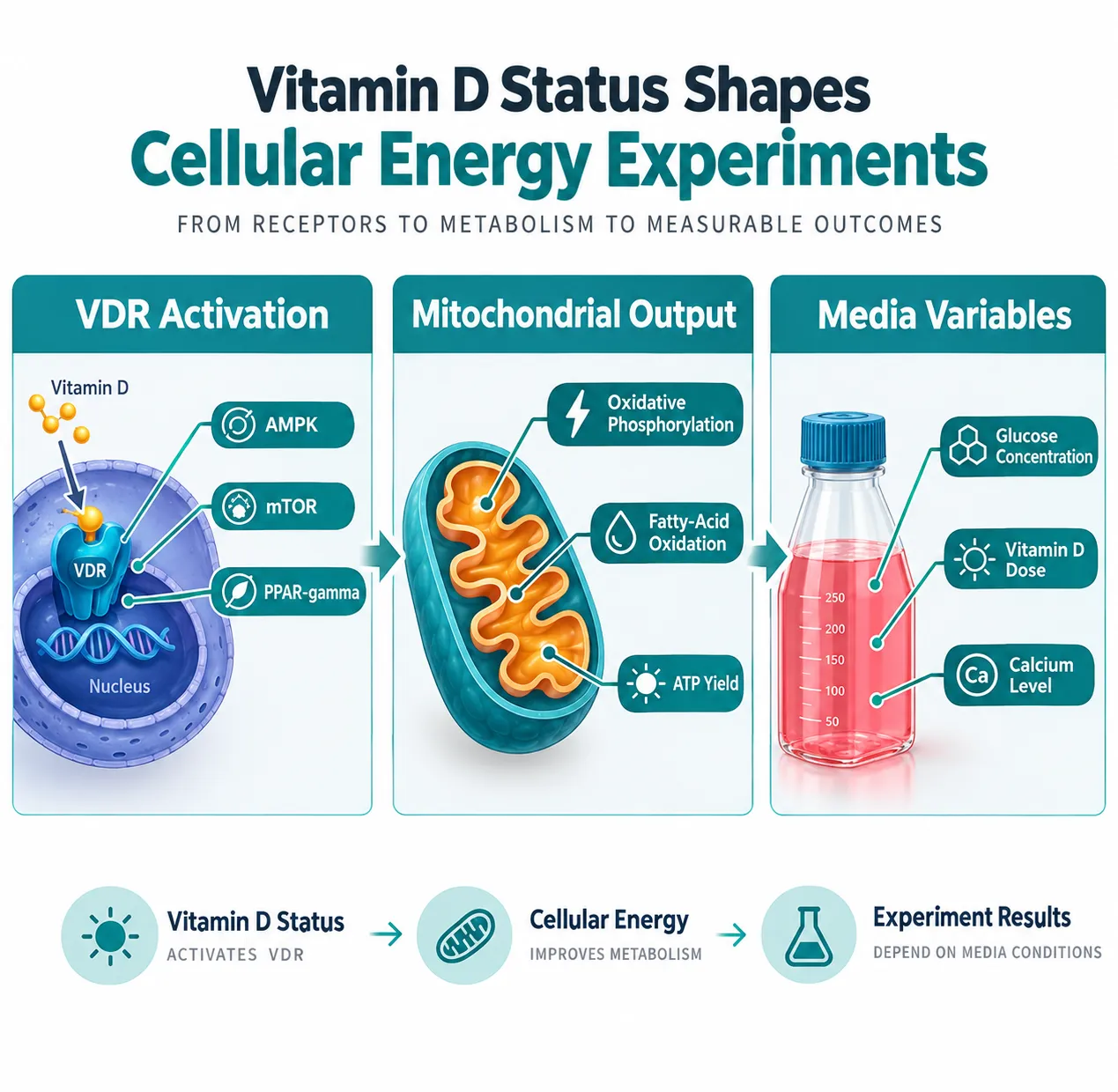
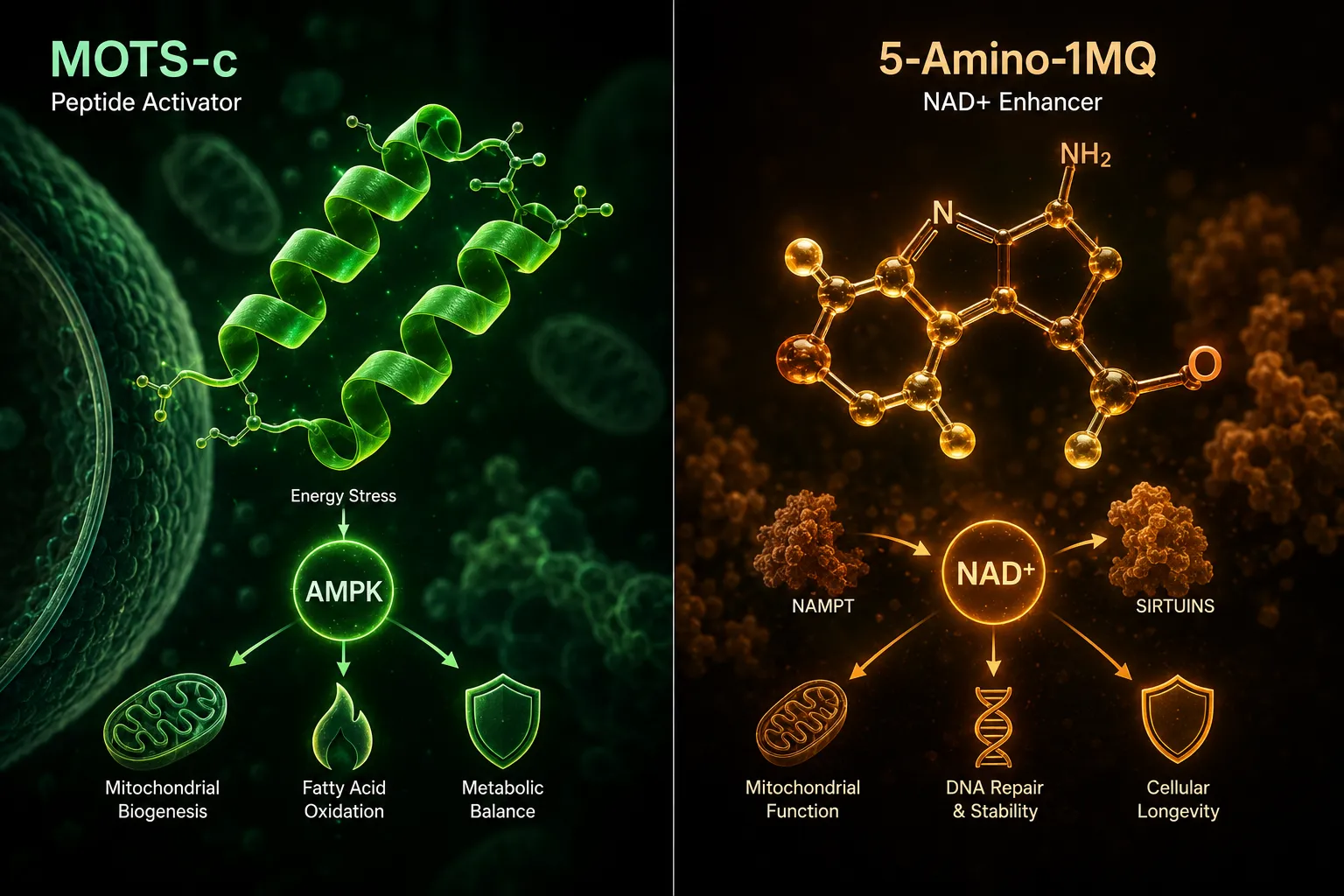
Every cell in the body runs on a single molecular currency, adenosine triphosphate (ATP). When that currency becomes scarce, cellular function deteriorates rapidly. The emerging science of mitochondrial peptides now offers researchers a new lens for understanding how ATP production can be modulated at the molecular level, and two compounds sit at the center of that conversation: MOTS-c and 5-Amino-1MQ. The study of adenosine triphosphate and mitochondrial peptides, specifically how MOTS-c and 5-Amino-1MQ influence ATP production in research models, has accelerated considerably in 2026, with the first interventional human trials now recruiting.

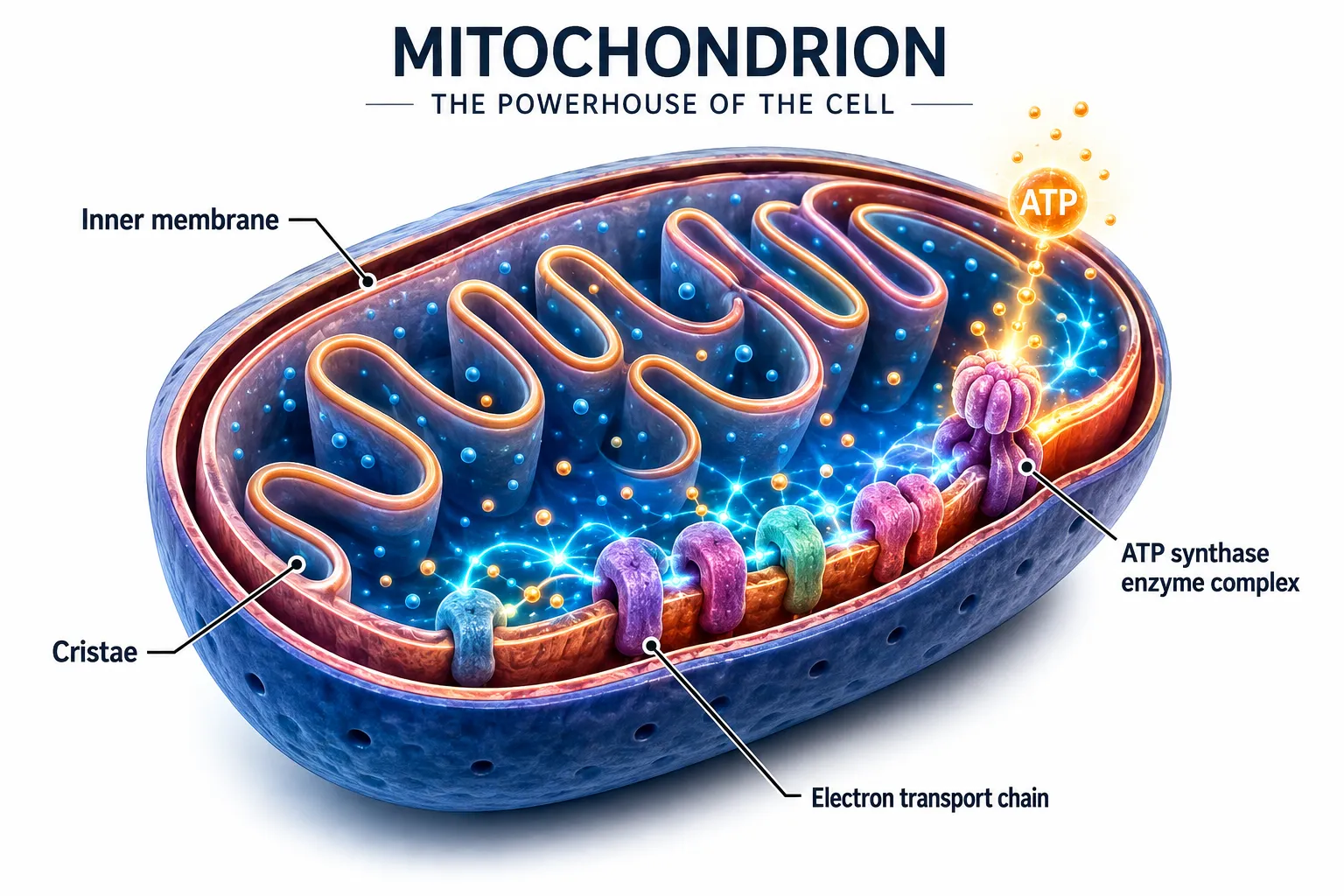
Bright editorial infographic-style landscape image () showing a detailed cross-section diagram of a mitochondrion with

Key Takeaways

  • ATP is the primary energy currency of cells, produced mainly within mitochondrial inner membranes via oxidative phosphorylation.
  • MOTS-c is a mitochondria-encoded peptide that modulates the AMP/ATP ratio and activates AMPK, indirectly protecting ATP reserves under metabolic stress.
  • 5-Amino-1MQ inhibits NNMT, raising intracellular NAD+ levels and supporting mitochondrial electron transport chain efficiency.
  • Both compounds influence overlapping metabolic pathways, including NAD+ metabolism and AMPK signaling, making them complementary subjects in energy research.
  • The evidence base for both compounds remains primarily preclinical, though human data for MOTS-c is growing rapidly.

ATP Fundamentals: Why Mitochondrial Output Matters

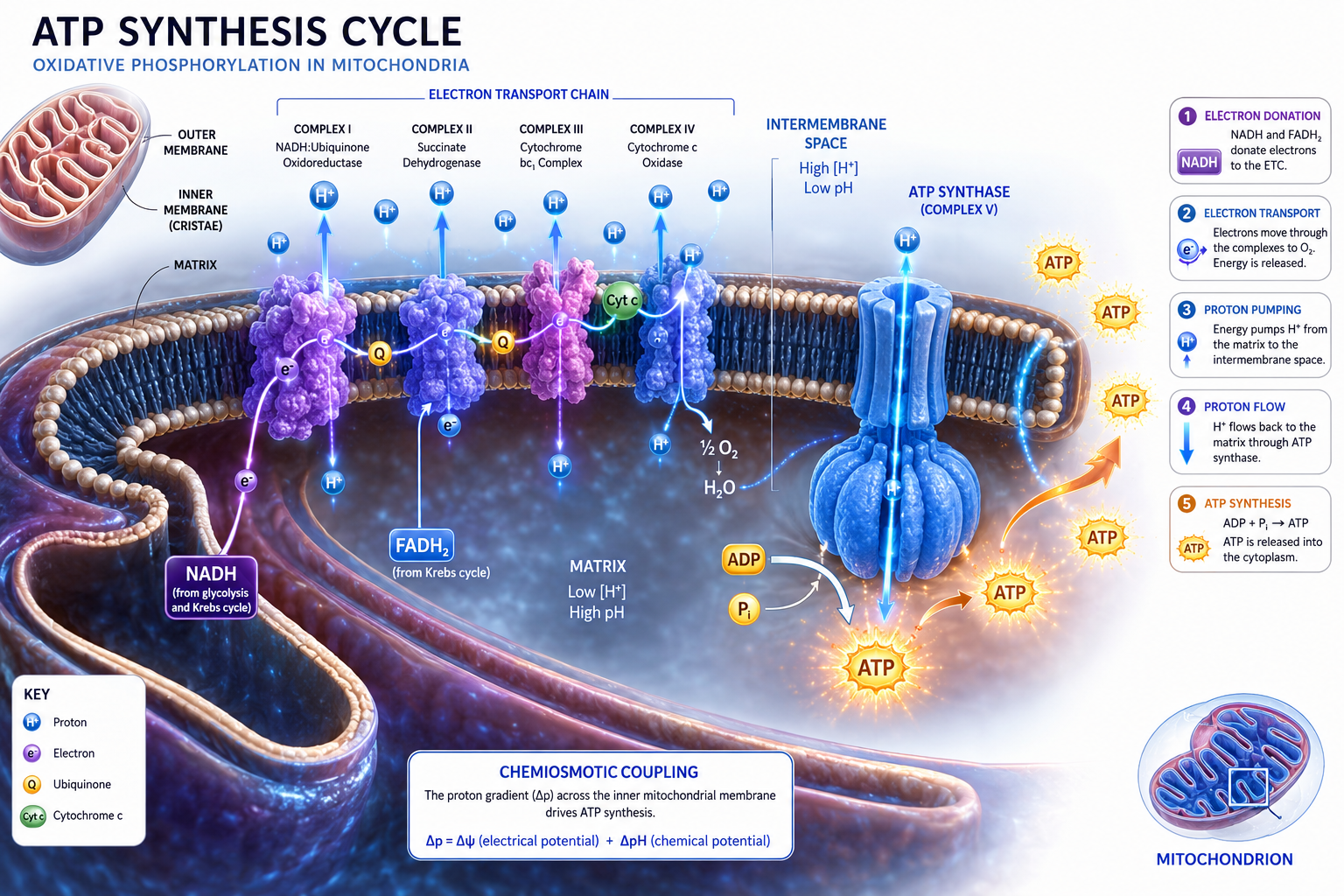
Adenosine triphosphate is synthesized primarily through oxidative phosphorylation, a process driven by the electron transport chain (ETC) embedded in the inner mitochondrial membrane. Each glucose molecule, when fully oxidized, yields approximately 30-32 ATP molecules, the majority generated at the ATP synthase complex (Complex V).

Several factors limit this output in aging or diseased tissue:

  • Declining NAD+ availability, which slows ETC electron flow
  • Mitochondrial membrane damage, reducing proton gradient efficiency
  • Excess ATP hydrolysis under stress conditions, depleting reserves faster than they can be replenished
  • Impaired mitophagy, allowing dysfunctional mitochondria to accumulate

Understanding these bottlenecks is essential context for evaluating how peptides like MOTS-c and 5-Amino-1MQ interact with ATP metabolism. Researchers exploring related mitochondrial compounds such as SS-31 and its mitochondrial research themes will recognize many of the same upstream mechanisms at work.

How MOTS-c and 5-Amino-1MQ Influence ATP Production in Research Models

How MOTS-c and 5-Amino-1MQ Influence ATP Production in Research Models

MOTS-c: A Mitochondria-Encoded Metabolic Regulator

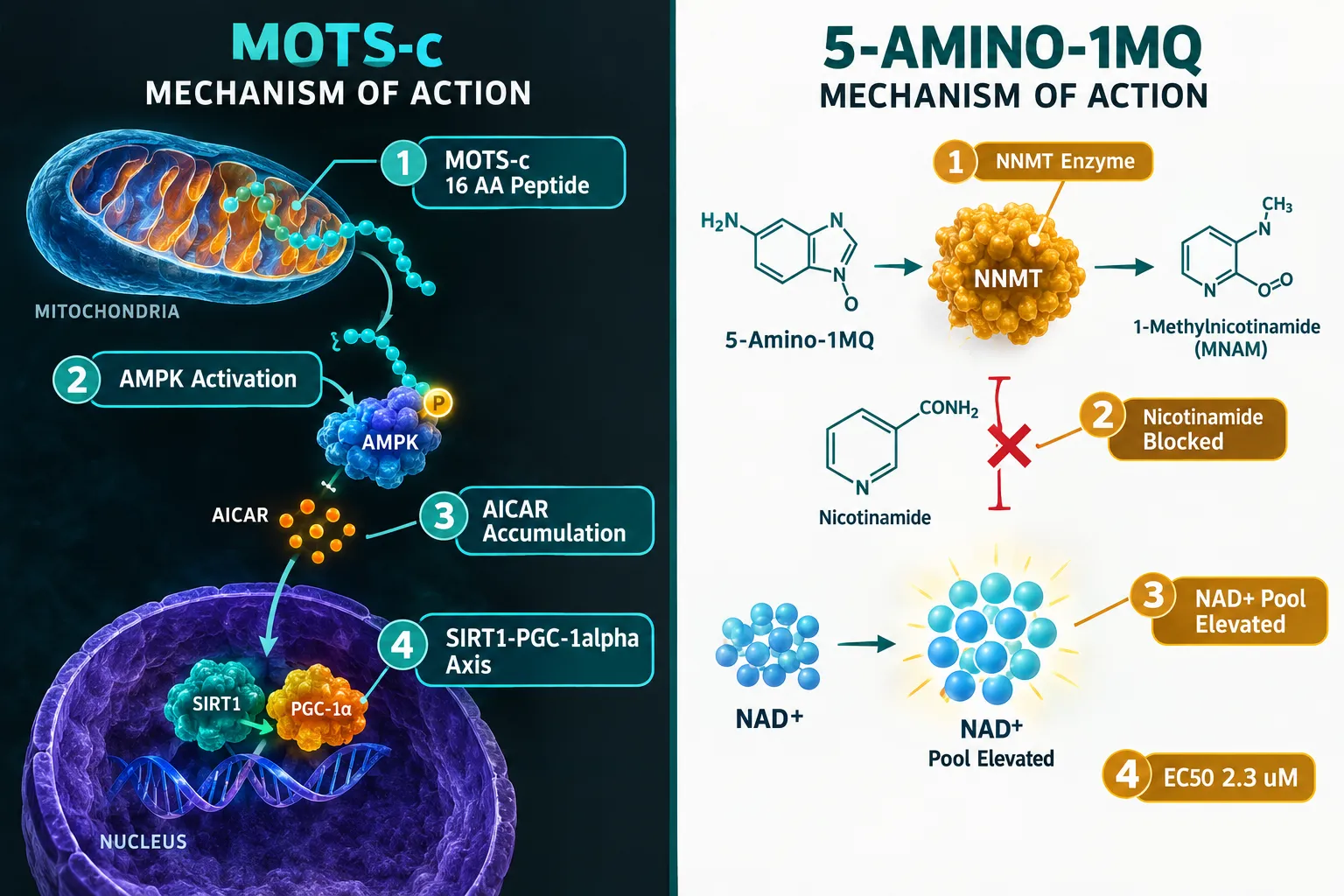
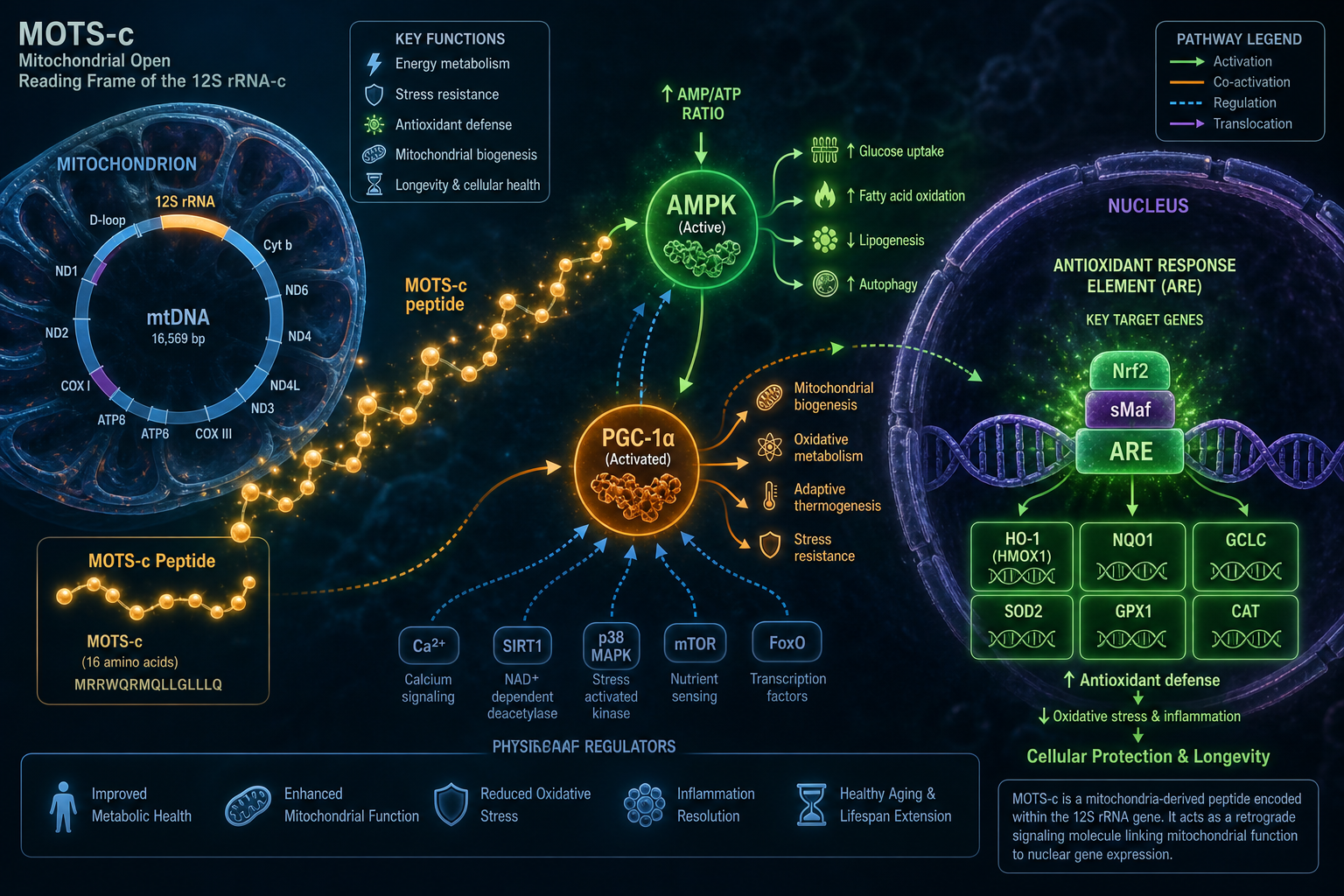
MOTS-c (Mitochondrial Open Reading Frame of the 12S rRNA type-c) is a 16-amino-acid peptide encoded directly within mitochondrial DNA, a distinction that makes it biologically unique. Rather than directly synthesizing ATP, MOTS-c acts as a metabolic stress sensor that modulates the AMP-to-ATP ratio and activates AMP-activated protein kinase (AMPK).

Key findings from preclinical and early human research include:

Observation Model Type
Acute exercise sharply elevates MOTS-c in muscle and circulation Human subjects
MOTS-c reduces ATP hydrolysis during anoxic stress Cellular/animal models
AMPK activation improves glucose uptake and fatty acid oxidation Animal models
MOTS-c preserves mitochondrial membrane integrity under oxidative load Preclinical

By slowing ATP hydrolysis rather than boosting raw production, MOTS-c effectively conserves the ATP pool when cellular demand outpaces supply. This mechanism is especially relevant in hypoxic or ischemic conditions studied in research settings.

Researchers interested in exploring MOTS-c peptide research will find it pairs conceptually with other mitochondria-targeted compounds. For a broader comparative view, the MOTS-c and elamipretide research overview provides useful context on how these agents differ mechanistically.

5-Amino-1MQ: NAD+ Elevation and ETC Support

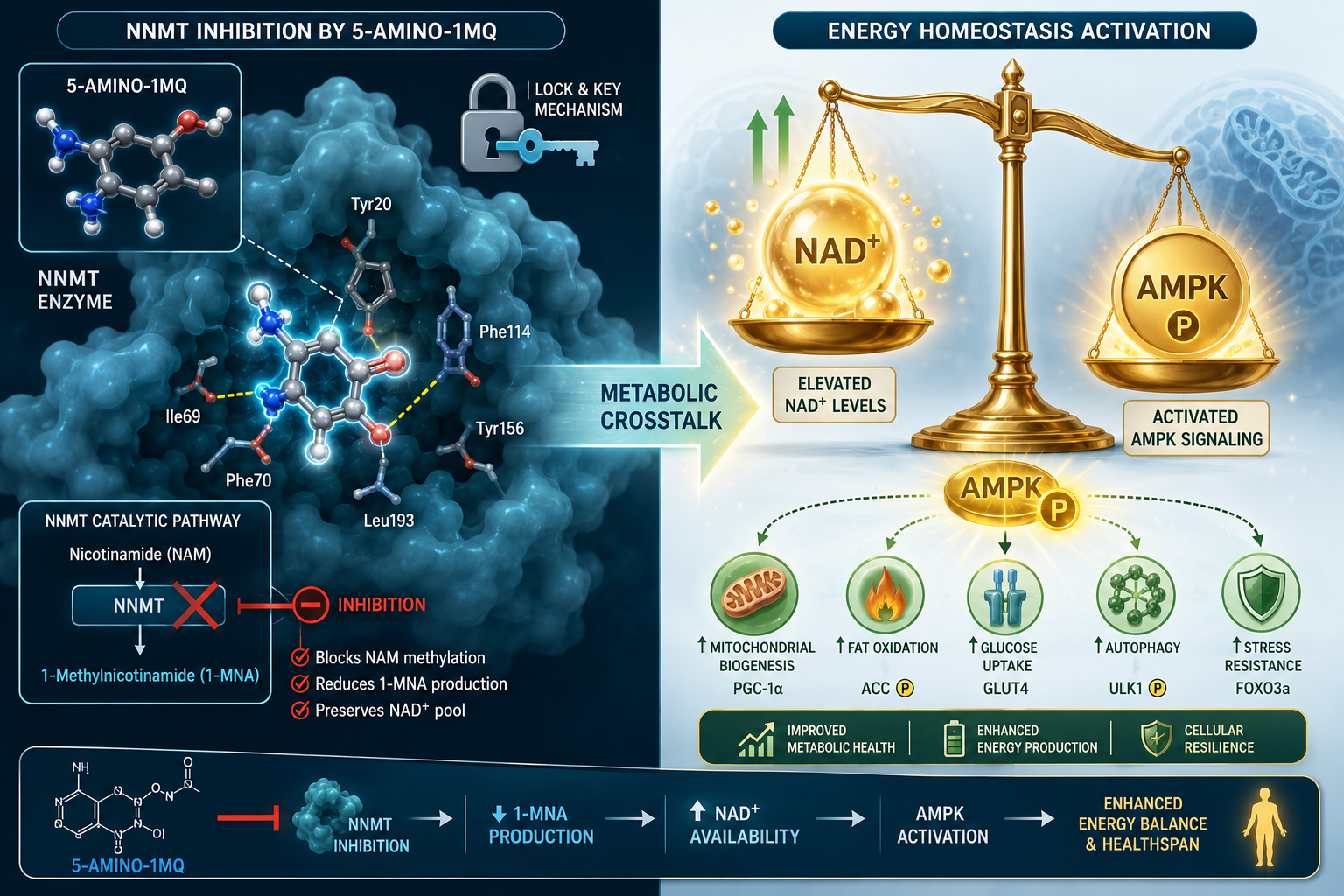
5-Amino-1MQ (5-amino-1-methylquinolinium) takes a fundamentally different approach. It is a small-molecule inhibitor of nicotinamide N-methyltransferase (NNMT), an enzyme that consumes S-adenosylmethionine and depletes the methyl donor pool needed for NAD+ biosynthesis.

By blocking NNMT, 5-Amino-1MQ:

  1. Raises intracellular NAD+ concentrations
  2. Supports sirtuin (SIRT1/SIRT3) activity, which regulates mitochondrial biogenesis
  3. Enhances electron flow through Complexes I and III of the ETC
  4. Reduces adipogenesis in preclinical obesity models, indirectly improving metabolic efficiency

The downstream result in research models is improved mitochondrial respiratory capacity and greater ATP output per unit of substrate. Because NAD+ is consumed at multiple points in the ETC, even modest increases in its availability can meaningfully shift ATP yield.

"NAD+ is not merely a cofactor, it is a rate-limiting variable in mitochondrial energy production, and compounds that restore its availability represent a high-leverage intervention point in metabolic research."

Overlapping Pathways and Downstream Signaling

The significance of studying adenosine triphosphate and mitochondrial peptides, how MOTS-c and 5-Amino-1MQ influence ATP production in research models, becomes clearest when their pathways are examined together.

Both compounds converge on AMPK and sirtuin signaling:

  • MOTS-c activates AMPK via AMP/ATP ratio changes
  • Elevated NAD+ from 5-Amino-1MQ activates SIRT1, which can also stimulate AMPK indirectly

This convergence suggests potential synergistic effects in research models, though direct combination studies remain limited as of 2026. Researchers studying mitochondrial dynamics may also find value in reviewing SS-31 mitochondrial dynamics research, which addresses cristae remodeling, a structural factor that influences ETC efficiency upstream of both MOTS-c and 5-Amino-1MQ targets.

Additional peptides with metabolic relevance, such as those explored in epithalon peptide research, demonstrate that mitochondrial health intersects with broader cellular aging pathways, reinforcing the value of a systems-level research approach.

Overlapping Pathways and Downstream Signaling

The 2026 Research Landscape

The field has matured considerably. Key developments include:

  • First interventional human MOTS-c trials now actively recruiting as of 2026
  • Growing body of human exercise data showing MOTS-c responds dynamically to metabolic demand
  • Increased interest in 5-Amino-1MQ as a metabolic adjunct in obesity and insulin resistance models
  • Expanded understanding of how NAD+ precursor availability limits or enables peptide-driven ATP gains

Researchers sourcing compounds for preclinical work should prioritize purity and documentation. Resources such as quality peptides for research and verified peptides for sale help ensure experimental reproducibility.

Conclusion

The intersection of adenosine triphosphate and mitochondrial peptides, specifically how MOTS-c and 5-Amino-1MQ influence ATP production in research models, represents one of the most actionable frontiers in cellular bioenergetics research today. MOTS-c protects ATP reserves by moderating hydrolysis and activating AMPK, while 5-Amino-1MQ raises NAD+ availability to directly support electron transport chain throughput. Together, they illuminate distinct but complementary levers for improving mitochondrial energy output.

Actionable next steps for researchers:

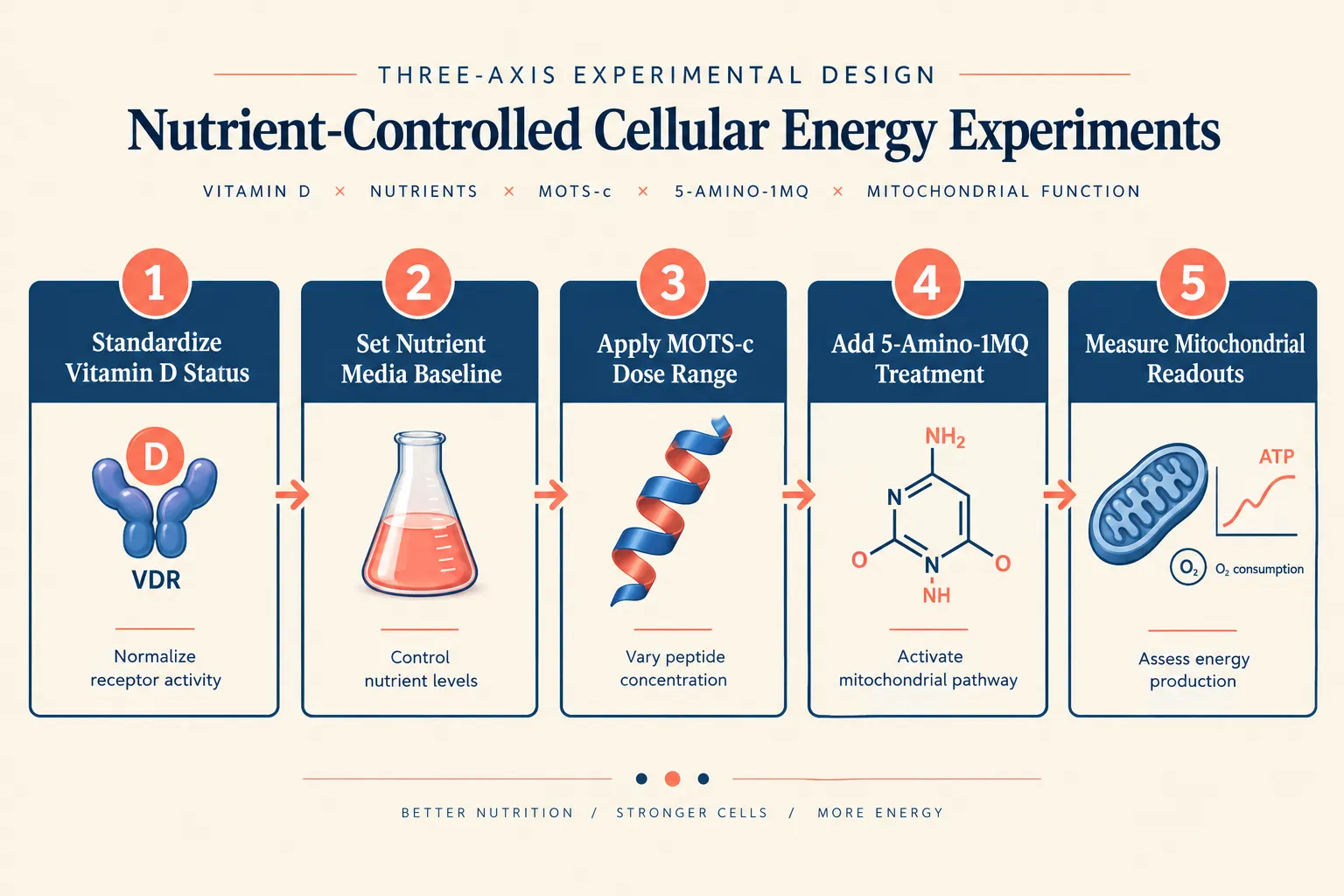
  • Review current preclinical literature on MOTS-c's AMP/ATP modulation before designing in vitro protocols
  • Establish baseline NAD+ measurements in model systems before introducing 5-Amino-1MQ to accurately assess ETC changes
  • Consider AMPK pathway readouts as shared endpoints when studying both compounds
  • Monitor 2026 clinical trial registries for emerging human MOTS-c data that may inform translational research design
  • Source research-grade compounds from verified suppliers with documented purity testing to ensure data integrity
https://www.puretestedpeptides.com/wp-content/uploads/2026/08/adenosine-triphosphate-and-mitochondrial-peptides-how-mots-c-and-5-amino-1mq-inf.webp 1024 1536 https://www.puretestedpeptides.com/wp-content/uploads/2026/01/buy-peptides-online.jpg 2026-08-01 13:04:542026-08-01 13:04:54Adenosine Triphosphate and Mitochondrial Peptides: How MOTS-c and 5-Amino-1MQ Influence ATP Production in Research Models

Tag Archive for: mitochondrial bioenergetics

Adenosine Triphosphate, Mitochondria, and MOTS‑c: Where Cellular Energy Meets Peptide Signaling

July 7, 2026/0 Comments/by Pure Tested

Every cell in the human body produces and consumes roughly its own weight in ATP each day, a fact that underscores just how central mitochondrial energy metabolism is to survival. Yet for decades, the mitochondrion was treated almost exclusively as a power plant. That view has changed dramatically. The emerging science of Adenosine Triphosphate, Mitochondria, and MOTS-c: Where Cellular Energy Meets Peptide Signaling reveals that the organelle also encodes bioactive peptides that coordinate whole-body metabolic responses, stress adaptation, and even aging trajectories.

Key Takeaways

  • Mitochondria generate ATP through oxidative phosphorylation, but they also encode signaling peptides such as MOTS-c directly from mitochondrial DNA.
  • MOTS-c activates AMPK and PGC-1alpha pathways, improving mitochondrial efficiency and reducing reactive oxygen species (ROS) output.
  • Circulating MOTS-c levels decline with age, linking the peptide to age-related metabolic decline.
  • 5-Amino-1MQ, an NNMT inhibitor, may indirectly support NAD+ availability and AMPK signaling, creating metabolic crosstalk with MOTS-c biology.
  • MOTS-c is not FDA-approved and is banned by WADA; all current use is strictly within preclinical research contexts.

Key Takeaways

From ATP Synthesis to Peptide Signaling: The Mitochondrial Dual Role

The textbook account of ATP production begins with glycolysis in the cytoplasm and ends with oxidative phosphorylation across the inner mitochondrial membrane. Electrons donated by NADH and FADH2 travel through the electron transport chain, driving proton pumps that power ATP synthase. The result is a continuous supply of adenosine triphosphate, the universal energy currency that fuels muscle contraction, protein synthesis, and ion transport.

What the textbook often omits is that the mitochondrial genome, a circular strand of just 16,569 base pairs, contains small open reading frames capable of producing functional peptides. One of the most studied is MOTS-c (Mitochondrial Open Reading Frame of the 12S rRNA Type-c), a 16-amino-acid peptide encoded within the 12S ribosomal RNA gene. Its discovery reframed the mitochondrion as both an energy producer and an active endocrine-like signaling hub.

This intersection is precisely what makes Adenosine Triphosphate, Mitochondria, and MOTS-c: Where Cellular Energy Meets Peptide Signaling such a compelling area of research in 2026. Understanding how ATP metabolism and peptide signaling interact opens new windows into metabolic disease, aging, and cellular resilience.

For a broader view of how mitochondrial peptides fit into longevity research, the longevity peptide research overview provides useful context.

MOTS-c Mechanisms: AMPK, PGC-1alpha, and Mitochondrial Efficiency

MOTS-c Mechanisms: AMPK, PGC-1alpha, and Mitochondrial Efficiency

MOTS-c exerts its primary effects through two well-characterized pathways:

1. AMPK Activation
AMPK (AMP-activated protein kinase) acts as the cell's master energy sensor. When the AMP-to-ATP ratio rises, signaling low energy, AMPK switches on catabolic processes and suppresses anabolic ones. MOTS-c mimics this low-energy signal, activating AMPK even under normal conditions. This is why researchers describe MOTS-c as an exercise mimetic: it produces metabolic adaptations similar to physical training, including improved insulin sensitivity and enhanced fatty acid oxidation.

2. PGC-1alpha and Mitochondrial Biogenesis
A March 2026 study demonstrated that MOTS-c administration improves muscle mitochondrial bioenergetic performance through PGC-1alpha, the master regulator of mitochondrial biogenesis. The result is reduced ROS emission and lower oxidative protein damage, outcomes that matter greatly in aging tissues.

Beyond these two pathways, MOTS-c translocates to the cell nucleus under stress conditions, where it regulates genes containing antioxidant response elements (ARE). This nuclear role positions MOTS-c as a direct link between mitochondrial stress sensing and genomic stress adaptation.

A preliminary study also found a positive correlation between serum MOTS-c concentrations and lower-body muscle strength in healthy individuals, though no significant link to VO2 max was observed, suggesting the peptide is more relevant to strength than endurance capacity.

Research published in 2023 further identified MOTS-c as a potential protective factor against pulmonary fibrosis, pointing to metabolic regulation as a mechanism. A separate systematic review highlighted MOTS-c's role in reducing insulin resistance and systemic inflammation.

Researchers interested in how MOTS-c interacts with other mitochondria-targeting compounds should review the MOTS-c and elamipretide research page for comparative data.

The MOTS-c metabolic stress research page also documents how cellular energy depletion triggers MOTS-c expression.

The Age-Related Decline of MOTS-c and the 5-Amino-1MQ Connection

Circulating MOTS-c levels fall measurably with age. This decline correlates with the metabolic deterioration seen in older adults, reduced insulin sensitivity, impaired mitochondrial function, and increased inflammatory signaling. The pattern suggests that MOTS-c acts as a kind of metabolic buffer that erodes over time.

This is where 5-Amino-1MQ enters the picture. This small-molecule NNMT (nicotinamide N-methyltransferase) inhibitor works by blocking an enzyme that consumes SAM (S-adenosylmethionine) and depletes the NAD+ precursor pool. By inhibiting NNMT, 5-Amino-1MQ supports higher intracellular NAD+ availability, and NAD+ is a direct upstream activator of AMPK signaling.

The metabolic crosstalk is meaningful:

Compound Primary Target Effect on Energy Metabolism
MOTS-c AMPK / PGC-1alpha Enhances mitochondrial efficiency, reduces ROS
5-Amino-1MQ NNMT inhibition Elevates NAD+, supports AMPK activation indirectly

The Age-Related Decline of MOTS-c and the 5-Amino-1MQ Connection

Neither compound is FDA-approved. MOTS-c specifically remains on the FDA's Category 2 list and is banned by WADA under Section S4.4 (Metabolic Modulators, AMPK activators) of the 2024 Prohibited List. All research involving these compounds is conducted in preclinical settings.

For researchers exploring related mitochondrial-targeting peptides, SS-31 peptide research offers complementary data on inner mitochondrial membrane protection. The MOTS-c mitochondrial research themes page consolidates the most current mechanistic findings.

Key insight: The convergence of MOTS-c signaling and NAD+ metabolism through NNMT inhibition represents one of the more promising areas of mitochondrial research in 2026, not because either compound is a clinical therapy, but because together they illuminate how the cell regulates energy balance at multiple levels simultaneously.

Conclusion

The science of Adenosine Triphosphate, Mitochondria, and MOTS-c: Where Cellular Energy Meets Peptide Signaling has moved well beyond the textbook. Mitochondria are now understood as signaling organelles that use peptides like MOTS-c to communicate energy status across tissues, regulate stress adaptation, and influence aging biology. The parallel discovery that NNMT inhibitors such as 5-Amino-1MQ can alter the NAD+/AMPK axis adds another layer of complexity, and opportunity, to this field.

Actionable next steps for researchers:

  • Review the current preclinical literature on MOTS-c dosing protocols and endpoint selection before designing studies.
  • Explore how MOTS-c and LL-37 synergy may compound metabolic and immune outcomes in research models.
  • Consult the epithalon longevity signals research page for comparative aging-pathway data.
  • Source only lab-tested, verified compounds through reputable suppliers to ensure experimental reproducibility.

The bridge from ATP biochemistry to peptide signaling is no longer theoretical, it is an active research frontier with measurable, reproducible outcomes.

https://www.puretestedpeptides.com/wp-content/uploads/2026/01/buy-peptides-online.jpg 0 0 Pure Tested https://www.puretestedpeptides.com/wp-content/uploads/2026/01/buy-peptides-online.jpg Pure Tested2026-07-07 13:16:342026-07-20 15:00:50Adenosine Triphosphate, Mitochondria, and MOTS‑c: Where Cellular Energy Meets Peptide Signaling
×

Helpful Links

  • My account
  • Cart
  • Checkout
  • Refund and Returns Policy
  • Privacy Policy
  • SMS Privacy Policy
  • Login
  • My Account
  • Logout

USA Made Lab Tested Peptides

All products are sold for research, laboratory, or analytical purposes only, and are not for human consumption


Pure Tested Peptides is a chemical supplier. Pure Tested Peptides is not a compounding / chemical compounding facility as defined under 503A of the Federal Food, Drug, and Cosmetic act. Pure Tested Peptides is not an outsourcing facility as defined under 503B of the Federal Food, Drug, and Cosmetic act.

The statements made within this website have not been evaluated by the US Food and Drug Administration. The products we offer are not intended to diagnose, treat, cure or prevent any disease.

Human/Animal Consumption Prohibited. Laboratory/In-Vitro Experimental Use Only

Scroll to top Scroll to top Scroll to top