Call or Text 727-513-9780
  • Shopping Cart Shopping Cart
    0Shopping Cart
Pure Tested Peptides | America's most trusted Peptides for sale online
  • Peptides for sale
    • Oral Peptides for sale
      • Peptide Capsules for sale
      • BPC 157 Capsules 1000mcg
      • SLU-PP-332 Capsules | 1000 mcg
      • 5-Amino-1MQ 50mg Capsules
      • Tesofensine 500mcg
    • All Peptides for sale
    • Peptide Sprays
      • BPC 157 Nasal Spray Kit
      • BPC-157 TB500 Nasal Spray Kit
      • Semax Nasal Spray 10mg
      • Selank – Nasal Spray Kit – 10mg
      • Epithalon 50MG Nasal Spray Kit
      • Ipamorelin 10mg Nasal Spray
      • Klow Nasal Spray (BPC-157 + TB-500 + GHK-Cu + KPV) | 80mg
      • Hulk Nasal Spray Tesa / Ipa Blend 6/3 MG
      • Klow Nasal Spray
      • NAD + 500 mg Nasal Spray
      • PT-141 Nasal Spray Kit
    • GHRH Peptides
      • Ipa Peptides
      • CJC-1295 Peptides
        • CJC-1295 with DAC 5 mg
        • CJC-1295 without DAC 5 mg
        • CJC-1295 Ipa 10mg
      • Tesa Peptides
        • Tesa Peptide
        • Tesa 20 mg
    • GHK-Cu Peptides
      • All GHK-Cu Peptides
      • GHK-Cu 100mg
      • KLOW Peptide Blend – Buy KLOW blend online
    • BPC Peptides
      • All BPC Peptides
      • BPC-157
      • BPC-157 TB-500
      • BPC 157 capsules 1000mcg
    • SLU-PP-332 Peptides
      • All SLU-PP-332 Peptides
      • SLU-PP-332 5mg
    • GLP3 Peptides
      • GLP3-R
      • GLP3-R CAG 10mg
      • GLP3-R 20mg
    • PT-141 Peptides
      • PT-141 Peptides for sale
      • PT-141 10mg
      • PT-141 Nasal Spray
    • CAG Peptides
      • Lipo-C Peptide Blend
      • CAG 5mg
      • CAG 10mg
    • MOTS-C Peptides
      • MOTS-C Peptides for sale
      • MOTS-c peptide
      • MOTS-c 10mg *6 pack*
    • 5 Amino 1MQ Peptides
      • 5 Amino 1MQ Peptides for sale
      • 5-Amino-1MQ 50mg Capsules
      • 5-Amino-1MQ 5mg
    • Epithalon Peptides
      • Epithalon Peptides for sale
      • Epithalon 10mg
      • Epithalon 50mg
  • Shop
    • GLPs
      • 5-Amino-1MQ 50mg Capsules
      • 5-Amino-1MQ 5mg
      • GLP3-Reta
      • L-Carnitine 500mg/ml
      • Tesofensine 500mcg
      • SLU-PP-332 5mg
      • MOTS-c 10mg *6 pack*
    • Epithalon & BPC Peptides
      • Epithalon 10mg
      • Epithalon 50mg
      • BPC-157
      • BPC 157 capsules 1000mcg
      • BPC-157 TB-500
      • BPC-157 TB500 Nasal Spray Kit
      • BPC 157 Nasal Spray Kit
    • BPC TB-500 & NAD+ Peptides
      • NAD+ 500 mg
      • KLOW Peptide Blend – Buy KLOW blend online
      • GLOW Peptide Blend
      • TB 500 5mg
      • BPC 157 capsules 1000mcg – Supplement
      • BPC 157 Nasal Spray Kit
      • BPC-157
      • BPC-157 TB500 Nasal Spray Kit
      • BPC-157 TB-500
      • BPC 157 capsules 1000mcg
    • LL-37 Peptide
      • LL-37 10 mg
    • MOTS-C & Selank
      • MOTS-c peptide
      • Selank 10mg
    • GHK Peptides
      • GHK-Cu 100mg
      • GLOW Peptide Blend
      • KLOW Peptide Blend – Buy KLOW blend online
  • COAs
  • Wholesale
    • Wholesale Peptides for sale
  • PTP FAQ
  • Affiliates
    • Selank Peptide: Advanced Pharmacological Mechanisms Underlying Its Anxiolytic and Nootropic Effects in Research
      • 5-Amino-1MQ Peptide: Detailed Mechanisms of NNMT Inhibition and Its Impact on Cellular Metabolism Research
        • MOTS-C Peptide: Unraveling Its Role in Mitochondrial Dynamics and Energy Metabolism Research
          • Epithalon Peptide and Telomerase Regulation: Investigating Its Impact on Cellular Senescence and Lifespan Research Models
            • GLP2-T vs GLP2 Tirz Peptide: Understanding the Naming, Mechanistic Nuances, and Research Implications for Gut Health
      • Peptides and Polypeptides in Modern Pharmacology: What Research on Metoprolol, Prednisone, and Amlodipine Reveals
        • Polypeptide Peptides vs NSAIDs: What Naproxen and Diclofenac Teach Tissue-Repair Researchers About BPC‑157 and TB‑500
          • Peptides and Polypeptides in Endocrine Pharmacology: How GLP-1, GLP-2, and GLP-3 Retatrutide Differ From Classic Drugs Like Prednisone and Amlodipine
          • 5‑Amino‑1MQ Peptide and NNMT Inhibition: How It Compares With Statins Like Atorvastatin in Adipose and Lipid Metabolism Research
      • Enclomiphene, Estrogen Receptor Signaling, and Luteinizing Phase Biology: What Hormone Researchers Should Measure
        • Mesenchymal Stem Cells, BPC‑157, and GHK‑Cu: How Tissue Repair Peptides Compare With Classic NSAIDs Like Naproxen in Injury Models
          • Peptide Calculator Use Cases Beyond Growth Hormone: Working Through GLP‑3 Retatrutide, MOTS‑c, and BPC‑157 Research Dosing
        • Polypeptide Peptides in Endocrine and Metabolic Pharmacology: Lessons From Amlodipine, Prednisone, and Metoprolol
        • Peptides Calculator for Advanced Blends: Worked Examples for Tesamorelin, CJC‑1295, and Ipamorelin Stacks
          • Peptides and Polypeptides in Human Physiology: How Molecular Size Shapes Research Applications
            • Selank Peptide: Advanced Pharmacological Mechanisms Underlying Its Anxiolytic and Nootropic Effects in Research
          • 5-Amino-1MQ Peptide: Detailed Mechanisms of NNMT Inhibition and Its Impact on Cellular Metabolism Research
            • MOTS-C Peptide: Unraveling Its Role in Mitochondrial Dynamics and Energy Metabolism Research
              • Epithalon Peptide and Telomerase Regulation: Investigating Its Impact on Cellular Senescence and Lifespan Research Models
                • GLP2-T vs GLP2 Tirz Peptide: Understanding the Naming, Mechanistic Nuances, and Research Implications for Gut Health
                  • Peptides and Polypeptides in Endocrine Pharmacology: How GLP-1, GLP-2, and GLP-3 Retatrutide Differ From Classic Drugs Like Prednisone and Amlodipine
                    • Polypeptide Peptides vs NSAIDs: What Naproxen and Diclofenac Teach Tissue-Repair Researchers About BPC‑157 and TB‑500
                      • Peptides and Polypeptides in Modern Pharmacology: What Research on Metoprolol, Prednisone, and Amlodipine Reveals
                        • 5‑Amino‑1MQ Peptide and NNMT Inhibition: How It Compares With Statins Like Atorvastatin in Adipose and Lipid Metabolism Research
                        • Enclomiphene, Estrogen Receptor Signaling, and Luteinizing Phase Biology: What Hormone Researchers Should Measure
                        • Mesenchymal Stem Cells, BPC‑157, and GHK‑Cu: How Tissue Repair Peptides Compare With Classic NSAIDs Like Naproxen in Injury Models
                        • Peptide Calculator Use Cases Beyond Growth Hormone: Working Through GLP‑3 Retatrutide, MOTS‑c, and BPC‑157 Research Dosing
                        • Polypeptide Peptides in Endocrine and Metabolic Pharmacology: Lessons From Amlodipine, Prednisone, and Metoprolol
                        • Peptides Calculator for Advanced Blends: Worked Examples for Tesamorelin, CJC‑1295, and Ipamorelin Stacks
                        • Peptides and Polypeptides in Human Physiology: How Molecular Size Shapes Research Applications
                        • Selank Peptide: Advanced Pharmacological Mechanisms Underlying Its Anxiolytic and Nootropic Effects in Research
                        • MOTS-C Peptide: Unraveling Its Role in Mitochondrial Dynamics and Energy Metabolism Research
                        • Peptides and Polypeptides in Modern Pharmacology: What Research on Metoprolol, Prednisone, and Amlodipine Reveals
                        • Peptides and Polypeptides in Endocrine Pharmacology: How GLP-1, GLP-2, and GLP-3 Retatrutide Differ From Classic Drugs Like Prednisone and Amlodipine
                        • 5-Amino-1MQ Peptide: Detailed Mechanisms of NNMT Inhibition and Its Impact on Cellular Metabolism Research
                        • Mesenchymal Stem Cells, BPC‑157, and GHK‑Cu: How Tissue Repair Peptides Compare With Classic NSAIDs Like Naproxen in Injury Models
                        • Peptide Calculator Use Cases Beyond Growth Hormone: Working Through GLP‑3 Retatrutide, MOTS‑c, and BPC‑157 Research Dosing
                        • GLP2-T vs GLP2 Tirz Peptide: Understanding the Naming, Mechanistic Nuances, and Research Implications for Gut Health
                        • Polypeptide Peptides in Endocrine and Metabolic Pharmacology: Lessons From Amlodipine, Prednisone, and Metoprolol
                        • Polypeptide Peptides vs NSAIDs: What Naproxen and Diclofenac Teach Tissue-Repair Researchers About BPC‑157 and TB‑500
                        • Peptides and Polypeptides in Human Physiology: How Molecular Size Shapes Research Applications
                        • Peptides Calculator for Advanced Blends: Worked Examples for Tesamorelin, CJC‑1295, and Ipamorelin Stacks
                        • 5‑Amino‑1MQ Peptide and NNMT Inhibition: How It Compares With Statins Like Atorvastatin in Adipose and Lipid Metabolism Research
                        • Enclomiphene, Estrogen Receptor Signaling, and Luteinizing Phase Biology: What Hormone Researchers Should Measure
                        • Epithalon Peptide and Telomerase Regulation: Investigating Its Impact on Cellular Senescence and Lifespan Research Models
                        • Best research protocol Klow blend
                        • best time to take BPC-157
                        • best time to take DSIP (Delta Sleep Inducing Peptide)
                        • best time to take CJC-1295
                        • best time to take AOD-9604
                        • best time to take Follistatin 344
                        • best time to take Ipamorelin
                        • best time to take MK-677 (Ibutamoren)
                        • best time to take Ligandrol (LGD-4033) — research compound
                        • best time to take Ostarine (MK-2866) — research compound
                        • best time to take GHK-CU
                        • best time to take TB-500
                        • best time to take MOTS-c
                        • best time to take Semax
                        • best time to take RAD-140 (Testolone) — research compound
                        • best time to take Thymosin Alpha-1
                        • best time to take PEG-MGF
                        • Biolife Plasma, Octapharma Plasma, and Research Peptides: How Plasma Donation Labs Differ From Peptide Suppliers
                        • best time to take YK-11 — research compound
                        • best time to take PT-141 (Bremelanotide)
                        • Best research protocol Klow blend
                        • 5-Amino-1MQ and MOTS-C Synergy: Metabolic Signaling, Mitochondria, and Research Design
                        • BPC-157 and TB-500: Investigating Their Combined Effects on Angiogenesis and Cellular Migration in Tissue Repair Models
                        • BPC-157 Peptide: Gut Barrier Function, Inflammation, and Tissue-Recovery Research
                        • 5‑Amino‑1MQ and MOTS‑c Synergy in Metabolic Research: Designing NNMT and Mitochondrial Biogenesis Stacks
                        • CJC-1295 with DAC vs. Without DAC: Half-Life, Release Kinetics, and Research Implications
                        • CJC‑1295 with DAC vs. Without DAC: Expanding on Half‑Life Differences Using Tesamorelin and Ipamorelin Blend Case Studies
                        • Collagen Biology and Copper‑Binding Peptides: How GHK‑Cu, Glow Blend, and Klow Blend Interact with Skin and Connective Tissue
                        • Collagen Biology and Regenerative Peptides: How GHK‑Cu, Glow Blend, and Klow Blend Affect Extracellular Matrix Research
                    • DNA, Telomeres, and Longevity Peptides: Positioning Epithalon and MOTS‑c in Genetic Aging Research
                      • Enclomiphene Citrate: serm Mechanism, Testosterone Research, and Stack Compatibility
                        • Enclomiphene vs Enclomiphene Citrate: Formulation, Bioavailability, and Research Distinctions
                        • Epithalon Peptide Research: Telomerase Activation, Aging, and Pineal Gland Function
                        • Estrogen Receptor Signaling and Enclomiphene: How Selective Modulators Compare with Classic Polypeptide Hormones
                        • GHK-Cu Peptide: Advanced Mechanisms in Extracellular Matrix Remodeling and Wound Healing Research
                        • GHK-Cu Peptide: Collagen Synthesis, Wound Repair, and Skin-Barrier Research Models
                        • GLP-1 vs GLP-3 vs GLP-2: Peptide Classification and Research Applications
                        • GLP-2 Peptide Research Guide: Gut Barrier Function, Nutrient Absorption, and Intestinal Recovery Models
                        • GLP-3 Retatrutide vs. GLP-1 Drugs: What Triple-Agonist Biology Changes in Research Models
                        • Ipamorelin and Tesamorelin Combination: Synergistic GH Secretagogue Research and Dosing Protocols
                        • GLP2 Tirz Peptide: What It Is, Why the Name Exists, and How Researchers Should Interpret It
                        • Klow Blend Peptide Nasal Spray: What the Formulation Is Trying to Do in Cognitive Research
                        • Mitochondria, NNMT Inhibition, and Peptide Modulators: Where MOTS‑c and 5‑Amino‑1MQ Fit in Cellular Energy Research
                        • MOTS-c Peptide: Mitochondrial Function, Energy Metabolism, and What Researchers Measure
                        • MOTS-c vs. 5-Amino-1MQ: Which Metabolic Research Questions Each Compound Actually Answers
                        • Nasal Spray Peptides: Bioavailability, Administration, and Semax/Selank Research Applications
                        • PT-141 Peptide Research: Mechanism of Action and Melanocortin Receptor Signaling
                        • Retatrutide for Research: Mechanism, Structure, and GLP-1/GLP-3 Dual Action
                        • Retatrutide for Obesity and Type 2 Diabetes: What the Latest Trial Data Suggest
                        • Tesofensine Peptide Research: Mechanism, Appetite Suppression, and Neuropeptide Y Pathways
  • Contact
    • Contact Customer Service
    • Text Customer Support
  • About US
  • Shop all peptides
  • Affiliate Program
    • Affiliate Signup
  • Login / Register Login / Register Page Link Login / Register Page Link
  • Click to open the search input field Click to open the search input field Search
  • Menu Menu

Tag Archive for: mitochondrial dna

MOTS-c Peptide: Mitochondrial Signaling, Metabolic Research, and Why Researchers Study It

MOTS-c Peptide: Mitochondrial Signaling, Metabolic Research, and Why Researchers Study It

August 8, 2026/0 Comments/in Uncategorized/by

Fewer than two decades ago, scientists believed mitochondria served one primary purpose, producing energy. The discovery that mitochondrial DNA encodes its own signaling molecules, including the MOTS-c peptide, fundamentally changed that assumption. MOTS-c Peptide: Mitochondrial Signaling, Metabolic Research, and Why Researchers Study It has become a central topic in metabolic biology precisely because this small molecule appears to do far more than anyone expected from a peptide encoded outside the cell nucleus.

Key Takeaways

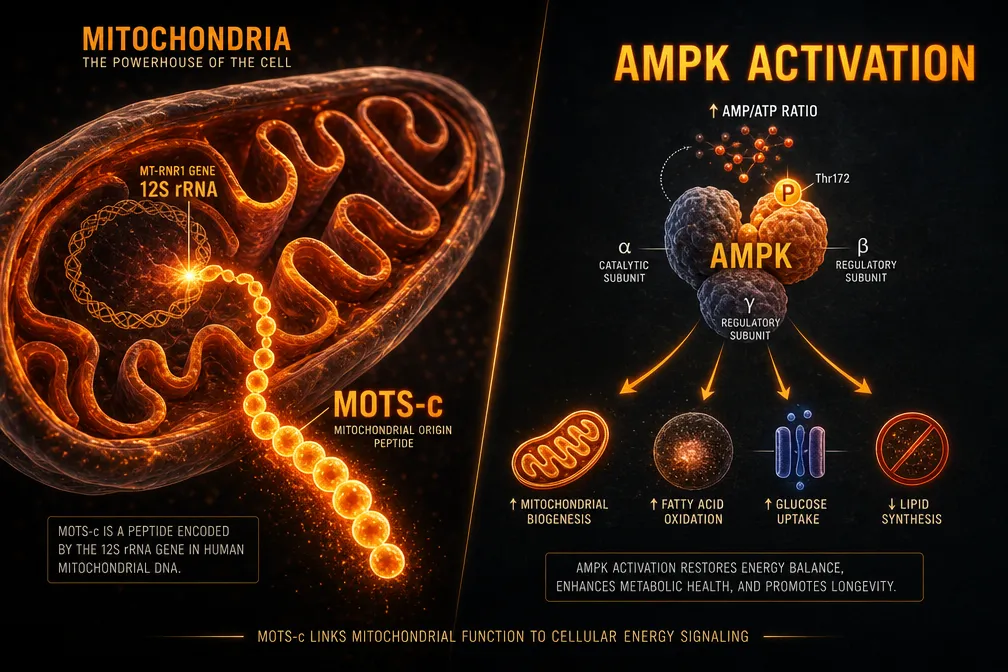
  • MOTS-c is a mitochondria-derived peptide encoded by the 12S rRNA gene within mitochondrial DNA.
  • It acts as an intracellular and systemic signaling molecule that influences glucose metabolism and cellular stress responses.
  • Researchers study MOTS-c primarily for its role in metabolic regulation, insulin sensitivity, and exercise-related physiology.
  • MOTS-c is often studied alongside other mitochondria-targeted compounds such as SS-31 peptide in experimental models.
  • All current research is preclinical; MOTS-c is not approved for human therapeutic use.
Key Takeaways

What Is MOTS-c and Where Does It Come From

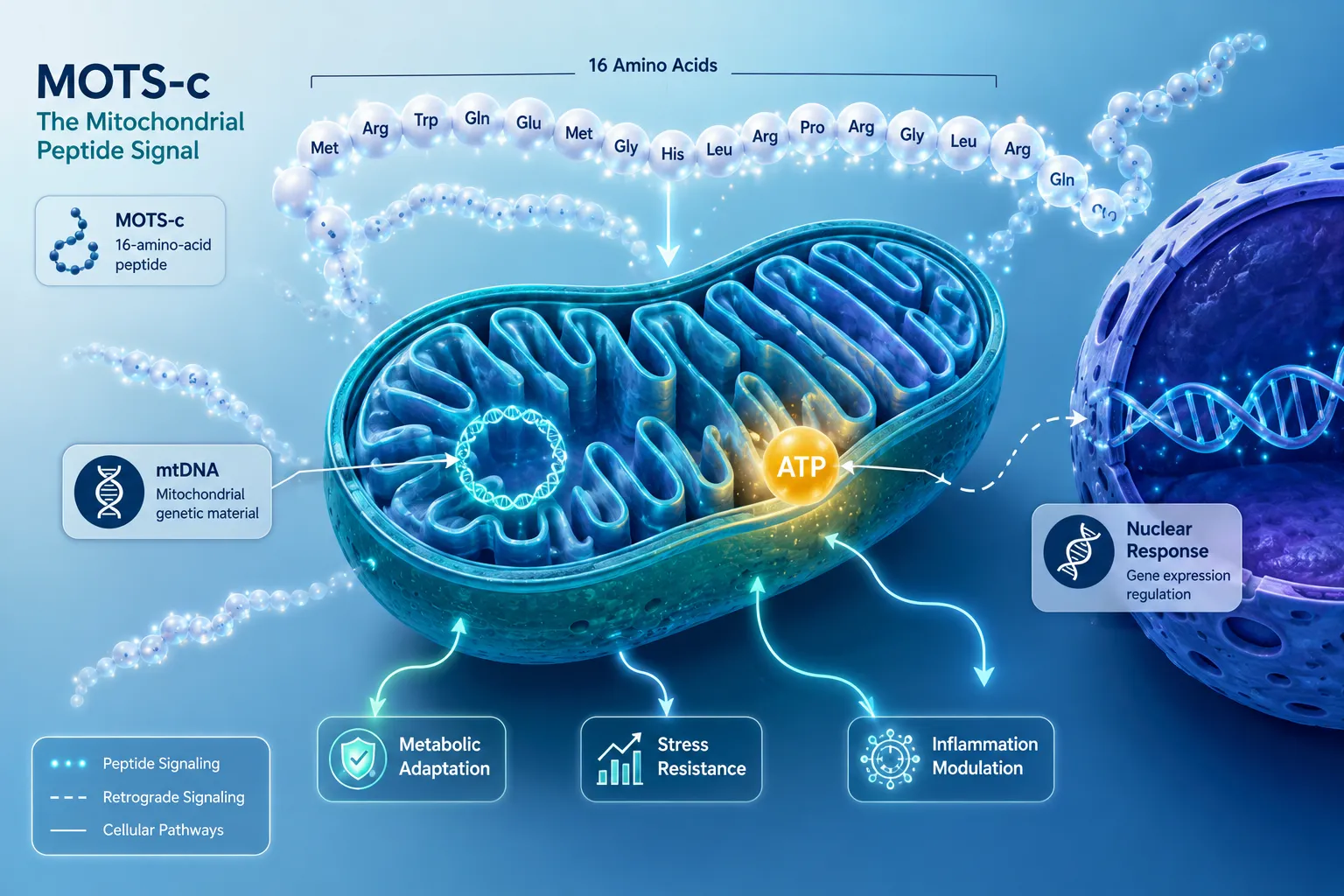
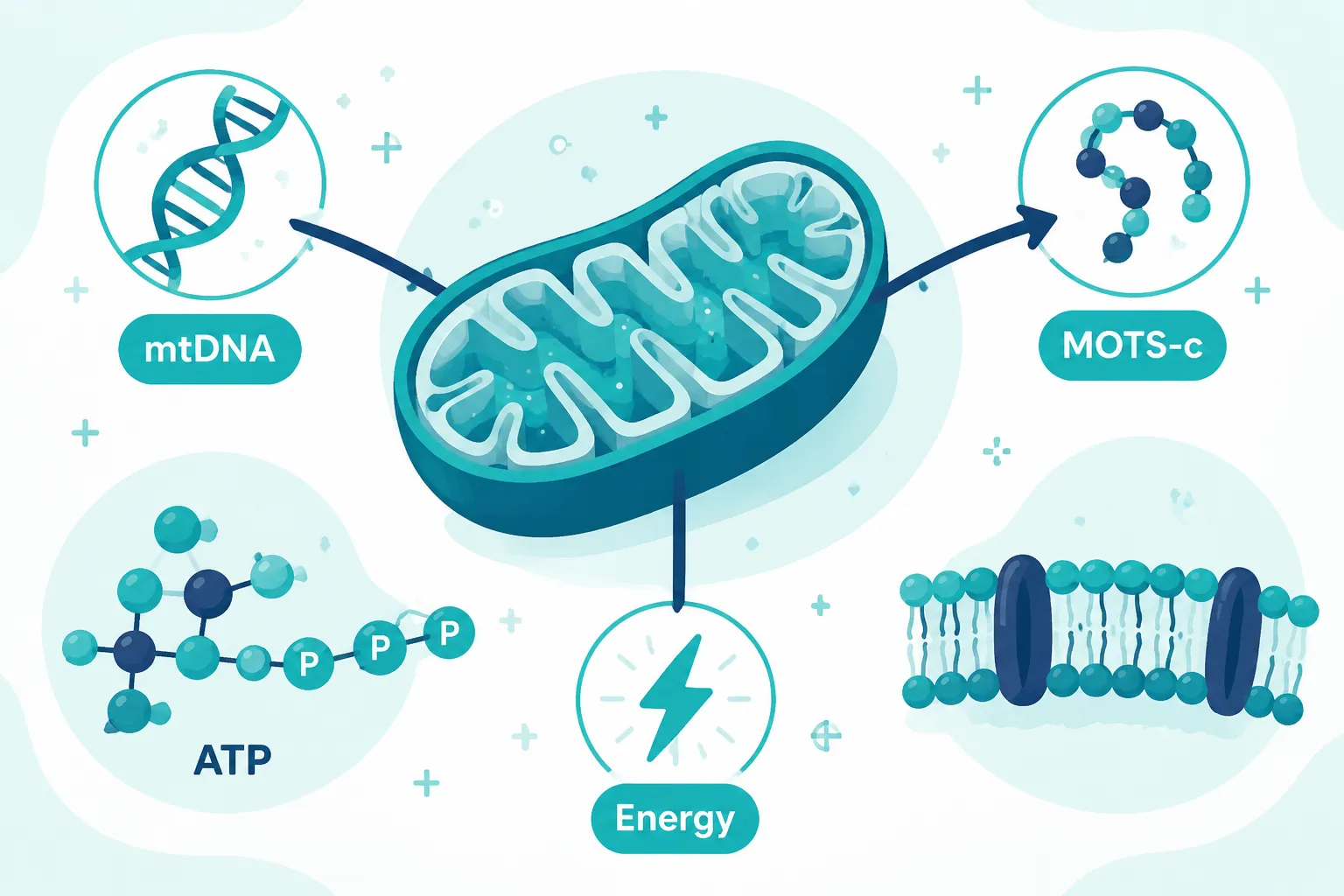
MOTS-c stands for Mitochondrial Open Reading Frame of the 12S rRNA-c. It is a 16-amino acid peptide encoded within the mitochondrial genome, specifically within the 12S ribosomal RNA gene. This origin makes it a member of a broader class of molecules called mitochondria-derived peptides (MDPs).

Unlike most peptides, which are encoded by nuclear DNA, MOTS-c is produced directly inside the mitochondria. Under conditions of metabolic stress, it can translocate to the cell nucleus, where it interacts with gene expression pathways. This dual location, mitochondrial origin, nuclear activity, is a key reason it attracts significant research attention.

Basic structural profile:

Feature Detail
Length 16 amino acids
Encoding gene Mitochondrial 12S rRNA
Molecular weight Approximately 2.17 kDa
Primary research area Metabolic regulation, cellular stress

Researchers also note that MOTS-c can be detected in circulating blood, suggesting it functions as a systemic hormone-like signal, not just a local intracellular messenger.

MOTS-c Peptide: Mitochondrial Signaling Mechanisms Researchers Measure

Understanding how MOTS-c works requires looking at the specific pathways researchers track in experimental settings.

AMPK Pathway Activation

One of the most studied mechanisms involves AMP-activated protein kinase (AMPK), a master regulator of cellular energy balance. Preclinical data suggest MOTS-c activates AMPK, which in turn promotes glucose uptake and fatty acid oxidation. This pathway is particularly relevant in models examining insulin resistance and type 2 diabetes.

Folate Cycle and One-Carbon Metabolism

Research published by Lee et al. (2015) identified that MOTS-c targets the folate cycle within the methionine pathway. By inhibiting the AICAR transformylase enzyme, MOTS-c increases intracellular AICAR levels, a natural AMPK activator. This mechanism links mitochondrial signaling directly to nuclear gene regulation.

Nuclear Translocation Under Stress

Under oxidative or metabolic stress, MOTS-c moves from the mitochondria to the nucleus. Once there, it binds to antioxidant response elements (ARE) and modulates stress-response gene expression. This makes it a candidate for research into cellular resilience and aging biology.

"MOTS-c represents a new class of mitochondrial signals that coordinate nuclear gene expression in response to metabolic demand.", Adapted from Lee et al., 2015

Researchers studying mitochondrial compounds often compare MOTS-c alongside SS31 and MOTS-c combination protocols to understand how different mitochondria-targeted peptides interact within the same experimental model.

Nuclear Translocation Under Stress

Metabolic Research Applications and Experimental Design

The scope of MOTS-c Peptide: Mitochondrial Signaling, Metabolic Research, and Why Researchers Study It extends across several active research domains.

Insulin Sensitivity Models

In rodent studies, MOTS-c administration improved insulin sensitivity and reduced fat accumulation in diet-induced obesity models. Researchers measure outcomes including fasting glucose, insulin tolerance, and lipid profiles when designing these experiments.

Exercise Physiology

MOTS-c levels in human subjects appear to rise during physical exercise. This observation has prompted researchers to investigate whether the peptide mediates some of the metabolic adaptations associated with regular physical activity, including improved mitochondrial biogenesis.

Aging and Longevity Research

Circulating MOTS-c levels decline with age in both animal models and human populations. Studies examining centenarians have identified specific mitochondrial DNA variants associated with higher MOTS-c expression. This has positioned it within the broader field of geroscience alongside compounds like Epithalon peptide, which is also studied for longevity-related mechanisms.

How MOTS-c Differs from Broader Metabolic Peptides

Researchers frequently compare MOTS-c to GLP-1 receptor agonists and growth hormone-releasing peptides. The distinction is important for experimental design:

  • GLP-1 peptides (see GLP-1 peptide research resources) act primarily through extracellular receptor binding.
  • MOTS-c works largely through intracellular and nuclear mechanisms, making it a fundamentally different tool for studying mitochondrial-nuclear communication.
  • Tesamorelin (reviewed in Tesamorelin peptide benefits research) targets growth hormone pathways, a separate axis from mitochondrial signaling.

This distinction matters when researchers select compounds for multi-peptide experimental panels.

How MOTS-c Differs from Broader Metabolic Peptides

Sourcing Considerations for Research Use

Researchers sourcing MOTS-c for preclinical studies should prioritize suppliers that provide third-party purity verification. Peptide integrity directly affects experimental reproducibility. Reviewing lab tested peptides and understanding peptide supplier comparison resources can help research teams make informed procurement decisions.

Key sourcing criteria:

  • Certificate of Analysis (CoA) with HPLC purity data
  • Mass spectrometry confirmation of molecular weight
  • Lyophilized format for storage stability
  • Clear lot-specific documentation

Conclusion

MOTS-c is a compelling subject for mitochondrial and metabolic research because it bridges intracellular energy sensing with systemic signaling, a combination rarely seen in a single 16-amino acid molecule. Researchers studying insulin resistance, exercise adaptation, or cellular aging have concrete, measurable endpoints to work with, from AMPK activation to nuclear gene expression changes.

Actionable next steps for research teams:

  1. Review the current preclinical literature on MOTS-c and AMPK pathway interaction before designing protocols.
  2. Define whether the experimental question requires isolated intracellular endpoints or systemic metabolic outcomes, this shapes dosing and model selection.
  3. Compare MOTS-c against complementary mitochondrial compounds in multi-arm study designs.
  4. Source only from suppliers providing verified purity documentation to ensure data integrity.
  5. Register experimental protocols with institutional review boards where applicable and stay current with regulatory guidance on peptide research.

The field is moving quickly. Researchers who establish rigorous baseline protocols now will be best positioned to build on findings as the science matures.


References

  • Lee, C., Zeng, J., Drew, B. G., Sallam, T., Martin-Montalvo, A., Wan, J., Kim, S. J., Mehta, H., Hevener, A. L., de Cabo, R., & Cohen, P. (2015). The mitochondrial-derived peptide MOTS-c promotes metabolic homeostasis and reduces obesity and insulin resistance. Cell Metabolism, 21(3), 443-454.
  • Kim, S. J., Xiao, J., Wan, J., Cohen, P., & Yen, K. (2017). Mitochondrially derived peptides as novel regulators of metabolism. Journal of Physiology, 595(21), 6613-6621.
  • Reynolds, J. C., Lai, R. W., Woodhead, J. S. T., Joly, J. H., Mitchell, C. J., Cameron-Smith, D., Lu, R., Cohen, P., Graham, N. A., Bhatt, D. L., Bhatt, D., & Yen, K. (2021). MOTS-c is an exercise-induced mitochondrial-encoded regulator of age-dependent physical decline and muscle homeostasis. Nature Communications, 12(1), 470.
  • Zempo, H., Kim, S. J., Fuku, N., Nishida, Y., Higaki, Y., Wan, J., Yen, K., & Cohen, P. (2021). A pro-diabetogenic mtDNA polymorphism in the mitochondrial-derived peptide MOTS-c. Aging, 13(2), 1692-1717.
https://www.puretestedpeptides.com/wp-content/uploads/2026/08/mots-c-peptide-mitochondrial-signaling-metabolic-research-and-why-researchers-st.webp 1024 1536 https://www.puretestedpeptides.com/wp-content/uploads/2026/01/buy-peptides-online.jpg 2026-08-08 13:03:472026-08-08 13:03:47MOTS-c Peptide: Mitochondrial Signaling, Metabolic Research, and Why Researchers Study It
DNA, Mitochondria, and Research Peptides: How MOTS-c and 5-Amino-1MQ Interface With Cellular Energy and Genomic Pathways

DNA, Mitochondria, and Research Peptides: How MOTS-c and 5-Amino-1MQ Interface With Cellular Energy and Genomic Pathways

August 4, 2026/0 Comments/in Uncategorized/by

Fewer than 37 genes in the human mitochondrial genome were thought to matter for decades, until researchers discovered that a tiny open reading frame within one of those genes encodes a peptide capable of reshaping whole-body metabolism. That discovery opened an entirely new field. Today, the study of DNA, mitochondria, and research peptides, specifically how MOTS-c and 5-Amino-1MQ interface with cellular energy and genomic pathways, sits at the frontier of metabolic biology and peptide science.

Key Takeaways

  • MOTS-c is a 16-amino-acid peptide encoded directly within mitochondrial DNA, making it one of the few known peptides with a purely mitochondrial genetic origin.
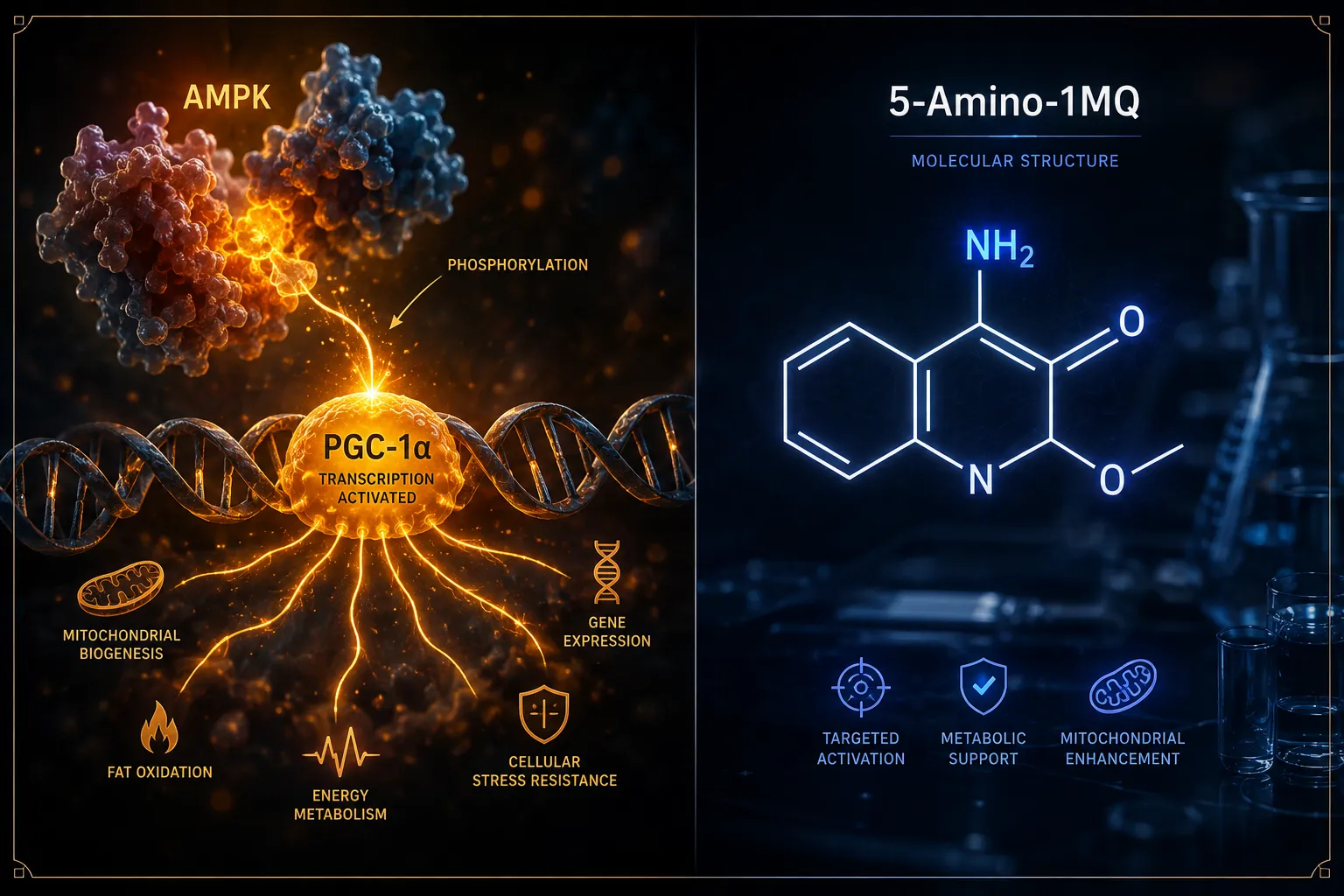
  • MOTS-c activates AMPK and PGC-1alpha, two master regulators that link mitochondrial signaling to nuclear gene expression and energy metabolism.
  • 5-Amino-1MQ is a small-molecule NNMT inhibitor that modulates cellular energy balance by influencing NAD+ metabolism and mitochondrial function.
  • Both compounds are strictly research-use compounds studied in preclinical and early clinical models, neither is approved for human therapeutic use.
  • Understanding how these agents interact with mitochondrial and genomic pathways helps contextualize the broader landscape of experimental metabolic peptides.

Key Takeaways

The Mitochondrial Genome: A Hidden Source of Bioactive Peptides

Most biology courses teach that the mitochondrial genome encodes only structural components, ribosomal RNAs, transfer RNAs, and a handful of proteins involved in oxidative phosphorylation. That picture is now incomplete.

Mitochondrial-derived peptides (MDPs) are a class of small signaling molecules translated from short open reading frames within mitochondrial DNA. MOTS-c is among the most studied. Its full sequence, MRWQEMGYIFYPRKLR, is translated from within the MT-RNR1 gene, which codes for the 12S ribosomal RNA. The fact that a metabolically active signaling peptide emerges from what was once considered a purely structural gene region underscores how much remains to be learned about the mitochondrial genome.

This discovery matters because it reframes the mitochondrion not just as an energy factory, but as an active endocrine organ, one capable of producing peptides that travel to distant tissues and influence gene expression at the nuclear level.

For researchers already familiar with mitochondria-targeting compounds, this connects directly to work on other mitochondrial research themes, such as those explored in SS-31 mitochondrial research contexts, where membrane-targeted peptides address oxidative stress and bioenergetic efficiency from a different mechanistic angle.

How MOTS-c Interfaces With Cellular Energy and Genomic Pathways

The central question in the study of DNA, mitochondria, and research peptides, specifically how MOTS-c and 5-Amino-1MQ interface with cellular energy and genomic pathways, is mechanistic: exactly how does a peptide born in the mitochondria influence the nucleus?

AMPK and PGC-1alpha: The Genomic Bridge

MOTS-c activates AMP-activated protein kinase (AMPK), a cellular energy sensor that responds to low ATP states. AMPK activation triggers a cascade that includes upregulation of PGC-1alpha, a transcriptional coactivator that controls mitochondrial biogenesis and oxidative metabolism genes housed in nuclear DNA.

"MOTS-c essentially acts as a messenger that tells the nucleus: the mitochondria need more capacity, build it."

A 2026 transgenic mouse study confirmed this pathway directly. In two distinct mouse strains, exogenous MOTS-c increased intrinsic muscle mitochondrial performance, with measurable improvements in oxidative phosphorylation and ATP output. The dependency on AMPK and PGC-1alpha was mechanistically confirmed, positioning MOTS-c as a genuine bridge between mitochondrial peptide signaling and nuclear genomic programs.

Metabolic Flexibility and the "Exercise Mimetic" Concept

MOTS-c has been described in research literature as a mitochondrial exercise mimetic, a compound that replicates some metabolic adaptations normally triggered by physical exercise. These include:

  • Improved fatty acid oxidation
  • Enhanced glucose uptake in skeletal muscle
  • Greater resistance to metabolic stress
  • Upregulation of mitochondrial biogenesis markers

Human clinical development has advanced to at least one Phase 2a trial examining insulin sensitivity, suggesting that the preclinical findings are compelling enough to warrant early human investigation.

Researchers sourcing compounds for mitochondrial pathway studies can also explore the SS-31 and MOTS-c product tag for catalog context, or review SS-31 mitochondrial dynamics research for comparative mechanistic reading.

Metabolic Flexibility and the "Exercise Mimetic" Concept

5-Amino-1MQ: NAD+ Metabolism and Mitochondrial Energy Balance

While MOTS-c originates from mitochondrial DNA itself, 5-Amino-1MQ approaches the same energy-regulation problem from a different direction. It is a small-molecule inhibitor of nicotinamide N-methyltransferase (NNMT), an enzyme that consumes SAM (S-adenosylmethionine) and diverts nicotinamide away from NAD+ synthesis.

Why NNMT Inhibition Matters for Mitochondria

NAD+ is essential for mitochondrial function. It serves as a critical electron carrier in the oxidative phosphorylation chain and as a substrate for sirtuins, NAD+-dependent deacetylases that regulate mitochondrial biogenesis and stress response. When NNMT is overactive, NAD+ availability drops, and mitochondrial efficiency suffers.

By inhibiting NNMT, 5-Amino-1MQ research models have demonstrated:

Effect Mechanism
Increased NAD+ levels Reduced nicotinamide diversion
Elevated cellular energy expenditure Enhanced mitochondrial activity
Reduced lipid accumulation Improved fatty acid oxidation
Potential epigenetic effects SAM availability for methylation reactions

This positions 5-Amino-1MQ as a metabolic amplifier that works upstream of mitochondrial function, influencing the availability of molecules the mitochondria depend on to generate ATP efficiently.

Researchers interested in broader metabolic peptide stacks may find relevant context in IPA-Sermorelin stack research or explore Epithalon peptide research, which touches on genomic longevity pathways from a telomere-based perspective.

Why NNMT Inhibition Matters for Mitochondria

Comparing the Two Compounds: Convergent Pathways, Distinct Origins

Understanding DNA, mitochondria, and research peptides, and how MOTS-c and 5-Amino-1MQ interface with cellular energy and genomic pathways, is clearer when both compounds are viewed side by side.

MOTS-c acts top-down: it is produced by the mitochondria, released into circulation, and signals back to the nucleus via AMPK/PGC-1alpha to increase mitochondrial capacity. 5-Amino-1MQ acts bottom-up: it preserves NAD+ availability so the mitochondria have the substrates needed to function optimally.

Both compounds are strictly for research use in preclinical and early clinical models. Neither has received regulatory approval for therapeutic application. Researchers working in this space should source compounds through verified, tested suppliers. Those evaluating supplier quality can consult peptide supplier comparison resources before procurement.

For researchers building broader experimental protocols, the SS-31 ideal dosage research page offers a useful reference for how dosing rationale is developed in mitochondria-targeted peptide research.

Conclusion

The intersection of DNA, mitochondria, and research peptides, specifically how MOTS-c and 5-Amino-1MQ interface with cellular energy and genomic pathways, represents one of the most mechanistically rich areas in current metabolic science. MOTS-c demonstrates that mitochondrial DNA is not a passive bystander but an active producer of signaling molecules that reach the nucleus and reshape gene expression. 5-Amino-1MQ shows that protecting the metabolic inputs mitochondria depend on can produce measurable bioenergetic benefits in research models.

Actionable next steps for researchers:

  • Review the primary literature on MOTS-c transgenic mouse models to understand AMPK/PGC-1alpha dependency before designing protocols.
  • Evaluate NAD+ pathway data for 5-Amino-1MQ in the context of your specific cell or animal model.
  • Source both compounds only from suppliers with documented purity testing and COA availability.
  • Consider comparative mitochondrial peptide models, including SS-31, to build mechanistically layered experimental designs.

As 2026 research continues to clarify the clinical relevance of these pathways, the foundational preclinical work on MOTS-c and 5-Amino-1MQ provides a strong framework for understanding how mitochondrial biology and genomic regulation are far more intertwined than once believed.

https://www.puretestedpeptides.com/wp-content/uploads/2026/08/dna-mitochondria-and-research-peptides-how-mots-c-and-5-amino-1mq-interface-with.webp 1024 1536 https://www.puretestedpeptides.com/wp-content/uploads/2026/01/buy-peptides-online.jpg 2026-08-04 13:05:302026-08-04 13:05:30DNA, Mitochondria, and Research Peptides: How MOTS-c and 5-Amino-1MQ Interface With Cellular Energy and Genomic Pathways

Tag Archive for: mitochondrial dna

DNA, Telomeres, and Longevity Peptides: Positioning Epithalon and MOTS‑c in Genetic Aging Research

DNA, Telomeres, and Longevity Peptides: Positioning Epithalon and MOTS‑c in Genetic Aging Research

July 21, 2026/0 Comments/by Pure Tested

Every time a human cell divides, its chromosomes lose a small fragment of protective DNA from their ends. After roughly 50 to 70 divisions, those ends become critically short, and the cell stops functioning normally. This biological countdown, encoded directly in the genome, sits at the center of aging science in 2026, and two peptides, Epithalon and MOTS-c, are drawing serious preclinical attention for their roles in this process.

The intersection of DNA, Telomeres, and Longevity Peptides: Positioning Epithalon and MOTS-c in Genetic Aging Research is no longer a fringe topic. It now represents one of the most active frontiers in geroscience, connecting chromosome biology, mitochondrial signaling, and peptide pharmacology in ways that were not possible to study even a decade ago.

Key Takeaways

  • Telomere shortening is a measurable, genetically encoded driver of cellular aging and senescence.
  • Epithalon, a synthetic tetrapeptide, has shown telomerase-activating properties in multiple preclinical models.
  • MOTS-c is a mitochondria-derived peptide that regulates nuclear gene expression and metabolic stress responses.
  • Both peptides are studied in the context of senescence, not as cures, but as research tools to probe aging mechanisms.
  • Understanding their distinct mechanisms helps clarify how genetic and mitochondrial aging pathways interact.

Key Takeaways

Telomere Biology: The Genetic Clock Inside Every Cell

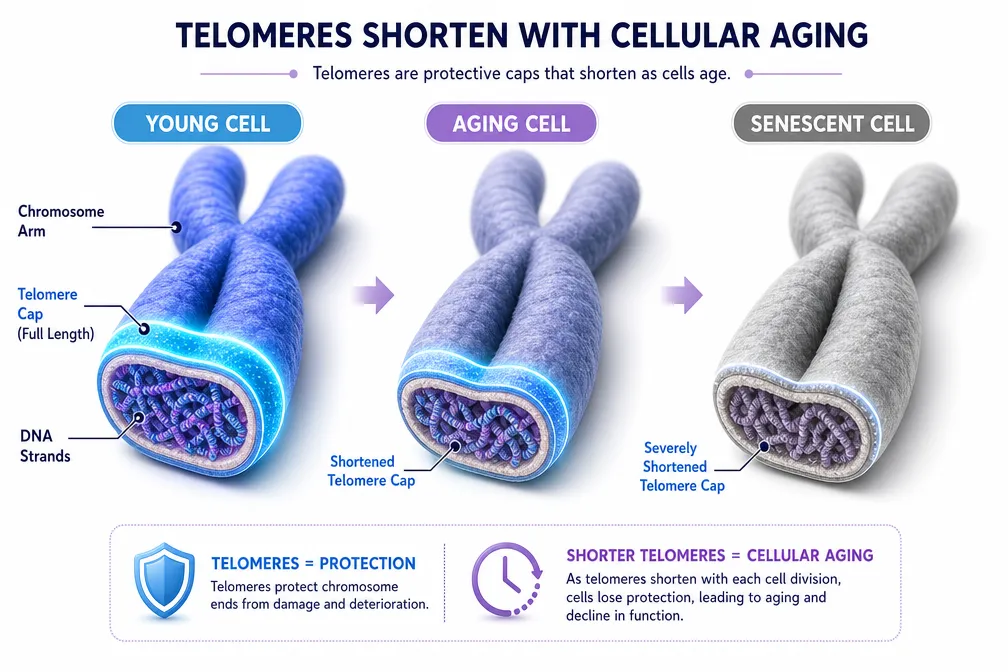
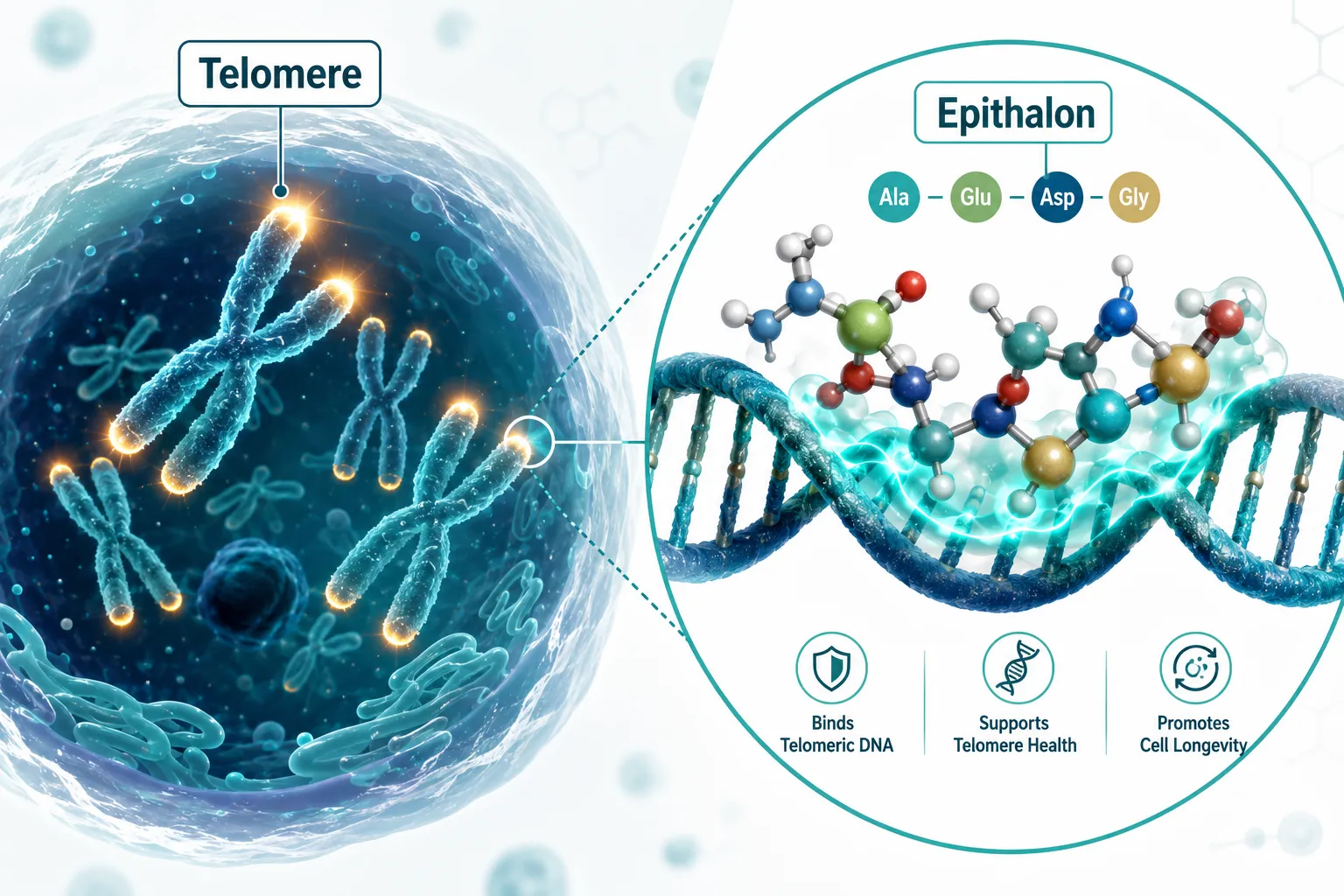
Telomeres are repetitive DNA sequences (TTAGGG in humans) that cap the ends of chromosomes like plastic tips on shoelaces. Their primary job is structural: they prevent chromosomes from fusing together or being recognized as damaged DNA.

Why do telomeres shorten?

The enzyme responsible for copying DNA, DNA polymerase, cannot fully replicate the very end of a linear chromosome. This is called the "end-replication problem." Each cell division leaves the telomere slightly shorter. When telomeres reach a critical minimum length, the cell enters one of three states:

Cellular Outcome Description
Replicative Senescence Cell stops dividing but remains metabolically active
Apoptosis Programmed cell death is triggered
Genomic Instability Cell continues dividing with errors, linked to cancer risk

The enzyme telomerase can rebuild telomere length by adding new TTAGGG repeats. It is highly active in germ cells and stem cells but largely silenced in most adult somatic cells. Reactivating telomerase in aged tissues, without triggering uncontrolled proliferation, is one of the central challenges in longevity research.

Researchers studying related longevity-focused peptide compounds, including those covered in the Vesugen, Vilon, and Chonluten longevity peptide overview, have noted that short regulatory peptides can modulate gene expression in aging tissues through epigenetic mechanisms that overlap with telomere maintenance pathways.

Epithalon: A Tetrapeptide With Telomerase-Activating Properties

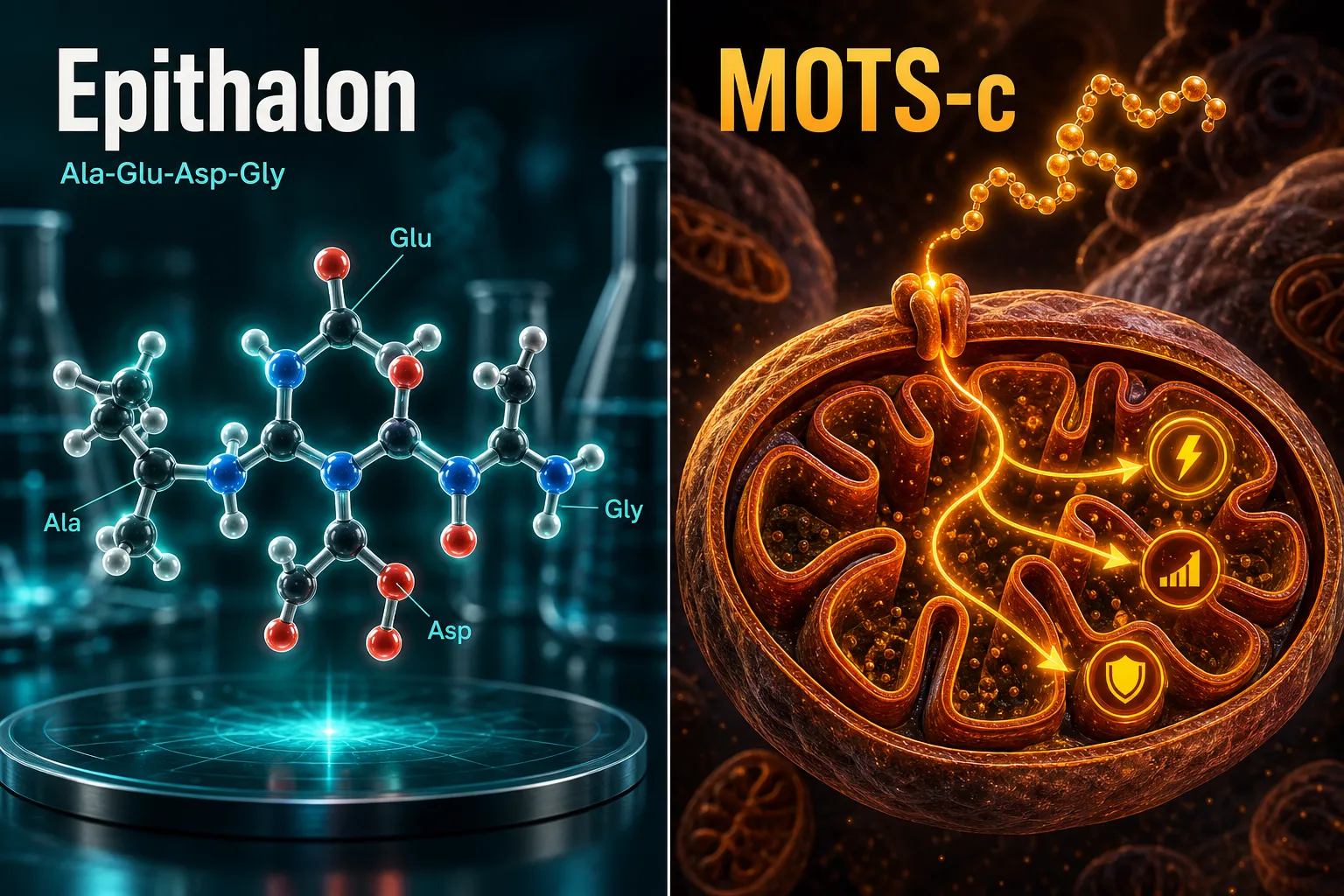
Epithalon (Ala-Glu-Asp-Gly) is a synthetic four-amino-acid peptide derived from the natural polypeptide Epithalamin, originally isolated from the pineal gland. It has been studied extensively in Russian gerontology research since the 1980s, with a growing body of preclinical data examining its effects on telomere dynamics.

Documented preclinical findings include:

  • Activation of telomerase in human somatic cells in vitro, leading to telomere elongation
  • Normalization of melatonin secretion patterns in aged animal models
  • Reduction of oxidative stress markers in aging tissues
  • Modulation of p53-dependent senescence pathways

A landmark study by Khavinson et al. demonstrated that Epithalon could elongate telomeres in cultured human fetal fibroblasts and extend the replicative lifespan of those cells beyond the normal Hayflick limit. This was a significant finding because it suggested that a short exogenous peptide could influence a core genetic aging mechanism.

"Telomerase activation without oncogenic transformation remains the key safety question in all telomere-extension research, and it is precisely the question that Epithalon preclinical models are designed to probe."

The peptide's mechanism appears to involve upregulation of the TERT gene (the catalytic subunit of telomerase), though the full upstream signaling pathway is still being characterized. For researchers exploring the broader landscape of peptide delivery and formulation science, innovative peptide delivery systems represent an important parallel area of development that affects how compounds like Epithalon are studied in vivo.

Epithalon: A Tetrapeptide With Telomerase-Activating Properties

MOTS-c: Mitochondrial DNA as a Source of Longevity Signals

While Epithalon targets nuclear telomere biology, MOTS-c operates from an entirely different genetic compartment: mitochondrial DNA (mtDNA). MOTS-c (Mitochondrial Open Reading Frame of the 12S rRNA Type-c) is a 16-amino-acid peptide encoded within the 12S ribosomal RNA gene of the mitochondrial genome.

This discovery, published in 2015, fundamentally changed how researchers think about mitochondria. Rather than being passive energy factories, mitochondria actively communicate with the nucleus through peptide signals, a process called retrograde signaling.

MOTS-c research highlights:

  • Translocates to the nucleus under metabolic stress conditions
  • Activates AMPK (AMP-activated protein kinase), a master regulator of cellular energy homeostasis
  • Reduces age-related insulin resistance in mouse models
  • Modulates the integrated stress response (ISR) to promote cellular resilience

The MOTS-c metabolic flexibility research overview provides additional context on how this peptide influences glucose metabolism and mitochondrial efficiency, both of which decline measurably with age. Separately, MOTS-c mitochondrial dynamics research examines how the peptide affects mitochondrial network architecture in aging models.

Critically, MOTS-c levels decline naturally with age in both rodents and humans, suggesting it may function as an endogenous longevity signal whose loss contributes to metabolic aging.

Positioning Both Peptides Within DNA, Telomeres, and Longevity Peptides Research

Understanding DNA, Telomeres, and Longevity Peptides: Positioning Epithalon and MOTS-c in Genetic Aging Research requires recognizing that these two compounds target different but complementary aging mechanisms:

Feature Epithalon MOTS-c
Origin Synthetic pineal-derived tetrapeptide Mitochondrial DNA-encoded peptide
Primary Target Nuclear telomerase / TERT gene AMPK / nuclear stress response
Aging Mechanism Telomere shortening, replicative senescence Metabolic decline, mitochondrial signaling
Research Model Cell culture, rodent lifespan studies Rodent metabolic aging, exercise models

Neither peptide is approved for human therapeutic use. Both are research-grade compounds studied in preclinical settings to map the genetic and metabolic architecture of aging.

Researchers interested in the mitochondrial protection angle may also find value in reviewing SS-31 peptide research, which targets mitochondrial membrane integrity through a distinct cardiolipin-binding mechanism, offering a third angle on mitochondrial aging biology.

For those exploring how peptide combinations are being studied, peptide blends research covers multi-compound preclinical approaches that are increasingly common in longevity-focused research designs.

Positioning Both Peptides Within DNA, Telomeres, and Longevity Peptides Research

Conclusion

The science connecting DNA, Telomeres, and Longevity Peptides: Positioning Epithalon and MOTS-c in Genetic Aging Research is still maturing, but the foundational mechanisms are well-supported by preclinical evidence. Telomere attrition and mitochondrial signaling decline are two of the most reproducible molecular hallmarks of aging, and both Epithalon and MOTS-c offer research tools to probe these systems with specificity.

Actionable next steps for researchers and science-minded readers:

  1. Review primary literature on Epithalon's TERT upregulation studies before drawing conclusions about telomerase safety profiles.
  2. Examine MOTS-c research in the context of AMPK biology to understand its metabolic aging relevance.
  3. Explore complementary mitochondrial peptides such as SS-31 to build a more complete picture of mitochondrial aging mechanisms.
  4. Consult peer-reviewed geroscience journals for the latest updates on telomere-targeted interventions entering early-phase human studies.
  5. Source any research-grade peptides only from suppliers providing third-party purity verification and full documentation.

The genetic architecture of aging is not a single pathway, it is a network. Epithalon and MOTS-c represent two well-characterized entry points into that network, and understanding both deepens the overall framework for longevity research in 2026 and beyond.

https://www.puretestedpeptides.com/wp-content/uploads/2026/07/dna-telomeres-and-longevity-peptides-positioning-epithalon-and-mots-c-in-genetic.webp 1024 1536 Pure Tested https://www.puretestedpeptides.com/wp-content/uploads/2026/01/buy-peptides-online.jpg Pure Tested2026-07-21 13:40:102026-07-27 13:32:23DNA, Telomeres, and Longevity Peptides: Positioning Epithalon and MOTS‑c in Genetic Aging Research
DNA, Epithalon, and MOTS‑c: How Research Peptides Interface With Genomic and Telomeric Biology

DNA, Epithalon, and MOTS‑c: How Research Peptides Interface With Genomic and Telomeric Biology

July 15, 2026/0 Comments/by Pure Tested

Telomeres shorten with every cell division, and by the time a human reaches middle age, some cells have already crossed the threshold into senescence. That single biological fact has driven enormous scientific interest in compounds that may interact with genomic maintenance systems. The study of DNA, Epithalon, and MOTS‑c: How Research Peptides Interface With Genomic and Telomeric Biology sits at the intersection of molecular biology, mitochondrial science, and peptide research, offering a framework for understanding how two distinct compounds may influence cellular aging at its most fundamental level. All discussion here reflects preclinical research contexts only.

Bright editorial infographic-style landscape (): a split scientific illustration showing a human cell nucleus with glowing

Key Takeaways

  • Epithalon is a synthetic tetrapeptide studied for its ability to activate telomerase and potentially slow telomere shortening in cell lines.
  • MOTS‑c is encoded within mitochondrial DNA and functions as a metabolic regulator by activating the AMPK pathway.
  • Both peptides represent distinct anti-aging strategies: one genomic, one mitochondrial.
  • Circulating MOTS‑c levels decline with age, and preclinical models suggest exogenous administration may partially restore metabolic function.
  • Neither peptide is FDA-approved for human use; both are available strictly for scientific research.

Understanding the Genomic Foundation

Before examining how DNA, Epithalon, and MOTS‑c interact with genomic and telomeric biology, it helps to understand the structures involved.

Telomeres are repetitive nucleotide sequences (TTAGGG in humans) that cap the ends of chromosomes like protective shields. Each time a cell divides, these caps shorten. When they become critically short, the cell either stops dividing or undergoes apoptosis. The enzyme telomerase can rebuild telomere length, but its activity declines sharply in most adult somatic cells.

Mitochondrial DNA (mtDNA) is a separate, circular genome housed inside mitochondria. Unlike nuclear DNA, mtDNA is maternally inherited and encodes proteins essential for cellular energy production. It also encodes small peptides, including MOTS‑c, that act as signaling molecules throughout the body.

These two genomic systems, nuclear and mitochondrial, are the primary targets of Epithalon and MOTS‑c respectively.


Epithalon: Telomerase Activation and Gene Expression

Epithalon (also written Epitalon) is a synthetic tetrapeptide with the sequence Ala-Glu-Asp-Gly. It was originally derived from the pineal gland peptide epithalamin and has been studied extensively in Russian biogerontology research since the 1980s.

How Epithalon Interfaces With DNA

Research suggests Epithalon may activate telomerase, the enzyme responsible for extending telomere length. In human cell line studies, Epithalon has been associated with increased telomere length, achieved either through direct telomerase upregulation or through alternative lengthening of telomeres (ALT) mechanisms.

Beyond telomere biology, Epithalon appears to interact with chromatin itself. Studies indicate it can bind directly to DNA and interact with histone proteins, influencing chromatin structure. This suggests a broader role in gene expression modulation, not merely telomere maintenance.

"Epithalon's interaction with histone proteins places it in the category of epigenetic modulators, a distinction that separates it from simpler antioxidant-based anti-aging compounds."

For a deeper look at Epithalon's longevity-related signaling, see the Epithalon longevity signals research overview.


MOTS‑c: Mitochondrial DNA and Metabolic Regulation

MOTS‑c is a 16-amino-acid peptide encoded within the mitochondrial 12S rRNA gene, making it one of the few known peptides of mitochondrial origin. This unique origin means MOTS‑c is directly tied to the mitochondrial genome, not the nuclear genome, which gives it a distinct biological identity.

MOTS‑c: Mitochondrial DNA and Metabolic Regulation

MOTS‑c and the AMPK Pathway

MOTS‑c functions as a systemic metabolic regulator by activating AMP-activated protein kinase (AMPK), a master energy sensor in cells. Through AMPK activation, MOTS‑c influences:

  • Insulin sensitivity, improving glucose uptake in muscle tissue
  • Body composition, supporting fat metabolism
  • Physical performance, acting as an exercise mimetic in aged animal models

Circulating MOTS‑c levels decline measurably with age in both humans and mice. Preclinical studies show that exogenous MOTS‑c administration in aged mice partially restores metabolic functions that had declined with age, a finding that has generated significant research interest.

For more on MOTS‑c's role in mitochondrial function, explore the MOTS‑c mitochondrial peptide research profile and MOTS‑c metabolic flexibility research themes.


Comparing the Two Pathways

Understanding DNA, Epithalon, and MOTS‑c: How Research Peptides Interface With Genomic and Telomeric Biology requires a clear comparison of their distinct mechanisms.

Feature Epithalon MOTS‑c
Origin Synthetic tetrapeptide Mitochondrial DNA-encoded
Primary target Nuclear DNA / telomeres Mitochondrial signaling / AMPK
Key mechanism Telomerase activation Metabolic regulation
Age-related change Telomere shortening increases MOTS‑c levels decrease
Research model Cell lines, animal studies Animal models, human observational

These two peptides represent complementary, not competing, approaches to genomic and cellular maintenance research.

Researchers interested in how other peptides interact with cellular repair systems may also find value in reviewing GHK-Cu peptide research and sourcing guidance, as GHK-Cu similarly influences gene expression pathways.

Comparing the Two Pathways


Research Considerations and Regulatory Status

Neither Epithalon nor MOTS‑c is approved by the FDA for human therapeutic use. Both compounds are available exclusively for scientific research purposes. Human clinical trial data remains limited, and preclinical findings, while promising, cannot be directly extrapolated to human outcomes without further controlled study.

Researchers sourcing these compounds should prioritize verified purity and documented testing. Reviewing quality testing protocols before procurement is a critical step in responsible research planning.

Those exploring broader peptide research themes may also find the MOTS‑c mitochondrial dynamics research and synergy of LL‑37 and MOTS‑c resources useful for contextualizing multi-peptide research frameworks.


Conclusion

The intersection of DNA, Epithalon, and MOTS‑c: How Research Peptides Interface With Genomic and Telomeric Biology represents one of the most scientifically nuanced areas of current peptide research. Epithalon's potential to activate telomerase and modulate chromatin structure addresses the nuclear genomic side of cellular aging. MOTS‑c, encoded within mitochondrial DNA itself, targets the metabolic and energetic dimensions of age-related decline through AMPK activation.

Actionable next steps for researchers in 2026:

  1. Review the current preclinical literature on telomerase activation and MOTS‑c metabolic signaling before designing any study protocol.
  2. Confirm peptide purity through third-party certificate of analysis documentation prior to use.
  3. Evaluate Epithalon and MOTS‑c as part of a broader genomic research framework, not as isolated compounds.
  4. Monitor emerging human observational data on MOTS‑c levels as a biomarker of metabolic aging.

Both compounds offer compelling research angles, but responsible science demands rigorous methodology, verified sourcing, and a clear understanding that preclinical findings are the starting point, not the conclusion.

https://www.puretestedpeptides.com/wp-content/uploads/2026/07/dna-epithalon-and-mots-c-how-research-peptides-interface-with-genomic-and-telome.webp 1024 1536 Pure Tested https://www.puretestedpeptides.com/wp-content/uploads/2026/01/buy-peptides-online.jpg Pure Tested2026-07-15 13:05:332026-07-20 15:00:07DNA, Epithalon, and MOTS‑c: How Research Peptides Interface With Genomic and Telomeric Biology
×

Helpful Links

  • My account
  • Cart
  • Checkout
  • Refund and Returns Policy
  • Privacy Policy
  • SMS Privacy Policy
  • Login
  • My Account
  • Logout

USA Made Lab Tested Peptides

All products are sold for research, laboratory, or analytical purposes only, and are not for human consumption


Pure Tested Peptides is a chemical supplier. Pure Tested Peptides is not a compounding / chemical compounding facility as defined under 503A of the Federal Food, Drug, and Cosmetic act. Pure Tested Peptides is not an outsourcing facility as defined under 503B of the Federal Food, Drug, and Cosmetic act.

The statements made within this website have not been evaluated by the US Food and Drug Administration. The products we offer are not intended to diagnose, treat, cure or prevent any disease.

Human/Animal Consumption Prohibited. Laboratory/In-Vitro Experimental Use Only

Scroll to top Scroll to top Scroll to top