Call or Text 727-513-9780
  • Shopping Cart Shopping Cart
    0Shopping Cart
Pure Tested Peptides | America's most trusted Peptides for sale online
  • Peptides for sale
    • Oral Peptides for sale
      • Peptide Capsules for sale
      • BPC 157 Capsules 1000mcg
      • SLU-PP-332 Capsules | 1000 mcg
      • 5-Amino-1MQ 50mg Capsules
      • Tesofensine 500mcg
    • All Peptides for sale
    • Peptide Sprays
      • BPC 157 Nasal Spray Kit
      • BPC-157 TB500 Nasal Spray Kit
      • Semax Nasal Spray 10mg
      • Selank – Nasal Spray Kit – 10mg
      • Epithalon 50MG Nasal Spray Kit
      • Ipamorelin 10mg Nasal Spray
      • Klow Nasal Spray (BPC-157 + TB-500 + GHK-Cu + KPV) | 80mg
      • Hulk Nasal Spray Tesa / Ipa Blend 6/3 MG
      • Klow Nasal Spray
      • NAD + 500 mg Nasal Spray
      • PT-141 Nasal Spray Kit
    • GHRH Peptides
      • Ipa Peptides
      • CJC-1295 Peptides
        • CJC-1295 with DAC 5 mg
        • CJC-1295 without DAC 5 mg
        • CJC-1295 Ipa 10mg
      • Tesa Peptides
        • Tesa Peptide
        • Tesa 20 mg
    • GHK-Cu Peptides
      • All GHK-Cu Peptides
      • GHK-Cu 100mg
      • KLOW Peptide Blend – Buy KLOW blend online
    • BPC Peptides
      • All BPC Peptides
      • BPC-157
      • BPC-157 TB-500
      • BPC 157 capsules 1000mcg
    • SLU-PP-332 Peptides
      • All SLU-PP-332 Peptides
      • SLU-PP-332 5mg
    • GLP3 Peptides
      • GLP3-R
      • GLP3-R CAG 10mg
      • GLP3-R 20mg
    • PT-141 Peptides
      • PT-141 Peptides for sale
      • PT-141 10mg
      • PT-141 Nasal Spray
    • CAG Peptides
      • Lipo-C Peptide Blend
      • CAG 5mg
      • CAG 10mg
    • MOTS-C Peptides
      • MOTS-C Peptides for sale
      • MOTS-c peptide
      • MOTS-c 10mg *6 pack*
    • 5 Amino 1MQ Peptides
      • 5 Amino 1MQ Peptides for sale
      • 5-Amino-1MQ 50mg Capsules
      • 5-Amino-1MQ 5mg
    • Epithalon Peptides
      • Epithalon Peptides for sale
      • Epithalon 10mg
      • Epithalon 50mg
  • Shop
    • GLPs
      • 5-Amino-1MQ 50mg Capsules
      • 5-Amino-1MQ 5mg
      • GLP3-Reta
      • L-Carnitine 500mg/ml
      • Tesofensine 500mcg
      • SLU-PP-332 5mg
      • MOTS-c 10mg *6 pack*
    • Epithalon & BPC Peptides
      • Epithalon 10mg
      • Epithalon 50mg
      • BPC-157
      • BPC 157 capsules 1000mcg
      • BPC-157 TB-500
      • BPC-157 TB500 Nasal Spray Kit
      • BPC 157 Nasal Spray Kit
    • BPC TB-500 & NAD+ Peptides
      • NAD+ 500 mg
      • KLOW Peptide Blend – Buy KLOW blend online
      • GLOW Peptide Blend
      • TB 500 5mg
      • BPC 157 capsules 1000mcg – Supplement
      • BPC 157 Nasal Spray Kit
      • BPC-157
      • BPC-157 TB500 Nasal Spray Kit
      • BPC-157 TB-500
      • BPC 157 capsules 1000mcg
    • LL-37 Peptide
      • LL-37 10 mg
    • MOTS-C & Selank
      • MOTS-c peptide
      • Selank 10mg
    • GHK Peptides
      • GHK-Cu 100mg
      • GLOW Peptide Blend
      • KLOW Peptide Blend – Buy KLOW blend online
  • COAs
  • Wholesale
    • Wholesale Peptides for sale
  • PTP FAQ
  • Affiliates
    • Selank Peptide: Advanced Pharmacological Mechanisms Underlying Its Anxiolytic and Nootropic Effects in Research
      • 5-Amino-1MQ Peptide: Detailed Mechanisms of NNMT Inhibition and Its Impact on Cellular Metabolism Research
        • MOTS-C Peptide: Unraveling Its Role in Mitochondrial Dynamics and Energy Metabolism Research
          • Epithalon Peptide and Telomerase Regulation: Investigating Its Impact on Cellular Senescence and Lifespan Research Models
            • GLP2-T vs GLP2 Tirz Peptide: Understanding the Naming, Mechanistic Nuances, and Research Implications for Gut Health
      • Peptides and Polypeptides in Modern Pharmacology: What Research on Metoprolol, Prednisone, and Amlodipine Reveals
        • Polypeptide Peptides vs NSAIDs: What Naproxen and Diclofenac Teach Tissue-Repair Researchers About BPC‑157 and TB‑500
          • Peptides and Polypeptides in Endocrine Pharmacology: How GLP-1, GLP-2, and GLP-3 Retatrutide Differ From Classic Drugs Like Prednisone and Amlodipine
          • 5‑Amino‑1MQ Peptide and NNMT Inhibition: How It Compares With Statins Like Atorvastatin in Adipose and Lipid Metabolism Research
      • Enclomiphene, Estrogen Receptor Signaling, and Luteinizing Phase Biology: What Hormone Researchers Should Measure
        • Mesenchymal Stem Cells, BPC‑157, and GHK‑Cu: How Tissue Repair Peptides Compare With Classic NSAIDs Like Naproxen in Injury Models
          • Peptide Calculator Use Cases Beyond Growth Hormone: Working Through GLP‑3 Retatrutide, MOTS‑c, and BPC‑157 Research Dosing
        • Polypeptide Peptides in Endocrine and Metabolic Pharmacology: Lessons From Amlodipine, Prednisone, and Metoprolol
        • Peptides Calculator for Advanced Blends: Worked Examples for Tesamorelin, CJC‑1295, and Ipamorelin Stacks
          • Peptides and Polypeptides in Human Physiology: How Molecular Size Shapes Research Applications
            • Selank Peptide: Advanced Pharmacological Mechanisms Underlying Its Anxiolytic and Nootropic Effects in Research
          • 5-Amino-1MQ Peptide: Detailed Mechanisms of NNMT Inhibition and Its Impact on Cellular Metabolism Research
            • MOTS-C Peptide: Unraveling Its Role in Mitochondrial Dynamics and Energy Metabolism Research
              • Epithalon Peptide and Telomerase Regulation: Investigating Its Impact on Cellular Senescence and Lifespan Research Models
                • GLP2-T vs GLP2 Tirz Peptide: Understanding the Naming, Mechanistic Nuances, and Research Implications for Gut Health
                  • Peptides and Polypeptides in Endocrine Pharmacology: How GLP-1, GLP-2, and GLP-3 Retatrutide Differ From Classic Drugs Like Prednisone and Amlodipine
                    • Polypeptide Peptides vs NSAIDs: What Naproxen and Diclofenac Teach Tissue-Repair Researchers About BPC‑157 and TB‑500
                      • Peptides and Polypeptides in Modern Pharmacology: What Research on Metoprolol, Prednisone, and Amlodipine Reveals
                        • 5‑Amino‑1MQ Peptide and NNMT Inhibition: How It Compares With Statins Like Atorvastatin in Adipose and Lipid Metabolism Research
                        • Enclomiphene, Estrogen Receptor Signaling, and Luteinizing Phase Biology: What Hormone Researchers Should Measure
                        • Mesenchymal Stem Cells, BPC‑157, and GHK‑Cu: How Tissue Repair Peptides Compare With Classic NSAIDs Like Naproxen in Injury Models
                        • Peptide Calculator Use Cases Beyond Growth Hormone: Working Through GLP‑3 Retatrutide, MOTS‑c, and BPC‑157 Research Dosing
                        • Polypeptide Peptides in Endocrine and Metabolic Pharmacology: Lessons From Amlodipine, Prednisone, and Metoprolol
                        • Peptides Calculator for Advanced Blends: Worked Examples for Tesamorelin, CJC‑1295, and Ipamorelin Stacks
                        • Peptides and Polypeptides in Human Physiology: How Molecular Size Shapes Research Applications
                        • Selank Peptide: Advanced Pharmacological Mechanisms Underlying Its Anxiolytic and Nootropic Effects in Research
                        • MOTS-C Peptide: Unraveling Its Role in Mitochondrial Dynamics and Energy Metabolism Research
                        • Peptides and Polypeptides in Modern Pharmacology: What Research on Metoprolol, Prednisone, and Amlodipine Reveals
                        • Peptides and Polypeptides in Endocrine Pharmacology: How GLP-1, GLP-2, and GLP-3 Retatrutide Differ From Classic Drugs Like Prednisone and Amlodipine
                        • 5-Amino-1MQ Peptide: Detailed Mechanisms of NNMT Inhibition and Its Impact on Cellular Metabolism Research
                        • Mesenchymal Stem Cells, BPC‑157, and GHK‑Cu: How Tissue Repair Peptides Compare With Classic NSAIDs Like Naproxen in Injury Models
                        • Peptide Calculator Use Cases Beyond Growth Hormone: Working Through GLP‑3 Retatrutide, MOTS‑c, and BPC‑157 Research Dosing
                        • GLP2-T vs GLP2 Tirz Peptide: Understanding the Naming, Mechanistic Nuances, and Research Implications for Gut Health
                        • Polypeptide Peptides in Endocrine and Metabolic Pharmacology: Lessons From Amlodipine, Prednisone, and Metoprolol
                        • Polypeptide Peptides vs NSAIDs: What Naproxen and Diclofenac Teach Tissue-Repair Researchers About BPC‑157 and TB‑500
                        • Peptides and Polypeptides in Human Physiology: How Molecular Size Shapes Research Applications
                        • Peptides Calculator for Advanced Blends: Worked Examples for Tesamorelin, CJC‑1295, and Ipamorelin Stacks
                        • 5‑Amino‑1MQ Peptide and NNMT Inhibition: How It Compares With Statins Like Atorvastatin in Adipose and Lipid Metabolism Research
                        • Enclomiphene, Estrogen Receptor Signaling, and Luteinizing Phase Biology: What Hormone Researchers Should Measure
                        • Epithalon Peptide and Telomerase Regulation: Investigating Its Impact on Cellular Senescence and Lifespan Research Models
                        • Best research protocol Klow blend
                        • best time to take BPC-157
                        • best time to take DSIP (Delta Sleep Inducing Peptide)
                        • best time to take CJC-1295
                        • best time to take AOD-9604
                        • best time to take Follistatin 344
                        • best time to take Ipamorelin
                        • best time to take MK-677 (Ibutamoren)
                        • best time to take Ligandrol (LGD-4033) — research compound
                        • best time to take Ostarine (MK-2866) — research compound
                        • best time to take GHK-CU
                        • best time to take TB-500
                        • best time to take MOTS-c
                        • best time to take Semax
                        • best time to take RAD-140 (Testolone) — research compound
                        • best time to take Thymosin Alpha-1
                        • best time to take PEG-MGF
                        • Biolife Plasma, Octapharma Plasma, and Research Peptides: How Plasma Donation Labs Differ From Peptide Suppliers
                        • best time to take YK-11 — research compound
                        • best time to take PT-141 (Bremelanotide)
                        • Best research protocol Klow blend
                        • 5-Amino-1MQ and MOTS-C Synergy: Metabolic Signaling, Mitochondria, and Research Design
                        • BPC-157 and TB-500: Investigating Their Combined Effects on Angiogenesis and Cellular Migration in Tissue Repair Models
                        • BPC-157 Peptide: Gut Barrier Function, Inflammation, and Tissue-Recovery Research
                        • 5‑Amino‑1MQ and MOTS‑c Synergy in Metabolic Research: Designing NNMT and Mitochondrial Biogenesis Stacks
                        • CJC-1295 with DAC vs. Without DAC: Half-Life, Release Kinetics, and Research Implications
                        • CJC‑1295 with DAC vs. Without DAC: Expanding on Half‑Life Differences Using Tesamorelin and Ipamorelin Blend Case Studies
                        • Collagen Biology and Copper‑Binding Peptides: How GHK‑Cu, Glow Blend, and Klow Blend Interact with Skin and Connective Tissue
                        • Collagen Biology and Regenerative Peptides: How GHK‑Cu, Glow Blend, and Klow Blend Affect Extracellular Matrix Research
                    • DNA, Telomeres, and Longevity Peptides: Positioning Epithalon and MOTS‑c in Genetic Aging Research
                      • Enclomiphene Citrate: serm Mechanism, Testosterone Research, and Stack Compatibility
                        • Enclomiphene vs Enclomiphene Citrate: Formulation, Bioavailability, and Research Distinctions
                        • Epithalon Peptide Research: Telomerase Activation, Aging, and Pineal Gland Function
                        • Estrogen Receptor Signaling and Enclomiphene: How Selective Modulators Compare with Classic Polypeptide Hormones
                        • GHK-Cu Peptide: Advanced Mechanisms in Extracellular Matrix Remodeling and Wound Healing Research
                        • GHK-Cu Peptide: Collagen Synthesis, Wound Repair, and Skin-Barrier Research Models
                        • GLP-1 vs GLP-3 vs GLP-2: Peptide Classification and Research Applications
                        • GLP-2 Peptide Research Guide: Gut Barrier Function, Nutrient Absorption, and Intestinal Recovery Models
                        • GLP-3 Retatrutide vs. GLP-1 Drugs: What Triple-Agonist Biology Changes in Research Models
                        • Ipamorelin and Tesamorelin Combination: Synergistic GH Secretagogue Research and Dosing Protocols
                        • GLP2 Tirz Peptide: What It Is, Why the Name Exists, and How Researchers Should Interpret It
                        • Klow Blend Peptide Nasal Spray: What the Formulation Is Trying to Do in Cognitive Research
                        • Mitochondria, NNMT Inhibition, and Peptide Modulators: Where MOTS‑c and 5‑Amino‑1MQ Fit in Cellular Energy Research
                        • MOTS-c Peptide: Mitochondrial Function, Energy Metabolism, and What Researchers Measure
                        • MOTS-c vs. 5-Amino-1MQ: Which Metabolic Research Questions Each Compound Actually Answers
                        • Nasal Spray Peptides: Bioavailability, Administration, and Semax/Selank Research Applications
                        • PT-141 Peptide Research: Mechanism of Action and Melanocortin Receptor Signaling
                        • Retatrutide for Research: Mechanism, Structure, and GLP-1/GLP-3 Dual Action
                        • Retatrutide for Obesity and Type 2 Diabetes: What the Latest Trial Data Suggest
                        • Tesofensine Peptide Research: Mechanism, Appetite Suppression, and Neuropeptide Y Pathways
  • Contact
    • Contact Customer Service
    • Text Customer Support
  • About US
  • Shop all peptides
  • Affiliate Program
    • Affiliate Signup
  • Login / Register Login / Register Page Link Login / Register Page Link
  • Click to open the search input field Click to open the search input field Search
  • Menu Menu

Tag Archive for: mucosal immunity

Complement-Dependent Cytotoxicity and Peptide Safety: What BPC-157, GHK-Cu, and Nasal Spray Peptides Teach Immunology-Focused Labs

Complement-Dependent Cytotoxicity and Peptide Safety: What BPC-157, GHK-Cu, and Nasal Spray Peptides Teach Immunology-Focused Labs

August 5, 2026/0 Comments/in Uncategorized/by

Fewer than 15% of novel peptide compounds entering preclinical research pipelines are formally screened for complement system activation before advancing to in vivo models, a gap that immunology labs are now working urgently to close. The study of complement-dependent cytotoxicity and peptide safety has moved from a niche concern to a central pillar of responsible assay design, particularly as compounds like BPC-157, GHK-Cu, and intranasally delivered peptides gain traction in translational research. Understanding how these molecules interact with the complement cascade gives labs a sharper, more defensible picture of immune safety before resources are committed to advanced trials.
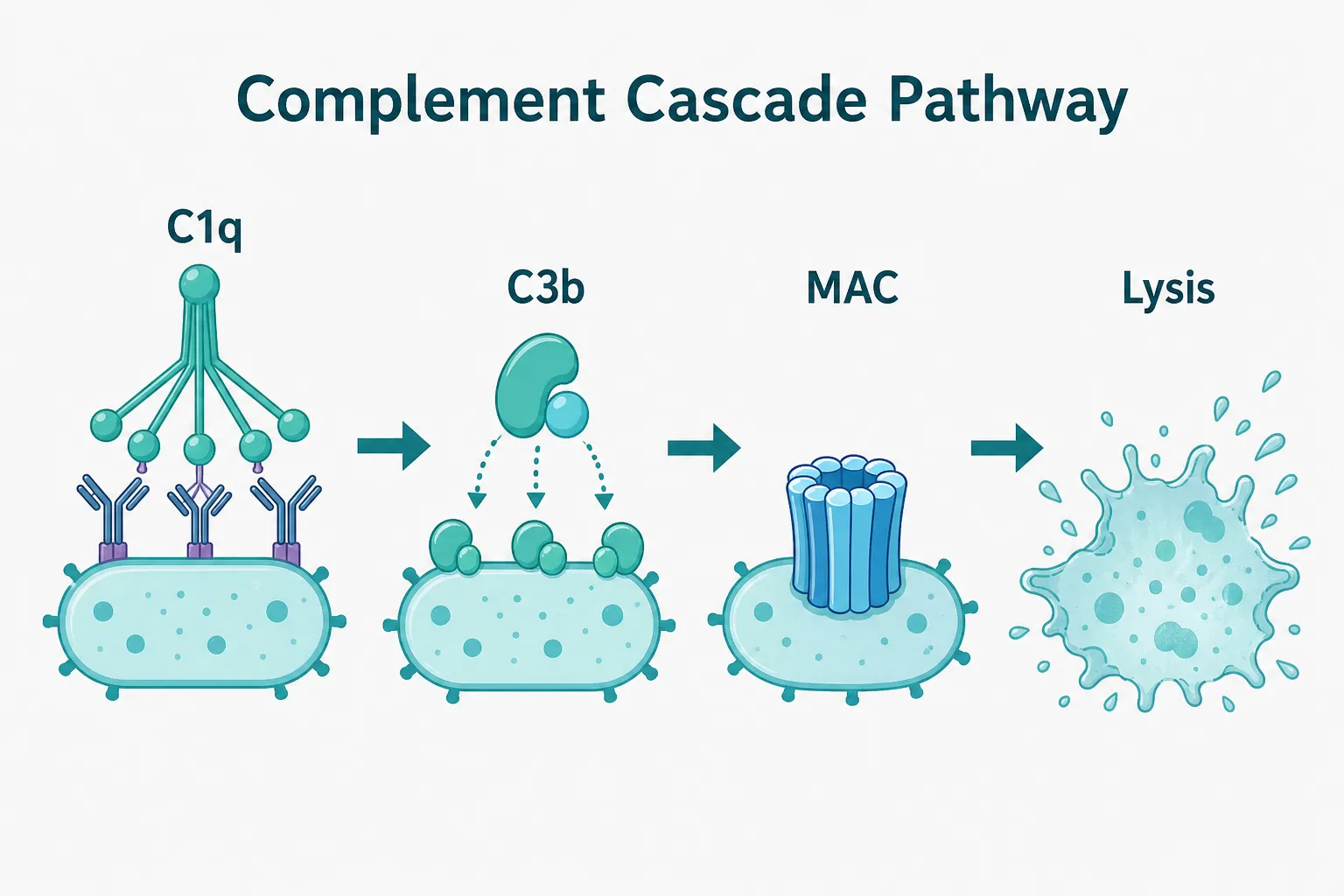
Bright scientific infographic illustration (): labeled diagram showing the complement cascade pathway — C1q binding, MAC

Key Takeaways

  • Complement-dependent cytotoxicity (CDC) is a critical immune safety endpoint that many peptide research programs overlook at the preclinical stage.
  • BPC-157 shows a favorable immunological profile in early models, with evidence of microvascular stabilization rather than complement activation.
  • GHK-Cu modulates inflammatory signaling pathways in ways that may reduce, rather than trigger, CDC-related immune responses.
  • Nasal spray peptide delivery introduces unique mucosal immune variables that demand route-specific complement screening.
  • Purity, aggregation state, and formulation excipients are often the true drivers of unexpected CDC signals, not the peptide sequence itself.

What Is Complement-Dependent Cytotoxicity and Why Does It Matter for Peptide Research

Complement-dependent cytotoxicity refers to the process by which antibodies bound to a cell surface activate the classical complement pathway, ultimately forming the membrane attack complex (MAC) and lysing the target cell. In drug safety research, an unintended CDC response means a therapeutic compound is triggering immune-mediated cell destruction, a serious liability.

For peptides, the risk is nuanced. Most short-chain peptides are too small to directly bind C1q and initiate the classical pathway. However, several indirect mechanisms can produce CDC signals:

  • Peptide aggregation forming larger immunogenic structures
  • Carrier proteins or excipients acting as complement activators
  • Sequence homology with endogenous proteins that carry existing antibody titers
  • Contaminants from synthesis, such as residual endotoxins

This is why complement-dependent cytotoxicity and peptide safety considerations must address the entire formulation, not just the active sequence. Labs that screen only the peptide backbone and ignore excipients routinely generate false-negative safety data.

"The peptide is rarely the problem. The formulation is where complement activation hides."

How BPC-157 and GHK-Cu Inform Complement-Dependent Cytotoxicity and Peptide Safety Protocols
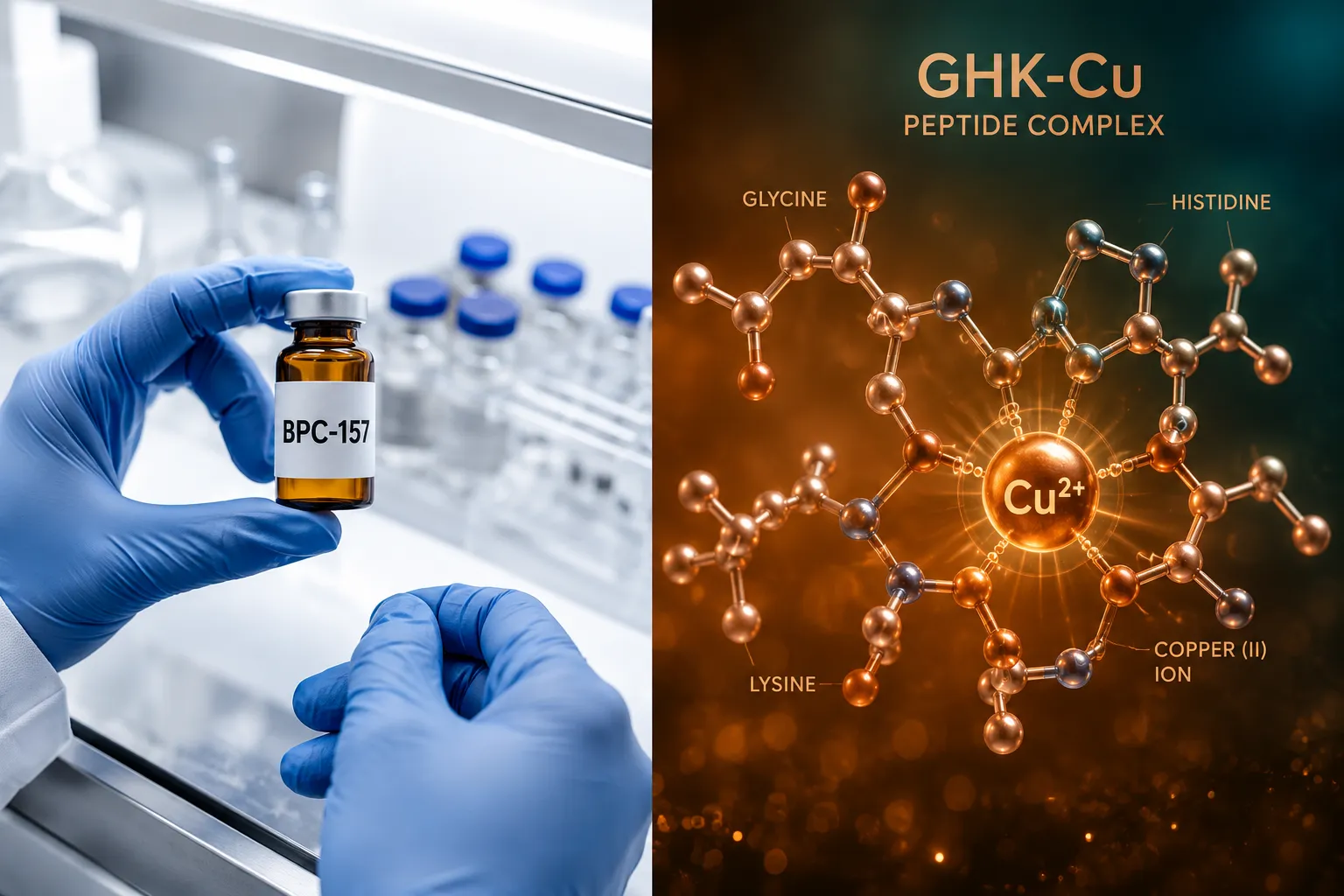
How BPC-157 and GHK-Cu Inform Complement-Dependent Cytotoxicity and Peptide Safety Protocols

BPC-157: Microvascular Stabilization Over Immune Activation

BPC-157 (Body Protection Compound-157) is a 15-amino-acid peptide derived from a gastric protein. Its research profile is dominated by angiogenic and cytoprotective effects rather than immune stimulation. Preclinical data consistently show that BPC-157 promotes microvascular integrity, a property that works against the vascular permeability changes that typically accompany complement activation.

Key immunological observations from BPC-157 research include:

  • Upregulation of VEGFR2 signaling, supporting endothelial repair
  • Suppression of pro-inflammatory cytokine release (TNF-alpha, IL-6)
  • No reported direct activation of C1q or the lectin complement pathway in standard models

Labs sourcing BPC-157 and TB-500 combination peptides for immunology-focused assays should still run baseline CDC screens, because the synergistic formulation introduces new variables not present in single-compound studies.

GHK-Cu: Anti-Inflammatory Signaling and Complement Modulation

GHK-Cu (glycyl-L-histidyl-L-lysine copper complex) is a tripeptide-copper chelate with well-documented roles in wound healing and tissue remodeling. Its relevance to complement-dependent cytotoxicity and peptide safety lies in its downstream effects on NF-kB signaling, a master regulator of both inflammatory and complement gene expression.

Research suggests GHK-Cu:

  • Downregulates genes associated with complement component synthesis (C3, C4)
  • Reduces oxidative stress markers that can amplify MAC-mediated lysis
  • Supports macrophage polarization toward anti-inflammatory M2 phenotypes

A thorough GHK-Cu peptide sourcing and research guide is essential reading for labs designing complement assays around this compound, particularly regarding copper concentration thresholds that may independently affect immune cell viability.

Peptide Primary Immune Effect CDC Risk Level Key Assay Consideration
BPC-157 Microvascular stabilization Low Excipient screening
GHK-Cu NF-kB suppression Low-Moderate Copper ion concentration
Nasal peptides Mucosal IgA activation Variable Route-specific CDC panel

Nasal Spray Peptides and the Unique Challenges of Mucosal Complement Screening

Nasal Spray Peptides and the Unique Challenges of Mucosal Complement Screening

Intranasal delivery is increasingly favored for peptides targeting CNS and systemic endpoints. Compounds like Selank are administered nasally precisely because the olfactory route bypasses the blood-brain barrier. However, this delivery method introduces a distinct immunological environment that standard CDC assays do not capture.

The nasal mucosa is rich in:

  • Secretory IgA (sIgA), which can form immune complexes with peptide aggregates
  • Mucosal mast cells primed to activate the alternative complement pathway
  • Dendritic cells that may present peptide fragments to T cells, generating adaptive responses over repeated dosing

For immunology-focused labs, this means nasal peptide formulations require route-specific complement panels that include mucosal complement components, not just serum-derived C1q assays. Labs working with broader peptide portfolios, including compounds available through wholesale peptide sourcing programs, should establish separate mucosal and systemic CDC screening workflows.

Practical Assay Design Recommendations

  1. Use human serum complement sources at physiologically relevant concentrations (typically 10-50% v/v).
  2. Test multiple aggregation states, monomeric, oligomeric, and aggregated peptide fractions separately.
  3. Include excipient controls, run the vehicle formulation without active peptide as a standalone complement activation control.
  4. Assess both classical and alternative pathways using pathway-specific inhibitors (C1q depletion for classical; Factor D inhibition for alternative).
  5. Repeat at multiple peptide concentrations to identify dose-dependent CDC thresholds.

Labs exploring mitochondria-targeted peptides such as SS-31 alongside immunological endpoints will find that cationic peptide charge also influences complement binding kinetics, another variable requiring systematic documentation.

Conclusion

Complement-dependent cytotoxicity and peptide safety is not a single test, it is a framework that demands attention to formulation chemistry, delivery route, peptide aggregation state, and the specific complement pathways most relevant to the target tissue. BPC-157 and GHK-Cu offer immunology labs two well-characterized reference compounds: one demonstrating microvascular protection that suppresses CDC-permissive conditions, the other modulating the gene-level machinery of complement production. Nasal spray peptides add a third dimension by forcing researchers to account for mucosal immune variables absent from standard serum-based assays.

Actionable next steps for immunology-focused labs:

  • Implement a tiered CDC screening protocol that separates peptide sequence, formulation, and delivery route as independent variables.
  • Establish baseline complement activation profiles for reference peptides like BPC-157 and GHK-Cu before introducing novel compounds.
  • Consult route-specific mucosal complement literature before designing nasal peptide safety panels.
  • Verify peptide purity certificates and endotoxin levels from suppliers, contaminants remain the leading driver of false-positive CDC signals.
  • Document aggregation state at time of assay, not just at time of reconstitution.

For labs building out comprehensive immunological safety panels, exploring peptides available for research purposes with verified purity documentation is a practical first step toward generating reproducible, defensible complement safety data in 2026 and beyond.

https://www.puretestedpeptides.com/wp-content/uploads/2026/08/complement-dependent-cytotoxicity-and-peptide-safety-what-bpc-157-ghk-cu-and-nas.webp 1024 1536 https://www.puretestedpeptides.com/wp-content/uploads/2026/01/buy-peptides-online.jpg 2026-08-05 13:13:472026-08-05 13:13:47Complement-Dependent Cytotoxicity and Peptide Safety: What BPC-157, GHK-Cu, and Nasal Spray Peptides Teach Immunology-Focused Labs

Tag Archive for: mucosal immunity

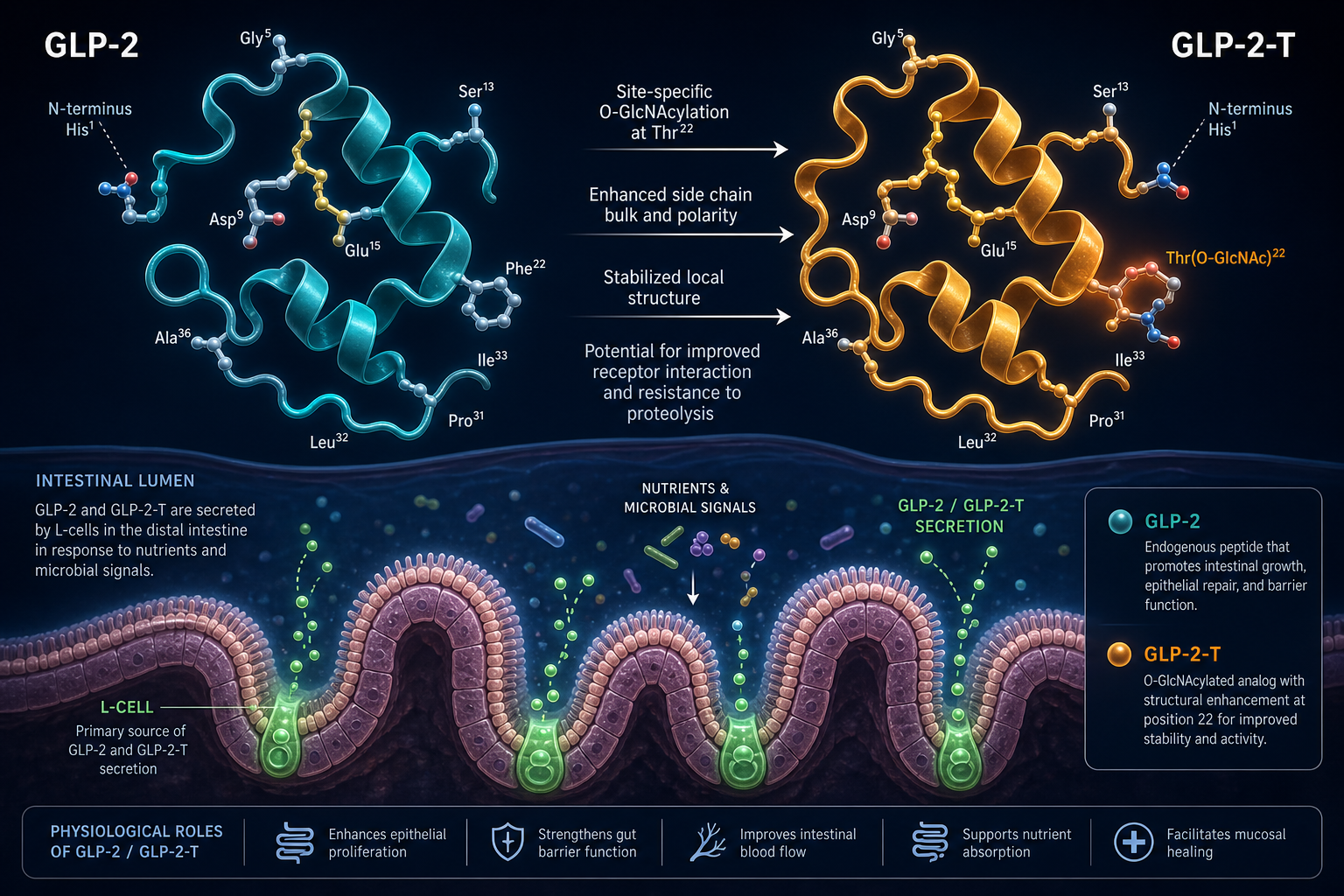
GLP-2 and GLP-2-T Peptides: Unpacking Their Roles in Gut Microbiome Modulation and Barrier Function Research

GLP-2 and GLP-2-T Peptides: Unpacking Their Roles in Gut Microbiome Modulation and Barrier Function Research

June 29, 2026/0 Comments/by Pure Tested

Roughly 70% of the human immune system resides in the gut — yet the peptide signals that regulate its structural defenses remain underappreciated in mainstream research discourse. Among those signals, GLP-2 and GLP-2-T peptides stand out for their measurable influence on intestinal architecture, microbial balance, and epithelial integrity. For researchers focused on gut biology, unpacking their roles in gut microbiome modulation and barrier function research is increasingly essential.

Key Takeaways

  • GLP-2 is a 33-amino acid peptide secreted by intestinal L-cells that drives intestinal growth, barrier tightening, and nutrient absorption.
  • GLP-2-T is a truncated analog with modified pharmacokinetics, offering researchers a tool for studying receptor-specific and duration-dependent effects.
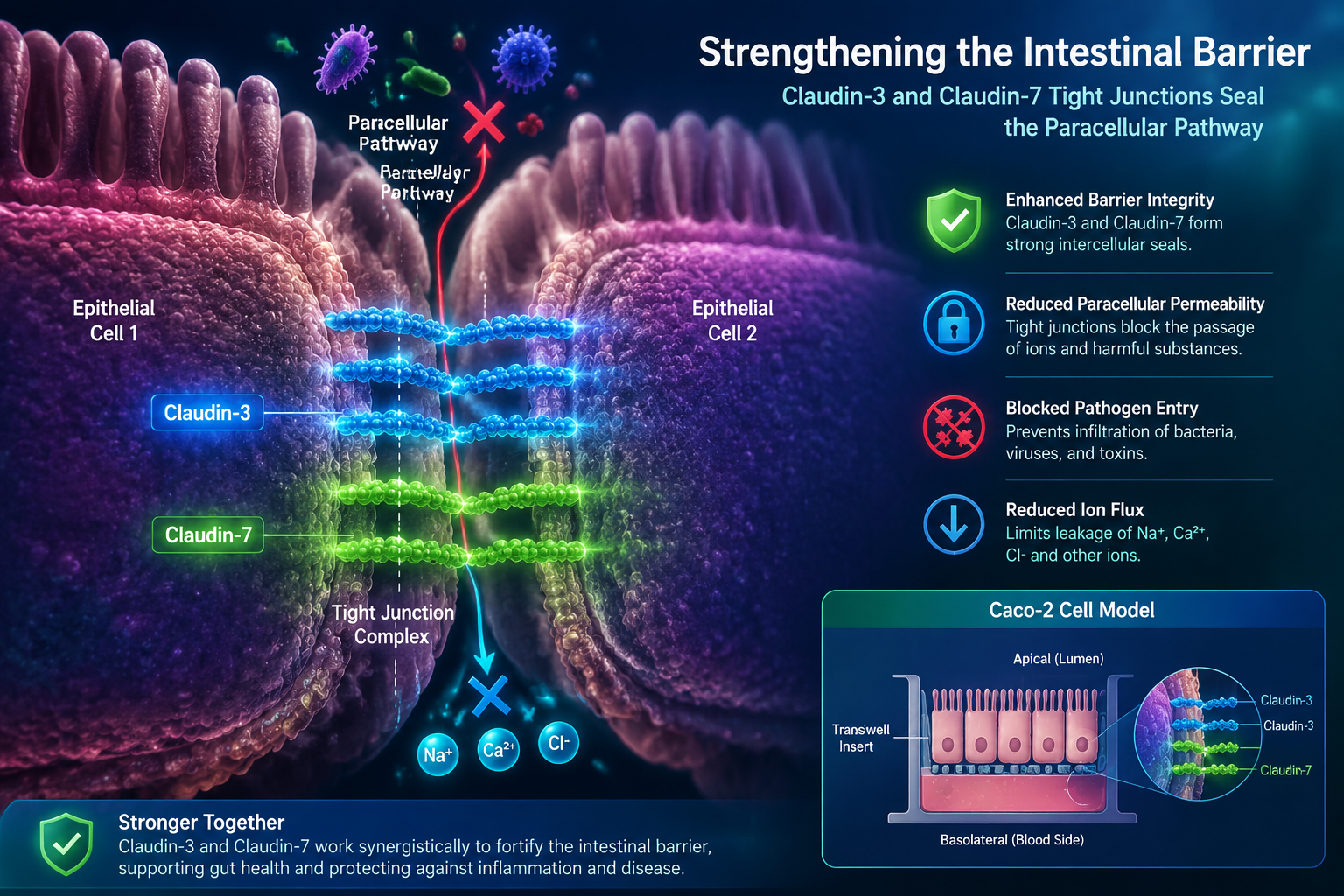
  • Both peptides upregulate tight junction proteins, including claudin-3 and claudin-7, reducing paracellular permeability.
  • GLP-2 modulates gut microbiota composition and immune crosstalk, influencing the broader mucosal environment.
  • Research models ranging from aged rats to Caco-2 cell cultures confirm consistent barrier-protective effects across experimental conditions.

Key Takeaways

What Are GLP-2 and GLP-2-T Peptides

Glucagon-like peptide-2 (GLP-2) is a 33-amino acid hormone produced and secreted by enteroendocrine L-cells in the distal small intestine and colon. Its release is triggered by nutrient intake, particularly fats and fermentable carbohydrates. GLP-2 acts primarily through the GLP-2 receptor (GLP-2R), which is expressed on enteric neurons, subepithelial myofibroblasts, and enteroendocrine cells.

GLP-2-T refers to truncated or analog variants of GLP-2 engineered to resist dipeptidyl peptidase-4 (DPP-4) cleavage — the enzyme responsible for rapidly degrading native GLP-2. This structural modification extends biological half-life and allows researchers to examine dose-response dynamics with greater precision.

Feature GLP-2 (Native) GLP-2-T (Truncated Analog)
Half-life ~7 minutes Extended (DPP-4 resistant)
Receptor target GLP-2R GLP-2R (modified affinity)
Primary research use Barrier and growth studies Pharmacokinetic modeling
Secretion source Intestinal L-cells Synthetic/research grade

Both forms are central to GLP-2 and GLP-2-T peptides research exploring gut microbiome modulation and barrier function. Researchers studying related metabolic peptide pathways may also find value in reviewing metabolic modulation research lines for broader context.


Barrier Function Research: How GLP-2 and GLP-2-T Peptides Strengthen the Intestinal Wall

Barrier Function Research: How GLP-2 and GLP-2-T Peptides Strengthen the Intestinal Wall

The intestinal barrier is a single-cell-thick epithelial layer that separates luminal contents from systemic circulation. When this barrier is compromised, bacterial endotoxins and antigens can translocate — a process linked to systemic inflammation and metabolic dysfunction.

Research in Regulatory Peptides demonstrated that GLP-2 treatment in mice significantly reduced intestinal conductance and paracellular flux of markers including Na+, Cr-EDTA, and HRP. These findings indicate a measurable tightening of the epithelial barrier at the molecular level.

A key mechanism involves tight junction proteins. Studies published in Endocrinology confirmed that GLP-2 upregulates claudin-3 and claudin-7 — two proteins that form the structural backbone of paracellular seals between epithelial cells. Without adequate claudin expression, gaps in the barrier allow unwanted molecular traffic.

"GLP-2 does not simply stimulate growth — it actively reorganizes the molecular architecture of the intestinal wall."

Caco-2 cell model research further showed that GLP-2 attenuates TNF-alpha-induced barrier disruption, suggesting a protective role during inflammatory challenge. In aged rat models, GLP-2 treatment restored mucosal barrier metrics that had declined with age, pointing toward potential applications in age-related gut dysfunction research.

GLP-2-T analogs replicate these barrier effects while allowing researchers to control exposure duration more precisely — a critical variable in mechanistic studies. For parallel research on peptides with tissue-protective properties, the BPC-157 research themes overview provides useful comparative context.


GLP-2 and GLP-2-T Peptides: Unpacking Their Roles in Gut Microbiome Modulation

GLP-2 and GLP-2-T Peptides: Unpacking Their Roles in Gut Microbiome Modulation

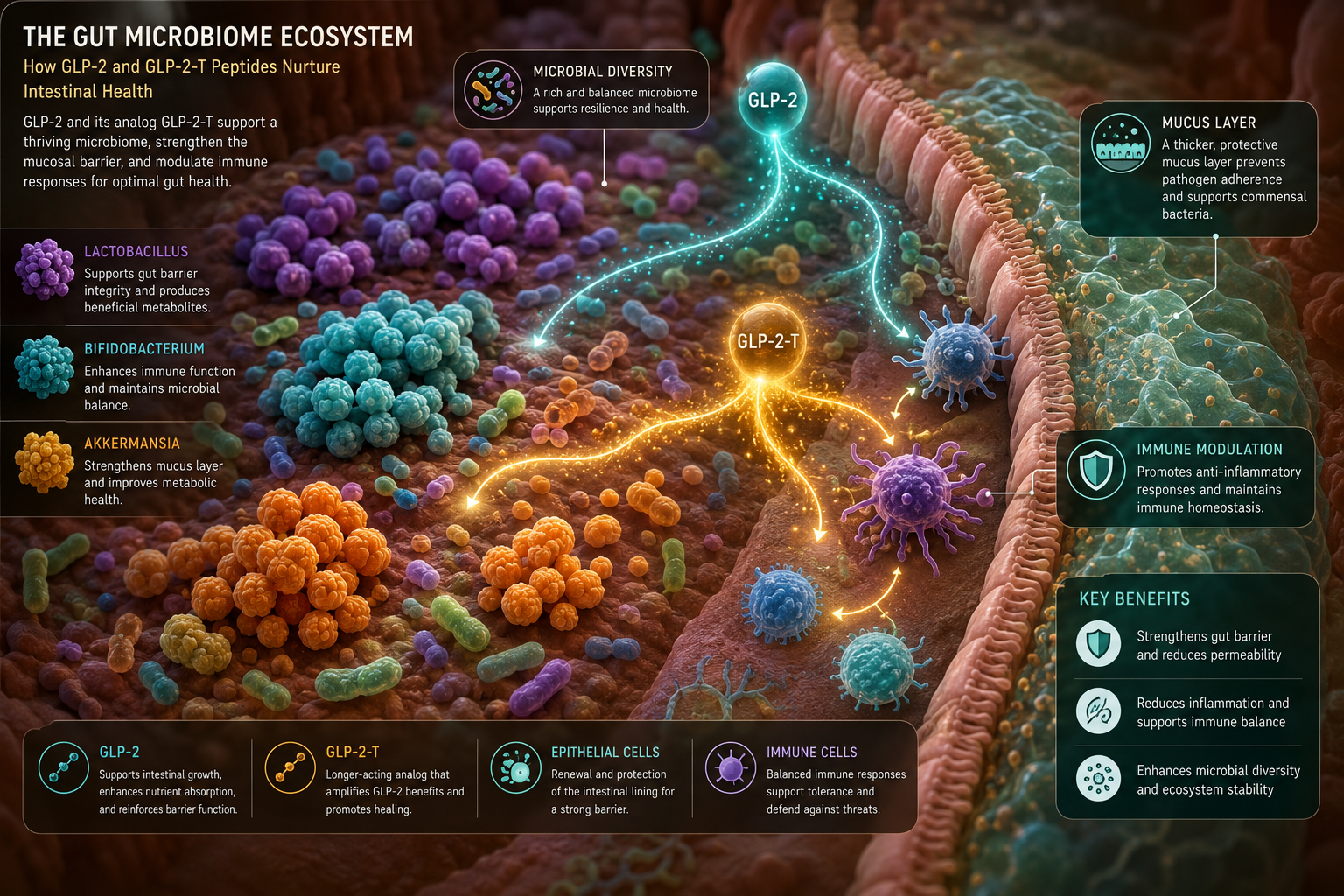
Beyond structural barrier effects, GLP-2 participates in a bidirectional dialogue with the gut microbiome. A review published in Microorganisms highlighted GLP-2's role in maintaining intestinal barrier integrity while simultaneously modulating microbial community composition and immune system interactions.

Key microbiome-related effects observed in research models include:

  • Increased abundance of beneficial bacterial genera associated with mucus layer integrity
  • Reduced translocation of gram-negative bacterial components (lipopolysaccharides)
  • Modulation of mucosal immune cell populations, including intraepithelial lymphocytes
  • Enhanced secretory IgA production in some experimental contexts

The GLP-2 receptor's indirect signaling pathway — operating through enteric neurons and subepithelial cells rather than directly on enterocytes — means that its microbiome effects are likely mediated through multiple downstream intermediaries. This complexity makes GLP-2 a particularly rich subject for systems-level gut research.

GLP-2-T variants allow researchers to isolate receptor-dependent effects from those driven by metabolic byproducts of native peptide degradation. Researchers interested in related GLP-family receptor dynamics may find the GLP-1-T dual receptor agonism breakdown and the GLP-3 triple agonist overview useful for comparative receptor pharmacology.

For researchers building multi-peptide experimental frameworks, the recovery and tissue biology overview and LL-37 innate research themes offer complementary perspectives on mucosal immunity and epithelial defense.


Conclusion

GLP-2 and GLP-2-T peptides represent a well-supported and mechanistically rich area of gut biology research. The evidence base — spanning animal models, cell culture systems, and mechanistic reviews — consistently points to meaningful roles in epithelial barrier tightening, tight junction protein regulation, nutrient absorption enhancement, and microbiome-immune crosstalk.

Actionable next steps for researchers:

  1. Review published dose-response data for GLP-2 and GLP-2-T in relevant model systems before designing experimental protocols.
  2. Consider DPP-4 resistance profiles when selecting between native GLP-2 and truncated analogs for time-course studies.
  3. Pair barrier function assays (TEER measurements, paracellular flux) with microbiome profiling to capture the full scope of peptide effects.
  4. Explore the full peptide research catalog to identify complementary research-grade compounds for multi-target gut studies.

As gut-brain and gut-immune axis research continues to expand in 2026, GLP-2 and GLP-2-T peptides remain foundational tools for researchers seeking to understand how the intestinal environment is regulated at both the structural and microbial level.

https://www.puretestedpeptides.com/wp-content/uploads/2026/06/GLP-2-and-GLP-2-T-Peptides-Unpacking-Their-Roles-in-Gut-Microbiome-Modulation-and-Barrier-Function-Research.png 1024 1536 Pure Tested https://www.puretestedpeptides.com/wp-content/uploads/2026/01/buy-peptides-online.jpg Pure Tested2026-06-29 13:06:382026-07-20 15:01:56GLP-2 and GLP-2-T Peptides: Unpacking Their Roles in Gut Microbiome Modulation and Barrier Function Research
×

Helpful Links

  • My account
  • Cart
  • Checkout
  • Refund and Returns Policy
  • Privacy Policy
  • SMS Privacy Policy
  • Login
  • My Account
  • Logout

USA Made Lab Tested Peptides

All products are sold for research, laboratory, or analytical purposes only, and are not for human consumption


Pure Tested Peptides is a chemical supplier. Pure Tested Peptides is not a compounding / chemical compounding facility as defined under 503A of the Federal Food, Drug, and Cosmetic act. Pure Tested Peptides is not an outsourcing facility as defined under 503B of the Federal Food, Drug, and Cosmetic act.

The statements made within this website have not been evaluated by the US Food and Drug Administration. The products we offer are not intended to diagnose, treat, cure or prevent any disease.

Human/Animal Consumption Prohibited. Laboratory/In-Vitro Experimental Use Only

Scroll to top Scroll to top Scroll to top