Call or Text 727-513-9780
  • Shopping Cart Shopping Cart
    0Shopping Cart
Pure Tested Peptides | America's most trusted Peptides for sale online
  • Peptides for sale
    • Oral Peptides for sale
      • Peptide Capsules for sale
      • BPC 157 Capsules 1000mcg
      • SLU-PP-332 Capsules | 1000 mcg
      • 5-Amino-1MQ 50mg Capsules
      • Tesofensine 500mcg
    • All Peptides for sale
    • Peptide Sprays
      • BPC 157 Nasal Spray Kit
      • BPC-157 TB500 Nasal Spray Kit
      • Semax Nasal Spray 10mg
      • Selank – Nasal Spray Kit – 10mg
      • Epithalon 50MG Nasal Spray Kit
      • Ipamorelin 10mg Nasal Spray
      • Klow Nasal Spray (BPC-157 + TB-500 + GHK-Cu + KPV) | 80mg
      • Hulk Nasal Spray Tesa / Ipa Blend 6/3 MG
      • Klow Nasal Spray
      • NAD + 500 mg Nasal Spray
      • PT-141 Nasal Spray Kit
    • GHRH Peptides
      • Ipa Peptides
      • CJC-1295 Peptides
        • CJC-1295 with DAC 5 mg
        • CJC-1295 without DAC 5 mg
        • CJC-1295 Ipa 10mg
      • Tesa Peptides
        • Tesa Peptide
        • Tesa 20 mg
    • GHK-Cu Peptides
      • All GHK-Cu Peptides
      • GHK-Cu 100mg
      • KLOW Peptide Blend – Buy KLOW blend online
    • BPC Peptides
      • All BPC Peptides
      • BPC-157
      • BPC-157 TB-500
      • BPC 157 capsules 1000mcg
    • SLU-PP-332 Peptides
      • All SLU-PP-332 Peptides
      • SLU-PP-332 5mg
    • GLP3 Peptides
    • PT-141 Peptides
      • PT-141 Peptides for sale
      • PT-141 10mg
      • PT-141 Nasal Spray
    • CAG Peptides
      • Lipo-C Peptide Blend
      • CAG 5mg
      • CAG 10mg
    • MOTS-C Peptides
      • MOTS-C Peptides for sale
      • MOTS-c peptide
      • MOTS-c 10mg *6 pack*
    • 5 Amino 1MQ Peptides
      • 5 Amino 1MQ Peptides for sale
      • 5-Amino-1MQ 50mg Capsules
      • 5-Amino-1MQ 5mg
    • Epithalon Peptides
      • Epithalon Peptides for sale
      • Epithalon 10mg
      • Epithalon 50mg
  • Shop
    • GLPs
      • 5-Amino-1MQ 50mg Capsules
      • 5-Amino-1MQ 5mg
      • L-Carnitine 500mg/ml
      • Tesofensine 500mcg
      • SLU-PP-332 5mg
      • MOTS-c 10mg *6 pack*
    • Epithalon & BPC Peptides
      • Epithalon 10mg
      • Epithalon 50mg
      • BPC-157
      • BPC 157 capsules 1000mcg
      • BPC-157 TB-500
      • BPC-157 TB500 Nasal Spray Kit
      • BPC 157 Nasal Spray Kit
    • BPC TB-500 & NAD+ Peptides
      • NAD+ 500 mg
      • KLOW Peptide Blend – Buy KLOW blend online
      • GLOW Peptide Blend
      • TB 500 5mg
      • BPC 157 capsules 1000mcg – Supplement
      • BPC 157 Nasal Spray Kit
      • BPC-157
      • BPC-157 TB500 Nasal Spray Kit
      • BPC-157 TB-500
      • BPC 157 capsules 1000mcg
    • LL-37 Peptide
      • LL-37 10 mg
    • MOTS-C & Selank
      • MOTS-c peptide
      • Selank 10mg
    • GHK Peptides
      • GHK-Cu 100mg
      • GLOW Peptide Blend
      • KLOW Peptide Blend – Buy KLOW blend online
  • COAs
  • Wholesale
    • Wholesale Peptides for sale
  • PTP FAQ
  • Affiliates
    • Selank Peptide: Advanced Pharmacological Mechanisms Underlying Its Anxiolytic and Nootropic Effects in Research
      • 5-Amino-1MQ Peptide: Detailed Mechanisms of NNMT Inhibition and Its Impact on Cellular Metabolism Research
        • MOTS-C Peptide: Unraveling Its Role in Mitochondrial Dynamics and Energy Metabolism Research
          • Epithalon Peptide and Telomerase Regulation: Investigating Its Impact on Cellular Senescence and Lifespan Research Models
            • GLP2-T vs GLP2 Tirz Peptide: Understanding the Naming, Mechanistic Nuances, and Research Implications for Gut Health
      • Peptides and Polypeptides in Modern Pharmacology: What Research on Metoprolol, Prednisone, and Amlodipine Reveals
        • Polypeptide Peptides vs NSAIDs: What Naproxen and Diclofenac Teach Tissue-Repair Researchers About BPC‑157 and TB‑500
          • Peptides and Polypeptides in Endocrine Pharmacology: How GLP-1, GLP-2, and GLP-3 Retatrutide Differ From Classic Drugs Like Prednisone and Amlodipine
          • 5‑Amino‑1MQ Peptide and NNMT Inhibition: How It Compares With Statins Like Atorvastatin in Adipose and Lipid Metabolism Research
      • Enclomiphene, Estrogen Receptor Signaling, and Luteinizing Phase Biology: What Hormone Researchers Should Measure
        • Mesenchymal Stem Cells, BPC‑157, and GHK‑Cu: How Tissue Repair Peptides Compare With Classic NSAIDs Like Naproxen in Injury Models
          • Peptide Calculator Use Cases Beyond Growth Hormone: Working Through GLP‑3 Retatrutide, MOTS‑c, and BPC‑157 Research Dosing
        • Polypeptide Peptides in Endocrine and Metabolic Pharmacology: Lessons From Amlodipine, Prednisone, and Metoprolol
        • Peptides Calculator for Advanced Blends: Worked Examples for Tesamorelin, CJC‑1295, and Ipamorelin Stacks
          • Peptides and Polypeptides in Human Physiology: How Molecular Size Shapes Research Applications
            • Selank Peptide: Advanced Pharmacological Mechanisms Underlying Its Anxiolytic and Nootropic Effects in Research
          • 5-Amino-1MQ Peptide: Detailed Mechanisms of NNMT Inhibition and Its Impact on Cellular Metabolism Research
            • MOTS-C Peptide: Unraveling Its Role in Mitochondrial Dynamics and Energy Metabolism Research
              • Epithalon Peptide and Telomerase Regulation: Investigating Its Impact on Cellular Senescence and Lifespan Research Models
                • GLP2-T vs GLP2 Tirz Peptide: Understanding the Naming, Mechanistic Nuances, and Research Implications for Gut Health
                  • Peptides and Polypeptides in Endocrine Pharmacology: How GLP-1, GLP-2, and GLP-3 Retatrutide Differ From Classic Drugs Like Prednisone and Amlodipine
                    • Polypeptide Peptides vs NSAIDs: What Naproxen and Diclofenac Teach Tissue-Repair Researchers About BPC‑157 and TB‑500
                      • Peptides and Polypeptides in Modern Pharmacology: What Research on Metoprolol, Prednisone, and Amlodipine Reveals
                        • 5‑Amino‑1MQ Peptide and NNMT Inhibition: How It Compares With Statins Like Atorvastatin in Adipose and Lipid Metabolism Research
                        • Enclomiphene, Estrogen Receptor Signaling, and Luteinizing Phase Biology: What Hormone Researchers Should Measure
                        • Mesenchymal Stem Cells, BPC‑157, and GHK‑Cu: How Tissue Repair Peptides Compare With Classic NSAIDs Like Naproxen in Injury Models
                        • Peptide Calculator Use Cases Beyond Growth Hormone: Working Through GLP‑3 Retatrutide, MOTS‑c, and BPC‑157 Research Dosing
                        • Polypeptide Peptides in Endocrine and Metabolic Pharmacology: Lessons From Amlodipine, Prednisone, and Metoprolol
                        • Peptides Calculator for Advanced Blends: Worked Examples for Tesamorelin, CJC‑1295, and Ipamorelin Stacks
                        • Peptides and Polypeptides in Human Physiology: How Molecular Size Shapes Research Applications
                        • Selank Peptide: Advanced Pharmacological Mechanisms Underlying Its Anxiolytic and Nootropic Effects in Research
                        • MOTS-C Peptide: Unraveling Its Role in Mitochondrial Dynamics and Energy Metabolism Research
                        • Peptides and Polypeptides in Modern Pharmacology: What Research on Metoprolol, Prednisone, and Amlodipine Reveals
                        • Peptides and Polypeptides in Endocrine Pharmacology: How GLP-1, GLP-2, and GLP-3 Retatrutide Differ From Classic Drugs Like Prednisone and Amlodipine
                        • 5-Amino-1MQ Peptide: Detailed Mechanisms of NNMT Inhibition and Its Impact on Cellular Metabolism Research
                        • Mesenchymal Stem Cells, BPC‑157, and GHK‑Cu: How Tissue Repair Peptides Compare With Classic NSAIDs Like Naproxen in Injury Models
                        • Peptide Calculator Use Cases Beyond Growth Hormone: Working Through GLP‑3 Retatrutide, MOTS‑c, and BPC‑157 Research Dosing
                        • GLP2-T vs GLP2 Tirz Peptide: Understanding the Naming, Mechanistic Nuances, and Research Implications for Gut Health
                        • Polypeptide Peptides in Endocrine and Metabolic Pharmacology: Lessons From Amlodipine, Prednisone, and Metoprolol
                        • Polypeptide Peptides vs NSAIDs: What Naproxen and Diclofenac Teach Tissue-Repair Researchers About BPC‑157 and TB‑500
                        • Peptides and Polypeptides in Human Physiology: How Molecular Size Shapes Research Applications
                        • Peptides Calculator for Advanced Blends: Worked Examples for Tesamorelin, CJC‑1295, and Ipamorelin Stacks
                        • 5‑Amino‑1MQ Peptide and NNMT Inhibition: How It Compares With Statins Like Atorvastatin in Adipose and Lipid Metabolism Research
                        • Enclomiphene, Estrogen Receptor Signaling, and Luteinizing Phase Biology: What Hormone Researchers Should Measure
                        • Epithalon Peptide and Telomerase Regulation: Investigating Its Impact on Cellular Senescence and Lifespan Research Models
                        • Best research protocol Klow blend
                        • best time to take BPC-157
                        • best time to take DSIP (Delta Sleep Inducing Peptide)
                        • best time to take CJC-1295
                        • best time to take AOD-9604
                        • best time to take Follistatin 344
                        • best time to take Ipamorelin
                        • best time to take MK-677 (Ibutamoren)
                        • best time to take Ligandrol (LGD-4033) — research compound
                        • best time to take Ostarine (MK-2866) — research compound
                        • best time to take GHK-CU
                        • best time to take TB-500
                        • best time to take MOTS-c
                        • best time to take Semax
                        • best time to take RAD-140 (Testolone) — research compound
                        • best time to take Thymosin Alpha-1
                        • best time to take PEG-MGF
                        • Biolife Plasma, Octapharma Plasma, and Research Peptides: How Plasma Donation Labs Differ From Peptide Suppliers
                        • best time to take YK-11 — research compound
                        • best time to take PT-141 (Bremelanotide)
                        • Best research protocol Klow blend
                        • 5-Amino-1MQ and MOTS-C Synergy: Metabolic Signaling, Mitochondria, and Research Design
                        • BPC-157 and TB-500: Investigating Their Combined Effects on Angiogenesis and Cellular Migration in Tissue Repair Models
                        • BPC-157 Peptide: Gut Barrier Function, Inflammation, and Tissue-Recovery Research
                        • 5‑Amino‑1MQ and MOTS‑c Synergy in Metabolic Research: Designing NNMT and Mitochondrial Biogenesis Stacks
                        • CJC-1295 with DAC vs. Without DAC: Half-Life, Release Kinetics, and Research Implications
                        • CJC‑1295 with DAC vs. Without DAC: Expanding on Half‑Life Differences Using Tesamorelin and Ipamorelin Blend Case Studies
                        • Collagen Biology and Copper‑Binding Peptides: How GHK‑Cu, Glow Blend, and Klow Blend Interact with Skin and Connective Tissue
                        • Collagen Biology and Regenerative Peptides: How GHK‑Cu, Glow Blend, and Klow Blend Affect Extracellular Matrix Research
                    • DNA, Telomeres, and Longevity Peptides: Positioning Epithalon and MOTS‑c in Genetic Aging Research
                      • Enclomiphene Citrate: serm Mechanism, Testosterone Research, and Stack Compatibility
                        • Enclomiphene vs Enclomiphene Citrate: Formulation, Bioavailability, and Research Distinctions
                        • Epithalon Peptide Research: Telomerase Activation, Aging, and Pineal Gland Function
                        • Estrogen Receptor Signaling and Enclomiphene: How Selective Modulators Compare with Classic Polypeptide Hormones
                        • GHK-Cu Peptide: Advanced Mechanisms in Extracellular Matrix Remodeling and Wound Healing Research
                        • GHK-Cu Peptide: Collagen Synthesis, Wound Repair, and Skin-Barrier Research Models
                        • GLP-1 vs GLP-3 vs GLP-2: Peptide Classification and Research Applications
                        • GLP-2 Peptide Research Guide: Gut Barrier Function, Nutrient Absorption, and Intestinal Recovery Models
                        • GLP-3 Retatrutide vs. GLP-1 Drugs: What Triple-Agonist Biology Changes in Research Models
                        • Ipamorelin and Tesamorelin Combination: Synergistic GH Secretagogue Research and Dosing Protocols
                        • GLP2 Tirz Peptide: What It Is, Why the Name Exists, and How Researchers Should Interpret It
                        • Klow Blend Peptide Nasal Spray: What the Formulation Is Trying to Do in Cognitive Research
                        • Mitochondria, NNMT Inhibition, and Peptide Modulators: Where MOTS‑c and 5‑Amino‑1MQ Fit in Cellular Energy Research
                        • MOTS-c Peptide: Mitochondrial Function, Energy Metabolism, and What Researchers Measure
                        • MOTS-c vs. 5-Amino-1MQ: Which Metabolic Research Questions Each Compound Actually Answers
                        • Nasal Spray Peptides: Bioavailability, Administration, and Semax/Selank Research Applications
                        • PT-141 Peptide Research: Mechanism of Action and Melanocortin Receptor Signaling
                        • Retatrutide for Research: Mechanism, Structure, and GLP-1/GLP-3 Dual Action
                        • Retatrutide for Obesity and Type 2 Diabetes: What the Latest Trial Data Suggest
                        • Tesofensine Peptide Research: Mechanism, Appetite Suppression, and Neuropeptide Y Pathways
  • Contact
    • Contact Customer Service
    • Text Customer Support
  • About US
  • Shop all peptides
  • Affiliate Program
    • Affiliate Signup
  • Login / Register Login / Register Page Link Login / Register Page Link
  • Click to open the search input field Click to open the search input field Search
  • Menu Menu

Tag Archive for: nad+ research

Slupp332 With 5-Amino-1MQ: How Researchers Frame This Metabolic Stack

Slupp332 With 5-Amino-1MQ: How Researchers Frame This Metabolic Stack

September 22, 2026/0 Comments/in Uncategorized/by

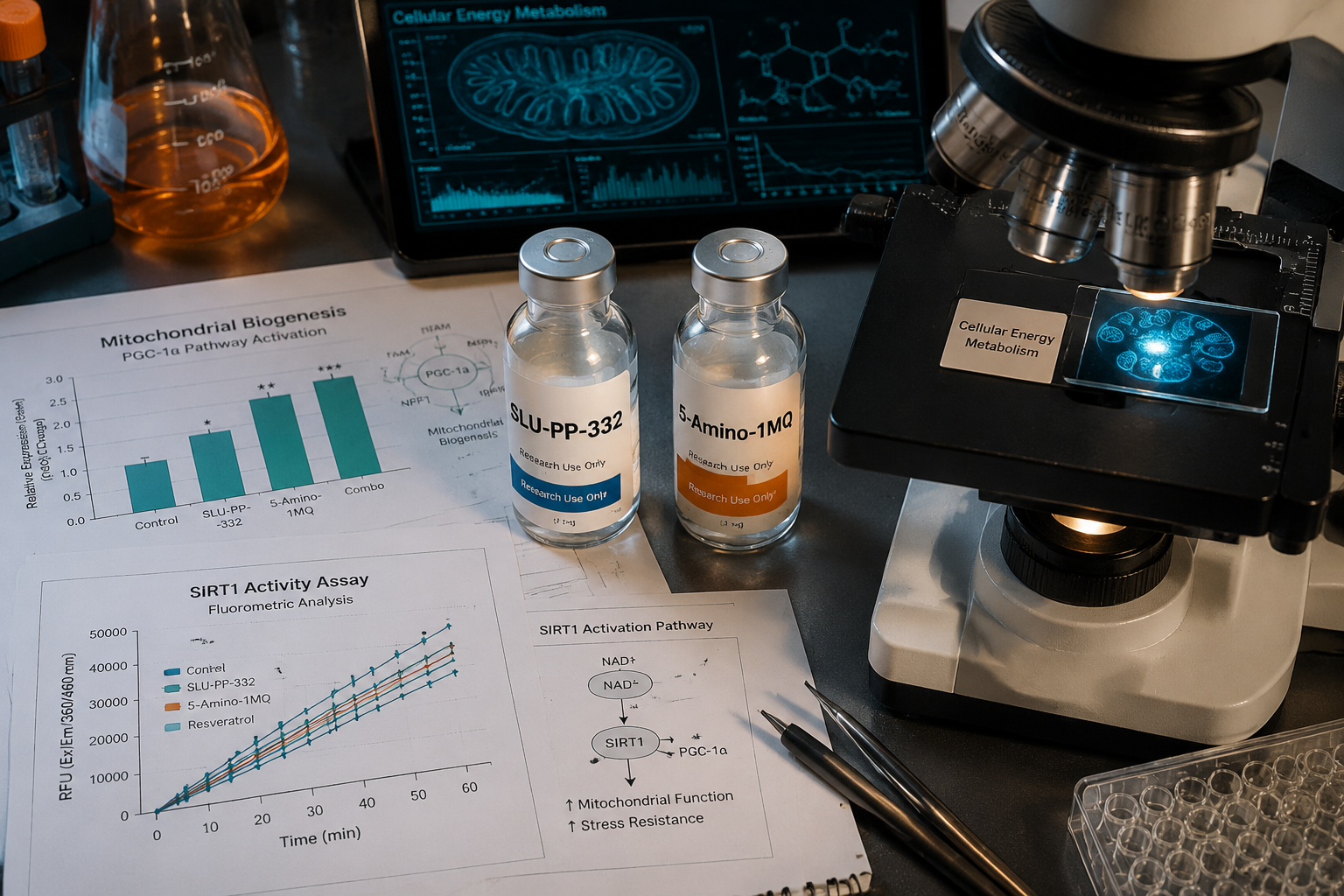
Fewer than a dozen published preclinical studies exist on SLU-PP-332, yet by 2026 it has already become one of the most discussed compounds in advanced metabolic research circles, almost always alongside 5-Amino-1MQ. The pairing is not accidental. Researchers who study energy regulation have begun framing Slupp332 with 5-Amino-1MQ: how researchers frame this metabolic stack as a mechanistically logical combination, one where two distinct enzyme targets converge on a shared outcome: improved mitochondrial efficiency and NAD+ availability. This article unpacks that framing, explains the underlying study logic, and clarifies what the current evidence actually supports.

Key Takeaways

  • SLU-PP-332 activates estrogen-related receptors (ERRs), mimicking the gene-expression signature of aerobic exercise in preclinical models.
  • 5-Amino-1MQ inhibits the NNMT enzyme, preserving the SAM cycle and elevating intracellular NAD+ levels.
  • Researchers frame the stack as complementary because the two compounds target different upstream nodes of the same metabolic pathway.
  • Both compounds remain strictly preclinical and research-only as of 2026, with no completed human clinical trials.
  • A tri-compound extension adding MOTS-c is increasingly discussed as a "metabolic trifecta" in analyst commentary, though evidence remains early-stage.

What SLU-PP-332 and 5-Amino-1MQ Each Do Individually
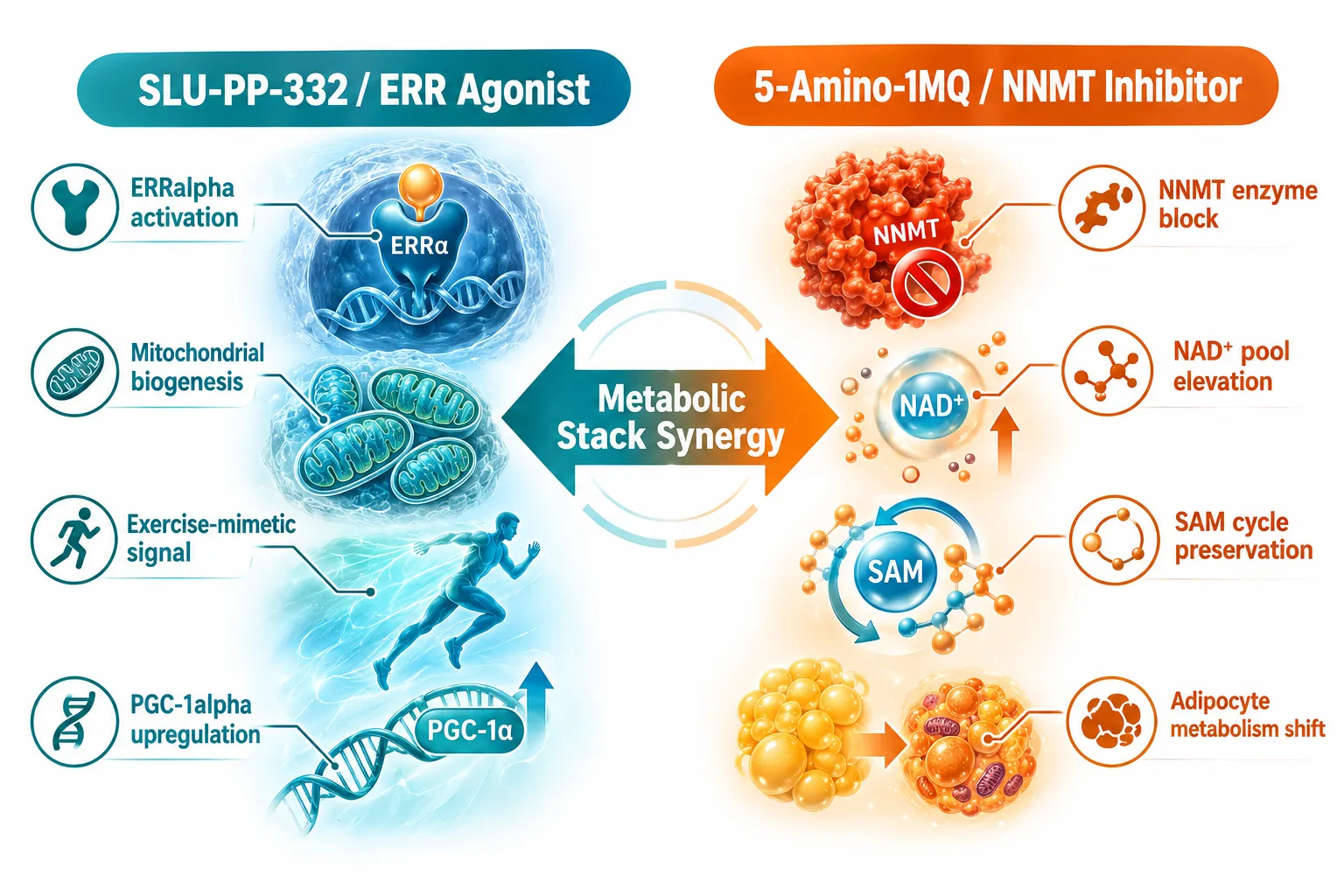
What SLU-PP-332 and 5-Amino-1MQ Each Do Individually

Understanding the stack begins with understanding each compound in isolation.

SLU-PP-332 is a small-molecule agonist that activates the estrogen-related receptor (ERR) family, specifically ERRalpha, ERRbeta, and ERRgamma. These nuclear receptors regulate genes involved in mitochondrial biogenesis, fatty acid oxidation, and oxidative phosphorylation. In rodent models, SLU-PP-332 administration produced measurable increases in endurance capacity and activated a gene-expression profile that closely resembles the cellular response to sustained aerobic exercise. This is why researchers frequently describe it using the term "exercise mimetic," though that label carries important caveats: the downstream metabolic effects observed in animal tissue do not automatically translate to human physiology.

5-Amino-1MQ works through a completely different mechanism. It is a selective inhibitor of nicotinamide N-methyltransferase (NNMT), an enzyme highly expressed in adipose tissue and the liver. When NNMT is active, it consumes S-adenosylmethionine (SAM) and converts nicotinamide into a methylated byproduct that exits the NAD+ biosynthesis cycle. By blocking NNMT, 5-Amino-1MQ preserves both the SAM pool and the nicotinamide available for NAD+ resynthesis. The result, in preclinical models, is an elevation of intracellular NAD+, a coenzyme central to energy metabolism, sirtuin activation, and mitochondrial repair signaling. Researchers interested in 5-Amino-1MQ and related NAD+ modulators often pair it with compounds that act downstream of NAD+ availability.


The Research Logic Behind Slupp332 With 5-Amino-1MQ: How Researchers Frame This Metabolic Stack
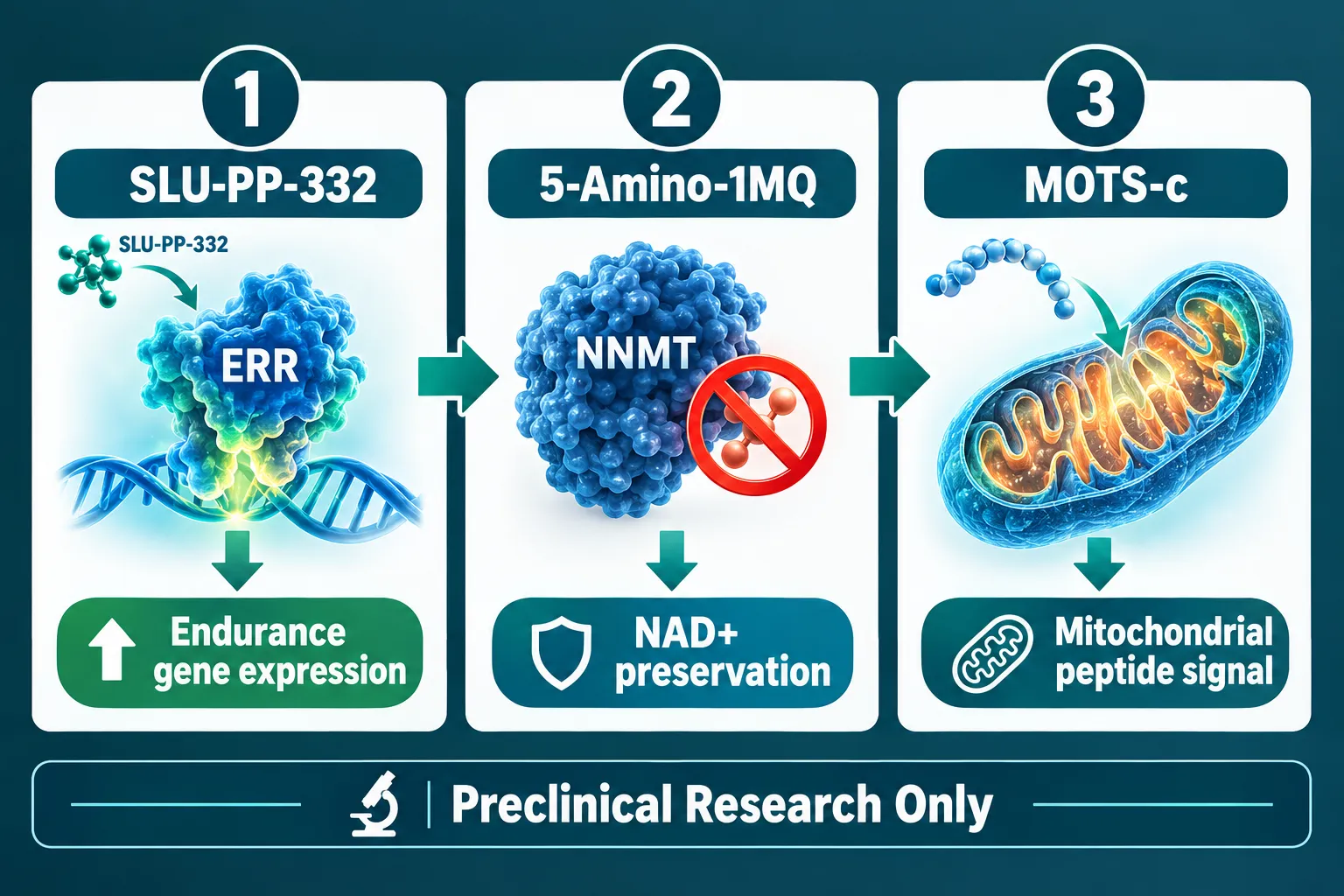
The Research Logic Behind Slupp332 With 5-Amino-1MQ: How Researchers Frame This Metabolic Stack

The core argument researchers make for combining these two compounds is mechanistic complementarity, not additive redundancy.

SLU-PP-332 drives the demand side of mitochondrial metabolism: it signals cells to build more mitochondria and upregulate oxidative pathways. 5-Amino-1MQ addresses the supply side: it ensures that the NAD+ substrate required to fuel those pathways is more readily available. In that framing, the stack functions like simultaneously upgrading both an engine and its fuel supply.

"The appeal of this combination is that it targets two separate rate-limiting steps in the same metabolic cascade, ERR activation and NAD+ substrate availability, without obvious mechanistic overlap."

This logic has appeared in commercial research bundle descriptions, analyst newsletters, and preclinical study design discussions throughout 2025 and 2026. It is worth noting, however, that no published study has directly tested this combination in a controlled animal model, let alone in humans. The synergy argument remains inferential, built from the individual compound literatures rather than direct co-administration data.

The Tri-Compound Extension: Adding MOTS-c

A growing subset of researchers extends the stack further by adding MOTS-c, a mitochondria-derived peptide that activates AMPK and influences glucose uptake in skeletal muscle. This three-way framing, SLU-PP-332 for ERR activation, 5-Amino-1MQ for NAD+ preservation, and MOTS-c for AMPK-mediated glucose handling, is sometimes called a "metabolic trifecta" in analyst commentary. Those interested in the broader mitochondrial peptide landscape can explore SS-31 mitochondrial research themes and SS-31 mitochondrial dynamics for adjacent mechanistic context, since mitochondrial-targeting compounds share several overlapping research questions.


Regulatory Status, Safety Framing, and 2026 Market Presentation
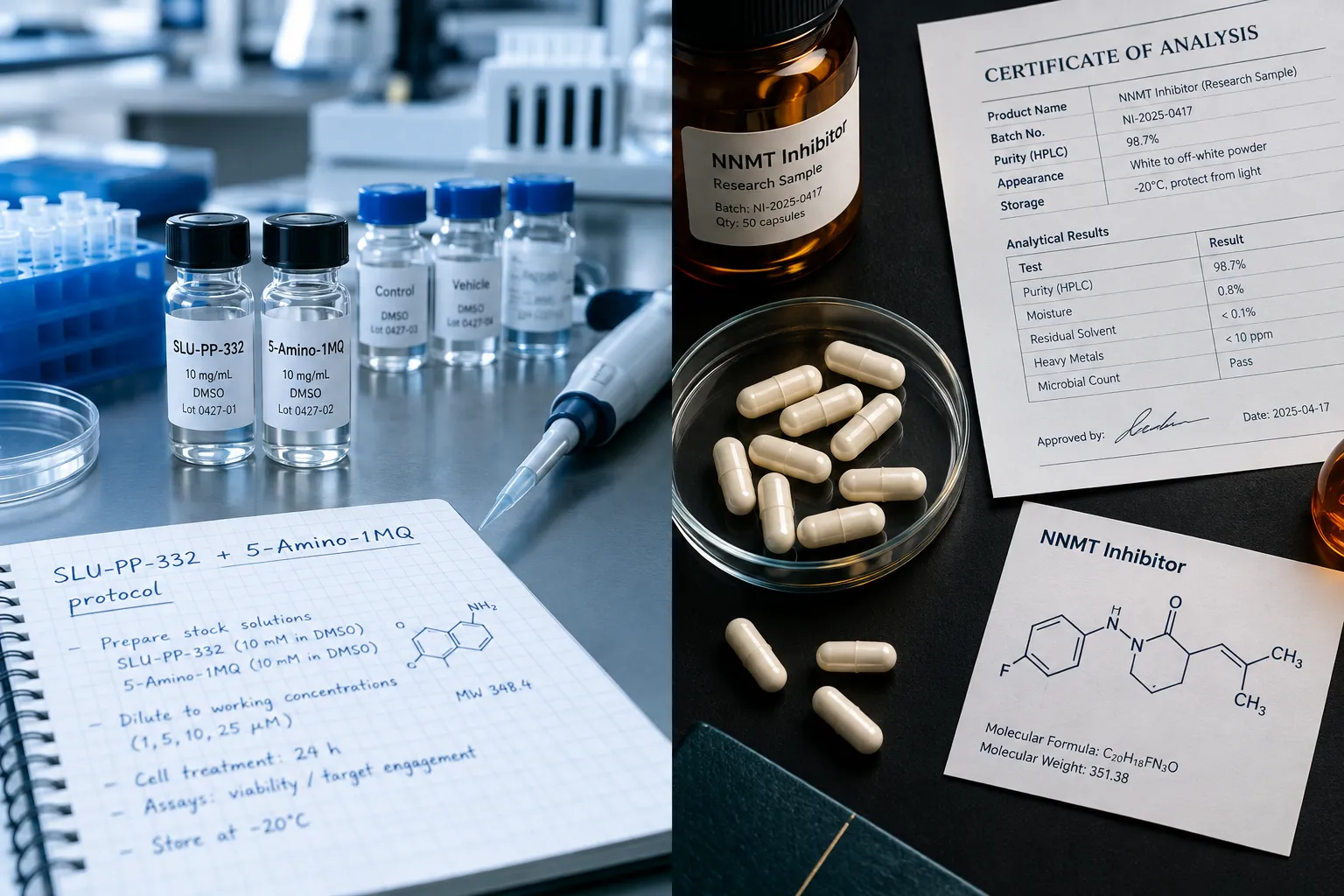
Regulatory Status, Safety Framing, and 2026 Market Presentation

Both SLU-PP-332 and 5-Amino-1MQ are classified strictly as research chemicals. As of 2026, neither compound has completed Phase I human clinical trials. They are not approved drugs, not dietary supplements, and not intended for human consumption. Expert commentary consistently emphasizes this classification, even as commercial interest has grown.

The 2026 market landscape shows these compounds increasingly available in capsule and tablet formats from research suppliers, often accompanied by third-party purity certificates. Suppliers emphasize lab-tested peptides and research compounds as a quality differentiator, and certificate-of-analysis documentation has become a standard expectation among serious researchers. That said, purity claims vary significantly across vendors, and researchers are advised to verify independent testing before use in any study context.

Key safety framing points from 2026 guidance:

  • No human dose-response data exists for either compound.
  • Rodent studies used weight-adjusted doses that do not directly translate to human equivalents.
  • Long-term toxicity profiles remain unknown for both compounds.
  • Stacking introduces additional complexity because interaction effects have not been studied.
  • Regulatory bodies in most jurisdictions have not issued specific guidance on these compounds, leaving their legal status ambiguous outside of research use.

Researchers interested in other metabolic compounds with more established preclinical profiles, such as those exploring SIRT1-related pathways or SS-31 elamipretide, will find that the evidence base for those compounds is comparatively more developed, which provides a useful benchmark for evaluating where SLU-PP-332 and 5-Amino-1MQ currently stand.

How Stacking Protocols Are Currently Described

Research protocol discussions in 2026 typically describe the following framing parameters, presented here strictly as reported research context, not as dosing recommendations:

Parameter SLU-PP-332 (Reported Range) 5-Amino-1MQ (Reported Range)
Administration route Oral (capsule) Oral (capsule)
Cycle length discussed 4-8 weeks 4-8 weeks
Primary research endpoint ERR activation markers NAD+ metabolite levels
Evidence tier Rodent preclinical only Rodent preclinical only

These figures reflect how researchers describe their protocols in published commentary, not clinically validated parameters.


Conclusion

The framing of Slupp332 with 5-Amino-1MQ: how researchers frame this metabolic stack is built on a coherent mechanistic argument, two compounds targeting distinct but complementary nodes in mitochondrial energy regulation. SLU-PP-332 drives ERR-mediated mitochondrial biogenesis from the demand side; 5-Amino-1MQ preserves NAD+ substrate availability from the supply side. The tri-compound extension with MOTS-c adds a third layer targeting AMPK and glucose handling.

That logic is intellectually compelling, but the evidence base remains firmly preclinical. No human trials have validated the combination, and safety data is limited.

Actionable next steps for researchers:

  1. Review the individual compound literatures separately before evaluating stack claims.
  2. Prioritize vendors that provide independent third-party purity documentation.
  3. Treat any synergy claims as hypothesis-generating rather than evidence-confirmed.
  4. Monitor peer-reviewed preprint servers for emerging co-administration studies, which remain the missing link in this research narrative.
  5. Consult regulatory guidance in your jurisdiction before designing any study involving these compounds.

The study logic is sound enough to warrant serious research attention. The evidence, as of 2026, has not yet caught up with the framing.

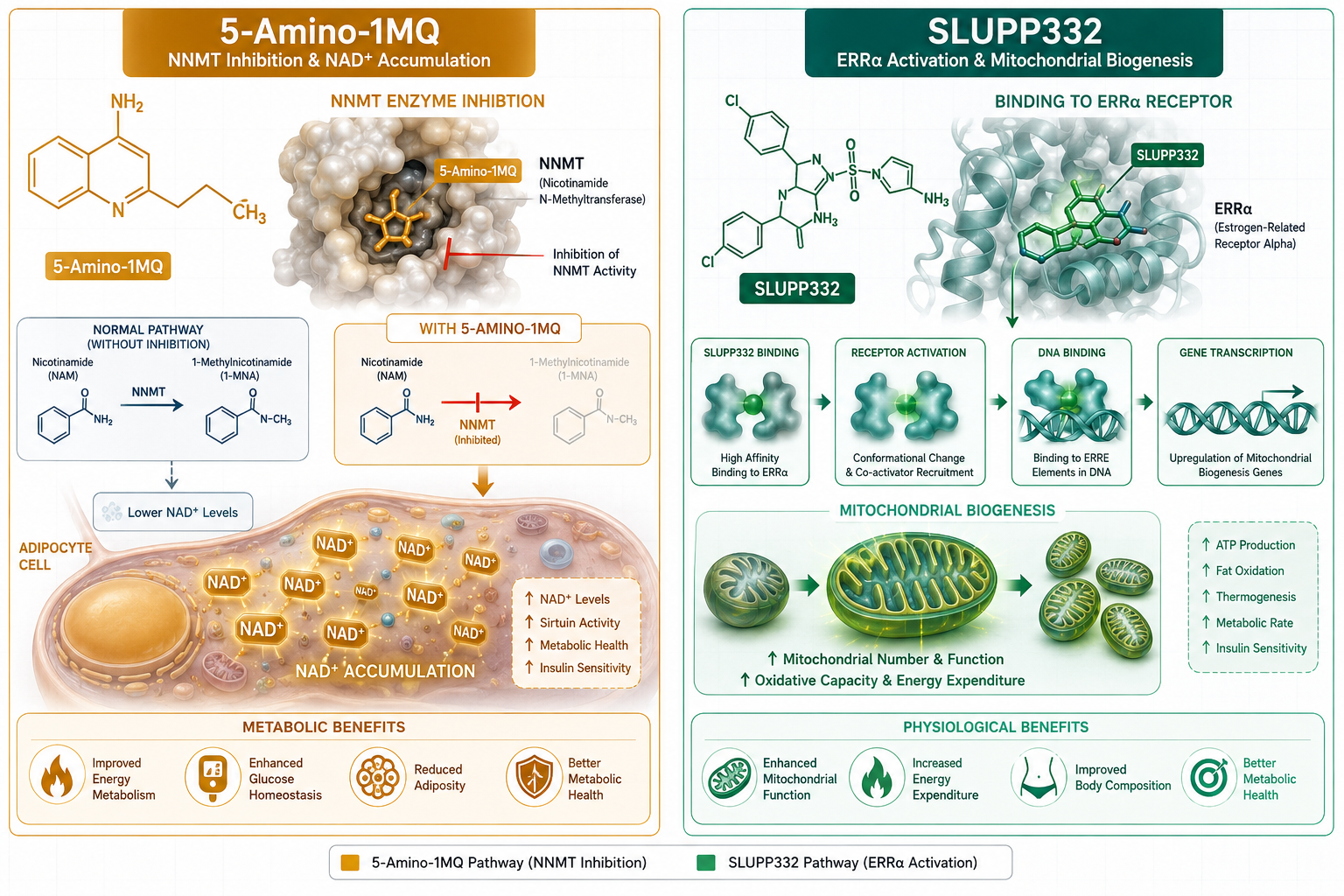
https://www.puretestedpeptides.com/wp-content/uploads/2026/09/slupp332-with-5-amino-1mq-how-researchers-frame-this-metabolic-stack.webp 1024 1536 https://www.puretestedpeptides.com/wp-content/uploads/2026/01/buy-peptides-online.jpg 2026-09-22 13:04:382026-09-22 13:04:38Slupp332 With 5-Amino-1MQ: How Researchers Frame This Metabolic Stack

Tag Archive for: nad+ research

5-Amino-1MQ and SLUPP332 Research Stack: What Each Compound Contributes to Metabolic Signaling

5-Amino-1MQ and SLUPP332 Research Stack: What Each Compound Contributes to Metabolic Signaling

July 10, 2026/0 Comments/by Pure Tested

Mitochondrial dysfunction sits at the center of nearly every major metabolic disorder studied today, yet two compounds now drawing serious attention in preclinical research, 5-Amino-1MQ and SLUPP332, approach that dysfunction from entirely different molecular angles. Understanding the 5-Amino-1MQ and SLUPP332 research stack: what each compound contributes to metabolic signaling requires looking at those distinct roles separately before considering how they fit together in experimental models of adiposity and energy regulation.

Key Takeaways

  • 5-Amino-1MQ selectively inhibits NNMT, an enzyme that depletes NAD+ in adipose tissue, thereby preserving mitochondrial energy currency.
  • SLUPP332 acts as an ERRα agonist, directly stimulating the gene programs responsible for mitochondrial biogenesis and oxidative metabolism.
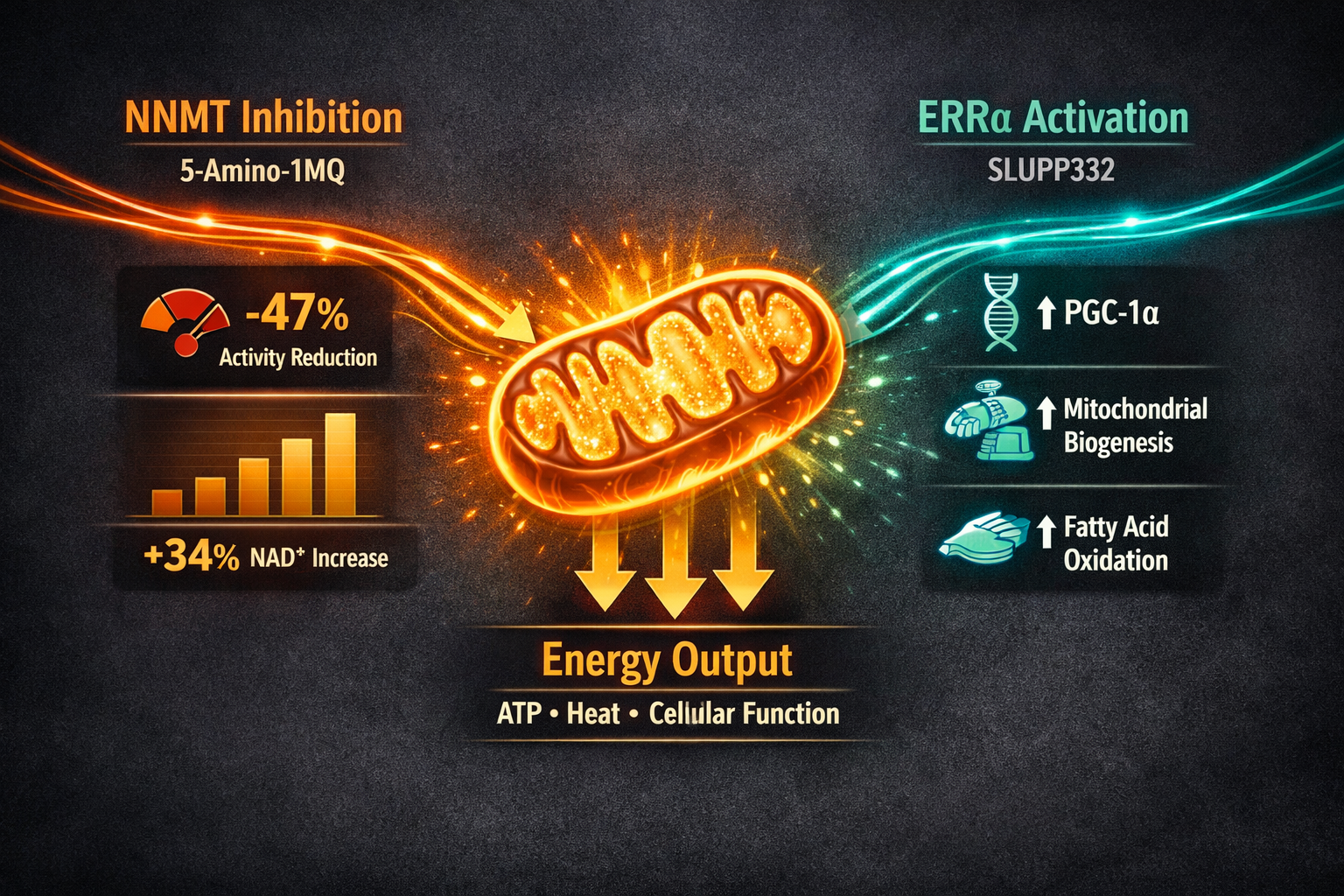
  • Preclinical data show a 47% reduction in NNMT activity and a 34% rise in cellular NAD+ within 48 hours for 5-Amino-1MQ.
  • Both compounds remain classified as research chemicals with no approved human therapeutic use as of 2026.
  • Their mechanistic differences make them useful tools for studying separate nodes of the same metabolic network.

Key Takeaways

How Each Compound Targets Metabolic Signaling

5-Amino-1MQ: Blocking the NAD+ Drain

Nicotinamide N-methyltransferase (NNMT) is an enzyme expressed heavily in adipose tissue. When NNMT activity is elevated, it consumes S-adenosylmethionine and accelerates NAD+ depletion, effectively starving mitochondria of the cofactor they need for energy metabolism.

5-Amino-1MQ functions as a selective, small-molecule NNMT inhibitor. By blocking this enzyme, the compound allows intracellular NAD+ concentrations to recover. In animal models, a single administration achieved a 47% reduction in NNMT activity within 30 minutes. Over 48 hours, cellular NAD+ concentrations rose by approximately 34%, accompanied by measurable increases in mitochondrial biogenesis markers.

This mechanism positions 5-Amino-1MQ as an upstream regulator, it removes a metabolic brake rather than pressing an accelerator. Researchers studying adiposity models find this distinction important because NNMT overexpression is commonly observed in obese adipose tissue, making the enzyme a relevant experimental target.

For context on how NAD+ pathways intersect with broader longevity and metabolic research, the NAD+ research overview provides useful background on cofactor-level signaling.

SLUPP332: Activating the Mitochondrial Build Program

Where 5-Amino-1MQ works by removing an inhibitor, SLUPP332 works by activating a promoter. It functions as an agonist of estrogen-related receptor alpha (ERRα), a nuclear receptor that governs the transcription of genes involved in mitochondrial biogenesis and oxidative phosphorylation.

ERRα is sometimes described as a master switch for oxidative metabolism. When SLUPP332 binds and activates it, the downstream effect is an upregulation of the gene networks that build new mitochondria and increase the capacity for fatty acid oxidation. Preclinical studies confirm increased mitochondrial biogenesis and improved oxidative metabolism gene expression following SLUPP332 administration.

Researchers interested in MOTS-c and metabolic stress models will recognize a conceptual parallel: both MOTS-c and SLUPP332 engage mitochondrial signaling, though through distinct receptor systems.


SLUPP332: Activating the Mitochondrial Build Program

Framing the Research Stack in Adiposity and Energy Models

Why Researchers Use These Compounds Together

The 5-Amino-1MQ and SLUPP332 research stack is particularly relevant in experimental designs that aim to interrogate multiple points in the same metabolic pathway simultaneously. The two compounds do not duplicate each other's function, they occupy different nodes.

Feature 5-Amino-1MQ SLUPP332
Primary target NNMT enzyme ERRα nuclear receptor
Mechanism class Enzyme inhibitor Receptor agonist
Primary effect Raises NAD+ availability Stimulates mitochondrial biogenesis
Tissue focus Adipose tissue Broad oxidative metabolism

This separation of function means a researcher can use 5-Amino-1MQ to address the supply side of mitochondrial energy (NAD+ availability) while using SLUPP332 to address the demand and capacity side (mitochondrial number and oxidative gene expression). Together, they offer a more complete picture of metabolic signaling than either compound alone.

"Distinct mechanisms at separate pathway nodes allow researchers to isolate variables that a single-compound design would conflate."

Researchers working on body composition models may also find value in reviewing IPA muscle and fat research themes and tesa and body composition research for comparative mechanistic context.

Current Limitations and Research Status

As of 2026, human clinical trial data for both compounds remain limited. Most available evidence comes from preclinical animal and cell-based models. Neither 5-Amino-1MQ nor SLUPP332 holds regulatory approval for human therapeutic use; both are classified strictly as research chemicals.

This limitation matters for experimental design. Researchers should treat findings from animal models as hypothesis-generating rather than conclusive. The SLUPP332 research overview outlines current preclinical data in greater detail.

For those building broader metabolic research frameworks, longevity peptide research and GLP-1 generational research concepts offer adjacent reference points on metabolic signaling compounds at various stages of study.


Current Limitations and Research Status

Conclusion

The 5-Amino-1MQ and SLUPP332 research stack: what each compound contributes to metabolic signaling is best understood through their mechanistic separation. 5-Amino-1MQ clears the path for NAD+ recovery by inhibiting NNMT, while SLUPP332 activates ERRα to build mitochondrial capacity. Neither role is redundant.

For researchers designing adiposity or energy-metabolism experiments in 2026, actionable next steps include:

  • Characterize baseline NNMT expression in the target tissue before introducing 5-Amino-1MQ to confirm the enzyme is a relevant variable.
  • Measure ERRα activity and mitochondrial density markers independently to establish whether SLUPP332 produces the expected transcriptional response in the chosen model.
  • Use each compound as a mechanistic probe rather than assuming additive effects without controlled comparison arms.
  • Monitor NAD+ and oxidative metabolism endpoints separately to attribute observed changes to the correct compound.

Both compounds represent promising tools for metabolic research, but rigorous experimental design and awareness of their preclinical-only status remain essential.

https://www.puretestedpeptides.com/wp-content/uploads/2026/07/5-Amino-1MQ-and-SLUPP332-Research-Stack-What-Each-Compound-Contributes-to-Metabolic-Signaling.webp 1024 1536 Pure Tested https://www.puretestedpeptides.com/wp-content/uploads/2026/01/buy-peptides-online.jpg Pure Tested2026-07-10 13:37:462026-07-20 15:00:285-Amino-1MQ and SLUPP332 Research Stack: What Each Compound Contributes to Metabolic Signaling
Slupp332 with 5-Amino-1MQ: Investigating Synergistic Metabolic Effects in Cellular Models

Slupp332 with 5-Amino-1MQ: Investigating Synergistic Metabolic Effects in Cellular Models

June 30, 2026/0 Comments/by Pure Tested

A 34% rise in cellular NAD+ concentration within just 48 hours — that single preclinical data point hints at why researchers are now pairing two distinct metabolic compounds to explore what neither can achieve alone. The study of Slupp332 with 5-Amino-1MQ: Investigating Synergistic Metabolic Effects in Cellular Models has become one of the more compelling areas of preclinical metabolic research in 2026, drawing attention for its dual-pathway approach to energy regulation and fat metabolism.

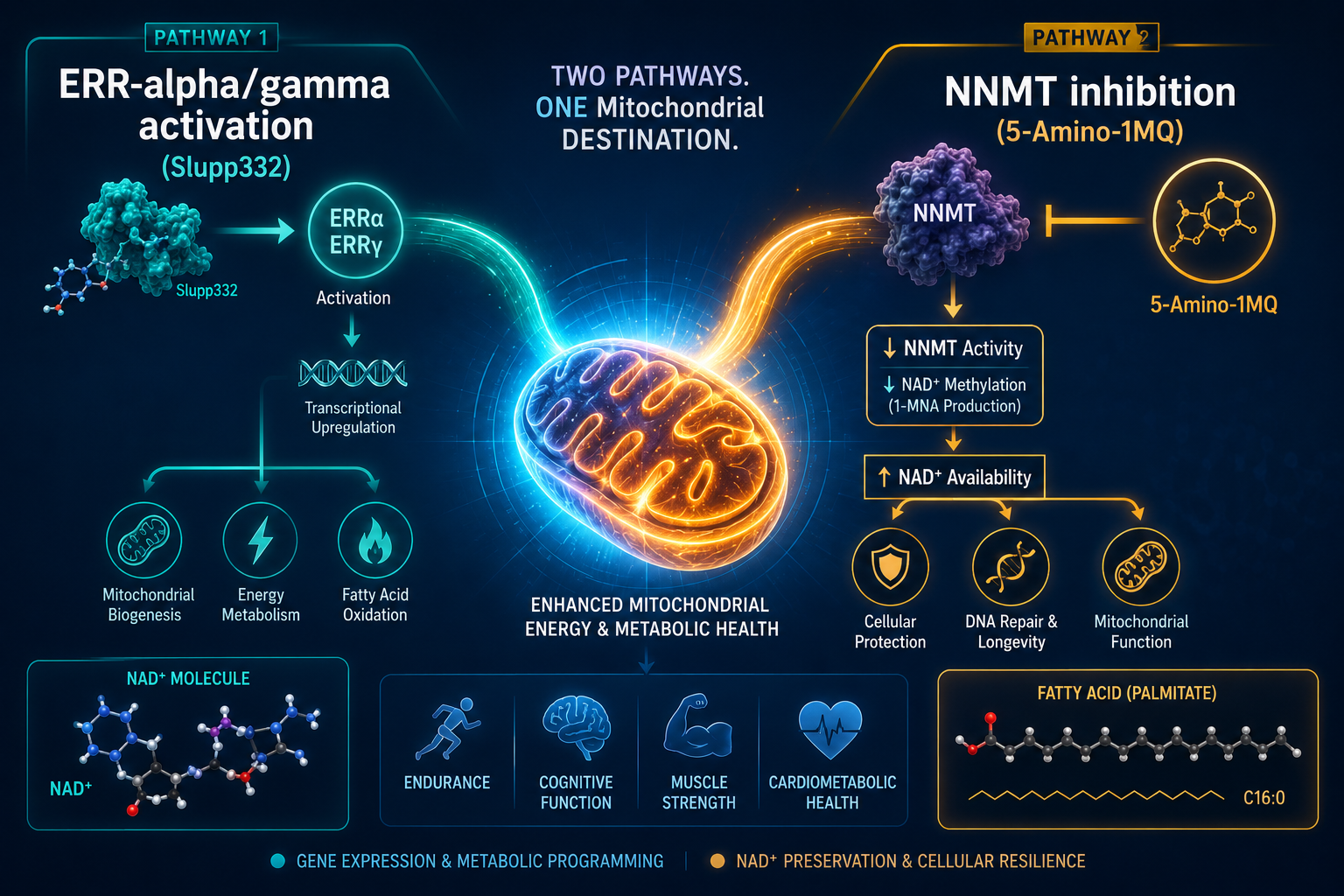
Detailed () scientific diagram showing two distinct molecular pathway arrows — one labeled ERR-alpha/gamma activation

Key Takeaways

  • Slupp332 activates estrogen-related receptors (ERRa/g), promoting mitochondrial biogenesis and fatty acid oxidation.
  • 5-Amino-1MQ inhibits NNMT, raising intracellular NAD+ levels and boosting mitochondrial function.
  • Combining both compounds targets complementary pathways, potentially amplifying metabolic outcomes beyond what either achieves alone.
  • Preclinical models show meaningful reductions in body weight and white adipose tissue with Slupp332, and significant NAD+ elevation with 5-Amino-1MQ.
  • As of 2026, both remain research-stage compounds with no approved human therapeutic use.

How Each Compound Works at the Cellular Level

Understanding the combination starts with understanding each compound individually.

5-Amino-1MQ is a selective inhibitor of nicotinamide N-methyltransferase (NNMT), an enzyme that consumes SAM (S-adenosylmethionine) and reduces NAD+ availability. By blocking NNMT, 5-Amino-1MQ preserves NAD+ pools within the cell. Elevated NAD+ then fuels sirtuin activity — particularly SIRT1 — which regulates mitochondrial efficiency, glucose homeostasis, and cellular stress responses. For researchers exploring NAD+ and its scientific evidence base, this mechanism is well-documented in preclinical settings.

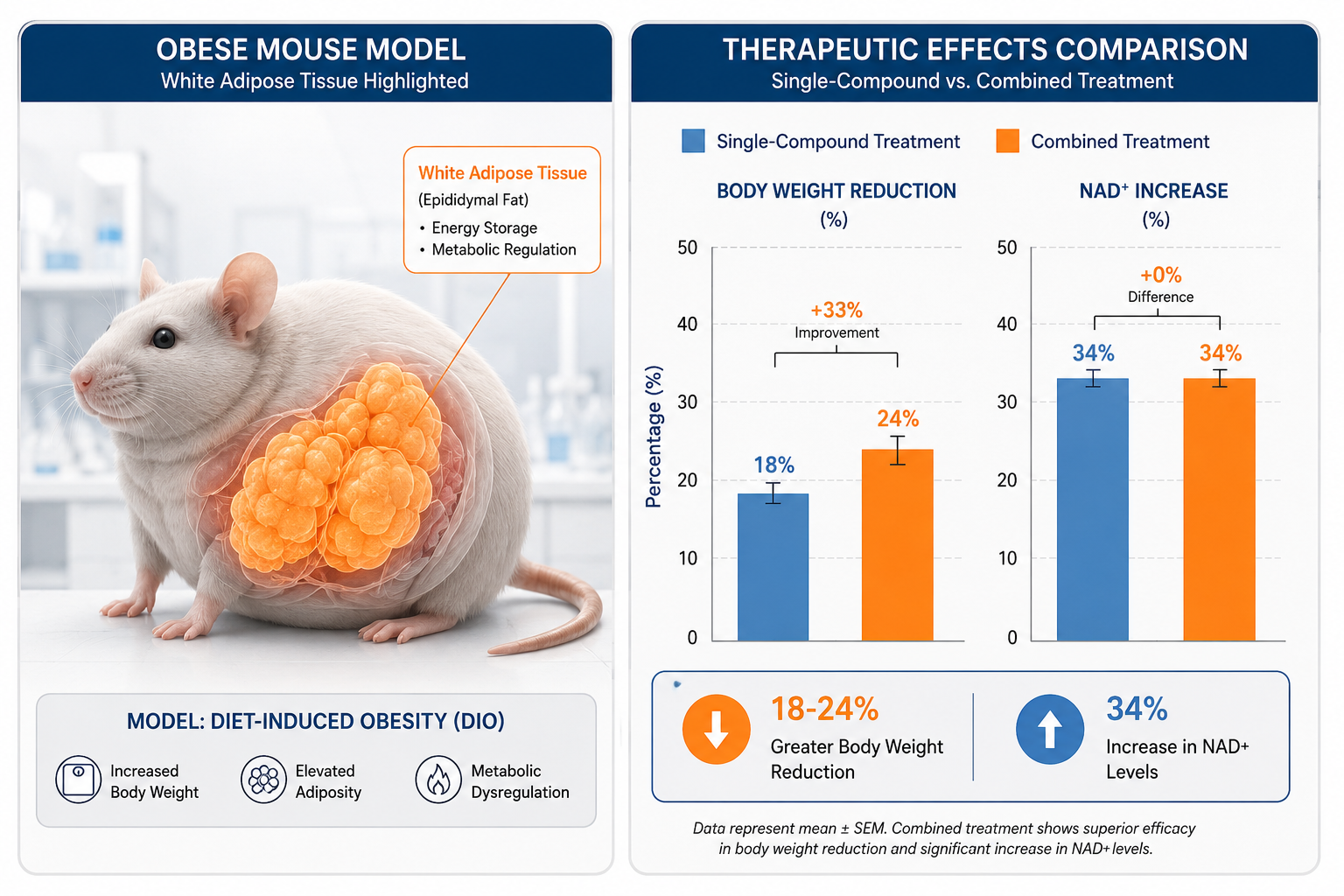
Slupp332 (SLU-PP-332) takes a different route. It acts as an agonist of estrogen-related receptors ERRa and ERRg — nuclear receptors that govern the transcription of genes tied to mitochondrial biogenesis and fatty acid oxidation. In diet-induced obese mouse models, Slupp332 produced an 18-24% reduction in body weight and a 30-35% decrease in white adipose tissue mass over a 12-28 day period. Detailed background on this compound is available through the SLU-PP-332 research overview.

Compound Primary Target Key Cellular Effect
5-Amino-1MQ NNMT inhibition Raises NAD+, activates SIRT1
Slupp332 ERRa/g agonism Drives mitochondrial biogenesis, fat oxidation

Slupp332 with 5-Amino-1MQ: Investigating Synergistic Metabolic Effects in Cellular Models

The scientific rationale for combining these two compounds rests on pathway complementarity. NNMT inhibition raises NAD+ and activates sirtuins, while ERR agonism drives the structural and transcriptional machinery needed for new mitochondria. Together, they address both the fuel supply (NAD+) and the engine capacity (mitochondrial mass).

"Targeting distinct but complementary metabolic nodes may produce additive or synergistic effects that single-compound approaches cannot replicate."

Preclinical evidence supports this hypothesis. When both pathways are engaged simultaneously, models show amplified mitochondrial activity and energy expenditure compared to either compound used alone. This is consistent with broader research themes around mitochondrial longevity and cellular energy, which increasingly point to multi-target strategies as more effective than single-pathway interventions.

Researchers studying related metabolic peptides such as MOTS-c for metabolic flexibility will recognize the parallel logic: compounds that work on mitochondrial signaling often show greater effect when combined with agents that enhance substrate availability.

Slupp332 with 5-Amino-1MQ: Investigating Synergistic Metabolic Effects in Cellular Models


Research Limitations and What Comes Next

Despite promising preclinical signals, significant gaps remain in the research landscape for Slupp332 with 5-Amino-1MQ: Investigating Synergistic Metabolic Effects in Cellular Models.

Current limitations include:

  • No human clinical trials on the combined use of these compounds
  • Existing data is limited to cellular and animal models
  • Optimal dosing ratios for combination use are not established
  • Long-term safety profiles remain unknown

Both compounds are classified as research-stage molecules as of 2026. Neither has received regulatory approval for human therapeutic use. This places them in a similar category to other investigational metabolic agents, such as those discussed in AOD-9604 research themes and ipamorelin muscle and fat research.

Researchers sourcing these compounds for controlled studies should prioritize verified quality standards. Reviewing quality testing protocols before procurement is an important step in maintaining experimental integrity.

Research Limitations and What Comes Next


Conclusion

The combination of Slupp332 and 5-Amino-1MQ represents a mechanistically sound dual-pathway approach to metabolic research. By pairing ERR agonism with NNMT inhibition, researchers can probe complementary aspects of mitochondrial function and energy metabolism within the same cellular model. Preclinical data — including the 34% NAD+ increase and significant adipose tissue reductions — provide a credible foundation for continued investigation.

Actionable next steps for researchers:

  1. Review existing cellular model data before designing combination studies.
  2. Establish baseline NAD+ and mitochondrial markers to measure compound interaction effects accurately.
  3. Consult verified sources for compound purity and testing documentation.
  4. Monitor emerging literature, as 2026 is an active year for metabolic compound research.
  5. Consider parallel investigation of complementary compounds such as MOTS-c to build a broader metabolic research framework.

The science is early, but the mechanistic logic is compelling. Rigorous cellular model studies remain the essential next step.

https://www.puretestedpeptides.com/wp-content/uploads/2026/06/Slupp332-with-5-Amino-1MQ-Investigating-Synergistic-Metabolic-Effects-in-Cellular-Models.png 1024 1536 Pure Tested https://www.puretestedpeptides.com/wp-content/uploads/2026/01/buy-peptides-online.jpg Pure Tested2026-06-30 13:03:442026-07-20 15:01:54Slupp332 with 5-Amino-1MQ: Investigating Synergistic Metabolic Effects in Cellular Models
DNA, Epithalon, and MOTS-c: What Genetic and Telomeric Research Suggests About Peptide-Based Longevity Models

DNA, Epithalon, and MOTS-c: What Genetic and Telomeric Research Suggests About Peptide-Based Longevity Models

June 25, 2026/0 Comments/by Pure Tested

{"cover":"Professional landscape format (1536×1024) hero image with bold text overlay: 'DNA, Epithalon & MOTS-c: Peptide-Based Longevity Models' in extra large 72pt white bold sans-serif font with dark semi-transparent overlay box, centered upper third. Background shows a dramatic close-up of a glowing DNA double helix with telomere caps rendered in deep blue and gold, surrounded by floating molecular peptide chain structures. Color palette: deep navy, electric blue, gold accents. Magazine cover aesthetic, editorial quality, high contrast, cinematic lighting.","content":["Detailed landscape format (1536×1024) scientific illustration showing a split-panel composition: left side features a magnified telomere cap on a chromosome strand glowing in teal-blue light with telomerase enzyme molecules binding to the end; right side shows a vial labeled 'Epithalon' with molecular structure diagram overlaid. Laboratory bench setting with microscope in soft background bokeh. Color palette: cool teal, white, charcoal. Clean editorial scientific aesthetic, high detail, photorealistic rendering.","Landscape format (1536×1024) top-down aerial view of a mitochondrion cross-section rendered in warm amber and orange tones with MOTS-c peptide chains illustrated as glowing golden ribbons traveling from the mitochondrial matrix outward toward a cell nucleus in the background. AMPK activation nodes shown as bright spark points along metabolic pathway arrows. Dark cellular background with bioluminescent accents. Highly detailed scientific infographic style, editorial quality.","Landscape format (1536×1024) side-by-side comparison infographic showing two research protocol timelines on a dark slate background: left column labeled 'Epithalon — Telomerase Pathway' with chromosome diagrams and gene expression bar charts; right column labeled 'MOTS-c — AMPK Metabolic Pathway' with NAD+ level graphs and mitochondrial icons. Data visualization style with clean white typography, teal and amber color coding, laboratory notebook aesthetic, editorial quality."]

Professional landscape hero image () with : "DNA, Epithalon, and MOTS-c: What Genetic and Telomeric Research Suggests About

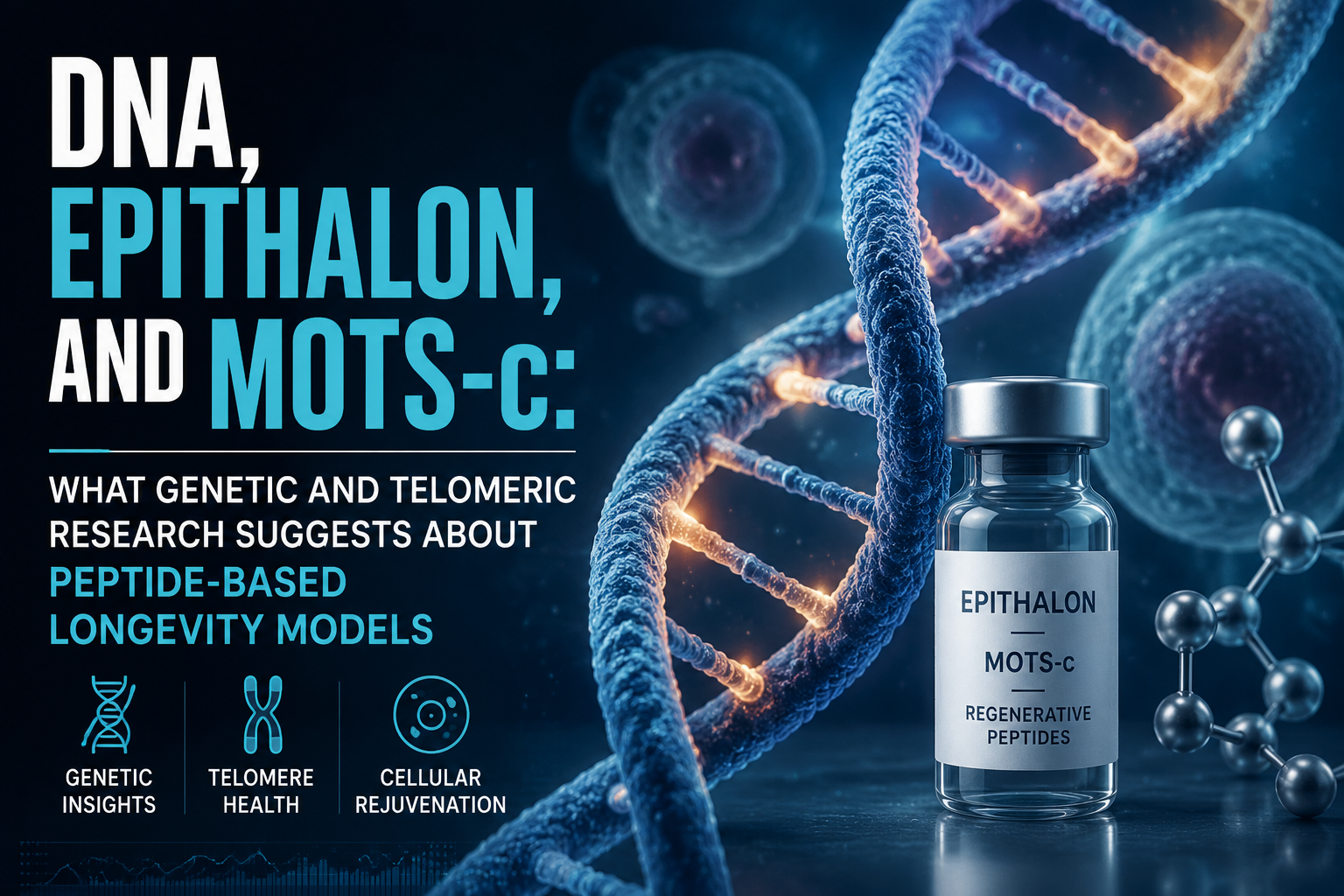
Telomeres shorten by roughly 25–200 base pairs with every cell division — a biological clock that researchers have spent decades trying to slow or reverse. That measurable, molecular countdown is precisely why the study of DNA, Epithalon, and MOTS-c: What Genetic and Telomeric Research Suggests About Peptide-Based Longevity Models has attracted serious attention in preclinical science. Two peptides — Epithalon and MOTS-c — have emerged from this field with distinct but potentially complementary mechanisms, offering researchers a framework for studying multiple aging hallmarks at the genetic level.

Key Takeaways

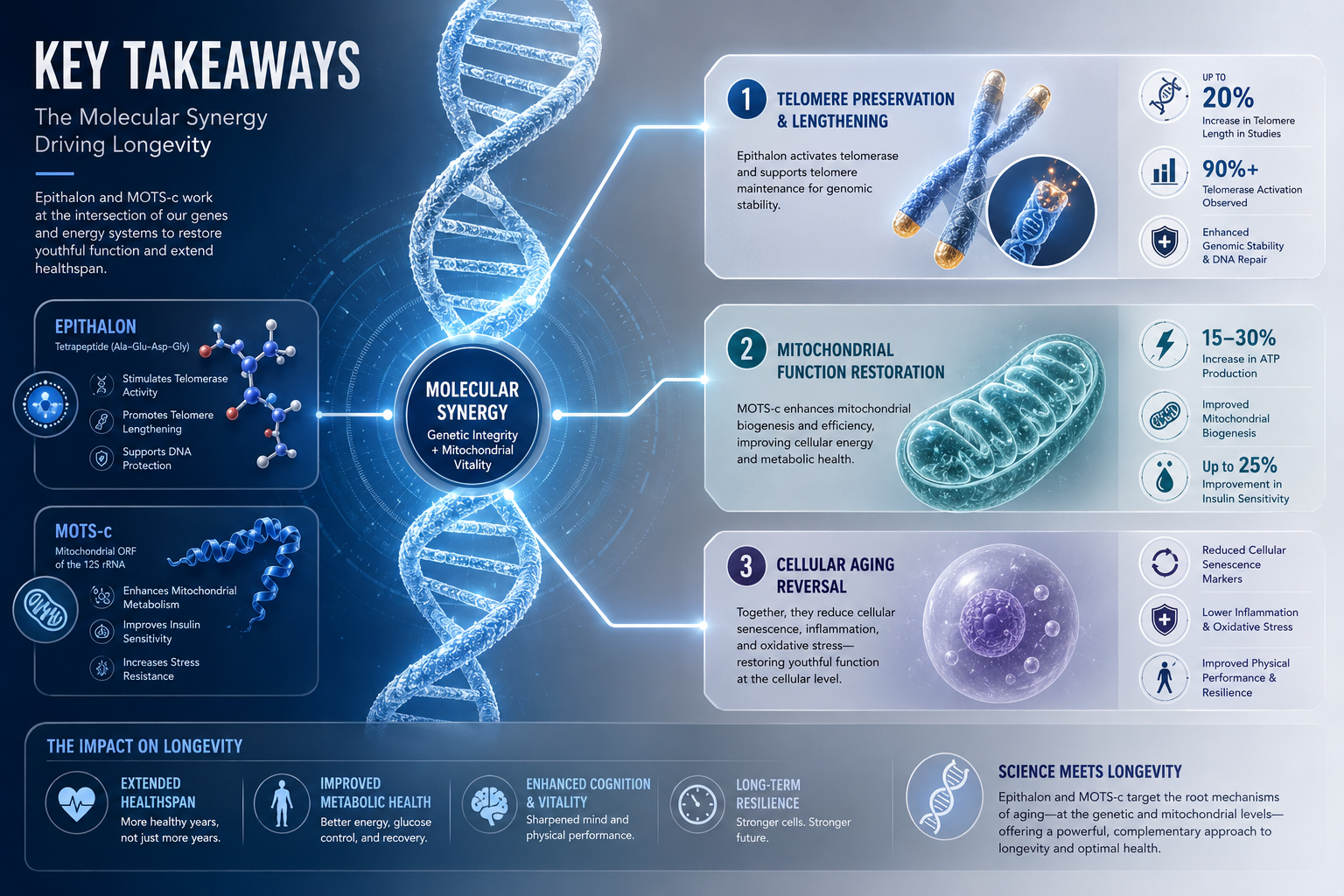
  • Epithalon is a synthetic tetrapeptide studied for its ability to activate telomerase and extend telomere length in cell and animal models.
  • MOTS-c is a mitochondrial-derived peptide that travels to the cell nucleus and regulates metabolism through AMPK activation and NAD+ modulation.
  • MOTS-c plasma levels decline by nearly 21% between young adulthood and ages 70-81, making it a quantifiable aging biomarker.
  • Both peptides target different hallmarks of aging, suggesting complementary use in multi-endpoint research protocols.
  • Current evidence is largely preclinical; independent replication and large-scale trials remain limited.

Key Takeaways

How Epithalon Interacts With Telomeric DNA

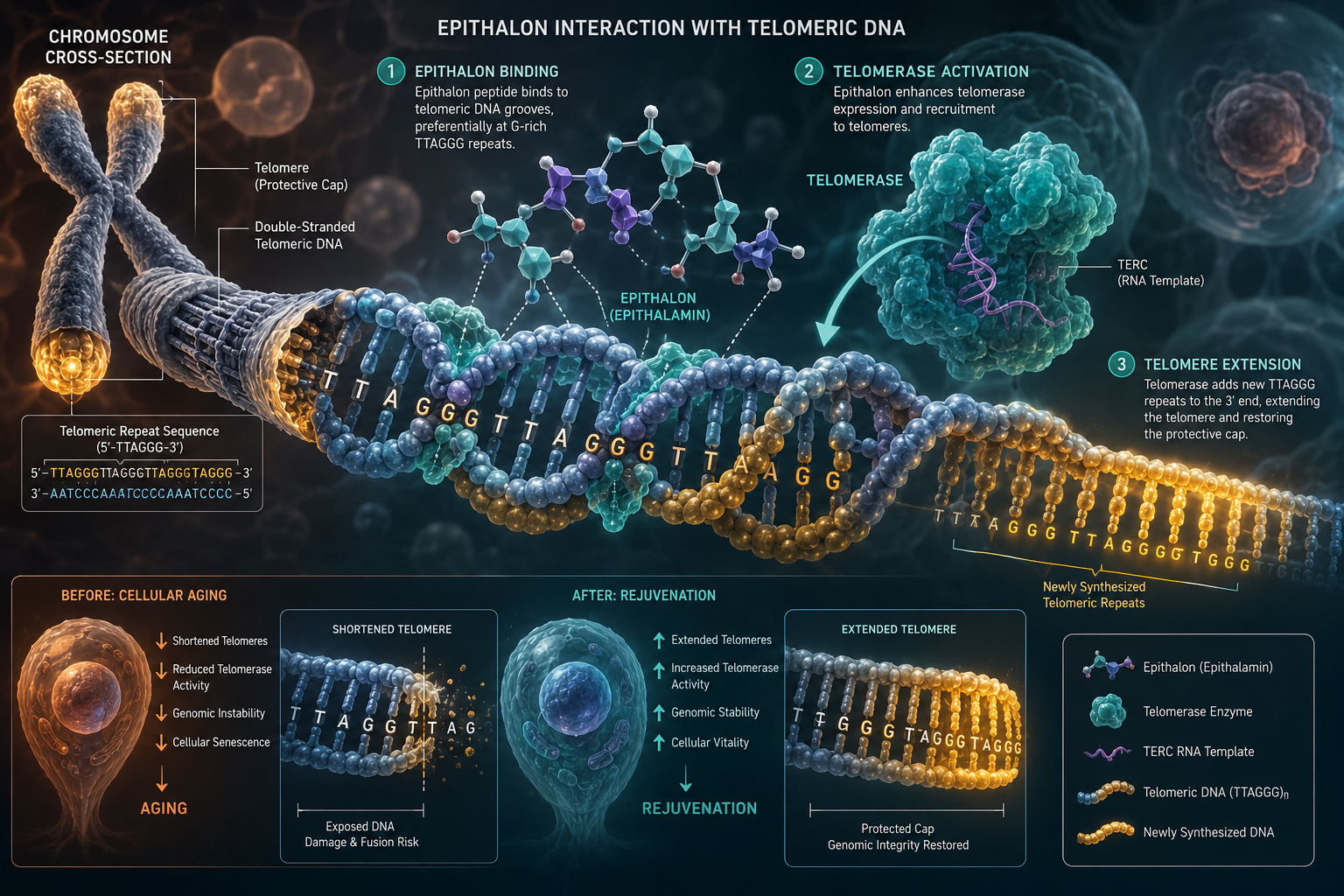
Epithalon (Ala-Glu-Asp-Gly) is a four-amino-acid peptide first synthesized from the pineal gland extract Epithalamin. In laboratory models, it activates telomerase — the enzyme responsible for adding protective nucleotide sequences to chromosome ends. When human fetal fibroblasts were exposed to Epithalon, researchers observed measurable telomere elongation alongside continued cell division beyond typical senescence thresholds.

In animal studies, lifespan extensions of 11-25% were recorded in mice, with approximately 16% extensions observed in fruit fly models. These are striking figures in longevity research. However, a critical limitation must be noted: the majority of these findings originate from a single research group, and independent replication remains sparse. No large-scale, double-blind, placebo-controlled trials have been conducted by outside investigators.

Common lab endpoints when studying Epithalon include:

  • Telomere length measurement via quantitative PCR or Southern blot
  • Telomerase reverse transcriptase (TERT) gene expression levels
  • Circadian gene normalization (Epithalon has been shown to restore nocturnal melatonin peaks in aged rats)
  • Cell division count beyond the Hayflick limit

Researchers interested in Epithalon peptides for experimental models should also account for its pharmacokinetics: plasma half-life is under 30 minutes, yet downstream gene-regulatory effects may persist 24-72 hours post-administration.

A note on safety in research models: Short-term animal studies showed no significant toxicity. However, because elevated telomerase activity is also a feature of cancer cells, long-term oncogenic risk remains a theoretical concern that researchers must factor into study design.


How Epithalon Interacts With Telomeric DNA

MOTS-c, Mitochondrial DNA, and Nuclear Gene Regulation

MOTS-c (Mitochondrial Open Reading Frame of the Twelve S rRNA-c) is encoded not in nuclear DNA but in mitochondrial DNA — a distinction that makes it biologically unique. Under metabolic stress, MOTS-c translocates from the mitochondria to the cell nucleus, where it directly influences gene expression related to metabolism and stress response.

Its primary mechanism involves AMPK activation, a master energy-sensing pathway. This leads to improved glucose clearance, enhanced insulin sensitivity, and elevated NAD+ levels — all biomarkers that decline measurably with age. Research on the MOTS-c mitochondrial peptide highlights that circulating MOTS-c levels drop by nearly 21% in individuals aged 70-81 compared to those aged 18-30, establishing it as a quantifiable aging biomarker.

Documented research endpoints for MOTS-c studies:

Endpoint Observed Effect
AMPK phosphorylation Increased in skeletal muscle
NAD+ levels Elevated following administration
Glucose clearance Improved insulin sensitivity
Physical performance Enhanced in aged mouse models over 2 weeks
Skin collagen Increased via IL-6 reduction

For researchers exploring MOTS-c and mitochondrial dynamics, the skin collagen finding is particularly notable: MOTS-c reduced IL-6, a key inflammatory mediator of collagen degradation, in 6-week-old mouse models.


MOTS-c, Mitochondrial DNA, and Nuclear Gene Regulation

Research Protocols Combining DNA, Epithalon, and MOTS-c: What Genetic and Telomeric Research Suggests About Peptide-Based Longevity Models

Because Epithalon and MOTS-c operate through separate mechanisms — telomerase activation versus AMPK-driven metabolic regulation — combining them in a single protocol allows researchers to probe multiple aging hallmarks simultaneously. This multi-target approach reflects a broader shift in longevity science away from single-pathway models.

"Aging is not a single-gene problem. Studying peptides that address telomeric integrity and mitochondrial signaling together reflects the biological complexity of cellular senescence."

Researchers working within this framework often pair these peptides with complementary agents. The SS-31 mechanism and mitochondrial protection research provides additional context for mitochondrial-targeted protocols. Similarly, GHK-Cu longevity research themes offer a parallel track focused on extracellular matrix remodeling and gene expression.

For a broader view of mitochondrial aging research, the mitochondrial longevity focus resource outlines how MOTS-c fits within a larger experimental landscape that includes compounds like NAD+ precursors and related metabolic modulators.

Standard dual-protocol design considerations:

  • Establish baseline telomere length, TERT expression, and AMPK activity before intervention
  • Use age-matched control groups with verified MOTS-c plasma levels
  • Measure NAD+, glucose tolerance, and inflammatory markers (IL-6, TNF-alpha) at defined intervals
  • Include circadian rhythm assessments when Epithalon is part of the protocol

Researchers exploring broader peptide longevity stacks may also find value in reviewing Vesugen, Vilon, and Chonluten longevity peptide research for comparative gene-regulatory data.


Conclusion

The intersection of DNA, Epithalon, and MOTS-c: What Genetic and Telomeric Research Suggests About Peptide-Based Longevity Models represents one of the more scientifically grounded areas of peptide research in 2026. Epithalon's telomerase-activating properties and MOTS-c's mitochondrial-to-nuclear signaling offer complementary tools for studying cellular aging at the genetic level.

Actionable next steps for researchers:

  1. Review existing telomerase activation literature before designing Epithalon endpoints to avoid replicating single-source data without controls.
  2. Measure baseline MOTS-c plasma levels as a quantifiable aging biomarker in any metabolic aging study.
  3. Incorporate NAD+ and AMPK assays as standard endpoints when MOTS-c is part of the protocol.
  4. Design studies with independent verification methods to address the reproducibility gap in current Epithalon literature.
  5. Consult the MOTS-c and SLU-PP-332 research overview for emerging data on AMPK-pathway synergies.

The science is promising but still maturing. Rigorous, independently replicated research remains the highest priority for advancing peptide-based longevity models from preclinical observation to validated biological insight.

https://www.puretestedpeptides.com/wp-content/uploads/2026/06/DNA-Epithalon-and-MOTS-c-What-Genetic-and-Telomeric-Research-Suggests-About-Peptide-Based-Longevity-Models.png 1024 1536 Pure Tested https://www.puretestedpeptides.com/wp-content/uploads/2026/01/buy-peptides-online.jpg Pure Tested2026-06-25 13:04:322026-07-20 15:02:17DNA, Epithalon, and MOTS-c: What Genetic and Telomeric Research Suggests About Peptide-Based Longevity Models
×

Helpful Links

  • My account
  • Cart
  • Checkout
  • Refund and Returns Policy
  • Privacy Policy
  • SMS Privacy Policy
  • Login
  • My Account
  • Logout

USA Made Lab Tested Peptides

All products are sold for research, laboratory, or analytical purposes only, and are not for human consumption


Pure Tested Peptides is a chemical supplier. Pure Tested Peptides is not a compounding / chemical compounding facility as defined under 503A of the Federal Food, Drug, and Cosmetic act. Pure Tested Peptides is not an outsourcing facility as defined under 503B of the Federal Food, Drug, and Cosmetic act.

The statements made within this website have not been evaluated by the US Food and Drug Administration. The products we offer are not intended to diagnose, treat, cure or prevent any disease.

Human/Animal Consumption Prohibited. Laboratory/In-Vitro Experimental Use Only

Scroll to top Scroll to top Scroll to top