Call or Text 727-513-9780
  • Shopping Cart Shopping Cart
    0Shopping Cart
Pure Tested Peptides | America's most trusted Peptides for sale online
  • Peptides for sale
    • Oral Peptides for sale
      • Peptide Capsules for sale
      • BPC 157 Capsules 1000mcg
      • SLU-PP-332 Capsules | 1000 mcg
      • 5-Amino-1MQ 50mg Capsules
      • Tesofensine 500mcg
    • All Peptides for sale
    • Peptide Sprays
      • BPC 157 Nasal Spray Kit
      • BPC-157 TB500 Nasal Spray Kit
      • Semax Nasal Spray 10mg
      • Selank – Nasal Spray Kit – 10mg
      • Epithalon 50MG Nasal Spray Kit
      • Ipamorelin 10mg Nasal Spray
      • Klow Nasal Spray (BPC-157 + TB-500 + GHK-Cu + KPV) | 80mg
      • Hulk Nasal Spray Tesa / Ipa Blend 6/3 MG
      • Klow Nasal Spray
      • NAD + 500 mg Nasal Spray
      • PT-141 Nasal Spray Kit
    • GHRH Peptides
      • Ipa Peptides
      • CJC-1295 Peptides
        • CJC-1295 with DAC 5 mg
        • CJC-1295 without DAC 5 mg
        • CJC-1295 Ipa 10mg
      • Tesa Peptides
        • Tesa Peptide
        • Tesa 20 mg
    • GHK-Cu Peptides
      • All GHK-Cu Peptides
      • GHK-Cu 100mg
      • KLOW Peptide Blend – Buy KLOW blend online
    • BPC Peptides
      • All BPC Peptides
      • BPC-157
      • BPC-157 TB-500
      • BPC 157 capsules 1000mcg
    • SLU-PP-332 Peptides
      • All SLU-PP-332 Peptides
      • SLU-PP-332 5mg
    • GLP3 Peptides
      • GLP3-R
      • GLP3-R CAG 10mg
      • GLP3-R 20mg
    • PT-141 Peptides
      • PT-141 Peptides for sale
      • PT-141 10mg
      • PT-141 Nasal Spray
    • CAG Peptides
      • Lipo-C Peptide Blend
      • CAG 5mg
      • CAG 10mg
    • MOTS-C Peptides
      • MOTS-C Peptides for sale
      • MOTS-c peptide
      • MOTS-c 10mg *6 pack*
    • 5 Amino 1MQ Peptides
      • 5 Amino 1MQ Peptides for sale
      • 5-Amino-1MQ 50mg Capsules
      • 5-Amino-1MQ 5mg
    • Epithalon Peptides
      • Epithalon Peptides for sale
      • Epithalon 10mg
      • Epithalon 50mg
  • Shop
    • GLPs
      • 5-Amino-1MQ 50mg Capsules
      • 5-Amino-1MQ 5mg
      • GLP3-Reta
      • L-Carnitine 500mg/ml
      • Tesofensine 500mcg
      • SLU-PP-332 5mg
      • MOTS-c 10mg *6 pack*
    • Epithalon & BPC Peptides
      • Epithalon 10mg
      • Epithalon 50mg
      • BPC-157
      • BPC 157 capsules 1000mcg
      • BPC-157 TB-500
      • BPC-157 TB500 Nasal Spray Kit
      • BPC 157 Nasal Spray Kit
    • BPC TB-500 & NAD+ Peptides
      • NAD+ 500 mg
      • KLOW Peptide Blend – Buy KLOW blend online
      • GLOW Peptide Blend
      • TB 500 5mg
      • BPC 157 capsules 1000mcg – Supplement
      • BPC 157 Nasal Spray Kit
      • BPC-157
      • BPC-157 TB500 Nasal Spray Kit
      • BPC-157 TB-500
      • BPC 157 capsules 1000mcg
    • LL-37 Peptide
      • LL-37 10 mg
    • MOTS-C & Selank
      • MOTS-c peptide
      • Selank 10mg
    • GHK Peptides
      • GHK-Cu 100mg
      • GLOW Peptide Blend
      • KLOW Peptide Blend – Buy KLOW blend online
  • COAs
  • Wholesale
    • Wholesale Peptides for sale
  • PTP FAQ
  • Affiliates
    • Affiliate Program
    • Affiliate Signup
  • Contact
    • Contact Customer Service
    • Text Customer Support
  • About US
  • Shop all peptides
  • Login / Register Login / Register Page Link Login / Register Page Link
  • Click to open the search input field Click to open the search input field Search
  • Menu Menu

Tag Archive for: nad+ restoration

SLUPP332 and 5‑Amino‑1MQ in Obesity Research: Building Mitochondrial and NNMT‑Targeted Multi‑Peptide Protocols

SLUPP332 and 5‑Amino‑1MQ in Obesity Research: Building Mitochondrial and NNMT‑Targeted Multi‑Peptide Protocols

June 14, 2026/0 Comments/in Uncategorized/by

Obesity affects more than one billion people globally, yet most research compounds still target only appetite or caloric intake — leaving the mitochondrial and enzymatic roots of metabolic dysfunction largely unaddressed. The convergence of SLUPP332 and 5-Amino-1MQ in obesity research opens a distinct experimental avenue: building mitochondrial and NNMT-targeted multi-peptide protocols that act on energy production and fat storage simultaneously, rather than suppressing hunger alone.

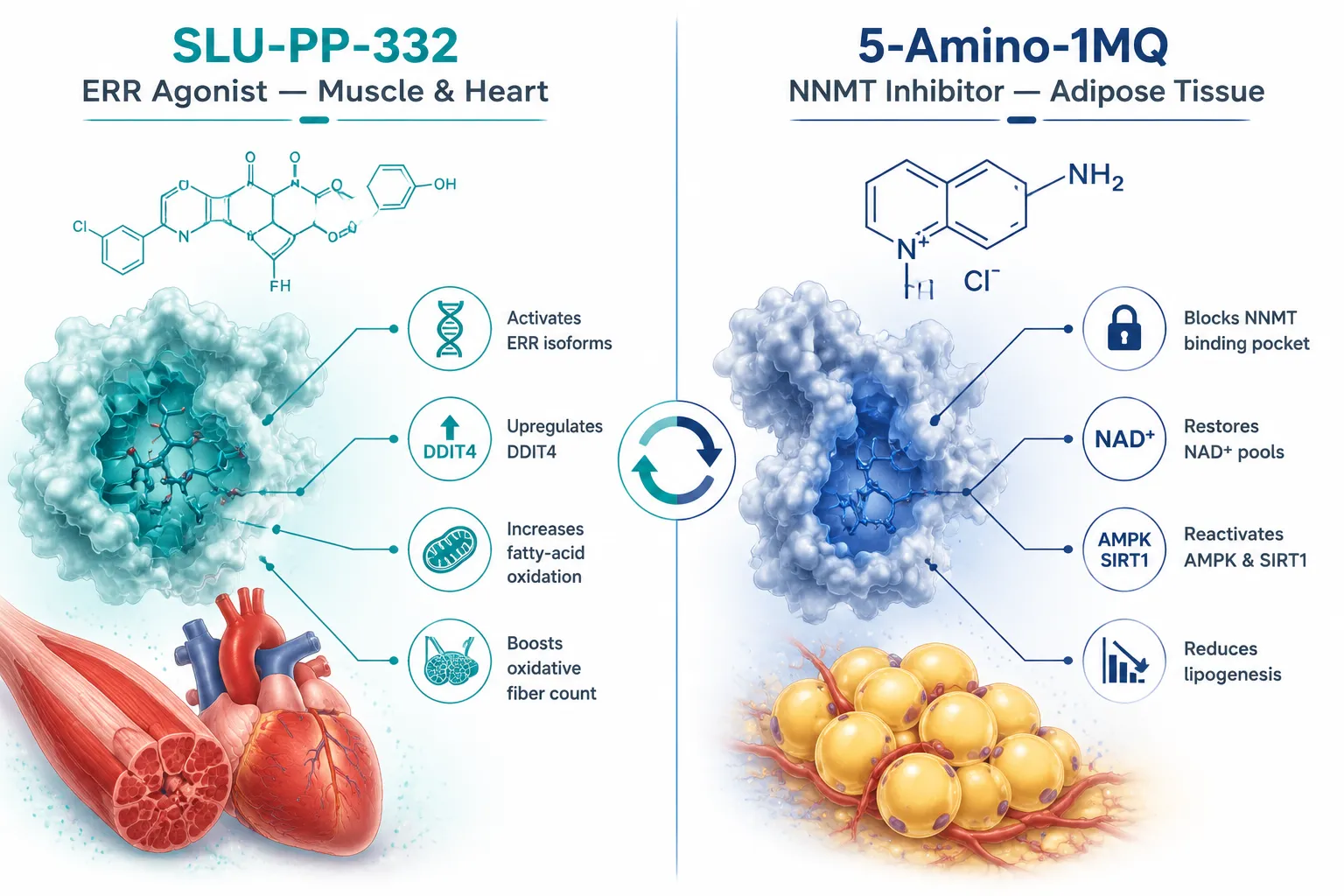
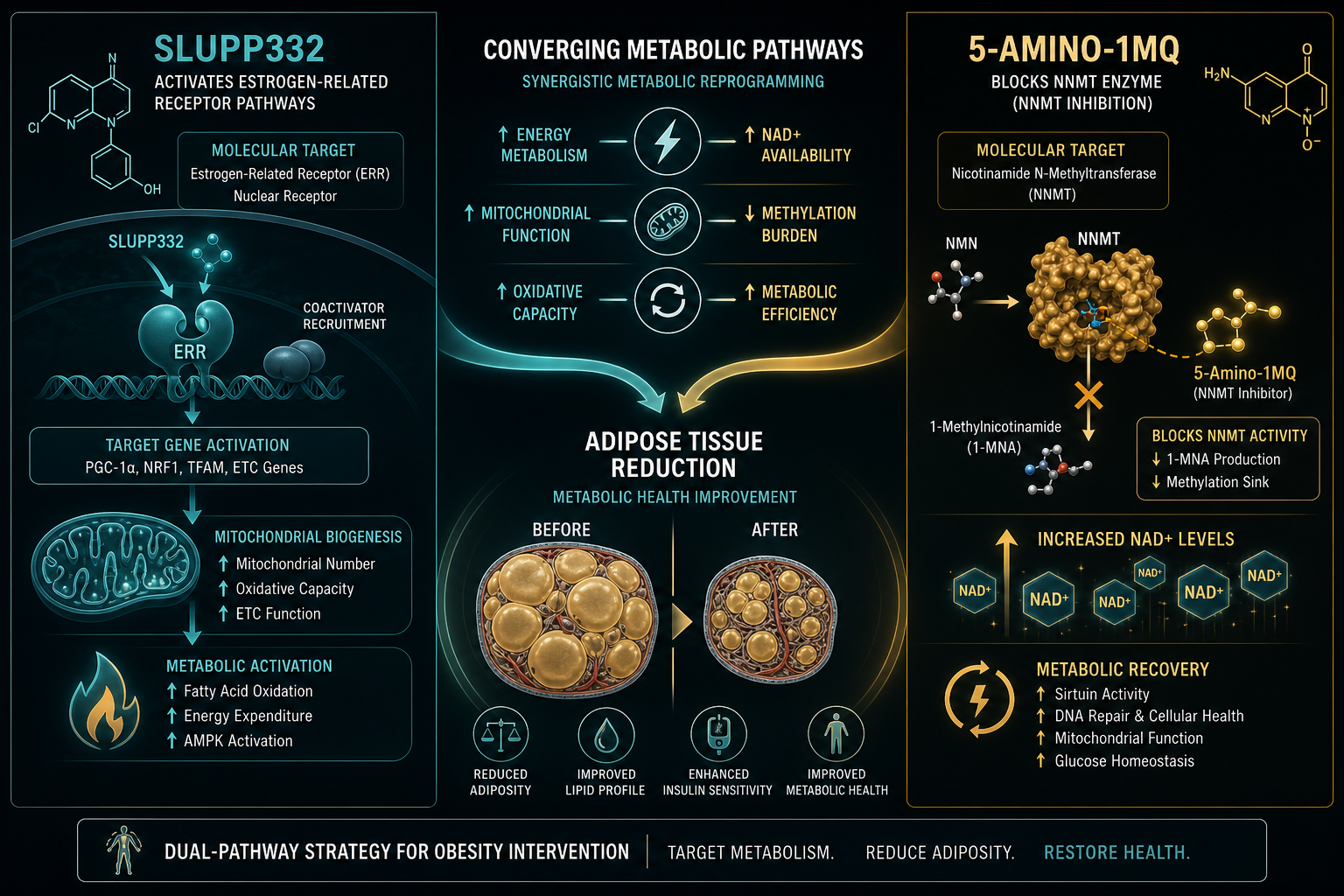
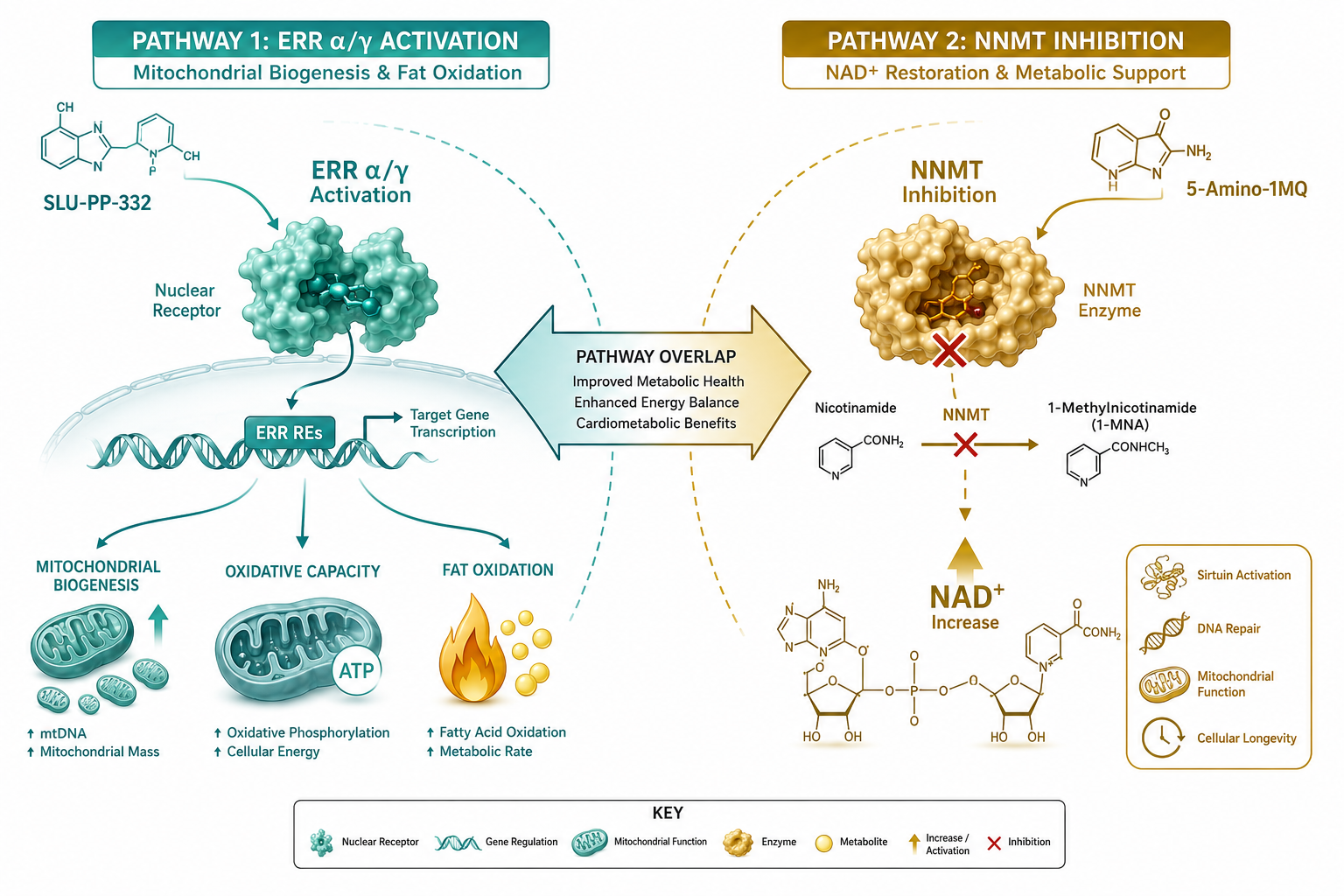
Detailed () scientific illustration showing a split-panel diagram: left side depicts SLUPP332 activating estrogen-related

Key Takeaways

  • 5-Amino-1MQ inhibits NNMT to raise cellular NAD+ and activate SIRT1, shifting adipose tissue toward a leaner metabolic phenotype.
  • SLUPP332 activates estrogen-related receptors (ERRs), directly driving mitochondrial biogenesis and oxidative capacity.
  • Combining both compounds with MOTS-C or GLP-1-based peptides creates layered, complementary mechanisms in preclinical models.
  • Endpoint selection — energy expenditure, insulin sensitivity, adipocyte size — is critical to meaningful experimental design.
  • All compounds discussed remain research-stage; no human clinical trials have been published as of 2026.

Mechanistic Foundations: What SLUPP332 and 5-Amino-1MQ Each Bring

Understanding why these two compounds are studied together starts with their distinct but complementary targets.

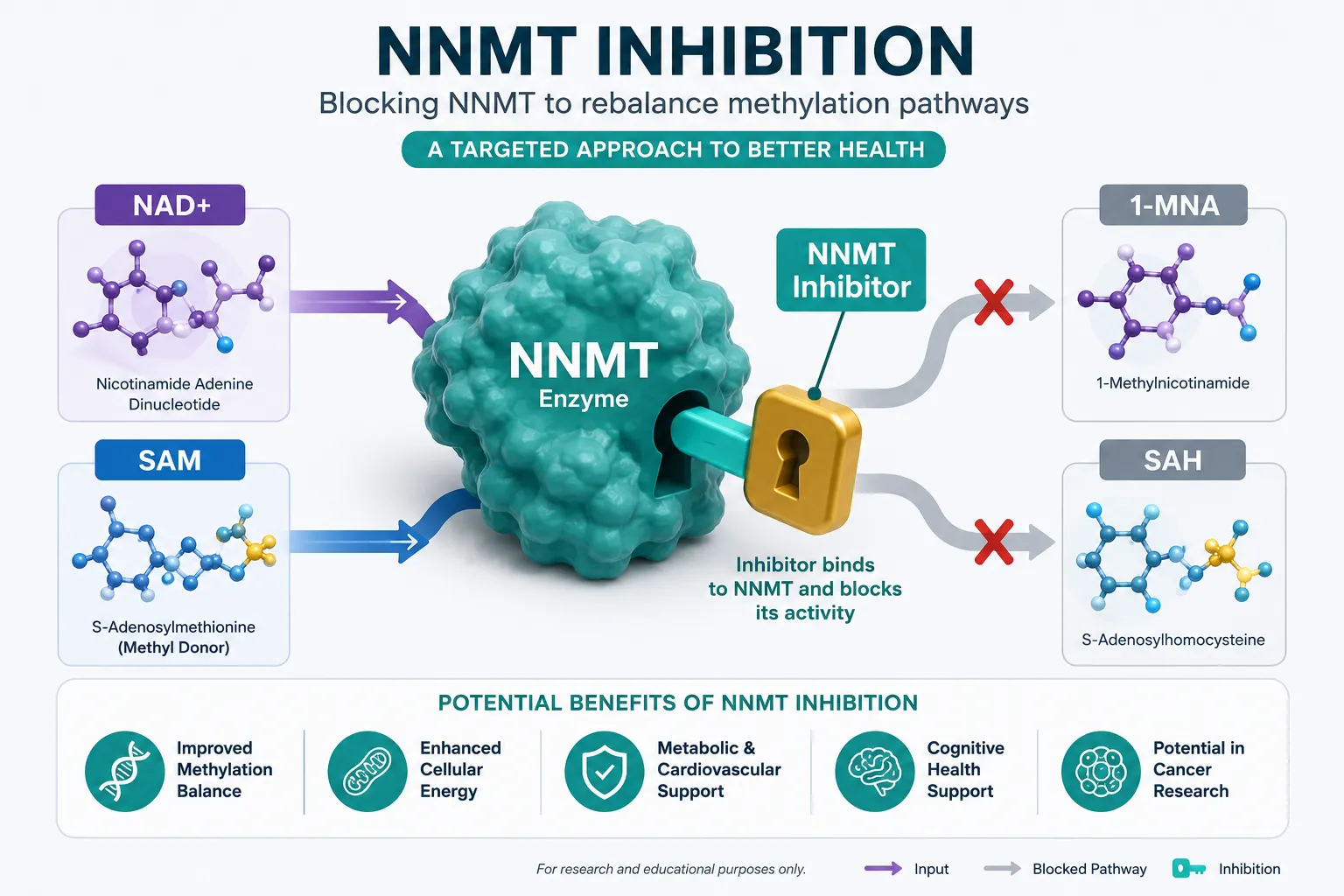
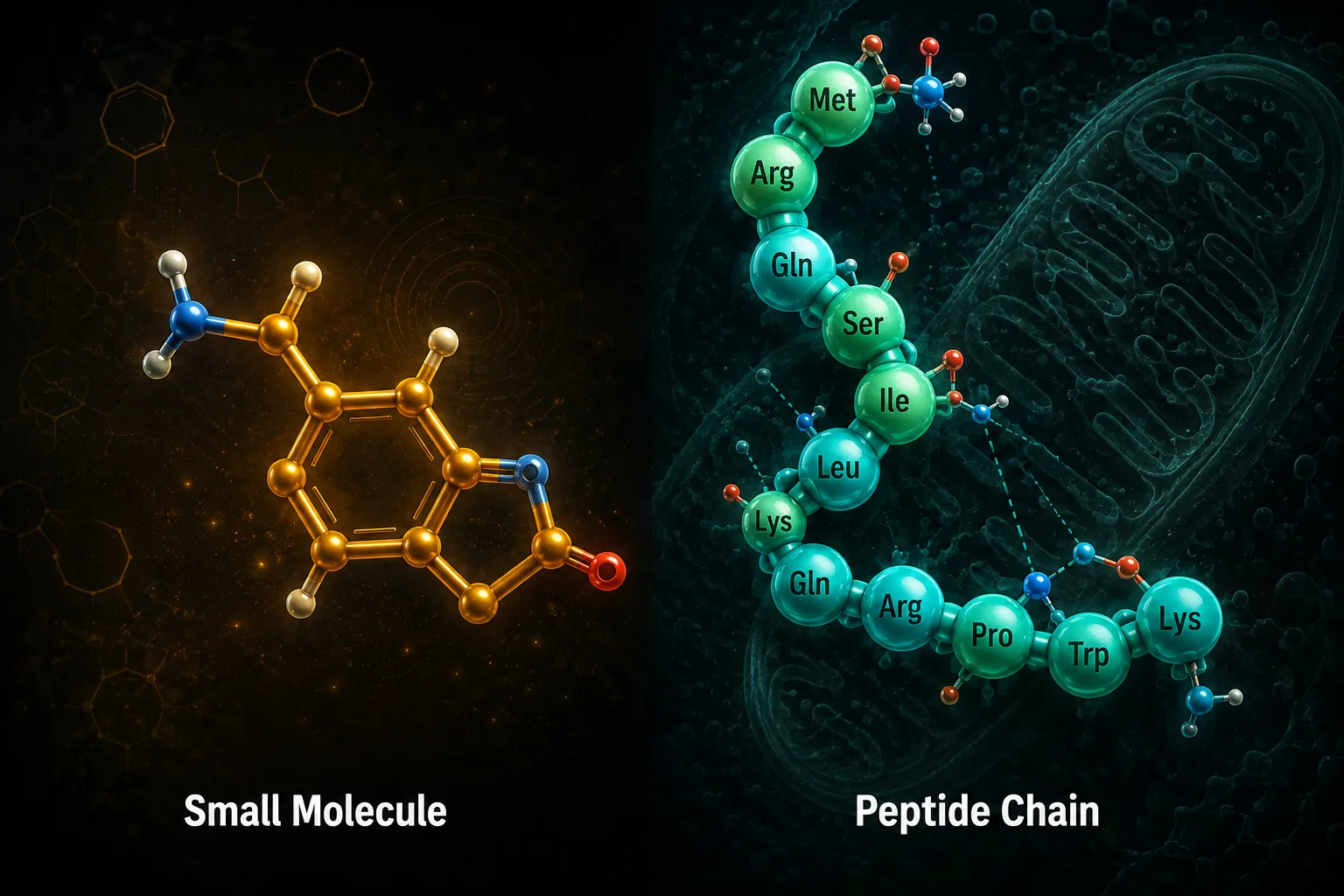
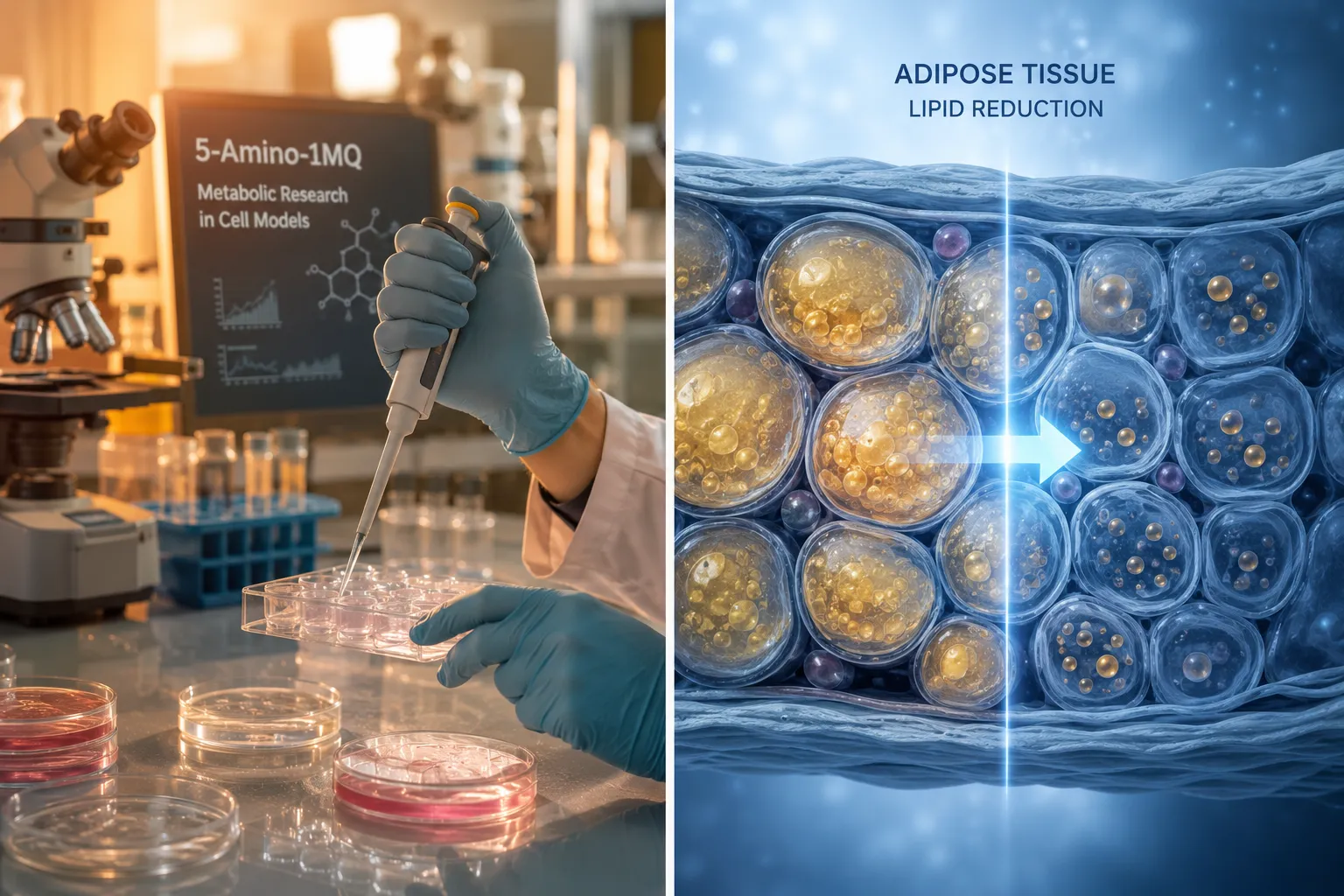
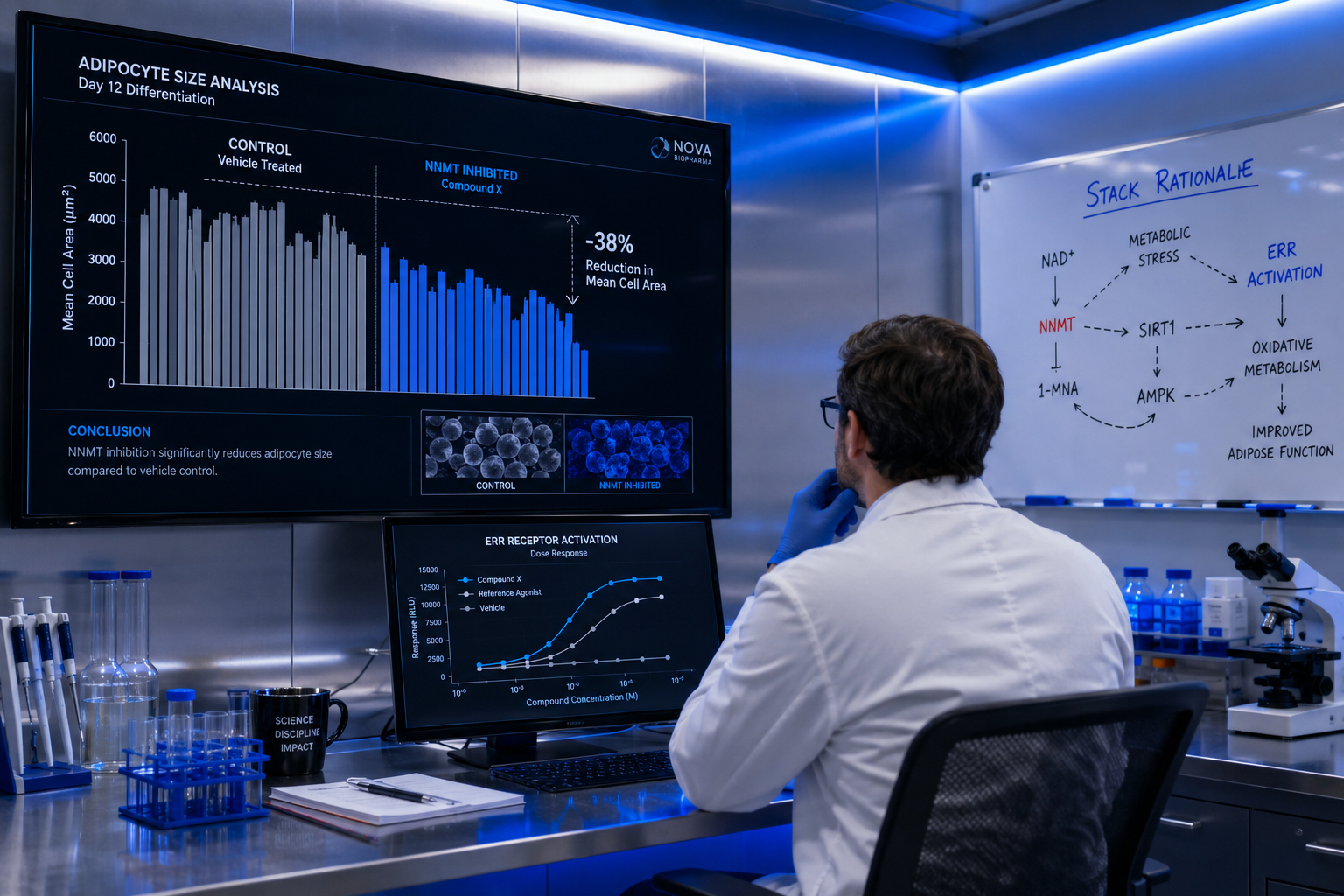
5-Amino-1MQ is a small-molecule inhibitor of nicotinamide N-methyltransferase (NNMT), an enzyme overexpressed in the adipose tissue of obese subjects. When NNMT is overactive, it consumes SAM (S-adenosylmethionine) and depletes the methyl donor pool, suppressing NAD+ availability. By blocking NNMT, 5-Amino-1MQ restores NAD+ levels and activates SIRT1 — a deacetylase that promotes a lean, energy-expending cellular state. In diet-induced obese mouse models, this mechanism produced measurable reductions in body weight, white adipose tissue mass, and adipocyte size without altering food intake. For a deeper look at the compound's research profile, see the 5-Amino-1MQ research and data page.

SLUPP332 (SLU-PP-332) is a synthetic ERR (estrogen-related receptor) agonist. ERRs are nuclear receptors that govern mitochondrial biogenesis, fatty acid oxidation, and oxidative phosphorylation gene networks. Activating ERRs with SLUPP332 essentially instructs cells to build more mitochondria and burn more fuel — an effect sometimes described as "exercise mimicry" at the molecular level. Research on SLUPP332 oral and subcutaneous evidence outlines the current understanding of its bioavailability and tissue distribution.

Compound Primary Target Key Downstream Effect
5-Amino-1MQ NNMT inhibition NAD+ elevation, SIRT1 activation
SLUPP332 ERR agonism Mitochondrial biogenesis, fat oxidation
MOTS-C AMPK activation Metabolic flexibility, glucose uptake

Experimental Design for SLUPP332 and 5-Amino-1MQ in Obesity Research: Building Mitochondrial and NNMT-Targeted Multi-Peptide Protocols

Experimental Design for SLUPP332 and 5-Amino-1MQ in Obesity Research: Building Mitochondrial and NNMT-Targeted Multi-Peptide

Rigorous experimental design is what separates publishable data from noise. When planning a dual-compound study, three decisions matter most: model selection, endpoint battery, and dosing schedule.

Model Selection

Diet-induced obesity (DIO) mouse models remain the standard because they replicate the high-fat, sedentary phenotype seen in human metabolic syndrome. Genetic models (ob/ob, db/db) are useful for isolating specific pathways but may not reflect the NNMT overexpression pattern that makes 5-Amino-1MQ relevant. For SLUPP332, aged DIO models are particularly informative because ERR activity naturally declines with age.

Endpoint Battery

A meaningful protocol should measure:

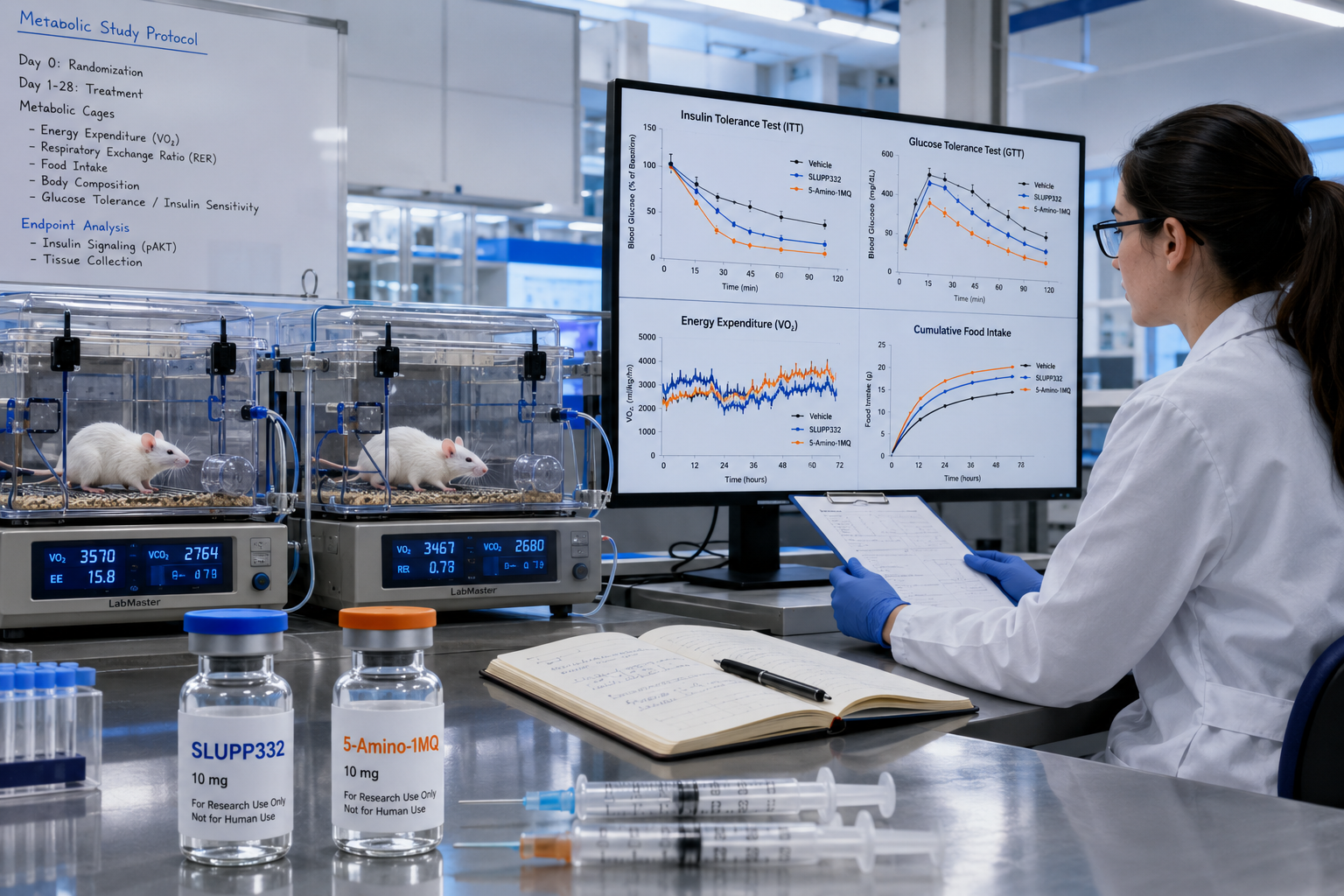
  • Indirect calorimetry (VO2, VCO2, respiratory exchange ratio) to quantify energy expenditure shifts
  • Glucose tolerance and insulin sensitivity tests (GTT/ITT) to capture metabolic flexibility
  • Adipocyte morphology via histology — adipocyte size is a sensitive marker of lipid mobilization
  • Mitochondrial density in skeletal muscle and brown adipose tissue via electron microscopy or citrate synthase activity
  • Plasma NAD+ metabolomics to confirm NNMT inhibition is pharmacologically active

Dosing Considerations

Preclinical data suggest 5-Amino-1MQ at 50-100 mg/kg orally, with a half-life of roughly 4-6 hours, requiring once or twice-daily administration. SLUPP332 dosing varies by route; researchers should consult the SLUPP332 research overview for current preclinical parameters. Running a 4-week washout arm between single-agent and combination phases helps isolate additive versus synergistic effects.


Building Complex Stacks: Adding GLP-Based and Mitochondrial Peptides

Building Complex Stacks: Adding GLP-Based and Mitochondrial Peptides

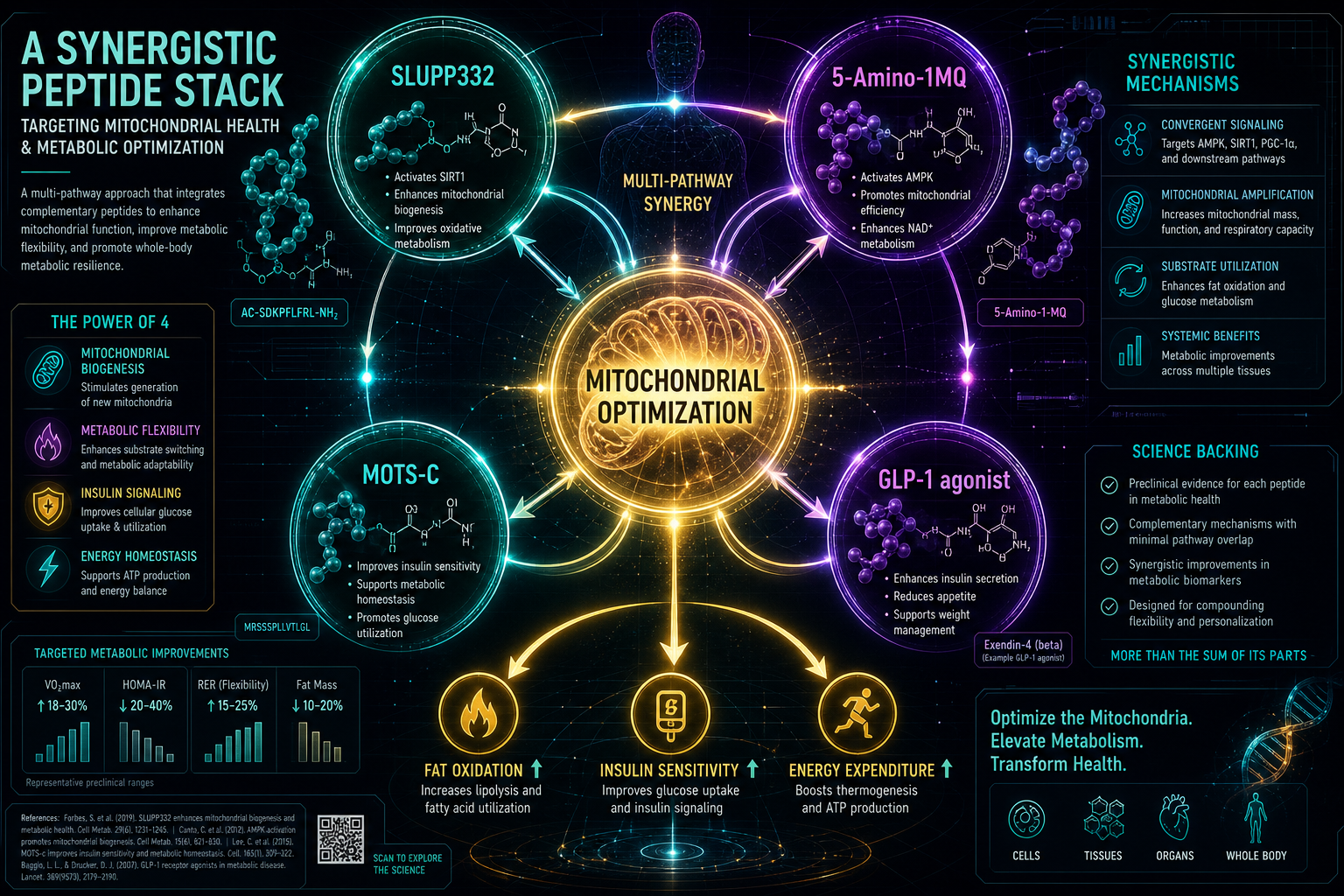
The most compelling frontier in SLUPP332 and 5-Amino-1MQ in obesity research is their integration into broader multi-peptide protocols targeting mitochondrial and NNMT pathways alongside appetite and hormonal regulators.

MOTS-C is a mitochondria-derived peptide that activates AMPK, improving glucose utilization and metabolic flexibility. Its mechanism complements both SLUPP332 (upstream mitochondrial biogenesis) and 5-Amino-1MQ (NAD+ restoration), creating a three-node mitochondrial stack. Research on MOTS-C mitochondrial dynamics supports its use as a third agent in such protocols.

GLP-1-based peptides address the appetite and incretin axis that SLUPP332 and 5-Amino-1MQ do not directly target. Combining a GLP-1 agonist with NNMT inhibition may produce additive body composition effects: the GLP-1 agent reduces caloric intake while 5-Amino-1MQ and SLUPP332 improve the metabolic efficiency of remaining calories. For context on GLP-1 evolution and receptor pharmacology, the generations of GLP-1 differences article provides useful background. Similarly, cagrilintide synergy with GLP-1 illustrates how dual hormonal targeting is already being explored in research models.

SS-31, a mitochondria-targeted antioxidant peptide, is another candidate for stack inclusion when oxidative stress is a confounding variable. Its role in protecting inner mitochondrial membrane integrity is detailed in SS-31 mitochondrial research themes.

"The most productive multi-peptide stacks in obesity research are not simply additive — they are architecturally designed, with each compound addressing a distinct node in the metabolic failure cascade."

Practical Stack Design Principles

  • Introduce compounds sequentially in pilot studies before combining
  • Use vehicle-matched controls for each agent
  • Monitor hepatic enzyme panels and renal markers throughout
  • Confirm each compound reaches its target tissue before attributing endpoint changes to combination effects

Conclusion

The pairing of SLUPP332 and 5-Amino-1MQ in obesity research represents a scientifically grounded approach to building mitochondrial and NNMT-targeted multi-peptide protocols that go beyond appetite suppression. SLUPP332 drives mitochondrial biogenesis via ERR activation; 5-Amino-1MQ restores NAD+ by blocking NNMT; together, they address two of the most underexplored nodes in metabolic dysfunction.

For researchers designing studies in 2026, the actionable next steps are clear: select DIO models that reflect NNMT overexpression, deploy a full endpoint battery including indirect calorimetry and insulin sensitivity testing, and consider layering MOTS-C or a GLP-1 agent to build mechanistically complete stacks. All compounds remain research-stage with no approved human applications, so rigorous preclinical design is not optional — it is the foundation on which any future translational work must rest. Explore the latest developments in peptide research to stay current as this field evolves rapidly.

https://www.puretestedpeptides.com/wp-content/uploads/2026/06/SLUPP332-and-5‑Amino‑1MQ-in-Obesity-Research-Building-Mitochondrial-and-NNMT‑Targeted-Multi‑Peptide-Protocols.png 1024 1536 https://www.puretestedpeptides.com/wp-content/uploads/2026/01/buy-peptides-online.jpg 2026-06-14 13:04:582026-06-14 13:04:58SLUPP332 and 5‑Amino‑1MQ in Obesity Research: Building Mitochondrial and NNMT‑Targeted Multi‑Peptide Protocols
Slupp332 With 5-Amino-1MQ: How Researchers Think About Pairing NNMT Modulation With Metabolic Peptides

Slupp332 With 5-Amino-1MQ: How Researchers Think About Pairing NNMT Modulation With Metabolic Peptides

June 12, 2026/0 Comments/in Uncategorized/by

NAD+ depletion and impaired mitochondrial biogenesis rarely occur in isolation — which is exactly why researchers studying metabolic dysfunction have begun examining compound pairings rather than single-agent approaches. The question of Slupp332 with 5-Amino-1MQ: how researchers think about pairing NNMT modulation with metabolic peptides sits at the intersection of two distinct but overlapping biological mechanisms, and understanding the logic behind that pairing requires unpacking each compound's role before examining where they converge.

Both SLU-PP-332 and 5-Amino-1MQ are designated for research use only and are not approved for human therapeutic use. All data discussed here comes from preclinical studies.

Key Takeaways

  • SLU-PP-332 activates estrogen-related receptors (ERRalpha/gamma) to drive mitochondrial biogenesis and fat oxidation.
  • 5-Amino-1MQ inhibits the NNMT enzyme, preserving NAD+ precursors and raising intracellular NAD+ levels.
  • The two compounds target different but overlapping metabolic pathways, which is the core rationale for studying them together.
  • Preclinical data shows promise for fat reduction and energy metabolism enhancement, but no human clinical trials exist as of 2026.
  • Stacking research compounds increases protocol complexity and requires careful experimental design.

Key Takeaways

Distinct Mechanisms: Why Each Compound Earns Its Place

Before exploring the stack logic, it helps to understand what each compound does independently.

SLU-PP-332 acts as an agonist for ERRalpha and ERRgamma — nuclear receptors that regulate genes involved in mitochondrial biogenesis and fatty acid oxidation. When these receptors are activated, cells respond by producing more mitochondria and increasing their capacity to burn fat for fuel. Researchers studying SLU-PP-332 and metabolic research describe it as a tool for probing how nuclear receptor signaling shapes whole-body energy expenditure.

5-Amino-1MQ, by contrast, works upstream in the NAD+ biosynthesis pathway. It inhibits nicotinamide N-methyltransferase (NNMT), an enzyme that methylates nicotinamide and effectively removes it from the NAD+ recycling pool. By blocking NNMT, 5-Amino-1MQ conserves NAD+ precursors, raising intracellular NAD+ in tissues where NNMT activity is highest — particularly adipose tissue. Preclinical animal studies have shown that this inhibition reduces adipocyte size, suggesting a role in fat cell regulation independent of caloric restriction.

Compound Primary Target Key Effect
SLU-PP-332 ERRalpha/gamma receptors Mitochondrial biogenesis, fat oxidation
5-Amino-1MQ NNMT enzyme NAD+ preservation, adipocyte reduction

Distinct Mechanisms: Why Each Compound Earns Its Place

The Stack Rationale Behind Slupp332 With 5-Amino-1MQ and NNMT Modulation

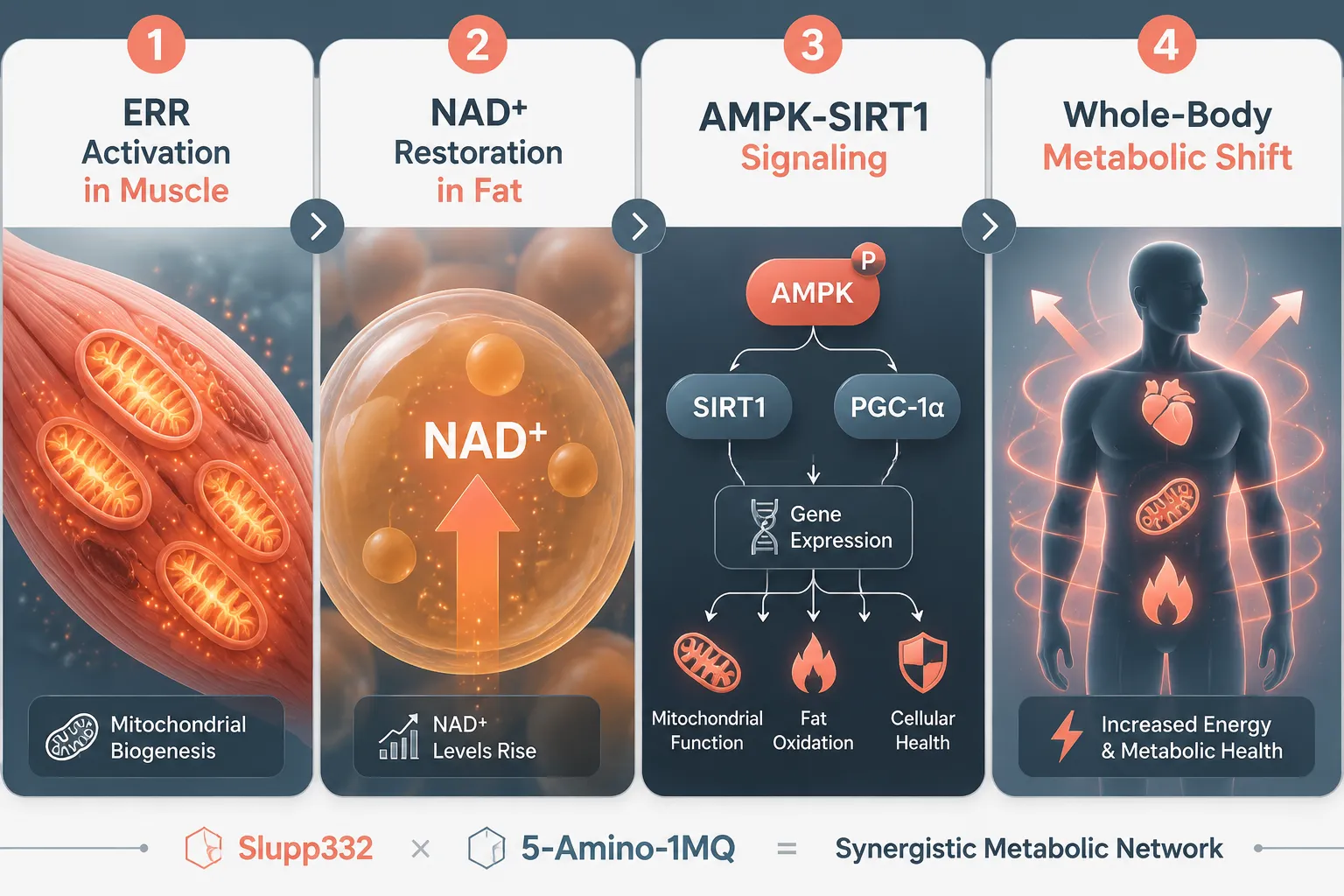
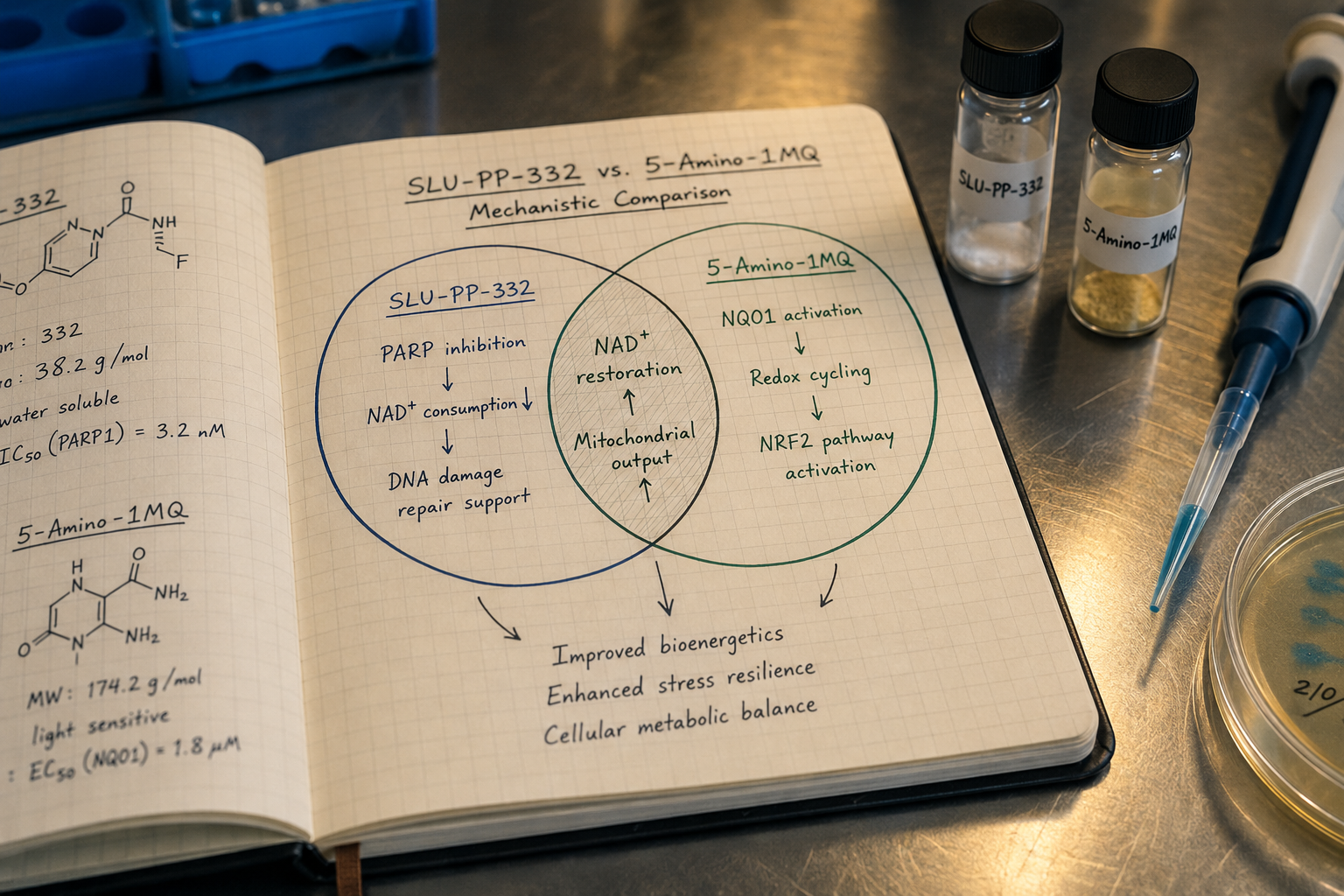
The core logic of pairing these two compounds rests on a straightforward observation: mitochondrial function requires both structural capacity and metabolic fuel. SLU-PP-332 addresses the structural side by stimulating the production of new mitochondria. 5-Amino-1MQ addresses the fuel side by ensuring NAD+ — a critical cofactor in mitochondrial energy production — is available in sufficient quantities.

Researchers describe this as a complementary pathway approach. Rather than pushing a single lever harder, the pairing attempts to remove two separate bottlenecks simultaneously:

  • SLU-PP-332 increases the number and activity of mitochondria via ERR signaling.
  • 5-Amino-1MQ ensures those mitochondria have the NAD+ substrate needed to operate efficiently.

This is similar in concept to how researchers studying MOTS-c and metabolic flexibility examine mitochondrially-derived peptides alongside other metabolic modulators — the goal is always to understand how multiple signals interact rather than studying each in a vacuum.

The hypothesized result is amplified metabolic output — greater fat oxidation and energy efficiency than either compound could produce alone. However, this synergy hypothesis has not yet been validated in human clinical trials as of 2026.

"Stacking compounds increases complexity and the potential for unknown interactions; careful protocol design is essential." — Consistent position across preclinical research literature.

Researchers also note parallels with other dual-mechanism approaches. For example, work on mitochondrial longevity and compounds like SS-31 and mitochondrial dynamics demonstrates that targeting mitochondrial health from multiple angles is a recurring theme in metabolic research.


The Stack Rationale Behind Slupp332 With 5-Amino-1MQ and NNMT Modulation

Safety Considerations and Research Boundaries

Understanding the rationale for pairing NNMT modulation with metabolic peptides also means acknowledging what is not yet known.

Key research boundaries as of 2026:

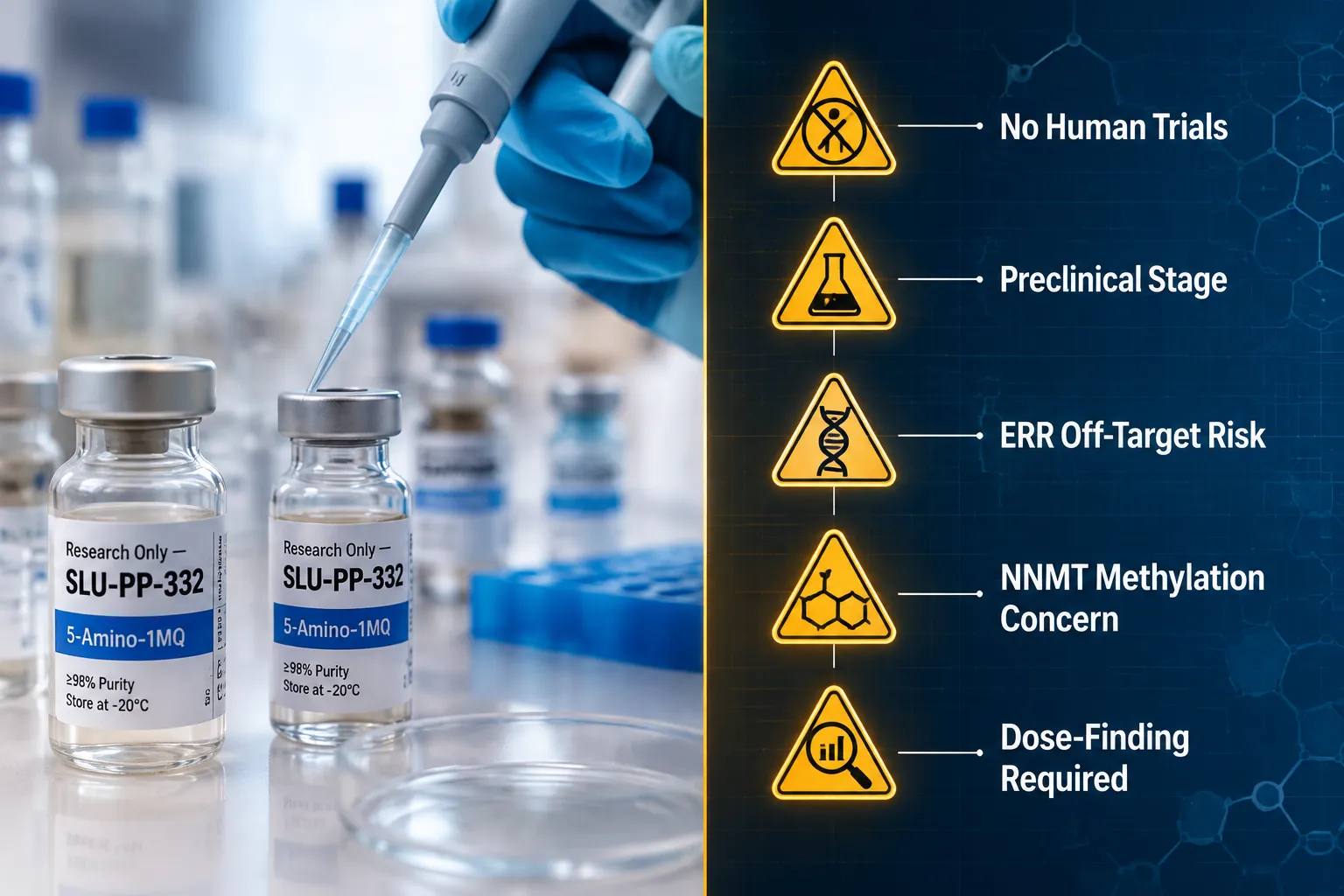
  • No human clinical trials have evaluated this combination's safety or efficacy.
  • All evidence comes from animal models and in vitro studies.
  • Both compounds remain unapproved research chemicals with no FDA-cleared therapeutic indication.
  • Combining compounds introduces the possibility of additive or unexpected interactions that single-compound studies cannot predict.

Researchers approaching this pairing are advised to treat it with the same rigor applied to any novel combination protocol — establishing baseline measurements, controlling variables, and avoiding assumptions that preclinical results will translate directly to other biological systems.

This principle applies broadly across the peptide research space. Whether examining IPA muscle and fat research themes or CJC-1295 plus IPA combinations, responsible research design demands that mechanism overlap be understood before conclusions about efficacy are drawn.


Conclusion

The discussion around Slupp332 with 5-Amino-1MQ: how researchers think about pairing NNMT modulation with metabolic peptides is ultimately a discussion about mechanism logic. SLU-PP-332 builds mitochondrial capacity through ERR receptor activation; 5-Amino-1MQ fuels that capacity by preserving NAD+ availability through NNMT inhibition. The two pathways are distinct enough to avoid redundancy and overlapping enough to suggest genuine complementarity.

Actionable next steps for researchers:

  1. Review the preclinical literature on ERRalpha/gamma agonism and NNMT inhibition independently before designing combination protocols.
  2. Establish clear outcome metrics — adipocyte size, NAD+ levels, mitochondrial density — to measure each pathway's contribution separately.
  3. Consult current regulatory guidance; both compounds are research-use-only and require appropriate institutional oversight.
  4. Explore related metabolic research themes, including MOTS-c peptides and SLU-PP-332 research, to build a fuller picture of the metabolic signaling landscape.

The science is early, but the mechanistic rationale is sound — and that is precisely where rigorous research begins.

https://www.puretestedpeptides.com/wp-content/uploads/2026/06/Slupp332-With-5-Amino-1MQ-How-Researchers-Think-About-Pairing-NNMT-Modulation-With-Metabolic-Peptides.png 1024 1536 https://www.puretestedpeptides.com/wp-content/uploads/2026/01/buy-peptides-online.jpg 2026-06-12 13:03:542026-06-12 13:03:54Slupp332 With 5-Amino-1MQ: How Researchers Think About Pairing NNMT Modulation With Metabolic Peptides
×

Helpful Links

  • My account
  • Cart
  • Checkout
  • Refund and Returns Policy
  • Privacy Policy
  • SMS Privacy Policy
  • Login
  • My Account
  • Logout

USA Made Lab Tested Peptides

All products are sold for research, laboratory, or analytical purposes only, and are not for human consumption


Pure Tested Peptides is a chemical supplier. Pure Tested Peptides is not a compounding / chemical compounding facility as defined under 503A of the Federal Food, Drug, and Cosmetic act. Pure Tested Peptides is not an outsourcing facility as defined under 503B of the Federal Food, Drug, and Cosmetic act.

The statements made within this website have not been evaluated by the US Food and Drug Administration. The products we offer are not intended to diagnose, treat, cure or prevent any disease.

Human/Animal Consumption Prohibited. Laboratory/In-Vitro Experimental Use Only

Scroll to top Scroll to top Scroll to top