Call or Text 727-513-9780
  • Shopping Cart Shopping Cart
    0Shopping Cart
Pure Tested Peptides | America's most trusted Peptides for sale online
  • Peptides for sale
    • Oral Peptides for sale
      • Peptide Capsules for sale
      • BPC 157 Capsules 1000mcg
      • SLU-PP-332 Capsules | 1000 mcg
      • 5-Amino-1MQ 50mg Capsules
      • Tesofensine 500mcg
    • All Peptides for sale
    • Peptide Sprays
      • BPC 157 Nasal Spray Kit
      • BPC-157 TB500 Nasal Spray Kit
      • Semax Nasal Spray 10mg
      • Selank – Nasal Spray Kit – 10mg
      • Epithalon 50MG Nasal Spray Kit
      • Ipamorelin 10mg Nasal Spray
      • Klow Nasal Spray (BPC-157 + TB-500 + GHK-Cu + KPV) | 80mg
      • Hulk Nasal Spray Tesa / Ipa Blend 6/3 MG
      • Klow Nasal Spray
      • NAD + 500 mg Nasal Spray
      • PT-141 Nasal Spray Kit
    • GHRH Peptides
      • Ipa Peptides
      • CJC-1295 Peptides
        • CJC-1295 with DAC 5 mg
        • CJC-1295 without DAC 5 mg
        • CJC-1295 Ipa 10mg
      • Tesa Peptides
        • Tesa Peptide
        • Tesa 20 mg
    • GHK-Cu Peptides
      • All GHK-Cu Peptides
      • GHK-Cu 100mg
      • KLOW Peptide Blend – Buy KLOW blend online
    • BPC Peptides
      • All BPC Peptides
      • BPC-157
      • BPC-157 TB-500
      • BPC 157 capsules 1000mcg
    • SLU-PP-332 Peptides
      • All SLU-PP-332 Peptides
      • SLU-PP-332 5mg
    • GLP3 Peptides
      • GLP3-R
      • GLP3-R CAG 10mg
      • GLP3-R 20mg
    • PT-141 Peptides
      • PT-141 Peptides for sale
      • PT-141 10mg
      • PT-141 Nasal Spray
    • CAG Peptides
      • Lipo-C Peptide Blend
      • CAG 5mg
      • CAG 10mg
    • MOTS-C Peptides
      • MOTS-C Peptides for sale
      • MOTS-c peptide
      • MOTS-c 10mg *6 pack*
    • 5 Amino 1MQ Peptides
      • 5 Amino 1MQ Peptides for sale
      • 5-Amino-1MQ 50mg Capsules
      • 5-Amino-1MQ 5mg
    • Epithalon Peptides
      • Epithalon Peptides for sale
      • Epithalon 10mg
      • Epithalon 50mg
  • Shop
    • GLPs
      • 5-Amino-1MQ 50mg Capsules
      • 5-Amino-1MQ 5mg
      • GLP3-Reta
      • L-Carnitine 500mg/ml
      • Tesofensine 500mcg
      • SLU-PP-332 5mg
      • MOTS-c 10mg *6 pack*
    • Epithalon & BPC Peptides
      • Epithalon 10mg
      • Epithalon 50mg
      • BPC-157
      • BPC 157 capsules 1000mcg
      • BPC-157 TB-500
      • BPC-157 TB500 Nasal Spray Kit
      • BPC 157 Nasal Spray Kit
    • BPC TB-500 & NAD+ Peptides
      • NAD+ 500 mg
      • KLOW Peptide Blend – Buy KLOW blend online
      • GLOW Peptide Blend
      • TB 500 5mg
      • BPC 157 capsules 1000mcg – Supplement
      • BPC 157 Nasal Spray Kit
      • BPC-157
      • BPC-157 TB500 Nasal Spray Kit
      • BPC-157 TB-500
      • BPC 157 capsules 1000mcg
    • LL-37 Peptide
      • LL-37 10 mg
    • MOTS-C & Selank
      • MOTS-c peptide
      • Selank 10mg
    • GHK Peptides
      • GHK-Cu 100mg
      • GLOW Peptide Blend
      • KLOW Peptide Blend – Buy KLOW blend online
  • COAs
  • Wholesale
    • Wholesale Peptides for sale
  • PTP FAQ
  • Affiliates
    • Affiliate Program
    • Affiliate Signup
  • Contact
    • Contact Customer Service
    • Text Customer Support
  • About US
  • Shop all peptides
  • Login / Register Login / Register Page Link Login / Register Page Link
  • Click to open the search input field Click to open the search input field Search
  • Menu Menu

Tag Archive for: neuroprotection research

Semax Nasal Spray for Research: Mechanism, Delivery Route, and Neurocognitive Study Design

June 24, 2026/0 Comments/in Uncategorized/by

Cover Image

Fewer than 1% of peptide compounds ever reach the brain intact when administered systemically — a pharmacokinetic reality that makes intranasal delivery not just convenient, but scientifically decisive. For researchers studying Semax nasal spray for research: mechanism, delivery route, and neurocognitive study design, this single fact reshapes every experimental decision, from formulation choice to outcome measurement.

Key Takeaways

  • Semax is a synthetic heptapeptide derived from ACTH 4-7, with documented activity on BDNF expression and dopaminergic pathways.
  • Intranasal delivery bypasses the blood-brain barrier via the olfactory and trigeminal nerve routes, improving CNS bioavailability.
  • Proper study design requires validated cognitive endpoints, controlled dosing intervals, and verified peptide purity.
  • Semax research intersects with broader neuropeptide and neuroendocrine biology, including pathways explored in neuroendocrine and innate immunity research.
  • Peptide integrity at the point of administration is non-negotiable; researchers should consult quality testing protocols before sourcing.

Semax nasal spray peptide mechanism brain delivery diagram

Mechanism of Action: What Semax Does in the Brain

Semax (Met-Glu-His-Phe-Pro-Gly-Pro) is a synthetic analog of the adrenocorticotropic hormone fragment ACTH 4-7. Unlike the parent hormone, Semax carries no adrenal activity. Instead, its biological interest lies in the central nervous system.

Primary mechanisms under investigation include:

Mechanism Target System Research Significance
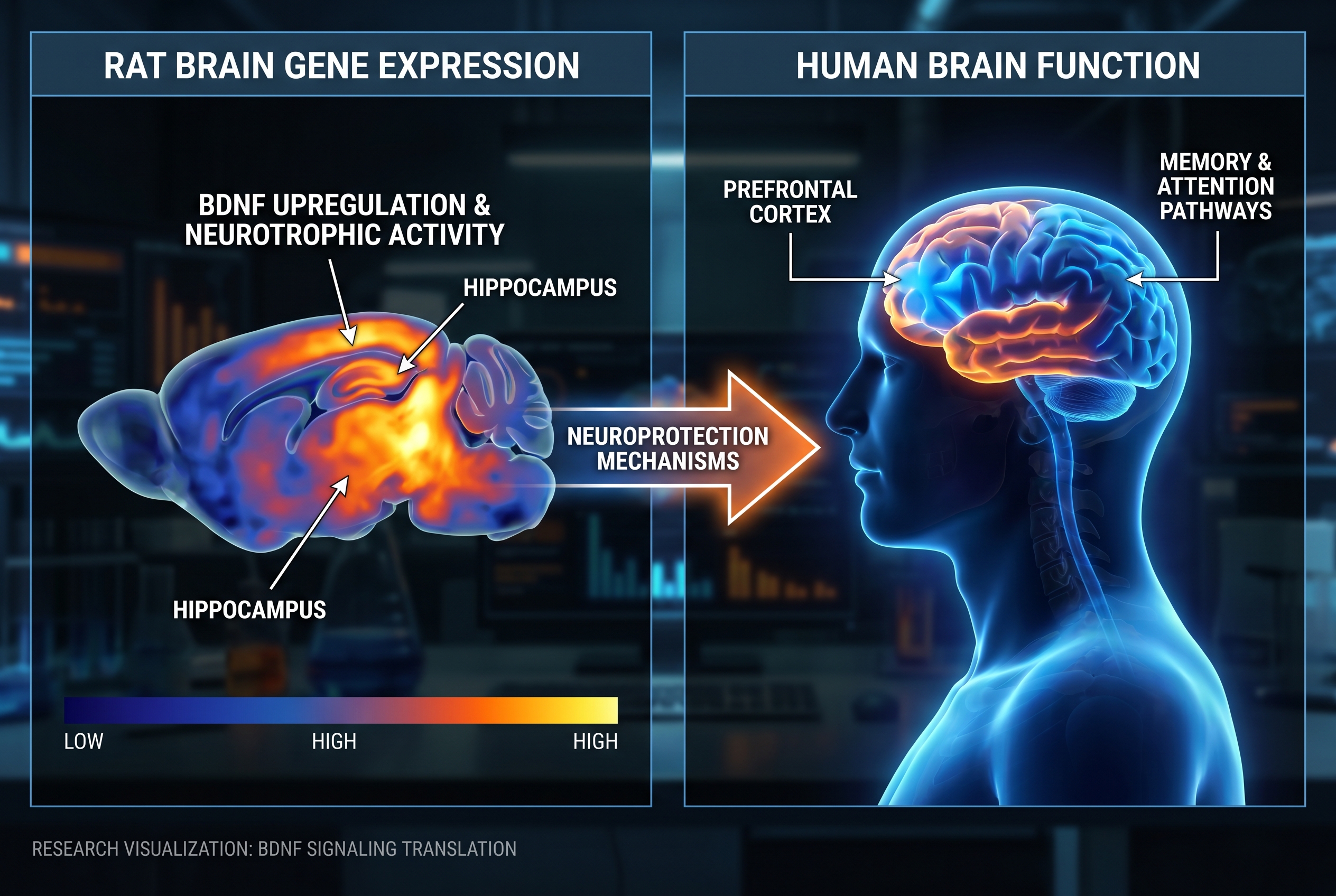
BDNF upregulation Hippocampus, prefrontal cortex Memory consolidation, neuroplasticity
Dopaminergic modulation Mesolimbic pathway Attention, motivation circuits
Serotonin system interaction Raphe nuclei Mood-adjacent cognitive function
Neuroprotective signaling Oxidative stress pathways Ischemia and stress models

BDNF (brain-derived neurotrophic factor) elevation is the most replicated finding in preclinical Semax literature. Elevated BDNF supports synaptic density and long-term potentiation — processes central to learning and memory paradigms used in neurocognitive research.

Researchers studying neuropeptide biology alongside Semax may find parallel interest in Pinealon neuroprotection research, which examines a related class of short peptides with CNS-targeted action.


Laboratory researcher preparing Semax nasal spray formulation

Intranasal Delivery Route: Why It Changes the Research Equation

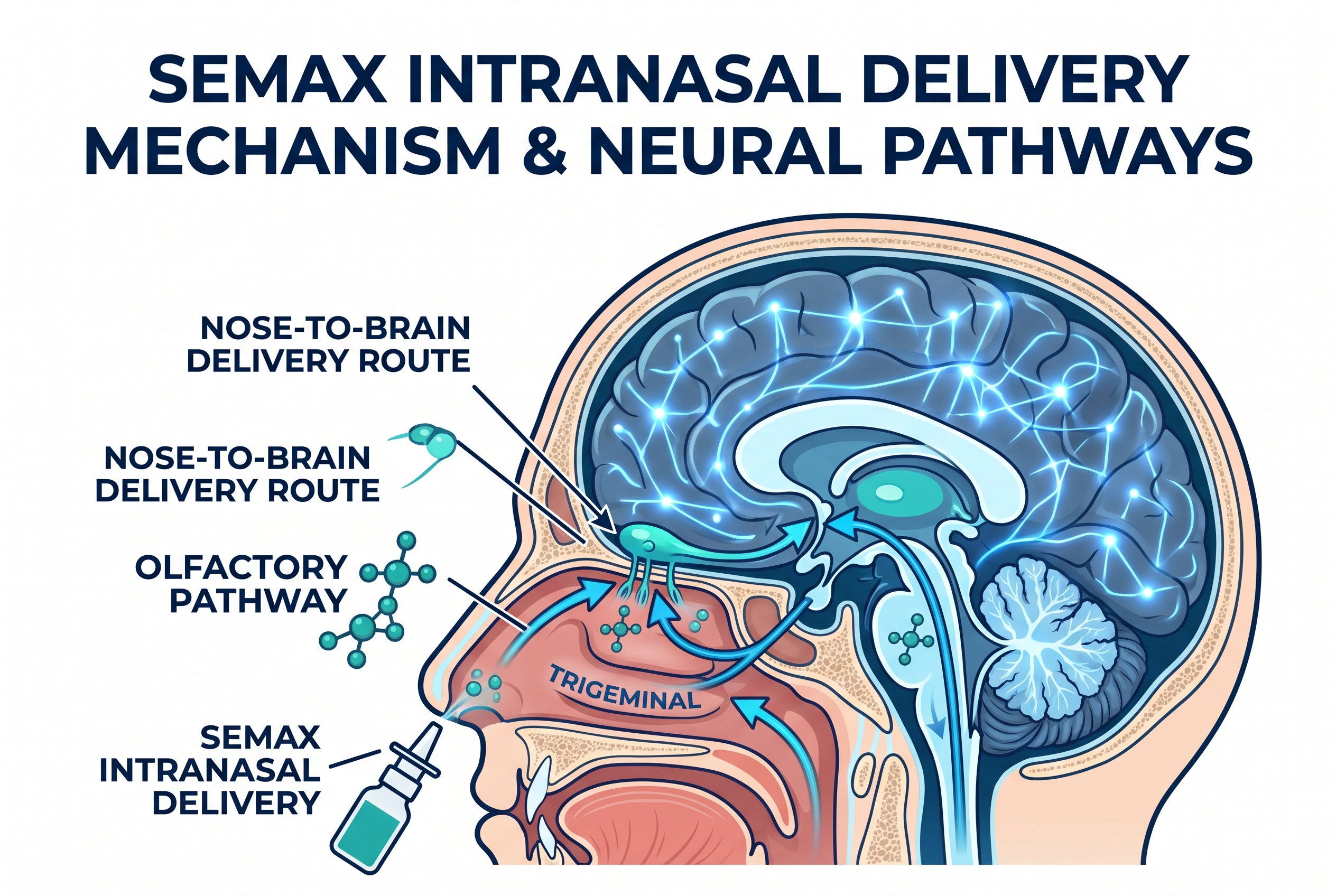
The intranasal route is not simply an alternative to injection — it is a fundamentally different pharmacological pathway. When a peptide is administered intranasally, two anatomical corridors matter most:

  1. Olfactory pathway — Peptides contact the olfactory epithelium, cross the cribriform plate, and access the olfactory bulb directly. This bypasses the blood-brain barrier almost entirely.
  2. Trigeminal pathway — A secondary route along trigeminal nerve branches that terminates in the brainstem and cerebellum.

"The olfactory epithelium is, in effect, an open window between the external environment and the central nervous system."

For Semax specifically, this matters because the peptide has a short plasma half-life. Systemic injection exposes Semax to rapid enzymatic degradation before meaningful CNS concentrations are achieved. Intranasal delivery sidesteps this degradation window.

Key formulation variables researchers must control:

  • pH of the solution (optimal range: 4.5–6.5 for mucosal stability)
  • Volume per actuation (typically 100 mcL per nostril in preclinical protocols)
  • Preservative selection (benzalkonium chloride at low concentrations is common but must be documented)
  • Peptide concentration verified by third-party certificate of analysis

Researchers sourcing peptides for intranasal protocols should review certificate of analysis documentation to confirm purity, sterility, and absence of endotoxins before any study begins.


Neurocognitive study design flowchart with brain imaging data

Neurocognitive Study Design: Building a Rigorous Semax Protocol

Designing a valid neurocognitive study around Semax nasal spray for research requires decisions at three levels: subject selection, outcome measurement, and statistical architecture.

Subject and Model Selection

Rodent models (Wistar rats, C57BL/6 mice) dominate the preclinical Semax literature. Ischemia models, chronic stress paradigms, and aging models have all been used. Researchers should pre-register the model rationale and define inclusion/exclusion criteria before dosing begins.

Validated Cognitive Endpoints

Cognitive outcomes must be operationalized. Common instruments include:

  • Morris Water Maze — spatial learning and memory
  • Novel Object Recognition — episodic-like memory
  • Radial Arm Maze — working memory
  • Open Field Test — anxiety-adjacent locomotor behavior (confound control)

Pairing behavioral endpoints with biomarker assays (BDNF ELISA, c-Fos immunohistochemistry) strengthens mechanistic claims.

Dosing and Timeline Considerations

Most published Semax protocols use doses of 25–200 mcg/kg administered once or twice daily. Duration ranges from acute single-dose studies to 28-day chronic exposure designs. Washout periods must be defined when crossover designs are used.

Researchers exploring broader peptide-based cognitive and longevity models may find value in reviewing longevity peptide research frameworks for complementary study design approaches.

For those integrating Semax into multi-peptide panels, understanding how other neuropeptides interact with recovery and tissue biology is essential — the recovery and tissue biology overview provides a useful reference framework.


Conclusion

Semax nasal spray for research — encompassing mechanism, delivery route, and neurocognitive study design — represents one of the more methodologically demanding areas of neuropeptide science. The intranasal route is not a shortcut; it is a precision tool that demands equally precise formulation, sourcing, and study architecture.

Actionable next steps for researchers in 2026:

  1. Confirm peptide purity via independent certificate of analysis before any protocol begins.
  2. Pre-register cognitive endpoints and statistical analysis plans to reduce outcome-reporting bias.
  3. Control for delivery volume, pH, and mucosal contact time as primary formulation variables.
  4. Pair behavioral outcomes with molecular biomarkers to build mechanistic claims.
  5. Review adjacent neuropeptide literature — including Humanin cellular protection research — to contextualize Semax findings within the broader neuroprotective peptide landscape.

Rigorous design is what separates publishable data from noise. In Semax research, that rigor begins at the nasal tip.


References

  • Dolotov, O. V., et al. (2006). Semax, an analog of ACTH(4-7), regulates BDNF and trkB expression in the rat hippocampus. Journal of Neurochemistry, 97(S1), 82–86.
  • Mironova, V. I., et al. (2007). Effects of Semax on the expression of neurotrophins and their receptors in the rat brain during learning. Ross Fiziol Zh Im I M Sechenova, 93(7), 768–775.
  • Illum, L. (2000). Transport of drugs from the nasal cavity to the central nervous system. European Journal of Pharmaceutical Sciences, 11(1), 1–18.
  • Kozlovskaya, M. M., et al. (2003). Semax and its influence on the brain dopaminergic system. Eksperimental'naia i Klinicheskaia Farmakologiia, 66(5), 9–12.
https://www.puretestedpeptides.com/wp-content/uploads/2026/01/buy-peptides-online.jpg 0 0 https://www.puretestedpeptides.com/wp-content/uploads/2026/01/buy-peptides-online.jpg 2026-06-24 13:20:102026-06-24 13:20:10Semax Nasal Spray for Research: Mechanism, Delivery Route, and Neurocognitive Study Design
Semax Peptide Nasal Spray Research: Cognitive Performance, Neuroprotection, and Delivery Considerations

Semax Peptide Nasal Spray Research: Cognitive Performance, Neuroprotection, and Delivery Considerations

June 5, 2026/0 Comments/in Uncategorized/by

Fewer than a dozen peptides developed outside Western regulatory systems have attracted as much sustained research attention as Semax — a synthetic heptapeptide that Russian scientists have studied for over three decades. Semax Peptide Nasal Spray Research: Cognitive Performance, Neuroprotection, and Delivery Considerations sits at the crossroads of neuroscience, pharmacology, and delivery science, raising questions that matter well beyond Russia's borders.

Key Takeaways

  • Semax is a synthetic peptide derived from an ACTH(4-10) fragment, approved in Russia for stroke and neuroprotection but not approved by the FDA or EMA.
  • Intranasal delivery is the dominant route in both clinical and research settings, with direct nose-to-brain transport hypothesized via olfactory and trigeminal pathways.
  • Preclinical data shows Semax modulates BDNF expression and neuroinflammatory gene activity; human cognitive data exists but comes largely from small Russian studies.
  • No large randomized controlled trials in healthy Western populations have been published as of 2026.
  • Researchers and clinicians should weigh the mechanistic plausibility against the current evidence gaps before drawing conclusions.

What Is Semax and Why Does the Delivery Route Matter

Semax is a heptapeptide built from a fragment of adrenocorticotropic hormone (ACTH), specifically the 4-10 sequence, with a proline-glycine-proline extension that increases its stability. Developed at the Russian Academy of Sciences in the late 1980s, it earned regulatory approval in Russia for conditions including ischemic stroke, discirculatory encephalopathy, optic nerve atrophy, and neonatal neurological deficits.

The delivery route is not a minor detail — it is central to the entire research profile. Unlike many peptides that require injection to reach systemic circulation, Semax is most commonly administered as a nasal spray or nasal drops. This matters because the nasal mucosa offers a relatively direct pathway to the central nervous system through the olfactory epithelium and trigeminal nerve branches, bypassing the blood-brain barrier to a meaningful degree.

What Is Semax and Why Does the Delivery Route Matter

Standard intranasal dosing protocols referenced in the literature include:

Indication Concentration Typical Dosing
Acute stroke (clinical) 1% solution 2-4 drops, 3-4 times daily
Mild cognitive or neuroprotective use 0.1% solution 1-2 drops, twice daily
Healthy volunteer research Variable 250-1,000 mcg/kg

Onset of reported cognitive effects via the intranasal route is approximately 30 minutes in both user accounts and clinical observations, which aligns with the expected pharmacokinetics of nose-to-brain transport. Subcutaneous injection is an alternative route studied for systemic indications, but intranasal administration appears to produce more pronounced cognitive effects in reported data, likely because of the direct central delivery mechanism.

Researchers interested in the broader landscape of what is new in peptide research will find Semax's delivery profile particularly instructive as a model for CNS-targeted peptide administration.


Cognitive Performance: What the Research Actually Shows

The cognitive performance data for Semax is real but limited. Russian clinical studies in healthy volunteers using intranasal doses of 250 to 1,000 mcg/kg reported improvements in attention, short-term memory, and EEG patterns consistent with neuroprotective agents. These findings are notable, but they come with significant caveats.

Most of these studies are small, conducted in Russian-language journals, and have not been replicated in large, double-blind, placebo-controlled trials in Western research settings. As of 2026, no clinical trials are registered in the United States, and no pivotal trials appear in Western regulatory databases. The evidence for cognitive benefits in healthy adults remains promising but not conclusive.

"Evidence for healthy users is limited and largely not replicated in Western cohorts."

This does not invalidate the mechanistic rationale. Semax's structural relationship to ACTH fragments suggests interactions with melanocortin receptors, and its effects on neurotransmitter systems — including serotonin and dopamine modulation — provide a plausible biological basis for the reported cognitive changes.

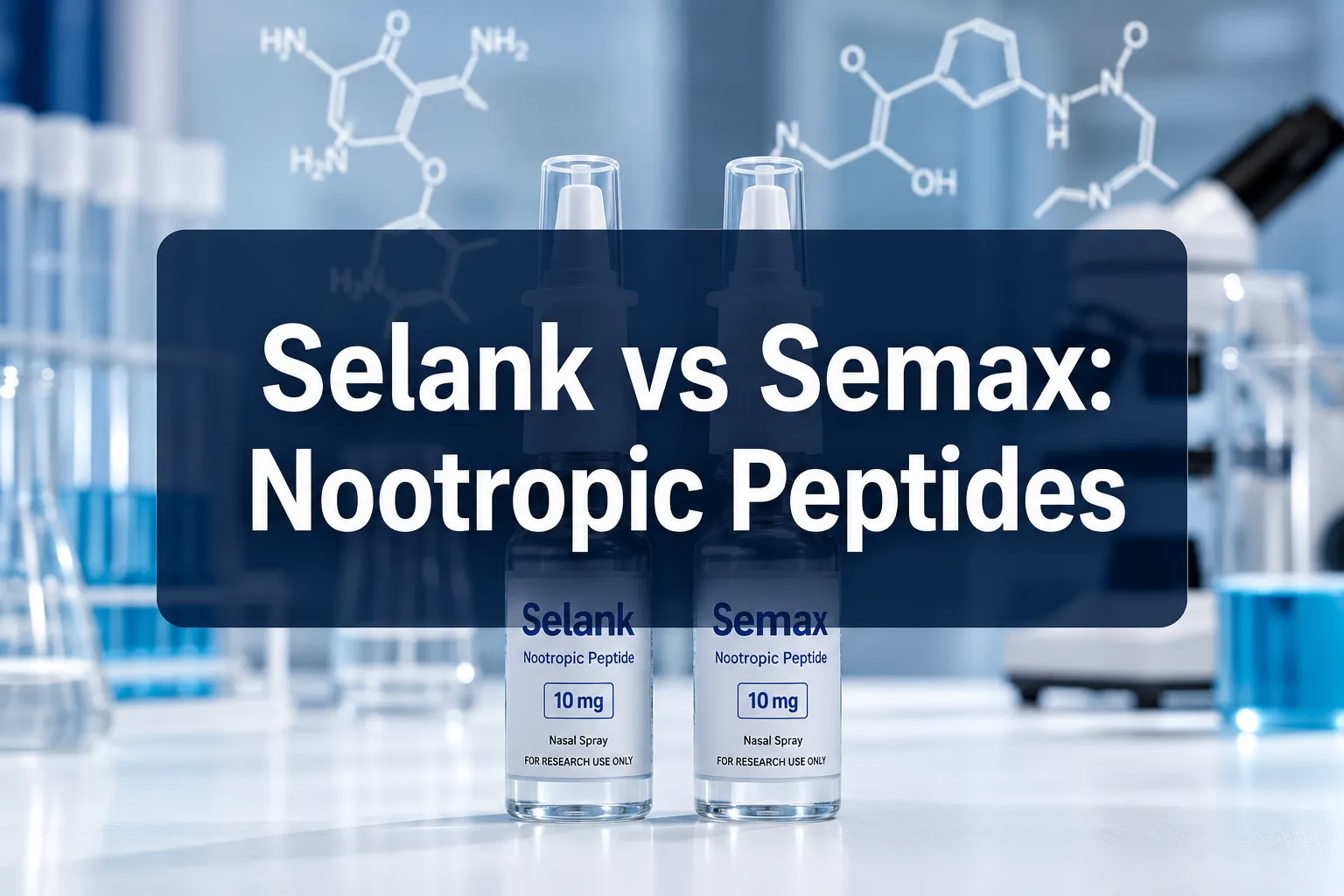
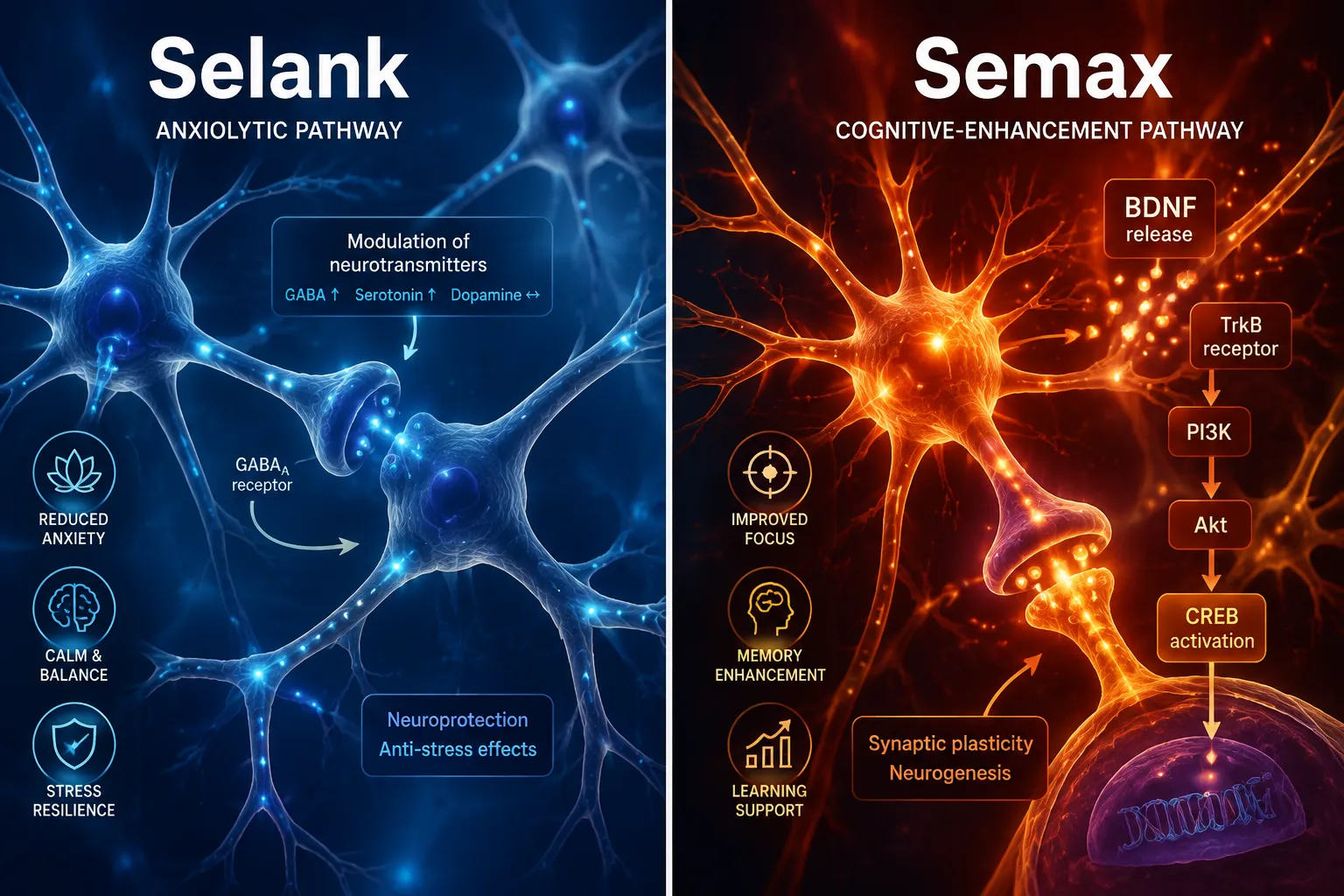
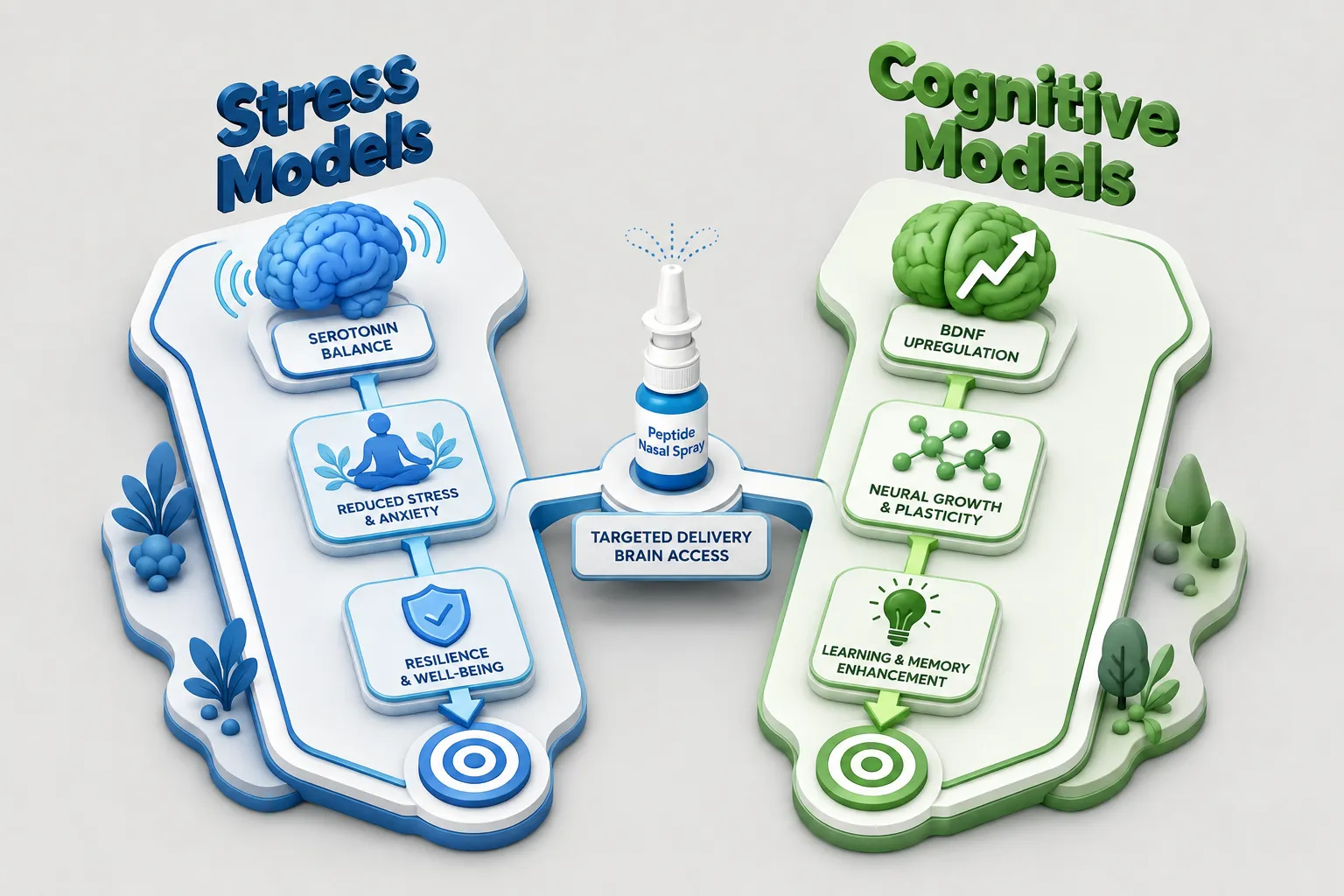
Researchers studying related anxiolytic and cognitive peptides may find value in comparing Semax's profile with Selank peptide benefits, another Russian-developed nootropic with overlapping research themes. A direct comparison is also available in the Selank and Semax research overview.


Neuroprotection Mechanisms and Preclinical Evidence

Neuroprotection Mechanisms and Preclinical Evidence

The neuroprotection angle of Semax Peptide Nasal Spray Research: Cognitive Performance, Neuroprotection, and Delivery Considerations is arguably the strongest area of the existing evidence base, even if it remains largely preclinical.

Animal studies published in peer-reviewed journals demonstrate that Semax modulates the expression of genes linked to:

  • Neurotrophic factors, particularly BDNF (brain-derived neurotrophic factor)
  • Neurotransmission pathways across multiple receptor systems
  • Inflammatory response genes in brain tissue following ischemic insult

BDNF upregulation is especially significant. BDNF supports neuronal survival, synaptic plasticity, and learning consolidation — making it a central target in neuroprotection research. Semax's ability to increase BDNF expression in rat brain models provides a mechanistic framework that helps explain the clinical observations in stroke patients.

In Russian clinical settings, Semax added to standard stroke therapy reportedly improved neurological outcomes compared to control groups. However, many of these studies are open-label or lack rigorous methodology descriptions, and access to primary datasets remains limited for Western researchers.

For context on how neurotrophic and recovery-oriented peptides are studied more broadly, the recovery and tissue biology research overview provides useful framing. Similarly, researchers tracking longevity-adjacent peptide mechanisms may find parallels in GHK-Cu longevity research themes.

The Selank side effects profile also offers comparative safety context for researchers evaluating CNS-active peptides with similar origins.


Conclusion

Semax Peptide Nasal Spray Research: Cognitive Performance, Neuroprotection, and Delivery Considerations represents one of the more developed — yet still evidence-limited — areas of peptide neuroscience. The intranasal delivery route is not incidental; it is the defining feature that makes Semax pharmacologically distinct and practically relevant for CNS research. The mechanistic case for neuroprotection through BDNF modulation is credible and supported by preclinical work. The cognitive performance data from human studies is suggestive but not yet validated by large, well-controlled Western trials.

Actionable next steps for researchers and clinicians:

  • Treat existing Russian clinical data as hypothesis-generating, not confirmatory.
  • Prioritize understanding the nose-to-brain delivery pathway when designing or evaluating Semax studies.
  • Monitor Western regulatory databases for any emerging IND filings or registered trials.
  • Compare Semax's neurotrophic mechanism against better-characterized peptides to contextualize effect size expectations.
  • Consult purity and testing documentation — such as available certificates of analysis — when sourcing research-grade material.

The science is moving. The evidence base, while still maturing, offers enough mechanistic depth to justify continued structured investigation.

https://www.puretestedpeptides.com/wp-content/uploads/2026/06/Semax-Peptide-Nasal-Spray-Research-Cognitive-Performance-Neuroprotection-and-Delivery-Considerations.png 1024 1536 https://www.puretestedpeptides.com/wp-content/uploads/2026/01/buy-peptides-online.jpg 2026-06-05 13:36:212026-06-05 13:36:21Semax Peptide Nasal Spray Research: Cognitive Performance, Neuroprotection, and Delivery Considerations
×

Helpful Links

  • My account
  • Cart
  • Checkout
  • Refund and Returns Policy
  • Privacy Policy
  • SMS Privacy Policy
  • Login
  • My Account
  • Logout

USA Made Lab Tested Peptides

All products are sold for research, laboratory, or analytical purposes only, and are not for human consumption


Pure Tested Peptides is a chemical supplier. Pure Tested Peptides is not a compounding / chemical compounding facility as defined under 503A of the Federal Food, Drug, and Cosmetic act. Pure Tested Peptides is not an outsourcing facility as defined under 503B of the Federal Food, Drug, and Cosmetic act.

The statements made within this website have not been evaluated by the US Food and Drug Administration. The products we offer are not intended to diagnose, treat, cure or prevent any disease.

Human/Animal Consumption Prohibited. Laboratory/In-Vitro Experimental Use Only

Scroll to top Scroll to top Scroll to top