Call or Text 727-513-9780
  • Shopping Cart Shopping Cart
    0Shopping Cart
Pure Tested Peptides | America's most trusted Peptides for sale online
  • Peptides for sale
    • Oral Peptides for sale
      • Peptide Capsules for sale
      • BPC 157 Capsules 1000mcg
      • SLU-PP-332 Capsules | 1000 mcg
      • 5-Amino-1MQ 50mg Capsules
      • Tesofensine 500mcg
    • All Peptides for sale
    • Peptide Sprays
      • BPC 157 Nasal Spray Kit
      • BPC-157 TB500 Nasal Spray Kit
      • Semax Nasal Spray 10mg
      • Selank – Nasal Spray Kit – 10mg
      • Epithalon 50MG Nasal Spray Kit
      • Ipamorelin 10mg Nasal Spray
      • Klow Nasal Spray (BPC-157 + TB-500 + GHK-Cu + KPV) | 80mg
      • Hulk Nasal Spray Tesa / Ipa Blend 6/3 MG
      • Klow Nasal Spray
      • NAD + 500 mg Nasal Spray
      • PT-141 Nasal Spray Kit
    • GHRH Peptides
      • Ipa Peptides
      • CJC-1295 Peptides
        • CJC-1295 with DAC 5 mg
        • CJC-1295 without DAC 5 mg
        • CJC-1295 Ipa 10mg
      • Tesa Peptides
        • Tesa Peptide
        • Tesa 20 mg
    • GHK-Cu Peptides
      • All GHK-Cu Peptides
      • GHK-Cu 100mg
      • KLOW Peptide Blend – Buy KLOW blend online
    • BPC Peptides
      • All BPC Peptides
      • BPC-157
      • BPC-157 TB-500
      • BPC 157 capsules 1000mcg
    • SLU-PP-332 Peptides
      • All SLU-PP-332 Peptides
      • SLU-PP-332 5mg
    • GLP3 Peptides
      • GLP3-R
      • GLP3-R CAG 10mg
      • GLP3-R 20mg
    • PT-141 Peptides
      • PT-141 Peptides for sale
      • PT-141 10mg
      • PT-141 Nasal Spray
    • CAG Peptides
      • Lipo-C Peptide Blend
      • CAG 5mg
      • CAG 10mg
    • MOTS-C Peptides
      • MOTS-C Peptides for sale
      • MOTS-c peptide
      • MOTS-c 10mg *6 pack*
    • 5 Amino 1MQ Peptides
      • 5 Amino 1MQ Peptides for sale
      • 5-Amino-1MQ 50mg Capsules
      • 5-Amino-1MQ 5mg
    • Epithalon Peptides
      • Epithalon Peptides for sale
      • Epithalon 10mg
      • Epithalon 50mg
  • Shop
    • GLPs
      • 5-Amino-1MQ 50mg Capsules
      • 5-Amino-1MQ 5mg
      • GLP3-Reta
      • L-Carnitine 500mg/ml
      • Tesofensine 500mcg
      • SLU-PP-332 5mg
      • MOTS-c 10mg *6 pack*
    • Epithalon & BPC Peptides
      • Epithalon 10mg
      • Epithalon 50mg
      • BPC-157
      • BPC 157 capsules 1000mcg
      • BPC-157 TB-500
      • BPC-157 TB500 Nasal Spray Kit
      • BPC 157 Nasal Spray Kit
    • BPC TB-500 & NAD+ Peptides
      • NAD+ 500 mg
      • KLOW Peptide Blend – Buy KLOW blend online
      • GLOW Peptide Blend
      • TB 500 5mg
      • BPC 157 capsules 1000mcg – Supplement
      • BPC 157 Nasal Spray Kit
      • BPC-157
      • BPC-157 TB500 Nasal Spray Kit
      • BPC-157 TB-500
      • BPC 157 capsules 1000mcg
    • LL-37 Peptide
      • LL-37 10 mg
    • MOTS-C & Selank
      • MOTS-c peptide
      • Selank 10mg
    • GHK Peptides
      • GHK-Cu 100mg
      • GLOW Peptide Blend
      • KLOW Peptide Blend – Buy KLOW blend online
  • COAs
  • Wholesale
    • Wholesale Peptides for sale
  • PTP FAQ
  • Affiliates
    • Selank Peptide: Advanced Pharmacological Mechanisms Underlying Its Anxiolytic and Nootropic Effects in Research
      • 5-Amino-1MQ Peptide: Detailed Mechanisms of NNMT Inhibition and Its Impact on Cellular Metabolism Research
        • MOTS-C Peptide: Unraveling Its Role in Mitochondrial Dynamics and Energy Metabolism Research
          • Epithalon Peptide and Telomerase Regulation: Investigating Its Impact on Cellular Senescence and Lifespan Research Models
            • GLP2-T vs GLP2 Tirz Peptide: Understanding the Naming, Mechanistic Nuances, and Research Implications for Gut Health
      • Peptides and Polypeptides in Modern Pharmacology: What Research on Metoprolol, Prednisone, and Amlodipine Reveals
        • Polypeptide Peptides vs NSAIDs: What Naproxen and Diclofenac Teach Tissue-Repair Researchers About BPC‑157 and TB‑500
          • Peptides and Polypeptides in Endocrine Pharmacology: How GLP-1, GLP-2, and GLP-3 Retatrutide Differ From Classic Drugs Like Prednisone and Amlodipine
          • 5‑Amino‑1MQ Peptide and NNMT Inhibition: How It Compares With Statins Like Atorvastatin in Adipose and Lipid Metabolism Research
      • Enclomiphene, Estrogen Receptor Signaling, and Luteinizing Phase Biology: What Hormone Researchers Should Measure
        • Mesenchymal Stem Cells, BPC‑157, and GHK‑Cu: How Tissue Repair Peptides Compare With Classic NSAIDs Like Naproxen in Injury Models
          • Peptide Calculator Use Cases Beyond Growth Hormone: Working Through GLP‑3 Retatrutide, MOTS‑c, and BPC‑157 Research Dosing
        • Polypeptide Peptides in Endocrine and Metabolic Pharmacology: Lessons From Amlodipine, Prednisone, and Metoprolol
        • Peptides Calculator for Advanced Blends: Worked Examples for Tesamorelin, CJC‑1295, and Ipamorelin Stacks
          • Peptides and Polypeptides in Human Physiology: How Molecular Size Shapes Research Applications
            • Selank Peptide: Advanced Pharmacological Mechanisms Underlying Its Anxiolytic and Nootropic Effects in Research
          • 5-Amino-1MQ Peptide: Detailed Mechanisms of NNMT Inhibition and Its Impact on Cellular Metabolism Research
            • MOTS-C Peptide: Unraveling Its Role in Mitochondrial Dynamics and Energy Metabolism Research
              • Epithalon Peptide and Telomerase Regulation: Investigating Its Impact on Cellular Senescence and Lifespan Research Models
                • GLP2-T vs GLP2 Tirz Peptide: Understanding the Naming, Mechanistic Nuances, and Research Implications for Gut Health
                  • Peptides and Polypeptides in Endocrine Pharmacology: How GLP-1, GLP-2, and GLP-3 Retatrutide Differ From Classic Drugs Like Prednisone and Amlodipine
                    • Polypeptide Peptides vs NSAIDs: What Naproxen and Diclofenac Teach Tissue-Repair Researchers About BPC‑157 and TB‑500
                      • Peptides and Polypeptides in Modern Pharmacology: What Research on Metoprolol, Prednisone, and Amlodipine Reveals
                        • 5‑Amino‑1MQ Peptide and NNMT Inhibition: How It Compares With Statins Like Atorvastatin in Adipose and Lipid Metabolism Research
                        • Enclomiphene, Estrogen Receptor Signaling, and Luteinizing Phase Biology: What Hormone Researchers Should Measure
                        • Mesenchymal Stem Cells, BPC‑157, and GHK‑Cu: How Tissue Repair Peptides Compare With Classic NSAIDs Like Naproxen in Injury Models
                        • Peptide Calculator Use Cases Beyond Growth Hormone: Working Through GLP‑3 Retatrutide, MOTS‑c, and BPC‑157 Research Dosing
                        • Polypeptide Peptides in Endocrine and Metabolic Pharmacology: Lessons From Amlodipine, Prednisone, and Metoprolol
                        • Peptides Calculator for Advanced Blends: Worked Examples for Tesamorelin, CJC‑1295, and Ipamorelin Stacks
                        • Peptides and Polypeptides in Human Physiology: How Molecular Size Shapes Research Applications
                        • Selank Peptide: Advanced Pharmacological Mechanisms Underlying Its Anxiolytic and Nootropic Effects in Research
                        • MOTS-C Peptide: Unraveling Its Role in Mitochondrial Dynamics and Energy Metabolism Research
                        • Peptides and Polypeptides in Modern Pharmacology: What Research on Metoprolol, Prednisone, and Amlodipine Reveals
                        • Peptides and Polypeptides in Endocrine Pharmacology: How GLP-1, GLP-2, and GLP-3 Retatrutide Differ From Classic Drugs Like Prednisone and Amlodipine
                        • 5-Amino-1MQ Peptide: Detailed Mechanisms of NNMT Inhibition and Its Impact on Cellular Metabolism Research
                        • Mesenchymal Stem Cells, BPC‑157, and GHK‑Cu: How Tissue Repair Peptides Compare With Classic NSAIDs Like Naproxen in Injury Models
                        • Peptide Calculator Use Cases Beyond Growth Hormone: Working Through GLP‑3 Retatrutide, MOTS‑c, and BPC‑157 Research Dosing
                        • GLP2-T vs GLP2 Tirz Peptide: Understanding the Naming, Mechanistic Nuances, and Research Implications for Gut Health
                        • Polypeptide Peptides in Endocrine and Metabolic Pharmacology: Lessons From Amlodipine, Prednisone, and Metoprolol
                        • Polypeptide Peptides vs NSAIDs: What Naproxen and Diclofenac Teach Tissue-Repair Researchers About BPC‑157 and TB‑500
                        • Peptides and Polypeptides in Human Physiology: How Molecular Size Shapes Research Applications
                        • Peptides Calculator for Advanced Blends: Worked Examples for Tesamorelin, CJC‑1295, and Ipamorelin Stacks
                        • 5‑Amino‑1MQ Peptide and NNMT Inhibition: How It Compares With Statins Like Atorvastatin in Adipose and Lipid Metabolism Research
                        • Enclomiphene, Estrogen Receptor Signaling, and Luteinizing Phase Biology: What Hormone Researchers Should Measure
                        • Epithalon Peptide and Telomerase Regulation: Investigating Its Impact on Cellular Senescence and Lifespan Research Models
                        • Best research protocol Klow blend
                        • best time to take BPC-157
                        • best time to take DSIP (Delta Sleep Inducing Peptide)
                        • best time to take CJC-1295
                        • best time to take AOD-9604
                        • best time to take Follistatin 344
                        • best time to take Ipamorelin
                        • best time to take MK-677 (Ibutamoren)
                        • best time to take Ligandrol (LGD-4033) — research compound
                        • best time to take Ostarine (MK-2866) — research compound
                        • best time to take GHK-CU
                        • best time to take TB-500
                        • best time to take MOTS-c
                        • best time to take Semax
                        • best time to take RAD-140 (Testolone) — research compound
                        • best time to take Thymosin Alpha-1
                        • best time to take PEG-MGF
                        • Biolife Plasma, Octapharma Plasma, and Research Peptides: How Plasma Donation Labs Differ From Peptide Suppliers
                        • best time to take YK-11 — research compound
                        • best time to take PT-141 (Bremelanotide)
                        • Best research protocol Klow blend
                        • 5-Amino-1MQ and MOTS-C Synergy: Metabolic Signaling, Mitochondria, and Research Design
                        • BPC-157 and TB-500: Investigating Their Combined Effects on Angiogenesis and Cellular Migration in Tissue Repair Models
                        • BPC-157 Peptide: Gut Barrier Function, Inflammation, and Tissue-Recovery Research
                        • 5‑Amino‑1MQ and MOTS‑c Synergy in Metabolic Research: Designing NNMT and Mitochondrial Biogenesis Stacks
                        • CJC-1295 with DAC vs. Without DAC: Half-Life, Release Kinetics, and Research Implications
                        • CJC‑1295 with DAC vs. Without DAC: Expanding on Half‑Life Differences Using Tesamorelin and Ipamorelin Blend Case Studies
                        • Collagen Biology and Copper‑Binding Peptides: How GHK‑Cu, Glow Blend, and Klow Blend Interact with Skin and Connective Tissue
                        • Collagen Biology and Regenerative Peptides: How GHK‑Cu, Glow Blend, and Klow Blend Affect Extracellular Matrix Research
                    • DNA, Telomeres, and Longevity Peptides: Positioning Epithalon and MOTS‑c in Genetic Aging Research
                      • Enclomiphene Citrate: serm Mechanism, Testosterone Research, and Stack Compatibility
                        • Enclomiphene vs Enclomiphene Citrate: Formulation, Bioavailability, and Research Distinctions
                        • Epithalon Peptide Research: Telomerase Activation, Aging, and Pineal Gland Function
                        • Estrogen Receptor Signaling and Enclomiphene: How Selective Modulators Compare with Classic Polypeptide Hormones
                        • GHK-Cu Peptide: Advanced Mechanisms in Extracellular Matrix Remodeling and Wound Healing Research
                        • GHK-Cu Peptide: Collagen Synthesis, Wound Repair, and Skin-Barrier Research Models
                        • GLP-1 vs GLP-3 vs GLP-2: Peptide Classification and Research Applications
                        • GLP-2 Peptide Research Guide: Gut Barrier Function, Nutrient Absorption, and Intestinal Recovery Models
                        • GLP-3 Retatrutide vs. GLP-1 Drugs: What Triple-Agonist Biology Changes in Research Models
                        • Ipamorelin and Tesamorelin Combination: Synergistic GH Secretagogue Research and Dosing Protocols
                        • GLP2 Tirz Peptide: What It Is, Why the Name Exists, and How Researchers Should Interpret It
                        • Klow Blend Peptide Nasal Spray: What the Formulation Is Trying to Do in Cognitive Research
                        • Mitochondria, NNMT Inhibition, and Peptide Modulators: Where MOTS‑c and 5‑Amino‑1MQ Fit in Cellular Energy Research
                        • MOTS-c Peptide: Mitochondrial Function, Energy Metabolism, and What Researchers Measure
                        • MOTS-c vs. 5-Amino-1MQ: Which Metabolic Research Questions Each Compound Actually Answers
                        • Nasal Spray Peptides: Bioavailability, Administration, and Semax/Selank Research Applications
                        • PT-141 Peptide Research: Mechanism of Action and Melanocortin Receptor Signaling
                        • Retatrutide for Research: Mechanism, Structure, and GLP-1/GLP-3 Dual Action
                        • Retatrutide for Obesity and Type 2 Diabetes: What the Latest Trial Data Suggest
                        • Tesofensine Peptide Research: Mechanism, Appetite Suppression, and Neuropeptide Y Pathways
  • Contact
    • Contact Customer Service
    • Text Customer Support
  • About US
  • Shop all peptides
  • Affiliate Program
    • Affiliate Signup
  • Login / Register Login / Register Page Link Login / Register Page Link
  • Click to open the search input field Click to open the search input field Search
  • Menu Menu

Tag Archive for: peptide stacks

5-Amino-1MQ Peptide: Mechanism, Metabolic Research, and How It Differs From Mitochondrial Peptides

5-Amino-1MQ Peptide: Mechanism, Metabolic Research, and How It Differs From Mitochondrial Peptides

August 10, 2026/0 Comments/in Uncategorized/by

}

Only about 15% of ingested NAD+ precursors reach intracellular compartments where they can actually drive energy metabolism, a bottleneck that has pushed researchers toward upstream enzyme inhibitors as a more direct intervention point. That upstream target is NNMT, and the compound drawing the most research attention in 2026 is 5-Amino-1MQ. This article breaks down the 5-Amino-1MQ peptide: mechanism, metabolic research, and how it differs from mitochondrial peptides, answering the mechanism questions that efficacy summaries typically skip.

Key Takeaways

  • 5-Amino-1MQ is technically a small-molecule NNMT inhibitor, not a peptide, though it is frequently grouped with metabolic peptide stacks in research literature.
  • Its primary mechanism involves blocking NNMT-driven NAD+ consumption, which raises intracellular NAD+ availability and activates SIRT1 signaling.
  • Preclinical models show significant effects on adipocyte differentiation, lipid accumulation, and energy expenditure.
  • Mitochondrial peptides such as MOTS-c and SS-31 work through distinct receptor-level and membrane-targeting pathways that do not overlap with NNMT inhibition.
  • Understanding these mechanistic differences matters for designing multi-compound research protocols.

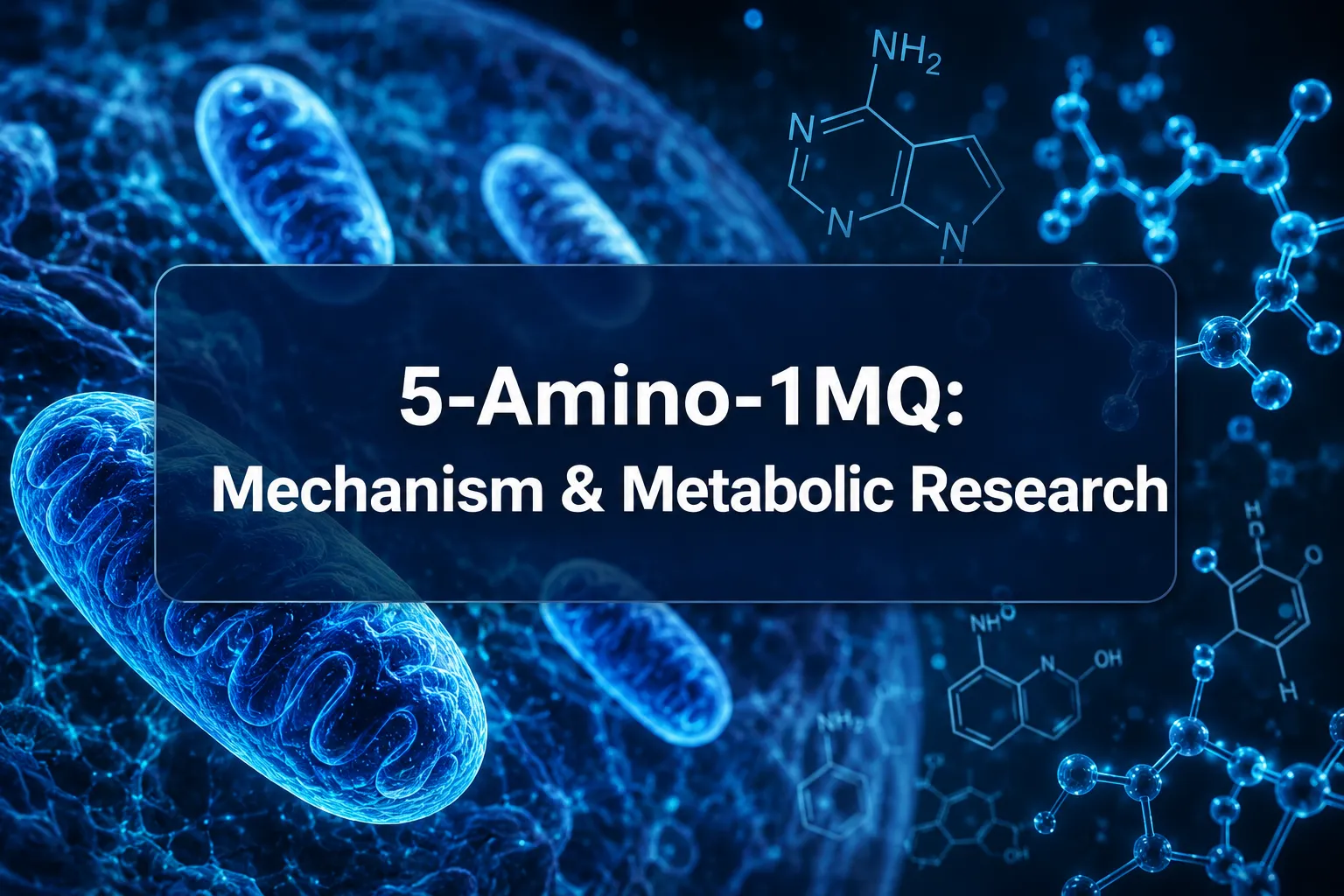
Professional () hero image with SHORT (≤42 chars): '5-Amino-1MQ: Mechanism & Metabolic Research', white on a deep navy

What Is 5-Amino-1MQ and Why the "Peptide" Label Persists

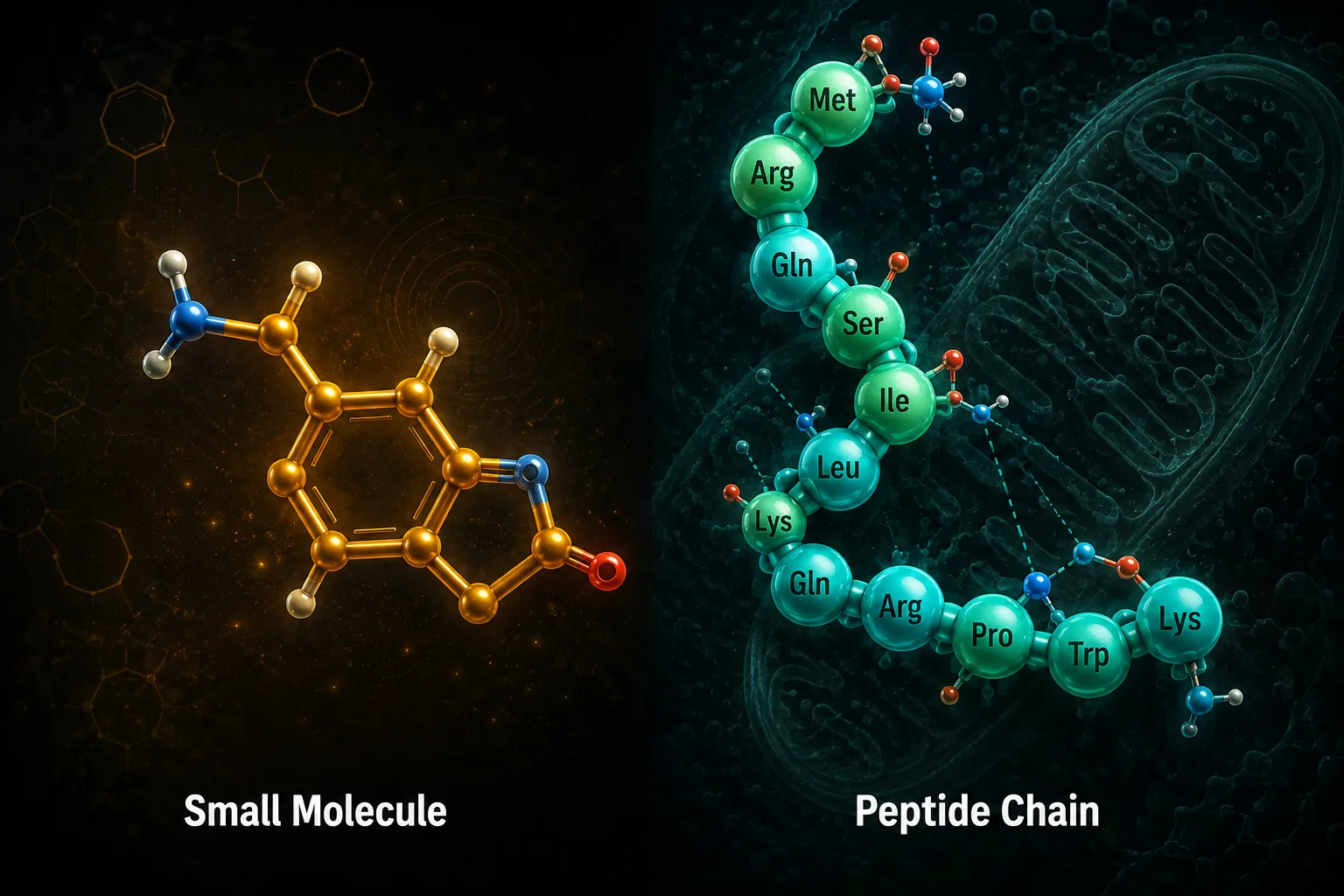
Before diving into mechanism, a classification note is worth making. 5-Amino-1MQ, full name 5-amino-1-methylquinolinium, is a small-molecule inhibitor, not a peptide. It has no amino acid chain, no peptide bond, and no receptor-binding motif typical of endogenous peptides. The "peptide" label persists because researchers and suppliers frequently group it with metabolic peptide stacks, and because its functional territory overlaps with compounds like MOTS-c.

This distinction matters for protocol design. For a broader look at how different compound classes interact at the cellular level, the overview of peptides mechanism from GLP-3 retatrutide to CJC-1295 and MOTS-c provides useful framing.

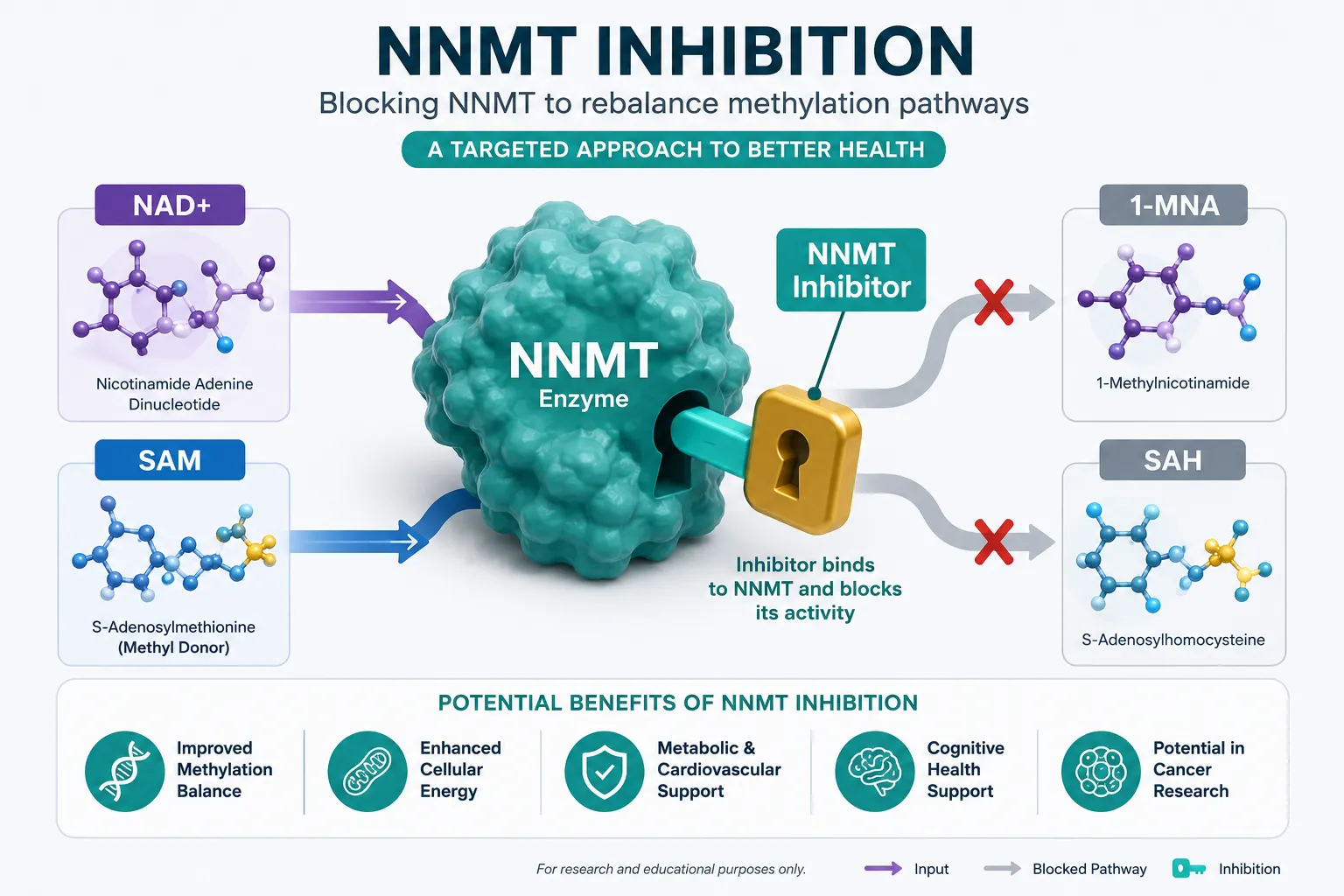
5-Amino-1MQ's molecular target is nicotinamide N-methyltransferase (NNMT), an enzyme highly expressed in adipose tissue that consumes S-adenosylmethionine (SAM) and NAD+ precursors during methylation reactions. When NNMT is overactive, it depletes both SAM and the NAD+ pool, suppressing SIRT1 activity and impairing mitochondrial function.

The Core Mechanism: NNMT Inhibition and NAD+ Restoration

The Core Mechanism: NNMT Inhibition and NAD+ Restoration

The mechanistic chain is straightforward once broken into steps:

  1. NNMT inhibition, 5-Amino-1MQ binds competitively to the NNMT active site, reducing the enzyme's ability to methylate nicotinamide.
  2. NAD+ precursor conservation, With less nicotinamide consumed by NNMT, more substrate feeds into the NAD+ biosynthesis pathway via NAMPT.
  3. SIRT1 activation, Elevated intracellular NAD+ activates SIRT1, a deacetylase that regulates metabolic gene expression, mitochondrial biogenesis, and fat oxidation.
  4. SAM preservation, Reduced NNMT activity also conserves SAM, supporting methylation reactions involved in epigenetic regulation and one-carbon metabolism.

"The compound does not donate NAD+ directly, it removes the enzymatic drain that prevents NAD+ from accumulating in the first place."

This indirect restoration model is mechanistically different from NAD+ precursor supplementation (NMN, NR), which adds substrate without addressing the enzymatic drain. For a deeper look at how NAD+ interacts with mitochondrial peptide research, the article on adenosine triphosphate and mitochondrial peptides including MOTS-c and 5-Amino-1MQ covers ATP production endpoints in detail.

Key Molecular Effects Observed in Preclinical Models

Effect Observed Outcome
NNMT inhibition Reduced nicotinamide methylation in adipocytes
Intracellular NAD+ Elevated in treated cell lines
SIRT1 activity Upregulated downstream of NAD+ increase
Adipocyte lipid accumulation Reduced in differentiation assays
Energy expenditure markers Increased in diet-induced obesity models

Metabolic Research Findings: Adipose Tissue and Energy Balance

Metabolic Research Findings: Adipose Tissue and Energy Balance

Preclinical research on 5-Amino-1MQ has concentrated on white adipose tissue (WAT), where NNMT expression is highest. In rodent models of diet-induced obesity, NNMT inhibition with 5-Amino-1MQ has been associated with:

  • Reduced fat mass without significant lean mass changes
  • Increased expression of thermogenic markers in adipose depots
  • Improved insulin sensitivity in metabolically compromised models
  • Upregulation of mitochondrial biogenesis genes

These findings position 5-Amino-1MQ within a broader class of metabolic research tools that target energy balance from the cellular level upward. Researchers comparing it against appetite-modulating compounds should note that its mechanism is entirely peripheral, there is no central nervous system component in current models. For contrast, the article on tesofensine and metabolic research comparing noradrenergic appetite modulators with GLP-3 peptides illustrates how centrally acting compounds differ in study design.

The peptides and polypeptides overview connecting DNA, mitochondria, and research compounds like MOTS-c and 5-Amino-1MQ also contextualizes where NNMT inhibitors fit within the broader mitochondrial research landscape.

How 5-Amino-1MQ Differs From Mitochondrial Peptides

How 5-Amino-1MQ Differs From Mitochondrial Peptides

This is where the 5-Amino-1MQ peptide: mechanism, metabolic research, and how it differs from mitochondrial peptides question becomes most practically relevant for researchers designing stacks or comparative studies.

Mitochondrial peptides, including MOTS-c, Humanin, and SS-31, are short amino acid sequences encoded in mitochondrial DNA or designed to target mitochondrial membranes. Their mechanisms include:

  • MOTS-c: Translocates to the nucleus under metabolic stress, activating AMPK and regulating folate and methionine metabolism
  • SS-31 (Elamipretide): Targets cardiolipin on the inner mitochondrial membrane, reducing oxidative stress and improving electron transport chain efficiency
  • Humanin: Binds cell-surface receptors and acts as a cytoprotective signaling molecule

5-Amino-1MQ, by contrast:

  • Has no amino acid structure
  • Does not interact with mitochondrial membranes directly
  • Does not bind peptide receptors
  • Works entirely through enzyme inhibition in the cytoplasm

This means the two compound classes are mechanistically complementary rather than redundant. A protocol pairing 5-Amino-1MQ with MOTS-c, for example, could theoretically address both the NAD+ depletion problem (via NNMT inhibition) and the downstream mitochondrial signaling deficit (via MOTS-c's AMPK activation). Researchers interested in SS-31's distinct membrane-targeting mechanism can explore SS-31 peptide research resources for comparison data.

For researchers sourcing compounds for metabolic studies, lab-tested peptides with verified purity documentation are essential for reproducible results.

Conclusion

5-Amino-1MQ occupies a unique position in the 2026 metabolic research landscape: it is not a peptide, but it operates in the same functional territory as mitochondrial peptides by restoring the NAD+ environment that those peptides depend on. Its mechanism, competitive NNMT inhibition leading to NAD+ conservation, SIRT1 activation, and improved adipose tissue metabolism, is well-defined at the preclinical level and mechanistically distinct from compounds like MOTS-c or SS-31.

Actionable next steps for researchers:

  • Review NNMT expression data in your specific tissue model before including 5-Amino-1MQ in a protocol
  • Consider pairing with a mitochondrial peptide to address both upstream NAD+ availability and downstream membrane-level function
  • Verify compound purity through third-party COA documentation before initiating any in vitro or in vivo work
  • Design controls that isolate NNMT inhibition from NAD+ precursor supplementation to avoid confounded endpoints

Understanding the mechanistic boundaries of each compound class, not just their reported outcomes, is what separates rigorous research design from assumption-driven stacking.

https://www.puretestedpeptides.com/wp-content/uploads/2026/08/5-amino-1mq-peptide-mechanism-metabolic-research-and-how-it-differs-from-mitocho.webp 1024 1536 https://www.puretestedpeptides.com/wp-content/uploads/2026/01/buy-peptides-online.jpg 2026-08-10 13:03:502026-08-10 13:03:505-Amino-1MQ Peptide: Mechanism, Metabolic Research, and How It Differs From Mitochondrial Peptides

Tag Archive for: peptide stacks

SLUPP332 With 5-Amino-1MQ: Designing Mitochondrial and NNMT-Targeted Peptide Stacks for Obesity Research

SLUPP332 With 5-Amino-1MQ: Designing Mitochondrial and NNMT-Targeted Peptide Stacks for Obesity Research

June 14, 2026/0 Comments/by Pure Tested

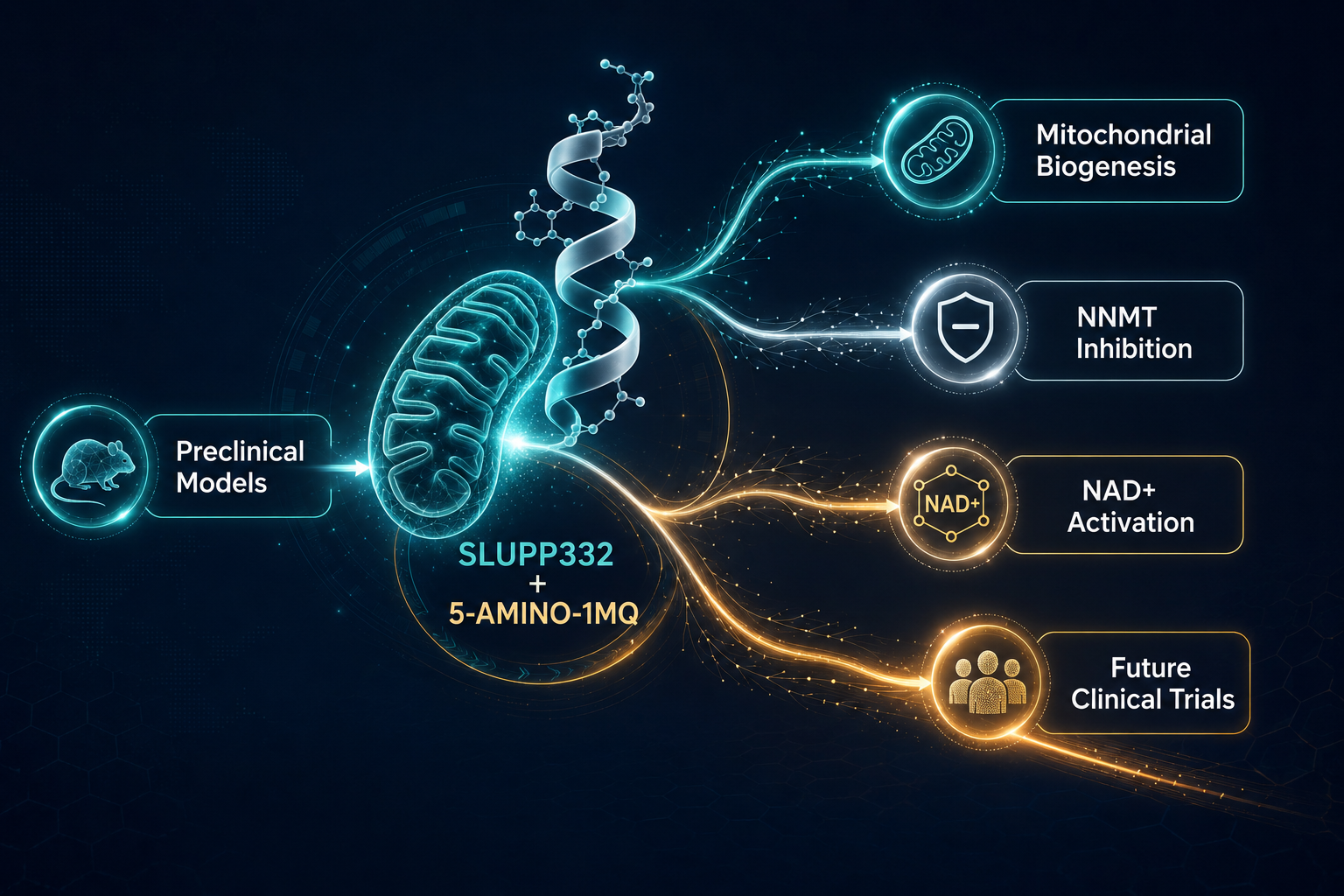
Global obesity rates have more than doubled since 1990, yet the molecular tools available to researchers studying fat metabolism remain limited. Two compounds — SLUPP332 and 5-Amino-1MQ — are drawing serious attention in preclinical science because they target distinct but overlapping pathways inside fat cells. Exploring SLUPP332 with 5-Amino-1MQ: designing mitochondrial and NNMT-targeted peptide stacks for obesity research represents one of the more mechanistically coherent strategies emerging from metabolic biology labs in 2026.

Key Takeaways

  • SLUPP332 activates estrogen-related receptors (ERRalpha/gamma), stimulating mitochondrial biogenesis and fat oxidation in adipocytes
  • 5-Amino-1MQ inhibits the NNMT enzyme, raising intracellular NAD+ levels and activating sirtuin-driven metabolic programs
  • Combined, these two compounds may produce complementary effects on mitochondrial function and energy expenditure
  • All current evidence is derived from cell culture and rodent models — no human clinical trials exist as of 2026
  • Researchers designing stacks with these compounds must account for unknown long-term NNMT inhibition consequences

How SLUPP332 and 5-Amino-1MQ Each Target Metabolism

To understand the rationale behind combining these compounds, it helps to examine what each one does independently.

SLUPP332: Activating the Mitochondrial Gene Network

SLUPP332 is a synthetic small-molecule agonist of estrogen-related receptors, specifically ERRalpha and ERRgamma. These nuclear receptors function as master regulators of mitochondrial biogenesis — the process by which cells generate new mitochondria. When ERRalpha/gamma are activated, downstream gene expression shifts toward increased fatty acid oxidation, oxidative phosphorylation, and overall energy expenditure.

In rodent models, SLUPP332 has been shown to mimic aspects of exercise-induced metabolic adaptation, making it a subject of interest for researchers studying SLU-PP-332 metabolic modulation in obesity and insulin resistance contexts. For a deeper look at its preclinical profile, the SLU-PP-332 research overview provides additional mechanistic context.

5-Amino-1MQ: Blocking NNMT to Raise NAD+

5-Amino-1MQ takes a different entry point. It inhibits nicotinamide N-methyltransferase (NNMT), an enzyme that consumes S-adenosyl methionine and diverts nicotinamide away from the NAD+ synthesis pathway. By blocking NNMT, 5-Amino-1MQ allows intracellular NAD+ concentrations to rise. Elevated NAD+ then activates sirtuin enzymes — particularly SIRT1 and SIRT3 — which regulate mitochondrial function, fat oxidation, and insulin sensitivity.

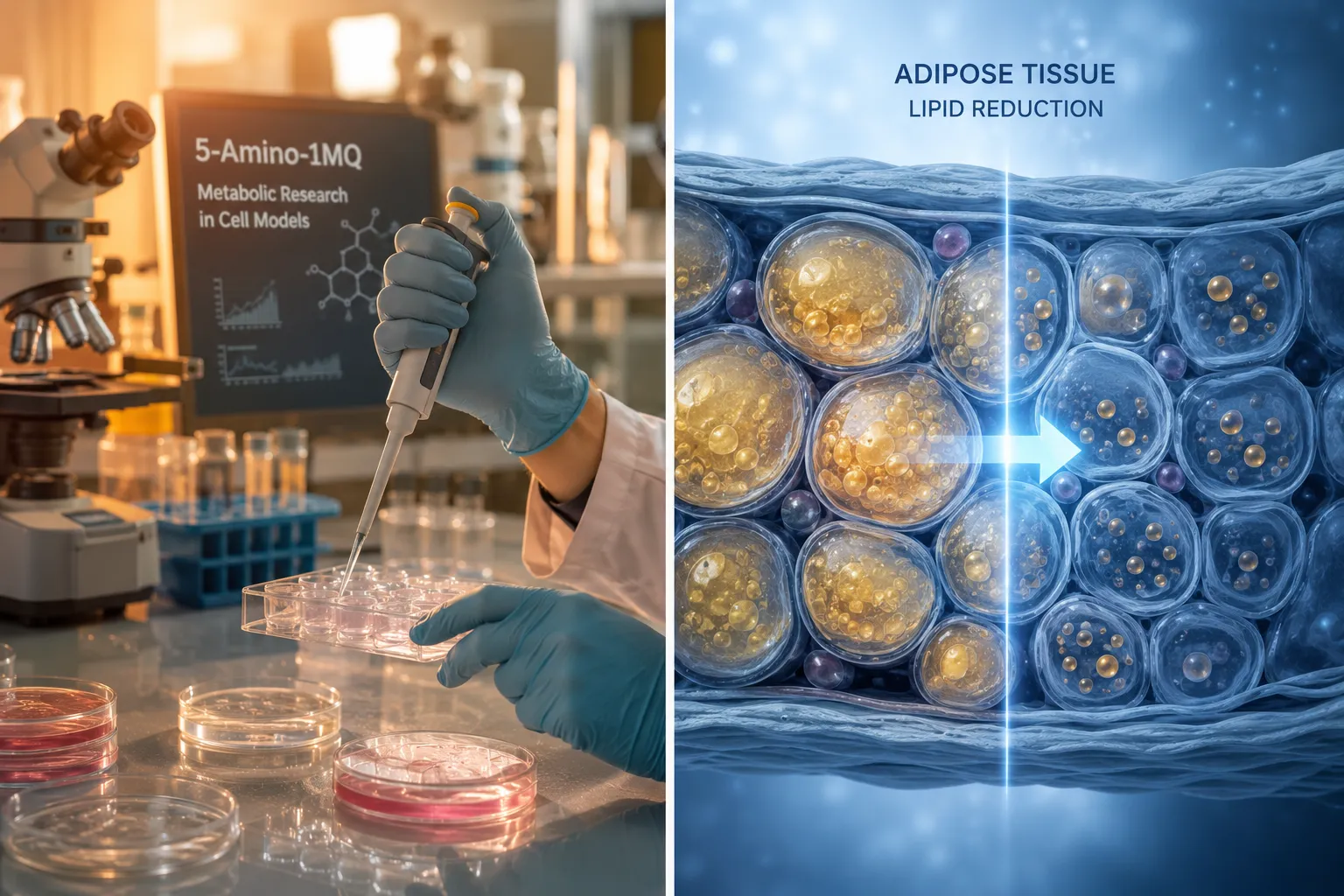
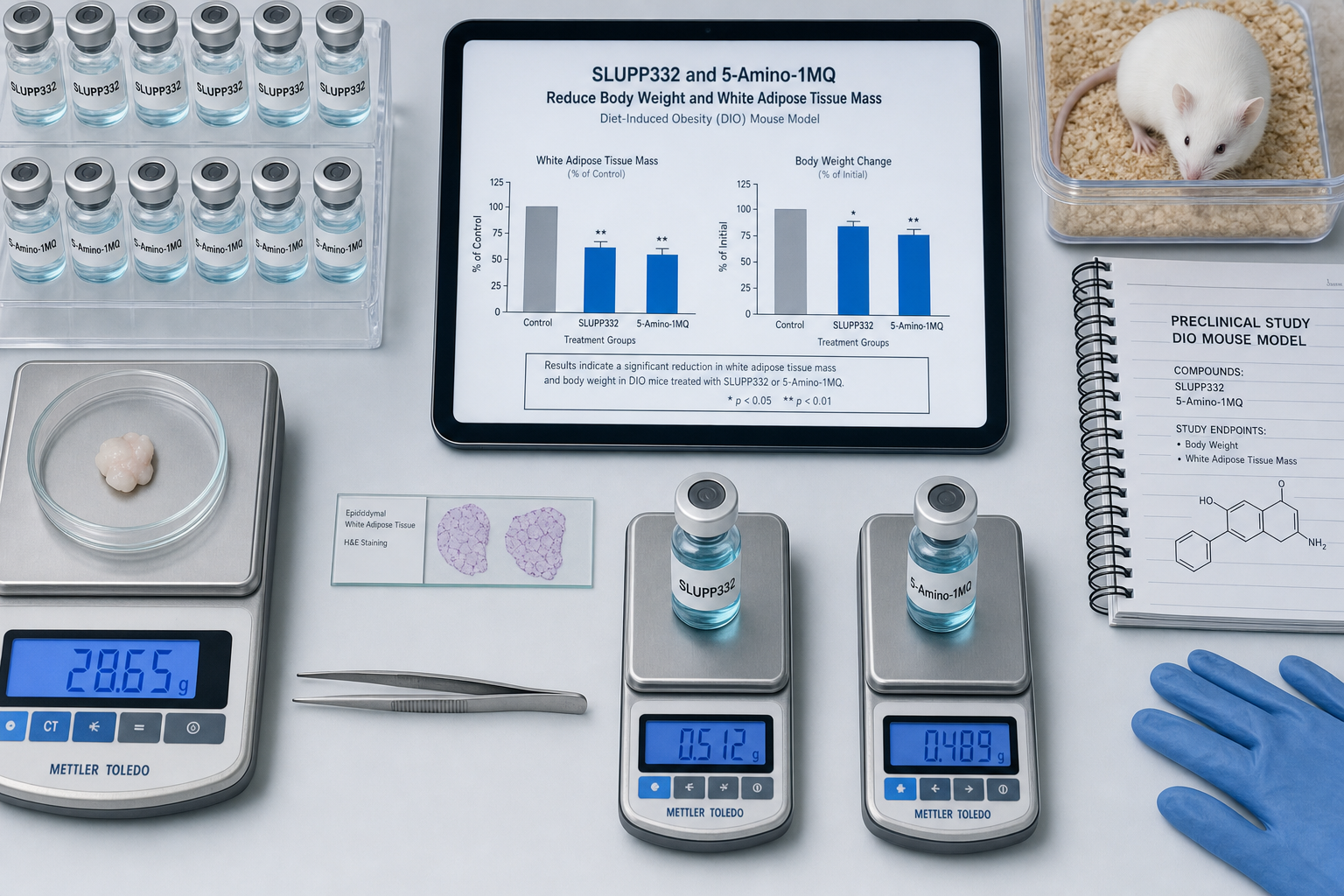
In preclinical studies, 5-Amino-1MQ administration produced significant reductions in body weight, white adipose tissue mass, and adipocyte cell size without altering food intake — a notable finding suggesting the effect is metabolic rather than appetite-driven. Oral dosing in animal models has ranged from 50 to 100 mg daily, though these figures are strictly for research reference and have no established human equivalent. Researchers interested in the broader NAD+ pathway can explore the NAD+ research overview for related context. The dedicated 5-Amino-1MQ compound page also outlines its research profile in detail.


Designing the Stack: Synergistic Logic Behind SLUPP332 With 5-Amino-1MQ

Designing the Stack: Synergistic Logic Behind SLUPP332 With 5-Amino-1MQ

The rationale for pairing these two compounds in SLUPP332 with 5-Amino-1MQ: designing mitochondrial and NNMT-targeted peptide stacks for obesity research lies in their complementary mechanisms.

Compound Primary Target Downstream Effect
SLUPP332 ERRalpha/gamma receptors Mitochondrial biogenesis, fat oxidation
5-Amino-1MQ NNMT enzyme inhibition Elevated NAD+, sirtuin activation

SLUPP332 drives the structural expansion of the mitochondrial network. 5-Amino-1MQ raises the NAD+ fuel that sirtuins need to function. Together, they may address mitochondrial quantity and metabolic efficiency simultaneously — two variables that are both impaired in obese adipose tissue.

This dual-pathway logic mirrors approaches seen in other mitochondrial research stacks. For instance, MOTS-c mitochondrial research themes explore a peptide encoded in mitochondrial DNA that also influences AMPK signaling and glucose uptake, showing that multi-target approaches to metabolic dysfunction are gaining traction across the field. Similarly, mitochondrial longevity research highlights how overlapping mitochondrial interventions are being studied in aging and metabolic disease models.

A critical note for researchers: NNMT participates in methylation reactions across multiple cell types beyond adipocytes. Chronic inhibition carries unknown systemic consequences, and this uncertainty demands rigorous safety evaluation before any translational application is considered.


Current Evidence, Limitations, and Research Outlook

As of 2026, every data point supporting the SLUPP332 and 5-Amino-1MQ combination originates from cell culture experiments or rodent obesity models. No published human clinical trials exist for either compound individually, let alone in combination. Researchers and analysts working in this area consistently emphasize that preclinical promise does not guarantee clinical translation.

Current Evidence, Limitations, and Research Outlook

The absence of human data means:

  • Optimal dosing ratios for the stack are entirely unknown
  • Long-term safety of NNMT inhibition has not been characterized in humans
  • ERR agonism via SLUPP332 may have off-target hormonal effects not yet identified
  • Bioavailability and pharmacokinetics in human subjects remain unstudied

Those designing research protocols around SLUPP332 with 5-Amino-1MQ: designing mitochondrial and NNMT-targeted peptide stacks for obesity research should treat these compounds strictly as investigational tools. Researchers exploring adjacent metabolic peptides may also find value in reviewing what is new in peptide research for the broader landscape of compounds under investigation in 2026.

If ongoing rodent studies produce consistent, reproducible results, the scientific community may have grounds to design Phase I safety trials within the next several years — though this timeline remains speculative.


Conclusion

The combination of SLUPP332 and 5-Amino-1MQ represents a mechanistically grounded approach to studying mitochondrial dysfunction and fat storage in obesity models. SLUPP332 drives mitochondrial biogenesis through ERR receptor activation; 5-Amino-1MQ raises NAD+ availability by blocking NNMT, enabling sirtuin-mediated metabolic reprogramming. Together, they address two distinct but interconnected failure points in obese adipose tissue.

Actionable next steps for researchers:

  • Review published rodent model data for each compound independently before designing combination protocols
  • Establish baseline mitochondrial function markers in study subjects to measure stack effects accurately
  • Monitor systemic methylation markers when using 5-Amino-1MQ to detect off-target NNMT inhibition effects
  • Follow emerging preclinical literature closely, as this field is moving quickly in 2026
  • Ensure all compounds used meet verified purity standards before inclusion in any research protocol

The field is early-stage but scientifically coherent. Rigorous preclinical work now will determine whether this dual-pathway stack earns a path toward human investigation.

https://www.puretestedpeptides.com/wp-content/uploads/2026/06/SLUPP332-With-5-Amino-1MQ-Designing-Mitochondrial-and-NNMT-Targeted-Peptide-Stacks-for-Obesity-Research.png 1024 1536 Pure Tested https://www.puretestedpeptides.com/wp-content/uploads/2026/01/buy-peptides-online.jpg Pure Tested2026-06-14 13:20:312026-07-20 15:03:14SLUPP332 With 5-Amino-1MQ: Designing Mitochondrial and NNMT-Targeted Peptide Stacks for Obesity Research
Glow Blend and Klow Blend Peptides: Example Stacks for Skin, Hair, and ‘Aging Support’ Research Only

Glow Blend and Klow Blend Peptides: Example Stacks for Skin, Hair, and ‘Aging Support’ Research Only

June 13, 2026/0 Comments/by Pure Tested

Fewer than 5% of multi-peptide research blends currently on the market combine collagen-stimulating, angiogenic, and anti-inflammatory compounds into a single lyophilized formulation — yet that is precisely what Glow Blend and Klow Blend peptides represent. Understanding how each component maps to specific cellular pathways is essential for researchers designing protocols around skin remodeling, hair follicle biology, and aging-related cellular decline.

This article breaks down the ingredient profiles of both blends, explains the mechanistic rationale behind each stack, and outlines hypothetical research applications. All content is strictly for informational and educational purposes. Neither blend is approved for human therapeutic use.

Key Takeaways

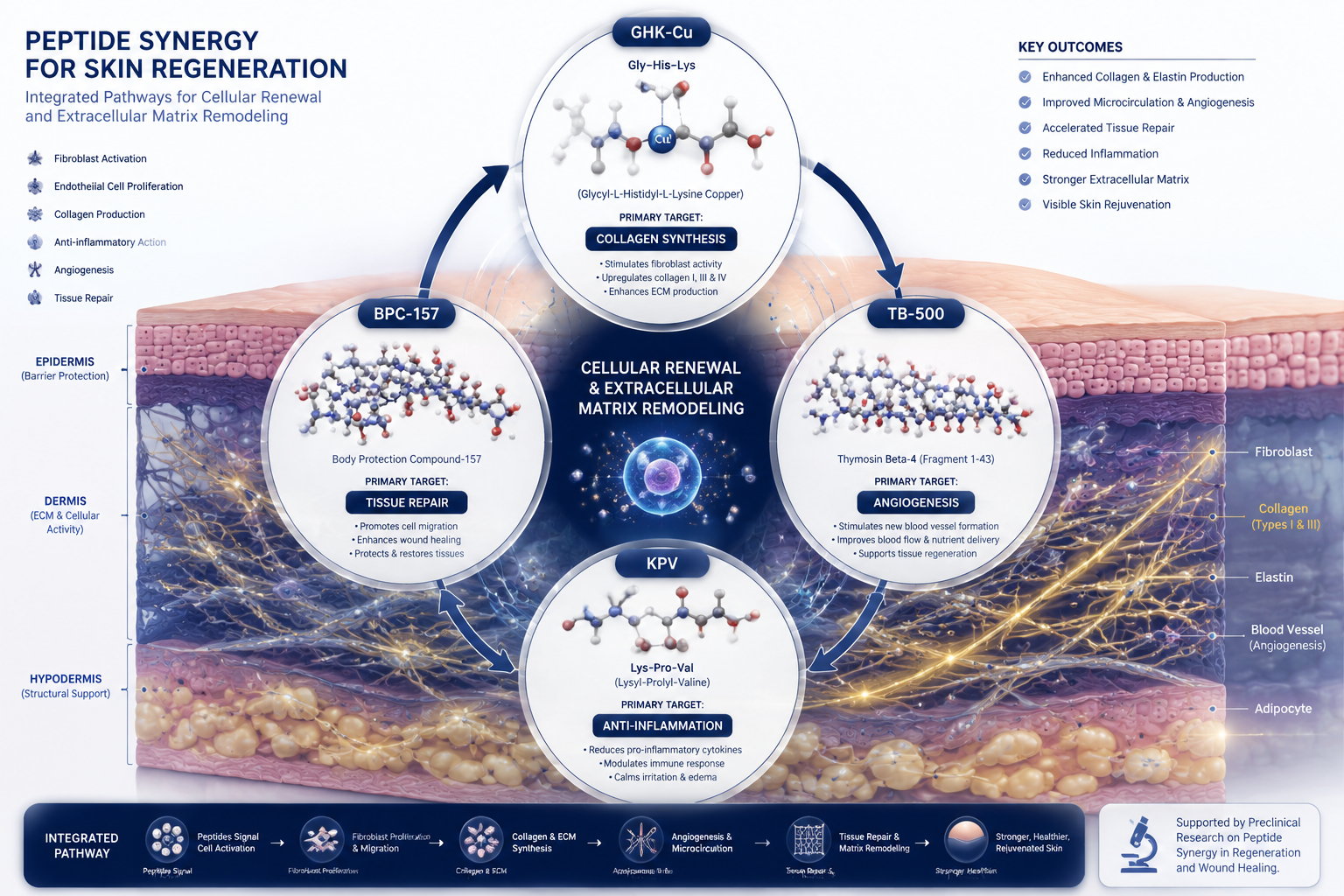
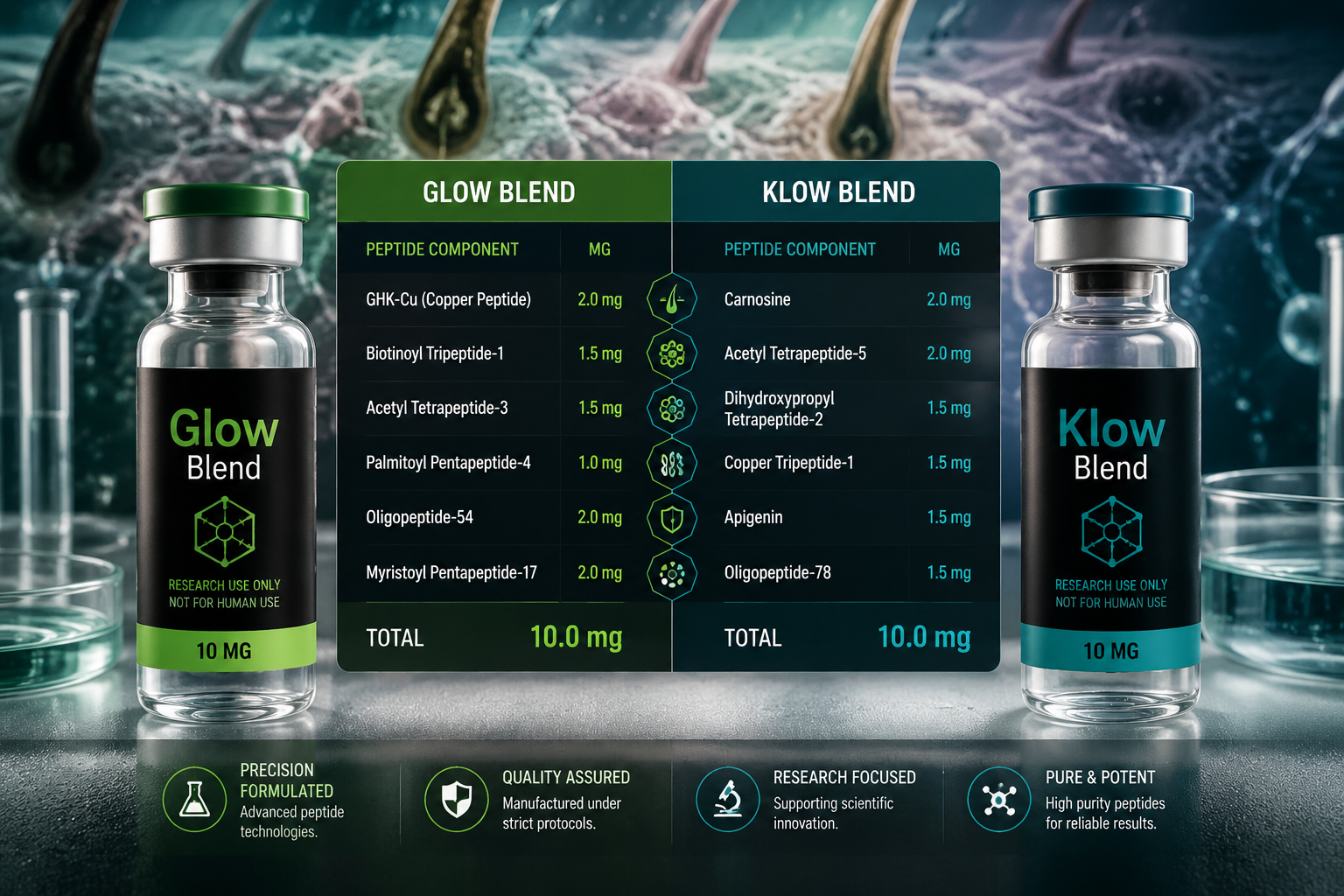
  • Glow Blend contains GHK-Cu, BPC-157, and TB-500, targeting collagen synthesis, tissue repair, and angiogenesis.
  • Klow Blend adds KPV to the same three-peptide base, extending coverage to inflammatory and immunomodulatory pathways.
  • Both blends are research-grade only and have no published clinical trials as combined formulations.
  • Choosing between the two depends on whether inflammation is a primary variable in the research model.
  • Proper storage and purity verification are critical for maintaining peptide integrity in any lab setting.

Key Takeaways

Ingredient Profiles: What Each Peptide Does at the Cellular Level

Understanding Glow Blend and Klow Blend peptides as example stacks for skin, hair, and aging support research begins with mapping each ingredient to a specific biological mechanism.

GHK-Cu: Collagen, Elastin, and Cellular Renewal

GHK-Cu (Glycyl-L-Histidyl-L-Lysine Copper) is the anchor compound in both blends. At the cellular level, it stimulates fibroblast activity, upregulates collagen and elastin synthesis, and promotes angiogenesis — the formation of new blood vessels that supply nutrients to skin tissue. It also carries potent antioxidant activity, helping neutralize reactive oxygen species that accelerate cellular aging. In hair follicle research models, GHK-Cu has been studied for its ability to support follicle cycling and reduce miniaturization signals. Researchers interested in topical applications can explore topical GHK-Cu formulations as a reference point for delivery considerations.

BPC-157: Connective Tissue and Healing Cascade Activation

BPC-157 (Body Protection Compound 157) accelerates the repair of muscle, ligament, and tendon tissue while reducing local inflammation. In skin research models, its relevance lies in connective tissue strengthening and its ability to enhance growth factor signaling. It works synergistically with TB-500 by activating overlapping but distinct repair pathways. For a deeper look at its regenerative applications, the BPC-157 and TB-500 regeneration research page provides useful context.

TB-500: Cell Migration and Vascular Support

TB-500 (Thymosin Beta-4) promotes actin polymerization, which drives cell migration — a critical step in wound closure and tissue remodeling. It enhances blood flow to damaged areas and complements BPC-157 by improving the scaffolding environment in which new cells proliferate. Together, these two peptides create a repair-focused foundation for both blends.

KPV: The Anti-Inflammatory Addition in Klow Blend

KPV (Lys-Pro-Val) is a tripeptide fragment derived from alpha-melanocyte-stimulating hormone. It binds to melanocortin receptors and downregulates pro-inflammatory cytokines, making it particularly relevant in research models involving dermatitis, rosacea, psoriasis, or chronic wound inflammation. Its inclusion in Klow Blend shifts the entire stack's focus from pure remodeling toward remodeling plus immune modulation.

Component Glow Blend Klow Blend Primary Pathway
GHK-Cu (50 mg) Yes Yes Collagen, antioxidant
BPC-157 (10 mg) Yes Yes Tissue repair
TB-500 (10 mg) Yes Yes Cell migration, angiogenesis
KPV (10 mg) No Yes Anti-inflammatory

KPV: The Anti-Inflammatory Addition in Klow Blend

Hypothetical Research Stacks: Skin, Hair, and Aging Support Applications

When designing protocols using Glow Blend and Klow Blend peptides as example stacks for skin, hair, and aging support research, the choice between the two blends depends on the dominant variable in the research model.

Skin Remodeling and Anti-Aging Research

For models focused on fine line reduction, scar remodeling, or post-procedural recovery (e.g., after microneedling or laser treatment), Glow Blend's three-peptide profile is sufficient. GHK-Cu drives the collagen response, while BPC-157 and TB-500 accelerate the repair cascade. Researchers exploring broader longevity peptide research themes may find value in pairing either blend with mitochondrial-support compounds for a more comprehensive aging model.

Hair Follicle Biology

In hair research models, GHK-Cu's role in follicle cycling makes it the primary active compound. BPC-157 adds connective tissue support around the dermal papilla, while TB-500 improves local vascularization. Both blends are relevant here, though Klow Blend may be preferred in models where scalp inflammation is a confounding variable.

Inflammatory Skin Conditions and Chronic Wound Models

Klow Blend is the more appropriate choice when inflammation is a primary research variable. KPV's cytokine-suppressing activity makes it well-suited for eczema, psoriasis, or chronic wound models where persistent inflammatory infiltration prevents normal tissue repair. Researchers working on peptide serums and evidence-based skin applications will find the KPV mechanism particularly relevant.

Research note: As of 2026, no published clinical trials exist for either blend as a combined formulation. All mechanistic claims are extrapolated from individual-component literature.


Inflammatory Skin Conditions and Chronic Wound Models

Sourcing, Storage, and Research Integrity

Peptide purity is non-negotiable in any research setting. Both blends should be sourced from suppliers who provide independent third-party testing. Reviewing how peptide purity testing works is a practical first step before acquiring any multi-peptide formulation.

Storage guidelines for lyophilized blends:

  • Unmixed (freeze-dried): stable up to 1 year at 2-8 degrees C; over 5 years at -20 degrees C
  • Post-reconstitution: refrigerate and use within 30 days
  • Avoid repeated freeze-thaw cycles to preserve peptide integrity

Researchers building broader aging-focused protocols may also want to explore mitochondrial longevity research themes and MOTS-c and Epithalon research as complementary areas, since cellular energy metabolism is a parallel pathway to the extracellular matrix remodeling that Glow and Klow blends target.


Conclusion

Glow Blend and Klow Blend peptides represent a structured approach to multi-target research stacking for skin, hair, and aging support models. Glow Blend's three-peptide profile covers collagen synthesis, angiogenesis, and tissue repair. Klow Blend extends that coverage with KPV's anti-inflammatory action, making it the stronger candidate for inflammation-dominant research models.

Actionable next steps for researchers:

  1. Define the primary biological variable in the model before selecting a blend.
  2. Verify supplier purity documentation and certificate of analysis before procurement.
  3. Review individual-component literature for each peptide before designing dosing protocols.
  4. Consider complementary stacks targeting mitochondrial or hormonal pathways for broader aging research coverage.

Both blends are research-grade compounds intended solely for laboratory use. They are not approved medications and are not intended for human consumption or self-administration.

https://www.puretestedpeptides.com/wp-content/uploads/2026/06/Glow-Blend-and-Klow-Blend-Peptides-Example-Stacks-for-Skin-Hair-and-‘Aging-Support-Research-Only.png 1024 1536 Pure Tested https://www.puretestedpeptides.com/wp-content/uploads/2026/01/buy-peptides-online.jpg Pure Tested2026-06-13 13:03:442026-07-20 15:03:18Glow Blend and Klow Blend Peptides: Example Stacks for Skin, Hair, and ‘Aging Support’ Research Only
Tesamorelin, CJC‑1295, and Ipamorelin Stacks: How Researchers Compare Multi‑Peptide Blends to Single‑Peptide Protocols

Tesamorelin, CJC‑1295, and Ipamorelin Stacks: How Researchers Compare Multi‑Peptide Blends to Single‑Peptide Protocols

June 9, 2026/0 Comments/by Pure Tested

{"cover":"Professional landscape format (1536×1024) hero image with bold text overlay: 'Peptide Stacks vs Single Protocols: Tesamorelin, CJC-1295 & Ipamorelin' in extra large 72pt white bold sans-serif font with dark semi-transparent overlay box, centered upper-third composition. Background shows a high-resolution laboratory research setting with glass vials, molecular structure diagrams, and soft blue lighting with white accents. Color palette: deep navy blue, crisp white, and teal highlights. Magazine cover aesthetic, editorial quality, high contrast.","content":["Detailed landscape format (1536×1024) scientific illustration showing three distinct peptide molecular structures labeled Tesamorelin, CJC-1295, and Ipamorelin arranged side by side with connecting arrows indicating GH-axis pathway activation. Background features a stylized pituitary gland diagram with GH pulse waveforms. Color scheme: clinical white, deep blue, and amber highlights. Infographic style with clean sans-serif annotations, research laboratory aesthetic, high detail.","Aerial top-down view of a researcher's desk showing a comparison chart contrasting single-peptide protocol data versus multi-peptide blend data, with bar graphs showing 17% VAT reduction figures, regulatory status badges (FDA-approved vs research chemical), and dose-sparing calculation notes on a digital tablet. Scattered research papers, a calculator, and peptide vials visible. Color palette: warm white desk surface, navy data graphics, green and red status indicators. Editorial research aesthetic.","Close-up wide-angle shot of a laboratory bench with precisely measured peptide vials arranged in a row showing dose-sparing blend formulations, a digital scale, and a research protocol notebook open to a page titled Multi-Peptide Stack Design Considerations. Soft overhead lighting with clinical blue-white tones. One vial labeled with a triple-blend formulation tag. Background shows blurred centrifuge equipment. Color scheme: sterile white, steel grey, and accent blue. High-resolution editorial quality."]

Professional landscape hero image () with : "Tesamorelin, CJC-1295, and Ipamorelin Stacks: How Researchers Compare

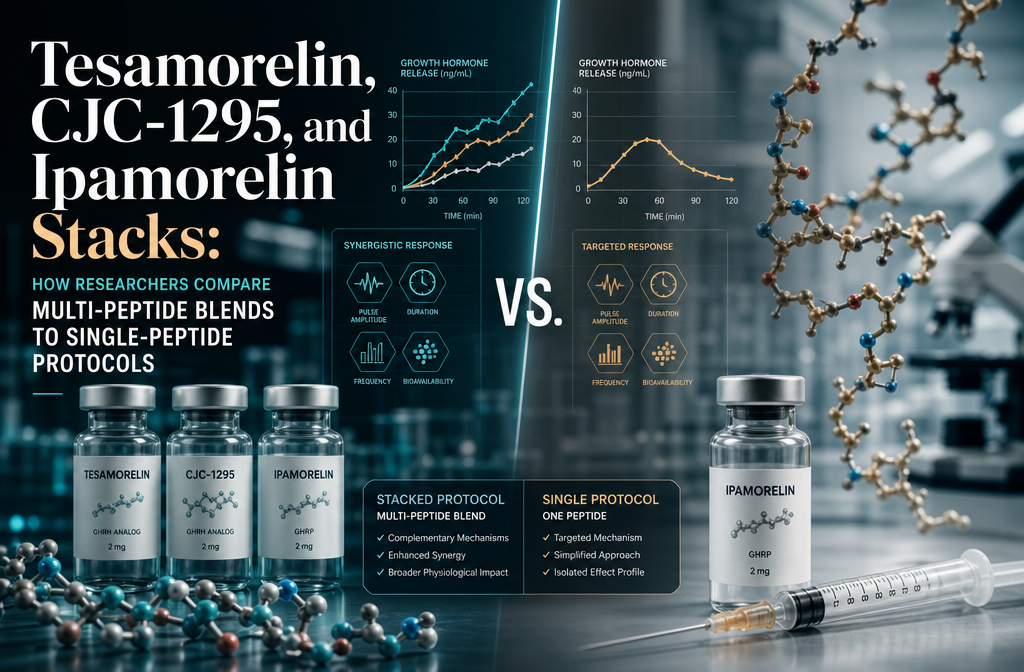
Only one peptide in the GH-secretagogue class has cleared the bar of FDA approval and multiple randomized controlled trials — and it is almost always studied alone. That single fact defines the central tension researchers face when evaluating Tesamorelin, CJC-1295, and Ipamorelin stacks: How researchers compare multi-peptide blends to single-peptide protocols reveals a sharp divide between what is clinically proven and what is mechanistically plausible.

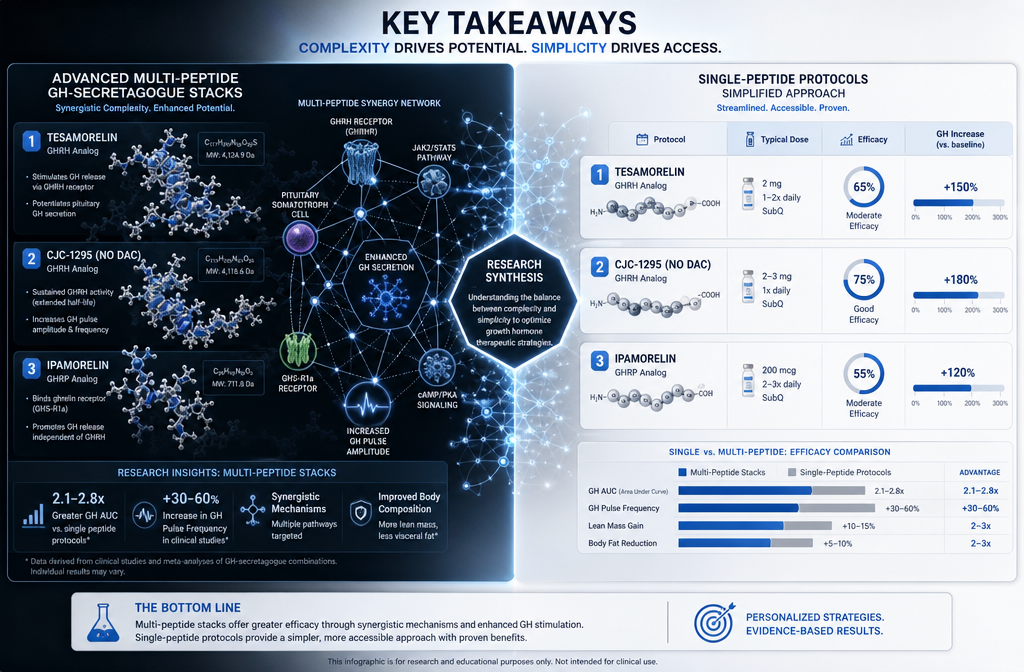
Key Takeaways section infographic: Split-screen scientific visualization comparing multi-peptide GH-secretagogue stacks

Key Takeaways

  • Tesamorelin monotherapy has robust RCT evidence showing roughly 17% visceral adipose tissue (VAT) reduction at six months; no equivalent data exist for CJC-1295 or Ipamorelin stacks.
  • CJC-1295 + Ipamorelin combinations sit in the lowest evidence tier for fat loss, classified as mechanistically plausible but clinically under-proven.
  • Triple-blend stacks typically use lower individual doses than standalone protocols, reflecting a dose-sparing research strategy.
  • Regulatory status differs sharply: tesa is FDA-approved for a specific indication; triple-peptide blends are research chemicals not approved for human use.
  • Researchers choosing between protocols should match the peptide to the research question, not assume that more peptides equal better outcomes.

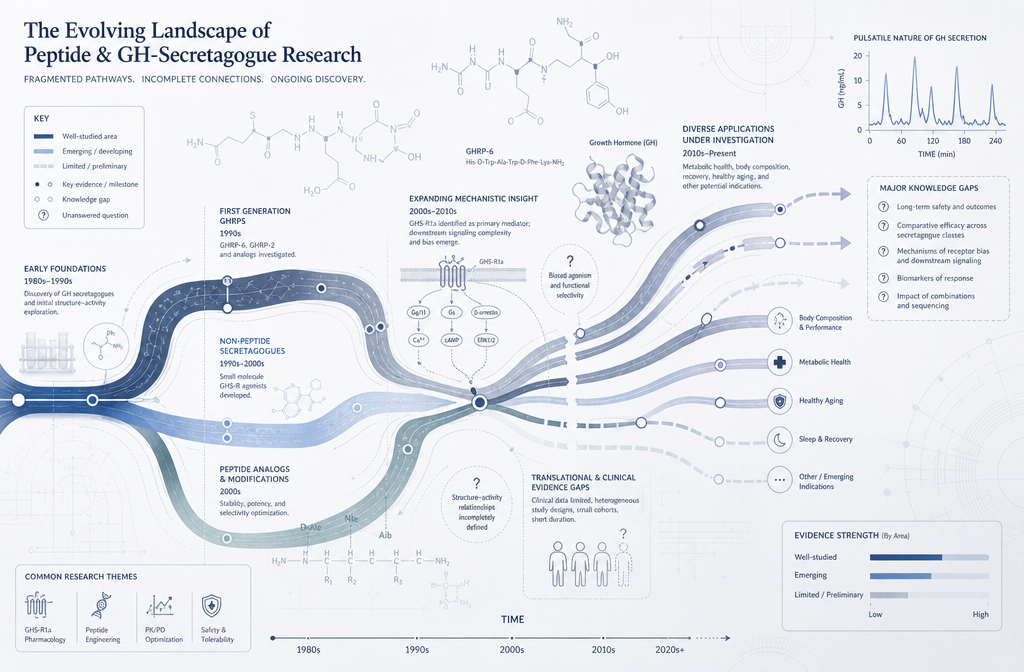
Understanding the Evidence Gap in GH-Secretagogue Research

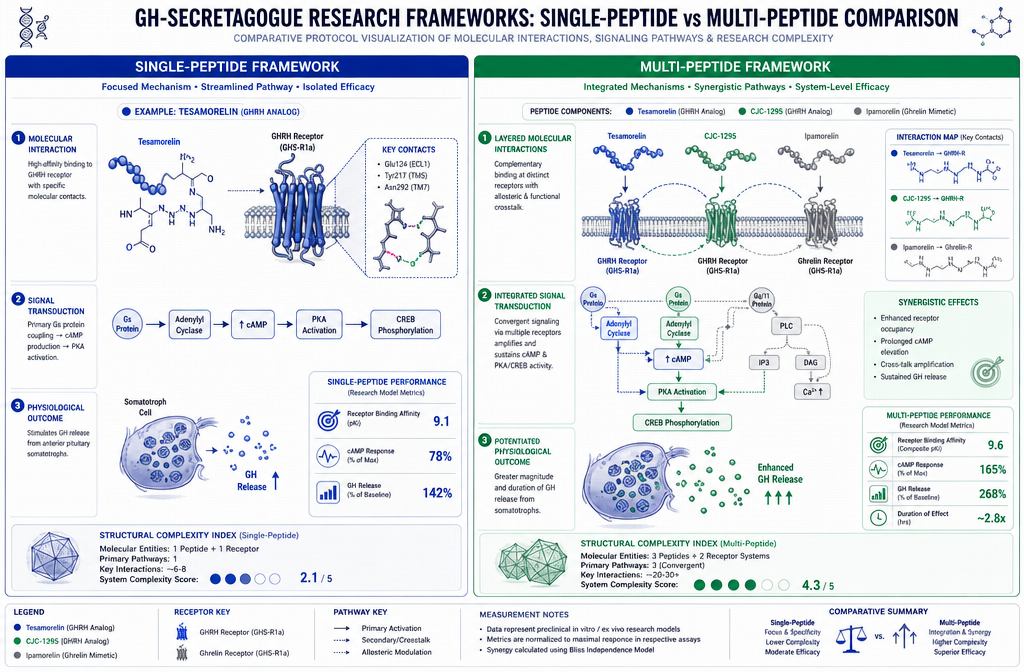
The GH axis can be stimulated through two distinct receptor pathways: GHRH receptors (targeted by tesa and CJC-1295) and ghrelin/GHS receptors (targeted by ipamorelin). On paper, combining both pathways makes sense — each amplifies GH pulse amplitude through a different mechanism, and preclinical data support synergistic GH release.

The problem is that synergistic GH release is a surrogate marker, not a clinical outcome. Tesamorelin's evidence base is built on hard endpoints. Pooled data from multiple randomized trials in patients with metabolic syndrome show approximately 17.2% VAT reduction at six months alongside meaningful improvements in HbA1c. These results come from tesa used as a monotherapy, not as part of a stack.

CJC-1295 and ipamorelin have no equivalent VAT-specific RCT data. Their reputation for supporting fat loss, lean mass, recovery, and sleep quality rests largely on:

  • Surrogate biomarkers (IGF-1 elevation, GH pulse data)
  • Small or open-label studies
  • Extrapolation from tesa's mechanism
  • Accumulated clinical experience rather than controlled outcomes

For researchers designing protocols, this distinction is not a minor detail — it determines what conclusions can legitimately be drawn from any experiment.


How Researchers Compare Multi-Peptide Blends to Single-Peptide Protocols: Regulatory and Dosing Frameworks

How Researchers Compare Multi-Peptide Blends to Single-Peptide Protocols: Regulatory and Dosing Frameworks

Regulatory status shapes research design as much as pharmacology does. Tesamorelin carries FDA approval for HIV-associated lipodystrophy, which means its dosing, monitoring parameters, and safety profile are well-characterized in published literature. Researchers using it off-label for visceral fat or metabolic endpoints have a defined framework to work within.

Triple-peptide blends — such as the tesa + CJC-1295 + ipamorelin 12mg blend — are explicitly classified as research chemicals not approved for human use. This status places them in a different methodological category. Researchers working with these compounds in preclinical or experimental models must account for the absence of standardized clinical dosing guidance.

When comparing the two approaches, a useful framework is the evidence tier system:

Protocol Type Evidence Tier Key Data Source
Tesamorelin monotherapy High Multiple RCTs, meta-analyses
CJC-1295 + Ipamorelin stack Low Surrogate markers, case series
Tesamorelin + CJC-1295 + Ipamorelin triple blend Lowest Preclinical, mechanistic only

Researchers exploring tesa vs ipamorelin as separate protocols will find that tesa is the evidence-based choice for visceral fat specifically, while ipamorelin-containing stacks are positioned more toward generalized recovery and lean-mass support — a distinction that should inform how any study is designed and how results are interpreted.


Practical Considerations When Designing Multi-Peptide GH Stack Protocols

Practical Considerations When Designing Multi-Peptide GH Stack Protocols

One consistent feature of triple-blend formulations is dose-sparing. Experimental profiles for the tesa + CJC-1295 + ipamorelin combination typically describe each component dosed below its usual standalone level — for example, tesa at 500–1,000 mcg alongside CJC-1295 and ipamorelin each at 100–200 mcg per administration. The rationale is multi-pathway stimulation without proportionally increasing total peptide load.

Researchers considering peptide blend research should weigh several practical factors:

  • Research question specificity: If the target endpoint is visceral fat reduction, single-peptide tesa protocols have validated measurement tools and outcome benchmarks. Multi-peptide blends lack these reference points.
  • Confounding variables: Stacking multiple peptides makes it harder to attribute any observed effect to a specific compound. Single-peptide protocols offer cleaner data.
  • Dose-response clarity: Established tesa dosage guidance exists in the literature; equivalent guidance for triple blends does not.
  • Purity verification: Any multi-peptide blend used in research should come with third-party testing documentation. Reviewing quality testing protocols before sourcing is a critical step.

For researchers interested in broader GH-axis research design, the GH axis product line overview provides useful context on how different secretagogues fit within a structured research framework. Those exploring adjacent peptide categories may also find value in reviewing BPC-157 core peptides documentation for comparison on how single-peptide evidence builds over time.


Conclusion

The comparison between Tesamorelin, CJC-1295, and Ipamorelin stacks and single-peptide protocols ultimately comes down to matching the tool to the task. Tesamorelin monotherapy remains the gold standard for visceral fat research, backed by rigorous clinical trial data. CJC-1295 and ipamorelin combinations offer mechanistic appeal and broader GH-axis stimulation, but researchers must work with the understanding that combination data are thin and clinical outcomes are largely unproven.

Actionable next steps for researchers in 2026:

  1. Define the primary endpoint before selecting a protocol — visceral fat reduction favors tesa alone; recovery and lean-mass models may justify a stack design.
  2. Use single-peptide runs first to establish baseline response data before introducing multi-peptide complexity.
  3. Source only third-party tested compounds and document purity for every experimental batch.
  4. Treat any triple-blend result as hypothesis-generating, not confirmatory, until controlled studies exist.

The gap between mechanistic plausibility and clinical proof is where most peptide stack research currently lives. Acknowledging that gap is the first step toward designing studies that actually close it.

https://www.puretestedpeptides.com/wp-content/uploads/2026/06/Tesamorelin-CJC‑1295-and-Ipamorelin-Stacks-How-Researchers-Compare-Multi‑Peptide-Blends-to-Single‑Peptide-Protocols.png 672 1024 Pure Tested https://www.puretestedpeptides.com/wp-content/uploads/2026/01/buy-peptides-online.jpg Pure Tested2026-06-09 13:05:282026-07-20 15:03:36Tesamorelin, CJC‑1295, and Ipamorelin Stacks: How Researchers Compare Multi‑Peptide Blends to Single‑Peptide Protocols
×

Helpful Links

  • My account
  • Cart
  • Checkout
  • Refund and Returns Policy
  • Privacy Policy
  • SMS Privacy Policy
  • Login
  • My Account
  • Logout

USA Made Lab Tested Peptides

All products are sold for research, laboratory, or analytical purposes only, and are not for human consumption


Pure Tested Peptides is a chemical supplier. Pure Tested Peptides is not a compounding / chemical compounding facility as defined under 503A of the Federal Food, Drug, and Cosmetic act. Pure Tested Peptides is not an outsourcing facility as defined under 503B of the Federal Food, Drug, and Cosmetic act.

The statements made within this website have not been evaluated by the US Food and Drug Administration. The products we offer are not intended to diagnose, treat, cure or prevent any disease.

Human/Animal Consumption Prohibited. Laboratory/In-Vitro Experimental Use Only

Scroll to top Scroll to top Scroll to top